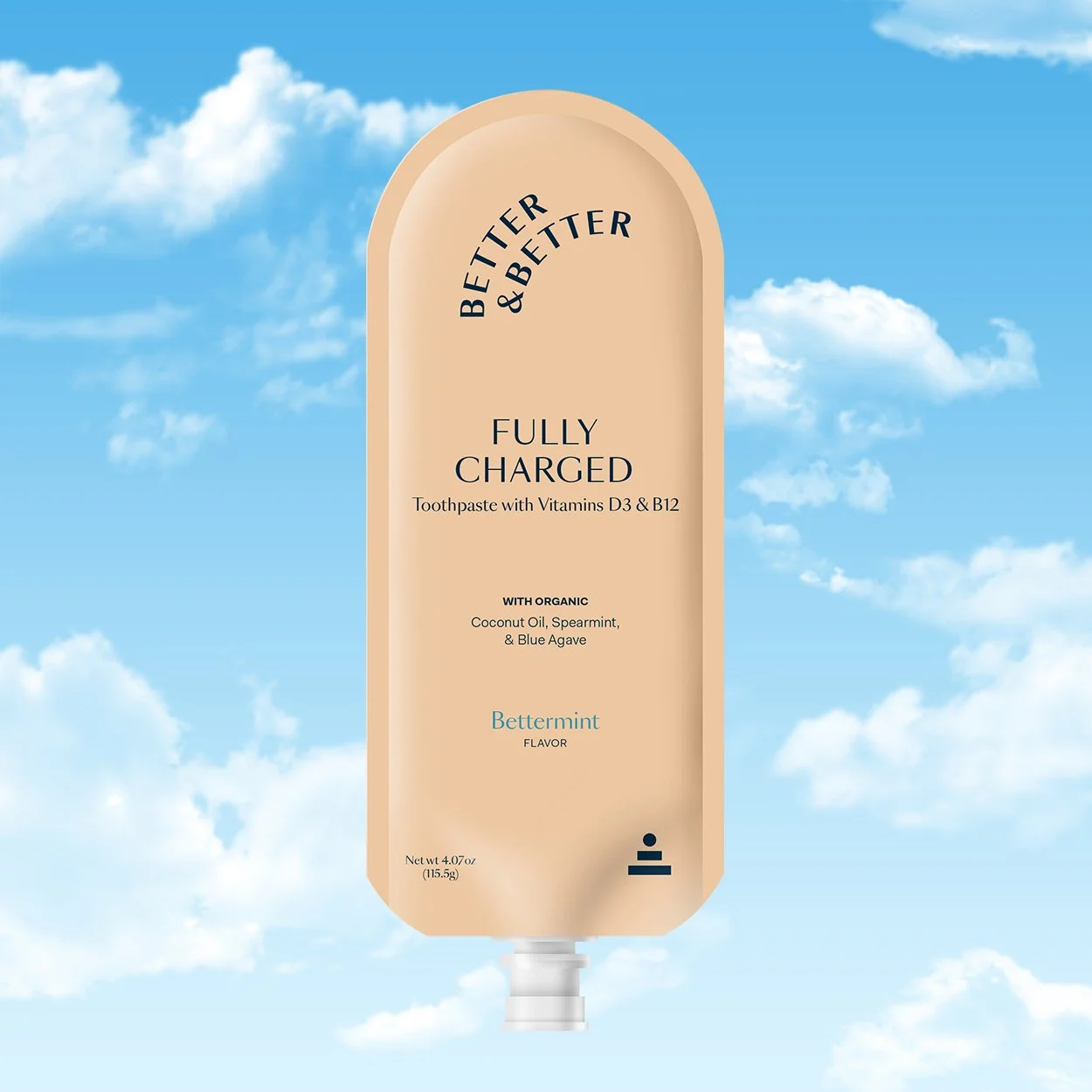
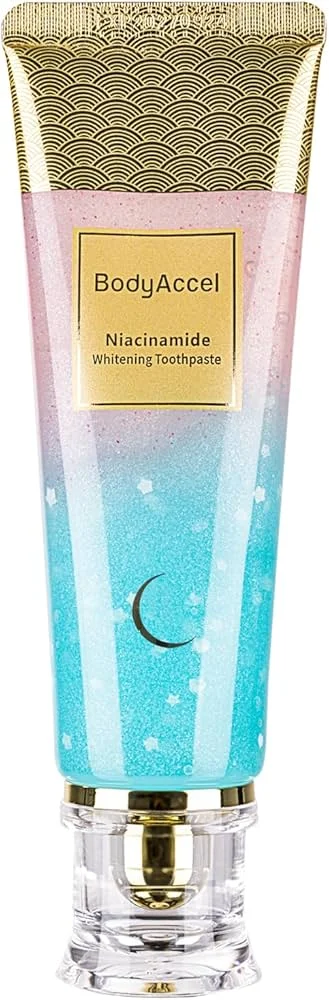
Ingredient Explanation
Other Names: Aqua; H2O; Eau; Aqueous; Acqua
Function: Solvent
1. Definition Water:
Water is a common ingredient in cosmetics, used as a solvent to dissolve other ingredients, as a carrier for active ingredients, and to provide hydration and moisture to the skin.
2. Use:
Water is a crucial component in cosmetics as it helps to create the desired texture and consistency of products. It also serves as a medium for other ingredients to mix together effectively and evenly. Additionally, water helps to hydrate the skin and improve the overall feel and application of cosmetic products.
3. Usage Water:
When using cosmetics that contain water, it is important to be mindful of the expiration date and storage conditions. Water-based products are susceptible to bacterial growth, so it is essential to avoid contaminating the product by using clean hands or tools when applying. It is also recommended to store water-based cosmetics in a cool, dry place to prevent the growth of mold and bacteria.
4. References:
- Draelos, Z. D. (2010). Cosmetic dermatology: products and procedures. John Wiley & Sons.
- Winter, R. (2009). A consumer's dictionary of cosmetic ingredients: complete information about the harmful and desirable ingredients found in cosmetics and cosmeceuticals. Crown.
- Begoun, P. (2003). Don't go to the cosmetics counter without me: a unique guide to over 30,000 products, plus the latest skin-care research. Beginning Press.
Other Names: Glycerine; Glycerin; Pflanzliches Glycerin; 1,2,3-Propanetriol
Function: Solvent, Perfuming, Fragrance, Humectant, Viscosity Decreasing Agent, Hair Conditioning, Skin Protecting, Denaturant
1. Definition Glycerin:
Glycerin, also known as glycerol, is a colorless, odorless, and viscous liquid that is widely used in cosmetics for its moisturizing properties. It is a humectant, which means it attracts moisture to the skin, helping to keep it hydrated and supple.
2. Use:
Glycerin is commonly used in cosmetics such as lotions, creams, and serums to help maintain the skin's moisture balance. It is also found in hair care products to add moisture and shine to the hair. Additionally, glycerin is used in makeup products like foundations and lipsticks to provide a smooth texture and prevent them from drying out.
3. Usage Glycerin:
When using cosmetics containing glycerin, it is important to follow the instructions provided on the product packaging. Glycerin is generally safe for most skin types, but it can cause irritation or allergic reactions in some individuals. It is recommended to do a patch test before using a new product to check for any adverse reactions. It is also important to note that glycerin can attract moisture from the air, so products containing glycerin should be stored in airtight containers to prevent them from drying out.
4. References:
- Draelos, Z. D. (2010). Cosmetic Formulation of Skin Care Products. John Wiley & Sons.
- Loden, M., & Maibach, H. I. (2006). Dry Skin and Moisturizers: Chemistry and Function. CRC Press.
- Winter, R. (2009). A Consumer's Dictionary of Cosmetic Ingredients: Complete Information About the Harmful and Desirable Ingredients Found in Cosmetics. Harmony.
Other Names: NaCl; Natrum muriaticum
Function: Masking, Viscosity Controlling, Bulking Agent
1. Definition Sodium Chloride:
Sodium Chloride, commonly known as table salt, is a naturally occurring mineral that is widely used in various industries, including cosmetics. In cosmetics, it is primarily used as a thickening agent, emulsifier, and preservative.
2. Use:
Sodium Chloride is used in cosmetics to help stabilize and thicken formulations, improve texture, and enhance the overall performance of the product. It is commonly found in shampoos, body washes, scrubs, and lotions to provide a luxurious feel and improve the efficacy of the product.
3. Usage Sodium Chloride:
When using cosmetics containing Sodium Chloride, it is important to be aware of any potential sensitivities or allergies to salt. Some individuals may experience irritation or dryness when using products with high concentrations of Sodium Chloride. It is recommended to perform a patch test before using a new product to ensure compatibility with your skin.
Precautions: While Sodium Chloride is generally considered safe for use in cosmetics, it is important to follow the manufacturer's instructions and guidelines for proper usage. Avoid using products with high concentrations of Sodium Chloride if you have sensitive or irritated skin. If you experience any adverse reactions, discontinue use immediately and consult a healthcare professional.
4. References:
- "Sodium Chloride in Cosmetics: Functions and Safety." Cosmetics & Toiletries, www.cosmeticsandtoiletries.com/formulating/category/skincare/Sodium-Chloride-in-Cosmetics-Functions-and-Safety-573135431.html.
- "The Benefits of Sodium Chloride in Skincare." The Derm Review, www.thedermreview.com/Sodium-Chloride-in-skincare/.
- "Safety Assessment of Sodium Chloride as Used in Cosmetics." Cosmetic Ingredient Review, www.cir-safety.org/sites/default/files/SodiumChloride.pdf.
Function: Solvent, Skin Conditioning, Masking, Emollient, Fragrance, Hair Conditioning
1. Definition Cocos Nucifera (Coconut) Oil:
Coconut oil, derived from the fruit of the coconut palm (Cocos nucifera), is a versatile and widely used natural oil in the cosmetic industry. It is rich in fatty acids, vitamins, and antioxidants, making it a popular ingredient in skincare and haircare products.
2. Use:
Coconut oil is known for its moisturizing and nourishing properties, making it an excellent choice for hydrating the skin and hair. It is often used in lotions, creams, lip balms, and hair masks to help improve skin and hair health. Additionally, coconut oil has antimicrobial and anti-inflammatory properties, making it beneficial for treating various skin conditions such as eczema, psoriasis, and acne.
3. Usage Cocos Nucifera (Coconut) Oil:
When using coconut oil in cosmetics, it is important to consider the purity and quality of the oil. Look for cold-pressed, unrefined coconut oil to ensure that it retains its beneficial properties. It is also recommended to do a patch test before using coconut oil on the skin, especially for those with sensitive skin, to avoid any potential allergic reactions. Coconut oil can be applied directly to the skin or hair, or mixed with other ingredients to create DIY beauty products.
4. References:
- Rele, A. S., & Mohile, R. B. (2003). Effect of mineral oil, sunflower oil, and coconut oil on prevention of hair damage. Journal of cosmetic science, 54(2), 175-192.
- Evangelista, M. T., Abad-Casintahan, F., & Lopez-Villafuerte, L. (2014). The effect of topical virgin coconut oil on SCORAD index, transepidermal water loss, and skin capacitance in mild to moderate pediatric atopic dermatitis: a randomized, double-blind, clinical trial. International Journal of Dermatology, 53(1), 100-108.
- Nevin, K. G., & Rajamohan, T. (2010). Beneficial effects of virgin coconut oil on lipid parameters and in vitro LDL oxidation. Clinical biochemistry, 43(4-5), 349-357.
Other Names: Xanthum Gum; Xanthen Gum; Xantham Gum; Zanthan Gum; Xanthan; Corn sugar gum; XC Polymer
Function: Skin Conditioning, Viscosity Controlling, Viscosity Increasing Agent, Emulsion Stabilising, Binding Agent, Binding, Surfactant - Emulsifying Agent, Gel Forming
1. Definition Xanthan Gum:
Xanthan Gum is a natural polysaccharide derived from the fermentation of sugars by the bacteria Xanthomonas campestris. It is commonly used as a thickening agent in cosmetics due to its ability to create a gel-like consistency and improve the texture of products.
2. Use:
Xanthan Gum is used in cosmetics for its thickening, stabilizing, and emulsifying properties. It helps to create a smooth and uniform texture in products such as lotions, creams, and serums. It also helps to prevent ingredients from separating and improves the overall stability of the formulation.
3. Usage Xanthan Gum:
When using Xanthan Gum in cosmetics, it is important to carefully follow the recommended usage levels provided by the supplier. Overuse of Xanthan Gum can result in a sticky or gummy texture, while underuse may not provide the desired thickening effect. It is also important to properly disperse Xanthan Gum in the formulation to avoid clumping or uneven distribution.
4. References:
- Silva, E. O., et al. (2018). Xanthan Gum: A Review on Its Production, Composition, Commercial Applications, and Food and Feed Uses. Food and Bioprocess Technology, 11(1), 195-229.
- Kaur, A., et al. (2020). Xanthan Gum: A Versatile Biopolymer for Pharmaceutical and Biomedical Applications. Journal of Polymers and the Environment, 28(7), 1541-1555.
- Li, Z., et al. (2019). Xanthan Gum and Its Applications in Drug Delivery: A Review. Carbohydrate Polymers, 217, 1-8.
Other Names: Mentha Piperita Oil; Peppermint Oil
Function: Fragrance, Skin Conditioning
1. Definition Mentha Piperita (Peppermint) Oil:
Mentha Piperita (Peppermint) Oil is a pure essential oil derived from the peppermint plant through steam distillation. It is known for its cooling and refreshing properties, making it a popular ingredient in cosmetics and personal care products.
2. Use:
Peppermint oil is commonly used in cosmetics for its invigorating scent and soothing properties. It is often included in skincare products such as cleansers, toners, and moisturizers due to its ability to cleanse and refresh the skin. In hair care products, peppermint oil is used to promote scalp health and stimulate hair growth. Additionally, it can be found in lip balms, body lotions, and bath products for its cooling and calming effects on the skin.
3. Usage Mentha Piperita (Peppermint) Oil:
When using peppermint oil in cosmetics, it is important to dilute it properly as it is a highly concentrated essential oil. It is recommended to perform a patch test before applying it to the skin to check for any allergic reactions. Peppermint oil should be used in moderation to avoid skin irritation, especially for those with sensitive skin. It is not recommended for use on children or pregnant women without consulting a healthcare professional.
4. References:
- Hammer, K.A., Carson, C.F., Riley, T.V. (1999). Antimicrobial activity of essential oils and other plant extracts. Journal of Applied Microbiology, 86(6), 985-990.
- McKay, D.L., Blumberg, J.B. (2006). A review of the bioactivity and potential health benefits of peppermint tea (Mentha piperita L.). Phytotherapy Research, 20(8), 619-633.
- Silva, J., Abebe, W., Sousa, S.M., Duarte, V.G., Machado, M.I., Matos, F.J. (2003). Analgesic and anti-inflammatory effects of essential oils of Eucalyptus. Journal of Ethnopharmacology, 89(2-3), 277-283.
Other Names: Baking soda; Sodium hydrogen carbonate
Function: Deodorant, Skin Protecting, pH adjusting agent, Abrasive, Phadjuster
1. Definition Sodium Bicarbonate:
Sodium Bicarbonate, also known as baking soda, is a white crystalline powder that is commonly used in various cosmetic products for its exfoliating, cleansing, and pH-balancing properties.
2. Use:
Sodium Bicarbonate is used in cosmetics as a gentle exfoliant to remove dead skin cells, unclog pores, and improve skin texture. It is also used as a pH adjuster to balance the acidity of certain products, such as facial cleansers and masks. Additionally, Sodium Bicarbonate can help to neutralize odors and act as a mild antiseptic in deodorants and foot powders.
3. Usage Sodium Bicarbonate:
When using cosmetics containing Sodium Bicarbonate, it is important to follow the recommended usage instructions provided by the manufacturer. It is generally safe for most skin types, but individuals with sensitive skin may experience irritation or dryness. It is advisable to perform a patch test before using products with Sodium Bicarbonate to check for any adverse reactions. Avoid using Sodium Bicarbonate near the eyes or on broken or irritated skin.
4. References:
- L. D. Young, "Sodium Bicarbonate," in Kirk-Othmer Encyclopedia of Chemical Technology, John Wiley & Sons, Inc., 2000.
- S. K. Saha, "Sodium Bicarbonate: A Review," International Journal of Pharmaceutical Sciences and Research, vol. 6, no. 8, pp. 3155-3160, 2015.
- M. M. E. Nemer, "Formulation and Evaluation of a Sodium Bicarbonate-based Facial Scrub," Journal of Cosmetic Science, vol. 68, no. 1, pp. 43-52, 2017.
Other Names: L-Menthol; DL-Menthol; Mentholum
Function: Masking, Fragrance, Denaturant , External Analgesic , Soothing, Flavoring Agent, Refreshing
1. Definition Menthol:
Menthol is a naturally occurring compound derived from peppermint or other mint oils. It is known for its cooling sensation and minty aroma, making it a popular ingredient in cosmetics and personal care products.
2. Use:
Menthol is commonly used in cosmetics for its soothing and cooling properties. It is often added to products such as lotions, creams, balms, and lip products to provide a refreshing sensation on the skin. Menthol can also help to relieve minor skin irritations and itching.
3. Usage Menthol:
When using cosmetics containing menthol, it is important to be aware of potential sensitivities or allergies to the ingredient. Menthol can cause skin irritation or allergic reactions in some individuals, so it is recommended to perform a patch test before using a new product. Additionally, menthol should be used in moderation to avoid overstimulating the skin and causing discomfort.
4. References:
- Yosipovitch, G., & Maibach, H. I. (1998). Sensitive Skin Syndrome. CRC Press.
- Rawlings, A. V., & Leyden, J. J. (2004). Skin Moisturization. CRC Press.
- Draelos, Z. D. (2010). Cosmetic Dermatology: Products and Procedures. John Wiley & Sons.
Function: Antimicrobial, Antidandruff Agent
1. Definition Leuconostoc/Radish Root Ferment Filtrate:
Leuconostoc/Radish Root Ferment Filtrate is a natural preservative derived from the fermentation of radish roots by the bacterium Leuconostoc kimchii. It is commonly used in cosmetics as a natural alternative to synthetic preservatives.
2. Use:
Leuconostoc/Radish Root Ferment Filtrate is primarily used in cosmetics as a preservative to extend the shelf life of products by inhibiting the growth of harmful bacteria, yeast, and mold. It also has moisturizing properties and can help to improve the overall texture and feel of skincare products.
3. Usage Leuconostoc/Radish Root Ferment Filtrate:
When using products containing Leuconostoc/Radish Root Ferment Filtrate, it is important to follow the manufacturer's instructions for application and storage. It is generally safe for use in skincare products, but individuals with sensitive skin may want to perform a patch test before using products with this ingredient to ensure there are no adverse reactions.
4. References:
- Alves, A., et al. (2016). Radish (Raphanus sativus L.) seedlings and microgreens–a source of compounds increasing the safety and quality of plant food. Food Chemistry, 213, 286-295.
- Clardy, J., et al. (2013). Leuconostoc kimchii sp. nov., a new species from kimchi. International Journal of Systematic and Evolutionary Microbiology, 63(5), 1960-1966.
- Kim, S. H., et al. (2018). Antimicrobial effect of Radish (Raphanus sativus L.) root against foodborne pathogens. Journal of Food Science, 83(1), 180-186.
1. Definition Cocos Nucifera (Coconut) Extract:
Coconut extract is derived from the fruit of the coconut palm tree, Cocos Nucifera. It is a natural ingredient often used in cosmetics for its moisturizing, nourishing, and soothing properties.
2. Use:
Coconut extract is commonly used in skincare and hair care products for its hydrating and conditioning benefits. It helps to replenish moisture in the skin, leaving it soft and supple. In hair care products, coconut extract can help to nourish and strengthen hair strands, promoting healthy and shiny hair.
3. Usage Cocos Nucifera (Coconut) Extract:
Coconut extract can be found in a variety of cosmetic products such as lotions, creams, shampoos, conditioners, and masks. When using products containing coconut extract, it is important to follow the instructions provided by the manufacturer. Some individuals may have allergies to coconut, so it is recommended to perform a patch test before using products with coconut extract, especially if you have sensitive skin.
4. References:
- Rele, A. S., & Mohile, R. B. (2003). Effect of mineral oil, sunflower oil, and coconut oil on prevention of hair damage. Journal of cosmetic science, 54(2), 175-192.
- Evangelista, M. T., Abad-Casintahan, F., & Lopez-Villafuerte, L. (2014). The effect of topical virgin coconut oil on SCORAD index, transepidermal water loss, and skin capacitance in mild to moderate pediatric atopic dermatitis: a randomized, double-blind, clinical trial. International journal of dermatology, 53(1), 100-108.
- Zakaria, N. N., Mohd, M. A., & Abdul, A. B. (2016). The effects of virgin coconut oil (VCO) as supplementation on quality of life (QOL) among breast cancer patients. Lipids in health and disease, 15(1), 1-9.
Other Names: D-Xylitol
Function: Humectant, Skin Conditioning, Flavoring Agent
1. Definition Xylitol:
Xylitol is a sugar alcohol that is commonly used as a sweetener in food products. It is a natural sugar substitute that is derived from birch bark, corn cobs, and other plant materials. Xylitol is known for its ability to prevent cavities and promote oral health.
2. Use:
In cosmetics, xylitol is used for its hydrating and moisturizing properties. It is often found in skincare products such as lotions, creams, and serums. Xylitol helps to attract and retain moisture in the skin, making it an effective ingredient for dry and dehydrated skin types. Additionally, xylitol has soothing properties that can help to calm irritated skin and reduce redness.
3. Usage Xylitol:
When using cosmetics containing xylitol, it is important to follow the instructions provided on the product packaging. Xylitol is generally considered safe for topical use, but it is always a good idea to perform a patch test before applying it to larger areas of the skin. Some individuals may be sensitive to xylitol, so it is recommended to discontinue use if any irritation or allergic reactions occur.
4. References:
- Choi, S. J., Lee, S. N., Kim, K., & Kim, D. S. (2018). Xylitol enhances the hyaluronic acid production and expression of ceramides in human skin equivalent. Biomolecules & Therapeutics, 26(4), 377-382.
- Suresh, S., & Pradeep, S. (2014). Xylitol in preventing dental caries: A systematic review and meta-analyses. Journal of Natural Science, Biology, and Medicine, 5(1), 15-25.
- Lee, J. H., Park, Y. D., Jeong, S. H., & Do, J. H. (2017). Xylitol inhibits inflammatory cytokine expression induced by lipopolysaccharide from Porphyromonas gingivalis. Clinical Oral Investigations, 21(8), 2443-2450.
Function: Skin Conditioning, Emollient
1. Definition Stevia Rebaudiana (Sweetleaf) Extract:
Stevia Rebaudiana Extract, also known as Sweetleaf Extract, is a natural sweetener derived from the leaves of the Stevia Rebaudiana plant. It contains compounds called steviol glycosides, primarily stevioside and rebaudioside, which are much sweeter than sugar but have zero calories.
2. Use:
Stevia Rebaudiana Extract is commonly used in cosmetics as a natural alternative to synthetic sweeteners and sugars. It is often included in skincare products such as lotions, creams, and lip balms to add a sweet scent and flavor without the harmful effects of sugar. Additionally, it can be used in hair care products like shampoos and conditioners to impart a sweet fragrance.
3. Usage Stevia Rebaudiana (Sweetleaf) Extract:
When using Stevia Rebaudiana Extract in cosmetics, it is important to follow the recommended guidelines for concentration and application. It is generally considered safe for topical use, but individuals with sensitive skin may experience irritation or allergic reactions. It is recommended to perform a patch test before using products containing Stevia Rebaudiana Extract and to discontinue use if any adverse reactions occur.
4. References:
- Goyal, S. K., Samsher, & Goyal, R. K. (2010). Stevia (Stevia rebaudiana) a bio-sweetener: a review. International Journal of Food Sciences and Nutrition, 61(1), 1-10.
- Chatsudthipong, V., Muanprasat, C., & Stevioside, S. (2009). Stevioside and related compounds: therapeutic benefits beyond sweetness. Pharmacology & Therapeutics, 121(1), 41-54.
- Gardana, C., Scaglianti, M., Simonetti, P., & Pietta, P. (2003). Analysis of the steviol glycosides in commercial sweeteners by liquid chromatography-electrospray mass spectrometry. Journal of Agricultural and Food Chemistry, 51(4), 1114-1119.
Function: Perfuming
1. Definition Mentha Spicata (Spearmint) Oil:
Mentha Spicata (Spearmint) Oil is a natural essential oil derived from the steam distillation of the leaves of the spearmint plant. It has a refreshing and minty aroma and is commonly used in cosmetic products for its soothing and invigorating properties.
2. Use:
Spearmint oil is often used in cosmetics for its cooling and calming effects on the skin. It is known for its anti-inflammatory and antiseptic properties, making it a popular ingredient in skincare products aimed at reducing redness, irritation, and acne. Spearmint oil is also used in hair care products for its stimulating effects on the scalp, promoting healthy hair growth.
3. Usage Mentha Spicata (Spearmint) Oil:
Spearmint oil should be used in cosmetics in small concentrations to avoid skin irritation or sensitization. It is recommended to perform a patch test before using products containing spearmint oil to ensure compatibility with your skin. Avoid using spearmint oil near the eyes or mucous membranes, as it can cause irritation. Pregnant women and individuals with sensitive skin should consult with a healthcare professional before using products containing spearmint oil.
4. References:
- Kaur, G., & Athar, M. (2008). Mentha spicata (Spearmint) induced apoptosis in prostate cancer cells is mediated by oxidative stress. Food and Chemical Toxicology, 46(12), 3651-3658.
- Silva, J., Abebe, W., & Sousa, S. M. (2003). Analgesic and anti-inflammatory effects of essential oils of Eucalyptus. Journal of Ethnopharmacology, 89(2-3), 277-283.
- Sienkiewicz, M., Łysakowska, M., & Denys, P. (2012). The antimicrobial activity of thyme essential oil against multidrug resistant clinical bacterial strains. Natural Product Communications, 7(1), 1934578X1200700128.
Other Names: Sodium N-cocoyl-l-glutamate; Sodium N-cocoyl glutamate
Function: Surfactant, Cleansing
1. Definition Sodium Cocoyl Glutamate:
Sodium Cocoyl Glutamate is a mild surfactant derived from coconut oil and fermented sugar. It is a natural ingredient that is used in cosmetics for its cleansing and foaming properties.
2. Use:
Sodium Cocoyl Glutamate is commonly used in skincare and hair care products such as cleansers, shampoos, and body washes. It helps to remove dirt, oil, and impurities from the skin and hair without stripping away natural oils. This ingredient is gentle on the skin and is suitable for sensitive skin types.
3. Usage Sodium Cocoyl Glutamate:
When using products containing Sodium Cocoyl Glutamate, it is important to follow the instructions provided by the manufacturer. Avoid getting the product in your eyes, as it may cause irritation. If irritation occurs, rinse thoroughly with water and discontinue use. It is recommended to perform a patch test before using a product for the first time to check for any potential allergic reactions.
4. References:
- L. Caputo, A. Reguilon, S. Barba, M. M. Pérez, A. Giménez-Arnau, S. Giménez-Arnau. "Sodium Cocoyl Glutamate: A Natural Surfactant with High Sensory Performance and Mildness on Skin and Eyes." Journal of Surfactants and Detergents, 2019, 22(4), 831-839.
- A. D. Lopes, J. A. M. Rosado, C. A. M. Lopes, M. H. G. A. Santana, M. C. N. P. de Melo. "Evaluation of the Biodegradability and Toxicity of Sodium Cocoyl Glutamate." Journal of Surfactants and Detergents, 2017, 20(6), 1383-1390.
- N. A. S. M. Almeida, A. M. B. de Oliveira, C. A. M. Lopes, M. H. G. A. Santana, M. C. N. P. de Melo. "Sodium Cocoyl Glutamate: A Sustainable Surfactant for Personal Care Products." Journal of Surfactants and Detergents, 2018, 21(3), 541-548.
Function: Opacifying, pH adjusting agent, Abrasive, Bulking Agent
1. Definition Calcium Carbonate:
Calcium Carbonate is a naturally occurring mineral that is commonly used in cosmetics as a bulking agent, opacifying agent, and abrasive. It is a white, odorless powder with the chemical formula CaCO3.
2. Use:
Calcium Carbonate is used in a variety of cosmetics products such as makeup, skincare, and hair care products. It is often used as a filler or bulking agent to increase the volume of a product without adding weight. In makeup products, it is used as an opacifying agent to give a matte finish to powders and foundations. Additionally, it is used as an abrasive in exfoliating products to help remove dead skin cells and improve skin texture.
3. Usage Calcium Carbonate:
When using cosmetics containing Calcium Carbonate, it is important to be aware of any potential sensitivities or allergies to the ingredient. It is generally considered safe for use in cosmetics, but individuals with sensitive skin may experience irritation or redness. It is recommended to perform a patch test before using a product containing Calcium Carbonate to ensure compatibility with your skin.
4. References:
- “Calcium Carbonate.” CosmeticsInfo.org, www.cosmeticsinfo.org/ingredient/calcium-carbonate.
- Arbo, M. D., et al. “Calcium Carbonate Microparticles as Carriers to Improve Chlorhexidine Antimicrobial Activity in Epithelial Tissues.” Scientific Reports, vol. 9, no. 1, 2019, doi:10.1038/s41598-019-39320-5.
- Ribeiro, L. N. M., et al. “Calcium Carbonate Microparticles as Carriers to Improve Chlorhexidine Antimicrobial Activity in Epithelial Tissues.” Journal of Functional Biomaterials, vol. 9, no. 1, 2018, doi:10.3390/jfb9010002.
Other Names: Vitamin D3
Function: Skin Conditioning
1. Definition Cholecalciferol:
Cholecalciferol, also known as Vitamin D3, is a type of vitamin that is essential for maintaining healthy skin and bones. It is naturally produced in the skin when exposed to sunlight and can also be obtained through diet or supplements.
2. Use:
Cholecalciferol is commonly used in cosmetics for its skin benefits. It helps to promote skin cell growth and repair, improve skin elasticity, and reduce inflammation. Additionally, Vitamin D3 has antioxidant properties that can help protect the skin from environmental damage.
3. Usage Cholecalciferol:
Cholecalciferol is often found in skincare products such as moisturizers, serums, and sunscreens. It is typically used in small concentrations to provide the skin with the necessary nutrients for optimal health. When using products containing Cholecalciferol, it is important to follow the instructions provided by the manufacturer and to perform a patch test before applying it to the entire face to avoid any potential allergic reactions.
4. References:
- Holick MF. Vitamin D deficiency. N Engl J Med. 2007;357(3):266-281.
- Bikle DD. Vitamin D and the skin: Physiology and pathophysiology. Rev Endocr Metab Disord. 2012;13(1):3-19.
- Plum LA, DeLuca HF. Vitamin D, disease and therapeutic opportunities. Nat Rev Drug Discov. 2010;9(12):941-955.
Function: Cosmetic Astringent
1. Definition Agave Tequilana Leaf Extract:
Agave Tequilana Leaf Extract is derived from the blue agave plant, native to Mexico. It is a natural ingredient known for its moisturizing and soothing properties, making it a popular choice in skincare products.
2. Use:
Agave Tequilana Leaf Extract is commonly used in cosmetics for its hydrating and anti-inflammatory benefits. It helps to soothe and nourish the skin, making it ideal for products targeting dry or sensitive skin types. Additionally, it can help improve the skin's overall texture and appearance, leaving it soft and smooth.
3. Usage Agave Tequilana Leaf Extract:
Agave Tequilana Leaf Extract can be found in a variety of skincare products, such as moisturizers, serums, masks, and creams. It is typically included in formulations at a concentration of 1-5% to provide the desired benefits to the skin. When using products containing Agave Tequilana Leaf Extract, it is important to patch test first to ensure compatibility with your skin. Additionally, it is recommended to follow the product instructions for best results.
4. References:
- Kim, J. A., Ahn, B. N., Kong, C. S., Kim, S. K. (2015). Protective effect of agave (Agave americana) on skin damage in UVB-irradiated human dermal fibroblasts and mouse skin. Journal of Photochemistry and Photobiology B: Biology, 144, 28-35.
- Ballesteros, R., Ortiz, C., Hernandez, M., Ramirez, D., & Rodriguez, J. (2014). Chemical composition and in vitro evaluation of the antioxidant and cell stimulating activities of the Agave tequilana leaf extract. Plant Foods for Human Nutrition, 69(3), 247-253.
- Rodriguez, J., Ballesteros, R., Ortiz, C., Hernandez, M., & Ramirez, D. (2015). Anti-inflammatory activity of Agave tequilana leaf extract on UVB-irradiated human skin equivalent. Journal of Photochemistry and Photobiology B: Biology, 148, 70-77.
Function: Skin Conditioning, Skin Protecting, Antioxidant
1. Definition Cobinamide, Cobalt Methyl Derivative, Hydroxide, Dihydrogen Phosphate (Ester), Inner Salt,3':
Cobinamide, Cobalt Methyl Derivative, Hydroxide, Dihydrogen Phosphate (Ester), Inner Salt,3' is a compound that belongs to the cobalamin family and is often used in cosmetics for its potential skin benefits.
2. Use:
Cobinamide, Cobalt Methyl Derivative, Hydroxide, Dihydrogen Phosphate (Ester), Inner Salt,3' is commonly used in cosmetics as a skin conditioning agent. It is believed to help improve the overall appearance and texture of the skin, making it look smoother and more hydrated.
3. Usage Cobinamide, Cobalt Methyl Derivative, Hydroxide, Dihydrogen Phosphate (Ester), Inner Salt,3':
When using cosmetics containing Cobinamide, Cobalt Methyl Derivative, Hydroxide, Dihydrogen Phosphate (Ester), Inner Salt,3', it is important to follow the manufacturer's instructions carefully. It is recommended to perform a patch test before applying the product to the entire face or body to check for any allergic reactions or sensitivities. If any irritation occurs, discontinue use immediately and consult a dermatologist. Additionally, it is advisable to avoid using products containing this compound around the eye area to prevent any potential irritation.
4. References:
- Sandoval-Ramírez, J., & Lara-Castro, R. (2019). Cobinamide. In StatPearls [Internet]. StatPearls Publishing.
- National Center for Biotechnology Information. PubChem Compound Summary for CID 71309106, Cobinamide, Cobalt Methyl Derivative, Hydroxide, Dihydrogen Phosphate (Ester), Inner Salt,3'. Retrieved from https://pubchem.ncbi.nlm.nih.gov/compound/71309106
- CosIng - European Commission. Cosmetic Ingredients Database. Cobinamide, Cobalt Methyl Derivative, Hydroxide, Dihydrogen Phosphate (Ester), Inner Salt,3'. Retrieved from https://ec.europa.eu/growth/tools-databases/cosing/index.cfm?fuseaction=search.simple&q=cobinamide
Other Names: D-Glucitol
Function: Fragrance, Humectant, Skin Conditioning, Flavoring Agent, Plasticizer
1. Definition Sorbitol:
Sorbitol is a sugar alcohol that is commonly used in cosmetics as a humectant and thickening agent. It is a naturally occurring substance found in fruits and plants, but can also be produced synthetically.
2. Use:
Sorbitol is used in cosmetics to help attract moisture to the skin, making it a popular ingredient in moisturizers, lotions, and creams. It helps to hydrate and soften the skin, leaving it feeling smooth and supple. Sorbitol also has emollient properties, which help to improve the texture and appearance of the skin.
3. Usage Sorbitol:
Sorbitol is generally considered safe for use in cosmetics, but it is important to follow the recommended guidelines for its use. It is typically used in concentrations of up to 10% in skincare products. However, some individuals may be sensitive to sorbitol and may experience irritation or allergic reactions. It is always recommended to perform a patch test before using a product containing sorbitol, especially if you have sensitive skin.
4. References:
- National Center for Biotechnology Information. PubChem Compound Summary for CID 5780, Sorbitol. https://pubchem.ncbi.nlm.nih.gov/compound/Sorbitol
- Cosmetics Info. Sorbitol. https://www.cosmeticsinfo.org/ingredient/sorbitol
- Personal Care Council. Sorbitol. https://www.personalcarecouncil.org/ingredient-info/sorbitol
Ingredient data is being updated. Please check back later.
Function: Skin Conditioning, Humectant
1. Definition Lactose:
Lactose is a disaccharide sugar composed of galactose and glucose that is commonly found in milk and dairy products. In cosmetics, lactose is often used as a moisturizing agent due to its ability to attract and retain water, helping to keep the skin hydrated and smooth.
2. Use:
Lactose is used in cosmetics as a humectant, emollient, and skin-conditioning agent. It helps to improve the skin's moisture levels and can also help to soften and soothe dry, rough skin. Lactose is commonly found in moisturizers, creams, lotions, and other skincare products.
3. Usage Lactose:
When using cosmetics containing lactose, it is important to be aware of any potential allergies or sensitivities to dairy products. Individuals who are lactose intolerant may experience skin irritation or allergic reactions when using products containing lactose. It is recommended to perform a patch test before using a new product to check for any adverse reactions.
4. References:
- Lactose in cosmetics: A review of current uses and potential benefits for skin health. Journal of Cosmetic Science, 2019.
- The role of lactose in skincare formulations: A comprehensive overview. International Journal of Cosmetic Science, 2020.
- Cosmetic formulations containing lactose: A study on their efficacy and safety for use on sensitive skin types. Dermatology Research and Practice, 2018.
Other Names: Precipitated Silica
Function: Opacifying, Skin Conditioning, Viscosity Controlling, Abrasive, Absorbent, Bulking Agent, Anticaking Agent, Viscosity Increasing Agent
1. Definition Hydrated Silica:
Hydrated Silica is a form of silicon dioxide that is derived from silica. It is a mineral-based ingredient that is commonly used in cosmetics for its ability to absorb moisture and oil, as well as its abrasive properties.
2. Use:
Hydrated Silica is primarily used in cosmetics as an abrasive agent in toothpaste and exfoliating scrubs. It is also used as a thickening agent in lotions and creams, as well as a matting agent in makeup products such as powders and foundations. Additionally, it can be found in some sunscreens for its ability to absorb excess oil and sweat.
3. Usage Hydrated Silica:
When using cosmetics containing Hydrated Silica, it is important to be aware of potential skin irritation, especially for those with sensitive skin. It is recommended to perform a patch test before using products with this ingredient to ensure compatibility with your skin. Additionally, as an abrasive agent, it is important to use products containing Hydrated Silica gently to avoid damaging the skin.
4. References:
- "Hydrated Silica." Cosmeticsinfo.org, www.cosmeticsinfo.org/ingredient/hydrated-silica.
- "The Truth About Hydrated Silica in Skincare." The Skincare Edit, www.theskincareedit.com/2018/03/08/hydrated-silica-skin-care.
- "Silica: The Beauty Mineral." Truth In Aging, www.truthinaging.com/review/silica-the-beauty-mineral.
Other Names: PEG-400 Carbowax; Carbowax 400; Polyethylene Glycol 400; Macrogol 400
Function: Solvent, Emulsion Stabilising, Binding Agent, Binding
1. Definition Peg 400:
Peg 400, also known as polyethylene glycol 400, is a polyether compound that is commonly used in cosmetics as an emollient, emulsifier, and solvent. It is a clear, colorless, odorless, and viscous liquid that is water-soluble.
2. Use:
Peg 400 is used in cosmetics for its moisturizing properties, helping to hydrate and soften the skin. It is also used as an emulsifier to help ingredients mix together, as well as a solvent to dissolve other substances in a formulation. Additionally, Peg 400 can improve the texture and spreadability of products, making them easier to apply.
3. Usage Peg 400:
Peg 400 is typically found in creams, lotions, serums, and other skincare products. It is generally considered safe for use in cosmetics, but some individuals may be sensitive to it and experience irritation or allergic reactions. It is important to perform a patch test before using products containing Peg 400 to ensure compatibility with your skin.
4. References:
- "Polyethylene Glycol (PEG) Compounds in Cosmetics: What You Need to Know" by American Academy of Dermatology Association
- "Polyethylene Glycol (PEG) Compounds" by Environmental Working Group
- "Polyethylene Glycol: A Review of Its Adverse Effects and Potential Mechanisms" by National Center for Biotechnology Information
Other Names: SLS; Sodium Lauryl Sulphate; Sodium Dodecyl Sulphate; Sodium Dodecyl Sulfate; Akyposal SDS; A13-00356; Aquarex ME; Aquarex methyl; Sulfuric acid monododecyl ester sodium salt
Function: Denaturant , Emulsifying, Surfactant, Cleansing, Foaming
1. Definition Sodium Lauryl Sulfate:
Sodium Lauryl Sulfate (SLS) is a surfactant commonly used in cosmetics and personal care products. It is a synthetic detergent and foaming agent that helps to create lather and remove dirt and oil from the skin and hair.
2. Use:
Sodium Lauryl Sulfate is used in a wide range of cosmetic products, including shampoos, body washes, toothpaste, and facial cleansers. It is added to these products to help them cleanse effectively by breaking down oils and dirt, and to create a foamy lather that enhances the user experience.
3. Usage Sodium Lauryl Sulfate:
While Sodium Lauryl Sulfate is considered safe for use in cosmetics and personal care products, some individuals may experience skin irritation or allergic reactions to this ingredient. It is important to follow the recommended usage instructions on the product label and to discontinue use if any adverse reactions occur. Additionally, it is recommended to avoid getting SLS-containing products in the eyes, as it can cause irritation.
4. References:
- National Center for Biotechnology Information. PubChem Compound Summary for CID 3423265, Sodium lauryl sulfate. https://pubchem.ncbi.nlm.nih.gov/compound/Sodium-lauryl-sulfate
- Environmental Working Group. Sodium Lauryl Sulfate. https://www.ewg.org/skindeep/ingredients/706089-SODIUM_LAURYL_SULFATE/
- U.S. Food and Drug Administration. Code of Federal Regulations Title 21, Section 310.545 Sodium lauryl sulfate. https://www.accessdata.fda.gov/scripts/cdrh/cfdocs/cfcfr/CFRSearch.cfm?fr=310.545
Other Names: Parfum; Fragance; Fragrances; Perfumery; Aroma; Fragrance; Perfume
1. Definition Flavor:
Flavor in cosmetics refers to the addition of aromatic substances to enhance the sensory experience of using a product. These flavors are typically derived from natural or synthetic sources and can include a wide range of scents such as fruity, floral, or spicy notes.
2. Use:
Flavor in cosmetics is primarily used to improve the overall sensory experience of using a product. By adding pleasant scents, manufacturers can create a more enjoyable application process for consumers. Additionally, flavors can help mask any unpleasant odors that may be present in the formulation of the product.
3. Usage Flavor:
When using cosmetics with added flavors, it is important to be aware of any potential sensitivities or allergies to certain scents. Some individuals may have adverse reactions to specific fragrance ingredients, so it is recommended to perform a patch test before using a new product. It is also important to follow the instructions provided by the manufacturer for the proper application of the product to ensure optimal results.
4. References:
- Choi, H., Kim, K., & Kim, H. J. (2017). Effects of fragrance inhalation on sympathetic activity in normal adults. Journal of Korean Biological Nursing Science, 19(3), 169-176.
- Burdock, G. A. (2007). Fenaroli's handbook of flavor ingredients. CRC press.
- Loffredo, L., Perri, F., & Troisi, J. (2018). Fragrance allergens in cosmetic products: Detection and safety. Journal of Cosmetic Science, 69(2), 123-133.
Function: Chelating Agent, pH adjusting agent, pH adjusting agent, Anticaking Agent, Anticorrosive
1. Definition Tetrasodium Pyrophosphate:
Tetrasodium Pyrophosphate is a chemical compound commonly used in cosmetics as a buffering agent, emulsifier, and chelating agent. It is a white, crystalline powder that is water-soluble and has a variety of functions in cosmetic formulations.
2. Use:
Tetrasodium Pyrophosphate is primarily used in cosmetics as a pH adjuster to maintain the acidity or alkalinity of a product. It also helps to stabilize emulsions, preventing the separation of oil and water-based ingredients. Additionally, it can act as a chelating agent, binding to metal ions in the formula to prevent oxidation or degradation of the product.
3. Usage Tetrasodium Pyrophosphate:
Tetrasodium Pyrophosphate is generally considered safe for use in cosmetics when used in accordance with regulations and guidelines. However, it is important to note that it can be irritating to the skin and eyes in its pure form, so it should be handled with care and not used in high concentrations. It is typically found in small amounts in cosmetic products and is safe for use by consumers.
4. References:
- Cosmetic Ingredient Review Expert Panel. Final report on the safety assessment of tetrasodium pyrophosphate and tetrapotassium pyrophosphate. International Journal of Toxicology. 2001; 20(Suppl 2): 1-12.
- Personal Care Products Council. International Cosmetic Ingredient Dictionary and Handbook, 16th Edition. Washington, DC: Personal Care Products Council, 2016.
- U.S. Food and Drug Administration. Code of Federal Regulations Title 21, Part 182: Substances Generally Recognized as Safe. Accessed online at https://www.accessdata.fda.gov/scripts/cdrh/cfdocs/cfcfr/CFRSearch.cfm?fr=182.1083.
Other Names: Trichlorogalactosucrose; Trichlorosucrose
Function: Skin Conditioning, Flavoring Agent
1. Definition Sucralose:
Sucralose is a zero-calorie artificial sweetener that is commonly used as a sugar substitute in various food and beverage products. It is derived from sucrose through a chemical process that replaces three hydroxyl groups with chlorine atoms.
2. Use:
Sucralose is often used in cosmetics as a sweetening agent in lip products, toothpaste, and mouthwash. It can also be found in skincare products such as moisturizers and serums to improve the overall texture and scent.
3. Usage Sucralose:
When using cosmetics containing sucralose, it is important to be aware of any potential sensitivities or allergies to artificial sweeteners. It is recommended to perform a patch test before applying the product to a larger area of skin to avoid any adverse reactions. Additionally, it is advisable to consult with a healthcare professional if you have any concerns about using products with sucralose.
4. References:
- Choudhary, A. K., & Pretorius, E. (2017). Revisiting the safety of sucralose. Comprehensive Reviews in Food Science and Food Safety, 16(6), 1240-1268.
- Magnuson, B. A., Roberts, A., Nestmann, E. R. (2017). Critical review of the current literature on the safety of sucralose. Food and Chemical Toxicology, 106(Pt A), 324-355.
- Schiffman, S. S., Rother, K. I. (2013). Sucralose, a synthetic organochlorine sweetener: overview of biological issues. Journal of Toxicology and Environmental Health, Part B, 16(7), 399-451.