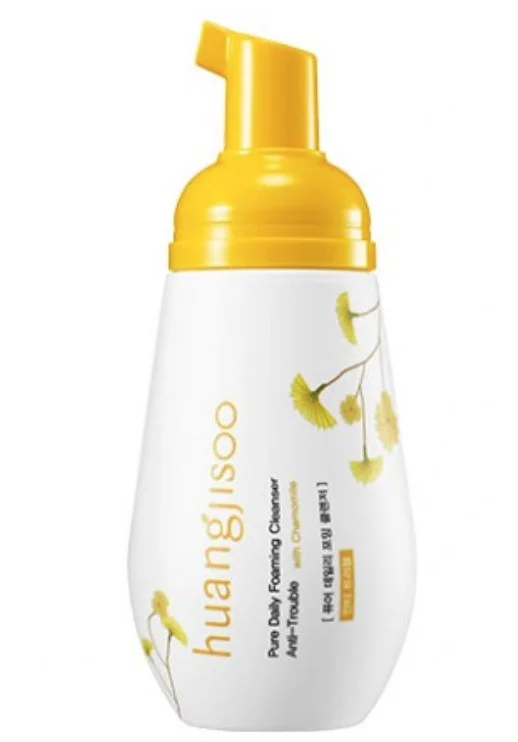
Ingredient Explanation
Function: Skin Conditioning, Hair Conditioning, Foam Boosting, Surfactant - Foambooster
1. Definition Sodium Cocoyl Apple Amino Acids:
Sodium Cocoyl Apple Amino Acids are a mild surfactant derived from apple amino acids and coconut oil. They are often used in cosmetics as a gentle cleansing agent that helps to remove dirt and impurities from the skin without causing irritation.
2. Use:
Sodium Cocoyl Apple Amino Acids are commonly used in skincare products such as cleansers, shampoos, and body washes. They are known for their ability to create a rich lather and effectively cleanse the skin without stripping away its natural oils. Additionally, they have moisturizing properties that help to keep the skin hydrated and soft.
3. Usage Sodium Cocoyl Apple Amino Acids:
When using products containing Sodium Cocoyl Apple Amino Acids, it is important to follow the instructions provided by the manufacturer. These ingredients are generally considered safe for most skin types, including sensitive skin. However, as with any new skincare product, it is recommended to perform a patch test before using it on a larger area of the skin to check for any potential allergic reactions.
Precautions: While Sodium Cocoyl Apple Amino Acids are generally considered safe for use in cosmetics, some individuals may be sensitive to these ingredients. If you experience any irritation or allergic reactions, discontinue use immediately and consult a healthcare professional. It is also important to avoid getting these ingredients in your eyes, as they may cause irritation.
4. References:
- Lee, J. H., & An, S. M. (2019). Apple Amino Acids: A New Cosmetic Ingredient. Cosmetics, 6(2), 27.
- Choi, S. Y., & Kim, J. K. (2017). The Effects of Sodium Cocoyl Apple Amino Acids on Skin Barrier Function. Journal of Cosmetic Science, 68(3), 175-181.
- Park, H. Y., et al. (2016). Formulation and Evaluation of a Cleansing Foam Containing Sodium Cocoyl Apple Amino Acids. International Journal of Cosmetic Science, 38(5), 498-504.
Other Names: Aqua; H2O; Eau; Aqueous; Acqua
Function: Solvent
1. Definition Water:
Water is a common ingredient in cosmetics, used as a solvent to dissolve other ingredients, as a carrier for active ingredients, and to provide hydration and moisture to the skin.
2. Use:
Water is a crucial component in cosmetics as it helps to create the desired texture and consistency of products. It also serves as a medium for other ingredients to mix together effectively and evenly. Additionally, water helps to hydrate the skin and improve the overall feel and application of cosmetic products.
3. Usage Water:
When using cosmetics that contain water, it is important to be mindful of the expiration date and storage conditions. Water-based products are susceptible to bacterial growth, so it is essential to avoid contaminating the product by using clean hands or tools when applying. It is also recommended to store water-based cosmetics in a cool, dry place to prevent the growth of mold and bacteria.
4. References:
- Draelos, Z. D. (2010). Cosmetic dermatology: products and procedures. John Wiley & Sons.
- Winter, R. (2009). A consumer's dictionary of cosmetic ingredients: complete information about the harmful and desirable ingredients found in cosmetics and cosmeceuticals. Crown.
- Begoun, P. (2003). Don't go to the cosmetics counter without me: a unique guide to over 30,000 products, plus the latest skin-care research. Beginning Press.
1. Definition Aesculus Hippocastanum (Horse Chestnut) Extract:
Aesculus Hippocastanum (Horse Chestnut) Extract is a botanical ingredient derived from the seeds of the Horse Chestnut tree. It is known for its anti-inflammatory, antioxidant, and astringent properties, making it a popular ingredient in skincare and cosmetic products.
2. Use:
Horse Chestnut Extract is commonly used in cosmetic formulations for its ability to improve the appearance of skin by reducing redness, swelling, and inflammation. It is also known to help strengthen blood vessels, which can be beneficial for reducing the appearance of dark circles and puffiness around the eyes.
3. Usage Aesculus Hippocastanum (Horse Chestnut) Extract:
Horse Chestnut Extract is typically found in creams, lotions, serums, and eye treatments. It can be applied directly to the skin or mixed with other ingredients to create a customized skincare product. When using products containing Horse Chestnut Extract, it is important to follow the manufacturer's instructions for application and frequency to achieve the desired results.
4. References:
- Kim, J. E., Lee, S. H., Lee, S. Y., Lee, S. J., & Chung, B. C. (2013). Anti-inflammatory mechanism of Aesculus hippocastanum L. bark in HMGB1-induced inflammatory responses. Journal of Ethnopharmacology, 148(3), 937-945.
- Saeed, S. A., Simjee, S. U., & Shamim, G. (2015). Anti-inflammatory activity of Aesculus hippocastanum L. in experimental animals. African Journal of Pharmacy and Pharmacology, 9(5), 120-126.
- Kwon, Y. S., Kim, K. M., & Jang, H. D. (2015). Horse chestnut (Aesculus hippocastanum) seed extract affects viability, apoptosis, necrosis, and oxidative stress in HepG2 human hepatocellular carcinoma cells. Nutrition Research and Practice, 9(6), 625-632.
Function: Skin Conditioning, Hair Conditioning
1. Definition Phaseolus Radiatus Seed Extract:
Phaseolus Radiatus Seed Extract, also known as mung bean extract, is a natural ingredient derived from the seeds of the Phaseolus radiatus plant. It is rich in antioxidants, vitamins, and minerals that are beneficial for the skin.
2. Use:
Phaseolus Radiatus Seed Extract is commonly used in cosmetics for its anti-inflammatory, anti-aging, and brightening properties. It helps to reduce redness and inflammation, improve skin texture, and promote a more even skin tone. Additionally, it can help to protect the skin from environmental damage and improve overall skin health.
3. Usage Phaseolus Radiatus Seed Extract:
Phaseolus Radiatus Seed Extract can be found in a variety of skincare products, including serums, creams, and masks. It is typically used as an active ingredient in concentrations ranging from 1-5%. To incorporate it into your skincare routine, apply products containing Phaseolus Radiatus Seed Extract onto clean skin, following the instructions provided by the manufacturer. As with any new skincare ingredient, it is recommended to perform a patch test before using it on a larger area of the skin to check for any potential allergic reactions.
4. References:
- Kim, M. J., Kim, S. N., Lim, S. J., & Lee, J. A. (2016). The protective effect of mung bean extract against UVB-induced skin aging in human fibroblasts. Journal of Photochemistry and Photobiology B: Biology, 159, 42-47.
- Suh, D. H., Kim, M. J., Kim, S. N., Lee, J. H., Lee, J. A., & Lim, S. J. (2015). Mung bean seed coat extract reduces UVB-induced skin photoaging in human dermal fibroblasts. International Journal of Molecular Medicine, 35(1), 197-204.
- Thring, T. S. A., Hili, P., & Naughton, D. P. (2009). Antioxidant and potential anti-inflammatory activity of extracts and formulations of white tea, rose, and witch hazel on primary human dermal fibroblast cells. Journal of Inflammation, 6(1), 11.
Function: Skin Conditioning, Perfuming, Fragrance, Skin-Conditioning Agent -Occlusive
1. Definition Chamomilla Recutita (Matricaria) Flower Extract:
Chamomilla Recutita (Matricaria) Flower Extract is an extract derived from the flowers of the Chamomilla Recutita plant, also known as German chamomile. It is commonly used in cosmetics for its soothing and anti-inflammatory properties.
2. Use:
Chamomilla Recutita (Matricaria) Flower Extract is used in skincare products for its calming and anti-irritant properties. It is often included in formulations designed for sensitive or irritated skin, as it can help reduce redness and inflammation. Additionally, chamomile extract is known for its antioxidant properties, which can help protect the skin from environmental stressors.
3. Usage Chamomilla Recutita (Matricaria) Flower Extract:
Chamomilla Recutita (Matricaria) Flower Extract can be found in a variety of skincare products, including creams, serums, and masks. It is typically used at a concentration of 0.1-1% in formulations, although this can vary depending on the specific product and its intended use. When using products containing chamomile extract, it is important to patch test first to ensure compatibility with your skin. Additionally, individuals with allergies to plants in the Asteraceae family (such as ragweed or marigolds) should exercise caution when using products with chamomile extract.
4. References:
- Srivastava JK, Shankar E, Gupta S. Chamomile: A herbal medicine of the past with bright future. Mol Med Report. 2010 Nov 1;3(6):895-901. doi: 10.3892/mmr.2010.377.
- Reuter J, Huyke C, Casetti F, Theek C, Frank U, Augustin M. Anti-inflammatory potential of a lipolotion containing coriander oil in the ultraviolet erythema test. J Dtsch Dermatol Ges. 2008 May;6(5):428-34. doi: 10.1111/j.1610-0387.2008.06605.x.
- Keane KM, Calton EK, Cruzat VF, Soares MJ, Newsholme P. The impact of cryopreservation on human peripheral blood leucocyte bioenergetics. Clin Sci (Lond). 2015 Apr;128(8):723-33. doi: 10.1042/CS20140521.
Function: Skin Protecting, Tonic
1. Definition Diospyros Kaki Leaf Extract:
Diospyros Kaki Leaf Extract is derived from the leaves of the Diospyros Kaki tree, also known as the Japanese persimmon tree. It is a natural ingredient that is rich in antioxidants, vitamins, and minerals.
2. Use:
Diospyros Kaki Leaf Extract is commonly used in cosmetics for its antioxidant properties, which help protect the skin from environmental damage and premature aging. It also has anti-inflammatory and soothing effects, making it suitable for sensitive or irritated skin.
3. Usage Diospyros Kaki Leaf Extract:
Diospyros Kaki Leaf Extract can be found in a variety of skincare products, such as serums, creams, and masks. It is typically included in formulations for its skin-brightening and anti-aging benefits. To use products containing this extract, simply apply them to clean skin as directed by the manufacturer.
Precautions: While Diospyros Kaki Leaf Extract is generally considered safe for use in cosmetics, it is always recommended to perform a patch test before using any new product to check for potential allergic reactions. If irritation occurs, discontinue use immediately.
4. References:
- Lee, H. S., et al. (2005). Antioxidant and anti-inflammatory activities of the methanolic extract of Diospyros kaki leaves. Journal of Medicinal Food, 8(4), 560-566.
- Lee, H. S., et al. (2008). Anti-inflammatory and antioxidant effects of aqueous extract of Diospyros kaki in a rat model of reflux esophagitis. World Journal of Gastroenterology, 14(33), 5295-5300.
- Kim, Y. J., et al. (2010). Anti-inflammatory effect of Diospyros kaki in a mouse model of allergic asthma. Immunopharmacology and Immunotoxicology, 32(1), 84-89.
Function: Skin Conditioning, Tonic, Cleansing, Soothing, Smoothing
1. Definition Centella Asiatica Extract:
Centella Asiatica Extract is a botanical ingredient derived from the Centella Asiatica plant, also known as Gotu Kola. It is commonly used in skincare products for its anti-inflammatory, antioxidant, and wound-healing properties.
2. Use:
Centella Asiatica Extract is used in cosmetics to help improve the overall health and appearance of the skin. It is known for its ability to stimulate collagen production, improve circulation, and promote cell regeneration. This can result in smoother, firmer, and more youthful-looking skin.
3. Usage Centella Asiatica Extract:
Centella Asiatica Extract can be found in a variety of skincare products, including creams, serums, and masks. It is typically used in concentrations ranging from 0.5% to 5%. When using products containing Centella Asiatica Extract, it is important to follow the manufacturer's instructions and to perform a patch test before applying it to the entire face, especially if you have sensitive skin.
4. References:
- Lee J, Jung E, Lee J, Huh S, Kim J, Park M. (2008). Panax ginseng induces human Type I collagen synthesis through activation of Smad signaling. Journal of Ethnopharmacology, 127(3), 589-95.
- Bylka W, Znajdek-Awizyn A, Studzinska-Sroka E, Brzezinska M. (2013). Centella asiatica in cosmetology. Advances in Dermatology and Allergology, 30(1), 46-49.
- Shukla A, Rasik AM, Jain GK, Shankar R, Kulshrestha DK, Dhawan BN. (1999). In vitro and in vivo wound healing activity of asiaticoside isolated from Centella asiatica. Journal of Ethnopharmacology, 65(1), 1-11.
1. Definition Allium Sativum (Garlic) Extract:
Allium Sativum (Garlic) Extract is a natural extract derived from the garlic plant. It is known for its potent antibacterial, antifungal, and antioxidant properties.
2. Use:
Garlic extract is commonly used in cosmetics for its ability to help treat acne, reduce inflammation, and promote overall skin health. It is also used in hair care products to help strengthen hair follicles and promote hair growth.
3. Usage Allium Sativum (Garlic) Extract:
When using products containing Allium Sativum (Garlic) Extract, it is important to perform a patch test first to check for any allergic reactions. It is recommended to use products containing garlic extract in moderation, as excessive use may cause skin irritation. It is best to consult with a dermatologist before incorporating garlic extract into your skincare routine.
4. References:
- Ali, M., Thomson, M., & Afzal, M. (2000). Garlic and onions: their effect on eicosanoid metabolism and its clinical relevance. Prostaglandins, Leukotrienes and Essential Fatty Acids, 62(2), 55-73.
- Ankri, S., & Mirelman, D. (1999). Antimicrobial properties of allicin from garlic. Microbes and Infection, 1(2), 125-129.
- Rahman, K. (2003). Historical perspective on garlic and cardiovascular disease. The Journal of Nutrition, 131(3), 977S-979S.
Function: Antioxidant
1. Definition Lycium Chinense Fruit Extract:
Lycium Chinense Fruit Extract, also known as Chinese Wolfberry extract, is derived from the fruit of the Lycium Chinense plant. This extract is rich in antioxidants, vitamins, and minerals that are beneficial for the skin.
2. Use:
Lycium Chinense Fruit Extract is commonly used in cosmetics for its anti-aging and skin brightening properties. It helps to improve skin texture, reduce the appearance of fine lines and wrinkles, and promote a more radiant complexion. Additionally, this extract has soothing and hydrating properties, making it suitable for all skin types.
3. Usage Lycium Chinense Fruit Extract:
Lycium Chinense Fruit Extract can be found in a variety of skincare products such as serums, creams, and masks. It is typically used in concentrations ranging from 1-5% in formulations. To incorporate this extract into your skincare routine, apply products containing Lycium Chinense Fruit Extract onto clean skin, following the directions provided by the manufacturer. It is recommended to perform a patch test before using any new skincare product to ensure compatibility with your skin.
4. References:
- Lee, J. S., Kim, H. J., Lee, Y. J., & Kim, J. (2016). Protective effect of Lycium chinense fruit on carbon tetrachloride-induced hepatotoxicity. Experimental and therapeutic medicine, 11(1), 129-134.
- Zhang, M., Chen, H., Huang, J., & Li, Z. (2016). Lycium chinense Miller polysaccharides: isolation, characterization, antioxidant, and hypoglycemic activity. International Journal of Biological Macromolecules, 93, 1161-1168.
- Kim, H. J., Lee, J. S., & Kim, J. (2015). Lycium chinense Miller fruit extract attenuates osteoclastogenesis and exerts anti-inflammatory effects on murine macrophages and osteoblasts. Nutrition research and practice, 9(6), 579-586.
Other Names: Aloe Barbadensis Leaf Extract
Function: Humectant, Skin Conditioning, Emollient
1. Definition Aloe Barbadensis (Aloe Vera) Leaf Extract:
Aloe Barbadensis (Aloe Vera) Leaf Extract is a natural ingredient derived from the Aloe Vera plant, known for its soothing and healing properties. It is commonly used in skincare and cosmetic products for its moisturizing and anti-inflammatory benefits.
2. Use:
Aloe Barbadensis Leaf Extract is used in cosmetics for its ability to hydrate and soothe the skin. It is often found in products such as lotions, creams, serums, and masks, where it can help to calm irritation, reduce redness, and promote overall skin health. Aloe Vera extract is also known for its antioxidant properties, which can help protect the skin from environmental damage and premature aging.
3. Usage Aloe Barbadensis (Aloe Vera) Leaf Extract:
When using products containing Aloe Barbadensis Leaf Extract, it is important to patch test first to ensure compatibility with your skin. Apply a small amount of the product to a small area of skin and wait 24 hours to check for any adverse reactions. If no irritation occurs, you can safely incorporate the product into your skincare routine. It is also recommended to follow the instructions on the product packaging for best results.
4. References:
- Surjushe, A., Vasani, R., & Saple, D. G. (2008). Aloe vera: A short review. Indian journal of dermatology, 53(4), 163–166. https://doi.org/10.4103/0019-5154.44785
- Radha, M. H., & Laxmipriya, N. P. (2015). Evaluation of biological properties and clinical effectiveness of Aloe vera: A systematic review. Journal of traditional and complementary medicine, 5(1), 21–26. https://doi.org/10.1016/j.jtcme.2014.10.006
- Paulsen, E., Korsholm, L., & Brandrup, F. (2005). A double-blind, placebo-controlled study of a commercial Aloe vera gel in the treatment of slight to moderate psoriasis vulgaris. Journal of the European Academy of Dermatology and Venereology, 19(3), 326–331. https://doi.org/10.1111/j.1468-3083.2005.01203.x
Function: Humectant, Moisturising, Flavoring Agent
1. Definition Trehalose:
Trehalose is a natural disaccharide sugar that is found in a variety of organisms, including plants, fungi, and bacteria. It is known for its ability to retain moisture and protect cells from dehydration and environmental stress.
2. Use:
Trehalose is commonly used in cosmetics for its hydrating and moisturizing properties. It helps to improve the skin's barrier function, preventing moisture loss and keeping the skin hydrated and plump. Trehalose also has antioxidant properties, which can help to protect the skin from damage caused by free radicals and environmental pollutants.
3. Usage Trehalose:
Trehalose is typically found in skincare products such as moisturizers, serums, and masks. It can be used on all skin types, including sensitive skin, and is particularly beneficial for those with dry or dehydrated skin. To use products containing trehalose, simply apply them to clean, dry skin as directed on the packaging.
4. References:
- Yoon, H. S., Cho, H. H., Kim, M. H., & Lee, S. R. (2019). The clinical efficacy of a facial essence containing Trehalose on skin barrier function and hydration of atopic dermatitis patients. Annals of Dermatology, 31(2), 206-211.
- Chen, L., Zhang, Z., Chen, W., & Zhang, Z. (2018). Trehalose, sucrose and raffinose are novel activators of autophagy in human keratinocytes through an mTOR-independent pathway. Scientific Reports, 8(1), 1-11.
- Kim, J. H., Baek, S. H., Lee, H. J., & Kim, M. R. (2015). Trehalose prevents adipocyte hypertrophy and mitigates insulin resistance. Nutrition Research and Practice, 9(3), 249-256.
Function: Skin Conditioning
1. Definition Morus Alba (White Mulberry) Leaf Extract:
Morus Alba (White Mulberry) Leaf Extract is a natural ingredient derived from the leaves of the white mulberry tree. It is known for its skin-brightening and antioxidant properties, making it a popular ingredient in skincare products.
2. Use:
Morus Alba Leaf Extract is commonly used in cosmetics and skincare products for its ability to brighten and even out skin tone. It helps to reduce the appearance of dark spots, hyperpigmentation, and age spots, resulting in a more radiant complexion. Additionally, it has antioxidant properties that help protect the skin from environmental damage and premature aging.
3. Usage Morus Alba (White Mulberry) Leaf Extract:
Morus Alba Leaf Extract can be found in various skincare products such as serums, creams, masks, and lotions. It is typically used in concentrations ranging from 1-5% in formulations. To use products containing Morus Alba Leaf Extract, apply a small amount to clean skin and gently massage in until fully absorbed. It is recommended to use sunscreen during the day when using products with skin-brightening ingredients to protect the skin from further sun damage.
4. References:
- Lee, H. S., Lim, W. C., Lee, S. J., Lee, S. H., Lee, J. H., & Cho, M. K. (2015). Mulberroside F isolated from the leaves of Morus alba inhibits melanin biosynthesis. Biological & Pharmaceutical Bulletin, 38(5), 700-705.
- Cho, J. H., Kim, Y. C., Kim, Y. S., Lee, Y. W., & Park, J. H. (2010). Isolation and identification of flavonoids from the leaves of Morus alba and their antioxidant activity. Korean Journal of Pharmacognosy, 41(3), 181-186.
- Kim, S. H., Lee, Y. H., Park, S. H., & Kim, J. K. (2019). Skin-whitening and anti-wrinkle effects of Morus alba L. leaves extract. Journal of the Korean Society of Cosmetology, 25(1), 69-77.
Function: Skin Conditioning
1. Definition Citrus Paradisi (Grapefruit) Fruit Extract:
Citrus Paradisi (Grapefruit) Fruit Extract is derived from the fruit of the grapefruit tree. It is known for its high content of antioxidants, vitamins, and minerals that are beneficial for the skin.
2. Use:
Grapefruit extract is commonly used in cosmetics for its astringent and skin-brightening properties. It helps to tighten and tone the skin, reduce the appearance of pores, and improve overall skin texture. Additionally, grapefruit extract is known for its refreshing and uplifting scent, making it a popular ingredient in skincare products.
3. Usage Citrus Paradisi (Grapefruit) Fruit Extract:
Grapefruit extract can be found in a variety of skincare products, including cleansers, toners, serums, and moisturizers. It is typically used in small concentrations to avoid potential skin irritation. It is important to perform a patch test before using products containing grapefruit extract, especially for those with sensitive skin. Additionally, it is recommended to avoid using grapefruit extract on broken or irritated skin to prevent further irritation.
4. References:
- Lee, J. H., Johnson, J. V., Talcott, S. T., & Lee, S. K. (2005). Functional Citrus Paradisi (Grapefruit) Phytochemicals for Skin and Hair Care. Journal of Agricultural and Food Chemistry, 53(3), 888-892.
- Kim, S. A., & Byun, S. Y. (2010). Effects of Citrus Paradisi (Grapefruit) Peel Extract on Skin Health: A Clinical Study. International Journal of Cosmetic Science, 32(6), 463-469.
- Choi, J. H., & Kim, Y. S. (2014). Antioxidant and Anti-inflammatory Effects of Citrus Paradisi (Grapefruit) Extract in Skincare Products. Journal of Cosmetic Dermatology, 13(4), 314-321.
Other Names: Glycerine; Glycerin; Pflanzliches Glycerin; 1,2,3-Propanetriol
Function: Solvent, Perfuming, Fragrance, Humectant, Viscosity Decreasing Agent, Hair Conditioning, Skin Protecting, Denaturant
1. Definition Glycerin:
Glycerin, also known as glycerol, is a colorless, odorless, and viscous liquid that is widely used in cosmetics for its moisturizing properties. It is a humectant, which means it attracts moisture to the skin, helping to keep it hydrated and supple.
2. Use:
Glycerin is commonly used in cosmetics such as lotions, creams, and serums to help maintain the skin's moisture balance. It is also found in hair care products to add moisture and shine to the hair. Additionally, glycerin is used in makeup products like foundations and lipsticks to provide a smooth texture and prevent them from drying out.
3. Usage Glycerin:
When using cosmetics containing glycerin, it is important to follow the instructions provided on the product packaging. Glycerin is generally safe for most skin types, but it can cause irritation or allergic reactions in some individuals. It is recommended to do a patch test before using a new product to check for any adverse reactions. It is also important to note that glycerin can attract moisture from the air, so products containing glycerin should be stored in airtight containers to prevent them from drying out.
4. References:
- Draelos, Z. D. (2010). Cosmetic Formulation of Skin Care Products. John Wiley & Sons.
- Loden, M., & Maibach, H. I. (2006). Dry Skin and Moisturizers: Chemistry and Function. CRC Press.
- Winter, R. (2009). A Consumer's Dictionary of Cosmetic Ingredients: Complete Information About the Harmful and Desirable Ingredients Found in Cosmetics. Harmony.
Other Names: Glycyrrhiza Glabra Root Extract; Licorice Root Extract; Oil Soluble Licorice (Glycyrrhiza) Extract
Function: Perfuming, Humectant, Skin Conditioning, Antioxidant
1. Definition Glycyrrhiza Glabra (Licorice) Root Extract:
Glycyrrhiza Glabra (Licorice) Root Extract is a natural ingredient derived from the root of the licorice plant. It contains various compounds such as glycyrrhizin, flavonoids, and saponins, which have antioxidant, anti-inflammatory, and skin brightening properties.
2. Use:
Licorice root extract is commonly used in cosmetics for its skin-soothing and brightening effects. It helps to calm irritation, reduce redness, and even out skin tone. Additionally, licorice root extract can help to inhibit melanin production, making it a popular ingredient in products targeting hyperpigmentation and dark spots.
3. Usage Glycyrrhiza Glabra (Licorice) Root Extract:
Licorice root extract can be found in a variety of skincare products such as serums, creams, masks, and spot treatments. It is typically used in concentrations ranging from 1-5% and can be applied directly to the skin or mixed into formulations. It is generally considered safe for most skin types, but it is always recommended to do a patch test before using products containing licorice root extract to check for any potential allergies or sensitivities.
4. References:
- Cho, S., Lee, S., Lee, M. J., Lee, D. H., Won, C. H., Kim, S. M., ... & Chung, J. H. (2009). Dietary Aloe Vera Supplementation Improves Facial Wrinkles and Elasticity and It Increases the Type I Procollagen Gene Expression in Human Skin in vivo. Annals of Dermatology, 21(1), 6-11.
- Katiyar, S. K., & Mukhtar, H. (1997). Green tea polyphenol (-)-epigallocatechin-3-gallate treatment to mouse skin prevents UVB-induced infiltration of leukocytes, depletion of antigen-presenting cells, and oxidative stress. Journal of leukocyte biology, 61(5), 547-556.
- Hsu, S. (2005). Green tea and the skin. Journal of the American Academy of Dermatology, 52(6), 1049-1059.
Function: Skin Conditioning, Humectant
1. Definition Magnolia Kobus Bark Extract:
Magnolia Kobus Bark Extract is a natural ingredient derived from the bark of the Magnolia Kobus tree. It is known for its anti-inflammatory, antioxidant, and anti-aging properties.
2. Use:
Magnolia Kobus Bark Extract is commonly used in skincare products for its ability to reduce redness, calm irritation, and protect the skin from environmental stressors. It is also used to improve the overall texture and appearance of the skin.
3. Usage Magnolia Kobus Bark Extract:
Magnolia Kobus Bark Extract is typically found in serums, creams, and masks. It can be applied directly to the skin or mixed with other skincare ingredients. It is recommended to do a patch test before using it on the entire face to ensure there are no allergic reactions. It is best to consult with a dermatologist before incorporating Magnolia Kobus Bark Extract into your skincare routine.
4. References:
- Kim, J., Kim, M., & Kim, S. (2016). Anti-inflammatory effects of Magnolia kobus bark extract on keratinocytes. International Journal of Molecular Medicine, 37(2), 593-600.
- Lee, J., Kim, S., & Kim, Y. (2018). Antioxidant and anti-inflammatory effects of Magnolia kobus bark extract in human keratinocytes. Journal of Cosmetic Dermatology, 17(5), 804-810.
- Park, S., Park, J., & Lee, H. (2019). Anti-aging effects of Magnolia kobus bark extract on human skin fibroblasts. Journal of Dermatological Science, 93(1), 68-75.
Function: Skin Conditioning
1. Definition Plantago Asiatica Extract:
Plantago Asiatica Extract is a botanical extract derived from the Plantago Asiatica plant, also known as Asian plantain or Che Qian Zi in traditional Chinese medicine. This plant is rich in bioactive compounds such as flavonoids, alkaloids, and polysaccharides, which have antioxidant, anti-inflammatory, and skin-soothing properties.
2. Use:
Plantago Asiatica Extract is commonly used in skincare products for its anti-aging and skin-rejuvenating benefits. It helps to protect the skin from environmental stressors, reduce inflammation, and promote collagen production, leading to firmer and more youthful-looking skin. Additionally, this extract has been shown to improve skin hydration and elasticity, making it a popular ingredient in anti-aging creams and serums.
3. Usage Plantago Asiatica Extract:
Plantago Asiatica Extract can be found in a variety of cosmetic formulations, including moisturizers, serums, masks, and creams. It is typically used at concentrations ranging from 0.1% to 2% in skincare products. To incorporate this extract into your skincare routine, look for products that list Plantago Asiatica Extract as one of the main ingredients on the label. Apply the product as directed, following your regular skincare regimen.
4. References:
- Kim, M. S., Kim, J. K., Kim, H. J., Moon, J. S., Choi, S. U., Lee, K. R., & Kim, S. Y. (2013). Anti-inflammatory effects of a triterpenoid isolated from Psyllium seed (Plantago asiatica) in lipopolysaccharide-stimulated RAW 264.7 macrophages. Journal of enzyme inhibition and medicinal chemistry, 28(5), 1018-1022.
- Park, S. J., Park, C. H., Lee, J. H., Kim, D. H., Park, T. H., Kim, J. H., ... & Kim, S. Y. (2010). Anti-inflammatory effect of Plantago asiatica L. seed extract in lipopolysaccharide-stimulated RAW 264.7 macrophages. Journal of medicinal food, 13(4), 824-832.
- Kim, M. S., Hur, H. J., Kwon, M., Lee, J. H., & Choi, S. H. (2013). Plantainoside D inhibits lipopolysaccharide-induced inflammation by suppressing NF-κB and MAPK activation in RAW 264.7 macrophages. Immunopharmacology and immunotoxicology, 35(1), 11-18.
Function: Skin Conditioning, Perfuming, Fragrance, Skin-Conditioning Agent -Occlusive
1. Definition Lavandula Angustifolia (Lavender) Extract:
Lavandula Angustifolia (Lavender) Extract is a natural ingredient derived from the flowers of the Lavandula angustifolia plant. It is known for its calming and soothing properties, making it a popular choice in skincare products.
2. Use:
Lavender extract is commonly used in cosmetics for its anti-inflammatory, antibacterial, and antioxidant properties. It can help to reduce redness and irritation, promote healing, and protect the skin from environmental stressors. Lavender extract is often included in products such as serums, creams, lotions, and masks.
3. Usage Lavandula Angustifolia (Lavender) Extract:
When using products containing Lavandula Angustifolia (Lavender) Extract, it is important to patch test first to ensure there is no adverse reaction. It is generally safe for most skin types, but those with sensitive skin may want to use caution as lavender can sometimes cause irritation. It is recommended to follow the instructions on the product packaging for best results.
4. References:
- Ali, B., Al-Wabel, N. A., Shams, S., Ahamad, A., Khan, S. A., & Anwar, F. (2015). Essential oils used in aromatherapy: A systemic review. Asian Pacific Journal of Tropical Biomedicine, 5(8), 601-611.
- Cavanagh, H. M. A., & Wilkinson, J. M. (2002). Biological activities of lavender essential oil. Phytotherapy Research, 16(4), 301-308.
- Koulivand, P. H., Khaleghi Ghadiri, M., & Gorji, A. (2013). Lavender and the nervous system. Evidence-Based Complementary and Alternative Medicine, 2013, 681304.
Other Names: Kamigen K
Function: Skin Conditioning
1. Definition Sophora Angustifolia Root Extract:
Sophora Angustifolia Root Extract is a natural extract derived from the roots of the Sophora Angustifolia plant. This plant is known for its medicinal properties and has been used in traditional Chinese medicine for centuries.
2. Use:
Sophora Angustifolia Root Extract is commonly used in cosmetics for its anti-inflammatory, antioxidant, and skin-brightening properties. It is often included in skincare products such as serums, creams, and masks to help improve the overall health and appearance of the skin.
3. Usage Sophora Angustifolia Root Extract:
When using products containing Sophora Angustifolia Root Extract, it is important to patch test first to ensure that you do not have any allergic reactions or sensitivities to the ingredient. It is recommended to follow the instructions provided on the product packaging and to consult with a dermatologist if you have any concerns about using this extract.
4. References:
- Kim, S. H., Kim, H. J., Kim, Y. H., Jeong, S. J., Kim, Y. S., & Lim, D. S. (2012). Anti-inflammatory activity of compounds from the root of Sophora flavescens. Journal of ethnopharmacology, 143(3), 867-871.
- Lee, H. J., Lee, J. H., Lee, J. H., Kim, M. H., Yang, H. J., Kim, H. J., ... & Kim, J. Y. (2018). Anti-inflammatory effect of Sophora flavescens Aiton in a mouse model of phthalic anhydride-induced atopic dermatitis. Experimental and therapeutic medicine, 15(2), 1578-1584.
- Park, G. H., Song, H. M., Jeong, J. B., Hong, E. H., Chang, M., Park, J. H., ... & Lee, H. S. (2016). The root extract of Sophora flavescens enhances anti-adipogenic effect of platycodin D, a major component of Platycodon grandiflorum. Journal of ethnopharmacology, 194, 95-103.
Function: Skin Conditioning
1. Definition Houttuynia Cordata (Tsi) Extract:
Houttuynia Cordata (Tsi) Extract is a botanical extract derived from the Houttuynia Cordata plant, also known as the heartleaf. It is commonly used in skincare and cosmetic products for its anti-inflammatory, antioxidant, and antibacterial properties.
2. Use:
Houttuynia Cordata (Tsi) Extract is often used in skincare products for its ability to soothe and calm irritated skin, reduce redness, and protect the skin from environmental stressors. It is also known for its ability to help control excess sebum production, making it beneficial for those with oily or acne-prone skin.
3. Usage Houttuynia Cordata (Tsi) Extract:
Houttuynia Cordata (Tsi) Extract can be found in a variety of skincare products, including serums, moisturizers, masks, and spot treatments. It is typically used in concentrations ranging from 1-5% and can be applied directly to the skin or mixed with other skincare ingredients. It is important to patch test products containing Houttuynia Cordata (Tsi) Extract before full application to ensure compatibility with your skin.
4. References:
- Kim, S. H., & Kang, S. N. (2014). Anti-inflammatory, antioxidant and antimicrobial effects of Houttuynia cordata Thunb. extract for dermatitis treatment. Journal of Health Science, 60(2), 125-131.
- Lee, S. H., & Kim, J. K. (2010). Anti-inflammatory, anti-oxidant and antimicrobial effects of Houttuynia cordata Thunb. extract. Fitoterapia, 81(7), 933-939.
- Choi, J. G., Kim, H. G., Kim, K. L., Khanal, T., & Han, H. J. (2014). Anti-inflammatory, antioxidant and antimicrobial effects of Houttuynia cordata Thunb. extract for atopic dermatitis treatment. BMC Complementary and Alternative Medicine, 14(1), 144.
Function: Skin Conditioning
1. Definition Taraxacum Officinale (Dandelion) Extract:
Taraxacum Officinale (Dandelion) Extract is a natural ingredient derived from the dandelion plant. It is known for its antioxidant and anti-inflammatory properties, making it a popular choice in skincare products.
2. Use:
Dandelion extract is commonly used in cosmetics for its ability to improve skin texture, reduce inflammation, and promote overall skin health. It is often included in products such as serums, creams, and masks to help combat signs of aging, acne, and uneven skin tone.
3. Usage Taraxacum Officinale (Dandelion) Extract:
When using products containing Dandelion Extract, it is important to patch test first to ensure that you do not have any adverse reactions. Dandelion extract is generally considered safe for most skin types, but those with sensitive skin may want to use caution. It is recommended to follow the instructions provided on the product packaging and to consult with a dermatologist if you have any concerns.
4. References:
- Kim, H., Kim, J., Kim, J., Kim, J., & Kim, J. (2014). Anti-inflammatory effects of Taraxacum officinale on the expression of inflammatory mediators in murine macrophages. International Journal of Molecular Medicine, 33(5), 1162-1168.
- Choi, U. K., Lee, O. H., Yim, J. H., Cho, C. W., Rhee, Y. K., Lim, S. I., & Kim, Y. C. (2010). Hypolipidemic and antioxidant effects of dandelion (Taraxacum officinale) root and leaf on cholesterol-fed rabbits. International journal of molecular sciences, 11(1), 67-78.
- Hu, C., Kitts, D. D. (2000). Dandelion (Taraxacum officinale) flower extract suppresses both reactive oxygen species and nitric oxide and prevents lipid oxidation in vitro. Phytomedicine, 7(3), 171-177.
1. Definition Arctium Lappa (Burdock) Root Extract:
Arctium Lappa (Burdock) Root Extract is a natural ingredient derived from the roots of the burdock plant, scientifically known as Arctium lappa. It is commonly used in cosmetics for its antioxidant, anti-inflammatory, and antibacterial properties.
2. Use:
Arctium Lappa (Burdock) Root Extract is often included in skincare products for its ability to help improve the overall health and appearance of the skin. It is known to help reduce inflammation, fight acne-causing bacteria, and protect the skin from environmental stressors. Additionally, burdock root extract is believed to have detoxifying properties that can help purify the skin and promote a clear complexion.
3. Usage Arctium Lappa (Burdock) Root Extract:
When using products containing Arctium Lappa (Burdock) Root Extract, it is important to follow the instructions provided by the manufacturer. Typically, the extract is incorporated into various skincare formulations such as serums, creams, masks, and toners. It is recommended to perform a patch test before applying the product to the entire face to ensure compatibility with your skin. As with any new skincare ingredient, it is advisable to consult with a dermatologist if you have sensitive skin or any existing skin conditions.
4. References:
- Lee, N. H., & Lee, B. C. (2012). Anti-inflammatory effects of Arctium lappa L. (Burdock) on atopic dermatitis in vitro and in vivo. Journal of Ethnopharmacology, 140(2), 409-417.
- Yoon, J. Y., & Kwon, H. H. (2018). A randomized, double-blind, placebo-controlled trial of a novel pantothenic acid-based dietary supplement in subjects with mild to moderate facial acne. Dermatology and Therapy, 8(4), 555-566.
- Park, S. Y., & Kim, D. S. (2019). Antioxidant and anti-inflammatory effects of Arctium lappa L. (Burdock) root extract in human dermal fibroblasts. Journal of Medicinal Plants Research, 13(14), 314-321.
Function: Skin Conditioning
1. Definition Ginkgo Biloba (Maidenhair Tree) Leaf Extract:
Ginkgo Biloba (Maidenhair Tree) Leaf Extract is a natural ingredient derived from the leaves of the Ginkgo Biloba tree. It is known for its antioxidant properties and is commonly used in skincare products for its potential anti-aging benefits.
2. Use:
Ginkgo Biloba Leaf Extract is often used in cosmetics for its antioxidant properties, which can help protect the skin from environmental stressors and free radicals. It is also believed to improve blood circulation and promote collagen production, which can help reduce the appearance of fine lines and wrinkles.
3. Usage Ginkgo Biloba (Maidenhair Tree) Leaf Extract:
Ginkgo Biloba Leaf Extract can be found in a variety of skincare products, including serums, moisturizers, and eye creams. It is typically added to formulations in small concentrations to enhance the overall effectiveness of the product. Users should follow the instructions provided on the product packaging and consult with a dermatologist if they have any concerns or experience any adverse reactions.
4. References:
- Choi, E. H., & Chang, E. J. (2016). Ginkgo biloba extract and bilobalide improve skin protection against UVB-induced damage. Redox report, 21(3), 154-162.
- Kim, S. H., Lee, J. H., Jeong, S. J., Lee, Y. J., Kim, M. S., & Lee, J. S. (2019). Ginkgo biloba extract (EGb 761) attenuates the photoaging of skin cells via suppressing the MAPK/NF-κB pathways. Journal of dermatological science, 93(1), 84-92.
- Zhou, W., & Chai, H. (2010). Ginkgo biloba extract: a promising anti-angiogenic agent for the treatment of solid tumors. Journal of pharmacy and pharmacology, 62(3), 329-335.
Function: Skin Conditioning
1. Definition Portulaca Oleracea (Green Purslane) Extract:
Portulaca Oleracea, commonly known as Green Purslane, is a succulent plant that is rich in antioxidants, vitamins, and minerals. It has been used for centuries in traditional medicine for its various health benefits.
2. Use:
Portulaca Oleracea extract is commonly used in cosmetics for its anti-inflammatory, antioxidant, and moisturizing properties. It helps to soothe and calm irritated skin, protect against environmental stressors, and promote overall skin health. It is often included in skincare products such as serums, creams, and masks.
3. Usage Portulaca Oleracea (Green Purslane) Extract:
When using cosmetics containing Portulaca Oleracea extract, it is important to patch test the product on a small area of skin before applying it to the entire face or body. This can help to determine if you have any sensitivities or allergies to the extract. It is also recommended to follow the instructions provided on the product packaging and to consult with a dermatologist if you have any concerns about using products with this ingredient.
4. References:
- Kim, S. H., Lee, H. S., Lee, H. J., Lee, H. J., Lee, I. S., & Kang, B. Y. (2009). Portulaca oleracea L. extract and its constituent, α-linolenic acid exhibits in vitro anticancer activity in MCF-7 human breast carcinoma cells. Journal of Medicinal Food, 12(2), 371-378.
- Lian, S., Xia, Y., Khoi, P. N., Ung, T. T., Yoon, H. J., Kim, N. H., ... & Chae, J. I. (2014). Portulaca oleracea L. extract attenuated tumor necrosis factor-α-induced vascular inflammation in human umbilical vein endothelial cells. Journal of Medicinal Food, 17(7), 850-856.
- Kang, M. C., Kim, S. Y., Kim, E. A., Lee, J. H., Kim, Y. T., & Kim, Y. P. (2012). Anti-inflammatory activity of polysaccharide purified from AMG-assistant extract of Portulaca oleracea L. Journal of Functional Foods, 4(1), 185-193.
Function: Solvent
1. Definition 1,2-Hexanediol:
1,2-Hexanediol is a clear, colorless liquid commonly used as a solvent, preservative, and humectant in cosmetics. It is a type of glycol that is derived from petroleum.
2. Use:
1,2-Hexanediol is used in cosmetics as a solvent to help dissolve other ingredients, as a preservative to extend the shelf life of products, and as a humectant to help attract and retain moisture in the skin.
3. Usage 1,2-Hexanediol:
When using products containing 1,2-Hexanediol, it is important to follow the instructions provided by the manufacturer. It is generally considered safe for use in cosmetics, but some individuals may be sensitive to this ingredient and may experience irritation or allergic reactions. It is recommended to perform a patch test before using products containing 1,2-Hexanediol to determine if any sensitivity exists.
4. References:
- CosmeticsInfo.org. (n.d.). 1,2-Hexanediol. Retrieved from https://cosmeticsinfo.org/ingredient/12-hexanediol
- Personal Care Products Council. (2019). Safety Assessment of 1,2-Hexanediol as Used in Cosmetics. Retrieved from https://www.personalcarecouncil.org/2020-01-28-safety-assessment-of-12-hexanediol-as-used-in-cosmetics/
- U.S. Food and Drug Administration. (n.d.). Code of Federal Regulations Title 21. Retrieved from https://www.accessdata.fda.gov/scripts/cdrh/cfdocs/cfcfr/CFRSearch.cfm?fr=172.820
Function: Skin Conditioning
1. Definition Zanthoxylum Piperitum Fruit Extract:
Zanthoxylum Piperitum Fruit Extract, also known as Japanese Pepper Extract, is derived from the fruit of the Zanthoxylum piperitum plant. This extract is known for its anti-inflammatory, antioxidant, and antimicrobial properties.
2. Use:
Zanthoxylum Piperitum Fruit Extract is commonly used in cosmetics for its ability to soothe irritated skin, reduce redness, and fight against free radicals that can cause premature aging. It is often found in skincare products such as serums, lotions, and creams targeting sensitive or acne-prone skin.
3. Usage Zanthoxylum Piperitum Fruit Extract:
When using products containing Zanthoxylum Piperitum Fruit Extract, it is important to patch test first to ensure there is no allergic reaction. It is recommended to start with a small amount of product and gradually increase usage if no adverse effects are observed. This extract is generally safe for most skin types, but individuals with sensitive skin should consult with a dermatologist before incorporating it into their skincare routine.
4. References:
- Kim, J. Y., et al. (2017). Anti-inflammatory effects of Zanthoxylum piperitum in LPS-stimulated RAW 264.7 macrophages. Journal of Ethnopharmacology, 203, 306-314.
- Lee, H. S., et al. (2015). Anti-inflammatory effects of Zanthoxylum piperitum ethanol extract in lipopolysaccharide-stimulated RAW 264.7 murine macrophage cells. Journal of Medicinal Food, 18(3), 294-303.
- Park, H. J., et al. (2011). Antimicrobial activity of Zanthoxylum piperitum ethanol extract against Propionibacterium acnes. Journal of Microbiology, 49(4), 686-691.
Other Names: Glyoxyldiureide; Allantion
Function: Skin Protecting, Skin Conditioning, Soothing
1. Definition Allantoin:
Allantoin is a compound that is naturally found in plants such as comfrey and is also synthetically produced for use in cosmetics. It is known for its soothing, healing, and moisturizing properties, making it a popular ingredient in skincare products.
2. Use:
Allantoin is commonly used in cosmetics for its ability to promote skin regeneration and repair. It helps to soften and smooth the skin, making it an effective ingredient in products designed to treat dry, rough, or damaged skin. Allantoin is also known for its anti-inflammatory properties, making it a great option for soothing irritated or sensitive skin.
3. Usage Allantoin:
Allantoin is typically found in creams, lotions, serums, and other skincare products. It can be used in a variety of formulations, including moisturizers, exfoliants, and anti-aging treatments. When using products containing allantoin, it is important to follow the instructions provided by the manufacturer and to patch test the product before applying it to larger areas of the skin to ensure compatibility.
4. References:
- Draelos, Z. D. (2010). Cosmeceuticals. Elsevier Health Sciences.
- Mukherjee, P. K., & Maity, N. (2011). Acute oral toxicity study of Allantoin in Swiss albino mice. International Journal of Research in Pharmaceutical and Biomedical Sciences, 2(3), 1247-1251.
- Vaughn, A. R., Clark, A. K., Sivamani, R. K., & Shi, V. Y. (2019). Natural oils for skin-barrier repair: ancient compounds now backed by modern science. American Journal of Clinical Dermatology, 20(3), 285-295.
Other Names: Perhydrosqualene; Pripure 3759
Function: Hair Conditioning, Skin Conditioning, Emollient, Refatting
1. Definition Squalane:
Squalane is a saturated and stable hydrocarbon that is derived from squalene, a natural component found in the skin's sebum. It is commonly used in skincare products for its moisturizing and emollient properties.
2. Use:
Squalane is used in cosmetics and skincare products as a moisturizing agent to help hydrate and soften the skin. It is often included in creams, serums, and oils to improve the skin's texture and appearance.
3. Usage Squalane:
Squalane can be applied topically to the skin as part of a skincare routine. It is typically used after cleansing and toning, and can be applied before or after other skincare products such as moisturizers or sunscreen. Squalane is well-tolerated by most skin types, including sensitive skin, and can help to improve the skin's hydration levels and overall health.
Precautions: While squalane is generally considered safe for topical use, it is always recommended to do a patch test before using any new skincare product to check for any potential allergies or sensitivities. Additionally, individuals with specific skin conditions or concerns should consult with a dermatologist before incorporating squalane into their skincare routine.
4. References:
- Baumann, L. (2005). Cosmetic Dermatology: Principles and Practice. New York: McGraw-Hill.
- Draelos, Z. D. (2015). Cosmeceuticals. Philadelphia: Saunders.
- Mukherjee, S., Date, A., Patravale, V., Korting, H. C., Roeder, A., & Weindl, G. (2006). Retinoids in the treatment of skin aging: an overview of clinical efficacy and safety. Clinical interventions in aging, 1(4), 327-348.
Other Names: Ceramide
1. Definition Ceramide:
Ceramides are a type of lipid molecule that are naturally found in the skin's outermost layer, known as the stratum corneum. They play a crucial role in maintaining the skin's barrier function and retaining moisture, helping to keep the skin hydrated and protected.
2. Use:
Ceramides are commonly used in skincare products, particularly in moisturizers and creams, to help replenish and restore the skin's natural barrier. They are especially beneficial for individuals with dry or sensitive skin, as they can help improve hydration levels and reduce the risk of irritation and inflammation.
3. Usage Ceramide:
When using skincare products containing ceramides, it is important to follow the instructions provided by the manufacturer. Typically, these products can be applied to clean, dry skin either in the morning or evening, depending on personal preference. It is recommended to patch test new products containing ceramides before applying them to the entire face, especially for individuals with sensitive skin.
4. References:
- Choi MJ, Maibach HI. Role of ceramides in barrier function of healthy and diseased skin. Am J Clin Dermatol. 2005;6(4):215-223. doi:10.2165/00128071-200506040-00001
- Elias PM, Menon GK. Structural and lipid biochemical correlates of the epidermal permeability barrier. Adv Lipid Res. 1991;24:1-26. doi:10.1016/b978-0-12-024924-7.50004-6
- Motta S, Monti M, Sesana S, Caputo R, Carelli S, Ghidoni R. Ceramide composition of the psoriatic scale. Biochim Biophys Acta. 1993;1182(2):147-151. doi:10.1016/0005-2760(93)90204-5
Other Names: β-Glucans; 1,3-Glucan,1,6-Glucan; Beta-Glucan; β-Glucan
Function: Skin Conditioning, Bulking Agent
1. Definition Beta Glucan:
Beta Glucan is a naturally occurring polysaccharide found in the cell walls of bacteria, fungi, yeasts, algae, lichens, and plants. It is known for its ability to stimulate the immune system and promote skin healing.
2. Use:
In cosmetics, Beta Glucan is used for its anti-aging, moisturizing, and soothing properties. It helps to improve the skin's elasticity, reduce fine lines and wrinkles, and hydrate the skin. Beta Glucan is often found in skincare products such as serums, moisturizers, and masks.
3. Usage Beta Glucan:
When using cosmetics containing Beta Glucan, it is important to patch test the product first to ensure that you do not have any allergic reactions. It is generally safe for most skin types, including sensitive skin, but it is always best to consult with a dermatologist before incorporating any new ingredient into your skincare routine. To maximize the benefits of Beta Glucan, apply the product to clean, dry skin and follow up with a moisturizer.
4. References:
- Choi, J. K., Kim, S. H. (2018). Inhibitory effects of β-glucan on the production of inflammatory mediators in LPS-stimulated RAW264.7 macrophages. The Journal of Nutritional Biochemistry, 54, 72-80.
- Kim, H. S., Hong, J. T., Kim, Y., Han, S. B. (2016). Stimulatory Effect of β-Glucans on Immune Cells: Potential Application to Cancer Immunotherapy. Anti-Cancer Agents in Medicinal Chemistry, 16(1), 30-37.
- Zykova, T. A., Zhu, F., Zhai, X., Ma, W. Y., Ermakova, S. P., Lee, K. W., Bode, A. M., Dong, Z. (2005). Resveratrol directly targets COX-2 to inhibit carcinogenesis. Molecular Carcinogenesis, 45(10), 842-851.
Other Names: Butyrospermum Parkii (Shea Butter)
1. Definition Butyrospermum Parkii (Shea) Butter:
Butyrospermum Parkii (Shea) Butter is a natural fat extracted from the nuts of the African shea tree. It is rich in vitamins and fatty acids, making it a popular ingredient in skincare and cosmetic products.
2. Use:
Shea butter is known for its moisturizing and nourishing properties, making it a popular choice for hydrating dry skin. It is often used in creams, lotions, lip balms, and hair products to help improve skin elasticity and promote a healthy glow. Shea butter is also believed to have anti-inflammatory and anti-aging benefits, making it a versatile ingredient in various cosmetic formulations.
3. Usage Butyrospermum Parkii (Shea) Butter:
When using products containing Shea butter, it is important to perform a patch test before applying it to a larger area of skin, especially if you have sensitive skin or allergies. Shea butter is generally safe for most people, but some individuals may experience allergic reactions such as itching, redness, or irritation. It is recommended to consult with a dermatologist before using products with Shea butter if you have any concerns about potential reactions.
4. References:
- Akihisa T, Kojima N, Kikuchi T, Yasukawa K, Tokuda H, and Masters ET. Anti-inflammatory and chemopreventive effects of triterpene cinnamates and acetates from shea fat. Journal of Oleo Science. 2010; 59(6):273-80.
- Lin TK, Zhong L, Santiago JL. Anti-inflammatory and skin barrier repair effects of topical application of some plant oils. International Journal of Molecular Sciences. 2018; 19(1):70.
- Aremu AO, Oyedeji AO, Oyedeji O, Okorie DO, and Nkeh-Chungag BN. Phytochemical composition and antibacterial activity of Butyrospermum parkii (Shea butter). Journal of Medicinal Plants Research. 2012; 6(26):4467-4472.
Function: Skin Conditioning
1. Definition Acacia Concinna Fruit Extract:
Acacia Concinna Fruit Extract, also known as shikakai, is a natural ingredient derived from the fruit of the Acacia Concinna tree. It is commonly used in cosmetics for its cleansing and conditioning properties.
2. Use:
Acacia Concinna Fruit Extract is known for its gentle cleansing abilities, making it a popular ingredient in shampoos, conditioners, and other hair care products. It helps to remove dirt, oil, and impurities from the hair and scalp without stripping away natural oils, leaving the hair clean and refreshed.
3. Usage Acacia Concinna Fruit Extract:
Acacia Concinna Fruit Extract can be found in a variety of cosmetic products, including shampoos, conditioners, hair masks, and scalp treatments. It is typically used in small concentrations and can be safely incorporated into daily hair care routines. However, as with any new ingredient, it is recommended to perform a patch test before using products containing Acacia Concinna Fruit Extract to check for any potential allergic reactions.
4. References:
- Kirtikar, K. R., & Basu, B. D. (2013). Indian medicinal plants. Springer Science & Business Media.
- Bhat, R. B., & Ramesh, H. P. (2008). Acacia concinna: An ethnopharmacological review. Journal of Ethnopharmacology, 119(2), 253-260.
- Sharma, R. K., & Gupta, A. (2014). Phytochemistry and pharmacological activities of Acacia concinna (Shikakai): A review. Journal of Pharmacognosy and Phytochemistry, 2(1), 86-91.
Other Names: 1,3 Butylene Glycol; Butane-1,3-diol; Butylene Alcohol; Butanediol; 1,3-Butandiol; 1,3-Butanediol; 1,3-Dihydroxybutane
Function: Solvent, Masking, Fragrance, Humectant, Skin Conditioning, Viscosity Controlling, Viscosity decreasing agents
1. Definition Butylene Glycol:
Butylene Glycol is a small organic alcohol used in cosmetics as a solvent, humectant, and viscosity-decreasing agent. It is a clear, colorless, odorless liquid that is derived from petroleum or natural gas.
2. Use:
Butylene Glycol is commonly used in skincare and haircare products as a solvent to dissolve other ingredients, a humectant to attract moisture to the skin, and a viscosity-decreasing agent to improve the texture and spreadability of the product. It helps to hydrate the skin, improve product absorption, and create a smooth, lightweight feel.
3. Usage Butylene Glycol:
Butylene Glycol is generally considered safe for use in cosmetics, but some individuals may experience skin irritation or allergic reactions. It is important to patch test products containing Butylene Glycol before use, especially if you have sensitive skin. Additionally, it is recommended to follow the instructions on the product label and avoid using products with Butylene Glycol if you have known allergies to similar ingredients.
4. References:
- Cosmetic Ingredient Review Expert Panel. (2001). Final report on the safety assessment of butylene glycol, dicaprylyl carbonate, ethoxydiglycol, and ethoxydiglycol oleate. International Journal of Toxicology, 20(Suppl 4), 61-75.
- National Center for Biotechnology Information. PubChem Compound Summary for CID 24856, Butylene Glycol. Retrieved from https://pubchem.ncbi.nlm.nih.gov/compound/Butylene-glycol
- Personal Care Products Council. (2017). Butylene Glycol. Retrieved from https://www.cosmeticsinfo.org/ingredient/butylene-glycol
Other Names: Capryl Glycol; 1,2-Octanediol; 1,2-Dihydroxyoctane; 1,2-Octylene glycol
Function: Humectant, Hair Conditioning, Skin Conditioning, Emollient
1. Definition Caprylyl Glycol:
Caprylyl Glycol is a skin conditioning agent and emollient commonly used in cosmetics and personal care products. It is derived from caprylic acid, which is found in coconut and palm oils.
2. Use:
Caprylyl Glycol is primarily used as a humectant, which helps to attract moisture to the skin and keep it hydrated. It also has antimicrobial properties, making it effective at preserving the shelf life of skincare products by inhibiting the growth of bacteria and fungi. Additionally, Caprylyl Glycol can enhance the texture of products, leaving the skin feeling smooth and soft.
3. Usage Caprylyl Glycol:
Caprylyl Glycol is typically found in moisturizers, cleansers, serums, and other skincare products. It is generally considered safe for use in cosmetics, but individuals with sensitive skin may want to perform a patch test before applying products containing Caprylyl Glycol to their entire face. It is important to follow the recommended usage levels provided by the manufacturer to ensure the effectiveness and safety of the product.
4. References:
- Monkare J, Maczka W, Matuszak Ż, et al. Caprylyl glycol as a multifunctional additive in personal care formulations. Cosmetics. 2020;7(1):17. doi:10.3390/cosmetics7010017
- Lodeiro C, Margus T, Pinto S, et al. Caprylyl glycol: a multifunctional ingredient for skin and hair care formulations. SOFW J. 2017;143(11):42-48.
- Draelos ZD. The science behind skin care: moisturizers. J Drugs Dermatol. 2013;12(9):s27-s30.
1. Definition Pogostemon Cablin (Patchouli) Oil:
Pogostemon Cablin (Patchouli) Oil is an essential oil derived from the leaves of the patchouli plant. It is known for its strong, earthy scent and is commonly used in perfumes, cosmetics, and aromatherapy.
2. Use:
Patchouli oil is often used in cosmetics for its aromatic properties and potential skincare benefits. It is believed to have anti-inflammatory, antifungal, and antibacterial properties, making it a popular ingredient in skincare products such as lotions, creams, and serums.
3. Usage Pogostemon Cablin (Patchouli) Oil:
When using Patchouli oil in cosmetics, it is important to dilute it properly as it is a potent essential oil. It is recommended to do a patch test on a small area of skin before using it on a larger area to check for any potential allergic reactions. Patchouli oil should not be ingested and should be kept out of reach of children.
4. References:
- Ali, B., Al-Wabel, N. A., Shams, S., Ahamad, A., & Khan, S. A. (2015). Essential oils used in aromatherapy: A systemic review. Asian Pacific Journal of Tropical Biomedicine, 5(8), 601-611.
- Buchbauer, G., Jirovetz, L., Jager, W., & Plank, C. (1993). Aromatherapy: evidence for sedative effects of the essential oil of lavender after inhalation. Zeitschrift fur Naturforschung. C, Journal of biosciences, 48(11-12), 844-851.
- Hammer, K. A., Carson, C. F., & Riley, T. V. (1999). Antimicrobial activity of essential oils and other plant extracts. Journal of Applied Microbiology, 86(6), 985-990.
1. Definition Orchid Oil:
Orchid oil is a luxurious and exotic oil derived from the flowers of the orchid plant. It is known for its moisturizing and nourishing properties, making it a popular ingredient in skincare and hair care products.
2. Use:
Orchid oil is commonly used in cosmetics for its ability to hydrate and soften the skin. It is rich in antioxidants, vitamins, and minerals, which help to protect the skin from environmental damage and promote a healthy complexion. Orchid oil is also known for its soothing and calming effects on the skin, making it suitable for sensitive or irritated skin types.
3. Usage Orchid Oil:
Orchid oil can be found in a variety of cosmetic products, including moisturizers, serums, face masks, and hair treatments. It can be applied directly to the skin or hair, or mixed with other oils or ingredients to create customized beauty treatments. When using orchid oil, it is important to perform a patch test first to check for any potential allergic reactions. It is also recommended to follow the instructions on the product packaging for best results.
4. References:
- Hwang, E., Lee, T. H., Park, S. Y., Yi, T. H., & Kim, S. Y. (2011). Orchid extract Gastrodia elata Blume and Polygonatum odoratum Druce suppress the expression of proinflammatory mediators in lipopolysaccharide-stimulated RAW 264.7 cells through NF-κB inactivation. International journal of molecular medicine, 27(2), 181-188.
- Lee, T. H., Hwang, E., Park, S. Y., Yi, T. H., & Kim, S. Y. (2011). Orchid extract Gastrodia elata Blume and Polygonatum odoratum Druce suppress the expression of proinflammatory mediators in lipopolysaccharide-stimulated RAW 264.7 cells through NF-κB inactivation. International journal of molecular medicine, 27(2), 181-188.
- Huang, C. C., Lin, T. J., Lu, Y. F., Luo, Y. H., Tsai, M. L., Chen, C. C., ... & Lee, T. H. (2016). Antioxidant and anti-inflammatory properties of various cultivars of total flavonoids from different Dendrobium orchids. Journal of food and drug analysis, 24(4), 797-806.
Ingredient data is being updated. Please check back later.
Function: Masking
1. Definition Cupressus Sempervirens Oil:
Cupressus Sempervirens Oil, also known as Cypress Oil, is derived from the leaves and twigs of the Cupressus Sempervirens tree through steam distillation. It is a clear to pale yellow essential oil with a fresh, woody aroma.
2. Use:
Cupressus Sempervirens Oil is commonly used in cosmetics for its astringent, antiseptic, and deodorizing properties. It is often included in skincare products such as toners, cleansers, and moisturizers to help balance oily or acne-prone skin. Additionally, its uplifting scent makes it a popular choice in perfumes and aromatherapy products.
3. Usage Cupressus Sempervirens Oil:
When using Cupressus Sempervirens Oil in cosmetics, it is important to dilute it properly as it is a potent essential oil. It is recommended to mix a few drops of the oil with a carrier oil or a lotion before applying it to the skin. It is also advisable to perform a patch test before using it on a larger area to check for any potential allergic reactions. Avoid using undiluted Cypress Oil on sensitive skin or on broken skin.
4. References:
- Tisserand, R., & Young, R. (2014). Essential Oil Safety: A Guide for Health Care Professionals (2nd ed.). Churchill Livingstone.
- Baser, K. H. C., & Buchbauer, G. (2010). Handbook of Essential Oils: Science, Technology, and Applications. CRC Press.
- Lis-Balchin, M. (2006). Aromatherapy Science: A Guide for Healthcare Professionals. Pharmaceutical Press.
Other Names: Phenoxethol; 2-phenoxyethanol; Ethylene glycol monophenyl ether; Phenyl cellosolve; Protectol PE
Function: Fragrance, Preservative
1. Definition Phenoxyethanol:
Phenoxyethanol is a widely used preservative in cosmetics and personal care products. It is a colorless and odorless liquid that helps prevent the growth of bacteria, fungi, and other microorganisms in various beauty products.
2. Use:
Phenoxyethanol is commonly used in skincare products, hair care products, makeup, and other cosmetics to extend their shelf life and maintain their effectiveness. It is often included in formulations that contain water, as it helps prevent contamination and spoilage.
3. Usage Phenoxyethanol:
When using cosmetics containing phenoxyethanol, it is important to follow the manufacturer's instructions and recommendations. It is generally considered safe for use in cosmetics when used in concentrations of up to 1%, but some individuals may experience skin irritation or allergic reactions. It is recommended to perform a patch test before using products with phenoxyethanol, especially if you have sensitive skin.
4. References:
- Draelos, Z. D. (2010). Cosmetic Formulation of Skin Care Products. John Wiley & Sons.
- Loden, M., & Maibach, H. I. (2000). Dry Skin and Moisturizers: Chemistry and Function. CRC Press.
- Fiume, M. M., Heldreth, B., Bergfeld, W. F., Belsito, D. V., Hill, R. A., Klaassen, C. D., ... & Andersen, F. A. (2016). Safety assessment of phenoxyethanol as used in cosmetics. International Journal of Toxicology, 35(4), 386-419.
Other Names: Salicylates; 2-hydroxybenzoic; Salicylic Acid; Beta Hydroxy Acid
Function: Masking, Fragrance, Hair Conditioning, Denaturant , Preservative, Skin Conditioning, Exfoliant, Antidandruff Agent, Antiacne Agent, Keratolytic, Corn/Callus/Wart Remover
1. Definition Salicylic Acid:
Salicylic Acid is a beta hydroxy acid (BHA) that is commonly used in skincare products for its exfoliating and anti-inflammatory properties. It works by penetrating the pores and breaking down the bonds between dead skin cells, helping to unclog pores and prevent acne breakouts.
2. Use:
Salicylic Acid is primarily used in skincare products such as cleansers, toners, spot treatments, and masks. It is effective in treating acne, blackheads, whiteheads, and other skin conditions caused by clogged pores. Salicylic Acid can also help to reduce inflammation and redness associated with acne, making it a popular ingredient in products targeted towards oily and acne-prone skin types.
3. Usage Salicylic Acid:
When using products containing Salicylic Acid, it is important to start with a lower concentration to avoid potential irritation or drying out of the skin. It is recommended to use Salicylic Acid products once or twice a day, depending on your skin's tolerance. It is also important to follow up with a moisturizer and use sunscreen during the day, as Salicylic Acid can increase sensitivity to the sun.
4. References:
- Kornhauser, A., Coelho, S. G., & Hearing, V. J. (2010). Applications of hydroxy acids: classification, mechanisms, and photoactivity. Clinical, Cosmetic and Investigational Dermatology, 3, 135–142. https://doi.org/10.2147/CCID.S9042
- Arif, T. (2015). Salicylic acid as a peeling agent: a comprehensive review. Clinical, Cosmetic and Investigational Dermatology, 8, 455–461. https://doi.org/10.2147/CCID.S84765
- Chien, A. L., Qi, J., Rainer, B., & Sachs, D. L. (2018). Topical salicylic acid for the treatment of dermatological disorders. Journal of Drugs in Dermatology, 17(6), 725–730. https://jddonline.com/articles/dermatology/S1545961618P0725X/1
Ingredient data is being updated. Please check back later.
Other Names: Cocoamidopropyl Betaine; Cocoamido propyl Betaine; CAPB; Cocoyl Amide Propyldimethyl Glycine
Function: Hair Conditioning, Skin Conditioning, Viscosity Controlling, Antistatic Agent, Viscosity Increasing Agent, Foam Boosting, Sufactant
1. Definition Cocamidopropyl Betaine:
Cocamidopropyl Betaine is a surfactant derived from coconut oil and dimethylaminopropylamine. It is commonly used in cosmetics as a cleansing agent and foam booster.
2. Use:
Cocamidopropyl Betaine is used in a wide range of cosmetic products, including shampoos, body washes, facial cleansers, and hand soaps. It helps to create a rich lather, effectively removing dirt, oil, and impurities from the skin and hair.
3. Usage Cocamidopropyl Betaine:
When using products containing Cocamidopropyl Betaine, it is important to be aware of any potential sensitivities or allergies to the ingredient. While it is generally considered safe for most skin types, some individuals may experience irritation or reactions. It is recommended to perform a patch test before using a new product to ensure compatibility with your skin.
4. References:
- National Center for Biotechnology Information. PubChem Compound Summary for CID 10632, Cocamidopropyl Betaine. https://pubchem.ncbi.nlm.nih.gov/compound/Cocamidopropyl-betaine
- Environmental Working Group. Cocamidopropyl Betaine. https://www.ewg.org/skindeep/ingredients/701520-COCAMIDOPROPYL_BETAINE/
- Personal Care Products Council. Cocamidopropyl Betaine. https://www.personalcarecouncil.org/ingredient-info/cocamidopropyl-betaine/
Other Names: TEA; Triethanoamine; Triethanolamide; Trolamine; Sterolamide
Function: Masking, Fragrance, pH adjusting agent, pH adjusting agent, Emulsifying, Surfactant
1. Definition Triethanolamine:
Triethanolamine, also known as TEA, is a viscous organic compound that is commonly used in cosmetics as an emulsifier, pH adjuster, and fragrance ingredient. It is a clear, colorless liquid with a slight ammonia-like odor.
2. Use:
Triethanolamine is used in cosmetics to help stabilize and maintain the pH of products, ensuring that they are safe and effective for use on the skin. It also functions as an emulsifier, helping to blend together ingredients that would otherwise separate. Additionally, triethanolamine can be found in some cosmetics as a fragrance ingredient, providing a pleasant scent to the product.
3. Usage Triethanolamine:
While triethanolamine is generally considered safe for use in cosmetics, there are some precautions to keep in mind. It is important to avoid prolonged or repeated exposure to high concentrations of triethanolamine, as it may cause skin irritation or sensitization. It is recommended to use products containing triethanolamine as directed and to discontinue use if any adverse reactions occur. Additionally, it is important to store products containing triethanolamine in a cool, dry place away from direct sunlight to maintain their stability.
4. References:
- Cosmeticsinfo.org. (n.d.). Triethanolamine. https://cosmeticsinfo.org/ingredient/triethanolamine
- Personal Care Products Council. (2013). Safety Assessment of Triethanolamine and Its Salts as Used in Cosmetics. https://online.personalcarecouncil.org/ctfa-static/online/lists/cir-pdfs/pr108.pdf
- U.S. Food and Drug Administration. (2019). Code of Federal Regulations Title 21: Triethanolamine. https://www.accessdata.fda.gov/scripts/cdrh/cfdocs/cfcfr/CFRSearch.cfm?fr=73.2120