


- Home
- Compare product
- Comparison result

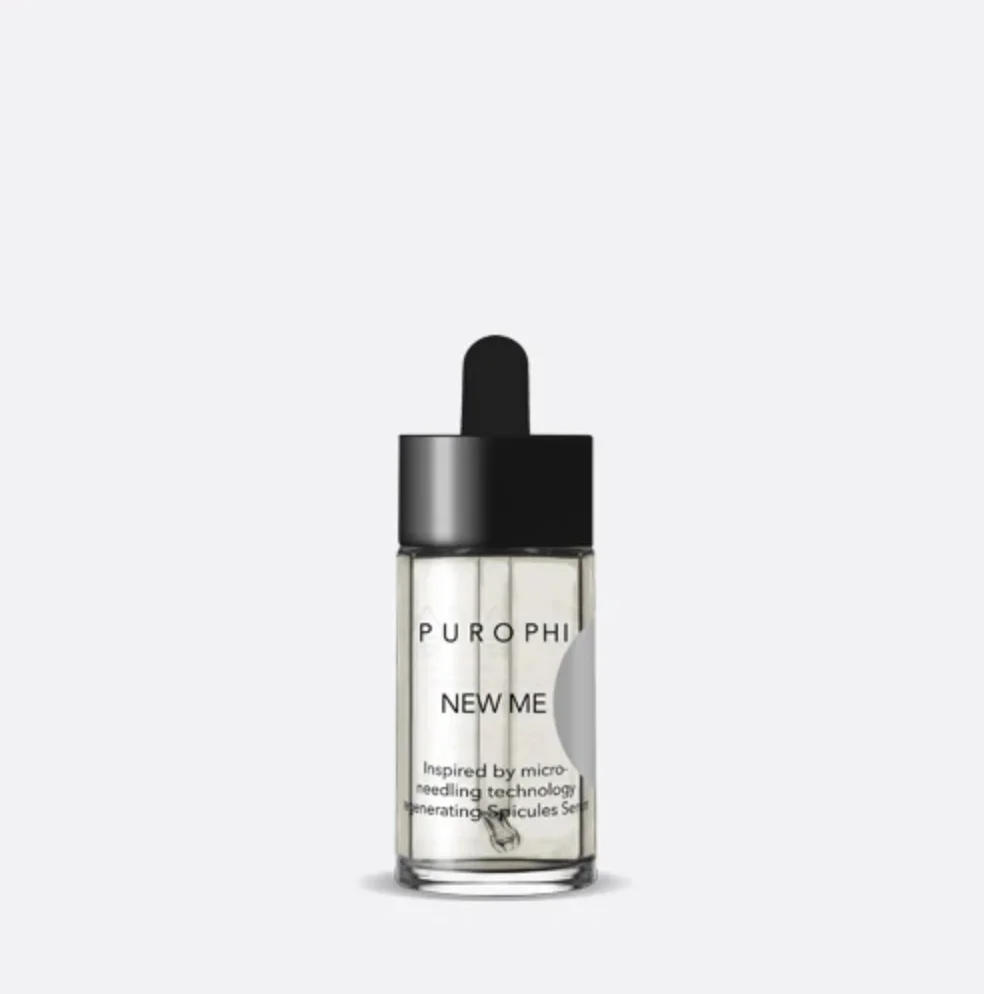


| EWG | CIR | Ingredient Name & Cosmetic Function | Notes |
|---|---|---|---|
| 1 | - | (Skin Conditioning, Perfuming, Emollient) |  |
| 1 | - | | |
| 1 | - | | |
| 1 | - | (Solvent, Viscosity Controlling, Viscosity Decreasing Agent) | |
| EWG | CIR | Ingredient Name & Cosmetic Function | Notes |
|---|---|---|---|
| 1 | - | (Solvent) | |
| 1 2 | A | (Solvent, Perfuming, Fragrance, Humectant, Viscosity Decreasing Agent, Hair Conditioning, Skin Protecting, Denaturant ) |  |
| 1 | A | (Humectant, Skin Conditioning) | |
| - | - | (Skin Conditioning) | |

Nigella Sativa (Black Cumin) Seed
1. Definition Nigella Sativa (Black Cumin) Seed:
Nigella Sativa, also known as Black Cumin Seed, is a flowering plant native to Southwest Asia. The seeds of this plant are rich in essential oils, antioxidants, and nutrients that have been used for centuries in traditional medicine and culinary practices.2. Use:
Black Cumin Seed oil is commonly used in cosmetics for its nourishing and moisturizing properties. It is known to help promote healthy skin by reducing inflammation, fighting acne-causing bacteria, and improving the skin's overall appearance. The oil is also used in hair care products to strengthen hair follicles, promote hair growth, and prevent dandruff.3. Usage Nigella Sativa (Black Cumin) Seed:
When using Black Cumin Seed oil in cosmetics, it is important to perform a patch test on a small area of skin before applying it to a larger area. This can help determine if you have any allergic reactions to the oil. It is recommended to dilute the oil with a carrier oil, such as coconut or jojoba oil, before applying it to the skin or hair. Avoid using the oil near the eyes and mucous membranes, and discontinue use if any irritation occurs.4. References:
- Cheikh-Rouhou, S., et al. (2008). Nigella sativa L.: Chemical composition and physicochemical characteristics of lipid fraction. Food Chemistry, 108(3), 1019-1027.
- Ahmad, A., et al. (2013). A review on therapeutic potential of Nigella sativa: A miracle herb. Asian Pacific Journal of Tropical Biomedicine, 3(5), 337-352.
- Tavakkoli, A., et al. (2017). Nigella sativa seeds: A potential source for the production of vegetable oils as a source of bioactive lipids. Journal of the American Oil Chemists' Society, 94(2), 215-221.
Brassica Oleracea (Ornamental Cabbage)
1. Definition Brassica Oleracea (Ornamental Cabbage):
Brassica Oleracea, commonly known as ornamental cabbage, is a species of flowering plant in the Brassicaceae family. It is grown for its attractive foliage, which can range in colors from purple to pink to white, making it a popular choice for ornamental purposes in gardens and landscaping.2. Use:
Ornamental cabbage is not only valued for its aesthetic appeal in gardens, but it also has potential uses in cosmetics. The plant contains various compounds that have antioxidant properties, which can help protect the skin from damage caused by free radicals. This makes it a promising ingredient for skincare products aimed at promoting healthy and youthful-looking skin.3. Usage Brassica Oleracea (Ornamental Cabbage):
In cosmetics, Brassica Oleracea extract can be incorporated into formulations such as serums, creams, and masks. It is typically used for its antioxidant benefits, which can help reduce the signs of aging and improve overall skin health. However, as with any new ingredient, it is important to perform a patch test before using products containing Brassica Oleracea extract to ensure that it does not cause any adverse reactions.4. References:
- Kim, S. Y., Kim, M. S., & Lee, J. Y. (2017). Effects of Brassica oleracea var. capitata (cabbage) extract in LPS-induced inflammation in RAW 264.7 cells. Journal of Food and Nutrition Research, 5(4), 277-282.
- Park, S. Y., Lee, S. M., & Lee, J. Y. (2019). Antioxidant and anti-inflammatory activities of Brassica oleracea var. capitata (cabbage) extract in UVB-irradiated HaCaT cells. Journal of the Korean Society of Food Science and Nutrition, 48(6), 709-714.
- Lee, J. Y., Kim, M. S., & Kim, S. Y. (2018). Anti-aging effects of Brassica oleracea var. capitata (cabbage) extract in UVB-irradiated human dermal fibroblasts. Journal of the Korean Society of Cosmetology, 24(1), 50-55.
Simmondsia Chinensis (Jojoba)
1. Definition Simmondsia Chinensis (Jojoba):
Simmondsia Chinensis, commonly known as Jojoba, is a shrub native to the southwestern United States and northern Mexico. The oil extracted from the seeds of this plant is a popular ingredient in cosmetics due to its moisturizing and nourishing properties.2. Use:
Jojoba oil is commonly used in skincare products such as lotions, creams, and serums. It is known for its ability to mimic the skin's natural oils, making it suitable for all skin types, including sensitive and acne-prone skin. Jojoba oil is also used in hair care products to hydrate and condition the hair, leaving it soft and shiny.3. Usage Simmondsia Chinensis (Jojoba):
Jojoba oil can be used on its own as a moisturizer or added to existing skincare and hair care products. It can be applied directly to the skin or hair, massaged in gently until fully absorbed. Jojoba oil can also be used as a carrier oil for essential oils or other active ingredients.Precautions: While jojoba oil is generally considered safe for most people, it is always recommended to do a patch test before using it on a larger area of skin. Some individuals may be allergic to jojoba oil, so it is important to discontinue use if any irritation or allergic reaction occurs. It is also important to store jojoba oil in a cool, dark place to prevent it from going rancid.
4. References:
- Meier L, Stange R, Michalsen A, Uehleke B. Clay jojoba oil facial mask for lesioned skin and mild acne--results of a prospective, observational pilot study. Forsch Komplementmed. 2012;19(2):75-9. doi: 10.1159/000338076. Epub 2012 Apr 19. PMID: 22585103.
- Pazyar N, Yaghoobi R, Ghassemi MR, Kazerouni A, Rafeie E, Jamshydian N. Jojoba in dermatology: a succinct review. G Ital Dermatol Venereol. 2013 Dec;148(6):687-91. PMID: 24305429.
- Ranzato E, Martinotti S, Burlando B. Wound healing properties of jojoba liquid wax: an in vitro study. J Ethnopharmacol. 2011 Sep 1;134(2):443-9. doi: 10.1016/j.jep.2011.01.027. Epub 2011 Jan 27. PMID: 21276990.
Methylsulfonylmethane (Msm)
1. Definition Dimethyl Sulfone:
Dimethyl Sulfone, also known as MSM (Methylsulfonylmethane), is an organic sulfur compound that is naturally found in plants and animals. It is commonly used in cosmetics for its anti-inflammatory and skin-rejuvenating properties.2. Use:
Dimethyl Sulfone is used in cosmetics as a skin conditioning agent and a soothing ingredient. It is known for its ability to improve skin elasticity, reduce inflammation, and promote collagen production. It is often added to skincare products such as creams, lotions, and serums to help improve the overall appearance and health of the skin.3. Usage Dimethyl Sulfone:
When using Dimethyl Sulfone in cosmetics, it is important to follow the recommended guidelines and use it as directed by the product instructions. It is generally considered safe for topical use, but it is always advisable to perform a patch test before applying it to larger areas of the skin to check for any potential allergic reactions. Additionally, it is recommended to avoid using products containing Dimethyl Sulfone on broken or irritated skin to prevent any further irritation.4. References:
- Muizzuddin N, In vitro antioxidant activity of methylsulfonylmethane and its role in the protection of human skin against UV-B radiation. Int J Cosmet Sci. 2012 Aug;34(4):273-9. doi: 10.1111/j.1468-2494.2012.00706.x. Epub 2012 Mar 19. PMID: 22429009.
- Kim YH, Kim DH, Lim H, Baek DY, Shin HK, Kim JK. The anti-inflammatory effects of methylsulfonylmethane on lipopolysaccharide-induced inflammatory responses in murine macrophages. Biol Pharm Bull. 2009 Apr;32(4):651-6. doi: 10.1248/bpb.32.651. PMID: 19342695.
- Brien S, Prescott P, Bashir N, Lewith G. Systematic review of the nutritional supplements dimethyl sulfoxide (DMSO) and methylsulfonylmethane (MSM) in the treatment of osteoarthritis. Osteoarthritis Cartilage. 2008 Nov;16(11):1277-88. doi: 10.1016/j.joca.2008.03.004. Epub 2008 May 16. PMID: 18482783.







