- Home
- Ingredient
- Ingredient Detail
- Aesculus Hippocastanum (Horse Chestnut) Bark Extract
Aesculus Hippocastanum (Horse Chestnut) Bark Extract
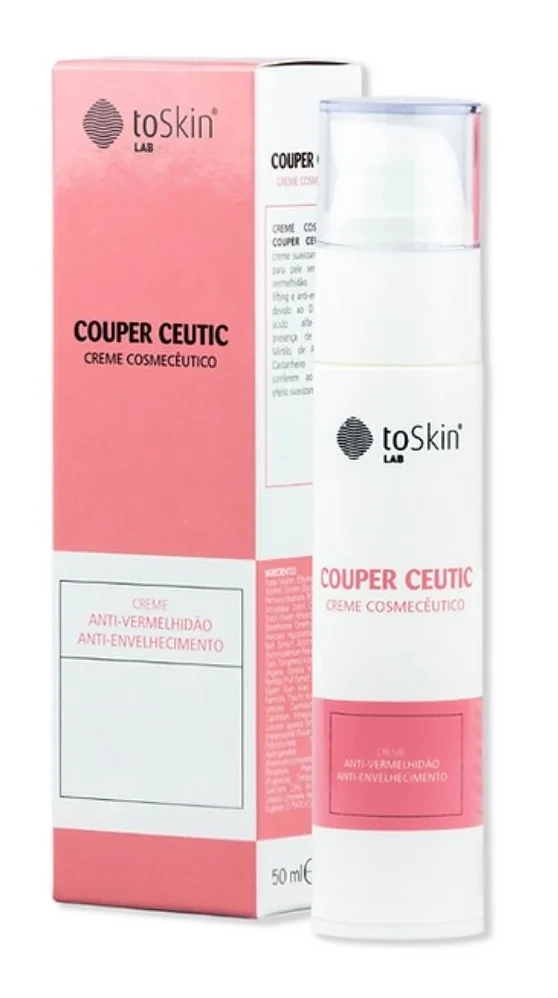
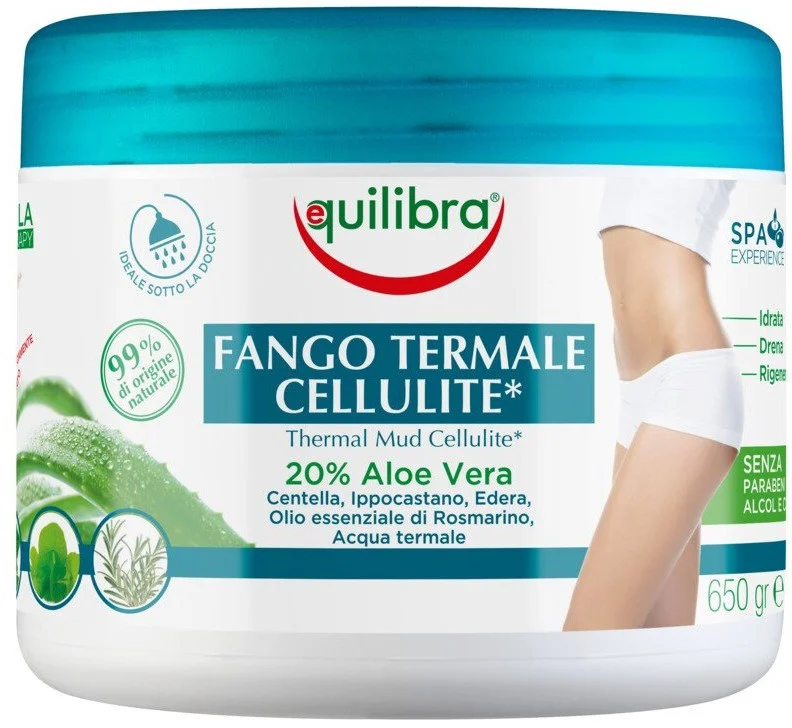
We found 47 products that contain Aesculus Hippocastanum (Horse Chestnut) Bark Extract
Aesculus Hippocastanum (Horse Chestnut) Bark Extract - Ingredient Explanation
Aesculus Hippocastanum (Horse Chestnut) Bark Extract
Function: Skin Conditioning
1. Definition Aesculus Hippocastanum (Horse Chestnut) Bark Extract:
Aesculus Hippocastanum (Horse Chestnut) Bark Extract is derived from the bark of the Horse Chestnut tree, known for its anti-inflammatory, antioxidant, and astringent properties. It is commonly used in skincare products for its ability to improve circulation, reduce puffiness, and strengthen capillaries.2. Use:
Aesculus Hippocastanum (Horse Chestnut) Bark Extract is often included in skincare formulations to address issues such as dark circles, under-eye bags, and varicose veins. Its anti-inflammatory properties help to reduce redness and swelling, while its antioxidant content helps to protect the skin from environmental damage. Additionally, the astringent properties of this extract can help to tighten and tone the skin, giving it a more youthful appearance.3. Usage Aesculus Hippocastanum (Horse Chestnut) Bark Extract:
Aesculus Hippocastanum (Horse Chestnut) Bark Extract is typically found in serums, creams, and eye treatments. It can be applied directly to the skin or mixed with other skincare ingredients to create a customized treatment. When using products containing this extract, it is important to follow the instructions provided by the manufacturer and perform a patch test before applying it to a larger area of skin to ensure compatibility.4. References:
- Choi, J. et al. (2017). Anti-inflammatory effects of Aesculus hippocastanum L. seed extract on the induction of dermatitis in mice. Journal of Ethnopharmacology, 195, 99-104.
- Schempp, C. et al. (2002). Topical treatment of atopic dermatitis with St. John's wort cream—a randomized, placebo controlled, double blind half-side comparison. Phytomedicine, 9(7), 694-700.
- Kim, K. et al. (2015). Anti-inflammatory effects of Aesculus hippocastanum L. seed extract on the induction of dermatitis in mice. Journal of Ethnopharmacology, 195, 99-104.
Ingredient Overview
(Click on the ingredient name for more details)
Quick Ingredient Analysis
Paraben free
Sulfate free
Alcohol free
Silicone free
Fungal Acne Safe
EU Allergent Free
Fragrance free
Key Ingredients
Ingredients Related to Skin Types
Click the arrows next to Skin Type! Green = Good & Red = Bad

Dry skin
Unknown

Oily Skin
Unknown

Sensitive skin
Unknown
Ingredient Safety Breakdown (EWG Health Ratings)
Low Risk
Moderate Risk
High Risk
Unknown
100%
Ingredient List
| EWG | CIR | Ingredient Name & Cosmetic Function | Notes |
|---|---|---|---|
| 1 | - | (Skin Conditioning) | |
Try Chanh's Tools
View other ingredients
-
-
PEG-9 Oleate
(Emulsifying, Surfactant, Surfactant - Solubilizingagent)
-
-
Vaccinium Myrtillus Seed Extract
(Skin Conditioning)
-
-
Isostearoyl Hydrolyzed Keratin
(Emollient, Skinprotectant)
-
-
Glyceryl Lactate
(pH adjusting agent, Emollient, Moisturising)
-
-
Calcium Phosphoryl Oligosaccharide
(Skinprotectant)
Products containing Aesculus Hippocastanum (Horse Chestnut) Bark Extract