- Home
- Ingredient
- Ingredient Detail
- Dechloro Dihydroxy Difluoro Ethylcloprostenolamide
Dechloro Dihydroxy Difluoro Ethylcloprostenolamide
We found 8 products that contain Dechloro Dihydroxy Difluoro Ethylcloprostenolamide
Dechloro Dihydroxy Difluoro Ethylcloprostenolamide - Ingredient Explanation
Dechloro Dihydroxy Difluoro Ethylcloprostenolamide
1. Definition Dechloro Dihydroxy Difluoro Ethylcloprostenolamide:
Dechloro Dihydroxy Difluoro Ethylcloprostenolamide is a synthetic prostaglandin analog that is commonly used in cosmetic products to promote eyelash growth and enhance the appearance of lashes.2. Use:
Dechloro Dihydroxy Difluoro Ethylcloprostenolamide is primarily used in cosmetic formulations, such as eyelash serums and mascaras, to stimulate the growth of eyelashes. It works by prolonging the growth phase of the eyelash hair cycle, resulting in longer, thicker, and darker lashes over time.3. Usage Dechloro Dihydroxy Difluoro Ethylcloprostenolamide:
When using products containing Dechloro Dihydroxy Difluoro Ethylcloprostenolamide, it is important to follow the manufacturer's instructions carefully. Typically, a small amount of the product is applied to the base of the upper eyelashes once daily using a clean applicator brush. It is important to avoid getting the product into the eyes, as it may cause irritation or other adverse reactions. If irritation occurs, discontinue use immediately and consult a healthcare professional.4. References:
- Lee, S., Lee, J., & Lee, J. (2018). Prostaglandin analogs in the treatment of glaucoma. Expert opinion on pharmacotherapy, 19(18), 2047-2058.
- Johnstone, M. A., & Albert, D. M. (2002). Prostaglandin-induced hair growth. Survey of ophthalmology, 47, S185-S202.
- Fabi, S. G., & Friedmann, D. P. (2016). A randomized, double-blind, multicenter, parallel group, pilot study to evaluate the efficacy and safety of a novel eyelash enhancing serum. Journal of Drugs in Dermatology, 15(7), 883-888.
Ingredient Overview
(Click on the ingredient name for more details)
Quick Ingredient Analysis
Paraben free
Sulfate free
Alcohol free
Silicone free
Fungal Acne Safe
EU Allergent Free
Fragrance free
Key Ingredients
Ingredients Related to Skin Types
Click the arrows next to Skin Type! Green = Good & Red = Bad

Dry skin
Unknown

Oily Skin
Unknown

Sensitive skin
Unknown
Ingredient Safety Breakdown (EWG Health Ratings)
Low Risk
Moderate Risk
High Risk
Unknown
100%
Ingredient List
| EWG | CIR | Ingredient Name & Cosmetic Function | Notes |
|---|---|---|---|
| 1 | - | |
Try Chanh's Tools
View other ingredients
-
-
PEG-9 Oleate
(Emulsifying, Surfactant, Surfactant - Solubilizingagent)
-
-
Vaccinium Myrtillus Seed Extract
(Skin Conditioning)
-
-
Isostearoyl Hydrolyzed Keratin
(Emollient, Skinprotectant)
-
-
Glyceryl Lactate
(pH adjusting agent, Emollient, Moisturising)
-
-
Calcium Phosphoryl Oligosaccharide
(Skinprotectant)
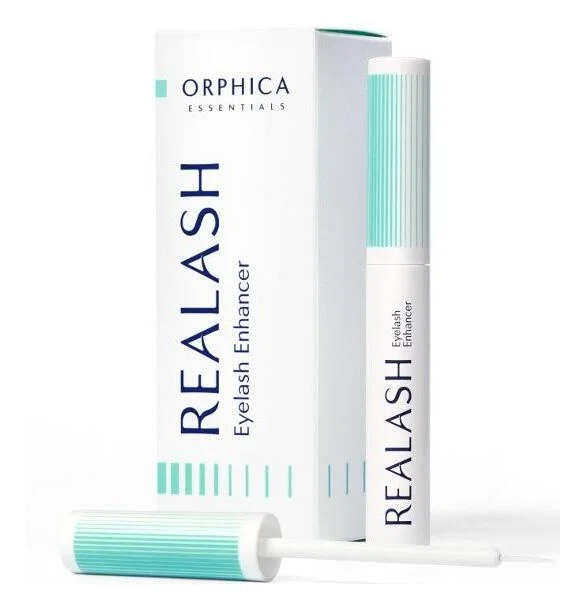
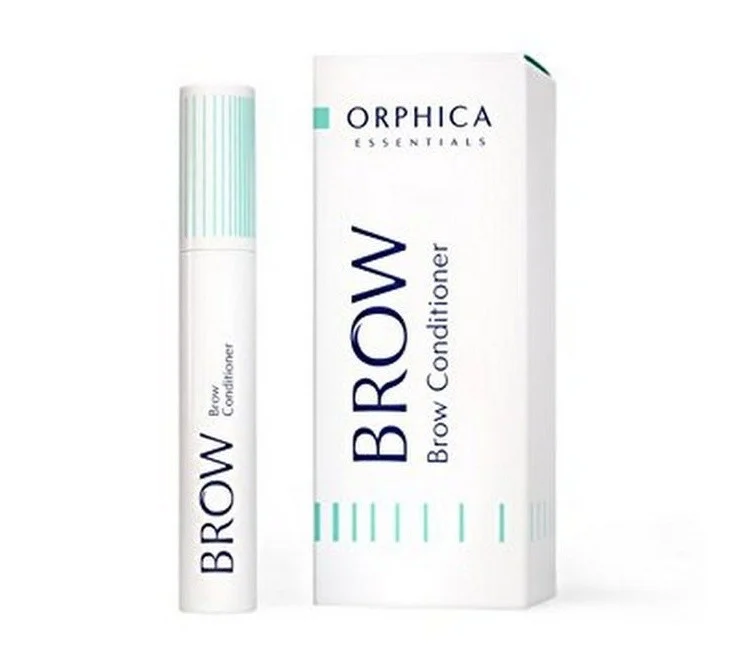
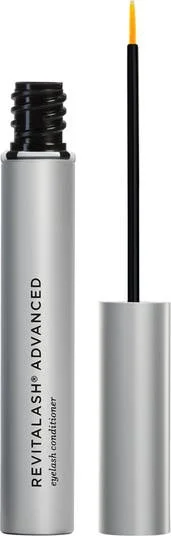
Products containing Dechloro Dihydroxy Difluoro Ethylcloprostenolamide