- Home
- Ingredient
- Ingredient Detail
- Himalayan Pink Salt
Himalayan Pink Salt
Himalayan Pink Salt - Ingredient Explanation
Himalayan Pink Salt
Definition
Himalayan pink salt is a type of rock salt mined from the Punjab region of Pakistan, particularly from the Khewra Salt Mine. Known for its distinctive pink hue due to trace minerals like magnesium, potassium, and calcium, this salt is often marketed as a purer, more natural alternative to regular table salt. It has gained popularity not only in culinary applications but also in cosmetics and wellness products due to its supposed health benefits.
Use
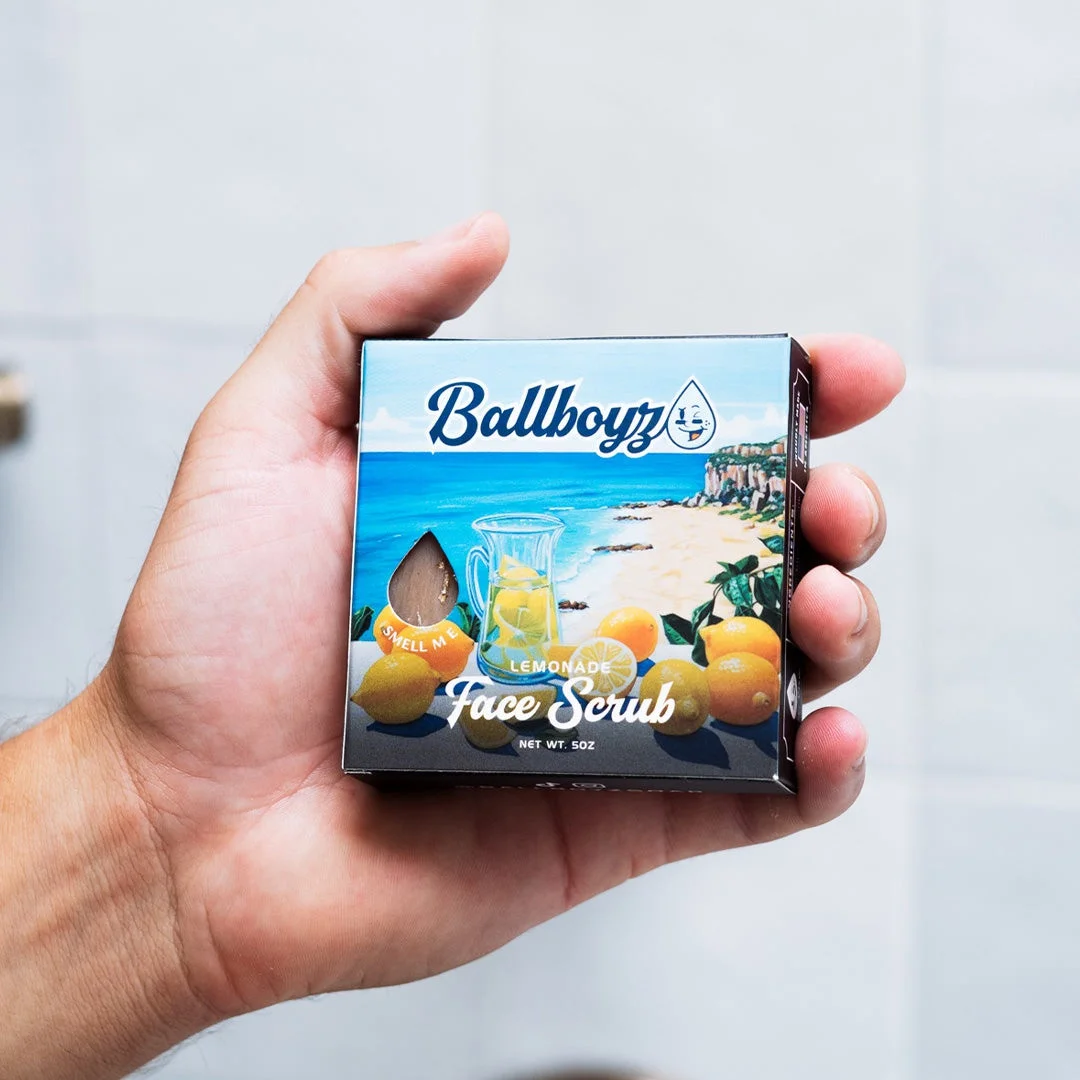
In cosmetics, Himalayan pink salt is valued for its exfoliating properties and mineral content. It is commonly found in scrubs, bath salts, soaps, and facial masks. The granular texture helps to remove dead skin cells, promoting smoother and more radiant skin. Additionally, its mineral content is believed to nourish the skin, balance pH levels, and detoxify impurities.
Usage
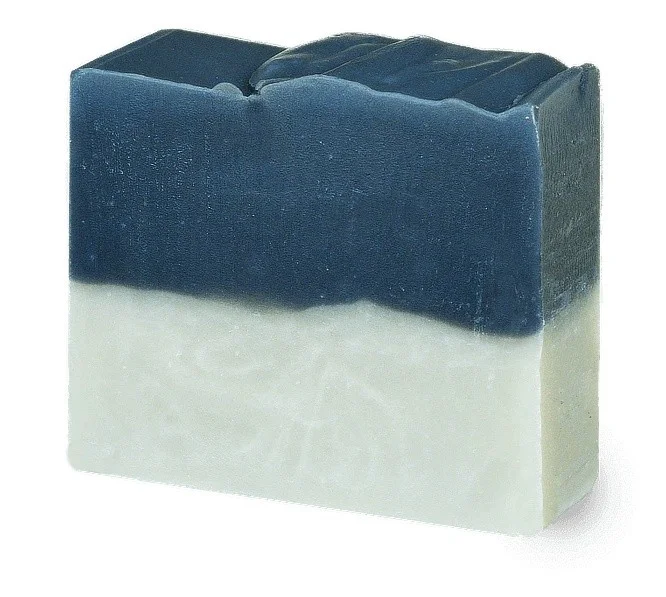
When using Himalayan pink salt in cosmetics, it's often incorporated into formulations in various ways. For example, bath salts dissolve in water, creating a mineral-rich soak that can soothe and relax muscles. Scrubs and masks utilize the coarse grains for mechanical exfoliation, helping to unclog pores and refine skin texture. It's also used in salt bars or soap, where the salt crystals can gently polish the skin during washing.
Precautions
While Himalayan pink salt is generally safe for most people, there are some precautions to consider:
Sensitivity: Individuals with sensitive skin should use products containing Himalayan pink salt sparingly, as the coarse texture might cause irritation or microtears in the skin.
Allergic Reactions: Although rare, some people might experience allergic reactions. It's recommended to perform a patch test before using any new product extensively.
Over-exfoliation: Using salt-based exfoliants too frequently can lead to over-exfoliation, resulting in dry, irritated, or damaged skin. It's best to limit use to once or twice a week.
Open Wounds: Avoid using these products on broken or inflamed skin, as the salt can cause stinging and discomfort.
References
- G. D. Guthrie and E. Bish, "Health Effects of Mineral Dusts," Reviews in Mineralogy, vol. 28, 1997.
- V. Małgorzata, "Cosmetic Use of Salt from Different Origins," Polish Journal of Natural Sciences, vol. 32, no. 4, 2017.
- J. Jenkins, "Benefits of Himalayan Salt for Skin," International Journal of Dermatology, vol. 58, no. 8, 2019.
Ingredient Overview


Ingredient List
| EWG | CIR | Ingredient Name & Cosmetic Function | Notes |
|---|---|---|---|
| - | - | (Antimicrobial, Exfoliant) | |