- Home
- Ingredient
- Ingredient Detail
- Isomerized Safflower Acid
Isomerized Safflower Acid
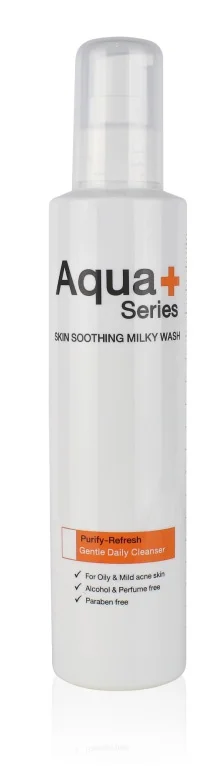
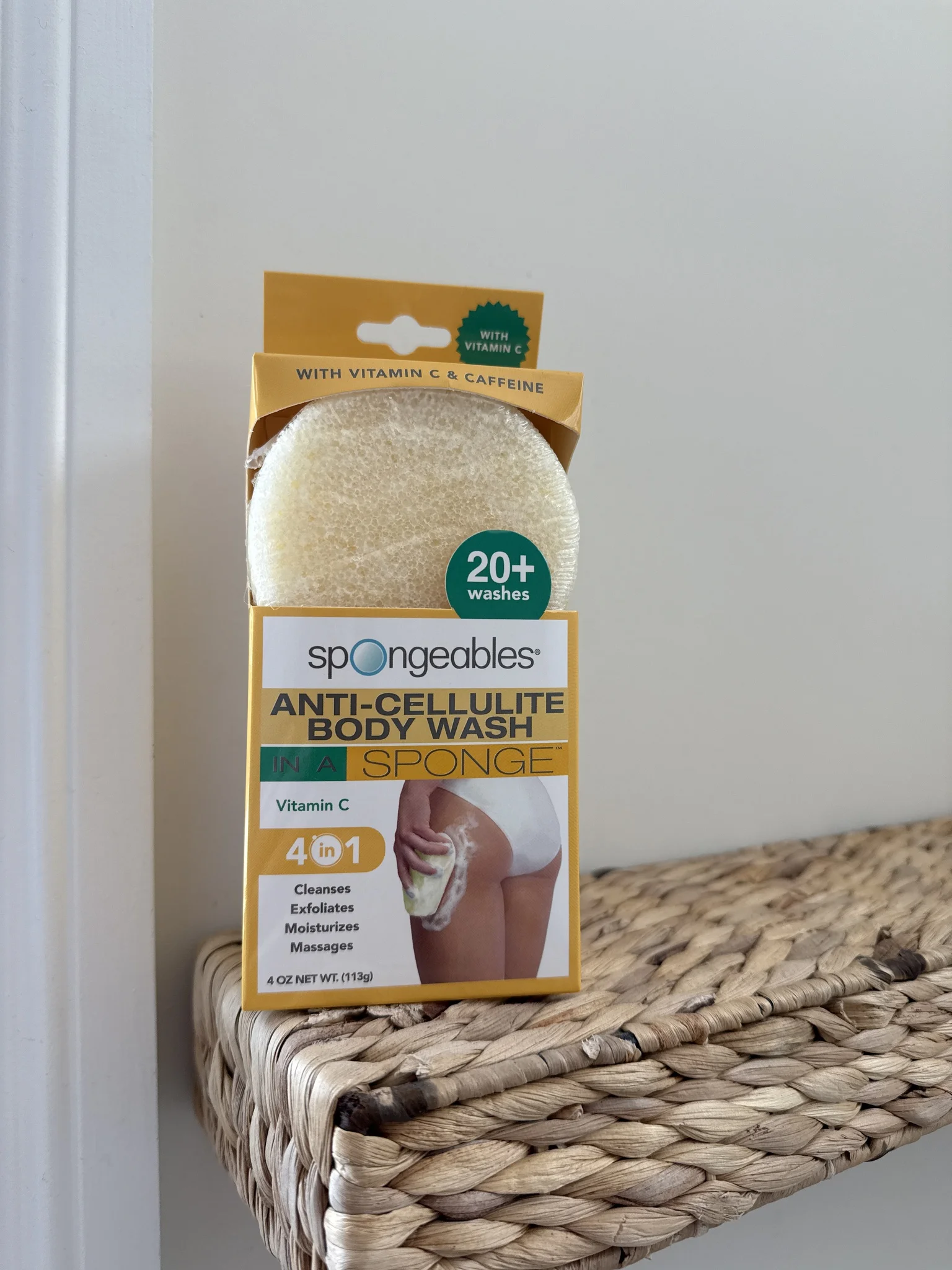
We found 23 products that contain Isomerized Safflower Acid
Isomerized Safflower Acid - Ingredient Explanation
Isomerized Safflower Acid
Function: Skin Conditioning
1. Definition Isomerized Safflower Acid:
Isomerized Safflower Acid is a derivative of safflower oil that has undergone an isomerization process to convert linoleic acid into conjugated linoleic acid (CLA). CLA is a fatty acid known for its antioxidant and anti-inflammatory properties, making it a popular ingredient in skincare products.2. Use:
Isomerized Safflower Acid is commonly used in cosmetics for its ability to promote skin health and combat signs of aging. It is often found in anti-aging creams, serums, and moisturizers due to its ability to improve skin elasticity, reduce the appearance of wrinkles, and protect against environmental damage.3. Usage Isomerized Safflower Acid:
When using products containing Isomerized Safflower Acid, it is important to follow the instructions provided by the manufacturer. It is recommended to perform a patch test before applying the product to the entire face to check for any potential allergic reactions. It is also advisable to start with a lower concentration of Isomerized Safflower Acid and gradually increase the usage to avoid any skin irritation.4. References:
- Kim, J. H., Lee, H. J., Kim, J. S., & Kim, Y. J. (2014). Conjugated linoleic acid: potential health benefits as a functional food ingredient. Annual review of food science and technology, 5, 173-193.
- Park, Y., & Pariza, M. W. (2007). Mechanisms of body fat modulation by conjugated linoleic acid (CLA). Food Research International, 40(3), 311-323.
- Song, H. J., Grant, I., Rotondo, D., Mohede, I., Sattar, N., & Heys, S. D. (2005). Effect of CLA supplementation on immune function in young healthy volunteers. European journal of clinical nutrition, 59(4), 508-517.
Ingredient Overview
(Click on the ingredient name for more details)
Quick Ingredient Analysis
Paraben free
Sulfate free
Alcohol free
Silicone free
Fungal Acne Safe
EU Allergent Free
Fragrance free
Key Ingredients
Ingredients Related to Skin Types
Click the arrows next to Skin Type! Green = Good & Red = Bad

Dry skin
Unknown

Oily Skin
Unknown

Sensitive skin
Unknown
Ingredient Safety Breakdown (EWG Health Ratings)
Low Risk
Moderate Risk
High Risk
Unknown
100%
Ingredient List
| EWG | CIR | Ingredient Name & Cosmetic Function | Notes |
|---|---|---|---|
| 1 | - | (Skin Conditioning) | |
Try Chanh's Tools
View other ingredients
-
-
PEG-9 Oleate
(Emulsifying, Surfactant, Surfactant - Solubilizingagent)
-
-
Vaccinium Myrtillus Seed Extract
(Skin Conditioning)
-
-
Isostearoyl Hydrolyzed Keratin
(Emollient, Skinprotectant)
-
-
Glyceryl Lactate
(pH adjusting agent, Emollient, Moisturising)
-
-
Calcium Phosphoryl Oligosaccharide
(Skinprotectant)
Products containing Isomerized Safflower Acid