- Home
- Ingredient
- Ingredient Detail
- Lavandula Hybrida (Lavandin)
Lavandula Hybrida (Lavandin)
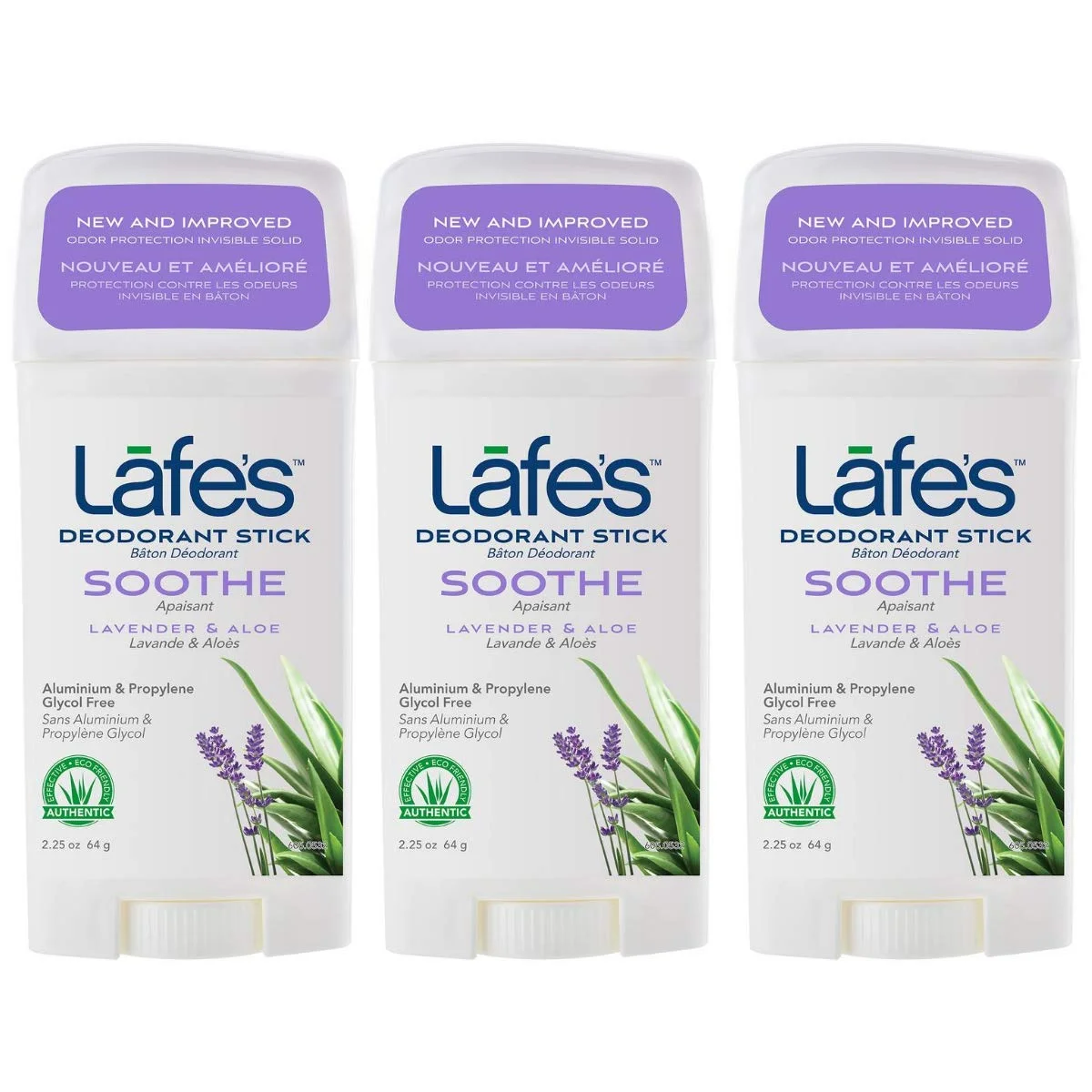
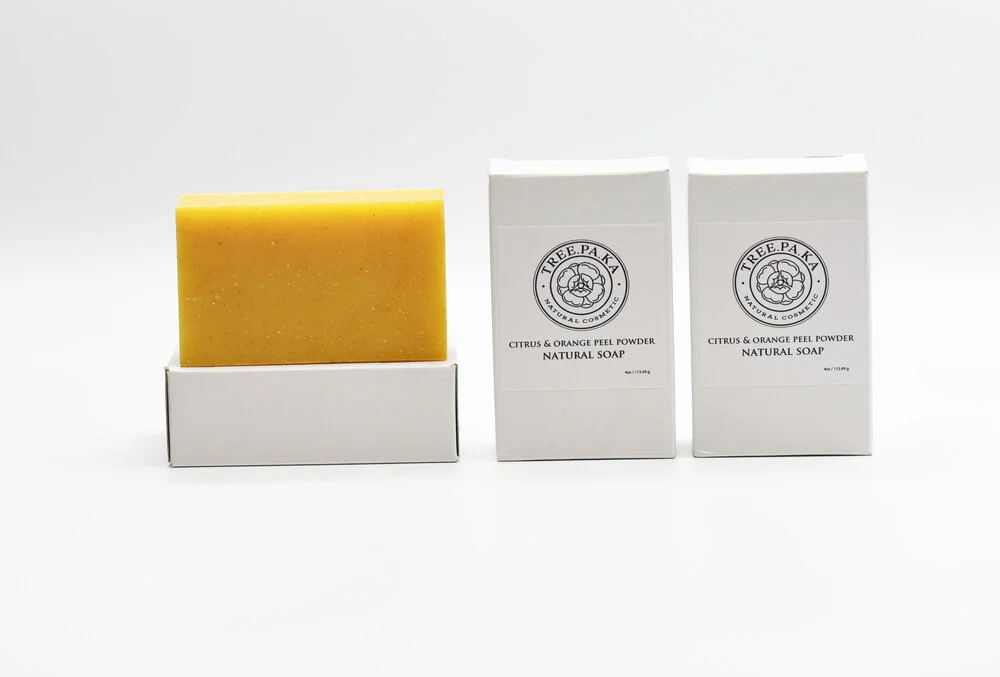
We found 2 products that contain Lavandula Hybrida (Lavandin)
Lavandula Hybrida (Lavandin) - Ingredient Explanation
Lavandula Hybrida (Lavandin)
Function: Emollient
1. Definition Lavandula Hybrida (Lavandin):
Lavandula Hybrida, commonly known as Lavandin, is a hybrid plant that is a cross between true lavender (Lavandula angustifolia) and spike lavender (Lavandula latifolia). It is known for its strong, aromatic scent and is commonly used in the production of essential oils.2. Use:
Lavandin is widely used in the cosmetic industry for its soothing and calming properties. It is often included in skincare products such as lotions, creams, and serums due to its ability to help reduce inflammation and promote relaxation. The aromatic scent of lavandin is also commonly used in perfumes, soaps, and bath products for its calming and uplifting effects.3. Usage Lavandula Hybrida (Lavandin):
When using lavandin in cosmetics, it is important to consider any potential sensitivities or allergies. It is recommended to perform a patch test before using products containing lavandin to ensure there are no adverse reactions. Additionally, it is important to follow the recommended usage guidelines provided by the manufacturer to ensure safe and effective use of lavandin in cosmetics.4. References:
- Bakkali, F., Averbeck, S., Averbeck, D., Idaomar, M. (2008). Biological effects of essential oils – A review. Food and Chemical Toxicology, 46(2), 446-475.
- Lis-Balchin, M. (2002). Aromatherapy science: A guide for healthcare professionals. Pharmaceutical Press.
- Buchbauer, G., Jirovetz, L., Jäger, W., Plank, C., Dietrich, H. (1993). Fragrance compounds and essential oils with sedative effects upon inhalation. Journal of Pharmaceutical Sciences, 82(6), 660-664.
Ingredient Overview
(Click on the ingredient name for more details)
Quick Ingredient Analysis
Paraben free
Sulfate free
Alcohol free
Silicone free
Fungal Acne Safe
EU Allergent Free
Fragrance free
Key Ingredients
Ingredients Related to Skin Types
Click the arrows next to Skin Type! Green = Good & Red = Bad

Dry skin
Unknown

Oily Skin
Unknown

Sensitive skin
Unknown
Ingredient Safety Breakdown (EWG Health Ratings)
Low Risk
Moderate Risk
High Risk
Unknown
100%
Ingredient List
| EWG | CIR | Ingredient Name & Cosmetic Function | Notes |
|---|---|---|---|
| 2 | - | (Emollient) | |
Try Chanh's Tools
View other ingredients
-
-
PEG-9 Oleate
(Emulsifying, Surfactant, Surfactant - Solubilizingagent)
-
-
Vaccinium Myrtillus Seed Extract
(Skin Conditioning)
-
-
Isostearoyl Hydrolyzed Keratin
(Emollient, Skinprotectant)
-
-
Glyceryl Lactate
(pH adjusting agent, Emollient, Moisturising)
-
-
Calcium Phosphoryl Oligosaccharide
(Skinprotectant)
Products containing Lavandula Hybrida (Lavandin)