- Home
- Ingredient
- Ingredient Detail
- Melissa Officinalis Flower/Leaf/Stem Water
Melissa Officinalis Flower/Leaf/Stem Water
We found 67 products that contain Melissa Officinalis Flower/Leaf/Stem Water
Melissa Officinalis Flower/Leaf/Stem Water - Ingredient Explanation
Melissa Officinalis Flower/Leaf/Stem Water
Function: Skin Conditioning
1. Definition Melissa Officinalis Flower/Leaf/Stem Water:
Melissa Officinalis Flower/Leaf/Stem Water, also known as Lemon Balm Water, is a natural ingredient obtained through the distillation of the flowers, leaves, and stems of Melissa Officinalis, a fragrant herb belonging to the mint family. This water is rich in antioxidants, vitamins, and minerals, making it a popular choice in skincare products.2. Use:
Melissa Officinalis Flower/Leaf/Stem Water is commonly used in cosmetics for its soothing and calming properties. It is known to help reduce inflammation, redness, and irritation, making it suitable for sensitive and irritated skin. Additionally, the water has a refreshing scent that can uplift the senses and promote relaxation.3. Usage Melissa Officinalis Flower/Leaf/Stem Water:
Melissa Officinalis Flower/Leaf/Stem Water can be found in various skincare products such as toners, mists, serums, and creams. It can be applied directly to the skin using a cotton pad or spritzed onto the face for a quick refresh. The water can also be used as a natural ingredient in DIY skincare recipes to create homemade masks, toners, or sprays.Precautions when using Melissa Officinalis Flower/Leaf/Stem Water include conducting a patch test before applying it to the entire face, especially for individuals with sensitive skin. It is important to check for any allergic reactions or irritation. Additionally, it is recommended to store products containing this water in a cool, dry place away from direct sunlight to maintain its efficacy.
4. References:
- Grieve, M. (1931). A Modern Herbal. Retrieved from https://www.botanical.com/botanical/mgmh/m/mellam61.html
- Chaudhary, A. (2015). Lemon Balm: Melissa officinalis. International Journal of Green Pharmacy, 9(3), 185-188.
- Tadić, V., Oliva, A., Bojović, D., Cipolla, A., De Angelis, M., and Menković, N. (2008). Comparative study of the essential oils of Melissa officinalis L. and Melissa officinalis subsp. inodora (Rouy) Arcangeli. Journal of Medicinal Plants Research, 2(5), 123-127.
Ingredient Overview
(Click on the ingredient name for more details)
Quick Ingredient Analysis
Paraben free
Sulfate free
Alcohol free
Silicone free
Fungal Acne Safe
EU Allergent Free
Fragrance free
Key Ingredients
Ingredients Related to Skin Types
Click the arrows next to Skin Type! Green = Good & Red = Bad

Dry skin
Unknown

Oily Skin
Unknown

Sensitive skin
Unknown
Ingredient Safety Breakdown (EWG Health Ratings)
Low Risk
Moderate Risk
High Risk
Unknown
100%
Ingredient List
| EWG | CIR | Ingredient Name & Cosmetic Function | Notes |
|---|---|---|---|
| - | - | (Skin Conditioning) | |
Try Chanh's Tools
View other ingredients
-
-
PEG-9 Oleate
(Emulsifying, Surfactant, Surfactant - Solubilizingagent)
-
-
Vaccinium Myrtillus Seed Extract
(Skin Conditioning)
-
-
Isostearoyl Hydrolyzed Keratin
(Emollient, Skinprotectant)
-
-
Glyceryl Lactate
(pH adjusting agent, Emollient, Moisturising)
-
-
Calcium Phosphoryl Oligosaccharide
(Skinprotectant)
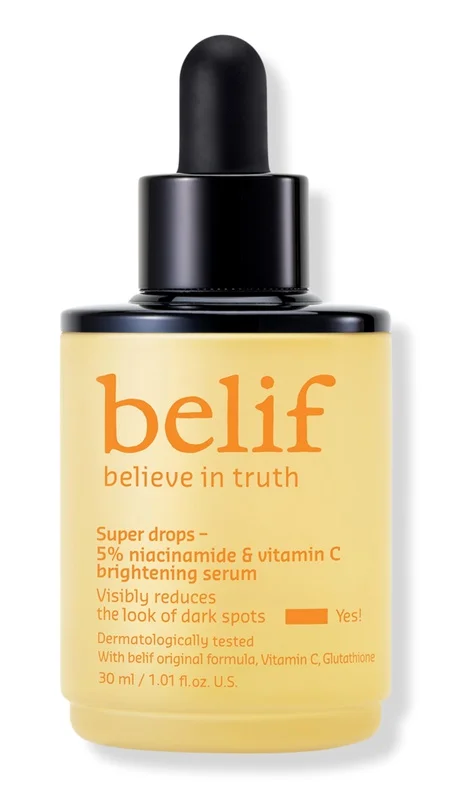
Products containing Melissa Officinalis Flower/Leaf/Stem Water