- Home
- Ingredient
- Ingredient Detail
- Polygonum Fagopyrum (Buckwheat) Flour
Polygonum Fagopyrum (Buckwheat) Flour
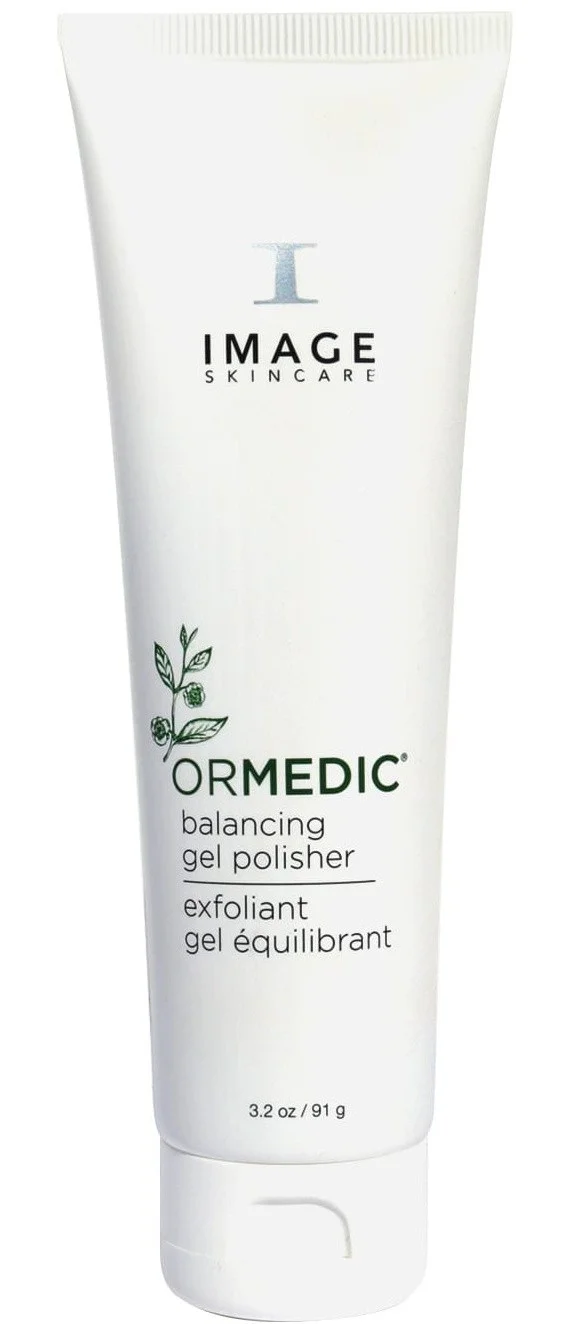
We found 4 products that contain Polygonum Fagopyrum (Buckwheat) Flour
Polygonum Fagopyrum (Buckwheat) Flour - Ingredient Explanation
Polygonum Fagopyrum (Buckwheat) Flour
1. Definition Polygonum Fagopyrum (Buckwheat) Flour:
Polygonum Fagopyrum (Buckwheat) Flour is a fine powder made from grinding the seeds of the buckwheat plant. It is known for its high nutrient content, including proteins, vitamins, and minerals, making it a popular ingredient in various cosmetic products.2. Use:
Buckwheat flour is commonly used in skincare products due to its gentle exfoliating properties. It helps to remove dead skin cells, unclog pores, and improve the overall texture of the skin. Additionally, buckwheat flour is known for its ability to absorb excess oil, making it ideal for those with oily or acne-prone skin.3. Usage Polygonum Fagopyrum (Buckwheat) Flour:
Buckwheat flour can be incorporated into homemade face masks, scrubs, and cleansers to promote smooth and radiant skin. To use buckwheat flour in skincare, simply mix it with water, honey, yogurt, or other natural ingredients to create a paste-like consistency. Gently massage the mixture onto damp skin, avoiding the eye area, and rinse off with warm water. It is recommended to perform a patch test before using buckwheat flour on the face to ensure there is no adverse reaction.4. References:
- Kaur, S., & Das, M. (2017). Functional properties of buckwheat flour and its supplementation in wheat flour: a review. Journal of Food Science and Technology, 54(5), 1199-1209.
- Kim, M. J., Kim, H. J., & Kim, E. J. (2019). Anti-inflammatory effects of buckwheat (Fagopyrum esculentum Moench) flour and its major component, rutin, in lipopolysaccharide-stimulated RAW 264.7 cells. Food Science and Biotechnology, 28(3), 725-732.
- Park, S. Y., & Kim, Y. H. (2019). Buckwheat flour inhibits adipogenesis and induces adipolysis in 3T3-L1 adipocytes. Food Science and Biotechnology, 28(5), 1483-1489.
Ingredient Overview
(Click on the ingredient name for more details)
Quick Ingredient Analysis
Paraben free
Sulfate free
Alcohol free
Silicone free
Fungal Acne Safe
EU Allergent Free
Fragrance free
Key Ingredients
Ingredients Related to Skin Types
Click the arrows next to Skin Type! Green = Good & Red = Bad

Dry skin
Unknown

Oily Skin
Unknown

Sensitive skin
Unknown
Ingredient Safety Breakdown (EWG Health Ratings)
Low Risk
Moderate Risk
High Risk
Unknown
100%
Ingredient List
| EWG | CIR | Ingredient Name & Cosmetic Function | Notes |
|---|---|---|---|
| - | - | |
Try Chanh's Tools
View other ingredients
-
-
PEG-9 Oleate
(Emulsifying, Surfactant, Surfactant - Solubilizingagent)
-
-
Vaccinium Myrtillus Seed Extract
(Skin Conditioning)
-
-
Isostearoyl Hydrolyzed Keratin
(Emollient, Skinprotectant)
-
-
Glyceryl Lactate
(pH adjusting agent, Emollient, Moisturising)
-
-
Calcium Phosphoryl Oligosaccharide
(Skinprotectant)
Products containing Polygonum Fagopyrum (Buckwheat) Flour