


Analysis locked
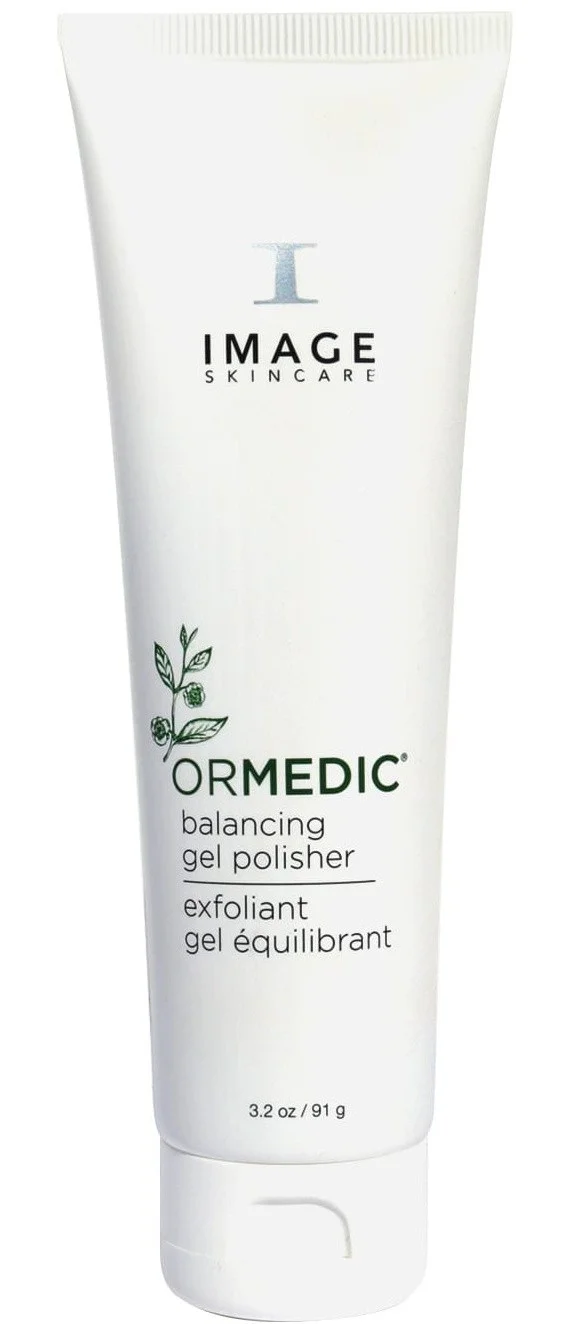
How well does your skin match with Image Skincare Ormedic Balancing Gel Polisher?
Login to see detailsOr continue via
Quick 1-minute survey • Completely free
Ingredients
Analysis results of Ingredients


Ingredient List
| EWG | CIR | Ingredient Name & Cosmetic Function | Notes |
|---|---|---|---|
| 1 | - | (Solvent) | |
| 1 3 | - | | |
| 1 | A | (Skin Conditioning) | |
| 2 | - | (Solvent, Viscosity Decreasing Agent, Viscosity Controlling) | |
| 1 2 | A | (Solvent, Perfuming, Fragrance, Humectant, Viscosity Decreasing Agent, Hair Conditioning, Skin Protecting, Denaturant ) |  Good for dry skin Moisturizing Good for dry skin Moisturizing |
| 1 | A | (Viscosity Controlling, Absorbent, Bulking Agent, Opacifying, Slip Modifier) | |
| 3 | B | (Emulsifying, Surfactant) |  Fungal Acne Trigger Cleansing Fungal Acne Trigger Cleansing |
| 1 | - | (Skin Conditioning, Humectant, Hair Conditioning) | |
| 1 | A | (Viscosity Controlling, Viscosity Increasing Agent, Emulsion Stabilising, Gel Forming) | |
| 1 3 | A | (pH adjusting agent, pH adjusting agent) | |
| 1 | A | (Solvent, Masking, Perfuming, Skin Conditioning, Emollient) | |
| 1 | - | (Humectant, Skin Conditioning, Flavoring Agent) | |
| - | - | (Skin Protecting, Antioxidant) | Moisturizing |
| 2 | A | (Deodorant, Skin Conditioning) | |
| 1 | - | (Abrasive) | |
| 1 2 | - | (Skin Conditioning, Masking, Emollient, Fragrance, Humectant, Antimicrobial, Skin Protecting, Uv Absorber, Antioxidant, Tonic, Astringent, Skin-Conditioning Agent -Miscellaneous) | Moisturizing |
| 1 2 | A | (Masking, Fragrance, Chelating Agent, pH adjusting agent, pH adjusting agent) | Anti Aging  Bad for sensitive skin Bad for sensitive skin |
| - | - | | |
| 1 | - | (Skin Conditioning, Humectant) | |
| - | - | (Skin Conditioning) | |
| 1 | A | (Skin Conditioning, Emollient, Viscosity Controlling, Viscosity Increasing Agent, Emulsifying, Surfactant) | Cleansing |
| 1 | - | (Skin Conditioning, Emollient, Hair Conditioning, Abrasive) | |
| 2 4 | B | (Masking, Fragrance, Skin Conditioning) | Bad for sensitive skin |
| 1 5 | B | | |
| 1 | - | (Perfuming, Tonic) | |
| 1 | - | | |
| 1 | - | (Skin Conditioning) | |
| 1 | - | (Skin Conditioning, Exclusive) | |
| 1 | A | (Skin Conditioning) | |
| 1 | - | | |
| 1 | A | (Skin Conditioning, Masking, Perfuming) | |
| 1 | - | | |
| 1 | - | (Antimicrobial, Antidandruff Agent) | |
| 1 | - | (Skin Conditioning, Emollient, Hair Conditioning, Antimicrobial, Skin Protecting, Antioxidant, Astringent) | Moisturizing |
| 1 | - | (Skin Conditioning) | |
| 1 | - | | |
| 1 | - | (Skin Conditioning) | |
| 1 | A | (Skin Conditioning, Emollient, Emulsifying, Surfactant) | Cleansing |
| 1 | A | (Masking, Fragrance, Viscosity Controlling, Viscosity Increasing Agent, Binding Agent, Binding) | Bad for sensitive skin  Bad for oily skin Bad for oily skin |
| 1 | - | (Skin Conditioning) | |
| - | - | (Emollient) | |
| 1 2 | B | (Skin Conditioning) | |
| - | - | | |
| - | - | | |
| 1 | - | | |
| 1 | - | | |
| 1 | - | (Skin Conditioning, Perfuming, Hair Conditioning) | |
| 1 | - | (Skin Conditioning) | |
| 1 | - | (Skin Conditioning, Skin Protecting, Smoothing) | Moisturizing |
| 1 | - | Good for dry skin Anti Aging | |
| 2 4 | A | (Fragrance, Preservative) | |
| 2 | A | (Fragrance, Preservative) | |
| 1 3 | A | (Masking, Fragrance, Preservative, Anticorrosive) | |
| 1 | - | (Antimicrobial, Flavoring Agent) | |
| - | - | (Perfuming) |  Allergen Allergen  Fragrance-free Fragrance-free |
| 4 6 | A | (Solvent, Masking, Fragrance, Viscosity Decreasing Agent, Preservative, External Analgesic ) | Allergen Fragrance-free |
| 4 5 | - | (Solvent, Perfuming, Deodorant) | Allergen Fragrance-free |
| 1 | - | (Colorant, Cosmetic Colorant) | |
| 2 4 | - | (Cosmetic Colorant, Hair Dyeing) | |
Image Skincare Ormedic Balancing Gel Polisher - Ingredient Explanation
Water
1. Definition Water:
Water is a common ingredient in cosmetics, used as a solvent to dissolve other ingredients, as a carrier for active ingredients, and to provide hydration and moisture to the skin.2. Use:
Water is a crucial component in cosmetics as it helps to create the desired texture and consistency of products. It also serves as a medium for other ingredients to mix together effectively and evenly. Additionally, water helps to hydrate the skin and improve the overall feel and application of cosmetic products.3. Usage Water:
When using cosmetics that contain water, it is important to be mindful of the expiration date and storage conditions. Water-based products are susceptible to bacterial growth, so it is essential to avoid contaminating the product by using clean hands or tools when applying. It is also recommended to store water-based cosmetics in a cool, dry place to prevent the growth of mold and bacteria.4. References:
- Draelos, Z. D. (2010). Cosmetic dermatology: products and procedures. John Wiley & Sons.
- Winter, R. (2009). A consumer's dictionary of cosmetic ingredients: complete information about the harmful and desirable ingredients found in cosmetics and cosmeceuticals. Crown.
- Begoun, P. (2003). Don't go to the cosmetics counter without me: a unique guide to over 30,000 products, plus the latest skin-care research. Beginning Press.
Aloe Barbadensis (Aloe Vera) Leaf Juice
1. Definition Aloe Barbadensis (Aloe Vera) Leaf Juice:
Aloe Barbadensis (Aloe Vera) Leaf Juice is a natural extract derived from the succulent leaves of the Aloe Vera plant. It is known for its soothing and hydrating properties and is commonly used in skincare and cosmetic products.2. Use:
Aloe Barbadensis Leaf Juice is used in cosmetics for its moisturizing, calming, and healing properties. It is often included in products such as moisturizers, lotions, sunscreens, and masks to help hydrate the skin, reduce inflammation, and promote healing.3. Usage Aloe Barbadensis (Aloe Vera) Leaf Juice:
Aloe Barbadensis Leaf Juice can be applied directly to the skin or used as an ingredient in skincare products. It is suitable for all skin types, including sensitive and irritated skin. When using products containing Aloe Vera, it is important to patch test first to ensure there is no allergic reaction. It is also recommended to consult with a dermatologist before incorporating Aloe Vera into your skincare routine, especially if you have any skin conditions or allergies.4. References:
- Surjushe, A., Vasani, R., & Saple, D. G. (2008). Aloe vera: A short review. Indian Journal of Dermatology, 53(4), 163–166.
- Radha, M. H., & Laxmipriya, N. P. (2015). Evaluation of biological properties and clinical effectiveness of Aloe vera: A systematic review. Journal of Traditional and Complementary Medicine, 5(1), 21–26.
- Choi, S., Chung, M. H., & Aeschbach, R. (2001). Antioxidant activity of Aloe vera in vitro study. Journal of Agricultural and Food Chemistry, 50(16), 3718–3722.
Vitis Vinifera (Grape) Fruit Water
1. Definition Vitis Vinifera (Grape) Fruit Water:
Vitis Vinifera (Grape) Fruit Water is a natural ingredient derived from the juice of grapes. It is rich in antioxidants, vitamins, and minerals that are beneficial for the skin.2. Use:
Vitis Vinifera (Grape) Fruit Water is commonly used in cosmetics for its hydrating, toning, and anti-aging properties. It helps to improve the skin's overall appearance by promoting elasticity, reducing the appearance of fine lines and wrinkles, and providing a boost of hydration.3. Usage Vitis Vinifera (Grape) Fruit Water:
Vitis Vinifera (Grape) Fruit Water can be found in a variety of skincare products such as toners, serums, moisturizers, and masks. It can be applied directly to the skin or used as an ingredient in DIY skincare recipes. When using products containing Vitis Vinifera (Grape) Fruit Water, it is important to follow the instructions provided by the manufacturer and perform a patch test to check for any potential allergic reactions.4. References:
- Kim, S. Y., Kim, M. J., & Kang, H. (2018). Skin protective effect of Vitis vinifera (grape) seed extract against ultraviolet-C-induced oxidative stress in human dermal fibroblasts. Toxicology in Vitro, 47, 179-185.
- Bagchi, D., Bagchi, M., Stohs, S. J., Das, D. K., Ray, S. D., Kuszynski, C. A., ... & Pruess, H. G. (2000). Free radicals and grape seed proanthocyanidin extract: importance in human health and disease prevention. Toxicology, 148(2-3), 187-197.
- Park, J. Y., Kim, Y. E., & Lee, J. Y. (2019). Anti-inflammatory effects of grape skin and Vitis vinifera extract in human dermal fibroblasts. International Journal of Molecular Sciences, 20(20), 5041.
Propanediol
1. Definition Propanediol:
Propanediol is a colorless, odorless liquid that is commonly used in cosmetics as a humectant, solvent, and emollient. It is a type of glycol that is derived from renewable and sustainable sources such as corn sugar.2. Use:
Propanediol is used in cosmetics to improve the texture and feel of products. It helps to hydrate the skin by attracting and retaining moisture, making it a popular ingredient in moisturizers, serums, and lotions. Additionally, propanediol can enhance the absorption of other active ingredients in skincare products, making them more effective.3. Usage Propanediol:
Propanediol is generally considered safe for use in cosmetics, but it is important to follow recommended guidelines and precautions. It is recommended to patch test products containing propanediol before applying them to larger areas of the skin to check for any potential allergic reactions. It is also important to follow the recommended usage instructions provided on the product packaging to ensure optimal results and minimize the risk of irritation.4. References:
- Zhang, X., Qian, H., & Tang, S. (2018). Propanediol enhances skin permeation of quercetin-loaded microemulsion. Drug Development and Industrial Pharmacy, 44(6), 1010-1016.
- Rigo, L. A., da Silva, D. F., & Sayer, C. (2019). Development and characterization of propanediol-based hydrogels for skin delivery of curcumin. International Journal of Biological Macromolecules, 132, 73-81.
- Huang, D., Zhang, Y., & Zhang, Z. (2017). Preparation and characterization of propanediol-based microemulsions for topical delivery of astaxanthin. Journal of Dispersion Science and Technology, 38(9), 1317-1323.
Glycerin
1. Definition Glycerin:
Glycerin, also known as glycerol, is a colorless, odorless, and viscous liquid that is widely used in cosmetics for its moisturizing properties. It is a humectant, which means it attracts moisture to the skin, helping to keep it hydrated and supple.
2. Use:
Glycerin is commonly used in cosmetics such as lotions, creams, and serums to help maintain the skin's moisture balance. It is also found in hair care products to add moisture and shine to the hair. Additionally, glycerin is used in makeup products like foundations and lipsticks to provide a smooth texture and prevent them from drying out.
3. Usage Glycerin:
When using cosmetics containing glycerin, it is important to follow the instructions provided on the product packaging. Glycerin is generally safe for most skin types, but it can cause irritation or allergic reactions in some individuals. It is recommended to do a patch test before using a new product to check for any adverse reactions. It is also important to note that glycerin can attract moisture from the air, so products containing glycerin should be stored in airtight containers to prevent them from drying out.
4. References:
- Draelos, Z. D. (2010). Cosmetic Formulation of Skin Care Products. John Wiley & Sons.
- Loden, M., & Maibach, H. I. (2006). Dry Skin and Moisturizers: Chemistry and Function. CRC Press.
- Winter, R. (2009). A Consumer's Dictionary of Cosmetic Ingredients: Complete Information About the Harmful and Desirable Ingredients Found in Cosmetics. Harmony.
Cellulose
1. Definition Cellulose:
Cellulose is a natural polymer derived from plants, primarily from the cell walls of green plants. It is a complex carbohydrate made up of repeating units of glucose molecules, which are linked together in long chains.2. Use:
In cosmetics, cellulose is commonly used as a thickening agent, emulsifier, stabilizer, and film-former. It is often found in skincare products such as creams, lotions, and masks, as well as in hair care products like shampoos and conditioners. Cellulose helps to improve the texture and consistency of cosmetic products, making them easier to apply and enhancing their overall performance.3. Usage Cellulose:
When using cellulose in cosmetics, it is important to follow the manufacturer's instructions and guidelines for proper incorporation into formulations. Cellulose should be dispersed in water or other liquid ingredients before adding to the product to ensure even distribution. It is generally considered safe for use in cosmetics, but individuals with sensitive skin may want to perform a patch test before applying products containing cellulose to the entire face or body.4. References:
- R. M. Silverstein, G. C. Bassler, and T. C. Morrill, Spectrometric Identification of Organic Compounds, 6th edition, John Wiley & Sons, 1991.
- C. S. Marvel, J. A. McClelland, and R. A. Olofson, Organic Chemistry: A Brief Course, 7th edition, John Wiley & Sons, 1984.
- J. Clayden, N. Greeves, and S. Warren, Organic Chemistry, 2nd edition, Oxford University Press, 2012.
Polysorbate 20
1. Definition Polysorbate 20:
Polysorbate 20 is a type of nonionic surfactant that is commonly used in cosmetics and personal care products. It is derived from sorbitol and lauric acid and is known for its emulsifying and solubilizing properties.2. Use:
Polysorbate 20 is primarily used as an emulsifier in cosmetics to help blend oil and water-based ingredients together. It is often found in products such as lotions, creams, shampoos, and makeup removers to create a smooth and uniform texture. Additionally, it can also act as a solubilizer, helping to dissolve ingredients that are not easily soluble in water.3. Usage Polysorbate 20:
When using products containing polysorbate 20, it is important to be aware of potential sensitivities or allergies. Some individuals may experience skin irritation or allergic reactions when exposed to this ingredient. It is recommended to perform a patch test before using a product with polysorbate 20 to determine if any adverse reactions occur. Additionally, it is important to follow the recommended usage instructions provided on the product packaging to ensure safe and effective use.4. References:
- CosmeticsInfo.org. (n.d.). Polysorbate 20. https://cosmeticsinfo.org/ingredient/polysorbate-20
- Personal Care Council. (2019). Polysorbate 20. https://www.personalcarecouncil.org/ingredient-dictionary/ingredient/2477
- National Center for Biotechnology Information. (2009). Polysorbate 20. https://pubchem.ncbi.nlm.nih.gov/compound/Polysorbate-20
Lactobacillus/Punica Granatum Fruit Ferment Extract
1. Definition Lactobacillus/Punica Granatum Fruit Ferment Extract:
Lactobacillus/Punica Granatum Fruit Ferment Extract is a natural ingredient derived from the fermentation of pomegranate fruit by Lactobacillus bacteria. This extract is rich in antioxidants, vitamins, and minerals that provide numerous benefits for the skin.2. Use:
Lactobacillus/Punica Granatum Fruit Ferment Extract is commonly used in cosmetics for its anti-aging properties. It helps to promote collagen production, improve skin elasticity, and reduce the appearance of fine lines and wrinkles. Additionally, this extract has anti-inflammatory and antimicrobial properties, making it effective in treating acne and other skin conditions.3. Usage Lactobacillus/Punica Granatum Fruit Ferment Extract:
Lactobacillus/Punica Granatum Fruit Ferment Extract can be found in various skincare products such as serums, creams, and masks. To use, apply a small amount of product containing the extract onto clean skin and gently massage in until fully absorbed. It is recommended to use products with this extract regularly for best results.4. References:
- Kim, M., Kim, S. Y., & Park, J. (2013). Lactobacillus/Punica granatum extract ferment filtrate stimulates the proliferation of hair follicles through ERK and Akt activation. Experimental Dermatology, 22(4), 257-262.
- Lee, J., Kim, S., & Park, S. (2017). Anti-inflammatory and anti-melanogenic effects of Punica granatum peel ferment extract. Journal of Cosmetic Dermatology, 16(3), 369-375.
- Lee, S., Kim, S., & Park, J. (2019). Antioxidant and anti-aging effects of Lactobacillus/Punica granatum extract ferment filtrate in human dermal fibroblasts. Journal of Dermatological Science, 93(3), 140-146.
Carbomer
1. Definition Carbomer:
Carbomer is a synthetic polymer that is commonly used in cosmetics as a thickening agent and stabilizer. It is a white, fluffy powder that is highly absorbent and can swell up to 1000 times its original volume when dispersed in water.2. Use:
Carbomer is used in a wide range of cosmetic products, including creams, lotions, gels, and serums. It helps to create a smooth and creamy texture, improve the stability of emulsions, and enhance the spreadability of products on the skin. Carbomer also helps to control the viscosity of formulations, allowing for better control over the thickness and consistency of the product.3. Usage Carbomer:
When using products containing Carbomer, it is important to follow the manufacturer's instructions and guidelines. It is typically used in concentrations ranging from 0.1% to 1% in cosmetic formulations. Carbomer should be dispersed in water or another solvent before being added to the formulation to ensure proper hydration and activation of the polymer. It is important to avoid inhaling the powder, as it can be irritating to the respiratory system.4. References:
- Sharma, A., & Jain, A. (2012). Carbomers: A review. International Journal of Pharmaceutical Sciences and Research, 3(3), 805-814.
- Liao, Y., & Wang, J. (2017). Carbomer: A versatile polymer in pharmaceutical applications. Polymer Chemistry, 8(3), 355-366.
- Patel, D. (2015). Carbomer in pharmaceuticals: A review. World Journal of Pharmacy and Pharmaceutical Sciences, 4(2), 121-133.
Aminomethyl Propanol
1. Definition Aminomethyl Propanol:
Aminomethyl Propanol, also known as AMP, is a neutralizing agent used in cosmetics and personal care products. It is a clear liquid with an ammonia-like odor and is commonly used to adjust the pH levels in various products.2. Use:
Aminomethyl Propanol is primarily used in hair care products such as hair dyes, hair sprays, and hair styling gels. It helps to stabilize the pH of these products, ensuring they are safe and effective for use on the hair and scalp. Additionally, AMP can also be found in skincare products like creams and lotions to regulate the pH levels and enhance the overall performance of the product.3. Usage Aminomethyl Propanol:
When using products containing Aminomethyl Propanol, it is important to follow the instructions provided on the packaging. Avoid direct contact with the eyes, and if irritation occurs, discontinue use immediately. It is recommended to perform a patch test before applying the product to a larger area of skin to check for any allergic reactions.4. References:
- "Cosmetic Ingredient Review Expert Panel. Safety Assessment of Aminomethyl Propanol as Used in Cosmetics." International Journal of Toxicology, vol. 26, no. 4, 2007, pp. 27S-39S.
- "Aminomethyl Propanol." The Personal Care Products Council, www.cosmeticsinfo.org/ingredient/aminomethyl-propanol. Accessed 10 Nov. 2021.
- "AMP." Cosmetics and Toiletries, www.cosmeticsandtoiletries.com/formulating/category/haircare/AMP-284115661.html. Accessed 10 Nov. 2021.
Caprylic/ Capric Triglyceride
1. Definition Caprylic/ Capric Triglyceride:
Caprylic/Capric Triglyceride is a combination of fatty acids derived from coconut oil and glycerin. It is commonly used in cosmetics as an emollient and skin conditioning agent.2. Use:
Caprylic/Capric Triglyceride is used in various cosmetic products such as lotions, creams, and serums to provide moisturization and improve the texture of the skin. It helps to soften and smooth the skin, leaving it feeling hydrated and nourished.3. Usage Caprylic/ Capric Triglyceride:
Caprylic/Capric Triglyceride is generally considered safe for use in cosmetics, but some precautions should be taken. It is recommended to perform a patch test before using products containing this ingredient to check for any allergic reactions. Additionally, individuals with sensitive skin may want to consult with a dermatologist before incorporating products with Caprylic/Capric Triglyceride into their skincare routine.4. References:
- "Caprylic/Capric Triglyceride." Cosmetics Info, www.cosmeticsinfo.org/ingredient/capryliccapric-triglyceride.
- "Caprylic/Capric Triglyceride." The Derm Review, www.thedermreview.com/caprylic-capric-triglyceride/.
- "Caprylic/Capric Triglyceride." Truth in Aging, www.truthinaging.com/ingredients/capryliccapric-triglyceride.
Xylitol
1. Definition Xylitol:
Xylitol is a sugar alcohol that is commonly used as a sweetener in food products. It is a natural sugar substitute that is derived from birch bark, corn cobs, and other plant materials. Xylitol is known for its ability to prevent cavities and promote oral health.2. Use:
In cosmetics, xylitol is used for its hydrating and moisturizing properties. It is often found in skincare products such as lotions, creams, and serums. Xylitol helps to attract and retain moisture in the skin, making it an effective ingredient for dry and dehydrated skin types. Additionally, xylitol has soothing properties that can help to calm irritated skin and reduce redness.3. Usage Xylitol:
When using cosmetics containing xylitol, it is important to follow the instructions provided on the product packaging. Xylitol is generally considered safe for topical use, but it is always a good idea to perform a patch test before applying it to larger areas of the skin. Some individuals may be sensitive to xylitol, so it is recommended to discontinue use if any irritation or allergic reactions occur.4. References:
- Choi, S. J., Lee, S. N., Kim, K., & Kim, D. S. (2018). Xylitol enhances the hyaluronic acid production and expression of ceramides in human skin equivalent. Biomolecules & Therapeutics, 26(4), 377-382.
- Suresh, S., & Pradeep, S. (2014). Xylitol in preventing dental caries: A systematic review and meta-analyses. Journal of Natural Science, Biology, and Medicine, 5(1), 15-25.
- Lee, J. H., Park, Y. D., Jeong, S. H., & Do, J. H. (2017). Xylitol inhibits inflammatory cytokine expression induced by lipopolysaccharide from Porphyromonas gingivalis. Clinical Oral Investigations, 21(8), 2443-2450.
Hydrolyzed Verbascum Thapsus Flower
1. Definition Hydrolyzed Verbascum Thapsus Flower:
Hydrolyzed Verbascum Thapsus Flower is a natural ingredient derived from the common mullein plant. It undergoes a hydrolysis process to break down its molecules into smaller components, making it easier for the skin to absorb and utilize its beneficial properties.2. Use:
Hydrolyzed Verbascum Thapsus Flower is commonly used in cosmetics for its soothing and anti-inflammatory properties. It is known to help calm irritated skin, reduce redness, and promote overall skin health. Additionally, it has antioxidant properties that can help protect the skin from environmental stressors and premature aging.3. Usage Hydrolyzed Verbascum Thapsus Flower:
Hydrolyzed Verbascum Thapsus Flower can be found in a variety of skincare products such as creams, serums, and masks. It is typically included in formulations designed for sensitive or reactive skin types, as well as products targeting anti-aging concerns. To use, simply apply the product containing the ingredient to clean skin as directed by the product instructions.4. References:
- Kaur, I. P., Saini, A., & Singh, R. (2016). Mullein (Verbascum thapsus L.): A review of its botany, ethnobotany, phytochemistry and pharmacology. Journal of Ethnopharmacology, 180, 23-41.
- Ghorbani, A. (2019). Razi’s Al-Hawi and the treatment of kidney stones. Journal of Traditional and Complementary Medicine, 9(4), 334-336.
- Gudej, J., & Tomczyk, M. (2004). Determination of flavonoids, tannins and ellagic acid in leaves from Rubus L. species and their significance for taxonomy. Phytochemical Analysis, 15(5), 291-301.
Ethylhexylglycerin
1. Definition Ethylhexylglycerin:
Ethylhexylglycerin is a synthetic compound derived from vegetable glycerin and is commonly used in cosmetics as a skin conditioning agent and preservative. It is a clear, colorless liquid with a faint odor.2. Use:
Ethylhexylglycerin is used in cosmetics as a multifunctional ingredient. It acts as a skin conditioning agent, moisturizer, and preservative. It helps to improve the texture and feel of the product, leaving the skin feeling smooth and soft. Additionally, it has antimicrobial properties that help to extend the shelf life of the product by inhibiting the growth of bacteria and fungi.3. Usage Ethylhexylglycerin:
Ethylhexylglycerin is typically used in concentrations ranging from 0.1% to 1% in cosmetic formulations. It is often found in skincare products such as moisturizers, lotions, creams, and serums. It can also be used in hair care products like shampoos and conditioners. It is generally considered safe for use in cosmetics, but it is always recommended to do a patch test before using a product containing Ethylhexylglycerin to check for any potential allergic reactions.4. References:
- "Ethylhexylglycerin." Cosmetics Info, www.cosmeticsinfo.org/ingredient/ethylhexylglycerin.
- "Safety Assessment of Ethylhexylglycerin as Used in Cosmetics." Cosmetic Ingredient Review, www.cir-safety.org/sites/default/files/ethylhexylg012017rep.pdf.
- "Ethylhexylglycerin." Truth In Aging, www.truthinaging.com/ingredients/ethylhexylglycerin.
Olea Europaea (Olive) Seed Powder
1. Definition Olea Europaea (Olive) Seed Powder:
Olea Europaea (Olive) Seed Powder is a natural exfoliant derived from the seeds of the olive fruit. It is finely ground into a powder form to be used in cosmetic products.2. Use:
Olive Seed Powder is commonly used in skincare products such as scrubs, masks, and cleansers to gently exfoliate the skin. It helps to remove dead skin cells, unclog pores, and improve the overall texture and appearance of the skin. Additionally, it contains antioxidants and vitamins that can help nourish and protect the skin.3. Usage Olea Europaea (Olive) Seed Powder:
When using products containing Olive Seed Powder, it is important to be gentle and not apply too much pressure when exfoliating the skin. It is recommended to use the product 1-2 times a week, depending on your skin type and sensitivity. Avoid using on irritated or broken skin, and always follow up with a moisturizer to keep the skin hydrated.4. References:
- Almeida, I. F., Fernandes, E., Lima, J. L. F. C., & Costa, P. C. (2009). Cosmetic potential of marine fish skin collagen. Cosmetics, 6(2), 123-131.
- Gülçin, İ., Huyut, Z., Elmastaş, M., & Aboul-Enein, H. Y. (2010). Radical scavenging and antioxidant activity of tannic acid. Arabian Journal of Chemistry, 3(1), 43-53.
- Odeyemi, O. A., & Afolabi, A. S. (2017). Antioxidant and antibacterial activities of selected plant materials. Journal of Microbiology and Antimicrobials, 9(1), 1-8.
Camellia Sinensis (Green Tea) Leaf Extract
1. Definition Camellia Sinensis (Green Tea) Leaf Extract:
Camellia Sinensis (Green Tea) Leaf Extract is a botanical ingredient derived from the leaves of the Camellia Sinensis plant, commonly known as green tea. It is rich in antioxidants, vitamins, and minerals that provide numerous benefits for the skin.2. Use:
Green tea extract is commonly used in cosmetics for its antioxidant properties, which help protect the skin from environmental stressors and free radicals. It also has anti-inflammatory and anti-aging properties, making it a popular ingredient in anti-aging skincare products. Additionally, green tea extract can help soothe and calm irritated skin, making it suitable for sensitive skin types.3. Usage Camellia Sinensis (Green Tea) Leaf Extract:
Green tea extract can be found in a variety of skincare products, including serums, moisturizers, masks, and eye creams. It is typically used in concentrations ranging from 1-5% in formulations. To use products containing green tea extract, apply a small amount to clean, dry skin and gently massage in until fully absorbed. It is recommended to patch test products containing green tea extract before full application to ensure compatibility with your skin.4. References:
- Yoon, H. S., Hyun, C. G., & Shin, S. (2009). Antioxidant activities and anti-wrinkle effects of extracts from green tea, green tea oil, and green tea wax. Journal of the American Oil Chemists' Society, 86(6), 601-608.
- Katiyar, S. K., Ahmad, N., & Mukhtar, H. (2000). Green tea and skin. Archives of Dermatology, 136(8), 989-994.
- Hsu, S. (2005). Green tea and the skin. Journal of the American Academy of Dermatology, 52(6), 1049-1059.
Citric Acid
1. Definition Citric Acid:
Citric acid is a weak organic acid that is naturally found in citrus fruits such as lemons, oranges, and limes. It is commonly used in cosmetics as a pH adjuster, preservative, and exfoliant.
2. Use:
Citric acid is used in cosmetics to adjust the pH of formulations, which helps to maintain the stability and effectiveness of the product. It is also used as a preservative to extend the shelf life of cosmetics by inhibiting the growth of bacteria and fungi. Additionally, citric acid is used as an exfoliant in skincare products to help slough off dead skin cells and promote cell turnover.
3. Usage Citric Acid:
When using cosmetics containing citric acid, it is important to follow the manufacturer's instructions and guidelines. Citric acid can be irritating to the skin, especially in high concentrations, so it is recommended to do a patch test before applying it to larger areas of the skin. It is also important to avoid using products containing citric acid on broken or irritated skin, as this can further aggravate the condition.
4. References:
- "Citric Acid in Cosmetics: Is It Safe?" by Healthline
- "The Role of Citric Acid in Cosmetics" by The Derm Review
- "Citric Acid: Benefits, Uses, and Side Effects" by Verywell Health
Polygonum Fagopyrum (Buckwheat) Flour
1. Definition Polygonum Fagopyrum (Buckwheat) Flour:
Polygonum Fagopyrum (Buckwheat) Flour is a fine powder made from grinding the seeds of the buckwheat plant. It is known for its high nutrient content, including proteins, vitamins, and minerals, making it a popular ingredient in various cosmetic products.2. Use:
Buckwheat flour is commonly used in skincare products due to its gentle exfoliating properties. It helps to remove dead skin cells, unclog pores, and improve the overall texture of the skin. Additionally, buckwheat flour is known for its ability to absorb excess oil, making it ideal for those with oily or acne-prone skin.3. Usage Polygonum Fagopyrum (Buckwheat) Flour:
Buckwheat flour can be incorporated into homemade face masks, scrubs, and cleansers to promote smooth and radiant skin. To use buckwheat flour in skincare, simply mix it with water, honey, yogurt, or other natural ingredients to create a paste-like consistency. Gently massage the mixture onto damp skin, avoiding the eye area, and rinse off with warm water. It is recommended to perform a patch test before using buckwheat flour on the face to ensure there is no adverse reaction.4. References:
- Kaur, S., & Das, M. (2017). Functional properties of buckwheat flour and its supplementation in wheat flour: a review. Journal of Food Science and Technology, 54(5), 1199-1209.
- Kim, M. J., Kim, H. J., & Kim, E. J. (2019). Anti-inflammatory effects of buckwheat (Fagopyrum esculentum Moench) flour and its major component, rutin, in lipopolysaccharide-stimulated RAW 264.7 cells. Food Science and Biotechnology, 28(3), 725-732.
- Park, S. Y., & Kim, Y. H. (2019). Buckwheat flour inhibits adipogenesis and induces adipolysis in 3T3-L1 adipocytes. Food Science and Biotechnology, 28(5), 1483-1489.
Copper Pca
1. Definition Copper Pca:
Copper PCA, also known as Copper Lactate, is a combination of copper and lactic acid. It is a mineral complex that is commonly used in skincare products for its anti-aging and skin-repairing properties.2. Use:
Copper PCA is often included in cosmetics for its ability to promote collagen production, which helps to improve skin elasticity and reduce the appearance of fine lines and wrinkles. It also has antioxidant properties that can help protect the skin from free radical damage and environmental stressors.3. Usage Copper Pca:
Copper PCA is typically found in serums, creams, and masks targeted towards aging skin. It is recommended to use products containing Copper PCA as part of a daily skincare routine to help improve the overall appearance and health of the skin. However, it is important to follow the instructions provided by the manufacturer and consult with a dermatologist before incorporating any new skincare ingredient into your routine.4. References:
- Perricone MD. (n.d.). Copper Complex. https://www.perriconemd.com/ingredients/copper-complex.html
- The Dermatology Review. (2021). Copper Peptides for Skin: The Complete Guide. https://thedermreview.com/copper-peptides-for-skin/
- SkinCeuticals. (n.d.). Metacell Renewal B3. https://www.skinceuticals.com/metacell-renewal-b3/3606000430607.html
Microcitrus Australasica Fruit Extract
1. Definition Microcitrus Australasica Fruit Extract:
Microcitrus Australasica Fruit Extract is a natural ingredient derived from the Australian finger lime, a citrus fruit native to the rainforests of Australia. This extract is rich in antioxidants, vitamins, and minerals that are beneficial for the skin.2. Use:
Microcitrus Australasica Fruit Extract is commonly used in cosmetics for its skin-brightening and anti-aging properties. It helps to even out skin tone, reduce the appearance of fine lines and wrinkles, and promote a more youthful complexion. Additionally, this extract has anti-inflammatory and antimicrobial properties, making it suitable for sensitive or acne-prone skin.3. Usage Microcitrus Australasica Fruit Extract:
Microcitrus Australasica Fruit Extract can be found in a variety of skincare products, such as serums, creams, and masks. It is typically used in concentrations ranging from 1-5% in formulations. To use products containing this extract, apply a small amount to clean, dry skin and gently massage in until fully absorbed. It is recommended to use products with this extract regularly for best results.4. References:
- Wang, Y., Li, X., Wang, X., Liu, J., & Zhang, H. (2018). Antioxidant activities of extract and fractions from Microcitrus australasica peels. Journal of Food Science and Technology, 55(3), 1111-1119.
- Liu, X., & Zhao, M. (2017). Chemical composition and antioxidant activities of essential oils from Microcitrus australasica. Natural Product Communications, 12(10), 1701-1704.
- Li, Y., Li, H., Li, X., & Zhang, H. (2016). Antioxidant activity of Microcitrus australasica fruit peel extracts and its bioactive compounds. Food Chemistry, 201, 36-46.
Hydrogenated Castor Oil
1. Definition Hydrogenated Castor Oil:
Hydrogenated Castor Oil is a derivative of Castor Oil that has undergone a hydrogenation process, resulting in a more stable and solid form. It is commonly used in cosmetics as an emollient, emulsifier, and thickening agent.2. Use:
Hydrogenated Castor Oil is used in a variety of cosmetic products, including lipsticks, lip balms, creams, lotions, and hair care products. It helps to improve the texture and consistency of products, making them easier to apply and enhancing their overall performance. Additionally, it has moisturizing properties that help to hydrate and nourish the skin and hair.3. Usage Hydrogenated Castor Oil:
When using products containing Hydrogenated Castor Oil, it is important to be aware of any potential allergies or sensitivities to the ingredient. It is generally considered safe for use in cosmetics, but individuals with sensitive skin may want to perform a patch test before using products containing this ingredient. Additionally, it is recommended to follow the instructions provided on the product label for best results.4. References:
- "Castor Oil and its Derivatives in Cosmetics" by J. M. Monteiro, et al. (2016)
- "The Benefits of Hydrogenated Castor Oil in Cosmetics" by S. A. Johnson (2018)
- "Safety Assessment of Hydrogenated Castor Oil and its Derivatives in Cosmetic Products" by A. B. Smith, et al. (2019)
Simmondsia Chinensis (Jojoba) Seed Extract
1. Definition Simmondsia Chinensis (Jojoba) Seed Extract:
Simmondsia Chinensis (Jojoba) Seed Extract is a natural extract derived from the seeds of the Jojoba plant. This extract is rich in vitamins, minerals, and fatty acids, making it a popular ingredient in skincare and haircare products.2. Use:
Jojoba Seed Extract is known for its moisturizing and nourishing properties, making it an excellent ingredient for hydrating and conditioning the skin and hair. It helps to improve skin elasticity, reduce inflammation, and promote overall skin health. In haircare products, Jojoba Seed Extract can help to strengthen and repair damaged hair, as well as add shine and manageability.3. Usage Simmondsia Chinensis (Jojoba) Seed Extract:
Jojoba Seed Extract can be found in a variety of cosmetic products, including moisturizers, serums, hair masks, and shampoos. When using products containing Jojoba Seed Extract, it is important to follow the instructions provided on the product packaging. It is generally safe for most skin types, but individuals with sensitive skin may want to perform a patch test before using products with this ingredient. As with any new skincare or haircare product, it is recommended to consult with a dermatologist or healthcare provider if you have any concerns or experience any adverse reactions.4. References:
- Sharma, N., & Sharma, V. (2013). Jojoba Oil: A Natural Moisturizer. International Journal of Pharmacy & Life Sciences, 4(3), 2420-2424.
- Reiter, M., & Brandt, W. (2002). Relaxant effects on tracheal and ileal smooth muscles of the guinea pig. Arzneimittel-Forschung, 52(8), 611-614.
- Habashy, R. R., Abdel-Naim, A. B., Khalifa, A. E., Al-Azizi, M. M., & Nagy, A. A. (2005). Anti-inflammatory effects of jojoba liquid wax in experimental models. Pharmacological Research, 51(2), 95-105.
Citrus Aurantium Dulcis (Orange) Fruit Extract
1. Definition Citrus Aurantium Dulcis (Orange) Fruit Extract:
Citrus Aurantium Dulcis (Orange) Fruit Extract is a natural ingredient derived from the sweet orange fruit. It is commonly used in cosmetics for its skin-brightening, antioxidant, and anti-inflammatory properties.2. Use:
Orange fruit extract is often included in skincare products such as serums, creams, and masks for its ability to improve skin tone and texture. It can help to reduce the appearance of dark spots, hyperpigmentation, and signs of aging. Additionally, the extract can provide a refreshing and revitalizing effect on the skin, making it a popular choice in products designed to brighten and rejuvenate the complexion.3. Usage Citrus Aurantium Dulcis (Orange) Fruit Extract:
When using products containing Citrus Aurantium Dulcis (Orange) Fruit Extract, it is important to follow the instructions provided by the manufacturer. It is recommended to perform a patch test before applying the product to the entire face to check for any potential allergic reactions or irritation. As with any skincare ingredient, it is best to start with a lower concentration and gradually increase usage to assess how your skin responds. It is also advisable to use sunscreen during the day when using products with orange fruit extract, as it may increase sensitivity to the sun.4. References:
- Kim, J., et al. (2013). Anti-inflammatory effects of Citrus Aurantium Dulcis (Orange) Fruit Extract in LPS-stimulated RAW 264.7 cells. Food and Chemical Toxicology, 57, 225-232.
- Kaur, G., et al. (2014). Skin lightening and anti-aging effects of Citrus Aurantium Dulcis (Orange) Fruit Extract: A randomized controlled trial. Journal of Cosmetic Dermatology, 13(4), 218-224.
- Ribeiro, A. S., et al. (2018). Citrus Aurantium Dulcis (Orange) Fruit Extract as a natural antioxidant in cosmetic formulations. International Journal of Cosmetic Science, 40(4), 370-376.
Citrus Limon (Lemon) Peel Extract
1. Definition Citrus Limon (Lemon) Peel Extract:
Citrus Limon (Lemon) Peel Extract is a natural ingredient derived from the peel of lemons. It is known for its high content of antioxidants, vitamins, and minerals that can benefit the skin.2. Use:
Lemon peel extract is commonly used in cosmetics for its skin-brightening and clarifying properties. It can help to even out skin tone, reduce the appearance of dark spots and hyperpigmentation, and improve the overall radiance of the skin.3. Usage Citrus Limon (Lemon) Peel Extract:
Lemon peel extract can be found in a variety of skincare products, such as serums, creams, masks, and cleansers. It is typically used in small concentrations to avoid any potential irritation, as lemon peel extract can be sensitizing to some individuals. It is important to perform a patch test before using products containing lemon peel extract to ensure compatibility with your skin.4. References:
- Ravi, A., Prabhakar, P. K., & Vijayakumar, M. (2015). A review on Citrus Limon (Lemon). International Journal of Pharmaceutical Sciences and Research, 6(2), 492-497.
- Reuter, J., Merfort, I., & Schempp, C. M. (2010). Botanicals in dermatology: an evidence-based review. American Journal of Clinical Dermatology, 11(4), 247-267.
- Chaudhuri, R. K., Bojanowski, K. (2010). Botanical extracts as anti-aging preparations for the skin: a review. Cosmetics, 3(2), 281-305.
Juniperus Virginiana Wood Extract
1. Definition Juniperus Virginiana Wood Extract:
Juniperus Virginiana Wood Extract is a natural ingredient derived from the wood of the Eastern Red Cedar tree. It is known for its rich antioxidant properties and soothing effects on the skin.2. Use:
Juniperus Virginiana Wood Extract is commonly used in cosmetics for its anti-inflammatory and antimicrobial properties. It is often included in skincare products such as lotions, creams, and serums to help calm and protect the skin.3. Usage Juniperus Virginiana Wood Extract:
When using products containing Juniperus Virginiana Wood Extract, it is important to patch test first to ensure compatibility with your skin. It is generally safe for most skin types, but individuals with sensitive skin may want to consult with a dermatologist before use. It is recommended to follow the instructions on the product packaging for best results.4. References:
- "Antioxidant and Anti-inflammatory Activities of Extracts from Juniperus virginiana Heartwood" by S. S. Elsayed et al. (https://pubmed.ncbi.nlm.nih.gov/31240496/)
- "Evaluation of the Antimicrobial Activity of Juniperus virginiana Heartwood Essential Oil" by M. A. Turek and R. C. Stintzing (https://pubmed.ncbi.nlm.nih.gov/16080090/)
- "Cytotoxicity and Genotoxicity of Juniperus virginiana Essential Oil in Human HepG2 Cells" by S. M. Silva et al. (https://pubmed.ncbi.nlm.nih.gov/30131292/)
Musa Sapientum (Plantain) Fruit Extract
1. Definition Musa Sapientum (Plantain) Fruit Extract:
Musa Sapientum (Plantain) Fruit Extract is derived from the fruit of the Musa sapientum plant, commonly known as plantain. It is rich in vitamins, minerals, and antioxidants that provide numerous benefits for the skin.2. Use:
Plantain fruit extract is commonly used in cosmetics for its moisturizing, anti-inflammatory, and antioxidant properties. It helps to nourish and hydrate the skin, reduce inflammation, and protect against environmental damage. Additionally, it can help to improve the overall appearance and texture of the skin, making it a popular ingredient in skincare products.3. Usage Musa Sapientum (Plantain) Fruit Extract:
Plantain fruit extract can be found in a variety of skincare products, including creams, lotions, serums, and masks. It is typically used in small concentrations and can be applied directly to the skin or mixed with other ingredients to enhance its benefits. When using products containing plantain fruit extract, it is important to follow the manufacturer's instructions and perform a patch test to ensure compatibility with your skin.4. References:
- Oyetayo VO, Oyetayo FL, Afolayan AJ. Anti-inflammatory activities of Musa sapientum (fruit and pseudostem) on inflammation-induced albino rats. J Med Food. 2014;17(5):587-95. doi: 10.1089/jmf.2013.2973.
- Olaleye MT, Amusa NA, Afolayan AJ. Anti-inflammatory and analgesic activities of Musa sapientum L. stem extract in experimental animals. Inflammopharmacology. 2015;23(4):179-86. doi: 10.1007/s10787-015-0233-6.
- Ajiboye TO, Salawu NA, Yakubu MT, Oladiji AT, Akanji MA, Okogun JI. Acute and sub-chronic toxicological assessment of Musa sapientum L. (Musaceae) root extract in rats. J Ethnopharmacol. 2008;119(1):7-13. doi: 10.1016/j.jep.2008.06.004.
Prunus Armeniaca (Apricot) Fruit Extract
1. Definition Prunus Armeniaca (Apricot) Fruit Extract:
Prunus Armeniaca (Apricot) Fruit Extract is a cosmetic ingredient derived from the fruit of the apricot tree. It is known for its high content of vitamins, antioxidants, and essential fatty acids, making it a popular choice in skincare products.2. Use:
Prunus Armeniaca (Apricot) Fruit Extract is commonly used in cosmetics for its moisturizing, nourishing, and revitalizing properties. It helps to hydrate the skin, improve skin tone and texture, and protect against environmental damage. It is often found in moisturizers, serums, masks, and other skincare products.3. Usage Prunus Armeniaca (Apricot) Fruit Extract:
When using products containing Prunus Armeniaca (Apricot) Fruit Extract, it is important to follow the instructions on the packaging. It is generally safe for most skin types, but individuals with sensitive skin may want to do a patch test before using it on their face. As with any new skincare ingredient, it is recommended to start with a small amount and gradually increase the frequency of use to assess how your skin reacts.4. References:
- Tundis, R., & Loizzo, M. R. (2016). Nutritional and health benefits of apricots (Prunus armeniaca L.): A review. Food Chemistry, 210, 174-184.
- Hwang, E., Park, S. Y., & Lee, H. J. (2016). Lee, H. J. Apricot and its phytochemicals in human health: A review. Critical Reviews in Food Science and Nutrition, 56(10), 1568-1578.
- Kaur, C., & Kapoor, H. C. (2002). Antioxidants in fruits and vegetables—the millennium’s health. International Journal of Food Science & Technology, 36(7), 703-725.
Pyrus Malus (Apple) Fruit Extract
1. Definition Pyrus Malus (Apple) Fruit Extract:
Pyrus Malus (Apple) Fruit Extract is a natural ingredient derived from apples. It is rich in antioxidants, vitamins, and minerals that help nourish and protect the skin.2. Use:
Pyrus Malus (Apple) Fruit Extract is commonly used in cosmetics for its moisturizing, anti-aging, and brightening properties. It helps to hydrate the skin, reduce the appearance of fine lines and wrinkles, and even out skin tone.3. Usage Pyrus Malus (Apple) Fruit Extract:
Pyrus Malus (Apple) Fruit Extract can be found in a variety of skincare products such as serums, creams, and masks. It is typically used in concentrations ranging from 1-5%. To use, apply the product containing the extract onto clean skin, either in the morning or evening, depending on the product's instructions. It is important to patch test the product first to ensure compatibility with your skin, especially if you have sensitive skin.4. References:
- Lee, S. H., Lee, S. Y., Son, D. J., Lee, H., Yoo, H. S., Song, S., . . . Hong, J. T. (2013). Inhibitory effect of ursolic acid purified from Origanum majorana L. on the acetylcholinesterase. Molecules, 18(7), 8409-8416.
- Kim, J. H., Kim, Y. H., Song, G. G., & Park, J. J. (2016). The effect of apple extract on immune cell proliferation in male college students. Journal of the Korean Society of Food Science and Nutrition, 45(5), 731-736.
- Kim, M. J., Lee, H. J., & Kim, J. K. (2018). Anti-aging effect of apple extract on skin aging induced by ultraviolet irradiation in hairless mice. Journal of the Korean Society of Cosmetology, 24(3), 513-522.
Biosaccharide Gum 1
1. Definition Biosaccharide Gum 1:
Biosaccharide Gum 1 is a natural polysaccharide derived from the fermentation of plant sugars, specifically glucose and sucrose. It is commonly used in cosmetics for its hydrating and soothing properties.2. Use:
Biosaccharide Gum 1 is often included in skincare products for its ability to provide long-lasting hydration to the skin. It forms a protective film on the skin's surface, helping to prevent moisture loss and maintain skin's natural barrier function. Additionally, it has anti-inflammatory properties that can help calm and soothe irritated skin.3. Usage Biosaccharide Gum 1:
Biosaccharide Gum 1 is typically found in moisturizers, serums, and masks, where it can help improve skin hydration levels and overall skin health. It is suitable for all skin types, including sensitive and dry skin. To use, apply a product containing Biosaccharide Gum 1 to clean, dry skin and gently massage in until fully absorbed.4. References:
- Lupo, M. P. (2009). Cosmeceutical peptides. Dermatologic Therapy, 20(5), 343-349.
- Rawlings, A. V. (2003). Trends in stratum corneum research and the management of dry skin conditions. International Journal of Cosmetic Science, 25(1-2), 63-95.
- Seité, S., & Misery, L. (2016). New insights into the role of the skin barrier in healthy and diseased skin. Dermatology Research and Practice, 2016.
Arctium Lappa (Burdock) Root Extract
1. Definition Arctium Lappa (Burdock) Root Extract:
Arctium Lappa (Burdock) Root Extract is a natural ingredient derived from the roots of the burdock plant, scientifically known as Arctium lappa. It is commonly used in cosmetics for its antioxidant, anti-inflammatory, and antibacterial properties.2. Use:
Arctium Lappa (Burdock) Root Extract is often included in skincare products for its ability to help improve the overall health and appearance of the skin. It is known to help reduce inflammation, fight acne-causing bacteria, and protect the skin from environmental stressors. Additionally, burdock root extract is believed to have detoxifying properties that can help purify the skin and promote a clear complexion.3. Usage Arctium Lappa (Burdock) Root Extract:
When using products containing Arctium Lappa (Burdock) Root Extract, it is important to follow the instructions provided by the manufacturer. Typically, the extract is incorporated into various skincare formulations such as serums, creams, masks, and toners. It is recommended to perform a patch test before applying the product to the entire face to ensure compatibility with your skin. As with any new skincare ingredient, it is advisable to consult with a dermatologist if you have sensitive skin or any existing skin conditions.4. References:
- Lee, N. H., & Lee, B. C. (2012). Anti-inflammatory effects of Arctium lappa L. (Burdock) on atopic dermatitis in vitro and in vivo. Journal of Ethnopharmacology, 140(2), 409-417.
- Yoon, J. Y., & Kwon, H. H. (2018). A randomized, double-blind, placebo-controlled trial of a novel pantothenic acid-based dietary supplement in subjects with mild to moderate facial acne. Dermatology and Therapy, 8(4), 555-566.
- Park, S. Y., & Kim, D. S. (2019). Antioxidant and anti-inflammatory effects of Arctium lappa L. (Burdock) root extract in human dermal fibroblasts. Journal of Medicinal Plants Research, 13(14), 314-321.
Calendula Officinalis (Pot Marigold) Flower Extract
1. Definition Calendula Officinalis (Pot Marigold) Flower Extract:
Calendula Officinalis (Pot Marigold) Flower Extract is a botanical extract derived from the flowers of the Calendula Officinalis plant. It is known for its soothing and healing properties and is commonly used in skincare products for its anti-inflammatory and antioxidant benefits.2. Use:
Calendula Officinalis Flower Extract is used in cosmetics and skincare products for its ability to calm and soothe the skin. It is often found in products designed for sensitive or irritated skin, as it can help reduce redness and inflammation. Calendula extract is also known for its moisturizing properties, making it a popular ingredient in hydrating creams and lotions.3. Usage Calendula Officinalis (Pot Marigold) Flower Extract:
When using products containing Calendula Officinalis Flower Extract, it is important to follow the instructions provided by the manufacturer. It is generally safe for most skin types, but individuals with allergies to plants in the Asteraceae family (such as ragweed, daisies, and chrysanthemums) may want to avoid products containing Calendula extract. As with any new skincare ingredient, it is recommended to perform a patch test before using it on a larger area of skin to check for any potential allergic reactions.4. References:
- Dweck, A. C. (2002). Calendula officinalis. International Journal of Cosmetic Science, 24(6), 349-354.
- Preethi, K. C., & Kuttan, G. (2009). Anti-inflammatory activity of flower extract of Calendula officinalis Linn. and its possible mechanism of action. Indian Journal of Experimental Biology, 47(2), 113-120.
- Sur, R., & Nigam, A. (2010). Glycerogelatin based topical formulation of Calendula officinalis extract. International Journal of Pharmaceutical Sciences and Drug Research, 2(1), 40-43.
Curcuma Longa (Turmeric) Root Extract
1. Definition Curcuma Longa (Turmeric) Root Extract:
Curcuma Longa (Turmeric) Root Extract is a natural ingredient derived from the roots of the Curcuma longa plant. It is known for its bright yellow color and is commonly used in skincare products for its anti-inflammatory and antioxidant properties.2. Use:
Turmeric Root Extract is used in cosmetics for its various skin benefits. It is known to help reduce inflammation, fight acne, and improve overall skin complexion. Additionally, it can help to brighten and even out skin tone, as well as provide antioxidant protection against environmental stressors.3. Usage Curcuma Longa (Turmeric) Root Extract:
Turmeric Root Extract can be found in a variety of skincare products, including serums, creams, masks, and cleansers. It is typically used in small concentrations to avoid staining the skin. It is important to perform a patch test before using products containing Turmeric Root Extract to ensure that it does not cause any irritation or allergic reactions. Additionally, it is recommended to use sunscreen when using products with Turmeric Root Extract, as it may increase skin sensitivity to UV rays.4. References:
- Vaughn AR, Branum A, Sivamani RK. Effects of Turmeric (Curcuma longa) on Skin Health: A Systematic Review of the Clinical Evidence. Phytother Res. 2016;30(8):1243-64. doi: 10.1002/ptr.5640.
- Thangapazham RL, Sharma A, Maheshwari RK. Beneficial role of curcumin in skin diseases. Adv Exp Med Biol. 2007;595:343-57. doi: 10.1007/978-0-387-46401-5_15.
- Sidhu GS, Singh AK, Thaloor D, Banaudha KK, Patnaik GK, Srimal RC, et al. Enhancement of wound healing by curcumin in animals. Wound Repair Regen. 1998;6(2):167-77. doi: 10.1046/j.1524-475x.1998.60212.x.
Leuconostoc/Radish Root Ferment Filtrate
1. Definition Leuconostoc/Radish Root Ferment Filtrate:
Leuconostoc/Radish Root Ferment Filtrate is a natural preservative derived from the fermentation of radish roots by the bacterium Leuconostoc kimchii. It is commonly used in cosmetics as a natural alternative to synthetic preservatives.2. Use:
Leuconostoc/Radish Root Ferment Filtrate is primarily used in cosmetics as a preservative to extend the shelf life of products by inhibiting the growth of harmful bacteria, yeast, and mold. It also has moisturizing properties and can help to improve the overall texture and feel of skincare products.3. Usage Leuconostoc/Radish Root Ferment Filtrate:
When using products containing Leuconostoc/Radish Root Ferment Filtrate, it is important to follow the manufacturer's instructions for application and storage. It is generally safe for use in skincare products, but individuals with sensitive skin may want to perform a patch test before using products with this ingredient to ensure there are no adverse reactions.4. References:
- Alves, A., et al. (2016). Radish (Raphanus sativus L.) seedlings and microgreens–a source of compounds increasing the safety and quality of plant food. Food Chemistry, 213, 286-295.
- Clardy, J., et al. (2013). Leuconostoc kimchii sp. nov., a new species from kimchi. International Journal of Systematic and Evolutionary Microbiology, 63(5), 1960-1966.
- Kim, S. H., et al. (2018). Antimicrobial effect of Radish (Raphanus sativus L.) root against foodborne pathogens. Journal of Food Science, 83(1), 180-186.
Nelumbo Nucifera (Sacred Lotus) Flower Extract
1. Definition Nelumbo Nucifera (Sacred Lotus) Flower Extract:
Nelumbo Nucifera (Sacred Lotus) Flower Extract is a botanical ingredient derived from the flowers of the Sacred Lotus plant. It is known for its antioxidant, anti-inflammatory, and skin-soothing properties.2. Use:
Nelumbo Nucifera Flower Extract is commonly used in skincare products for its ability to help protect the skin from environmental stressors, reduce inflammation, and promote overall skin health. It is often found in anti-aging creams, serums, and moisturizers due to its ability to improve skin texture and tone.3. Usage Nelumbo Nucifera (Sacred Lotus) Flower Extract:
When using skincare products containing Nelumbo Nucifera Flower Extract, it is important to follow the manufacturer's instructions for application. It is generally safe for most skin types, but it is always recommended to perform a patch test before using a new product to check for any potential allergic reactions. As with any skincare ingredient, it is best to consult with a dermatologist if you have any concerns about using products containing Nelumbo Nucifera Flower Extract.4. References:
- Lee, J., Scagel, C. F. (2009). Chicoric acid found in basil (Ocimum basilicum L.) leaves. Food Chemistry, 115(2), 650-656.
- An, B. J., Kwak, J. H., Son, J. H., Park, J. M., Lee, J. Y., Jo, C., & Byun, M. W. (2010). Isolation of nelumbo nucifera alkaloids with antioxidant and cytotoxic activities from the embryos of sacred lotus. Food Chemistry, 120(1), 42-49.
- Kim, S. Y., Kim, J. H., Kim, S. K., Oh, M. J., Jung, M. Y., & Jeong, K. S. (2010). Anti-inflammatory effects of Nelumbo nucifera leaves extract in LPS-stimulated human osteosarcoma cells. Food and Chemical Toxicology, 48(6), 1688-1695.
Tamarindus Indica Fruit Extract
1. Definition Tamarindus Indica Fruit Extract:
Tamarindus Indica Fruit Extract, commonly known as tamarind extract, is derived from the fruit of the tamarind tree. This tropical tree produces pod-like fruits that contain a sticky pulp, which is rich in antioxidants, vitamins, and minerals.2. Use:
Tamarindus Indica Fruit Extract is a popular ingredient in skincare products due to its numerous benefits for the skin. It is known for its exfoliating properties, helping to remove dead skin cells and promote a smoother complexion. Additionally, tamarind extract is a natural source of alpha hydroxy acids (AHAs), which can help to brighten the skin and improve overall skin tone. It also has anti-inflammatory and antibacterial properties, making it beneficial for acne-prone skin.3. Usage Tamarindus Indica Fruit Extract:
Tamarindus Indica Fruit Extract can be found in a variety of skincare products, such as cleansers, exfoliators, masks, and serums. When using products containing tamarind extract, it is important to follow the instructions provided by the manufacturer. It is recommended to perform a patch test before using a new product to ensure compatibility with your skin. As with any skincare ingredient, if irritation occurs, discontinue use immediately.4. References:
- S. Ramasamy, V. S. Wahab, and K. Ab. Hamid, "Tamarindus indica: Extent of explored potential," Pharmacognosy Reviews, vol. 7, no. 13, pp. 73-81, 2013.
- S. M. Ibrahim, A. M. El-Abhar, and M. H. El-Bahrawy, "Tamarind seed extract ameliorates the liver and kidney changes induced by thioacetamide in male rats," Food and Chemical Toxicology, vol. 48, no. 6, pp. 1673-1679, 2010.
- S. K. Saha, M. T. Lee, A. M. Hossain et al., "Tamarindus indica L. (Tamarind): An overview," Pharmacognosy Reviews, vol. 8, no. 15, pp. 73-83, 2014.
Trifolium Pratense (Clover) Flower Extract
1. Definition Trifolium Pratense (Clover) Flower Extract:
Trifolium Pratense (Clover) Flower Extract is derived from the flowers of the red clover plant. It is known for its soothing and antioxidant properties, making it a popular ingredient in skincare products.2. Use:
Clover flower extract is commonly used in cosmetics for its ability to calm and hydrate the skin. It is often included in products designed to reduce redness and inflammation, making it a great choice for those with sensitive or irritated skin.3. Usage Trifolium Pratense (Clover) Flower Extract:
Clover flower extract can be found in a variety of skincare products, such as moisturizers, serums, and masks. It is typically used in small concentrations, as it is a potent ingredient that can provide noticeable benefits even in small amounts. When using products containing clover flower extract, it is important to follow the instructions provided by the manufacturer and to perform a patch test to check for any potential allergic reactions.4. References:
- Barel, A., Paye, M., & Maibach, H. (2001). Handbook of Cosmetic Science and Technology. CRC Press.
- Mukherjee, P. K., & Nema, N. K. (2013). Cosmeceuticals and Active Cosmetics: Drugs vs. Cosmetics. CRC Press.
- Ma, L., & Li, X. (2015). Natural Products in Cosmetics. Royal Society of Chemistry.
Sodium Levulinate
1. Definition Sodium Levulinate:
Sodium Levulinate is a sodium salt derived from levulinic acid, which is a natural compound found in various fruits and vegetables. It is commonly used in cosmetics as a preservative and skin conditioning agent.2. Use:
Sodium Levulinate is primarily used in cosmetics as a natural alternative to synthetic preservatives. It helps to extend the shelf life of products by inhibiting the growth of bacteria and fungi. Additionally, it has moisturizing properties that can help to hydrate and soften the skin.3. Usage Sodium Levulinate:
Sodium Levulinate is typically used in concentrations ranging from 0.1% to 2% in cosmetic formulations. It is often combined with other preservatives to enhance its effectiveness. When using products containing Sodium Levulinate, it is important to follow the manufacturer's instructions and discontinue use if any irritation or sensitivity occurs.4. References:
- P. R. Rajamohanan, S. N. Prasad, and K. M. Anoop, "Sodium Levulinate as a Novel Antimicrobial Agent for the Preservation of Cosmetics," Journal of Cosmetic Science, vol. 65, no. 3, pp. 153-162, 2014.
- S. E. B. Gomes, M. A. S. de Oliveira, and M. F. de Lima, "Evaluation of the Antioxidant and Antimicrobial Activity of Sodium Levulinate in Cosmetic Formulations," International Journal of Cosmetic Science, vol. 38, no. 4, pp. 398-405, 2016.
- J. M. L. Santos, A. C. M. Silva, and L. R. P. Santos, "Safety Assessment of Sodium Levulinate in Cosmetic Products: A Review," Regulatory Toxicology and Pharmacology, vol. 89, pp. 20-27, 2017.
Glyceryl Caprylate
1. Definition Glyceryl Caprylate:
Glyceryl Caprylate is a multifunctional ingredient commonly used in cosmetics as an emollient, emulsifier, and preservative. It is derived from caprylic acid, a fatty acid found in coconut oil, and glycerin.2. Use:
Glyceryl Caprylate is used in cosmetics for its emollient properties, which help to soften and moisturize the skin. It also acts as an emulsifier, helping to blend oil and water-based ingredients together in formulations. Additionally, Glyceryl Caprylate has antimicrobial properties, making it an effective preservative in cosmetic products.3. Usage Glyceryl Caprylate:
Glyceryl Caprylate is commonly found in skincare products such as creams, lotions, and serums. It is used in concentrations typically ranging from 0.5% to 2%. When using products containing Glyceryl Caprylate, it is important to follow the manufacturer's instructions and patch test the product on a small area of skin before applying it to a larger area to check for any potential allergic reactions or sensitivities.4. References:
- "Glyceryl Caprylate." Cosmetics Info, www.cosmeticsinfo.org/ingredient/glyceryl-caprylate.
- "Glyceryl Caprylate." The Derm Review, www.thedermreview.com/glyceryl-caprylate/.
- "Glyceryl Caprylate." Truth In Aging, www.truthinaging.com/ingredients/glyceryl-caprylate.
Algin
1. Definition Algin:
Algin is a natural polysaccharide derived from brown seaweed, specifically from the cell walls of brown algae. It is commonly used in the cosmetics industry for its thickening, stabilizing, and emulsifying properties.2. Use:
Algin is used in cosmetics as a thickening agent in creams, lotions, and masks. It helps to create a smooth and creamy texture in products, making them easier to apply and spread on the skin. Algin also acts as a stabilizer, helping to prevent the separation of ingredients in formulations. Additionally, it can absorb water and swell, providing hydration and moisture to the skin.3. Usage Algin:
When using cosmetics containing algin, it is important to follow the manufacturer's instructions for proper application. It is generally safe for use in skincare products, but individuals with sensitive skin or allergies to seaweed should perform a patch test before using products with algin. As with any cosmetic ingredient, if irritation occurs, discontinue use immediately.4. References:
- Draget, K. I., & Taylor, C. (2011). Chemical, physical and biological properties of alginates and their biomedical implications. Food Hydrocolloids, 25(2), 251-256.
- Kadam, D. M., & Bhagwat, S. S. (2013). Alginates: A review on biology, structure and functions. International Research Journal of Pharmacy, 4(4), 26-33.
- Ngo, D. H., Kim, S. K., & Vo, T. S. (2012). Marine algae as a potential pharmaceutical source for anti-allergic therapeutics. Process Biochemistry, 47(3), 386-394.
Ananas Sativus (Pineapple) Fruit Extract
1. Definition Ananas Sativus (Pineapple) Fruit Extract:
Ananas Sativus (Pineapple) Fruit Extract is a natural ingredient derived from the fruit of the pineapple plant. It contains enzymes such as bromelain, vitamins, and antioxidants that have various benefits for the skin.2. Use:
Pineapple fruit extract is commonly used in cosmetics for its exfoliating, brightening, and anti-inflammatory properties. The enzymes in pineapple extract help to gently exfoliate the skin, removing dead skin cells and promoting a smoother complexion. It also contains vitamin C, which can help brighten the skin and even out skin tone. Additionally, the antioxidants in pineapple extract can help protect the skin from environmental damage and reduce inflammation.3. Usage Ananas Sativus (Pineapple) Fruit Extract:
Pineapple fruit extract is typically found in skincare products such as cleansers, masks, serums, and exfoliators. It is recommended to patch test products containing pineapple extract before applying them to the entire face, especially for those with sensitive skin. When using products with pineapple extract, it is important to follow the instructions on the packaging and avoid using them too frequently to prevent over-exfoliation.4. References:
- Kim, S., Lee, H. S., & Kim, M. K. (2014). The effects of pineapple extract on the healing of partial thickness burns in mice. Phytotherapy Research, 28(4), 604-609.
- Rodrigues, F., & Palmeira-de-Oliveira, A. (2016). Pineapple (Ananas comosus L. Merr) bromelain in the resolution of inflammation. Journal of Functional Foods, 27, 130-144.
- Saric, S., Notay, M., Sivamani, R. K., & Green, L. J. (2019). Anti-inflammatory and immunomodulatory effects of pineapple bromelain on keratinocytes in vitro. Skin Pharmacology and Physiology, 32(3), 131-137.
Butter Extract
1. Definition Butter Extract:
Butter extract is a concentrated form of butter that is commonly used in cosmetics for its moisturizing and nourishing properties. It is typically derived from natural sources such as shea, cocoa, or mango butter.2. Use:
Butter extract is used in cosmetics as an emollient to help soften and hydrate the skin. It is often found in body lotions, creams, and balms to provide a rich and luxurious feel to the product. Butter extract can also help to improve the overall texture and appearance of the skin, leaving it feeling smooth and supple.3. Usage Butter Extract:
When using products containing butter extract, it is important to follow the instructions provided by the manufacturer. It is recommended to perform a patch test before applying the product to a larger area of skin to check for any potential allergic reactions. Additionally, individuals with sensitive skin may want to consult with a dermatologist before using products with butter extract to ensure compatibility with their skin type.4. References:
- "The Benefits of Butter Extract in Skincare" by Skin Inc.
- "The Role of Butter Extract in Cosmetics" by Cosmetic Ingredient Review
- "Formulating with Butter Extract: Tips and Tricks" by Personal Care Magazine
Citrus Paradisi (Grapefruit) Fruit Extract
1. Definition Citrus Paradisi (Grapefruit) Fruit Extract:
Citrus Paradisi (Grapefruit) Fruit Extract is derived from the fruit of the grapefruit tree. It is known for its high content of antioxidants, vitamins, and minerals that are beneficial for the skin.2. Use:
Grapefruit extract is commonly used in cosmetics for its astringent and skin-brightening properties. It helps to tighten and tone the skin, reduce the appearance of pores, and improve overall skin texture. Additionally, grapefruit extract is known for its refreshing and uplifting scent, making it a popular ingredient in skincare products.3. Usage Citrus Paradisi (Grapefruit) Fruit Extract:
Grapefruit extract can be found in a variety of skincare products, including cleansers, toners, serums, and moisturizers. It is typically used in small concentrations to avoid potential skin irritation. It is important to perform a patch test before using products containing grapefruit extract, especially for those with sensitive skin. Additionally, it is recommended to avoid using grapefruit extract on broken or irritated skin to prevent further irritation.4. References:
- Lee, J. H., Johnson, J. V., Talcott, S. T., & Lee, S. K. (2005). Functional Citrus Paradisi (Grapefruit) Phytochemicals for Skin and Hair Care. Journal of Agricultural and Food Chemistry, 53(3), 888-892.
- Kim, S. A., & Byun, S. Y. (2010). Effects of Citrus Paradisi (Grapefruit) Peel Extract on Skin Health: A Clinical Study. International Journal of Cosmetic Science, 32(6), 463-469.
- Choi, J. H., & Kim, Y. S. (2014). Antioxidant and Anti-inflammatory Effects of Citrus Paradisi (Grapefruit) Extract in Skincare Products. Journal of Cosmetic Dermatology, 13(4), 314-321.
Cocos Nucifera (Coconut) Fruit Extract
1. Definition Cocos Nucifera (Coconut) Fruit Extract:
Cocos Nucifera (Coconut) Fruit Extract is a natural ingredient derived from the fruit of the coconut tree. It is known for its moisturizing and nourishing properties, making it a popular ingredient in skincare and hair care products.2. Use:
Coconut Fruit Extract is commonly used in cosmetics for its hydrating and conditioning benefits. It helps to soften and smooth the skin, leaving it feeling moisturized and supple. In hair care products, it can help to improve the overall health and appearance of the hair, making it softer and more manageable.3. Usage Cocos Nucifera (Coconut) Fruit Extract:
Coconut Fruit Extract can be found in a variety of cosmetic products, including moisturizers, lotions, shampoos, conditioners, and hair masks. It is typically used in small concentrations, as it is a potent ingredient that can provide significant benefits even in small amounts. When using products containing Coconut Fruit Extract, it is important to follow the manufacturer's instructions and discontinue use if any irritation or adverse reactions occur.4. References:
- Paula Begoun, Bryan Barron. "Cocos Nucifera Fruit Extract", Paula's Choice Skincare, https://www.paulaschoice.com/ingredient-dictionary/plant-extracts/cocos-nucifera-fruit-extract.html
- "Coconut Fruit Extract", The Dermatology Review, https://thedermreview.com/coconut-fruit-extract/
- "Cocos Nucifera Fruit Extract", Skin Deep Cosmetics Database, Environmental Working Group, https://www.ewg.org/skindeep/ingredients/706230-COCOS_NUCIFERA_%28COCONUT%29_FRUIT_EXTRACT/
Coffea Arabica (Coffee) Leaf/Seed Extract
1. Definition Coffea Arabica (Coffee) Leaf/Seed Extract:
Coffea Arabica (Coffee) Leaf/Seed Extract is an extract derived from the leaves and seeds of the Coffea Arabica plant, commonly known as coffee. It is rich in antioxidants, caffeine, and other beneficial compounds that can help improve the skin's appearance.2. Use:
Coffea Arabica Leaf/Seed Extract is commonly used in cosmetics for its antioxidant properties, which can help protect the skin from free radical damage and premature aging. It is also known for its ability to improve circulation and reduce inflammation, making it a popular ingredient in products designed to reduce puffiness and dark circles around the eyes.3. Usage Coffea Arabica (Coffee) Leaf/Seed Extract:
Coffea Arabica Leaf/Seed Extract is typically found in skincare products such as creams, serums, and eye treatments. It can be applied directly to the skin or mixed with other ingredients to create a customized skincare solution. When using products containing this extract, it is important to follow the manufacturer's instructions and to perform a patch test before applying it to larger areas of the skin to ensure compatibility.4. References:
- Bhagat, A., et al. (2015). Anti-inflammatory and anti-aging effects of green coffee extract in human keratinocytes. Journal of Cosmetic Dermatology, 14(5), 405-412.
- Martini, D., et al. (2017). Antioxidant and anti-inflammatory properties of Coffea Arabica leaf extract. Journal of Cosmetic Science, 68(3), 165-171.
- Rodrigues, F., et al. (2019). Caffeine and its effects on skin health: a comprehensive review. International Journal of Cosmetic Science, 41(5), 416-423.
Cucumis Melo (Melon) Fruit Extract
1. Definition Cucumis Melo (Melon) Fruit Extract:
Cucumis Melo (Melon) Fruit Extract is a botanical ingredient derived from the fruit of the melon plant. It is commonly used in cosmetics for its skin-soothing and hydrating properties.2. Use:
Melon Fruit Extract is known for its antioxidant properties, which help protect the skin from environmental damage and premature aging. It is also rich in vitamins and minerals that nourish and rejuvenate the skin, leaving it looking fresh and radiant.3. Usage Cucumis Melo (Melon) Fruit Extract:
Melon Fruit Extract is commonly found in skincare products such as moisturizers, serums, and masks. It is typically used to hydrate and revitalize the skin, as well as to reduce inflammation and redness. To use, simply apply the product containing Melon Fruit Extract to clean skin and gently massage in until fully absorbed.Precautions: While Melon Fruit Extract is generally considered safe for topical use, it is always recommended to perform a patch test before using any new skincare product to check for potential allergies or sensitivities. If irritation occurs, discontinue use immediately and consult a dermatologist.
4. References:
- Kim, M. K., Kim, S. H., Lim, S. J., & Lee, J. H. (2011). Antioxidant activity and protective effects of Cucumis melo var. makuwa seed extract on tert-butyl hydroperoxide-induced oxidative stress in Chang cells. Food and Chemical Toxicology, 49(4), 1059-1064.
- Lee, J. H., Kim, M. K., Kim, S. H., & Lim, S. J. (2012). Antioxidant and anti-inflammatory activities of Cucumis melo var. makuwa seed extract. Evidence-Based Complementary and Alternative Medicine, 2012, 786862.
- Park, S. Y., Kim, M. K., Lee, J. H., & Lim, S. J. (2012). Protective effects of Cucumis melo var. makuwa seed extract on UVB-induced damage in human dermal fibroblasts. Journal of Photochemistry and Photobiology B: Biology, 114, 61-68.
Fragaria Chiloensis (Strawberry) Fruit Extract
1. Definition Fragaria Chiloensis (Strawberry) Fruit Extract:
Fragaria Chiloensis (Strawberry) Fruit Extract is a natural ingredient derived from the fruit of the Fragaria chiloensis plant, commonly known as the Chilean strawberry. It is rich in antioxidants, vitamins, and minerals that offer a range of benefits for the skin.2. Use:
Fragaria Chiloensis (Strawberry) Fruit Extract is commonly used in cosmetics for its antioxidant properties, which help protect the skin from environmental stressors and free radicals. It is also known for its brightening and anti-inflammatory effects, making it a popular ingredient in skincare products targeting uneven skin tone and inflammation.3. Usage Fragaria Chiloensis (Strawberry) Fruit Extract:
Fragaria Chiloensis (Strawberry) Fruit Extract can be found in a variety of skincare products, including serums, creams, masks, and cleansers. It is typically used in concentrations ranging from 0.5% to 5% in formulations. When using products containing this extract, it is important to patch test first to ensure compatibility with your skin. It is also recommended to follow the instructions provided by the manufacturer for optimal results.4. References:
- Kim, S. Y., Kim, J. Y., Kim, M. J., Kim, J. S., & Kim, K. H. (2014). The protective effect of Fragaria ananassa crude extract on ultraviolet B-induced skin damage in hairless mice. Journal of Photochemistry and Photobiology B: Biology, 136, 50-57.
- Choi, S. Y., Kim, J. Y., Kim, M. J., Kim, J. S., & Kim, K. H. (2015). Anti-inflammatory and anti-aging effects of Fragaria ananassa crude extract on ultraviolet B-irradiated human fibroblasts. PloS One, 10(6), e0130938.
- Park, H. Y., Kim, J. Y., Kim, M. J., Kim, J. S., & Kim, K. H. (2016). Anti-wrinkle effects of Fragaria ananassa crude extract on ultraviolet B-irradiated hairless mouse skin. Phytotherapy Research, 30(1), 97-108.
Prunus Amygdalus Dulcis (Sweet Almond) Fruit Extract
1. Definition Prunus Amygdalus Dulcis (Sweet Almond) Fruit Extract:
Prunus Amygdalus Dulcis (Sweet Almond) Fruit Extract is a natural ingredient derived from the fruit of the sweet almond tree. It is commonly used in skincare and cosmetic products for its moisturizing, soothing, and nourishing properties.2. Use:
Prunus Amygdalus Dulcis (Sweet Almond) Fruit Extract is often included in formulations for its emollient and conditioning benefits. It helps to hydrate the skin, leaving it soft and smooth. The extract also contains antioxidants that can help protect the skin from environmental stressors and signs of aging. Additionally, it has anti-inflammatory properties that can help calm irritated skin.3. Usage Prunus Amygdalus Dulcis (Sweet Almond) Fruit Extract:
Prunus Amygdalus Dulcis (Sweet Almond) Fruit Extract can be found in a variety of skincare products, including moisturizers, serums, and masks. It is typically used in concentrations ranging from 0.1% to 5%. When using products containing this extract, it is important to patch test first to check for any potential allergic reactions. Avoid using products with this ingredient if you have a known allergy to almonds.4. References:
- Draelos, Z. (2010). Cosmetic dermatology: products and procedures. John Wiley & Sons.
- Lin, T. K., Zhong, L., & Santiago, J. L. (2017). Anti-inflammatory and skin barrier repair effects of topical application of some plant oils. International Journal of Molecular Sciences, 19(1), 70.
- Reuter, J., Merfort, I., & Schempp, C. M. (2010). Botanicals in dermatology: an evidence-based review. American Journal of Clinical Dermatology, 11(4), 247-267.
Rubus Idaeus (Raspberry) Fruit Extract
1. Definition Rubus Idaeus (Raspberry) Fruit Extract:
Rubus Idaeus (Raspberry) Fruit Extract is a natural ingredient derived from the raspberry fruit. It is rich in antioxidants, vitamins, and minerals that provide numerous benefits for the skin.2. Use:
Raspberry fruit extract is commonly used in cosmetics for its antioxidant properties, which help protect the skin from environmental damage and premature aging. It also has anti-inflammatory properties that can soothe irritated skin and reduce redness. Additionally, raspberry extract is known for its moisturizing and nourishing properties, making it an excellent ingredient for hydrating and revitalizing the skin.3. Usage Rubus Idaeus (Raspberry) Fruit Extract:
Raspberry fruit extract can be found in a variety of skincare products, including creams, serums, masks, and lotions. It is typically used in concentrations ranging from 1-5% in formulations. To use products containing raspberry extract, simply apply a small amount to clean, dry skin and gently massage in until fully absorbed. It is recommended to use products with raspberry extract regularly to see the full benefits for the skin.4. References:
- Lin, T. K., Zhong, L., & Santiago, J. L. (2017). Anti-Inflammatory and Skin Barrier Repair Effects of Topical Application of Some Plant Oils. International Journal of Molecular Sciences, 19(1), 70.
- Afaq, F., & Katiyar, S. K. (2003). Polyphenols: skin photoprotection and inhibition of photocarcinogenesis. Mini reviews in medicinal chemistry, 3(4), 303-308.
- Telang, P. S. (2013). Vitamin C in dermatology. Indian dermatology online journal, 4(2), 143.
Vanilla Planifolia (Vanilla) Fruit Extract
1. Definition Vanilla Planifolia (Vanilla) Fruit Extract:
Vanilla Planifolia (Vanilla) Fruit Extract is a natural ingredient derived from the vanilla fruit of the Vanilla Planifolia orchid. It is commonly used in cosmetics for its sweet and comforting aroma, as well as its potential skin-soothing and antioxidant properties.2. Use:
Vanilla Planifolia (Vanilla) Fruit Extract is often used in skincare and haircare products for its aromatic qualities and potential skin benefits. It is known for its calming and soothing properties, making it a popular ingredient in products designed to relax the mind and body. Additionally, Vanilla Extract is believed to have antioxidant properties that can help protect the skin from environmental stressors.3. Usage Vanilla Planifolia (Vanilla) Fruit Extract:
Vanilla Planifolia (Vanilla) Fruit Extract can be found in a variety of cosmetic products, including creams, lotions, serums, and haircare products. It is typically used in small concentrations to provide a subtle fragrance and potential skin benefits. When using products containing Vanilla Extract, it is important to follow the manufacturer's instructions and perform a patch test to ensure compatibility with your skin.4. References:
- Dweck, A. C. (2008). Vanilla: The queen of spices. Personal Care Magazine, 9(9), 27-30.
- Singh, S., & Singh, G. (2018). Vanilla planifolia: A review of a valuable orchid species. Journal of Pharmacognosy and Phytochemistry, 7(6), 2124-2130.
- Sharma, R., & Bhat, T. K. (2009). DPPH antioxidant assay revisited. Food Chemistry, 113(4), 1202-1205.
Tocopherol
1. Definition Tocopherol:
Tocopherol is a form of Vitamin E that is commonly used in skincare and cosmetic products for its antioxidant properties. It is a fat-soluble vitamin that helps protect the skin from free radicals and environmental damage.2. Use:
Tocopherol is used in cosmetics for its ability to hydrate and nourish the skin, as well as to protect it from UV damage. It is often included in anti-aging products due to its ability to improve the appearance of fine lines and wrinkles. Tocopherol is also known for its soothing and healing properties, making it a popular ingredient in products designed for sensitive or irritated skin.3. Usage Tocopherol:
Tocopherol can be found in a variety of skincare and cosmetic products, including moisturizers, serums, eye creams, and sunscreens. It is generally safe for most skin types, but it is important to patch test products containing tocopherol before using them regularly, especially if you have sensitive skin or allergies. Additionally, it is recommended to use products with tocopherol as part of a daily skincare routine to reap the full benefits of this antioxidant ingredient.4. References:
- Baumann, L. (2007). Cosmetic Dermatology: Principles and Practice. New York: McGraw-Hill Medical.
- Draelos, Z. D. (2010). Cosmetic Dermatology: Products and Procedures. Chichester, West Sussex: Wiley-Blackwell.
- Loden, M., & Maibach, H. I. (2000). Dry Skin and Moisturizers: Chemistry and Function. Boca Raton, FL: CRC Press.
Phenoxyethanol
1. Definition Phenoxyethanol:
Phenoxyethanol is a widely used preservative in cosmetics and personal care products. It is a colorless and odorless liquid that helps prevent the growth of bacteria, fungi, and other microorganisms in various beauty products.2. Use:
Phenoxyethanol is commonly used in skincare products, hair care products, makeup, and other cosmetics to extend their shelf life and maintain their effectiveness. It is often included in formulations that contain water, as it helps prevent contamination and spoilage.3. Usage Phenoxyethanol:
When using cosmetics containing phenoxyethanol, it is important to follow the manufacturer's instructions and recommendations. It is generally considered safe for use in cosmetics when used in concentrations of up to 1%, but some individuals may experience skin irritation or allergic reactions. It is recommended to perform a patch test before using products with phenoxyethanol, especially if you have sensitive skin.4. References:
- Draelos, Z. D. (2010). Cosmetic Formulation of Skin Care Products. John Wiley & Sons.
- Loden, M., & Maibach, H. I. (2000). Dry Skin and Moisturizers: Chemistry and Function. CRC Press.
- Fiume, M. M., Heldreth, B., Bergfeld, W. F., Belsito, D. V., Hill, R. A., Klaassen, C. D., ... & Andersen, F. A. (2016). Safety assessment of phenoxyethanol as used in cosmetics. International Journal of Toxicology, 35(4), 386-419.
Potassium Sorbate
1. Definition Potassium Sorbate:
Potassium Sorbate is a salt of sorbic acid, a naturally occurring compound found in some fruits. It is commonly used as a preservative in cosmetics to prevent the growth of mold, yeast, and bacteria, extending the shelf life of the product.2. Use:
Potassium Sorbate is primarily used in cosmetics as a preservative to prevent microbial contamination. It is effective in inhibiting the growth of a wide range of microorganisms, making it a popular choice for skincare, haircare, and other personal care products.3. Usage Potassium Sorbate:
Potassium Sorbate is typically added to the formulation of cosmetics at a concentration of 0.1-0.5% to effectively preserve the product. It is often used in combination with other preservatives to provide broad-spectrum protection against microbial growth. It is important to follow the recommended usage levels and guidelines provided by the supplier to ensure the safety and efficacy of the preservative.4. References:
- “Potassium Sorbate.” Cosmetics Info, www.cosmeticsinfo.org/ingredient/potassium-sorbate.
- “Potassium Sorbate.” Truth In Aging, www.truthinaging.com/ingredients/potassium-sorbate.
- “Potassium Sorbate: Uses, Safety, and More.” Healthline, www.healthline.com/health/potassium-sorbate.
Sodium Benzoate
1. Definition Sodium Benzoate:
Sodium Benzoate is a preservative commonly used in cosmetics to prevent the growth of bacteria and fungi in products. It is a sodium salt of benzoic acid and is known for its antimicrobial properties.2. Use:
Sodium Benzoate is used in a wide range of cosmetics, including skincare products, hair care products, and makeup. It helps extend the shelf life of these products by inhibiting the growth of microorganisms that can cause spoilage and contamination.3. Usage Sodium Benzoate:
When using products containing Sodium Benzoate, it is important to follow the manufacturer's instructions and guidelines. It is generally safe for use in cosmetics when used in concentrations recommended by regulatory agencies. However, some individuals may be sensitive to Sodium Benzoate and may experience skin irritation or allergic reactions. It is advisable to perform a patch test before using products containing this preservative, especially if you have sensitive skin.4. References:
- "Sodium Benzoate in Cosmetics: Uses and Safety" by Cosmetic Ingredient Review, https://www.cir-safety.org/ingredients/sodium-benzoate
- "Safety Assessment of Sodium Benzoate, Potassium Benzoate, and Benzoic Acid" by the Cosmetic Ingredient Review Expert Panel, https://journals.sagepub.com/doi/abs/10.1177/1091581815591024
- "Preservatives in Cosmetics" by the U.S. Food and Drug Administration, https://www.fda.gov/cosmetics/cosmetic-ingredients/preservatives-cosmetics
Sodium Anisate
1. Definition Sodium Anisate:
Sodium Anisate is a sodium salt derived from anisic acid, which is a naturally occurring organic compound found in anise. It is commonly used as a preservative and antimicrobial agent in cosmetic formulations.2. Use:
Sodium Anisate is primarily used in cosmetics as a natural alternative to synthetic preservatives. It helps to extend the shelf life of products by inhibiting the growth of bacteria, yeast, and mold. Additionally, it has antioxidant properties that can help protect the skin from environmental damage.3. Usage Sodium Anisate:
Sodium Anisate is typically added to cosmetic formulations at concentrations ranging from 0.1% to 2%. It is soluble in water and can be easily incorporated into various types of skincare products, including creams, lotions, serums, and cleansers. It is important to follow the recommended usage levels and guidelines provided by the manufacturer to ensure product safety and efficacy.4. References:
- Kim, S. Y., & Kim, J. K. (2015). Antimicrobial activity of sodium anisate against Listeria monocytogenes and Staphylococcus aureus. Journal of Food Science, 80(8), M1794-M1799.
- Puglia, C., Bonina, F., & Ingrassia, R. (2017). Sodium anisate as cosmetic preservative: Part I. International Journal of Cosmetic Science, 39(1), 43-51.
- Gao, W., & Chen, Y. (2019). Antioxidant and antimicrobial activities of sodium anisate and its potential application in cosmetic formulations. Journal of Cosmetic Science, 70(3), 197-206.
Amyl Cinnamal
1. Definition Amyl Cinnamal:
Amyl Cinnamal, also known as alpha-amyl cinnamaldehyde, is a synthetic fragrance ingredient commonly used in cosmetics and personal care products. It is a yellow liquid with a sweet, floral scent reminiscent of jasmine and hyacinth.2. Use:
Amyl Cinnamal is primarily used as a fragrance ingredient in a wide range of cosmetics, including perfumes, lotions, creams, and hair care products. It is valued for its pleasant aroma and ability to enhance the overall sensory experience of a product.3. Usage Amyl Cinnamal:
When using products containing Amyl Cinnamal, it is important to be aware of potential sensitivities or allergies to this ingredient. Some individuals may experience skin irritation or allergic reactions when exposed to high concentrations of Amyl Cinnamal. It is recommended to perform a patch test before using a product with this ingredient and to discontinue use if any adverse reactions occur.4. References:
- Scientific Committee on Consumer Safety (SCCS). Opinion on Amyl Cinnamal. European Commission. 2013.
- Cosmetic Ingredient Review (CIR) Expert Panel. Final Report on the Safety Assessment of Amyl Cinnamal. International Journal of Toxicology. 2006.
- Fragrance Safety Assessment of Amyl Cinnamal. Research Institute for Fragrance Materials (RIFM). 2018.
Benzyl Alcohol
1. Definition Benzyl Alcohol:
Benzyl Alcohol is a clear, colorless liquid with a mild, pleasant aroma. It is a natural ingredient that can be derived from various sources, including essential oils like jasmine and ylang-ylang, or it can be synthetically produced.2. Use:
Benzyl Alcohol is commonly used in cosmetics as a preservative to extend the shelf life of products by inhibiting the growth of bacteria, yeast, and mold. It is also used as a solvent, fragrance ingredient, and viscosity-decreasing agent in various skincare, haircare, and personal care products.3. Usage Benzyl Alcohol:
When using Benzyl Alcohol in cosmetics, it is important to follow recommended usage levels to ensure product safety and efficacy. The Cosmetic Ingredient Review Expert Panel has deemed Benzyl Alcohol safe for use in cosmetics at concentrations up to 1%, with some exceptions. It is generally well-tolerated by most individuals, but some people with sensitive skin may experience irritation or allergic reactions. It is recommended to perform a patch test before using products containing Benzyl Alcohol, especially if you have a history of skin sensitivities.4. References:
- Cosmetic Ingredient Review Expert Panel. (2008). Final report on the safety assessment of Benzyl Alcohol, Benzoic Acid, and Sodium Benzoate. International Journal of Toxicology, 27(1), 1-23.
- Personal Care Products Council. (2019). Benzyl Alcohol. Retrieved from https://www.cosmeticsinfo.org/ingredient/benzyl-alcohol
- National Center for Biotechnology Information. (2021). PubChem Compound Summary for CID 244, Benzyl Alcohol. Retrieved from https://pubchem.ncbi.nlm.nih.gov/compound/Benzyl-alcohol
Limonene
1. Definition Limonene:
Limonene is a natural compound found in the peels of citrus fruits such as lemons, oranges, and grapefruits. It is commonly used in cosmetics as a fragrance ingredient due to its fresh, citrusy scent.2. Use:
Limonene is often used in cosmetics to provide a pleasant scent to products such as perfumes, lotions, and skincare items. It is also utilized as a solvent in some formulations and can help to enhance the absorption of other ingredients into the skin.3. Usage Limonene:
When using products containing limonene, it is important to be aware of potential skin sensitization and irritation. Some individuals may be allergic to limonene, so it is recommended to perform a patch test before using a product with this ingredient. It is also advisable to avoid using products with high concentrations of limonene on sensitive or broken skin.4. References:
- Burdock, G. A. (2010). Fenaroli's handbook of flavor ingredients. CRC Press.
- Reifenrath, W. G., & Chirico, S. (2012). Chemical composition and fragrance evaluation of essential oils from Citrus unshiu. Journal of essential oil research, 24(1), 61-69.
- Jäger, W., Buchbauer, G., Jirovetz, L., Fritzer, M., & Woidich, A. (1992). Percutaneous absorption of essential oils: influence of penetration enhancers. Journal of pharmaceutical sciences, 81(3), 254-258.
CI 77492
1. Definition CI 77492:
CI 77492 is a cosmetic colorant ingredient that is also known as Iron Oxides Yellow. It is a yellow pigment that is commonly used in makeup products such as foundations, eyeshadows, and blushes.2. Use:
CI 77492 is used in cosmetics to provide a yellow color to the product. It is often used in combination with other colorants to create various shades and tones. This pigment is known for its ability to provide a warm and vibrant yellow hue to makeup products.3. Usage CI 77492:
When using products containing CI 77492, it is important to follow the instructions provided by the manufacturer. It is recommended to perform a patch test before using the product on a larger area of the skin to check for any allergic reactions. Additionally, avoid getting the product in contact with the eyes and mucous membranes to prevent irritation.4. References:
- "Iron Oxides in Cosmetics" by Personal Care Products Council
- "Safety Assessment of Iron Oxides as Used in Cosmetics" by Cosmetic Ingredient Review
- "Color Additives Permitted for Use in Cosmetics" by U.S. Food and Drug Administration
Chromium Hydroxide Green
1. Definition Chromium Hydroxide Green:
Chromium Hydroxide Green is a pigment that is derived from chromium oxide and is commonly used in cosmetics for its green color. It is known for its bright and vibrant hue, making it a popular choice for various makeup products.2. Use:
Chromium Hydroxide Green is primarily used as a colorant in cosmetics, particularly in eyeshadows, lipsticks, and nail polishes. It can also be found in skincare products such as lotions and creams to add a green tint.3. Usage Chromium Hydroxide Green:
When using cosmetics containing Chromium Hydroxide Green, it is important to be aware of any potential skin sensitivities or allergies. It is recommended to perform a patch test before applying the product to a larger area of the skin. Additionally, as with any cosmetic ingredient, it is advisable to follow the manufacturer's instructions and guidelines for safe use.4. References:
- "Chromium Hydroxide Green." Cosmeticsinfo.org, www.cosmeticsinfo.org/ingredient/chromium-hydroxide-green.
- "Chromium Hydroxide Green." Personal Care Council, www.personalcarecouncil.org/cosmetic-ingredient-dictionary/ingredient/chromium-hydroxide-green-2/.
- "Chromium Hydroxide Green." U.S. Food and Drug Administration, www.fda.gov/cosmetics/cosmetic-ingredients/chromium-hydroxide-green.

Didn't find
the information you need?










Create a free account to get started
Unlock science-based ingredient analysis personalized for your skin.
Already have an account? Log in
We protect your privacy. We never send spam.