- Home
- Ingredient
- Ingredient Detail
- Pycnogenol
Pycnogenol
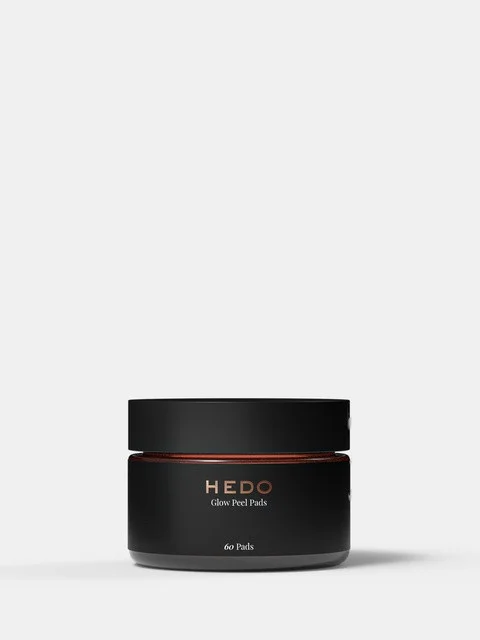
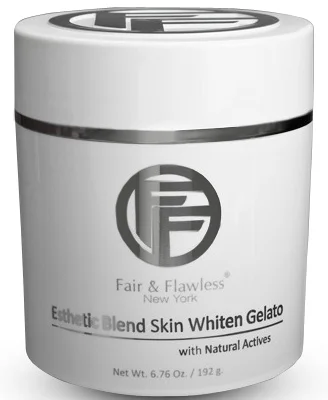
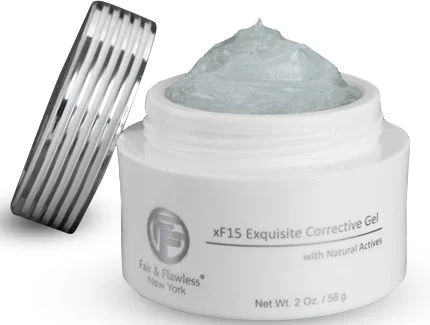
We found 13 products that contain Pycnogenol
Pycnogenol - Ingredient Explanation
Pycnogenol
Other Names: Oligomeric Proanthocyanidin; OPC; Leukocyanidin; Leucoanthocyanin; Proanthocyanidin; Leucocyanidins
1. Definition Pycnogenol:
Pycnogenol is a patented extract from the bark of the French maritime pine tree (Pinus pinaster). It is known for its antioxidant properties and ability to protect the skin from environmental stressors.2. Use:
Pycnogenol is commonly used in cosmetics for its anti-aging benefits. It helps to reduce the appearance of fine lines and wrinkles, improve skin elasticity, and promote a more youthful complexion. Additionally, it can help to protect the skin from damage caused by UV radiation and pollution.3. Usage Pycnogenol:
Pycnogenol can be found in a variety of skincare products, including serums, creams, and masks. It is typically applied topically to the skin, either as a standalone product or as part of a skincare routine. It is important to follow the instructions provided by the manufacturer and to perform a patch test before using it on a larger area of skin to avoid any potential allergic reactions.4. References:
- Gulati, O. P. (2019). Pycnogenol® in Metabolic Syndrome and Related Disorders. Phytotherapy Research, 33(12), 3054-3067.
- Saliou, C., Rimbach, G., Moini, H., McLaughlin, L., & Hosseini, S. (2001). Solar ultraviolet-induced erythema in human skin and nuclear factor-kappa-B-dependent gene expression in keratinocytes are modulated by a French maritime pine bark extract. Free Radical Biology and Medicine, 30(2), 154-160.
- Belcaro, G., Cesarone, M. R., Errichi, B. M., Ledda, A., Di Renzo, A., Stuard, S., ... & Dugall, M. (2005). Pycnogenol® treatment of acute hemorrhoidal episodes. Phytotherapy Research, 19(4), 375-379.
Ingredient Overview
(Click on the ingredient name for more details)
Quick Ingredient Analysis
Paraben free
Sulfate free
Alcohol free
Silicone free
Fungal Acne Safe
EU Allergent Free
Fragrance free
Key Ingredients
Ingredients Related to Skin Types
Click the arrows next to Skin Type! Green = Good & Red = Bad

Dry skin
Unknown

Oily Skin
Unknown

Sensitive skin
Unknown
Ingredient Safety Breakdown (EWG Health Ratings)
Low Risk
Moderate Risk
High Risk
Unknown
100%
Ingredient List
| EWG | CIR | Ingredient Name & Cosmetic Function | Notes |
|---|---|---|---|
| 1 | - | |
Try Chanh's Tools
View other ingredients
-
-
PEG-9 Oleate
(Emulsifying, Surfactant, Surfactant - Solubilizingagent)
-
-
Vaccinium Myrtillus Seed Extract
(Skin Conditioning)
-
-
Isostearoyl Hydrolyzed Keratin
(Emollient, Skinprotectant)
-
-
Glyceryl Lactate
(pH adjusting agent, Emollient, Moisturising)
-
-
Calcium Phosphoryl Oligosaccharide
(Skinprotectant)
Products containing Pycnogenol