- Home
- Ingredient
- Ingredient Detail
- Silk Protein
Silk Protein
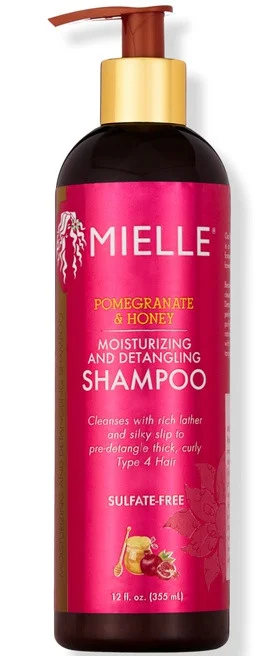
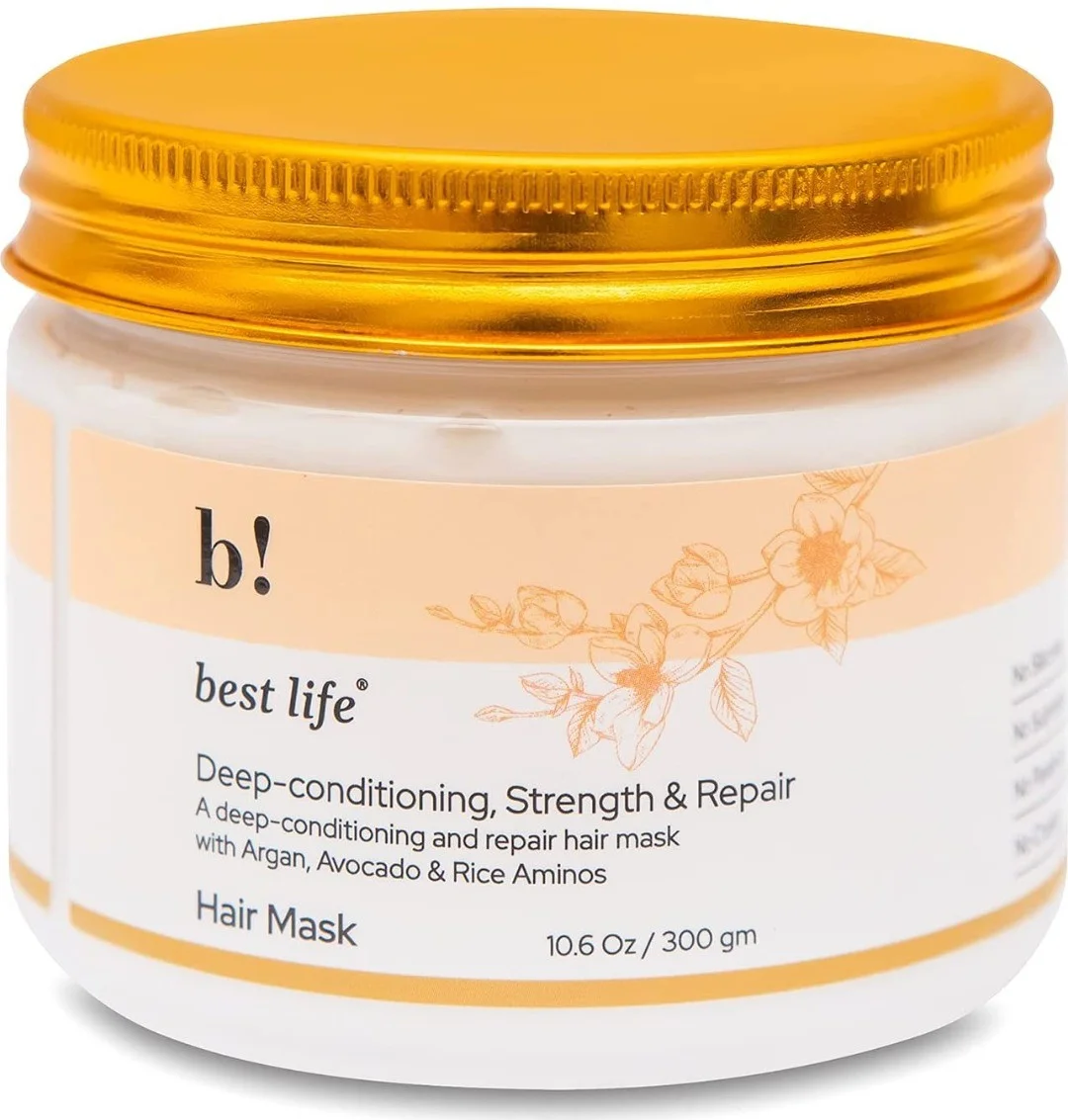
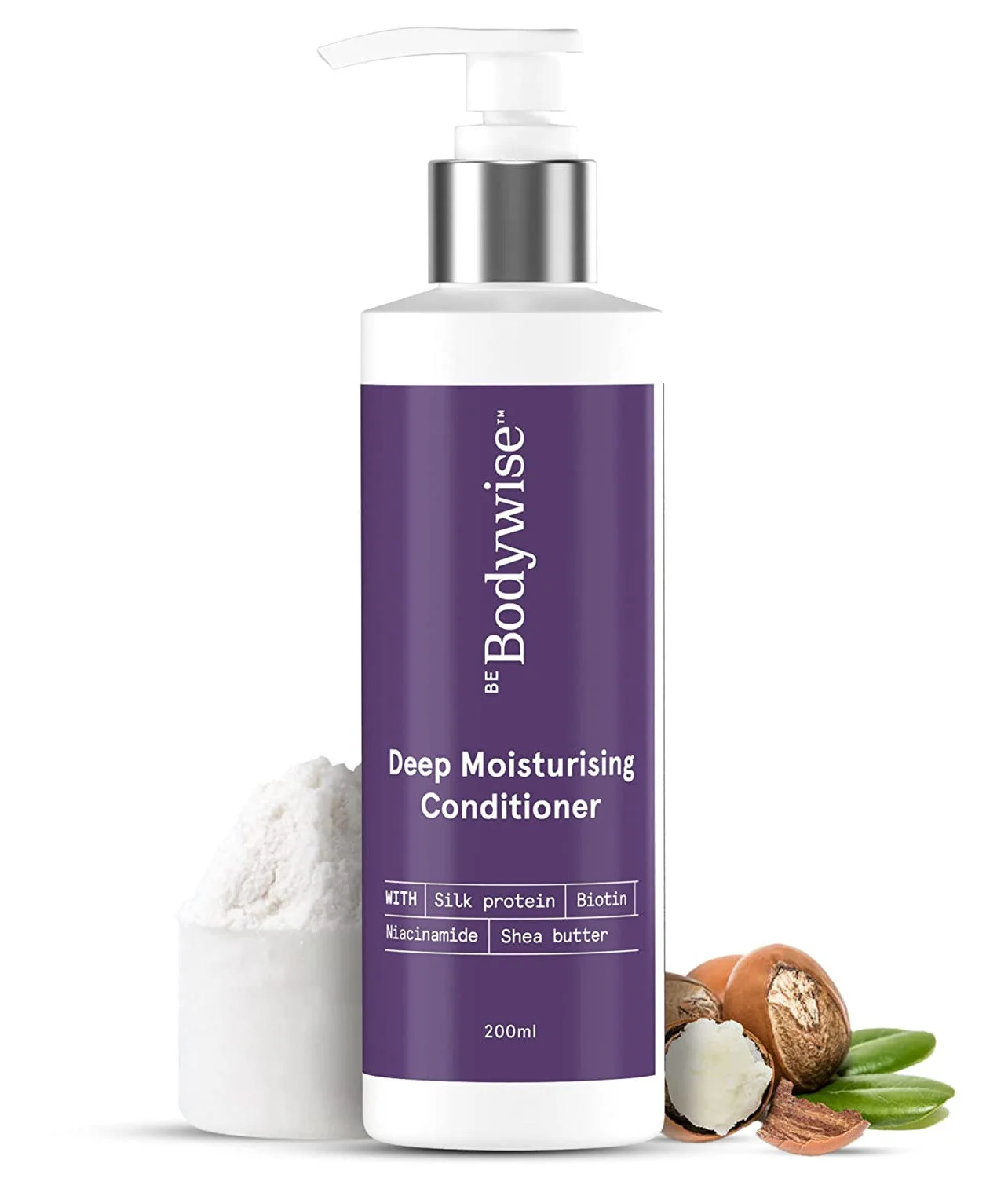
We found 17 products that contain Silk Protein
Silk Protein - Ingredient Explanation
Silk Protein
Other Names: Hydrolyzed silk protein; Hydrolyzed silk; Silk Peptide
1. Definition Silk Protein:
Silk protein is a natural protein derived from silk fibers, which are produced by silkworms. It is rich in amino acids and has moisturizing and conditioning properties, making it a popular ingredient in skincare and haircare products.2. Use:
Silk protein is commonly used in cosmetics for its ability to improve skin and hair texture. It helps to retain moisture, improve elasticity, and strengthen hair strands. In skincare products, silk protein can help to smooth and soften the skin, reduce the appearance of fine lines and wrinkles, and promote a more youthful complexion. In haircare products, it can help to repair damage, reduce frizz, and enhance shine.3. Usage Silk Protein:
When using cosmetics containing silk protein, it is important to follow the instructions on the product packaging. Silk protein is generally safe for most skin types, but it is always recommended to do a patch test before using a new product to check for any potential allergies or sensitivities. It is also important to avoid getting silk protein products in the eyes or mouth, as they may cause irritation.4. References:
- Yoon, H. S., Cho, H. H., Kim, S., Lee, S. R., & Shin, M. H. (2016). Effect of silk protein hydrolysate on skin moisturization. Journal of cosmetic dermatology, 15(4), 459-466.
- Kim, J. E., Kim, H. S., & Park, S. H. (2018). Silk protein hydrolysate increases collagen expression and suppresses matrix metalloproteinase activity in ultraviolet B-irradiated human fibroblasts. Annals of dermatology, 30(6), 686-693.
- Chaudhury, A., Duvoor, C., Reddy Dendi, V. S. S. R., Kraleti, S., Chada, A., Ravilla, R., ... & Guduru, R. (2017). Clinical review of antidiabetic drugs: implications for type 2 diabetes mellitus management. Frontiers in endocrinology, 8, 6.
Ingredient Overview
(Click on the ingredient name for more details)
Quick Ingredient Analysis
Paraben free
Sulfate free
Alcohol free
Silicone free
Fungal Acne Safe
EU Allergent Free
Fragrance free
Key Ingredients
Ingredients Related to Skin Types
Click the arrows next to Skin Type! Green = Good & Red = Bad

Dry skin
Unknown

Oily Skin
Unknown

Sensitive skin
Unknown
Ingredient Safety Breakdown (EWG Health Ratings)
Low Risk
Moderate Risk
High Risk
Unknown
100%
Ingredient List
| EWG | CIR | Ingredient Name & Cosmetic Function | Notes |
|---|---|---|---|
| 1 | - | |
Try Chanh's Tools
View other ingredients
-
-
PEG-9 Oleate
(Emulsifying, Surfactant, Surfactant - Solubilizingagent)
-
-
Vaccinium Myrtillus Seed Extract
(Skin Conditioning)
-
-
Isostearoyl Hydrolyzed Keratin
(Emollient, Skinprotectant)
-
-
Glyceryl Lactate
(pH adjusting agent, Emollient, Moisturising)
-
-
Calcium Phosphoryl Oligosaccharide
(Skinprotectant)
Products containing Silk Protein