- Home
- Ingredient
- Ingredient Detail
- Solanum Lycopersicum (Tomato) Fruit
Solanum Lycopersicum (Tomato) Fruit
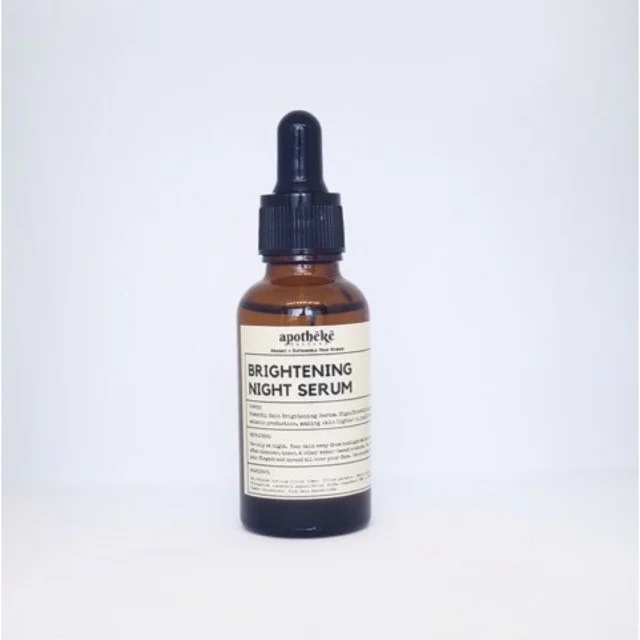
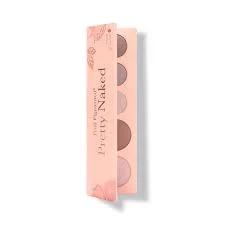
We found 2 products that contain Solanum Lycopersicum (Tomato) Fruit
Solanum Lycopersicum (Tomato) Fruit - Ingredient Explanation
Solanum Lycopersicum (Tomato) Fruit
1. Definition Solanum Lycopersicum (Tomato) Fruit:
Solanum Lycopersicum, commonly known as the tomato fruit, is a red, juicy fruit that is widely used in culinary dishes and has also gained popularity in the cosmetics industry for its skin-loving properties.2. Use:
Tomato fruit extract is known for its antioxidant properties, which help protect the skin from environmental damage and premature aging. It is also rich in vitamins A, C, and K, which are essential for maintaining healthy skin. Tomato fruit extract is often used in skincare products such as serums, moisturizers, and masks to brighten the complexion, reduce inflammation, and promote overall skin health.3. Usage Solanum Lycopersicum (Tomato) Fruit:
When using skincare products containing tomato fruit extract, it is important to patch test first to ensure that you do not have any allergic reactions. Tomato fruit extract is generally safe for most skin types, but individuals with sensitive skin may experience irritation. It is recommended to start with a small amount of product and gradually increase usage to assess how your skin reacts. As with any new skincare ingredient, it is best to consult with a dermatologist before incorporating tomato fruit extract into your skincare routine.4. References:
- Kim, S. Y., et al. (2015). Protective effect of lycopene on γ-radiation-induced immune suppression in mice. Food Science and Biotechnology, 24(3), 1071-1077.
- Rizwan, M., et al. (2009). Tomato paste rich in lycopene protects against cutaneous photodamage in humans in vivo: a randomized controlled trial. British Journal of Dermatology, 161(1), 154-162.
- Rao, A. V., & Agarwal, S. (1999). Role of lycopene as antioxidant carotenoid in the prevention of chronic diseases: a review. Nutrition Research, 19(2), 305-323.
Ingredient Overview
(Click on the ingredient name for more details)
Quick Ingredient Analysis
Paraben free
Sulfate free
Alcohol free
Silicone free
Fungal Acne Safe
EU Allergent Free
Fragrance free
Key Ingredients
Ingredients Related to Skin Types
Click the arrows next to Skin Type! Green = Good & Red = Bad

Dry skin
Unknown

Oily Skin
Unknown

Sensitive skin
Unknown
Ingredient Safety Breakdown (EWG Health Ratings)
Low Risk
Moderate Risk
High Risk
Unknown
100%
Ingredient List
| EWG | CIR | Ingredient Name & Cosmetic Function | Notes |
|---|---|---|---|
| - | - | |
Try Chanh's Tools
View other ingredients
-
-
PEG-9 Oleate
(Emulsifying, Surfactant, Surfactant - Solubilizingagent)
-
-
Vaccinium Myrtillus Seed Extract
(Skin Conditioning)
-
-
Isostearoyl Hydrolyzed Keratin
(Emollient, Skinprotectant)
-
-
Glyceryl Lactate
(pH adjusting agent, Emollient, Moisturising)
-
-
Calcium Phosphoryl Oligosaccharide
(Skinprotectant)
Products containing Solanum Lycopersicum (Tomato) Fruit