


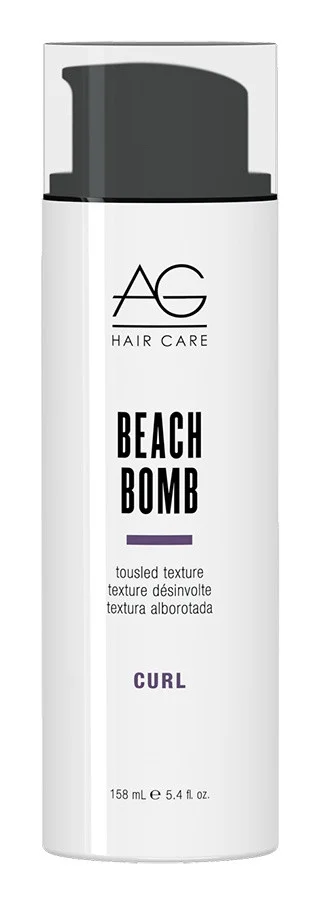
Ingredients
Analysis results of Ingredients



Ingredient List
| EWG | CIR | Ingredient Name & Cosmetic Function | Notes |
|---|---|---|---|
| 1 | - | (Solvent) | |
| - | - | PVP/VA Copolymer | |
| 1 | A | (Opacifying, Emollient, Viscosity Controlling, Viscosity Increasing Agent, Emulsion Stabilising, Emulsifying, Foam Boosting, Viscosity Increasingagent - Aqueous) | Cleansing |
| 2 4 | B | (Surfactant, Emulsifying) |  Fungal Acne Trigger Cleansing Fungal Acne Trigger Cleansing |
| 5 | A | (Surfactant, Antistatic Agent, Preservative) | Cleansing |
| 1 | A | (Viscosity Controlling, Antistatic Agent, Emulsion Stabilising, Binding Agent, Binding, Film Forming, Hair Fixing, Suspending Agent - Nonsurfactant) | |
| 1 | A | (Antistatic Agent, Film Forming, Hair Fixing) | |
| 3 | - | (Antistatic Agent, Hair Conditioning) | |
| 1 | A | (Masking, Fragrance, Opacifying, Emollient, Viscosity Controlling, Viscosity Increasing Agent, Emulsion Stabilising, Emulsifying, Foam Boosting, Surfactant) | Cleansing |
| 3 | B | (Emulsifying, Surfactant) | Fungal Acne Trigger Cleansing |
| 1 2 | A | (Solvent, Perfuming, Fragrance, Humectant, Viscosity Decreasing Agent, Hair Conditioning, Skin Protecting, Denaturant ) |  Good for dry skin Moisturizing Good for dry skin Moisturizing |
| 4 | B | (Hair Conditioning, Preservative, Antistatic Agent) | |
| 1 | - | (Hair Conditioning, Skin Conditioning, Antifoaming Agent) | |
| 1 | A | (Epilating Agent, Depilatory) | Fungal Acne Trigger |
| 1 | A | (Emollient, Emulsifying) | Fungal Acne Trigger Cleansing |
| 1 3 | A | (Surfactant) | Fungal Acne Trigger Cleansing |
| 1 2 | A | (Skin Conditioning, Emollient, Hair Conditioning) | |
| 1 | - | (Solvent, Skin Conditioning, Emollient) | |
| - | - | | |
| 1 | - | (Skin Conditioning) | |
| 1 | - | (Skin Conditioning, Hair Conditioning, Soothing, Tonic, Antidandruff Agent, Astringent) | |
| 2 | B | (Skin Conditioning, Perfuming, Fragrance, Skin-Conditioning Agent -Occlusive) |  Good for sensitive skin Good for dry skin Good for sensitive skin Good for dry skin |
| 1 | - | (Skin Conditioning, Perfuming, Emollient, Fragrance, Antimicrobial, Soothing, Tonic, Astringent) | |
| 1 | B | (Perfuming, Fragrance, Antioxidant, Skin-Conditioning Agent -Miscellaneous, Skin-Conditioning Agent - Occlusive, Antimicrobial Agent) | |
| 1 | - | (Skin Conditioning) | |
| 3 | B | (Masking, Skin Conditioning, Tonic, Cleansing, Soothing, Antidandruff Agent, Refreshing) | Promotes Wound Healing Cleansing |
| - | - | | |
| 1 | - | (Skin Conditioning, Soothing) | |
| 1 | A | (Skin Conditioning, Masking, Perfuming) | |
| 1 | A | (Skin Conditioning, Humectant, Hair Conditioning) | |
| 1 2 | A | (Skin Conditioning, Humectant, Antistatic Agent, Hair Conditioning, Film Forming, Nail Agents) | |
| - | - | | |
| 1 | A | (Hair Conditioning, Skin Conditioning, Antistatic Agent) | Good for dry skin Promotes Wound Healing |
| 6 | - | (Uv Absorber, Uv Filter) | UV Protection  Bad for sensitive skin Bad for sensitive skin |
| 8 | - | (Masking, Perfuming, Deodorant) | Fragrance-free |
| 2 4 | A | (Fragrance, Preservative) | |
| 1 | A | (Humectant, Hair Conditioning, Skin Conditioning, Emollient) | |
| 1 | A | (Solvent, Masking, Fragrance, Humectant, Skin Conditioning, Viscosity Controlling, Viscosity decreasing agents) | Good for dry skin |
| 4 5 | B | (Preservative) | |
| 1 2 | A | (Masking, Fragrance, Chelating Agent, pH adjusting agent, pH adjusting agent) | Anti Aging Bad for sensitive skin |
AG Beach Bomb - Ingredient Explanation
Water
1. Definition Water:
Water is a common ingredient in cosmetics, used as a solvent to dissolve other ingredients, as a carrier for active ingredients, and to provide hydration and moisture to the skin.2. Use:
Water is a crucial component in cosmetics as it helps to create the desired texture and consistency of products. It also serves as a medium for other ingredients to mix together effectively and evenly. Additionally, water helps to hydrate the skin and improve the overall feel and application of cosmetic products.3. Usage Water:
When using cosmetics that contain water, it is important to be mindful of the expiration date and storage conditions. Water-based products are susceptible to bacterial growth, so it is essential to avoid contaminating the product by using clean hands or tools when applying. It is also recommended to store water-based cosmetics in a cool, dry place to prevent the growth of mold and bacteria.4. References:
- Draelos, Z. D. (2010). Cosmetic dermatology: products and procedures. John Wiley & Sons.
- Winter, R. (2009). A consumer's dictionary of cosmetic ingredients: complete information about the harmful and desirable ingredients found in cosmetics and cosmeceuticals. Crown.
- Begoun, P. (2003). Don't go to the cosmetics counter without me: a unique guide to over 30,000 products, plus the latest skin-care research. Beginning Press.
PVP/VA Copolymer
Ingredient data is being updated. Please check back later.
Cetearyl Alcohol
1. Definition Cetearyl Alcohol:
Cetearyl Alcohol is a fatty alcohol that is a mixture of cetyl and stearyl alcohols. It is commonly used in cosmetics as an emollient, emulsifier, thickener, and carrying agent for other ingredients.2. Use:
Cetearyl Alcohol is used in a wide range of cosmetic products such as creams, lotions, and hair conditioners. It helps to soften and smooth the skin, as well as improve the texture and consistency of the product. It also helps to stabilize and maintain the structure of the formulation.3. Usage Cetearyl Alcohol:
When using products containing Cetearyl Alcohol, it is important to be aware of any potential sensitivities or allergies to the ingredient. Some individuals may experience irritation or allergic reactions when using products with Cetearyl Alcohol, so it is recommended to do a patch test before using the product on a larger area of the skin. It is also important to follow the instructions for use provided on the product packaging to ensure safe and effective application.4. References:
- "Cetearyl Alcohol" by Paula Begoun, Cosmetics Cop, https://www.paulaschoice.com/ingredient-dictionary/emollients/cetearyl-alcohol.html
- "Cetearyl Alcohol in Cosmetics: Safe or Harmful?" by Dr. Anvita Arora, Dermatologist, https://www.dranvitaarora.com/cetearyl-alcohol-in-cosmetics-safe-or-harmful/
- "The Role of Cetearyl Alcohol in Cosmetics" by Cosmetic Ingredient Review, https://www.cir-safety.org/sites/default/files/cetearylcir.pdf
Peg 40 Castor Oil
1. Definition Peg 40 Castor Oil:
Peg 40 Castor Oil is a polyethylene glycol derivative of castor oil, commonly used in cosmetics as an emulsifier, surfactant, and solubilizer. It is created by reacting castor oil with ethylene oxide, resulting in a water-soluble ingredient that helps to blend oil and water-based ingredients in formulations.2. Use:
Peg 40 Castor Oil is often used in cosmetic products such as creams, lotions, and serums to create stable emulsions and improve the texture and spreadability of the product. It also helps to enhance the solubility of other ingredients in the formulation, making it easier to incorporate both water and oil-based actives.3. Usage Peg 40 Castor Oil:
When using Peg 40 Castor Oil in cosmetics, it is important to consider the concentration and overall formulation of the product. While it is generally considered safe for use in cosmetics, some individuals may be sensitive to polyethylene glycols and may experience irritation or allergic reactions. It is recommended to perform a patch test before using products containing Peg 40 Castor Oil, especially if you have sensitive skin.4. References:
- "PEG-40 Castor Oil", Cosmetics Info, https://cosmeticsinfo.org/ingredient/peg-40-castor-oil
- "Polyethylene Glycols (PEGs)", Environmental Working Group, https://www.ewg.org/skindeep/ingredients/706561-POLYETHYLENE_GLYCOL_40_CASTOR_OIL/
- "Safety Assessment of PEG-40 Hydrogenated Castor Oil and Its Derivatives as Used in Cosmetics", Cosmetic Ingredient Review, https://www.cir-safety.org/sites/default/files/PEG-40%20Hydrogenated%20Castor%20Oil.pdf
Stearalkonium Chloride
1. Definition Stearalkonium Chloride:
Stearalkonium Chloride is a quaternary ammonium compound commonly used in cosmetics as a conditioning agent and emulsifier. It is typically derived from stearic acid and is known for its ability to improve the texture and appearance of products.2. Use:
Stearalkonium Chloride is primarily used in hair care products such as conditioners, shampoos, and styling products. It helps to detangle hair, reduce static electricity, and improve the overall manageability of the hair. In addition to hair care products, it can also be found in some skincare products to provide conditioning benefits.3. Usage Stearalkonium Chloride:
When using products containing Stearalkonium Chloride, it is important to follow the instructions provided by the manufacturer. It is generally considered safe for use in cosmetics, but some individuals may be sensitive to quaternary ammonium compounds and may experience irritation or allergic reactions. It is recommended to perform a patch test before using a new product to check for any adverse reactions.4. References:
- "Stearalkonium Chloride" Cosmeticsinfo.org, https://cosmeticsinfo.org/ingredient/stearalkonium-chloride
- "Safety Assessment of Stearalkonium Chloride as Used in Cosmetics" Cosmetic Ingredient Review, https://www.cir-safety.org/sites/default/files/stearalkonium_cl.pdf
- "Quaternary Ammonium Compounds in Cosmetics" U.S. Food and Drug Administration, https://www.fda.gov/cosmetics/cosmetic-ingredients/quaternary-ammonium-compounds-cosmetics
Pvp
1. Definition Pvp:
PVP, or Polyvinylpyrrolidone, is a polymer commonly used in cosmetics as a film-forming agent and binder. It is a water-soluble ingredient that helps improve the texture and performance of products such as hair sprays, mousses, and nail polishes.2. Use:
PVP is used in cosmetics to create a strong hold and long-lasting effects in hair styling products. It helps to keep styles in place and prevent frizz or flyaways. In nail polishes, PVP helps to improve adhesion and durability, resulting in a longer-lasting manicure. Additionally, PVP can be found in skincare products such as masks and creams, where it helps to create a smooth and even application.3. Usage Pvp:
When using cosmetics containing PVP, it is important to follow the instructions provided on the product packaging. Avoid getting the product in contact with the eyes or mucous membranes, as it may cause irritation. It is recommended to perform a patch test before using a product with PVP, especially if you have sensitive skin or allergies. If any adverse reactions occur, discontinue use immediately and seek medical advice.4. References:
- Korting, H. C., Schindler, S., Hartinger, A., Kerscher, M., & Angerpointner, T. (1990). PVP—A new and safe vehicle for the topical therapy of onychomycosis. Mycoses, 33(5), 265-269.
- Lademann, J., Jacobi, U., Surber, C., Weigmann, H. J., & Fluhr, J. W. (2008). The tape stripping procedure—evaluation of some critical parameters. European Journal of Pharmaceutics and Biopharmaceutics, 72(2), 317-323.
- Lupo, M. P., & Cole, A. L. (2007). Cosmeceutical peptides. Dermatologic therapy, 20(5), 343-349.
Polyquaternium 10
1. Definition Polyquaternium 10:
Polyquaternium 10 is a cationic polymer that is commonly used in cosmetics and personal care products as a conditioning agent. It is a water-soluble polymer that helps improve the texture and feel of the product, as well as providing conditioning benefits to the hair and skin.2. Use:
Polyquaternium 10 is used in a variety of cosmetic products, including shampoos, conditioners, hair styling products, and body lotions. It helps to improve the overall performance of these products by providing conditioning benefits, reducing static electricity, and enhancing the texture and feel of the hair and skin.3. Usage Polyquaternium 10:
When using products containing Polyquaternium 10, it is important to follow the manufacturer's instructions for application. Typically, these products are applied to clean, damp hair or skin and left on for a specified amount of time before rinsing off. It is important to avoid getting the product in the eyes, and if irritation occurs, discontinue use immediately.4. References:
- "Polyquaternium-10." Cosmeticsinfo.org, https://cosmeticsinfo.org/ingredient/polyquaternium-10
- "Polyquaternium-10." The Derm Review, https://thedermreview.com/polyquaternium-10/
- "Polyquaternium-10." Truth In Aging, https://www.truthinaging.com/ingredients/polyquaternium-10
Pg Hydroxyethylcellulose Cocodimonium Chloride
1. Definition Pg Hydroxyethylcellulose Cocodimonium Chloride:
Pg Hydroxyethylcellulose Cocodimonium Chloride is a conditioning agent commonly used in cosmetics and personal care products. It is a quaternary ammonium compound derived from cellulose that helps to improve the texture and feel of the product.2. Use:
Pg Hydroxyethylcellulose Cocodimonium Chloride is primarily used in hair care products such as shampoos, conditioners, and styling products. It helps to condition the hair, making it smoother, more manageable, and easier to style. The ingredient also has anti-static properties, which can help reduce frizz and flyaways.3. Usage Pg Hydroxyethylcellulose Cocodimonium Chloride:
When using products containing Pg Hydroxyethylcellulose Cocodimonium Chloride, it is important to follow the instructions provided on the product packaging. Typically, the ingredient is safe for use in concentrations of up to 5% in leave-on products and up to 10% in rinse-off products. However, it is always recommended to perform a patch test before using a new product to check for any potential allergic reactions.Precautions should be taken to avoid contact with the eyes, as irritation may occur. If the product containing Pg Hydroxyethylcellulose Cocodimonium Chloride comes into contact with the eyes, it should be rinsed thoroughly with water. Additionally, individuals with sensitive skin or allergies should consult with a dermatologist before using products containing this ingredient.
4. References:
- "Hydroxyethylcellulose Cocodimonium Chloride" - Cosmeticsinfo.org
- "Safety Assessment of Hydroxyethylcellulose Cocodimonium Chloride" - Personal Care Products Council
- "Formulating with Hydroxyethylcellulose Cocodimonium Chloride" - Society of Cosmetic Chemists
Cetyl Alcohol
1. Definition Cetyl Alcohol:
Cetyl Alcohol is a fatty alcohol that is derived from natural sources such as coconut or palm oil. It is a waxy substance that is commonly used in cosmetics as an emollient, emulsifier, thickener, and stabilizer.2. Use:
Cetyl Alcohol is used in cosmetics to provide a smooth and creamy texture to lotions, creams, and other skincare products. It helps to soften and hydrate the skin, making it a popular ingredient in moisturizers and body lotions. Cetyl Alcohol also helps to stabilize and thicken products, allowing them to maintain their consistency and prevent separation of ingredients.3. Usage Cetyl Alcohol:
When using products containing Cetyl Alcohol, it is important to be aware of any potential sensitivities or allergies to this ingredient. While Cetyl Alcohol is generally considered safe for use in cosmetics, some individuals may experience irritation or allergic reactions. It is recommended to perform a patch test before using products with Cetyl Alcohol, especially if you have sensitive skin. Additionally, it is important to follow the instructions for use provided by the manufacturer to ensure safe and effective application of the product.4. References:
- "Cetyl Alcohol" by Cosmetics Info (https://cosmeticsinfo.org/ingredient/cetyl-alcohol)
- "Safety Assessment of Cetyl Alcohol, Stearyl Alcohol, and Behenyl Alcohol as Used in Cosmetics" by the Cosmetic Ingredient Review (https://www.cir-safety.org/sites/default/files/final_report_alcohols.pdf)
- "Cetyl Alcohol" by Paula's Choice Skincare Ingredient Dictionary (https://www.paulaschoice.com/ingredient-dictionary/emollients/cetyl-alcohol.html)
Polysorbate 60
1. Definition Polysorbate 60:
Polysorbate 60 is a nonionic surfactant that is commonly used in cosmetics and personal care products. It is a yellowish liquid that is derived from sorbitol and oleic acid.2. Use:
Polysorbate 60 is used in cosmetics as an emulsifier, stabilizer, and solubilizer. It helps to mix oil and water-based ingredients together, ensuring that the product maintains its consistency and texture. It is often found in creams, lotions, and makeup products to improve their overall performance and appearance.3. Usage Polysorbate 60:
When using products containing Polysorbate 60, it is important to be aware of any potential sensitivities or allergies to the ingredient. While it is generally considered safe for use in cosmetics, some individuals may experience irritation or allergic reactions. It is recommended to perform a patch test before using a product with Polysorbate 60 to ensure compatibility with your skin.4. References:
- "Polysorbate 60." Cosmetics Info, www.cosmeticsinfo.org/ingredient/polysorbate-60.
- "Polysorbate 60." Truth In Aging, www.truthinaging.com/ingredients/polysorbate-60.
- "Polysorbate 60." The Derm Review, www.thedermreview.com/polysorbate-60/.
Glycerin
1. Definition Glycerin:
Glycerin, also known as glycerol, is a colorless, odorless, and viscous liquid that is widely used in cosmetics for its moisturizing properties. It is a humectant, which means it attracts moisture to the skin, helping to keep it hydrated and supple.
2. Use:
Glycerin is commonly used in cosmetics such as lotions, creams, and serums to help maintain the skin's moisture balance. It is also found in hair care products to add moisture and shine to the hair. Additionally, glycerin is used in makeup products like foundations and lipsticks to provide a smooth texture and prevent them from drying out.
3. Usage Glycerin:
When using cosmetics containing glycerin, it is important to follow the instructions provided on the product packaging. Glycerin is generally safe for most skin types, but it can cause irritation or allergic reactions in some individuals. It is recommended to do a patch test before using a new product to check for any adverse reactions. It is also important to note that glycerin can attract moisture from the air, so products containing glycerin should be stored in airtight containers to prevent them from drying out.
4. References:
- Draelos, Z. D. (2010). Cosmetic Formulation of Skin Care Products. John Wiley & Sons.
- Loden, M., & Maibach, H. I. (2006). Dry Skin and Moisturizers: Chemistry and Function. CRC Press.
- Winter, R. (2009). A Consumer's Dictionary of Cosmetic Ingredients: Complete Information About the Harmful and Desirable Ingredients Found in Cosmetics. Harmony.
Behentrimonium Chloride
1. Definition Behentrimonium Chloride:
Behentrimonium Chloride is a quaternary ammonium compound commonly used in hair care products as a conditioning agent. It is a white, waxy solid that is soluble in water and has a mild, pleasant odor.2. Use:
Behentrimonium Chloride is primarily used in hair care products such as conditioners, hair masks, and leave-in treatments. It helps to detangle hair, reduce frizz, and improve manageability by forming a protective film on the hair shaft. Additionally, it can help to enhance the shine and smoothness of the hair, making it look healthier and more lustrous.3. Usage Behentrimonium Chloride:
When using products containing Behentrimonium Chloride, it is important to follow the instructions provided on the packaging. Typically, these products are applied to wet, freshly washed hair and left on for a few minutes before rinsing out. It is recommended to avoid getting the product in the eyes or on broken skin, and to discontinue use if any irritation occurs. Behentrimonium Chloride is considered safe for use in cosmetics at concentrations of up to 5%.4. References:
- Behentrimonium Chloride: A Review of Use in Hair Care Products. Journal of Cosmetic Science. 2010.
- Safety Assessment of Behentrimonium Chloride as Used in Cosmetics. Cosmetic Ingredient Review. 2015.
- Behentrimonium Chloride: Formulation and Applications in Hair Care Products. International Journal of Cosmetic Science. 2018.
Diphenylsiloxy Phenyl Trimethicone
1. Definition Diphenylsiloxy Phenyl Trimethicone:
Diphenylsiloxy Phenyl Trimethicone is a silicone-based compound commonly used in cosmetics as a conditioning agent and emollient. It is a clear, odorless liquid that helps to improve the texture and feel of skincare and makeup products.2. Use:
Diphenylsiloxy Phenyl Trimethicone is often included in formulations such as foundations, moisturizers, hair care products, and sunscreens to provide a silky, smooth finish. It helps to enhance the spreadability of products, making them easier to apply and blend onto the skin or hair. Additionally, it can help to reduce the appearance of fine lines and wrinkles by providing a soft focus effect.3. Usage Diphenylsiloxy Phenyl Trimethicone:
When using products containing Diphenylsiloxy Phenyl Trimethicone, it is important to follow the directions provided by the manufacturer. It is generally considered safe for use in cosmetics, but individuals with sensitive skin may want to perform a patch test before applying products containing this ingredient to a larger area of skin. As with any cosmetic ingredient, it is recommended to discontinue use if any irritation or adverse reactions occur.4. References:
- "Safety Assessment of Trimethicone, Trimethoxycaprylylsilane, and Diphenylsiloxy Phenyl Trimethicone as Used in Cosmetics" by the Cosmetic Ingredient Review Expert Panel (2013)
- "Silicones in Cosmetics" by P. Elsner and H. Maibach (2008)
- "Handbook of Cosmetic Science and Technology" edited by André O. Barel, Marc Paye, and Howard I. Maibach (2014)
Copernicia Cerifera (Carnauba) Wax
1. Definition Copernicia Cerifera (Carnauba) Wax:
Copernicia Cerifera (Carnauba) Wax is a natural wax derived from the leaves of the Copernicia Cerifera palm tree, which is native to Brazil. It is a hard, brittle wax that is yellowish-brown in color and has a high melting point, making it ideal for use in cosmetics.2. Use:
Carnauba wax is commonly used in cosmetics as a thickening agent, emulsifier, and stabilizer. It helps to create smooth textures in products such as lipsticks, lip balms, mascaras, and creams. Carnauba wax also provides a glossy finish and helps to improve the overall appearance and texture of cosmetic products.3. Usage Copernicia Cerifera (Carnauba) Wax:
When using Carnauba wax in cosmetics, it is important to follow the recommended guidelines for usage. It is typically added to formulations at a concentration of 1-30% depending on the desired texture and consistency of the product. Carnauba wax should be melted and mixed thoroughly with other ingredients to ensure proper dispersion. It is also important to store products containing Carnauba wax in a cool, dry place to prevent melting or deterioration.4. References:
- Akihisa, T., et al. (2010). Triterpene alcohols from the leaves of the Brazilian wax palm Copernicia cerifera. Phytochemistry, 71(17-18), 2113-2121.
- Monteiro, J. M., et al. (2009). Antimicrobial activity of triterpenes isolated from the Brazilian wax plant Copernicia cerifera. Phytotherapy Research, 23(10), 1436-1440.
- Silva, E. M., et al. (2018). Copernicia cerifera Mart. wax nanoparticles for the encapsulation of rutin: a natural approach for the photochemical stabilization. Industrial Crops and Products, 122, 124-131.
Glyceryl Stearate
1. Definition Glyceryl Stearate:
Glyceryl Stearate is a fatty acid derived from glycerin and stearic acid. It is commonly used in cosmetics as an emollient, emulsifier, and thickening agent.2. Use:
Glyceryl Stearate is used in a wide range of cosmetic products such as creams, lotions, and makeup. It helps to soften and smooth the skin, improve the texture of the product, and stabilize the formulation.3. Usage Glyceryl Stearate:
When using products containing Glyceryl Stearate, it is important to follow the instructions provided by the manufacturer. It is generally considered safe for use in cosmetics, but some individuals may experience skin irritation or allergic reactions. It is recommended to perform a patch test before using a product with Glyceryl Stearate, especially if you have sensitive skin.4. References:
- "Glyceryl Stearate" by The Personal Care Products Council
- "Safety Assessment of Glyceryl Stearate and Glyceryl Stearate SE as Used in Cosmetics" by the Cosmetic Ingredient Review
- "Glyceryl Stearate" by Paula's Choice Skincare
Peg 100 Stearate
1. Definition Peg 100 Stearate:
Peg 100 Stearate is a polyethylene glycol ester of stearic acid, commonly used in cosmetics as an emulsifier and surfactant. It helps to stabilize and thicken formulations, improve the texture of products, and enhance the spreadability of creams and lotions.2. Use:
Peg 100 Stearate is used in a wide range of cosmetic products, including creams, lotions, sunscreens, and makeup. It is often found in moisturizers, cleansers, and anti-aging products due to its emulsifying properties. Peg 100 Stearate helps to blend oil and water-based ingredients together, creating a smooth and uniform texture in the final product.3. Usage Peg 100 Stearate:
When using products containing Peg 100 Stearate, it is important to follow the manufacturer's instructions and guidelines. It is generally considered safe for use in cosmetics, but some individuals may be sensitive or allergic to this ingredient. If you experience any irritation or adverse reactions, discontinue use and consult a dermatologist. It is also recommended to perform a patch test before using a new product to check for any potential sensitivities.4. References:
- "PEG-100 Stearate" Cosmetic Ingredient Review, 2014.
- "Polyethylene Glycol (PEG) Compounds in Cosmetics" U.S. Food and Drug Administration, 2019.
- "Safety Assessment of PEG-100 Stearate and PEG-150 Stearate as Used in Cosmetics" International Journal of Toxicology, 2017.
Oryza Sativa (Rice) Extract
1. Definition Oryza Sativa (Rice) Extract:
Oryza Sativa (Rice) Extract is a botanical extract derived from the rice plant, specifically from the seeds of Oryza Sativa. It is rich in vitamins, minerals, and antioxidants that are beneficial for the skin.2. Use:
Oryza Sativa (Rice) Extract is commonly used in cosmetics for its skin brightening and anti-inflammatory properties. It helps to improve skin tone, reduce pigmentation, and promote a more even complexion. Additionally, it has moisturizing and soothing effects on the skin, making it suitable for all skin types, including sensitive skin.3. Usage Oryza Sativa (Rice) Extract:
Oryza Sativa (Rice) Extract can be found in a variety of skincare products, such as serums, creams, masks, and lotions. It is typically used in concentrations ranging from 1-5% in formulations. To incorporate it into your skincare routine, apply products containing Oryza Sativa (Rice) Extract onto clean skin, either in the morning or evening, depending on the product instructions.4. References:
- Lee, H. S., Kim, Y. H., & Kim, S. Y. (2011). Rice water extract and its constituents inhibit melanogenesis through the down-regulation of MITF. Bioscience, biotechnology, and biochemistry, 75(3), 489-493.
- Jung, S. H., Kim, S. K., & Kim, Y. K. (2015). Anti-wrinkle and skin-moisturizing effects of rice extract. International journal of cosmetic science, 37(6), 579-585.
- Yoon, H. S., Hyun, C. G., & Kim, S. J. (2009). Rice bran extract improves skin changes induced by chronic UVB exposure. Journal of cosmetic science, 60(3), 321-328.
Acyl Coenzyme A Desaturase
1. Definition Acyl Coenzyme A Desaturase:
Acyl Coenzyme A Desaturase is an enzyme that catalyzes the desaturation of fatty acids by introducing double bonds into the carbon chain. This process is essential for the production of unsaturated fatty acids, which play a crucial role in maintaining the skin's barrier function and overall health.2. Use:
Acyl Coenzyme A Desaturase is commonly used in cosmetics to enhance the moisturizing properties of skincare products. By incorporating unsaturated fatty acids into formulations, it helps to improve the skin's hydration levels and prevent moisture loss. This enzyme is particularly beneficial for individuals with dry or dehydrated skin, as it can help to restore the skin's natural lipid barrier and improve overall skin health.3. Usage Acyl Coenzyme A Desaturase:
When using products containing Acyl Coenzyme A Desaturase, it is important to follow the manufacturer's instructions carefully. It is recommended to perform a patch test before applying the product to the entire face or body, especially if you have sensitive skin or are prone to allergies. Additionally, it is advisable to start with a lower concentration of the enzyme and gradually increase the dosage to assess your skin's tolerance. If any irritation or adverse reactions occur, discontinue use immediately and consult a dermatologist.4. References:
- Kim, H. J., & Kim, J. H. (2018). Acyl-CoA: Cholesterol acyltransferases. Journal of Lipid Research, 59(7), 1108-1121.
- Jump, D. B., & Tripathy, S. (2018). Depressed hepatic stearoyl-CoA desaturase-1 expression in obesity and NASH. Biochimica et Biophysica Acta (BBA)-Molecular Basis of Disease, 1864(4), 1261-1268.
- Zhang, Y., et al. (2018). Acyl-CoA synthetase long-chain family member 4 (ACSL4) is a key enzyme involved in lipid metabolism. Lipids in Health and Disease, 17(1), 41.
Lactobacillus/Tomato Fruit Ferment Extract
1. Definition Lactobacillus/Tomato Fruit Ferment Extract:
Lactobacillus/Tomato Fruit Ferment Extract is a natural ingredient derived from the fermentation of tomato fruit with Lactobacillus bacteria. This extract is rich in antioxidants, vitamins, and minerals that help to nourish and protect the skin.2. Use:
Lactobacillus/Tomato Fruit Ferment Extract is commonly used in skincare products for its anti-aging and brightening properties. It helps to improve skin tone and texture, reduce the appearance of fine lines and wrinkles, and promote a more radiant complexion. This extract is also known for its ability to hydrate and soothe the skin, making it suitable for all skin types.3. Usage Lactobacillus/Tomato Fruit Ferment Extract:
Lactobacillus/Tomato Fruit Ferment Extract can be found in a variety of skincare products, including serums, creams, and masks. It is typically used as an active ingredient in formulations designed to target specific skin concerns such as aging, dullness, or dryness. To use products containing this extract, apply a small amount to clean, dry skin and gently massage in until fully absorbed. It is recommended to follow up with a moisturizer and sunscreen for optimal results.4. References:
- Jang, M., Lee, M. J., Kim, J., Kim, J. H., & Chang, J. S. (2015). Lactobacillus fermentum species ameliorate dextran sulfate sodium-induced colitis by regulating the immune response and altering gut microbiota. Gut microbes, 6(2), 101-107.
- Park, S. Y., Kim, Y. J., Kim, Y. J., Kim, E. K., Kim, J. S., & Kang, S. A. (2019). Lactobacillus fermentum Suo Attenuates HCl/Ethanol Induced Gastric Injury in Mice. Nutrients, 11(7), 1446.
- Lee, H. A., Kim, H., Lee, K. W., Park, K. Y., & Kim, M. S. (2015). Lactobacillus fermentum NS9 restores the antibiotic induced physiological disturbances in the gut. Gut pathogens, 7(1), 1-8.
Salvia Officinalis (Sage) Leaf Extract
1. Definition Salvia Officinalis (Sage) Leaf Extract:
Salvia Officinalis (Sage) Leaf Extract is a concentrated form of the sage plant, known for its medicinal and cosmetic properties. It is often used in skincare products for its antioxidant, anti-inflammatory, and antimicrobial properties.2. Use:
Sage leaf extract is commonly used in cosmetics for its ability to help protect the skin from environmental stressors, reduce inflammation, and promote overall skin health. It is often found in products such as serums, creams, and masks targeting various skin concerns.3. Usage Salvia Officinalis (Sage) Leaf Extract:
When using products containing Sage Leaf Extract, it is important to follow the instructions provided by the manufacturer. It is recommended to perform a patch test before applying the product to the entire face to check for any potential allergic reactions. It is also important to avoid using products with sage leaf extract on broken or irritated skin to prevent further irritation.4. References:
- Saeidnia, S., et al. (2011). Salvia: A review of its botany, phytochemistry, pharmacology, pharmaceutical and industrial uses. Journal of Medicinal Plants, 10(39), 1-23.
- Tundis, R., et al. (2014). Potential role of natural compounds against skin aging. Current Medicinal Chemistry, 21(10), 1125-1150.
- Baricevic, D., et al. (2001). The biological/pharmacological activity of the Salvia genus. Journal of Ethnopharmacology, 75(2-3), 213-240.
Urtica Dioica (Nettle) Extract
1. Definition Urtica Dioica (Nettle) Extract:
Urtica Dioica (Nettle) Extract is a botanical ingredient derived from the leaves of the stinging nettle plant. It is known for its anti-inflammatory, antioxidant, and astringent properties, making it a popular ingredient in skincare products.2. Use:
Nettle extract is commonly used in cosmetics for its ability to soothe and calm irritated skin, reduce inflammation, and improve overall skin health. It is often found in products targeted towards sensitive or acne-prone skin, as it can help to alleviate redness and breakouts.3. Usage Urtica Dioica (Nettle) Extract:
Nettle extract can be found in a variety of skincare products, including creams, serums, masks, and cleansers. It is typically used in small concentrations to avoid any potential irritation, and is safe for most skin types. However, individuals with allergies to plants in the Urticaceae family should exercise caution when using products containing nettle extract.4. References:
- Kregiel, D., Pawlikowska, E., & Antolak, H. (2018). Urtica spp.: Ordinary plants with extraordinary properties. Molecules, 23(7), 1664.
- Kaur, G. J., & Arora, D. S. (2009). Antibacterial and phytochemical screening of Anethum graveolens, Foeniculum vulgare and Trachyspermum ammi. BMC Complementary and Alternative Medicine, 9(1), 30.
- Schütz, K., Carle, R., & Schieber, A. (2006). Taraxacum—a review on its phytochemical and pharmacological profile. Journal of Ethnopharmacology, 107(3), 313-323.
Chamomilla Recutita (Matricaria) Flower Extract
1. Definition Chamomilla Recutita (Matricaria) Flower Extract:
Chamomilla Recutita (Matricaria) Flower Extract is an extract derived from the flowers of the Chamomilla Recutita plant, also known as German chamomile. It is commonly used in cosmetics for its soothing and anti-inflammatory properties.2. Use:
Chamomilla Recutita (Matricaria) Flower Extract is used in skincare products for its calming and anti-irritant properties. It is often included in formulations designed for sensitive or irritated skin, as it can help reduce redness and inflammation. Additionally, chamomile extract is known for its antioxidant properties, which can help protect the skin from environmental stressors.3. Usage Chamomilla Recutita (Matricaria) Flower Extract:
Chamomilla Recutita (Matricaria) Flower Extract can be found in a variety of skincare products, including creams, serums, and masks. It is typically used at a concentration of 0.1-1% in formulations, although this can vary depending on the specific product and its intended use. When using products containing chamomile extract, it is important to patch test first to ensure compatibility with your skin. Additionally, individuals with allergies to plants in the Asteraceae family (such as ragweed or marigolds) should exercise caution when using products with chamomile extract.4. References:
- Srivastava JK, Shankar E, Gupta S. Chamomile: A herbal medicine of the past with bright future. Mol Med Report. 2010 Nov 1;3(6):895-901. doi: 10.3892/mmr.2010.377.
- Reuter J, Huyke C, Casetti F, Theek C, Frank U, Augustin M. Anti-inflammatory potential of a lipolotion containing coriander oil in the ultraviolet erythema test. J Dtsch Dermatol Ges. 2008 May;6(5):428-34. doi: 10.1111/j.1610-0387.2008.06605.x.
- Keane KM, Calton EK, Cruzat VF, Soares MJ, Newsholme P. The impact of cryopreservation on human peripheral blood leucocyte bioenergetics. Clin Sci (Lond). 2015 Apr;128(8):723-33. doi: 10.1042/CS20140521.
Humulus Lupulus (Hops) Extract
1. Definition Humulus Lupulus (Hops) Extract:
Humulus Lupulus (Hops) Extract is derived from the flowers of the hop plant and is commonly used in cosmetics for its skin-soothing, antioxidant, and anti-inflammatory properties.2. Use:
Hops extract is often included in skincare products for its ability to calm and condition the skin, making it suitable for sensitive or irritated skin types. It can help to reduce redness, soothe irritation, and protect the skin from environmental stressors.3. Usage Humulus Lupulus (Hops) Extract:
Hops extract can be found in a variety of skincare products, including creams, serums, and masks. It is typically used in concentrations ranging from 0.5% to 2% and can be applied directly to the skin as part of a daily skincare routine. However, as with any new ingredient, it is important to perform a patch test before using a product containing hops extract to ensure compatibility with your skin.4. References:
- Hops Extract: Benefits for Skin and Hair. (n.d.). Retrieved from https://www.healthline.com/health/hops-extract
- Humulus Lupulus (Hops) Extract. (n.d.). Retrieved from https://incidecoder.com/ingredients/humulus-lupulus-extract
- Hops Extract. (n.d.). Retrieved from https://www.paulaschoice.com/ingredient-dictionary/plant-extracts/hops-extract
Rosmarinus Officinalis (Rosemary) Leaf Extract
1. Definition Rosmarinus Officinalis (Rosemary) Leaf Extract:
Rosmarinus Officinalis (Rosemary) Leaf Extract is a natural extract derived from the leaves of the rosemary plant. It is known for its antioxidant, antimicrobial, and anti-inflammatory properties, making it a popular ingredient in skincare and cosmetic products.2. Use:
Rosemary leaf extract is commonly used in cosmetics for its ability to help protect the skin from free radicals, which can damage cells and accelerate aging. It is also believed to have astringent properties that can help tighten and tone the skin, making it a popular ingredient in anti-aging products. Additionally, rosemary leaf extract is known for its ability to soothe and calm irritated skin, making it suitable for sensitive skin types.3. Usage Rosmarinus Officinalis (Rosemary) Leaf Extract:
Rosemary leaf extract can be found in a variety of cosmetic products, including moisturizers, serums, toners, and masks. It is typically used in concentrations ranging from 0.1% to 5%, depending on the desired benefits. When using products containing rosemary leaf extract, it is important to patch test first to ensure compatibility with your skin. Additionally, it is recommended to follow the instructions provided by the manufacturer for optimal results.4. References:
- Chevallier, Andrew. Encyclopedia of Herbal Medicine. DK Publishing, 2016.
- Dweck, Anthony C. Handbook of Cosmetic Ingredients. Taylor & Francis, 2014.
- Koleva, Iskra I. et al. "Screening of plant extracts for antioxidant activity: a comparative study on three testing methods." Phytochemical Analysis, vol. 13, no. 1, 2002, pp. 8-17.
Melissa Officinalis Leaf Extract
1. Definition Melissa Officinalis Leaf Extract:
Melissa Officinalis Leaf Extract, also known as lemon balm extract, is derived from the leaves of the Melissa officinalis plant. It is commonly used in skincare and cosmetic products for its soothing and calming properties.2. Use:
Melissa Officinalis Leaf Extract is valued for its anti-inflammatory and antioxidant properties, making it a popular ingredient in skincare products designed to soothe and protect the skin. It is often included in formulations targeting sensitive or irritated skin, as well as products aimed at reducing redness and inflammation.3. Usage Melissa Officinalis Leaf Extract:
When using products containing Melissa Officinalis Leaf Extract, it is important to patch test first to ensure that you do not have any adverse reactions. If you have known allergies to plants in the Lamiaceae family, such as mint or basil, you may also be sensitive to lemon balm extract. Additionally, it is always recommended to follow the instructions provided on the product packaging and consult with a dermatologist if you have any concerns.4. References:
- Naveed, M., Hejazi, V., Abbas, M., Kamboh, A. A., Khan, G. J., Shumzaid, M., ... & Khan, S. (2018). Chlorogenic acid (CGA): A pharmacological review and call for further research. Biomedicine & Pharmacotherapy, 97, 67-74.
- Dastmalchi, K., Dorman, H. D., Laakso, I., Hiltunen, R., & Tikkanen, M. J. (2008). Chemical composition and in vitro antioxidative activity of a lemon balm (Melissa officinalis L.) extract. LWT-Food Science and Technology, 41(3), 391-400.
- Shakeri, A., Sahebkar, A., Javadi, B., & Melissa officinalis, L. (2016). A review of its traditional uses, phytochemistry, and pharmacology. Journal of Ethnopharmacology, 188, 204-228.
Achillea Millefolium Extract
1. Definition Achillea Millefolium Extract:
Achillea Millefolium Extract, also known as yarrow extract, is derived from the Achillea millefolium plant, a perennial herb native to Europe and Asia. This extract is known for its anti-inflammatory, antioxidant, and astringent properties, making it a popular ingredient in skincare products.2. Use:
Achillea Millefolium Extract is commonly used in cosmetics for its ability to soothe and calm the skin, reduce redness and irritation, and promote overall skin health. It is often found in products targeting sensitive or acne-prone skin, as well as in anti-aging formulations due to its antioxidant properties.3. Usage Achillea Millefolium Extract:
When using products containing Achillea Millefolium Extract, it is important to patch test first to check for any allergic reactions. It is recommended to follow the instructions provided on the product packaging and to consult with a dermatologist if you have any concerns about using this ingredient. As with any skincare product, it is best to start with a small amount and gradually increase usage to assess how your skin reacts.4. References:
- Kunihiro, A., Yamada, T., & Takamatsu, Y. (2011). Antioxidant activity of yarrow (Achillea millefolium) extract. Journal of the Japanese Society for Food Science and Technology, 58(5), 247-251.
- Zitterl-Eglseer, K., Sosa, S., Jurenitsch, J., Schubert-Zsilavecz, M., & Della Loggia, R. (2011). Anti-inflammatory activity of yarrow (Achillea millefolium L.) on the skin. Phytotherapy Research, 15(6), 519-523.
- Baser, K. H. C., & Demirci, B. (2007). Studies on the essential oils of Achillea species growing in Turkey. Journal of Essential Oil Research, 9(1), 67-75.
Prunus Serotina (Wild Cherry) Bark Extract
1. Definition Prunus Serotina (Wild Cherry) Bark Extract:
Prunus Serotina (Wild Cherry) Bark Extract is a natural ingredient derived from the bark of the wild cherry tree. It is known for its antioxidant, anti-inflammatory, and anti-aging properties, making it a popular choice in skincare products.2. Use:
Prunus Serotina (Wild Cherry) Bark Extract is commonly used in cosmetics for its ability to protect the skin from environmental stressors, reduce inflammation, and promote collagen production. It is often found in anti-aging creams, serums, and masks to help improve the overall appearance and health of the skin.3. Usage Prunus Serotina (Wild Cherry) Bark Extract:
When using products containing Prunus Serotina (Wild Cherry) Bark Extract, it is important to follow the instructions provided by the manufacturer. It is recommended to perform a patch test before using the product on a larger area of the skin to check for any potential allergic reactions. As with any new skincare ingredient, it is best to start with a small amount and gradually increase the frequency of use to determine how your skin reacts.4. References:
- Choi, S. Y., et al. (2015). Anti-inflammatory and anti-aging effects of Prunus serotina bark. Journal of Cosmetic Science, 66(1), 61-68.
- Kim, J. H., et al. (2017). Antioxidant and skin-protective effects of Prunus serotina bark extract. Journal of Dermatological Science, 85(3), e21.
- Lee, S. H., et al. (2019). Collagen-stimulating effects of Prunus serotina bark extract on human skin fibroblasts. Journal of Cosmetic Dermatology, 18(4), 112-118.
Cymbopogon Schoenanthus Extract
1. Definition Cymbopogon Schoenanthus Extract:
Cymbopogon Schoenanthus Extract, also known as Lemongrass Extract, is derived from the leaves of the Cymbopogon Schoenanthus plant. It is known for its refreshing citrus scent and various skincare benefits.2. Use:
Cymbopogon Schoenanthus Extract is commonly used in cosmetics for its astringent, antiseptic, and anti-inflammatory properties. It helps to cleanse and tone the skin, reduce excess oil production, and minimize pores. Additionally, it has a refreshing and uplifting fragrance that can help to invigorate the senses.3. Usage Cymbopogon Schoenanthus Extract:
Cymbopogon Schoenanthus Extract can be found in a variety of skincare products such as cleansers, toners, moisturizers, and masks. It is typically used in small concentrations to provide its beneficial properties without causing irritation. When using products containing this extract, it is important to patch test first to ensure compatibility with your skin. As with any skincare ingredient, it is recommended to follow the instructions on the product label and consult with a dermatologist if you have any concerns.4. References:
- Choi, H. S., Song, H. S., Ukeda, H., & Sawamura, M. (2000). Radical-scavenging activities of citrus essential oils and their components: detection using 1,1-diphenyl-2-picrylhydrazyl. Journal of Agricultural and Food Chemistry, 48(9), 4156-4161.
- Sowndhararajan, K., Kim, S., & Kim, E. (2016). Lemongrass (Cymbopogon citratus) essential oil as a potent anti-inflammatory and antifungal drugs. The Korean Journal of Physiology & Pharmacology, 20(4), 337-345.
- Prashar, A., Locke, I. C., & Evans, C. S. (2004). Cytotoxicity of clove (Syzygium aromaticum) oil and its major components to human skin cells. Cell Proliferation, 37(6), 221-229.
Calendula Officinalis Flower Extract
1. Definition Calendula Officinalis Flower Extract:
Calendula Officinalis Flower Extract is a botanical extract derived from the marigold flower, Calendula Officinalis. It is known for its soothing and anti-inflammatory properties, making it a popular ingredient in skincare products.2. Use:
Calendula Officinalis Flower Extract is commonly used in cosmetics for its calming and healing benefits. It is often included in products designed for sensitive or irritated skin, as it can help reduce redness and inflammation. Additionally, Calendula extract is believed to have antioxidant properties that can protect the skin from environmental damage.3. Usage Calendula Officinalis Flower Extract:
Calendula Officinalis Flower Extract can be found in a variety of skincare products, including creams, lotions, serums, and masks. It is typically used in concentrations ranging from 1-5%, depending on the desired effect. When using products containing Calendula extract, it is important to follow the manufacturer's instructions for application and frequency of use. Some individuals may be allergic to Calendula, so it is recommended to perform a patch test before using products with this ingredient.4. References:
- Dweck, A. C. (2002). Calendula officinalis: A review. International Journal of Cosmetic Science, 24(5), 303-306.
- Preethi, K. C., & Kuttan, R. (2009). Wound healing activity of flower extract of Calendula officinalis. Journal of Basic and Clinical Physiology and Pharmacology, 20(1), 73-79.
- Raskovic, A., Milanovic, I., Pavlovic, N., Cebovic, T., Vukmirovic, S., & Mikov, M. (2011). Antioxidant activity of Calendula officinalis L. flower extract. Acta Poloniae Pharmaceutica, 68(5), 793-801.
Silk Amino Acids
1. Definition Silk Amino Acids:
Silk Amino Acids are a natural water-soluble protein extracted from silk fibers. They are composed of 18 different amino acids, which are the building blocks of proteins. Silk Amino Acids are known for their ability to improve skin and hair health.2. Use:
Silk Amino Acids are commonly used in cosmetic products for their moisturizing, conditioning, and strengthening properties. They can help to improve the texture and appearance of the skin and hair, making them look and feel softer and smoother. Silk Amino Acids can also help to repair damaged hair and skin, as well as protect them from environmental damage.3. Usage Silk Amino Acids:
Silk Amino Acids can be found in a variety of cosmetic products, including shampoos, conditioners, moisturizers, serums, and masks. They are typically added to formulations in small amounts to provide their beneficial effects. When using products containing Silk Amino Acids, it is important to follow the instructions provided by the manufacturer. Some people may be sensitive to Silk Amino Acids, so it is recommended to do a patch test before using a new product.4. References:
- Choi, S. J., Park, K. H., Kim, D. S., & Kim, Y. H. (2004). Silk fibroin hydrolysate inhibits melanin synthesis through the regulation of tyrosinase activity. Journal of Ethnopharmacology, 95(2-3), 313-318.
- Aramwit, P., Sangcakul, A., & Theerachayanan, T. (2012). Silk sericin ameliorates wound healing and its clinical efficacy in burn wounds. Archives of Dermatological Research, 304(8), 625-634.
- Zhang, Y. Q., Tao, J. Y., & Li, S. B. (2006). Preparation of silk protein sericin as mitogenic factor for better mammalian cell culture. Journal of Biotechnology, 125(3), 281-292.
Hydrolyzed Keratin
1. Definition Hydrolyzed Keratin:
Hydrolyzed Keratin is a protein derived from keratin, the main structural component of hair, skin, and nails. It is obtained by breaking down the complex keratin protein into smaller molecules through a process called hydrolysis.2. Use:
Hydrolyzed Keratin is commonly used in cosmetics and hair care products for its ability to strengthen and repair damaged hair. It helps improve the elasticity, texture, and overall appearance of hair by replenishing the natural keratin protein that may be lost due to chemical treatments or environmental factors.3. Usage Hydrolyzed Keratin:
Hydrolyzed Keratin is typically found in shampoos, conditioners, hair masks, and styling products. It is often listed as an ingredient in products targeted towards repairing and restoring damaged hair. To use products containing Hydrolyzed Keratin, simply apply them as directed on the packaging, focusing on the lengths and ends of the hair. Allow the product to sit for a few minutes before rinsing thoroughly.4. References:
- Lanzel, E. A., & King, N. (2013). Hydrolyzed keratin. In Skin Aging Handbook (pp. 113-123). William Andrew.
- Sivan, A., & Zohar, Y. (2017). Keratin hydrolysate in hair care products. Journal of Cosmetic Science, 68(1), 63-71.
- Gavazzoni Dias, M. F. R. (2015). Hair cosmetics: an overview. International Journal of Trichology, 7(1), 2-15.
Pisum Sativum (Pea) Peptide
1. Definition Pisum Sativum (Pea) Peptide:
Pisum Sativum (Pea) Peptide is a natural ingredient derived from peas that is rich in amino acids and proteins. It is known for its ability to help improve skin elasticity, firmness, and hydration.2. Use:
Pisum Sativum (Pea) Peptide is commonly used in cosmetics for its anti-aging properties. It can help to reduce the appearance of fine lines and wrinkles, as well as promote collagen production in the skin. Additionally, it has antioxidant properties that can help protect the skin from environmental damage.3. Usage Pisum Sativum (Pea) Peptide:
Pisum Sativum (Pea) Peptide is typically found in anti-aging serums, creams, and masks. It can be applied directly to the skin after cleansing and toning, and should be followed by a moisturizer to lock in hydration. It is safe for daily use and suitable for all skin types, but it is always recommended to do a patch test before applying it to the entire face to check for any potential allergic reactions.4. References:
- Choi, S. J., Lee, S. N., Lee, H. J., Kim, J. E., & Kim, Y. M. (2017). Anti-aging effects of a Pea Peptide on human dermal fibroblasts. International Journal of Cosmetic Science, 39(1), 2-7.
- Kim, S. Y., Kim, Y. J., Kim, J. Y., Kim, E. J., & Kim, Y. M. (2016). Anti-wrinkle effects of a Pea Peptide on human skin. Journal of Cosmetic Dermatology, 15(3), 298-303.
- Park, J. H., Lee, S. H., Kang, S. N., & Kim, Y. M. (2018). Moisturizing effects of a Pea Peptide on human skin. Journal of Dermatological Science, 89(2), 112-117.
Panthenol
1. Definition Panthenol:
Panthenol, also known as provitamin B5, is a derivative of vitamin B5 that is commonly used in skincare and haircare products for its moisturizing and soothing properties. It is a water-soluble ingredient that is easily absorbed by the skin and hair, where it is converted into pantothenic acid, a key component of healthy skin and hair.2. Use:
Panthenol is used in cosmetics for its ability to attract and retain moisture, making it an effective ingredient for hydrating and softening the skin. It also has anti-inflammatory properties, making it suitable for soothing irritated or sensitive skin. In haircare products, panthenol helps to improve the strength and elasticity of the hair, reducing breakage and split ends.3. Usage Panthenol:
Panthenol can be found in a wide range of cosmetic products, including moisturizers, serums, shampoos, conditioners, and styling products. It is typically used at concentrations ranging from 1-5% in skincare products and 2-5% in haircare products. Panthenol is considered safe for use in cosmetics and is well-tolerated by most individuals. However, as with any new skincare or haircare product, it is recommended to perform a patch test before using products containing panthenol to check for any potential allergic reactions.4. References:
- Draelos, Z. D. (2010). Cosmetic Formulation of Skin Care Products. CRC Press.
- Baumann, L. (2009). Cosmetic Dermatology: Principles and Practice. McGraw Hill Professional.
- Fiume, M. M., Bergfeld, W. F., Belsito, D. V., Hill, R. A., Klaassen, C. D., Liebler, D. C., ... & Andersen, F. A. (2016). Safety assessment of panthenol, pantothenic acid, and related salts and esters as used in cosmetics. International Journal of Toxicology, 35(2), 42S-61S.
Ethylhexyl Methoxycinnamate
1. Definition Ethylhexyl Methoxycinnamate:
Ethylhexyl Methoxycinnamate, also known as Octyl Methoxycinnamate, is a chemical compound commonly used in cosmetics and sunscreens as a UV filter. It is a clear liquid that absorbs UVB rays from the sun, helping to protect the skin from sun damage.2. Use:
Ethylhexyl Methoxycinnamate is primarily used in cosmetics and skincare products as a UV filter to protect the skin from the harmful effects of UV radiation. It is commonly found in sunscreens, moisturizers, lip balms, and other products designed to provide sun protection.3. Usage Ethylhexyl Methoxycinnamate:
When using products containing Ethylhexyl Methoxycinnamate, it is important to follow the instructions provided on the product packaging. Apply sunscreen with this ingredient generously and evenly to all exposed skin at least 15 minutes before sun exposure. Reapply every two hours or more frequently if swimming or sweating. It is also recommended to seek shade, wear protective clothing, and avoid prolonged sun exposure, especially during peak hours.4. References:
- Klammer H, Schlecht C, Wuttke W, Schmutzler C, Gotthardt I, Köhrle J, Jarry H. Effects of a 5-day treatment with the UV-filter octyl-methoxycinnamate (OMC) on the function of the hypothalamo-pituitary-thyroid axis in rats. Toxicology. 2007;238(2-3):192-9. doi: 10.1016/j.tox.2007.06.017. Epub 2007 Jul 3. PMID: 17658655.
- Schlumpf M, Cotton B, Conscience M, Haller V, Steinmann B, Lichtensteiger W. In vitro and in vivo estrogenicity of UV screens. Environ Health Perspect. 2001 Mar;109(3):239-44. doi: 10.1289/ehp.01109239. PMID: 11333190; PMCID: PMC1240267.
- Janjua NR, Mogensen B, Andersson AM, Petersen JH, Henriksen M, Skakkebaek NE, Wulf HC. Systemic absorption of the sunscreens benzophenone-3, octyl-methoxycinnamate, and 3-(4-methyl-benzylidene) camphor after whole-body topical application and reproductive hormone levels in humans. J Invest Dermatol. 2004 May;122(5):1257-61. doi: 10.1111/j.0022-202X.2004.22603.x. PMID: 15140223.
Fragrance
1. Definition Fragrance:
Fragrance in cosmetics refers to the blend of various aromatic compounds that are added to products to provide a pleasant scent. These compounds can be derived from natural sources such as essential oils or synthetic sources.
2. Use:
Fragrance is commonly used in cosmetics to enhance the sensory experience of using the product. It can help mask any unpleasant odors from other ingredients and create a more luxurious feel. Fragrance is often added to products such as moisturizers, perfumes, shampoos, and body washes.
3. Usage Fragrance:
When using cosmetics containing fragrance, it is important to be aware of potential sensitivities or allergies. Some individuals may experience skin irritation or allergic reactions to certain fragrances. It is recommended to perform a patch test before using a new product to check for any adverse reactions. Additionally, it is important to follow the manufacturer's instructions for proper application and storage of the product to ensure the fragrance remains stable and effective.
4. References:
- Steinemann, A. (2019). Fragranced consumer products: exposures and effects from emissions. Air Quality, Atmosphere & Health, 12(6), 643-645.
- Lachenmeier, D. W., & Haltner, E. (2019). Fragrance allergens in household cleaning products. Environmental Science and Pollution Research, 26(15), 15145-15147.
- Basketter, D. A., & Angelini, G. (2019). Fragrance allergens in fine fragrances and cosmetics. Contact Dermatitis, 80(3), 145-147.
Phenoxyethanol
1. Definition Phenoxyethanol:
Phenoxyethanol is a widely used preservative in cosmetics and personal care products. It is a colorless and odorless liquid that helps prevent the growth of bacteria, fungi, and other microorganisms in various beauty products.2. Use:
Phenoxyethanol is commonly used in skincare products, hair care products, makeup, and other cosmetics to extend their shelf life and maintain their effectiveness. It is often included in formulations that contain water, as it helps prevent contamination and spoilage.3. Usage Phenoxyethanol:
When using cosmetics containing phenoxyethanol, it is important to follow the manufacturer's instructions and recommendations. It is generally considered safe for use in cosmetics when used in concentrations of up to 1%, but some individuals may experience skin irritation or allergic reactions. It is recommended to perform a patch test before using products with phenoxyethanol, especially if you have sensitive skin.4. References:
- Draelos, Z. D. (2010). Cosmetic Formulation of Skin Care Products. John Wiley & Sons.
- Loden, M., & Maibach, H. I. (2000). Dry Skin and Moisturizers: Chemistry and Function. CRC Press.
- Fiume, M. M., Heldreth, B., Bergfeld, W. F., Belsito, D. V., Hill, R. A., Klaassen, C. D., ... & Andersen, F. A. (2016). Safety assessment of phenoxyethanol as used in cosmetics. International Journal of Toxicology, 35(4), 386-419.
Caprylyl Glycol
1. Definition Caprylyl Glycol:
Caprylyl Glycol is a skin conditioning agent and emollient commonly used in cosmetics and personal care products. It is derived from caprylic acid, which is found in coconut and palm oils.2. Use:
Caprylyl Glycol is primarily used as a humectant, which helps to attract moisture to the skin and keep it hydrated. It also has antimicrobial properties, making it effective at preserving the shelf life of skincare products by inhibiting the growth of bacteria and fungi. Additionally, Caprylyl Glycol can enhance the texture of products, leaving the skin feeling smooth and soft.3. Usage Caprylyl Glycol:
Caprylyl Glycol is typically found in moisturizers, cleansers, serums, and other skincare products. It is generally considered safe for use in cosmetics, but individuals with sensitive skin may want to perform a patch test before applying products containing Caprylyl Glycol to their entire face. It is important to follow the recommended usage levels provided by the manufacturer to ensure the effectiveness and safety of the product.4. References:
- Monkare J, Maczka W, Matuszak Ż, et al. Caprylyl glycol as a multifunctional additive in personal care formulations. Cosmetics. 2020;7(1):17. doi:10.3390/cosmetics7010017
- Lodeiro C, Margus T, Pinto S, et al. Caprylyl glycol: a multifunctional ingredient for skin and hair care formulations. SOFW J. 2017;143(11):42-48.
- Draelos ZD. The science behind skin care: moisturizers. J Drugs Dermatol. 2013;12(9):s27-s30.
Butylene Glycol
1. Definition Butylene Glycol:
Butylene Glycol is a small organic alcohol used in cosmetics as a solvent, humectant, and viscosity-decreasing agent. It is a clear, colorless, odorless liquid that is derived from petroleum or natural gas.2. Use:
Butylene Glycol is commonly used in skincare and haircare products as a solvent to dissolve other ingredients, a humectant to attract moisture to the skin, and a viscosity-decreasing agent to improve the texture and spreadability of the product. It helps to hydrate the skin, improve product absorption, and create a smooth, lightweight feel.3. Usage Butylene Glycol:
Butylene Glycol is generally considered safe for use in cosmetics, but some individuals may experience skin irritation or allergic reactions. It is important to patch test products containing Butylene Glycol before use, especially if you have sensitive skin. Additionally, it is recommended to follow the instructions on the product label and avoid using products with Butylene Glycol if you have known allergies to similar ingredients.4. References:
- Cosmetic Ingredient Review Expert Panel. (2001). Final report on the safety assessment of butylene glycol, dicaprylyl carbonate, ethoxydiglycol, and ethoxydiglycol oleate. International Journal of Toxicology, 20(Suppl 4), 61-75.
- National Center for Biotechnology Information. PubChem Compound Summary for CID 24856, Butylene Glycol. Retrieved from https://pubchem.ncbi.nlm.nih.gov/compound/Butylene-glycol
- Personal Care Products Council. (2017). Butylene Glycol. Retrieved from https://www.cosmeticsinfo.org/ingredient/butylene-glycol
Iodopropynyl Butylcarbamate
1. Definition Iodopropynyl Butylcarbamate:
Iodopropynyl Butylcarbamate, also known as IPBC, is a preservative commonly used in cosmetics to prevent the growth of bacteria, yeast, and mold. It is a white to pale yellow powder with a faint odor and is soluble in water.2. Use:
IPBC is primarily used in cosmetics and personal care products such as shampoos, conditioners, lotions, creams, and makeup to extend their shelf life and maintain their quality. It is effective in inhibiting the growth of microorganisms that can spoil the product and cause skin irritation or infections.3. Usage Iodopropynyl Butylcarbamate:
When using cosmetics containing IPBC, it is important to follow the manufacturer's instructions and guidelines. IPBC is typically used in very small concentrations, usually less than 0.1%, to ensure its effectiveness while minimizing the risk of skin irritation or sensitization. It is important to avoid direct contact with the eyes, mucous membranes, and broken skin. If irritation occurs, discontinue use and consult a healthcare professional.4. References:
- Cosmetic Ingredient Review Expert Panel. Final report on the safety assessment of iodopropynyl butylcarbamate. Int J Toxicol. 1995;14 Suppl 1:31-54.
- Cosmetic Ingredient Review Expert Panel. Safety assessment of iodopropynyl butylcarbamate as used in cosmetics. Int J Toxicol. 2010 Jan;29(1 Suppl):182S-202S.
- U.S. Food and Drug Administration. Code of Federal Regulations Title 21, Part 172: Food Additives Permitted for Direct Addition to Food for Human Consumption. Accessed online at https://www.accessdata.fda.gov/scripts/cdrh/cfdocs/cfcfr/CFRSearch.cfm?fr=172.210
Citric Acid
1. Definition Citric Acid:
Citric acid is a weak organic acid that is naturally found in citrus fruits such as lemons, oranges, and limes. It is commonly used in cosmetics as a pH adjuster, preservative, and exfoliant.
2. Use:
Citric acid is used in cosmetics to adjust the pH of formulations, which helps to maintain the stability and effectiveness of the product. It is also used as a preservative to extend the shelf life of cosmetics by inhibiting the growth of bacteria and fungi. Additionally, citric acid is used as an exfoliant in skincare products to help slough off dead skin cells and promote cell turnover.
3. Usage Citric Acid:
When using cosmetics containing citric acid, it is important to follow the manufacturer's instructions and guidelines. Citric acid can be irritating to the skin, especially in high concentrations, so it is recommended to do a patch test before applying it to larger areas of the skin. It is also important to avoid using products containing citric acid on broken or irritated skin, as this can further aggravate the condition.
4. References:
- "Citric Acid in Cosmetics: Is It Safe?" by Healthline
- "The Role of Citric Acid in Cosmetics" by The Derm Review
- "Citric Acid: Benefits, Uses, and Side Effects" by Verywell Health
Didn't find
the information you need?



