


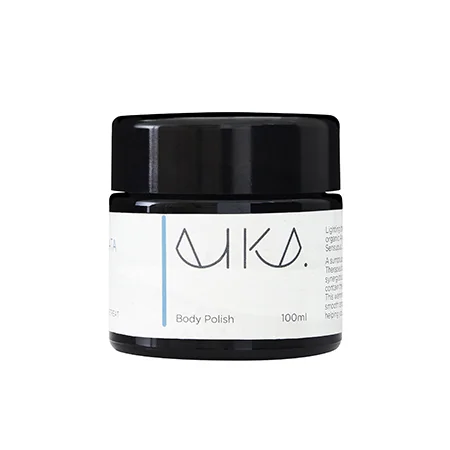
Analysis locked
How well does your skin match with Aika Wellness Vata Body Polish?
Login to see detailsOr continue via
Quick 1-minute survey • Completely free
Ingredients
Analysis results of Ingredients


Ingredient List
| EWG | CIR | Ingredient Name & Cosmetic Function | Notes |
|---|---|---|---|
| 1 | - | (Masking, Viscosity Controlling, Bulking Agent) | |
| 1 | - | (Masking, Fragrance, Skin Conditioning, Tonic) | |
| 1 | - | (Skin Conditioning, Emollient) | |
| 1 | - |  |
Aika Wellness Vata Body Polish - Ingredient Explanation
Sodium Chloride
1. Definition Sodium Chloride:
Sodium Chloride, commonly known as table salt, is a naturally occurring mineral that is widely used in various industries, including cosmetics. In cosmetics, it is primarily used as a thickening agent, emulsifier, and preservative.2. Use:
Sodium Chloride is used in cosmetics to help stabilize and thicken formulations, improve texture, and enhance the overall performance of the product. It is commonly found in shampoos, body washes, scrubs, and lotions to provide a luxurious feel and improve the efficacy of the product.3. Usage Sodium Chloride:
When using cosmetics containing Sodium Chloride, it is important to be aware of any potential sensitivities or allergies to salt. Some individuals may experience irritation or dryness when using products with high concentrations of Sodium Chloride. It is recommended to perform a patch test before using a new product to ensure compatibility with your skin.Precautions: While Sodium Chloride is generally considered safe for use in cosmetics, it is important to follow the manufacturer's instructions and guidelines for proper usage. Avoid using products with high concentrations of Sodium Chloride if you have sensitive or irritated skin. If you experience any adverse reactions, discontinue use immediately and consult a healthcare professional.
4. References:
- "Sodium Chloride in Cosmetics: Functions and Safety." Cosmetics & Toiletries, www.cosmeticsandtoiletries.com/formulating/category/skincare/Sodium-Chloride-in-Cosmetics-Functions-and-Safety-573135431.html.
- "The Benefits of Sodium Chloride in Skincare." The Derm Review, www.thedermreview.com/Sodium-Chloride-in-skincare/.
- "Safety Assessment of Sodium Chloride as Used in Cosmetics." Cosmetic Ingredient Review, www.cir-safety.org/sites/default/files/SodiumChloride.pdf.
Lavandula Angustifolia (Lavender)
1. Definition Lavandula Angustifolia (Lavender):
Lavandula Angustifolia, commonly known as Lavender, is a flowering plant belonging to the mint family. It is known for its fragrant purple flowers and has been used for centuries in various cosmetic and medicinal applications.2. Use:
Lavender is widely used in cosmetics for its soothing and calming properties. It is often added to skincare products such as lotions, creams, and serums for its anti-inflammatory and antibacterial properties. Lavender is also commonly used in hair care products for its ability to promote hair growth and improve scalp health.3. Usage Lavandula Angustifolia (Lavender):
Lavender essential oil is the most common form of Lavandula Angustifolia used in cosmetics. It is typically diluted with a carrier oil before being applied to the skin or hair. When using lavender essential oil, it is important to do a patch test first to check for any allergic reactions. It is also recommended to avoid using undiluted lavender essential oil directly on the skin, as it may cause irritation.4. References:
- Ali, B., Al-Wabel, N.A., Shams, S., Ahamad, A., Khan, S.A., & Anwar, F. (2015). Essential oils used in aromatherapy: A systemic review. Asian Pacific Journal of Tropical Biomedicine, 5(8), 601-611.
- Cavanagh, H.M.A., & Wilkinson, J.M. (2002). Biological activities of lavender essential oil. Phytotherapy Research, 16(4), 301-308.
- Koulivand, P.H., Khaleghi Ghadiri, M., & Gorji, A. (2013). Lavender and the nervous system. Evidence-Based Complementary and Alternative Medicine, 2013, 681304.
Vanilla Planifolia (Vanilla) Fruit Oil
1. Definition Vanilla Planifolia (Vanilla) Fruit Oil:
Vanilla Planifolia (Vanilla) Fruit Oil is a natural essential oil extracted from the fruit of the Vanilla Planifolia plant. It is known for its sweet, warm, and comforting aroma, making it a popular ingredient in cosmetics and perfumes.2. Use:
Vanilla Planifolia (Vanilla) Fruit Oil is commonly used in skincare products for its soothing and calming properties. It is often included in moisturizers, creams, and lotions to help hydrate the skin and improve its overall texture. Additionally, the pleasant scent of vanilla oil can provide a relaxing and uplifting experience when used in aromatherapy products.3. Usage Vanilla Planifolia (Vanilla) Fruit Oil:
Vanilla Planifolia (Vanilla) Fruit Oil can be used in a variety of ways in cosmetics. It can be added to skincare formulations such as serums, masks, and bath products to enhance their fragrance and provide additional skin benefits. When using vanilla oil, it is important to perform a patch test first to check for any allergic reactions. It should be diluted with a carrier oil before applying directly to the skin to prevent irritation.4. References:
- Rehman, Z. U., & Zafar, S. (2018). Vanilla: A review of extraction methods, medicinal properties, stability, and application. Journal of the Saudi Society of Agricultural Sciences, 17(4), 291-298.
- Kaur, G., & Kalia, A. N. (2017). Vanilla planifolia: A review of a plant commonly used as a flavoring agent. International Journal of Pharmaceutical Sciences and Research, 8(5), 1886-1892.
- Pino, J. A., Marbot, R., & Vazquez, C. (2001). Volatile components of vanilla fruits. Flavour and Fragrance Journal, 16(6), 391-394.
Citrus Aurantium Dulcis (Orange)
1. Definition Citrus Aurantium Dulcis (Orange):
Citrus Aurantium Dulcis, commonly known as Orange, is a fruit extract derived from the sweet orange tree. It is widely used in the cosmetic industry for its refreshing and uplifting scent, as well as its skin-brightening and antioxidant properties.2. Use:
Orange extract is used in a variety of cosmetic products, including skincare, haircare, and fragrances. It is often included in formulations for its ability to improve the overall appearance of the skin, promote collagen production, and reduce the signs of aging. Orange extract is also known for its natural astringent properties, making it a popular ingredient in toners and cleansers.3. Usage Citrus Aurantium Dulcis (Orange):
When using products containing Orange extract, it is important to be aware of potential skin sensitivities. Some individuals may experience irritation or allergic reactions when using products with citrus extracts, so it is recommended to perform a patch test before applying the product to the entire face or body. Additionally, it is important to follow the manufacturer's instructions for proper application and storage of products containing Orange extract to ensure maximum efficacy and safety.4. References:
- Manosroi A, Chutoprapat R, Abe M, Manosroi W, Manosroi J. (2012). Anti-aging efficacy of topical formulations containing niosomes entrapped with rice bran bioactive compounds. Retrieved from https://pubmed.ncbi.nlm.nih.gov/22507051/
- Reuter J, Merfort I, Schempp CM. (2010). Botanicals in dermatology: an evidence-based review. American Journal of Clinical Dermatology. Retrieved from https://pubmed.ncbi.nlm.nih.gov/20136869/
- Kim YJ, Uyama H. (2005). Tyrosinase inhibitors from natural and synthetic sources: structure, inhibition mechanism and perspective for the future. Retrieved from https://pubmed.ncbi.nlm.nih.gov/15949833/
Review

Didn't find
the information you need?






Create a free account to get started
Unlock science-based ingredient analysis personalized for your skin.
Already have an account? Log in
We protect your privacy. We never send spam.