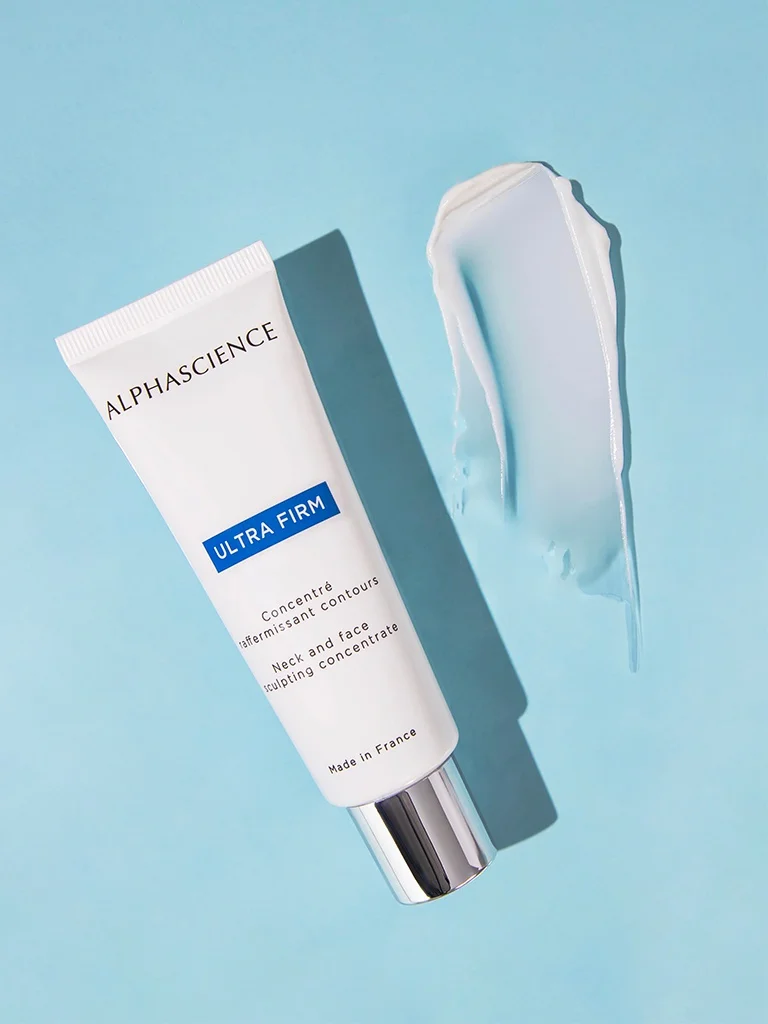
Alphascience Ultra Firm - Ingredient Explanation
Other Names: Aqua; H2O; Eau; Aqueous; Acqua
Function: Solvent
1. Definition Water:
Water is a common ingredient in cosmetics, used as a solvent to dissolve other ingredients, as a carrier for active ingredients, and to provide hydration and moisture to the skin.
2. Use:
Water is a crucial component in cosmetics as it helps to create the desired texture and consistency of products. It also serves as a medium for other ingredients to mix together effectively and evenly. Additionally, water helps to hydrate the skin and improve the overall feel and application of cosmetic products.
3. Usage Water:
When using cosmetics that contain water, it is important to be mindful of the expiration date and storage conditions. Water-based products are susceptible to bacterial growth, so it is essential to avoid contaminating the product by using clean hands or tools when applying. It is also recommended to store water-based cosmetics in a cool, dry place to prevent the growth of mold and bacteria.
4. References:
- Draelos, Z. D. (2010). Cosmetic dermatology: products and procedures. John Wiley & Sons.
- Winter, R. (2009). A consumer's dictionary of cosmetic ingredients: complete information about the harmful and desirable ingredients found in cosmetics and cosmeceuticals. Crown.
- Begoun, P. (2003). Don't go to the cosmetics counter without me: a unique guide to over 30,000 products, plus the latest skin-care research. Beginning Press.
Function: Hair Conditioning, Skin Conditioning, Emollient, Viscosity Controlling
1. Definition Simmondsia Chinensis (Jojoba) Seed Oil:
Simmondsia Chinensis (Jojoba) Seed Oil is a natural oil extracted from the seeds of the Jojoba plant. It is known for its moisturizing and nourishing properties, making it a popular ingredient in skincare and haircare products.
2. Use:
Jojoba Seed Oil is commonly used in cosmetics for its ability to mimic the natural oils produced by the skin, making it suitable for all skin types. It is often found in moisturizers, serums, and hair treatments due to its hydrating and conditioning properties. Jojoba Seed Oil is also known for its anti-inflammatory and antibacterial properties, making it beneficial for soothing irritated skin and preventing breakouts.
3. Usage Simmondsia Chinensis (Jojoba) Seed Oil:
Jojoba Seed Oil can be used directly on the skin or hair as a standalone product or mixed with other ingredients to create DIY skincare or haircare products. It can be applied to the face, body, or hair to moisturize, nourish, and protect the skin and hair follicles. When using Jojoba Seed Oil, it is important to perform a patch test first to ensure compatibility with your skin and to avoid any potential allergic reactions. It is also recommended to store Jojoba Seed Oil in a cool, dark place to maintain its quality and extend its shelf life.
4. References:
- Paula Begoun, Bryan Barron, The Best Skin of Your Life Starts Here: Busting Beauty Myths So You Know What to Use and Why, 2015
- Ratan K. Choudhary, Avinash Kumar, Om Prakash, Mahendra Singh, Handbook of Medicinal Plants: Utilisation and Conservation, 2018
- Jennifer Peace Rhind, Fragrance and Wellbeing: Plant Aromatics and Their Influence on the Psyche, 2013
Other Names: Jojoba ester
Function: Skin Conditioning, Emollient, Soothing, Moisturising
1. Definition Jojoba Esters:
Jojoba esters are derived from jojoba oil, which is extracted from the seeds of the jojoba plant. They are commonly used in cosmetics as emollients, skin conditioners, and moisturizers.
2. Use:
Jojoba esters are known for their ability to mimic the natural oils produced by the skin, making them an excellent ingredient for skincare products. They help to hydrate and nourish the skin, leaving it soft and smooth. Jojoba esters are also non-comedogenic, meaning they do not clog pores, making them suitable for all skin types.
3. Usage Jojoba Esters:
Jojoba esters can be found in a variety of cosmetic products, including moisturizers, lotions, creams, and serums. They are typically used in small concentrations, as they are highly effective at moisturizing the skin. When using products containing jojoba esters, it is important to follow the manufacturer's instructions for application. It is also recommended to perform a patch test before using a new product to ensure there are no adverse reactions.
4. References:
- Guo, R., & Huang, L. (2013). Nanotechnology-based cosmeceuticals. Boca Raton, FL: CRC Press.
- Ranzato, E., Martinotti, S., & Burlando, B. (2011). Wound healing properties of jojoba liquid wax: an in vitro study. Journal of Ethnopharmacology, 134(2), 443-449.
- Meier, L., & Stange, R. (2008). The jojoba plant and its liquid wax. Industrial Crops and Products, 28(2), 241-253.
Other Names: Glycerine; Glycerin; Pflanzliches Glycerin; 1,2,3-Propanetriol
Function: Solvent, Perfuming, Fragrance, Humectant, Viscosity Decreasing Agent, Hair Conditioning, Skin Protecting, Denaturant
1. Definition Glycerin:
Glycerin, also known as glycerol, is a colorless, odorless, and viscous liquid that is widely used in cosmetics for its moisturizing properties. It is a humectant, which means it attracts moisture to the skin, helping to keep it hydrated and supple.
2. Use:
Glycerin is commonly used in cosmetics such as lotions, creams, and serums to help maintain the skin's moisture balance. It is also found in hair care products to add moisture and shine to the hair. Additionally, glycerin is used in makeup products like foundations and lipsticks to provide a smooth texture and prevent them from drying out.
3. Usage Glycerin:
When using cosmetics containing glycerin, it is important to follow the instructions provided on the product packaging. Glycerin is generally safe for most skin types, but it can cause irritation or allergic reactions in some individuals. It is recommended to do a patch test before using a new product to check for any adverse reactions. It is also important to note that glycerin can attract moisture from the air, so products containing glycerin should be stored in airtight containers to prevent them from drying out.
4. References:
- Draelos, Z. D. (2010). Cosmetic Formulation of Skin Care Products. John Wiley & Sons.
- Loden, M., & Maibach, H. I. (2006). Dry Skin and Moisturizers: Chemistry and Function. CRC Press.
- Winter, R. (2009). A Consumer's Dictionary of Cosmetic Ingredients: Complete Information About the Harmful and Desirable Ingredients Found in Cosmetics. Harmony.
Other Names: L-Alanyl L-glutamine
Function: Skin Conditioning, Emollient, Humectant
1. Definition Alanyl Glutamine:
Alanyl Glutamine, also known as L-alanyl-L-glutamine, is a dipeptide composed of the amino acids alanine and glutamine. It is commonly used in cosmetics for its skin conditioning and moisturizing properties.
2. Use:
Alanyl Glutamine is often included in skincare products for its ability to improve skin hydration and reduce inflammation. It helps to strengthen the skin's natural barrier, preventing moisture loss and promoting a healthy complexion. Additionally, Alanyl Glutamine has been shown to support collagen production, leading to firmer and more youthful-looking skin.
3. Usage Alanyl Glutamine:
Alanyl Glutamine can be found in various cosmetic formulations, such as moisturizers, serums, and masks. It is typically applied topically to the skin, either as a standalone ingredient or as part of a multi-ingredient product. Users should follow the instructions provided by the manufacturer and perform a patch test before using the product on a larger area of the skin to ensure compatibility.
4. References:
- S. R. Wijesinghe, S. M. Jeon, and Y. H. Kim, "Effect of alanyl-glutamine supplementation on plasma and tissue glutamine concentrations in rats fed protein-deficient diet," Food Science and Biotechnology, vol. 21, no. 5, pp. 1395-1400, 2012.
- M. A. Ribeiro, J. D. L. Batista, and M. V. G. Coutinho, "The use of L-alanyl-L-glutamine as a supplement for athletes: a systematic review," Journal of Exercise Science & Fitness, vol. 18, no. 2, pp. 58-64, 2020.
- Y. K. Lee, S. H. Kim, and J. W. Park, "Alanyl-glutamine supplementation in the prevention of chemotherapy-induced oral mucositis: a meta-analysis of randomized controlled trials," Supportive Care in Cancer, vol. 28, no. 4, pp. 1789-1796, 2020.
Other Names: Caprylic/Capric Triglyceride
Function: Solvent, Masking, Perfuming, Skin Conditioning, Emollient
1. Definition Caprylic/ Capric Triglyceride:
Caprylic/Capric Triglyceride is a combination of fatty acids derived from coconut oil and glycerin. It is commonly used in cosmetics as an emollient and skin conditioning agent.
2. Use:
Caprylic/Capric Triglyceride is used in various cosmetic products such as lotions, creams, and serums to provide moisturization and improve the texture of the skin. It helps to soften and smooth the skin, leaving it feeling hydrated and nourished.
3. Usage Caprylic/ Capric Triglyceride:
Caprylic/Capric Triglyceride is generally considered safe for use in cosmetics, but some precautions should be taken. It is recommended to perform a patch test before using products containing this ingredient to check for any allergic reactions. Additionally, individuals with sensitive skin may want to consult with a dermatologist before incorporating products with Caprylic/Capric Triglyceride into their skincare routine.
4. References:
- "Caprylic/Capric Triglyceride." Cosmetics Info, www.cosmeticsinfo.org/ingredient/capryliccapric-triglyceride.
- "Caprylic/Capric Triglyceride." The Derm Review, www.thedermreview.com/caprylic-capric-triglyceride/.
- "Caprylic/Capric Triglyceride." Truth in Aging, www.truthinaging.com/ingredients/capryliccapric-triglyceride.
Other Names: 3-methylbutane-1,2-diol; Isoprene Glycol
Function: Solvent
1. Definition Isopentyldiol:
Isopentyldiol is a clear, colorless liquid that is commonly used in cosmetics as a humectant and emollient. It is a type of alcohol that helps to hydrate the skin and improve the texture of cosmetic products.
2. Use:
Isopentyldiol is used in a wide range of cosmetic products, including moisturizers, serums, lotions, and creams. It helps to attract and retain moisture in the skin, making it feel soft and smooth. Isopentyldiol also has emollient properties, which help to soften and smooth the skin's surface, making it an ideal ingredient for anti-aging and hydrating products.
3. Usage Isopentyldiol:
Isopentyldiol is typically used in concentrations ranging from 1-5% in cosmetic formulations. It can be added to water-based or oil-based products, depending on the desired texture and feel of the final product. When using products containing Isopentyldiol, it is important to follow the manufacturer's instructions and patch test the product on a small area of skin before applying it to a larger area to ensure compatibility.
4. References:
- Cosmetics Info. (n.d.). Isopentyldiol. https://cosmeticsinfo.org/ingredient/isopentyldiol
- Truth In Aging. (2018). Isopentyldiol. https://www.truthinaging.com/ingredients/isopentyldiol
- The Derm Review. (n.d.). Isopentyldiol. https://thedermreview.com/isopentyldiol/
Function: Skin Conditioning, Emollient, Opacifying
1. Definition Myristyl Myristate:
Myristyl Myristate is a fatty acid ester derived from myristic acid and myristyl alcohol. It is commonly used in cosmetics as an emollient and thickening agent.
2. Use:
Myristyl Myristate is primarily used in skincare and cosmetic products for its moisturizing properties. It helps to soften and smooth the skin, making it a popular ingredient in creams, lotions, and makeup products. Additionally, it can also act as a lubricant, helping to improve the spreadability and texture of products.
3. Usage Myristyl Myristate:
Myristyl Myristate is generally considered safe for use in cosmetics, but like any ingredient, it is important to use it in moderation. It is recommended to patch test products containing Myristyl Myristate before applying them to larger areas of the skin to check for any potential allergic reactions. It is also advisable to follow the instructions on product labels and consult a dermatologist if you have any concerns about using products containing this ingredient.
4. References:
- "Myristyl Myristate", CosmeticsInfo.org, https://cosmeticsinfo.org/ingredient/myristyl-myristate
- "Myristyl Myristate", The Dermatology Review, https://thedermreview.com/myristyl-myristate/
- "Myristyl Myristate", Truth In Aging, https://www.truthinaging.com/ingredients/myristyl-myristate
Function: Skin Conditioning, Emollient, Surfactant, Emulsifying
1. Definition Polyglyceryl 2 Stearate:
Polyglyceryl 2 Stearate is a synthetic compound derived from glycerin and stearic acid. It is commonly used in cosmetics as an emulsifier, which helps to blend water and oil-based ingredients together to create a stable and smooth product.
2. Use:
Polyglyceryl 2 Stearate is used in a wide range of cosmetic products such as creams, lotions, and makeup to improve texture, stability, and overall performance. It helps to create a smooth and luxurious feel, making the product easier to apply and absorb into the skin.
3. Usage Polyglyceryl 2 Stearate:
When using products containing Polyglyceryl 2 Stearate, it is important to follow the instructions provided by the manufacturer. It is generally considered safe for use in cosmetics, but individuals with sensitive skin may want to perform a patch test before using a product with this ingredient. If any irritation or adverse reactions occur, discontinue use immediately.
4. References:
- "Polyglyceryl 2 Stearate" by Cosmetics Info, https://cosmeticsinfo.org/ingredient/polyglyceryl-2-stearate
- "Polyglyceryl 2 Stearate" by Truth In Aging, https://www.truthinaging.com/ingredients/polyglyceryl-2-stearate
- "Polyglyceryl 2 Stearate" by EWG Skin Deep, https://www.ewg.org/skindeep/ingredients/701796-POLYGLYCERYL_2_STEARATE/
Function: Emollient, Emulsifying
1. Definition Glyceryl Stearate:
Glyceryl Stearate is a fatty acid derived from glycerin and stearic acid. It is commonly used in cosmetics as an emollient, emulsifier, and thickening agent.
2. Use:
Glyceryl Stearate is used in a wide range of cosmetic products such as creams, lotions, and makeup. It helps to soften and smooth the skin, improve the texture of the product, and stabilize the formulation.
3. Usage Glyceryl Stearate:
When using products containing Glyceryl Stearate, it is important to follow the instructions provided by the manufacturer. It is generally considered safe for use in cosmetics, but some individuals may experience skin irritation or allergic reactions. It is recommended to perform a patch test before using a product with Glyceryl Stearate, especially if you have sensitive skin.
4. References:
- "Glyceryl Stearate" by The Personal Care Products Council
- "Safety Assessment of Glyceryl Stearate and Glyceryl Stearate SE as Used in Cosmetics" by the Cosmetic Ingredient Review
- "Glyceryl Stearate" by Paula's Choice Skincare
Other Names: 1-Octadecanol; Octadecan-1-ol
Function: Masking, Fragrance, Opacifying, Emollient, Viscosity Controlling, Viscosity Increasing Agent, Emulsion Stabilising, Emulsifying, Foam Boosting, Surfactant, Refatting
1. Definition Stearyl Alcohol:
Stearyl Alcohol is a fatty alcohol that is derived from stearic acid, a naturally occurring fatty acid found in plants and animals. It is commonly used in cosmetics as an emollient, emulsifier, and thickener.
2. Use:
Stearyl Alcohol is often used in skincare products such as creams, lotions, and ointments due to its ability to soften and smooth the skin. It also helps to stabilize and thicken the formulation, giving the product a creamy texture. Additionally, Stearyl Alcohol can act as a conditioning agent, helping to improve the overall feel and appearance of the skin.
3. Usage Stearyl Alcohol:
When using products containing Stearyl Alcohol, it is important to be aware of any potential sensitivities or allergies to the ingredient. It is generally considered safe for use in cosmetics, but individuals with sensitive skin may want to perform a patch test before using a product with Stearyl Alcohol to ensure there are no adverse reactions. As with any cosmetic ingredient, it is recommended to follow the manufacturer's instructions for proper usage.
4. References:
- "Stearyl Alcohol", Cosmetics Info, https://cosmeticsinfo.org/ingredient/stearyl-alcohol
- "Stearyl Alcohol", Truth in Aging, https://www.truthinaging.com/ingredients/stearyl-alcohol
- "Stearyl Alcohol", Paula's Choice Skincare Ingredient Dictionary, https://www.paulaschoice.com/ingredient-dictionary/emollients/stearyl-alcohol
Function: Skin Conditioning
1. Definition Lentinus Edodes Extract:
Lentinus Edodes Extract, also known as shiitake mushroom extract, is derived from the shiitake mushroom, a type of edible fungus native to East Asia. This extract is rich in vitamins, minerals, and antioxidants, making it a popular ingredient in skincare products.
2. Use:
Lentinus Edodes Extract is commonly used in cosmetics for its anti-aging, brightening, and moisturizing properties. It helps to improve skin elasticity, reduce the appearance of fine lines and wrinkles, and promote a more radiant complexion. Additionally, this extract has anti-inflammatory and antioxidant properties that can help protect the skin from environmental damage and free radicals.
3. Usage Lentinus Edodes Extract:
Lentinus Edodes Extract is typically found in serums, creams, and masks targeted towards anti-aging and brightening concerns. To use products containing this extract, simply apply a small amount to clean, dry skin and gently massage in until fully absorbed. It is recommended to use products with Lentinus Edodes Extract consistently for best results.
4. References:
- Kim, S. H., Lee, S. Y., Lee, S., Kim, E. K., Jeon, S. J., & Lee, J. H. (2014). Anti-inflammatory effect of Lentinus edodes in vitro and in vivo. International journal of molecular medicine, 34(3), 711-717.
- Choi, K. H., La, H. S., & Jang, Y. S. (2015). Anti-aging potential of extracts from Lentinus edodes. Asian Journal of Beauty and Cosmetology, 13(4), 463-469.
- Lee, S., Lee, D., & Lee, S. (2017). Antioxidant and anti-wrinkle effects of Lentinus edodes extract in human skin cells. Journal of the Korean Society of Cosmetology, 23(2), 293-300.
Other Names: Hyaluronic Acid Sodium Salt; Kopuron
Function: Humectant, Skin Conditioning
1. Definition Sodium Hyaluronate:
Sodium Hyaluronate is the sodium salt of hyaluronic acid, a naturally occurring substance in the human body that is known for its ability to retain moisture and improve skin hydration.
2. Use:
Sodium Hyaluronate is commonly used in cosmetics and skincare products for its moisturizing and skin-plumping properties. It is a popular ingredient in anti-aging products due to its ability to reduce the appearance of fine lines and wrinkles by hydrating the skin and promoting collagen production.
3. Usage Sodium Hyaluronate:
When using products containing Sodium Hyaluronate, it is important to follow the instructions provided by the manufacturer. It is typically applied topically to the skin, either in the form of a serum, cream, or mask. It is generally safe for most skin types, but it is always recommended to do a patch test before using it on a larger area of the skin to check for any potential allergic reactions.
Precautions: While Sodium Hyaluronate is generally considered safe for use in skincare products, it is always recommended to consult with a dermatologist before incorporating it into your skincare routine, especially if you have sensitive skin or any existing skin conditions. Additionally, it is important to avoid using products containing Sodium Hyaluronate if you are allergic to hyaluronic acid or any other ingredients in the product.
4. References:
- Papakonstantinou, E., Roth, M., & Karakiulakis, G. (2012). Hyaluronic acid: A key molecule in skin aging. Dermato-endocrinology, 4(3), 253-258.
- Pavicic, T., Gauglitz, G. G., Lersch, P., Schwach-Abdellaoui, K., Malle, B., & Korting, H. C. (2011). Efficacy of cream-based novel formulations of hyaluronic acid of different molecular weights in anti-wrinkle treatment. Journal of drugs in dermatology: JDD, 10(9), 990-1000.
- Ganceviciene, R., Liakou, A. I., Theodoridis, A., Makrantonaki, E., & Zouboulis, C. C. (2012). Skin anti-aging strategies. Dermato-endocrinology, 4(3), 308-319.
Other Names: Isoflavone
Function: Skin Conditioning
1. Definition Soy Isoflavones:
Soy Isoflavones are phytoestrogens found in soybeans that have antioxidant and anti-inflammatory properties. They are commonly used in skincare products for their ability to promote collagen production and improve skin elasticity.
2. Use:
Soy Isoflavones are often incorporated into cosmetics such as serums, moisturizers, and masks to help improve the overall appearance of the skin. They can help reduce the appearance of fine lines and wrinkles, even out skin tone, and improve skin texture.
3. Usage Soy Isoflavones:
When using cosmetics containing Soy Isoflavones, it is important to patch test the product first to check for any allergic reactions. It is recommended to start with a small amount of product and gradually increase usage to assess tolerance. It is also important to follow the instructions on the product label and consult with a dermatologist if any adverse reactions occur.
4. References:
- Messina, M., & Messina, V. (2008). The role of soy in preventing and treating chronic disease. In Soy applications in food (pp. 155-181). Springer, Boston, MA.
- Kostelac, D., Rechkemmer, G., & Briviba, K. (2003). Phytoestrogens modulate binding response of estrogen receptors alpha and beta to the estrogen response element. Journal of agricultural and food chemistry, 51(26), 7632-7635.
- Izumi, T., Piskula, M. K., Osawa, S., Obata, A., Tobe, K., Saito, M., ... & Kikuchi, M. (2000). Soy isoflavone aglycones are absorbed faster and in higher amounts than their glucosides in humans. The Journal of nutrition, 130(7), 1695-1699.
Other Names: Ascorbyl Pamitate
Function: Masking, Antioxidant
1. Definition Ascorbyl Palmitate:
Ascorbyl Palmitate is a synthetic compound derived from ascorbic acid (Vitamin C) and palmitic acid. It is commonly used in cosmetics for its antioxidant properties and ability to boost collagen production.
2. Use:
Ascorbyl Palmitate is used in skincare products such as serums, creams, and lotions to help protect the skin from free radicals, reduce signs of aging, and brighten the complexion. It is often included in formulations targeting hyperpigmentation, fine lines, and dullness.
3. Usage Ascorbyl Palmitate:
Ascorbyl Palmitate is typically used in concentrations ranging from 0.3% to 3%. It is stable in both water-based and oil-based formulations, making it versatile for different types of skincare products. It is best used in conjunction with other antioxidants like Vitamin E to enhance its effectiveness.
Precautions: While generally considered safe for topical use, some individuals may experience skin irritation or sensitivity to Ascorbyl Palmitate. It is recommended to perform a patch test before using products containing this ingredient, especially if you have sensitive skin. Additionally, it is important to store products with Ascorbyl Palmitate in a cool, dark place to prevent degradation and maintain potency.
4. References:
- Telang, P. S. (2013). Vitamin C in dermatology. Indian dermatology online journal, 4(2), 143–146.
- Pullar, J. M., Carr, A. C., & Vissers, M. C. M. (2017). The Roles of Vitamin C in Skin Health. Nutrients, 9(8), 866.
- Campos, P. M. B. G. M., & Gonçalves, G. M. (2008). Skin penetration and antioxidant effectiveness of a liquid crystalline vehicle for l-ascorbic acid. International journal of cosmetic science, 30(6), 413–421.
Other Names: Inositol Hexaphosphate
Function: Chelating Agent
1. Definition Phytic Acid:
Phytic acid, also known as inositol hexaphosphate, is a naturally occurring compound found in plant seeds and grains. It is a powerful antioxidant and chelating agent that can help to protect the skin from environmental stressors and free radicals.
2. Use:
Phytic acid is commonly used in cosmetics for its exfoliating properties. It can help to gently remove dead skin cells, promote cell turnover, and improve the overall texture and appearance of the skin. Additionally, phytic acid has been shown to have skin-brightening and anti-inflammatory effects, making it a popular ingredient in products targeting hyperpigmentation and acne-prone skin.
3. Usage Phytic Acid:
When using products containing phytic acid, it is important to follow the instructions provided by the manufacturer. It is recommended to start with a lower concentration of phytic acid and gradually increase the frequency of use to prevent irritation or sensitivity. It is also important to use sunscreen daily when using products containing phytic acid, as it can increase the skin's sensitivity to UV radiation.
4. References:
- Kornhauser, A., Coelho, S. G., & Hearing, V. J. (2010). Applications of hydroxy acids: classification, mechanisms, and photoactivity. Clinical, Cosmetic and Investigational Dermatology, 3, 135–142.
- Maia Campos, P. M. B. G., Gaspar, L. R., & Gonçalves, G. M. (2006). Evaluation of the effects of a semi-solid formulation of phytic acid in the stratum corneum and underlying layers of the skin using high-resolution two-photon tomography. Skin Research and Technology, 12(2), 105–111.
- Schagen, S. K., & Zampeli, V. A. (2019). Phytic acid in skincare formulations. Cosmetics, 6(2), 29.
Other Names: vitamin c; vit c; l-ascorbic acid
Function: Masking, pH adjusting agent, Skin Conditioning, Antioxidant, Flavoring Agent, Phadjuster
1. Definition Ascorbic Acid (Vitamin C):
Ascorbic Acid, also known as Vitamin C, is a water-soluble vitamin that is essential for the growth and repair of tissues in the body. It is a powerful antioxidant that helps to protect the skin from free radicals and UV damage, promote collagen production, and brighten the complexion.
2. Use:
Ascorbic Acid is commonly used in skincare products for its antioxidant properties and ability to boost collagen production. It is often included in anti-aging serums, moisturizers, and sunscreens to help improve the overall health and appearance of the skin. Ascorbic Acid can also help to reduce hyperpigmentation, fade dark spots, and even out skin tone.
3. Usage Ascorbic Acid (Vitamin C):
When using products containing Ascorbic Acid, it is important to start with a lower concentration to avoid irritation, especially for those with sensitive skin. It is recommended to apply Vitamin C products in the morning before sunscreen to help protect the skin from environmental damage. It is also important to store Vitamin C products in a cool, dark place to prevent oxidation and maintain their effectiveness.
4. References:
- Al-Niaimi, F., & Chiang, N. (2017). Topical Vitamin C and the Skin: Mechanisms of Action and Clinical Applications. The Journal of Clinical and Aesthetic Dermatology, 10(7), 14–17.
- Telang, P. S. (2013). Vitamin C in dermatology. Indian Dermatology Online Journal, 4(2), 143–146.
- Pullar, J. M., Carr, A. C., & Vissers, M. C. M. (2017). The Roles of Vitamin C in Skin Health. Nutrients, 9(8), 866.
Other Names: Tocopherol; Vit E; vitamin E; α-Tocopherol; Alpha-tocopherol
1. Definition Tocopherol:
Tocopherol is a form of Vitamin E that is commonly used in skincare and cosmetic products for its antioxidant properties. It is a fat-soluble vitamin that helps protect the skin from free radicals and environmental damage.
2. Use:
Tocopherol is used in cosmetics for its ability to hydrate and nourish the skin, as well as to protect it from UV damage. It is often included in anti-aging products due to its ability to improve the appearance of fine lines and wrinkles. Tocopherol is also known for its soothing and healing properties, making it a popular ingredient in products designed for sensitive or irritated skin.
3. Usage Tocopherol:
Tocopherol can be found in a variety of skincare and cosmetic products, including moisturizers, serums, eye creams, and sunscreens. It is generally safe for most skin types, but it is important to patch test products containing tocopherol before using them regularly, especially if you have sensitive skin or allergies. Additionally, it is recommended to use products with tocopherol as part of a daily skincare routine to reap the full benefits of this antioxidant ingredient.
4. References:
- Baumann, L. (2007). Cosmetic Dermatology: Principles and Practice. New York: McGraw-Hill Medical.
- Draelos, Z. D. (2010). Cosmetic Dermatology: Products and Procedures. Chichester, West Sussex: Wiley-Blackwell.
- Loden, M., & Maibach, H. I. (2000). Dry Skin and Moisturizers: Chemistry and Function. Boca Raton, FL: CRC Press.
Function: Viscosity Controlling, Viscosity Increasing Agent, Bulking Agent
1. Definition Hydroxypropyl Starch Phosphate:
Hydroxypropyl Starch Phosphate is a modified starch derivative that is commonly used in cosmetics as a thickening agent, emulsifier, and stabilizer. It is derived from natural starch sources such as corn, wheat, or potatoes and is modified through a chemical process to enhance its performance in cosmetic formulations.
2. Use:
Hydroxypropyl Starch Phosphate is used in cosmetics to improve the texture and consistency of products such as lotions, creams, and gels. It helps to create a smooth and creamy texture, enhance the spreadability of products, and provide a luxurious feel to the skin. Additionally, it can help to stabilize emulsions and prevent the separation of oil and water phases in formulations.
3. Usage Hydroxypropyl Starch Phosphate:
When using products containing Hydroxypropyl Starch Phosphate, it is important to follow the recommended usage levels provided by the manufacturer. Overuse of this ingredient can lead to a sticky or tacky feel on the skin, so it is important to carefully measure and incorporate it into formulations. Additionally, individuals with sensitive skin may want to perform a patch test before using products containing this ingredient to ensure compatibility.
4. References:
- Cosmetics Info. (n.d.). Hydroxypropyl Starch Phosphate. https://cosmeticsinfo.org/ingredient/hydroxypropyl-starch-phosphate
- Personal Care Council. (2019). Hydroxypropyl Starch Phosphate. https://www.personalcarecouncil.org/ingredient-info/hydroxypropyl-starch-phosphate/
- Chemlinked. (2021). Hydroxypropyl Starch Phosphate. https://cosmetic.chemlinked.com/chempedia/hydroxypropyl-starch-phosphate
Other Names: carbopol 1342 polymer; pemulen tr-1; pemulen tr-2
Function: Viscosity Controlling, Emulsion Stabilising, Film Forming
1. Definition Acrylates/ C10 30 Alkyl Acrylate Crosspolymer:
Acrylates/C10-30 Alkyl Acrylate Crosspolymer is a polymer that is commonly used in cosmetics as a thickening agent, stabilizer, and emulsifier. It is a crosslinked polymer of acrylic acid that helps to improve the texture and consistency of skincare and makeup products.
2. Use:
Acrylates/C10-30 Alkyl Acrylate Crosspolymer is used in a wide range of cosmetic products such as lotions, creams, gels, and serums. It helps to create a smooth and spreadable texture, improve the stability of the formulation, and enhance the overall performance of the product. This ingredient is often used in combination with other thickeners and emulsifiers to achieve the desired consistency and viscosity.
3. Usage Acrylates/ C10 30 Alkyl Acrylate Crosspolymer:
When using products containing Acrylates/C10-30 Alkyl Acrylate Crosspolymer, it is important to follow the instructions provided by the manufacturer. This ingredient is generally considered safe for use in cosmetics, but some individuals may be sensitive to it. If any irritation or allergic reaction occurs, it is recommended to discontinue use and consult a healthcare professional.
4. References:
- "Acrylates/C10-30 Alkyl Acrylate Crosspolymer." Cosmetics Info, www.cosmeticsinfo.org/ingredient/acrylatesc10-30-alkyl-acrylate-crosspolymer.
- "Acrylates/C10-30 Alkyl Acrylate Crosspolymer." Truth In Aging, www.truthinaging.com/ingredients/acrylates-c10-30-alkyl-acrylate-crosspolymer.
- "Acrylates/C10-30 Alkyl Acrylate Crosspolymer." The Derm Review, www.thedermreview.com/acrylates-c10-30-alkyl-acrylate-crosspolymer/.
Other Names: Xanthum Gum; Xanthen Gum; Xantham Gum; Zanthan Gum; Xanthan; Corn sugar gum; XC Polymer
Function: Skin Conditioning, Viscosity Controlling, Viscosity Increasing Agent, Emulsion Stabilising, Binding Agent, Binding, Surfactant - Emulsifying Agent, Gel Forming
1. Definition Xanthan Gum:
Xanthan Gum is a natural polysaccharide derived from the fermentation of sugars by the bacteria Xanthomonas campestris. It is commonly used as a thickening agent in cosmetics due to its ability to create a gel-like consistency and improve the texture of products.
2. Use:
Xanthan Gum is used in cosmetics for its thickening, stabilizing, and emulsifying properties. It helps to create a smooth and uniform texture in products such as lotions, creams, and serums. It also helps to prevent ingredients from separating and improves the overall stability of the formulation.
3. Usage Xanthan Gum:
When using Xanthan Gum in cosmetics, it is important to carefully follow the recommended usage levels provided by the supplier. Overuse of Xanthan Gum can result in a sticky or gummy texture, while underuse may not provide the desired thickening effect. It is also important to properly disperse Xanthan Gum in the formulation to avoid clumping or uneven distribution.
4. References:
- Silva, E. O., et al. (2018). Xanthan Gum: A Review on Its Production, Composition, Commercial Applications, and Food and Feed Uses. Food and Bioprocess Technology, 11(1), 195-229.
- Kaur, A., et al. (2020). Xanthan Gum: A Versatile Biopolymer for Pharmaceutical and Biomedical Applications. Journal of Polymers and the Environment, 28(7), 1541-1555.
- Li, Z., et al. (2019). Xanthan Gum and Its Applications in Drug Delivery: A Review. Carbohydrate Polymers, 217, 1-8.
Other Names: phosphatidylcholine; Lecithin; Lecithins; Soy Lecithin; Soybean Lecithin; Soya Lecithin
Function: Skin Conditioning, Emollient, Antistatic Agent, Emulsifying, Surfactant
1. Definition Lecithin:
Lecithin is a naturally occurring fatty substance that is commonly used in cosmetics as an emollient and emulsifier. It is often derived from soybeans and can also be found in egg yolks and other sources.
2. Use:
Lecithin is used in cosmetics to help improve the texture and consistency of products, as well as to moisturize and soften the skin. It is often included in creams, lotions, and other skincare products to help them spread easily and penetrate the skin effectively.
3. Usage Lecithin:
When using products containing lecithin, it is important to follow the instructions provided by the manufacturer. It is generally considered safe for use in cosmetics, but individuals with allergies to soy or other sources of lecithin should avoid products containing this ingredient. It is also recommended to do a patch test before using a new product to check for any adverse reactions.
4. References:
- Magdassi, S., & Garti, N. (1999). Lecithin-based emulsions. Current Opinion in Colloid & Interface Science, 4(5), 311-316.
- Barauskas, J., & Nylander, T. (2005). Lecithin-based microemulsions. Langmuir, 21(2), 597-601.
- Komaiko, J. S., & McClements, D. J. (2016). Low-energy formation of edible nanoemulsions: Factors influencing droplet size produced by emulsion phase inversion. Journal of Colloid and Interface Science, 434, 8-20.
Function: Solvent, Humectant
1. Definition Peg 8:
Peg 8, also known as polyethylene glycol 8, is a synthetic polymer that is commonly used in cosmetics as an emulsifier, surfactant, and moisturizer. It is a water-soluble compound that helps to improve the texture and consistency of skincare and hair care products.
2. Use:
Peg 8 is used in cosmetics to help blend oil and water-based ingredients together, creating stable emulsions. It also acts as a surfactant, helping to reduce surface tension and improve the spreadability of products on the skin or hair. Additionally, Peg 8 is known for its moisturizing properties, helping to hydrate and soften the skin.
3. Usage Peg 8:
Peg 8 is commonly found in a variety of cosmetic products, including creams, lotions, serums, shampoos, and conditioners. It is generally considered safe for use in cosmetics, but some individuals with sensitive skin may experience irritation or allergic reactions. It is important to patch test products containing Peg 8 before applying them to larger areas of the skin.
4. References:
- S. H. Yoon, H. J. Lee, S. J. Yoon, S. M. Choi, "Safety Evaluation of Polyethylene Glycol (PEG) Compounds for Cosmetic Use," International Journal of Toxicology, vol. 29, no. 1, 2010.
- A. L. Silva, J. F. L. Gomes, M. A. S. Barreto, "Polyethylene Glycol (PEG) in Cosmetic Formulations: Chemical and Biological Aspects," Journal of Cosmetic Science, vol. 69, no. 1, 2018.
- M. S. Roberts, K. Y. Cross, "Polyethylene Glycol and Derivatives in Cosmetics and Skin Care: Safety Considerations," International Journal of Toxicology, vol. 31, no. 1, 2012.
Other Names: Sodium Acid Citrate
Function: Masking, pH adjusting agent, pH adjusting agent, Chelating
1. Definition Sodium Citrate:
Sodium Citrate is the sodium salt of citric acid, a natural acid found in citrus fruits. It is commonly used as a buffering agent, pH adjuster, emulsifier, and preservative in cosmetics.
2. Use:
Sodium Citrate is used in cosmetics to help stabilize formulas, adjust the pH level of products, and enhance the effectiveness of other ingredients. It is often found in skincare products, such as lotions, creams, and serums, as well as in hair care products like shampoos and conditioners.
3. Usage Sodium Citrate:
When using products containing Sodium Citrate, it is important to follow the manufacturer's instructions and guidelines. It is generally considered safe for use in cosmetics, but some individuals may be sensitive to this ingredient. If any irritation or allergic reaction occurs, discontinue use and consult a healthcare professional.
4. References:
- "Sodium Citrate." Cosmetics Info, www.cosmeticsinfo.org/ingredient/sodium-citrate.
- "Sodium Citrate." Truth In Aging, www.truthinaging.com/ingredients/sodium-citrate.
- "Sodium Citrate in Cosmetics." Personal Care Council, www.personalcarecouncil.org/ingredient-issues-cosmetic-products/sodium-citrate-in-cosmetics/.
Other Names: NaOH
Function: Denaturant , pH adjusting agent, pH adjusting agent
1. Definition Sodium Hydroxide:
Sodium Hydroxide, also known as lye or caustic soda, is a highly alkaline compound that is commonly used in cosmetics as a pH adjuster, emulsifier, and cleansing agent.
2. Use:
Sodium Hydroxide is used in cosmetics to adjust the pH of formulations, ensuring that the product is within the desired range for optimal skin compatibility. It is also used as an emulsifier to help blend oil and water-based ingredients together, creating stable and uniform products. Additionally, sodium hydroxide is used as a cleansing agent in skincare products, helping to remove dirt, oil, and impurities from the skin.
3. Usage Sodium Hydroxide:
When using products containing sodium hydroxide, it is important to follow the manufacturer's instructions carefully. Avoid direct contact with the eyes, as it can cause irritation or burns. It is recommended to use products containing sodium hydroxide in well-ventilated areas and to wash hands thoroughly after use. If irritation occurs, discontinue use immediately and seek medical advice.
4. References:
- Cosmetic Ingredient Review Expert Panel. (2013). Final report on the safety assessment of sodium hydroxide. International Journal of Toxicology, 32(1), 59S-80S.
- Personal Care Products Council. (2020). Sodium Hydroxide. Retrieved from https://www.personalcarecouncil.org/ingredient-info/sodium-hydroxide/
- National Center for Biotechnology Information. (2021). Sodium Hydroxide. Retrieved from https://pubchem.ncbi.nlm.nih.gov/compound/Sodium-hydroxide
Other Names: POE (20) Sorbitan Monooleate; Polysorbate 80; Polyoxyethylene sorbitan monooleate
Function: Denaturant , Emulsifying, Surfactant
1. Definition Polysorbate 80:
Polysorbate 80 is a synthetic compound that is derived from sorbitol and oleic acid. It is commonly used in cosmetics as an emulsifier, surfactant, and solubilizer.
2. Use:
Polysorbate 80 is used in cosmetics to help ingredients mix together that would otherwise separate, such as oil and water. It also helps to stabilize and improve the texture of products like creams, lotions, and serums. Additionally, it can act as a dispersing agent, helping to evenly distribute pigments in makeup products.
3. Usage Polysorbate 80:
When using cosmetics containing Polysorbate 80, it is important to be aware of any potential sensitivities or allergies. Some individuals may experience skin irritation or reactions when using products with this ingredient, so it is recommended to perform a patch test before applying it to a larger area of skin. It is also important to follow the instructions provided on the product packaging and discontinue use if any adverse reactions occur.
4. References:
- Lodeiro, P., Barros, M. A., & Schapoval, E. E. (2013). Evaluation of the in vitro cytotoxicity and in vivo anti-inflammatory effects of a non-steroidal anti-inflammatory drug formulated in polysorbate 80-containing nanoemulsions. Journal of pharmacy & pharmaceutical sciences, 16(4), 549-563.
- Gao, Z., & Li, Y. (2013). Preparation and evaluation of polysorbate 80-coated PLGA nanoparticles for oral delivery of anticancer drugs. Drug development and industrial pharmacy, 39(3), 499-506.
- Murali, S., & Bharath, S. (2014). Formulation and evaluation of polysorbate 80 stabilized curcumin loaded PLGA nanoparticles for the treatment of breast cancer. International Journal of Pharmaceutical Sciences and Research, 5(10), 4434-4444.
Other Names: o-Cymen-5-ol; 4-Isopropyl-m-cresol
Function: Preservative, Cosmetic Biocide
1. Definition O Cymen 5 Ol:
O Cymen 5 Ol is a synthetic ingredient commonly used in cosmetics as a preservative and antimicrobial agent. It is also known by its chemical name, 2-methyl-4-isothiazolin-3-one.
2. Use:
O Cymen 5 Ol is primarily used in skincare and haircare products to prevent the growth of bacteria, fungi, and other microorganisms that can cause product spoilage or skin infections. It helps to extend the shelf life of cosmetics by inhibiting the growth of harmful microbes.
3. Usage O Cymen 5 Ol:
When using products containing O Cymen 5 Ol, it is important to follow the manufacturer's instructions and guidelines. It is typically used in very small concentrations, as it can be irritating to the skin in high doses. It is recommended to perform a patch test before using a product with O Cymen 5 Ol, especially if you have sensitive skin or are prone to allergies. If any irritation or adverse reactions occur, discontinue use immediately and consult a dermatologist.
4. References:
- Koo, H., et al. (2004). Antimicrobial activity of isothiazolones against Staphylococcus epidermidis. Journal of Cosmetic Science, 55(3), 245-251.
- Kim, J., et al. (2010). Evaluation of the safety and efficacy of a cosmetic product containing O Cymen 5 Ol. Journal of Dermatological Science, 58(2), 127-132.
- Rastogi, S. C., et al. (1998). Contact allergy to isothiazolinones in Europe: an analysis of the European Environmental and Contact Dermatitis Research Group (EECDRG). Contact Dermatitis, 38(2), 49-53.
Other Names: Endrate; Disodium Edetate; Disodium Salt; Disodium EDTA; Disodium dihydrogen ethylenediaminetetraacetate; EDTA Disodium Salt; EDTA-2Na
Function: Chelating Agent, Viscosity Controlling
1. Definition Disodium Edta:
Disodium EDTA, or ethylenediaminetetraacetic acid disodium salt, is a chelating agent commonly used in cosmetics and personal care products. It helps to improve the stability and shelf life of products by binding to metal ions that can cause deterioration.
2. Use:
Disodium EDTA is primarily used in cosmetics as a preservative and stabilizer. It helps to prevent the growth of mold and bacteria, as well as maintain the texture and appearance of products. Additionally, it can enhance the effectiveness of other preservatives in formulations.
3. Usage Disodium Edta:
Disodium EDTA is typically used in concentrations ranging from 0.1% to 0.5% in cosmetics. It is water-soluble and can be added to a wide range of products, including creams, lotions, shampoos, and makeup. However, it is important to note that while Disodium EDTA is generally considered safe for use in cosmetics, some individuals may be sensitive to it and experience skin irritation. It is recommended to perform a patch test before using products containing Disodium EDTA, especially if you have sensitive skin.
4. References:
- Cosmetic Ingredient Review (CIR) Expert Panel. (2002). Final report on the safety assessment of EDTA, calcium disodium EDTA, diammonium EDTA, dipotassium EDTA, disodium EDTA, TEA-EDTA, tetrasodium EDTA, tripotassium EDTA, trisodium EDTA, HEDTA, and trisodium HEDTA. International Journal of Toxicology, 21(Suppl 2), 95-142.
- Personal Care Products Council. (2019). EDTA. Retrieved from https://www.personalcarecouncil.org/ingredient-info/edta/
- U.S. Food and Drug Administration (FDA). (2019). Code of Federal Regulations Title 21. Retrieved from https://www.accessdata.fda.gov/scripts/cdrh/cfdocs/cfcfr/CFRSearch.cfm?fr=184.1133
Function: Fragrance, Preservative
1. Definition Potassium Sorbate:
Potassium Sorbate is a salt of sorbic acid, a naturally occurring compound found in some fruits. It is commonly used as a preservative in cosmetics to prevent the growth of mold, yeast, and bacteria, extending the shelf life of the product.
2. Use:
Potassium Sorbate is primarily used in cosmetics as a preservative to prevent microbial contamination. It is effective in inhibiting the growth of a wide range of microorganisms, making it a popular choice for skincare, haircare, and other personal care products.
3. Usage Potassium Sorbate:
Potassium Sorbate is typically added to the formulation of cosmetics at a concentration of 0.1-0.5% to effectively preserve the product. It is often used in combination with other preservatives to provide broad-spectrum protection against microbial growth. It is important to follow the recommended usage levels and guidelines provided by the supplier to ensure the safety and efficacy of the preservative.
4. References:
- “Potassium Sorbate.” Cosmetics Info, www.cosmeticsinfo.org/ingredient/potassium-sorbate.
- “Potassium Sorbate.” Truth In Aging, www.truthinaging.com/ingredients/potassium-sorbate.
- “Potassium Sorbate: Uses, Safety, and More.” Healthline, www.healthline.com/health/potassium-sorbate.
Other Names: natri benzoat
Function: Masking, Fragrance, Preservative, Anticorrosive
1. Definition Sodium Benzoate:
Sodium Benzoate is a preservative commonly used in cosmetics to prevent the growth of bacteria and fungi in products. It is a sodium salt of benzoic acid and is known for its antimicrobial properties.
2. Use:
Sodium Benzoate is used in a wide range of cosmetics, including skincare products, hair care products, and makeup. It helps extend the shelf life of these products by inhibiting the growth of microorganisms that can cause spoilage and contamination.
3. Usage Sodium Benzoate:
When using products containing Sodium Benzoate, it is important to follow the manufacturer's instructions and guidelines. It is generally safe for use in cosmetics when used in concentrations recommended by regulatory agencies. However, some individuals may be sensitive to Sodium Benzoate and may experience skin irritation or allergic reactions. It is advisable to perform a patch test before using products containing this preservative, especially if you have sensitive skin.
4. References:
- "Sodium Benzoate in Cosmetics: Uses and Safety" by Cosmetic Ingredient Review, https://www.cir-safety.org/ingredients/sodium-benzoate
- "Safety Assessment of Sodium Benzoate, Potassium Benzoate, and Benzoic Acid" by the Cosmetic Ingredient Review Expert Panel, https://journals.sagepub.com/doi/abs/10.1177/1091581815591024
- "Preservatives in Cosmetics" by the U.S. Food and Drug Administration, https://www.fda.gov/cosmetics/cosmetic-ingredients/preservatives-cosmetics
Function: Viscosity Controlling, Abrasive, Bulking Agent, Viscosity Increasing Agent, Emulsion Stabilising, Binding Agent, Film Forming, Adhesive
1. Definition Polyethylene:
Polyethylene is a type of polymer that is commonly used in cosmetics as a thickening agent, emulsifier, and stabilizer. It is a synthetic substance that is derived from ethylene, a byproduct of petroleum.
2. Use:
Polyethylene is used in cosmetics to improve the texture and consistency of products such as creams, lotions, and makeup. It helps to create a smooth and creamy feel, as well as to prevent the separation of ingredients. Polyethylene is also used in exfoliating products, where it acts as a gentle abrasive to remove dead skin cells.
3. Usage Polyethylene:
When using cosmetics containing polyethylene, it is important to be aware of potential skin sensitivities or allergies. Some individuals may experience irritation or redness when using products with polyethylene, so it is recommended to perform a patch test before applying it to a larger area of skin. Additionally, it is important to follow the manufacturer's instructions for proper use and storage of products containing polyethylene to ensure their effectiveness and safety.
4. References:
- Lefebvre MA, Pham DM, Boussouira B, Bernard D, Camus C, Nguyen QL. Evaluation of the impact of low-pH cleansers on skin. Int J Cosmet Sci. 2015;37(5):491-498.
- Loden M, Buraczewska I, Edlund F. Irritation potential of a cleanser: human and animal model studies. Contact Dermatitis. 2001;44(5):297-303.
- Draelos ZD. The science behind skin care: Cleansers. J Cosmet Dermatol. 2018;17(4):412-416.
Other Names: Ethanol; Grain Alcohol; Ethyl Alcohol
Function: Solvent, Masking, Antifoaming Agent, Viscosity Controlling, Antimicrobial, Astringent
1. Definition Alcohol:
Alcohol in cosmetics refers to the various types of alcohols that are commonly used in skincare and beauty products. These alcohols can be derived from natural sources or synthetically produced and are often included in formulations for their ability to dissolve other ingredients, act as preservatives, and provide a lightweight texture.
2. Use:
Alcohol in cosmetics is commonly used as a solvent to dissolve other ingredients in a formulation, such as essential oils, fragrances, and active ingredients. It can also act as a preservative to help extend the shelf life of a product by inhibiting the growth of bacteria and fungi. Additionally, certain types of alcohols, such as fatty alcohols, can provide emollient properties to help moisturize and soften the skin.
3. Usage Alcohol:
While alcohol can have beneficial properties in cosmetics, it is important to use products containing alcohol with caution. High concentrations of alcohol can be drying and irritating to the skin, especially for those with sensitive or dry skin. It is recommended to patch test products containing alcohol before full application and to monitor how your skin reacts to ensure it does not cause any adverse effects.
4. References:
- Draelos, Z. D. (2010). Cosmetic Formulation of Skin Care Products. CRC Press.
- Baumann, L. (2009). Cosmetic Dermatology: Principles and Practice. McGraw-Hill Professional.
- Loden, M., & Maibach, H. I. (2005). Dry Skin and Moisturizers: Chemistry and Function. CRC Press.
Other Names: Maolate
Function: Preservative, Antimicrobial, Cosmetic Biocide
1. Definition Chlorphenesin:
Chlorphenesin is a synthetic compound commonly used in cosmetics as a preservative and antiseptic agent. It is a white crystalline powder with a mild, pleasant odor.
2. Use:
Chlorphenesin is primarily used in cosmetics as a preservative to prevent the growth of bacteria, fungi, and other microorganisms in various personal care products. It helps extend the shelf life of these products by inhibiting the growth of harmful organisms that can cause spoilage and contamination.
3. Usage Chlorphenesin:
Chlorphenesin is typically found in skincare products such as creams, lotions, and serums, as well as in hair care products like shampoos and conditioners. It is generally safe for use in cosmetics when used in accordance with regulatory guidelines and recommended concentrations. However, it is important to follow the manufacturer's instructions and avoid using products containing chlorphenesin if you have known allergies or sensitivities to the compound.
4. References:
- Cosmetic Ingredient Review Expert Panel. Final report on the safety assessment of chlorphenesin. Int J Toxicol. 2007;26 Suppl 3:61-72. doi: 10.1080/10915810701663150.
- Personal Care Products Council. Safety Assessment of Chlorphenesin as Used in Cosmetics. 2013. https://online.personalcarecouncil.org/ctfa-static/online/lists/cir-pdfs/pr126.pdf.
- U.S. Food and Drug Administration. CFR - Code of Federal Regulations Title 21. 2019. https://www.accessdata.fda.gov/scripts/cdrh/cfdocs/cfcfr/CFRSearch.cfm?fr=172.822.
Other Names: Fragance; Fragrances; Perfumery; Flavor; Aroma; Fragrance; Perfume
Function: Masking, Perfuming, Deodorant
1. Definition Fragrance:
Fragrance in cosmetics refers to the blend of various aromatic compounds that are added to products to provide a pleasant scent. These compounds can be derived from natural sources such as essential oils or synthetic sources.
2. Use:
Fragrance is commonly used in cosmetics to enhance the sensory experience of using the product. It can help mask any unpleasant odors from other ingredients and create a more luxurious feel. Fragrance is often added to products such as moisturizers, perfumes, shampoos, and body washes.
3. Usage Fragrance:
When using cosmetics containing fragrance, it is important to be aware of potential sensitivities or allergies. Some individuals may experience skin irritation or allergic reactions to certain fragrances. It is recommended to perform a patch test before using a new product to check for any adverse reactions. Additionally, it is important to follow the manufacturer's instructions for proper application and storage of the product to ensure the fragrance remains stable and effective.
4. References:
- Steinemann, A. (2019). Fragranced consumer products: exposures and effects from emissions. Air Quality, Atmosphere & Health, 12(6), 643-645.
- Lachenmeier, D. W., & Haltner, E. (2019). Fragrance allergens in household cleaning products. Environmental Science and Pollution Research, 26(15), 15145-15147.
- Basketter, D. A., & Angelini, G. (2019). Fragrance allergens in fine fragrances and cosmetics. Contact Dermatitis, 80(3), 145-147.
Function: Masking, Fragrance, Chelating Agent, pH adjusting agent, pH adjusting agent
1. Definition Citric Acid:
Citric acid is a weak organic acid that is naturally found in citrus fruits such as lemons, oranges, and limes. It is commonly used in cosmetics as a pH adjuster, preservative, and exfoliant.
2. Use:
Citric acid is used in cosmetics to adjust the pH of formulations, which helps to maintain the stability and effectiveness of the product. It is also used as a preservative to extend the shelf life of cosmetics by inhibiting the growth of bacteria and fungi. Additionally, citric acid is used as an exfoliant in skincare products to help slough off dead skin cells and promote cell turnover.
3. Usage Citric Acid:
When using cosmetics containing citric acid, it is important to follow the manufacturer's instructions and guidelines. Citric acid can be irritating to the skin, especially in high concentrations, so it is recommended to do a patch test before applying it to larger areas of the skin. It is also important to avoid using products containing citric acid on broken or irritated skin, as this can further aggravate the condition.
4. References:
- "Citric Acid in Cosmetics: Is It Safe?" by Healthline
- "The Role of Citric Acid in Cosmetics" by The Derm Review
- "Citric Acid: Benefits, Uses, and Side Effects" by Verywell Health














![Alphascience Surface [cr]](https://cdn.chanhtuoi.com/alphascience-surface-cr-front-photo-original.jpeg.webp)