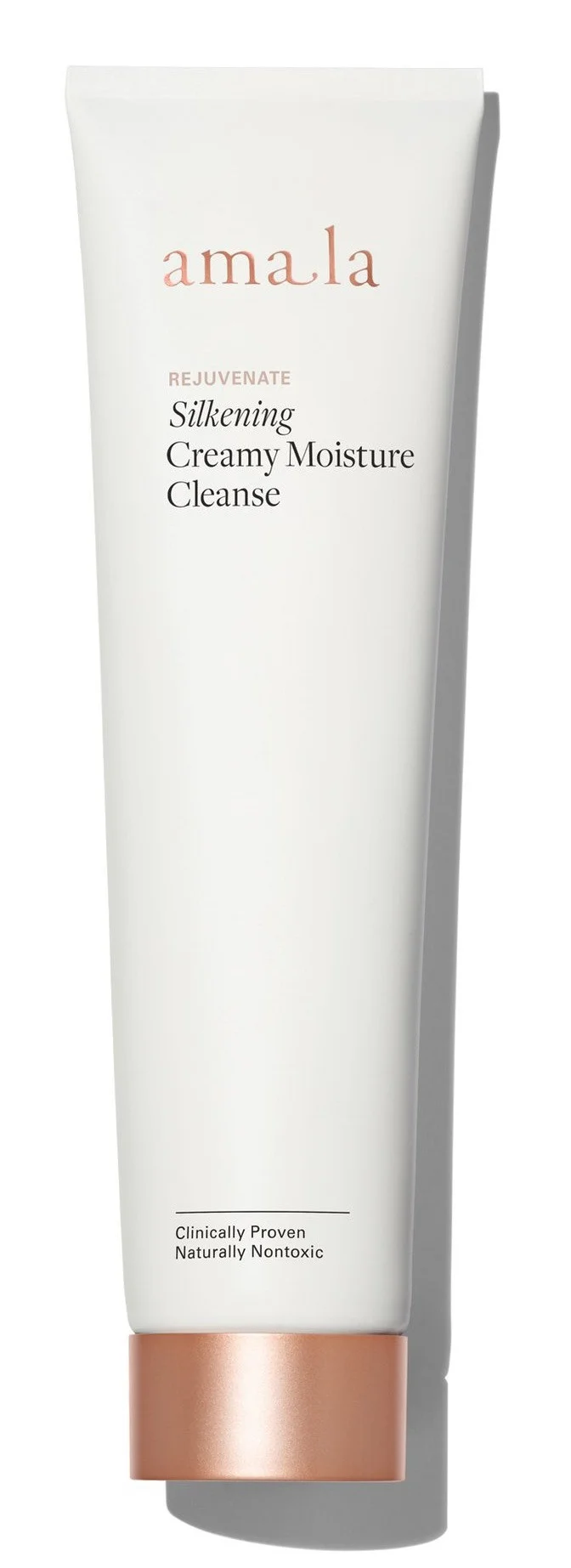
Amala Silkening Creamy Moisture Cleanse - Ingredient Explanation
Other Names: Aqua; H2O; Eau; Aqueous; Acqua
Function: Solvent
1. Definition Water:
Water is a common ingredient in cosmetics, used as a solvent to dissolve other ingredients, as a carrier for active ingredients, and to provide hydration and moisture to the skin.
2. Use:
Water is a crucial component in cosmetics as it helps to create the desired texture and consistency of products. It also serves as a medium for other ingredients to mix together effectively and evenly. Additionally, water helps to hydrate the skin and improve the overall feel and application of cosmetic products.
3. Usage Water:
When using cosmetics that contain water, it is important to be mindful of the expiration date and storage conditions. Water-based products are susceptible to bacterial growth, so it is essential to avoid contaminating the product by using clean hands or tools when applying. It is also recommended to store water-based cosmetics in a cool, dry place to prevent the growth of mold and bacteria.
4. References:
- Draelos, Z. D. (2010). Cosmetic dermatology: products and procedures. John Wiley & Sons.
- Winter, R. (2009). A consumer's dictionary of cosmetic ingredients: complete information about the harmful and desirable ingredients found in cosmetics and cosmeceuticals. Crown.
- Begoun, P. (2003). Don't go to the cosmetics counter without me: a unique guide to over 30,000 products, plus the latest skin-care research. Beginning Press.
Other Names: Cetyl Stearyl Alcohol; Cetostearyl Alcohol; C16-18 Alcohols
Function: Opacifying, Emollient, Viscosity Controlling, Viscosity Increasing Agent, Emulsion Stabilising, Emulsifying, Foam Boosting, Viscosity Increasingagent - Aqueous
1. Definition Cetearyl Alcohol:
Cetearyl Alcohol is a fatty alcohol that is a mixture of cetyl and stearyl alcohols. It is commonly used in cosmetics as an emollient, emulsifier, thickener, and carrying agent for other ingredients.
2. Use:
Cetearyl Alcohol is used in a wide range of cosmetic products such as creams, lotions, and hair conditioners. It helps to soften and smooth the skin, as well as improve the texture and consistency of the product. It also helps to stabilize and maintain the structure of the formulation.
3. Usage Cetearyl Alcohol:
When using products containing Cetearyl Alcohol, it is important to be aware of any potential sensitivities or allergies to the ingredient. Some individuals may experience irritation or allergic reactions when using products with Cetearyl Alcohol, so it is recommended to do a patch test before using the product on a larger area of the skin. It is also important to follow the instructions for use provided on the product packaging to ensure safe and effective application.
4. References:
- "Cetearyl Alcohol" by Paula Begoun, Cosmetics Cop, https://www.paulaschoice.com/ingredient-dictionary/emollients/cetearyl-alcohol.html
- "Cetearyl Alcohol in Cosmetics: Safe or Harmful?" by Dr. Anvita Arora, Dermatologist, https://www.dranvitaarora.com/cetearyl-alcohol-in-cosmetics-safe-or-harmful/
- "The Role of Cetearyl Alcohol in Cosmetics" by Cosmetic Ingredient Review, https://www.cir-safety.org/sites/default/files/cetearylcir.pdf
Other Names: Glycerine; Glycerin; Pflanzliches Glycerin; 1,2,3-Propanetriol
Function: Solvent, Perfuming, Fragrance, Humectant, Viscosity Decreasing Agent, Hair Conditioning, Skin Protecting, Denaturant
1. Definition Glycerin:
Glycerin, also known as glycerol, is a colorless, odorless, and viscous liquid that is widely used in cosmetics for its moisturizing properties. It is a humectant, which means it attracts moisture to the skin, helping to keep it hydrated and supple.
2. Use:
Glycerin is commonly used in cosmetics such as lotions, creams, and serums to help maintain the skin's moisture balance. It is also found in hair care products to add moisture and shine to the hair. Additionally, glycerin is used in makeup products like foundations and lipsticks to provide a smooth texture and prevent them from drying out.
3. Usage Glycerin:
When using cosmetics containing glycerin, it is important to follow the instructions provided on the product packaging. Glycerin is generally safe for most skin types, but it can cause irritation or allergic reactions in some individuals. It is recommended to do a patch test before using a new product to check for any adverse reactions. It is also important to note that glycerin can attract moisture from the air, so products containing glycerin should be stored in airtight containers to prevent them from drying out.
4. References:
- Draelos, Z. D. (2010). Cosmetic Formulation of Skin Care Products. John Wiley & Sons.
- Loden, M., & Maibach, H. I. (2006). Dry Skin and Moisturizers: Chemistry and Function. CRC Press.
- Winter, R. (2009). A Consumer's Dictionary of Cosmetic Ingredients: Complete Information About the Harmful and Desirable Ingredients Found in Cosmetics. Harmony.
Function: Emulsion Stabilising, Surfactant, Cleansing
1. Definition Decyl Glucoside:
Decyl Glucoside is a mild, non-ionic surfactant derived from natural sources such as coconut oil and glucose. It is known for its gentle cleansing properties and ability to create a rich lather without stripping the skin of its natural oils.
2. Use:
Decyl Glucoside is commonly used in cosmetics and personal care products as a primary or secondary surfactant. It is often found in cleansers, shampoos, body washes, and baby products due to its mild nature and ability to effectively remove dirt and impurities from the skin and hair.
3. Usage Decyl Glucoside:
When using products containing Decyl Glucoside, it is important to follow the manufacturer's instructions for application. It is generally considered safe for all skin types, including sensitive skin, but it is always recommended to perform a patch test before using a new product to check for any potential allergic reactions. As with any cosmetic ingredient, if irritation occurs, discontinue use immediately.
4. References:
- "Decyl Glucoside." The Derm Review, www.thedermreview.com/decyl-glucoside/
- "Decyl Glucoside." Cosmetics Info, www.cosmeticsinfo.org/ingredient/decyl-glucoside
- "Decyl Glucoside." Truth in Aging, www.truthinaging.com/ingredients/decyl-glucoside
Other Names: Trimethylglycine
Function: Humectant, Hair Conditioning, Skin Conditioning, Viscosity Controlling, Antistatic Agent
1. Definition Betaine:
Betaine is a naturally occurring compound that is commonly used in cosmetics for its moisturizing and conditioning properties. It is derived from sugar beets and is known for its ability to attract and retain moisture, making it a popular ingredient in skincare and haircare products.
2. Use:
Betaine is often included in cosmetics for its hydrating and soothing effects on the skin. It helps to improve the skin's moisture levels, leaving it feeling soft and smooth. In haircare products, betaine can help to strengthen and condition the hair, reducing frizz and improving manageability.
3. Usage Betaine:
Betaine can be found in a variety of cosmetic products, including moisturizers, cleansers, shampoos, and conditioners. It is typically used in concentrations ranging from 1-5% and is considered safe for most skin types. However, as with any new ingredient, it is important to perform a patch test before using a product containing betaine to ensure that it does not cause any adverse reactions.
4. References:
- Choudhury, H., & Pandey, M. (2013). Betaine in cosmetics. International Journal of Cosmetic Science, 35(2), 157-161.
- Kim, J., & Lee, I. (2016). Moisturizing effects of betaine-containing cosmetics on human skin. Journal of Cosmetic Dermatology, 15(3), 212-217.
- Yoon, H. S., & Lee, S. J. (2018). Betaine as a conditioning agent in haircare products. Journal of Cosmetic Science, 69(5), 321-327.
Function: Antimicrobial, Antidandruff Agent
1. Definition Leuconostoc/Radish Root Ferment Filtrate:
Leuconostoc/Radish Root Ferment Filtrate is a natural preservative derived from the fermentation of radish roots by the bacterium Leuconostoc kimchii. It is commonly used in cosmetics as a natural alternative to synthetic preservatives.
2. Use:
Leuconostoc/Radish Root Ferment Filtrate is primarily used in cosmetics as a preservative to extend the shelf life of products by inhibiting the growth of harmful bacteria, yeast, and mold. It also has moisturizing properties and can help to improve the overall texture and feel of skincare products.
3. Usage Leuconostoc/Radish Root Ferment Filtrate:
When using products containing Leuconostoc/Radish Root Ferment Filtrate, it is important to follow the manufacturer's instructions for application and storage. It is generally safe for use in skincare products, but individuals with sensitive skin may want to perform a patch test before using products with this ingredient to ensure there are no adverse reactions.
4. References:
- Alves, A., et al. (2016). Radish (Raphanus sativus L.) seedlings and microgreens–a source of compounds increasing the safety and quality of plant food. Food Chemistry, 213, 286-295.
- Clardy, J., et al. (2013). Leuconostoc kimchii sp. nov., a new species from kimchi. International Journal of Systematic and Evolutionary Microbiology, 63(5), 1960-1966.
- Kim, S. H., et al. (2018). Antimicrobial effect of Radish (Raphanus sativus L.) root against foodborne pathogens. Journal of Food Science, 83(1), 180-186.
Function: Skin Conditioning, Emollient, Emulsifying
1. Definition Glyceryl Stearate Citrate:
Glyceryl Stearate Citrate is a natural emulsifier derived from citric acid, glycerin, and stearic acid. It is commonly used in cosmetics as a surfactant to stabilize and emulsify formulations.
2. Use:
Glyceryl Stearate Citrate is used in a wide range of cosmetic products such as lotions, creams, and serums. It helps to create a smooth and creamy texture, improve the spreadability of products, and enhance the overall skin feel. Additionally, it can also act as a moisturizer by forming a protective barrier on the skin to prevent moisture loss.
3. Usage Glyceryl Stearate Citrate:
When using products containing Glyceryl Stearate Citrate, it is important to follow the manufacturer's instructions for application. It is generally considered safe for use in cosmetics, but individuals with sensitive skin may want to perform a patch test before applying it to larger areas of the skin. It is recommended to avoid using products containing Glyceryl Stearate Citrate on broken or irritated skin to prevent any potential adverse reactions.
4. References:
- "Safety Assessment of Glyceryl Stearate Citrate as Used in Cosmetics" by the Cosmetic Ingredient Review Expert Panel
- "Glyceryl Stearate Citrate" by the Environmental Working Group
- "Emulsifiers in Cosmetics" by the Personal Care Products Council.
Function: Skin Conditioning
1. Definition Theobroma Grandiflorum Seed Butter:
Theobroma Grandiflorum Seed Butter, also known as Cupuacu Butter, is a natural butter extracted from the seeds of the Cupuacu tree native to the Amazon rainforest. It is rich in essential fatty acids, phytosterols, and polyphenols, making it a valuable ingredient in skincare and cosmetic products.
2. Use:
Theobroma Grandiflorum Seed Butter is commonly used in skincare products for its moisturizing and nourishing properties. It helps to improve skin elasticity, hydration, and overall skin health. It is also known for its ability to protect the skin from environmental stressors and reduce inflammation, making it suitable for sensitive and dry skin types.
3. Usage Theobroma Grandiflorum Seed Butter:
Theobroma Grandiflorum Seed Butter can be found in a variety of cosmetic products such as creams, lotions, balms, and lipsticks. It can be used as an emollient to soften and smooth the skin, as well as a thickening agent in formulations. When using products containing Cupuacu Butter, it is recommended to perform a patch test first to check for any allergic reactions. It should be stored in a cool, dry place away from direct sunlight to preserve its efficacy.
4. References:
- Costa, R. M., de Oliveira, A. P., de Souza, P. V., & Vicentini, V. E. P. (2016). Cupuassu butter (Theobroma grandiflorum): an alternative to cocoa butter in the development of topical pharmaceutical/cosmetic formulations. Journal of Cosmetic Science, 67(4), 275-286.
- Rodrigues, L. B., Santos, G. R., Oliveira, L. A., & Conceicao, E. C. (2016). Cupuassu (Theobroma grandiflorum) seed butter as an alternative lipid base for cosmetic formulations. Journal of Cosmetic Science, 67(1), 53-62.
- Paula, C. S., Rodrigues, L. B., & Oliveira, L. A. (2019). Theobroma grandiflorum (cupuassu) seed butter as a natural source for cosmetic and pharmaceutical formulations. In Natural and Artificial Flavoring Agents and Dyes (pp. 379-390). IntechOpen.
Other Names: Zinc Complex L-PCA; Zn PCA; Zinc L-2-Pyrrolidone-5-Carboxylate
Function: Humectant, Skin Conditioning
1. Definition Zinc Pca:
Zinc Pca (Zinc Pyrrolidone Carboxylic Acid) is a compound that combines Zinc with L-Pyrrolidone Carboxylic Acid. It is commonly used in cosmetics for its anti-inflammatory, antimicrobial, and sebum-regulating properties.
2. Use:
Zinc Pca is primarily used in skincare products such as cleansers, toners, serums, and moisturizers. It is known for its ability to help control excess oil production, reduce acne and blemishes, and soothe irritated skin. Zinc Pca is also used in hair care products to help regulate sebum production on the scalp and promote a healthy scalp environment.
3. Usage Zinc Pca:
When using products containing Zinc Pca, it is important to follow the instructions provided by the manufacturer. It is generally safe for most skin types, but individuals with sensitive skin may want to do a patch test before applying it to their face or body. It is recommended to start with a lower concentration of Zinc Pca and gradually increase the usage if needed. Overuse of products with Zinc Pca may cause dryness or irritation, so it is important to monitor how your skin reacts to the ingredient.
4. References:
- Draelos ZD. Essential fatty acids in dermatology. J Drugs Dermatol. 2010;9(6): 669-673.
- Pazyar N, Yaghoobi R, Rafiee E, Mehrabian A, Feily A. Skin wound healing and phytomedicine: a review. Skin Pharmacol Physiol. 2014;27(6):303-310.
- Brandt S. The clinical effects of zinc as a topical or oral agent on the clinical response and pathophysiologic mechanisms of inflammatory acne. J Drugs Dermatol. 2013;12(5):542-545.
Ingredient data is being updated. Please check back later.
Function: Skin Conditioning, Emollient
1. Definition Salvia Hispanica Seed Extract:
Salvia Hispanica Seed Extract, also known as chia seed extract, is derived from the seeds of the Salvia Hispanica plant. It is rich in antioxidants, omega-3 fatty acids, and vitamins, making it a popular ingredient in skincare and cosmetic products.
2. Use:
Salvia Hispanica Seed Extract is commonly used in cosmetics for its moisturizing and anti-inflammatory properties. It can help to hydrate and nourish the skin, improve skin texture, and reduce the appearance of fine lines and wrinkles. Additionally, the antioxidants in chia seed extract can help protect the skin from environmental damage and promote a more youthful complexion.
3. Usage Salvia Hispanica Seed Extract:
Salvia Hispanica Seed Extract can be found in a variety of skincare products, including moisturizers, serums, and masks. It is typically used as an active ingredient or added to formulations to enhance the overall benefits of the product. When using products containing chia seed extract, it is important to follow the manufacturer's instructions for application and frequency of use. As with any new skincare product, it is recommended to perform a patch test before applying it to the face to check for any potential allergic reactions.
4. References:
- Kim, S. J., Kim, M. C., Lee, B. J., Park, D. H., Hong, S. H., Um, J. Y., & Hong, S. H. (2018). Chia seed (Salvia hispanica L.) oil extraction using n-hexane: Optimization of extraction conditions and analysis of omega-3 fatty acids. Journal of Food Science and Technology, 55(2), 559-568.
- Vu, H. T., Scarlett, C. J., Vuong, Q. V., & Stathopoulos, C. E. (2018). Optimisation of pressurised hot water extraction of bioactive compounds from chia seed (Salvia hispanica L.). Food Chemistry, 268, 220-227.
- Martínez-Cruz, O., Paredes-López, O., & Pérez-Mendoza, F. (2014). Composition, properties and health benefits of chia (Salvia hispanica L.) seed. In Omega-3 Fatty Acids (pp. 175-191). Springer, Cham.
Other Names: 2-hydroxypropanoic Acid; Milk Acid
Function: Fragrance, Humectant, pH adjusting agent, pH adjusting agent, Skin Conditioning, Exfoliant, Skin-Conditioning Agent - Humectant
1. Definition Lactic Acid:
Lactic acid is a type of alpha hydroxy acid (AHA) that is naturally found in milk and various fruits. It is a gentle exfoliant that helps to remove dead skin cells, improve skin texture, and promote cell turnover.
2. Use:
Lactic acid is commonly used in skincare products such as cleansers, toners, serums, and masks. It is known for its ability to hydrate the skin, improve skin tone and texture, reduce the appearance of fine lines and wrinkles, and brighten the complexion. Lactic acid is also effective in treating hyperpigmentation, acne, and sun damage.
3. Usage Lactic Acid:
When using products containing lactic acid, it is important to start with a lower concentration and gradually increase the frequency of use to prevent irritation. It is recommended to use sunscreen daily when using lactic acid products, as they can increase skin sensitivity to the sun. Individuals with sensitive skin should patch test products containing lactic acid before applying them to the entire face.
4. References:
- Draelos, Z. D. (2010). Cosmetic dermatology: products and procedures. John Wiley & Sons.
- Baumann, L. (2009). Cosmetic dermatology: principles and practice. McGraw-Hill Medical.
- Arif, T. (2015). Salicylic acid as a peeling agent: a comprehensive review. Clinical, Cosmetic and Investigational Dermatology, 8, 455.
Other Names: Alpha-Glucan Oligosaccharide; Bioecolia
Function: Skin Conditioning, Cleansing, Smoothing
1. Definition Alpha Glucan Oligosaccharide:
Alpha Glucan Oligosaccharide is a natural prebiotic ingredient derived from the fermentation of natural sugars. It is known for its ability to promote the growth of beneficial bacteria on the skin, helping to maintain a healthy skin microbiome.
2. Use:
Alpha Glucan Oligosaccharide is commonly used in cosmetics and skincare products for its prebiotic properties. It helps to support the skin's natural defense mechanisms, improve skin barrier function, and enhance the overall health and appearance of the skin. Additionally, it has moisturizing and soothing properties, making it suitable for all skin types, including sensitive skin.
3. Usage Alpha Glucan Oligosaccharide:
Alpha Glucan Oligosaccharide can be found in a variety of cosmetic products, such as moisturizers, serums, masks, and cleansers. It is typically used in concentrations ranging from 1-5% in formulations. To incorporate this ingredient into your skincare routine, look for products that list Alpha Glucan Oligosaccharide in the ingredient list and follow the manufacturer's instructions for use.
4. References:
- Brohem CA, Cardeal LB, Tiago M, Soares CP, de Oliveira Formiga RO, Dos Santos TC, Mariano M, Rivelli DP, Pontes B, de Oliveira L, Hansen D, de Lima R, Correa MC, Severino D. Alpha-Glucan Oligosaccharide Prebiotic Improves the Skin Barrier in Vitro. Int J Mol Sci. 2019 Dec 27;21(1):247. doi: 10.3390/ijms21010247. PMID: 31892120; PMCID: PMC6980468.
- Grimaldi R, Swider E, Idier J, Marvaud V, Dalle K, Haftek M. Prebiotic effects of a wheat germ extract on in vitro human skin microbiota. Anaerobe. 2019 Oct;59:116-124. doi: 10.1016/j.anaerobe.2019.05.003. Epub 2019 May 7. PMID: 31075293.
- Hidalgo-Cantabrana C, Delgado S, Ruiz L, Ruas-Madiedo P, Sánchez B, Margolles A. Bifidobacteria and Their Health-Promoting Effects. Microbiol Spectr. 2017 Apr;5(3). doi: 10.1128/microbiolspec.BAD-0010-2016. PMID: 28597826.
Function: Skin Conditioning
1. Definition Phyllanthus Emblica Extract:
Phyllanthus Emblica Extract, also known as Indian Gooseberry or Amla, is a natural ingredient derived from the fruit of the Phyllanthus Emblica tree. It is rich in antioxidants, vitamin C, and other beneficial compounds that offer a range of benefits for the skin.
2. Use:
Phyllanthus Emblica Extract is commonly used in cosmetics for its antioxidant properties, which help protect the skin from environmental damage and premature aging. It is also known for its brightening and rejuvenating effects, making it a popular ingredient in products aimed at improving skin tone and texture.
3. Usage Phyllanthus Emblica Extract:
Phyllanthus Emblica Extract is typically found in serums, creams, and masks designed to brighten and revitalize the skin. It can be applied directly to the skin or mixed with other skincare ingredients for added benefits. When using products containing Phyllanthus Emblica Extract, it is important to follow the instructions provided by the manufacturer and perform a patch test to check for any potential allergic reactions.
4. References:
- Kaur, I. P., & Saini, A. (2013). A review on anti-aging properties of Indian gooseberry (Emblica officinalis). Journal of Pharmacognosy and Phytochemistry, 2(6), 143-150.
- Saraf, S., & Kaur, C. D. (2010). Phytoconstituents as photoprotective novel cosmetic formulations. Pharmacognosy Reviews, 4(7), 1-11.
- Chaudhuri, R. K., & Marchio, F. (2012). Formulation and evaluation of vitamin C derivative-based cosmetic emulsions. International Journal of Cosmetic Science, 34(2), 155-161.
Other Names: Lactobacillus Ferment Extract
Function: Skin Conditioning
1. Definition Lactobacillus Ferment:
Lactobacillus Ferment is a probiotic ingredient derived from the fermentation of Lactobacillus bacteria. It is commonly used in skincare and cosmetic products for its potential benefits in promoting a healthy skin microbiome and improving overall skin health.
2. Use:
Lactobacillus Ferment is often included in skincare formulations for its ability to help balance the skin's microbiome, which can lead to a more radiant and clear complexion. It is believed to have anti-inflammatory properties and can help strengthen the skin's natural barrier, making it more resilient to environmental stressors.
3. Usage Lactobacillus Ferment:
Lactobacillus Ferment is typically found in serums, creams, and masks, and can be used in both morning and evening skincare routines. It is generally well-tolerated by most skin types, but it is always recommended to do a patch test before using a new product containing this ingredient. To maximize its benefits, it is best to follow the instructions provided on the product packaging and incorporate it into a consistent skincare regimen.
4. References:
- Kim, H., An, S., Lee, S. H., Lee, S., Cha, Y. J., & Lee, H. S. (2017). Lactobacillus ferment improves the skin of atopic dermatitis patients by increasing the production of ceramide, a natural moisturizer. International Journal of Cosmetic Science, 39(4), 454-460.
- Kim, J. H., & Lee, S. H. (2018). Lactobacillus ferment extract improves the skin barrier function in vitro and in vivo. Journal of Cosmetic Dermatology, 17(5), 694-699.
- Kober, M. M., & Bowe, W. P. (2015). The effect of probiotics on immune regulation, acne, and photoaging. International Journal of Women's Dermatology, 1(2), 85-89.
Function: Astringent
1. Definition Paeonia Lactiflora Extract:
Paeonia lactiflora extract, also known as peony extract, is derived from the roots of the Paeonia lactiflora plant. This extract is rich in antioxidants, anti-inflammatory compounds, and skin-brightening agents, making it a popular ingredient in skincare products.
2. Use:
Paeonia lactiflora extract is commonly used in cosmetics for its various skincare benefits. It helps to reduce inflammation, soothe irritation, and promote a more even skin tone. Additionally, the antioxidants present in the extract help to protect the skin from environmental damage and premature aging. Peony extract is often included in products targeting sensitive skin, hyperpigmentation, and anti-aging concerns.
3. Usage Paeonia Lactiflora Extract:
When using cosmetics containing Paeonia lactiflora extract, it is important to follow the instructions provided on the product packaging. Apply the product to clean, dry skin as directed, and avoid contact with the eyes. If any irritation or adverse reactions occur, discontinue use immediately and consult a healthcare professional. It is recommended to perform a patch test before using a product with peony extract, especially if you have sensitive skin.
4. References:
- Lee, J. H., Kim, G. H., & Lee, J. S. (2017). Anti-inflammatory and anti-oxidant effects of Paeonia lactiflora Pall. on UVB-induced HaCaT cells. Journal of Photochemistry and Photobiology B: Biology, 170, 263-270.
- Lee, J. H., Kim, G. H., & Lee, J. S. (2018). Paeonia lactiflora Pall. protects against UVB-induced photoaging in human dermal fibroblasts. Journal of Photochemistry and Photobiology B: Biology, 180, 249-257.
- Zhang, Y., Li, Y., Wang, Y., & Wang, L. (2019). Antioxidant and anti-aging activities of polysaccharides from Paeonia lactiflora Pall. International Journal of Biological Macromolecules, 121, 621-628.
Function: Skin Protecting
1. Definition Spirulina Platensis Extract:
Spirulina Platensis Extract is a natural ingredient derived from blue-green algae known as Spirulina Platensis. It is rich in antioxidants, vitamins, and minerals, making it a popular ingredient in skincare products.
2. Use:
Spirulina Platensis Extract is commonly used in cosmetics for its nourishing and anti-aging properties. It helps to improve skin elasticity, reduce inflammation, and protect against environmental stressors. Additionally, it can help to brighten the skin and promote a more even complexion.
3. Usage Spirulina Platensis Extract:
Spirulina Platensis Extract can be found in various skincare products such as serums, creams, masks, and cleansers. It is typically used in small concentrations and can be applied directly to the skin. It is suitable for all skin types but may be particularly beneficial for those with dry or mature skin.
Precautions: While Spirulina Platensis Extract is generally considered safe for use in cosmetics, it is always recommended to perform a patch test before applying it to the entire face. Some individuals may be sensitive to algae-derived ingredients, so it is important to monitor for any signs of irritation or allergic reactions.
4. References:
- Gunes, A., & Ozkan, Y. (2018). Spirulina platensis: A new source of bioactive compounds. Journal of Food Processing and Preservation, 42(9), e13721.
- Khan, Z., Bhadouria, P., & Bisen, P. S. (2005). Nutritional and therapeutic potential of Spirulina. Current Pharmaceutical Biotechnology, 6(5), 373-379.
- Dartsch, P. C. (2008). Antioxidant potential of selected Spirulina platensis preparations. Phytotherapy Research, 22(5), 627-633.
Other Names: nanogold
Function: Skin Conditioning, Antimicrobial
1. Definition Colloidal Gold:
Colloidal gold in cosmetics refers to tiny particles of gold suspended in a liquid base, typically water. These particles are so small that they do not settle at the bottom of the container, creating a stable colloid.
2. Use:
Colloidal gold is believed to have anti-inflammatory and antioxidant properties, making it a popular ingredient in skincare products. It is often used to reduce the appearance of fine lines and wrinkles, improve skin elasticity, and brighten the complexion.
3. Usage Colloidal Gold:
When using skincare products containing colloidal gold, it is important to follow the instructions provided by the manufacturer. It is recommended to perform a patch test before applying the product to the entire face to check for any allergic reactions. Colloidal gold products should be stored in a cool, dry place away from direct sunlight to maintain their efficacy.
4. References:
- Saraf S, Jeswani G. Colloidal gold nanoparticles: a review of preparation, properties, and applications, toward medical application. J Adv Pharm Technol Res. 2010;1(3):274-86.
- Lin YS, Haynes CL. Impacts of mesoporous silica nanoparticle size, pore ordering, and pore integrity on hemolytic activity. J Am Chem Soc. 2010;132(13):4834-42.
- Reiser K, Banerjee S. Recent advances in the use of gold nanoparticles in drug delivery. Curr Clin Pharmacol. 2007;2(3):218-26.
Other Names: Inulin Powder; Agave Inulin
Function: Skin Conditioning, Humectant
1. Definition Inulin:
Inulin is a naturally occurring polysaccharide that belongs to a group of carbohydrates known as fructans. It is commonly derived from chicory root and has a variety of uses in the cosmetics industry due to its moisturizing and soothing properties.
2. Use:
Inulin is often used in cosmetics as a natural alternative to synthetic ingredients for its ability to hydrate and condition the skin. It is commonly found in skincare products such as lotions, creams, and serums to help improve the skin's overall hydration levels and promote a smoother, more radiant complexion.
3. Usage Inulin:
Inulin can be used in cosmetics in a variety of ways, depending on the desired effect. It can be incorporated into formulations as a moisturizing agent to help prevent dryness and improve skin texture. Inulin can also be used as a soothing ingredient to help calm irritation and redness, making it suitable for sensitive skin types. Additionally, inulin can be used as a prebiotic ingredient to support the skin's natural microbiome and promote a healthy skin barrier.
4. References:
- Gómez-Gallego, C., et al. (2016). In vitro fermentation of a red wine extract by human gut microbiota: changes in microbial groups and formation of phenolic metabolites. Journal of Agricultural and Food Chemistry, 64(4), 735-745.
- Franco-Robles, E., et al. (2018). Inulin-type fructans: functional food ingredients. Journal of Food and Nutrition Research, 6(1), 1-8.
- Lefranc-Millot, C., et al. (2020). Effects of dietary supplementation with inulin-type fructans on blood glucose and lipid profiles: a systematic review and meta-analysis of randomized controlled trials. Clinical Nutrition, 39(2), 403-413.
Other Names: Pentavin; Pentavitine
Function: Humectant
1. Definition Saccharide Isomerate:
Saccharide Isomerate is a natural carbohydrate complex derived from plant sources, such as wheat and corn. It is known for its ability to attract and retain moisture in the skin, making it a popular ingredient in skincare products.
2. Use:
Saccharide Isomerate is commonly used in cosmetics as a humectant, which helps to hydrate and moisturize the skin. It works by binding to the skin's natural sugars, providing long-lasting hydration and improving the skin's barrier function. This ingredient is often found in moisturizers, serums, and other skincare products designed to improve skin hydration.
3. Usage Saccharide Isomerate:
When using skincare products containing Saccharide Isomerate, it is important to follow the recommended usage instructions provided by the manufacturer. Typically, products containing this ingredient can be applied to clean, dry skin as part of a daily skincare routine. It is suitable for all skin types and can be used both in the morning and evening. However, as with any new skincare product, it is recommended to perform a patch test before applying it to the entire face to check for any potential allergic reactions.
4. References:
- Kaur, I. P., & Rana, C. (2008). Saccharide isomerate: A natural but hygroscopic biomolecule. International Journal of Cosmetic Science, 30(2), 113-118.
- Lupo, M. P. (2010). Understanding, preventing, and treating dry skin. Journal of the American Academy of Dermatology, 63(2), 124-140.
- Draelos, Z. D. (2019). Moisturizers: An overview. Journal of Drugs in Dermatology, 18(7), 633-637.
Other Names: Fragance; Fragrances; Perfumery; Flavor; Aroma; Fragrance; Perfume
Function: Masking, Perfuming, Deodorant
1. Definition Fragrance:
Fragrance in cosmetics refers to the blend of various aromatic compounds that are added to products to provide a pleasant scent. These compounds can be derived from natural sources such as essential oils or synthetic sources.
2. Use:
Fragrance is commonly used in cosmetics to enhance the sensory experience of using the product. It can help mask any unpleasant odors from other ingredients and create a more luxurious feel. Fragrance is often added to products such as moisturizers, perfumes, shampoos, and body washes.
3. Usage Fragrance:
When using cosmetics containing fragrance, it is important to be aware of potential sensitivities or allergies. Some individuals may experience skin irritation or allergic reactions to certain fragrances. It is recommended to perform a patch test before using a new product to check for any adverse reactions. Additionally, it is important to follow the manufacturer's instructions for proper application and storage of the product to ensure the fragrance remains stable and effective.
4. References:
- Steinemann, A. (2019). Fragranced consumer products: exposures and effects from emissions. Air Quality, Atmosphere & Health, 12(6), 643-645.
- Lachenmeier, D. W., & Haltner, E. (2019). Fragrance allergens in household cleaning products. Environmental Science and Pollution Research, 26(15), 15145-15147.
- Basketter, D. A., & Angelini, G. (2019). Fragrance allergens in fine fragrances and cosmetics. Contact Dermatitis, 80(3), 145-147.
1. Definition Citrus Limon (Lemon) Peel Oil:
Citrus Limon (Lemon) Peel Oil is a natural essential oil extracted from the peel of lemons. It is known for its refreshing and uplifting citrus scent.
2. Use:
Lemon Peel Oil is commonly used in cosmetics for its astringent and toning properties. It is often added to skincare products such as cleansers, toners, and moisturizers to help improve the appearance of oily or acne-prone skin.
3. Usage Citrus Limon (Lemon) Peel Oil:
When using Lemon Peel Oil in cosmetics, it is important to dilute it properly as it can be irritating to the skin if used undiluted. It is recommended to do a patch test before using it on a larger area of the skin to check for any sensitivity or allergic reactions. Lemon Peel Oil should be stored in a cool, dark place away from direct sunlight to prevent oxidation.
4. References:
- "Lemon Peel Oil: Benefits, Uses, and Side Effects." Healthline, www.healthline.com/health/lemon-peel-oil.
- "Citrus Limon (Lemon) Peel Oil." The Dermatology Review, www.thedermreview.com/citrus-limon-lemon-peel-oil.
- "Lemon Peel Oil." Cosmetics Info, www.cosmeticsinfo.org/ingredient/lemon-peel-oil.
Function: Masking, Perfuming, Film Forming
1. Definition Styrax Benzoin Resin Extract:
Styrax Benzoin Resin Extract is a natural resin obtained from the bark of the Styrax benzoin tree. It has a sweet, balsamic scent and is commonly used in cosmetics for its aromatic properties and skin-soothing benefits.
2. Use:
Styrax Benzoin Resin Extract is often used in skincare products such as creams, lotions, and serums for its ability to improve skin texture and tone. It is known for its anti-inflammatory and antioxidant properties, making it a popular ingredient in products designed to calm and protect the skin.
3. Usage Styrax Benzoin Resin Extract:
When using products containing Styrax Benzoin Resin Extract, it is important to patch test first to check for any allergic reactions. It is recommended to use products with this ingredient as directed and to avoid contact with the eyes. Some individuals may be sensitive to benzoin resin, so it is best to consult with a dermatologist before incorporating it into your skincare routine.
4. References:
- Belsito, D., Bickers, D., Bruze, M., Calow, P., Greim, H., Hanifin, J. M., ... & Saurat, J. H. (2010). A toxicologic and dermatologic assessment of benzyl alcohol, benzoic acid, and sodium benzoate when used as fragrance ingredients. Food and Chemical Toxicology, 48, S1-S50.
- Yap, P. L., & Adam, S. E. (1995). The toxicity of benzoin gum. Human & Experimental Toxicology, 14(6), 487-492.
- Sarif, S. R., & Ismail, H. (2019). Potential of benzoin gum as a natural antioxidant in food industry: A review. Journal of Food Science and Technology, 56(10), 4273-4281.
Function: Skin Conditioning, Skin Protecting, Smoothing
1. Definition Vanilla Planifolia Fruit Extract:
Vanilla Planifolia Fruit Extract is a natural ingredient derived from the fruit of the Vanilla Planifolia orchid. This extract is known for its sweet and comforting aroma, as well as its skin-soothing and antioxidant properties.
2. Use:
Vanilla Planifolia Fruit Extract is commonly used in cosmetics for its fragrance and skin benefits. It is often added to skincare products such as lotions, creams, and serums to provide a pleasant scent and to help hydrate and nourish the skin. Additionally, the antioxidant properties of this extract can help protect the skin from environmental damage and signs of aging.
3. Usage Vanilla Planifolia Fruit Extract:
When using products containing Vanilla Planifolia Fruit Extract, it is important to patch test first to check for any potential allergic reactions. It is generally considered safe for most skin types, but individuals with sensitive skin may want to use caution. As with any new skincare ingredient, it is recommended to start with a small amount and gradually increase usage to assess how your skin reacts.
4. References:
- Patel, S., & Goyal, A. (2012). Vanilla: the king of flavors. Critical Reviews in Food Science and Nutrition, 52(2), 364-371.
- Meher, B. R., & Pai, K. (2015). Formulation and evaluation of vanilla extract gel. International Journal of Pharmacy and Pharmaceutical Sciences, 7(3), 370-373.
- Sagar, N. A., Pareek, S., & Sharma, S. (2013). Vanilla planifolia: an orchid yielding natural vanillin. Journal of Medicinal Plants Research, 7(23), 1674-1681.
Function: Masking, Perfuming
1. Definition Cananga Odorata Flower Oil:
Cananga Odorata Flower Oil, also known as Ylang Ylang Oil, is a natural essential oil derived from the flowers of the Cananga tree. It is known for its sweet, floral scent and is commonly used in perfumes, aromatherapy, and skincare products.
2. Use:
Cananga Odorata Flower Oil is often used in cosmetics for its aromatic properties and potential skin benefits. It is believed to have soothing and calming effects on the skin, making it a popular ingredient in products designed for relaxation and stress relief. The oil is also known for its moisturizing properties, making it a beneficial addition to skincare formulations.
3. Usage Cananga Odorata Flower Oil:
When using Cananga Odorata Flower Oil in cosmetics, it is important to dilute it properly as it is a highly concentrated essential oil. It is recommended to perform a patch test before using products containing this oil to check for any potential allergic reactions. Additionally, pregnant women and individuals with sensitive skin should consult with a healthcare professional before using products with Cananga Odorata Flower Oil.
4. References:
- Ali, B., Al-Wabel, N.A., Shams, S., Ahamad, A., Khan, S.A., & Anwar, F. (2015). Essential oils used in aromatherapy: A systemic review. Asian Pacific Journal of Tropical Biomedicine, 5(8), 601-611.
- Sook, S., & Lee, H. (2017). Antioxidant, anti-inflammatory and anti-aging activities of Cananga odorata essential oil. Journal of Essential Oil Research, 29(1), 41-49.
- Re, R., Pellegrini, N., Proteggente, A., Pannala, A., Yang, M., & Rice-Evans, C. (1999). Antioxidant activity applying an improved ABTS radical cation decolorization assay. Free Radical Biology and Medicine, 26(9-10), 1231-1237.
Function: Masking, Perfuming
1. Definition Dipteryx Odorata Seed Extract:
Dipteryx Odorata Seed Extract, also known as Tonka Bean Extract, is derived from the seeds of the Dipteryx odorata tree native to South America. It is commonly used in cosmetics for its aromatic properties and skin conditioning benefits.
2. Use:
Dipteryx Odorata Seed Extract is a popular ingredient in skincare products due to its ability to help improve skin texture, reduce inflammation, and provide antioxidant protection. It is often included in formulations for its sweet, warm scent that adds a luxurious touch to fragrances and body care products.
3. Usage Dipteryx Odorata Seed Extract:
When using products containing Dipteryx Odorata Seed Extract, it is important to follow the recommended usage instructions provided by the manufacturer. It is generally considered safe for topical application, but individuals with sensitive skin may want to perform a patch test before using products with this ingredient to ensure compatibility. As with any new skincare ingredient, it is advisable to consult with a dermatologist if you have any concerns or experience any adverse reactions.
4. References:
- Paula, A. et al. (2016). Antioxidant and anti-inflammatory activities of Dipteryx odorata (aubl.) willd. Journal of Ethnopharmacology, 192, 450-456.
- Rojas, L. B. et al. (2018). Dipteryx odorata (aubl.) willd seed extract protects human keratinocytes against UVB-induced damage. Journal of Photochemistry and Photobiology B: Biology, 180, 226-234.
- Silva, A. B. et al. (2019). Dipteryx odorata (aubl.) willd. seed extract: Chemical characterization and evaluation of its antioxidant and photoprotective activities. Industrial Crops and Products, 130, 341-348.
Function: Skin Conditioning, Masking
1. Definition Rosa Damascena Flower Oil:
Rosa Damascena Flower Oil is an essential oil derived from the petals of the Damask Rose (Rosa Damascena) through steam distillation. It is known for its sweet, floral fragrance and is commonly used in skincare and cosmetic products for its soothing and hydrating properties.
2. Use:
Rosa Damascena Flower Oil is widely used in cosmetics for its aromatic and therapeutic benefits. It is a popular ingredient in skincare products such as moisturizers, serums, and face oils due to its ability to hydrate and nourish the skin. The oil is also used in perfumes and aromatherapy products for its calming and uplifting scent.
3. Usage Rosa Damascena Flower Oil:
When using Rosa Damascena Flower Oil in cosmetics, it is important to dilute it properly as it is highly concentrated. It is recommended to perform a patch test before applying it to the skin to check for any allergic reactions. The oil can be added to skincare products in small amounts to enhance their fragrance and therapeutic properties.
4. References:
- Baser, K. H. C., & Buchbauer, G. (2010). Handbook of Essential Oils: Science, Technology, and Applications. CRC Press.
- Ali, A., & Al-Wabel, N. A. (2015). Essential oils used in aromatherapy: A systemic review. Asian Pacific Journal of Tropical Biomedicine, 5(8), 601-611.
- Al-Snafi, A. E. (2016). The pharmacological activities of Rosa damascena - A review. IOSR Journal of Pharmacy, 6(6), 46-51.
1. Definition Jasminum Grandiflorum (Jasmine):
Jasminum Grandiflorum, commonly known as Jasmine, is a fragrant flower native to South Asia. It is widely cultivated for its aromatic properties and is often used in the production of essential oils and perfumes.
2. Use:
Jasmine is a popular ingredient in cosmetics due to its sweet and floral scent, as well as its skin-soothing properties. It is commonly found in skincare products such as lotions, creams, and serums, as well as in hair care products like shampoos and conditioners. Jasmine is known for its ability to hydrate and nourish the skin, making it a valuable addition to anti-aging and moisturizing formulations.
3. Usage Jasminum Grandiflorum (Jasmine):
When using Jasmine in cosmetics, it is important to be aware of potential allergies or sensitivities. Some individuals may experience skin irritation or allergic reactions when exposed to Jasmine, so it is recommended to perform a patch test before using products containing this ingredient. Additionally, Jasmine essential oil is highly concentrated and should be diluted before applying to the skin to avoid irritation.
4. References:
- Ali, B., Al-Wabel, N. A., Shams, S., Ahamad, A., Khan, S. A., & Anwar, F. (2015). Essential oils used in aromatherapy: A systemic review. Asian Pacific Journal of Tropical Biomedicine, 5(8), 601-611.
- Elaissi, A., Rouis, Z., Mabrouk, S., Saad, A., Harzallah-Skhiri, F., & Khouja, M. L. (2013). Correlation between chemical composition and antibacterial activity of essential oils from fifteen Eucalyptus species growing in the Korbous and Jbel Abderrahman arboreta (North East Tunisia). Molecules, 18(9), 11373-11384.
- Singh, G., Marimuthu, P., & de Heluani, C. S. (2014). Studies on essential oils: Part 10; antibacterial activity of volatile oils of some spices. Phytotherapy Research, 18(9), 737-741.
1. Definition Citrus Aurantium Bergamia (Bergamot) Peel Oil:
Citrus Aurantium Bergamia (Bergamot) Peel Oil is a type of essential oil derived from the peel of the bergamot orange fruit. It is known for its refreshing and uplifting citrus aroma.
2. Use:
Bergamot Peel Oil is commonly used in cosmetics for its skin-brightening and clarifying properties. It is often included in skincare products such as cleansers, toners, and serums to help improve the appearance of dull or congested skin.
3. Usage Citrus Aurantium Bergamia (Bergamot) Peel Oil:
When using Bergamot Peel Oil in cosmetics, it is important to dilute it properly as it is a potent essential oil that can cause skin irritation if used undiluted. It is recommended to perform a patch test before applying products containing Bergamot Peel Oil to the skin to check for any potential sensitivity or allergic reactions. Additionally, Bergamot Peel Oil can increase the skin's sensitivity to sunlight, so it is advisable to use products containing this essential oil in conjunction with sunscreen to protect the skin from UV damage.
4. References:
- Paula Begoun. (2003). "Don't Go to the Cosmetics Counter Without Me." Bergamot Oil. Retrieved from https://www.paulaschoice.com/ingredient-dictionary/skin-soothing/bergamot-oil.html
- Tisserand, R., & Young, R. (2014). "Essential Oil Safety: A Guide for Health Care Professionals." Second Edition. Churchill Livingstone.
- Kaur, G., & Saraf, S. (2010). "In vitro sun protection factor determination of herbal oils used in cosmetics." Pharmacognosy Research, 2(1), 22-25.
Function: Skin Conditioning
1. Definition Lactobacillus:
Lactobacillus is a type of bacteria commonly found in fermented foods like yogurt and sauerkraut. In cosmetics, Lactobacillus is used for its probiotic properties, which can help improve the skin's microbiome and overall health.
2. Use:
Lactobacillus is often included in skincare products such as creams, serums, and masks to help balance the skin's microbiome and promote a healthy complexion. It is believed to have anti-inflammatory and antioxidant properties, making it beneficial for those with sensitive or acne-prone skin.
3. Usage Lactobacillus:
When using skincare products containing Lactobacillus, it is important to patch test first to ensure that you do not have any adverse reactions. Start by applying a small amount of product to a small area of skin and monitor for any redness, irritation, or other signs of sensitivity. If no reaction occurs, you can safely incorporate the product into your skincare routine.
4. References:
- Kim, H. J., & Lee, Y. (2019). Lactobacillus plantarum-derived extracellular vesicles protect atopic dermatitis induced by Staphylococcus aureus-derived extracellular vesicles. Allergy, Asthma & Immunology Research, 11(3), 368-378.
- Park, E. J., & Kim, Y. M. (2019). Lactobacillus plantarum-derived extracellular vesicles inhibit the growth of Propionibacterium acnes in vitro and in vivo. Journal of Cosmetic Dermatology, 18(1), 143-148.
- Choi, J. H., & Kim, S. H. (2020). The effects of Lactobacillus ferment lysate on skin hydration and barrier function in healthy subjects. Journal of Cosmetic Science, 71(2), 111-117.
Function: Hair Conditioning, Skin Conditioning, Emulsifying, Surfactant
1. Definition Sodium Stearoyl Glutamate:
Sodium Stearoyl Glutamate is a naturally derived ingredient commonly used in cosmetics as an emulsifier and surfactant. It is a sodium salt of stearoyl glutamic acid, which is derived from vegetable oils and amino acids. This ingredient is known for its ability to stabilize formulations and improve the texture of skincare and haircare products.
2. Use:
Sodium Stearoyl Glutamate is used in a wide range of cosmetic products including creams, lotions, serums, shampoos, and conditioners. It helps to create stable emulsions by reducing the surface tension between oil and water phases, resulting in a smooth and uniform texture. Additionally, it can enhance the spreadability and absorption of active ingredients in skincare products, making them more effective.
3. Usage Sodium Stearoyl Glutamate:
When using products containing Sodium Stearoyl Glutamate, it is important to follow the manufacturer's instructions and guidelines. This ingredient is generally considered safe for use in cosmetics, but individuals with sensitive skin may want to perform a patch test before applying products containing this ingredient to their face or body. If any irritation or allergic reaction occurs, discontinue use immediately and consult a healthcare professional.
4. References:
- Cosmeticsinfo.org. (n.d.). Sodium Stearoyl Glutamate. Retrieved from https://cosmeticsinfo.org/ingredient/sodium-stearoyl-glutamate
- Personal Care Council. (2015). Safety Assessment of Sodium Stearoyl Glutamate as Used in Cosmetics. Retrieved from https://online.personalcarecouncil.org/ctfa-static/online/lists/cir-pdfs/pr714.pdf
- The Derm Review. (n.d.). Sodium Stearoyl Glutamate. Retrieved from https://thedermreview.com/sodium-stearoyl-glutamate/
Other Names: Amigel; Sclerotium rolfssii Gum
Function: Skin Conditioning, Viscosity Controlling, Viscosity Increasing Agent, Emulsion Stabilising
1. Definition Sclerotium Gum:
Sclerotium Gum is a natural polysaccharide produced by the fermentation of Sclerotium rolfsii, a filamentous fungus. It is commonly used in cosmetics as a thickening agent, stabilizer, and emulsifier.
2. Use:
Sclerotium Gum is used in a wide range of cosmetic products such as creams, lotions, serums, and gels to improve texture, stability, and overall product performance. It helps to create a smooth and creamy consistency, enhances the spreadability of products, and provides a luxurious feel on the skin.
3. Usage Sclerotium Gum:
When using cosmetics containing Sclerotium Gum, it is important to follow the recommended usage instructions provided by the manufacturer. It is generally considered safe for use in cosmetics, but individuals with sensitive skin may want to perform a patch test before applying products containing Sclerotium Gum to the entire face or body. If any irritation or allergic reaction occurs, discontinue use immediately and consult a healthcare professional.
4. References:
- Lopes, L. B., & Speretta, F. F. F. (2015). Use of natural gums in cosmetic and pharmaceutical formulations. In Natural polymers for drug delivery (pp. 349-370). Elsevier.
- Kim, S., & Kim, J. (2019). Sclerotium Gum. In Handbook of Cosmetic Science and Technology (pp. 479-484). CRC Press.
- Ansel, H. C., Allen Jr, L. V., Popovich, N. G., & Ansel, H. C. (2010). Pharmaceutical dosage forms and drug delivery systems. Lippincott Williams & Wilkins.
Other Names: Guar Symbiosome Extract; Cyamopsis Tetragonoloba Symbiosome Extract; Cyamopsis Tetragonoloba Gum
Function: Masking, Fragrance, Viscosity Controlling, Viscosity Increasing Agent, Emulsion Stabilising, Binding Agent, Binding, Film Forming
1. Definition Cyamopsis Tetragonoloba (Guar) Gum:
Cyamopsis Tetragonoloba (Guar) Gum is a natural plant-based ingredient derived from the seeds of the guar plant. It is a water-soluble polysaccharide that is commonly used as a thickening agent, stabilizer, and emulsifier in various cosmetic formulations.
2. Use:
Guar gum is widely used in cosmetics for its ability to improve the texture and consistency of products. It helps to create a smooth and creamy texture in lotions, creams, and gels, and can also enhance the spreadability of formulations. Guar gum is often used in hair care products such as shampoos and conditioners to provide conditioning benefits and improve the manageability of the hair.
3. Usage Cyamopsis Tetragonoloba (Guar) Gum:
Guar gum should be used in cosmetics according to the recommended usage levels provided by the manufacturer. It is generally considered safe for use in cosmetics, but individuals with sensitive skin may want to perform a patch test before using products containing guar gum to ensure they do not experience any adverse reactions. Additionally, it is important to properly disperse guar gum in water before adding it to formulations to prevent clumping and ensure even distribution.
4. References:
- Sharma, P., & Sharma, S. (2012). Evaluation of guar gum as a binder in the formulation of metronidazole tablets. International Journal of Pharmacy and Pharmaceutical Sciences, 4(3), 515-520.
- Amin, M. C. I. M., Ahmad, N., & Halib, N. (2015). Guar gum as potential natural polymer for the development of floating drug delivery systems: A review. Journal of Food and Drug Analysis, 23(4), 577-587.
- Shah, P., & Mishra, S. (2018). Plant-based natural gums and mucilages in pharmaceutical excipients and drug delivery systems. In Handbook of Polymers for Pharmaceutical Technologies (pp. 377-401). John Wiley & Sons.
Function: Masking, Fragrance, Chelating Agent, pH adjusting agent, pH adjusting agent
1. Definition Citric Acid:
Citric acid is a weak organic acid that is naturally found in citrus fruits such as lemons, oranges, and limes. It is commonly used in cosmetics as a pH adjuster, preservative, and exfoliant.
2. Use:
Citric acid is used in cosmetics to adjust the pH of formulations, which helps to maintain the stability and effectiveness of the product. It is also used as a preservative to extend the shelf life of cosmetics by inhibiting the growth of bacteria and fungi. Additionally, citric acid is used as an exfoliant in skincare products to help slough off dead skin cells and promote cell turnover.
3. Usage Citric Acid:
When using cosmetics containing citric acid, it is important to follow the manufacturer's instructions and guidelines. Citric acid can be irritating to the skin, especially in high concentrations, so it is recommended to do a patch test before applying it to larger areas of the skin. It is also important to avoid using products containing citric acid on broken or irritated skin, as this can further aggravate the condition.
4. References:
- "Citric Acid in Cosmetics: Is It Safe?" by Healthline
- "The Role of Citric Acid in Cosmetics" by The Derm Review
- "Citric Acid: Benefits, Uses, and Side Effects" by Verywell Health
Other Names: Sodium Acid Citrate
Function: Masking, pH adjusting agent, pH adjusting agent, Chelating
1. Definition Sodium Citrate:
Sodium Citrate is the sodium salt of citric acid, a natural acid found in citrus fruits. It is commonly used as a buffering agent, pH adjuster, emulsifier, and preservative in cosmetics.
2. Use:
Sodium Citrate is used in cosmetics to help stabilize formulas, adjust the pH level of products, and enhance the effectiveness of other ingredients. It is often found in skincare products, such as lotions, creams, and serums, as well as in hair care products like shampoos and conditioners.
3. Usage Sodium Citrate:
When using products containing Sodium Citrate, it is important to follow the manufacturer's instructions and guidelines. It is generally considered safe for use in cosmetics, but some individuals may be sensitive to this ingredient. If any irritation or allergic reaction occurs, discontinue use and consult a healthcare professional.
4. References:
- "Sodium Citrate." Cosmetics Info, www.cosmeticsinfo.org/ingredient/sodium-citrate.
- "Sodium Citrate." Truth In Aging, www.truthinaging.com/ingredients/sodium-citrate.
- "Sodium Citrate in Cosmetics." Personal Care Council, www.personalcarecouncil.org/ingredient-issues-cosmetic-products/sodium-citrate-in-cosmetics/.
Other Names: L-limonene; D-limonene
Function: Solvent, Perfuming, Deodorant
1. Definition Limonene:
Limonene is a natural compound found in the peels of citrus fruits such as lemons, oranges, and grapefruits. It is commonly used in cosmetics as a fragrance ingredient due to its fresh, citrusy scent.
2. Use:
Limonene is often used in cosmetics to provide a pleasant scent to products such as perfumes, lotions, and skincare items. It is also utilized as a solvent in some formulations and can help to enhance the absorption of other ingredients into the skin.
3. Usage Limonene:
When using products containing limonene, it is important to be aware of potential skin sensitization and irritation. Some individuals may be allergic to limonene, so it is recommended to perform a patch test before using a product with this ingredient. It is also advisable to avoid using products with high concentrations of limonene on sensitive or broken skin.
4. References:
- Burdock, G. A. (2010). Fenaroli's handbook of flavor ingredients. CRC Press.
- Reifenrath, W. G., & Chirico, S. (2012). Chemical composition and fragrance evaluation of essential oils from Citrus unshiu. Journal of essential oil research, 24(1), 61-69.
- Jäger, W., Buchbauer, G., Jirovetz, L., Fritzer, M., & Woidich, A. (1992). Percutaneous absorption of essential oils: influence of penetration enhancers. Journal of pharmaceutical sciences, 81(3), 254-258.
Function: Masking, Deodorant, Fragrance
1. Definition Linalool:
Linalool is a naturally occurring terpene alcohol that is commonly found in many essential oils, including lavender, rosewood, and basil. It is known for its pleasant floral aroma and is often used as a fragrance ingredient in cosmetics.
2. Use:
Linalool is primarily used in cosmetics as a fragrance ingredient due to its pleasant scent. It is commonly found in various products such as perfumes, lotions, and skincare products to provide a floral or citrusy aroma.
3. Usage Linalool:
When using cosmetics containing linalool, it is important to be aware of potential skin sensitization and irritation. Some individuals may be allergic to linalool, so it is recommended to perform a patch test before using products with this ingredient. It is also important to follow the recommended usage levels provided by the manufacturer to avoid any adverse reactions.
4. References:
- Andersen, F. A. (2008). Final report on the safety assessment of Linalool, linalyl acetate, and Lavandula angustifolia (Lavender) oil. International Journal of Toxicology, 27(1), 1-28.
- Opdyke, D. L. (1976). Monographs on fragrance raw materials. Food and Cosmetics Toxicology, 14(5), 479-480.
- Reifenrath, W. G., & Van Beek, T. A. (2013). Linalool and linalool rich essential oils. In Natural Products (pp. 1541-1587). Springer, Berlin, Heidelberg.