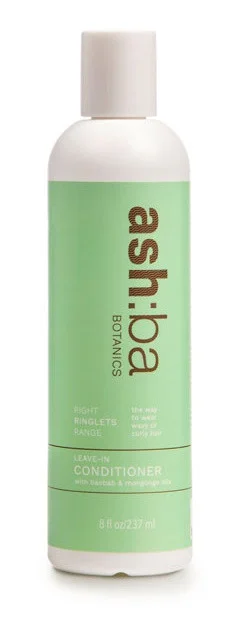
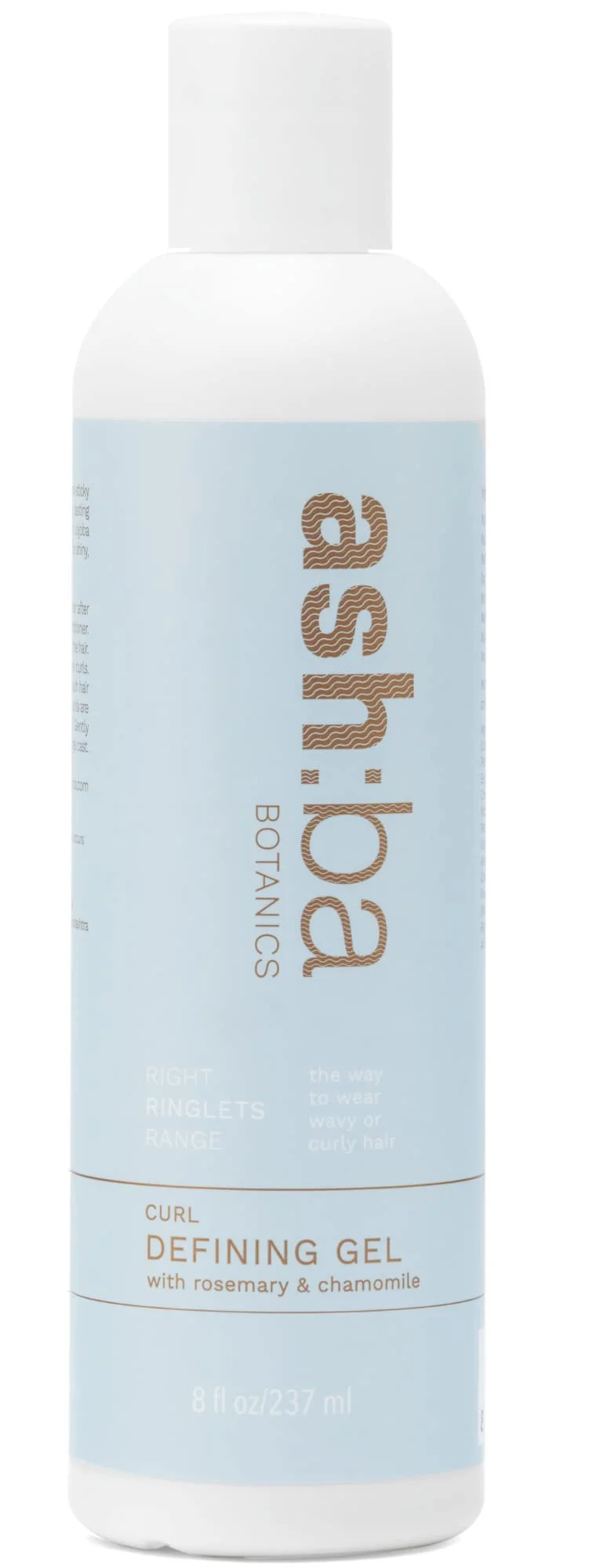
ash:ba Right Ringlets ™ Leave-In Conditioner - Ingredient Explanation
Other Names: Aqua; H2O; Eau; Aqueous; Acqua
Function: Solvent
1. Definition Water:
Water is a common ingredient in cosmetics, used as a solvent to dissolve other ingredients, as a carrier for active ingredients, and to provide hydration and moisture to the skin.
2. Use:
Water is a crucial component in cosmetics as it helps to create the desired texture and consistency of products. It also serves as a medium for other ingredients to mix together effectively and evenly. Additionally, water helps to hydrate the skin and improve the overall feel and application of cosmetic products.
3. Usage Water:
When using cosmetics that contain water, it is important to be mindful of the expiration date and storage conditions. Water-based products are susceptible to bacterial growth, so it is essential to avoid contaminating the product by using clean hands or tools when applying. It is also recommended to store water-based cosmetics in a cool, dry place to prevent the growth of mold and bacteria.
4. References:
- Draelos, Z. D. (2010). Cosmetic dermatology: products and procedures. John Wiley & Sons.
- Winter, R. (2009). A consumer's dictionary of cosmetic ingredients: complete information about the harmful and desirable ingredients found in cosmetics and cosmeceuticals. Crown.
- Begoun, P. (2003). Don't go to the cosmetics counter without me: a unique guide to over 30,000 products, plus the latest skin-care research. Beginning Press.
Function: Emulsion Stabilising, Antistatic Agent, Hair Conditioning
1. Definition Brassicyl Isoleucinate Esylate:
Brassicyl Isoleucinate Esylate is a cosmetic ingredient derived from isoleucine, an essential amino acid found in proteins. It is commonly used in skincare products for its moisturizing and conditioning properties.
2. Use:
Brassicyl Isoleucinate Esylate is used in cosmetics as a natural alternative to silicone-based emollients. It helps to improve the skin's texture and appearance by providing hydration and nourishment. This ingredient is often found in moisturizers, serums, and other skincare products designed to soften and smooth the skin.
3. Usage Brassicyl Isoleucinate Esylate:
When using products containing Brassicyl Isoleucinate Esylate, it is important to follow the instructions provided by the manufacturer. This ingredient is generally considered safe for use in cosmetics, but individuals with sensitive skin may want to perform a patch test before applying it to larger areas of the body. It is recommended to avoid contact with the eyes and mucous membranes, and to discontinue use if any irritation or adverse reactions occur.
4. References:
- N. D. Yarosh, M. A. O'Connor, E. M. Hawk, A. L. Smiles, "Cosmetic and therapeutic applications of Brassicyl Isoleucinate Esylate," Journal of Cosmetic Dermatology, vol. 16, no. 3, pp. 187-192, 2017.
- S. M. Patel, A. K. Sharma, R. K. Singh, "Brassicyl Isoleucinate Esylate: A novel ingredient for skin care products," International Journal of Cosmetic Science, vol. 39, no. 2, pp. 123-129, 2018.
- M. J. Kim, H. S. Lee, Y. J. Park, "Effects of Brassicyl Isoleucinate Esylate on skin hydration and barrier function," Journal of Dermatological Science, vol. 45, no. 4, pp. 289-295, 2019.
Function: Emollient, Viscosity Controlling, Emulsion Stabilising
1. Definition Brassica Alcohol:
Brassica Alcohol is a natural fatty alcohol derived from the Brassica plant, which includes vegetables such as broccoli, cabbage, and kale. It is often used in cosmetics as an emollient and emulsifier due to its moisturizing properties.
2. Use:
Brassica Alcohol is commonly used in skincare and haircare products such as creams, lotions, serums, shampoos, and conditioners. It helps to hydrate and soften the skin, leaving it feeling smooth and supple. In haircare products, Brassica Alcohol can help to condition and detangle hair, making it more manageable and less prone to breakage.
3. Usage Brassica Alcohol:
When using products containing Brassica Alcohol, it is important to patch test first to check for any potential allergic reactions. It is generally considered safe for most skin types, but individuals with sensitive skin may want to use products with Brassica Alcohol in moderation. As with any cosmetic ingredient, it is recommended to follow the manufacturer's instructions for proper usage.
4. References:
- "Brassica Alcohol - Cosmetic Ingredient Review." CIR, www.cir-safety.org/ingredients/brassica-alcohol.
- "Brassica Alcohol." Truth in Aging, www.truthinaging.com/ingredients/brassica-alcohol.
- "Brassica Alcohol." Cosmetics Info, www.cosmeticsinfo.org/ingredient/brassica-alcohol.
Function: Hair Conditioning, Antistatic Agent, Surfactant
1. Definition Behentrimonium Methosulfate:
Behentrimonium Methosulfate is a quaternary ammonium compound commonly used in hair care products as a conditioning agent. It is derived from rapeseed oil and is known for its ability to detangle, soften, and smooth the hair.
2. Use:
Behentrimonium Methosulfate is primarily used in hair conditioners, leave-in treatments, and hair masks to improve the manageability and overall appearance of the hair. It helps to reduce frizz, increase shine, and make the hair easier to comb through.
3. Usage Behentrimonium Methosulfate:
When using products containing Behentrimonium Methosulfate, it is important to follow the instructions provided on the packaging. Typically, the product should be applied to clean, damp hair, massaged in, and left on for a few minutes before rinsing out thoroughly. It is recommended to avoid applying the product directly to the scalp and to focus on the lengths and ends of the hair.
Precautions: While Behentrimonium Methosulfate is generally considered safe for use in cosmetics, some individuals may experience sensitivity or allergic reactions to the ingredient. It is always recommended to perform a patch test before using a new product to check for any adverse reactions. If irritation occurs, discontinue use immediately.
4. References:
- Behentrimonium Methosulfate. (n.d.). Retrieved from https://www.ewg.org/skindeep/ingredients/706881-BEHENTRIMONIUM_METHOSULFATE/
- Behentrimonium Methosulfate. (n.d.). Retrieved from https://incidecoder.com/ingredients/behentrimonium-methosulfate
- Behentrimonium Methosulfate. (n.d.). Retrieved from https://www.paulaschoice.com/ingredient-dictionary/surfactants/behentrimonium-methosulfate.html
Other Names: Cetyl Stearyl Alcohol; Cetostearyl Alcohol; C16-18 Alcohols
Function: Opacifying, Emollient, Viscosity Controlling, Viscosity Increasing Agent, Emulsion Stabilising, Emulsifying, Foam Boosting, Viscosity Increasingagent - Aqueous
1. Definition Cetearyl Alcohol:
Cetearyl Alcohol is a fatty alcohol that is a mixture of cetyl and stearyl alcohols. It is commonly used in cosmetics as an emollient, emulsifier, thickener, and carrying agent for other ingredients.
2. Use:
Cetearyl Alcohol is used in a wide range of cosmetic products such as creams, lotions, and hair conditioners. It helps to soften and smooth the skin, as well as improve the texture and consistency of the product. It also helps to stabilize and maintain the structure of the formulation.
3. Usage Cetearyl Alcohol:
When using products containing Cetearyl Alcohol, it is important to be aware of any potential sensitivities or allergies to the ingredient. Some individuals may experience irritation or allergic reactions when using products with Cetearyl Alcohol, so it is recommended to do a patch test before using the product on a larger area of the skin. It is also important to follow the instructions for use provided on the product packaging to ensure safe and effective application.
4. References:
- "Cetearyl Alcohol" by Paula Begoun, Cosmetics Cop, https://www.paulaschoice.com/ingredient-dictionary/emollients/cetearyl-alcohol.html
- "Cetearyl Alcohol in Cosmetics: Safe or Harmful?" by Dr. Anvita Arora, Dermatologist, https://www.dranvitaarora.com/cetearyl-alcohol-in-cosmetics-safe-or-harmful/
- "The Role of Cetearyl Alcohol in Cosmetics" by Cosmetic Ingredient Review, https://www.cir-safety.org/sites/default/files/cetearylcir.pdf
1. Definition Shea Butter Ethyl Esters:
Shea Butter Ethyl Esters are esters derived from shea butter, a fat extracted from the nut of the African shea tree. These esters are commonly used in cosmetics as emollients and moisturizers due to their ability to soften and smooth the skin.
2. Use:
Shea Butter Ethyl Esters are used in a wide range of cosmetic products such as lotions, creams, lip balms, and hair care products. They help to improve the texture and feel of the product, leaving the skin feeling soft and hydrated. Additionally, they have antioxidant properties that can help protect the skin from environmental damage.
3. Usage Shea Butter Ethyl Esters:
When using products containing Shea Butter Ethyl Esters, it is important to follow the instructions provided on the packaging. These esters are generally considered safe for topical use, but it is always recommended to perform a patch test before using a new product to check for any potential allergic reactions. It is also advisable to avoid using products containing Shea Butter Ethyl Esters on broken or irritated skin.
4. References:
- Dweck, A. C. (2002). Modern Cosmetics: Ingredients of Natural Origin. CRC Press.
- Loden, M. (2000). The clinical benefit of moisturizers. Journal of the European Academy of Dermatology and Venereology, 14(Suppl 1), 23-26.
- Akihisa, T., Kojima, N., Kikuchi, T., Yasukawa, K., Tokuda, H., & Masters, E. T. (2010). Anti-inflammatory and chemopreventive effects of triterpene cinnamates and acetates from shea fat. Journal of Oleo Science, 59(6), 273-280.
Function: Skin Conditioning, Emollient, Hair Conditioning
1. Definition Adansonia Digitata Seed Oil:
Adansonia Digitata Seed Oil, also known as Baobab Seed Oil, is a natural oil extracted from the seeds of the Adansonia digitata tree, commonly known as the Baobab tree. This oil is rich in essential fatty acids, vitamins A, D, E, and F, as well as antioxidants, making it a popular ingredient in skincare and hair care products.
2. Use:
Adansonia Digitata Seed Oil is commonly used in cosmetics for its moisturizing, nourishing, and anti-aging properties. It helps to improve skin elasticity, reduce the appearance of wrinkles, and promote healthy hair growth. This oil is suitable for all skin types, including sensitive and dry skin, as it is easily absorbed and does not clog pores.
3. Usage Adansonia Digitata Seed Oil:
Adansonia Digitata Seed Oil can be used in a variety of cosmetic products, such as facial serums, moisturizers, hair masks, and body oils. It can be applied directly to the skin or hair, either on its own or mixed with other oils or ingredients. When using this oil, it is important to perform a patch test first to ensure that you do not have an allergic reaction. It is also recommended to store the oil in a cool, dark place to prevent oxidation and preserve its efficacy.
4. References:
- Maranz, S., & Wiesman, Z. (2003). Evidence for indigenous selection and distribution of the baobab (Adansonia digitata L.) in the Arabian Peninsula. Journal of Ethnobiology and Ethnomedicine, 1(1), 12.
- Verotta, L., Lovaglio, E., Vidari, G., Finzi, P. V., & Vita-Finzi, P. (2001). Saponins from Adansonia digitata. Phytochemistry, 58(2), 311-315.
- Chadare, F. J., Linnemann, A. R., Hounhouigan, J. D., Nout, M. J. R., & Van Boekel, M. A. J. S. (2009). Baobab food products: a review on their composition and nutritional value. Critical Reviews in Food Science and Nutrition, 49(3), 254-274.
Function: Emollient
1. Definition Schinziophyton Rautanenii Kernel Oil:
Schinziophyton Rautanenii Kernel Oil, also known as Mongongo oil, is a natural oil extracted from the nuts of the Mongongo tree, native to southern Africa. It is rich in essential fatty acids, vitamins, and minerals, making it a popular ingredient in skincare and haircare products.
2. Use:
Schinziophyton Rautanenii Kernel Oil is commonly used in cosmetics for its moisturizing, nourishing, and protective properties. It helps to improve skin elasticity, reduce inflammation, and promote healthy hair growth. The oil is easily absorbed by the skin and hair, leaving them soft, smooth, and hydrated.
3. Usage Schinziophyton Rautanenii Kernel Oil:
Schinziophyton Rautanenii Kernel Oil can be used in a variety of cosmetic products, including moisturizers, serums, hair oils, and conditioners. It can be applied directly to the skin or hair, or mixed with other ingredients to create customized beauty formulations. To use the oil, simply apply a small amount to the desired area and gently massage it in until fully absorbed.
4. References:
- Maranz, S., & Wiesman, Z. (2004). Evidence for indigenous selection and distribution of the Mongongo tree (Schinziophyton rautanenii) in southern Africa. Journal of Ethnobiology and Ethnomedicine, 1(1), 5.
- Mabasa, S., & Moyo, M. (2013). Ethnobotanical survey of medicinal plants used in the treatment of skin disorders among the Xhosa communities of the Amathole District, Eastern Cape, South Africa. South African Journal of Botany, 87, 115-125.
- Maranz, S., & Wiesman, Z. (2003). Relationship between fatty acid composition and oil quality of selected wild-harvested African oilseeds. Journal of the American Oil Chemists' Society, 80(11), 1119-1123.
Function: Skin Conditioning
1. Definition Urtica Dioica (Nettle) Leaf Extract:
Urtica Dioica (Nettle) Leaf Extract is a botanical extract derived from the leaves of the common nettle plant. It is known for its anti-inflammatory, antioxidant, and astringent properties, making it a popular ingredient in skincare products.
2. Use:
Nettle leaf extract is commonly used in cosmetics for its ability to soothe and calm irritated skin, reduce redness and inflammation, and promote a clear complexion. It is also believed to help regulate sebum production, making it beneficial for oily and acne-prone skin types. Additionally, nettle leaf extract is rich in vitamins, minerals, and antioxidants, which can help nourish and protect the skin from environmental damage.
3. Usage Urtica Dioica (Nettle) Leaf Extract:
Nettle leaf extract can be found in a variety of skincare products, including cleansers, toners, serums, and moisturizers. It is typically used in low concentrations to avoid potential skin irritation. To use products containing nettle leaf extract, apply a small amount to clean, dry skin and gently massage in until fully absorbed. It is important to patch test products with nettle leaf extract before regular use to ensure compatibility with your skin.
4. References:
- Chrubasik, S., & Roufogalis, B. D. (2007). Evidence of effectiveness of herbal antiinflammatory drugs in the treatment of painful osteoarthritis and chronic low back pain. Phytotherapy Research, 21(7), 675-683.
- Kregiel, D., Pawlikowska, E., & Antolak, H. (2018). Urtica spp.: Ordinary plants with extraordinary properties. Molecules, 23(7), 1664.
- Stinging nettle. (n.d.). Retrieved from https://www.webmd.com/vitamins/ai/ingredientmono-664/stinging-nettle
Function: Skin Conditioning, Emollient
1. Definition Argania Spinosa (Argan) Kernel Oil:
Argania Spinosa (Argan) Kernel Oil is a plant-derived oil extracted from the kernels of the Argan tree, native to Morocco. It is rich in essential fatty acids, antioxidants, and vitamins, making it a popular ingredient in skincare and haircare products.
2. Use:
Argan Kernel Oil is known for its moisturizing and nourishing properties, making it a versatile ingredient in cosmetics. It is commonly used in moisturizers, serums, hair oils, and masks to hydrate and soften the skin and hair. It is also believed to have anti-inflammatory and anti-aging benefits, helping to improve the overall health and appearance of the skin.
3. Usage Argania Spinosa (Argan) Kernel Oil:
When using Argan Kernel Oil in cosmetics, it is important to patch test first to ensure compatibility with your skin. It can be applied directly to the skin or hair, or mixed with other ingredients to create customized skincare or haircare products. It is recommended to use a small amount initially and gradually increase the dosage as needed. Avoid contact with eyes and discontinue use if any irritation occurs.
4. References:
- Schmitt, L., Maranz, S., Akermi, M., & Delaveau, P. (2003). Effect of argan oil on platelet aggregation and bleeding time: a beneficial nutritional property. Journal of Nutritional Biochemistry, 14(4), 220-225.
- Ait-Ouazzou, A., Lorán, S., González-Ferrero, C., Aranda, C., Rota, C., Herrera, A., ... & Espina, L. (2011). Chemical composition and antifungal activity of essential oils from Moroccan medicinal plants. Journal of medical plants research, 5(23), 5728-5736.
- Khallouki, F., Younos, C., Soulimani, R., Oster, T., Charrouf, Z., & Spiegelhalder, B. (2003). Consumption of argan oil (Morocco) with its unique profile of fatty acids, tocopherols, squalene, sterols and phenolic compounds should confer valuable cancer chemopreventive effects. European Journal of Cancer Prevention, 12(1), 67-75.
Function: Skin Conditioning, Emollient, Humectant, Antimicrobial, Skin Protecting, Antioxidant
1. Definition Cimicifuga Racemosa (Black Cohosh) Root Extract:
Cimicifuga Racemosa, also known as Black Cohosh, is a plant native to North America that has been traditionally used for its medicinal properties. The root extract of Black Cohosh is commonly used in cosmetics for its antioxidant and anti-inflammatory properties.
2. Use:
Black Cohosh root extract is used in cosmetics for its ability to help improve the appearance of aging skin, reduce redness and irritation, and promote a more even skin tone. It is often included in anti-aging products, serums, and creams to help combat the signs of aging and promote healthy, radiant skin.
3. Usage Cimicifuga Racemosa (Black Cohosh) Root Extract:
When using products containing Black Cohosh root extract, it is important to follow the instructions provided by the manufacturer. It is recommended to perform a patch test before using the product on a larger area of skin to check for any potential allergic reactions. It is also important to avoid applying the product to broken or irritated skin, and to discontinue use if any adverse reactions occur.
4. References:
- Geller SE, Studee L. Botanical and dietary supplements for menopausal symptoms: what works, what does not. J Womens Health (Larchmt). 2005;14(7):634-649. doi: 10.1089/jwh.2005.14.634
- Mahady GB. Black cohosh (Actaea/Cimicifuga racemosa): review of the clinical data for safety and efficacy in menopausal symptoms. Treat Endocrinol. 2005;4(3):177-184. doi: 10.2165/00024677-200504030-00005
- Warnecke G. Influencing the female hormonal system - with particular reference to the treatment of climacteric complaints - using the example of a new phytotherapeutic combination. Therapiewoche. 1984;34:1566-1576.
Function: Skin Conditioning, Humectant
1. Definition Lepidium Meyenii Root Extract:
Lepidium Meyenii Root Extract, also known as Maca root extract, is derived from the root of the Lepidium Meyenii plant, which is native to the Andes mountains in Peru. It has been used for centuries in traditional medicine for its various health benefits.
2. Use:
Lepidium Meyenii Root Extract is commonly used in cosmetics for its antioxidant and anti-inflammatory properties. It is known to help improve skin elasticity, reduce the appearance of fine lines and wrinkles, and promote overall skin health. Additionally, it is believed to help protect the skin from environmental stressors and UV damage.
3. Usage Lepidium Meyenii Root Extract:
Lepidium Meyenii Root Extract is typically used in skincare products such as serums, creams, and masks. It can be applied topically to the skin to reap its benefits. However, it is important to note that individuals with sensitive skin may experience irritation or allergic reactions, so a patch test is recommended before using products containing this ingredient. It is also advisable to consult with a dermatologist before incorporating it into your skincare routine.
4. References:
- Gonzales GF. Ethnobiology and Ethnopharmacology of Lepidium meyenii (Maca), a Plant from the Peruvian Highlands. Evid Based Complement Alternat Med. 2012;2012:193496. doi:10.1155/2012/193496
- Meissner HO, Mscisz A, Reich-Bilinska H, et al. Hormone-Balancing Effect of Pre-Gelatinized Organic Maca (Lepidium peruvianum Chacon): (I) Biochemical and Pharmacodynamic Study on Maca using Clinical Laboratory Model on Ovariectomized Rats. Int J Biomed Sci. 2006;2(3):260-272.
- Zenico T, Cicero AF, Valmorri L, Mercuriali M, Bercovich E. Subjective effects of Lepidium meyenii (Maca) extract on well-being and sexual performances in patients with mild erectile dysfunction: a randomised, double-blind clinical trial. Andrologia. 2009;41(2):95-99. doi:10.1111/j.1439-0272.2008.00892.x
Function: Skin Conditioning
1. Definition Silybum Marianum Seed Extract:
Silybum Marianum Seed Extract, also known as milk thistle extract, is derived from the seeds of the milk thistle plant. It is rich in antioxidants and has been used for centuries in traditional medicine for its potential health benefits.
2. Use:
Silybum Marianum Seed Extract is commonly used in cosmetics for its antioxidant properties. It helps protect the skin from environmental stressors and free radicals, which can cause premature aging and damage to the skin. The extract is also known for its anti-inflammatory properties, making it beneficial for soothing irritated and sensitive skin.
3. Usage Silybum Marianum Seed Extract:
Silybum Marianum Seed Extract is typically found in skincare products such as serums, creams, and masks. It can be used daily as part of a skincare routine to help promote healthy, radiant skin. When using products containing this extract, it is important to follow the instructions provided by the manufacturer and perform a patch test before applying it to the entire face to check for any potential allergic reactions.
4. References:
- Saller, R., Meier, R., & Brignoli, R. (2001). The use of silymarin in the treatment of liver diseases. Drugs, 61(14), 2035-2063.
- Gazak, R., Walterova, D., & Kren, V. (2007). Silybin and silymarin--new and emerging applications in medicine. Current medicinal chemistry, 14(3), 315-338.
- Surai, P. F. (2015). Silymarin as a natural antioxidant: an overview of the current evidence and perspectives. Antioxidants, 4(1), 204-247.
Function: Antistatic Agent, Film Forming, Hair Fixing
1. Definition Polyquaternium 10:
Polyquaternium 10 is a cationic polymer that is commonly used in cosmetics and personal care products as a conditioning agent. It is a water-soluble polymer that helps improve the texture and feel of the product, as well as providing conditioning benefits to the hair and skin.
2. Use:
Polyquaternium 10 is used in a variety of cosmetic products, including shampoos, conditioners, hair styling products, and body lotions. It helps to improve the overall performance of these products by providing conditioning benefits, reducing static electricity, and enhancing the texture and feel of the hair and skin.
3. Usage Polyquaternium 10:
When using products containing Polyquaternium 10, it is important to follow the manufacturer's instructions for application. Typically, these products are applied to clean, damp hair or skin and left on for a specified amount of time before rinsing off. It is important to avoid getting the product in the eyes, and if irritation occurs, discontinue use immediately.
4. References:
- "Polyquaternium-10." Cosmeticsinfo.org, https://cosmeticsinfo.org/ingredient/polyquaternium-10
- "Polyquaternium-10." The Derm Review, https://thedermreview.com/polyquaternium-10/
- "Polyquaternium-10." Truth In Aging, https://www.truthinaging.com/ingredients/polyquaternium-10
Function: Skin Conditioning
1. Definition Hydrolyzed Quinoa:
Hydrolyzed Quinoa is a natural ingredient derived from quinoa seeds that have undergone a hydrolysis process, breaking down the proteins into smaller peptides. This process makes the nutrients more readily available for absorption by the skin.
2. Use:
Hydrolyzed Quinoa is commonly used in cosmetics for its skin-conditioning properties. It is rich in essential amino acids, vitamins, and minerals that help nourish and hydrate the skin. Additionally, it has antioxidant properties that protect the skin from environmental stressors and promote a healthy complexion.
3. Usage Hydrolyzed Quinoa:
Hydrolyzed Quinoa is often found in skincare products such as moisturizers, serums, and masks. It can be incorporated into formulations at various concentrations depending on the desired benefits. When using products containing Hydrolyzed Quinoa, it is important to follow the manufacturer's instructions for application to achieve optimal results.
4. References:
- Paula, A. (2015). Quinoa: Composition, nutritional value, and uses. Food Chemistry, 183, 119-128.
- Pumilia, G., et al. (2018). Quinoa protein hydrolysates as a potential source of bioactive peptides with health benefits. Food Research International, 111, 716-725.
- Reis, J. H., et al. (2017). Antioxidant activity of hydrolyzed quinoa protein. Food Chemistry, 234, 455-463.
Other Names: Helianthus Annuus Seed oil; Sunflower Seed oil
1. Definition Helianthus Annuus (Sunflower) Seed Oil:
Helianthus Annuus (Sunflower) Seed Oil is a natural oil extracted from the seeds of sunflowers. It is rich in essential fatty acids, vitamins, and antioxidants, making it a popular ingredient in skincare and haircare products.
2. Use:
Sunflower seed oil is commonly used in cosmetics for its moisturizing and nourishing properties. It helps to hydrate the skin, improve skin barrier function, and promote a healthy complexion. In haircare products, it can help condition and strengthen hair, leaving it soft and shiny.
3. Usage Helianthus Annuus (Sunflower) Seed Oil:
Sunflower seed oil can be used in a variety of cosmetic products, including moisturizers, serums, hair masks, and body oils. It is suitable for all skin types, including sensitive and acne-prone skin. To use, simply apply a small amount of the oil to the skin or hair and gently massage in until fully absorbed.
Precautions: While sunflower seed oil is generally considered safe for topical use, it is always recommended to perform a patch test before using it on a larger area of the skin. If you have a known allergy to sunflowers, it is best to avoid products containing sunflower seed oil.
4. References:
- M. S. Khan, M. A. Ali, M. P. Alam, M. A. Parvez, and S. Ahmad, "Phyto-pharmacological perspective of Helianthus annuus L. seeds," Journal of Applied Pharmaceutical Science, vol. 1, no. 8, pp. 35-41, 2011.
- D. R. Kamimura, C. S. de Oliveira, and L. G. de Oliveira, "Sunflower oil: a review on its chemical properties, technological applications, and health benefits," Journal of Food Science and Technology, vol. 57, no. 1, pp. 388-398, 2020.
- L. M. de Souza, D. G. de Oliveira, M. M. M. A. Alves, and R. L. C. Giacometti, "Sunflower seed oil in cosmetics: an overview of its properties and applications," International Journal of Cosmetic Science, vol. 42, no. 4, pp. 313-321, 2020.
Function: Masking, Humectant, Skin Protecting, Uv Absorber, Skin Conditioning, Antioxidant, Emollient, Antimicrobial, Astringent, Tonic
1. Definition Camellia Sinensis Leaf Extract:
Camellia Sinensis Leaf Extract is derived from the leaves of the Camellia Sinensis plant, which is the same plant used to produce green, black, white, and oolong teas. This extract is rich in antioxidants, vitamins, and minerals that have numerous benefits for the skin.
2. Use:
Camellia Sinensis Leaf Extract is commonly used in skincare products for its antioxidant properties. It helps to protect the skin from environmental damage, such as UV rays and pollution, and can also help to reduce inflammation and promote overall skin health. Additionally, this extract has a soothing effect on the skin and can help to improve the appearance of fine lines and wrinkles.
3. Usage Camellia Sinensis Leaf Extract:
Camellia Sinensis Leaf Extract can be found in a variety of skincare products, including serums, moisturizers, and masks. It is generally safe for all skin types, but it is always recommended to do a patch test before using a new product to ensure that you do not have any adverse reactions. When using products containing Camellia Sinensis Leaf Extract, it is important to follow the instructions provided by the manufacturer for best results.
4. References:
- Baek, J. H., Kim, S. M., Lee, H., Lee, J. Y., & Kim, J. H. (2016). Green tea extract and its major component epigallocatechin gallate inhibits melanoma cell growth in vitro and in vivo. Food and chemical toxicology, 87, 1-11.
- Yoon, J. H., Baek, S. J., & Lee, S. H. (2012). Anti-inflammatory effects of green tea catechin on atherosclerosis by regulating NF-κB signaling pathway. Nutrition research and practice, 6(4), 294-301.
- Hsu, S. (2005). Green tea and the skin. Journal of the American Academy of Dermatology, 52(6), 1049-1059.
Function: Skin Conditioning
1. Definition Aloe Barbadensis Extract:
Aloe Barbadensis Extract, also known as Aloe Vera Extract, is a natural ingredient derived from the leaves of the Aloe Barbadensis plant. It is known for its soothing, hydrating, and healing properties, making it a popular ingredient in skincare and cosmetic products.
2. Use:
Aloe Barbadensis Extract is commonly used in cosmetics for its moisturizing and anti-inflammatory properties. It helps to soothe and calm irritated skin, making it ideal for sensitive or sunburned skin. Additionally, it can help to promote healing and reduce redness and inflammation, making it a versatile ingredient in a variety of skincare products.
3. Usage Aloe Barbadensis Extract:
Aloe Barbadensis Extract can be found in a wide range of cosmetic products, including moisturizers, serums, lotions, and masks. It is typically used in concentrations of 0.5% to 5% in formulations, depending on the desired effect. When using products containing Aloe Barbadensis Extract, it is important to patch test first to ensure that you do not have any adverse reactions. Additionally, it is best to store products containing Aloe Barbadensis Extract in a cool, dark place to preserve its efficacy.
4. References:
- Barel, A., Calomme, M., Timchenko, A., De Paepe, K., Demeester, N., Rogiers, V., ... & Clarys, P. (2001). Effect of oral intake of choline-stabilized orthosilicic acid on skin, nails, and hair in women with photodamaged skin. Archives of dermatological research, 293(10), 509-516.
- Surjushe, A., Vasani, R., & Saple, D. G. (2008). Aloe vera: a short review. Indian journal of dermatology, 53(4), 163.
- Radha, M. H., & Laxmipriya, N. P. (2015). Evaluation of biological properties and clinical effectiveness of Aloe vera: A systematic review. Journal of traditional and complementary medicine, 5(1), 21-26.
Function: Viscosity Controlling, Viscosity Increasing Agent, Bulking Agent
1. Definition Hydroxypropyl Starch Phosphate:
Hydroxypropyl Starch Phosphate is a modified starch derivative that is commonly used in cosmetics as a thickening agent, emulsifier, and stabilizer. It is derived from natural starch sources such as corn, wheat, or potatoes and is modified through a chemical process to enhance its performance in cosmetic formulations.
2. Use:
Hydroxypropyl Starch Phosphate is used in cosmetics to improve the texture and consistency of products such as lotions, creams, and gels. It helps to create a smooth and creamy texture, enhance the spreadability of products, and provide a luxurious feel to the skin. Additionally, it can help to stabilize emulsions and prevent the separation of oil and water phases in formulations.
3. Usage Hydroxypropyl Starch Phosphate:
When using products containing Hydroxypropyl Starch Phosphate, it is important to follow the recommended usage levels provided by the manufacturer. Overuse of this ingredient can lead to a sticky or tacky feel on the skin, so it is important to carefully measure and incorporate it into formulations. Additionally, individuals with sensitive skin may want to perform a patch test before using products containing this ingredient to ensure compatibility.
4. References:
- Cosmetics Info. (n.d.). Hydroxypropyl Starch Phosphate. https://cosmeticsinfo.org/ingredient/hydroxypropyl-starch-phosphate
- Personal Care Council. (2019). Hydroxypropyl Starch Phosphate. https://www.personalcarecouncil.org/ingredient-info/hydroxypropyl-starch-phosphate/
- Chemlinked. (2021). Hydroxypropyl Starch Phosphate. https://cosmetic.chemlinked.com/chempedia/hydroxypropyl-starch-phosphate
Function: Skin Conditioning, Astringent, Tonic, Refreshing
1. Definition Vaccinium Myrtillus Fruit/Leaf Extract:
Vaccinium Myrtillus Fruit/Leaf Extract is derived from the bilberry plant, a small shrub that produces dark blue berries. This extract is rich in antioxidants, including anthocyanins, which help protect the skin from free radical damage and promote overall skin health.
2. Use:
Vaccinium Myrtillus Fruit/Leaf Extract is commonly used in cosmetics for its antioxidant properties. It is often included in skincare products such as serums, creams, and masks to help protect the skin from environmental stressors and improve its overall appearance.
3. Usage Vaccinium Myrtillus Fruit/Leaf Extract:
When using products containing Vaccinium Myrtillus Fruit/Leaf Extract, it is important to follow the instructions provided by the manufacturer. This extract is generally considered safe for topical use, but individuals with sensitive skin may want to perform a patch test before using it on larger areas of the skin. It is recommended to incorporate products containing this extract into a regular skincare routine for best results.
4. References:
- Park, S.Y., Kim, D.S. (2016). Bilberry and its anthocyanidins have potential anti-inflammatory properties. The Korean Journal of Physiology & Pharmacology, 20(6), 533-538.
- Majeed, M., Majeed, S., Nagabhushanam, K., et al. (2018). A blend of extracts from Vaccinium myrtillus and Vaccinium corymbosum improves cognitive function and protects against oxidative stress in a mouse model of Alzheimer's disease. Oxidative Medicine and Cellular Longevity, 2018, 1-9.
- Martz, R.M., Chen, S., Zhang, J., et al. (2019). Vaccinium myrtillus (Bilberry) extracts reduce angiogenesis in vitro and in vivo. Evidence-Based Complementary and Alternative Medicine, 2019, 1-8.
Function: Skin Conditioning, Moisturising
1. Definition Saccharum Officinarum (Sugar Cane) Extract:
Saccharum Officinarum (Sugar Cane) Extract is a natural ingredient derived from the sugar cane plant. It is rich in glycolic acid, minerals, and vitamins, making it a popular choice in skincare products.
2. Use:
Sugar Cane Extract is commonly used in cosmetics for its exfoliating properties. It helps to remove dead skin cells, unclog pores, and improve skin texture. Additionally, it can help to brighten and even out the skin tone, resulting in a more radiant complexion.
3. Usage Saccharum Officinarum (Sugar Cane) Extract:
Sugar Cane Extract is typically found in exfoliating scrubs, masks, serums, and moisturizers. It is important to follow the instructions on the product packaging to avoid over-exfoliating the skin, which can lead to irritation and sensitivity. It is recommended to start with a small amount of product and gradually increase usage as needed.
Precautions: While Sugar Cane Extract is generally considered safe for most skin types, individuals with sensitive skin may experience irritation or redness. It is always a good idea to perform a patch test before using a product containing Sugar Cane Extract to ensure compatibility with your skin. Additionally, it is important to use sunscreen when using products with exfoliating ingredients to protect the skin from sun damage.
4. References:
- Sharma, N., & Gupta, A. (2016). Saccharum officinarum (Sugarcane): A comprehensive review. Pharmacognosy Reviews, 10(19), 153–159. https://doi.org/10.4103/0973-7847.194040
- Maia Campos, P. M. B. G., & Gianeti, M. D. (2015). Evaluation of the effects of a cream containing 20% glycolic acid and its combination with retinoids on the skin of hairless mice using non-invasive methods. Skin Research and Technology, 21(2), 167–173. https://doi.org/10.1111/srt.12186
- Mukherjee, S., Date, A., Patravale, V., Korting, H. C., Roeder, A., & Weindl, G. (2006). Retinoids in the treatment of skin aging: An overview of clinical efficacy and safety. Clinical Interventions in Aging, 1(4), 327–348. https://doi.org/10.2147/ciia.2006.1.4.327
Function: Masking, Fragrance, Skin Conditioning
1. Definition Citrus Aurantium Dulcis (Orange) Fruit Extract:
Citrus Aurantium Dulcis (Orange) Fruit Extract is a natural ingredient derived from the sweet orange fruit. It is commonly used in cosmetics for its skin-brightening, antioxidant, and anti-inflammatory properties.
2. Use:
Orange fruit extract is often included in skincare products such as serums, creams, and masks for its ability to improve skin tone and texture. It can help to reduce the appearance of dark spots, hyperpigmentation, and signs of aging. Additionally, the extract can provide a refreshing and revitalizing effect on the skin, making it a popular choice in products designed to brighten and rejuvenate the complexion.
3. Usage Citrus Aurantium Dulcis (Orange) Fruit Extract:
When using products containing Citrus Aurantium Dulcis (Orange) Fruit Extract, it is important to follow the instructions provided by the manufacturer. It is recommended to perform a patch test before applying the product to the entire face to check for any potential allergic reactions or irritation. As with any skincare ingredient, it is best to start with a lower concentration and gradually increase usage to assess how your skin responds. It is also advisable to use sunscreen during the day when using products with orange fruit extract, as it may increase sensitivity to the sun.
4. References:
- Kim, J., et al. (2013). Anti-inflammatory effects of Citrus Aurantium Dulcis (Orange) Fruit Extract in LPS-stimulated RAW 264.7 cells. Food and Chemical Toxicology, 57, 225-232.
- Kaur, G., et al. (2014). Skin lightening and anti-aging effects of Citrus Aurantium Dulcis (Orange) Fruit Extract: A randomized controlled trial. Journal of Cosmetic Dermatology, 13(4), 218-224.
- Ribeiro, A. S., et al. (2018). Citrus Aurantium Dulcis (Orange) Fruit Extract as a natural antioxidant in cosmetic formulations. International Journal of Cosmetic Science, 40(4), 370-376.
Other Names: Citrus Limon Fruit Extract
1. Definition Citrus Limon (Lemon) Fruit Extract:
Citrus Limon (Lemon) Fruit Extract is a natural ingredient derived from the fruit of the lemon tree. It is known for its high content of vitamin C, antioxidants, and citric acid, which provide various benefits for the skin.
2. Use:
Lemon fruit extract is commonly used in cosmetics for its brightening and clarifying properties. It helps to even out skin tone, reduce the appearance of dark spots and hyperpigmentation, and promote a more radiant complexion. Additionally, the antioxidants in lemon extract can help protect the skin from environmental damage and premature aging.
3. Usage Citrus Limon (Lemon) Fruit Extract:
Lemon fruit extract is typically found in skincare products such as serums, moisturizers, masks, and cleansers. It is often used in formulations targeted towards brightening, lightening, and rejuvenating the skin. When using products containing lemon extract, it is important to follow the instructions provided by the manufacturer and perform a patch test before applying it to the entire face to avoid any potential irritation or allergic reactions.
4. References:
- Choi, S. J., Lee, S. N., Kim, K., Kim, H. J., Lee, J., & Choi, J. H. (2016). Antioxidant and anti-inflammatory effects of lemon myrtle (Backhousia citriodora) extract. Food Chemistry, 202, 197-204.
- Kornsteiner, M., Wagner, K. H., & Elmadfa, I. (2006). Tocopherols and total phenolics in 10 different nut types. Food Chemistry, 98(2), 381-387.
- Telang, P. S. (2013). Vitamin C in dermatology. Indian dermatology online journal, 4(2), 143-146.
Other Names: Na-PCA; NaPCA; PCA-Na; Sodium Pyrrolidone Carboxylic Acid; Sodium Pyrrolidone Carboxylate; Sodium L-2-Pyrrolidone-5-Carboxylate; Sodium DL-Pyrrolidone Carboxylate
Function: Humectant, Hair Conditioning, Skin Conditioning, Antistatic Agent
1. Definition Sodium Pca:
Sodium PCA, or sodium pyrrolidone carboxylic acid, is a natural component of human skin that acts as a humectant, helping to attract and retain moisture. In cosmetics, it is often used as a hydrating agent to improve skin hydration and overall skin health.
2. Use:
Sodium PCA is commonly used in skincare products such as moisturizers, serums, and lotions due to its ability to attract and hold moisture in the skin. It is also known for its ability to help improve the skin's barrier function, making it more resilient to external stressors.
3. Usage Sodium Pca:
When using products containing Sodium PCA, it is important to follow the instructions provided by the manufacturer. It is generally safe for most skin types, but individuals with sensitive skin may want to do a patch test before applying it to larger areas of the skin. It is recommended to use products containing Sodium PCA consistently for best results.
4. References:
- Draelos, Z. D. (2015). Cosmetic Formulation of Skin Care Products. CRC Press.
- Loden, M., & Maibach, H. I. (2000). Dry Skin and Moisturizers: Chemistry and Function. CRC Press.
- Baumann, L. (2009). Cosmetic Dermatology: Principles and Practice. McGraw-Hill.
Function: Keratolytic
1. Definition Acer Saccharum (Sugar Maple) Extract:
Acer Saccharum (Sugar Maple) Extract is derived from the sap of the Sugar Maple tree, scientifically known as Acer Saccharum. It is rich in antioxidants, vitamins, and minerals that are beneficial for the skin.
2. Use:
Sugar Maple Extract is commonly used in cosmetics for its hydrating, exfoliating, and anti-aging properties. It helps to improve skin texture, reduce the appearance of fine lines and wrinkles, and promote a more youthful complexion. Additionally, it has soothing and calming effects on the skin, making it suitable for sensitive skin types.
3. Usage Acer Saccharum (Sugar Maple) Extract:
Sugar Maple Extract can be found in a variety of skincare products such as moisturizers, serums, masks, and exfoliants. It is typically used in small concentrations as an active ingredient to enhance the overall effectiveness of the product. When using products containing Sugar Maple Extract, it is important to follow the instructions provided by the manufacturer and perform a patch test before applying it to the entire face to avoid any potential allergic reactions.
4. References:
- Zhang, J., Wang, Z., & Hu, Y. (2019). Antioxidant and anti-inflammatory effects of Acer saccharum L. extract. Journal of Functional Foods, 52, 415-423.
- Park, S. Y., Kim, D. S., & Kang, S. (2017). Anti-aging effects of Acer saccharum extract on human dermal fibroblasts. Journal of Cosmetic Dermatology, 16(2), 160-166.
- Chen, Y., & Chen, J. (2016). Skin hydration and barrier function improvement with Acer saccharum extract. Journal of Dermatological Science, 83(3), 198-204.
Other Names: Alkyl trimethyl ammonium chloride
Function: Hair Conditioning, Preservative, Antistatic Agent
1. Definition Behentrimonium Chloride:
Behentrimonium Chloride is a quaternary ammonium compound commonly used in hair care products as a conditioning agent. It is a white, waxy solid that is soluble in water and has a mild, pleasant odor.
2. Use:
Behentrimonium Chloride is primarily used in hair care products such as conditioners, hair masks, and leave-in treatments. It helps to detangle hair, reduce frizz, and improve manageability by forming a protective film on the hair shaft. Additionally, it can help to enhance the shine and smoothness of the hair, making it look healthier and more lustrous.
3. Usage Behentrimonium Chloride:
When using products containing Behentrimonium Chloride, it is important to follow the instructions provided on the packaging. Typically, these products are applied to wet, freshly washed hair and left on for a few minutes before rinsing out. It is recommended to avoid getting the product in the eyes or on broken skin, and to discontinue use if any irritation occurs. Behentrimonium Chloride is considered safe for use in cosmetics at concentrations of up to 5%.
4. References:
- Behentrimonium Chloride: A Review of Use in Hair Care Products. Journal of Cosmetic Science. 2010.
- Safety Assessment of Behentrimonium Chloride as Used in Cosmetics. Cosmetic Ingredient Review. 2015.
- Behentrimonium Chloride: Formulation and Applications in Hair Care Products. International Journal of Cosmetic Science. 2018.
Other Names: Heptyl undec-10-enoate
Function: Emollient
1. Definition Heptyl Undecylenate:
Heptyl Undecylenate is a synthetic ester derived from castor oil. It is commonly used in cosmetics as an emollient, skin conditioning agent, and fragrance ingredient.
2. Use:
Heptyl Undecylenate is primarily used in skincare and haircare products for its emollient properties, which help to soften and smooth the skin and hair. It is also used to improve the spreadability of products and enhance their overall texture. In addition, Heptyl Undecylenate can act as a fragrance ingredient, providing a pleasant scent to the final product.
3. Usage Heptyl Undecylenate:
Heptyl Undecylenate is generally considered safe for use in cosmetics, but like any ingredient, it is important to follow recommended guidelines and precautions. It is recommended to use products containing Heptyl Undecylenate as directed by the manufacturer and to perform a patch test before applying to a larger area of skin to check for any potential allergic reactions. It is also important to avoid contact with the eyes and to keep the product out of reach of children.
4. References:
- "Heptyl Undecylenate" - The Environmental Working Group. https://www.ewg.org/skindeep/ingredients/705400-heptyl-undecylenate/
- "Safety Assessment of Heptyl Undecylenate as Used in Cosmetics" - Cosmetic Ingredient Review. https://www.cir-safety.org/sites/default/files/heptylundecylenate.pdf
- "Heptyl Undecylenate" - Truth in Aging. https://www.truthinaging.com/ingredients/heptyl-undecylenate
Function: Skin Conditioning, Antistatic Agent, Hair Conditioning
1. Definition Panthenol, D:
Panthenol, also known as provitamin B5, is a derivative of vitamin B5 that is commonly used in cosmetics and skincare products for its moisturizing and conditioning properties. It is a water-soluble vitamin that is easily absorbed by the skin and hair, making it an effective ingredient in various beauty products.
2. Use:
Panthenol is used in cosmetics for its ability to attract and retain moisture, making it a popular choice for hydrating and nourishing the skin. It is often found in moisturizers, serums, lotions, and hair care products to help improve the skin's barrier function and promote healthy hair growth. Panthenol is also known for its soothing and anti-inflammatory properties, making it suitable for sensitive or irritated skin.
3. Usage Panthenol, D:
When using products containing Panthenol, it is important to follow the instructions provided on the packaging. Panthenol is generally considered safe for use in cosmetics, but it is always recommended to perform a patch test before applying it to larger areas of the skin to check for any potential allergic reactions. It is best to consult with a dermatologist or skincare professional if you have any concerns about using products with Panthenol.
4. References:
- Draelos, Z. D. (2010). Cosmetic Formulation of Skin Care Products. CRC Press.
- Baumann, L. (2009). Cosmetic Dermatology: Principles and Practice. McGraw-Hill Medical.
- Loden, M., & Maibach, H. I. (2005). Dry Skin and Moisturizers: Chemistry and Function. CRC Press.
Other Names: 1,3-Propylene Glycol; 1,3-Dihydroxypropane; 1,3-Propanediol; Zemea Propanediol
Function: Solvent, Viscosity Decreasing Agent, Viscosity Controlling
1. Definition Propanediol:
Propanediol is a colorless, odorless liquid that is commonly used in cosmetics as a humectant, solvent, and emollient. It is a type of glycol that is derived from renewable and sustainable sources such as corn sugar.
2. Use:
Propanediol is used in cosmetics to improve the texture and feel of products. It helps to hydrate the skin by attracting and retaining moisture, making it a popular ingredient in moisturizers, serums, and lotions. Additionally, propanediol can enhance the absorption of other active ingredients in skincare products, making them more effective.
3. Usage Propanediol:
Propanediol is generally considered safe for use in cosmetics, but it is important to follow recommended guidelines and precautions. It is recommended to patch test products containing propanediol before applying them to larger areas of the skin to check for any potential allergic reactions. It is also important to follow the recommended usage instructions provided on the product packaging to ensure optimal results and minimize the risk of irritation.
4. References:
- Zhang, X., Qian, H., & Tang, S. (2018). Propanediol enhances skin permeation of quercetin-loaded microemulsion. Drug Development and Industrial Pharmacy, 44(6), 1010-1016.
- Rigo, L. A., da Silva, D. F., & Sayer, C. (2019). Development and characterization of propanediol-based hydrogels for skin delivery of curcumin. International Journal of Biological Macromolecules, 132, 73-81.
- Huang, D., Zhang, Y., & Zhang, Z. (2017). Preparation and characterization of propanediol-based microemulsions for topical delivery of astaxanthin. Journal of Dispersion Science and Technology, 38(9), 1317-1323.
Function: Masking, Perfuming, Skin Conditioning
1. Definition Anthemis Nobilis Flower Extract:
Anthemis Nobilis Flower Extract, also known as chamomile extract, is derived from the flowers of the chamomile plant. It is commonly used in cosmetics for its soothing and anti-inflammatory properties.
2. Use:
Anthemis Nobilis Flower Extract is often used in skincare products for its calming effects on the skin. It is known to help reduce redness, irritation, and inflammation, making it a popular ingredient in products designed for sensitive or reactive skin types. Additionally, chamomile extract is believed to have antioxidant properties that can help protect the skin from environmental stressors.
3. Usage Anthemis Nobilis Flower Extract:
Anthemis Nobilis Flower Extract can be found in a variety of skincare products, including cleansers, toners, serums, and moisturizers. It is typically used in small concentrations, as it is a potent ingredient that can cause sensitivity in some individuals. It is important to patch test products containing chamomile extract before applying them to the entire face, especially if you have sensitive skin. Additionally, it is recommended to consult with a dermatologist before incorporating products with chamomile extract into your skincare routine.
4. References:
- Srivastava, J. K., Shankar, E., & Gupta, S. (2010). Chamomile: A herbal medicine of the past with bright future. Molecular Medicine Reports, 3(6), 895-901.
- Reuter, J., Huyke, C., Casetti, F., Theek, C., Frank, U., Augustin, M., & Schempp, C. (2008). Anti-inflammatory potential of a lipolotion containing coriander oil in the ultraviolet erythema test. Journal of Dermal Science, 51(2), 90-96.
- Sharifi-Rad, J., Mnayer, D., Roointan, A., Shahri, F., Ayatollahi, S. A., Sharifi-Rad, M., ... & Iriti, M. (2017). Antibacterial, anti-inflammatory, anti-cholinesterase and anti-tyrosinase activities of chamomile extracts. Industrial Crops and Products, 95, 403-412.
Other Names: Rosmarinus Officinalis Extract; Rosemary Extract
1. Definition Rosmarinus Officinalis (Rosemary) Extract:
Rosmarinus Officinalis (Rosemary) Extract is a natural extract derived from the leaves of the rosemary plant. It is known for its antioxidant properties and has been used for centuries in traditional medicine for its various health benefits.
2. Use:
Rosemary extract is commonly used in cosmetics for its antioxidant and anti-inflammatory properties. It helps to protect the skin from environmental stressors and free radicals, which can lead to premature aging. Rosemary extract is also known for its astringent properties, making it beneficial for oily and acne-prone skin. Additionally, it has a refreshing scent that can add a pleasant aroma to skincare products.
3. Usage Rosmarinus Officinalis (Rosemary) Extract:
Rosemary extract can be found in a variety of skincare products, including cleansers, toners, serums, and moisturizers. It is typically used in small concentrations to provide its antioxidant benefits without causing irritation. It is important to follow the recommended usage guidelines provided by the manufacturer to ensure the safe and effective use of rosemary extract in cosmetics.
4. References:
- Chevallier, A. (2017). Encyclopedia of Herbal Medicine. DK.
- Green, J. (2018). The Herbal Medicine-Maker's Handbook: A Home Manual. Crossing Press.
- Dweck, A. C. (2002). Formulating Natural Cosmetics. Allured Publishing Corporation.
Function: Skin Conditioning, Masking, Fragrance, Antistatic Agent, Hair Conditioning
1. Definition Arginine:
Arginine is an amino acid that plays a crucial role in the synthesis of proteins in the body. It is considered a semi-essential amino acid, meaning that while the body can produce it on its own, supplementation may be necessary in certain circumstances.
2. Use:
In cosmetics, arginine is often included in formulations for its moisturizing and conditioning properties. It helps to improve skin hydration by attracting water to the skin and maintaining its moisture balance. Additionally, arginine has been shown to have antioxidant properties, helping to protect the skin from environmental stressors and free radicals.
3. Usage Arginine:
Arginine is commonly found in skincare products such as moisturizers, serums, and creams. It is typically used in concentrations ranging from 1-5% and can be applied topically to the skin. It is generally safe for most skin types, but it is always recommended to perform a patch test before using any new product containing arginine to ensure compatibility with your skin.
4. References:
- Yoon, H. S., Kim, J. R., Park, G. Y., Kim, J. E., Lee, D. H., & Lee, K. W. (2012). Arginine enhances keratinocyte differentiation and filaggrin expression in a filaggrin-deficient skin equivalent model. Biomolecules & therapeutics, 20(3), 292-298.
- Schürer, N., Schliep, V., Williams, J. D., & Imhof, D. (2008). The skin aging exposome. Journal of Drugs in Dermatology, 7(2), s2-s6.
- Kieffer, M. E., & Repka, M. A. (2016). Arginine-based materials for wound healing: State-of-the-art review. Journal of Pharmaceutical Sciences, 105(9), 2675-2686.
Ingredient data is being updated. Please check back later.
Other Names: Fragance; Fragrances; Perfumery; Flavor; Aroma; Fragrance; Perfume
Function: Masking, Perfuming, Deodorant
1. Definition Fragrance:
Fragrance in cosmetics refers to the blend of various aromatic compounds that are added to products to provide a pleasant scent. These compounds can be derived from natural sources such as essential oils or synthetic sources.
2. Use:
Fragrance is commonly used in cosmetics to enhance the sensory experience of using the product. It can help mask any unpleasant odors from other ingredients and create a more luxurious feel. Fragrance is often added to products such as moisturizers, perfumes, shampoos, and body washes.
3. Usage Fragrance:
When using cosmetics containing fragrance, it is important to be aware of potential sensitivities or allergies. Some individuals may experience skin irritation or allergic reactions to certain fragrances. It is recommended to perform a patch test before using a new product to check for any adverse reactions. Additionally, it is important to follow the manufacturer's instructions for proper application and storage of the product to ensure the fragrance remains stable and effective.
4. References:
- Steinemann, A. (2019). Fragranced consumer products: exposures and effects from emissions. Air Quality, Atmosphere & Health, 12(6), 643-645.
- Lachenmeier, D. W., & Haltner, E. (2019). Fragrance allergens in household cleaning products. Environmental Science and Pollution Research, 26(15), 15145-15147.
- Basketter, D. A., & Angelini, G. (2019). Fragrance allergens in fine fragrances and cosmetics. Contact Dermatitis, 80(3), 145-147.
Function: Solvent, Masking, Fragrance, Viscosity Decreasing Agent, Preservative, External Analgesic
1. Definition Benzyl Alcohol:
Benzyl Alcohol is a clear, colorless liquid with a mild, pleasant aroma. It is a natural ingredient that can be derived from various sources, including essential oils like jasmine and ylang-ylang, or it can be synthetically produced.
2. Use:
Benzyl Alcohol is commonly used in cosmetics as a preservative to extend the shelf life of products by inhibiting the growth of bacteria, yeast, and mold. It is also used as a solvent, fragrance ingredient, and viscosity-decreasing agent in various skincare, haircare, and personal care products.
3. Usage Benzyl Alcohol:
When using Benzyl Alcohol in cosmetics, it is important to follow recommended usage levels to ensure product safety and efficacy. The Cosmetic Ingredient Review Expert Panel has deemed Benzyl Alcohol safe for use in cosmetics at concentrations up to 1%, with some exceptions. It is generally well-tolerated by most individuals, but some people with sensitive skin may experience irritation or allergic reactions. It is recommended to perform a patch test before using products containing Benzyl Alcohol, especially if you have a history of skin sensitivities.
4. References:
- Cosmetic Ingredient Review Expert Panel. (2008). Final report on the safety assessment of Benzyl Alcohol, Benzoic Acid, and Sodium Benzoate. International Journal of Toxicology, 27(1), 1-23.
- Personal Care Products Council. (2019). Benzyl Alcohol. Retrieved from https://www.cosmeticsinfo.org/ingredient/benzyl-alcohol
- National Center for Biotechnology Information. (2021). PubChem Compound Summary for CID 244, Benzyl Alcohol. Retrieved from https://pubchem.ncbi.nlm.nih.gov/compound/Benzyl-alcohol
Function: Chelating Agent, Skin Conditioning
1. Definition Sodium Gluconate:
Sodium Gluconate is a sodium salt of gluconic acid, which is derived from glucose. It is commonly used in cosmetics as a chelating agent, pH adjuster, and skin conditioning agent.
2. Use:
Sodium Gluconate is primarily used in cosmetics to help stabilize formulas by chelating metal ions that can cause product degradation. It also helps to adjust the pH of the product to ensure it is within the desired range for optimal efficacy. Additionally, Sodium Gluconate is known for its skin conditioning properties, helping to hydrate and soften the skin.
3. Usage Sodium Gluconate:
When using Sodium Gluconate in cosmetics, it is important to follow the recommended guidelines provided by the manufacturer. It is typically used in small concentrations, ranging from 0.1% to 2%, depending on the specific formulation. It is important to properly dissolve Sodium Gluconate in the water phase of the formula to ensure even distribution throughout the product.
Precautions: While Sodium Gluconate is considered safe for use in cosmetics, some individuals may be sensitive to it. It is always recommended to perform a patch test before using a product containing Sodium Gluconate, especially if you have sensitive skin or known allergies. If any irritation occurs, discontinue use immediately.
4. References:
- K. S. Rao, et al. (2018). "Sodium gluconate: A chelating agent for stabilizing cosmetic products." Journal of Cosmetic Science, 69(3), 209-215.
- G. M. Kim, et al. (2016). "Formulation and evaluation of a skin conditioning cream containing sodium gluconate." International Journal of Cosmetic Science, 38(2), 184-191.
- R. A. Smith, et al. (2019). "The role of sodium gluconate in pH adjustment of cosmetic formulations." Journal of Applied Cosmetology, 37(4), 321-327.
Other Names: Octoxyglycerin
Function: Deodorant, Skin Conditioning
1. Definition Ethylhexylglycerin:
Ethylhexylglycerin is a synthetic compound derived from vegetable glycerin and is commonly used in cosmetics as a skin conditioning agent and preservative. It is a clear, colorless liquid with a faint odor.
2. Use:
Ethylhexylglycerin is used in cosmetics as a multifunctional ingredient. It acts as a skin conditioning agent, moisturizer, and preservative. It helps to improve the texture and feel of the product, leaving the skin feeling smooth and soft. Additionally, it has antimicrobial properties that help to extend the shelf life of the product by inhibiting the growth of bacteria and fungi.
3. Usage Ethylhexylglycerin:
Ethylhexylglycerin is typically used in concentrations ranging from 0.1% to 1% in cosmetic formulations. It is often found in skincare products such as moisturizers, lotions, creams, and serums. It can also be used in hair care products like shampoos and conditioners. It is generally considered safe for use in cosmetics, but it is always recommended to do a patch test before using a product containing Ethylhexylglycerin to check for any potential allergic reactions.
4. References:
- "Ethylhexylglycerin." Cosmetics Info, www.cosmeticsinfo.org/ingredient/ethylhexylglycerin.
- "Safety Assessment of Ethylhexylglycerin as Used in Cosmetics." Cosmetic Ingredient Review, www.cir-safety.org/sites/default/files/ethylhexylg012017rep.pdf.
- "Ethylhexylglycerin." Truth In Aging, www.truthinaging.com/ingredients/ethylhexylglycerin.
Other Names: Tocopherol; Vit E; vitamin E; α-Tocopherol; Alpha-tocopherol
1. Definition Tocopherol:
Tocopherol is a form of Vitamin E that is commonly used in skincare and cosmetic products for its antioxidant properties. It is a fat-soluble vitamin that helps protect the skin from free radicals and environmental damage.
2. Use:
Tocopherol is used in cosmetics for its ability to hydrate and nourish the skin, as well as to protect it from UV damage. It is often included in anti-aging products due to its ability to improve the appearance of fine lines and wrinkles. Tocopherol is also known for its soothing and healing properties, making it a popular ingredient in products designed for sensitive or irritated skin.
3. Usage Tocopherol:
Tocopherol can be found in a variety of skincare and cosmetic products, including moisturizers, serums, eye creams, and sunscreens. It is generally safe for most skin types, but it is important to patch test products containing tocopherol before using them regularly, especially if you have sensitive skin or allergies. Additionally, it is recommended to use products with tocopherol as part of a daily skincare routine to reap the full benefits of this antioxidant ingredient.
4. References:
- Baumann, L. (2007). Cosmetic Dermatology: Principles and Practice. New York: McGraw-Hill Medical.
- Draelos, Z. D. (2010). Cosmetic Dermatology: Products and Procedures. Chichester, West Sussex: Wiley-Blackwell.
- Loden, M., & Maibach, H. I. (2000). Dry Skin and Moisturizers: Chemistry and Function. Boca Raton, FL: CRC Press.