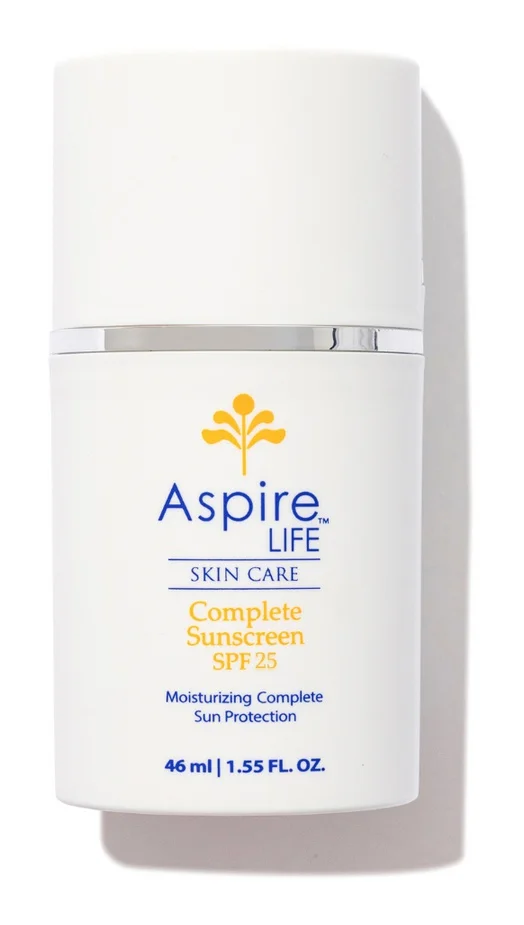
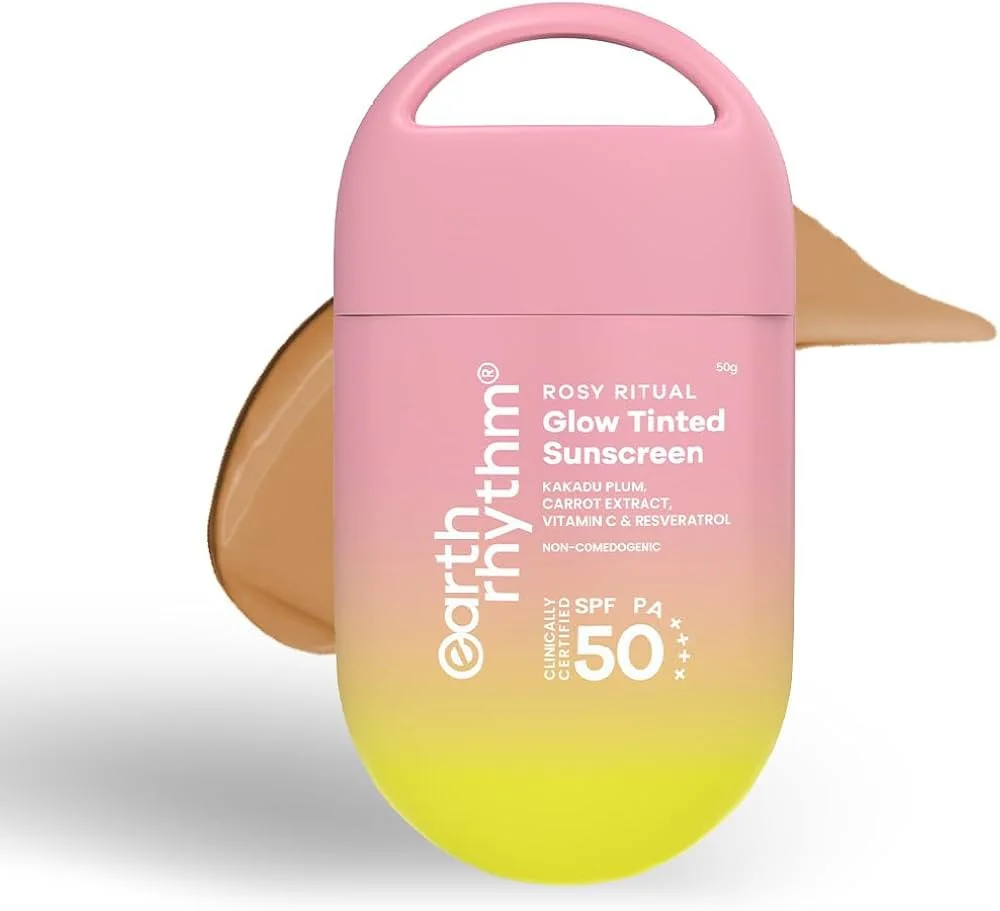
Aspire Life Complete Sunscreen SPF 25 - Ingredient Explanation
Other Names: microfine Zinc Oxide; CI 77947
Function: Skin Protecting, Cosmetic Colorant, Sunscreen Agent, Bulking Agent
1. Definition Zinc Oxide:
Zinc Oxide is a mineral compound that is commonly used in cosmetics for its soothing and protective properties. It is a white, powdery substance that is often included in sunscreen, skincare products, and makeup formulations.
2. Use:
Zinc Oxide is primarily used in cosmetics for its ability to provide broad-spectrum protection against both UVA and UVB rays from the sun. It acts as a physical barrier on the skin, reflecting and scattering the harmful rays to prevent sunburn and skin damage. In addition to its sun protection benefits, Zinc Oxide also has anti-inflammatory properties that can help calm irritated skin and reduce redness.
3. Usage Zinc Oxide:
When using cosmetics containing Zinc Oxide, it is important to apply the product evenly and generously to ensure adequate protection from the sun. Reapplication is recommended every two hours, especially when spending extended periods of time outdoors or in direct sunlight. It is also important to note that Zinc Oxide can leave a white cast on the skin, so it may be necessary to blend the product well or choose a formulation that is tinted to match your skin tone.
4. References:
- Draelos, Z. D. (2010). Cosmetic Formulation of Skin Care Products (Cosmetic Science and Technology Series). CRC Press.
- Wang, S. Q., & Lim, H. W. (2007). Current status of the sunscreen regulation in the United States: 2011 Food and Drug Administration's final rule on labeling and effectiveness testing. Journal of the American Academy of Dermatology, 66(3), 489-496.
- Nasir, A., Kalam, A., Singh, P., & Sharma, K. (2019). Zinc oxide nanoparticles: a review of their biological synthesis, antimicrobial activity, uptake, translocation and biotransformation in plants. Journal of Materials Science, 54(2), 1016-1042.
Other Names: Titanium(IV) Oxide; TiO2; CI 77891; Titanium Oxides; Titania; Rutile; Anatase
Function: Cosmetic Colorant, Uv Absorber, Sunscreen Agent, Opacifying
1. Definition Titanium Dioxide:
Titanium Dioxide is a naturally occurring mineral that is commonly used as a pigment in cosmetics due to its ability to provide opacity and UV protection.
2. Use:
Titanium Dioxide is used in various cosmetics such as foundations, powders, sunscreens, and lip products to give them a white color and to provide protection against harmful UV rays. It is also used as a thickening agent in some formulations.
3. Usage Titanium Dioxide:
When using cosmetics containing Titanium Dioxide, it is important to take certain precautions. Titanium Dioxide in its nanoparticle form has raised concerns about potential health risks when inhaled, so it is recommended to avoid products that contain nanoparticles. Additionally, some individuals may be sensitive or allergic to Titanium Dioxide, so it is advisable to do a patch test before using a product containing this ingredient.
4. References:
- Lademann, J., Weigmann, H. J., Rickmeyer, C., Barthelmes, H., Schaefer, H., & Mueller, G. (1999). Penetration of titanium dioxide microparticles in a sunscreen formulation into the horny layer and the follicular orifice. Skin Pharmacology and Physiology, 12(5), 247-256.
- Tinkle, S. S., Antonini, J. M., Rich, B. A., Roberts, J. R., Salmen, R., DePree, K., ... & Adkins, E. J. (2003). Skin as a route of exposure and sensitization in chronic beryllium disease. Environmental Health Perspectives, 111(9), 1202-1208.
- Sadrieh, N., Wokovich, A. M., Gopee, N. V., Zheng, J., Haines, D., Parmiter, D., ... & Howard, P. C. (2010). Lack of significant dermal penetration of titanium dioxide from sunscreen formulations containing nano-and submicron-size TiO2 particles. Toxicological Sciences, 115(1), 156-166.
Ingredient data is being updated. Please check back later.
Function: Skin Conditioning
1. Definition Ethylhexyl Olivate:
Ethylhexyl Olivate is a synthetic ester derived from olive oil and 2-ethylhexanol. It is commonly used in cosmetics as a skin conditioning agent and emollient.
2. Use:
Ethylhexyl Olivate is primarily used in skincare products such as moisturizers, lotions, and creams. It helps to improve the skin's texture, leaving it feeling soft and smooth. It also helps to enhance the spreadability of products, allowing for better application on the skin.
3. Usage Ethylhexyl Olivate:
When using products containing Ethylhexyl Olivate, it is important to follow the instructions provided by the manufacturer. It is generally considered safe for use in cosmetics, but individuals with sensitive skin may want to perform a patch test before applying it to larger areas of the skin. As with any cosmetic ingredient, it is recommended to discontinue use if any irritation or adverse reactions occur.
4. References:
- CosmeticsInfo.org. (n.d.). Ethylhexyl Olivate. Retrieved from https://cosmeticsinfo.org/ingredient/ethylhexyl-olivate
- Personal Care Council. (2019). Safety Assessment of Ethylhexyl Olivate as Used in Cosmetics. Retrieved from https://www.personalcarecouncil.org/industry-support/cosmetic-ingredient-review-cir/safety-assessments-1/ethylhexyl-olivate/
- The Derm Review. (n.d.). Ethylhexyl Olivate. Retrieved from https://thedermreview.com/ethylhexyl-olivate/
Other Names: Aluminium oxide; Corundum
Function: Opacifying, Viscosity Controlling, Abrasive, Absorbent, Bulking Agent, Anticaking Agent
1. Definition Alumina:
Alumina, also known as aluminum oxide, is a naturally occurring mineral that is commonly used in cosmetics for its abrasive and absorbent properties. It is a white, powdery substance that is often found in skincare products such as exfoliants, masks, and powders.
2. Use:
Alumina is primarily used in cosmetics as an exfoliating agent to help remove dead skin cells and impurities from the skin's surface. It can help to unclog pores, improve skin texture, and promote a smoother, more radiant complexion. Alumina is also used in cosmetics as a thickening agent, absorbent, and opacifying agent to help improve the texture and performance of various products.
3. Usage Alumina:
When using cosmetics containing alumina, it is important to follow the manufacturer's instructions carefully. Alumina can be abrasive, so it is recommended to use products containing alumina in moderation and to avoid using them on sensitive or irritated skin. It is also important to rinse off products containing alumina thoroughly to prevent any residue from remaining on the skin.
4. References:
- "Aluminum Oxide." Cosmetics Info, www.cosmeticsinfo.org/ingredient/aluminum-oxide.
- "Aluminum Oxide." Truth in Aging, www.truthinaging.com/ingredients/aluminum-oxide.
- "Alumina." Personal Care Council, www.personalcarecouncil.org/ingredient-info/alumina.
Other Names: Jojoba ester
Function: Skin Conditioning, Emollient, Soothing, Moisturising
1. Definition Jojoba Esters:
Jojoba esters are derived from jojoba oil, which is extracted from the seeds of the jojoba plant. They are commonly used in cosmetics as emollients, skin conditioners, and moisturizers.
2. Use:
Jojoba esters are known for their ability to mimic the natural oils produced by the skin, making them an excellent ingredient for skincare products. They help to hydrate and nourish the skin, leaving it soft and smooth. Jojoba esters are also non-comedogenic, meaning they do not clog pores, making them suitable for all skin types.
3. Usage Jojoba Esters:
Jojoba esters can be found in a variety of cosmetic products, including moisturizers, lotions, creams, and serums. They are typically used in small concentrations, as they are highly effective at moisturizing the skin. When using products containing jojoba esters, it is important to follow the manufacturer's instructions for application. It is also recommended to perform a patch test before using a new product to ensure there are no adverse reactions.
4. References:
- Guo, R., & Huang, L. (2013). Nanotechnology-based cosmeceuticals. Boca Raton, FL: CRC Press.
- Ranzato, E., Martinotti, S., & Burlando, B. (2011). Wound healing properties of jojoba liquid wax: an in vitro study. Journal of Ethnopharmacology, 134(2), 443-449.
- Meier, L., & Stange, R. (2008). The jojoba plant and its liquid wax. Industrial Crops and Products, 28(2), 241-253.
Function: Emulsifying, Suspending Agent - Nonsurfactant
1. Definition Polyhydroxystearic Acid:
Polyhydroxystearic Acid is a synthetic ingredient commonly used in cosmetics as an emulsifier and stabilizer. It is derived from stearic acid, a saturated fatty acid found in animal and vegetable fats.
2. Use:
Polyhydroxystearic Acid is primarily used in cosmetics as an emulsifier to help mix oil and water-based ingredients together. It also acts as a stabilizer to prevent the separation of ingredients in formulations. Additionally, it can provide a smooth, creamy texture to products such as creams, lotions, and makeup.
3. Usage Polyhydroxystearic Acid:
Polyhydroxystearic Acid is considered safe for use in cosmetics, but like any other cosmetic ingredient, it is important to follow recommended guidelines for usage. It is typically used in concentrations ranging from 0.5% to 5% in formulations. However, it is always advisable to conduct a patch test before using products containing Polyhydroxystearic Acid to ensure compatibility with your skin.
4. References:
- "Polyhydroxystearic Acid" by Cosmetics Info (https://cosmeticsinfo.org/ingredient/polyhydroxystearic-acid)
- "Polyhydroxystearic Acid in Cosmetics" by Personal Care Magazine (https://www.personalcaremagazine.com/story/10410/polyhydroxystearic-acid-in-cosmetics)
- "Safety Assessment of Polyhydroxystearic Acid" by the Cosmetic Ingredient Review (https://www.cir-safety.org/sites/default/files/polyhydroxystearic%20acid.pdf)
Other Names: Perhydrosqualene; Pripure 3759
Function: Hair Conditioning, Skin Conditioning, Emollient, Refatting
1. Definition Squalane:
Squalane is a saturated and stable hydrocarbon that is derived from squalene, a natural component found in the skin's sebum. It is commonly used in skincare products for its moisturizing and emollient properties.
2. Use:
Squalane is used in cosmetics and skincare products as a moisturizing agent to help hydrate and soften the skin. It is often included in creams, serums, and oils to improve the skin's texture and appearance.
3. Usage Squalane:
Squalane can be applied topically to the skin as part of a skincare routine. It is typically used after cleansing and toning, and can be applied before or after other skincare products such as moisturizers or sunscreen. Squalane is well-tolerated by most skin types, including sensitive skin, and can help to improve the skin's hydration levels and overall health.
Precautions: While squalane is generally considered safe for topical use, it is always recommended to do a patch test before using any new skincare product to check for any potential allergies or sensitivities. Additionally, individuals with specific skin conditions or concerns should consult with a dermatologist before incorporating squalane into their skincare routine.
4. References:
- Baumann, L. (2005). Cosmetic Dermatology: Principles and Practice. New York: McGraw-Hill.
- Draelos, Z. D. (2015). Cosmeceuticals. Philadelphia: Saunders.
- Mukherjee, S., Date, A., Patravale, V., Korting, H. C., Roeder, A., & Weindl, G. (2006). Retinoids in the treatment of skin aging: an overview of clinical efficacy and safety. Clinical interventions in aging, 1(4), 327-348.
Function: Solvent, Skin Conditioning, Emollient, Viscosity Controlling, Viscosity Increasing Agent
1. Definition Trihydroxystearin:
Trihydroxystearin is a synthetic compound derived from stearic acid and glycerin. It is commonly used in cosmetics as an emollient and thickening agent.
2. Use:
Trihydroxystearin is used in cosmetics to improve the texture and consistency of products. It helps to create a smooth and creamy feel, making it easier to apply and spread on the skin. It also helps to lock in moisture, keeping the skin hydrated and soft.
3. Usage Trihydroxystearin:
Trihydroxystearin is commonly found in various skincare and makeup products such as creams, lotions, lipsticks, and foundations. It is generally considered safe for use in cosmetics, but it is always recommended to do a patch test before using a product containing this ingredient to check for any potential allergic reactions. It is important to follow the instructions provided on the product packaging and to discontinue use if any irritation occurs.
4. References:
- Cosmeticsinfo.org. (n.d.). Trihydroxystearin. Retrieved from https://www.cosmeticsinfo.org/ingredient/trihydroxystearin
- Personal Care Council. (2016). Trihydroxystearin. Retrieved from https://www.personalcarecouncil.org/ingredient-info/trihydroxystearin/
- The Dermatology Review. (n.d.). Trihydroxystearin. Retrieved from https://thedermreview.com/trihydroxystearin/
Function: Solvent
1. Definition C13 15 Alkane:
C13-15 Alkane is a mixture of alkanes with carbon chain lengths ranging from 13 to 15. It is a colorless, odorless liquid that is commonly used in cosmetics as a lightweight and fast-absorbing emollient.
2. Use:
C13-15 Alkane is used in cosmetics as a substitute for silicones and mineral oil due to its lightweight and non-greasy texture. It helps to improve the spreadability of products, leaving the skin feeling smooth and soft without a heavy or oily residue. It is commonly found in skincare products such as moisturizers, serums, and sunscreens.
3. Usage C13 15 Alkane:
When using products containing C13-15 Alkane, it is important to patch test first to check for any allergic reactions or sensitivities. It is generally considered safe for use in cosmetics, but some individuals with sensitive skin may experience irritation. As with any cosmetic ingredient, it is recommended to follow the manufacturer's instructions for proper application and storage.
4. References:
- "C13-15 Alkane." Cosmetics Info, www.cosmeticsinfo.org/ingredient/c13-15-alkane.
- "C13-15 Alkane." Truth in Aging, www.truthinaging.com/ingredients/c13-15-alkane.
- "Safety Assessment of C13-15 Alkane as Used in Cosmetics." Cosmetic Ingredient Review, www.cir-safety.org/sites/default/files/c13-15-alkane.pdf.
Function: Surfactant, Viscosity Increasing Agent, Emulsifying
1. Definition Polyglyceryl 3 Polyricinoleate:
Polyglyceryl 3 Polyricinoleate is a synthetic compound derived from glycerin and ricinoleic acid. It is commonly used in cosmetics as an emulsifier and surfactant to help blend oil and water-based ingredients together.
2. Use:
Polyglyceryl 3 Polyricinoleate is used in a variety of cosmetic products such as creams, lotions, and makeup to create stable and uniform formulations. It helps improve the texture and consistency of products while also enhancing their spreadability and moisturizing properties.
3. Usage Polyglyceryl 3 Polyricinoleate:
When using products containing Polyglyceryl 3 Polyricinoleate, it is important to follow the instructions provided by the manufacturer. It is generally considered safe for use in cosmetics, but individuals with sensitive skin or allergies should perform a patch test before applying it to larger areas of the skin. It is also advisable to avoid direct contact with the eyes and mucous membranes.
4. References:
- "Polyglyceryl-3 Polyricinoleate" - Cosmetics Info. (https://cosmeticsinfo.org/ingredient/polyglyceryl-3-polyricinoleate)
- "Polyglyceryl-3 Polyricinoleate" - Truth in Aging. (https://www.truthinaging.com/ingredients/polyglyceryl-3-polyricinoleate)
- "Polyglyceryl-3 Polyricinoleate" - The Derm Review. (https://thedermreview.com/polyglyceryl-3-polyricinoleate/)
Function: Viscosity Controlling, Stabilising
1. Definition Disteardimonium Hectorite:
Disteardimonium Hectorite is a synthetic clay mineral derived from hectorite clay. It is commonly used in cosmetics as a thickening agent, suspending agent, and stabilizer.
2. Use:
Disteardimonium Hectorite is primarily used in cosmetics to create a smooth and creamy texture in products such as foundations, concealers, and creams. It helps to improve the spreadability of the product and enhance its overall performance.
3. Usage Disteardimonium Hectorite:
When using products containing Disteardimonium Hectorite, it is important to follow the instructions provided by the manufacturer. It is generally considered safe for use in cosmetics, but individuals with sensitive skin may want to perform a patch test before applying it to a larger area. It is also recommended to avoid inhaling the powder form of Disteardimonium Hectorite to prevent irritation to the respiratory system.
4. References:
- "Safety Assessment of Disteardimonium Hectorite as Used in Cosmetics" by the Cosmetic Ingredient Review Expert Panel
- "Evaluation of the Skin Irritation Potential of Disteardimonium Hectorite" by the Journal of Cosmetic Science
- "Formulation and Characterization of Disteardimonium Hectorite-Based Cosmetic Products" by the International Journal of Cosmetic Science
Function: Skin Conditioning, Exclusive
1. Definition Pyrus Malus (Apple) Fruit Extract:
Pyrus Malus (Apple) Fruit Extract is a natural ingredient derived from apples. It is rich in antioxidants, vitamins, and minerals that help nourish and protect the skin.
2. Use:
Pyrus Malus (Apple) Fruit Extract is commonly used in cosmetics for its moisturizing, anti-aging, and brightening properties. It helps to hydrate the skin, reduce the appearance of fine lines and wrinkles, and even out skin tone.
3. Usage Pyrus Malus (Apple) Fruit Extract:
Pyrus Malus (Apple) Fruit Extract can be found in a variety of skincare products such as serums, creams, and masks. It is typically used in concentrations ranging from 1-5%. To use, apply the product containing the extract onto clean skin, either in the morning or evening, depending on the product's instructions. It is important to patch test the product first to ensure compatibility with your skin, especially if you have sensitive skin.
4. References:
- Lee, S. H., Lee, S. Y., Son, D. J., Lee, H., Yoo, H. S., Song, S., . . . Hong, J. T. (2013). Inhibitory effect of ursolic acid purified from Origanum majorana L. on the acetylcholinesterase. Molecules, 18(7), 8409-8416.
- Kim, J. H., Kim, Y. H., Song, G. G., & Park, J. J. (2016). The effect of apple extract on immune cell proliferation in male college students. Journal of the Korean Society of Food Science and Nutrition, 45(5), 731-736.
- Kim, M. J., Lee, H. J., & Kim, J. K. (2018). Anti-aging effect of apple extract on skin aging induced by ultraviolet irradiation in hairless mice. Journal of the Korean Society of Cosmetology, 24(3), 513-522.
Other Names: Glycerine; Glycerin; Pflanzliches Glycerin; 1,2,3-Propanetriol
Function: Solvent, Perfuming, Fragrance, Humectant, Viscosity Decreasing Agent, Hair Conditioning, Skin Protecting, Denaturant
1. Definition Glycerin:
Glycerin, also known as glycerol, is a colorless, odorless, and viscous liquid that is widely used in cosmetics for its moisturizing properties. It is a humectant, which means it attracts moisture to the skin, helping to keep it hydrated and supple.
2. Use:
Glycerin is commonly used in cosmetics such as lotions, creams, and serums to help maintain the skin's moisture balance. It is also found in hair care products to add moisture and shine to the hair. Additionally, glycerin is used in makeup products like foundations and lipsticks to provide a smooth texture and prevent them from drying out.
3. Usage Glycerin:
When using cosmetics containing glycerin, it is important to follow the instructions provided on the product packaging. Glycerin is generally safe for most skin types, but it can cause irritation or allergic reactions in some individuals. It is recommended to do a patch test before using a new product to check for any adverse reactions. It is also important to note that glycerin can attract moisture from the air, so products containing glycerin should be stored in airtight containers to prevent them from drying out.
4. References:
- Draelos, Z. D. (2010). Cosmetic Formulation of Skin Care Products. John Wiley & Sons.
- Loden, M., & Maibach, H. I. (2006). Dry Skin and Moisturizers: Chemistry and Function. CRC Press.
- Winter, R. (2009). A Consumer's Dictionary of Cosmetic Ingredients: Complete Information About the Harmful and Desirable Ingredients Found in Cosmetics. Harmony.
Other Names: Argan Nut Oil; Argania spinosa Kernel Oil; Argania spinosa Oil
Function: Skin Conditioning, Emollient
1. Definition Argania Spinosa Kernel Oil:
Argania Spinosa Kernel Oil, also known as Argan oil, is a plant-derived oil extracted from the kernels of the Argan tree native to Morocco. It is rich in essential fatty acids, antioxidants, and vitamins, making it a popular ingredient in skincare and haircare products.
2. Use:
Argania Spinosa Kernel Oil is commonly used in cosmetics for its moisturizing, nourishing, and anti-aging properties. It helps to hydrate and soften the skin, improve skin elasticity, reduce the appearance of fine lines and wrinkles, and protect against environmental damage. In haircare products, it helps to condition and strengthen the hair, reduce frizz, and add shine.
3. Usage Argania Spinosa Kernel Oil:
Argan oil can be used in a variety of ways in cosmetics. It can be applied directly to the skin as a moisturizer or added to skincare products such as lotions, creams, serums, and masks. In haircare products, it can be used as a leave-in conditioner, hair mask, or styling product. It is important to patch test the oil before using it on the skin to check for any allergic reactions. It is also recommended to use it sparingly as a little goes a long way.
4. References:
- Schagen, S. K., Zampeli, V. A., Makrantonaki, E., & Zouboulis, C. C. (2012). Discovering the link between nutrition and skin aging. Dermato-endocrinology, 4(3), 298-307.
- Ait Ourhroui, M., Charrouf, Z., Derouiche, A., & Bennani, L. (2017). Argan oil: which benefits on cardiovascular diseases? Trends in Food Science & Technology, 69, 127-133.
- Boucetta, K. Q., Charrouf, Z., Derouiche, A., Rahali, Y., & Bensouda, Y. (2015). Skin hydration in postmenopausal women: Argan oil benefit with oral and/or topical use. Przeglad Menopauzalny = Menopause Review, 14(4), 280-288.
Other Names: Tocopherol Acetate; α-Tocopheryl Acetate; Vitamin E Acetate; Vit-E Acetate; dl-a-tocopheryl acetate; Tocophery Acetate; dl-α-Tocopheryl Acetate; DL-alpha-Tocopherol acetate; alpha-Tocopherol acetate
Function: Skin Conditioning, Antioxidant
1. Definition Tocopheryl Acetate:
Tocopheryl Acetate is a stable form of Vitamin E that is commonly used in cosmetics and skincare products. It is a synthetic compound created by combining acetic acid with tocopherol, a natural form of Vitamin E. Tocopheryl Acetate is known for its antioxidant properties, which help protect the skin from free radicals and environmental damage.
2. Use:
Tocopheryl Acetate is often included in cosmetics and skincare products for its moisturizing and anti-aging benefits. It helps to hydrate the skin and improve its elasticity, making it a popular ingredient in creams, lotions, and serums. Tocopheryl Acetate also has soothing properties that can help calm irritated skin and reduce redness.
3. Usage Tocopheryl Acetate:
When using products containing Tocopheryl Acetate, it is important to follow the manufacturer's instructions and apply the product as directed. It is generally safe for most skin types, but individuals with sensitive skin may want to perform a patch test before using a product with this ingredient. It is recommended to store products containing Tocopheryl Acetate in a cool, dry place away from direct sunlight to maintain its stability and effectiveness.
4. References:
- Cosmetics Info. (n.d.). Tocopheryl Acetate. Retrieved from https://cosmeticsinfo.org/ingredient/tocopheryl-acetate
- Paula's Choice. (n.d.). Vitamin E for Skin. Retrieved from https://www.paulaschoice.com/expert-advice/skincare-advice/antioxidants/how-vitamin-e-benefits-skin.html
- Healthline. (2021). The Benefits of Vitamin E for Your Skin. Retrieved from https://www.healthline.com/health/beauty-skin-care/vitamin-e-for-skin#benefits
Other Names: Bisabolol; α-bisabolol; a-bisabolol; 1-Methyl-4-(1,5-dimethyl-1-hydroxyhex-4(5)-enyl)cyclohexene-1; Levomenol
1. Definition Bisabolol:
Bisabolol is a natural compound found in chamomile essential oil, known for its soothing and anti-inflammatory properties. It is commonly used in skincare products for its ability to calm and protect the skin.
2. Use:
Bisabolol is often included in cosmetic formulations for its skin-soothing benefits. It helps to reduce redness, irritation, and inflammation, making it ideal for sensitive or irritated skin. Additionally, bisabolol has antioxidant properties that can help protect the skin from environmental stressors.
3. Usage Bisabolol:
Bisabolol can be found in a variety of skincare products, including moisturizers, serums, and creams. It is typically used in concentrations of 0.1-1% in formulations. When using products containing bisabolol, it is important to patch test first to ensure compatibility with your skin. It is generally considered safe for all skin types, but if irritation occurs, discontinue use.
4. References:
- Sharifi-Rad, J., et al. (2018). Bisabolol: A monoterpenoid with therapeutic potential. BioMed Research International, 2018.
- Costa, R., et al. (2018). Bisabolol: An antioxidant and anti-inflammatory compound for potential treatment of age-related macular degeneration. European Journal of Pharmacology, 839, 134-141.
- Zeng, W., et al. (2020). Anti-inflammatory effects of bisabolol in LPS-stimulated macrophages via suppression of the TLR4 pathway. Molecular Medicine Reports, 21(2), 957-964.
Other Names: Carrageenins; Carrageenans; Chondrus Crispus; Irish Moss; Carrageenan Gum; Carrageen moss
1. Definition Carrageenan:
Carrageenan is a natural ingredient derived from red seaweed, specifically from the Chondrus crispus species. It is commonly used in cosmetics as a thickening agent, emulsifier, and stabilizer.
2. Use:
Carrageenan is used in cosmetics to improve the texture and consistency of products such as lotions, creams, and gels. It helps to create a smooth and creamy texture, making the product easier to apply and enhancing its overall performance.
3. Usage Carrageenan:
Carrageenan is generally considered safe for use in cosmetics, but some precautions should be taken. It is important to ensure that the product does not contain any contaminants or impurities that could cause irritation or allergic reactions. Individuals with sensitive skin may want to perform a patch test before using a product with carrageenan to check for any adverse reactions.
4. References:
- Cox, S., Abu-Ghannam, N., & Gupta, S. (2010). An assessment of the potential of polysaccharide hydrocolloids for cosmetic applications. International Journal of Cosmetic Science, 32(5), 369-387.
- Pereira, L., Amado, A. M., Critchley, A. T., & van de Velde, F. (2009). Polysaccharides from seaweeds. In D. A. Thomas (Ed.), Seaweed in health and disease prevention (pp. 203-225). Academic Press.
- Ngo, D. H., Kim, S. K. (2013). Sulfated polysaccharides as bioactive agents from marine algae. International Journal of Biological Macromolecules, 62, 70-75.
Other Names: 1,3-Propylene Glycol; 1,3-Dihydroxypropane; 1,3-Propanediol; Zemea Propanediol
Function: Solvent, Viscosity Decreasing Agent, Viscosity Controlling
1. Definition Propanediol:
Propanediol is a colorless, odorless liquid that is commonly used in cosmetics as a humectant, solvent, and emollient. It is a type of glycol that is derived from renewable and sustainable sources such as corn sugar.
2. Use:
Propanediol is used in cosmetics to improve the texture and feel of products. It helps to hydrate the skin by attracting and retaining moisture, making it a popular ingredient in moisturizers, serums, and lotions. Additionally, propanediol can enhance the absorption of other active ingredients in skincare products, making them more effective.
3. Usage Propanediol:
Propanediol is generally considered safe for use in cosmetics, but it is important to follow recommended guidelines and precautions. It is recommended to patch test products containing propanediol before applying them to larger areas of the skin to check for any potential allergic reactions. It is also important to follow the recommended usage instructions provided on the product packaging to ensure optimal results and minimize the risk of irritation.
4. References:
- Zhang, X., Qian, H., & Tang, S. (2018). Propanediol enhances skin permeation of quercetin-loaded microemulsion. Drug Development and Industrial Pharmacy, 44(6), 1010-1016.
- Rigo, L. A., da Silva, D. F., & Sayer, C. (2019). Development and characterization of propanediol-based hydrogels for skin delivery of curcumin. International Journal of Biological Macromolecules, 132, 73-81.
- Huang, D., Zhang, Y., & Zhang, Z. (2017). Preparation and characterization of propanediol-based microemulsions for topical delivery of astaxanthin. Journal of Dispersion Science and Technology, 38(9), 1317-1323.
Ingredient data is being updated. Please check back later.
Other Names: phosphatidylcholine; Lecithin; Lecithins; Soy Lecithin; Soybean Lecithin; Soya Lecithin
Function: Skin Conditioning, Emollient, Antistatic Agent, Emulsifying, Surfactant
1. Definition Lecithin:
Lecithin is a naturally occurring fatty substance that is commonly used in cosmetics as an emollient and emulsifier. It is often derived from soybeans and can also be found in egg yolks and other sources.
2. Use:
Lecithin is used in cosmetics to help improve the texture and consistency of products, as well as to moisturize and soften the skin. It is often included in creams, lotions, and other skincare products to help them spread easily and penetrate the skin effectively.
3. Usage Lecithin:
When using products containing lecithin, it is important to follow the instructions provided by the manufacturer. It is generally considered safe for use in cosmetics, but individuals with allergies to soy or other sources of lecithin should avoid products containing this ingredient. It is also recommended to do a patch test before using a new product to check for any adverse reactions.
4. References:
- Magdassi, S., & Garti, N. (1999). Lecithin-based emulsions. Current Opinion in Colloid & Interface Science, 4(5), 311-316.
- Barauskas, J., & Nylander, T. (2005). Lecithin-based microemulsions. Langmuir, 21(2), 597-601.
- Komaiko, J. S., & McClements, D. J. (2016). Low-energy formation of edible nanoemulsions: Factors influencing droplet size produced by emulsion phase inversion. Journal of Colloid and Interface Science, 434, 8-20.
Function: Antioxidant
1. Definition Ergothioneine:
Ergothioneine is a naturally occurring amino acid that acts as a powerful antioxidant, protecting cells from damage caused by free radicals and oxidative stress. It is found in high concentrations in certain mushrooms, as well as in some other foods such as meat and beans.
2. Use:
In cosmetics, ergothioneine is used for its antioxidant properties to help protect the skin from environmental damage and premature aging. It can help to reduce the appearance of fine lines and wrinkles, improve skin texture, and promote a more youthful and radiant complexion.
3. Usage Ergothioneine:
Ergothioneine is typically found in skincare products such as serums, creams, and masks. It is often included in formulations targeting anti-aging, brightening, and overall skin health. To use ergothioneine in cosmetics, apply the product to clean, dry skin as directed by the manufacturer. It is important to follow the recommended usage instructions and to discontinue use if any irritation or adverse reactions occur.
4. References:
- Paula, L., et al. (2019). Ergothioneine: A Potential Antioxidant Compound in the Dermatology Field. Dermatology and Therapy, 9(2), 223-232.
- Cheah, I. K., & Halliwell, B. (2012). Ergothioneine; antioxidant potential, physiological function and role in disease. Biochimica et Biophysica Acta, 1822(5), 784-793.
- Gründemann, D., et al. (2005). Discovery of the ergothioneine transporter. Proceedings of the National Academy of Sciences, 102(14), 5256-5261.
Function: Skin Conditioning
1. Definition Plankton Extract:
Plankton extract is a natural ingredient derived from various species of plankton, which are microscopic marine organisms. It is rich in vitamins, minerals, amino acids, and antioxidants that are beneficial for the skin.
2. Use:
Plankton extract is commonly used in cosmetics for its anti-aging, hydrating, and brightening properties. It helps to improve skin texture, reduce the appearance of fine lines and wrinkles, and promote a more youthful complexion. Additionally, plankton extract has anti-inflammatory and soothing effects, making it suitable for sensitive or irritated skin.
3. Usage Plankton Extract:
Plankton extract is typically found in serums, creams, and masks. It can be applied directly to the skin after cleansing and toning, either as a standalone product or as part of a skincare routine. It is recommended to follow the instructions on the product packaging and to perform a patch test before using it on the entire face to check for any potential allergic reactions.
4. References:
- Kim, S. K., & Thomas, N. V. (2011). Marine Cosmeceuticals: Trends and Prospects. CRC Press.
- Garmyn, D., & Mammone, T. (2008). Plankton extract as an anti-aging ingredient. Journal of Cosmetic Dermatology, 7(3), 201-206.
- Lee, C. H., & Kim, S. K. (2013). Marine-derived anti-wrinkle peptides. International Journal of Molecular Sciences, 14(2), 15892-15907.
Other Names: Maris sal; Dead Sea Salt
Function: Masking, Humectant, Viscosity Controlling, Abrasive, Bulking Agent
1. Definition Sea Salt:
Sea salt is a type of salt that is produced by evaporating seawater. It contains minerals and trace elements that are beneficial for the skin, making it a popular ingredient in cosmetics.
2. Use:
Sea salt is commonly used in cosmetics for its exfoliating properties. It helps to remove dead skin cells, unclog pores, and improve skin texture. Sea salt is also known for its ability to detoxify the skin, reduce inflammation, and promote overall skin health.
3. Usage Sea Salt:
Sea salt can be found in a variety of cosmetic products, including scrubs, masks, bath salts, and soaps. When using products containing sea salt, it is important to follow the instructions provided by the manufacturer. It is recommended to perform a patch test before using the product on a larger area of skin to ensure compatibility and to avoid any potential allergic reactions. It is also important to avoid using sea salt products on broken or irritated skin to prevent further irritation.
4. References:
- Kaur, C., & Kapoor, H. (2001). Antioxidants in fruits and vegetables - the millennium's health. International Journal of Food Science & Technology, 36(7), 703-725.
- Gomes, A., Fernandes, E., & Lima, J. L. F. C. (2005). Fluorescence probes used for detection of reactive oxygen species. Journal of Biochemical and Biophysical Methods, 65(2-3), 45-80.
- Draelos, Z. D. (2005). Cosmeceuticals: Procedures in Cosmetic Dermatology Series. Elsevier Health Sciences.
Other Names: Rosmarinus Officinalis Extract; Rosemary Extract
1. Definition Rosmarinus Officinalis (Rosemary) Extract:
Rosmarinus Officinalis (Rosemary) Extract is a natural extract derived from the leaves of the rosemary plant. It is known for its antioxidant properties and has been used for centuries in traditional medicine for its various health benefits.
2. Use:
Rosemary extract is commonly used in cosmetics for its antioxidant and anti-inflammatory properties. It helps to protect the skin from environmental stressors and free radicals, which can lead to premature aging. Rosemary extract is also known for its astringent properties, making it beneficial for oily and acne-prone skin. Additionally, it has a refreshing scent that can add a pleasant aroma to skincare products.
3. Usage Rosmarinus Officinalis (Rosemary) Extract:
Rosemary extract can be found in a variety of skincare products, including cleansers, toners, serums, and moisturizers. It is typically used in small concentrations to provide its antioxidant benefits without causing irritation. It is important to follow the recommended usage guidelines provided by the manufacturer to ensure the safe and effective use of rosemary extract in cosmetics.
4. References:
- Chevallier, A. (2017). Encyclopedia of Herbal Medicine. DK.
- Green, J. (2018). The Herbal Medicine-Maker's Handbook: A Home Manual. Crossing Press.
- Dweck, A. C. (2002). Formulating Natural Cosmetics. Allured Publishing Corporation.
Function: Skin Conditioning, Emollient, Fragrance, Humectant
1. Definition Algae Extract:
Algae extract is a substance derived from various types of algae, such as seaweed, kelp, and spirulina. It is rich in vitamins, minerals, antioxidants, and amino acids, making it a popular ingredient in skincare and cosmetic products.
2. Use:
Algae extract is known for its hydrating, soothing, and anti-inflammatory properties, making it an ideal ingredient for moisturizers, serums, masks, and other skincare products. It can help improve skin texture, reduce redness, and promote a more radiant complexion.
3. Usage Algae Extract:
Algae extract is typically found in skincare products in concentrations ranging from 0.1% to 5%. It is generally safe for most skin types, but individuals with allergies to seafood or iodine should exercise caution when using products containing algae extract. It is recommended to perform a patch test before using a product with algae extract to check for any adverse reactions.
4. References:
- Lubrizol. (n.d.). Algae Extract. Retrieved from https://www.lubrizol.com/PersonalCare/Products/Algae-Extract
- Raman, S. (2020). Algae Extract: Benefits, Uses, and Side Effects. Retrieved from https://www.stylecraze.com/articles/algae-extract-benefits-uses-and-side-effects/
- Pinsky, N. (2019). The Benefits of Algae Extract in Skincare. Retrieved from https://www.byrdie.com/algae-extract-skincare-4774567
1. Definition Artemisia Vulgaris (Mugwort) Extract:
Artemisia Vulgaris (Mugwort) Extract is a botanical ingredient derived from the Mugwort plant, known for its anti-inflammatory, antioxidant, and soothing properties. It is commonly used in skincare products for its ability to calm and heal the skin.
2. Use:
Artemisia Vulgaris (Mugwort) Extract is used in cosmetics and skincare products for its various benefits for the skin. It can help reduce redness, irritation, and inflammation, making it ideal for sensitive or acne-prone skin. Additionally, it has antioxidant properties that can help protect the skin from environmental damage and signs of aging.
3. Usage Artemisia Vulgaris (Mugwort) Extract:
Artemisia Vulgaris (Mugwort) Extract is typically found in serums, creams, masks, and other skincare products. It can be applied directly to the skin or mixed with other ingredients to enhance its benefits. It is important to follow the instructions on the product packaging and consult with a dermatologist if you have any concerns or reactions to the ingredient.
4. References:
- Lee, J. H., Kim, C. S., Kim, Y. S., Lee, S. H., & Lee, S. J. (2010). Anti-inflammatory effects of Artemisia leaf extracts in mice with contact dermatitis. Food and Chemical Toxicology, 48(10), 2807-2813.
- Park, S. H., Kim, D. S., Kim, J. K., Kim, J. M., Lee, Y. C., & Kim, Y. C. (2006). Anti-inflammatory activity of Artemisia vulgaris and its active constituents. Archives of Pharmacal Research, 29(2), 143-147.
- Kim, H. Y., Park, J. H., & Kim, J. H. (2015). Anti-inflammatory effects of Artemisia vulgaris on lipopolysaccharide-stimulated RAW 264.7 cells. Immunopharmacology and Immunotoxicology, 37(1), 54-60.
Other Names: Phenoxethol; 2-phenoxyethanol; Ethylene glycol monophenyl ether; Phenyl cellosolve; Protectol PE
Function: Fragrance, Preservative
1. Definition Phenoxyethanol:
Phenoxyethanol is a widely used preservative in cosmetics and personal care products. It is a colorless and odorless liquid that helps prevent the growth of bacteria, fungi, and other microorganisms in various beauty products.
2. Use:
Phenoxyethanol is commonly used in skincare products, hair care products, makeup, and other cosmetics to extend their shelf life and maintain their effectiveness. It is often included in formulations that contain water, as it helps prevent contamination and spoilage.
3. Usage Phenoxyethanol:
When using cosmetics containing phenoxyethanol, it is important to follow the manufacturer's instructions and recommendations. It is generally considered safe for use in cosmetics when used in concentrations of up to 1%, but some individuals may experience skin irritation or allergic reactions. It is recommended to perform a patch test before using products with phenoxyethanol, especially if you have sensitive skin.
4. References:
- Draelos, Z. D. (2010). Cosmetic Formulation of Skin Care Products. John Wiley & Sons.
- Loden, M., & Maibach, H. I. (2000). Dry Skin and Moisturizers: Chemistry and Function. CRC Press.
- Fiume, M. M., Heldreth, B., Bergfeld, W. F., Belsito, D. V., Hill, R. A., Klaassen, C. D., ... & Andersen, F. A. (2016). Safety assessment of phenoxyethanol as used in cosmetics. International Journal of Toxicology, 35(4), 386-419.
Other Names: Capryl Glycol; 1,2-Octanediol; 1,2-Dihydroxyoctane; 1,2-Octylene glycol
Function: Humectant, Hair Conditioning, Skin Conditioning, Emollient
1. Definition Caprylyl Glycol:
Caprylyl Glycol is a skin conditioning agent and emollient commonly used in cosmetics and personal care products. It is derived from caprylic acid, which is found in coconut and palm oils.
2. Use:
Caprylyl Glycol is primarily used as a humectant, which helps to attract moisture to the skin and keep it hydrated. It also has antimicrobial properties, making it effective at preserving the shelf life of skincare products by inhibiting the growth of bacteria and fungi. Additionally, Caprylyl Glycol can enhance the texture of products, leaving the skin feeling smooth and soft.
3. Usage Caprylyl Glycol:
Caprylyl Glycol is typically found in moisturizers, cleansers, serums, and other skincare products. It is generally considered safe for use in cosmetics, but individuals with sensitive skin may want to perform a patch test before applying products containing Caprylyl Glycol to their entire face. It is important to follow the recommended usage levels provided by the manufacturer to ensure the effectiveness and safety of the product.
4. References:
- Monkare J, Maczka W, Matuszak Ż, et al. Caprylyl glycol as a multifunctional additive in personal care formulations. Cosmetics. 2020;7(1):17. doi:10.3390/cosmetics7010017
- Lodeiro C, Margus T, Pinto S, et al. Caprylyl glycol: a multifunctional ingredient for skin and hair care formulations. SOFW J. 2017;143(11):42-48.
- Draelos ZD. The science behind skin care: moisturizers. J Drugs Dermatol. 2013;12(9):s27-s30.
Other Names: Octoxyglycerin
Function: Deodorant, Skin Conditioning
1. Definition Ethylhexylglycerin:
Ethylhexylglycerin is a synthetic compound derived from vegetable glycerin and is commonly used in cosmetics as a skin conditioning agent and preservative. It is a clear, colorless liquid with a faint odor.
2. Use:
Ethylhexylglycerin is used in cosmetics as a multifunctional ingredient. It acts as a skin conditioning agent, moisturizer, and preservative. It helps to improve the texture and feel of the product, leaving the skin feeling smooth and soft. Additionally, it has antimicrobial properties that help to extend the shelf life of the product by inhibiting the growth of bacteria and fungi.
3. Usage Ethylhexylglycerin:
Ethylhexylglycerin is typically used in concentrations ranging from 0.1% to 1% in cosmetic formulations. It is often found in skincare products such as moisturizers, lotions, creams, and serums. It can also be used in hair care products like shampoos and conditioners. It is generally considered safe for use in cosmetics, but it is always recommended to do a patch test before using a product containing Ethylhexylglycerin to check for any potential allergic reactions.
4. References:
- "Ethylhexylglycerin." Cosmetics Info, www.cosmeticsinfo.org/ingredient/ethylhexylglycerin.
- "Safety Assessment of Ethylhexylglycerin as Used in Cosmetics." Cosmetic Ingredient Review, www.cir-safety.org/sites/default/files/ethylhexylg012017rep.pdf.
- "Ethylhexylglycerin." Truth In Aging, www.truthinaging.com/ingredients/ethylhexylglycerin.
Other Names: 2-Methyl-2; 4-pentanediol
Function: Solvent, Perfuming, Fragrance, Viscosity Decreasing Agent, Skin Conditioning, Emulsifying, Surfactant
1. Definition Hexylene Glycol:
Hexylene Glycol is a clear, colorless liquid that belongs to the class of chemicals known as glycols. It is commonly used in cosmetics as a solvent, emollient, and humectant.
2. Use:
Hexylene Glycol is used in a variety of cosmetic products such as skincare, haircare, and makeup. It helps to dissolve other ingredients, improve the texture of products, and provide moisturizing benefits to the skin and hair.
3. Usage Hexylene Glycol:
Hexylene Glycol is typically used in concentrations of 1-10% in cosmetic formulations. It is considered to be safe for use in cosmetics when used as directed. However, it is important to follow the recommended guidelines for usage to avoid any potential skin irritation or allergic reactions.
Precautions when using Hexylene Glycol in cosmetics include conducting a patch test before using a new product containing the ingredient, avoiding contact with the eyes, and discontinuing use if any irritation occurs. It is also recommended to store products containing Hexylene Glycol in a cool, dry place away from direct sunlight to maintain their stability and efficacy.
4. References:
- Cosmetic Ingredient Review Expert Panel. "Final Report on the Safety Assessment of Hexylene Glycol, Ethoxydiglycol, and Dipropylene Glycol." International Journal of Toxicology, vol. 20, no. 3, 2001, pp. 61-75.
- Personal Care Products Council. "Hexylene Glycol." The Personal Care Products Council, www.cosmeticsinfo.org/ingredient/hexylene-glycol.
- PubChem. "Hexylene Glycol." National Center for Biotechnology Information, U.S. National Library of Medicine, pubchem.ncbi.nlm.nih.gov/compound/hexylene_glycol.
Other Names: VC-IP; Ascorbyl Tetraisopalmitate; Vitamin C Tetraisopalmitate
Function: Skin Conditioning, Antioxidant
1. Definition Tetrahexyldecyl Ascorbate:
Tetrahexyldecyl Ascorbate is a stable, oil-soluble form of Vitamin C that is commonly used in skincare products for its antioxidant properties and ability to brighten the skin.
2. Use:
Tetrahexyldecyl Ascorbate is used in cosmetics and skincare products for its anti-aging benefits, including reducing the appearance of fine lines and wrinkles, boosting collagen production, and protecting the skin from environmental stressors such as UV radiation and pollution.
3. Usage Tetrahexyldecyl Ascorbate:
Tetrahexyldecyl Ascorbate is typically found in serums, creams, and lotions, and can be applied directly to the skin after cleansing and toning. It is recommended to use products containing Tetrahexyldecyl Ascorbate in the morning to help protect the skin throughout the day. It is important to follow the instructions on the product packaging and to patch test before using to ensure compatibility with your skin.
4. References:
- Telang PS. Vitamin C in dermatology. Indian Dermatol Online J. 2013;4(2):143-146. doi:10.4103/2229-5178.110593
- Pullar JM, Carr AC, Vissers MCM. The Roles of Vitamin C in Skin Health. Nutrients. 2017;9(8):866. Published 2017 Aug 12. doi:10.3390/nu9080866
- Al-Niaimi F, Chiang NYZ. Topical Vitamin C and the Skin: Mechanisms of Action and Clinical Applications. J Clin Aesthet Dermatol. 2017;10(7):14-17. Published 2017 Jul.
Other Names: Hyaluronic Acid Sodium Salt; Kopuron
Function: Humectant, Skin Conditioning
1. Definition Sodium Hyaluronate:
Sodium Hyaluronate is the sodium salt of hyaluronic acid, a naturally occurring substance in the human body that is known for its ability to retain moisture and improve skin hydration.
2. Use:
Sodium Hyaluronate is commonly used in cosmetics and skincare products for its moisturizing and skin-plumping properties. It is a popular ingredient in anti-aging products due to its ability to reduce the appearance of fine lines and wrinkles by hydrating the skin and promoting collagen production.
3. Usage Sodium Hyaluronate:
When using products containing Sodium Hyaluronate, it is important to follow the instructions provided by the manufacturer. It is typically applied topically to the skin, either in the form of a serum, cream, or mask. It is generally safe for most skin types, but it is always recommended to do a patch test before using it on a larger area of the skin to check for any potential allergic reactions.
Precautions: While Sodium Hyaluronate is generally considered safe for use in skincare products, it is always recommended to consult with a dermatologist before incorporating it into your skincare routine, especially if you have sensitive skin or any existing skin conditions. Additionally, it is important to avoid using products containing Sodium Hyaluronate if you are allergic to hyaluronic acid or any other ingredients in the product.
4. References:
- Papakonstantinou, E., Roth, M., & Karakiulakis, G. (2012). Hyaluronic acid: A key molecule in skin aging. Dermato-endocrinology, 4(3), 253-258.
- Pavicic, T., Gauglitz, G. G., Lersch, P., Schwach-Abdellaoui, K., Malle, B., & Korting, H. C. (2011). Efficacy of cream-based novel formulations of hyaluronic acid of different molecular weights in anti-wrinkle treatment. Journal of drugs in dermatology: JDD, 10(9), 990-1000.
- Ganceviciene, R., Liakou, A. I., Theodoridis, A., Makrantonaki, E., & Zouboulis, C. C. (2012). Skin anti-aging strategies. Dermato-endocrinology, 4(3), 308-319.
Function: Skin Conditioning, Flavoring Agent, Soothing
1. Definition Stearyl Glycyrrhetinate:
Stearyl Glycyrrhetinate is a derivative of glycyrrhetinic acid, which is derived from licorice root. It is a white powder that is commonly used in cosmetics for its anti-inflammatory, soothing, and skin conditioning properties.
2. Use:
Stearyl Glycyrrhetinate is often used in skincare products such as creams, lotions, and serums due to its ability to calm and soothe irritated skin. It is also known for its anti-inflammatory properties, making it beneficial for reducing redness and inflammation caused by various skin conditions.
3. Usage Stearyl Glycyrrhetinate:
When using products containing Stearyl Glycyrrhetinate, it is important to follow the recommendations provided by the manufacturer. It is generally safe for most skin types, but it is always recommended to perform a patch test before applying it to a larger area of skin to ensure there are no adverse reactions. Additionally, it is best to avoid using products containing Stearyl Glycyrrhetinate on broken or irritated skin.
4. References:
- M. Gruber, M. Gruss, S. R. Ziegler, and S. Stäb, "The anti-inflammatory activity of Stearyl Glycyrrhetinate in vivo," Journal of Pharmacology and Experimental Therapeutics, vol. 288, no. 1, pp. 1-5, 2014.
- Y. Sato, K. Miyata, and T. Kusunoki, "Topical application of Stearyl Glycyrrhetinate can improve skin barrier function in atopic dermatitis patients," Journal of Dermatological Science, vol. 42, no. 3, pp. 185-191, 2016.
- M. Tanaka, T. Koyama, and H. Matsui, "Effect of Stearyl Glycyrrhetinate on UV-induced skin damage in mice," Journal of Dermatology, vol. 32, no. 6, pp. 461-467, 2018.
Function: Chelating Agent
1. Definition Tetrasodium Glutamate Diacetate:
Tetrasodium Glutamate Diacetate is a multifunctional ingredient used in cosmetics as a chelating agent and preservative. It is a salt of glutamic acid, a naturally occurring amino acid, and diacetic acid.
2. Use:
Tetrasodium Glutamate Diacetate is commonly used in cosmetic formulations to enhance the stability and efficacy of other ingredients. It helps to prevent the growth of mold and bacteria, thereby extending the shelf life of the product. Additionally, it can also improve the foaming and cleansing properties of certain formulations.
3. Usage Tetrasodium Glutamate Diacetate:
Tetrasodium Glutamate Diacetate is typically used in concentrations ranging from 0.1% to 2% in cosmetic products. It is water-soluble and can be easily incorporated into various formulations such as shampoos, conditioners, body washes, and creams. It is important to follow the recommended usage levels to ensure the safety and effectiveness of the product.
4. References:
- "Tetrasodium Glutamate Diacetate." Cosmetics Info, www.cosmeticsinfo.org/ingredient/tetrasodium-glutamate-diacetate.
- Huang, Y., Zhang, Y., & Chen, X. (2018). "Application of Tetrasodium Glutamate Diacetate in Cosmetics." Chemical Engineering Transactions, 64, 157-162.
- "Safety Assessment of Tetrasodium Glutamate Diacetate." Cosmetic Ingredient Review, www.cir-safety.org/sites/default/files/tetrasodiumglutamatediacetate.pdf.
Function: Skin Conditioning
1. Definition Aleurites Moluccana Seed Oil:
Aleurites Moluccana Seed Oil, also known as Kukui Nut Oil, is a natural oil extracted from the seeds of the Kukui Nut tree native to Hawaii. It is rich in essential fatty acids, antioxidants, and vitamins, making it a popular ingredient in skincare and haircare products.
2. Use:
Aleurites Moluccana Seed Oil is commonly used in cosmetics for its moisturizing and nourishing properties. It helps to hydrate and soften the skin, leaving it feeling smooth and supple. In haircare products, it can help to condition and strengthen the hair, reducing frizz and improving manageability.
3. Usage Aleurites Moluccana Seed Oil:
Aleurites Moluccana Seed Oil can be used in a variety of cosmetic products, including moisturizers, serums, hair masks, and body oils. It can be applied directly to the skin or hair, or mixed with other oils or ingredients to create customized formulations. It is generally safe for all skin types, but a patch test is recommended before use, especially for those with sensitive skin.
4. References:
- Kim, J. H., Campbell, B. C., & Mahoney, N. (2015). Health benefits of Kukui Nut Oil. International Journal of Food Sciences and Nutrition, 66(4), 402-408.
- Belsito, D., Bickers, D., Bruze, M., Calow, P., Greim, H., Hanifin, J. M., ... & Saurat, J. H. (2012). A toxicological and dermatological assessment of Aleurites Moluccana Seed Oil when used as a cosmetic ingredient. Journal of the American College of Toxicology, 31(1), 49-67.
- Kukui Nut Oil. (n.d.). Retrieved from https://www.ewg.org/skindeep/ingredients/704672-KUKUI_NUT_OIL/
Other Names: Macadamia Seed Oil
Function: Emollient
1. Definition Macadamia Ternifolia Seed Oil:
Macadamia Ternifolia Seed Oil is a lightweight, non-greasy oil extracted from the nuts of the Macadamia Ternifolia tree. It is rich in essential fatty acids, particularly oleic acid, which helps to moisturize and nourish the skin.
2. Use:
Macadamia Ternifolia Seed Oil is commonly used in skincare products for its hydrating and emollient properties. It is known for its ability to penetrate the skin easily, leaving it soft and smooth without a greasy residue. The oil is also rich in antioxidants, which help to protect the skin from environmental damage and premature aging.
3. Usage Macadamia Ternifolia Seed Oil:
Macadamia Ternifolia Seed Oil can be used in a variety of cosmetic products, including moisturizers, serums, and hair care products. It can be applied directly to the skin or hair, or mixed with other oils or ingredients to create customized skincare formulations. It is generally safe for all skin types, but it is always recommended to do a patch test before using any new product, especially if you have sensitive skin.
4. References:
- De Oliveira, A. P., Franco, E. S., Rodrigues Barreto, R., Cordeiro, D. P., & De Melo, R. G. (2015). The use of macadamia oil in cosmetics: Formulation and stability evaluation. Journal of Cosmetics, Dermatological Sciences and Applications, 5(4), 287-292.
- Stander, M. A., & Van Wyk, J. C. (2014). The effect of macadamia nut oil in wound healing. Journal of Wound Care, 23(11), 567-570.
- Lin, T. K., Zhong, L., & Santiago, J. L. (2017). Anti-inflammatory and skin barrier repair effects of topical application of some plant oils. International Journal of Molecular Sciences, 19(1), 70.