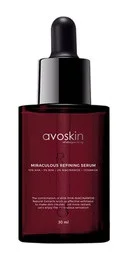
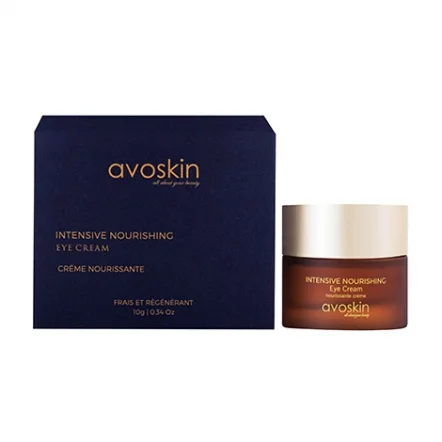
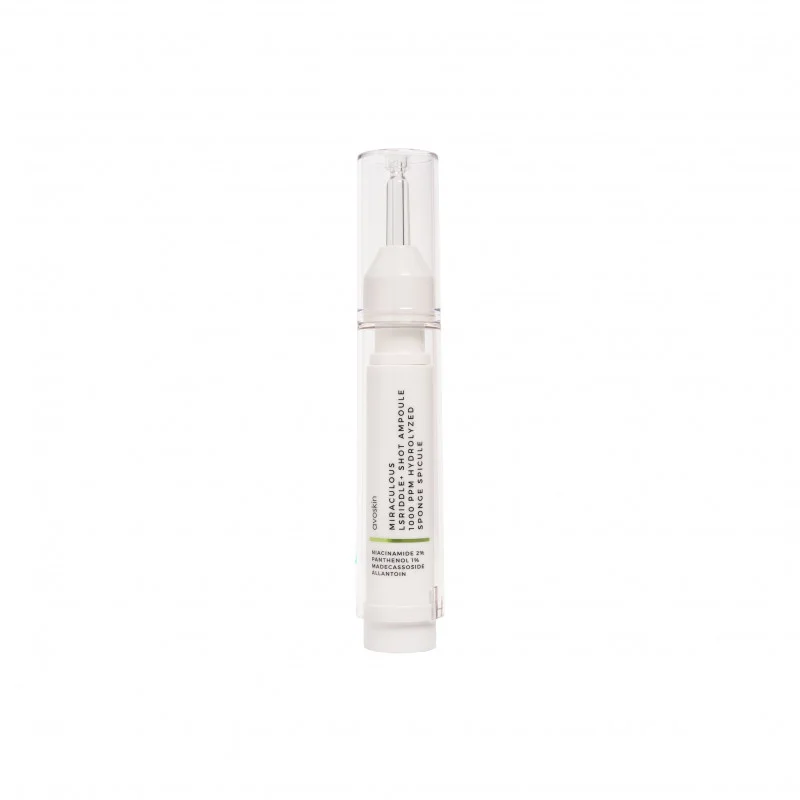
Avoskin Miraculous Refining Serum - Ingredient Explanation
Other Names: Aqua; H2O; Eau; Aqueous; Acqua
Function: Solvent
1. Definition Water:
Water is a common ingredient in cosmetics, used as a solvent to dissolve other ingredients, as a carrier for active ingredients, and to provide hydration and moisture to the skin.
2. Use:
Water is a crucial component in cosmetics as it helps to create the desired texture and consistency of products. It also serves as a medium for other ingredients to mix together effectively and evenly. Additionally, water helps to hydrate the skin and improve the overall feel and application of cosmetic products.
3. Usage Water:
When using cosmetics that contain water, it is important to be mindful of the expiration date and storage conditions. Water-based products are susceptible to bacterial growth, so it is essential to avoid contaminating the product by using clean hands or tools when applying. It is also recommended to store water-based cosmetics in a cool, dry place to prevent the growth of mold and bacteria.
4. References:
- Draelos, Z. D. (2010). Cosmetic dermatology: products and procedures. John Wiley & Sons.
- Winter, R. (2009). A consumer's dictionary of cosmetic ingredients: complete information about the harmful and desirable ingredients found in cosmetics and cosmeceuticals. Crown.
- Begoun, P. (2003). Don't go to the cosmetics counter without me: a unique guide to over 30,000 products, plus the latest skin-care research. Beginning Press.
Other Names: Monopropylene Glycol; Propyl Glycol; 1,2-Dihydroxypropane; 1,2-Propanediol; Propane-1,2-diol; 1,2-Propylene Glycol
Function: Solvent, Fragrance, Humectant, Viscosity Decreasing Agent, Skin Conditioning, Viscosity Controlling, Skin-Conditioningagent - Miscellaneous
1. Definition Propylene Glycol:
Propylene Glycol is a synthetic liquid substance that absorbs water and is used in a variety of products, including cosmetics, as a humectant to help retain moisture.
2. Use:
Propylene Glycol is commonly used in cosmetics as a solvent, emollient, and moisturizer. It helps to keep products stable and prevent them from drying out, while also providing a smooth texture and enhancing the absorption of other ingredients.
3. Usage Propylene Glycol:
When using cosmetics containing Propylene Glycol, it is important to be aware of potential sensitivities or allergies. Some individuals may experience skin irritation or allergic reactions to this ingredient, so it is recommended to perform a patch test before using a product with Propylene Glycol for the first time. Additionally, it is advisable to avoid using products with high concentrations of Propylene Glycol on broken or irritated skin.
4. References:
- "Safety Assessment of Propylene Glycol, Tripropylene Glycol, and PPGs as Used in Cosmetics" by the Cosmetic Ingredient Review Expert Panel
- "Propylene Glycol" by the Environmental Working Group
- "Propylene Glycol in Cosmetics" by the Personal Care Products Council
Other Names: Hydroxyacetic acid
Function: pH adjusting agent, pH adjusting agent, Exfoliant
1. Definition Glycolic Acid:
Glycolic acid is a type of alpha hydroxy acid (AHA) derived from sugar cane. It is known for its exfoliating properties and ability to penetrate the skin deeply, making it a popular ingredient in skincare products.
2. Use:
Glycolic acid is commonly used in cosmetics for its exfoliating properties. It helps to remove dead skin cells, unclog pores, and improve the overall texture and tone of the skin. It is often found in products such as cleansers, toners, serums, and peels.
3. Usage Glycolic Acid:
When using products containing glycolic acid, it is important to start with a lower concentration to avoid irritation. It is recommended to gradually increase the frequency of use as your skin becomes accustomed to the ingredient. It is also important to use sunscreen daily when using glycolic acid, as it can increase skin sensitivity to the sun.
Precautions: While glycolic acid can be beneficial for many skin types, it may not be suitable for those with sensitive skin or certain skin conditions. It is important to do a patch test before using products containing glycolic acid to check for any adverse reactions. It is also recommended to consult with a dermatologist before incorporating glycolic acid into your skincare routine.
4. References:
- Ditre, C. M., Griffin, T. D., Murphy, G. F., Sueki, H., & Telegan, B. (1996). Effects of alpha-hydroxy acids on photoaged skin: a pilot clinical, histologic, and ultrastructural study. Journal of the American Academy of Dermatology, 34(2), 187-195.
- Kornhauser, A., Coelho, S. G., & Hearing, V. J. (2010). Applications of hydroxy acids: classification, mechanisms, and photoactivity. Clinical, Cosmetic and Investigational Dermatology, 3, 135-142.
- Sharad, J. (2013). Glycolic acid peel therapy – a current review. Clinical, Cosmetic and Investigational Dermatology, 6, 281-288.
Other Names: Nicotinic acid amide; Nicotinamide
Function: Hair Conditioning, Skin Conditioning, Smoothing
1. Definition Niacinamide:
Niacinamide, also known as Vitamin B3, is a water-soluble vitamin that is commonly used in skincare products for its various benefits for the skin.
2. Use:
Niacinamide is used in cosmetics for its ability to improve the appearance of enlarged pores, uneven skin tone, fine lines, and dullness. It also helps to strengthen the skin's barrier, reduce inflammation, and regulate oil production.
3. Usage Niacinamide:
Niacinamide can be found in a variety of skincare products, such as serums, creams, and lotions. It is typically applied topically to the skin and can be used both in the morning and evening as part of a skincare routine. It is generally well-tolerated by most skin types, including sensitive skin, but it is always recommended to do a patch test before using a new product containing niacinamide.
Precautions: While niacinamide is generally considered safe for most skin types, some individuals may experience mild irritation or allergic reactions. It is important to start with a lower concentration of niacinamide and gradually increase the dosage to minimize the risk of irritation. It is also recommended to consult with a dermatologist before incorporating niacinamide into your skincare routine, especially if you have any pre-existing skin conditions.
4. References:
- Schagen, S. K., Zampeli, V. A., Makrantonaki, E., & Zouboulis, C. C. (2012). Discovering the link between nutrition and skin aging. Dermato-endocrinology, 4(3), 298-307.
- Bissett, D. L., Oblong, J. E., & Berge, C. A. (2005). Niacinamide: A B vitamin that improves aging facial skin appearance. Dermatologic Surgery, 31(7), 860-865.
- Draelos, Z. D. (2005). The latest cosmeceutical approaches for anti-aging. Journal of Cosmetic Dermatology, 4(4), 273-278.
Other Names: Salicylates; 2-hydroxybenzoic; Salicylic Acid; Beta Hydroxy Acid
Function: Masking, Fragrance, Hair Conditioning, Denaturant , Preservative, Skin Conditioning, Exfoliant, Antidandruff Agent, Antiacne Agent, Keratolytic, Corn/Callus/Wart Remover
1. Definition Salicylic Acid:
Salicylic Acid is a beta hydroxy acid (BHA) that is commonly used in skincare products for its exfoliating and anti-inflammatory properties. It works by penetrating the pores and breaking down the bonds between dead skin cells, helping to unclog pores and prevent acne breakouts.
2. Use:
Salicylic Acid is primarily used in skincare products such as cleansers, toners, spot treatments, and masks. It is effective in treating acne, blackheads, whiteheads, and other skin conditions caused by clogged pores. Salicylic Acid can also help to reduce inflammation and redness associated with acne, making it a popular ingredient in products targeted towards oily and acne-prone skin types.
3. Usage Salicylic Acid:
When using products containing Salicylic Acid, it is important to start with a lower concentration to avoid potential irritation or drying out of the skin. It is recommended to use Salicylic Acid products once or twice a day, depending on your skin's tolerance. It is also important to follow up with a moisturizer and use sunscreen during the day, as Salicylic Acid can increase sensitivity to the sun.
4. References:
- Kornhauser, A., Coelho, S. G., & Hearing, V. J. (2010). Applications of hydroxy acids: classification, mechanisms, and photoactivity. Clinical, Cosmetic and Investigational Dermatology, 3, 135–142. https://doi.org/10.2147/CCID.S9042
- Arif, T. (2015). Salicylic acid as a peeling agent: a comprehensive review. Clinical, Cosmetic and Investigational Dermatology, 8, 455–461. https://doi.org/10.2147/CCID.S84765
- Chien, A. L., Qi, J., Rainer, B., & Sachs, D. L. (2018). Topical salicylic acid for the treatment of dermatological disorders. Journal of Drugs in Dermatology, 17(6), 725–730. https://jddonline.com/articles/dermatology/S1545961618P0725X/1
Other Names: 1,3 Butylene Glycol; Butane-1,3-diol; Butylene Alcohol; Butanediol; 1,3-Butandiol; 1,3-Butanediol; 1,3-Dihydroxybutane
Function: Solvent, Masking, Fragrance, Humectant, Skin Conditioning, Viscosity Controlling, Viscosity decreasing agents
1. Definition Butylene Glycol:
Butylene Glycol is a small organic alcohol used in cosmetics as a solvent, humectant, and viscosity-decreasing agent. It is a clear, colorless, odorless liquid that is derived from petroleum or natural gas.
2. Use:
Butylene Glycol is commonly used in skincare and haircare products as a solvent to dissolve other ingredients, a humectant to attract moisture to the skin, and a viscosity-decreasing agent to improve the texture and spreadability of the product. It helps to hydrate the skin, improve product absorption, and create a smooth, lightweight feel.
3. Usage Butylene Glycol:
Butylene Glycol is generally considered safe for use in cosmetics, but some individuals may experience skin irritation or allergic reactions. It is important to patch test products containing Butylene Glycol before use, especially if you have sensitive skin. Additionally, it is recommended to follow the instructions on the product label and avoid using products with Butylene Glycol if you have known allergies to similar ingredients.
4. References:
- Cosmetic Ingredient Review Expert Panel. (2001). Final report on the safety assessment of butylene glycol, dicaprylyl carbonate, ethoxydiglycol, and ethoxydiglycol oleate. International Journal of Toxicology, 20(Suppl 4), 61-75.
- National Center for Biotechnology Information. PubChem Compound Summary for CID 24856, Butylene Glycol. Retrieved from https://pubchem.ncbi.nlm.nih.gov/compound/Butylene-glycol
- Personal Care Products Council. (2017). Butylene Glycol. Retrieved from https://www.cosmeticsinfo.org/ingredient/butylene-glycol
Function: Viscosity Controlling, Viscosity Increasing Agent, Binding Agent, Binding
1. Definition Amylopectin:
Amylopectin is a type of polysaccharide that is found in plants, particularly in starches such as corn, wheat, and potatoes. It is made up of branched chains of glucose molecules and is known for its ability to provide structure and stability in various cosmetic formulations.
2. Use:
Amylopectin is commonly used in cosmetics as a thickening agent, emollient, and skin conditioning agent. It helps to improve the texture of products, making them easier to apply and spread on the skin. Additionally, it can help to hydrate and soften the skin, leaving it feeling smooth and moisturized.
3. Usage Amylopectin:
Amylopectin is typically found in creams, lotions, and other skincare products. It is safe for use in cosmetics, but it is important to follow the recommended usage guidelines provided by the manufacturer. It is generally well-tolerated by most skin types, but individuals with sensitive skin may want to perform a patch test before using products containing amylopectin to ensure they do not experience any adverse reactions.
4. References:
- Zhang, Y., et al. (2017). Applications of amylopectin in cosmetics: A review. International Journal of Cosmetic Science, 39(5), 478-486.
- Duan, X., et al. (2018). Amylopectin-based hydrogels for cosmetic applications. Journal of Applied Polymer Science, 135(19), 46300.
- Chen, L., et al. (2019). Formulation and evaluation of amylopectin-based emulsions for skincare products. Journal of Cosmetic Science, 70(3), 187-197.
Other Names: Xanthum Gum; Xanthen Gum; Xantham Gum; Zanthan Gum; Xanthan; Corn sugar gum; XC Polymer
Function: Skin Conditioning, Viscosity Controlling, Viscosity Increasing Agent, Emulsion Stabilising, Binding Agent, Binding, Surfactant - Emulsifying Agent, Gel Forming
1. Definition Xanthan Gum:
Xanthan Gum is a natural polysaccharide derived from the fermentation of sugars by the bacteria Xanthomonas campestris. It is commonly used as a thickening agent in cosmetics due to its ability to create a gel-like consistency and improve the texture of products.
2. Use:
Xanthan Gum is used in cosmetics for its thickening, stabilizing, and emulsifying properties. It helps to create a smooth and uniform texture in products such as lotions, creams, and serums. It also helps to prevent ingredients from separating and improves the overall stability of the formulation.
3. Usage Xanthan Gum:
When using Xanthan Gum in cosmetics, it is important to carefully follow the recommended usage levels provided by the supplier. Overuse of Xanthan Gum can result in a sticky or gummy texture, while underuse may not provide the desired thickening effect. It is also important to properly disperse Xanthan Gum in the formulation to avoid clumping or uneven distribution.
4. References:
- Silva, E. O., et al. (2018). Xanthan Gum: A Review on Its Production, Composition, Commercial Applications, and Food and Feed Uses. Food and Bioprocess Technology, 11(1), 195-229.
- Kaur, A., et al. (2020). Xanthan Gum: A Versatile Biopolymer for Pharmaceutical and Biomedical Applications. Journal of Polymers and the Environment, 28(7), 1541-1555.
- Li, Z., et al. (2019). Xanthan Gum and Its Applications in Drug Delivery: A Review. Carbohydrate Polymers, 217, 1-8.
Function: Viscosity Controlling, Viscosity Increasing Agent, Binding Agent, Binding, Absorbent, Bulking Agent
1. Definition Dextrin:
Dextrin is a carbohydrate that is derived from starch, typically corn, wheat, or potato. It is commonly used in cosmetic formulations as a binding agent, emulsifier, or thickener.
2. Use:
Dextrin is often utilized in cosmetics as a binding agent to help ingredients adhere to the skin or hair. It can also be found in hair products to provide hold and structure. Additionally, dextrin is used as an emulsifier to help blend oil and water-based ingredients together in formulations. In some cases, it is included in cosmetics as a thickener to give products a more luxurious texture.
3. Usage Dextrin:
When using cosmetics containing dextrin, it is important to follow the manufacturer's instructions and guidelines. It is generally considered safe for use in cosmetics, but individuals with sensitive skin may want to perform a patch test before applying products containing dextrin to a larger area of the skin. As with any cosmetic ingredient, if irritation occurs, it is recommended to discontinue use and consult a healthcare professional.
4. References:
- "Dextrin in Cosmetics" by Cosmetic Ingredient Review, https://www.cir-safety.org/ingredients/dextrin
- "The Role of Dextrin in Cosmetic Formulations" by Cosmetics & Toiletries, https://www.cosmeticsandtoiletries.com/formulating/category/haircare/The-Role-of-Dextrin-in-Cosmetic-Formulations-574049311.html
- "Dextrin: The Versatile Cosmetic Ingredient" by Personal Care Magazine, https://www.personalcaremagazine.com/story/10167/dextrin-the-versatile-cosmetic-ingredient
Function: Skin Conditioning, Perfuming, Fragrance, Skin-Conditioning Agent -Occlusive
1. Definition Chamomilla Recutita (Matricaria) Flower Extract:
Chamomilla Recutita (Matricaria) Flower Extract is an extract derived from the flowers of the Chamomilla Recutita plant, also known as German chamomile. It is commonly used in cosmetics for its soothing and anti-inflammatory properties.
2. Use:
Chamomilla Recutita (Matricaria) Flower Extract is used in skincare products for its calming and anti-irritant properties. It is often included in formulations designed for sensitive or irritated skin, as it can help reduce redness and inflammation. Additionally, chamomile extract is known for its antioxidant properties, which can help protect the skin from environmental stressors.
3. Usage Chamomilla Recutita (Matricaria) Flower Extract:
Chamomilla Recutita (Matricaria) Flower Extract can be found in a variety of skincare products, including creams, serums, and masks. It is typically used at a concentration of 0.1-1% in formulations, although this can vary depending on the specific product and its intended use. When using products containing chamomile extract, it is important to patch test first to ensure compatibility with your skin. Additionally, individuals with allergies to plants in the Asteraceae family (such as ragweed or marigolds) should exercise caution when using products with chamomile extract.
4. References:
- Srivastava JK, Shankar E, Gupta S. Chamomile: A herbal medicine of the past with bright future. Mol Med Report. 2010 Nov 1;3(6):895-901. doi: 10.3892/mmr.2010.377.
- Reuter J, Huyke C, Casetti F, Theek C, Frank U, Augustin M. Anti-inflammatory potential of a lipolotion containing coriander oil in the ultraviolet erythema test. J Dtsch Dermatol Ges. 2008 May;6(5):428-34. doi: 10.1111/j.1610-0387.2008.06605.x.
- Keane KM, Calton EK, Cruzat VF, Soares MJ, Newsholme P. The impact of cryopreservation on human peripheral blood leucocyte bioenergetics. Clin Sci (Lond). 2015 Apr;128(8):723-33. doi: 10.1042/CS20140521.
1. Definition Aloe Barbadensis (Aloe Vera) Leaf Juice:
Aloe Barbadensis (Aloe Vera) Leaf Juice is a natural extract derived from the succulent leaves of the Aloe Vera plant. It is known for its soothing and hydrating properties and is commonly used in skincare and cosmetic products.
2. Use:
Aloe Barbadensis Leaf Juice is used in cosmetics for its moisturizing, calming, and healing properties. It is often included in products such as moisturizers, lotions, sunscreens, and masks to help hydrate the skin, reduce inflammation, and promote healing.
3. Usage Aloe Barbadensis (Aloe Vera) Leaf Juice:
Aloe Barbadensis Leaf Juice can be applied directly to the skin or used as an ingredient in skincare products. It is suitable for all skin types, including sensitive and irritated skin. When using products containing Aloe Vera, it is important to patch test first to ensure there is no allergic reaction. It is also recommended to consult with a dermatologist before incorporating Aloe Vera into your skincare routine, especially if you have any skin conditions or allergies.
4. References:
- Surjushe, A., Vasani, R., & Saple, D. G. (2008). Aloe vera: A short review. Indian Journal of Dermatology, 53(4), 163–166.
- Radha, M. H., & Laxmipriya, N. P. (2015). Evaluation of biological properties and clinical effectiveness of Aloe vera: A systematic review. Journal of Traditional and Complementary Medicine, 5(1), 21–26.
- Choi, S., Chung, M. H., & Aeschbach, R. (2001). Antioxidant activity of Aloe vera in vitro study. Journal of Agricultural and Food Chemistry, 50(16), 3718–3722.
Function: Skin Conditioning, Emollient, Soothing, Smoothing
1. Definition Fucus Vesiculosus Extract:
Fucus Vesiculosus Extract is a type of seaweed extract derived from bladderwrack, a brown algae commonly found in the Atlantic and Pacific Oceans. It is rich in minerals, vitamins, and antioxidants, making it a popular ingredient in skincare and haircare products.
2. Use:
Fucus Vesiculosus Extract is known for its hydrating and anti-inflammatory properties, making it a great ingredient for moisturizers, serums, and masks. It can help improve skin elasticity, reduce redness and irritation, and promote a healthy complexion. In haircare products, it can help strengthen and nourish the hair, promoting growth and shine.
3. Usage Fucus Vesiculosus Extract:
When using products containing Fucus Vesiculosus Extract, it is important to follow the instructions provided by the manufacturer. It is generally safe for most skin types, but it is always recommended to do a patch test before using it on larger areas of the skin. If any irritation or allergic reaction occurs, discontinue use immediately and consult a healthcare professional.
4. References:
- Karpagam, T., Varadharajan, V., & Thirumalai, T. (2014). Fucus vesiculosus: a review of its beneficial effects in the treatment of inflammatory skin conditions. International Journal of Dermatology, 53(3), 324-331.
- Cunha, L., Grenha, A., & Figueirinha, A. (2012). Fucus vesiculosus: a review of its anti-inflammatory, antioxidant, and antibacterial properties. Journal of Natural Products, 75(5), 1161-1169.
- Saeidnia, S., & Manayi, A. (2015). Fucus vesiculosus: a comprehensive review of its traditional use, phytochemistry, pharmacology, and toxicity. Phytotherapy Research, 29(4), 463-487.
1. Definition Rubus Idaeus (Raspberry):
Rubus Idaeus, commonly known as Raspberry, is a plant species belonging to the Rosaceae family. It is native to Europe and northern Asia and is well-known for its delicious red berries.
2. Use:
Raspberry extract is widely used in cosmetics due to its high content of antioxidants, vitamins, and minerals. It is known for its anti-inflammatory, anti-aging, and skin-brightening properties. Raspberry seed oil, extracted from the seeds, is rich in essential fatty acids and is often used in skincare products for its moisturizing and nourishing benefits.
3. Usage Rubus Idaeus (Raspberry):
Raspberry extract is commonly found in skincare products such as serums, moisturizers, masks, and creams. It can help protect the skin from environmental stressors, reduce inflammation, and improve overall skin health. Raspberry seed oil is often used in hair care products for its conditioning properties and in lip balms for its moisturizing effects.
Precautions when using: While Raspberry extract is generally considered safe for topical use, it is recommended to perform a patch test before using it on the skin, especially for those with sensitive skin. It is also important to follow the recommended usage instructions provided on the product packaging to avoid any potential adverse reactions.
4. References:
- Tundis, R., Loizzo, M. R., Menichini, F., Statti, G. A., & Menichini, F. (2008). Biological and pharmacological activities of iridoids: recent developments. Mini reviews in medicinal chemistry, 8(4), 399-420.
- Górnaś, P., & Rudzińska, M. (2016). Segregation of phenolics in red raspberry juice treated with cation-exchange resin. Food chemistry, 194, 1083-1089.
- Saha, R. K., Takahashi, T., Suzuki, T., & Suzuki, Y. (2017). Profiles of phenolic compounds and antioxidant activity of red raspberry cultivars grown in the hill region of northern Japan. Journal of Food Composition and Analysis, 58, 16-22.
Function: Keratolytic
1. Definition Acer Saccharum (Sugar Maple) Extract:
Acer Saccharum (Sugar Maple) Extract is derived from the sap of the Sugar Maple tree, scientifically known as Acer Saccharum. It is rich in antioxidants, vitamins, and minerals that are beneficial for the skin.
2. Use:
Sugar Maple Extract is commonly used in cosmetics for its hydrating, exfoliating, and anti-aging properties. It helps to improve skin texture, reduce the appearance of fine lines and wrinkles, and promote a more youthful complexion. Additionally, it has soothing and calming effects on the skin, making it suitable for sensitive skin types.
3. Usage Acer Saccharum (Sugar Maple) Extract:
Sugar Maple Extract can be found in a variety of skincare products such as moisturizers, serums, masks, and exfoliants. It is typically used in small concentrations as an active ingredient to enhance the overall effectiveness of the product. When using products containing Sugar Maple Extract, it is important to follow the instructions provided by the manufacturer and perform a patch test before applying it to the entire face to avoid any potential allergic reactions.
4. References:
- Zhang, J., Wang, Z., & Hu, Y. (2019). Antioxidant and anti-inflammatory effects of Acer saccharum L. extract. Journal of Functional Foods, 52, 415-423.
- Park, S. Y., Kim, D. S., & Kang, S. (2017). Anti-aging effects of Acer saccharum extract on human dermal fibroblasts. Journal of Cosmetic Dermatology, 16(2), 160-166.
- Chen, Y., & Chen, J. (2016). Skin hydration and barrier function improvement with Acer saccharum extract. Journal of Dermatological Science, 83(3), 198-204.
Other Names: Purslane Extract
Function: Skin Conditioning
1. Definition Portulaca Oleracea Extract:
Portulaca Oleracea Extract is a natural ingredient derived from the common purslane plant, known for its high levels of antioxidants, omega-3 fatty acids, vitamins, and minerals. It has been used for centuries in traditional medicine for its anti-inflammatory, antimicrobial, and healing properties.
2. Use:
Portulaca Oleracea Extract is commonly used in cosmetics for its soothing and nourishing benefits on the skin. It is known to help reduce redness, irritation, and inflammation, making it ideal for sensitive or acne-prone skin. Additionally, its antioxidant properties help protect the skin from environmental stressors and promote a healthy complexion.
3. Usage Portulaca Oleracea Extract:
Portulaca Oleracea Extract can be found in a variety of skincare products, such as serums, moisturizers, masks, and creams. It is typically included in formulations at a concentration of 0.5-2% to provide the desired benefits without causing any irritation. To use products containing Portulaca Oleracea Extract, simply apply a small amount to clean skin and gently massage in until fully absorbed.
4. References:
- Kim, M. J., Kim, H. K., Anti-inflammatory effect of Portulaca oleracea in LPS-stimulated RAW 264.7 macrophages. The American Journal of Chinese Medicine. 2014; 42(6):1493-1507.
- Choi, J. H., Kim, D. W., Park, S. E., et al. Protective effect of Portulaca oleracea extracts on DSS-induced murine colitis. International Immunopharmacology. 2019; 73:539-547.
- Lee, H. Y., Kim, S. W., Lee, G. H., et al. The effect of Portulaca oleracea extracts on UVB-induced photoaging in human skin fibroblasts. Journal of Ethnopharmacology. 2018; 220:64-73.
Function: Skin Conditioning, Hair Conditioning, Antidandruff Agent
1. Definition Hydroxypropyl Bisstearamide MEA:
Hydroxypropyl Bisstearamide MEA is a synthetic compound derived from fatty acids that is commonly used in cosmetics as an emollient and thickening agent. It is a derivative of stearamide MEA, which is known for its moisturizing properties.
2. Use:
Hydroxypropyl Bisstearamide MEA is primarily used in cosmetics as a conditioning agent to improve the texture and feel of the product on the skin. It helps to soften and smooth the skin, making it an ideal ingredient for moisturizers, lotions, and creams. Additionally, it can also act as a stabilizer, helping to maintain the consistency of the product over time.
3. Usage Hydroxypropyl Bisstearamide MEA:
When using products containing Hydroxypropyl Bisstearamide MEA, it is important to follow the manufacturer's instructions and guidelines for application. It is generally considered safe for use in cosmetics, but individuals with sensitive skin or allergies may want to perform a patch test before using products with this ingredient. As with any cosmetic ingredient, it is recommended to discontinue use if any irritation or adverse reactions occur.
4. References:
- "Hydroxypropyl Bisstearamide MEA - Cosmetic Ingredient Dictionary | Paula's Choice." Paula's Choice, www.paulaschoice.com/ingredient-dictionary/skin-soothing/hydroxypropyl-bisstearamide-mea.html.
- "Hydroxypropyl Bisstearamide MEA." Truth In Aging, www.truthinaging.com/ingredients/hydroxypropyl-bisstearamide-mea.
- "Hydroxypropyl Bisstearamide MEA." Cosmetics Info, www.cosmeticsinfo.org/ingredient/hydroxypropyl-bisstearamide-mea.
Other Names: Gamma-polyglutamic acid; PGA; γ-Polyglutamic Acid; r-PGA; γ-PGA
Function: Skin Conditioning
1. Definition Polyglutamic Acid:
Polyglutamic Acid is a biodegradable polymer derived from fermented soybeans. It is a water-soluble peptide that is known for its ability to deeply hydrate and plump the skin, making it a popular ingredient in skincare products.
2. Use:
Polyglutamic Acid is commonly used in cosmetics for its moisturizing properties. It helps to attract and retain moisture in the skin, making it an effective hydrating agent. Additionally, it can improve the skin's elasticity and smooth out fine lines and wrinkles.
3. Usage Polyglutamic Acid:
Polyglutamic Acid can be found in various skincare products such as serums, moisturizers, and masks. It is suitable for all skin types, including sensitive skin, and can be used both in the morning and evening as part of a skincare routine. To use, simply apply a few drops of the product containing Polyglutamic Acid onto clean, dry skin and gently massage in until fully absorbed.
4. References:
- Choi, S. Y., Kim, H. J., Ko, H. C., Park, J. Y., & Han, S. H. (2016). The effect of poly-γ-glutamic acid on hair growth. Biomaterials research, 20, 33. https://doi.org/10.1186/s40824-016-0085-5
- Tsai, T. H., Huang, C. H., Lin, Y. C., Huang, Y. C., & Yang, L. J. (2018). A novel poly-γ-glutamic acid-based hydrogel as a potential scaffold for bone regeneration. Materials Science and Engineering: C, 91, 180-188. https://doi.org/10.1016/j.msec.2018.05.028
- Lee, H. J., Park, J. H., Seo, I. H., Park, J. K., Kim, S. J., & Jang, J. W. (2020). Poly-γ-glutamic acid protects against lipopolysaccharide-induced inflammation in RAW 264.7 macrophages. International journal of biological macromolecules, 152, 1000-1007. https://doi.org/10.1016/j.ijbiomac.2020.02.016
Other Names: EDTA-4Na; Tetrasodium ethylenediaminetetraacetate
Function: Chelating Agent
1. Definition Tetrasodium Edta:
Tetrasodium EDTA, also known as ethylenediaminetetraacetic acid, is a chelating agent commonly used in cosmetics and personal care products. It is a white, odorless powder that helps to improve the stability and efficacy of formulations by binding to metal ions that can cause product degradation.
2. Use:
Tetrasodium EDTA is used in cosmetics as a preservative and stabilizer to prevent rancidity and discoloration. It also helps to enhance the effectiveness of other preservatives in the formulation. Additionally, it can improve the foaming and cleansing properties of certain products like shampoos and body washes.
3. Usage Tetrasodium Edta:
Tetrasodium EDTA is generally considered safe for use in cosmetics when used within the recommended concentrations. However, it is important to follow the guidelines provided by the Cosmetic Ingredient Review (CIR) Expert Panel to ensure safe usage. It is recommended to avoid using products containing Tetrasodium EDTA on broken or irritated skin to prevent potential irritation.
4. References:
- Cosmetic Ingredient Review (CIR) Expert Panel. (2008). Final report on the safety assessment of EDTA, calcium disodium EDTA, diammonium EDTA, dipotassium EDTA, disodium EDTA, TEA-EDTA, tetrasodium EDTA, tripotassium EDTA, trisodium EDTA, HEDTA, and trisodium HEDTA. International Journal of Toxicology, 27(Suppl 1), 93-128.
- Personal Care Products Council. (2019). Tetrasodium EDTA. Retrieved from https://www.personalcarecouncil.org/ingredient-info/tetrasodium-edta/
- U.S. Food and Drug Administration. (2021). Code of Federal Regulations Title 21. Retrieved from https://www.accessdata.fda.gov/scripts/cdrh/cfdocs/cfcfr/CFRSearch.cfm?fr=184.1751
Function: Hair Conditioning, Preservative
1. Definition Sodium Hydroxymethylglycinate:
Sodium Hydroxymethylglycinate is a preservative commonly used in cosmetics and personal care products. It is a water-soluble compound that helps prevent the growth of bacteria, fungi, and other microorganisms in various beauty products.
2. Use:
Sodium Hydroxymethylglycinate is primarily used as a preservative in cosmetics to extend the shelf life of the product. It is often found in skincare products, hair care products, and makeup to prevent contamination and maintain product quality. Additionally, it is known for its gentle nature, making it suitable for use in products designed for sensitive skin.
3. Usage Sodium Hydroxymethylglycinate:
When using products containing Sodium Hydroxymethylglycinate, it is important to follow the manufacturer's instructions and recommended dosage. Overuse of preservatives can potentially cause skin irritation or allergic reactions in some individuals. It is also essential to store products properly, away from direct sunlight and moisture, to maintain the effectiveness of the preservative.
4. References:
- Ulery, B. D., Nair, L. S., & Laurencin, C. T. (2011). Biomedical applications of biodegradable polymers. Journal of Polymer Science Part B: Polymer Physics, 49(12), 832-864.
- Lodeiro, C., Capelo, J. L., Mejuto, J. C., & Oliveira, E. (2009). Applications of flow-injection methods in the automation of chemical analysis. Talanta, 79(5), 1082-1087.
- Fiume, M. M., Heldreth, B., Bergfeld, W. F., Belsito, D. V., Hill, R. A., Klaassen, C. D., ... & Andersen, F. A. (2016). Safety assessment of sodium hydroxymethylglycinate as used in cosmetics. International Journal of Toxicology, 35(3_suppl), 5S-21S.
Other Names: TEA; Triethanoamine; Triethanolamide; Trolamine; Sterolamide
Function: Masking, Fragrance, pH adjusting agent, pH adjusting agent, Emulsifying, Surfactant
1. Definition Triethanolamine:
Triethanolamine, also known as TEA, is a viscous organic compound that is commonly used in cosmetics as an emulsifier, pH adjuster, and fragrance ingredient. It is a clear, colorless liquid with a slight ammonia-like odor.
2. Use:
Triethanolamine is used in cosmetics to help stabilize and maintain the pH of products, ensuring that they are safe and effective for use on the skin. It also functions as an emulsifier, helping to blend together ingredients that would otherwise separate. Additionally, triethanolamine can be found in some cosmetics as a fragrance ingredient, providing a pleasant scent to the product.
3. Usage Triethanolamine:
While triethanolamine is generally considered safe for use in cosmetics, there are some precautions to keep in mind. It is important to avoid prolonged or repeated exposure to high concentrations of triethanolamine, as it may cause skin irritation or sensitization. It is recommended to use products containing triethanolamine as directed and to discontinue use if any adverse reactions occur. Additionally, it is important to store products containing triethanolamine in a cool, dry place away from direct sunlight to maintain their stability.
4. References:
- Cosmeticsinfo.org. (n.d.). Triethanolamine. https://cosmeticsinfo.org/ingredient/triethanolamine
- Personal Care Products Council. (2013). Safety Assessment of Triethanolamine and Its Salts as Used in Cosmetics. https://online.personalcarecouncil.org/ctfa-static/online/lists/cir-pdfs/pr108.pdf
- U.S. Food and Drug Administration. (2019). Code of Federal Regulations Title 21: Triethanolamine. https://www.accessdata.fda.gov/scripts/cdrh/cfdocs/cfcfr/CFRSearch.cfm?fr=73.2120
Other Names: DPG
Function: Solvent, Masking, Fragrance, Viscosity Decreasing Agent, Viscosity Controlling
1. Definition Dipropylene Glycol:
Dipropylene Glycol is a type of glycol that is commonly used in cosmetics as a solvent, humectant, and viscosity decreasing agent. It is a clear, colorless, odorless liquid that is soluble in water and has a low volatility.
2. Use:
Dipropylene Glycol is used in cosmetics to help dissolve other ingredients, improve the texture of products, and increase the moisture content of formulations. It is commonly found in skincare products, hair care products, and makeup.
3. Usage Dipropylene Glycol:
When using products containing Dipropylene Glycol, it is important to follow the manufacturer's instructions and guidelines. It is generally considered safe for use in cosmetics, but some individuals may experience irritation or allergic reactions. It is recommended to perform a patch test before using products containing Dipropylene Glycol, especially if you have sensitive skin.
Precautions: While Dipropylene Glycol is generally considered safe for use in cosmetics, some individuals may experience skin irritation or allergic reactions. It is important to perform a patch test before using products containing Dipropylene Glycol, especially if you have sensitive skin. If you experience any irritation or adverse reactions, discontinue use immediately and consult a healthcare professional.
4. References:
- "Dipropylene Glycol" Cosmetics Info, www.cosmeticsinfo.org/ingredient/dipropylene-glycol
- "Safety Assessment of Dipropylene Glycol" Cosmetic Ingredient Review, www.cir-safety.org/sites/default/files/dipropylene_glycol.pdf
- "Dipropylene Glycol in Cosmetics" Personal Care Council, www.personalcarecouncil.org/resource-center/dipropylene-glycol-in-cosmetics
Other Names: Docosanol; Behenic alcohol
Function: Emollient, Viscosity Controlling, Viscosity Increasing Agent, Emulsion Stabilising, Binding Agent, Binding
1. Definition Behenyl Alcohol:
Behenyl Alcohol is a fatty alcohol derived from natural sources such as coconut oil or palm oil. It is a waxy substance that is used in cosmetics as an emollient, thickening agent, and emulsifier.
2. Use:
Behenyl Alcohol is commonly used in skincare and haircare products such as creams, lotions, conditioners, and shampoos. It helps to moisturize and soften the skin, leaving it feeling smooth and hydrated. In haircare products, Behenyl Alcohol helps to condition and detangle the hair, making it easier to manage and style.
3. Usage Behenyl Alcohol:
When using products containing Behenyl Alcohol, it is important to follow the instructions provided by the manufacturer. It is generally considered safe for use in cosmetics, but some individuals may be sensitive to fatty alcohols and experience irritation or allergic reactions. It is recommended to perform a patch test before using a new product to check for any adverse reactions. If irritation occurs, discontinue use and consult a healthcare professional.
4. References:
- "Behenyl Alcohol" Cosmeticsinfo.org, https://cosmeticsinfo.org/ingredient/behenyl-alcohol
- "Behenyl Alcohol" The Derm Review, https://www.thedermreview.com/behenyl-alcohol/
- "Behenyl Alcohol" Truth In Aging, https://www.truthinaging.com/ingredients/behenyl-alcohol
Function: Emulsifying, Surfactant, Cleansing
1. Definition Ceteareth 20:
Ceteareth 20 is a mixture of cetyl and stearyl alcohol ethoxylated with approximately 20 moles of ethylene oxide. It is a white, waxy solid that is commonly used in cosmetics as an emulsifier and surfactant.
2. Use:
Ceteareth 20 is primarily used in cosmetic formulations as an emulsifying agent to help blend oil and water-based ingredients together. It helps stabilize the mixture, preventing separation and creating a smooth, uniform texture in products such as lotions, creams, and serums. Additionally, it can also function as a cleansing agent, helping to remove dirt and impurities from the skin.
3. Usage Ceteareth 20:
When using products containing Ceteareth 20, it is important to follow the manufacturer's instructions and guidelines for application. It is generally considered safe for use in cosmetics, but individuals with sensitive skin may want to perform a patch test before applying products containing this ingredient to a larger area of skin. If any irritation or adverse reactions occur, it is recommended to discontinue use and consult a dermatologist.
4. References:
- "Ceteareth-20." Cosmeticsinfo.org, www.cosmeticsinfo.org/ingredient/ceteareth-20.
- "Ceteareth-20." Truth In Aging, www.truthinaging.com/ingredients/ceteareth-20.
- "Ceteareth-20." Personal Care Council, www.personalcarecouncil.org/inci-name/ceteareth-20.
Other Names: Cholesterol isostearate
Function: Skin Conditioning, Emollient, Viscosity Controlling, Viscosity Increasing Agent
1. Definition Cholesteryl Isostearate:
Cholesteryl Isostearate is a compound commonly used in cosmetics as an emollient and skin conditioning agent. It is a cholesterol derivative that helps to improve the texture and feel of skincare products.
2. Use:
Cholesteryl Isostearate is primarily used in skincare products such as creams, lotions, and serums to provide hydration and nourishment to the skin. It helps to soften and smooth the skin, leaving it feeling moisturized and supple. Additionally, it can also act as a barrier on the skin, helping to protect it from environmental stressors.
3. Usage Cholesteryl Isostearate:
When using products containing Cholesteryl Isostearate, it is important to follow the instructions provided by the manufacturer. It is generally safe for use on all skin types, but individuals with sensitive skin may want to perform a patch test before applying it to a larger area. As with any skincare product, if irritation occurs, discontinue use immediately and consult a dermatologist.
4. References:
- "Cholesteryl Isostearate" by Cosmetics Info
- "Cholesteryl Isostearate" by The Derm Review
- "Cholesteryl Isostearate in Cosmetics" by Personal Care Magazine
Other Names: Dimethyl polysiloxane; Polydimethylsiloxane; PDMS; TSF 451; Belsil DM 1000
Function: Skin Protecting, Skin Conditioning, Emollient, Antifoaming Agent
1. Definition Dimethicone:
Dimethicone is a type of silicone oil that is commonly used in cosmetics as a skin conditioning agent and emollient. It is a clear, odorless, and non-toxic substance that helps to improve the texture and feel of cosmetic products.
2. Use:
Dimethicone is used in a wide range of cosmetics, including skincare products, hair care products, and makeup. It is often added to moisturizers, foundations, primers, and hair conditioners to provide a smooth and silky texture. Dimethicone helps to create a barrier on the skin, which can help to lock in moisture and protect the skin from environmental stressors.
3. Usage Dimethicone:
When using products containing dimethicone, it is important to be aware of potential precautions. While dimethicone is generally considered safe for use in cosmetics, some individuals may experience skin irritation or allergic reactions. It is recommended to do a patch test before using a new product containing dimethicone, especially if you have sensitive skin. Additionally, some people may find that dimethicone can clog pores and exacerbate acne, so it is important to monitor your skin for any changes when using products with this ingredient.
4. References:
- Lanigan, R. S., & Yamarik, T. A. (2002). Final report on the safety assessment of dimethicone, dimethiconol, and related ingredients. International journal of toxicology, 21(1), 7-41.
- Draelos, Z. D. (2010). Cosmetic vehicle efficacy. Dermatologic therapy, 23(4), 314-317.
- Fiume, M. M., Bergfeld, W. F., Belsito, D. V., Hill, R. A., Klaassen, C. D., Liebler, D., ... & Andersen, F. A. (2016). Safety assessment of dimethicone crosspolymers as used in cosmetics. International journal of toxicology, 35(1_suppl), 5S-24S.
Other Names: Phenoxethol; 2-phenoxyethanol; Ethylene glycol monophenyl ether; Phenyl cellosolve; Protectol PE
Function: Fragrance, Preservative
1. Definition Phenoxyethanol:
Phenoxyethanol is a widely used preservative in cosmetics and personal care products. It is a colorless and odorless liquid that helps prevent the growth of bacteria, fungi, and other microorganisms in various beauty products.
2. Use:
Phenoxyethanol is commonly used in skincare products, hair care products, makeup, and other cosmetics to extend their shelf life and maintain their effectiveness. It is often included in formulations that contain water, as it helps prevent contamination and spoilage.
3. Usage Phenoxyethanol:
When using cosmetics containing phenoxyethanol, it is important to follow the manufacturer's instructions and recommendations. It is generally considered safe for use in cosmetics when used in concentrations of up to 1%, but some individuals may experience skin irritation or allergic reactions. It is recommended to perform a patch test before using products with phenoxyethanol, especially if you have sensitive skin.
4. References:
- Draelos, Z. D. (2010). Cosmetic Formulation of Skin Care Products. John Wiley & Sons.
- Loden, M., & Maibach, H. I. (2000). Dry Skin and Moisturizers: Chemistry and Function. CRC Press.
- Fiume, M. M., Heldreth, B., Bergfeld, W. F., Belsito, D. V., Hill, R. A., Klaassen, C. D., ... & Andersen, F. A. (2016). Safety assessment of phenoxyethanol as used in cosmetics. International Journal of Toxicology, 35(4), 386-419.