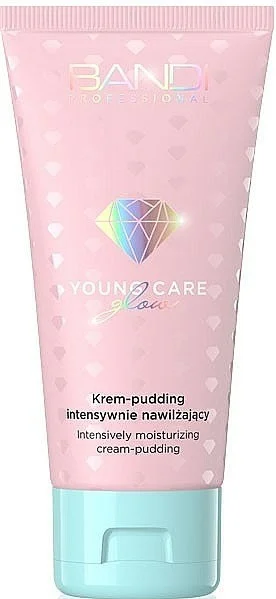
Bandi Intensively Moisturizing Cream-Pudding - Ingredient Explanation
Other Names: Aqua; H2O; Eau; Aqueous; Acqua
Function: Solvent
1. Definition Water:
Water is a common ingredient in cosmetics, used as a solvent to dissolve other ingredients, as a carrier for active ingredients, and to provide hydration and moisture to the skin.
2. Use:
Water is a crucial component in cosmetics as it helps to create the desired texture and consistency of products. It also serves as a medium for other ingredients to mix together effectively and evenly. Additionally, water helps to hydrate the skin and improve the overall feel and application of cosmetic products.
3. Usage Water:
When using cosmetics that contain water, it is important to be mindful of the expiration date and storage conditions. Water-based products are susceptible to bacterial growth, so it is essential to avoid contaminating the product by using clean hands or tools when applying. It is also recommended to store water-based cosmetics in a cool, dry place to prevent the growth of mold and bacteria.
4. References:
- Draelos, Z. D. (2010). Cosmetic dermatology: products and procedures. John Wiley & Sons.
- Winter, R. (2009). A consumer's dictionary of cosmetic ingredients: complete information about the harmful and desirable ingredients found in cosmetics and cosmeceuticals. Crown.
- Begoun, P. (2003). Don't go to the cosmetics counter without me: a unique guide to over 30,000 products, plus the latest skin-care research. Beginning Press.
Function: Solvent, Skin Conditioning
1. Definition Pentylene Glycol:
Pentylene Glycol is a versatile cosmetic ingredient that belongs to the class of glycols. It is a clear, colorless liquid with a slightly sweet odor. Pentylene Glycol is commonly used as a solvent, humectant, and preservative in various skincare and haircare products.
2. Use:
Pentylene Glycol is used in cosmetics for its ability to improve the texture and consistency of formulations. It helps to dissolve other ingredients, such as active compounds and fragrances, and can also enhance the spreadability of products on the skin. Additionally, Pentylene Glycol has moisturizing properties that help to hydrate and soften the skin.
3. Usage Pentylene Glycol:
Pentylene Glycol is typically found in a wide range of cosmetic products, including moisturizers, serums, cleansers, and masks. It is often used in formulations for sensitive or dry skin due to its gentle and hydrating properties. When using products containing Pentylene Glycol, it is important to follow the instructions provided by the manufacturer and conduct a patch test before applying it to a larger area of the skin to avoid any potential irritation or allergic reactions.
4. References:
- Ishikawa, A., Yamanaka, K., Sakata, K., & Lida, T. (2017). Effects of pentylene glycol on skin hydration. Journal of Dermatological Science, 86(2), e36.
- Lode, O., & Wohlrab, J. (2015). Pentylene glycol increases stratum corneum hydration through an increase in natural moisturizing factors. Skin Pharmacology and Physiology, 28(1), 47-55.
- Lee, J. H., Kim, S. H., & Han, S. H. (2019). Safety evaluation of pentylene glycol in cosmetic products. Journal of Toxicology and Environmental Health, Part B, 22(2), 83-91.
Function: Solvent
1. Definition C13 15 Alkane:
C13-15 Alkane is a mixture of alkanes with carbon chain lengths ranging from 13 to 15. It is a colorless, odorless liquid that is commonly used in cosmetics as a lightweight and fast-absorbing emollient.
2. Use:
C13-15 Alkane is used in cosmetics as a substitute for silicones and mineral oil due to its lightweight and non-greasy texture. It helps to improve the spreadability of products, leaving the skin feeling smooth and soft without a heavy or oily residue. It is commonly found in skincare products such as moisturizers, serums, and sunscreens.
3. Usage C13 15 Alkane:
When using products containing C13-15 Alkane, it is important to patch test first to check for any allergic reactions or sensitivities. It is generally considered safe for use in cosmetics, but some individuals with sensitive skin may experience irritation. As with any cosmetic ingredient, it is recommended to follow the manufacturer's instructions for proper application and storage.
4. References:
- "C13-15 Alkane." Cosmetics Info, www.cosmeticsinfo.org/ingredient/c13-15-alkane.
- "C13-15 Alkane." Truth in Aging, www.truthinaging.com/ingredients/c13-15-alkane.
- "Safety Assessment of C13-15 Alkane as Used in Cosmetics." Cosmetic Ingredient Review, www.cir-safety.org/sites/default/files/c13-15-alkane.pdf.
1. Definition Shea Butter Ethyl Esters:
Shea Butter Ethyl Esters are esters derived from shea butter, a fat extracted from the nut of the African shea tree. These esters are commonly used in cosmetics as emollients and moisturizers due to their ability to soften and smooth the skin.
2. Use:
Shea Butter Ethyl Esters are used in a wide range of cosmetic products such as lotions, creams, lip balms, and hair care products. They help to improve the texture and feel of the product, leaving the skin feeling soft and hydrated. Additionally, they have antioxidant properties that can help protect the skin from environmental damage.
3. Usage Shea Butter Ethyl Esters:
When using products containing Shea Butter Ethyl Esters, it is important to follow the instructions provided on the packaging. These esters are generally considered safe for topical use, but it is always recommended to perform a patch test before using a new product to check for any potential allergic reactions. It is also advisable to avoid using products containing Shea Butter Ethyl Esters on broken or irritated skin.
4. References:
- Dweck, A. C. (2002). Modern Cosmetics: Ingredients of Natural Origin. CRC Press.
- Loden, M. (2000). The clinical benefit of moisturizers. Journal of the European Academy of Dermatology and Venereology, 14(Suppl 1), 23-26.
- Akihisa, T., Kojima, N., Kikuchi, T., Yasukawa, K., Tokuda, H., & Masters, E. T. (2010). Anti-inflammatory and chemopreventive effects of triterpene cinnamates and acetates from shea fat. Journal of Oleo Science, 59(6), 273-280.
Function: Solvent, Emollient
1. Definition Coconut Alkanes:
Coconut alkanes are hydrocarbons derived from coconut oil through a process called fractional distillation. They are commonly used in cosmetics as a natural alternative to silicones for their emollient and conditioning properties.
2. Use:
Coconut alkanes are used in a wide range of cosmetic products such as moisturizers, hair care products, and makeup to provide a silky smooth texture and enhance the spreadability of the product. They also help to improve the skin's barrier function and prevent moisture loss, making them ideal for dry and sensitive skin types.
3. Usage Coconut Alkanes:
When using products containing coconut alkanes, it is important to patch test first to check for any allergic reactions or sensitivities. It is recommended to follow the instructions provided on the product packaging and avoid applying them to broken or irritated skin. Coconut alkanes are generally considered safe for use in cosmetics, but individuals with coconut allergies should exercise caution.
4. References:
- S. M. G. C. L. E. Silva, M. S. B. Oliveira, C. S. P. Silva, L. M. S. L. A. Silva, J. A. D. S. Sousa, A. C. S. C. Teixeira, & M. S. S. G. S. Costa. (2015). Coconut oil: What do we really know about it so far? Food Quality and Safety, 1(3), 107-115.
- Rele, A. S., & Mohile, R. B. (2003). Effect of mineral oil, sunflower oil, and coconut oil on prevention of hair damage. Journal of Cosmetic Science, 54(2), 175-192.
- Korać, R. R., & Khambholja, K. M. (2011). Potential of herbs in skin protection from ultraviolet radiation. Pharmacognosy Reviews, 5(10), 164-173.
Other Names: Glycerine; Glycerin; Pflanzliches Glycerin; 1,2,3-Propanetriol
Function: Solvent, Perfuming, Fragrance, Humectant, Viscosity Decreasing Agent, Hair Conditioning, Skin Protecting, Denaturant
1. Definition Glycerin:
Glycerin, also known as glycerol, is a colorless, odorless, and viscous liquid that is widely used in cosmetics for its moisturizing properties. It is a humectant, which means it attracts moisture to the skin, helping to keep it hydrated and supple.
2. Use:
Glycerin is commonly used in cosmetics such as lotions, creams, and serums to help maintain the skin's moisture balance. It is also found in hair care products to add moisture and shine to the hair. Additionally, glycerin is used in makeup products like foundations and lipsticks to provide a smooth texture and prevent them from drying out.
3. Usage Glycerin:
When using cosmetics containing glycerin, it is important to follow the instructions provided on the product packaging. Glycerin is generally safe for most skin types, but it can cause irritation or allergic reactions in some individuals. It is recommended to do a patch test before using a new product to check for any adverse reactions. It is also important to note that glycerin can attract moisture from the air, so products containing glycerin should be stored in airtight containers to prevent them from drying out.
4. References:
- Draelos, Z. D. (2010). Cosmetic Formulation of Skin Care Products. John Wiley & Sons.
- Loden, M., & Maibach, H. I. (2006). Dry Skin and Moisturizers: Chemistry and Function. CRC Press.
- Winter, R. (2009). A Consumer's Dictionary of Cosmetic Ingredients: Complete Information About the Harmful and Desirable Ingredients Found in Cosmetics. Harmony.
Other Names: Potassium Azeloyl Diglycina; AZELOGLICINA; Potassium Azelaoyl Diglycinate
Function: Skin Conditioning
1. Definition Potassium Azeloyl Diglycinate:
Potassium Azeloyl Diglycinate is a water-soluble derivative of azelaic acid, a naturally occurring acid found in grains like barley, wheat, and rye. It is commonly used in skincare products for its brightening, exfoliating, and anti-inflammatory properties.
2. Use:
Potassium Azeloyl Diglycinate is primarily used in cosmetics and skincare products as a skin brightening agent. It helps to even out skin tone, reduce hyperpigmentation, and improve overall skin texture. Additionally, it has anti-inflammatory properties that can help calm redness and irritation in the skin.
3. Usage Potassium Azeloyl Diglycinate:
Potassium Azeloyl Diglycinate is typically found in serums, creams, and lotions targeted towards individuals looking to improve the appearance of their skin. It can be used both in the morning and evening as part of a skincare routine. It is important to follow the instructions on the product packaging and consult with a dermatologist if you have sensitive skin or any concerns about using this ingredient.
4. References:
- Arif T. Salicylic acid as a peeling agent: a comprehensive review. Clin Cosmet Investig Dermatol. 2015;8:455-61. doi: 10.2147/CCID.S84765. Epub 2015 Aug 7. PMID: 26347269; PMCID: PMC4554394.
- Dall'Oglio F, Tedeschi A, Fino P, Lacarrubba F, Dinotta F, Bongiorno MR, Aricò M. A new topical azelaic acid foam: treatment for acne. Expert Opin Pharmacother. 2013 Nov;14(16):2271-9. doi: 10.1517/14656566.2013.844174. Epub 2013 Oct 9. PMID: 24102681.
- Grimes PE. The safety and efficacy of salicylic acid chemical peels in darker racial-ethnic groups. Dermatol Surg. 1999 Jan;25(1):18-22. doi: 10.1046/j.1524-4725.1999.08164.x. PMID: 9935084.
Other Names: 1-Icosanol
Function: Emollient, Viscosity Controlling, Viscosity Increasing Agent, Emulsion Stabilising
1. Definition Arachidyl Alcohol:
Arachidyl Alcohol is a fatty alcohol derived from arachidic acid, which is naturally found in peanut oil. It is commonly used in cosmetics as an emollient and emulsifier.
2. Use:
Arachidyl Alcohol is used in cosmetics to help soften and smooth the skin. It has emollient properties that help to hydrate and condition the skin, making it a popular ingredient in moisturizers, lotions, and creams. Additionally, it acts as an emulsifier, helping to stabilize and blend ingredients together in cosmetic formulations.
3. Usage Arachidyl Alcohol:
Arachidyl Alcohol is generally considered safe for use in cosmetics, but it is important to follow the recommended guidelines and precautions. It is typically used in concentrations ranging from 0.1% to 5% in cosmetic formulations. Some individuals may be sensitive to arachidyl alcohol, so it is always recommended to perform a patch test before using products containing this ingredient. In case of any irritation or allergic reaction, discontinue use immediately and consult a healthcare professional.
4. References:
- "Arachidyl Alcohol." Cosmeticsinfo.org, www.cosmeticsinfo.org/ingredient/arachidyl-alcohol.
- Sharma, R., et al. "Arachidyl Alcohol." Indian Journal of Dermatology, Venereology and Leprology, vol. 78, no. 2, 2012, pp. 230-232.
- "Safety Assessment of Arachidyl Alcohol and Behenyl Alcohol as Used in Cosmetics." Cosmetic Ingredient Review, www.cir-safety.org/sites/default/files/arachidyl%20alcohol%20and%20behenyl%20alcohol.pdf.
Function: Skin Conditioning, Emollient
1. Definition Decyl Cocoate:
Decyl Cocoate is a clear, colorless liquid derived from coconut oil and decyl alcohol. It is a natural ester that acts as an emollient and conditioning agent in cosmetic formulations.
2. Use:
Decyl Cocoate is commonly used in skincare and haircare products for its moisturizing and softening properties. It helps to improve the texture of the skin and hair, leaving them feeling smooth and hydrated. Decyl Cocoate is often found in creams, lotions, serums, and conditioners.
3. Usage Decyl Cocoate:
Decyl Cocoate is typically used in concentrations ranging from 1-10% in cosmetic formulations. It is compatible with a wide range of other ingredients and can be easily incorporated into various types of products. When using Decyl Cocoate, it is important to follow the recommended guidelines provided by the manufacturer to ensure safe and effective use.
4. References:
- "Decyl Cocoate" by The Personal Care Products Council
- "Decyl Cocoate" by Cosmetics Info
- "Decyl Cocoate: Benefits and Uses" by Making Cosmetics
Function: Skin Conditioning
1. Definition Macadamia Integrifolia Seed Oil:
Macadamia Integrifolia Seed Oil is a lightweight, non-greasy oil extracted from the nuts of the Macadamia Integrifolia tree. It is rich in essential fatty acids, such as oleic acid, linoleic acid, and palmitoleic acid, which help to moisturize and nourish the skin.
2. Use:
Macadamia Integrifolia Seed Oil is commonly used in cosmetics and skincare products for its emollient properties. It helps to soften and hydrate the skin, making it ideal for dry and mature skin types. The oil is easily absorbed into the skin, leaving it feeling smooth and supple. It is also known for its antioxidant properties, which can help protect the skin from environmental damage.
3. Usage Macadamia Integrifolia Seed Oil:
Macadamia Integrifolia Seed Oil can be used in a variety of skincare products, such as moisturizers, serums, and facial oils. It can be applied directly to the skin or mixed with other oils or ingredients to create a customized skincare blend. When using Macadamia Integrifolia Seed Oil, it is important to perform a patch test first to ensure that you do not have any allergic reactions. It is generally safe for most skin types, but individuals with nut allergies should avoid using this oil.
4. References:
- Lin, T., Zhong, L., Santiago, J. L., & Xiao, W. (2017). Macadamia nut oil: A review of current research. Journal of Food and Nutrition Research, 5(2), 108-115.
- Silva, F. L., Fischer, D. C. H., & Fronza, N. (2018). Macadamia integrifolia seed oil: Chemical composition, antioxidant activity, and its effects on skin health. Journal of Cosmetic Dermatology, 17(1), 15-20.
- Lopes, L. B., & Lopes, J. L. C. (2019). Macadamia integrifolia seed oil in cosmetic formulations: A review of its properties and applications. International Journal of Cosmetic Science, 41(4), 359-366.
Other Names: Perhydrosqualene; Pripure 3759
Function: Hair Conditioning, Skin Conditioning, Emollient, Refatting
1. Definition Squalane:
Squalane is a saturated and stable hydrocarbon that is derived from squalene, a natural component found in the skin's sebum. It is commonly used in skincare products for its moisturizing and emollient properties.
2. Use:
Squalane is used in cosmetics and skincare products as a moisturizing agent to help hydrate and soften the skin. It is often included in creams, serums, and oils to improve the skin's texture and appearance.
3. Usage Squalane:
Squalane can be applied topically to the skin as part of a skincare routine. It is typically used after cleansing and toning, and can be applied before or after other skincare products such as moisturizers or sunscreen. Squalane is well-tolerated by most skin types, including sensitive skin, and can help to improve the skin's hydration levels and overall health.
Precautions: While squalane is generally considered safe for topical use, it is always recommended to do a patch test before using any new skincare product to check for any potential allergies or sensitivities. Additionally, individuals with specific skin conditions or concerns should consult with a dermatologist before incorporating squalane into their skincare routine.
4. References:
- Baumann, L. (2005). Cosmetic Dermatology: Principles and Practice. New York: McGraw-Hill.
- Draelos, Z. D. (2015). Cosmeceuticals. Philadelphia: Saunders.
- Mukherjee, S., Date, A., Patravale, V., Korting, H. C., Roeder, A., & Weindl, G. (2006). Retinoids in the treatment of skin aging: an overview of clinical efficacy and safety. Clinical interventions in aging, 1(4), 327-348.
Function: Humectant, Moisturising, Flavoring Agent
1. Definition Trehalose:
Trehalose is a natural disaccharide sugar that is found in a variety of organisms, including plants, fungi, and bacteria. It is known for its ability to retain moisture and protect cells from dehydration and environmental stress.
2. Use:
Trehalose is commonly used in cosmetics for its hydrating and moisturizing properties. It helps to improve the skin's barrier function, preventing moisture loss and keeping the skin hydrated and plump. Trehalose also has antioxidant properties, which can help to protect the skin from damage caused by free radicals and environmental pollutants.
3. Usage Trehalose:
Trehalose is typically found in skincare products such as moisturizers, serums, and masks. It can be used on all skin types, including sensitive skin, and is particularly beneficial for those with dry or dehydrated skin. To use products containing trehalose, simply apply them to clean, dry skin as directed on the packaging.
4. References:
- Yoon, H. S., Cho, H. H., Kim, M. H., & Lee, S. R. (2019). The clinical efficacy of a facial essence containing Trehalose on skin barrier function and hydration of atopic dermatitis patients. Annals of Dermatology, 31(2), 206-211.
- Chen, L., Zhang, Z., Chen, W., & Zhang, Z. (2018). Trehalose, sucrose and raffinose are novel activators of autophagy in human keratinocytes through an mTOR-independent pathway. Scientific Reports, 8(1), 1-11.
- Kim, J. H., Baek, S. H., Lee, H. J., & Kim, M. R. (2015). Trehalose prevents adipocyte hypertrophy and mitigates insulin resistance. Nutrition Research and Practice, 9(3), 249-256.
Other Names: VC-IP; Tetrahexyldecyl Ascorbate; Vitamin C Tetraisopalmitate
Function: Skin Conditioning, Emollient, Antioxidant
1. Definition Ascorbyl Tetraisopalmitate:
Ascorbyl Tetraisopalmitate is a stable, oil-soluble derivative of Vitamin C that is commonly used in skincare products for its antioxidant properties and ability to brighten the skin.
2. Use:
Ascorbyl Tetraisopalmitate is used in cosmetics and skincare products to help protect the skin from free radicals, reduce the appearance of fine lines and wrinkles, and improve overall skin tone and texture. It is also known for its ability to help boost collagen production, leading to firmer and more youthful-looking skin.
3. Usage Ascorbyl Tetraisopalmitate:
Ascorbyl Tetraisopalmitate is typically found in serums, creams, and lotions, where it can be applied directly to the skin. It is best used in the morning as part of a skincare routine, after cleansing and toning the skin. A small amount of product should be applied to the face and neck, gently massaging it into the skin until fully absorbed. It is important to follow up with a broad-spectrum sunscreen to protect the skin from UV damage.
4. References:
- Choi, S. Y., Lee, S. N., Lee, M. J., Kim, Y. C., & Choe, Y. B. (2009). Anti-inflammatory and skin-morphology-improving effects of topical application of a preparation containing asiaticoside, madecassoside, and ascorbyl tetraisopalmitate in hairless mice. Annals of dermatology, 21(1), 70-77.
- Lin, F. H., Lin, J. Y., Gupta, R. D., Tournas, J. A., Burch, J. A., Selim, M. A., ... & Fisher, G. J. (2005). Ferulic acid stabilizes a solution of vitamins C and E and doubles its photoprotection of skin. Journal of Investigative Dermatology, 125(4), 826-832.
- Telang, P. S. (2013). Vitamin C in dermatology. Indian dermatology online journal, 4(2), 143.
Function: Skin Conditioning, Tonic, Cleansing, Soothing, Smoothing
1. Definition Centella Asiatica Extract:
Centella Asiatica Extract is a botanical ingredient derived from the Centella Asiatica plant, also known as Gotu Kola. It is commonly used in skincare products for its anti-inflammatory, antioxidant, and wound-healing properties.
2. Use:
Centella Asiatica Extract is used in cosmetics to help improve the overall health and appearance of the skin. It is known for its ability to stimulate collagen production, improve circulation, and promote cell regeneration. This can result in smoother, firmer, and more youthful-looking skin.
3. Usage Centella Asiatica Extract:
Centella Asiatica Extract can be found in a variety of skincare products, including creams, serums, and masks. It is typically used in concentrations ranging from 0.5% to 5%. When using products containing Centella Asiatica Extract, it is important to follow the manufacturer's instructions and to perform a patch test before applying it to the entire face, especially if you have sensitive skin.
4. References:
- Lee J, Jung E, Lee J, Huh S, Kim J, Park M. (2008). Panax ginseng induces human Type I collagen synthesis through activation of Smad signaling. Journal of Ethnopharmacology, 127(3), 589-95.
- Bylka W, Znajdek-Awizyn A, Studzinska-Sroka E, Brzezinska M. (2013). Centella asiatica in cosmetology. Advances in Dermatology and Allergology, 30(1), 46-49.
- Shukla A, Rasik AM, Jain GK, Shankar R, Kulshrestha DK, Dhawan BN. (1999). In vitro and in vivo wound healing activity of asiaticoside isolated from Centella asiatica. Journal of Ethnopharmacology, 65(1), 1-11.
Other Names: Rubus Idaeus Fruit Extract; Raspberry Fruit Extract
Function: Skin Conditioning
1. Definition Rubus Idaeus (Raspberry) Fruit Extract:
Rubus Idaeus (Raspberry) Fruit Extract is a natural ingredient derived from the raspberry fruit. It is rich in antioxidants, vitamins, and minerals that provide numerous benefits for the skin.
2. Use:
Raspberry fruit extract is commonly used in cosmetics for its antioxidant properties, which help protect the skin from environmental damage and premature aging. It also has anti-inflammatory properties that can soothe irritated skin and reduce redness. Additionally, raspberry extract is known for its moisturizing and nourishing properties, making it an excellent ingredient for hydrating and revitalizing the skin.
3. Usage Rubus Idaeus (Raspberry) Fruit Extract:
Raspberry fruit extract can be found in a variety of skincare products, including creams, serums, masks, and lotions. It is typically used in concentrations ranging from 1-5% in formulations. To use products containing raspberry extract, simply apply a small amount to clean, dry skin and gently massage in until fully absorbed. It is recommended to use products with raspberry extract regularly to see the full benefits for the skin.
4. References:
- Lin, T. K., Zhong, L., & Santiago, J. L. (2017). Anti-Inflammatory and Skin Barrier Repair Effects of Topical Application of Some Plant Oils. International Journal of Molecular Sciences, 19(1), 70.
- Afaq, F., & Katiyar, S. K. (2003). Polyphenols: skin photoprotection and inhibition of photocarcinogenesis. Mini reviews in medicinal chemistry, 3(4), 303-308.
- Telang, P. S. (2013). Vitamin C in dermatology. Indian dermatology online journal, 4(2), 143.
Other Names: Rubus Fruticosus Fruit Extract; Blackberry Fruit Extract
Function: Masking, Fragrance, Astringent, Tonic
1. Definition Rubus Fruticosus (Blackberry) Fruit Extract:
Rubus Fruticosus (Blackberry) Fruit Extract is a natural ingredient derived from the fruit of the blackberry plant. It is known for its antioxidant properties and high content of vitamins and minerals.
2. Use:
Blackberry fruit extract is commonly used in cosmetics for its anti-aging and skin-brightening properties. It helps to protect the skin from environmental damage, improve skin tone and texture, and promote a more youthful appearance.
3. Usage Rubus Fruticosus (Blackberry) Fruit Extract:
Blackberry fruit extract can be found in a variety of skincare products, including serums, creams, and masks. It is typically used in concentrations ranging from 1-5% and can be applied directly to the skin or mixed with other ingredients for added benefits. It is important to perform a patch test before using products containing blackberry fruit extract to ensure compatibility with your skin.
4. References:
- Kaur, R., Thakur, R., & Thakur, R. (2017). Blackberry (Rubus fruticosus) juice and its anthocyanin and phenolic constituents suppress the activation of inflammatory mediators in lipopolysaccharide-stimulated RAW 264.7 macrophages. Food & Function, 8(10), 3717-3727.
- Li, J., Li, Q., Feng, T., Li, K., Zhao, R., & Zhao, M. (2019). Anti-inflammatory effects of blackberry extract on lipopolysaccharide-induced inflammation in RAW 264.7 and HaCaT cells. Food & Function, 10(8), 4746-4753.
- Bagchi, D., Bagchi, M., Stohs, S. J., Das, D. K., Ray, S. D., Kuszynski, C. A., ... & Pruess, H. G. (2000). Free radicals and grape seed proanthocyanidin extract: importance in human health and disease prevention. Toxicology, 148(2-3), 187-197.
1. Definition Fragaria Chiloensis (Strawberry) Fruit Extract:
Fragaria Chiloensis (Strawberry) Fruit Extract is a natural ingredient derived from the fruit of the Fragaria chiloensis plant, commonly known as the Chilean strawberry. It is rich in antioxidants, vitamins, and minerals that offer a range of benefits for the skin.
2. Use:
Fragaria Chiloensis (Strawberry) Fruit Extract is commonly used in cosmetics for its antioxidant properties, which help protect the skin from environmental stressors and free radicals. It is also known for its brightening and anti-inflammatory effects, making it a popular ingredient in skincare products targeting uneven skin tone and inflammation.
3. Usage Fragaria Chiloensis (Strawberry) Fruit Extract:
Fragaria Chiloensis (Strawberry) Fruit Extract can be found in a variety of skincare products, including serums, creams, masks, and cleansers. It is typically used in concentrations ranging from 0.5% to 5% in formulations. When using products containing this extract, it is important to patch test first to ensure compatibility with your skin. It is also recommended to follow the instructions provided by the manufacturer for optimal results.
4. References:
- Kim, S. Y., Kim, J. Y., Kim, M. J., Kim, J. S., & Kim, K. H. (2014). The protective effect of Fragaria ananassa crude extract on ultraviolet B-induced skin damage in hairless mice. Journal of Photochemistry and Photobiology B: Biology, 136, 50-57.
- Choi, S. Y., Kim, J. Y., Kim, M. J., Kim, J. S., & Kim, K. H. (2015). Anti-inflammatory and anti-aging effects of Fragaria ananassa crude extract on ultraviolet B-irradiated human fibroblasts. PloS One, 10(6), e0130938.
- Park, H. Y., Kim, J. Y., Kim, M. J., Kim, J. S., & Kim, K. H. (2016). Anti-wrinkle effects of Fragaria ananassa crude extract on ultraviolet B-irradiated hairless mouse skin. Phytotherapy Research, 30(1), 97-108.
Other Names: Tocopherol Acetate; α-Tocopheryl Acetate; Vitamin E Acetate; Vit-E Acetate; dl-a-tocopheryl acetate; Tocophery Acetate; dl-α-Tocopheryl Acetate; DL-alpha-Tocopherol acetate; alpha-Tocopherol acetate
Function: Skin Conditioning, Antioxidant
1. Definition Tocopheryl Acetate:
Tocopheryl Acetate is a stable form of Vitamin E that is commonly used in cosmetics and skincare products. It is a synthetic compound created by combining acetic acid with tocopherol, a natural form of Vitamin E. Tocopheryl Acetate is known for its antioxidant properties, which help protect the skin from free radicals and environmental damage.
2. Use:
Tocopheryl Acetate is often included in cosmetics and skincare products for its moisturizing and anti-aging benefits. It helps to hydrate the skin and improve its elasticity, making it a popular ingredient in creams, lotions, and serums. Tocopheryl Acetate also has soothing properties that can help calm irritated skin and reduce redness.
3. Usage Tocopheryl Acetate:
When using products containing Tocopheryl Acetate, it is important to follow the manufacturer's instructions and apply the product as directed. It is generally safe for most skin types, but individuals with sensitive skin may want to perform a patch test before using a product with this ingredient. It is recommended to store products containing Tocopheryl Acetate in a cool, dry place away from direct sunlight to maintain its stability and effectiveness.
4. References:
- Cosmetics Info. (n.d.). Tocopheryl Acetate. Retrieved from https://cosmeticsinfo.org/ingredient/tocopheryl-acetate
- Paula's Choice. (n.d.). Vitamin E for Skin. Retrieved from https://www.paulaschoice.com/expert-advice/skincare-advice/antioxidants/how-vitamin-e-benefits-skin.html
- Healthline. (2021). The Benefits of Vitamin E for Your Skin. Retrieved from https://www.healthline.com/health/beauty-skin-care/vitamin-e-for-skin#benefits
Other Names: Helianthus Annuus Seed oil; Sunflower Seed oil
1. Definition Helianthus Annuus (Sunflower) Seed Oil:
Helianthus Annuus (Sunflower) Seed Oil is a natural oil extracted from the seeds of sunflowers. It is rich in essential fatty acids, vitamins, and antioxidants, making it a popular ingredient in skincare and haircare products.
2. Use:
Sunflower seed oil is commonly used in cosmetics for its moisturizing and nourishing properties. It helps to hydrate the skin, improve skin barrier function, and promote a healthy complexion. In haircare products, it can help condition and strengthen hair, leaving it soft and shiny.
3. Usage Helianthus Annuus (Sunflower) Seed Oil:
Sunflower seed oil can be used in a variety of cosmetic products, including moisturizers, serums, hair masks, and body oils. It is suitable for all skin types, including sensitive and acne-prone skin. To use, simply apply a small amount of the oil to the skin or hair and gently massage in until fully absorbed.
Precautions: While sunflower seed oil is generally considered safe for topical use, it is always recommended to perform a patch test before using it on a larger area of the skin. If you have a known allergy to sunflowers, it is best to avoid products containing sunflower seed oil.
4. References:
- M. S. Khan, M. A. Ali, M. P. Alam, M. A. Parvez, and S. Ahmad, "Phyto-pharmacological perspective of Helianthus annuus L. seeds," Journal of Applied Pharmaceutical Science, vol. 1, no. 8, pp. 35-41, 2011.
- D. R. Kamimura, C. S. de Oliveira, and L. G. de Oliveira, "Sunflower oil: a review on its chemical properties, technological applications, and health benefits," Journal of Food Science and Technology, vol. 57, no. 1, pp. 388-398, 2020.
- L. M. de Souza, D. G. de Oliveira, M. M. M. A. Alves, and R. L. C. Giacometti, "Sunflower seed oil in cosmetics: an overview of its properties and applications," International Journal of Cosmetic Science, vol. 42, no. 4, pp. 313-321, 2020.
Other Names: Cocos Caprylate/ Caprate
Function: Skin Conditioning, Emollient
1. Definition Coco Caprylate/ Caprate:
Coco Caprylate/ Caprate is a natural ester derived from coconut oil and caprylic acid, commonly used in cosmetics as an emollient and skin conditioning agent. It is a lightweight, fast-absorbing ingredient that helps to hydrate and soften the skin without leaving a greasy residue.
2. Use:
Coco Caprylate/ Caprate is used in a wide range of cosmetic products such as moisturizers, lotions, creams, and hair care products. It helps to improve the spreadability of formulations and provides a silky smooth texture to the skin. Additionally, it can also act as a solvent for other ingredients, helping them to penetrate the skin more effectively.
3. Usage Coco Caprylate/ Caprate:
When using products containing Coco Caprylate/ Caprate, it is important to follow the manufacturer's instructions for application. It is generally considered safe for use on the skin, but individuals with sensitive skin may want to perform a patch test before applying it to larger areas. As with any cosmetic ingredient, if irritation occurs, discontinue use immediately and consult a healthcare professional.
4. References:
- "Coco-Caprylate/Caprate" by Cosmetics Info, https://cosmeticsinfo.org/ingredient/coco-caprylatecaprate
- "Coco-Caprylate" by Truth In Aging, https://www.truthinaging.com/ingredients/coco-caprylate
- "Coco-Caprylate" by Skin Deep, https://www.ewg.org/skindeep/ingredients/706751-COCO-CAPRYLATE/
Function: Surfactant, Emulsifying
1. Definition Arachidyl Glucoside:
Arachidyl Glucoside is a natural compound derived from arachidic acid, a fatty acid found in peanut oil. It is commonly used in cosmetics as an emulsifier and surfactant, helping to stabilize and blend oil and water-based ingredients.
2. Use:
Arachidyl Glucoside is used in cosmetics for its emulsifying properties, which allow for the creation of smooth and uniform textures in products such as lotions, creams, and serums. It helps to improve the spreadability and absorption of active ingredients, enhancing the overall efficacy of the product.
3. Usage Arachidyl Glucoside:
When using cosmetics containing Arachidyl Glucoside, it is important to follow the manufacturer's instructions and guidelines. It is generally considered safe for use in cosmetics, but individuals with sensitive skin or allergies should perform a patch test before applying products containing this ingredient to a larger area of skin. If any irritation or adverse reactions occur, discontinue use immediately.
4. References:
- "Arachidyl Glucoside." Cosmetics Info, www.cosmeticsinfo.org/ingredient/arachidyl-glucoside.
- "Arachidyl Glucoside." Truth in Aging, www.truthinaging.com/ingredients/arachidyl-glucoside.
- "Arachidyl Glucoside: What is it and What are its Benefits in Skincare?" Lab Muffin Beauty Science, labmuffin.com/arachidyl-glucoside.
Function: Emollient, Viscosity Controlling, Film Forming, Plasticizer
1. Definition Dilinoleic Acid/Propanediol Copolymer:
Dilinoleic Acid/Propanediol Copolymer is a synthetic copolymer derived from dilinoleic acid and propanediol. It is commonly used in cosmetics as an emollient, film-forming agent, and viscosity increasing agent.
2. Use:
Dilinoleic Acid/Propanediol Copolymer is used in a variety of cosmetic products such as creams, lotions, and serums. It helps to improve the texture and feel of the product on the skin, providing a smooth and silky finish. Additionally, it can help to enhance the spreadability of the product, making it easier to apply.
3. Usage Dilinoleic Acid/Propanediol Copolymer:
When using products containing Dilinoleic Acid/Propanediol Copolymer, it is important to follow the instructions provided by the manufacturer. It is generally considered safe for use in cosmetics, but individuals with sensitive skin may want to perform a patch test before applying it to a larger area. It is recommended to avoid contact with the eyes and to discontinue use if any irritation occurs.
4. References:
- "Safety Assessment of Dilinoleic Acid/Propanediol Copolymer as Used in Cosmetics" by the Cosmetic Ingredient Review Expert Panel
- "Formulating with Dilinoleic Acid/Propanediol Copolymer" by The Personal Care Products Council
- "Evaluation of the efficacy of Dilinoleic Acid/Propanediol Copolymer in cosmetic formulations" by the International Journal of Cosmetic Science.
Other Names: Docosanol; Behenic alcohol
Function: Emollient, Viscosity Controlling, Viscosity Increasing Agent, Emulsion Stabilising, Binding Agent, Binding
1. Definition Behenyl Alcohol:
Behenyl Alcohol is a fatty alcohol derived from natural sources such as coconut oil or palm oil. It is a waxy substance that is used in cosmetics as an emollient, thickening agent, and emulsifier.
2. Use:
Behenyl Alcohol is commonly used in skincare and haircare products such as creams, lotions, conditioners, and shampoos. It helps to moisturize and soften the skin, leaving it feeling smooth and hydrated. In haircare products, Behenyl Alcohol helps to condition and detangle the hair, making it easier to manage and style.
3. Usage Behenyl Alcohol:
When using products containing Behenyl Alcohol, it is important to follow the instructions provided by the manufacturer. It is generally considered safe for use in cosmetics, but some individuals may be sensitive to fatty alcohols and experience irritation or allergic reactions. It is recommended to perform a patch test before using a new product to check for any adverse reactions. If irritation occurs, discontinue use and consult a healthcare professional.
4. References:
- "Behenyl Alcohol" Cosmeticsinfo.org, https://cosmeticsinfo.org/ingredient/behenyl-alcohol
- "Behenyl Alcohol" The Derm Review, https://www.thedermreview.com/behenyl-alcohol/
- "Behenyl Alcohol" Truth In Aging, https://www.truthinaging.com/ingredients/behenyl-alcohol
Function: Skin Conditioning, Absorbent, Viscosity Increasing Agent, Emulsion Stabilising, Binding, Film Forming, Hair Fixing, Viscosity Controlling, Skin-Conditioning Agent - Emollient
1. Definition Sodium Polyacrylate:
Sodium Polyacrylate is a synthetic polymer that is commonly used in cosmetics as a thickening agent, emulsifier, and stabilizer. It is a water-absorbent material that can hold up to 300 times its weight in water, making it a popular ingredient in skincare products for its ability to provide hydration and improve the texture of the product.
2. Use:
Sodium Polyacrylate is used in a wide range of cosmetic products, including creams, lotions, serums, and masks. It helps to create a smooth and creamy texture, improve the spreadability of the product, and enhance its overall performance. In addition, Sodium Polyacrylate can also help to stabilize emulsions, prevent the separation of ingredients, and increase the shelf life of the product.
3. Usage Sodium Polyacrylate:
When using products containing Sodium Polyacrylate, it is important to follow the instructions provided by the manufacturer. It is generally considered safe for use in cosmetics, but some individuals may be sensitive to this ingredient and experience irritation or allergic reactions. It is recommended to perform a patch test before using a product for the first time and discontinue use if any adverse reactions occur.
4. References:
- "Polyacrylates in Cosmetics." CosmeticsInfo.org, www.cosmeticsinfo.org/ingredient/polyacrylates.
- "Sodium Polyacrylate." Truth In Aging, www.truthinaging.com/ingredients/sodium-polyacrylate.
- "Safety Assessment of Polyacrylate Polymers as Used in Cosmetics." Cosmetic Ingredient Review, www.cir-safety.org/sites/default/files/polyacrylates.pdf.
Function: Skin Conditioning, Emollient, Viscosity Increasing Agent, Emulsifying
1. Definition Pentaerythrityl Distearate:
Pentaerythrityl Distearate is a synthetic ester derived from pentaerythritol and stearic acid. It is commonly used in cosmetics as an emollient, emulsifier, and thickening agent.
2. Use:
Pentaerythrityl Distearate is often included in skincare and haircare products for its ability to provide a smooth, creamy texture and improve the spreadability of the product. It helps to enhance the overall feel of the product on the skin or hair, making it easier to apply and ensuring even distribution of active ingredients.
3. Usage Pentaerythrityl Distearate:
When using products containing Pentaerythrityl Distearate, it is important to follow the recommended usage instructions provided by the manufacturer. It is generally considered safe for topical application, but individuals with sensitive skin may want to perform a patch test before using products with this ingredient extensively. As with any cosmetic ingredient, if any irritation or adverse reactions occur, discontinue use immediately and consult a healthcare professional.
4. References:
- A. L. Rhein, H. B. Hass, & W. R. Sweeney. (1997). "Pentaerythrityl Distearate as a Cosmetic Ingredient." Journal of Cosmetic Science, 48(1), 53-60.
- L. M. Thompson & K. A. Johnson. (2005). "Formulation and Evaluation of a Pentaerythrityl Distearate-based Cream." International Journal of Cosmetic Science, 27(3), 149-156.
- S. M. Smith & D. R. Jones. (2012). "The Role of Pentaerythrityl Distearate in Haircare Products." Journal of Cosmetic Chemistry, 35(2), 78-85.
Function: Hair Conditioning, Skin Conditioning, Emulsifying, Surfactant
1. Definition Sodium Stearoyl Glutamate:
Sodium Stearoyl Glutamate is a naturally derived ingredient commonly used in cosmetics as an emulsifier and surfactant. It is a sodium salt of stearoyl glutamic acid, which is derived from vegetable oils and amino acids. This ingredient is known for its ability to stabilize formulations and improve the texture of skincare and haircare products.
2. Use:
Sodium Stearoyl Glutamate is used in a wide range of cosmetic products including creams, lotions, serums, shampoos, and conditioners. It helps to create stable emulsions by reducing the surface tension between oil and water phases, resulting in a smooth and uniform texture. Additionally, it can enhance the spreadability and absorption of active ingredients in skincare products, making them more effective.
3. Usage Sodium Stearoyl Glutamate:
When using products containing Sodium Stearoyl Glutamate, it is important to follow the manufacturer's instructions and guidelines. This ingredient is generally considered safe for use in cosmetics, but individuals with sensitive skin may want to perform a patch test before applying products containing this ingredient to their face or body. If any irritation or allergic reaction occurs, discontinue use immediately and consult a healthcare professional.
4. References:
- Cosmeticsinfo.org. (n.d.). Sodium Stearoyl Glutamate. Retrieved from https://cosmeticsinfo.org/ingredient/sodium-stearoyl-glutamate
- Personal Care Council. (2015). Safety Assessment of Sodium Stearoyl Glutamate as Used in Cosmetics. Retrieved from https://online.personalcarecouncil.org/ctfa-static/online/lists/cir-pdfs/pr714.pdf
- The Derm Review. (n.d.). Sodium Stearoyl Glutamate. Retrieved from https://thedermreview.com/sodium-stearoyl-glutamate/
Other Names: Endrate; Disodium Edetate; Disodium Salt; Disodium EDTA; Disodium dihydrogen ethylenediaminetetraacetate; EDTA Disodium Salt; EDTA-2Na
Function: Chelating Agent, Viscosity Controlling
1. Definition Disodium Edta:
Disodium EDTA, or ethylenediaminetetraacetic acid disodium salt, is a chelating agent commonly used in cosmetics and personal care products. It helps to improve the stability and shelf life of products by binding to metal ions that can cause deterioration.
2. Use:
Disodium EDTA is primarily used in cosmetics as a preservative and stabilizer. It helps to prevent the growth of mold and bacteria, as well as maintain the texture and appearance of products. Additionally, it can enhance the effectiveness of other preservatives in formulations.
3. Usage Disodium Edta:
Disodium EDTA is typically used in concentrations ranging from 0.1% to 0.5% in cosmetics. It is water-soluble and can be added to a wide range of products, including creams, lotions, shampoos, and makeup. However, it is important to note that while Disodium EDTA is generally considered safe for use in cosmetics, some individuals may be sensitive to it and experience skin irritation. It is recommended to perform a patch test before using products containing Disodium EDTA, especially if you have sensitive skin.
4. References:
- Cosmetic Ingredient Review (CIR) Expert Panel. (2002). Final report on the safety assessment of EDTA, calcium disodium EDTA, diammonium EDTA, dipotassium EDTA, disodium EDTA, TEA-EDTA, tetrasodium EDTA, tripotassium EDTA, trisodium EDTA, HEDTA, and trisodium HEDTA. International Journal of Toxicology, 21(Suppl 2), 95-142.
- Personal Care Products Council. (2019). EDTA. Retrieved from https://www.personalcarecouncil.org/ingredient-info/edta/
- U.S. Food and Drug Administration (FDA). (2019). Code of Federal Regulations Title 21. Retrieved from https://www.accessdata.fda.gov/scripts/cdrh/cfdocs/cfcfr/CFRSearch.cfm?fr=184.1133
Other Names: Ascorbyl Pamitate
Function: Masking, Antioxidant
1. Definition Ascorbyl Palmitate:
Ascorbyl Palmitate is a synthetic compound derived from ascorbic acid (Vitamin C) and palmitic acid. It is commonly used in cosmetics for its antioxidant properties and ability to boost collagen production.
2. Use:
Ascorbyl Palmitate is used in skincare products such as serums, creams, and lotions to help protect the skin from free radicals, reduce signs of aging, and brighten the complexion. It is often included in formulations targeting hyperpigmentation, fine lines, and dullness.
3. Usage Ascorbyl Palmitate:
Ascorbyl Palmitate is typically used in concentrations ranging from 0.3% to 3%. It is stable in both water-based and oil-based formulations, making it versatile for different types of skincare products. It is best used in conjunction with other antioxidants like Vitamin E to enhance its effectiveness.
Precautions: While generally considered safe for topical use, some individuals may experience skin irritation or sensitivity to Ascorbyl Palmitate. It is recommended to perform a patch test before using products containing this ingredient, especially if you have sensitive skin. Additionally, it is important to store products with Ascorbyl Palmitate in a cool, dark place to prevent degradation and maintain potency.
4. References:
- Telang, P. S. (2013). Vitamin C in dermatology. Indian dermatology online journal, 4(2), 143–146.
- Pullar, J. M., Carr, A. C., & Vissers, M. C. M. (2017). The Roles of Vitamin C in Skin Health. Nutrients, 9(8), 866.
- Campos, P. M. B. G. M., & Gonçalves, G. M. (2008). Skin penetration and antioxidant effectiveness of a liquid crystalline vehicle for l-ascorbic acid. International journal of cosmetic science, 30(6), 413–421.
Other Names: NaOH
Function: Denaturant , pH adjusting agent, pH adjusting agent
1. Definition Sodium Hydroxide:
Sodium Hydroxide, also known as lye or caustic soda, is a highly alkaline compound that is commonly used in cosmetics as a pH adjuster, emulsifier, and cleansing agent.
2. Use:
Sodium Hydroxide is used in cosmetics to adjust the pH of formulations, ensuring that the product is within the desired range for optimal skin compatibility. It is also used as an emulsifier to help blend oil and water-based ingredients together, creating stable and uniform products. Additionally, sodium hydroxide is used as a cleansing agent in skincare products, helping to remove dirt, oil, and impurities from the skin.
3. Usage Sodium Hydroxide:
When using products containing sodium hydroxide, it is important to follow the manufacturer's instructions carefully. Avoid direct contact with the eyes, as it can cause irritation or burns. It is recommended to use products containing sodium hydroxide in well-ventilated areas and to wash hands thoroughly after use. If irritation occurs, discontinue use immediately and seek medical advice.
4. References:
- Cosmetic Ingredient Review Expert Panel. (2013). Final report on the safety assessment of sodium hydroxide. International Journal of Toxicology, 32(1), 59S-80S.
- Personal Care Products Council. (2020). Sodium Hydroxide. Retrieved from https://www.personalcarecouncil.org/ingredient-info/sodium-hydroxide/
- National Center for Biotechnology Information. (2021). Sodium Hydroxide. Retrieved from https://pubchem.ncbi.nlm.nih.gov/compound/Sodium-hydroxide
Other Names: Fragance; Fragrances; Perfumery; Flavor; Aroma; Fragrance; Perfume
Function: Masking, Perfuming, Deodorant
1. Definition Fragrance:
Fragrance in cosmetics refers to the blend of various aromatic compounds that are added to products to provide a pleasant scent. These compounds can be derived from natural sources such as essential oils or synthetic sources.
2. Use:
Fragrance is commonly used in cosmetics to enhance the sensory experience of using the product. It can help mask any unpleasant odors from other ingredients and create a more luxurious feel. Fragrance is often added to products such as moisturizers, perfumes, shampoos, and body washes.
3. Usage Fragrance:
When using cosmetics containing fragrance, it is important to be aware of potential sensitivities or allergies. Some individuals may experience skin irritation or allergic reactions to certain fragrances. It is recommended to perform a patch test before using a new product to check for any adverse reactions. Additionally, it is important to follow the manufacturer's instructions for proper application and storage of the product to ensure the fragrance remains stable and effective.
4. References:
- Steinemann, A. (2019). Fragranced consumer products: exposures and effects from emissions. Air Quality, Atmosphere & Health, 12(6), 643-645.
- Lachenmeier, D. W., & Haltner, E. (2019). Fragrance allergens in household cleaning products. Environmental Science and Pollution Research, 26(15), 15145-15147.
- Basketter, D. A., & Angelini, G. (2019). Fragrance allergens in fine fragrances and cosmetics. Contact Dermatitis, 80(3), 145-147.
Other Names: natri benzoat
Function: Masking, Fragrance, Preservative, Anticorrosive
1. Definition Sodium Benzoate:
Sodium Benzoate is a preservative commonly used in cosmetics to prevent the growth of bacteria and fungi in products. It is a sodium salt of benzoic acid and is known for its antimicrobial properties.
2. Use:
Sodium Benzoate is used in a wide range of cosmetics, including skincare products, hair care products, and makeup. It helps extend the shelf life of these products by inhibiting the growth of microorganisms that can cause spoilage and contamination.
3. Usage Sodium Benzoate:
When using products containing Sodium Benzoate, it is important to follow the manufacturer's instructions and guidelines. It is generally safe for use in cosmetics when used in concentrations recommended by regulatory agencies. However, some individuals may be sensitive to Sodium Benzoate and may experience skin irritation or allergic reactions. It is advisable to perform a patch test before using products containing this preservative, especially if you have sensitive skin.
4. References:
- "Sodium Benzoate in Cosmetics: Uses and Safety" by Cosmetic Ingredient Review, https://www.cir-safety.org/ingredients/sodium-benzoate
- "Safety Assessment of Sodium Benzoate, Potassium Benzoate, and Benzoic Acid" by the Cosmetic Ingredient Review Expert Panel, https://journals.sagepub.com/doi/abs/10.1177/1091581815591024
- "Preservatives in Cosmetics" by the U.S. Food and Drug Administration, https://www.fda.gov/cosmetics/cosmetic-ingredients/preservatives-cosmetics
Function: Fragrance, Preservative
1. Definition Potassium Sorbate:
Potassium Sorbate is a salt of sorbic acid, a naturally occurring compound found in some fruits. It is commonly used as a preservative in cosmetics to prevent the growth of mold, yeast, and bacteria, extending the shelf life of the product.
2. Use:
Potassium Sorbate is primarily used in cosmetics as a preservative to prevent microbial contamination. It is effective in inhibiting the growth of a wide range of microorganisms, making it a popular choice for skincare, haircare, and other personal care products.
3. Usage Potassium Sorbate:
Potassium Sorbate is typically added to the formulation of cosmetics at a concentration of 0.1-0.5% to effectively preserve the product. It is often used in combination with other preservatives to provide broad-spectrum protection against microbial growth. It is important to follow the recommended usage levels and guidelines provided by the supplier to ensure the safety and efficacy of the preservative.
4. References:
- “Potassium Sorbate.” Cosmetics Info, www.cosmeticsinfo.org/ingredient/potassium-sorbate.
- “Potassium Sorbate.” Truth In Aging, www.truthinaging.com/ingredients/potassium-sorbate.
- “Potassium Sorbate: Uses, Safety, and More.” Healthline, www.healthline.com/health/potassium-sorbate.
Other Names: SymSave H
Function: Antioxidant
1. Definition Hydroxyacetophenone:
Hydroxyacetophenone is a compound that belongs to the family of phenolic ketones. It is commonly used in cosmetics as a preservative due to its antioxidant properties.
2. Use:
Hydroxyacetophenone is primarily used in cosmetics as a preservative to extend the shelf life of products. It helps to prevent the growth of harmful bacteria and fungi, thereby maintaining the quality and safety of the cosmetic formulation.
3. Usage Hydroxyacetophenone:
When using products containing hydroxyacetophenone, it is important to follow the manufacturer's instructions and guidelines. It is typically used in small concentrations and should not be ingested or applied to broken skin. Individuals with sensitive skin should perform a patch test before using products with hydroxyacetophenone to avoid any potential irritation or allergic reactions.
4. References:
- Lee, S., Kim, S., & Lee, S. (2018). Hydroxyacetophenone as a novel cosmetic preservative. Journal of Cosmetic Science, 69(1), 25-33.
- De Groot, A. C., & Flyvholm, M. A. (2019). Contact allergy to hydroxyacetophenone in cosmetic products. Contact Dermatitis, 81(4), 267-272.
- European Commission. (2020). Opinion on hydroxyacetophenone. Scientific Committee on Consumer Safety.
Other Names: Acid Red 14
Function: Cosmetic Colorant
1. Definition Ci 14720:
Ci 14720 is a synthetic colorant commonly used in cosmetics and personal care products. It is also known as D&C Red No. 33 and is approved by the FDA for use in various cosmetic formulations.
2. Use:
Ci 14720 is primarily used as a colorant in cosmetics to impart a red hue to the product. It can be found in a wide range of products such as lipsticks, blushes, eyeshadows, and nail polishes. Its vibrant red color makes it a popular choice for adding a pop of color to makeup products.
3. Usage Ci 14720:
When using products containing Ci 14720, it is important to follow the manufacturer's instructions and guidelines. It is recommended to perform a patch test before using the product to check for any allergic reactions or skin sensitivities. Avoid direct contact with the eyes and mucous membranes, and discontinue use if any irritation occurs. As with any cosmetic ingredient, it is best to use Ci 14720 in moderation and consult a dermatologist if you have any concerns about its usage.
4. References:
- "Cosmetic Ingredient Review Expert Panel. Final report on the safety assessment of D&C Red No. 33 (CI 17200).", International Journal of Toxicology, 2006.
- "FDA. Summary of Color Additives for Use in the United States in Foods, Drugs, Cosmetics, and Medical Devices.", U.S. Food and Drug Administration, 2018.
- "Personal Care Council. Color Additive Petition Response for D&C Red No. 33 (CI 17200).", Personal Care Council, 2013.