


Analysis locked
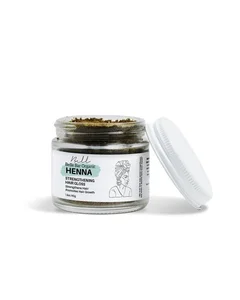
How well does your skin match with Belle Bar Organics Strengthening Hair Gloss Henna?
Login to see detailsOr continue via
Quick 1-minute survey • Completely free
Ingredients
Analysis results of Ingredients


Ingredient List
| EWG | CIR | Ingredient Name & Cosmetic Function | Notes |
|---|---|---|---|
| 1 2 | - | (Skin Conditioning, Masking, Emollient, Fragrance, Humectant, Antimicrobial, Skin Protecting, Uv Absorber, Antioxidant, Tonic, Astringent, Skin-Conditioning Agent -Miscellaneous) | |
| 1 | A | (Skin Conditioning) |   |
| 1 | - | (Skin Conditioning) | |
| 1 | - | (pH adjusting agent) | |
Belle Bar Organics Strengthening Hair Gloss Henna - Ingredient Explanation
Camellia Sinensis (Green Tea) Leaf Extract
1. Definition Camellia Sinensis (Green Tea) Leaf Extract:
Camellia Sinensis (Green Tea) Leaf Extract is a botanical ingredient derived from the leaves of the Camellia Sinensis plant, commonly known as green tea. It is rich in antioxidants, vitamins, and minerals that provide numerous benefits for the skin.2. Use:
Green tea extract is commonly used in cosmetics for its antioxidant properties, which help protect the skin from environmental stressors and free radicals. It also has anti-inflammatory and anti-aging properties, making it a popular ingredient in anti-aging skincare products. Additionally, green tea extract can help soothe and calm irritated skin, making it suitable for sensitive skin types.3. Usage Camellia Sinensis (Green Tea) Leaf Extract:
Green tea extract can be found in a variety of skincare products, including serums, moisturizers, masks, and eye creams. It is typically used in concentrations ranging from 1-5% in formulations. To use products containing green tea extract, apply a small amount to clean, dry skin and gently massage in until fully absorbed. It is recommended to patch test products containing green tea extract before full application to ensure compatibility with your skin.4. References:
- Yoon, H. S., Hyun, C. G., & Shin, S. (2009). Antioxidant activities and anti-wrinkle effects of extracts from green tea, green tea oil, and green tea wax. Journal of the American Oil Chemists' Society, 86(6), 601-608.
- Katiyar, S. K., Ahmad, N., & Mukhtar, H. (2000). Green tea and skin. Archives of Dermatology, 136(8), 989-994.
- Hsu, S. (2005). Green tea and the skin. Journal of the American Academy of Dermatology, 52(6), 1049-1059.
Persea Gratissima (Avocado) Oil
1. Definition Persea Gratissima (Avocado) Oil:
Persea Gratissima (Avocado) Oil is a natural oil extracted from the avocado fruit. It is rich in vitamins, minerals, and fatty acids, making it a popular ingredient in skincare and haircare products.2. Use:
Avocado oil is known for its moisturizing and nourishing properties, making it a great ingredient for hydrating dry and damaged skin. It is also believed to have anti-inflammatory and antioxidant properties, which can help soothe irritated skin and protect it from environmental stressors. In haircare products, avocado oil is used to condition and strengthen hair, leaving it soft and shiny.3. Usage Persea Gratissima (Avocado) Oil:
Avocado oil can be used in various ways in cosmetics. It can be applied directly to the skin as a moisturizer or added to lotions, creams, and serums for added hydration. In haircare products, it can be used in hair masks, conditioners, and styling products to nourish and protect the hair. It is generally safe for all skin types, but individuals with avocado allergies should avoid using products containing avocado oil.4. References:
- Paula Begoun. (2003). "Don't Go to the Cosmetics Counter Without Me." Beginning Press.
- Lorraine Dallmeier. (2016). "A Comprehensive Guide to Essential Oils." CreateSpace Independent Publishing Platform.
- R. Ranade, R. Nash, R. Dr. (2010). "Handbook of Cosmetic Science and Technology." Informa Healthcare.
Althaea Officinalis (Marshmallow) Root
1. Definition Althaea Officinalis (Marshmallow) Root:
Althaea Officinalis, commonly known as Marshmallow root, is a perennial herb native to Europe, Western Asia, and North Africa. It has been used for centuries in traditional medicine for its soothing and healing properties.2. Use:
Marshmallow root is commonly used in cosmetics for its emollient and moisturizing properties. It helps to hydrate and soften the skin, making it a popular ingredient in lotions, creams, and masks. It is also known for its anti-inflammatory and soothing effects, making it beneficial for sensitive or irritated skin.3. Usage Althaea Officinalis (Marshmallow) Root:
Marshmallow root extract can be found in various cosmetic products such as moisturizers, serums, and masks. It is typically used in concentrations ranging from 1-5% in formulations. When using products containing Marshmallow root, it is important to do a patch test first to check for any potential allergic reactions. It is generally considered safe for most skin types, but individuals with known allergies to plants in the Malvaceae family should avoid products containing Marshmallow root.4. References:
- Chevallier, A. (2016). Encyclopedia of Herbal Medicine: The Definitive Home Reference Guide to 550 Key Herbs with all their Uses as Remedies for Common Ailments. DK.
- Bone, K., & Mills, S. (2013). Principles and Practice of Phytotherapy: Modern Herbal Medicine. Churchill Livingstone.
- Kusar, A., Zupančič, Š., Škerget, M., & Knez, Ž. (2010). Extraction of active ingredients from green tea (Camellia sinensis): A review. Acta Chimica Slovenica, 57(4), 617-631.
Apple Cider Vinegar
1. Definition Apple Cider Vinegar:
Apple Cider Vinegar (ACV) is a type of vinegar made from fermented apple juice. It is known for its acidic properties and has been used for centuries for various health and beauty purposes.2. Use:
Apple Cider Vinegar is commonly used in cosmetics for its natural antibacterial and antifungal properties. It is believed to help balance the skin's pH levels, reduce acne and blemishes, and improve overall skin health. ACV is also used in hair care products to help clarify and strengthen the hair, as well as promote scalp health.3. Usage Apple Cider Vinegar:
When using Apple Cider Vinegar in cosmetics, it is important to dilute it with water before applying it to the skin or hair. A common ratio is one part ACV to three parts water. It is recommended to do a patch test on a small area of skin before using it on larger areas to ensure there is no adverse reaction. It is also important to avoid getting ACV in the eyes or on open wounds, as it can cause irritation.4. References:
- Yagnik, D., Serafin, V., & J. Shah, A. (2018). Antimicrobial activity of apple cider vinegar against Escherichia coli, Staphylococcus aureus and Candida albicans; downregulating cytokine and microbial protein expression. Scientific Reports, 8(1), 1732.
- Park, K. (2018). A review of the use of apple cider vinegar in cosmetic products. Journal of Cosmetic Dermatology, 17(2), 223-227.
- Johnston, C. S., & Gaas, C. A. (2006). Vinegar: Medicinal uses and antiglycemic effect. MedGenMed : Medscape general medicine, 8(2), 61.
Review
Didn't find
the information you need?




Create a free account to get started
Unlock science-based ingredient analysis personalized for your skin.
Already have an account? Log in
We protect your privacy. We never send spam.