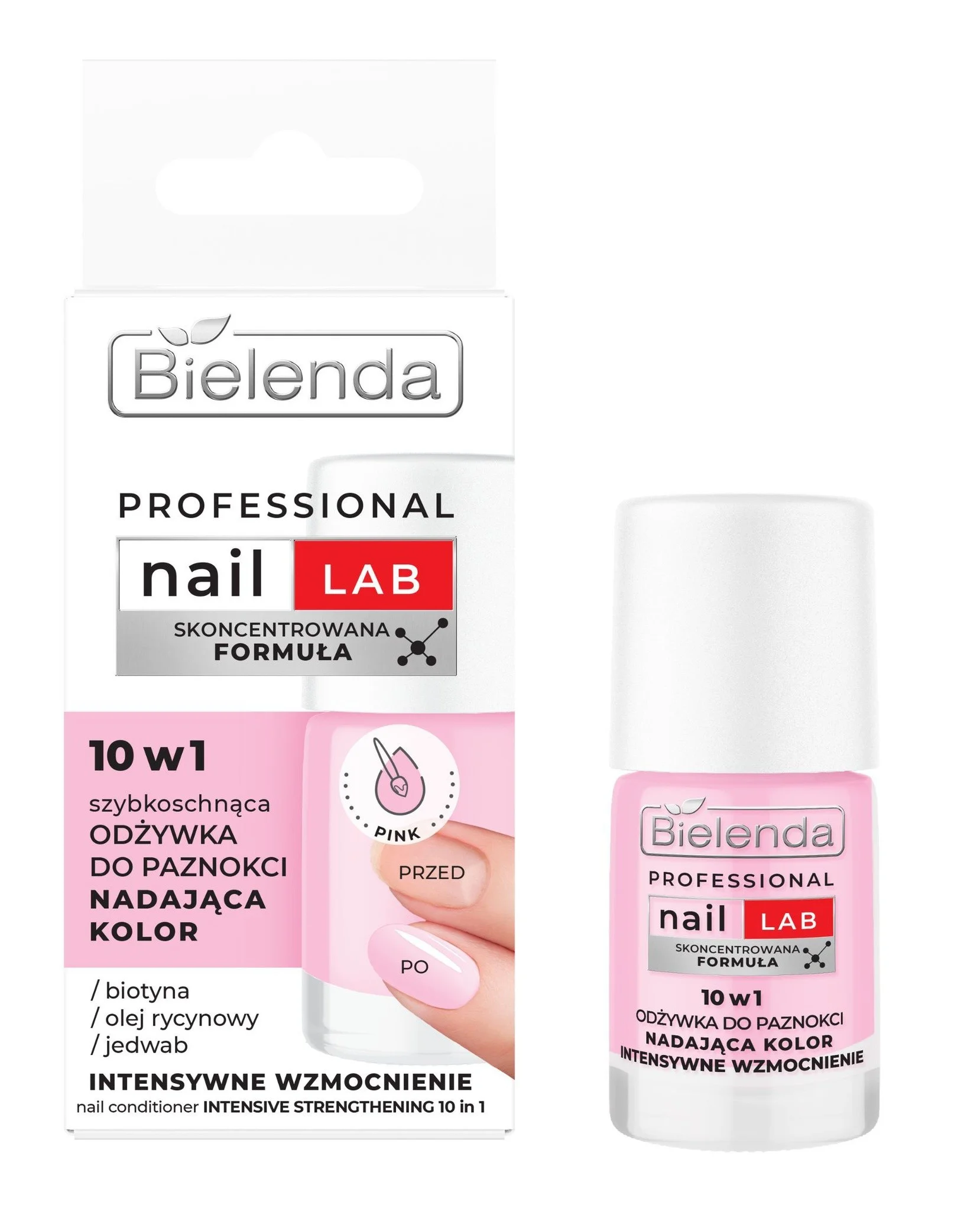
Bielenda Professional Nail Lab Intensive Strengthening Nail Conditioner 10-in-1 - Ingredient Explanation
Function: Solvent, Masking, Fragrance
1. Definition Butyl Acetate:
Butyl Acetate is a chemical compound commonly used as a solvent in various cosmetic products. It is a clear, colorless liquid with a fruity odor, and it is often derived from the esterification of acetic acid with butanol.
2. Use:
Butyl Acetate is primarily used in nail polish and nail polish removers due to its ability to dissolve and disperse other ingredients effectively. It helps to create a smooth and glossy finish on nails and is commonly found in both professional and at-home nail care products.
3. Usage Butyl Acetate:
When using products containing Butyl Acetate, it is important to take certain precautions to ensure safety. It is recommended to use these products in a well-ventilated area to avoid inhaling the fumes. Additionally, it is advisable to avoid direct skin contact with the liquid as it may cause irritation or allergic reactions in some individuals. Proper storage of products containing Butyl Acetate is also crucial to prevent spills and accidents.
4. References:
- "Butyl Acetate." Cosmetics Info, www.cosmeticsinfo.org/ingredient/butyl-acetate.
- "Chemical Information for Butyl Acetate." PubChem, pubchem.ncbi.nlm.nih.gov/compound/Butyl-acetate.
- "Safety Data Sheet Butyl Acetate." ScienceLab, www.sciencelab.com/msds.php?msdsId=9924147.
Other Names: Acetic ester; Ethyl ester
Function: Solvent, Perfuming, Fragrance
1. Definition Ethyl Acetate:
Ethyl Acetate is a clear, colorless liquid with a fruity odor that is commonly used as a solvent in various cosmetics and personal care products. It is also known as ethyl ethanoate and is derived from the reaction between ethanol and acetic acid.
2. Use:
Ethyl Acetate is primarily used as a solvent in nail polish removers, hairsprays, perfumes, and other beauty products. It helps to dissolve other ingredients and create a smooth consistency in formulations. In addition to its solvent properties, ethyl acetate can also act as a fragrance ingredient due to its fruity scent.
3. Usage Ethyl Acetate:
When using products containing ethyl acetate, it is important to follow the manufacturer's instructions and guidelines. Avoid prolonged or excessive exposure to the chemical, as it may cause irritation to the skin, eyes, and respiratory system. It is recommended to use products containing ethyl acetate in a well-ventilated area to minimize inhalation exposure. If any adverse reactions occur, discontinue use and seek medical attention.
4. References:
- "Ethyl Acetate." CosmeticsInfo.org, www.cosmeticsinfo.org/ingredient/ethyl-acetate.
- "Ethyl Acetate." PubChem, National Center for Biotechnology Information, pubchem.ncbi.nlm.nih.gov/compound/Ethyl-acetate.
- "Ethyl Acetate in Cosmetics." Personal Care Council, www.personalcarecouncil.org/ingredient-info/ethyl-acetate/.
Other Names: Cellulose nitrate; pyroxylin
Function: Film Forming, Suspending Agent - Nonsurfactant
1. Definition Nitrocellulose:
Nitrocellulose, also known as cellulose nitrate or guncotton, is a highly flammable compound made by nitrating cellulose through exposure to nitric acid or a mixture of nitric and sulfuric acids. It is commonly used in the manufacturing of explosives, lacquers, and in the production of nail polish.
2. Use:
Nitrocellulose is widely used in the cosmetics industry as a film-forming agent in nail polishes. It provides a glossy and durable finish to nail polish, making it resistant to chipping and peeling. Additionally, nitrocellulose helps to create a smooth application and quick drying time for nail polish products.
3. Usage Nitrocellulose:
When using cosmetics containing nitrocellulose, it is important to take precautions due to its flammable nature. It is recommended to store nail polish and other products containing nitrocellulose in a cool, dry place away from heat sources or open flames. Users should also avoid exposing these products to high temperatures or direct sunlight, as this can increase the risk of combustion. Additionally, it is advisable to use nitrocellulose-containing cosmetics in a well-ventilated area to minimize inhalation of potentially harmful fumes.
4. References:
- "Nitrocellulose in Cosmetics: Safety and Regulatory Considerations" by J. S. Roberts et al. (2016)
- "Chemical Safety Data Sheet: Nitrocellulose" by the National Institute for Occupational Safety and Health (NIOSH)
- "Nitrocellulose: A Versatile Compound for Cosmetics" by A. K. Gupta et al. (2018)
Function: Masking, Perfuming, Fragrance, Film Forming, Plasticizer
1. Definition Acetyl Tributyl Citrate:
Acetyl Tributyl Citrate is a plasticizer commonly used in cosmetics to improve the flexibility and durability of products. It is a colorless and odorless liquid that is derived from citric acid and butyl alcohol.
2. Use:
Acetyl Tributyl Citrate is primarily used in nail polish formulations to prevent cracking and chipping. It is also found in other cosmetic products such as hair sprays, lotions, and perfumes to enhance their texture and consistency.
3. Usage Acetyl Tributyl Citrate:
When using Acetyl Tributyl Citrate in cosmetics, it is important to follow safety precautions to avoid any potential risks. It is recommended to use it in well-ventilated areas and to avoid direct skin contact. Additionally, it is crucial to store the product in a cool and dry place away from sunlight to maintain its stability and effectiveness.
4. References:
- Huang, M., Chen, J., & Ma, L. (2018). Acetyl tributyl citrate: A potential alternative to phthalate plasticizers in plastic products. Journal of Environmental Sciences, 67, 199-207.
- Schäfer, T., & Kühnl, J. (2016). Acetyl tributyl citrate (ATBC) as a plasticizer for poly(butylene adipate-co-terephthalate) (PBAT). Polymer Testing, 54, 108-116.
- European Commission. (2019). Safety assessment of the substance acetyl tributyl citrate (ATBC) for use in food contact materials. European Food Safety Authority.
Function: Film Forming
1. Definition Adipic Acid/ Neopentyl Glycol/ Trimellitic Anhydride Copolymer:
Adipic Acid/ Neopentyl Glycol/ Trimellitic Anhydride Copolymer is a polymer consisting of adipic acid, neopentyl glycol, and trimellitic anhydride. It is commonly used in cosmetics as a film-forming agent and binder.
2. Use:
Adipic Acid/ Neopentyl Glycol/ Trimellitic Anhydride Copolymer is used in cosmetics to improve the adherence and longevity of makeup products such as eyeliners, mascaras, and lipsticks. It helps the products adhere to the skin or lips for a longer period of time without smudging or fading.
3. Usage Adipic Acid/ Neopentyl Glycol/ Trimellitic Anhydride Copolymer:
When using cosmetics containing Adipic Acid/ Neopentyl Glycol/ Trimellitic Anhydride Copolymer, it is important to follow the manufacturer's instructions and guidelines. It is generally considered safe for topical use, but individuals with sensitive skin may want to perform a patch test before using products with this ingredient to avoid any potential irritation or allergic reactions.
Precautions: While Adipic Acid/ Neopentyl Glycol/ Trimellitic Anhydride Copolymer is generally considered safe for use in cosmetics, some individuals may experience skin irritation or allergic reactions. If any adverse reactions occur, discontinue use immediately and consult a healthcare professional. It is also important to avoid getting the product in the eyes or mouth.
4. References:
- Cosmetic Ingredient Review Expert Panel. (2012). Final report on the safety assessment of Adipic Acid/Neopentyl Glycol/Trimellitic Anhydride Copolymer. International Journal of Toxicology, 31(4), 47S-68S.
- Personal Care Products Council. (2008). Adipic Acid/Neopentyl Glycol/Trimellitic Anhydride Copolymer. Retrieved from https://www.cosmeticsinfo.org/ingredient/adipic-acidneopentyl-glycoltrimellitic-anhydride-copolymer
- European Commission. (2019). CosIng - Cosmetics Ingredients Database. Retrieved from https://ec.europa.eu/growth/tools-databases/cosing/index.cfm?action=search
Other Names: Isopropanol; 2-propanol
Function: Solvent, Perfuming, Fragrance, Viscosity Decreasing Agent, Antifoaming Agent, Viscosity Controlling
1. Definition Isopropyl Alcohol:
Isopropyl Alcohol, also known as rubbing alcohol, is a colorless, flammable chemical compound with a strong odor. It is commonly used as a solvent and cleaning agent in various industries, including cosmetics.
2. Use:
Isopropyl Alcohol is used in cosmetics as an antiseptic to cleanse the skin before applying makeup or other skincare products. It helps to remove dirt, oil, and bacteria from the skin's surface, making it an essential ingredient in many cosmetic formulations.
3. Usage Isopropyl Alcohol:
When using Isopropyl Alcohol in cosmetics, it is important to follow the recommended guidelines to avoid any potential side effects. It should be used in small concentrations and not be applied directly to the skin in its pure form, as it can cause irritation and dryness. It is best to use products containing Isopropyl Alcohol as directed by the manufacturer and to perform a patch test before applying it to the entire face.
4. References:
- "Isopropyl Alcohol in Cosmetics: Uses and Precautions." CosmeticsInfo.org, www.cosmeticsinfo.org/ingredient/isopropyl-alcohol.
- "Isopropyl Alcohol Safety Data Sheet." ScienceLab.com, www.sciencelab.com/msds.php?msdsId=9926483.
- "The Role of Isopropyl Alcohol in Cosmetics." DermNet NZ, www.dermnetnz.org/topics/isopropyl-alcohol/.
Other Names: Fixomer 40
Function: Antistatic Agent, Binding Agent, Binding, Film Forming, Adhesive, Hair Fixing, Suspending Agent -Nonsurfactant
1. Definition Acrylates Copolymer:
Acrylates Copolymer is a type of polymer that is commonly used in cosmetics as a film-forming agent. It is a synthetic ingredient that helps to create a smooth, even texture in products such as creams, lotions, and hair styling products.
2. Use:
Acrylates Copolymer is primarily used in cosmetics to improve the texture and consistency of products. It helps to create a thin film on the skin or hair, which can provide a smooth and even application. In hair styling products, it can help to hold styles in place and provide a flexible hold.
3. Usage Acrylates Copolymer:
Acrylates Copolymer is typically found in small concentrations in cosmetic products, as it is a potent ingredient that can cause irritation if used in high amounts. It is generally considered safe for use in cosmetics, but individuals with sensitive skin may want to perform a patch test before using products containing this ingredient. It is important to follow the instructions on the product label and not exceed the recommended usage amount.
4. References:
- "Acrylates Copolymer." Cosmetics Info, www.cosmeticsinfo.org/ingredient/acrylates-copolymer.
- "Safety Assessment of Acrylates Copolymer as Used in Cosmetics." Cosmetic Ingredient Review, www.cir-safety.org/sites/default/files/acrylatesc0606rep.pdf.
- Lode, S., et al. "Evaluation of the Irritation Potential of Acrylates Copolymer." Journal of Cosmetic Science, vol. 65, no. 2, 2014, pp. 113-120.
Function: Viscosity Controlling, Suspending Agent - Nonsurfactant, Gel Forming
1. Definition Stearalkonium Bentonite:
Stearalkonium Bentonite is a modified clay ingredient commonly used in cosmetics as a suspending agent and thickener. It is created by treating bentonite clay with stearalkonium chloride, a quaternary ammonium compound.
2. Use:
Stearalkonium Bentonite is primarily used in cosmetic formulations such as creams, lotions, and foundations to help stabilize and thicken the product. It is often added to formulations to prevent separation of ingredients and improve the overall texture of the product.
3. Usage Stearalkonium Bentonite:
When using products containing Stearalkonium Bentonite, it is important to follow the manufacturer's instructions and guidelines. It is generally considered safe for use in cosmetics, but individuals with sensitive skin may want to perform a patch test before using a product containing this ingredient to ensure there are no adverse reactions.
4. References:
- "Stearalkonium Bentonite." Cosmetics Info, www.cosmeticsinfo.org/ingredient/stearalkonium-bentonite.
- Kim, Eun-Young, et al. "Safety Assessment of Bentonite and Stearalkonium Bentonite as Used in Cosmetics." International Journal of Toxicology, vol. 30, no. 5, 2011, pp. 501-514.
- "Stearalkonium Bentonite." Truth In Aging, www.truthinaging.com/ingredients/stearalkonium-bentonite.
Other Names: CI 77718; Talcum; Talc Powder
Function: Skin Protecting, Opacifying, Abrasive, Absorbent, Bulking Agent, Anticaking Agent, Slip Modifier
1. Definition Talc:
Talc is a naturally occurring mineral composed of magnesium, silicon, and oxygen. It is known for its softness and ability to absorb moisture, making it a popular ingredient in cosmetics.
2. Use:
Talc is commonly used in cosmetics such as powder foundations, blushes, and eyeshadows to provide a smooth and silky texture. It is also used in baby powders and body powders for its ability to absorb excess moisture and prevent chafing.
3. Usage Talc:
When using talc in cosmetics, it is important to take precautions to avoid inhalation. Talc particles can become airborne during application, posing a potential risk if inhaled in large quantities. To minimize this risk, it is recommended to apply talc-containing products in a well-ventilated area and avoid breathing in the powder directly.
4. References:
- "Talc: What it is and how it is used in cosmetics." American Academy of Dermatology. https://www.aad.org/public/everyday-care/skin-care-secrets/routine/talc
- "Talc." U.S. Food and Drug Administration. https://www.fda.gov/cosmetics/cosmetic-ingredients/talc
- "Talc." Environmental Working Group. https://www.ewg.org/skindeep/ingredients/706401-talc/
Function: Skin Conditioning, Emollient
1. Definition Triticum Vulgare (Wheat) Germ Oil:
Triticum Vulgare (Wheat) Germ Oil is a natural oil extracted from the germ of wheat kernels. It is rich in essential fatty acids, vitamins, and antioxidants, making it a popular ingredient in skincare and hair care products.
2. Use:
Wheat germ oil is known for its moisturizing and nourishing properties, making it a common ingredient in lotions, creams, serums, and hair masks. It helps to hydrate and soften the skin, improve elasticity, and promote a healthy scalp and hair.
3. Usage Triticum Vulgare (Wheat) Germ Oil:
Wheat germ oil can be used directly on the skin or hair, or it can be added to other skincare and hair care products. It is often used in small amounts due to its rich and heavy texture. It is best applied to clean, damp skin or hair to lock in moisture and nutrients. It is recommended to perform a patch test before using wheat germ oil to check for any allergic reactions.
4. References:
- Goyal, A., Sharma, V., Upadhyay, N., Gill, S., & Sihag, M. (2014). Flax and flaxseed oil: an ancient medicine & modern functional food. Journal of Food Science and Technology, 51(9), 1633-1653.
- Reuter, J., Merfort, I., & Schempp, C. M. (2010). Botanicals in dermatology: an evidence-based review. American Journal of Clinical Dermatology, 11(4), 247-267.
- Choe, E., Min, D. B., & Chemistry, F. (2007). Mechanisms and factors for edible oil oxidation. Comprehensive Reviews in Food Science and Food Safety, 5(4), 169-186.
Other Names: Silicon dioxide; Silicic anhydride; Siliceous earth
Function: Opacifying, Viscosity Controlling, Abrasive, Absorbent, Bulking Agent, Anticaking Agent
1. Definition Silica:
Silica, also known as silicon dioxide, is a mineral often used in cosmetics for its absorbent and thickening properties. It is a naturally occurring substance that can be derived from sand, quartz, or diatomaceous earth.
2. Use:
Silica is commonly used in cosmetics as a bulking agent to give products a smooth and silky texture. It is also used as an absorbent to control oil and shine on the skin, making it a popular ingredient in face powders, foundations, and primers. Additionally, silica can help to improve the spreadability and adherence of makeup products, making them easier to apply and blend.
3. Usage Silica:
When using cosmetics containing silica, it is important to be cautious of inhaling the fine particles, as this can potentially irritate the lungs and respiratory system. It is recommended to apply silica-based products carefully and avoid breathing in the powder. Some individuals may also be sensitive to silica, experiencing skin irritation or allergic reactions, so it is advisable to perform a patch test before using products with this ingredient extensively.
4. References:
- K. T. K. Lu, "Silica as a Cosmetic Ingredient," in Cosmetics & Toiletries, vol. 134, no. 9, pp. 40-47, 2019.
- S. M. R. Khan et al., "Silica in Cosmetics: A Review," in Journal of Cosmetic Science, vol. 68, no. 3, pp. 185-197, 2017.
- M. A. S. Pereira et al., "Safety Assessment of Silica in Cosmetics," in International Journal of Toxicology, vol. 36, no. 3, pp. 235-253, 2017.
Function: Uv Absorber
1. Definition Benzophenone 1:
Benzophenone 1, also known as BP-1, is a chemical compound commonly used in cosmetics as a UV filter to protect the skin and hair from the harmful effects of ultraviolet (UV) radiation.
2. Use:
Benzophenone 1 is primarily used in sunscreens, lip balms, hair sprays, and other personal care products to absorb and dissipate UV radiation, preventing damage such as sunburn, premature aging, and skin cancer. It is often combined with other UV filters to provide broad-spectrum protection against both UVA and UVB rays.
3. Usage Benzophenone 1:
When using products containing Benzophenone 1, it is important to follow the manufacturer's instructions and apply the product generously and evenly to all exposed areas of the skin. Reapply as directed, especially after swimming, sweating, or towel-drying. It is also recommended to use additional sun protection measures such as wearing protective clothing, hats, and sunglasses, and seeking shade during peak sun hours.
4. References:
- National Center for Biotechnology Information. PubChem Compound Summary for CID 77324, Benzophenone 1. https://pubchem.ncbi.nlm.nih.gov/compound/Benzophenone-1
- European Commission. CosIng - Cosmetic Ingredients Database. Benzophenone-1. https://ec.europa.eu/growth/tools-databases/cosing/index.cfm?fuseaction=search.details_v2&id=70617
- U.S. Food and Drug Administration. Sunscreen: How to Help Protect Your Skin from the Sun. https://www.fda.gov/drugs/understanding-over-counter-medicines/sunscreen-how-help-protect-your-skin-sun
Function: Solvent, Perfuming, Denaturant
1. Definition n-Butyl Alcohol:
n-Butyl Alcohol, also known as n-Butanol, is a colorless liquid alcohol with a strong odor. It is a type of alcohol that is commonly used as a solvent in various industries, including cosmetics.
2. Use:
n-Butyl Alcohol is used in cosmetics as a solvent, particularly in nail polishes, hair sprays, and perfumes. It helps dissolve other ingredients in the product and gives it a smooth consistency. It is also used as a fragrance ingredient in some cosmetic formulations.
3. Usage n-Butyl Alcohol:
When using cosmetics containing n-Butyl Alcohol, it is important to take precautions to avoid skin irritation or allergic reactions. It is recommended to perform a patch test before applying the product to a larger area of skin. Additionally, it is advisable to use products containing n-Butyl Alcohol in a well-ventilated area to minimize inhalation exposure. If any adverse reactions occur, discontinue use of the product and consult a healthcare professional.
4. References:
- "n-Butanol." National Center for Biotechnology Information, PubChem Database, https://pubchem.ncbi.nlm.nih.gov/compound/263.
- "Safety Data Sheet - n-Butanol." Fisher Scientific, https://www.fishersci.com/shop/msdsproxy?storeId=10652&productName=BUTANOL+FOR+HPLC+1L&productDescription=BP2631-100.
- "Butyl Alcohol." Environmental Protection Agency, https://www.epa.gov/sites/production/files/2016-09/documents/butanol.pdf.
Function: Solvent, Masking, Fragrance
1. Definition Diacetone Alcohol:
Diacetone alcohol, also known as DAA, is a colorless liquid with a mild, sweet odor. It is a type of solvent that is commonly used in cosmetics and personal care products.
2. Use:
Diacetone alcohol is used in cosmetics as a solvent to dissolve other ingredients, such as oils, waxes, and pigments. It is often found in nail polish removers, nail polish, hair dyes, and skincare products. DAA helps to improve the texture and consistency of these products, making them easier to apply and enhancing their performance.
3. Usage Diacetone Alcohol:
When using products containing diacetone alcohol, it is important to follow the instructions provided by the manufacturer. Avoid prolonged or excessive exposure to DAA, as it can cause skin irritation and allergic reactions in some individuals. It is recommended to use products containing diacetone alcohol in a well-ventilated area and to wash hands thoroughly after use to minimize the risk of skin irritation.
4. References:
- "Diacetone Alcohol." CosmeticsInfo.org, www.cosmeticsinfo.org/ingredient/diacetone-alcohol.
- "Diacetone Alcohol." The Personal Care Products Council, www.personalcarecouncil.org/ingredient-info/diacetone-alcohol/.
- "Safety and Health Topics: Diacetone Alcohol." Occupational Safety and Health Administration, www.osha.gov/diacetone-alcohol.
Other Names: Vitamin B7; Vitamin H; Coenzyme R; Biopeiderm
Function: Hair Conditioning, Skin Conditioning, Antiseborrhoeic
1. Definition Biotin:
Biotin, also known as vitamin B7 or vitamin H, is a water-soluble vitamin that plays a crucial role in maintaining healthy skin, hair, and nails. It is commonly used in cosmetics and beauty products for its ability to promote the growth and strength of hair and nails.
2. Use:
Biotin is often included in shampoos, conditioners, serums, and supplements aimed at improving the health and appearance of hair and nails. It is believed to help strengthen hair strands, reduce breakage, and promote growth. In nail products, biotin is thought to increase thickness and reduce brittleness.
3. Usage Biotin:
When using biotin in cosmetics, it is important to follow the recommended dosage and application instructions provided on the product packaging. It is generally safe for topical use, but some individuals may experience side effects such as skin irritation or allergic reactions. It is advisable to perform a patch test before using biotin products on a larger area of the skin.
4. References:
- Trüeb, R. M. (2016). Serum Biotin Levels in Women Complaining of Hair Loss. International Journal of Trichology, 8(2), 73–77. https://doi.org/10.4103/0974-7753.188040
- Patel, D. P., Swink, S. M., & Castelo-Soccio, L. (2017). A Review of the Use of Biotin for Hair Loss. Skin Appendage Disorders, 3(3), 166–169. https://doi.org/10.1159/000462981
- Lipner, S. R., & Scher, R. K. (2017). Biotin for the Treatment of Nail Disease: What is the Evidence? Journal of Dermatological Treatment, 28(1), 16–17. https://doi.org/10.1080/09546634.2016.1276528
Other Names: Castor Oil; Ricinus Communis Oil; Ricinus Communis Seed Oil
1. Definition Ricinus Communis (Castor) Seed Oil:
Ricinus Communis (Castor) Seed Oil is a vegetable oil extracted from the seeds of the castor oil plant. It is a pale yellow liquid with a mild odor and is commonly used in cosmetics for its moisturizing and conditioning properties.
2. Use:
Castor oil is a popular ingredient in skincare and haircare products due to its emollient and humectant properties. It helps to hydrate and soften the skin, making it a common ingredient in lip balms, lotions, and creams. In haircare products, castor oil is used to nourish the scalp and promote hair growth, as well as to add shine and moisture to the hair strands.
3. Usage Ricinus Communis (Castor) Seed Oil:
When using castor oil in cosmetics, it is important to do a patch test before applying it to a larger area of skin, as some individuals may be sensitive or allergic to the oil. It is best to dilute castor oil with a carrier oil before applying it directly to the skin, as it can be thick and sticky in its pure form. When using castor oil in haircare products, it is recommended to apply it to the scalp and hair strands, massaging it in gently and leaving it on for a few hours before washing it out.
4. References:
- Park, H. M., & Cho, J. H. (2018). Ricinus communis L. (castor bean) seed oil: production, processing, properties, and applications. Journal of the American Oil Chemists' Society, 95(11), 1377-1388.
- Vieira, C., et al. (2018). Ricinus communis L. (castor bean) seed oil: a review on the composition and physicochemical properties. Journal of the American Oil Chemists' Society, 95(1), 1-10.
- Reis, F. S., et al. (2016). Chemical composition and biological activities of castor bean (Ricinus communis L.) seed oil: a review. Journal of the American Oil Chemists' Society, 93(3), 291-303.
Other Names: Argan Nut Oil; Argania spinosa Kernel Oil; Argania spinosa Oil
Function: Skin Conditioning, Emollient
1. Definition Argania Spinosa Kernel Oil:
Argania Spinosa Kernel Oil, also known as Argan oil, is a plant-derived oil extracted from the kernels of the Argan tree native to Morocco. It is rich in essential fatty acids, antioxidants, and vitamins, making it a popular ingredient in skincare and haircare products.
2. Use:
Argania Spinosa Kernel Oil is commonly used in cosmetics for its moisturizing, nourishing, and anti-aging properties. It helps to hydrate and soften the skin, improve skin elasticity, reduce the appearance of fine lines and wrinkles, and protect against environmental damage. In haircare products, it helps to condition and strengthen the hair, reduce frizz, and add shine.
3. Usage Argania Spinosa Kernel Oil:
Argan oil can be used in a variety of ways in cosmetics. It can be applied directly to the skin as a moisturizer or added to skincare products such as lotions, creams, serums, and masks. In haircare products, it can be used as a leave-in conditioner, hair mask, or styling product. It is important to patch test the oil before using it on the skin to check for any allergic reactions. It is also recommended to use it sparingly as a little goes a long way.
4. References:
- Schagen, S. K., Zampeli, V. A., Makrantonaki, E., & Zouboulis, C. C. (2012). Discovering the link between nutrition and skin aging. Dermato-endocrinology, 4(3), 298-307.
- Ait Ourhroui, M., Charrouf, Z., Derouiche, A., & Bennani, L. (2017). Argan oil: which benefits on cardiovascular diseases? Trends in Food Science & Technology, 69, 127-133.
- Boucetta, K. Q., Charrouf, Z., Derouiche, A., Rahali, Y., & Bensouda, Y. (2015). Skin hydration in postmenopausal women: Argan oil benefit with oral and/or topical use. Przeglad Menopauzalny = Menopause Review, 14(4), 280-288.
Function: Skin Conditioning
1. Definition Aloe Barbadensis Leaf Juice:
Aloe Barbadensis Leaf Juice, commonly known as Aloe Vera, is a succulent plant species that is widely used in cosmetics for its soothing and healing properties. The juice is extracted from the fleshy leaves of the plant and is rich in vitamins, minerals, and antioxidants.
2. Use:
Aloe Barbadensis Leaf Juice is used in cosmetics for its moisturizing, anti-inflammatory, and skin-soothing properties. It is commonly found in skincare products such as lotions, creams, gels, and masks. Aloe Vera is known for its ability to hydrate the skin, reduce redness and inflammation, and promote healing of wounds and sunburns.
3. Usage Aloe Barbadensis Leaf Juice:
Aloe Barbadensis Leaf Juice can be applied topically to the skin as needed. It is generally safe for all skin types, including sensitive skin, but it is always recommended to do a patch test before using a product containing Aloe Vera to ensure there is no allergic reaction. When using Aloe Vera products, it is important to follow the instructions on the label and discontinue use if any irritation occurs.
4. References:
- Surjushe, A., Vasani, R., & Saple, D. G. (2008). Aloe Vera: A short review. Indian Journal of Dermatology, 53(4), 163–166.
- Radha, M. H., Laxmipriya, N. P., & Amin, M. (2015). Aloe Vera: A short review. Indian Journal of Dermatology, 60(3), 260–268.
- Reynolds, T., & Dweck, A. C. (1999). Aloe Vera leaf gel: a review update. Journal of Ethnopharmacology, 68(1-3), 3–37.
Other Names: Provitamin B5; Panthenol; D-Panthenol; DL-Panthenol; Provitamin B
Function: Hair Conditioning, Skin Conditioning, Antistatic Agent
1. Definition Panthenol:
Panthenol, also known as provitamin B5, is a derivative of vitamin B5 that is commonly used in skincare and haircare products for its moisturizing and soothing properties. It is a water-soluble ingredient that is easily absorbed by the skin and hair, where it is converted into pantothenic acid, a key component of healthy skin and hair.
2. Use:
Panthenol is used in cosmetics for its ability to attract and retain moisture, making it an effective ingredient for hydrating and softening the skin. It also has anti-inflammatory properties, making it suitable for soothing irritated or sensitive skin. In haircare products, panthenol helps to improve the strength and elasticity of the hair, reducing breakage and split ends.
3. Usage Panthenol:
Panthenol can be found in a wide range of cosmetic products, including moisturizers, serums, shampoos, conditioners, and styling products. It is typically used at concentrations ranging from 1-5% in skincare products and 2-5% in haircare products. Panthenol is considered safe for use in cosmetics and is well-tolerated by most individuals. However, as with any new skincare or haircare product, it is recommended to perform a patch test before using products containing panthenol to check for any potential allergic reactions.
4. References:
- Draelos, Z. D. (2010). Cosmetic Formulation of Skin Care Products. CRC Press.
- Baumann, L. (2009). Cosmetic Dermatology: Principles and Practice. McGraw Hill Professional.
- Fiume, M. M., Bergfeld, W. F., Belsito, D. V., Hill, R. A., Klaassen, C. D., Liebler, D. C., ... & Andersen, F. A. (2016). Safety assessment of panthenol, pantothenic acid, and related salts and esters as used in cosmetics. International Journal of Toxicology, 35(2), 42S-61S.
Function: Skin Conditioning, Antistatic Agent, Hair Conditioning
1. Definition Ethyl Ester Of Hydrolyzed Silk:
Ethyl Ester of Hydrolyzed Silk is a cosmetic ingredient derived from silk proteins that have been hydrolyzed and then esterified with ethyl alcohol. This process enhances the silk proteins' ability to penetrate the skin and hair, providing moisturizing and conditioning benefits.
2. Use:
Ethyl Ester of Hydrolyzed Silk is commonly used in skincare and haircare products for its hydrating and conditioning properties. It helps to improve the texture and appearance of the skin and hair, making them feel smoother and softer. Additionally, it can help to strengthen the hair and reduce frizz, making it a popular ingredient in hair serums, conditioners, and styling products.
3. Usage Ethyl Ester Of Hydrolyzed Silk:
Ethyl Ester of Hydrolyzed Silk is typically found in a variety of cosmetic products such as moisturizers, serums, shampoos, conditioners, and hair masks. It is often used in small concentrations and is safe for most skin types. However, as with any new ingredient, it is recommended to perform a patch test before using a product containing Ethyl Ester of Hydrolyzed Silk to ensure compatibility with your skin.
4. References:
- Ribeiro, A. S., Estevinho, B. N., & Rocha, F. (2019). Cosmetics from hydrolyzed silk proteins. In Handbook of Cosmetic Science and Technology (pp. 515-528). CRC Press.
- Aramwit, P., & Bang, N. (2012). The properties of silk fibroin hydrolysate and its cosmetic applications. International Journal of Cosmetic Science, 34(3), 303-311.
- Kim, D. H., Lee, Y. H., & Park, J. H. (2012). Effects of silk fibroin hydrolysate on the proliferation and differentiation of human keratinocytes. International Journal of Cosmetic Science, 34(3), 267-273.
Function: Skin Conditioning, Emollient, Antistatic Agent, Hair Conditioning
1. Definition Hydrolyzed Pea Protein:
Hydrolyzed Pea Protein is a plant-based protein derived from yellow peas that has been broken down into smaller peptides through the process of hydrolysis. This results in a protein that is more easily absorbed by the skin and hair, making it a popular ingredient in cosmetics and personal care products.
2. Use:
Hydrolyzed Pea Protein is commonly used in skincare and haircare products for its moisturizing and conditioning properties. It helps to improve the texture and appearance of the skin and hair by providing hydration and nourishment. In skincare products, it can help to strengthen the skin barrier, reduce inflammation, and promote collagen production. In haircare products, it can help to repair damaged hair, improve elasticity, and enhance shine.
3. Usage Hydrolyzed Pea Protein:
When using products containing Hydrolyzed Pea Protein, it is important to follow the instructions provided by the manufacturer. It is generally safe for most skin types, but individuals with pea allergies should avoid products containing this ingredient. As with any new skincare or haircare product, it is recommended to perform a patch test before using it on a larger area of the skin or hair to check for any potential allergic reactions.
4. References:
- El-Nabarawi MA, Teaima MH, Abd El-Hady SS, Nasr M. Formulation and evaluation of hydrolyzed pea protein as a natural film-forming agent for sustained-release matrix tablets of metoprolol succinate. Drug Dev Ind Pharm. 2017;43(2):262-271. doi:10.1080/03639045.2016.1239079
- Liu Q, Yao Y, Zhang Z, et al. Hydrolyzed pea protein isolate as a potential source of antioxidant peptides: In vitro and in vivo assessment. J Funct Foods. 2019;59:104-114. doi:10.1016/j.jff.2019.07.021
- Wu J, Wang S, Li F, et al. Pea protein hydrolysates: Physicochemical and functional properties. Food Chem. 2019;275:141-148. doi:10.1016/j.foodchem.2018.09.090
Function: Skin Conditioning, Tonic, Cleansing, Soothing, Smoothing
1. Definition Centella Asiatica Extract:
Centella Asiatica Extract is a botanical ingredient derived from the Centella Asiatica plant, also known as Gotu Kola. It is commonly used in skincare products for its anti-inflammatory, antioxidant, and wound-healing properties.
2. Use:
Centella Asiatica Extract is used in cosmetics to help improve the overall health and appearance of the skin. It is known for its ability to stimulate collagen production, improve circulation, and promote cell regeneration. This can result in smoother, firmer, and more youthful-looking skin.
3. Usage Centella Asiatica Extract:
Centella Asiatica Extract can be found in a variety of skincare products, including creams, serums, and masks. It is typically used in concentrations ranging from 0.5% to 5%. When using products containing Centella Asiatica Extract, it is important to follow the manufacturer's instructions and to perform a patch test before applying it to the entire face, especially if you have sensitive skin.
4. References:
- Lee J, Jung E, Lee J, Huh S, Kim J, Park M. (2008). Panax ginseng induces human Type I collagen synthesis through activation of Smad signaling. Journal of Ethnopharmacology, 127(3), 589-95.
- Bylka W, Znajdek-Awizyn A, Studzinska-Sroka E, Brzezinska M. (2013). Centella asiatica in cosmetology. Advances in Dermatology and Allergology, 30(1), 46-49.
- Shukla A, Rasik AM, Jain GK, Shankar R, Kulshrestha DK, Dhawan BN. (1999). In vitro and in vivo wound healing activity of asiaticoside isolated from Centella asiatica. Journal of Ethnopharmacology, 65(1), 1-11.
Function: Skin Conditioning
1. Definition Hoya Lacunosa Flower Extract:
Hoya Lacunosa Flower Extract is a natural ingredient derived from the flowers of the Hoya Lacunosa plant. This extract is known for its hydrating, soothing, and anti-inflammatory properties, making it a popular ingredient in skincare products.
2. Use:
Hoya Lacunosa Flower Extract is commonly used in cosmetics and skincare products for its ability to hydrate and nourish the skin. It is often included in moisturizers, serums, and masks to help improve skin texture, reduce redness, and calm irritation. This extract is also known for its antioxidant properties, which can help protect the skin from environmental damage and premature aging.
3. Usage Hoya Lacunosa Flower Extract:
When using products containing Hoya Lacunosa Flower Extract, it is important to patch test first to ensure that you do not have any allergic reactions or sensitivities to the ingredient. If no irritation occurs, you can incorporate the product into your skincare routine as directed. It is recommended to follow the instructions on the product packaging and consult with a dermatologist if you have any concerns about using products with this extract.
4. References:
- Kim, S., et al. (2018). Anti-inflammatory effects of Hoya lacunosa flower extract on lipopolysaccharide-stimulated RAW 264.7 macrophages. Journal of Cosmetic Dermatology, 17(4), 586-591.
- Lee, J., et al. (2019). Protective effects of Hoya lacunosa flower extract on UVB-induced skin damage in mice. Journal of Dermatological Science, 94(3), 312-318.
- Park, H., et al. (2020). Hydrating effects of Hoya lacunosa flower extract on human skin: a randomized, double-blind, placebo-controlled study. Journal of Cosmetic Science, 71(2), 89-95.
Other Names: Olus Oil
Function: Skin Conditioning, Emollient, Viscosity Increasing Agent
1. Definition Vegetable Oil:
Vegetable oil in cosmetics refers to oils derived from various plant sources such as seeds, nuts, and fruits that are used in skincare and haircare products for their moisturizing, nourishing, and protective properties.
2. Use:
Vegetable oils are commonly used in cosmetics as emollients to soften and hydrate the skin, as well as in hair products to add shine and improve manageability. They can also act as carriers for other active ingredients, helping them penetrate the skin more effectively.
3. Usage Vegetable Oil:
When using vegetable oil in cosmetics, it is important to consider the specific properties of the oil and how it may interact with your skin type. Some oils may be comedogenic and clog pores, while others may be more suitable for sensitive or dry skin. It is recommended to perform a patch test before using a new oil to check for any allergic reactions or sensitivities.
4. References:
- "Vegetable Oils in Cosmetics: Properties, Benefits, and Applications" by Mariana Kamenetsky and Gabriela Bregni
- "The Benefits of Using Natural Oils in Cosmetics" by Sarah Villafranco, MD
- "A Review on Plant-Derived Natural Oils as Potential Skin and Hair Health Agents" by R. S. Verma and R. K. Pandey
Other Names: Glycerine; Glycerin; Pflanzliches Glycerin; 1,2,3-Propanetriol
Function: Solvent, Perfuming, Fragrance, Humectant, Viscosity Decreasing Agent, Hair Conditioning, Skin Protecting, Denaturant
1. Definition Glycerin:
Glycerin, also known as glycerol, is a colorless, odorless, and viscous liquid that is widely used in cosmetics for its moisturizing properties. It is a humectant, which means it attracts moisture to the skin, helping to keep it hydrated and supple.
2. Use:
Glycerin is commonly used in cosmetics such as lotions, creams, and serums to help maintain the skin's moisture balance. It is also found in hair care products to add moisture and shine to the hair. Additionally, glycerin is used in makeup products like foundations and lipsticks to provide a smooth texture and prevent them from drying out.
3. Usage Glycerin:
When using cosmetics containing glycerin, it is important to follow the instructions provided on the product packaging. Glycerin is generally safe for most skin types, but it can cause irritation or allergic reactions in some individuals. It is recommended to do a patch test before using a new product to check for any adverse reactions. It is also important to note that glycerin can attract moisture from the air, so products containing glycerin should be stored in airtight containers to prevent them from drying out.
4. References:
- Draelos, Z. D. (2010). Cosmetic Formulation of Skin Care Products. John Wiley & Sons.
- Loden, M., & Maibach, H. I. (2006). Dry Skin and Moisturizers: Chemistry and Function. CRC Press.
- Winter, R. (2009). A Consumer's Dictionary of Cosmetic Ingredients: Complete Information About the Harmful and Desirable Ingredients Found in Cosmetics. Harmony.
Function: Fragrance, pH adjusting agent, pH adjusting agent
1. Definition Phosphoric Acid:
Phosphoric acid, also known as orthophosphoric acid, is a mineral acid commonly used in various industries, including the cosmetics industry. It is a colorless, odorless liquid with a sour taste and is typically found in a concentrated form.
2. Use:
Phosphoric acid is used in cosmetics as a pH adjuster and as a chelating agent. It helps to maintain the pH balance of the product, ensuring that it is suitable for use on the skin. Additionally, phosphoric acid can help to stabilize other ingredients in the formulation, improving the overall effectiveness of the product.
3. Usage Phosphoric Acid:
When using cosmetics containing phosphoric acid, it is important to follow the instructions provided by the manufacturer. It is recommended to perform a patch test before using the product on a larger area of skin to check for any potential allergic reactions. Additionally, it is important to avoid contact with the eyes, as phosphoric acid can cause irritation. If contact does occur, rinse the affected area with water immediately.
4. References:
- G. L. Patrick. An Introduction to Medicinal Chemistry. Oxford University Press, 2013.
- R. M. S. Pereira. Handbook of Cosmetic Science and Technology. CRC Press, 2014.
- M. A. R. Meireles. Cosmetics: Science and Technology. Wiley, 2017.
Other Names: Tocopherol; Vit E; vitamin E; α-Tocopherol; Alpha-tocopherol
1. Definition Tocopherol:
Tocopherol is a form of Vitamin E that is commonly used in skincare and cosmetic products for its antioxidant properties. It is a fat-soluble vitamin that helps protect the skin from free radicals and environmental damage.
2. Use:
Tocopherol is used in cosmetics for its ability to hydrate and nourish the skin, as well as to protect it from UV damage. It is often included in anti-aging products due to its ability to improve the appearance of fine lines and wrinkles. Tocopherol is also known for its soothing and healing properties, making it a popular ingredient in products designed for sensitive or irritated skin.
3. Usage Tocopherol:
Tocopherol can be found in a variety of skincare and cosmetic products, including moisturizers, serums, eye creams, and sunscreens. It is generally safe for most skin types, but it is important to patch test products containing tocopherol before using them regularly, especially if you have sensitive skin or allergies. Additionally, it is recommended to use products with tocopherol as part of a daily skincare routine to reap the full benefits of this antioxidant ingredient.
4. References:
- Baumann, L. (2007). Cosmetic Dermatology: Principles and Practice. New York: McGraw-Hill Medical.
- Draelos, Z. D. (2010). Cosmetic Dermatology: Products and Procedures. Chichester, West Sussex: Wiley-Blackwell.
- Loden, M., & Maibach, H. I. (2000). Dry Skin and Moisturizers: Chemistry and Function. Boca Raton, FL: CRC Press.
Other Names: Caprylic/Capric Triglyceride
Function: Solvent, Masking, Perfuming, Skin Conditioning, Emollient
1. Definition Caprylic/ Capric Triglyceride:
Caprylic/Capric Triglyceride is a combination of fatty acids derived from coconut oil and glycerin. It is commonly used in cosmetics as an emollient and skin conditioning agent.
2. Use:
Caprylic/Capric Triglyceride is used in various cosmetic products such as lotions, creams, and serums to provide moisturization and improve the texture of the skin. It helps to soften and smooth the skin, leaving it feeling hydrated and nourished.
3. Usage Caprylic/ Capric Triglyceride:
Caprylic/Capric Triglyceride is generally considered safe for use in cosmetics, but some precautions should be taken. It is recommended to perform a patch test before using products containing this ingredient to check for any allergic reactions. Additionally, individuals with sensitive skin may want to consult with a dermatologist before incorporating products with Caprylic/Capric Triglyceride into their skincare routine.
4. References:
- "Caprylic/Capric Triglyceride." Cosmetics Info, www.cosmeticsinfo.org/ingredient/capryliccapric-triglyceride.
- "Caprylic/Capric Triglyceride." The Derm Review, www.thedermreview.com/caprylic-capric-triglyceride/.
- "Caprylic/Capric Triglyceride." Truth in Aging, www.truthinaging.com/ingredients/capryliccapric-triglyceride.
Function: Plasticizer
1. Definition Trimethylpentanediyl Dibenzoate:
Trimethylpentanediyl Dibenzoate is a chemical compound commonly used in cosmetics as a UV filter to protect the skin from harmful UV rays. It is a clear, colorless liquid that is soluble in various cosmetic formulations.
2. Use:
Trimethylpentanediyl Dibenzoate is primarily used in sunscreens and other skincare products to provide broad-spectrum protection against both UVA and UVB rays. It works by absorbing and reflecting the UV radiation, preventing it from penetrating the skin and causing damage such as sunburn, premature aging, and skin cancer.
3. Usage Trimethylpentanediyl Dibenzoate:
When using cosmetics containing Trimethylpentanediyl Dibenzoate, it is important to follow the instructions on the product label carefully. Apply the product generously to all exposed areas of skin at least 15 minutes before sun exposure, and reapply every two hours or more frequently if swimming or sweating. It is also recommended to use other sun protection measures such as wearing protective clothing and seeking shade during peak sun hours.
4. References:
- Kaur, I. P., & Kapila, M. (2007). Applications of novel surfactants in cosmetics—a review. International Journal of Cosmetic Science, 29(2), 87-104.
- Chatelain, E., Gabard, B., & Surber, C. (2003). Skin penetration and sun protection factor of five UV filters: effect of the vehicle. Skin Pharmacology and Physiology, 16(1), 28-35.
- Food and Drug Administration. (2019). Sunscreen drug products for over-the-counter human use. Retrieved from https://www.fda.gov/media/128222/download
Other Names: SD Alcohol; SD Alcohol 40; SD Alcohol 40B; Denatured Alcohol; Dehydrated Ethanol; Alcohol Denatured
Function: Solvent, Masking, Antifoaming Agent, Viscosity Controlling, Antimicrobial, Astringent
1. Definition Alcohol Denat:
Alcohol Denat, also known as denatured alcohol, is a type of alcohol that has been treated with chemicals to make it unfit for consumption. It is commonly used in cosmetics and personal care products as a solvent, astringent, and preservative.
2. Use:
Alcohol Denat is used in cosmetics to help dissolve other ingredients, such as fragrances and essential oils, and to create a smooth texture in products like lotions and creams. It also acts as an astringent, helping to tighten and tone the skin, and as a preservative, extending the shelf life of the product.
3. Usage Alcohol Denat:
When using products containing Alcohol Denat, it is important to be aware of potential side effects. Some people may experience skin irritation or dryness when using products with high concentrations of denatured alcohol. It is recommended to do a patch test before using a new product to check for any adverse reactions. Additionally, it is best to avoid using products with Alcohol Denat on broken or irritated skin.
4. References:
- "Denatured Alcohol in Cosmetics." Cosmetics Info, www.cosmeticsinfo.org/ingredient/denatured-alcohol.
- "Alcohol Denat." Paula's Choice Skincare, www.paulaschoice.com/ingredient-dictionary/skin-soothing/alcohol-denat.html.
- "Is Alcohol Denat Safe in Skin Care?" Byrdie, www.byrdie.com/alcohol-denat-in-skincare.
Other Names: Butvar B-98
Function: Viscosity Controlling, Viscosity Increasing Agent, Binding Agent, Binding, Film Forming, Hair Fixing
1. Definition Polyvinyl Butyral:
Polyvinyl Butyral (PVB) is a synthetic polymer derived from polyvinyl alcohol and butyraldehyde. It is commonly used in the production of adhesives, protective coatings, and films due to its excellent adhesion, transparency, and flexibility properties.
2. Use:
In cosmetics, Polyvinyl Butyral is often used as a film-forming agent in nail polishes and hair styling products. It helps create a smooth, shiny finish on nails and provides long-lasting hold for hairstyles. PVB is also used in skincare products to improve the texture and spreadability of creams and lotions.
3. Usage Polyvinyl Butyral:
When using cosmetics containing Polyvinyl Butyral, it is important to follow the manufacturer's instructions and guidelines. Avoid direct contact with the eyes, mouth, and broken skin to prevent irritation or allergic reactions. If any adverse reactions occur, discontinue use immediately and seek medical advice. Store products containing PVB in a cool, dry place away from direct sunlight to maintain their efficacy.
4. References:
- "Polyvinyl Butyral in Cosmetics" by Cosmetic Ingredient Review, 2018
- "Polyvinyl Butyral: A Versatile Polymer for Cosmetic Formulations" by International Journal of Cosmetic Science, 2016
- "Safety Assessment of Polyvinyl Butyral as Used in Cosmetics" by Cosmetic Ingredient Review, 2013
Other Names: natri benzoat
Function: Masking, Fragrance, Preservative, Anticorrosive
1. Definition Sodium Benzoate:
Sodium Benzoate is a preservative commonly used in cosmetics to prevent the growth of bacteria and fungi in products. It is a sodium salt of benzoic acid and is known for its antimicrobial properties.
2. Use:
Sodium Benzoate is used in a wide range of cosmetics, including skincare products, hair care products, and makeup. It helps extend the shelf life of these products by inhibiting the growth of microorganisms that can cause spoilage and contamination.
3. Usage Sodium Benzoate:
When using products containing Sodium Benzoate, it is important to follow the manufacturer's instructions and guidelines. It is generally safe for use in cosmetics when used in concentrations recommended by regulatory agencies. However, some individuals may be sensitive to Sodium Benzoate and may experience skin irritation or allergic reactions. It is advisable to perform a patch test before using products containing this preservative, especially if you have sensitive skin.
4. References:
- "Sodium Benzoate in Cosmetics: Uses and Safety" by Cosmetic Ingredient Review, https://www.cir-safety.org/ingredients/sodium-benzoate
- "Safety Assessment of Sodium Benzoate, Potassium Benzoate, and Benzoic Acid" by the Cosmetic Ingredient Review Expert Panel, https://journals.sagepub.com/doi/abs/10.1177/1091581815591024
- "Preservatives in Cosmetics" by the U.S. Food and Drug Administration, https://www.fda.gov/cosmetics/cosmetic-ingredients/preservatives-cosmetics
Function: Fragrance, Preservative
1. Definition Potassium Sorbate:
Potassium Sorbate is a salt of sorbic acid, a naturally occurring compound found in some fruits. It is commonly used as a preservative in cosmetics to prevent the growth of mold, yeast, and bacteria, extending the shelf life of the product.
2. Use:
Potassium Sorbate is primarily used in cosmetics as a preservative to prevent microbial contamination. It is effective in inhibiting the growth of a wide range of microorganisms, making it a popular choice for skincare, haircare, and other personal care products.
3. Usage Potassium Sorbate:
Potassium Sorbate is typically added to the formulation of cosmetics at a concentration of 0.1-0.5% to effectively preserve the product. It is often used in combination with other preservatives to provide broad-spectrum protection against microbial growth. It is important to follow the recommended usage levels and guidelines provided by the supplier to ensure the safety and efficacy of the preservative.
4. References:
- “Potassium Sorbate.” Cosmetics Info, www.cosmeticsinfo.org/ingredient/potassium-sorbate.
- “Potassium Sorbate.” Truth In Aging, www.truthinaging.com/ingredients/potassium-sorbate.
- “Potassium Sorbate: Uses, Safety, and More.” Healthline, www.healthline.com/health/potassium-sorbate.
Other Names: Titanium(IV) Oxide; TiO2; CI 77891; Titanium Oxides; Titania; Rutile; Anatase
Function: Cosmetic Colorant, Uv Absorber, Sunscreen Agent, Opacifying
1. Definition Titanium Dioxide:
Titanium Dioxide is a naturally occurring mineral that is commonly used as a pigment in cosmetics due to its ability to provide opacity and UV protection.
2. Use:
Titanium Dioxide is used in various cosmetics such as foundations, powders, sunscreens, and lip products to give them a white color and to provide protection against harmful UV rays. It is also used as a thickening agent in some formulations.
3. Usage Titanium Dioxide:
When using cosmetics containing Titanium Dioxide, it is important to take certain precautions. Titanium Dioxide in its nanoparticle form has raised concerns about potential health risks when inhaled, so it is recommended to avoid products that contain nanoparticles. Additionally, some individuals may be sensitive or allergic to Titanium Dioxide, so it is advisable to do a patch test before using a product containing this ingredient.
4. References:
- Lademann, J., Weigmann, H. J., Rickmeyer, C., Barthelmes, H., Schaefer, H., & Mueller, G. (1999). Penetration of titanium dioxide microparticles in a sunscreen formulation into the horny layer and the follicular orifice. Skin Pharmacology and Physiology, 12(5), 247-256.
- Tinkle, S. S., Antonini, J. M., Rich, B. A., Roberts, J. R., Salmen, R., DePree, K., ... & Adkins, E. J. (2003). Skin as a route of exposure and sensitization in chronic beryllium disease. Environmental Health Perspectives, 111(9), 1202-1208.
- Sadrieh, N., Wokovich, A. M., Gopee, N. V., Zheng, J., Haines, D., Parmiter, D., ... & Howard, P. C. (2010). Lack of significant dermal penetration of titanium dioxide from sunscreen formulations containing nano-and submicron-size TiO2 particles. Toxicological Sciences, 115(1), 156-166.
Other Names: Pigment Red 57; D&C Red No.6; Red 7 Lake; Red 6 Lake; Red 6; D&C Red #6
Function: Cosmetic Colorant
1. Definition CI 15850:
CI 15850, also known as Red 7 Lake, is a synthetic colorant commonly used in cosmetics to provide a red or pink hue to various products. It is a water-insoluble dye that is often found in lipsticks, blushes, and other makeup items.
2. Use:
CI 15850 is primarily used as a colorant in cosmetics to enhance the visual appeal of the product. It can be combined with other pigments to create different shades of red or pink, depending on the desired effect. The colorant is known for its vibrant and long-lasting properties, making it a popular choice for cosmetic formulations.
3. Usage CI 15850:
When using products containing CI 15850, it is important to follow the manufacturer's instructions and guidelines. Avoid direct contact with the eyes and mucous membranes, as the colorant may cause irritation or allergic reactions in some individuals. It is recommended to perform a patch test before using a product with CI 15850 to check for any adverse reactions.
4. References:
- Cosmetic Ingredient Review Expert Panel. (2016). Final report on the safety assessment of Red 6, Red 7, Red 7 Lake, and Red 21. International Journal of Toxicology, 35(3), 37S-48S.
- Food and Drug Administration. (2020). Color Additives Permitted for Use in Cosmetics. Retrieved from https://www.fda.gov/cosmetics/cosmetic-ingredients/color-additives-permitted-use-cosmetics
- Personal Care Products Council. (2019). Color Additives Fact Sheet. Retrieved from https://www.personalcarecouncil.org/resource/color-additives-fact-sheet/
Other Names: Food yellow 4; CI 19140; Tartrazine; FD&C Yellow #5; Yellow 5
Function: Colorant, Cosmetic Colorant
1. Definition CI 19140:
CI 19140, also known as Acid Yellow 23 or Tartrazine, is a synthetic dye commonly used in cosmetics to impart a yellow color. It is water-soluble and belongs to the class of azo dyes.
2. Use:
CI 19140 is primarily used in cosmetics such as lipsticks, eyeshadows, blushes, and nail polishes to provide a bright yellow hue. It can also be found in hair dyes, soaps, and skincare products.
3. Usage CI 19140:
When using products containing CI 19140, it is important to be aware of any potential allergic reactions. Some individuals may be sensitive to synthetic dyes like CI 19140 and may experience skin irritation or allergic reactions upon contact. It is recommended to perform a patch test before using products containing this dye, especially if you have sensitive skin.
4. References:
- Cosmeticsinfo.org. (n.d.). Tartrazine. Retrieved from https://cosmeticsinfo.org/ingredient/tartrazine
- Personal Care Council. (2019). Color Additives Fact Sheet. Retrieved from https://www.personalcarecouncil.org/resource/color-additives-fact-sheet/
- FDA. (2018). Color Additives Permitted for Use in Cosmetics. Retrieved from https://www.fda.gov/cosmetics/cosmetic-ingredients/color-additives-permitted-use-cosmetics