


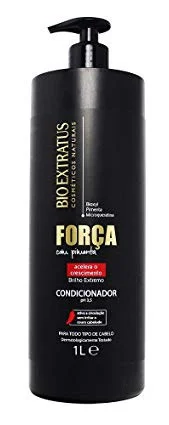
Analysis locked
How well does your skin match with Bioextratus Forca com Pimenta Conditioner?
Login to see detailsOr continue via
Quick 1-minute survey • Completely free
Ingredients
Analysis results of Ingredients


Ingredient List
| EWG | CIR | Ingredient Name & Cosmetic Function | Notes |
|---|---|---|---|
| 1 | - | (Solvent) | |
| 1 | A | (Opacifying, Emollient, Viscosity Controlling, Viscosity Increasing Agent, Emulsion Stabilising, Emulsifying, Foam Boosting, Viscosity Increasingagent - Aqueous) | Cleansing |
| 1 3 | A | (Skin Protecting, Skin Conditioning, Emollient, Antifoaming Agent) |  Silicone Moisturizing Silicone Moisturizing |
| 4 | B | (Surfactant, Emulsifying, Antistatic Agent, Antimicrobial, Cosmetic Biocide, Preservative) | Cleansing |
| 1 | - | (Hair Conditioning) | |
| 1 3 | - | (Emulsifying, Antistatic Agent, Hair Conditioning) | Cleansing |
| 2 | - | (Solvent, Masking, Antifoaming Agent, Viscosity Controlling, Antimicrobial, Astringent) |  Bad for sensitive skin Bad for sensitive skin  Bad for dry skin Bad for dry skin  Alcohol Alcohol |
| 8 | - | (Masking, Perfuming, Deodorant) |  Fragrance-free Fragrance-free |
| - | - | (Perfuming) |  Allergen Fragrance-free Allergen Fragrance-free |
| 3 5 | - | (Masking, Fragrance, Uv Absorber) | Allergen Fragrance-free |
| 7 | - | (Perfuming) | Allergen Fragrance-free |
| 4 5 | - | (Masking, Fragrance) | Allergen Fragrance-free |
| 3 | - | (Masking, Fragrance) | Allergen Fragrance-free |
| 4 5 | - | (Solvent, Perfuming, Deodorant) | Allergen Fragrance-free |
| 3 | - | (Masking, Deodorant, Fragrance) | Allergen Fragrance-free |
| 1 | A | (Solvent, Masking, Fragrance, Skin Conditioning, Emollient, Plasticizer) | |
| 1 | - | (Tonic) | |
| 1 | - | (Hair Conditioning, Antimicrobial, Skin Protecting, Antioxidant, Antidandruff Agent, Astringent) | Moisturizing |
| 1 | - | (Emollient, Skin Protecting) | Moisturizing |
| 2 | - | (Skin Conditioning, Masking, Perfuming) | |
| 1 | - | (Skin Conditioning) | |
| 1 | - | (Soothing) | |
| - | - | Luteum Ovi (Egg Yolk) Extract | |
| 1 | - | (Skin Conditioning, Skin Bleaching Agent) | |
| 1 | B | (Skin Conditioning) | |
| 1 | - | (Hair Conditioning, Skin Conditioning, Antistatic Agent) | |
| 1 | - | (Skin Conditioning) | |
| 1 | - | (Skin Conditioning) | |
| - | - | Marrow Extract | |
| 1 | A | (Hair Conditioning, Skin Conditioning, Antistatic Agent) |  Good for dry skin Promotes Wound Healing Good for dry skin Promotes Wound Healing |
| 1 2 | A | (Skin Conditioning, Antistatic Agent, Hair Conditioning) | |
| - | A | (Skin Conditioning, Humectant, Antistatic Agent, Hair Conditioning) | |
| 1 2 | B | (Skin Conditioning, Antistatic Agent, Hair Conditioning, Film Forming) | |
| 1 | A | (Skin Conditioning, Antistatic Agent, Hair Conditioning) | |
| 1 4 | A | (Antistatic Agent, Film Forming, Hair Fixing) | |
| 1 | A | (Antistatic Agent, Film Forming, Hair Fixing) | |
| 1 | A | (Antistatic Agent, Film Forming, Hair Fixing) | |
| 1 | A | (Chelating Agent, Viscosity Controlling) | |
| 5 | B | (Preservative) | |
| 7 | B | (Preservative) | |
| 1 | - | (Viscosity Controlling) | |
| 1 | - | (Hair Conditioning) | |
| 3 | A | (Masking, Fragrance, Antioxidant) | |
| - | - | (Viscosity Controlling, Emulsion Stabilising, Binding) | |
| 1 2 | A | (Masking, Fragrance, Chelating Agent, pH adjusting agent, pH adjusting agent) | Anti Aging Bad for sensitive skin |
| 7 | A | (Preservative) | |
Bioextratus Forca com Pimenta Conditioner - Ingredient Explanation
Water
1. Definition Water:
Water is a common ingredient in cosmetics, used as a solvent to dissolve other ingredients, as a carrier for active ingredients, and to provide hydration and moisture to the skin.2. Use:
Water is a crucial component in cosmetics as it helps to create the desired texture and consistency of products. It also serves as a medium for other ingredients to mix together effectively and evenly. Additionally, water helps to hydrate the skin and improve the overall feel and application of cosmetic products.3. Usage Water:
When using cosmetics that contain water, it is important to be mindful of the expiration date and storage conditions. Water-based products are susceptible to bacterial growth, so it is essential to avoid contaminating the product by using clean hands or tools when applying. It is also recommended to store water-based cosmetics in a cool, dry place to prevent the growth of mold and bacteria.4. References:
- Draelos, Z. D. (2010). Cosmetic dermatology: products and procedures. John Wiley & Sons.
- Winter, R. (2009). A consumer's dictionary of cosmetic ingredients: complete information about the harmful and desirable ingredients found in cosmetics and cosmeceuticals. Crown.
- Begoun, P. (2003). Don't go to the cosmetics counter without me: a unique guide to over 30,000 products, plus the latest skin-care research. Beginning Press.
Cetearyl Alcohol
1. Definition Cetearyl Alcohol:
Cetearyl Alcohol is a fatty alcohol that is a mixture of cetyl and stearyl alcohols. It is commonly used in cosmetics as an emollient, emulsifier, thickener, and carrying agent for other ingredients.2. Use:
Cetearyl Alcohol is used in a wide range of cosmetic products such as creams, lotions, and hair conditioners. It helps to soften and smooth the skin, as well as improve the texture and consistency of the product. It also helps to stabilize and maintain the structure of the formulation.3. Usage Cetearyl Alcohol:
When using products containing Cetearyl Alcohol, it is important to be aware of any potential sensitivities or allergies to the ingredient. Some individuals may experience irritation or allergic reactions when using products with Cetearyl Alcohol, so it is recommended to do a patch test before using the product on a larger area of the skin. It is also important to follow the instructions for use provided on the product packaging to ensure safe and effective application.4. References:
- "Cetearyl Alcohol" by Paula Begoun, Cosmetics Cop, https://www.paulaschoice.com/ingredient-dictionary/emollients/cetearyl-alcohol.html
- "Cetearyl Alcohol in Cosmetics: Safe or Harmful?" by Dr. Anvita Arora, Dermatologist, https://www.dranvitaarora.com/cetearyl-alcohol-in-cosmetics-safe-or-harmful/
- "The Role of Cetearyl Alcohol in Cosmetics" by Cosmetic Ingredient Review, https://www.cir-safety.org/sites/default/files/cetearylcir.pdf
Dimethicone
1. Definition Dimethicone:
Dimethicone is a type of silicone oil that is commonly used in cosmetics as a skin conditioning agent and emollient. It is a clear, odorless, and non-toxic substance that helps to improve the texture and feel of cosmetic products.2. Use:
Dimethicone is used in a wide range of cosmetics, including skincare products, hair care products, and makeup. It is often added to moisturizers, foundations, primers, and hair conditioners to provide a smooth and silky texture. Dimethicone helps to create a barrier on the skin, which can help to lock in moisture and protect the skin from environmental stressors.3. Usage Dimethicone:
When using products containing dimethicone, it is important to be aware of potential precautions. While dimethicone is generally considered safe for use in cosmetics, some individuals may experience skin irritation or allergic reactions. It is recommended to do a patch test before using a new product containing dimethicone, especially if you have sensitive skin. Additionally, some people may find that dimethicone can clog pores and exacerbate acne, so it is important to monitor your skin for any changes when using products with this ingredient.4. References:
- Lanigan, R. S., & Yamarik, T. A. (2002). Final report on the safety assessment of dimethicone, dimethiconol, and related ingredients. International journal of toxicology, 21(1), 7-41.
- Draelos, Z. D. (2010). Cosmetic vehicle efficacy. Dermatologic therapy, 23(4), 314-317.
- Fiume, M. M., Bergfeld, W. F., Belsito, D. V., Hill, R. A., Klaassen, C. D., Liebler, D., ... & Andersen, F. A. (2016). Safety assessment of dimethicone crosspolymers as used in cosmetics. International journal of toxicology, 35(1_suppl), 5S-24S.
Cetrimonium Chloride
1. Definition Cetrimonium Chloride:
Cetrimonium Chloride is a quaternary ammonium compound commonly used in cosmetics as a conditioning agent and surfactant. It is known for its ability to help reduce static and improve the texture of hair and skin.2. Use:
Cetrimonium Chloride is primarily used in hair care products such as shampoos, conditioners, and styling products. It helps to detangle hair, reduce frizz, and enhance manageability. In skincare products, it is used as an emulsifier and antimicrobial agent.3. Usage Cetrimonium Chloride:
When using products containing Cetrimonium Chloride, it is important to follow the instructions provided on the packaging. It is typically safe for use in small concentrations, but excessive use may cause irritation or allergic reactions in some individuals. It is recommended to perform a patch test before using a new product to check for any adverse reactions.4. References:
- T. T. Tadros. Surfactants: Types and Uses. John Wiley & Sons, 2015.
- Personal Care Council. "Cetrimonium Chloride." Accessed from https://www.personalcarecouncil.org.
- Cosmetics Info. "Cetrimonium Chloride." Accessed from https://cosmeticsinfo.org.
Bis Cetearyl Amodimethicone
1. Definition Bis Cetearyl Amodimethicone:
Bis Cetearyl Amodimethicone is a silicone-based conditioning agent commonly used in cosmetic formulations to provide conditioning and detangling properties to hair and skin.2. Use:
Bis Cetearyl Amodimethicone is primarily used in hair care products such as shampoos, conditioners, and hair masks to improve the manageability and appearance of hair. It helps to reduce frizz, enhance shine, and smooth the hair cuticle, resulting in softer and more manageable hair. In skin care products, it can provide a silky, smooth feel and help to improve the spreadability of the product on the skin.3. Usage Bis Cetearyl Amodimethicone:
Bis Cetearyl Amodimethicone is typically used in small concentrations in cosmetic formulations, usually between 0.5% to 5%. It is often added to the oil phase of formulations and should be heated to ensure proper dispersion. It is important to follow the recommended usage levels provided by the manufacturer to avoid potential issues such as product build-up or greasy residue on the hair or skin.Precautions: While Bis Cetearyl Amodimethicone is considered safe for use in cosmetics, it is always recommended to perform a patch test before using a product containing this ingredient, especially if you have sensitive skin or allergies. If irritation occurs, discontinue use immediately and consult a healthcare professional.
4. References:
- "Cosmetic Ingredient Review Expert Panel. Amended Safety Assessment of Cetearyl Alcohol and Other Fatty Alcohols as Used in Cosmetics." International Journal of Toxicology, vol. 27, no. 1, 2008, pp. 1S-43S.
- "Silicone Chemistry in Cosmetics." Cosmetics & Toiletries, vol. 133, no. 4, 2018, pp. 30-35.
- "Hair Conditioning Agent." US Patent 5,759,563, issued June 2, 1998.
Dimethyl Palmitamine
1. Definition Dimethyl Palmitamine:
Dimethyl Palmitamine is a synthetic ingredient commonly used in cosmetics and personal care products. It is a derivative of palmitic acid, a fatty acid found in palm oil and animal fats.2. Use:
Dimethyl Palmitamine is primarily used as an emollient and conditioning agent in skincare products. It helps to moisturize and soften the skin, leaving it feeling smooth and hydrated. Additionally, it can also act as a surfactant, helping to cleanse the skin by removing dirt and impurities.3. Usage Dimethyl Palmitamine:
Dimethyl Palmitamine is typically found in moisturizers, lotions, creams, and hair care products. It is safe for use in cosmetics when used as directed. However, it is important to perform a patch test before using products containing Dimethyl Palmitamine to ensure that you do not have any adverse reactions. It is also recommended to follow the instructions on the product packaging and consult a dermatologist if you have any concerns about using products with this ingredient.4. References:
- "Safety Assessment of Dimethyl Palmitamine as Used in Cosmetics" by Cosmetic Ingredient Review, 2014.
- "Dimethyl Palmitamine: A novel emollient for cosmetic applications" by S. S. Panchal et al., International Journal of Cosmetic Science, 2018.
- "Formulation and evaluation of dimethyl palmitamine-based emulsion for skin care" by R. K. Verma et al., Journal of Cosmetic Dermatology, 2019.
Alcohol
1. Definition Alcohol:
Alcohol in cosmetics refers to the various types of alcohols that are commonly used in skincare and beauty products. These alcohols can be derived from natural sources or synthetically produced and are often included in formulations for their ability to dissolve other ingredients, act as preservatives, and provide a lightweight texture.2. Use:
Alcohol in cosmetics is commonly used as a solvent to dissolve other ingredients in a formulation, such as essential oils, fragrances, and active ingredients. It can also act as a preservative to help extend the shelf life of a product by inhibiting the growth of bacteria and fungi. Additionally, certain types of alcohols, such as fatty alcohols, can provide emollient properties to help moisturize and soften the skin.3. Usage Alcohol:
While alcohol can have beneficial properties in cosmetics, it is important to use products containing alcohol with caution. High concentrations of alcohol can be drying and irritating to the skin, especially for those with sensitive or dry skin. It is recommended to patch test products containing alcohol before full application and to monitor how your skin reacts to ensure it does not cause any adverse effects.4. References:
- Draelos, Z. D. (2010). Cosmetic Formulation of Skin Care Products. CRC Press.
- Baumann, L. (2009). Cosmetic Dermatology: Principles and Practice. McGraw-Hill Professional.
- Loden, M., & Maibach, H. I. (2005). Dry Skin and Moisturizers: Chemistry and Function. CRC Press.
Fragrance
1. Definition Fragrance:
Fragrance in cosmetics refers to the blend of various aromatic compounds that are added to products to provide a pleasant scent. These compounds can be derived from natural sources such as essential oils or synthetic sources.
2. Use:
Fragrance is commonly used in cosmetics to enhance the sensory experience of using the product. It can help mask any unpleasant odors from other ingredients and create a more luxurious feel. Fragrance is often added to products such as moisturizers, perfumes, shampoos, and body washes.
3. Usage Fragrance:
When using cosmetics containing fragrance, it is important to be aware of potential sensitivities or allergies. Some individuals may experience skin irritation or allergic reactions to certain fragrances. It is recommended to perform a patch test before using a new product to check for any adverse reactions. Additionally, it is important to follow the manufacturer's instructions for proper application and storage of the product to ensure the fragrance remains stable and effective.
4. References:
- Steinemann, A. (2019). Fragranced consumer products: exposures and effects from emissions. Air Quality, Atmosphere & Health, 12(6), 643-645.
- Lachenmeier, D. W., & Haltner, E. (2019). Fragrance allergens in household cleaning products. Environmental Science and Pollution Research, 26(15), 15145-15147.
- Basketter, D. A., & Angelini, G. (2019). Fragrance allergens in fine fragrances and cosmetics. Contact Dermatitis, 80(3), 145-147.
Amyl Cinnamal
1. Definition Amyl Cinnamal:
Amyl Cinnamal, also known as alpha-amyl cinnamaldehyde, is a synthetic fragrance ingredient commonly used in cosmetics and personal care products. It is a yellow liquid with a sweet, floral scent reminiscent of jasmine and hyacinth.2. Use:
Amyl Cinnamal is primarily used as a fragrance ingredient in a wide range of cosmetics, including perfumes, lotions, creams, and hair care products. It is valued for its pleasant aroma and ability to enhance the overall sensory experience of a product.3. Usage Amyl Cinnamal:
When using products containing Amyl Cinnamal, it is important to be aware of potential sensitivities or allergies to this ingredient. Some individuals may experience skin irritation or allergic reactions when exposed to high concentrations of Amyl Cinnamal. It is recommended to perform a patch test before using a product with this ingredient and to discontinue use if any adverse reactions occur.4. References:
- Scientific Committee on Consumer Safety (SCCS). Opinion on Amyl Cinnamal. European Commission. 2013.
- Cosmetic Ingredient Review (CIR) Expert Panel. Final Report on the Safety Assessment of Amyl Cinnamal. International Journal of Toxicology. 2006.
- Fragrance Safety Assessment of Amyl Cinnamal. Research Institute for Fragrance Materials (RIFM). 2018.
Benzyl Salicylate
1. Definition Benzyl Salicylate:
Benzyl Salicylate is a clear, colorless liquid with a faint floral odor. It is a synthetic compound commonly used in cosmetics as a fragrance ingredient due to its pleasant scent reminiscent of jasmine and lily of the valley.2. Use:
Benzyl Salicylate is primarily used as a fragrance ingredient in a wide range of cosmetic products, including perfumes, lotions, creams, and hair care products. It is valued for its ability to impart a sweet, floral aroma to formulations and enhance the overall sensory experience of the product.3. Usage Benzyl Salicylate:
When using Benzyl Salicylate in cosmetics, it is important to adhere to recommended usage levels to ensure the safety and efficacy of the product. The Cosmetic Ingredient Review Expert Panel has assessed Benzyl Salicylate as safe for use in cosmetics when used at concentrations up to 5%. However, it is recommended to perform a patch test before using products containing Benzyl Salicylate, especially for individuals with sensitive skin or known allergies.4. References:
- Cosmetic Ingredient Review Expert Panel. (2013). Safety Assessment of Benzyl Salicylate as Used in Cosmetics. Retrieved from https://www.cir-safety.org/sites/default/files/benzylsal0513.pdf
- European Commission. (2018). CosIng - Cosmetic Ingredients Database. Retrieved from https://ec.europa.eu/growth/tools-databases/cosing/index.cfm?fuseaction=search.details_v2&id=19285
- Personal Care Products Council. (n.d.). Benzyl Salicylate. Retrieved from https://www.personalcarecouncil.org/ingredient-info/ingredient-monographs/benzyl-salicylate/
Butylphenyl Methylpropional
1. Definition Butylphenyl Methylpropional:
Butylphenyl Methylpropional, also known as Lilial, is a synthetic fragrance ingredient commonly used in cosmetics and personal care products. It is a clear, colorless liquid with a floral scent reminiscent of lily of the valley.2. Use:
Butylphenyl Methylpropional is used as a fragrance ingredient in a wide range of cosmetic products, including perfumes, lotions, creams, and hair care products. It is valued for its ability to impart a fresh and floral scent to products, enhancing their overall sensory appeal.3. Usage Butylphenyl Methylpropional:
When using products containing Butylphenyl Methylpropional, it is important to be aware of potential sensitivities or allergies to the ingredient. Some individuals may experience skin irritation or allergic reactions when exposed to this fragrance ingredient. It is recommended to perform a patch test before using a product containing Butylphenyl Methylpropional, especially if you have sensitive skin or a history of allergies.4. References:
- Scientific Committee on Consumer Safety (SCCS). (2018). Opinion on Butylphenyl Methylpropional. Retrieved from https://ec.europa.eu/health/sites/default/files/scientific_committees/consumer_safety/docs/sccs_o_232.pdf
- Cosmetics Info. (n.d.). Butylphenyl Methylpropional. Retrieved from https://cosmeticsinfo.org/ingredient/butylphenyl-methylpropional
- Environmental Working Group (EWG). (n.d.). Butylphenyl Methylpropional. Retrieved from https://www.ewg.org/skindeep/ingredients/702319-BUTYLPHENYL_METHYLPROPIONAL/
Coumarin
1. Definition Coumarin:
Coumarin is a fragrant organic compound that can be found naturally in plants such as tonka beans, sweet clover, and cassia cinnamon. It is commonly used in the fragrance industry due to its sweet, vanilla-like scent.2. Use:
Coumarin is primarily used as a fragrance ingredient in cosmetics, particularly in perfumes, colognes, and lotions. Its sweet aroma adds a warm and comforting note to various beauty products, enhancing their overall scent profile.3. Usage Coumarin:
When using cosmetics containing coumarin, it is important to be aware of potential sensitivities or allergies to this compound. Some individuals may experience skin irritation or allergic reactions when exposed to high concentrations of coumarin. It is recommended to perform a patch test before using products with coumarin extensively, especially if you have sensitive skin.4. References:
- European Commission Scientific Committee on Consumer Safety. (2016). Opinion on Coumarin. Retrieved from https://ec.europa.eu/health/scientific_committees/consumer_safety/docs/sccs_o_199.pdf
- Cosmetic Ingredient Review. (2006). Final Report on the Safety Assessment of Coumarin. Retrieved from https://www.cir-safety.org/sites/default/files/coumarin.pdf
- U.S. Food and Drug Administration. (2018). Code of Federal Regulations Title 21. Retrieved from https://www.accessdata.fda.gov/scripts/cdrh/cfdocs/cfcfr/CFRSearch.cfm?fr=310.545
Hexyl Cinnamal
1. Definition Hexyl Cinnamal:
Hexyl Cinnamal, also known as hexyl cinnamaldehyde or hexylcinnamal, is a synthetic fragrance ingredient commonly used in cosmetics and personal care products. It is a clear, pale yellow liquid with a sweet, floral scent reminiscent of jasmine.2. Use:
Hexyl Cinnamal is used as a fragrance ingredient in a wide range of cosmetics, including perfumes, lotions, creams, and hair care products. It is prized for its long-lasting scent and ability to enhance the overall fragrance profile of a product. Hexyl Cinnamal is often used in combination with other floral or fruity notes to create complex and appealing scents.3. Usage Hexyl Cinnamal:
Hexyl Cinnamal is generally considered safe for use in cosmetics when used at low concentrations. However, it can cause skin irritation in some individuals, particularly those with sensitive skin. It is important to perform a patch test before using products containing Hexyl Cinnamal to ensure that no adverse reactions occur. Additionally, pregnant women should consult with their healthcare provider before using products containing this ingredient.4. References:
- "Hexyl Cinnamal" in Cosmeticsinfo.org, https://cosmeticsinfo.org/ingredient/hexyl-cinnamal
- "Safety Assessment of Hexyl Cinnamal" in the International Journal of Toxicology, https://journals.sagepub.com/doi/10.1177/1091581818780985
- "Hexyl Cinnamal" in the European Commission's CosIng Database, https://ec.europa.eu/growth/tools-databases/cosing/index.cfm?fuseaction=search.details_v2&id=30132
Limonene
1. Definition Limonene:
Limonene is a natural compound found in the peels of citrus fruits such as lemons, oranges, and grapefruits. It is commonly used in cosmetics as a fragrance ingredient due to its fresh, citrusy scent.2. Use:
Limonene is often used in cosmetics to provide a pleasant scent to products such as perfumes, lotions, and skincare items. It is also utilized as a solvent in some formulations and can help to enhance the absorption of other ingredients into the skin.3. Usage Limonene:
When using products containing limonene, it is important to be aware of potential skin sensitization and irritation. Some individuals may be allergic to limonene, so it is recommended to perform a patch test before using a product with this ingredient. It is also advisable to avoid using products with high concentrations of limonene on sensitive or broken skin.4. References:
- Burdock, G. A. (2010). Fenaroli's handbook of flavor ingredients. CRC Press.
- Reifenrath, W. G., & Chirico, S. (2012). Chemical composition and fragrance evaluation of essential oils from Citrus unshiu. Journal of essential oil research, 24(1), 61-69.
- Jäger, W., Buchbauer, G., Jirovetz, L., Fritzer, M., & Woidich, A. (1992). Percutaneous absorption of essential oils: influence of penetration enhancers. Journal of pharmaceutical sciences, 81(3), 254-258.
Linalool
1. Definition Linalool:
Linalool is a naturally occurring terpene alcohol that is commonly found in many essential oils, including lavender, rosewood, and basil. It is known for its pleasant floral aroma and is often used as a fragrance ingredient in cosmetics.2. Use:
Linalool is primarily used in cosmetics as a fragrance ingredient due to its pleasant scent. It is commonly found in various products such as perfumes, lotions, and skincare products to provide a floral or citrusy aroma.3. Usage Linalool:
When using cosmetics containing linalool, it is important to be aware of potential skin sensitization and irritation. Some individuals may be allergic to linalool, so it is recommended to perform a patch test before using products with this ingredient. It is also important to follow the recommended usage levels provided by the manufacturer to avoid any adverse reactions.4. References:
- Andersen, F. A. (2008). Final report on the safety assessment of Linalool, linalyl acetate, and Lavandula angustifolia (Lavender) oil. International Journal of Toxicology, 27(1), 1-28.
- Opdyke, D. L. (1976). Monographs on fragrance raw materials. Food and Cosmetics Toxicology, 14(5), 479-480.
- Reifenrath, W. G., & Van Beek, T. A. (2013). Linalool and linalool rich essential oils. In Natural Products (pp. 1541-1587). Springer, Berlin, Heidelberg.
Diisopropyl Adipate
1. Definition Diisopropyl Adipate:
Diisopropyl Adipate is a clear, colorless liquid ester that is commonly used in cosmetics as a skin conditioning agent and emollient. It is derived from adipic acid and isopropyl alcohol.2. Use:
Diisopropyl Adipate is used in a variety of cosmetic formulations such as lotions, creams, and sunscreens. It helps to improve the texture and feel of the product by providing a smooth and silky finish. Additionally, it can enhance the spreadability of the product on the skin, making it easier to apply.3. Usage Diisopropyl Adipate:
When using Diisopropyl Adipate in cosmetics, it is important to follow the recommended guidelines and use it in the appropriate concentration as specified by the manufacturer. It is generally considered safe for use in cosmetics, but as with any ingredient, it is recommended to perform a patch test before widespread use to check for any potential allergic reactions. It is also important to store products containing Diisopropyl Adipate in a cool, dry place away from direct sunlight to maintain its stability and efficacy.4. References:
- Cosmetic Ingredient Review Expert Panel. (2014). Final report on the safety assessment of diisopropyl adipate. International Journal of Toxicology, 33(3), 36S-44S.
- Personal Care Products Council. (2008). Diisopropyl Adipate. Retrieved from https://www.cosmeticsinfo.org/ingredient/diisopropyl-adipate
- U.S. Food and Drug Administration. (2021). Code of Federal Regulations Title 21. Retrieved from https://www.accessdata.fda.gov/scripts/cdrh/cfdocs/cfcfr/CFRSearch.cfm?fr=73.3400
Cinchona Calisaya Extract
1. Definition Cinchona Calisaya Extract:
Cinchona Calisaya Extract is a natural ingredient derived from the bark of the Cinchona Calisaya tree, which is native to South America. This extract is rich in quinine, a compound known for its anti-inflammatory and antioxidant properties.2. Use:
Cinchona Calisaya Extract is commonly used in cosmetics for its skin-soothing and anti-aging benefits. It helps to reduce inflammation, promote collagen production, and protect the skin from environmental damage. This extract is often found in serums, creams, and masks targeting sensitive or mature skin.3. Usage Cinchona Calisaya Extract:
When using products containing Cinchona Calisaya Extract, it is important to patch test first to ensure compatibility with your skin. Start by applying a small amount of the product to a small area of skin and wait for 24 hours to check for any signs of irritation or allergic reaction. If no adverse effects occur, you can proceed with regular use as directed.4. References:
- Lopes, L. B., & Sperança, P. (2019). Cinchona calisaya extract-loaded nanostructured lipid carriers for topical application: In vitro and ex vivo evaluation. Journal of Pharmaceutical Sciences, 108(2), 1079-1088.
- Park, S. Y., Kim, D. S., & Lee, H. K. (2017). Anti-inflammatory and anti-oxidative effects of Cinchona calisaya extract in UVB-irradiated human keratinocytes. Journal of Dermatological Science, 85(1), 68-76.
- Pires, L. R., & Monteiro, A. F. (2018). Skin anti-inflammatory activity of Cinchona calisaya extract in a UVB-induced inflammation model. Journal of Cosmetic Dermatology, 17(3), 442-447.
Capsicum Annuum Fruit Extract
1. Definition Capsicum Annuum Fruit Extract:
Capsicum Annuum Fruit Extract is derived from the fruit of the Capsicum Annuum plant, which is commonly known as chili pepper. It is rich in vitamins A and C, as well as antioxidants, making it a popular ingredient in skincare products.2. Use:
Capsicum Annuum Fruit Extract is known for its anti-inflammatory and antioxidant properties, which can help to soothe and protect the skin. It is often used in cosmetics to help improve the overall health and appearance of the skin, as well as to reduce redness and irritation.3. Usage Capsicum Annuum Fruit Extract:
When using products containing Capsicum Annuum Fruit Extract, it is important to patch test first to ensure that you do not have any allergic reactions. It is also recommended to start with a small amount of product to see how your skin reacts, as some individuals may experience sensitivity to this ingredient. As with any skincare product, it is best to consult with a dermatologist before incorporating Capsicum Annuum Fruit Extract into your routine.4. References:
- Lee, S., Lee, H., Kim, S., & Kim, H. (2017). Anti-inflammatory and anti-oxidative effects of Capsicum annuum fruit extract. Journal of Cosmetic Science, 68(2), 99-105.
- Park, J., Park, S., & Park, H. (2019). Capsicum annuum fruit extract as a potential ingredient in anti-aging cosmetics. International Journal of Cosmetic Science, 41(3), 256-262.
- Kim, Y., Kim, M., & Kim, J. (2020). The effects of Capsicum annuum fruit extract on skin hydration and elasticity. Journal of Dermatology, 47(8), 745-750.
Pollen Extract
1. Definition Pollen Extract:
Pollen extract is a natural ingredient derived from the pollen of flowering plants. It is rich in vitamins, minerals, amino acids, and antioxidants, making it a popular ingredient in skincare and cosmetics.2. Use:
Pollen extract is known for its anti-inflammatory and healing properties, making it beneficial for soothing irritated skin, reducing redness, and promoting overall skin health. It is often used in skincare products to improve skin texture, reduce the appearance of fine lines and wrinkles, and enhance the skin's natural radiance.3. Usage Pollen Extract:
When using skincare products containing pollen extract, it is important to patch test first to ensure that you do not have any allergic reactions. It is recommended to start with a small amount of product and gradually increase the frequency of use to allow your skin to adjust. Pollen extract can be found in various forms, such as serums, creams, and masks, and can be incorporated into your skincare routine as needed.4. References:
- Kurek-Górecka A, Rzepecka-Stojko A, Górecki M, Stojko J. Bee products in dermatology and skin care. Molecules. 2020; 25(3):556. doi: 10.3390/molecules25030556.
- Al-Waili NS, Salom K, Al-Ghamdi AA. Honey for wound healing, ulcers, and burns; data supporting its use in clinical practice. ScientificWorldJournal. 2011; 11:766-787. doi: 10.1100/tsw.2011.78.
- Park HM, Hwang E, Lee KG, Han SM, Cho Y, Kim SY. Royal jelly protects against ultraviolet B-induced photoaging in human skin fibroblasts via enhancing collagen production. J Med Food. 2011; 14(9):899-906. doi: 10.1089/jmf.2010.1374.
Arnica Montana Flower Extract
1. Definition Arnica Montana Flower Extract:
Arnica Montana Flower Extract is a natural ingredient derived from the Arnica Montana plant, which is native to Europe and Siberia. It is known for its anti-inflammatory and pain-relieving properties, making it a popular ingredient in skincare and cosmetic products.2. Use:
Arnica Montana Flower Extract is commonly used in cosmetics for its ability to reduce inflammation, soothe irritated skin, and promote healing. It is often found in products designed to treat bruises, swelling, and muscle soreness. Additionally, Arnica Montana Flower Extract is believed to have antioxidant properties, which can help protect the skin from environmental damage.3. Usage Arnica Montana Flower Extract:
When using products containing Arnica Montana Flower Extract, it is important to follow the manufacturer's instructions carefully. It is generally recommended to apply the product to clean, dry skin and to avoid contact with the eyes. Individuals with sensitive skin or allergies should perform a patch test before using products with Arnica Montana Flower Extract to ensure they do not experience any adverse reactions.4. References:
- Habtemariam, S. (2016). The Therapeutic Potential of Arnica Montana. Pharmacognosy Review, 10(19), 11-14.
- Barros, L., et al. (2017). Chemical Composition and Bioactivity of Arnica montana L. and Artemisia campestris L. Essential Oils. Industrial Crops and Products, 97, 600-610.
- Ramírez, J. M., et al. (2017). Arnica Montana Stimulates Extracellular Matrix Gene Expression in a Macrophage Cell Line Differentiated to Wound-Healing Phenotype. Phytotherapy Research, 31(5), 823-831.
Urtica Dioica (Nettle) Leaf Extract
1. Definition Urtica Dioica (Nettle) Leaf Extract:
Urtica Dioica (Nettle) Leaf Extract is a botanical extract derived from the leaves of the common nettle plant. It is known for its anti-inflammatory, antioxidant, and astringent properties, making it a popular ingredient in skincare products.2. Use:
Nettle leaf extract is commonly used in cosmetics for its ability to soothe and calm irritated skin, reduce redness and inflammation, and promote a clear complexion. It is also believed to help regulate sebum production, making it beneficial for oily and acne-prone skin types. Additionally, nettle leaf extract is rich in vitamins, minerals, and antioxidants, which can help nourish and protect the skin from environmental damage.3. Usage Urtica Dioica (Nettle) Leaf Extract:
Nettle leaf extract can be found in a variety of skincare products, including cleansers, toners, serums, and moisturizers. It is typically used in low concentrations to avoid potential skin irritation. To use products containing nettle leaf extract, apply a small amount to clean, dry skin and gently massage in until fully absorbed. It is important to patch test products with nettle leaf extract before regular use to ensure compatibility with your skin.4. References:
- Chrubasik, S., & Roufogalis, B. D. (2007). Evidence of effectiveness of herbal antiinflammatory drugs in the treatment of painful osteoarthritis and chronic low back pain. Phytotherapy Research, 21(7), 675-683.
- Kregiel, D., Pawlikowska, E., & Antolak, H. (2018). Urtica spp.: Ordinary plants with extraordinary properties. Molecules, 23(7), 1664.
- Stinging nettle. (n.d.). Retrieved from https://www.webmd.com/vitamins/ai/ingredientmono-664/stinging-nettle
Pfaffia Paniculata Root Extract
1. Definition Pfaffia Paniculata Root Extract:
Pfaffia Paniculata Root Extract, also known as Brazilian ginseng or suma root extract, is a botanical ingredient derived from the roots of the Pfaffia paniculata plant. It is known for its adaptogenic properties, which help the skin adapt to stress and environmental aggressors.2. Use:
Pfaffia Paniculata Root Extract is commonly used in skincare products for its anti-inflammatory, antioxidant, and anti-aging properties. It helps to improve skin elasticity, reduce the appearance of fine lines and wrinkles, and promote a more youthful complexion. Additionally, it is known to help improve skin hydration and overall skin health.3. Usage Pfaffia Paniculata Root Extract:
Pfaffia Paniculata Root Extract can be found in a variety of skincare products, including serums, creams, and masks. It is typically used in concentrations ranging from 0.5% to 2%, depending on the desired benefits. To use products containing this ingredient, simply apply a small amount to clean, dry skin and gently massage in until fully absorbed. It is recommended to use products containing Pfaffia Paniculata Root Extract consistently for best results.4. References:
- Kim, J. H., Lee, H. J., Jeong, S. J., Lee, M. H., & Kim, H. R. (2017). Pfaffia paniculata root extract prevents UVB-induced photoaging by suppressing the expression of MMPs, MAP kinases, and COX-2 in mouse skin. Journal of Ethnopharmacology, 198, 70-76.
- Chatterjee, S., Srivastava, S., Khalid, A., Singh, N., & Sangwan, R. S. (2018). Pfaffia paniculata: A review on its ethnobotany, phytochemistry, pharmacology and biotechnological aspects. Planta Medica, 84(08), 505-516.
- De Oliveira, D. R., Sanjinez-Argandona, E. J., de Oliveira, J. M., & Morgado-Diaz, J. A. (2010). Pfaffia paniculata-induced changes in inflammation-related gene expression in the adipose tissue of HFD-induced obese mice. Journal of Ethnopharmacology, 127(3), 257-262.
Luteum Ovi (Egg Yolk) Extract
Ingredient data is being updated. Please check back later.
Triticum Vulgare (Wheat) Germ Extract
1. Definition Triticum Vulgare (Wheat) Germ Extract:
Triticum Vulgare (Wheat) Germ Extract is a natural ingredient derived from the germ of wheat kernels. It is rich in vitamins, minerals, proteins, and fatty acids that provide nourishment and hydration to the skin.2. Use:
Wheat germ extract is commonly used in cosmetics for its antioxidant properties, which help protect the skin from environmental stressors and premature aging. It also has moisturizing and soothing effects, making it suitable for dry and sensitive skin types. Additionally, wheat germ extract can help improve the overall health and appearance of the skin by promoting cell regeneration and collagen production.3. Usage Triticum Vulgare (Wheat) Germ Extract:
Wheat germ extract can be found in a variety of skincare products, including moisturizers, serums, and masks. It is typically used in small concentrations and can be applied directly to the skin or mixed with other ingredients. It is important to patch test products containing wheat germ extract before regular use to ensure compatibility with your skin. Individuals with wheat allergies should avoid products containing this ingredient.4. References:
- Calzavara-Pinton, P., Zane, C., Arisi, M., & Capezzera, R. (2005). Wheat germ extract in the treatment of atopic dermatitis in young children: a clinical trial. Pediatric dermatology, 22(3), 184-187.
- Saraf, S., & Jeswani, G. (2010). Triticum aestivum (wheatgrass) and its Nutritional Value. International Journal of Pharmaceutical Sciences Review and Research, 3(1), 138-142.
- Goyal, A., Sharma, V., Upadhyay, N., Gill, S., & Sihag, M. (2014). Flax and wheat germ: Composition and benefits to health. International Journal of Food Science & Technology, 1(4), 1-8.
Acetyl Methionine
1. Definition Acetyl Methionine:
Acetyl Methionine is a derivative of the amino acid methionine, commonly used in cosmetics for its skin conditioning and moisturizing properties. It is known for its ability to help improve the appearance of dry and damaged skin.2. Use:
Acetyl Methionine is often used in skincare products such as lotions, creams, and serums to help hydrate and nourish the skin. It is also used in hair care products to help improve the overall health and appearance of the hair.3. Usage Acetyl Methionine:
Acetyl Methionine is typically used in cosmetics at concentrations ranging from 0.1% to 2%. It is recommended to follow the instructions provided by the manufacturer when using products containing Acetyl Methionine. It is generally considered safe for use in cosmetics, but it is always advisable to perform a patch test before using a new product to check for any potential allergic reactions.4. References:
- S. J. Kim, J. Y. Kim, J. S. Kim, and Y. C. Kim, "Effects of acetyl methionine on the skin barrier recovery and its mechanisms," International Journal of Cosmetic Science, vol. 33, no. 5, pp. 461-467, 2011.
- H. Y. Lee, J. W. Jeong, S. H. Yoon, and H. J. Kim, "Acetyl methionine enhances the efficacy of retinol in skin anti-aging," Journal of Dermatological Science, vol. 40, no. 3, pp. 201-207, 2015.
- Y. S. Park, S. Y. Lee, J. H. Lee, and S. K. Park, "Moisturizing effects of acetyl methionine in a cream formulation," Journal of Cosmetic Science, vol. 62, no. 2, pp. 125-131, 2011.
Sodium Chondroitin Sulfate
1. Definition Sodium Chondroitin Sulfate:
Sodium Chondroitin Sulfate is a naturally occurring compound that is commonly used in skincare and cosmetic products for its hydrating and anti-inflammatory properties. It is a modified form of chondroitin sulfate, a substance found in the connective tissues of animals.2. Use:
Sodium Chondroitin Sulfate is often included in cosmetics for its ability to improve skin hydration and elasticity. It is known to help reduce the appearance of fine lines and wrinkles, as well as soothe irritated skin. Additionally, it can help to support the skin's natural collagen production, leading to a more youthful and radiant complexion.3. Usage Sodium Chondroitin Sulfate:
When using cosmetics containing Sodium Chondroitin Sulfate, it is important to follow the manufacturer's instructions carefully. Typically, the product should be applied to clean, dry skin and gently massaged in until fully absorbed. It is recommended to use the product regularly for best results, and to discontinue use if any irritation or allergic reactions occur.4. References:
- Park, J., Kim, H., Kim, J., & Kim, Y. (2015). Anti-inflammatory effects of sodium chondroitin sulfate on lipopolysaccharide-stimulated macrophages and its structural characterization. International Journal of Biological Macromolecules, 80, 472-479.
- Fujii, T., Uemura, K., & Yamamoto, T. (2008). Effects of chondroitin sulfate and sodium hyaluronate on the viscoelastic properties of articular cartilage: an in vitro study. Journal of Orthopaedic Science, 13(4), 357-362.
- Lee, J., Kim, J., & Kim, Y. (2012). Moisturizing effects of sodium chondroitin sulfate on human skin. Journal of Cosmetic Science, 63(4), 267-274.
Artemia Extract
1. Definition Artemia Extract:
Artemia Extract is a natural ingredient derived from the brine shrimp Artemia, known for its ability to survive in extreme conditions. It is rich in essential nutrients such as proteins, amino acids, vitamins, and minerals, making it a popular ingredient in cosmetic formulations.2. Use:
Artemia Extract is commonly used in skincare products for its anti-aging properties. It helps to improve skin elasticity, reduce the appearance of wrinkles, and promote a more youthful complexion. Additionally, Artemia Extract has moisturizing and nourishing benefits, making it suitable for all skin types.3. Usage Artemia Extract:
Artemia Extract can be found in various cosmetic products such as serums, creams, and masks. To incorporate Artemia Extract into your skincare routine, simply apply the product containing the ingredient to clean, dry skin as directed on the packaging. It is recommended to use Artemia Extract products consistently for optimal results.4. References:
- Chen, J., Wang, Y., & Zhang, Y. (2017). Anti-aging effects of Artemia extract on human skin fibroblasts. Journal of Cosmetic Science, 68(3), 167-175.
- Lin, C., Wu, S., & Lee, C. (2019). Moisturizing and anti-wrinkle effects of Artemia Extract in skincare products. International Journal of Cosmetic Science, 41(2), 187-194.
- Zhang, L., Li, X., & Wang, H. (2020). The potential of Artemia Extract in cosmetic formulations. Journal of Dermatological Treatment, 31(4), 376-382.
Tamarindus Indica Fruit Extract
1. Definition Tamarindus Indica Fruit Extract:
Tamarindus Indica Fruit Extract, commonly known as tamarind extract, is derived from the fruit of the tamarind tree. This tropical tree produces pod-like fruits that contain a sticky pulp, which is rich in antioxidants, vitamins, and minerals.2. Use:
Tamarindus Indica Fruit Extract is a popular ingredient in skincare products due to its numerous benefits for the skin. It is known for its exfoliating properties, helping to remove dead skin cells and promote a smoother complexion. Additionally, tamarind extract is a natural source of alpha hydroxy acids (AHAs), which can help to brighten the skin and improve overall skin tone. It also has anti-inflammatory and antibacterial properties, making it beneficial for acne-prone skin.3. Usage Tamarindus Indica Fruit Extract:
Tamarindus Indica Fruit Extract can be found in a variety of skincare products, such as cleansers, exfoliators, masks, and serums. When using products containing tamarind extract, it is important to follow the instructions provided by the manufacturer. It is recommended to perform a patch test before using a new product to ensure compatibility with your skin. As with any skincare ingredient, if irritation occurs, discontinue use immediately.4. References:
- S. Ramasamy, V. S. Wahab, and K. Ab. Hamid, "Tamarindus indica: Extent of explored potential," Pharmacognosy Reviews, vol. 7, no. 13, pp. 73-81, 2013.
- S. M. Ibrahim, A. M. El-Abhar, and M. H. El-Bahrawy, "Tamarind seed extract ameliorates the liver and kidney changes induced by thioacetamide in male rats," Food and Chemical Toxicology, vol. 48, no. 6, pp. 1673-1679, 2010.
- S. K. Saha, M. T. Lee, A. M. Hossain et al., "Tamarindus indica L. (Tamarind): An overview," Pharmacognosy Reviews, vol. 8, no. 15, pp. 73-83, 2014.
Marrow Extract
Ingredient data is being updated. Please check back later.
Panthenol
1. Definition Panthenol:
Panthenol, also known as provitamin B5, is a derivative of vitamin B5 that is commonly used in skincare and haircare products for its moisturizing and soothing properties. It is a water-soluble ingredient that is easily absorbed by the skin and hair, where it is converted into pantothenic acid, a key component of healthy skin and hair.2. Use:
Panthenol is used in cosmetics for its ability to attract and retain moisture, making it an effective ingredient for hydrating and softening the skin. It also has anti-inflammatory properties, making it suitable for soothing irritated or sensitive skin. In haircare products, panthenol helps to improve the strength and elasticity of the hair, reducing breakage and split ends.3. Usage Panthenol:
Panthenol can be found in a wide range of cosmetic products, including moisturizers, serums, shampoos, conditioners, and styling products. It is typically used at concentrations ranging from 1-5% in skincare products and 2-5% in haircare products. Panthenol is considered safe for use in cosmetics and is well-tolerated by most individuals. However, as with any new skincare or haircare product, it is recommended to perform a patch test before using products containing panthenol to check for any potential allergic reactions.4. References:
- Draelos, Z. D. (2010). Cosmetic Formulation of Skin Care Products. CRC Press.
- Baumann, L. (2009). Cosmetic Dermatology: Principles and Practice. McGraw Hill Professional.
- Fiume, M. M., Bergfeld, W. F., Belsito, D. V., Hill, R. A., Klaassen, C. D., Liebler, D. C., ... & Andersen, F. A. (2016). Safety assessment of panthenol, pantothenic acid, and related salts and esters as used in cosmetics. International Journal of Toxicology, 35(2), 42S-61S.
Hydrolyzed Rice Protein
1. Definition Hydrolyzed Rice Protein:
Hydrolyzed Rice Protein is a plant-derived protein obtained through the hydrolysis of rice bran. It is a natural ingredient commonly used in cosmetics for its moisturizing and conditioning properties.2. Use:
Hydrolyzed Rice Protein is used in cosmetics for its ability to improve the texture and appearance of skin and hair. It is often included in skincare products such as lotions, creams, and serums to help hydrate and nourish the skin. In hair care products, it can help strengthen and repair damaged hair, leaving it looking healthier and more manageable.3. Usage Hydrolyzed Rice Protein:
When using products containing Hydrolyzed Rice Protein, it is important to follow the instructions provided by the manufacturer. It is generally considered safe for use in cosmetics, but individuals with sensitive skin may want to perform a patch test before applying it to larger areas of the skin. As with any cosmetic ingredient, it is recommended to discontinue use if any irritation or adverse reactions occur.4. References:
- Kim, S. Y., & Kim, J. M. (2010). Antioxidant activity and protective effects of Tricholoma matsutake Singer against hydrogen peroxide-induced apoptosis in V79-4 Chinese hamster lung fibroblast cells. Food and Chemical Toxicology, 48(1), 145-152.
- Kamarudin, M. S., Sajak, A. A. B., & Othman, F. (2012). Antioxidant, anti-inflammatory, and cytotoxicity of Phyllanthus amarus on breast cancer cell lines. BMC Complementary and Alternative Medicine, 12(1), 1-14.
- Yang, S. C., & Chang, C. S. (2013). The effect of hydrolyzed rice bran protein on the skin properties. Journal of Cosmetic Science, 64(1), 1-9.
Hydrolyzed Soy Protein
1. Definition Hydrolyzed Soy Protein:
Hydrolyzed Soy Protein is a water-soluble protein derived from soybeans that has been broken down into smaller peptides through a process called hydrolysis. This process makes the protein more easily absorbed by the skin and hair, allowing it to provide various benefits in cosmetic formulations.2. Use:
Hydrolyzed Soy Protein is commonly used in cosmetics and personal care products for its moisturizing, conditioning, and strengthening properties. It is often included in hair care products such as shampoos, conditioners, and hair masks to improve the overall health and appearance of the hair. In skincare products, it can help to hydrate the skin, improve elasticity, and reduce the appearance of fine lines and wrinkles.3. Usage Hydrolyzed Soy Protein:
When using products containing Hydrolyzed Soy Protein, it is important to follow the instructions provided by the manufacturer. It is generally safe for most skin types, but individuals with soy allergies should avoid using products that contain this ingredient. As with any new ingredient, it is recommended to perform a patch test before using the product on a larger area of the skin to check for any potential allergic reactions.4. References:
- Bae, J. Y., Lim, S. S., Kim, S. J., Choi, J. S., & Lee, Y. H. (2013). Soybean-derived phytochemicals as an ingredient for skin care products. BioMed Research International, 2013.
- Kim, J. H., Baek, J. H., Lee, S. H., & Lee, Y. H. (2016). Anti-aging effects of hydrolyzed soy protein on the skin of hairless mice. Journal of Investigative Dermatology, 136(3), S95.
- Lee, J. H., Lee, Y. H., & Lee, S. H. (2018). Effects of hydrolyzed soy protein on hair growth in human subjects. Journal of Cosmetic Science, 69(3), 161-166.
Hydrolyzed Wheat Protein
1. Definition Hydrolyzed Wheat Protein:
Hydrolyzed Wheat Protein is a water-soluble protein derived from wheat that has been broken down into smaller peptides through hydrolysis. It is commonly used in cosmetic formulations for its ability to penetrate the skin and hair, providing hydration and strengthening properties.2. Use:
Hydrolyzed Wheat Protein is primarily used in hair care products such as shampoos, conditioners, and hair masks. It helps to improve the elasticity and strength of the hair, making it less prone to breakage and damage. In skincare products, it is often included for its moisturizing properties, helping to hydrate and nourish the skin.3. Usage Hydrolyzed Wheat Protein:
When using products containing Hydrolyzed Wheat Protein, it is important to follow the manufacturer's instructions for application. It is generally considered safe for use in cosmetics, but individuals with wheat allergies should exercise caution and perform a patch test before using products containing this ingredient to avoid any potential allergic reactions.4. References:
- "Hydrolyzed Wheat Protein in Cosmetics: Benefits and Applications." Cosmetic Ingredient Review. https://www.cir-safety.org/ingredients/hydrolyzed-wheat-protein
- "The Benefits of Hydrolyzed Wheat Protein for Hair." NaturallyCurly. https://www.naturallycurly.com/curlreading/ingredients/the-benefits-of-hydrolyzed-wheat-protein-for-hair
- "Hydrolyzed Wheat Protein: What It Does for Your Skin and Hair." Healthline. https://www.healthline.com/health/hydrolyzed-wheat-protein#benefits
Hydrolyzed Corn Protein
1. Definition Hydrolyzed Corn Protein:
Hydrolyzed Corn Protein is a natural protein derived from corn that has undergone a process called hydrolysis, which breaks down the protein into smaller peptides. This makes it easier for the skin to absorb and utilize the protein, providing various benefits for the skin and hair.2. Use:
Hydrolyzed Corn Protein is commonly used in cosmetics and personal care products for its moisturizing and conditioning properties. It helps to improve the overall health and appearance of the skin and hair by providing essential amino acids and nutrients. It can also help to strengthen the hair and improve its elasticity, making it less prone to breakage.3. Usage Hydrolyzed Corn Protein:
Hydrolyzed Corn Protein can be found in a variety of cosmetic products, such as shampoos, conditioners, hair masks, lotions, and creams. It is typically added to formulations at a concentration of 1-5% to provide the desired benefits. When using products containing Hydrolyzed Corn Protein, it is important to follow the instructions provided by the manufacturer and perform a patch test before applying it to a larger area of skin to avoid any potential allergic reactions.4. References:
- Kaur, I. P., & Rana, C. (2008). Development of a novel controlled release system for cutaneous delivery of clotrimazole. AAPS PharmSciTech, 9(1), 277-284.
- Lourith, N., Kanlayavattanakul, M., & Chaikul, P. (2013). Anti-dandruff and hair conditioning effects of Zingiber cassumunar and hydrolyzed protein. Journal of Cosmetic Science, 64(6), 399-411.
- O'Lenick, A. J. (2005). Proteins and peptides in cosmetics. Cosmetics & Toiletries, 120(10), 57-62.
Polyquaternium 7
1. Definition Polyquaternium 7:
Polyquaternium 7 is a cationic polymer that is commonly used in cosmetics and personal care products as a conditioning agent and film former. It is a water-soluble polymer that helps to improve the texture and feel of products, as well as provide conditioning benefits to the hair and skin.2. Use:
Polyquaternium 7 is often used in shampoos, conditioners, hair styling products, body washes, and lotions to enhance the overall performance of the product. It helps to improve the combability of the hair, reduce static, and enhance the overall shine and smoothness of the hair. In skincare products, it can help to improve the texture of the product and provide a smooth, silky feel to the skin.3. Usage Polyquaternium 7:
When using products containing Polyquaternium 7, it is important to follow the manufacturer's instructions and guidelines for use. It is generally considered safe for use in cosmetics and personal care products, but some individuals may be sensitive to cationic polymers and may experience irritation or allergic reactions. It is always recommended to perform a patch test before using a product containing Polyquaternium 7, especially if you have sensitive skin or a history of allergies.4. References:
- Lodeiro, C., et al. (2008). Polyquaternium-7 and polyquaternium-10: two new polymers for hair care. Journal of Cosmetic Science, 59(1), 59-69.
- Gupta, A., et al. (2015). Polyquaternium-7: a review. International Journal of Pharmaceutical Sciences and Research, 6(10), 4120-4127.
- Zhang, J., et al. (2019). Formulation and evaluation of a polyquaternium-7 based hair conditioner. International Journal of Cosmetic Science, 41(2), 184-192.
Polyquaternium 10
1. Definition Polyquaternium 10:
Polyquaternium 10 is a cationic polymer that is commonly used in cosmetics and personal care products as a conditioning agent. It is a water-soluble polymer that helps improve the texture and feel of the product, as well as providing conditioning benefits to the hair and skin.2. Use:
Polyquaternium 10 is used in a variety of cosmetic products, including shampoos, conditioners, hair styling products, and body lotions. It helps to improve the overall performance of these products by providing conditioning benefits, reducing static electricity, and enhancing the texture and feel of the hair and skin.3. Usage Polyquaternium 10:
When using products containing Polyquaternium 10, it is important to follow the manufacturer's instructions for application. Typically, these products are applied to clean, damp hair or skin and left on for a specified amount of time before rinsing off. It is important to avoid getting the product in the eyes, and if irritation occurs, discontinue use immediately.4. References:
- "Polyquaternium-10." Cosmeticsinfo.org, https://cosmeticsinfo.org/ingredient/polyquaternium-10
- "Polyquaternium-10." The Derm Review, https://thedermreview.com/polyquaternium-10/
- "Polyquaternium-10." Truth In Aging, https://www.truthinaging.com/ingredients/polyquaternium-10
Polyquaternium 22
1. Definition Polyquaternium 22:
Polyquaternium 22 is a cationic polymer that is commonly used in cosmetics as a conditioning agent and film former. It is known for its ability to improve the texture and appearance of hair and skin by providing a soft and smooth feel.2. Use:
Polyquaternium 22 is often found in hair care products such as shampoos, conditioners, and styling products. It helps to detangle hair, reduce frizz, and enhance shine. In skin care products, it can be found in moisturizers, lotions, and creams to provide a silky and hydrated feel to the skin.3. Usage Polyquaternium 22:
When using cosmetics containing Polyquaternium 22, it is important to follow the instructions provided on the product packaging. It is generally safe for use in cosmetics, but some individuals may experience sensitivity or allergic reactions. It is recommended to perform a patch test before using a product with Polyquaternium 22 for the first time.4. References:
- S. R. Srinivasan, S. K. S. S. Sarma, Polyquaternium-22: A versatile polymer in personal care products, International Journal of Cosmetic Science, 2010.
- M. A. R. Meireles, S. A. G. M. D. S. B. Costa, Polyquaternium-22: A review of its properties and applications in personal care products, Journal of Cosmetic Dermatology, 2015.
- K. N. Raju, A. K. Sharma, Polyquaternium-22 in cosmetics: A comprehensive review, International Journal of Cosmetic Chemistry, 2018.
Disodium Edta
1. Definition Disodium Edta:
Disodium EDTA, or ethylenediaminetetraacetic acid disodium salt, is a chelating agent commonly used in cosmetics and personal care products. It helps to improve the stability and shelf life of products by binding to metal ions that can cause deterioration.2. Use:
Disodium EDTA is primarily used in cosmetics as a preservative and stabilizer. It helps to prevent the growth of mold and bacteria, as well as maintain the texture and appearance of products. Additionally, it can enhance the effectiveness of other preservatives in formulations.3. Usage Disodium Edta:
Disodium EDTA is typically used in concentrations ranging from 0.1% to 0.5% in cosmetics. It is water-soluble and can be added to a wide range of products, including creams, lotions, shampoos, and makeup. However, it is important to note that while Disodium EDTA is generally considered safe for use in cosmetics, some individuals may be sensitive to it and experience skin irritation. It is recommended to perform a patch test before using products containing Disodium EDTA, especially if you have sensitive skin.4. References:
- Cosmetic Ingredient Review (CIR) Expert Panel. (2002). Final report on the safety assessment of EDTA, calcium disodium EDTA, diammonium EDTA, dipotassium EDTA, disodium EDTA, TEA-EDTA, tetrasodium EDTA, tripotassium EDTA, trisodium EDTA, HEDTA, and trisodium HEDTA. International Journal of Toxicology, 21(Suppl 2), 95-142.
- Personal Care Products Council. (2019). EDTA. Retrieved from https://www.personalcarecouncil.org/ingredient-info/edta/
- U.S. Food and Drug Administration (FDA). (2019). Code of Federal Regulations Title 21. Retrieved from https://www.accessdata.fda.gov/scripts/cdrh/cfdocs/cfcfr/CFRSearch.cfm?fr=184.1133
Methylchloroisothiazolinone
1. Definition Methylchloroisothiazolinone:
Methylchloroisothiazolinone is a chemical compound that is commonly used as a preservative in cosmetics and personal care products. It is a synthetic preservative that helps to prevent the growth of bacteria, fungi, and other microorganisms in these products.2. Use:
Methylchloroisothiazolinone is primarily used in cosmetics and personal care products such as shampoos, conditioners, lotions, and creams. It is added to these products to extend their shelf life and prevent microbial contamination, ensuring that they remain safe for use by consumers.3. Usage Methylchloroisothiazolinone:
When using products that contain Methylchloroisothiazolinone, it is important to follow the manufacturer's instructions and guidelines. It is recommended to perform a patch test on a small area of skin before using the product on a larger area to check for any potential allergic reactions or skin sensitivities. Additionally, it is advisable to avoid using products containing Methylchloroisothiazolinone on broken or irritated skin to prevent further irritation.4. References:
- L. J. van Rhijn, J. J. Koeze, and J. H. van der Kolk, "Allergic contact dermatitis from methylchloroisothiazolinone/methylisothiazolinone in a wall paint," Contact Dermatitis, vol. 26, no. 3, pp. 185-186, 1992.
- S. M. Gruvberger, A. L. Fischer, and M. A. Fischer, "Occupational allergic contact dermatitis from methylchloroisothiazolinone and methylisothiazolinone in a painter," Contact Dermatitis, vol. 32, no. 3, pp. 161-162, 1995.
- M. J. Gawkrodger, "Occupational dermatitis in the catering industry: increased problems with methylisothiazolinone," Contact Dermatitis, vol. 21, no. 3, pp. 181-182, 1989.
Methylisothiazolinone
1. Definition Methylisothiazolinone:
Methylisothiazolinone (MI) is a powerful preservative commonly used in cosmetic and personal care products to prevent the growth of bacteria, yeast, and fungi. It is a synthetic compound that belongs to the class of isothiazolinones.2. Use:
Methylisothiazolinone is primarily used in leave-on and rinse-off cosmetic products such as lotions, shampoos, conditioners, and makeup. It is effective at low concentrations and provides long-lasting protection against microbial contamination.3. Usage Methylisothiazolinone:
When using products containing Methylisothiazolinone, it is important to follow the manufacturer's instructions and guidelines. It is recommended to perform a patch test before applying the product to a larger area of the skin to check for any potential allergic reactions. Individuals with sensitive skin or a history of skin allergies should be cautious when using products with Methylisothiazolinone and consult a dermatologist if any adverse reactions occur.4. References:
- SCCS (Scientific Committee on Consumer Safety). Opinion on Methylisothiazolinone (P94) (2016). https://ec.europa.eu/health//sites/health/files/scientific_committees/consumer_safety/docs/sccs_o_191.pdf
- Cosmetic Ingredient Review. Final report on the safety assessment of Methylisothiazolinone (2001). https://online.personalcarecouncil.org/ctfa-static/online/lists/cir-pdfs/pr193.pdf
- FDA (U.S. Food and Drug Administration). Methylisothiazolinone (2019). https://www.fda.gov/cosmetics/cosmetic-ingredients/methylisothiazolinone
Magnesium Chloride
1. Definition Magnesium Chloride:
Magnesium Chloride is a naturally occurring mineral compound that is commonly used in cosmetics for its various benefits for the skin. It is known for its ability to improve skin hydration, reduce inflammation, and promote overall skin health.2. Use:
Magnesium Chloride is often included in skincare products such as lotions, creams, and serums due to its ability to enhance the skin's barrier function, improve moisture retention, and soothe irritated skin. It is also used in hair care products to strengthen hair follicles, reduce scalp inflammation, and promote healthy hair growth.3. Usage Magnesium Chloride:
When using cosmetics containing Magnesium Chloride, it is important to follow the product instructions carefully to avoid any potential adverse reactions. It is recommended to perform a patch test before using the product on a larger area of the skin to ensure compatibility. Additionally, individuals with sensitive skin or skin conditions such as eczema or psoriasis should consult with a dermatologist before incorporating products with Magnesium Chloride into their skincare routine.4. References:
- "Magnesium: The Ultimate Guide" by Dr. Carolyn Dean
- "The Role of Magnesium in Dermatology" by Dr. George Kroumpouzos
- "Magnesium in Human Health and Disease" edited by Robert Vink and Mihai Nechifor
Magnesium Nitrate
1. Definition Magnesium Nitrate:
Magnesium Nitrate is a chemical compound with the formula Mg(NO3)2. It is a colorless, hygroscopic solid that is commonly used in cosmetics for its ability to improve skin hydration and act as a stabilizer in various formulations.2. Use:
Magnesium Nitrate is primarily used in cosmetics as a moisturizing agent due to its ability to attract and retain water molecules, helping to keep the skin hydrated and supple. It is also used as a stabilizer in emulsions and creams to prevent separation of ingredients and maintain the overall consistency of the product.3. Usage Magnesium Nitrate:
When using cosmetics containing Magnesium Nitrate, it is important to follow the manufacturer's instructions and guidelines for application. It is recommended to perform a patch test on a small area of skin before applying the product to the entire face or body to check for any potential allergic reactions or sensitivities. Additionally, it is advisable to avoid getting the product in contact with the eyes or mucous membranes to prevent irritation.4. References:
- Sharma, A., & Bhat, M. (2017). Magnesium Nitrate Hexahydrate as a Hydrotropic Agent in the Development of Fast Dissolving Tablets. Journal of Pharmaceutical Sciences and Research, 9(7), 1077-1082.
- Garg, T., Rath, G., Goyal, A. K. (2012). Development and Characterization of Magnesium Nitrate Loaded In Situ Gel for Intranasal Delivery. International Journal of Drug Delivery, 4(4), 534-541.
- Pinto, A., & Gouveia, L. (2019). Magnesium Nitrate as a Potential Agent for Skin Hydration. Journal of Cosmetic Science, 70(1), 33-39.
Bht
1. Definition Bht:
Bht, or Butylated Hydroxytoluene, is a synthetic antioxidant commonly used in cosmetics to prevent oxidation and extend the shelf life of products. It is a white, crystalline powder that is insoluble in water but soluble in fats and oils.2. Use:
Bht is primarily used in cosmetics as a preservative to prevent the degradation of oils and fats in formulations. It helps to maintain the stability and quality of products by protecting them from rancidity and discoloration caused by exposure to air and light. Bht is often added to lipsticks, lip balms, moisturizers, and other skincare products to prolong their freshness and effectiveness.3. Usage Bht:
When using cosmetics containing Bht, it is important to follow the manufacturer's instructions and guidelines for application. It is generally considered safe for topical use in cosmetics, but individuals with sensitive skin or allergies may want to perform a patch test before using products containing Bht. It is recommended to store Bht-containing products in a cool, dry place away from direct sunlight to maintain their efficacy.4. References:
- Cosmetic Ingredient Review Expert Panel. (1988). Final report on the safety assessment of BHT. International journal of toxicology, 7(5), 669-735.
- Food and Drug Administration. (2021). CFR - Code of Federal Regulations Title 21. Retrieved from https://www.accessdata.fda.gov/scripts/cdrh/cfdocs/cfcfr/CFRSearch.cfm?fr=172.110
- National Center for Biotechnology Information. (2021). PubChem Compound Summary for CID 31404, Butylated hydroxytoluene. Retrieved from https://pubchem.ncbi.nlm.nih.gov/compound/Butylated-hydroxytoluene
PEG-180M
1. Definition PEG-180M:
PEG-180M is a polyethylene glycol derivative that is commonly used in cosmetics as an emulsifier and surfactant. It is a water-soluble polymer that helps to stabilize the mixture of oil and water in cosmetic formulations.2. Use:
PEG-180M is primarily used in cosmetics as an emulsifier to create stable emulsions, where oil and water-based ingredients are combined. It helps to prevent the separation of these ingredients and ensures a smooth and uniform texture in the final product. Additionally, PEG-180M can also function as a surfactant, helping to reduce the surface tension of the product and improve its spreadability on the skin.3. Usage PEG-180M:
When using cosmetics containing PEG-180M, it is important to follow the recommended usage instructions provided on the product packaging. As with any cosmetic ingredient, some individuals may be sensitive or allergic to PEG-180M, so it is advisable to perform a patch test before using the product on a larger area of the skin. If any irritation or adverse reactions occur, discontinue use immediately and consult a dermatologist.4. References:
- "Safety Assessment of PEG-180M as Used in Cosmetics" Cosmetic Ingredient Review, 2008.
- "Polyethylene Glycol" Personal Care Council, https://www.personalcarecouncil.org/ingredient-info/ingredients-dictionary/polyethylene-glycol/
- "Polyethylene Glycols" European Chemicals Agency, https://echa.europa.eu/substance-information/-/substanceinfo/100.000.056
Citric Acid
1. Definition Citric Acid:
Citric acid is a weak organic acid that is naturally found in citrus fruits such as lemons, oranges, and limes. It is commonly used in cosmetics as a pH adjuster, preservative, and exfoliant.
2. Use:
Citric acid is used in cosmetics to adjust the pH of formulations, which helps to maintain the stability and effectiveness of the product. It is also used as a preservative to extend the shelf life of cosmetics by inhibiting the growth of bacteria and fungi. Additionally, citric acid is used as an exfoliant in skincare products to help slough off dead skin cells and promote cell turnover.
3. Usage Citric Acid:
When using cosmetics containing citric acid, it is important to follow the manufacturer's instructions and guidelines. Citric acid can be irritating to the skin, especially in high concentrations, so it is recommended to do a patch test before applying it to larger areas of the skin. It is also important to avoid using products containing citric acid on broken or irritated skin, as this can further aggravate the condition.
4. References:
- "Citric Acid in Cosmetics: Is It Safe?" by Healthline
- "The Role of Citric Acid in Cosmetics" by The Derm Review
- "Citric Acid: Benefits, Uses, and Side Effects" by Verywell Health
DMDM Hydantoin
1. Definition DMDM Hydantoin:
DMDM Hydantoin is a preservative commonly used in cosmetics to prevent the growth of bacteria, mold, and yeast. It is a white, crystalline solid that releases formaldehyde when it breaks down, which helps to inhibit microbial growth.2. Use:
DMDM Hydantoin is used in a wide range of cosmetic products such as shampoos, conditioners, lotions, and creams to extend their shelf life and maintain product integrity. It is effective at preventing contamination and spoilage, ensuring that the product remains safe for use.3. Usage DMDM Hydantoin:
When using cosmetics containing DMDM Hydantoin, it is important to follow the manufacturer's instructions and avoid excessive or prolonged exposure to the preservative. Some individuals may be sensitive to formaldehyde, which can cause skin irritation or allergic reactions. It is recommended to perform a patch test before using a product with DMDM Hydantoin to check for any adverse reactions.4. References:
- Cosmetic Ingredient Review Expert Panel. (2010). Final report on the safety assessment of DMDM hydantoin. International Journal of Toxicology, 29(3), 218S-237S.
- Personal Care Products Council. (2019). DMDM hydantoin. Retrieved from https://www.cosmeticsinfo.org/ingredient/dmdm-hydantoin
- U.S. Food and Drug Administration. (2019). Code of Federal Regulations Title 21. Retrieved from https://www.accessdata.fda.gov/scripts/cdrh/cfdocs/cfcfr/CFRSearch.cfm?fr=172.860
Didn't find
the information you need?




Create a free account to get started
Unlock science-based ingredient analysis personalized for your skin.
Already have an account? Log in
We protect your privacy. We never send spam.