


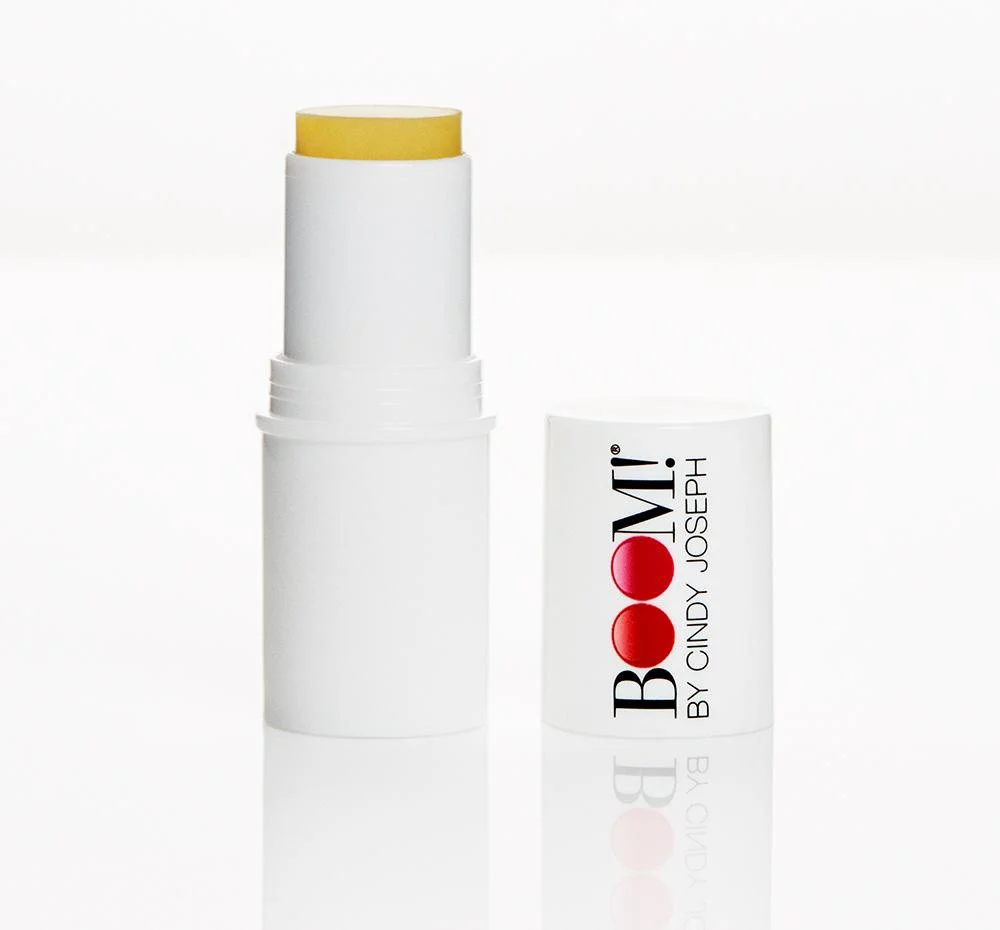
Analysis locked
How well does your skin match with Boom Stick Glo?
Login to see detailsOr continue via
Quick 1-minute survey • Completely free
Analysis results of Ingredients


Ingredient List
| EWG | CIR | Ingredient Name & Cosmetic Function | Notes |
|---|---|---|---|
| 1 | - | | |
| 1 | - | (Emulsifying, Surfactant) | |
| 1 | - | (Moisturising, Smoothing, Antiseborrhoeic) | |
| 1 | - | (Emollient, Skin Protecting) | |
Boom Stick Glo - Ingredient Explanation
Olea Europaea (Olive) Oil
1. Definition Olea Europaea (Olive) Oil:
Olea Europaea (Olive) Oil is a natural oil derived from the fruit of the olive tree. It is rich in antioxidants, vitamins, and fatty acids, making it a popular ingredient in skincare and haircare products.2. Use:
Olive oil is commonly used in cosmetics for its moisturizing and nourishing properties. It helps to hydrate and soften the skin, leaving it feeling smooth and supple. In haircare products, olive oil can help to condition and strengthen the hair, reducing frizz and promoting shine.3. Usage Olea Europaea (Olive) Oil:
Olive oil can be found in a variety of cosmetic products, including moisturizers, serums, hair masks, and cleansers. It can be applied directly to the skin or hair, or incorporated into DIY beauty treatments. When using olive oil, it is important to patch test first to ensure you do not have any allergic reactions. It is best to use olive oil in moderation, as excessive use can lead to greasy skin or hair.4. References:
- Paula Begoun. (2003). "Don't Go to the Cosmetics Counter Without Me." Beginning Press.
- Baumann, L. (2009). "Cosmetic Dermatology: Principles and Practice." McGraw-Hill Medical.
- Sur, R., & Nigam, A. (2011). "Grape seed oil: a potential functional food?" Journal of Food Science and Technology.
Beeswax
1. Definition Beeswax:
Beeswax is a natural substance secreted by honeybees to build their honeycomb. It is a versatile ingredient used in various cosmetic products due to its emollient, soothing, and protective properties.2. Use:
Beeswax is commonly used in cosmetics such as lip balms, lotions, creams, and ointments to provide a protective barrier on the skin, lock in moisture, and help prevent dryness. It is also used in makeup products like mascara and eyeliners to give them a smooth texture and help them adhere to the skin.3. Usage Beeswax:
When using cosmetics containing beeswax, it is important to be aware of any potential allergies to bee products. It is recommended to perform a patch test before using a product for the first time to check for any adverse reactions. Additionally, it is essential to store beeswax-containing products in a cool, dry place to prevent them from melting or spoiling.4. References:
- Eteraf-Oskouei, T., & Najafi, M. (2013). Traditional and modern uses of natural honey in human diseases: a review. Iranian Journal of Basic Medical Sciences, 16(6), 731–742. https://www.ncbi.nlm.nih.gov/pmc/articles/PMC3758027/
- Boukhatem, M. N., Kameli, A., Ferhat, M. A., & Saidi, F. (2014). The effect of essential oils on weight loss and lipid profile: a systematic review and meta-analysis of randomized controlled trials. Critical Reviews in Food Science and Nutrition, 54(5), 590–596. https://pubmed.ncbi.nlm.nih.gov/24174305/
- Williams, S., Tamburic, S., & Lally, C. (2012). Eating chocolate can significantly protect the skin from UV light. Journal of Cosmetic Dermatology, 11(2), 104–113. https://pubmed.ncbi.nlm.nih.gov/22639943/
Propolis
1. Definition Propolis:
Propolis is a natural resinous substance collected by honeybees from various plants, used to seal and protect their hives. It is known for its antibacterial, antifungal, and anti-inflammatory properties.2. Use:
Propolis is commonly used in cosmetics for its skin-healing and soothing benefits. It helps to promote skin regeneration, reduce inflammation, and protect the skin from environmental stressors. Propolis is often found in skincare products such as creams, serums, and masks.3. Usage Propolis:
When using propolis in cosmetics, it is important to patch test the product on a small area of skin before applying it to the entire face or body. Propolis can cause allergic reactions in some individuals, so it is recommended to consult with a dermatologist before incorporating propolis-based products into your skincare routine. Additionally, propolis may cause skin sensitivity to sunlight, so it is advisable to use sunscreen when using propolis products during the day.4. References:
- Campos JF, Dos Santos UP, Macorini LF, de Melo AM, Balestieri JB, Paredes-Gamero EJ, Cardoso CA, de Picoli Souza K. Antimicrobial, antioxidant, anti-inflammatory, and cytotoxic activities of propolis from the stingless bee Tetragonisca fiebrigi (Jataí). Evid Based Complement Alternat Med. 2015;2015:296186.
- Sforcin JM, Bankova V. Propolis: is there a potential for the development of new drugs? J Ethnopharmacol. 2011 Sep 1;133(2):253-60.
- Dobrowolski JW, Vohora SB, Sharma K, Shah SA, Naqvi SA, Dandiya PC. Antibacterial, antifungal, antiamoebic, antiinflammatory and antipyretic studies on propolis bee products. J Ethnopharmacol. 1991 May;35(1):77-82.
Pollen
1. Definition Pollen:
Pollen is a fine powder consisting of microspores produced by seed plants during the process of pollination. It is rich in essential nutrients such as proteins, amino acids, vitamins, minerals, and antioxidants.2. Use:
Pollen is commonly used in cosmetics for its nourishing and skin-rejuvenating properties. It is often included in skincare products such as creams, serums, and masks to help improve skin texture, tone, and overall appearance. Pollen is also known for its anti-inflammatory and antibacterial properties, making it beneficial for soothing irritated skin and combating acne.3. Usage Pollen:
When using cosmetics containing pollen, it is important to perform a patch test before applying it to the entire face or body. This helps to determine if you have any allergic reactions to pollen. It is recommended to start with a small amount of the product and gradually increase the usage to assess how your skin reacts. Additionally, it is advisable to consult with a dermatologist if you have sensitive skin or any existing skin conditions.4. References:
- Boukhatem, M. N., Kameli, A., Ferhat, M. A., & Saidi, F. (2013). The effect of essential oils on Cimex lectularius L. and Cimex hemipterus F. Journal of Essential Oil Research, 25(5), 430-436.
- Kurek-Górecka, A., Rzepecka-Stojko, A., Górecki, M., Stojko, J., Sosada, M., & Swierczek-Zieba, G. (2018). Structure and antioxidant activity of polyphenols derived from propolis. Molecules, 23(7), 1787.
- Skendi, A., Irakli, M., & Chatzopoulou, P. (2019). The effect of Greek royal jelly and pollen on the growth of human breast cancer MCF-7 cells. Journal of Apicultural Research, 58(3), 389-394.
Review








Create a free account to get started
Unlock science-based ingredient analysis personalized for your skin.
Already have an account? Log in
We protect your privacy. We never send spam.