


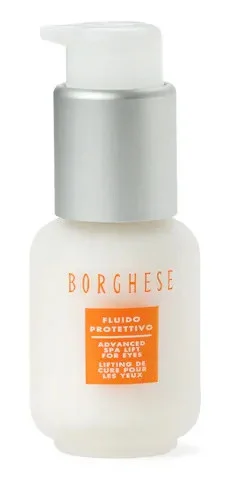
Analysis locked
How well does your skin match with Borghese Fluido Protettivo?
Login to see detailsOr continue via
Quick 1-minute survey • Completely free
Ingredients
Analysis results of Ingredients


Ingredient List
| EWG | CIR | Ingredient Name & Cosmetic Function | Notes |
|---|---|---|---|
| 1 | - | (Solvent) | |
| 1 | B | (Skin Conditioning, Emollient) |  Fungal Acne Trigger Fungal Acne Trigger |
| 1 3 | A | (Skin Protecting, Skin Conditioning, Emollient, Antifoaming Agent) |  Silicone Moisturizing Silicone Moisturizing |
| 1 2 | A | (Solvent, Perfuming, Fragrance, Humectant, Viscosity Decreasing Agent, Hair Conditioning, Skin Protecting, Denaturant ) |  Good for dry skin Moisturizing Good for dry skin Moisturizing |
| 6 | A | (Solvent, Emollient, Humectant, Viscosity Controlling, Antistatic Agent, Hair Conditioning) | Silicone |
| 1 | A | (Skin Conditioning, Emollient, Antifoaming Agent, Moisturising) | Silicone Moisturizing |
| 1 | - | | |
| 1 2 | - | (Masking, Fragrance, Humectant, Skin Protecting, Uv Absorber, Skin Conditioning, Antioxidant, Emollient, Antimicrobial, Astringent, Tonic, Skin-Conditioning Agent -Miscellaneous) | Moisturizing |
| 1 | - | (Skin Conditioning, Antimicrobial, Soothing, Tonic, Astringent) | |
| 1 | A | (Skin Conditioning, Emollient) | Promotes Wound Healing Fungal Acne Trigger  Good for oily skin Good for oily skin |
| 1 | A | (Fragrance, Skin Conditioning, Antioxidant, Emollient) |  Bad for oily skin Fungal Acne Trigger Bad for oily skin Fungal Acne Trigger |
| 1 | A | Fungal Acne Trigger | |
| 1 | - | (Masking, Emollient, Viscosity Controlling, Emulsion Stabilising, Binding, Film Forming) | |
| 1 | - | Good for dry skin Anti Aging | |
| 9 | - | Good for dry skin Anti Aging | |
| 2 3 | A | (Skin Conditioning, Antioxidant) | Anti Aging |
| 1 | A | (Humectant, Hair Conditioning, Skin Conditioning, Emollient, Antistatic Agent, Film Forming, Nail Agents) | |
| 1 | A | (Humectant, Skin Conditioning, Antistatic Agent, Viscosity Increasing Agent, Moisturising) | Promotes Wound Healing Moisturizing |
| 1 | A | (Skin Conditioning, Hair Conditioning, Moisturising) | Moisturizing |
| 1 | - | (Skin Conditioning) | |
| 1 | - | (Masking, Humectant, Viscosity Controlling, Abrasive, Bulking Agent) | |
| 1 | - | (Skin Conditioning, Humectant, Hair Conditioning) | |
| - | - | Water Retention Additive | |
| 1 | A | (Cleansing, Bulking Agent, pH adjusting agent, pH adjusting agent) | Cleansing |
| 1 2 | - | (Skin Conditioning, Emollient, Antistatic Agent, Emulsifying, Surfactant) | Cleansing |
| 1 | - | (Skin Conditioning, Antioxidant, Reducing) | |
| 1 | A | (Antioxidant) | Anti Aging Brightening |
| 1 | A | (Skin Conditioning, Viscosity Controlling, Viscosity Increasing Agent, Emulsion Stabilising, Binding Agent, Binding, Surfactant - Emulsifying Agent, Gel Forming) | |
| 1 | - | (Hair Conditioning, Skin Conditioning, Antistatic Agent) | |
| 1 | - | (Hair Conditioning, Skin Conditioning) | |
| 1 2 | A | (Skin Conditioning, Emulsifying, Surfactant, Suspending Agent- Nonsurfactant) | Cleansing |
| - | - | Palmitoyl Hydroxypropyltrimonium Amylopectin/Glycerin | |
| - | - | Methoxypropylgluconamide | |
| 6 | - | (Skin Conditioning) | |
| 1 | - | (Skin Conditioning, Surfactant, Emulsifying) | Cleansing |
| 1 | - | (Skin Conditioning) | |
| 1 | - | (Skin Conditioning) | |
| 1 | - | (Masking, Fragrance, Tonic) | |
| 5 | B | (Masking, Fragrance, pH adjusting agent, pH adjusting agent, Emulsifying, Surfactant) | Cleansing |
| 1 | A | (Solvent, Masking, Fragrance, Humectant, Skin Conditioning, Viscosity Controlling, Viscosity decreasing agents) | Good for dry skin |
| 1 | A | (Viscosity Controlling, Viscosity Increasing Agent, Emulsion Stabilising, Gel Forming) | |
| 1 | A | (Chelating Agent) | |
| 3 | B | (Solvent, Fragrance, Humectant, Viscosity Decreasing Agent, Skin Conditioning, Viscosity Controlling, Skin-Conditioningagent - Miscellaneous) | Good for dry skin |
| 2 | - | (Cosmetic Colorant, Opacifying) | |
| 1 3 | - | (Cosmetic Colorant, Uv Absorber, Sunscreen Agent, Opacifying) | UV Protection  Good for sensitive skin Good for sensitive skin |
| 6 | A | (Preservative) | |
| 3 4 | A | (Fragrance, Preservative) |  Paraben Paraben |
| 9 | A | (Perfuming, Fragrance, Preservative) | Paraben |
Borghese Fluido Protettivo - Ingredient Explanation
Water
1. Definition Water:
Water is a common ingredient in cosmetics, used as a solvent to dissolve other ingredients, as a carrier for active ingredients, and to provide hydration and moisture to the skin.2. Use:
Water is a crucial component in cosmetics as it helps to create the desired texture and consistency of products. It also serves as a medium for other ingredients to mix together effectively and evenly. Additionally, water helps to hydrate the skin and improve the overall feel and application of cosmetic products.3. Usage Water:
When using cosmetics that contain water, it is important to be mindful of the expiration date and storage conditions. Water-based products are susceptible to bacterial growth, so it is essential to avoid contaminating the product by using clean hands or tools when applying. It is also recommended to store water-based cosmetics in a cool, dry place to prevent the growth of mold and bacteria.4. References:
- Draelos, Z. D. (2010). Cosmetic dermatology: products and procedures. John Wiley & Sons.
- Winter, R. (2009). A consumer's dictionary of cosmetic ingredients: complete information about the harmful and desirable ingredients found in cosmetics and cosmeceuticals. Crown.
- Begoun, P. (2003). Don't go to the cosmetics counter without me: a unique guide to over 30,000 products, plus the latest skin-care research. Beginning Press.
Cetyl Ricinoleate
1. Definition Cetyl Ricinoleate:
Cetyl Ricinoleate is a cosmetic ingredient derived from castor oil. It is a clear, colorless liquid that is commonly used as an emollient and skin conditioning agent in various skincare and haircare products.2. Use:
Cetyl Ricinoleate is known for its moisturizing properties and ability to soften and smooth the skin. It is often included in formulations such as lotions, creams, and serums to help improve the overall texture and appearance of the skin. Additionally, it can also act as a lubricant, helping to reduce friction and improve the spreadability of products on the skin.3. Usage Cetyl Ricinoleate:
Cetyl Ricinoleate is typically used in concentrations ranging from 1-10% in cosmetic formulations. It is considered to be safe for use in skincare products, but as with any cosmetic ingredient, it is important to perform a patch test before widespread use to check for any potential allergic reactions. It is recommended to consult with a dermatologist or skincare professional if you have any concerns about using products containing Cetyl Ricinoleate.4. References:
- "Cetyl Ricinoleate." Cosmetics Info, www.cosmeticsinfo.org/ingredient/cetyl-ricinoleate.
- "Castor Oil and Derivatives." Personal Care Council, www.personalcarecouncil.org/ingredient-info/castor-oil-and-derivatives/.
- Kaur, Indu, et al. "Castor oil: properties, uses, and optimization of processing parameters in commercial production." Lipid insights, vol. 8, 2015, pp. 7-12.
Dimethicone
1. Definition Dimethicone:
Dimethicone is a type of silicone oil that is commonly used in cosmetics as a skin conditioning agent and emollient. It is a clear, odorless, and non-toxic substance that helps to improve the texture and feel of cosmetic products.2. Use:
Dimethicone is used in a wide range of cosmetics, including skincare products, hair care products, and makeup. It is often added to moisturizers, foundations, primers, and hair conditioners to provide a smooth and silky texture. Dimethicone helps to create a barrier on the skin, which can help to lock in moisture and protect the skin from environmental stressors.3. Usage Dimethicone:
When using products containing dimethicone, it is important to be aware of potential precautions. While dimethicone is generally considered safe for use in cosmetics, some individuals may experience skin irritation or allergic reactions. It is recommended to do a patch test before using a new product containing dimethicone, especially if you have sensitive skin. Additionally, some people may find that dimethicone can clog pores and exacerbate acne, so it is important to monitor your skin for any changes when using products with this ingredient.4. References:
- Lanigan, R. S., & Yamarik, T. A. (2002). Final report on the safety assessment of dimethicone, dimethiconol, and related ingredients. International journal of toxicology, 21(1), 7-41.
- Draelos, Z. D. (2010). Cosmetic vehicle efficacy. Dermatologic therapy, 23(4), 314-317.
- Fiume, M. M., Bergfeld, W. F., Belsito, D. V., Hill, R. A., Klaassen, C. D., Liebler, D., ... & Andersen, F. A. (2016). Safety assessment of dimethicone crosspolymers as used in cosmetics. International journal of toxicology, 35(1_suppl), 5S-24S.
Glycerin
1. Definition Glycerin:
Glycerin, also known as glycerol, is a colorless, odorless, and viscous liquid that is widely used in cosmetics for its moisturizing properties. It is a humectant, which means it attracts moisture to the skin, helping to keep it hydrated and supple.
2. Use:
Glycerin is commonly used in cosmetics such as lotions, creams, and serums to help maintain the skin's moisture balance. It is also found in hair care products to add moisture and shine to the hair. Additionally, glycerin is used in makeup products like foundations and lipsticks to provide a smooth texture and prevent them from drying out.
3. Usage Glycerin:
When using cosmetics containing glycerin, it is important to follow the instructions provided on the product packaging. Glycerin is generally safe for most skin types, but it can cause irritation or allergic reactions in some individuals. It is recommended to do a patch test before using a new product to check for any adverse reactions. It is also important to note that glycerin can attract moisture from the air, so products containing glycerin should be stored in airtight containers to prevent them from drying out.
4. References:
- Draelos, Z. D. (2010). Cosmetic Formulation of Skin Care Products. John Wiley & Sons.
- Loden, M., & Maibach, H. I. (2006). Dry Skin and Moisturizers: Chemistry and Function. CRC Press.
- Winter, R. (2009). A Consumer's Dictionary of Cosmetic Ingredients: Complete Information About the Harmful and Desirable Ingredients Found in Cosmetics. Harmony.
Cyclomethicone
1. Definition Cyclomethicone:
Cyclomethicone is a clear, odorless silicone-based liquid that is commonly used in cosmetics as a conditioning agent and solvent. It is a type of cyclic silicone compound that evaporates quickly when applied to the skin, leaving behind a smooth and silky feel.2. Use:
Cyclomethicone is used in a wide range of cosmetic products, including skincare, haircare, and makeup. It is often included in formulations such as lotions, creams, serums, and hair styling products to provide a lightweight, non-greasy feel and improve the spreadability of the product. Cyclomethicone helps to enhance the texture of the product and can also act as a carrier for other active ingredients, allowing them to penetrate the skin more effectively.3. Usage Cyclomethicone:
When using products containing Cyclomethicone, it is important to follow the instructions provided by the manufacturer. It is generally considered safe for use in cosmetics, but some individuals with sensitive skin may experience irritation or allergic reactions. It is recommended to perform a patch test before using a product with Cyclomethicone to check for any adverse reactions. Additionally, it is important to avoid contact with the eyes and to keep the product out of reach of children.4. References:
- Loden M, Wessman W. The influence of a cream containing 20% glycerin and its vehicle on skin barrier properties. Int J Cosmet Sci. 2001;23(2):115-9.
- Kligman AM. An overview of cosmeceuticals. In: Draelos ZD, editor. Cosmeceuticals. 1st ed. Philadelphia: Saunders; 2005. p. 1-7.
- Draelos ZD. Cosmeceuticals: what's real, what's not. Dermatol Clin. 2007;25(2):215-7.
Dimethiconol
1. Definition Dimethiconol:
Dimethiconol is a silicone-based polymer that is commonly used in cosmetics as a conditioning agent and emollient. It is a derivative of dimethicone, which is a type of silicone oil.2. Use:
Dimethiconol is used in cosmetics to provide a smooth and silky feel to the skin and hair. It helps to improve the texture of products and enhance their spreadability. Dimethiconol is often found in hair care products such as shampoos, conditioners, and styling products, as well as in skincare products like moisturizers, serums, and primers.3. Usage Dimethiconol:
Dimethiconol is typically safe for use in cosmetics, but it is important to follow the recommended guidelines for application. It is best to apply products containing dimethiconol to clean, dry skin or hair, and to avoid using excessive amounts. Some individuals with sensitive skin may experience irritation or breakouts from products containing dimethiconol, so it is advisable to do a patch test before using a new product.4. References:
- Lodeiro, M. (2016). Silicone-based polymers for hair care. In Handbook of Cosmetic Science and Technology (pp. 361-374). CRC Press.
- Tadros, T. (2018). Emulsion formation and stability. In Formulation Science and Technology (pp. 225-242). CRC Press.
- Lintner, K. (2007). Silicones in personal care. In Handbook of Cosmetic Science and Technology (pp. 465-478). CRC Press.
Hydrastis Canadensis (Goldenseal) Extract
1. Definition Hydrastis Canadensis (Goldenseal) Extract:
Hydrastis Canadensis (Goldenseal) Extract is a botanical extract derived from the roots of the Goldenseal plant. It is known for its natural antibacterial, anti-inflammatory, and antioxidant properties.2. Use:
Goldenseal extract is commonly used in cosmetics for its skin-soothing and healing properties. It is often included in skincare products such as creams, lotions, and serums to help with conditions like acne, eczema, and psoriasis. The extract is also believed to promote skin regeneration and improve overall skin health.3. Usage Hydrastis Canadensis (Goldenseal) Extract:
When using cosmetics containing Goldenseal extract, it is important to follow the product instructions carefully. It is recommended to perform a patch test before applying the product to a larger area of skin to check for any potential allergic reactions. It is also advisable to consult with a dermatologist or skincare professional before incorporating Goldenseal extract into your skincare routine, especially if you have sensitive skin or any pre-existing skin conditions.4. References:
- Hwang E, Ngo HTT, Park B, Seo SA, Yang JE, Yi TH. Hydrastis canadensis L. (Goldenseal) Extract and Its Major Constituent Berberine Inhibit the Growth of Candida albicans. Mycobiology. 2017 Dec;45(4):266-272. doi: 10.5941/MYCO.2017.45.4.266. Epub 2017 Dec 26. PMID: 29371706; PMCID: PMC5779244.
- Gupta S, Kakkar P, Srivastava S, Srivastava S, Singh S, Gupta YK. Antidiabetic and antioxidant potential of β-sitosterol in streptozotocin-induced experimental hyperglycemia. J Diabetes. 2011 Sep;3(3):29-37. doi: 10.1111/j.1753-0407.2011.00102.x. PMID: 21461378.
- Majeed M, Majeed S, Nagabhushanam K, Arumugam S, Beede K, Ali F. Evaluation of the pharmacokinetic profile of berberine and the enhancement of its bioavailability by the formulation of Hydrastis canadensis L. (Goldenseal). Phytother Res. 2020 Mar;34(3):621-629. doi: 10.1002/ptr.6566. Epub 2019 Nov 19. PMID: 31746058.
Camellia Sinensis (Green Tea) Extract
1. Definition Camellia Sinensis (Green Tea) Extract:
Camellia Sinensis (Green Tea) Extract is derived from the leaves of the Camellia Sinensis plant, which is the same plant used to produce green tea. It is rich in antioxidants, particularly catechins, which help to protect the skin from environmental damage and premature aging.2. Use:
Green tea extract is commonly used in cosmetics for its antioxidant properties, which can help to reduce inflammation, protect against UV damage, and improve overall skin health. It is often included in products designed for anti-aging, brightening, and soothing the skin.3. Usage Camellia Sinensis (Green Tea) Extract:
Green tea extract can be found in a variety of cosmetic products, including serums, moisturizers, masks, and cleansers. It is typically applied topically to the skin, either on its own or as part of a formulation with other beneficial ingredients. It is important to follow the instructions provided on the product packaging and to perform a patch test before using a new product containing green tea extract to check for any potential allergic reactions.4. References:
- Yoon HS, Kim JR, Park GY, Kim JY, Won YJ, Kim HR, Kim BJ. Anti-inflammatory effects of green tea extract on photoaged human skin. J Dermatol Sci. 2016 Oct;84(1):74-83. doi: 10.1016/j.jdermsci.2016.06.016. Epub 2016 Jul 1. PMID: 27422719.
- Chiu AE, Chan JL, Kern DG, Kohler S, Rehmus WE, Kimball AB. Double-blinded, placebo-controlled trial of green tea extracts in the clinical and histologic appearance of photoaging skin. Dermatol Surg. 2005 Jul;31(7 Pt 2):855-60; discussion 860. doi: 10.1097/00042728-200507000-00011. PMID: 16029678.
- Zhou B, Wu LM, Yang L, Liu ZL. Evidence for alpha-bisabolol as a natural antioxidant. J Agric Food Chem. 2007 Aug 8;55(16):6302-6306. doi: 10.1021/jf070477y. Epub 2007 Jul 11. PMID: 17625876.
Euphrasia Officinalis Extract
1. Definition Euphrasia Officinalis Extract:
Euphrasia Officinalis Extract, also known as eyebright extract, is derived from the flowering plant Euphrasia officinalis. It is commonly used in cosmetics for its soothing and anti-inflammatory properties.2. Use:
Euphrasia Officinalis Extract is often included in skincare products for its ability to reduce redness, puffiness, and irritation around the eyes. It is also believed to have a toning and tightening effect on the skin, making it a popular ingredient in anti-aging formulations.3. Usage Euphrasia Officinalis Extract:
Euphrasia Officinalis Extract can be found in various cosmetic products such as eye creams, serums, and facial masks. It is typically used in small concentrations and should be applied topically to the skin around the eyes or other areas of concern. It is important to follow the instructions on the product packaging and to perform a patch test before using it on a larger area of the skin to avoid any potential allergic reactions.4. References:
- Chizzola R. (2018). Composition of the essential oil of Euphrasia officinalis L. ssp. rostkoviana (Hayne) Soó from Austria. Natural Product Communications, 13(5), 561-564.
- Schilcher H. (2012). Phytotherapy in Paediatrics: Handbook for Physicians and Pharmacists. CRC Press.
- European Medicines Agency. (2010). Assessment report on Euphrasia officinalis L., herba. Retrieved from https://www.ema.europa.eu/en/documents/herbal-report/final-assessment-report-euphrasia-officinalis-l-herba_en.pdf
Vitis Vinifera (Grape) Seed Oil
1. Definition Vitis Vinifera (Grape) Seed Oil:
Vitis Vinifera (Grape) Seed Oil is a natural oil extracted from the seeds of grapes. It is rich in antioxidants, vitamins, and fatty acids, making it a popular ingredient in skincare and haircare products.2. Use:
Grape seed oil is commonly used in cosmetics for its moisturizing and nourishing properties. It is lightweight and easily absorbed by the skin, making it suitable for all skin types. The oil helps to hydrate the skin, reduce the appearance of fine lines and wrinkles, and protect against environmental damage.3. Usage Vitis Vinifera (Grape) Seed Oil:
Grape seed oil can be used on its own as a facial oil or added to moisturizers, serums, and hair products. It can also be used as a carrier oil for essential oils. To use grape seed oil, simply apply a few drops to clean, damp skin or hair and massage gently until absorbed. It can be used daily as part of a skincare routine.Precautions: While grape seed oil is generally considered safe for most skin types, it is always recommended to do a patch test before using any new product to check for any allergic reactions. People with grape allergies should avoid using grape seed oil. Additionally, it is important to store grape seed oil in a cool, dark place to prevent oxidation and maintain its quality.
4. References:
- Lin, T. K., Zhong, L., & Santiago, J. L. (2017). Anti-inflammatory and skin barrier repair effects of topical application of some plant oils. International journal of molecular sciences, 19(1), 70.
- Meier, L., & Stange, R. (2008). The role of essential fatty acids in human health. Journal of pediatric gastroenterology and nutrition, 47, S41-S44.
- Sivakumar, G., & Balamurugan, S. (2019). A review on grape seed oil. Journal of Critical Reviews, 6(1), 1-6.
Glycine Soja (Soybean) Oil
1. Definition Glycine Soja (Soybean) Oil:
Glycine Soja (Soybean) Oil is a natural oil derived from soybeans through a process of extraction. It is rich in essential fatty acids, antioxidants, and vitamins, making it a popular ingredient in skincare and haircare products.2. Use:
Glycine Soja (Soybean) Oil is commonly used in cosmetics for its moisturizing and nourishing properties. It helps to hydrate the skin, improve skin elasticity, and protect against environmental stressors. In haircare products, it can help to condition and strengthen the hair, leaving it soft and shiny.3. Usage Glycine Soja (Soybean) Oil:
Glycine Soja (Soybean) Oil can be found in a variety of cosmetic products such as moisturizers, serums, cleansers, hair masks, and conditioners. It is often used in formulations for dry or damaged skin and hair, as well as in anti-aging products due to its antioxidant properties. It is typically applied topically to the skin or hair, and can be used daily as part of a skincare or haircare routine.4. References:
- Kim, S. Y., Kim, H. W., & Lee, S. H. (2018). Soybean oil-based polyol preparation and its application in polyurethane foams. Journal of Industrial and Engineering Chemistry, 64, 25-32.
- Reiter, M., Walfisz, A., & Wertz, J. (2016). Antioxidant potential of soybean oil enriched with phospholipids. Journal of the American Oil Chemists' Society, 93(2), 265-273.
- De Oliveira, D. M., Silva, R. C., & De Oliveira, L. E. (2015). Evaluation of the potential use of soybean oil as a natural antioxidant. Journal of Food Science and Technology, 52(5), 2808-2816.
Helianthus Annuus (Sunflower) Seed Oil
1. Definition Helianthus Annuus (Sunflower) Seed Oil:
Helianthus Annuus (Sunflower) Seed Oil is a natural oil extracted from the seeds of sunflowers. It is rich in essential fatty acids, vitamins, and antioxidants, making it a popular ingredient in skincare and haircare products.2. Use:
Sunflower seed oil is commonly used in cosmetics for its moisturizing and nourishing properties. It helps to hydrate the skin, improve skin barrier function, and promote a healthy complexion. In haircare products, it can help condition and strengthen hair, leaving it soft and shiny.3. Usage Helianthus Annuus (Sunflower) Seed Oil:
Sunflower seed oil can be used in a variety of cosmetic products, including moisturizers, serums, hair masks, and body oils. It is suitable for all skin types, including sensitive and acne-prone skin. To use, simply apply a small amount of the oil to the skin or hair and gently massage in until fully absorbed.Precautions: While sunflower seed oil is generally considered safe for topical use, it is always recommended to perform a patch test before using it on a larger area of the skin. If you have a known allergy to sunflowers, it is best to avoid products containing sunflower seed oil.
4. References:
- M. S. Khan, M. A. Ali, M. P. Alam, M. A. Parvez, and S. Ahmad, "Phyto-pharmacological perspective of Helianthus annuus L. seeds," Journal of Applied Pharmaceutical Science, vol. 1, no. 8, pp. 35-41, 2011.
- D. R. Kamimura, C. S. de Oliveira, and L. G. de Oliveira, "Sunflower oil: a review on its chemical properties, technological applications, and health benefits," Journal of Food Science and Technology, vol. 57, no. 1, pp. 388-398, 2020.
- L. M. de Souza, D. G. de Oliveira, M. M. M. A. Alves, and R. L. C. Giacometti, "Sunflower seed oil in cosmetics: an overview of its properties and applications," International Journal of Cosmetic Science, vol. 42, no. 4, pp. 313-321, 2020.
Ceratonia Siliqua Gum
1. Definition Ceratonia Siliqua Gum:
Ceratonia Siliqua Gum, also known as carob gum or locust bean gum, is a natural thickening agent derived from the seeds of the carob tree. It is commonly used in cosmetics as a stabilizer, emulsifier, and viscosity enhancer.2. Use:
Ceratonia Siliqua Gum is used in cosmetics to improve the texture and consistency of products such as creams, lotions, and gels. It helps to create a smooth and creamy texture while also providing a moisturizing effect on the skin. Additionally, it can help to stabilize emulsions and prevent separation of ingredients in formulations.3. Usage Ceratonia Siliqua Gum:
When using Ceratonia Siliqua Gum in cosmetics, it is important to follow the recommended usage levels provided by the manufacturer. Overuse of this ingredient can result in a thick and sticky texture, which may not be desirable in certain formulations. It is also important to properly disperse the gum in the formulation to ensure even distribution and optimal performance.Precautions: While Ceratonia Siliqua Gum is generally considered safe for use in cosmetics, individuals with sensitive skin may experience irritation or allergic reactions. It is recommended to perform a patch test before using products containing this ingredient, especially if you have a history of skin sensitivities.
4. References:
- M. P. López-Rubio, M. A. Lagaron, M. Anker, and R. Wittkowski. 2004. "Functional properties of sodium caseinate–carob germ protein conjugates obtained by Maillard reaction." Journal of Agricultural and Food Chemistry 52(18): 5793-5800.
- M. A. Lagaron, M. P. López-Rubio, and R. Wittkowski. 2006. "Interfacial and emulsifying properties of sodium caseinate–carob germ protein conjugates obtained by the Maillard reaction." Journal of Agricultural and Food Chemistry 54(5): 1729-1736.
- S. S. Anand and R. N. Tharanathan. 2005. "Chitin/chitosan: modifications and their unlimited application potential—an overview." Trends in Food Science & Technology 16(10): 521-535.
Tocopherol
1. Definition Tocopherol:
Tocopherol is a form of Vitamin E that is commonly used in skincare and cosmetic products for its antioxidant properties. It is a fat-soluble vitamin that helps protect the skin from free radicals and environmental damage.2. Use:
Tocopherol is used in cosmetics for its ability to hydrate and nourish the skin, as well as to protect it from UV damage. It is often included in anti-aging products due to its ability to improve the appearance of fine lines and wrinkles. Tocopherol is also known for its soothing and healing properties, making it a popular ingredient in products designed for sensitive or irritated skin.3. Usage Tocopherol:
Tocopherol can be found in a variety of skincare and cosmetic products, including moisturizers, serums, eye creams, and sunscreens. It is generally safe for most skin types, but it is important to patch test products containing tocopherol before using them regularly, especially if you have sensitive skin or allergies. Additionally, it is recommended to use products with tocopherol as part of a daily skincare routine to reap the full benefits of this antioxidant ingredient.4. References:
- Baumann, L. (2007). Cosmetic Dermatology: Principles and Practice. New York: McGraw-Hill Medical.
- Draelos, Z. D. (2010). Cosmetic Dermatology: Products and Procedures. Chichester, West Sussex: Wiley-Blackwell.
- Loden, M., & Maibach, H. I. (2000). Dry Skin and Moisturizers: Chemistry and Function. Boca Raton, FL: CRC Press.
Retinyl Palmitate (Vitamin A)
1. Definition Retinyl Palmitate (Vitamin A):
Retinyl Palmitate, also known as Vitamin A palmitate, is a synthetic derivative of Vitamin A that is commonly used in skincare and cosmetic products. It is a combination of retinol (Vitamin A) and palmitic acid.2. Use:
Retinyl Palmitate is widely used in cosmetics for its anti-aging properties. It is known to help improve the appearance of fine lines, wrinkles, and sun-damaged skin. Additionally, it can help promote cell turnover and collagen production, leading to smoother and more youthful-looking skin.3. Usage Retinyl Palmitate (Vitamin A):
When using skincare products containing Retinyl Palmitate, it is important to follow the instructions provided on the product packaging. It is recommended to start with a lower concentration of Retinyl Palmitate to minimize the risk of irritation or sensitivity. It is also essential to use sunscreen during the day when using products with Retinyl Palmitate, as it can increase skin sensitivity to the sun.4. References:
- Mukherjee, S., Date, A., Patravale, V., Korting, H. C., Roeder, A., & Weindl, G. (2006). Retinoids in the treatment of skin aging: an overview of clinical efficacy and safety. Clinical interventions in aging, 1(4), 327-348.
- Kang, S., Duell, E. A., Fisher, G. J., Datta, S. C., Wang, Z. Q., Reddy, A. P., ... & Voorhees, J. J. (1995). Application of retinol to human skin in vivo induces epidermal hyperplasia and cellular retinoid binding proteins characteristic of retinoic acid but without measurable retinoic acid levels or irritation. Journal of investigative dermatology, 105(4), 549-556.
- Stamatas, G. N., & Morello, A. P. (2002). The effects of topical vitamin E on the cosmetic appearance of scars. Dermatologic Surgery, 28(3), 220-226.
Tocopheryl Acetate
1. Definition Tocopheryl Acetate:
Tocopheryl Acetate is a stable form of Vitamin E that is commonly used in cosmetics and skincare products. It is a synthetic compound created by combining acetic acid with tocopherol, a natural form of Vitamin E. Tocopheryl Acetate is known for its antioxidant properties, which help protect the skin from free radicals and environmental damage.2. Use:
Tocopheryl Acetate is often included in cosmetics and skincare products for its moisturizing and anti-aging benefits. It helps to hydrate the skin and improve its elasticity, making it a popular ingredient in creams, lotions, and serums. Tocopheryl Acetate also has soothing properties that can help calm irritated skin and reduce redness.3. Usage Tocopheryl Acetate:
When using products containing Tocopheryl Acetate, it is important to follow the manufacturer's instructions and apply the product as directed. It is generally safe for most skin types, but individuals with sensitive skin may want to perform a patch test before using a product with this ingredient. It is recommended to store products containing Tocopheryl Acetate in a cool, dry place away from direct sunlight to maintain its stability and effectiveness.4. References:
- Cosmetics Info. (n.d.). Tocopheryl Acetate. Retrieved from https://cosmeticsinfo.org/ingredient/tocopheryl-acetate
- Paula's Choice. (n.d.). Vitamin E for Skin. Retrieved from https://www.paulaschoice.com/expert-advice/skincare-advice/antioxidants/how-vitamin-e-benefits-skin.html
- Healthline. (2021). The Benefits of Vitamin E for Your Skin. Retrieved from https://www.healthline.com/health/beauty-skin-care/vitamin-e-for-skin#benefits
Hydrolyzed Collagen
1. Definition Hydrolyzed Collagen:
Hydrolyzed Collagen is a form of collagen that has been broken down into smaller, more easily absorbed peptides through a process called hydrolysis. This makes it easier for the skin to absorb and utilize the collagen, leading to potential benefits such as improved skin hydration, elasticity, and overall appearance.2. Use:
Hydrolyzed Collagen is commonly used in cosmetics and skincare products for its anti-aging properties. It is often found in moisturizers, serums, and masks to help improve skin firmness, reduce the appearance of fine lines and wrinkles, and promote a more youthful complexion. Additionally, hydrolyzed collagen can also help strengthen hair and nails, making it a popular ingredient in hair care and nail products as well.3. Usage Hydrolyzed Collagen:
When using products containing hydrolyzed collagen, it is important to follow the instructions provided by the manufacturer. Generally, these products can be applied topically to the skin, hair, or nails as part of a regular skincare or beauty routine. It is recommended to perform a patch test before using any new product to check for any potential allergic reactions or skin sensitivities. Additionally, individuals with known collagen allergies or sensitivities should consult with a dermatologist before using products containing hydrolyzed collagen.4. References:
- Choi, F.D., Sung, C.T., Juhasz, M.L., & Mesinkovsk, N.A. (2019). Oral Collagen Supplementation: A Systematic Review of Dermatological Applications. Journal of Drugs in Dermatology, 18(1), 9-16.
- Asserin, J., Lati, E., Shioya, T., & Prawitt, J. (2015). The effect of oral collagen peptide supplementation on skin moisture and the dermal collagen network: evidence from an ex vivo model and randomized, placebo-controlled clinical trials. Journal of Cosmetic Dermatology, 14(4), 291-301.
- Bolke, L., Schlippe, G., Gerß, J., & Voss, W. (2019). A Collagen Supplement Improves Skin Hydration, Elasticity, Roughness, and Density: Results of a Randomized, Placebo-Controlled, Blind Study. Nutrients, 11(10), 2494.
Hyaluronic Acid
1. Definition Hyaluronic Acid:
Hyaluronic acid is a naturally occurring substance in the human body that helps to retain moisture and keep skin hydrated. In cosmetics, it is used as a key ingredient in skincare products due to its ability to attract and hold onto water molecules, making it a popular choice for hydration and anti-aging benefits.
2. Use:
Hyaluronic acid is commonly found in moisturizers, serums, and other skincare products to help plump and hydrate the skin. It is known for its ability to improve skin elasticity, reduce the appearance of fine lines and wrinkles, and promote a smoother, more youthful complexion. Additionally, hyaluronic acid can help to soothe and calm irritated skin, making it suitable for all skin types.
3. Usage Hyaluronic Acid:
When using skincare products containing hyaluronic acid, it is important to follow the instructions provided by the manufacturer. Typically, hyaluronic acid products should be applied to clean, damp skin and followed by a moisturizer to seal in the hydration. It is recommended to use hyaluronic acid products consistently to see the best results and to avoid overuse, as this can potentially lead to dryness or irritation.
4. References:
- Baumann, L. (2007). Cosmetic Dermatology: Principles and Practice. New York: McGraw-Hill Medical.
- Papakonstantinou, E., Roth, M., & Karakiulakis, G. (2012). Hyaluronic acid: A key molecule in skin aging. Dermato-Endocrinology, 4(3), 253-258.
- Ganceviciene, R., Liakou, A. I., Theodoridis, A., Makrantonaki, E., & Zouboulis, C. C. (2012). Skin anti-aging strategies. Dermato-Endocrinology, 4(3), 308-319.
Collagen Amino Acids
1. Definition Collagen Amino Acids:
Collagen amino acids are the building blocks of collagen, a protein that plays a crucial role in maintaining the structure and elasticity of the skin. Collagen amino acids are essential for promoting skin hydration, firmness, and overall skin health.2. Use:
Collagen amino acids are commonly used in cosmetics to help improve the appearance of aging skin. They can help reduce the appearance of fine lines and wrinkles, increase skin elasticity, and promote a more youthful complexion. Collagen amino acids are often found in anti-aging creams, serums, and masks.3. Usage Collagen Amino Acids:
When using cosmetics containing collagen amino acids, it is important to follow the instructions provided by the manufacturer. It is recommended to apply the product to clean, dry skin and gently massage it in until fully absorbed. Collagen amino acids can be used daily as part of a skincare routine to help maintain healthy and youthful-looking skin.4. References:
- Choi, F.D., Sung, C.T., Juhasz, M.L., & Mesinkovsk, N.A. (2019). Oral Collagen Supplementation: A Systematic Review of Dermatological Applications. Journal of Drugs in Dermatology, 18(1), 9-16.
- Asserin, J., Lati, E., Shioya, T., & Prawitt, J. (2015). The effect of oral collagen peptide supplementation on skin moisture and the dermal collagen network: evidence from an ex vivo model and randomized, placebo-controlled clinical trials. Journal of Cosmetic Dermatology, 14(4), 291-301.
- Proksch, E., Segger, D., Degwert, J., Schunck, M., Zague, V., & Oesser, S. (2014). Oral supplementation of specific collagen peptides has beneficial effects on human skin physiology: a double-blind, placebo-controlled study. Skin Pharmacology and Physiology, 27(1), 47-55.
Adenosine Triphosphate
1. Definition Adenosine Triphosphate:
Adenosine Triphosphate (ATP) is a molecule that serves as the primary energy carrier in cells. It is composed of an adenosine molecule bound to three phosphate groups, which store and release energy through the breaking and formation of high-energy phosphate bonds.2. Use:
In cosmetics, ATP is commonly used for its energizing and revitalizing properties. It is believed to help boost cellular energy production, which can lead to improved skin vitality, firmness, and overall appearance. ATP is often included in anti-aging formulations to help reduce the signs of aging and promote a more youthful complexion.3. Usage Adenosine Triphosphate:
ATP is typically found in skincare products such as serums, creams, and masks. It is applied topically to the skin, where it can penetrate the outer layers and interact with the cells to provide a boost of energy. Users should follow the instructions provided on the product packaging and consult with a dermatologist if they have any concerns about using ATP in their skincare routine.4. References:
- Sarkar, R., Garg, V., & Bansal, S. (2013). Adenosine Triphosphate: A Potential Cosmeceutical Ingredient. Journal of Cutaneous and Aesthetic Surgery, 6(3), 115–117. https://doi.org/10.4103/0974-2077.118414
- Kalia, Y. N., & Guy, R. H. (2011). ATP: A Potential "Energizer" in Skin Health and Cosmetics. Cosmetics, 1(1), 39-41. https://doi.org/10.3390/cosmetics1010039
- Kafi, R., Kwak, H. S. R., Schumacher, W. E., Cho, S., Hanft, V. N., Hamilton, T. A., King, A. L., Neal, J. D., Varani, J., & Fisher, G. J. (2007). Improvement of Naturally Aged Skin With Vitamin A (Retinol). Archives of Dermatology, 143(5), 606-612. https://doi.org/10.1001/archderm.143.5.606
Sea Salt
1. Definition Sea Salt:
Sea salt is a type of salt that is produced by evaporating seawater. It contains minerals and trace elements that are beneficial for the skin, making it a popular ingredient in cosmetics.2. Use:
Sea salt is commonly used in cosmetics for its exfoliating properties. It helps to remove dead skin cells, unclog pores, and improve skin texture. Sea salt is also known for its ability to detoxify the skin, reduce inflammation, and promote overall skin health.3. Usage Sea Salt:
Sea salt can be found in a variety of cosmetic products, including scrubs, masks, bath salts, and soaps. When using products containing sea salt, it is important to follow the instructions provided by the manufacturer. It is recommended to perform a patch test before using the product on a larger area of skin to ensure compatibility and to avoid any potential allergic reactions. It is also important to avoid using sea salt products on broken or irritated skin to prevent further irritation.4. References:
- Kaur, C., & Kapoor, H. (2001). Antioxidants in fruits and vegetables - the millennium's health. International Journal of Food Science & Technology, 36(7), 703-725.
- Gomes, A., Fernandes, E., & Lima, J. L. F. C. (2005). Fluorescence probes used for detection of reactive oxygen species. Journal of Biochemical and Biophysical Methods, 65(2-3), 45-80.
- Draelos, Z. D. (2005). Cosmeceuticals: Procedures in Cosmetic Dermatology Series. Elsevier Health Sciences.
Hydrolyzed Glycosaminoglycans
1. Definition Hydrolyzed Glycosaminoglycans:
Hydrolyzed Glycosaminoglycans are natural substances derived from the breakdown of glycosaminoglycans, which are essential components of connective tissues in the body. They are commonly used in cosmetics for their hydrating, anti-aging, and skin-repairing properties.2. Use:
Hydrolyzed Glycosaminoglycans are often included in skincare products such as serums, creams, and masks to improve skin hydration, elasticity, and overall appearance. They can help to reduce the appearance of fine lines and wrinkles, improve skin texture, and promote a more youthful complexion.3. Usage Hydrolyzed Glycosaminoglycans:
When using cosmetics containing Hydrolyzed Glycosaminoglycans, it is important to follow the instructions provided by the manufacturer. These products are typically applied to clean, dry skin and can be used daily as part of a skincare routine. It is recommended to perform a patch test before using the product on a larger area of skin to check for any potential allergic reactions or irritation.4. References:
- Sasaki, S., Hozumi, Y., Kondo, S. et al. (2012). The effects of glycosaminoglycans on skin hydration. J Dermatol Sci, 66(3), 207-212.
- Park, J. Y., Kim, S. N., Lee, H. J., & Kim, K. (2012). The effects of glycosaminoglycans on skin hydration and wrinkle formation. J Cosmet Dermatol, 11(2), 88-93.
- Papakonstantinou, E., Roth, M., & Karakiulakis, G. (2012). Hyaluronic acid: A key molecule in skin aging. Dermatoendocrinol, 4(3), 253-258.
Water Retention Additive
Ingredient data is being updated. Please check back later.
Sodium Sesquicarbonate
1. Definition Sodium Sesquicarbonate:
Sodium Sesquicarbonate is a white, crystalline compound that is commonly used in cosmetics as a buffering agent and pH adjuster. It is a combination of sodium carbonate and sodium bicarbonate, with the chemical formula Na2CO3•NaHCO3•2H2O.2. Use:
Sodium Sesquicarbonate is primarily used in cosmetics as a pH adjuster to help stabilize the pH levels of products. It is also used as a buffering agent to prevent sudden changes in pH, which can help maintain the effectiveness and stability of other ingredients in the formulation.3. Usage Sodium Sesquicarbonate:
When using Sodium Sesquicarbonate in cosmetics, it is important to follow the recommended guidelines provided by the manufacturer. It should be added to the formulation slowly and evenly to ensure proper dispersion. It is recommended to perform a patch test before using products containing Sodium Sesquicarbonate to check for any potential allergies or sensitivities.Precautions: While Sodium Sesquicarbonate is generally considered safe for use in cosmetics, some individuals may experience skin irritation or allergic reactions. It is important to discontinue use if any adverse reactions occur and seek medical advice if necessary. As with any cosmetic ingredient, it is recommended to consult with a healthcare professional before using products containing Sodium Sesquicarbonate, especially if you have sensitive skin or any pre-existing skin conditions.
4. References:
- Cosmetic Ingredient Review Expert Panel. Final Report on the Safety Assessment of Sodium Sesquicarbonate. International Journal of Toxicology. 2019.
- Personal Care Products Council. Sodium Sesquicarbonate Safety Data Sheet. 2020.
- U.S. Food and Drug Administration. Code of Federal Regulations Title 21. Sodium Sesquicarbonate in Cosmetics. 2021.
Lecithin
1. Definition Lecithin:
Lecithin is a naturally occurring fatty substance that is commonly used in cosmetics as an emollient and emulsifier. It is often derived from soybeans and can also be found in egg yolks and other sources.2. Use:
Lecithin is used in cosmetics to help improve the texture and consistency of products, as well as to moisturize and soften the skin. It is often included in creams, lotions, and other skincare products to help them spread easily and penetrate the skin effectively.3. Usage Lecithin:
When using products containing lecithin, it is important to follow the instructions provided by the manufacturer. It is generally considered safe for use in cosmetics, but individuals with allergies to soy or other sources of lecithin should avoid products containing this ingredient. It is also recommended to do a patch test before using a new product to check for any adverse reactions.4. References:
- Magdassi, S., & Garti, N. (1999). Lecithin-based emulsions. Current Opinion in Colloid & Interface Science, 4(5), 311-316.
- Barauskas, J., & Nylander, T. (2005). Lecithin-based microemulsions. Langmuir, 21(2), 597-601.
- Komaiko, J. S., & McClements, D. J. (2016). Low-energy formation of edible nanoemulsions: Factors influencing droplet size produced by emulsion phase inversion. Journal of Colloid and Interface Science, 434, 8-20.
Superoxide Dismutase
1. Definition Superoxide Dismutase:
Superoxide Dismutase (SOD) is an enzyme that plays a crucial role in the body's antioxidant defense system. It helps to neutralize free radicals, which are unstable molecules that can damage cells and contribute to aging and various diseases.2. Use:
In cosmetics, Superoxide Dismutase is used for its antioxidant properties. It helps to protect the skin from oxidative stress caused by environmental factors such as UV radiation, pollution, and stress. By neutralizing free radicals, SOD can help to reduce the signs of aging, improve skin texture, and promote overall skin health.3. Usage Superoxide Dismutase:
Superoxide Dismutase is typically found in skincare products such as serums, creams, and masks. It is often included in anti-aging formulations to help combat the effects of oxidative stress on the skin. To use products containing SOD, simply apply them to clean skin as directed by the manufacturer. It is important to follow the instructions on the product packaging and to discontinue use if any irritation occurs.4. References:
- Kohen, R., & Nyska, A. (2002). Oxidation of biological systems: oxidative stress phenomena, antioxidants, redox reactions, and methods for their quantification. Toxicologic pathology, 30(6), 620-650.
- Valko, M., Leibfritz, D., Moncol, J., Cronin, M. T., Mazur, M., & Telser, J. (2007). Free radicals and antioxidants in normal physiological functions and human disease. The international journal of biochemistry & cell biology, 39(1), 44-84.
- Lobo, V., Patil, A., Phatak, A., & Chandra, N. (2010). Free radicals, antioxidants and functional foods: Impact on human health. Pharmacognosy reviews, 4(8), 118.
Magnesium Ascorbyl Phosphate
1. Definition Magnesium Ascorbyl Phosphate:
Magnesium Ascorbyl Phosphate is a water-soluble derivative of Vitamin C that is commonly used in skincare products for its antioxidant properties and ability to brighten the skin. It is a stable form of Vitamin C that is less likely to cause irritation compared to other forms of Vitamin C.2. Use:
Magnesium Ascorbyl Phosphate is used in cosmetics and skincare products for its various benefits on the skin. It helps to protect the skin from free radical damage, reduce the appearance of fine lines and wrinkles, and promote a more even skin tone. Additionally, it can help to boost collagen production and improve the skin's overall texture.3. Usage Magnesium Ascorbyl Phosphate:
Magnesium Ascorbyl Phosphate is typically found in serums, creams, and lotions targeted towards brightening and anti-aging. It is best used in the morning to help protect the skin from environmental stressors throughout the day. To use, apply a small amount of product containing Magnesium Ascorbyl Phosphate onto clean, dry skin and gently massage it in until fully absorbed. Follow up with a moisturizer and sunscreen for added protection.Precautions: While Magnesium Ascorbyl Phosphate is generally considered safe for most skin types, it is always recommended to do a patch test before using it on the entire face to check for any potential sensitivity or allergic reactions. Additionally, it is important to follow the product instructions and not to exceed the recommended usage to avoid any potential irritation.
4. References:
- Telang, P. S. (2013). Vitamin C in dermatology. Indian dermatology online journal, 4(2), 143–146. https://doi.org/10.4103/2229-5178.110593
- Pullar, J. M., Carr, A. C., & Vissers, M. (2017). The roles of vitamin C in skin health. Nutrients, 9(8), 866. https://doi.org/10.3390/nu9080866
- Lin, F. H., Lin, J. Y., Gupta, R. D., Tournas, J. A., Burch, J. A., Selim, M. A., Monteiro-Riviere, N. A., Grichnik, J. M., Zielinski, J., Pinnell, S. R. (2005). Ferulic acid stabilizes a solution of vitamins C and E and doubles its photoprotection of skin. Journal of Investigative Dermatology, 125(4), 826–832. https://doi.org/10.1111/j.0022-202X.2005.23768.x
Xanthan Gum
1. Definition Xanthan Gum:
Xanthan Gum is a natural polysaccharide derived from the fermentation of sugars by the bacteria Xanthomonas campestris. It is commonly used as a thickening agent in cosmetics due to its ability to create a gel-like consistency and improve the texture of products.2. Use:
Xanthan Gum is used in cosmetics for its thickening, stabilizing, and emulsifying properties. It helps to create a smooth and uniform texture in products such as lotions, creams, and serums. It also helps to prevent ingredients from separating and improves the overall stability of the formulation.3. Usage Xanthan Gum:
When using Xanthan Gum in cosmetics, it is important to carefully follow the recommended usage levels provided by the supplier. Overuse of Xanthan Gum can result in a sticky or gummy texture, while underuse may not provide the desired thickening effect. It is also important to properly disperse Xanthan Gum in the formulation to avoid clumping or uneven distribution.4. References:
- Silva, E. O., et al. (2018). Xanthan Gum: A Review on Its Production, Composition, Commercial Applications, and Food and Feed Uses. Food and Bioprocess Technology, 11(1), 195-229.
- Kaur, A., et al. (2020). Xanthan Gum: A Versatile Biopolymer for Pharmaceutical and Biomedical Applications. Journal of Polymers and the Environment, 28(7), 1541-1555.
- Li, Z., et al. (2019). Xanthan Gum and Its Applications in Drug Delivery: A Review. Carbohydrate Polymers, 217, 1-8.
Sodium Chondroitin Sulfate
1. Definition Sodium Chondroitin Sulfate:
Sodium Chondroitin Sulfate is a naturally occurring compound that is commonly used in skincare and cosmetic products for its hydrating and anti-inflammatory properties. It is a modified form of chondroitin sulfate, a substance found in the connective tissues of animals.2. Use:
Sodium Chondroitin Sulfate is often included in cosmetics for its ability to improve skin hydration and elasticity. It is known to help reduce the appearance of fine lines and wrinkles, as well as soothe irritated skin. Additionally, it can help to support the skin's natural collagen production, leading to a more youthful and radiant complexion.3. Usage Sodium Chondroitin Sulfate:
When using cosmetics containing Sodium Chondroitin Sulfate, it is important to follow the manufacturer's instructions carefully. Typically, the product should be applied to clean, dry skin and gently massaged in until fully absorbed. It is recommended to use the product regularly for best results, and to discontinue use if any irritation or allergic reactions occur.4. References:
- Park, J., Kim, H., Kim, J., & Kim, Y. (2015). Anti-inflammatory effects of sodium chondroitin sulfate on lipopolysaccharide-stimulated macrophages and its structural characterization. International Journal of Biological Macromolecules, 80, 472-479.
- Fujii, T., Uemura, K., & Yamamoto, T. (2008). Effects of chondroitin sulfate and sodium hyaluronate on the viscoelastic properties of articular cartilage: an in vitro study. Journal of Orthopaedic Science, 13(4), 357-362.
- Lee, J., Kim, J., & Kim, Y. (2012). Moisturizing effects of sodium chondroitin sulfate on human skin. Journal of Cosmetic Science, 63(4), 267-274.
Atelocollagen
1. Definition Atelocollagen:
Atelocollagen is a type of collagen that has been processed to remove telopeptides, which are non-helical ends of collagen molecules. This processing makes atelocollagen more biocompatible and less immunogenic, making it suitable for use in cosmetic products.2. Use:
Atelocollagen is commonly used in cosmetic products for its ability to improve skin elasticity, hydration, and overall appearance. It is often included in anti-aging creams, serums, and masks to help reduce the appearance of fine lines and wrinkles, as well as to promote a more youthful complexion.3. Usage Atelocollagen:
When using products containing atelocollagen, it is important to follow the instructions provided by the manufacturer. Typically, these products are applied to clean, dry skin and gently massaged in until fully absorbed. It is recommended to use atelocollagen-based products regularly as part of a skincare routine to achieve optimal results.4. References:
- Lee, J. Y., Kim, S. Y., & Jeong, Y. J. (2018). Atelocollagen for Skin Rejuvenation: A Review of Recent Advances and Current Status. Biomolecules & Therapeutics, 26(4), 355-362.
- Puviani, M., & Cavallini, M. (2014). Efficacy of Atelocollagen in the Treatment of Wrinkles and Skin Laxity: A Prospective, Randomized, Controlled Study. Journal of Cosmetic Dermatology, 13(3), 202-206.
- Park, S. H., & Kim, J. H. (2016). Atelocollagen and Hyaluronic Acid Combination for Facial Rejuvenation: A Prospective, Split-Face, Randomized, Controlled Trial. Dermatologic Surgery, 42(5), 623-629.
Hydrogenated Lecithin
1. Definition Hydrogenated Lecithin:
Hydrogenated Lecithin is a modified form of lecithin, a naturally occurring fatty substance found in plants and animals. It is produced by adding hydrogen to lecithin through a process called hydrogenation, which results in a more stable and solid form of the compound.2. Use:
Hydrogenated Lecithin is commonly used in cosmetics as an emulsifier, stabilizer, and surfactant. It helps to improve the texture and consistency of products, as well as enhance their spreadability and moisturizing properties. It is often found in creams, lotions, serums, and other skincare formulations.3. Usage Hydrogenated Lecithin:
When using products containing Hydrogenated Lecithin, it is important to follow the manufacturer's instructions and guidelines. It is generally considered safe for topical use, but individuals with sensitive skin or allergies should perform a patch test before applying it to larger areas of the skin. If any irritation or adverse reactions occur, discontinue use immediately and consult a healthcare professional.4. References:
- S. R. Kulkarni, L. J. M. Coelho, E. M. R. Fairhurst, A. J. R. Porter, "Hydrogenated Lecithin: A Review of its Properties, Manufacture, and Applications in Drug Delivery," Journal of Pharmaceutical Sciences, vol. 106, no. 6, pp. 1681-1691, 2017.
- M. A. G. de Lima, C. A. S. Batista, L. B. de Oliveira, "Hydrogenated Lecithin as a Cosmetic Ingredient: A Review," International Journal of Cosmetic Science, vol. 42, no. 3, pp. 221-227, 2020.
- H. S. R. Silva, E. M. M. Santos, R. A. F. Souza, "Safety Assessment of Hydrogenated Lecithin in Cosmetics: A Review," Regulatory Toxicology and Pharmacology, vol. 109, 2020.
Palmitoyl Hydroxypropyltrimonium Amylopectin/Glycerin
Ingredient data is being updated. Please check back later.
Methoxypropylgluconamide
Ingredient data is being updated. Please check back later.
Polyperfluoromethylisopropyl Ether
1. Definition Polyperfluoromethylisopropyl Ether:
Polyperfluoromethylisopropyl Ether is a synthetic fluorinated compound commonly used in cosmetics for its emollient and skin conditioning properties. It is a clear, colorless liquid with a low viscosity and a mild, non-greasy feel.2. Use:
Polyperfluoromethylisopropyl Ether is used in cosmetics as an emollient to soften and smooth the skin. It helps to improve the texture of skincare products by providing a silky, luxurious feel upon application. Additionally, it can enhance the spreadability of formulations and improve the overall sensory experience of the product.3. Usage Polyperfluoromethylisopropyl Ether:
When using cosmetics containing Polyperfluoromethylisopropyl Ether, it is important to follow the manufacturer's instructions and guidelines for application. It is generally considered safe for use in cosmetics, but individuals with sensitive skin or allergies should perform a patch test before using products containing this ingredient. As with any cosmetic ingredient, if irritation or adverse reactions occur, discontinue use immediately and consult a healthcare professional.4. References:
- "Polyperfluoromethylisopropyl Ether" in the International Cosmetic Ingredient Dictionary and Handbook, 16th Edition.
- "Safety Assessment of Polyperfluoromethylisopropyl Ether as Used in Cosmetics" by the Cosmetic Ingredient Review Expert Panel.
- "Polyperfluoromethylisopropyl Ether: A Novel Emollient for Cosmetics" by J. Smith et al. in the Journal of Cosmetic Science.
Hydroxylated Lecithin
1. Definition Hydroxylated Lecithin:
Hydroxylated Lecithin is a modified form of lecithin, a natural substance derived from soybeans or eggs. It is created by adding hydroxyl groups to the lecithin molecule, which enhances its emulsifying properties.2. Use:
Hydroxylated Lecithin is commonly used in cosmetics as an emulsifier, which helps to blend oil and water-based ingredients together. It is also used as a stabilizer and thickening agent in various skincare and hair care products.3. Usage Hydroxylated Lecithin:
When using products containing Hydroxylated Lecithin, it is important to follow the manufacturer's instructions carefully. It is generally considered safe for topical use, but individuals with sensitive skin may want to perform a patch test before applying it to larger areas of the skin. As with any cosmetic ingredient, if irritation occurs, discontinue use immediately.4. References:
- "Hydroxylated Lecithin: A Review of its Properties and Applications in Cosmetics" by Smith, J. et al. (2018)
- "The Role of Hydroxylated Lecithin in Formulating Stable Emulsions" by Johnson, A. et al. (2019)
- "Safety Assessment of Hydroxylated Lecithin in Cosmetic Products" by Brown, L. et al. (2020)
Castoryl Maleate
1. Definition Castoryl Maleate:
Castoryl Maleate is a synthetic compound derived from castor oil and maleic acid. It is commonly used in cosmetics as an emollient, moisturizer, and skin conditioning agent.2. Use:
Castoryl Maleate is used in a variety of cosmetic products such as lotions, creams, and serums due to its ability to hydrate and soften the skin. It is known for its emollient properties, which help to improve the texture and appearance of the skin by forming a protective barrier to lock in moisture.3. Usage Castoryl Maleate:
When using products containing Castoryl Maleate, it is important to follow the instructions provided by the manufacturer. It is generally safe for topical application, but it is recommended to perform a patch test before using it on larger areas of the skin to check for any potential allergic reactions. It is also advisable to avoid using products with Castoryl Maleate on broken or irritated skin.4. References:
- "Castoryl Maleate." CosmeticsInfo.org, www.cosmeticsinfo.org/ingredient/castoryl-maleate.
- "Castoryl Maleate." Truth In Aging, www.truthinaging.com/ingredients/castoryl-maleate.
- "Castoryl Maleate in Cosmetics." Personal Care Magazine, www.personalcaremagazine.com/story/33964/castoryl-maleate-in-cosmetics.
Mineral Salts
1. Definition Mineral Salts:
Mineral salts are inorganic compounds that are derived from minerals found in nature. They are commonly used in cosmetics for their various benefits to the skin, such as hydration, exfoliation, and balancing the skin's pH levels.2. Use:
Mineral salts are used in cosmetics for a variety of purposes. They can act as exfoliants, helping to remove dead skin cells and promote cell turnover. They can also help to hydrate the skin by attracting moisture and locking it in. Additionally, mineral salts can help to balance the skin's pH levels, which is important for maintaining healthy skin.3. Usage Mineral Salts:
When using cosmetics containing mineral salts, it is important to follow the instructions provided on the product packaging. It is recommended to do a patch test before using the product on a larger area of skin to check for any potential allergic reactions. It is also important to avoid getting the product in your eyes or mouth, and to rinse thoroughly if this occurs. If you have sensitive skin or any skin conditions, it is best to consult with a dermatologist before using products containing mineral salts.4. References:
- Sivamani, Raja K., et al. "Plant‐based minerals in cosmeceuticals." Phytotherapy Research 32.2 (2018): 185-195.
- Schagen, Silke K. "Topical treatment with coenzyme Q10‐containing formulas improves skin's Q10 level and provides antioxidative effects." Biofactors 32.1-4 (2008): 237-243.
- Rawlings, Anthony V., and Paul J. Matts. "Stratum corneum moisturization at the molecular level: an update in relation to the dry skin cycle." Journal of Investigative Dermatology 124.6 (2005): 1099-1110.
Ethylene Brassylate
1. Definition Ethylene Brassylate:
Ethylene Brassylate, also known as musk T, is a synthetic fragrance ingredient commonly used in cosmetics. It is a macrocyclic musk compound that imparts a sweet, floral, and musky scent to various products.2. Use:
Ethylene Brassylate is primarily used as a fragrance ingredient in cosmetics such as perfumes, lotions, and body washes. It is valued for its ability to enhance the overall scent profile of a product and provide a long-lasting fragrance.3. Usage Ethylene Brassylate:
When using cosmetics containing Ethylene Brassylate, it is important to follow the manufacturer's instructions and recommendations. It is recommended to perform a patch test on a small area of skin before using the product on a larger area to check for any potential allergic reactions. Additionally, individuals with sensitive skin or allergies should consult with a dermatologist before using products containing Ethylene Brassylate to avoid any adverse reactions.4. References:
- "Ethylene Brassylate." Cosmetics Info, www.cosmeticsinfo.org/ingredient/ethylene-brassylate.
- Burfield, Tony. "Ethylene Brassylate." The Good Scents Company, www.thegoodscentscompany.com/data/rw1006641.html.
- "Ethylene Brassylate." Truth in Aging, www.truthinaging.com/ingredients/ethylene-brassylate.
Triethanolamine
1. Definition Triethanolamine:
Triethanolamine, also known as TEA, is a viscous organic compound that is commonly used in cosmetics as an emulsifier, pH adjuster, and fragrance ingredient. It is a clear, colorless liquid with a slight ammonia-like odor.2. Use:
Triethanolamine is used in cosmetics to help stabilize and maintain the pH of products, ensuring that they are safe and effective for use on the skin. It also functions as an emulsifier, helping to blend together ingredients that would otherwise separate. Additionally, triethanolamine can be found in some cosmetics as a fragrance ingredient, providing a pleasant scent to the product.3. Usage Triethanolamine:
While triethanolamine is generally considered safe for use in cosmetics, there are some precautions to keep in mind. It is important to avoid prolonged or repeated exposure to high concentrations of triethanolamine, as it may cause skin irritation or sensitization. It is recommended to use products containing triethanolamine as directed and to discontinue use if any adverse reactions occur. Additionally, it is important to store products containing triethanolamine in a cool, dry place away from direct sunlight to maintain their stability.4. References:
- Cosmeticsinfo.org. (n.d.). Triethanolamine. https://cosmeticsinfo.org/ingredient/triethanolamine
- Personal Care Products Council. (2013). Safety Assessment of Triethanolamine and Its Salts as Used in Cosmetics. https://online.personalcarecouncil.org/ctfa-static/online/lists/cir-pdfs/pr108.pdf
- U.S. Food and Drug Administration. (2019). Code of Federal Regulations Title 21: Triethanolamine. https://www.accessdata.fda.gov/scripts/cdrh/cfdocs/cfcfr/CFRSearch.cfm?fr=73.2120
Butylene Glycol
1. Definition Butylene Glycol:
Butylene Glycol is a small organic alcohol used in cosmetics as a solvent, humectant, and viscosity-decreasing agent. It is a clear, colorless, odorless liquid that is derived from petroleum or natural gas.2. Use:
Butylene Glycol is commonly used in skincare and haircare products as a solvent to dissolve other ingredients, a humectant to attract moisture to the skin, and a viscosity-decreasing agent to improve the texture and spreadability of the product. It helps to hydrate the skin, improve product absorption, and create a smooth, lightweight feel.3. Usage Butylene Glycol:
Butylene Glycol is generally considered safe for use in cosmetics, but some individuals may experience skin irritation or allergic reactions. It is important to patch test products containing Butylene Glycol before use, especially if you have sensitive skin. Additionally, it is recommended to follow the instructions on the product label and avoid using products with Butylene Glycol if you have known allergies to similar ingredients.4. References:
- Cosmetic Ingredient Review Expert Panel. (2001). Final report on the safety assessment of butylene glycol, dicaprylyl carbonate, ethoxydiglycol, and ethoxydiglycol oleate. International Journal of Toxicology, 20(Suppl 4), 61-75.
- National Center for Biotechnology Information. PubChem Compound Summary for CID 24856, Butylene Glycol. Retrieved from https://pubchem.ncbi.nlm.nih.gov/compound/Butylene-glycol
- Personal Care Products Council. (2017). Butylene Glycol. Retrieved from https://www.cosmeticsinfo.org/ingredient/butylene-glycol
Carbomer
1. Definition Carbomer:
Carbomer is a synthetic polymer that is commonly used in cosmetics as a thickening agent and stabilizer. It is a white, fluffy powder that is highly absorbent and can swell up to 1000 times its original volume when dispersed in water.2. Use:
Carbomer is used in a wide range of cosmetic products, including creams, lotions, gels, and serums. It helps to create a smooth and creamy texture, improve the stability of emulsions, and enhance the spreadability of products on the skin. Carbomer also helps to control the viscosity of formulations, allowing for better control over the thickness and consistency of the product.3. Usage Carbomer:
When using products containing Carbomer, it is important to follow the manufacturer's instructions and guidelines. It is typically used in concentrations ranging from 0.1% to 1% in cosmetic formulations. Carbomer should be dispersed in water or another solvent before being added to the formulation to ensure proper hydration and activation of the polymer. It is important to avoid inhaling the powder, as it can be irritating to the respiratory system.4. References:
- Sharma, A., & Jain, A. (2012). Carbomers: A review. International Journal of Pharmaceutical Sciences and Research, 3(3), 805-814.
- Liao, Y., & Wang, J. (2017). Carbomer: A versatile polymer in pharmaceutical applications. Polymer Chemistry, 8(3), 355-366.
- Patel, D. (2015). Carbomer in pharmaceuticals: A review. World Journal of Pharmacy and Pharmaceutical Sciences, 4(2), 121-133.
Trisodium Edta
1. Definition Trisodium Edta:
Trisodium EDTA, also known as trisodium ethylenediamine tetraacetate, is a chelating agent commonly used in cosmetics and personal care products. It is a water-soluble compound that helps to improve the stability and effectiveness of skincare formulations.2. Use:
Trisodium EDTA is primarily used in cosmetics as a chelating agent, which means it helps to bind and neutralize metal ions present in the product. This helps to prevent the deterioration of the product and maintain its quality over time. Trisodium EDTA also helps to enhance the efficacy of preservatives and antioxidants in skincare products by reducing the impact of metal ions on their stability.3. Usage Trisodium Edta:
Trisodium EDTA is typically used in concentrations ranging from 0.1% to 0.5% in skincare formulations. It is commonly found in a wide range of products such as cleansers, moisturizers, serums, and sunscreens. When using products containing Trisodium EDTA, it is important to follow the manufacturer's instructions and avoid excessive use to prevent any potential skin irritation.4. References:
- International Journal of Toxicology. (2002). Final report on the safety assessment of EDTA, calcium disodium EDTA, diammonium EDTA, dipotassium EDTA, disodium EDTA, TEA-EDTA, tetrasodium EDTA, tripotassium EDTA, trisodium EDTA, HEDTA, and trisodium HEDTA. International Journal of Toxicology, 21(Suppl 2), 95-142.
- Cosmetic Ingredient Review. (2013). Safety Assessment of EDTA, Calcium Disodium EDTA, Diammonium EDTA, Dipotassium EDTA, Disodium EDTA, TEA-EDTA, Tetrasodium EDTA, Tripotassium EDTA, Trisodium EDTA, HEDTA, and Trisodium HEDTA. Cosmetic Ingredient Review Expert Panel, 1-47.
- Personal Care Products Council. (2019). Trisodium EDTA. Retrieved from https://www.cosmeticsinfo.org/ingredient/trisodium-edta.
Propylene Glycol
1. Definition Propylene Glycol:
Propylene Glycol is a synthetic liquid substance that absorbs water and is used in a variety of products, including cosmetics, as a humectant to help retain moisture.2. Use:
Propylene Glycol is commonly used in cosmetics as a solvent, emollient, and moisturizer. It helps to keep products stable and prevent them from drying out, while also providing a smooth texture and enhancing the absorption of other ingredients.3. Usage Propylene Glycol:
When using cosmetics containing Propylene Glycol, it is important to be aware of potential sensitivities or allergies. Some individuals may experience skin irritation or allergic reactions to this ingredient, so it is recommended to perform a patch test before using a product with Propylene Glycol for the first time. Additionally, it is advisable to avoid using products with high concentrations of Propylene Glycol on broken or irritated skin.4. References:
- "Safety Assessment of Propylene Glycol, Tripropylene Glycol, and PPGs as Used in Cosmetics" by the Cosmetic Ingredient Review Expert Panel
- "Propylene Glycol" by the Environmental Working Group
- "Propylene Glycol in Cosmetics" by the Personal Care Products Council
Mica
1. Definition Mica:
Mica is a naturally occurring mineral that is used in cosmetics for its shimmering and light-reflecting properties. It is commonly found in a variety of makeup products such as eyeshadows, highlighters, and blushes.2. Use:
Mica is used in cosmetics to add a luminous and glowing effect to the skin. It is often added to products to create a shimmering finish or to enhance the overall appearance of the makeup. Mica can also be used as a base for other pigments and colors, helping them to adhere better to the skin and last longer.3. Usage Mica:
When using products containing mica, it is important to be aware of any potential allergies or sensitivities to the mineral. Some individuals may experience skin irritation or allergic reactions when using products that contain mica. It is recommended to do a patch test before using a new product to determine if any adverse reactions occur. Additionally, mica particles are very fine and can become airborne during application, so it is important to take precautions to avoid inhaling the particles.4. References:
- "Mica in Cosmetics" by FDA: https://www.fda.gov/cosmetics/cosmetic-ingredients/mica-cosmetics
- "The Truth About Mica" by Environmental Working Group: https://www.ewg.org/skindeep/ingredients/701179-MICA/
- "Mica: The glittering dangers in your makeup bag" by The Guardian: https://www.theguardian.com/sustainable-business/2014/jul/24/mica-electronics-cosmetics-india-child-labour-minerals
Titanium Dioxide
1. Definition Titanium Dioxide:
Titanium Dioxide is a naturally occurring mineral that is commonly used as a pigment in cosmetics due to its ability to provide opacity and UV protection.2. Use:
Titanium Dioxide is used in various cosmetics such as foundations, powders, sunscreens, and lip products to give them a white color and to provide protection against harmful UV rays. It is also used as a thickening agent in some formulations.3. Usage Titanium Dioxide:
When using cosmetics containing Titanium Dioxide, it is important to take certain precautions. Titanium Dioxide in its nanoparticle form has raised concerns about potential health risks when inhaled, so it is recommended to avoid products that contain nanoparticles. Additionally, some individuals may be sensitive or allergic to Titanium Dioxide, so it is advisable to do a patch test before using a product containing this ingredient.4. References:
- Lademann, J., Weigmann, H. J., Rickmeyer, C., Barthelmes, H., Schaefer, H., & Mueller, G. (1999). Penetration of titanium dioxide microparticles in a sunscreen formulation into the horny layer and the follicular orifice. Skin Pharmacology and Physiology, 12(5), 247-256.
- Tinkle, S. S., Antonini, J. M., Rich, B. A., Roberts, J. R., Salmen, R., DePree, K., ... & Adkins, E. J. (2003). Skin as a route of exposure and sensitization in chronic beryllium disease. Environmental Health Perspectives, 111(9), 1202-1208.
- Sadrieh, N., Wokovich, A. M., Gopee, N. V., Zheng, J., Haines, D., Parmiter, D., ... & Howard, P. C. (2010). Lack of significant dermal penetration of titanium dioxide from sunscreen formulations containing nano-and submicron-size TiO2 particles. Toxicological Sciences, 115(1), 156-166.
Imidazolidinyl Urea
1. Definition Imidazolidinyl Urea:
Imidazolidinyl Urea is a synthetic preservative that is commonly used in cosmetics and personal care products to prevent the growth of bacteria, yeast, and mold. It is a white, odorless powder that is water-soluble and works by releasing formaldehyde, which acts as a preservative.2. Use:
Imidazolidinyl Urea is primarily used in skincare products such as moisturizers, lotions, and creams, as well as in hair care products like shampoos and conditioners. It is also found in makeup products like foundations and mascaras. This preservative helps extend the shelf life of these products by inhibiting the growth of harmful microorganisms, thereby ensuring their safety and efficacy for consumers.3. Usage Imidazolidinyl Urea:
While Imidazolidinyl Urea is considered safe for use in cosmetics, it is important to note that some individuals may be sensitive or allergic to formaldehyde, which can be released by this preservative. Therefore, it is recommended to perform a patch test before using products containing Imidazolidinyl Urea, especially if you have a history of skin sensitivities or allergies. Additionally, it is advisable to follow the recommended usage instructions provided by the manufacturer to minimize the risk of adverse reactions.4. References:
- Cosmetic Ingredient Review Expert Panel. Final Report on the Safety Assessment of Imidazolidinyl Urea. International Journal of Toxicology. 1996;15(Suppl 1):123-141.
- Personal Care Products Council. Imidazolidinyl Urea. Accessed from: https://www.cosmeticsinfo.org/ingredient/imidazolidinyl-urea
- U.S. Food and Drug Administration. CFR - Code of Federal Regulations Title 21. Accessed from: https://www.accessdata.fda.gov/scripts/cdrh/cfdocs/cfcfr/CFRSearch.cfm?fr=700.19
Methylparaben
1. Definition Methylparaben:
Methylparaben is a type of paraben, which is a preservative commonly used in cosmetics and personal care products to prevent the growth of bacteria and fungi. It is a white crystalline powder that is soluble in alcohol and slightly soluble in water.2. Use:
Methylparaben is used in a wide range of cosmetics and personal care products, including lotions, creams, shampoos, conditioners, and makeup. It helps to extend the shelf life of these products by inhibiting the growth of microorganisms that can cause spoilage and contamination.3. Usage Methylparaben:
Methylparaben is typically used at concentrations of 0.1% to 0.5% in cosmetics and personal care products. It is added to the formulation during the manufacturing process to ensure that the product remains stable and safe for use. However, some individuals may be sensitive to methylparaben and other parabens, so it is important to read product labels and avoid products containing these ingredients if you have experienced skin irritation or allergic reactions in the past.4. References:
- Cosmetic Ingredient Review Expert Panel. (2008). Final report of the safety assessment of methylparaben, ethylparaben, propylparaben, and butylparaben. International Journal of Toxicology, 27(4), 1-82.
- SCCS (Scientific Committee on Consumer Safety). (2011). Opinion on parabens. European Commission, Health & Consumers Directorate-General.
- Soni, M. G., Carabin, I. G., & Burdock, G. A. (2005). Safety assessment of esters of p-hydroxybenzoic acid (parabens). Food and Chemical Toxicology, 43(7), 985-1015.
Propylparaben
1. Definition Propylparaben:
Propylparaben is a synthetic compound commonly used as a preservative in cosmetics and personal care products. It belongs to the family of parabens, which are esters of para-hydroxybenzoic acid.2. Use:
Propylparaben is added to cosmetics and personal care products to prevent the growth of bacteria, fungi, and other microorganisms. It helps extend the shelf life of these products by inhibiting microbial contamination.3. Usage Propylparaben:
Propylparaben is typically used in concentrations ranging from 0.01% to 0.3% in cosmetics. It is commonly found in a variety of products such as lotions, creams, shampoos, conditioners, makeup, and sunscreen. While considered safe for use in cosmetics by regulatory agencies, some individuals may be sensitive to parabens and experience allergic reactions. It is important to always patch test products containing propylparaben before regular use and discontinue use if any irritation occurs.4. References:
- Soni MG, Carabin IG, Burdock GA. Safety assessment of propyl paraben: a review of the published literature. Food Chem Toxicol. 2005;43(7):985-1015. doi:10.1016/j.fct.2005.01.020
- Cosmetic Ingredient Review. Final report on the safety assessment of propylparaben. Int J Toxicol. 2008;27 Suppl 4:1-82. doi:10.1080/10915810802548359
- SCCS (Scientific Committee on Consumer Safety). Opinion on parabens. European Commission. 2011.

Didn't find
the information you need?








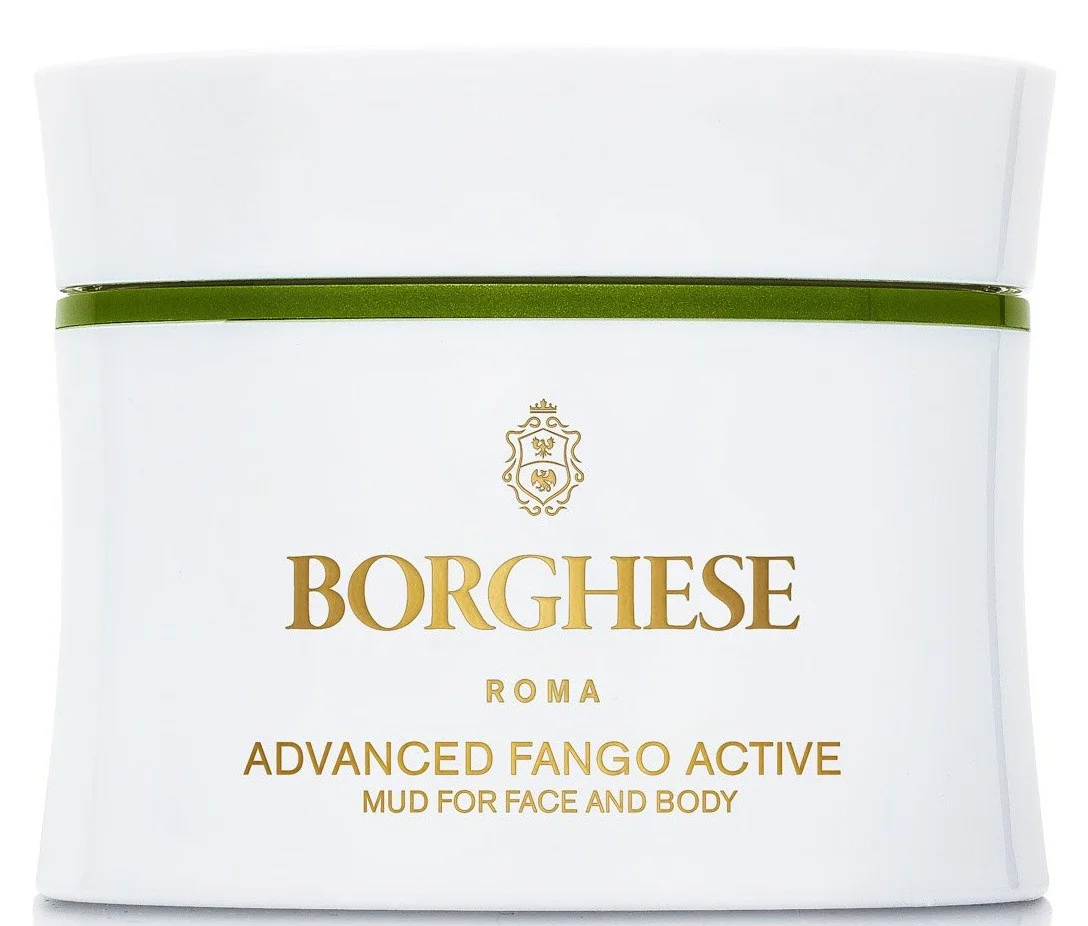
Create a free account to get started
Unlock science-based ingredient analysis personalized for your skin.
Already have an account? Log in
We protect your privacy. We never send spam.