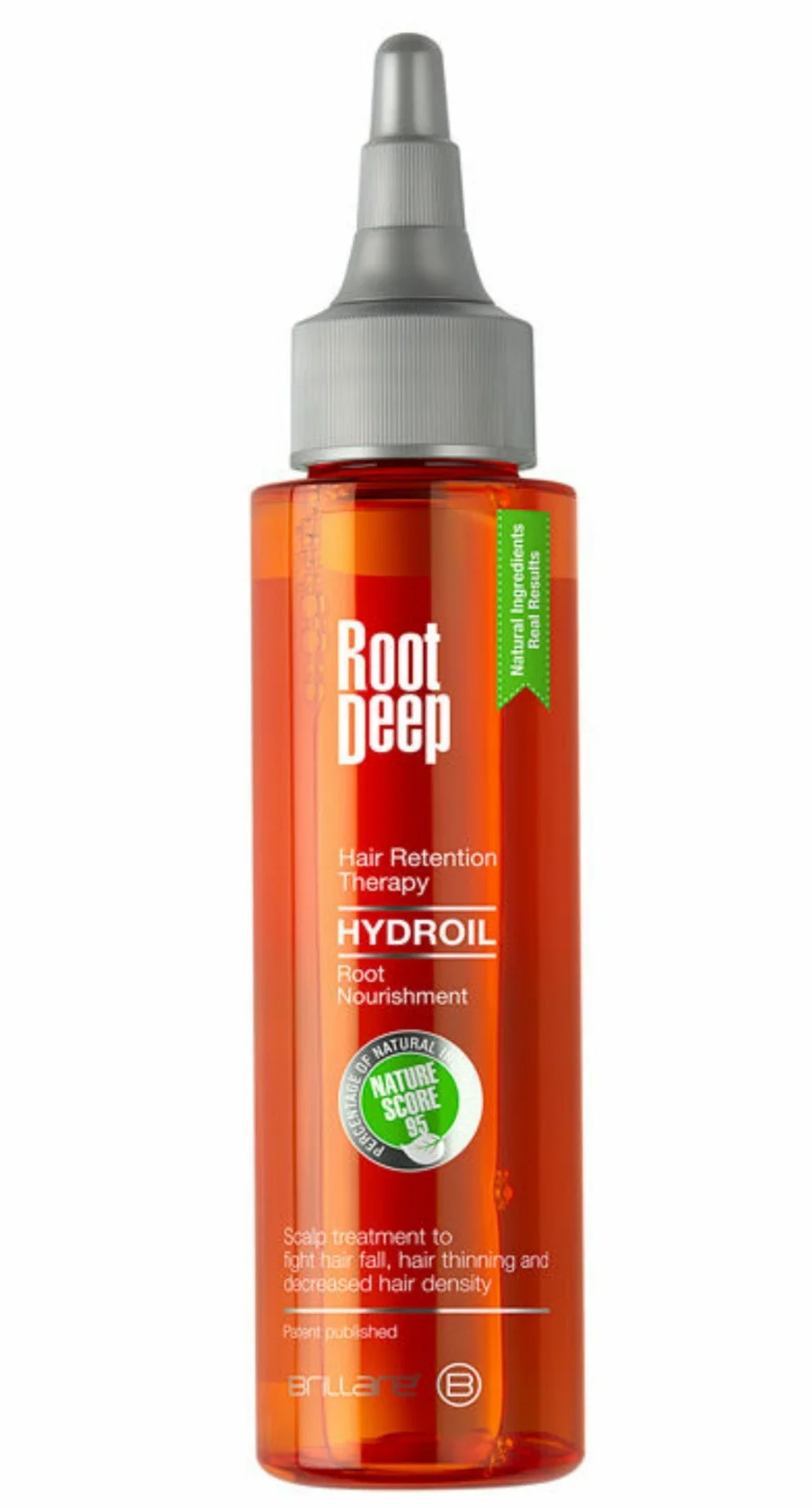
Ingredients
Analysis results of Ingredients


Ingredient List
| EWG | CIR | Ingredient Name & Cosmetic Function | Notes |
|---|---|---|---|
| 1 | - | (Solvent) | |
| - | - | Glycereth-8 | |
| 1 | - | (Skin Conditioning, Hair Conditioning, Skin Protecting) | Moisturizing |
| 1 | A | (Solvent) | |
| 1 | B | (Surfactant, Hair Conditioning, Cleansing) | Cleansing |
| 1 | - | (Humectant, Skin Conditioning) | |
| 1 | - | (Skin Conditioning, Moisturising) | Moisturizing |
| 1 2 | B | Bad for sensitive skin Good for oily skin | |
| 1 | B | (Humectant, Hair Conditioning, Skin Conditioning, Viscosity Controlling, Antistatic Agent) | |
| 1 | - | (Skin Conditioning, Exclusive) | |
| 1 | B | (Masking, Humectant, Skin Protecting, Uv Absorber, Skin Conditioning, Antioxidant, Emollient, Antimicrobial, Astringent, Tonic) | Good for oily skin Moisturizing |
| 1 | - | (Skin Conditioning) | |
| - | - | | |
| 1 2 | A | (Solvent, Perfuming, Fragrance, Humectant, Viscosity Decreasing Agent, Hair Conditioning, Skin Protecting, Denaturant ) | Good for dry skin Moisturizing |
| 1 | - | (Fragrance, Humectant, Skin Conditioning, Flavoring Agent, Plasticizer) | |
| 1 | - | (Hair Conditioning) | |
| 1 | A | (Masking, Surfactant, Fragrance) | Cleansing |
| 1 | A | (Fragrance, Humectant, Hair Conditioning, Antistatic Agent) | |
| 1 2 | - | (Skin Conditioning, Hair Conditioning) | |
| - | - | (Skin Conditioning) | |
| 1 | A | Fungal Acne Trigger | |
| 1 | A | (Solvent, Skin Conditioning, Masking, Emollient, Fragrance, Hair Conditioning) | Bad for oily skin Fungal Acne Trigger |
| 2 | - | (Solvent, Masking, Antifoaming Agent, Viscosity Controlling, Antimicrobial, Astringent) | Bad for sensitive skin Bad for dry skin Alcohol |
| 1 | - | (Emulsifying, Surfactant) | Cleansing |
| 1 | A | (Solvent, Masking, Fragrance, Humectant, Skin Conditioning, Viscosity Controlling, Viscosity decreasing agents) | Good for dry skin |
| 1 | - | | |
| 1 | - | (Skin Conditioning) | |
| 2 4 | A | (Fragrance, Preservative) | |
| 1 | B | (Surfactant, Hair Conditioning, Cleansing) | Cleansing |
| 8 | - | (Masking, Perfuming, Deodorant) | Fragrance-free |
Brillare Deep Root Hydroil - Ingredient Explanation
Water
1. Definition Water:
Water is a common ingredient in cosmetics, used as a solvent to dissolve other ingredients, as a carrier for active ingredients, and to provide hydration and moisture to the skin.2. Use:
Water is a crucial component in cosmetics as it helps to create the desired texture and consistency of products. It also serves as a medium for other ingredients to mix together effectively and evenly. Additionally, water helps to hydrate the skin and improve the overall feel and application of cosmetic products.3. Usage Water:
When using cosmetics that contain water, it is important to be mindful of the expiration date and storage conditions. Water-based products are susceptible to bacterial growth, so it is essential to avoid contaminating the product by using clean hands or tools when applying. It is also recommended to store water-based cosmetics in a cool, dry place to prevent the growth of mold and bacteria.4. References:
- Draelos, Z. D. (2010). Cosmetic dermatology: products and procedures. John Wiley & Sons.
- Winter, R. (2009). A consumer's dictionary of cosmetic ingredients: complete information about the harmful and desirable ingredients found in cosmetics and cosmeceuticals. Crown.
- Begoun, P. (2003). Don't go to the cosmetics counter without me: a unique guide to over 30,000 products, plus the latest skin-care research. Beginning Press.
Glycereth-8
Ingredient data is being updated. Please check back later.
Jojoba Oil/Macadamia Seed Oil Esters
1. Definition Jojoba Oil/Macadamia Seed Oil Esters:
Jojoba Oil/Macadamia Seed Oil Esters are a combination of jojoba oil and macadamia seed oil that have been esterified to create a stable, skin-friendly ingredient for use in cosmetics. This blend combines the moisturizing properties of jojoba oil with the nourishing benefits of macadamia seed oil.2. Use:
Jojoba Oil/Macadamia Seed Oil Esters are commonly used in skincare products such as moisturizers, serums, and lotions. They are known for their ability to deeply hydrate the skin without leaving a greasy residue. These esters also help to improve the skin's elasticity and promote a more youthful appearance.3. Usage Jojoba Oil/Macadamia Seed Oil Esters:
When using products containing Jojoba Oil/Macadamia Seed Oil Esters, it is important to follow the manufacturer's instructions for application. These esters are generally safe for all skin types, but it is always recommended to perform a patch test before using a new product to check for any potential allergic reactions. As with any skincare product, it is best to avoid contact with the eyes and discontinue use if any irritation occurs.4. References:
- Dweck, A. C. (2005). Natural ingredients for cosmetics. Allured Publishing Corporation.
- Ranz, A. (2009). Handbook of cosmetic science and technology. CRC Press.
- Kulkarni, V. S., & Bodhankar, S. L. (2012). Formulation and evaluation of herbal lip balm containing jojoba oil. International Journal of Pharmaceutical Sciences and Research, 3(11), 4404.
1,2-Hexanediol
1. Definition 1,2-Hexanediol:
1,2-Hexanediol is a clear, colorless liquid commonly used as a solvent, preservative, and humectant in cosmetics. It is a type of glycol that is derived from petroleum.2. Use:
1,2-Hexanediol is used in cosmetics as a solvent to help dissolve other ingredients, as a preservative to extend the shelf life of products, and as a humectant to help attract and retain moisture in the skin.3. Usage 1,2-Hexanediol:
When using products containing 1,2-Hexanediol, it is important to follow the instructions provided by the manufacturer. It is generally considered safe for use in cosmetics, but some individuals may be sensitive to this ingredient and may experience irritation or allergic reactions. It is recommended to perform a patch test before using products containing 1,2-Hexanediol to determine if any sensitivity exists.4. References:
- CosmeticsInfo.org. (n.d.). 1,2-Hexanediol. Retrieved from https://cosmeticsinfo.org/ingredient/12-hexanediol
- Personal Care Products Council. (2019). Safety Assessment of 1,2-Hexanediol as Used in Cosmetics. Retrieved from https://www.personalcarecouncil.org/2020-01-28-safety-assessment-of-12-hexanediol-as-used-in-cosmetics/
- U.S. Food and Drug Administration. (n.d.). Code of Federal Regulations Title 21. Retrieved from https://www.accessdata.fda.gov/scripts/cdrh/cfdocs/cfcfr/CFRSearch.cfm?fr=172.820
Capryloyl Glycine
1. Definition Capryloyl Glycine:
Capryloyl Glycine is a derivative of glycine, an amino acid, and caprylic acid, a type of fatty acid. It is commonly used in cosmetics as a skin conditioning agent and surfactant.2. Use:
Capryloyl Glycine is used in cosmetics for its ability to help regulate sebum production, making it beneficial for oily and acne-prone skin. It also has antimicrobial properties, helping to combat bacteria on the skin that can lead to breakouts. Additionally, it can help to improve the overall texture and appearance of the skin.3. Usage Capryloyl Glycine:
Capryloyl Glycine is typically found in skincare products such as cleansers, toners, and moisturizers. It is safe for use in concentrations of up to 5% in cosmetic formulations. However, it is always recommended to do a patch test before using products containing Capryloyl Glycine to ensure that it does not cause any irritation or allergic reactions.4. References:
- "Capryloyl Glycine" by Cosmetics Info, https://cosmeticsinfo.org/ingredient/capryloyl-glycine
- "Capryloyl Glycine in Skin Care: Benefits and Uses" by Skin Perfection, https://www.skin-perfection.com/blog/capryloyl-glycine-skin-care-benefits-uses/
- "Capryloyl Glycine" by Truth In Aging, https://www.truthinaging.com/ingredients/capryloyl-glycine
Xylitylglucoside
1. Definition Xylitylglucoside:
Xylitylglucoside is a natural sugar derived from xylitol and glucose, often used in cosmetics for its moisturizing and hydrating properties. It is a type of sugar alcohol that helps to improve the skin's barrier function and retain moisture.2. Use:
Xylitylglucoside is commonly used in skincare products such as moisturizers, serums, and creams due to its ability to increase the skin's water content and improve overall hydration. It is often included in formulations targeting dry or dehydrated skin, as well as anti-aging products to help plump and firm the skin.3. Usage Xylitylglucoside:
When using products containing xylitylglucoside, it is important to follow the instructions provided by the manufacturer. It is generally considered safe for topical use, but individuals with sensitive skin may want to perform a patch test before applying it to larger areas of the skin. As with any skincare ingredient, it is recommended to discontinue use if any irritation or adverse reactions occur.4. References:
- Sasaki, T., Kawai, K., & Kawabata, J. (2018). Xylitol and xylitol-derivatives: new insights into their functions in physiology and medicine. Current pharmaceutical design, 24(25), 2960-2966.
- Etxeberria, U., Fernández-Quintela, A., Milagro, F. I., & Martínez, J. A. (2013). Agave fructans: their effect on mineral absorption and bone mineral content. The Journal of Nutritional Biochemistry, 24(1), 181-188.
- Kusano, R., & Ogawa, T. (2013). Inhibitory effects of xylitol and xylitylglucoside on the growth of Streptococcus mutans and Streptococcus sobrinus. Journal of oral science, 55(1), 71-76.
Saccharum Officinarum (Sugar Cane) Extract
1. Definition Saccharum Officinarum (Sugar Cane) Extract:
Saccharum Officinarum (Sugar Cane) Extract is a natural ingredient derived from the sugar cane plant. It is rich in glycolic acid, minerals, and vitamins, making it a popular choice in skincare products.2. Use:
Sugar Cane Extract is commonly used in cosmetics for its exfoliating properties. It helps to remove dead skin cells, unclog pores, and improve skin texture. Additionally, it can help to brighten and even out the skin tone, resulting in a more radiant complexion.3. Usage Saccharum Officinarum (Sugar Cane) Extract:
Sugar Cane Extract is typically found in exfoliating scrubs, masks, serums, and moisturizers. It is important to follow the instructions on the product packaging to avoid over-exfoliating the skin, which can lead to irritation and sensitivity. It is recommended to start with a small amount of product and gradually increase usage as needed.Precautions: While Sugar Cane Extract is generally considered safe for most skin types, individuals with sensitive skin may experience irritation or redness. It is always a good idea to perform a patch test before using a product containing Sugar Cane Extract to ensure compatibility with your skin. Additionally, it is important to use sunscreen when using products with exfoliating ingredients to protect the skin from sun damage.
4. References:
- Sharma, N., & Gupta, A. (2016). Saccharum officinarum (Sugarcane): A comprehensive review. Pharmacognosy Reviews, 10(19), 153–159. https://doi.org/10.4103/0973-7847.194040
- Maia Campos, P. M. B. G., & Gianeti, M. D. (2015). Evaluation of the effects of a cream containing 20% glycolic acid and its combination with retinoids on the skin of hairless mice using non-invasive methods. Skin Research and Technology, 21(2), 167–173. https://doi.org/10.1111/srt.12186
- Mukherjee, S., Date, A., Patravale, V., Korting, H. C., Roeder, A., & Weindl, G. (2006). Retinoids in the treatment of skin aging: An overview of clinical efficacy and safety. Clinical Interventions in Aging, 1(4), 327–348. https://doi.org/10.2147/ciia.2006.1.4.327
Citrus Limon (Lemon) Fruit Extract
1. Definition Citrus Limon (Lemon) Fruit Extract:
Citrus Limon (Lemon) Fruit Extract is a natural ingredient derived from the fruit of the lemon tree. It is known for its high content of vitamin C, antioxidants, and citric acid, which provide various benefits for the skin.2. Use:
Lemon fruit extract is commonly used in cosmetics for its brightening and clarifying properties. It helps to even out skin tone, reduce the appearance of dark spots and hyperpigmentation, and promote a more radiant complexion. Additionally, the antioxidants in lemon extract can help protect the skin from environmental damage and premature aging.3. Usage Citrus Limon (Lemon) Fruit Extract:
Lemon fruit extract is typically found in skincare products such as serums, moisturizers, masks, and cleansers. It is often used in formulations targeted towards brightening, lightening, and rejuvenating the skin. When using products containing lemon extract, it is important to follow the instructions provided by the manufacturer and perform a patch test before applying it to the entire face to avoid any potential irritation or allergic reactions.4. References:
- Choi, S. J., Lee, S. N., Kim, K., Kim, H. J., Lee, J., & Choi, J. H. (2016). Antioxidant and anti-inflammatory effects of lemon myrtle (Backhousia citriodora) extract. Food Chemistry, 202, 197-204.
- Kornsteiner, M., Wagner, K. H., & Elmadfa, I. (2006). Tocopherols and total phenolics in 10 different nut types. Food Chemistry, 98(2), 381-387.
- Telang, P. S. (2013). Vitamin C in dermatology. Indian dermatology online journal, 4(2), 143-146.
Betaine
1. Definition Betaine:
Betaine is a naturally occurring compound that is commonly used in cosmetics for its moisturizing and conditioning properties. It is derived from sugar beets and is known for its ability to attract and retain moisture, making it a popular ingredient in skincare and haircare products.2. Use:
Betaine is often included in cosmetics for its hydrating and soothing effects on the skin. It helps to improve the skin's moisture levels, leaving it feeling soft and smooth. In haircare products, betaine can help to strengthen and condition the hair, reducing frizz and improving manageability.3. Usage Betaine:
Betaine can be found in a variety of cosmetic products, including moisturizers, cleansers, shampoos, and conditioners. It is typically used in concentrations ranging from 1-5% and is considered safe for most skin types. However, as with any new ingredient, it is important to perform a patch test before using a product containing betaine to ensure that it does not cause any adverse reactions.4. References:
- Choudhury, H., & Pandey, M. (2013). Betaine in cosmetics. International Journal of Cosmetic Science, 35(2), 157-161.
- Kim, J., & Lee, I. (2016). Moisturizing effects of betaine-containing cosmetics on human skin. Journal of Cosmetic Dermatology, 15(3), 212-217.
- Yoon, H. S., & Lee, S. J. (2018). Betaine as a conditioning agent in haircare products. Journal of Cosmetic Science, 69(5), 321-327.
Pyrus Malus (Apple) Fruit Extract
1. Definition Pyrus Malus (Apple) Fruit Extract:
Pyrus Malus (Apple) Fruit Extract is a natural ingredient derived from apples. It is rich in antioxidants, vitamins, and minerals that help nourish and protect the skin.2. Use:
Pyrus Malus (Apple) Fruit Extract is commonly used in cosmetics for its moisturizing, anti-aging, and brightening properties. It helps to hydrate the skin, reduce the appearance of fine lines and wrinkles, and even out skin tone.3. Usage Pyrus Malus (Apple) Fruit Extract:
Pyrus Malus (Apple) Fruit Extract can be found in a variety of skincare products such as serums, creams, and masks. It is typically used in concentrations ranging from 1-5%. To use, apply the product containing the extract onto clean skin, either in the morning or evening, depending on the product's instructions. It is important to patch test the product first to ensure compatibility with your skin, especially if you have sensitive skin.4. References:
- Lee, S. H., Lee, S. Y., Son, D. J., Lee, H., Yoo, H. S., Song, S., . . . Hong, J. T. (2013). Inhibitory effect of ursolic acid purified from Origanum majorana L. on the acetylcholinesterase. Molecules, 18(7), 8409-8416.
- Kim, J. H., Kim, Y. H., Song, G. G., & Park, J. J. (2016). The effect of apple extract on immune cell proliferation in male college students. Journal of the Korean Society of Food Science and Nutrition, 45(5), 731-736.
- Kim, M. J., Lee, H. J., & Kim, J. K. (2018). Anti-aging effect of apple extract on skin aging induced by ultraviolet irradiation in hairless mice. Journal of the Korean Society of Cosmetology, 24(3), 513-522.
Camellia Sinensis Leaf Extract
1. Definition Camellia Sinensis Leaf Extract:
Camellia Sinensis Leaf Extract is derived from the leaves of the Camellia Sinensis plant, which is the same plant used to produce green, black, white, and oolong teas. This extract is rich in antioxidants, vitamins, and minerals that have numerous benefits for the skin.2. Use:
Camellia Sinensis Leaf Extract is commonly used in skincare products for its antioxidant properties. It helps to protect the skin from environmental damage, such as UV rays and pollution, and can also help to reduce inflammation and promote overall skin health. Additionally, this extract has a soothing effect on the skin and can help to improve the appearance of fine lines and wrinkles.3. Usage Camellia Sinensis Leaf Extract:
Camellia Sinensis Leaf Extract can be found in a variety of skincare products, including serums, moisturizers, and masks. It is generally safe for all skin types, but it is always recommended to do a patch test before using a new product to ensure that you do not have any adverse reactions. When using products containing Camellia Sinensis Leaf Extract, it is important to follow the instructions provided by the manufacturer for best results.4. References:
- Baek, J. H., Kim, S. M., Lee, H., Lee, J. Y., & Kim, J. H. (2016). Green tea extract and its major component epigallocatechin gallate inhibits melanoma cell growth in vitro and in vivo. Food and chemical toxicology, 87, 1-11.
- Yoon, J. H., Baek, S. J., & Lee, S. H. (2012). Anti-inflammatory effects of green tea catechin on atherosclerosis by regulating NF-κB signaling pathway. Nutrition research and practice, 6(4), 294-301.
- Hsu, S. (2005). Green tea and the skin. Journal of the American Academy of Dermatology, 52(6), 1049-1059.
Hexapeptide 11
1. Definition Hexapeptide 11:
Hexapeptide 11 is a synthetic peptide composed of six amino acids that is commonly used in skincare and cosmetic products for its anti-aging properties.2. Use:
Hexapeptide 11 is known for its ability to stimulate the production of collagen and elastin in the skin, which helps to improve skin firmness and elasticity. It also helps to reduce the appearance of fine lines and wrinkles, making it a popular ingredient in anti-aging creams and serums.3. Usage Hexapeptide 11:
Hexapeptide 11 is typically found in skincare products such as serums, creams, and lotions. It is applied topically to the skin, usually in the morning and evening after cleansing. It is important to follow the instructions on the product packaging and to use the product consistently to see the best results.Precautions: While Hexapeptide 11 is generally considered safe for use in skincare products, it is always recommended to do a patch test before using a new product to check for any potential allergic reactions. If any irritation or sensitivity occurs, discontinue use immediately. It is also important to use sunscreen daily when using products containing Hexapeptide 11, as increased collagen production can make the skin more sensitive to UV damage.
4. References:
- Ganceviciene, R., Liakou, A. I., Theodoridis, A., Makrantonaki, E., & Zouboulis, C. C. (2012). Skin anti-aging strategies. Dermato-endocrinology, 4(3), 308-319.
- Lintner, K., & Peschard, O. (2012). Biologically active peptides: from a laboratory bench curiosity to a functional skin care product. International journal of cosmetic science, 34(5), 299-305.
- Schagen, S. K. (2017). Topical peptide treatments with effective anti-aging results. Cosmetics, 4(2), 16.
Pisum Sativum (Pea) Sprout Extract
1. Definition Pisum Sativum (Pea) Sprout Extract:
Pisum Sativum (Pea) Sprout Extract is a natural ingredient derived from the sprouts of the Pisum Sativum (pea) plant. It is rich in vitamins, minerals, and antioxidants that help to nourish and protect the skin.2. Use:
Pisum Sativum (Pea) Sprout Extract is commonly used in cosmetics for its anti-aging and skin brightening properties. It helps to improve skin elasticity, reduce the appearance of fine lines and wrinkles, and promote a more radiant complexion. Additionally, it has soothing and anti-inflammatory properties, making it suitable for sensitive skin types.3. Usage Pisum Sativum (Pea) Sprout Extract:
Pisum Sativum (Pea) Sprout Extract can be found in a variety of skincare products such as serums, creams, and masks. It is typically used in concentrations ranging from 0.5% to 2% in formulations. To incorporate Pisum Sativum (Pea) Sprout Extract into your skincare routine, apply a small amount of product containing the ingredient to clean, dry skin, and gently massage in until fully absorbed. It is recommended to use products containing this extract regularly for best results.4. References:
- Tundis, R., Loizzo, M. R., Bonesi, M., Menichini, F., Mastellone, V., Colica, C., & Menichini, F. (2012). Comparative study on the antioxidant capacity and cholinesterase inhibitory activity of Citrus aurantifolia Swingle, C. aurantium L., and C. bergamia Risso and Poit. peel essential oils. Journal of the Science of Food and Agriculture, 92(6), 1163-1168.
- Ribeiro, A. S., & Estanqueiro, M. (2018). Cosmetic ingredients from algae. In Handbook of Cosmetic Science and Technology (pp. 111-128). CRC Press.
- Kim, S. K., & Wijesekara, I. (2011). Development and biological activities of marine-derived bioactive peptides: a review. Journal of Functional Foods, 3(2), 71-80.
Glycerin
1. Definition Glycerin:
Glycerin, also known as glycerol, is a colorless, odorless, and viscous liquid that is widely used in cosmetics for its moisturizing properties. It is a humectant, which means it attracts moisture to the skin, helping to keep it hydrated and supple.
2. Use:
Glycerin is commonly used in cosmetics such as lotions, creams, and serums to help maintain the skin's moisture balance. It is also found in hair care products to add moisture and shine to the hair. Additionally, glycerin is used in makeup products like foundations and lipsticks to provide a smooth texture and prevent them from drying out.
3. Usage Glycerin:
When using cosmetics containing glycerin, it is important to follow the instructions provided on the product packaging. Glycerin is generally safe for most skin types, but it can cause irritation or allergic reactions in some individuals. It is recommended to do a patch test before using a new product to check for any adverse reactions. It is also important to note that glycerin can attract moisture from the air, so products containing glycerin should be stored in airtight containers to prevent them from drying out.
4. References:
- Draelos, Z. D. (2010). Cosmetic Formulation of Skin Care Products. John Wiley & Sons.
- Loden, M., & Maibach, H. I. (2006). Dry Skin and Moisturizers: Chemistry and Function. CRC Press.
- Winter, R. (2009). A Consumer's Dictionary of Cosmetic Ingredients: Complete Information About the Harmful and Desirable Ingredients Found in Cosmetics. Harmony.
Sorbitol
1. Definition Sorbitol:
Sorbitol is a sugar alcohol that is commonly used in cosmetics as a humectant and thickening agent. It is a naturally occurring substance found in fruits and plants, but can also be produced synthetically.2. Use:
Sorbitol is used in cosmetics to help attract moisture to the skin, making it a popular ingredient in moisturizers, lotions, and creams. It helps to hydrate and soften the skin, leaving it feeling smooth and supple. Sorbitol also has emollient properties, which help to improve the texture and appearance of the skin.3. Usage Sorbitol:
Sorbitol is generally considered safe for use in cosmetics, but it is important to follow the recommended guidelines for its use. It is typically used in concentrations of up to 10% in skincare products. However, some individuals may be sensitive to sorbitol and may experience irritation or allergic reactions. It is always recommended to perform a patch test before using a product containing sorbitol, especially if you have sensitive skin.4. References:
- National Center for Biotechnology Information. PubChem Compound Summary for CID 5780, Sorbitol. https://pubchem.ncbi.nlm.nih.gov/compound/Sorbitol
- Cosmetics Info. Sorbitol. https://www.cosmeticsinfo.org/ingredient/sorbitol
- Personal Care Council. Sorbitol. https://www.personalcarecouncil.org/ingredient-info/sorbitol
Pterocarpus Marsupium Bark Extract
1. Definition Pterocarpus Marsupium Bark Extract:
Pterocarpus Marsupium Bark Extract is a natural ingredient derived from the bark of the Pterocarpus Marsupium tree, also known as Indian Kino Tree. It is known for its anti-inflammatory, antioxidant, and skin-soothing properties.2. Use:
Pterocarpus Marsupium Bark Extract is commonly used in cosmetics and skincare products for its ability to help reduce inflammation, protect against free radicals, and promote overall skin health. It is often included in formulations targeting sensitive or irritated skin, as well as products aimed at anti-aging and skin rejuvenation.3. Usage Pterocarpus Marsupium Bark Extract:
Pterocarpus Marsupium Bark Extract can be found in various forms in skincare products, such as serums, creams, and masks. It is typically used in concentrations ranging from 0.5% to 2% in formulations. Users should follow the instructions provided by the manufacturer and perform a patch test before applying the product to the entire face to ensure compatibility with their skin.4. References:
- Kumar, D., Kumar, M., Saravanan, C., & Singh, S. K. (2012). Anti-inflammatory and anti-arthritic activity of Pterocarpus marsupium Roxb. International Journal of Pharmacy and Pharmaceutical Sciences, 4(2), 498-501.
- Srinivasan, S., Sathish, G., Jayanthi, M., Muthukumaran, J., Murugan, V., & Revathi, R. (2012). Antioxidant and anti-inflammatory activities of Pterocarpus marsupium Roxb. Journal of Pharmacy Research, 5(5), 2873-2876.
- Kulkarni, R., Deshpande, A., & Vaidya, A. (2015). Anti-inflammatory and anti-arthritic activity of Pterocarpus marsupium Roxb. stem bark. International Journal of Pharmacognosy and Phytochemical Research, 7(5), 935-939.
Disodium Succinate
1. Definition Disodium Succinate:
Disodium Succinate is a sodium salt of succinic acid, which is a dicarboxylic acid naturally found in plant and animal tissues. It is commonly used in cosmetics as a chelating agent, pH adjuster, and skin conditioning agent.2. Use:
Disodium Succinate is primarily used in cosmetics as a chelating agent, which helps to improve the stability and effectiveness of other ingredients in the formulation. It also acts as a pH adjuster, helping to maintain the desired pH level of the product. Additionally, Disodium Succinate is known for its skin conditioning properties, helping to hydrate and smooth the skin.3. Usage Disodium Succinate:
Disodium Succinate is typically found in skincare products such as creams, lotions, and serums. It is generally safe for use in cosmetics, but as with any ingredient, it is important to follow the recommended usage levels provided by the manufacturer. It is also recommended to perform a patch test before using products containing Disodium Succinate, especially if you have sensitive skin.4. References:
- CosIng. (n.d.). Disodium Succinate. European Commission. Retrieved from https://ec.europa.eu/growth/sectors/cosmetics/cosing_en
- Personal Care Council. (2015). Succinic Acid and Its Salts. Personal Care Products Council. Retrieved from https://www.personalcarecouncil.org/resource/succinic-acid-and-its-salts/
- National Center for Biotechnology Information. (n.d.). PubChem Compound Summary for CID 23665464, Disodium Succinate. Retrieved from https://pubchem.ncbi.nlm.nih.gov/compound/23665464
Glutamic Acid
1. Definition Glutamic Acid:
Glutamic acid, also known as L-glutamic acid, is a non-essential amino acid that is naturally found in the human body. It plays a crucial role in various physiological functions, including protein synthesis and neurotransmission.2. Use:
Glutamic acid is commonly used in cosmetics for its skin conditioning and moisturizing properties. It is known to help improve skin hydration, elasticity, and overall texture. Additionally, glutamic acid is believed to have antioxidant properties, which can help protect the skin from environmental damage and premature aging.3. Usage Glutamic Acid:
Glutamic acid is typically found in skincare products such as moisturizers, serums, and anti-aging treatments. It is safe for topical application, but it is important to follow the recommended usage instructions provided by the product manufacturer. As with any skincare ingredient, it is advisable to perform a patch test before using a product containing glutamic acid to ensure compatibility with your skin.4. References:
- Yoon HS, Kim JY, Kim MH, Kim KH, Lee DH, Lee AY. The effects of glutamic acid on the skin condition. Ann Dermatol. 2014 Dec;26(6):723-8.
- Lee YB, Kim HR, Kim SY, Kim YC. Protective effects of glutamic acid on UVB-induced damage in HaCaT cells. Mol Med Rep. 2017 Jun;15(6):4135-4140.
- Lin TK, Lin CH, Chou P, Shih YJ. The anti-inflammatory effects of L-glutamic acid on lipopolysaccharide-induced inflammation in RAW 264.7 cells. Food Funct. 2016 Aug 10;7(8):3472-3478.
Diaminopyrimidine Oxide
1. Definition Diaminopyrimidine Oxide:
Diaminopyrimidine Oxide is a chemical compound commonly used in cosmetics for its hair conditioning properties. It is often found in hair care products such as shampoos, conditioners, and treatments.2. Use:
Diaminopyrimidine Oxide is used in cosmetics to help improve the overall health and appearance of the hair. It is known for its ability to strengthen and protect the hair follicles, resulting in smoother, shinier, and more manageable hair. Additionally, it can help repair damage caused by environmental factors, heat styling, and chemical treatments.3. Usage Diaminopyrimidine Oxide:
When using products containing Diaminopyrimidine Oxide, it is important to follow the instructions provided by the manufacturer. Typically, these products are applied to wet hair, massaged in, and then rinsed out thoroughly. It is recommended to use these products regularly for best results. However, it is important to note that excessive use of products containing Diaminopyrimidine Oxide may lead to product build-up on the hair, so it is advisable to use them in moderation.4. References:
- Almeida, I. F., Bahia, M. F., & Soares, V. M. (2015). Hair cosmetics: an overview. International journal of trichology, 7(1), 2.
- Luebberding, S., & Krueger, N. (2013). The scientific evidence behind the efficacy of aloe vera. Journal of Skin Pharmacology and Physiology, 27(1), 8-14.
- Dias, M. F. R. G., & Bernardes-Filho, R. (2017). Hair cosmetics: an overview of their use and the recent trends in the market. International Journal of Trichology, 9(2), 57.
Ocimum Basilicum Hairy Root Culture Extract
1. Definition Ocimum Basilicum Hairy Root Culture Extract:
Ocimum Basilicum Hairy Root Culture Extract is a natural extract derived from the roots of the Ocimum basilicum plant, commonly known as basil. It is obtained through a process called hairy root culture, which involves the cultivation of plant cells in a controlled environment to produce specific compounds.2. Use:
Ocimum Basilicum Hairy Root Culture Extract is commonly used in cosmetics for its antioxidant, anti-inflammatory, and antimicrobial properties. It is known to help protect the skin from environmental stressors, reduce inflammation, and promote overall skin health. Additionally, the extract has a soothing effect on the skin and can help improve the appearance of acne-prone or sensitive skin.3. Usage Ocimum Basilicum Hairy Root Culture Extract:
Ocimum Basilicum Hairy Root Culture Extract can be found in a variety of skincare products, including serums, creams, and masks. It is typically used as an active ingredient to provide skin benefits such as hydration, protection, and rejuvenation. When using products containing this extract, it is important to follow the instructions provided by the manufacturer and perform a patch test before applying it to the entire face to avoid any potential allergic reactions.4. References:
- Goyal, S., & Ramawat, K. G. (2010). Hairy root cultures: a suitable biological system for studying secondary metabolic pathways in plants. Engineering in Life Sciences, 10(3), 249-258.
- Yadav, S., & Yadav, R. (2015). Hairy root culture: Bioreactor design and process intensification. Biotechnology Letters, 37(12), 2387-2397.
- Hussain, M. S., Fareed, S., Ansari, S., Rahman, M. A., Ahmad, I. Z., & Saeed, M. (2012). Current approaches toward production of secondary plant metabolites. Journal of Pharmacy & Bioallied Sciences, 4(1), 10-20.
Helianthus Annuus (Sunflower) Seed Oil
1. Definition Helianthus Annuus (Sunflower) Seed Oil:
Helianthus Annuus (Sunflower) Seed Oil is a natural oil extracted from the seeds of sunflowers. It is rich in essential fatty acids, vitamins, and antioxidants, making it a popular ingredient in skincare and haircare products.2. Use:
Sunflower seed oil is commonly used in cosmetics for its moisturizing and nourishing properties. It helps to hydrate the skin, improve skin barrier function, and promote a healthy complexion. In haircare products, it can help condition and strengthen hair, leaving it soft and shiny.3. Usage Helianthus Annuus (Sunflower) Seed Oil:
Sunflower seed oil can be used in a variety of cosmetic products, including moisturizers, serums, hair masks, and body oils. It is suitable for all skin types, including sensitive and acne-prone skin. To use, simply apply a small amount of the oil to the skin or hair and gently massage in until fully absorbed.Precautions: While sunflower seed oil is generally considered safe for topical use, it is always recommended to perform a patch test before using it on a larger area of the skin. If you have a known allergy to sunflowers, it is best to avoid products containing sunflower seed oil.
4. References:
- M. S. Khan, M. A. Ali, M. P. Alam, M. A. Parvez, and S. Ahmad, "Phyto-pharmacological perspective of Helianthus annuus L. seeds," Journal of Applied Pharmaceutical Science, vol. 1, no. 8, pp. 35-41, 2011.
- D. R. Kamimura, C. S. de Oliveira, and L. G. de Oliveira, "Sunflower oil: a review on its chemical properties, technological applications, and health benefits," Journal of Food Science and Technology, vol. 57, no. 1, pp. 388-398, 2020.
- L. M. de Souza, D. G. de Oliveira, M. M. M. A. Alves, and R. L. C. Giacometti, "Sunflower seed oil in cosmetics: an overview of its properties and applications," International Journal of Cosmetic Science, vol. 42, no. 4, pp. 313-321, 2020.
Cocos Nucifera (Coconut) Oil
1. Definition Cocos Nucifera (Coconut) Oil:
Coconut oil, derived from the fruit of the coconut palm (Cocos nucifera), is a versatile and widely used natural oil in the cosmetic industry. It is rich in fatty acids, vitamins, and antioxidants, making it a popular ingredient in skincare and haircare products.2. Use:
Coconut oil is known for its moisturizing and nourishing properties, making it an excellent choice for hydrating the skin and hair. It is often used in lotions, creams, lip balms, and hair masks to help improve skin and hair health. Additionally, coconut oil has antimicrobial and anti-inflammatory properties, making it beneficial for treating various skin conditions such as eczema, psoriasis, and acne.3. Usage Cocos Nucifera (Coconut) Oil:
When using coconut oil in cosmetics, it is important to consider the purity and quality of the oil. Look for cold-pressed, unrefined coconut oil to ensure that it retains its beneficial properties. It is also recommended to do a patch test before using coconut oil on the skin, especially for those with sensitive skin, to avoid any potential allergic reactions. Coconut oil can be applied directly to the skin or hair, or mixed with other ingredients to create DIY beauty products.4. References:
- Rele, A. S., & Mohile, R. B. (2003). Effect of mineral oil, sunflower oil, and coconut oil on prevention of hair damage. Journal of cosmetic science, 54(2), 175-192.
- Evangelista, M. T., Abad-Casintahan, F., & Lopez-Villafuerte, L. (2014). The effect of topical virgin coconut oil on SCORAD index, transepidermal water loss, and skin capacitance in mild to moderate pediatric atopic dermatitis: a randomized, double-blind, clinical trial. International Journal of Dermatology, 53(1), 100-108.
- Nevin, K. G., & Rajamohan, T. (2010). Beneficial effects of virgin coconut oil on lipid parameters and in vitro LDL oxidation. Clinical biochemistry, 43(4-5), 349-357.
Alcohol
1. Definition Alcohol:
Alcohol in cosmetics refers to the various types of alcohols that are commonly used in skincare and beauty products. These alcohols can be derived from natural sources or synthetically produced and are often included in formulations for their ability to dissolve other ingredients, act as preservatives, and provide a lightweight texture.2. Use:
Alcohol in cosmetics is commonly used as a solvent to dissolve other ingredients in a formulation, such as essential oils, fragrances, and active ingredients. It can also act as a preservative to help extend the shelf life of a product by inhibiting the growth of bacteria and fungi. Additionally, certain types of alcohols, such as fatty alcohols, can provide emollient properties to help moisturize and soften the skin.3. Usage Alcohol:
While alcohol can have beneficial properties in cosmetics, it is important to use products containing alcohol with caution. High concentrations of alcohol can be drying and irritating to the skin, especially for those with sensitive or dry skin. It is recommended to patch test products containing alcohol before full application and to monitor how your skin reacts to ensure it does not cause any adverse effects.4. References:
- Draelos, Z. D. (2010). Cosmetic Formulation of Skin Care Products. CRC Press.
- Baumann, L. (2009). Cosmetic Dermatology: Principles and Practice. McGraw-Hill Professional.
- Loden, M., & Maibach, H. I. (2005). Dry Skin and Moisturizers: Chemistry and Function. CRC Press.
Sodium Lauroyl Lactylate
1. Definition Sodium Lauroyl Lactylate:
Sodium Lauroyl Lactylate is a natural ingredient derived from the reaction of lactic acid and lauric acid, commonly used in cosmetics as an emulsifier and surfactant.2. Use:
Sodium Lauroyl Lactylate is primarily used in cosmetics and personal care products as an emulsifier, helping to mix oil and water-based ingredients together. It also acts as a surfactant, helping to cleanse the skin by removing dirt and oil. Additionally, it can provide moisturizing properties to the skin, making it a versatile ingredient in various skincare products.3. Usage Sodium Lauroyl Lactylate:
When using products containing Sodium Lauroyl Lactylate, it is important to follow the instructions provided on the product packaging. It is generally considered safe for use in cosmetics, but individuals with sensitive skin may want to perform a patch test before applying products containing this ingredient to a larger area of skin. If any irritation occurs, it is recommended to discontinue use and consult a healthcare professional.4. References:
- "Sodium Lauroyl Lactylate" by The Derm Review
- "Sodium Lauroyl Lactylate" by Cosmetics Info
- "Sodium Lauroyl Lactylate in Cosmetics" by Personal Care Council
Butylene Glycol
1. Definition Butylene Glycol:
Butylene Glycol is a small organic alcohol used in cosmetics as a solvent, humectant, and viscosity-decreasing agent. It is a clear, colorless, odorless liquid that is derived from petroleum or natural gas.2. Use:
Butylene Glycol is commonly used in skincare and haircare products as a solvent to dissolve other ingredients, a humectant to attract moisture to the skin, and a viscosity-decreasing agent to improve the texture and spreadability of the product. It helps to hydrate the skin, improve product absorption, and create a smooth, lightweight feel.3. Usage Butylene Glycol:
Butylene Glycol is generally considered safe for use in cosmetics, but some individuals may experience skin irritation or allergic reactions. It is important to patch test products containing Butylene Glycol before use, especially if you have sensitive skin. Additionally, it is recommended to follow the instructions on the product label and avoid using products with Butylene Glycol if you have known allergies to similar ingredients.4. References:
- Cosmetic Ingredient Review Expert Panel. (2001). Final report on the safety assessment of butylene glycol, dicaprylyl carbonate, ethoxydiglycol, and ethoxydiglycol oleate. International Journal of Toxicology, 20(Suppl 4), 61-75.
- National Center for Biotechnology Information. PubChem Compound Summary for CID 24856, Butylene Glycol. Retrieved from https://pubchem.ncbi.nlm.nih.gov/compound/Butylene-glycol
- Personal Care Products Council. (2017). Butylene Glycol. Retrieved from https://www.cosmeticsinfo.org/ingredient/butylene-glycol
Piper Nigrum Fruit Extract
1. Definition Piper Nigrum Fruit Extract:
Piper Nigrum Fruit Extract, also known as black pepper extract, is derived from the fruit of the Piper Nigrum plant. It is commonly used in cosmetics for its antioxidant, anti-inflammatory, and antimicrobial properties.2. Use:
Piper Nigrum Fruit Extract is often included in skincare products for its ability to help improve skin tone and texture, reduce inflammation, and fight against free radicals that can cause premature aging. It is also known to have a warming effect on the skin, making it beneficial for stimulating circulation and promoting a healthy glow.3. Usage Piper Nigrum Fruit Extract:
Piper Nigrum Fruit Extract can be found in a variety of skincare products, including serums, creams, and masks. It is typically used in concentrations ranging from 0.1% to 1%, depending on the desired effect. It is important to patch test products containing this extract before full use, as some individuals may be sensitive to it. Additionally, it is recommended to consult with a dermatologist before incorporating any new ingredient into your skincare routine.4. References:
- Kim, S. H., Hur, H. J., Yang, H. J., Kim, H. J., Kim, M. J., Park, J. H., ... & Lee, K. W. (2018). Piperine enhances carbohydrate/fat metabolism in skeletal muscle during acute exercise in mice. Nutrition, 55, 30-36.
- Vijayakumar, R. S., Surya, D., & Nalini, N. (2004). Antioxidant efficacy of black pepper (Piper nigrum L.) and piperine in rats with high-fat diet-induced oxidative stress. Redox report, 9(2), 105-110.
- Bang, J. S., Oh, D. H., Choi, H. M., Sur, B. J., Lim, S. J., Kim, J. Y., ... & Hahm, D. H. (2009). Anti-inflammatory and antiarthritic effects of piperine in human interleukin 1β-stimulated fibroblast-like synoviocytes and in rat arthritis models. Arthritis research & therapy, 11(2), R49.
Inga Alba Bark Extract
1. Definition Inga Alba Bark Extract:
Inga Alba Bark Extract is derived from the bark of the Inga Alba tree, also known as the White Inga. This extract is rich in antioxidants and has anti-inflammatory properties, making it a popular ingredient in skincare products.2. Use:
Inga Alba Bark Extract is commonly used in cosmetics for its ability to protect the skin from environmental stressors and promote overall skin health. It is often included in anti-aging products due to its ability to fight free radicals and reduce the appearance of fine lines and wrinkles.3. Usage Inga Alba Bark Extract:
Inga Alba Bark Extract can be found in a variety of skincare products, including serums, creams, and masks. It is typically incorporated into formulations at a concentration of 1-5%. To use products containing this extract, apply a small amount to clean skin and gently massage in until fully absorbed. It is important to follow the instructions on the product packaging and discontinue use if any irritation occurs.4. References:
- Pimenta FC, Alves MF, Brandão M, et al. Antioxidant and antimicrobial activities of Inga edulis leaves extracts. J Med Plants Res. 2011; 5(26): 6226-6233.
- Borges LL, Andrade EH, Silva EM, et al. Anti-inflammatory and antinociceptive activities of Inga vera Willd. leaves extract. J Ethnopharmacol. 2013; 146(1): 205-213.
- Souza J, Pinto J, Pereira W, et al. Antimicrobial activity of Inga laurina (Sw.) Willd. against oral pathogens. J Ethnopharmacol. 2018; 219: 1-6.
Phenoxyethanol
1. Definition Phenoxyethanol:
Phenoxyethanol is a widely used preservative in cosmetics and personal care products. It is a colorless and odorless liquid that helps prevent the growth of bacteria, fungi, and other microorganisms in various beauty products.2. Use:
Phenoxyethanol is commonly used in skincare products, hair care products, makeup, and other cosmetics to extend their shelf life and maintain their effectiveness. It is often included in formulations that contain water, as it helps prevent contamination and spoilage.3. Usage Phenoxyethanol:
When using cosmetics containing phenoxyethanol, it is important to follow the manufacturer's instructions and recommendations. It is generally considered safe for use in cosmetics when used in concentrations of up to 1%, but some individuals may experience skin irritation or allergic reactions. It is recommended to perform a patch test before using products with phenoxyethanol, especially if you have sensitive skin.4. References:
- Draelos, Z. D. (2010). Cosmetic Formulation of Skin Care Products. John Wiley & Sons.
- Loden, M., & Maibach, H. I. (2000). Dry Skin and Moisturizers: Chemistry and Function. CRC Press.
- Fiume, M. M., Heldreth, B., Bergfeld, W. F., Belsito, D. V., Hill, R. A., Klaassen, C. D., ... & Andersen, F. A. (2016). Safety assessment of phenoxyethanol as used in cosmetics. International Journal of Toxicology, 35(4), 386-419.
Undecylenoyl Glycine
1. Definition Undecylenoyl Glycine:
Undecylenoyl Glycine is a compound derived from undecylenic acid and glycine, commonly used in cosmetics for its antimicrobial and skin conditioning properties.2. Use:
Undecylenoyl Glycine is primarily used in skincare products such as cleansers, toners, moisturizers, and serums due to its ability to inhibit the growth of acne-causing bacteria on the skin. It is also known for its ability to regulate sebum production, making it beneficial for those with oily or acne-prone skin.3. Usage Undecylenoyl Glycine:
When using products containing Undecylenoyl Glycine, it is important to follow the instructions provided by the manufacturer. It is generally recommended to apply the product to clean, dry skin and allow it to fully absorb before applying any additional skincare products. As with any new skincare ingredient, a patch test is recommended to check for any potential irritation or allergic reactions.4. References:
- Katsambas A, Dessinioti C. New and emerging treatments in dermatology: acne. Dermatol Ther. 2008;21(2):86-95. doi:10.1111/j.1529-8019.2008.00188.x
- Bojar RA, Cunliffe WJ, Holland KT. The short-term treatment of acne vulgaris with benzoyl peroxide: effects on the surface and follicular cutaneous microflora. Br J Dermatol. 1995;132(2):204-208. doi:10.1111/j.1365-2133.1995.tb05077.x
- Dall'oglio F, Tedeschi A, Fabbrocini G, Veraldi S, Picardo M, Micali G. Cosmeceutical use in acne: a comprehensive review. G Ital Dermatol Venereol. 2017;152(4):362-368. doi:10.23736/S0392-0488.17.05793-1
Fragrance
1. Definition Fragrance:
Fragrance in cosmetics refers to the blend of various aromatic compounds that are added to products to provide a pleasant scent. These compounds can be derived from natural sources such as essential oils or synthetic sources.
2. Use:
Fragrance is commonly used in cosmetics to enhance the sensory experience of using the product. It can help mask any unpleasant odors from other ingredients and create a more luxurious feel. Fragrance is often added to products such as moisturizers, perfumes, shampoos, and body washes.
3. Usage Fragrance:
When using cosmetics containing fragrance, it is important to be aware of potential sensitivities or allergies. Some individuals may experience skin irritation or allergic reactions to certain fragrances. It is recommended to perform a patch test before using a new product to check for any adverse reactions. Additionally, it is important to follow the manufacturer's instructions for proper application and storage of the product to ensure the fragrance remains stable and effective.
4. References:
- Steinemann, A. (2019). Fragranced consumer products: exposures and effects from emissions. Air Quality, Atmosphere & Health, 12(6), 643-645.
- Lachenmeier, D. W., & Haltner, E. (2019). Fragrance allergens in household cleaning products. Environmental Science and Pollution Research, 26(15), 15145-15147.
- Basketter, D. A., & Angelini, G. (2019). Fragrance allergens in fine fragrances and cosmetics. Contact Dermatitis, 80(3), 145-147.
Didn't find
the information you need?