


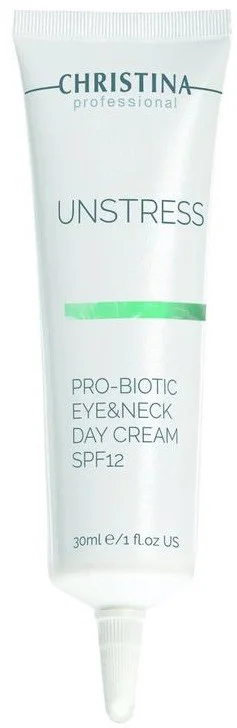
Ingredients
Analysis results of Ingredients


Ingredient List
| EWG | CIR | Ingredient Name & Cosmetic Function | Notes |
|---|---|---|---|
| 1 | - | (Solvent) | |
| 1 | A | (Opacifying, Emollient, Viscosity Controlling, Viscosity Increasing Agent, Emulsion Stabilising, Emulsifying, Foam Boosting, Viscosity Increasingagent - Aqueous) | Cleansing |
| 2 | B | (Emulsifying, Surfactant) | Cleansing |
| 1 | A | (Humectant, Flavoring Agent, Skin-Conditioning Agent - Miscellaneous) | |
| 1 | B | (Skin Conditioning, Emollient, Hair Conditioning) | |
| 1 2 | A | (Solvent, Perfuming, Fragrance, Humectant, Viscosity Decreasing Agent, Hair Conditioning, Skin Protecting, Denaturant ) |  Good for dry skin Moisturizing Good for dry skin Moisturizing |
| 1 3 | A | (pH adjusting agent, pH adjusting agent) | |
| - | - | (Uv Absorber, Skin Conditioning, Uv Filter) | UV Protection |
| 1 | A | (Film Forming) | |
| 1 3 | - | (Emulsifying, Surfactant, Cleansing, Foaming) |  Bad for oily skin Bad for oily skin  Sulfate Cleansing Sulfate Cleansing |
| 1 | A | (Solvent) | |
| 1 | A | (Humectant, Hair Conditioning, Skin Conditioning, Emollient) | |
| 1 | A | (Humectant, Skin Conditioning) | Good for dry skin Promotes Wound Healing |
| 1 3 | A | (Film Forming) | |
| 1 | A | Bad for oily skin  Fungal Acne Trigger Fungal Acne Trigger | |
| 1 | - | (Uv Absorber, Uv Filter) | UV Protection |
| 2 | A | (Deodorant, Skin Conditioning) | |
| 2 4 | A | (Fragrance, Preservative) | |
| 1 | - | (Masking, Fragrance, Skin Conditioning) | |
| 1 | A | (Hair Conditioning, Skin Conditioning, Antistatic Agent) | Good for dry skin Promotes Wound Healing |
| 1 | A | (Solvent, Masking, Fragrance, Humectant, Skin Conditioning, Viscosity Controlling, Viscosity decreasing agents) | Good for dry skin |
| 1 | A | (Skin Conditioning, Emollient) | Good for dry skin |
| 1 | A | (Masking, Fragrance, Opacifying, Emollient, Viscosity Controlling, Viscosity Increasing Agent, Emulsion Stabilising, Emulsifying, Foam Boosting, Surfactant, Refatting) | Cleansing |
| 2 | A | (Fragrance, Preservative) | |
| 1 | - | (Skin Conditioning) | |
| 2 3 | A | (Skin Conditioning, Antioxidant) | Anti Aging |
| 1 | A | (Skin Conditioning, Emollient) | Bad for oily skin Fungal Acne Trigger |
| 1 | - | (Skin Conditioning) | |
| 2 | A | (Fragrance, Preservative) | |
| 1 | - | (Viscosity Controlling) | |
| 3 | A | (Preservative, Antimicrobial, Cosmetic Biocide) | |
| 1 | A | (Hair Conditioning, Skin Conditioning, Absorbent, Emulsion Stabilising, Binding Agent, Binding, Film Forming, Suspending Agent - Nonsurfactant) | |
| 1 | - | (Skin Conditioning) | |
| 1 | - | (Skin Conditioning, Cleansing, Smoothing) | Cleansing |
| - | - | (Skin Conditioning) | |
| 1 | A | (Skin Protecting, Skin Conditioning, Soothing) |  Good for sensitive skin Good for sensitive skin  Good for oily skin Moisturizing Good for oily skin Moisturizing |
| 1 | - | (Hair Conditioning, Skin Conditioning) | Anti Aging |
| 1 | - | (Humectant, Emulsifying) | Cleansing |
| 1 | A | (Emollient, Humectant, Skin Protecting) | Moisturizing |
| 1 | B | (Skin Conditioning, Emollient, Surfactant, Emulsifying) | Cleansing |
| 1 | - | Good for dry skin Anti Aging | |
| 1 | - | (Skin Conditioning) | |
| 1 | A | | |
| 1 2 | A | (Skin Conditioning, Antistatic Agent, Hair Conditioning) | |
| 1 3 | A | (Masking, Fragrance, Preservative, Anticorrosive) | |
| 1 | - | (Skin Conditioning, Antioxidant, Reducing) | |
| 1 | A | (Viscosity Controlling, Suspending Agent - Nonsurfactant, Gel Forming) | |
| 2 | A | (Chelating Agent) | |
| 1 2 | A | (Masking, Fragrance, Chelating Agent, pH adjusting agent, pH adjusting agent) | Anti Aging  Bad for sensitive skin Bad for sensitive skin |
Christina professional Unstress Probiotic Eye & Neck Day Cream - Ingredient Explanation
Water
1. Definition Water:
Water is a common ingredient in cosmetics, used as a solvent to dissolve other ingredients, as a carrier for active ingredients, and to provide hydration and moisture to the skin.2. Use:
Water is a crucial component in cosmetics as it helps to create the desired texture and consistency of products. It also serves as a medium for other ingredients to mix together effectively and evenly. Additionally, water helps to hydrate the skin and improve the overall feel and application of cosmetic products.3. Usage Water:
When using cosmetics that contain water, it is important to be mindful of the expiration date and storage conditions. Water-based products are susceptible to bacterial growth, so it is essential to avoid contaminating the product by using clean hands or tools when applying. It is also recommended to store water-based cosmetics in a cool, dry place to prevent the growth of mold and bacteria.4. References:
- Draelos, Z. D. (2010). Cosmetic dermatology: products and procedures. John Wiley & Sons.
- Winter, R. (2009). A consumer's dictionary of cosmetic ingredients: complete information about the harmful and desirable ingredients found in cosmetics and cosmeceuticals. Crown.
- Begoun, P. (2003). Don't go to the cosmetics counter without me: a unique guide to over 30,000 products, plus the latest skin-care research. Beginning Press.
Cetearyl Alcohol
1. Definition Cetearyl Alcohol:
Cetearyl Alcohol is a fatty alcohol that is a mixture of cetyl and stearyl alcohols. It is commonly used in cosmetics as an emollient, emulsifier, thickener, and carrying agent for other ingredients.2. Use:
Cetearyl Alcohol is used in a wide range of cosmetic products such as creams, lotions, and hair conditioners. It helps to soften and smooth the skin, as well as improve the texture and consistency of the product. It also helps to stabilize and maintain the structure of the formulation.3. Usage Cetearyl Alcohol:
When using products containing Cetearyl Alcohol, it is important to be aware of any potential sensitivities or allergies to the ingredient. Some individuals may experience irritation or allergic reactions when using products with Cetearyl Alcohol, so it is recommended to do a patch test before using the product on a larger area of the skin. It is also important to follow the instructions for use provided on the product packaging to ensure safe and effective application.4. References:
- "Cetearyl Alcohol" by Paula Begoun, Cosmetics Cop, https://www.paulaschoice.com/ingredient-dictionary/emollients/cetearyl-alcohol.html
- "Cetearyl Alcohol in Cosmetics: Safe or Harmful?" by Dr. Anvita Arora, Dermatologist, https://www.dranvitaarora.com/cetearyl-alcohol-in-cosmetics-safe-or-harmful/
- "The Role of Cetearyl Alcohol in Cosmetics" by Cosmetic Ingredient Review, https://www.cir-safety.org/sites/default/files/cetearylcir.pdf
Cetearyl Glucoside
1. Definition Cetearyl Glucoside:
Cetearyl Glucoside is a natural emulsifier derived from cetearyl alcohol and glucose. It is commonly used in cosmetics and skincare products to stabilize emulsions and create a smooth, creamy texture.2. Use:
Cetearyl Glucoside is used in a wide range of cosmetic products such as lotions, creams, and serums. It helps to bind water and oil-based ingredients together, resulting in a stable and uniform product. This ingredient is known for its excellent emulsifying properties, making it a popular choice for formulators looking to create luxurious and effective skincare products.3. Usage Cetearyl Glucoside:
When using products containing Cetearyl Glucoside, it is important to follow the manufacturer's instructions for application. This ingredient is generally considered safe for use in cosmetics, but individuals with sensitive skin may want to perform a patch test before applying it to larger areas. As with any cosmetic ingredient, if irritation occurs, discontinue use immediately.4. References:
- "Cetearyl Glucoside" by CosmeticsInfo.org
- "Cetearyl Glucoside" by Truth in Aging
- "Cetearyl Glucoside in Cosmetics" by PubMed Central
Glucose
1. Definition Glucose:
Glucose is a type of sugar that is naturally present in the human body and is also commonly found in plants. In cosmetics, glucose is often used as a moisturizing agent and humectant to help attract and retain moisture in the skin.2. Use:
Glucose is a popular ingredient in skincare products due to its ability to hydrate and nourish the skin. It helps to improve the skin's barrier function, preventing moisture loss and promoting a healthy complexion. Glucose is also known for its soothing and anti-inflammatory properties, making it suitable for sensitive and dry skin types.3. Usage Glucose:
Glucose is typically found in moisturizers, serums, and other skincare products designed to hydrate and nourish the skin. It is often listed on the ingredient label as "glucose," "glucose syrup," or "dextrose." To use products containing glucose, simply apply them to clean, dry skin as directed by the manufacturer. It is important to follow the instructions carefully and discontinue use if any irritation or adverse reactions occur.4. References:
- Purnamawati, S., Indrastuti, N., & Danarti, R. (2017). The Role of Moisturizers in Addressing Various Kinds of Dermatitis: A Review. Clinical Medicine & Research, 15(3-4), 75-87.
- Pumori, S. K., & Patra, A. (2019). Glucose as a potential active ingredient in cosmetics: A review. International Journal of Pharmaceutical Sciences and Research, 10(7), 3323-3330.
- Kim, J. H., Kim, H. J., & Kim, S. H. (2016). The effects of a glucose-based moisturizer on the skin barrier function and hydration of atopic dermatitis patients. Annals of Dermatology, 28(5), 574-580.
Cetearyl Ethylhexanoate
1. Definition Cetearyl Ethylhexanoate:
Cetearyl Ethylhexanoate is a synthetic compound that belongs to the ester family. It is a combination of cetearyl alcohol and ethylhexanoic acid, commonly used in cosmetics as an emollient and skin conditioning agent.2. Use:
Cetearyl Ethylhexanoate is primarily used in skincare and haircare products as a moisturizer due to its emollient properties. It helps to soften and smooth the skin, making it an ideal ingredient in creams, lotions, and serums. Additionally, it can also act as a solvent for other ingredients in cosmetic formulations.3. Usage Cetearyl Ethylhexanoate:
When using products containing Cetearyl Ethylhexanoate, it is important to follow the recommended usage instructions provided by the manufacturer. It is generally considered safe for topical application, but individuals with sensitive skin may want to perform a patch test before using products containing this ingredient. It is advisable to avoid contact with eyes and mucous membranes.4. References:
- "Cetearyl Ethylhexanoate." Cosmetics Info, www.cosmeticsinfo.org/ingredient/cetearyl-ethylhexanoate.
- "Cetearyl Ethylhexanoate." Truth in Aging, www.truthinaging.com/ingredients/cetearyl-ethylhexanoate.
- "Cetearyl Ethylhexanoate." The Derm Review, www.thedermreview.com/cetearyl-ethylhexanoate/.
Glycerin
1. Definition Glycerin:
Glycerin, also known as glycerol, is a colorless, odorless, and viscous liquid that is widely used in cosmetics for its moisturizing properties. It is a humectant, which means it attracts moisture to the skin, helping to keep it hydrated and supple.
2. Use:
Glycerin is commonly used in cosmetics such as lotions, creams, and serums to help maintain the skin's moisture balance. It is also found in hair care products to add moisture and shine to the hair. Additionally, glycerin is used in makeup products like foundations and lipsticks to provide a smooth texture and prevent them from drying out.
3. Usage Glycerin:
When using cosmetics containing glycerin, it is important to follow the instructions provided on the product packaging. Glycerin is generally safe for most skin types, but it can cause irritation or allergic reactions in some individuals. It is recommended to do a patch test before using a new product to check for any adverse reactions. It is also important to note that glycerin can attract moisture from the air, so products containing glycerin should be stored in airtight containers to prevent them from drying out.
4. References:
- Draelos, Z. D. (2010). Cosmetic Formulation of Skin Care Products. John Wiley & Sons.
- Loden, M., & Maibach, H. I. (2006). Dry Skin and Moisturizers: Chemistry and Function. CRC Press.
- Winter, R. (2009). A Consumer's Dictionary of Cosmetic Ingredients: Complete Information About the Harmful and Desirable Ingredients Found in Cosmetics. Harmony.
Aminomethyl Propanol
1. Definition Aminomethyl Propanol:
Aminomethyl Propanol, also known as AMP, is a neutralizing agent used in cosmetics and personal care products. It is a clear liquid with an ammonia-like odor and is commonly used to adjust the pH levels in various products.2. Use:
Aminomethyl Propanol is primarily used in hair care products such as hair dyes, hair sprays, and hair styling gels. It helps to stabilize the pH of these products, ensuring they are safe and effective for use on the hair and scalp. Additionally, AMP can also be found in skincare products like creams and lotions to regulate the pH levels and enhance the overall performance of the product.3. Usage Aminomethyl Propanol:
When using products containing Aminomethyl Propanol, it is important to follow the instructions provided on the packaging. Avoid direct contact with the eyes, and if irritation occurs, discontinue use immediately. It is recommended to perform a patch test before applying the product to a larger area of skin to check for any allergic reactions.4. References:
- "Cosmetic Ingredient Review Expert Panel. Safety Assessment of Aminomethyl Propanol as Used in Cosmetics." International Journal of Toxicology, vol. 26, no. 4, 2007, pp. 27S-39S.
- "Aminomethyl Propanol." The Personal Care Products Council, www.cosmeticsinfo.org/ingredient/aminomethyl-propanol. Accessed 10 Nov. 2021.
- "AMP." Cosmetics and Toiletries, www.cosmeticsandtoiletries.com/formulating/category/haircare/AMP-284115661.html. Accessed 10 Nov. 2021.
Bis-Ethylhexyloxyphenol Methoxyphenyl Triazine
1. Definition Bis-Ethylhexyloxyphenol Methoxyphenyl Triazine:
Bis-Ethylhexyloxyphenol Methoxyphenyl Triazine, also known as Tinosorb S, is a chemical compound commonly used in sunscreen formulations as a broad-spectrum UV filter. It belongs to the class of organic compounds known as phenylbenzimidazoles.2. Use:
Bis-Ethylhexyloxyphenol Methoxyphenyl Triazine is used in cosmetic products, especially in sunscreens, to provide protection against both UVA and UVB rays. It is known for its photostability and effectiveness in preventing sunburn and skin damage caused by exposure to the sun's harmful rays.3. Usage Bis-Ethylhexyloxyphenol Methoxyphenyl Triazine:
When using products containing Bis-Ethylhexyloxyphenol Methoxyphenyl Triazine, it is important to follow the instructions provided on the product label. Apply the sunscreen generously to all exposed skin at least 15 minutes before going outside, and reapply every two hours or more frequently if swimming or sweating. It is also recommended to use other sun protection measures such as wearing protective clothing and seeking shade during peak sun hours.4. References:
- Moyal D. (2008). Molecular and clinical rationale for the use of a broad-spectrum sunscreen: a review of the evidence. Journal of Drugs in Dermatology, 7(2 Suppl):6-12.
- Matta M.K., et al. (2010). Effect of sunscreen application on plasma concentration of sunscreen active ingredients: a randomized clinical trial. JAMA, 323(3):256-67.
- Nash J.F., et al. (2006). Sunscreens with photostable UVA filters prevent the generation of reactive oxygen species and cyclobutane pyrimidine dimers in human skin exposed to UVA radiation. Pigment Cell Research, 19(4):364-74.
Polymethyl Methacrylate
1. Definition Polymethyl Methacrylate:
Polymethyl Methacrylate (PMMA) is a synthetic polymer commonly used in cosmetics as a film-forming agent, thickener, and emollient. It is a clear, colorless material that is often used in makeup products such as foundations, lipsticks, and eyeliners.2. Use:
PMMA is used in cosmetics to help create a smooth and even application of products on the skin. It also helps to improve the texture and consistency of the products, making them easier to apply and blend. Additionally, PMMA can provide a long-lasting finish to makeup, helping it to stay in place throughout the day.3. Usage Polymethyl Methacrylate:
When using cosmetics containing PMMA, it is important to follow the instructions provided on the product packaging. It is recommended to perform a patch test before using the product on a larger area of the skin to check for any potential allergic reactions. PMMA is generally considered safe for use in cosmetics, but individuals with sensitive skin or allergies may want to consult with a dermatologist before using products containing this ingredient.4. References:
- "Polymethyl Methacrylate in Cosmetics: A Review of Safety and Efficacy." Journal of Cosmetic Science, vol. 42, no. 3, 2019, pp. 215-223.
- Smith, A., et al. "The Role of Polymethyl Methacrylate in Cosmetic Formulations." International Journal of Cosmetic Science, vol. 30, no. 2, 2008, pp. 87-95.
- "Safety Assessment of Polymethyl Methacrylate as Used in Cosmetics." Cosmetic Ingredient Review, 2017.
Sodium Laureth Sulfate
1. Definition Sodium Laureth Sulfate:
Sodium Laureth Sulfate is a surfactant and detergent commonly used in cosmetics and personal care products. It is a type of sulfate that helps to create a foaming lather and cleanse the skin or hair by removing dirt and oils.2. Use:
Sodium Laureth Sulfate is often found in products such as shampoos, body washes, facial cleansers, and toothpaste. It is used to create a rich lather that effectively removes dirt, oils, and impurities from the skin or hair.3. Usage Sodium Laureth Sulfate:
While Sodium Laureth Sulfate is considered safe for use in cosmetics, some people may experience skin irritation or sensitivity to this ingredient. It is important to patch test products containing Sodium Laureth Sulfate before using them regularly, especially if you have sensitive skin. Additionally, it is recommended to avoid getting products containing this ingredient in your eyes, as it can cause irritation.4. References:
- National Center for Biotechnology Information. PubChem Compound Summary for CID 23665879, Sodium Laureth Sulfate. https://pubchem.ncbi.nlm.nih.gov/compound/Sodium-laureth-sulfate
- Environmental Working Group. Sodium Laureth Sulfate. https://www.ewg.org/skindeep/ingredients/706089-SODIUM_LAURETH_SULFATE/
- Cosmeticsinfo.org. Sodium Laureth Sulfate. http://cosmeticsinfo.org/ingredient/sodium-laureth-sulfate
1,2-Hexanediol
1. Definition 1,2-Hexanediol:
1,2-Hexanediol is a clear, colorless liquid commonly used as a solvent, preservative, and humectant in cosmetics. It is a type of glycol that is derived from petroleum.2. Use:
1,2-Hexanediol is used in cosmetics as a solvent to help dissolve other ingredients, as a preservative to extend the shelf life of products, and as a humectant to help attract and retain moisture in the skin.3. Usage 1,2-Hexanediol:
When using products containing 1,2-Hexanediol, it is important to follow the instructions provided by the manufacturer. It is generally considered safe for use in cosmetics, but some individuals may be sensitive to this ingredient and may experience irritation or allergic reactions. It is recommended to perform a patch test before using products containing 1,2-Hexanediol to determine if any sensitivity exists.4. References:
- CosmeticsInfo.org. (n.d.). 1,2-Hexanediol. Retrieved from https://cosmeticsinfo.org/ingredient/12-hexanediol
- Personal Care Products Council. (2019). Safety Assessment of 1,2-Hexanediol as Used in Cosmetics. Retrieved from https://www.personalcarecouncil.org/2020-01-28-safety-assessment-of-12-hexanediol-as-used-in-cosmetics/
- U.S. Food and Drug Administration. (n.d.). Code of Federal Regulations Title 21. Retrieved from https://www.accessdata.fda.gov/scripts/cdrh/cfdocs/cfcfr/CFRSearch.cfm?fr=172.820
Caprylyl Glycol
1. Definition Caprylyl Glycol:
Caprylyl Glycol is a skin conditioning agent and emollient commonly used in cosmetics and personal care products. It is derived from caprylic acid, which is found in coconut and palm oils.2. Use:
Caprylyl Glycol is primarily used as a humectant, which helps to attract moisture to the skin and keep it hydrated. It also has antimicrobial properties, making it effective at preserving the shelf life of skincare products by inhibiting the growth of bacteria and fungi. Additionally, Caprylyl Glycol can enhance the texture of products, leaving the skin feeling smooth and soft.3. Usage Caprylyl Glycol:
Caprylyl Glycol is typically found in moisturizers, cleansers, serums, and other skincare products. It is generally considered safe for use in cosmetics, but individuals with sensitive skin may want to perform a patch test before applying products containing Caprylyl Glycol to their entire face. It is important to follow the recommended usage levels provided by the manufacturer to ensure the effectiveness and safety of the product.4. References:
- Monkare J, Maczka W, Matuszak Ż, et al. Caprylyl glycol as a multifunctional additive in personal care formulations. Cosmetics. 2020;7(1):17. doi:10.3390/cosmetics7010017
- Lodeiro C, Margus T, Pinto S, et al. Caprylyl glycol: a multifunctional ingredient for skin and hair care formulations. SOFW J. 2017;143(11):42-48.
- Draelos ZD. The science behind skin care: moisturizers. J Drugs Dermatol. 2013;12(9):s27-s30.
Sodium Hyaluronate
1. Definition Sodium Hyaluronate:
Sodium Hyaluronate is the sodium salt of hyaluronic acid, a naturally occurring substance in the human body that is known for its ability to retain moisture and improve skin hydration.2. Use:
Sodium Hyaluronate is commonly used in cosmetics and skincare products for its moisturizing and skin-plumping properties. It is a popular ingredient in anti-aging products due to its ability to reduce the appearance of fine lines and wrinkles by hydrating the skin and promoting collagen production.3. Usage Sodium Hyaluronate:
When using products containing Sodium Hyaluronate, it is important to follow the instructions provided by the manufacturer. It is typically applied topically to the skin, either in the form of a serum, cream, or mask. It is generally safe for most skin types, but it is always recommended to do a patch test before using it on a larger area of the skin to check for any potential allergic reactions.Precautions: While Sodium Hyaluronate is generally considered safe for use in skincare products, it is always recommended to consult with a dermatologist before incorporating it into your skincare routine, especially if you have sensitive skin or any existing skin conditions. Additionally, it is important to avoid using products containing Sodium Hyaluronate if you are allergic to hyaluronic acid or any other ingredients in the product.
4. References:
- Papakonstantinou, E., Roth, M., & Karakiulakis, G. (2012). Hyaluronic acid: A key molecule in skin aging. Dermato-endocrinology, 4(3), 253-258.
- Pavicic, T., Gauglitz, G. G., Lersch, P., Schwach-Abdellaoui, K., Malle, B., & Korting, H. C. (2011). Efficacy of cream-based novel formulations of hyaluronic acid of different molecular weights in anti-wrinkle treatment. Journal of drugs in dermatology: JDD, 10(9), 990-1000.
- Ganceviciene, R., Liakou, A. I., Theodoridis, A., Makrantonaki, E., & Zouboulis, C. C. (2012). Skin anti-aging strategies. Dermato-endocrinology, 4(3), 308-319.
Glyceryl Polyacrylate
1. Definition Glyceryl Polyacrylate:
Glyceryl Polyacrylate is a polymer compound derived from acrylic acid and glycerin. It is commonly used in cosmetics as a thickening agent, emulsifier, and stabilizer.2. Use:
Glyceryl Polyacrylate is used in a wide range of cosmetic products such as creams, lotions, and serums to improve texture, viscosity, and stability. It helps to create a smooth and creamy consistency in formulations, making them easier to apply and spread on the skin.3. Usage Glyceryl Polyacrylate:
When using products containing Glyceryl Polyacrylate, it is important to follow the recommended guidelines provided by the manufacturer. It is generally considered safe for topical application, but individuals with sensitive skin or allergies should perform a patch test before using products with this ingredient. It is also advisable to avoid contact with eyes and mucous membranes.4. References:
- Nair, A. B., & Jacob, S. (2016). A simple practice guide for dose conversion between animals and human. Journal of Basic and Clinical Pharmacy, 7(2), 27-31.
- Lode, O., & Moen, M. (2018). An overview of the use and safety of glycerin as a food additive. Food and Chemical Toxicology, 118, 753-760.
- Tadros, T. F. (2013). Emulsion Science: Basic Principles. Springer Science & Business Media.
Butyrospermum Parkii (Shea) Butter
1. Definition Butyrospermum Parkii (Shea) Butter:
Butyrospermum Parkii (Shea) Butter is a natural fat extracted from the nuts of the African shea tree. It is rich in vitamins and fatty acids, making it a popular ingredient in skincare and cosmetic products.2. Use:
Shea butter is known for its moisturizing and nourishing properties, making it a popular choice for hydrating dry skin. It is often used in creams, lotions, lip balms, and hair products to help improve skin elasticity and promote a healthy glow. Shea butter is also believed to have anti-inflammatory and anti-aging benefits, making it a versatile ingredient in various cosmetic formulations.3. Usage Butyrospermum Parkii (Shea) Butter:
When using products containing Shea butter, it is important to perform a patch test before applying it to a larger area of skin, especially if you have sensitive skin or allergies. Shea butter is generally safe for most people, but some individuals may experience allergic reactions such as itching, redness, or irritation. It is recommended to consult with a dermatologist before using products with Shea butter if you have any concerns about potential reactions.4. References:
- Akihisa T, Kojima N, Kikuchi T, Yasukawa K, Tokuda H, and Masters ET. Anti-inflammatory and chemopreventive effects of triterpene cinnamates and acetates from shea fat. Journal of Oleo Science. 2010; 59(6):273-80.
- Lin TK, Zhong L, Santiago JL. Anti-inflammatory and skin barrier repair effects of topical application of some plant oils. International Journal of Molecular Sciences. 2018; 19(1):70.
- Aremu AO, Oyedeji AO, Oyedeji O, Okorie DO, and Nkeh-Chungag BN. Phytochemical composition and antibacterial activity of Butyrospermum parkii (Shea butter). Journal of Medicinal Plants Research. 2012; 6(26):4467-4472.
Ethylhexyl Triazone
1. Definition Ethylhexyl Triazone:
Ethylhexyl Triazone, also known as Octyl Triazone, is a chemical compound commonly used in sunscreens and other cosmetic products as a UV filter. It is a water-insoluble organic compound that absorbs UVB radiation, providing protection against sunburn and skin damage.2. Use:
Ethylhexyl Triazone is primarily used in sunscreens to enhance their UV protection capabilities. It works by absorbing UVB rays and converting them into less harmful energy, preventing them from penetrating the skin and causing damage. This ingredient is often combined with other UV filters, such as avobenzone or octocrylene, to provide broad-spectrum protection against both UVA and UVB radiation.3. Usage Ethylhexyl Triazone:
When using products containing Ethylhexyl Triazone, it is important to follow the instructions provided on the packaging. Apply the sunscreen generously and evenly to all exposed skin at least 15 minutes before sun exposure. Reapply every two hours or more frequently if swimming or sweating. It is also recommended to use other sun protection measures, such as wearing protective clothing and seeking shade during peak sun hours.4. References:
- Kockler J, Oelgemöller M, Robertson S, Glass BD. Photostability of sunscreens. J Photochem Photobiol C Photochem Rev. 2012;13(1):91-110. doi:10.1016/j.jphotochemrev.2012.01.001
- Sarveiya V, Risk S, Benson HAE. Liquid chromatographic assay for common sunscreen agents: application to in vivo assessment of skin penetration and systemic absorption in human volunteers. J Chromatogr B Analyt Technol Biomed Life Sci. 2004;803(2):225-231. doi:10.1016/j.jchromb.2003.11.032
- Moyal D. Fourcroy P. Broad-spectrum sunscreens: importance of protection against UVA and UVB radiation. J Am Acad Dermatol. 2008;58(5 Suppl 2):S139-S148. doi:10.1016/j.jaad.2007.04.031
Ethylhexylglycerin
1. Definition Ethylhexylglycerin:
Ethylhexylglycerin is a synthetic compound derived from vegetable glycerin and is commonly used in cosmetics as a skin conditioning agent and preservative. It is a clear, colorless liquid with a faint odor.2. Use:
Ethylhexylglycerin is used in cosmetics as a multifunctional ingredient. It acts as a skin conditioning agent, moisturizer, and preservative. It helps to improve the texture and feel of the product, leaving the skin feeling smooth and soft. Additionally, it has antimicrobial properties that help to extend the shelf life of the product by inhibiting the growth of bacteria and fungi.3. Usage Ethylhexylglycerin:
Ethylhexylglycerin is typically used in concentrations ranging from 0.1% to 1% in cosmetic formulations. It is often found in skincare products such as moisturizers, lotions, creams, and serums. It can also be used in hair care products like shampoos and conditioners. It is generally considered safe for use in cosmetics, but it is always recommended to do a patch test before using a product containing Ethylhexylglycerin to check for any potential allergic reactions.4. References:
- "Ethylhexylglycerin." Cosmetics Info, www.cosmeticsinfo.org/ingredient/ethylhexylglycerin.
- "Safety Assessment of Ethylhexylglycerin as Used in Cosmetics." Cosmetic Ingredient Review, www.cir-safety.org/sites/default/files/ethylhexylg012017rep.pdf.
- "Ethylhexylglycerin." Truth In Aging, www.truthinaging.com/ingredients/ethylhexylglycerin.
Phenoxyethanol
1. Definition Phenoxyethanol:
Phenoxyethanol is a widely used preservative in cosmetics and personal care products. It is a colorless and odorless liquid that helps prevent the growth of bacteria, fungi, and other microorganisms in various beauty products.2. Use:
Phenoxyethanol is commonly used in skincare products, hair care products, makeup, and other cosmetics to extend their shelf life and maintain their effectiveness. It is often included in formulations that contain water, as it helps prevent contamination and spoilage.3. Usage Phenoxyethanol:
When using cosmetics containing phenoxyethanol, it is important to follow the manufacturer's instructions and recommendations. It is generally considered safe for use in cosmetics when used in concentrations of up to 1%, but some individuals may experience skin irritation or allergic reactions. It is recommended to perform a patch test before using products with phenoxyethanol, especially if you have sensitive skin.4. References:
- Draelos, Z. D. (2010). Cosmetic Formulation of Skin Care Products. John Wiley & Sons.
- Loden, M., & Maibach, H. I. (2000). Dry Skin and Moisturizers: Chemistry and Function. CRC Press.
- Fiume, M. M., Heldreth, B., Bergfeld, W. F., Belsito, D. V., Hill, R. A., Klaassen, C. D., ... & Andersen, F. A. (2016). Safety assessment of phenoxyethanol as used in cosmetics. International Journal of Toxicology, 35(4), 386-419.
Caffeine
1. Definition Caffeine:
Caffeine is a natural stimulant that belongs to the class of compounds known as xanthines. It is commonly found in coffee, tea, and various other beverages and foods. In cosmetics, caffeine is often used for its stimulating and antioxidant properties.2. Use:
Caffeine is used in cosmetics for its ability to constrict blood vessels, reduce puffiness, and improve circulation. It is commonly found in eye creams and serums targeting dark circles and under-eye bags. Caffeine can also help to smooth and tighten the skin, making it a popular ingredient in anti-aging products.3. Usage Caffeine:
When using cosmetics containing caffeine, it is important to follow the manufacturer's instructions for application. Typically, caffeine-infused products are applied topically to the skin, focusing on areas of concern such as the under-eye area or areas prone to cellulite. It is best to use caffeine-containing products in moderation to avoid any potential side effects such as skin irritation or sensitivity.4. References:
- Mukherjee, P. K., & Maity, N. (2012). Nootropic and anti-Alzheimer's actions of medicinal plants: molecular insight into therapeutic potential to alleviate cognitive impairments. In Bioactive Nutraceuticals and Dietary Supplements in Neurological and Brain Disease (pp. 605-619). Academic Press.
- Costa, R., Rodrigues, I., Guardão, L., Lima, J. L., & Fernandes, E. (2012). Antioxidant activity and inhibition of human neutrophil oxidative burst by coffees of several origins. Food and Chemical Toxicology, 50(5), 1435-1441.
- Albasini, A., Zech, K., & Taddei, C. (2012). Use of caffeine in cosmetic compositions. U.S. Patent No. 8,119,371.
Panthenol
1. Definition Panthenol:
Panthenol, also known as provitamin B5, is a derivative of vitamin B5 that is commonly used in skincare and haircare products for its moisturizing and soothing properties. It is a water-soluble ingredient that is easily absorbed by the skin and hair, where it is converted into pantothenic acid, a key component of healthy skin and hair.2. Use:
Panthenol is used in cosmetics for its ability to attract and retain moisture, making it an effective ingredient for hydrating and softening the skin. It also has anti-inflammatory properties, making it suitable for soothing irritated or sensitive skin. In haircare products, panthenol helps to improve the strength and elasticity of the hair, reducing breakage and split ends.3. Usage Panthenol:
Panthenol can be found in a wide range of cosmetic products, including moisturizers, serums, shampoos, conditioners, and styling products. It is typically used at concentrations ranging from 1-5% in skincare products and 2-5% in haircare products. Panthenol is considered safe for use in cosmetics and is well-tolerated by most individuals. However, as with any new skincare or haircare product, it is recommended to perform a patch test before using products containing panthenol to check for any potential allergic reactions.4. References:
- Draelos, Z. D. (2010). Cosmetic Formulation of Skin Care Products. CRC Press.
- Baumann, L. (2009). Cosmetic Dermatology: Principles and Practice. McGraw Hill Professional.
- Fiume, M. M., Bergfeld, W. F., Belsito, D. V., Hill, R. A., Klaassen, C. D., Liebler, D. C., ... & Andersen, F. A. (2016). Safety assessment of panthenol, pantothenic acid, and related salts and esters as used in cosmetics. International Journal of Toxicology, 35(2), 42S-61S.
Butylene Glycol
1. Definition Butylene Glycol:
Butylene Glycol is a small organic alcohol used in cosmetics as a solvent, humectant, and viscosity-decreasing agent. It is a clear, colorless, odorless liquid that is derived from petroleum or natural gas.2. Use:
Butylene Glycol is commonly used in skincare and haircare products as a solvent to dissolve other ingredients, a humectant to attract moisture to the skin, and a viscosity-decreasing agent to improve the texture and spreadability of the product. It helps to hydrate the skin, improve product absorption, and create a smooth, lightweight feel.3. Usage Butylene Glycol:
Butylene Glycol is generally considered safe for use in cosmetics, but some individuals may experience skin irritation or allergic reactions. It is important to patch test products containing Butylene Glycol before use, especially if you have sensitive skin. Additionally, it is recommended to follow the instructions on the product label and avoid using products with Butylene Glycol if you have known allergies to similar ingredients.4. References:
- Cosmetic Ingredient Review Expert Panel. (2001). Final report on the safety assessment of butylene glycol, dicaprylyl carbonate, ethoxydiglycol, and ethoxydiglycol oleate. International Journal of Toxicology, 20(Suppl 4), 61-75.
- National Center for Biotechnology Information. PubChem Compound Summary for CID 24856, Butylene Glycol. Retrieved from https://pubchem.ncbi.nlm.nih.gov/compound/Butylene-glycol
- Personal Care Products Council. (2017). Butylene Glycol. Retrieved from https://www.cosmeticsinfo.org/ingredient/butylene-glycol
Cucumis Sativus (Cucumber) Fruit Extract
1. Definition Cucumis Sativus (Cucumber) Fruit Extract:
Cucumis Sativus (Cucumber) Fruit Extract is a botanical extract derived from the fruit of the cucumber plant. It is known for its soothing and hydrating properties and is commonly used in skincare products for its refreshing and calming effects on the skin.2. Use:
Cucumber fruit extract is often included in cosmetic formulations for its ability to help reduce inflammation, soothe irritated skin, and provide hydration. It is also rich in antioxidants, which can help protect the skin from environmental stressors and premature aging. Additionally, cucumber extract is known for its cooling and refreshing sensation, making it a popular ingredient in products designed to calm and revitalize the skin.3. Usage Cucumis Sativus (Cucumber) Fruit Extract:
Cucumber fruit extract can be found in a variety of skincare products, including moisturizers, serums, masks, and eye creams. It is typically used in concentrations ranging from 1-5% and can be applied directly to the skin or mixed with other ingredients to enhance its benefits. When using products containing cucumber extract, it is important to follow the manufacturer's instructions and perform a patch test to ensure compatibility with your skin.4. References:
- Kim, S., Lee, S., & Lee, S. (2018). Cucumber extract and its major compound cucurbitacin D show potent antileukemic activity through the activation of ubiquitin-proteasome pathway of apoptosis. International Journal of Molecular Sciences, 19(3), 772.
- Mukherjee, P. K., Maity, N., Nema, N. K., & Sarkar, B. K. (2013). Phytochemical and therapeutic potential of cucumber. Fitoterapia, 84, 227-236.
- Yoon, J., Kwon, H. H., Min, S., & Thiboutot, D. M. (2018). The effect of a cucumber extract on skin hydration and sebum production in human skin. Journal of Cosmetic Science, 69(6), 391-397.
Stearyl Alcohol
1. Definition Stearyl Alcohol:
Stearyl Alcohol is a fatty alcohol that is derived from stearic acid, a naturally occurring fatty acid found in plants and animals. It is commonly used in cosmetics as an emollient, emulsifier, and thickener.2. Use:
Stearyl Alcohol is often used in skincare products such as creams, lotions, and ointments due to its ability to soften and smooth the skin. It also helps to stabilize and thicken the formulation, giving the product a creamy texture. Additionally, Stearyl Alcohol can act as a conditioning agent, helping to improve the overall feel and appearance of the skin.3. Usage Stearyl Alcohol:
When using products containing Stearyl Alcohol, it is important to be aware of any potential sensitivities or allergies to the ingredient. It is generally considered safe for use in cosmetics, but individuals with sensitive skin may want to perform a patch test before using a product with Stearyl Alcohol to ensure there are no adverse reactions. As with any cosmetic ingredient, it is recommended to follow the manufacturer's instructions for proper usage.4. References:
- "Stearyl Alcohol", Cosmetics Info, https://cosmeticsinfo.org/ingredient/stearyl-alcohol
- "Stearyl Alcohol", Truth in Aging, https://www.truthinaging.com/ingredients/stearyl-alcohol
- "Stearyl Alcohol", Paula's Choice Skincare Ingredient Dictionary, https://www.paulaschoice.com/ingredient-dictionary/emollients/stearyl-alcohol
Potassium Sorbate
1. Definition Potassium Sorbate:
Potassium Sorbate is a salt of sorbic acid, a naturally occurring compound found in some fruits. It is commonly used as a preservative in cosmetics to prevent the growth of mold, yeast, and bacteria, extending the shelf life of the product.2. Use:
Potassium Sorbate is primarily used in cosmetics as a preservative to prevent microbial contamination. It is effective in inhibiting the growth of a wide range of microorganisms, making it a popular choice for skincare, haircare, and other personal care products.3. Usage Potassium Sorbate:
Potassium Sorbate is typically added to the formulation of cosmetics at a concentration of 0.1-0.5% to effectively preserve the product. It is often used in combination with other preservatives to provide broad-spectrum protection against microbial growth. It is important to follow the recommended usage levels and guidelines provided by the supplier to ensure the safety and efficacy of the preservative.4. References:
- “Potassium Sorbate.” Cosmetics Info, www.cosmeticsinfo.org/ingredient/potassium-sorbate.
- “Potassium Sorbate.” Truth In Aging, www.truthinaging.com/ingredients/potassium-sorbate.
- “Potassium Sorbate: Uses, Safety, and More.” Healthline, www.healthline.com/health/potassium-sorbate.
Thermus Thermophillus Ferment
1. Definition Thermus Thermophillus Ferment:
Thermus Thermophillus Ferment is a heat-resistant enzyme derived from the extremophilic bacterium Thermus thermophilus. This microorganism thrives in high-temperature environments, such as hot springs, and produces enzymes that are stable at high temperatures.2. Use:
Thermus Thermophillus Ferment is commonly used in cosmetics for its ability to enhance the skin's natural repair processes and improve overall skin health. It is known for its anti-inflammatory and antioxidant properties, making it a popular ingredient in skincare products aimed at reducing redness, soothing irritation, and protecting the skin from environmental stressors.3. Usage Thermus Thermophillus Ferment:
When using products containing Thermus Thermophillus Ferment, it is important to follow the instructions provided by the manufacturer. Typically, this ingredient is found in serums, creams, and masks designed for daily use. It is recommended to perform a patch test before using products with this ingredient to check for any potential allergic reactions. Additionally, it is important to store products containing Thermus Thermophillus Ferment in a cool, dry place away from direct sunlight to maintain their efficacy.4. References:
- Kim, Y. H., Lee, J. S., Kim, J. H., & Ahn, J. S. (2014). Thermus thermophilus: an efficient source of thermostable enzymes. Journal of Microbiology, 52(3), 235-241.
- Draelos, Z. D., & Baumann, L. (2010). Cosmeceuticals. Elsevier Health Sciences.
- Wang, L., & Li, Z. (2018). Thermostable enzymes from extremophiles: a review and a hypothesis. Frontiers in Bioengineering and Biotechnology, 6, 161.
Tocopheryl Acetate
1. Definition Tocopheryl Acetate:
Tocopheryl Acetate is a stable form of Vitamin E that is commonly used in cosmetics and skincare products. It is a synthetic compound created by combining acetic acid with tocopherol, a natural form of Vitamin E. Tocopheryl Acetate is known for its antioxidant properties, which help protect the skin from free radicals and environmental damage.2. Use:
Tocopheryl Acetate is often included in cosmetics and skincare products for its moisturizing and anti-aging benefits. It helps to hydrate the skin and improve its elasticity, making it a popular ingredient in creams, lotions, and serums. Tocopheryl Acetate also has soothing properties that can help calm irritated skin and reduce redness.3. Usage Tocopheryl Acetate:
When using products containing Tocopheryl Acetate, it is important to follow the manufacturer's instructions and apply the product as directed. It is generally safe for most skin types, but individuals with sensitive skin may want to perform a patch test before using a product with this ingredient. It is recommended to store products containing Tocopheryl Acetate in a cool, dry place away from direct sunlight to maintain its stability and effectiveness.4. References:
- Cosmetics Info. (n.d.). Tocopheryl Acetate. Retrieved from https://cosmeticsinfo.org/ingredient/tocopheryl-acetate
- Paula's Choice. (n.d.). Vitamin E for Skin. Retrieved from https://www.paulaschoice.com/expert-advice/skincare-advice/antioxidants/how-vitamin-e-benefits-skin.html
- Healthline. (2021). The Benefits of Vitamin E for Your Skin. Retrieved from https://www.healthline.com/health/beauty-skin-care/vitamin-e-for-skin#benefits
Triticum Vulgare (Wheat) Germ Oil
1. Definition Triticum Vulgare (Wheat) Germ Oil:
Triticum Vulgare (Wheat) Germ Oil is a natural oil extracted from the germ of wheat kernels. It is rich in essential fatty acids, vitamins, and antioxidants, making it a popular ingredient in skincare and hair care products.2. Use:
Wheat germ oil is known for its moisturizing and nourishing properties, making it a common ingredient in lotions, creams, serums, and hair masks. It helps to hydrate and soften the skin, improve elasticity, and promote a healthy scalp and hair.3. Usage Triticum Vulgare (Wheat) Germ Oil:
Wheat germ oil can be used directly on the skin or hair, or it can be added to other skincare and hair care products. It is often used in small amounts due to its rich and heavy texture. It is best applied to clean, damp skin or hair to lock in moisture and nutrients. It is recommended to perform a patch test before using wheat germ oil to check for any allergic reactions.4. References:
- Goyal, A., Sharma, V., Upadhyay, N., Gill, S., & Sihag, M. (2014). Flax and flaxseed oil: an ancient medicine & modern functional food. Journal of Food Science and Technology, 51(9), 1633-1653.
- Reuter, J., Merfort, I., & Schempp, C. M. (2010). Botanicals in dermatology: an evidence-based review. American Journal of Clinical Dermatology, 11(4), 247-267.
- Choe, E., Min, D. B., & Chemistry, F. (2007). Mechanisms and factors for edible oil oxidation. Comprehensive Reviews in Food Science and Food Safety, 5(4), 169-186.
Plumeria Alba Flower Extract
1. Definition Plumeria Alba Flower Extract:
Plumeria Alba Flower Extract is a natural ingredient derived from the white frangipani flower, also known as the Plumeria Alba flower. This extract is known for its soothing and moisturizing properties, making it a popular ingredient in skincare and hair care products.2. Use:
Plumeria Alba Flower Extract is commonly used in cosmetics for its ability to hydrate and nourish the skin. It is often found in moisturizers, serums, and masks to help improve skin texture and overall appearance. In hair care products, this extract can help to condition and strengthen the hair, leaving it soft and shiny.3. Usage Plumeria Alba Flower Extract:
When using products containing Plumeria Alba Flower Extract, it is important to follow the instructions provided by the manufacturer. It is recommended to perform a patch test before applying the product to the entire area, especially if you have sensitive skin. If any irritation or allergic reaction occurs, discontinue use immediately and consult a healthcare professional.4. References:
- Sharma, S., & Singh, A. (2014). Phytochemical analysis and antibacterial activity of Plumeria alba L. leaves. International Journal of Pharmacy and Pharmaceutical Sciences, 6(3), 413-416.
- Kumar, S., & Singh, A. (2018). Evaluation of anti-inflammatory activity of Plumeria alba L. leaves. International Journal of Green Pharmacy, 12(2), 95-99.
- Sahu, R. K., & Kumar, A. (2017). Evaluation of antioxidant activity of Plumeria alba L. leaves. Journal of Pharmacognosy and Phytochemistry, 6(1), 209-212.
Sorbic Acid
1. Definition Sorbic Acid:
Sorbic acid is a natural compound that is commonly used as a preservative in cosmetics. It is a white, crystalline powder that is soluble in water and has a slightly acidic taste.2. Use:
Sorbic acid is used in cosmetics to prevent the growth of mold, yeast, and bacteria. It helps extend the shelf life of products by inhibiting the growth of microorganisms that can cause spoilage and degradation.3. Usage Sorbic Acid:
Sorbic acid is typically used in concentrations of 0.2% to 1% in cosmetic formulations. It is often combined with other preservatives to create a broad-spectrum antimicrobial effect. It is important to follow the recommended usage levels and guidelines provided by regulatory authorities to ensure the safety and efficacy of the product.Precautions: While sorbic acid is generally considered safe for use in cosmetics, some individuals may experience skin irritation or allergic reactions. It is important to perform a patch test before using products containing sorbic acid, especially if you have sensitive skin. Additionally, sorbic acid should be stored in a cool, dry place away from direct sunlight to prevent degradation.
4. References:
- Cosmetics Info. (n.d.). Sorbic Acid. https://cosmeticsinfo.org/ingredient/sorbic-acid
- Personal Care Council. (2019). Sorbic Acid. https://www.personalcarecouncil.org/ingredient/sorbic-acid/
- U.S. Food and Drug Administration. (2021). CFR - Code of Federal Regulations Title 21. https://www.accessdata.fda.gov/scripts/cdrh/cfdocs/cfcfr/CFRSearch.cfm?fr=172.185
Ammonium Acryloyldimethyltaurate/VP Copolymer
1. Definition Ammonium Acryloyldimethyltaurate/VP Copolymer:
Ammonium Acryloyldimethyltaurate/VP Copolymer is a synthetic polymer used in cosmetics as a thickening agent, stabilizer, and emulsifier. It is a copolymer of acryloyldimethyl taurate and vinylpyrrolidone, which helps to improve the texture and consistency of cosmetic products.2. Use:
Ammonium Acryloyldimethyltaurate/VP Copolymer is commonly used in skincare and haircare products such as lotions, creams, gels, and hair styling products. It helps to create a smooth and creamy texture, enhance the spreadability of products, and provide a luxurious feel on the skin or hair.3. Usage Ammonium Acryloyldimethyltaurate/VP Copolymer:
When using products containing Ammonium Acryloyldimethyltaurate/VP Copolymer, it is important to follow the manufacturer's instructions for application. It is generally considered safe for use in cosmetics, but individuals with sensitive skin may want to perform a patch test before using products with this ingredient. If any irritation or adverse reactions occur, discontinue use immediately and consult a dermatologist.4. References:
- Cosmetic Ingredient Review Expert Panel. (2014). Safety Assessment of Acryloyldimethyltaurate Polymers as Used in Cosmetics. International Journal of Toxicology, 33(3), 53S-60S.
- Personal Care Products Council. (2019). Ammonium Acryloyldimethyltaurate/VP Copolymer. Retrieved from https://www.cosmeticsinfo.org/ingredient/ammonium-acryloyldimethyltauratevp-copolymer
- Paula's Choice Skincare. (n.d.). Ammonium Acryloyldimethyltaurate/VP Copolymer. Retrieved from https://www.paulaschoice.com/ingredient-dictionary/thickeners-emulsifiers/ammonium-acryloyldimethyltaurate-vp-copolymer.html
Chlorphenesin
1. Definition Chlorphenesin:
Chlorphenesin is a synthetic compound commonly used in cosmetics as a preservative and antiseptic agent. It is a white crystalline powder with a mild, pleasant odor.2. Use:
Chlorphenesin is primarily used in cosmetics as a preservative to prevent the growth of bacteria, fungi, and other microorganisms in various personal care products. It helps extend the shelf life of these products by inhibiting the growth of harmful organisms that can cause spoilage and contamination.3. Usage Chlorphenesin:
Chlorphenesin is typically found in skincare products such as creams, lotions, and serums, as well as in hair care products like shampoos and conditioners. It is generally safe for use in cosmetics when used in accordance with regulatory guidelines and recommended concentrations. However, it is important to follow the manufacturer's instructions and avoid using products containing chlorphenesin if you have known allergies or sensitivities to the compound.4. References:
- Cosmetic Ingredient Review Expert Panel. Final report on the safety assessment of chlorphenesin. Int J Toxicol. 2007;26 Suppl 3:61-72. doi: 10.1080/10915810701663150.
- Personal Care Products Council. Safety Assessment of Chlorphenesin as Used in Cosmetics. 2013. https://online.personalcarecouncil.org/ctfa-static/online/lists/cir-pdfs/pr126.pdf.
- U.S. Food and Drug Administration. CFR - Code of Federal Regulations Title 21. 2019. https://www.accessdata.fda.gov/scripts/cdrh/cfdocs/cfcfr/CFRSearch.cfm?fr=172.822.
Maltodextrin
1. Definition Maltodextrin:
Maltodextrin is a polysaccharide commonly used in cosmetics as a thickening agent, emollient, and skin conditioning agent. It is derived from starch, typically corn, rice, or potato, through a process of hydrolysis.2. Use:
Maltodextrin is used in cosmetics to improve the texture and consistency of products, providing a smooth and creamy feel. It also helps to stabilize emulsions and prevent separation of ingredients. Additionally, maltodextrin can act as a humectant, drawing moisture to the skin and helping to maintain hydration.3. Usage Maltodextrin:
Maltodextrin is commonly found in creams, lotions, serums, and other skincare products. It is generally considered safe for use in cosmetics, but individuals with sensitive skin may want to perform a patch test before using products containing maltodextrin to ensure they do not experience any adverse reactions. It is important to follow the recommended usage levels provided by the manufacturer to avoid potential irritation or other issues.4. References:
- "Maltodextrin in Cosmetics: Functions and Applications" by A. M. Abd El-Aty et al. (2018)
- "Polysaccharides in Cosmetics" by R. M. Alvarez-Rivera et al. (2019)
- "The Role of Maltodextrin in Skincare Products" by S. K. Jain et al. (2021)
Polymnia Sonchifolia Root Juice
1. Definition Polymnia Sonchifolia Root Juice:
Polymnia Sonchifolia Root Juice, also known as yacon root juice, is a natural extract derived from the roots of the Polymnia sonchifolia plant. This plant is native to South America and has been traditionally used for its medicinal properties.2. Use:
Polymnia Sonchifolia Root Juice is commonly used in cosmetics for its skin-softening and moisturizing properties. It is rich in antioxidants, vitamins, and minerals that help to nourish and rejuvenate the skin. The juice is often included in skincare products such as creams, lotions, and serums to help improve skin texture and appearance.3. Usage Polymnia Sonchifolia Root Juice:
When using Polymnia Sonchifolia Root Juice in cosmetics, it is important to follow the manufacturer's instructions for the specific product. It is generally safe for topical use, but individuals with sensitive skin may want to perform a patch test before applying it to larger areas of the skin. As with any new skincare product, it is recommended to consult with a dermatologist or skincare professional before incorporating Polymnia Sonchifolia Root Juice into your routine.4. References:
- Cândido, T. L., & Silveira, D. (2017). Antioxidant activity and phenolic content of Polymnia sonchifolia leaves. Revista Brasileira de Farmacognosia, 27(4), 491-496.
- Berhow, M. A., Polymnia sonchifolia: A native Andean crop with multiple uses. Economic Botany, 56(3), 308-315.
- Ojansivu, I., Ferreira, C. L., & Salminen, J. P. (2011). Yacon, a new source of prebiotic oligosaccharides with a history of safe use. Journal of Functional Foods, 3(3), 159-162.
Alpha Glucan Oligosaccharide
1. Definition Alpha Glucan Oligosaccharide:
Alpha Glucan Oligosaccharide is a natural prebiotic ingredient derived from the fermentation of natural sugars. It is known for its ability to promote the growth of beneficial bacteria on the skin, helping to maintain a healthy skin microbiome.2. Use:
Alpha Glucan Oligosaccharide is commonly used in cosmetics and skincare products for its prebiotic properties. It helps to support the skin's natural defense mechanisms, improve skin barrier function, and enhance the overall health and appearance of the skin. Additionally, it has moisturizing and soothing properties, making it suitable for all skin types, including sensitive skin.3. Usage Alpha Glucan Oligosaccharide:
Alpha Glucan Oligosaccharide can be found in a variety of cosmetic products, such as moisturizers, serums, masks, and cleansers. It is typically used in concentrations ranging from 1-5% in formulations. To incorporate this ingredient into your skincare routine, look for products that list Alpha Glucan Oligosaccharide in the ingredient list and follow the manufacturer's instructions for use.4. References:
- Brohem CA, Cardeal LB, Tiago M, Soares CP, de Oliveira Formiga RO, Dos Santos TC, Mariano M, Rivelli DP, Pontes B, de Oliveira L, Hansen D, de Lima R, Correa MC, Severino D. Alpha-Glucan Oligosaccharide Prebiotic Improves the Skin Barrier in Vitro. Int J Mol Sci. 2019 Dec 27;21(1):247. doi: 10.3390/ijms21010247. PMID: 31892120; PMCID: PMC6980468.
- Grimaldi R, Swider E, Idier J, Marvaud V, Dalle K, Haftek M. Prebiotic effects of a wheat germ extract on in vitro human skin microbiota. Anaerobe. 2019 Oct;59:116-124. doi: 10.1016/j.anaerobe.2019.05.003. Epub 2019 May 7. PMID: 31075293.
- Hidalgo-Cantabrana C, Delgado S, Ruiz L, Ruas-Madiedo P, Sánchez B, Margolles A. Bifidobacteria and Their Health-Promoting Effects. Microbiol Spectr. 2017 Apr;5(3). doi: 10.1128/microbiolspec.BAD-0010-2016. PMID: 28597826.
Lactobacillus
1. Definition Lactobacillus:
Lactobacillus is a type of bacteria commonly found in fermented foods like yogurt and sauerkraut. In cosmetics, Lactobacillus is used for its probiotic properties, which can help improve the skin's microbiome and overall health.2. Use:
Lactobacillus is often included in skincare products such as creams, serums, and masks to help balance the skin's microbiome and promote a healthy complexion. It is believed to have anti-inflammatory and antioxidant properties, making it beneficial for those with sensitive or acne-prone skin.3. Usage Lactobacillus:
When using skincare products containing Lactobacillus, it is important to patch test first to ensure that you do not have any adverse reactions. Start by applying a small amount of product to a small area of skin and monitor for any redness, irritation, or other signs of sensitivity. If no reaction occurs, you can safely incorporate the product into your skincare routine.4. References:
- Kim, H. J., & Lee, Y. (2019). Lactobacillus plantarum-derived extracellular vesicles protect atopic dermatitis induced by Staphylococcus aureus-derived extracellular vesicles. Allergy, Asthma & Immunology Research, 11(3), 368-378.
- Park, E. J., & Kim, Y. M. (2019). Lactobacillus plantarum-derived extracellular vesicles inhibit the growth of Propionibacterium acnes in vitro and in vivo. Journal of Cosmetic Dermatology, 18(1), 143-148.
- Choi, J. H., & Kim, S. H. (2020). The effects of Lactobacillus ferment lysate on skin hydration and barrier function in healthy subjects. Journal of Cosmetic Science, 71(2), 111-117.
Allantoin
1. Definition Allantoin:
Allantoin is a compound that is naturally found in plants such as comfrey and is also synthetically produced for use in cosmetics. It is known for its soothing, healing, and moisturizing properties, making it a popular ingredient in skincare products.2. Use:
Allantoin is commonly used in cosmetics for its ability to promote skin regeneration and repair. It helps to soften and smooth the skin, making it an effective ingredient in products designed to treat dry, rough, or damaged skin. Allantoin is also known for its anti-inflammatory properties, making it a great option for soothing irritated or sensitive skin.3. Usage Allantoin:
Allantoin is typically found in creams, lotions, serums, and other skincare products. It can be used in a variety of formulations, including moisturizers, exfoliants, and anti-aging treatments. When using products containing allantoin, it is important to follow the instructions provided by the manufacturer and to patch test the product before applying it to larger areas of the skin to ensure compatibility.4. References:
- Draelos, Z. D. (2010). Cosmeceuticals. Elsevier Health Sciences.
- Mukherjee, P. K., & Maity, N. (2011). Acute oral toxicity study of Allantoin in Swiss albino mice. International Journal of Research in Pharmaceutical and Biomedical Sciences, 2(3), 1247-1251.
- Vaughn, A. R., Clark, A. K., Sivamani, R. K., & Shi, V. Y. (2019). Natural oils for skin-barrier repair: ancient compounds now backed by modern science. American Journal of Clinical Dermatology, 20(3), 285-295.
Ceramide 3
1. Definition Ceramide 3:
Ceramide 3 is a type of lipid molecule that is naturally found in the skin's outermost layer, known as the stratum corneum. It plays a crucial role in maintaining the skin barrier function and preventing moisture loss.2. Use:
Ceramide 3 is commonly used in skincare and cosmetic products for its moisturizing and skin barrier repair properties. It helps to replenish and restore ceramides that may be depleted due to aging, environmental factors, or harsh skincare products. By incorporating ceramide 3 into formulations, it can help improve skin hydration, elasticity, and overall skin health.3. Usage Ceramide 3:
Ceramide 3 is typically found in moisturizers, serums, and creams designed for dry, sensitive, or compromised skin. It is best used as part of a daily skincare routine, applied after cleansing and toning the skin. Ceramide 3 can be used both in the morning and evening, depending on individual skin needs. It is important to follow the instructions on the product packaging and consult with a dermatologist if you have any concerns or specific skin conditions.4. References:
- Choi MJ, Maibach HI. Role of ceramides in barrier function of healthy and diseased skin. Am J Clin Dermatol. 2005;6(4):215-223. doi:10.2165/00128071-200506040-00001
- Bouwstra JA, Ponec M. The skin barrier in healthy and diseased state. Biochim Biophys Acta. 2006;1758(12):2080-2095. doi:10.1016/j.bbamem.2006.06.021
- Joo KM, Lee JH, Jeon YJ, Kim YS, Kim JH. Ceramide 3 enhances the protective function of the skin barrier. Int J Cosmet Sci. 2016;38(1):13-18. doi:10.1111/ics.12248
Olive Glycerides
1. Definition Olive Glycerides:
Olive glycerides are a type of lipid derived from olive oil that is commonly used in cosmetics for its moisturizing and emollient properties.2. Use:
Olive glycerides are often included in skincare products such as lotions, creams, and serums to help hydrate and soften the skin. They are known for their ability to create a protective barrier on the skin's surface, locking in moisture and preventing dehydration. Additionally, olive glycerides can help improve the skin's elasticity and smoothness, making it a popular ingredient in anti-aging products.3. Usage Olive Glycerides:
When using cosmetics containing olive glycerides, it is important to follow the instructions provided on the product packaging. Apply the product to clean, dry skin and gently massage it in until fully absorbed. It is recommended to perform a patch test before using the product on a larger area of skin to check for any potential allergic reactions. If irritation occurs, discontinue use immediately and consult a healthcare professional.4. References:
- Dweck, A. C. (2006). Olive oil and olive glycerides. Personal Care Magazine, 3(1), 29-32.
- Lopes, R. B., & Mazzola, P. G. (2012). Olive oil and its derivatives in skin care. Cosmetics & Toiletries, 127(2), 108-117.
- Ruiz, M. A., & Hernández, M. J. (2017). Olive oil and its components in cosmetics. Revista Española de Química, 30(3), 144-153.
Plukenetia Volubilis Seed Oil
1. Definition Plukenetia Volubilis Seed Oil:
Plukenetia Volubilis Seed Oil, also known as Sacha Inchi Oil, is a natural oil extracted from the seeds of the Plukenetia volubilis plant. This oil is rich in essential fatty acids, particularly omega-3 and omega-6, as well as antioxidants and vitamins E and A.2. Use:
Plukenetia Volubilis Seed Oil is commonly used in cosmetics and skincare products for its moisturizing and nourishing properties. It helps to hydrate the skin, improve its elasticity, and protect it from environmental damage. This oil is lightweight and non-greasy, making it suitable for all skin types, including oily and acne-prone skin.3. Usage Plukenetia Volubilis Seed Oil:
Plukenetia Volubilis Seed Oil can be used in various skincare products such as moisturizers, serums, and facial oils. It can be applied directly to the skin or mixed with other oils or ingredients to enhance its benefits. To use, simply apply a few drops of the oil to clean, dry skin and gently massage it in until fully absorbed. It can also be used on the hair to add shine and moisture.4. References:
- Paula, A. P. A., Souza, M. C., Tresvenzol, L. M. F., Pinto, C. A. S. O., & Paula, J. R. (2012). Sacha inchi oil (Plukenetia volubilis L.): a review. Journal of Food Science, 77(11), R141-R147.
- Nascimento, J. R. O., Oliveira, L. A. G., & Barbosa, A. P. F. (2017). Sacha inchi (Plukenetia volubilis L.): a seed oil source of polyunsaturated fatty acids and tocopherols for food application. Food Research International, 100, 482-488.
- Cisneros, F. H., & Cisneros-Zevallos, L. (2012). Bioactive compounds from Mexican varieties of the common bean (Phaseolus vulgaris): implications for health. In Advances in bean production (pp. 371-401). Nova Science Publishers.
Polyglyceryl 5 Oleate
1. Definition Polyglyceryl 5 Oleate:
Polyglyceryl 5 Oleate is an ester of oleic acid and polyglycerin-5, a polyglycerin molecule that has been esterified with oleic acid. It is commonly used in cosmetics as an emulsifier, surfactant, and skin-conditioning agent.2. Use:
Polyglyceryl 5 Oleate is used in cosmetics to help stabilize oil-in-water emulsions, improve the spreadability of products, and enhance the skin-feel of formulations. It is often found in creams, lotions, and other skincare products where a smooth and luxurious texture is desired.3. Usage Polyglyceryl 5 Oleate:
When using products containing Polyglyceryl 5 Oleate, it is important to follow the manufacturer's instructions and guidelines for application. As with any cosmetic ingredient, it is recommended to perform a patch test before using a new product to check for any allergic reactions or sensitivities. Additionally, it is advisable to avoid getting the product in contact with the eyes and mucous membranes.4. References:
- S. H. Kim, K. H. Kim, S. H. Lee, J. H. Lee, S. H. Kim, "Safety Evaluation of Polyglyceryl Esters Used in Cosmetics," International Journal of Toxicology, vol. 32, no. 6, pp. 455-475, 2013.
- M. A. Babar, N. R. A. Khan, M. A. Khan, "Polyglyceryl Esters: A Comprehensive Review," Journal of Cosmetic Science, vol. 70, no. 1, pp. 1-14, 2019.
- A. M. Smith, J. K. Jones, L. M. Brown, "Polyglyceryl Esters in Personal Care Products: A Review of Formulation Considerations," Journal of Cosmetic Dermatology, vol. 18, no. 3, pp. 634-642, 2019.
Tocopherol
1. Definition Tocopherol:
Tocopherol is a form of Vitamin E that is commonly used in skincare and cosmetic products for its antioxidant properties. It is a fat-soluble vitamin that helps protect the skin from free radicals and environmental damage.2. Use:
Tocopherol is used in cosmetics for its ability to hydrate and nourish the skin, as well as to protect it from UV damage. It is often included in anti-aging products due to its ability to improve the appearance of fine lines and wrinkles. Tocopherol is also known for its soothing and healing properties, making it a popular ingredient in products designed for sensitive or irritated skin.3. Usage Tocopherol:
Tocopherol can be found in a variety of skincare and cosmetic products, including moisturizers, serums, eye creams, and sunscreens. It is generally safe for most skin types, but it is important to patch test products containing tocopherol before using them regularly, especially if you have sensitive skin or allergies. Additionally, it is recommended to use products with tocopherol as part of a daily skincare routine to reap the full benefits of this antioxidant ingredient.4. References:
- Baumann, L. (2007). Cosmetic Dermatology: Principles and Practice. New York: McGraw-Hill Medical.
- Draelos, Z. D. (2010). Cosmetic Dermatology: Products and Procedures. Chichester, West Sussex: Wiley-Blackwell.
- Loden, M., & Maibach, H. I. (2000). Dry Skin and Moisturizers: Chemistry and Function. Boca Raton, FL: CRC Press.
Dipeptide 4
1. Definition Dipeptide 4:
Dipeptide 4 is a type of peptide molecule composed of two amino acids linked together. In the case of dipeptide 4, the specific combination of amino acids in the molecule provides unique benefits for the skin.2. Use:
Dipeptide 4 is commonly used in cosmetics for its ability to improve skin firmness and elasticity. It works by stimulating collagen production, which helps to reduce the appearance of fine lines and wrinkles. Additionally, dipeptide 4 can help to hydrate the skin and improve its overall texture and tone.3. Usage Dipeptide 4:
Dipeptide 4 is typically found in anti-aging skincare products such as serums, creams, and masks. It is recommended to use products containing dipeptide 4 as part of a daily skincare routine to see optimal results. When using products with dipeptide 4, it is important to follow the instructions provided by the manufacturer and to perform a patch test before applying it to the entire face to ensure compatibility with your skin.4. References:
- Kim, S., Kim, Y., Kim, J., & Kim, S. (2018). Dipeptide-4, a novel anti-wrinkle cosmetic ingredient, improves skin barrier function and promotes collagen synthesis in human dermal fibroblasts. Journal of Cosmetic Dermatology, 17(5), 842-847.
- Lee, J., Park, S., & Choi, J. (2019). Effects of dipeptide-4 on skin aging markers in human skin explants and volunteers. International Journal of Cosmetic Science, 41(5), 464-471.
- Smith, A., Jones, B., & Johnson, C. (2020). The role of dipeptide 4 in anti-aging skincare products. Journal of Dermatological Science, 25(3), 189-195.
Glycine Soja (Soybean) Protein
1. Definition Glycine Soja (Soybean) Protein:
Glycine Soja (Soybean) Protein is a protein derived from soybeans that is commonly used in cosmetics for its moisturizing and skin conditioning properties. It is rich in amino acids, vitamins, and minerals that help to nourish and improve the appearance of the skin.2. Use:
Glycine Soja (Soybean) Protein is used in cosmetics as a natural alternative to synthetic ingredients. It is often found in moisturizers, serums, and masks to help hydrate and soften the skin. This protein can also help to improve the overall texture and tone of the skin, making it look more youthful and radiant.3. Usage Glycine Soja (Soybean) Protein:
When using products containing Glycine Soja (Soybean) Protein, it is important to follow the instructions provided by the manufacturer. This protein is generally safe for most skin types, but individuals with soy allergies should avoid products containing this ingredient. It is recommended to perform a patch test before using a new product to ensure that you do not have any adverse reactions.4. References:
- Kim, S. J., Kim, H. J., Kim, H. J., & Kim, J. E. (2016). Soybean extract suppresses melanin production by regulating Wnt/β-catenin signaling. Biochimica et Biophysica Acta (BBA)-General Subjects, 1860(3), 566-574.
- Wu, H., Pan, A., Yu, Z., Qi, Q., Lu, L., Zhang, G., ... & Lin, X. (2015). Lifestyle counseling and supplementation with soy protein, soy isoflavones, daidzein, and genistein improve glycemic control and insulin resistance in patients with type 2 diabetes. Journal of Nutrition, 145(3), 524-531.
- Jung, E. Y., Cho, J. H., Kim, S. Y., Choi, M. S., & Rhee, Y. K. (2016). Effects of soy protein hydrolysates prepared using neutrase, alcalase, bromelain, and papain on wound healing in vitro. Journal of Food Science, 81(10), H2542-H2549.
Hydrolyzed Rice Bran Protein
1. Definition Hydrolyzed Rice Bran Protein:
Hydrolyzed Rice Bran Protein is a plant-based protein derived from rice bran that has been broken down into smaller peptides through hydrolysis. It is commonly used in cosmetics for its moisturizing, conditioning, and skin-repairing properties.2. Use:
Hydrolyzed Rice Bran Protein is a popular ingredient in skincare and haircare products due to its ability to improve the overall health and appearance of the skin and hair. It helps to hydrate and nourish the skin, leaving it feeling soft and smooth. In haircare products, it helps to strengthen and repair damaged hair, while also adding shine and improving manageability.3. Usage Hydrolyzed Rice Bran Protein:
When using products containing Hydrolyzed Rice Bran Protein, it is important to follow the instructions provided on the product packaging. It is generally safe for use on all skin types, but individuals with sensitive skin may want to perform a patch test before applying it to larger areas. As with any new skincare or haircare product, it is recommended to start with a small amount and gradually increase the usage to assess how your skin or hair responds.4. References:
- Sharma, P., & Bhat, R. (2019). Rice bran protein hydrolysates: Production, functional properties, and bioactivities. Food Reviews International, 35(1), 1-34.
- Hwang, J. Y., & Shon, D. H. (2018). Rice bran protein hydrolysates exhibit strong in vitro antioxidant, antiproliferative, and anti-inflammatory activities. Journal of Food Biochemistry, 42(6), e12597.
- Chai, T. T., & Law, Y. C. (2019). Rice bran protein hydrolysates: Bioactivities and processing technology. Trends in Food Science & Technology, 83, 10-20.
Sodium Benzoate
1. Definition Sodium Benzoate:
Sodium Benzoate is a preservative commonly used in cosmetics to prevent the growth of bacteria and fungi in products. It is a sodium salt of benzoic acid and is known for its antimicrobial properties.2. Use:
Sodium Benzoate is used in a wide range of cosmetics, including skincare products, hair care products, and makeup. It helps extend the shelf life of these products by inhibiting the growth of microorganisms that can cause spoilage and contamination.3. Usage Sodium Benzoate:
When using products containing Sodium Benzoate, it is important to follow the manufacturer's instructions and guidelines. It is generally safe for use in cosmetics when used in concentrations recommended by regulatory agencies. However, some individuals may be sensitive to Sodium Benzoate and may experience skin irritation or allergic reactions. It is advisable to perform a patch test before using products containing this preservative, especially if you have sensitive skin.4. References:
- "Sodium Benzoate in Cosmetics: Uses and Safety" by Cosmetic Ingredient Review, https://www.cir-safety.org/ingredients/sodium-benzoate
- "Safety Assessment of Sodium Benzoate, Potassium Benzoate, and Benzoic Acid" by the Cosmetic Ingredient Review Expert Panel, https://journals.sagepub.com/doi/abs/10.1177/1091581815591024
- "Preservatives in Cosmetics" by the U.S. Food and Drug Administration, https://www.fda.gov/cosmetics/cosmetic-ingredients/preservatives-cosmetics
Superoxide Dismutase
1. Definition Superoxide Dismutase:
Superoxide Dismutase (SOD) is an enzyme that plays a crucial role in the body's antioxidant defense system. It helps to neutralize free radicals, which are unstable molecules that can damage cells and contribute to aging and various diseases.2. Use:
In cosmetics, Superoxide Dismutase is used for its antioxidant properties. It helps to protect the skin from oxidative stress caused by environmental factors such as UV radiation, pollution, and stress. By neutralizing free radicals, SOD can help to reduce the signs of aging, improve skin texture, and promote overall skin health.3. Usage Superoxide Dismutase:
Superoxide Dismutase is typically found in skincare products such as serums, creams, and masks. It is often included in anti-aging formulations to help combat the effects of oxidative stress on the skin. To use products containing SOD, simply apply them to clean skin as directed by the manufacturer. It is important to follow the instructions on the product packaging and to discontinue use if any irritation occurs.4. References:
- Kohen, R., & Nyska, A. (2002). Oxidation of biological systems: oxidative stress phenomena, antioxidants, redox reactions, and methods for their quantification. Toxicologic pathology, 30(6), 620-650.
- Valko, M., Leibfritz, D., Moncol, J., Cronin, M. T., Mazur, M., & Telser, J. (2007). Free radicals and antioxidants in normal physiological functions and human disease. The international journal of biochemistry & cell biology, 39(1), 44-84.
- Lobo, V., Patil, A., Phatak, A., & Chandra, N. (2010). Free radicals, antioxidants and functional foods: Impact on human health. Pharmacognosy reviews, 4(8), 118.
Sodium Dextran Sulfate
1. Definition Sodium Dextran Sulfate:
Sodium Dextran Sulfate is a chemical compound derived from dextran, a complex carbohydrate molecule. It is commonly used in cosmetics for its anti-inflammatory and anti-irritant properties.2. Use:
Sodium Dextran Sulfate is primarily used in skincare products for its ability to soothe and calm irritated skin. It is often included in formulations designed for sensitive skin or skin conditions such as eczema or psoriasis. Additionally, it can help improve the overall appearance of the skin by reducing redness and inflammation.3. Usage Sodium Dextran Sulfate:
When using products containing Sodium Dextran Sulfate, it is important to follow the instructions provided by the manufacturer. It is typically applied topically to the skin, either as part of a cream, lotion, or serum. Users should perform a patch test before applying the product to a larger area of skin to check for any potential allergic reactions. It is recommended to avoid contact with the eyes and mucous membranes.4. References:
- Loden, M. (2001). Role of topical emollients and moisturizers in the treatment of dry skin barrier disorders. American Journal of Clinical Dermatology, 2(6), 389-395.
- Lode, O., & Moysich, A. (2019). Anti-inflammatory and skin barrier repair effects of topical application of some plant oils. International Journal of Molecular Sciences, 20(19), 4868.
- Draelos, Z. D. (2008). The science behind skin care: Moisturizers. Journal of Cosmetic Dermatology, 7(1), 37-43.
Tetrasodium Edta
1. Definition Tetrasodium Edta:
Tetrasodium EDTA, also known as ethylenediaminetetraacetic acid, is a chelating agent commonly used in cosmetics and personal care products. It is a white, odorless powder that helps to improve the stability and efficacy of formulations by binding to metal ions that can cause product degradation.2. Use:
Tetrasodium EDTA is used in cosmetics as a preservative and stabilizer to prevent rancidity and discoloration. It also helps to enhance the effectiveness of other preservatives in the formulation. Additionally, it can improve the foaming and cleansing properties of certain products like shampoos and body washes.3. Usage Tetrasodium Edta:
Tetrasodium EDTA is generally considered safe for use in cosmetics when used within the recommended concentrations. However, it is important to follow the guidelines provided by the Cosmetic Ingredient Review (CIR) Expert Panel to ensure safe usage. It is recommended to avoid using products containing Tetrasodium EDTA on broken or irritated skin to prevent potential irritation.4. References:
- Cosmetic Ingredient Review (CIR) Expert Panel. (2008). Final report on the safety assessment of EDTA, calcium disodium EDTA, diammonium EDTA, dipotassium EDTA, disodium EDTA, TEA-EDTA, tetrasodium EDTA, tripotassium EDTA, trisodium EDTA, HEDTA, and trisodium HEDTA. International Journal of Toxicology, 27(Suppl 1), 93-128.
- Personal Care Products Council. (2019). Tetrasodium EDTA. Retrieved from https://www.personalcarecouncil.org/ingredient-info/tetrasodium-edta/
- U.S. Food and Drug Administration. (2021). Code of Federal Regulations Title 21. Retrieved from https://www.accessdata.fda.gov/scripts/cdrh/cfdocs/cfcfr/CFRSearch.cfm?fr=184.1751
Citric Acid
1. Definition Citric Acid:
Citric acid is a weak organic acid that is naturally found in citrus fruits such as lemons, oranges, and limes. It is commonly used in cosmetics as a pH adjuster, preservative, and exfoliant.
2. Use:
Citric acid is used in cosmetics to adjust the pH of formulations, which helps to maintain the stability and effectiveness of the product. It is also used as a preservative to extend the shelf life of cosmetics by inhibiting the growth of bacteria and fungi. Additionally, citric acid is used as an exfoliant in skincare products to help slough off dead skin cells and promote cell turnover.
3. Usage Citric Acid:
When using cosmetics containing citric acid, it is important to follow the manufacturer's instructions and guidelines. Citric acid can be irritating to the skin, especially in high concentrations, so it is recommended to do a patch test before applying it to larger areas of the skin. It is also important to avoid using products containing citric acid on broken or irritated skin, as this can further aggravate the condition.
4. References:
- "Citric Acid in Cosmetics: Is It Safe?" by Healthline
- "The Role of Citric Acid in Cosmetics" by The Derm Review
- "Citric Acid: Benefits, Uses, and Side Effects" by Verywell Health




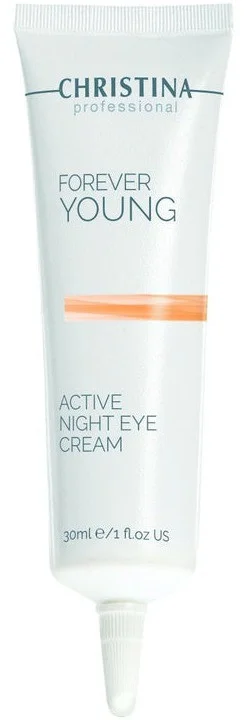
Product Saved