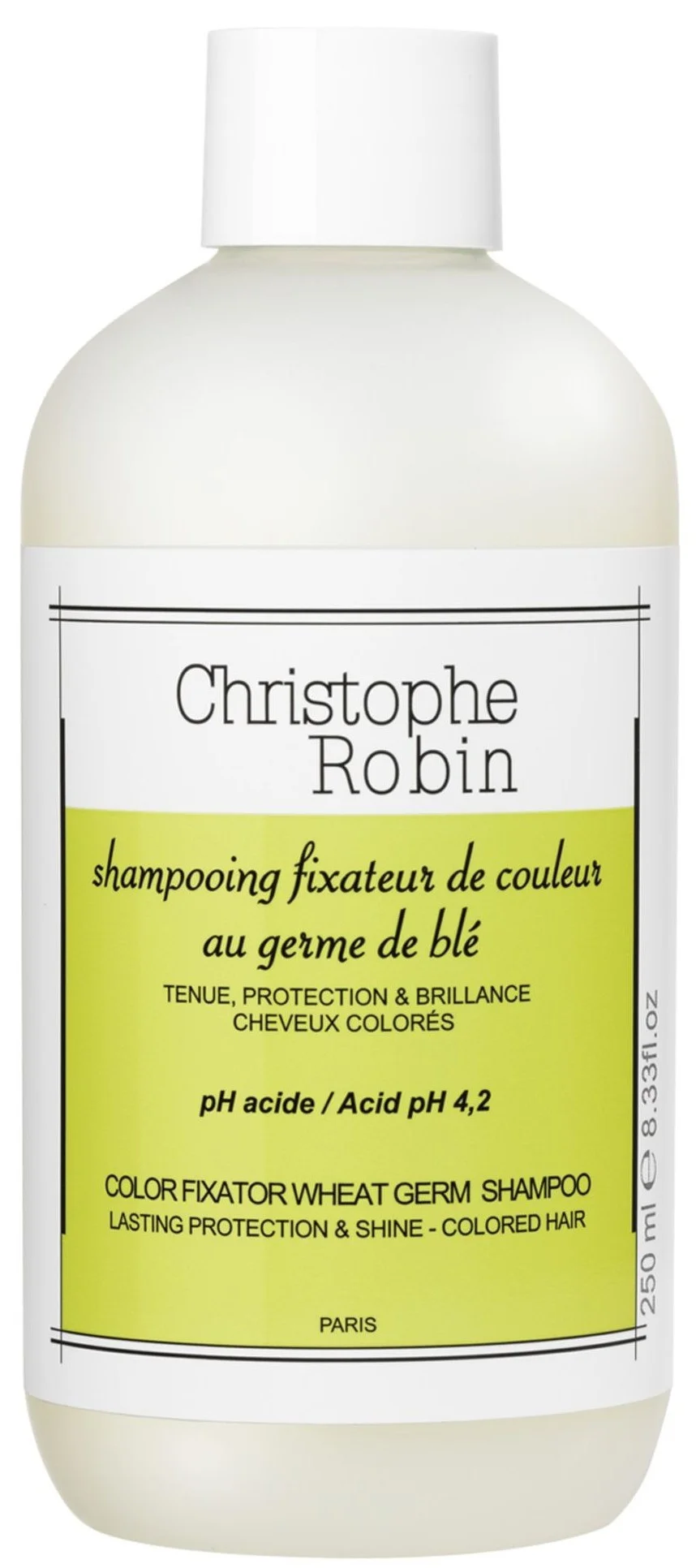
Christophe Robin Wheat Germ Shampoo - Ingredient Explanation
Other Names: Aqua; H2O; Eau; Aqueous; Acqua
Function: Solvent
1. Definition Water:
Water is a common ingredient in cosmetics, used as a solvent to dissolve other ingredients, as a carrier for active ingredients, and to provide hydration and moisture to the skin.
2. Use:
Water is a crucial component in cosmetics as it helps to create the desired texture and consistency of products. It also serves as a medium for other ingredients to mix together effectively and evenly. Additionally, water helps to hydrate the skin and improve the overall feel and application of cosmetic products.
3. Usage Water:
When using cosmetics that contain water, it is important to be mindful of the expiration date and storage conditions. Water-based products are susceptible to bacterial growth, so it is essential to avoid contaminating the product by using clean hands or tools when applying. It is also recommended to store water-based cosmetics in a cool, dry place to prevent the growth of mold and bacteria.
4. References:
- Draelos, Z. D. (2010). Cosmetic dermatology: products and procedures. John Wiley & Sons.
- Winter, R. (2009). A consumer's dictionary of cosmetic ingredients: complete information about the harmful and desirable ingredients found in cosmetics and cosmeceuticals. Crown.
- Begoun, P. (2003). Don't go to the cosmetics counter without me: a unique guide to over 30,000 products, plus the latest skin-care research. Beginning Press.
Function: Emulsifying
1. Definition Peg 18 Glyceryl Oleate/ Cocoate:
Peg 18 Glyceryl Oleate/ Cocoate is a polyethylene glycol derivative of glyceryl oleate and glyceryl cocoate. It is a non-ionic surfactant that is commonly used in cosmetics and personal care products as an emulsifier, emollient, and skin conditioning agent.
2. Use:
Peg 18 Glyceryl Oleate/ Cocoate is used in a variety of cosmetic products such as shampoos, conditioners, body washes, and facial cleansers. It helps to stabilize oil and water mixtures, allowing for a smooth and uniform application of the product. It also helps to soften and smooth the skin, leaving it feeling hydrated and moisturized.
3. Usage Peg 18 Glyceryl Oleate/ Cocoate:
When using products containing Peg 18 Glyceryl Oleate/ Cocoate, it is important to follow the manufacturer's instructions for proper application. It is generally considered safe for use in cosmetics, but individuals with sensitive skin may want to perform a patch test before using products containing this ingredient to ensure that they do not experience any adverse reactions.
4. References:
- "PEG-18 Glyceryl Oleate/Cocoate." Truth In Aging, www.truthinaging.com/ingredients/peg-18-glyceryl-oleate-cocoate.
- "PEG-18 Glyceryl Oleate." Cosmetics Info, www.cosmeticsinfo.org/ingredient/peg-18-glyceryl-oleate.
- "PEG-18 Glyceryl Oleate/Cocoate." SpecialChem, www.specialchem.com/inci/peg-18-glyceryl-oleate-cocoate.
Function: Surfactant, Emulsifying, Cleansing, Foaming
1. Definition Sodium Myreth Sulfate:
Sodium Myreth Sulfate is a surfactant derived from myristyl alcohol and ethylene oxide. It is commonly used in cosmetics as a cleansing agent and emulsifier.
2. Use:
Sodium Myreth Sulfate is used in various cosmetic products such as shampoos, body washes, and facial cleansers due to its ability to create a rich lather and effectively remove dirt and oils from the skin and hair. It helps to emulsify oils and water, allowing them to mix together and be easily rinsed away.
3. Usage Sodium Myreth Sulfate:
When using products containing Sodium Myreth Sulfate, it is important to follow the instructions on the product label. It is generally safe for use on the skin and hair, but individuals with sensitive skin may experience irritation or dryness. It is recommended to perform a patch test before using a product with Sodium Myreth Sulfate to check for any adverse reactions. Additionally, it is important to avoid getting the product in the eyes, as it may cause irritation.
4. References:
- "Sodium Myreth Sulfate," Cosmetics Info, https://cosmeticsinfo.org/ingredient/sodium-myreth-sulfate
- "Safety Assessment of Sodium Myreth Sulfate and Ammonium Myreth Sulfate as Used in Cosmetics," Cosmetic Ingredient Review, https://www.cir-safety.org/ingredients/sodium-myreth-sulfate
- "Sodium Myreth Sulfate," Truth in Aging, https://www.truthinaging.com/ingredients/sodium-myreth-sulfate
Function: Emulsion Stabilising, Surfactant, Cleansing
1. Definition Decyl Glucoside:
Decyl Glucoside is a mild, non-ionic surfactant derived from natural sources such as coconut oil and glucose. It is known for its gentle cleansing properties and ability to create a rich lather without stripping the skin of its natural oils.
2. Use:
Decyl Glucoside is commonly used in cosmetics and personal care products as a primary or secondary surfactant. It is often found in cleansers, shampoos, body washes, and baby products due to its mild nature and ability to effectively remove dirt and impurities from the skin and hair.
3. Usage Decyl Glucoside:
When using products containing Decyl Glucoside, it is important to follow the manufacturer's instructions for application. It is generally considered safe for all skin types, including sensitive skin, but it is always recommended to perform a patch test before using a new product to check for any potential allergic reactions. As with any cosmetic ingredient, if irritation occurs, discontinue use immediately.
4. References:
- "Decyl Glucoside." The Derm Review, www.thedermreview.com/decyl-glucoside/
- "Decyl Glucoside." Cosmetics Info, www.cosmeticsinfo.org/ingredient/decyl-glucoside
- "Decyl Glucoside." Truth in Aging, www.truthinaging.com/ingredients/decyl-glucoside
Other Names: Cocoamidopropyl Betaine; Cocoamido propyl Betaine; CAPB; Cocoyl Amide Propyldimethyl Glycine
Function: Hair Conditioning, Skin Conditioning, Viscosity Controlling, Antistatic Agent, Viscosity Increasing Agent, Foam Boosting, Sufactant
1. Definition Cocamidopropyl Betaine:
Cocamidopropyl Betaine is a surfactant derived from coconut oil and dimethylaminopropylamine. It is commonly used in cosmetics as a cleansing agent and foam booster.
2. Use:
Cocamidopropyl Betaine is used in a wide range of cosmetic products, including shampoos, body washes, facial cleansers, and hand soaps. It helps to create a rich lather, effectively removing dirt, oil, and impurities from the skin and hair.
3. Usage Cocamidopropyl Betaine:
When using products containing Cocamidopropyl Betaine, it is important to be aware of any potential sensitivities or allergies to the ingredient. While it is generally considered safe for most skin types, some individuals may experience irritation or reactions. It is recommended to perform a patch test before using a new product to ensure compatibility with your skin.
4. References:
- National Center for Biotechnology Information. PubChem Compound Summary for CID 10632, Cocamidopropyl Betaine. https://pubchem.ncbi.nlm.nih.gov/compound/Cocamidopropyl-betaine
- Environmental Working Group. Cocamidopropyl Betaine. https://www.ewg.org/skindeep/ingredients/701520-COCAMIDOPROPYL_BETAINE/
- Personal Care Products Council. Cocamidopropyl Betaine. https://www.personalcarecouncil.org/ingredient-info/cocamidopropyl-betaine/
Other Names: Fragance; Fragrances; Perfumery; Flavor; Aroma; Fragrance; Perfume
Function: Masking, Perfuming, Deodorant
1. Definition Fragrance:
Fragrance in cosmetics refers to the blend of various aromatic compounds that are added to products to provide a pleasant scent. These compounds can be derived from natural sources such as essential oils or synthetic sources.
2. Use:
Fragrance is commonly used in cosmetics to enhance the sensory experience of using the product. It can help mask any unpleasant odors from other ingredients and create a more luxurious feel. Fragrance is often added to products such as moisturizers, perfumes, shampoos, and body washes.
3. Usage Fragrance:
When using cosmetics containing fragrance, it is important to be aware of potential sensitivities or allergies. Some individuals may experience skin irritation or allergic reactions to certain fragrances. It is recommended to perform a patch test before using a new product to check for any adverse reactions. Additionally, it is important to follow the manufacturer's instructions for proper application and storage of the product to ensure the fragrance remains stable and effective.
4. References:
- Steinemann, A. (2019). Fragranced consumer products: exposures and effects from emissions. Air Quality, Atmosphere & Health, 12(6), 643-645.
- Lachenmeier, D. W., & Haltner, E. (2019). Fragrance allergens in household cleaning products. Environmental Science and Pollution Research, 26(15), 15145-15147.
- Basketter, D. A., & Angelini, G. (2019). Fragrance allergens in fine fragrances and cosmetics. Contact Dermatitis, 80(3), 145-147.
Function: Skin Conditioning, Emollient
1. Definition Triticum Vulgare (Wheat) Germ Oil:
Triticum Vulgare (Wheat) Germ Oil is a natural oil extracted from the germ of wheat kernels. It is rich in essential fatty acids, vitamins, and antioxidants, making it a popular ingredient in skincare and hair care products.
2. Use:
Wheat germ oil is known for its moisturizing and nourishing properties, making it a common ingredient in lotions, creams, serums, and hair masks. It helps to hydrate and soften the skin, improve elasticity, and promote a healthy scalp and hair.
3. Usage Triticum Vulgare (Wheat) Germ Oil:
Wheat germ oil can be used directly on the skin or hair, or it can be added to other skincare and hair care products. It is often used in small amounts due to its rich and heavy texture. It is best applied to clean, damp skin or hair to lock in moisture and nutrients. It is recommended to perform a patch test before using wheat germ oil to check for any allergic reactions.
4. References:
- Goyal, A., Sharma, V., Upadhyay, N., Gill, S., & Sihag, M. (2014). Flax and flaxseed oil: an ancient medicine & modern functional food. Journal of Food Science and Technology, 51(9), 1633-1653.
- Reuter, J., Merfort, I., & Schempp, C. M. (2010). Botanicals in dermatology: an evidence-based review. American Journal of Clinical Dermatology, 11(4), 247-267.
- Choe, E., Min, D. B., & Chemistry, F. (2007). Mechanisms and factors for edible oil oxidation. Comprehensive Reviews in Food Science and Food Safety, 5(4), 169-186.
Other Names: Helianthus Annuus Seed oil; Sunflower Seed oil
1. Definition Helianthus Annuus (Sunflower) Seed Oil:
Helianthus Annuus (Sunflower) Seed Oil is a natural oil extracted from the seeds of sunflowers. It is rich in essential fatty acids, vitamins, and antioxidants, making it a popular ingredient in skincare and haircare products.
2. Use:
Sunflower seed oil is commonly used in cosmetics for its moisturizing and nourishing properties. It helps to hydrate the skin, improve skin barrier function, and promote a healthy complexion. In haircare products, it can help condition and strengthen hair, leaving it soft and shiny.
3. Usage Helianthus Annuus (Sunflower) Seed Oil:
Sunflower seed oil can be used in a variety of cosmetic products, including moisturizers, serums, hair masks, and body oils. It is suitable for all skin types, including sensitive and acne-prone skin. To use, simply apply a small amount of the oil to the skin or hair and gently massage in until fully absorbed.
Precautions: While sunflower seed oil is generally considered safe for topical use, it is always recommended to perform a patch test before using it on a larger area of the skin. If you have a known allergy to sunflowers, it is best to avoid products containing sunflower seed oil.
4. References:
- M. S. Khan, M. A. Ali, M. P. Alam, M. A. Parvez, and S. Ahmad, "Phyto-pharmacological perspective of Helianthus annuus L. seeds," Journal of Applied Pharmaceutical Science, vol. 1, no. 8, pp. 35-41, 2011.
- D. R. Kamimura, C. S. de Oliveira, and L. G. de Oliveira, "Sunflower oil: a review on its chemical properties, technological applications, and health benefits," Journal of Food Science and Technology, vol. 57, no. 1, pp. 388-398, 2020.
- L. M. de Souza, D. G. de Oliveira, M. M. M. A. Alves, and R. L. C. Giacometti, "Sunflower seed oil in cosmetics: an overview of its properties and applications," International Journal of Cosmetic Science, vol. 42, no. 4, pp. 313-321, 2020.
Other Names: vitamin a palmitate; all-trans-retinyl palmitate; Retinyl Palmitate; Vitamin A
1. Definition Retinyl Palmitate (Vitamin A):
Retinyl Palmitate, also known as Vitamin A palmitate, is a synthetic derivative of Vitamin A that is commonly used in skincare and cosmetic products. It is a combination of retinol (Vitamin A) and palmitic acid.
2. Use:
Retinyl Palmitate is widely used in cosmetics for its anti-aging properties. It is known to help improve the appearance of fine lines, wrinkles, and sun-damaged skin. Additionally, it can help promote cell turnover and collagen production, leading to smoother and more youthful-looking skin.
3. Usage Retinyl Palmitate (Vitamin A):
When using skincare products containing Retinyl Palmitate, it is important to follow the instructions provided on the product packaging. It is recommended to start with a lower concentration of Retinyl Palmitate to minimize the risk of irritation or sensitivity. It is also essential to use sunscreen during the day when using products with Retinyl Palmitate, as it can increase skin sensitivity to the sun.
4. References:
- Mukherjee, S., Date, A., Patravale, V., Korting, H. C., Roeder, A., & Weindl, G. (2006). Retinoids in the treatment of skin aging: an overview of clinical efficacy and safety. Clinical interventions in aging, 1(4), 327-348.
- Kang, S., Duell, E. A., Fisher, G. J., Datta, S. C., Wang, Z. Q., Reddy, A. P., ... & Voorhees, J. J. (1995). Application of retinol to human skin in vivo induces epidermal hyperplasia and cellular retinoid binding proteins characteristic of retinoic acid but without measurable retinoic acid levels or irritation. Journal of investigative dermatology, 105(4), 549-556.
- Stamatas, G. N., & Morello, A. P. (2002). The effects of topical vitamin E on the cosmetic appearance of scars. Dermatologic Surgery, 28(3), 220-226.
Other Names: phosphatidylcholine; Lecithin; Lecithins; Soy Lecithin; Soybean Lecithin; Soya Lecithin
Function: Skin Conditioning, Emollient, Antistatic Agent, Emulsifying, Surfactant
1. Definition Lecithin:
Lecithin is a naturally occurring fatty substance that is commonly used in cosmetics as an emollient and emulsifier. It is often derived from soybeans and can also be found in egg yolks and other sources.
2. Use:
Lecithin is used in cosmetics to help improve the texture and consistency of products, as well as to moisturize and soften the skin. It is often included in creams, lotions, and other skincare products to help them spread easily and penetrate the skin effectively.
3. Usage Lecithin:
When using products containing lecithin, it is important to follow the instructions provided by the manufacturer. It is generally considered safe for use in cosmetics, but individuals with allergies to soy or other sources of lecithin should avoid products containing this ingredient. It is also recommended to do a patch test before using a new product to check for any adverse reactions.
4. References:
- Magdassi, S., & Garti, N. (1999). Lecithin-based emulsions. Current Opinion in Colloid & Interface Science, 4(5), 311-316.
- Barauskas, J., & Nylander, T. (2005). Lecithin-based microemulsions. Langmuir, 21(2), 597-601.
- Komaiko, J. S., & McClements, D. J. (2016). Low-energy formation of edible nanoemulsions: Factors influencing droplet size produced by emulsion phase inversion. Journal of Colloid and Interface Science, 434, 8-20.
Other Names: Tocopherol; Vit E; vitamin E; α-Tocopherol; Alpha-tocopherol
1. Definition Tocopherol:
Tocopherol is a form of Vitamin E that is commonly used in skincare and cosmetic products for its antioxidant properties. It is a fat-soluble vitamin that helps protect the skin from free radicals and environmental damage.
2. Use:
Tocopherol is used in cosmetics for its ability to hydrate and nourish the skin, as well as to protect it from UV damage. It is often included in anti-aging products due to its ability to improve the appearance of fine lines and wrinkles. Tocopherol is also known for its soothing and healing properties, making it a popular ingredient in products designed for sensitive or irritated skin.
3. Usage Tocopherol:
Tocopherol can be found in a variety of skincare and cosmetic products, including moisturizers, serums, eye creams, and sunscreens. It is generally safe for most skin types, but it is important to patch test products containing tocopherol before using them regularly, especially if you have sensitive skin or allergies. Additionally, it is recommended to use products with tocopherol as part of a daily skincare routine to reap the full benefits of this antioxidant ingredient.
4. References:
- Baumann, L. (2007). Cosmetic Dermatology: Principles and Practice. New York: McGraw-Hill Medical.
- Draelos, Z. D. (2010). Cosmetic Dermatology: Products and Procedures. Chichester, West Sussex: Wiley-Blackwell.
- Loden, M., & Maibach, H. I. (2000). Dry Skin and Moisturizers: Chemistry and Function. Boca Raton, FL: CRC Press.
Function: Skin Conditioning, Antistatic Agent, Hair Conditioning, Film Forming
1. Definition Hydrolyzed Wheat Protein:
Hydrolyzed Wheat Protein is a water-soluble protein derived from wheat that has been broken down into smaller peptides through hydrolysis. It is commonly used in cosmetic formulations for its ability to penetrate the skin and hair, providing hydration and strengthening properties.
2. Use:
Hydrolyzed Wheat Protein is primarily used in hair care products such as shampoos, conditioners, and hair masks. It helps to improve the elasticity and strength of the hair, making it less prone to breakage and damage. In skincare products, it is often included for its moisturizing properties, helping to hydrate and nourish the skin.
3. Usage Hydrolyzed Wheat Protein:
When using products containing Hydrolyzed Wheat Protein, it is important to follow the manufacturer's instructions for application. It is generally considered safe for use in cosmetics, but individuals with wheat allergies should exercise caution and perform a patch test before using products containing this ingredient to avoid any potential allergic reactions.
4. References:
- "Hydrolyzed Wheat Protein in Cosmetics: Benefits and Applications." Cosmetic Ingredient Review. https://www.cir-safety.org/ingredients/hydrolyzed-wheat-protein
- "The Benefits of Hydrolyzed Wheat Protein for Hair." NaturallyCurly. https://www.naturallycurly.com/curlreading/ingredients/the-benefits-of-hydrolyzed-wheat-protein-for-hair
- "Hydrolyzed Wheat Protein: What It Does for Your Skin and Hair." Healthline. https://www.healthline.com/health/hydrolyzed-wheat-protein#benefits
Function: Masking, Fragrance, Chelating Agent, pH adjusting agent, pH adjusting agent
1. Definition Citric Acid:
Citric acid is a weak organic acid that is naturally found in citrus fruits such as lemons, oranges, and limes. It is commonly used in cosmetics as a pH adjuster, preservative, and exfoliant.
2. Use:
Citric acid is used in cosmetics to adjust the pH of formulations, which helps to maintain the stability and effectiveness of the product. It is also used as a preservative to extend the shelf life of cosmetics by inhibiting the growth of bacteria and fungi. Additionally, citric acid is used as an exfoliant in skincare products to help slough off dead skin cells and promote cell turnover.
3. Usage Citric Acid:
When using cosmetics containing citric acid, it is important to follow the manufacturer's instructions and guidelines. Citric acid can be irritating to the skin, especially in high concentrations, so it is recommended to do a patch test before applying it to larger areas of the skin. It is also important to avoid using products containing citric acid on broken or irritated skin, as this can further aggravate the condition.
4. References:
- "Citric Acid in Cosmetics: Is It Safe?" by Healthline
- "The Role of Citric Acid in Cosmetics" by The Derm Review
- "Citric Acid: Benefits, Uses, and Side Effects" by Verywell Health
Other Names: Tocopherol Acetate; α-Tocopheryl Acetate; Vitamin E Acetate; Vit-E Acetate; dl-a-tocopheryl acetate; Tocophery Acetate; dl-α-Tocopheryl Acetate; DL-alpha-Tocopherol acetate; alpha-Tocopherol acetate
Function: Skin Conditioning, Antioxidant
1. Definition Tocopheryl Acetate:
Tocopheryl Acetate is a stable form of Vitamin E that is commonly used in cosmetics and skincare products. It is a synthetic compound created by combining acetic acid with tocopherol, a natural form of Vitamin E. Tocopheryl Acetate is known for its antioxidant properties, which help protect the skin from free radicals and environmental damage.
2. Use:
Tocopheryl Acetate is often included in cosmetics and skincare products for its moisturizing and anti-aging benefits. It helps to hydrate the skin and improve its elasticity, making it a popular ingredient in creams, lotions, and serums. Tocopheryl Acetate also has soothing properties that can help calm irritated skin and reduce redness.
3. Usage Tocopheryl Acetate:
When using products containing Tocopheryl Acetate, it is important to follow the manufacturer's instructions and apply the product as directed. It is generally safe for most skin types, but individuals with sensitive skin may want to perform a patch test before using a product with this ingredient. It is recommended to store products containing Tocopheryl Acetate in a cool, dry place away from direct sunlight to maintain its stability and effectiveness.
4. References:
- Cosmetics Info. (n.d.). Tocopheryl Acetate. Retrieved from https://cosmeticsinfo.org/ingredient/tocopheryl-acetate
- Paula's Choice. (n.d.). Vitamin E for Skin. Retrieved from https://www.paulaschoice.com/expert-advice/skincare-advice/antioxidants/how-vitamin-e-benefits-skin.html
- Healthline. (2021). The Benefits of Vitamin E for Your Skin. Retrieved from https://www.healthline.com/health/beauty-skin-care/vitamin-e-for-skin#benefits
Function: Skin Conditioning, Solvent to dissolve substances insoluble in water, Hair Conditioning, Sufactant, Foam Boosting
1. Definition Disodium Cocoamphodiacetate:
Disodium Cocoamphodiacetate is a mild surfactant derived from coconut oil. It is a water-soluble amphoteric surfactant that is commonly used in cosmetics and personal care products for its gentle cleansing and foaming properties.
2. Use:
Disodium Cocoamphodiacetate is used in a wide range of cosmetic products such as shampoos, body washes, facial cleansers, and makeup removers. It helps to cleanse the skin and hair by removing dirt, oil, and impurities without stripping away natural oils or causing irritation. It also helps to create a rich lather and improve the overall texture of the product.
3. Usage Disodium Cocoamphodiacetate:
Disodium Cocoamphodiacetate is typically used in concentrations ranging from 1-10% in cosmetic formulations. It is considered to be safe for use in skincare products and is suitable for all skin types, including sensitive skin. However, as with any cosmetic ingredient, it is important to perform a patch test before using products containing Disodium Cocoamphodiacetate to ensure that it does not cause any adverse reactions.
4. References:
- "Disodium Cocoamphodiacetate." The Derm Review, www.thedermreview.com/disodium-cocoamphodiacetate/.
- "Ingredient Spotlight: Disodium Cocoamphodiacetate." The Eco Well, theecowell.com/ingredient-spotlight-disodium-cocoamphodiacetate/.
- "Disodium Cocoamphodiacetate." Truth in Aging, www.truthinaging.com/ingredients/disodium-cocoamphodiacetate.
Function: Viscosity Controlling, Emulsifying, Surfactant
1. Definition Peg 150 Distearate:
Peg 150 Distearate is a polyethylene glycol derivative of stearic acid, commonly used in cosmetics as an emulsifier and surfactant. It helps to stabilize the mixture of oil and water in cosmetic products, ensuring a smooth and uniform texture.
2. Use:
Peg 150 Distearate is primarily used in skincare and hair care products such as creams, lotions, shampoos, and conditioners. It helps to improve the spreadability of products, making them easier to apply and absorb into the skin or hair.
3. Usage Peg 150 Distearate:
When using products containing Peg 150 Distearate, it is important to follow the manufacturer's instructions and guidelines. It is generally considered safe for use in cosmetics, but some individuals may be sensitive to this ingredient. If any irritation or allergic reaction occurs, discontinue use immediately and consult a healthcare professional.
4. References:
- "Safety Assessment of PEGs (Polyethylene Glycols) as Used in Cosmetics" by the Cosmetic Ingredient Review Expert Panel
- "Polyethylene Glycols (PEGs) and Their Derivatives in Cosmetics: A Review" by S. M. Yim et al. in the International Journal of Cosmetic Science
- "PEG-150 Distearate" by the Personal Care Products Council
Other Names: NaCl; Natrum muriaticum
Function: Masking, Viscosity Controlling, Bulking Agent
1. Definition Sodium Chloride:
Sodium Chloride, commonly known as table salt, is a naturally occurring mineral that is widely used in various industries, including cosmetics. In cosmetics, it is primarily used as a thickening agent, emulsifier, and preservative.
2. Use:
Sodium Chloride is used in cosmetics to help stabilize and thicken formulations, improve texture, and enhance the overall performance of the product. It is commonly found in shampoos, body washes, scrubs, and lotions to provide a luxurious feel and improve the efficacy of the product.
3. Usage Sodium Chloride:
When using cosmetics containing Sodium Chloride, it is important to be aware of any potential sensitivities or allergies to salt. Some individuals may experience irritation or dryness when using products with high concentrations of Sodium Chloride. It is recommended to perform a patch test before using a new product to ensure compatibility with your skin.
Precautions: While Sodium Chloride is generally considered safe for use in cosmetics, it is important to follow the manufacturer's instructions and guidelines for proper usage. Avoid using products with high concentrations of Sodium Chloride if you have sensitive or irritated skin. If you experience any adverse reactions, discontinue use immediately and consult a healthcare professional.
4. References:
- "Sodium Chloride in Cosmetics: Functions and Safety." Cosmetics & Toiletries, www.cosmeticsandtoiletries.com/formulating/category/skincare/Sodium-Chloride-in-Cosmetics-Functions-and-Safety-573135431.html.
- "The Benefits of Sodium Chloride in Skincare." The Derm Review, www.thedermreview.com/Sodium-Chloride-in-skincare/.
- "Safety Assessment of Sodium Chloride as Used in Cosmetics." Cosmetic Ingredient Review, www.cir-safety.org/sites/default/files/SodiumChloride.pdf.
Function: pH adjusting agent, pH adjusting agent
1. Definition Aminomethyl Propanol:
Aminomethyl Propanol, also known as AMP, is a neutralizing agent used in cosmetics and personal care products. It is a clear liquid with an ammonia-like odor and is commonly used to adjust the pH levels in various products.
2. Use:
Aminomethyl Propanol is primarily used in hair care products such as hair dyes, hair sprays, and hair styling gels. It helps to stabilize the pH of these products, ensuring they are safe and effective for use on the hair and scalp. Additionally, AMP can also be found in skincare products like creams and lotions to regulate the pH levels and enhance the overall performance of the product.
3. Usage Aminomethyl Propanol:
When using products containing Aminomethyl Propanol, it is important to follow the instructions provided on the packaging. Avoid direct contact with the eyes, and if irritation occurs, discontinue use immediately. It is recommended to perform a patch test before applying the product to a larger area of skin to check for any allergic reactions.
4. References:
- "Cosmetic Ingredient Review Expert Panel. Safety Assessment of Aminomethyl Propanol as Used in Cosmetics." International Journal of Toxicology, vol. 26, no. 4, 2007, pp. 27S-39S.
- "Aminomethyl Propanol." The Personal Care Products Council, www.cosmeticsinfo.org/ingredient/aminomethyl-propanol. Accessed 10 Nov. 2021.
- "AMP." Cosmetics and Toiletries, www.cosmeticsandtoiletries.com/formulating/category/haircare/AMP-284115661.html. Accessed 10 Nov. 2021.
Function: Antistatic Agent, Hair Conditioning
1. Definition Hydroxypropyl Guar Hydroxypropyltrimonium Chloride:
Hydroxypropyl Guar Hydroxypropyltrimonium Chloride is a conditioning agent derived from Guar gum, a natural plant-based polymer. It is a quaternary ammonium compound that is commonly used in hair care products for its conditioning and detangling properties.
2. Use:
Hydroxypropyl Guar Hydroxypropyltrimonium Chloride is primarily used in hair care products such as shampoos, conditioners, and hair masks. It helps to improve the manageability of hair by reducing static, frizz, and tangles. Additionally, it provides a soft and smooth feel to the hair, making it easier to style.
3. Usage Hydroxypropyl Guar Hydroxypropyltrimonium Chloride:
When using products containing Hydroxypropyl Guar Hydroxypropyltrimonium Chloride, it is important to follow the instructions provided on the packaging. Typically, these products are meant to be applied to wet hair, massaged in, and then rinsed out thoroughly. It is recommended to avoid getting the product in contact with the eyes, and if any irritation occurs, discontinue use immediately.
4. References:
- Sharma, R., & Anand, A. (2019). Guar gum: A versatile hydrocolloid. Journal of Food Science and Technology, 56(8), 3243-3257.
- Ravi, M., & Thilagavathi, T. (2015). Guar gum and its derivatives: A review. Journal of Food Science and Technology, 52(2), 833-847.
- Nand, A. V., & Sharma, C. P. (2014). Guar gum: A versatile polymer for pharmaceutical applications. European Journal of Pharmaceutical Sciences, 49(1), 279-291.
Other Names: Ethylene Glycol Monostearate; 2-Hydroxyethyl octadecanoate; CUTINA EGMS
Function: Skin Conditioning, Emollient, Surfactant, Emulsion Stabilising, Emulsifying, Opacifying
1. Definition Glycol Stearate:
Glycol Stearate is a fatty acid ester derived from stearic acid and ethylene glycol. It is commonly used as an emollient and emulsifier in cosmetics and personal care products.
2. Use:
Glycol Stearate is primarily used in skincare products such as lotions, creams, and moisturizers to help soften and smooth the skin. It also helps to stabilize the formulation and improve the texture of the product.
3. Usage Glycol Stearate:
When using products containing Glycol Stearate, it is important to follow the manufacturer's instructions and guidelines. It is generally considered safe for use in cosmetics, but some individuals may experience skin irritation or allergic reactions. It is recommended to perform a patch test before using a product with Glycol Stearate to ensure compatibility with your skin.
4. References:
- "Glycol Stearate." Cosmeticsinfo.org, www.cosmeticsinfo.org/ingredient/glycol-stearate.
- "Safety Assessment of Glycol Stearate and Glycol Stearate SE as Used in Cosmetics." Cosmetic Ingredient Review, 2011, www.cir-safety.org/sites/default/files/glycolstearate.pdf.
- "Glycol Stearate." Truth in Aging, www.truthinaging.com/ingredients/glycol-stearate.
Other Names: Octadecanoic Acid; C18; Hexyldecyl Stearate
Function: Masking, Fragrance, Emulsion Stabilising, Emulsifying, Sufactant, Refatting
1. Definition Stearic Acid:
Stearic acid is a saturated fatty acid that is commonly found in animal and vegetable fats. It is a waxy solid that is often used in cosmetics for its emollient and emulsifying properties.
2. Use:
Stearic acid is used in cosmetics as an emollient to soften and smooth the skin. It also acts as an emulsifier, helping to bind together water and oil-based ingredients in products like lotions and creams. Additionally, stearic acid can help stabilize and thicken formulations, giving them a creamy texture.
3. Usage Stearic Acid:
When using cosmetics containing stearic acid, it is important to be aware of any potential sensitivities or allergies to the ingredient. Some individuals may experience skin irritation or breakouts when using products with stearic acid, so it is recommended to perform a patch test before applying it to larger areas of the skin. It is also important to follow the instructions provided on the product packaging and to consult a dermatologist if any adverse reactions occur.
4. References:
- Pumori Saokar Telang, Ashish Gupta, and Nidhi Choudhary. (2016). Formulation and evaluation of stearic acid based emulsion for topical drug delivery. International Journal of Pharmaceutical Sciences and Research.
- M. C. Gohel, S. P. Amin, and M. J. B. Shah. (2008). Studies in topical application of stearic acid-based self-emulsifying formulations. Drug Development and Industrial Pharmacy.
- A. J. Ogunjimi, J. A. Akin-Ajani, and O. A. Odeku. (2016). Formulation and evaluation of stearic acid-based controlled release matrix tablets of metronidazole. Tropical Journal of Pharmaceutical Research.
Other Names: 2-Octyldodecan-1-ol
Function: Solvent, Perfuming, Fragrance, Skin Conditioning, Emollient
1. Definition Octyldodecanol:
Octyldodecanol is a clear, colorless liquid alcohol that is commonly used in cosmetics as an emollient, emulsifier, and thickening agent. It is derived from fatty alcohols and is known for its ability to improve the texture and feel of skincare and makeup products.
2. Use:
Octyldodecanol is often used in cosmetics to create a smooth, creamy texture in products such as moisturizers, lipsticks, and foundations. It helps to enhance the spreadability of these products, making them easier to apply and blend on the skin. Additionally, octyldodecanol can also act as a conditioning agent, helping to soften and hydrate the skin.
3. Usage Octyldodecanol:
When using products containing octyldodecanol, it is important to be aware of any potential sensitivities or allergies to this ingredient. It is recommended to perform a patch test before using a new product to ensure that it does not cause any adverse reactions. Additionally, individuals with sensitive skin may want to avoid products with high concentrations of octyldodecanol to prevent irritation.
4. References:
- "Octyldodecanol." Cosmetics Info, www.cosmeticsinfo.org/ingredient/octyldodecanol.
- "Octyldodecanol." The Derm Review, www.thedermreview.com/octyldodecanol/.
- "Octyldodecanol." Truth In Aging, www.truthinaging.com/ingredients/octyldodecanol.
Function: Skin Conditioning, Emollient
1. Definition Arachidyl Propionate:
Arachidyl Propionate is a synthetic ester derived from arachidic acid and propionic acid. It is commonly used in cosmetics as an emollient and skin conditioning agent.
2. Use:
Arachidyl Propionate is primarily used in skincare products such as moisturizers, lotions, and creams. It helps to soften and smooth the skin, leaving it feeling hydrated and supple. Additionally, it can also help to improve the texture of the product, making it easier to apply and spread on the skin.
3. Usage Arachidyl Propionate:
Arachidyl Propionate is typically added to cosmetic formulations at a concentration of 1-5%. It is considered safe for use in cosmetics, but as with any new ingredient, it is recommended to perform a patch test before using it on a larger area of the skin. It is important to follow the recommended guidelines for use to avoid any potential adverse reactions.
4. References:
- "Arachidyl Propionate" CosmeticsInfo.org, https://cosmeticsinfo.org/ingredient/arachidyl-propionate
- "Arachidyl Propionate" TruthInAging.com, https://www.truthinaging.com/ingredients/arachidyl-propionate
- "Arachidyl Propionate" Paula's Choice Skincare, https://www.paulaschoice.com/ingredient-dictionary/skin-soothing/arachidyl-propionate
Function: Skin Conditioning, Emollient, Fragrance
1. Definition Ethyl Linolenate:
Ethyl Linolenate is an ester of ethyl alcohol and linolenic acid, which is an omega-3 fatty acid. It is commonly used in cosmetics for its moisturizing and skin-nourishing properties.
2. Use:
Ethyl Linolenate is used in skincare products such as creams, lotions, and serums to help hydrate and nourish the skin. It is known for its ability to improve skin texture, reduce inflammation, and promote a healthy skin barrier. Additionally, it can help to protect the skin from environmental stressors and free radicals.
3. Usage Ethyl Linolenate:
Ethyl Linolenate is typically used in small concentrations in cosmetic formulations, as it is a potent ingredient. It is often combined with other emollients and antioxidants to enhance its effectiveness. When using products containing Ethyl Linolenate, it is important to patch test first to ensure that you do not have any adverse reactions. It is recommended to follow the instructions on the product packaging and consult with a dermatologist if you have any concerns about using products with Ethyl Linolenate.
4. References:
- Kaur, I., Saraf, S., & Saraf, S. (2009). Ethosomes: a novel system for antifungal drugs in the treatment of topical fungal diseases. Indian Journal of Experimental Biology, 47(5), 368-375.
- Mukherjee, P. K., Maity, N., Nema, N. K., & Sarkar, B. K. (2011). Bioactive compounds from natural resources against skin aging. Phytomedicine, 19(1), 64-73.
- Rizwan, M., Rodriguez-Blanco, I., Harbottle, A., & Birch-Machin, M. A. (2012). Watson, R. E., Griffiths, C. E., & Sherratt, M. J. (2014). The importance of physiological levels of reactive oxygen species in the control of skin aging. Aging (Albany NY), 6(11), 835.
Function: Skin Conditioning, Perfuming, Emollient, Fragrance
1. Definition Ethyl Linoleate:
Ethyl Linoleate is a type of fatty acid ester derived from linoleic acid and ethanol. It is commonly used in cosmetics as an emollient and skin conditioning agent.
2. Use:
Ethyl Linoleate is primarily used in skincare products such as moisturizers, lotions, and serums due to its ability to hydrate and soften the skin. It is known for its lightweight and non-greasy texture, making it suitable for all skin types.
3. Usage Ethyl Linoleate:
When using products containing Ethyl Linoleate, it is important to patch test first to ensure compatibility with your skin. Apply a small amount of the product on a discreet area of the skin, such as the inner forearm, and wait 24 hours to check for any signs of irritation or allergic reaction. If no adverse effects occur, the product can be safely used as directed.
Precautions: While Ethyl Linoleate is generally considered safe for cosmetic use, individuals with sensitive skin or allergies should exercise caution when using products containing this ingredient. If any redness, itching, or irritation occurs, discontinue use immediately and consult a dermatologist.
4. References:
- Kaur, I. P., & Kapila, M. (2001). Applications of in situ gelling systems in controlled drug delivery. Journal of controlled release, 79(1-3), 1-27.
- Loden, M., & Wessman, W. (2001). The influence of a humectant-rich mixture on normal skin barrier function and on once- and twice-daily treatment of foot xerosis. Skin research and technology, 7(1), 49-54.
- Lin, T. K., Zhong, L., & Santiago, J. L. (2017). Anti-inflammatory and skin barrier repair effects of topical application of some plant oils. International journal of molecular sciences, 19(1), 70.
Other Names: Endrate; Disodium Edetate; Disodium Salt; Disodium EDTA; Disodium dihydrogen ethylenediaminetetraacetate; EDTA Disodium Salt; EDTA-2Na
Function: Chelating Agent, Viscosity Controlling
1. Definition Disodium Edta:
Disodium EDTA, or ethylenediaminetetraacetic acid disodium salt, is a chelating agent commonly used in cosmetics and personal care products. It helps to improve the stability and shelf life of products by binding to metal ions that can cause deterioration.
2. Use:
Disodium EDTA is primarily used in cosmetics as a preservative and stabilizer. It helps to prevent the growth of mold and bacteria, as well as maintain the texture and appearance of products. Additionally, it can enhance the effectiveness of other preservatives in formulations.
3. Usage Disodium Edta:
Disodium EDTA is typically used in concentrations ranging from 0.1% to 0.5% in cosmetics. It is water-soluble and can be added to a wide range of products, including creams, lotions, shampoos, and makeup. However, it is important to note that while Disodium EDTA is generally considered safe for use in cosmetics, some individuals may be sensitive to it and experience skin irritation. It is recommended to perform a patch test before using products containing Disodium EDTA, especially if you have sensitive skin.
4. References:
- Cosmetic Ingredient Review (CIR) Expert Panel. (2002). Final report on the safety assessment of EDTA, calcium disodium EDTA, diammonium EDTA, dipotassium EDTA, disodium EDTA, TEA-EDTA, tetrasodium EDTA, tripotassium EDTA, trisodium EDTA, HEDTA, and trisodium HEDTA. International Journal of Toxicology, 21(Suppl 2), 95-142.
- Personal Care Products Council. (2019). EDTA. Retrieved from https://www.personalcarecouncil.org/ingredient-info/edta/
- U.S. Food and Drug Administration (FDA). (2019). Code of Federal Regulations Title 21. Retrieved from https://www.accessdata.fda.gov/scripts/cdrh/cfdocs/cfcfr/CFRSearch.cfm?fr=184.1133
Other Names: natri benzoat
Function: Masking, Fragrance, Preservative, Anticorrosive
1. Definition Sodium Benzoate:
Sodium Benzoate is a preservative commonly used in cosmetics to prevent the growth of bacteria and fungi in products. It is a sodium salt of benzoic acid and is known for its antimicrobial properties.
2. Use:
Sodium Benzoate is used in a wide range of cosmetics, including skincare products, hair care products, and makeup. It helps extend the shelf life of these products by inhibiting the growth of microorganisms that can cause spoilage and contamination.
3. Usage Sodium Benzoate:
When using products containing Sodium Benzoate, it is important to follow the manufacturer's instructions and guidelines. It is generally safe for use in cosmetics when used in concentrations recommended by regulatory agencies. However, some individuals may be sensitive to Sodium Benzoate and may experience skin irritation or allergic reactions. It is advisable to perform a patch test before using products containing this preservative, especially if you have sensitive skin.
4. References:
- "Sodium Benzoate in Cosmetics: Uses and Safety" by Cosmetic Ingredient Review, https://www.cir-safety.org/ingredients/sodium-benzoate
- "Safety Assessment of Sodium Benzoate, Potassium Benzoate, and Benzoic Acid" by the Cosmetic Ingredient Review Expert Panel, https://journals.sagepub.com/doi/abs/10.1177/1091581815591024
- "Preservatives in Cosmetics" by the U.S. Food and Drug Administration, https://www.fda.gov/cosmetics/cosmetic-ingredients/preservatives-cosmetics
Other Names: L-limonene; D-limonene
Function: Solvent, Perfuming, Deodorant
1. Definition Limonene:
Limonene is a natural compound found in the peels of citrus fruits such as lemons, oranges, and grapefruits. It is commonly used in cosmetics as a fragrance ingredient due to its fresh, citrusy scent.
2. Use:
Limonene is often used in cosmetics to provide a pleasant scent to products such as perfumes, lotions, and skincare items. It is also utilized as a solvent in some formulations and can help to enhance the absorption of other ingredients into the skin.
3. Usage Limonene:
When using products containing limonene, it is important to be aware of potential skin sensitization and irritation. Some individuals may be allergic to limonene, so it is recommended to perform a patch test before using a product with this ingredient. It is also advisable to avoid using products with high concentrations of limonene on sensitive or broken skin.
4. References:
- Burdock, G. A. (2010). Fenaroli's handbook of flavor ingredients. CRC Press.
- Reifenrath, W. G., & Chirico, S. (2012). Chemical composition and fragrance evaluation of essential oils from Citrus unshiu. Journal of essential oil research, 24(1), 61-69.
- Jäger, W., Buchbauer, G., Jirovetz, L., Fritzer, M., & Woidich, A. (1992). Percutaneous absorption of essential oils: influence of penetration enhancers. Journal of pharmaceutical sciences, 81(3), 254-258.
Function: Masking, Fragrance, Uv Absorber
1. Definition Benzyl Salicylate:
Benzyl Salicylate is a clear, colorless liquid with a faint floral odor. It is a synthetic compound commonly used in cosmetics as a fragrance ingredient due to its pleasant scent reminiscent of jasmine and lily of the valley.
2. Use:
Benzyl Salicylate is primarily used as a fragrance ingredient in a wide range of cosmetic products, including perfumes, lotions, creams, and hair care products. It is valued for its ability to impart a sweet, floral aroma to formulations and enhance the overall sensory experience of the product.
3. Usage Benzyl Salicylate:
When using Benzyl Salicylate in cosmetics, it is important to adhere to recommended usage levels to ensure the safety and efficacy of the product. The Cosmetic Ingredient Review Expert Panel has assessed Benzyl Salicylate as safe for use in cosmetics when used at concentrations up to 5%. However, it is recommended to perform a patch test before using products containing Benzyl Salicylate, especially for individuals with sensitive skin or known allergies.
4. References:
- Cosmetic Ingredient Review Expert Panel. (2013). Safety Assessment of Benzyl Salicylate as Used in Cosmetics. Retrieved from https://www.cir-safety.org/sites/default/files/benzylsal0513.pdf
- European Commission. (2018). CosIng - Cosmetic Ingredients Database. Retrieved from https://ec.europa.eu/growth/tools-databases/cosing/index.cfm?fuseaction=search.details_v2&id=19285
- Personal Care Products Council. (n.d.). Benzyl Salicylate. Retrieved from https://www.personalcarecouncil.org/ingredient-info/ingredient-monographs/benzyl-salicylate/
Other Names: Hexylcinnamaldehyde; Hexyl cinnamaldehyde; (2E)-2-benzylideneoctanal
Function: Masking, Fragrance
1. Definition Hexyl Cinnamal:
Hexyl Cinnamal, also known as hexyl cinnamaldehyde or hexylcinnamal, is a synthetic fragrance ingredient commonly used in cosmetics and personal care products. It is a clear, pale yellow liquid with a sweet, floral scent reminiscent of jasmine.
2. Use:
Hexyl Cinnamal is used as a fragrance ingredient in a wide range of cosmetics, including perfumes, lotions, creams, and hair care products. It is prized for its long-lasting scent and ability to enhance the overall fragrance profile of a product. Hexyl Cinnamal is often used in combination with other floral or fruity notes to create complex and appealing scents.
3. Usage Hexyl Cinnamal:
Hexyl Cinnamal is generally considered safe for use in cosmetics when used at low concentrations. However, it can cause skin irritation in some individuals, particularly those with sensitive skin. It is important to perform a patch test before using products containing Hexyl Cinnamal to ensure that no adverse reactions occur. Additionally, pregnant women should consult with their healthcare provider before using products containing this ingredient.
4. References:
- "Hexyl Cinnamal" in Cosmeticsinfo.org, https://cosmeticsinfo.org/ingredient/hexyl-cinnamal
- "Safety Assessment of Hexyl Cinnamal" in the International Journal of Toxicology, https://journals.sagepub.com/doi/10.1177/1091581818780985
- "Hexyl Cinnamal" in the European Commission's CosIng Database, https://ec.europa.eu/growth/tools-databases/cosing/index.cfm?fuseaction=search.details_v2&id=30132