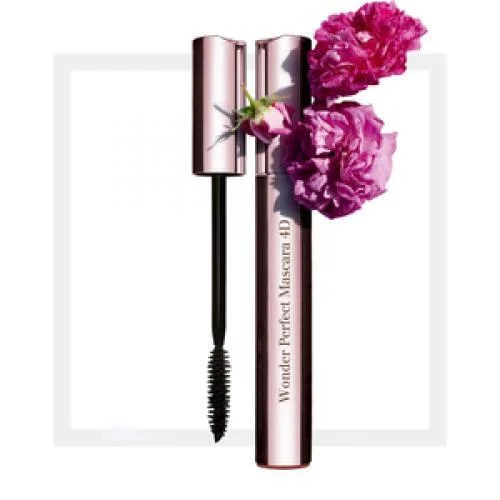
Clarins Wonder Perfect Mascara 4D 01 Perfect Black - Ingredient Explanation
Other Names: Aqua; H2O; Eau; Aqueous; Acqua
Function: Solvent
1. Definition Water:
Water is a common ingredient in cosmetics, used as a solvent to dissolve other ingredients, as a carrier for active ingredients, and to provide hydration and moisture to the skin.
2. Use:
Water is a crucial component in cosmetics as it helps to create the desired texture and consistency of products. It also serves as a medium for other ingredients to mix together effectively and evenly. Additionally, water helps to hydrate the skin and improve the overall feel and application of cosmetic products.
3. Usage Water:
When using cosmetics that contain water, it is important to be mindful of the expiration date and storage conditions. Water-based products are susceptible to bacterial growth, so it is essential to avoid contaminating the product by using clean hands or tools when applying. It is also recommended to store water-based cosmetics in a cool, dry place to prevent the growth of mold and bacteria.
4. References:
- Draelos, Z. D. (2010). Cosmetic dermatology: products and procedures. John Wiley & Sons.
- Winter, R. (2009). A consumer's dictionary of cosmetic ingredients: complete information about the harmful and desirable ingredients found in cosmetics and cosmeceuticals. Crown.
- Begoun, P. (2003). Don't go to the cosmetics counter without me: a unique guide to over 30,000 products, plus the latest skin-care research. Beginning Press.
Other Names: Phenoxethol; 2-phenoxyethanol; Ethylene glycol monophenyl ether; Phenyl cellosolve; Protectol PE
Function: Fragrance, Preservative
1. Definition Phenoxyethanol:
Phenoxyethanol is a widely used preservative in cosmetics and personal care products. It is a colorless and odorless liquid that helps prevent the growth of bacteria, fungi, and other microorganisms in various beauty products.
2. Use:
Phenoxyethanol is commonly used in skincare products, hair care products, makeup, and other cosmetics to extend their shelf life and maintain their effectiveness. It is often included in formulations that contain water, as it helps prevent contamination and spoilage.
3. Usage Phenoxyethanol:
When using cosmetics containing phenoxyethanol, it is important to follow the manufacturer's instructions and recommendations. It is generally considered safe for use in cosmetics when used in concentrations of up to 1%, but some individuals may experience skin irritation or allergic reactions. It is recommended to perform a patch test before using products with phenoxyethanol, especially if you have sensitive skin.
4. References:
- Draelos, Z. D. (2010). Cosmetic Formulation of Skin Care Products. John Wiley & Sons.
- Loden, M., & Maibach, H. I. (2000). Dry Skin and Moisturizers: Chemistry and Function. CRC Press.
- Fiume, M. M., Heldreth, B., Bergfeld, W. F., Belsito, D. V., Hill, R. A., Klaassen, C. D., ... & Andersen, F. A. (2016). Safety assessment of phenoxyethanol as used in cosmetics. International Journal of Toxicology, 35(4), 386-419.
Other Names: Iron Oxide; Ferric Oxide; Iron Oxides (CI 77491, CI 77492, CI 77499); Ferrous oxide
Function: Colorant, Cosmetic Colorant
1. Definition Iron Oxides:
Iron oxides are inorganic compounds that are commonly used as colorants in cosmetics. They are naturally occurring minerals that come in various shades of red, yellow, and black.
2. Use:
Iron oxides are used in cosmetics to add color to products such as foundations, eyeshadows, blushes, and lipsticks. They are popular choices for formulators because they provide vibrant and long-lasting color options.
3. Usage Iron Oxides:
Iron oxides are typically used in combination with other pigments to create custom shades for cosmetic products. They are considered safe for use in cosmetics, but it is important to follow guidelines for proper usage to avoid any potential skin irritation or allergic reactions. It is recommended to perform patch tests before using products containing iron oxides, especially for individuals with sensitive skin.
4. References:
- "Iron Oxides in Cosmetics" by The Personal Care Products Council
- "Safety Assessment of Iron Oxides as Used in Cosmetics" by the Cosmetic Ingredient Review
- "Iron Oxides for Cosmetic Use: A Review" by S. B. Chavan and A. R. Bhamare
Other Names: Tocopherol; Vit E; vitamin E; α-Tocopherol; Alpha-tocopherol
1. Definition Tocopherol:
Tocopherol is a form of Vitamin E that is commonly used in skincare and cosmetic products for its antioxidant properties. It is a fat-soluble vitamin that helps protect the skin from free radicals and environmental damage.
2. Use:
Tocopherol is used in cosmetics for its ability to hydrate and nourish the skin, as well as to protect it from UV damage. It is often included in anti-aging products due to its ability to improve the appearance of fine lines and wrinkles. Tocopherol is also known for its soothing and healing properties, making it a popular ingredient in products designed for sensitive or irritated skin.
3. Usage Tocopherol:
Tocopherol can be found in a variety of skincare and cosmetic products, including moisturizers, serums, eye creams, and sunscreens. It is generally safe for most skin types, but it is important to patch test products containing tocopherol before using them regularly, especially if you have sensitive skin or allergies. Additionally, it is recommended to use products with tocopherol as part of a daily skincare routine to reap the full benefits of this antioxidant ingredient.
4. References:
- Baumann, L. (2007). Cosmetic Dermatology: Principles and Practice. New York: McGraw-Hill Medical.
- Draelos, Z. D. (2010). Cosmetic Dermatology: Products and Procedures. Chichester, West Sussex: Wiley-Blackwell.
- Loden, M., & Maibach, H. I. (2000). Dry Skin and Moisturizers: Chemistry and Function. Boca Raton, FL: CRC Press.
Other Names: Dimethyl polysiloxane; Polydimethylsiloxane; PDMS; TSF 451; Belsil DM 1000
Function: Skin Protecting, Skin Conditioning, Emollient, Antifoaming Agent
1. Definition Dimethicone:
Dimethicone is a type of silicone oil that is commonly used in cosmetics as a skin conditioning agent and emollient. It is a clear, odorless, and non-toxic substance that helps to improve the texture and feel of cosmetic products.
2. Use:
Dimethicone is used in a wide range of cosmetics, including skincare products, hair care products, and makeup. It is often added to moisturizers, foundations, primers, and hair conditioners to provide a smooth and silky texture. Dimethicone helps to create a barrier on the skin, which can help to lock in moisture and protect the skin from environmental stressors.
3. Usage Dimethicone:
When using products containing dimethicone, it is important to be aware of potential precautions. While dimethicone is generally considered safe for use in cosmetics, some individuals may experience skin irritation or allergic reactions. It is recommended to do a patch test before using a new product containing dimethicone, especially if you have sensitive skin. Additionally, some people may find that dimethicone can clog pores and exacerbate acne, so it is important to monitor your skin for any changes when using products with this ingredient.
4. References:
- Lanigan, R. S., & Yamarik, T. A. (2002). Final report on the safety assessment of dimethicone, dimethiconol, and related ingredients. International journal of toxicology, 21(1), 7-41.
- Draelos, Z. D. (2010). Cosmetic vehicle efficacy. Dermatologic therapy, 23(4), 314-317.
- Fiume, M. M., Bergfeld, W. F., Belsito, D. V., Hill, R. A., Klaassen, C. D., Liebler, D., ... & Andersen, F. A. (2016). Safety assessment of dimethicone crosspolymers as used in cosmetics. International journal of toxicology, 35(1_suppl), 5S-24S.
Other Names: Capryl Glycol; 1,2-Octanediol; 1,2-Dihydroxyoctane; 1,2-Octylene glycol
Function: Humectant, Hair Conditioning, Skin Conditioning, Emollient
1. Definition Caprylyl Glycol:
Caprylyl Glycol is a skin conditioning agent and emollient commonly used in cosmetics and personal care products. It is derived from caprylic acid, which is found in coconut and palm oils.
2. Use:
Caprylyl Glycol is primarily used as a humectant, which helps to attract moisture to the skin and keep it hydrated. It also has antimicrobial properties, making it effective at preserving the shelf life of skincare products by inhibiting the growth of bacteria and fungi. Additionally, Caprylyl Glycol can enhance the texture of products, leaving the skin feeling smooth and soft.
3. Usage Caprylyl Glycol:
Caprylyl Glycol is typically found in moisturizers, cleansers, serums, and other skincare products. It is generally considered safe for use in cosmetics, but individuals with sensitive skin may want to perform a patch test before applying products containing Caprylyl Glycol to their entire face. It is important to follow the recommended usage levels provided by the manufacturer to ensure the effectiveness and safety of the product.
4. References:
- Monkare J, Maczka W, Matuszak Ż, et al. Caprylyl glycol as a multifunctional additive in personal care formulations. Cosmetics. 2020;7(1):17. doi:10.3390/cosmetics7010017
- Lodeiro C, Margus T, Pinto S, et al. Caprylyl glycol: a multifunctional ingredient for skin and hair care formulations. SOFW J. 2017;143(11):42-48.
- Draelos ZD. The science behind skin care: moisturizers. J Drugs Dermatol. 2013;12(9):s27-s30.
Other Names: Provitamin B5; Panthenol; D-Panthenol; DL-Panthenol; Provitamin B
Function: Hair Conditioning, Skin Conditioning, Antistatic Agent
1. Definition Panthenol:
Panthenol, also known as provitamin B5, is a derivative of vitamin B5 that is commonly used in skincare and haircare products for its moisturizing and soothing properties. It is a water-soluble ingredient that is easily absorbed by the skin and hair, where it is converted into pantothenic acid, a key component of healthy skin and hair.
2. Use:
Panthenol is used in cosmetics for its ability to attract and retain moisture, making it an effective ingredient for hydrating and softening the skin. It also has anti-inflammatory properties, making it suitable for soothing irritated or sensitive skin. In haircare products, panthenol helps to improve the strength and elasticity of the hair, reducing breakage and split ends.
3. Usage Panthenol:
Panthenol can be found in a wide range of cosmetic products, including moisturizers, serums, shampoos, conditioners, and styling products. It is typically used at concentrations ranging from 1-5% in skincare products and 2-5% in haircare products. Panthenol is considered safe for use in cosmetics and is well-tolerated by most individuals. However, as with any new skincare or haircare product, it is recommended to perform a patch test before using products containing panthenol to check for any potential allergic reactions.
4. References:
- Draelos, Z. D. (2010). Cosmetic Formulation of Skin Care Products. CRC Press.
- Baumann, L. (2009). Cosmetic Dermatology: Principles and Practice. McGraw Hill Professional.
- Fiume, M. M., Bergfeld, W. F., Belsito, D. V., Hill, R. A., Klaassen, C. D., Liebler, D. C., ... & Andersen, F. A. (2016). Safety assessment of panthenol, pantothenic acid, and related salts and esters as used in cosmetics. International Journal of Toxicology, 35(2), 42S-61S.
Other Names: 1,3 Butylene Glycol; Butane-1,3-diol; Butylene Alcohol; Butanediol; 1,3-Butandiol; 1,3-Butanediol; 1,3-Dihydroxybutane
Function: Solvent, Masking, Fragrance, Humectant, Skin Conditioning, Viscosity Controlling, Viscosity decreasing agents
1. Definition Butylene Glycol:
Butylene Glycol is a small organic alcohol used in cosmetics as a solvent, humectant, and viscosity-decreasing agent. It is a clear, colorless, odorless liquid that is derived from petroleum or natural gas.
2. Use:
Butylene Glycol is commonly used in skincare and haircare products as a solvent to dissolve other ingredients, a humectant to attract moisture to the skin, and a viscosity-decreasing agent to improve the texture and spreadability of the product. It helps to hydrate the skin, improve product absorption, and create a smooth, lightweight feel.
3. Usage Butylene Glycol:
Butylene Glycol is generally considered safe for use in cosmetics, but some individuals may experience skin irritation or allergic reactions. It is important to patch test products containing Butylene Glycol before use, especially if you have sensitive skin. Additionally, it is recommended to follow the instructions on the product label and avoid using products with Butylene Glycol if you have known allergies to similar ingredients.
4. References:
- Cosmetic Ingredient Review Expert Panel. (2001). Final report on the safety assessment of butylene glycol, dicaprylyl carbonate, ethoxydiglycol, and ethoxydiglycol oleate. International Journal of Toxicology, 20(Suppl 4), 61-75.
- National Center for Biotechnology Information. PubChem Compound Summary for CID 24856, Butylene Glycol. Retrieved from https://pubchem.ncbi.nlm.nih.gov/compound/Butylene-glycol
- Personal Care Products Council. (2017). Butylene Glycol. Retrieved from https://www.cosmeticsinfo.org/ingredient/butylene-glycol
Function: Fragrance, Preservative
1. Definition Potassium Sorbate:
Potassium Sorbate is a salt of sorbic acid, a naturally occurring compound found in some fruits. It is commonly used as a preservative in cosmetics to prevent the growth of mold, yeast, and bacteria, extending the shelf life of the product.
2. Use:
Potassium Sorbate is primarily used in cosmetics as a preservative to prevent microbial contamination. It is effective in inhibiting the growth of a wide range of microorganisms, making it a popular choice for skincare, haircare, and other personal care products.
3. Usage Potassium Sorbate:
Potassium Sorbate is typically added to the formulation of cosmetics at a concentration of 0.1-0.5% to effectively preserve the product. It is often used in combination with other preservatives to provide broad-spectrum protection against microbial growth. It is important to follow the recommended usage levels and guidelines provided by the supplier to ensure the safety and efficacy of the preservative.
4. References:
- “Potassium Sorbate.” Cosmetics Info, www.cosmeticsinfo.org/ingredient/potassium-sorbate.
- “Potassium Sorbate.” Truth In Aging, www.truthinaging.com/ingredients/potassium-sorbate.
- “Potassium Sorbate: Uses, Safety, and More.” Healthline, www.healthline.com/health/potassium-sorbate.
Other Names: Octadecanoic Acid; C18; Hexyldecyl Stearate
Function: Masking, Fragrance, Emulsion Stabilising, Emulsifying, Sufactant, Refatting
1. Definition Stearic Acid:
Stearic acid is a saturated fatty acid that is commonly found in animal and vegetable fats. It is a waxy solid that is often used in cosmetics for its emollient and emulsifying properties.
2. Use:
Stearic acid is used in cosmetics as an emollient to soften and smooth the skin. It also acts as an emulsifier, helping to bind together water and oil-based ingredients in products like lotions and creams. Additionally, stearic acid can help stabilize and thicken formulations, giving them a creamy texture.
3. Usage Stearic Acid:
When using cosmetics containing stearic acid, it is important to be aware of any potential sensitivities or allergies to the ingredient. Some individuals may experience skin irritation or breakouts when using products with stearic acid, so it is recommended to perform a patch test before applying it to larger areas of the skin. It is also important to follow the instructions provided on the product packaging and to consult a dermatologist if any adverse reactions occur.
4. References:
- Pumori Saokar Telang, Ashish Gupta, and Nidhi Choudhary. (2016). Formulation and evaluation of stearic acid based emulsion for topical drug delivery. International Journal of Pharmaceutical Sciences and Research.
- M. C. Gohel, S. P. Amin, and M. J. B. Shah. (2008). Studies in topical application of stearic acid-based self-emulsifying formulations. Drug Development and Industrial Pharmacy.
- A. J. Ogunjimi, J. A. Akin-Ajani, and O. A. Odeku. (2016). Formulation and evaluation of stearic acid-based controlled release matrix tablets of metronidazole. Tropical Journal of Pharmaceutical Research.
Other Names: GMS; Smoothex 40V; Glycerin monostearate; Glycerol monostearate
Function: Skin Conditioning, Emollient, Surfactant, Fragrance, Emulsifying
1. Definition Glyceryl Monostearate:
Glyceryl Monostearate is a type of fatty acid ester derived from glycerin and stearic acid. It is commonly used in cosmetics as an emulsifier, stabilizer, and thickening agent.
2. Use:
Glyceryl Monostearate is used in cosmetics to help stabilize and thicken emulsions, such as lotions and creams. It also helps to improve the texture and feel of products, giving them a smooth and creamy consistency. Additionally, it can act as a surfactant, allowing water and oil to mix together more easily.
3. Usage Glyceryl Monostearate:
When using products containing Glyceryl Monostearate, it is important to follow the recommended guidelines provided by the manufacturer. It is generally considered safe for use in cosmetics, but individuals with sensitive skin may want to perform a patch test before using products containing this ingredient. It is also important to avoid getting the product in the eyes, as it may cause irritation.
4. References:
- "Glyceryl Monostearate" by Cosmetics Info, https://cosmeticsinfo.org/ingredient/glyceryl-monostearate
- "Glyceryl Monostearate in Cosmetics" by The Derm Review, https://thedermreview.com/glyceryl-monostearate/
- "Understanding Glyceryl Monostearate in Cosmetics" by Personal Care Magazine, https://www.personalcaremagazine.com/story/19138/understanding-glyceryl-monostearate-in-cosmetics
Function: Epilating Agent, Depilatory
1. Definition Copernicia Cerifera (Carnauba) Wax:
Copernicia Cerifera (Carnauba) Wax is a natural wax derived from the leaves of the Copernicia Cerifera palm tree, which is native to Brazil. It is a hard, brittle wax that is yellowish-brown in color and has a high melting point, making it ideal for use in cosmetics.
2. Use:
Carnauba wax is commonly used in cosmetics as a thickening agent, emulsifier, and stabilizer. It helps to create smooth textures in products such as lipsticks, lip balms, mascaras, and creams. Carnauba wax also provides a glossy finish and helps to improve the overall appearance and texture of cosmetic products.
3. Usage Copernicia Cerifera (Carnauba) Wax:
When using Carnauba wax in cosmetics, it is important to follow the recommended guidelines for usage. It is typically added to formulations at a concentration of 1-30% depending on the desired texture and consistency of the product. Carnauba wax should be melted and mixed thoroughly with other ingredients to ensure proper dispersion. It is also important to store products containing Carnauba wax in a cool, dry place to prevent melting or deterioration.
4. References:
- Akihisa, T., et al. (2010). Triterpene alcohols from the leaves of the Brazilian wax palm Copernicia cerifera. Phytochemistry, 71(17-18), 2113-2121.
- Monteiro, J. M., et al. (2009). Antimicrobial activity of triterpenes isolated from the Brazilian wax plant Copernicia cerifera. Phytotherapy Research, 23(10), 1436-1440.
- Silva, E. M., et al. (2018). Copernicia cerifera Mart. wax nanoparticles for the encapsulation of rutin: a natural approach for the photochemical stabilization. Industrial Crops and Products, 122, 124-131.
1. Definition Microcrystalline Wax (Cera Microcristallina):
Microcrystalline wax, also known as Cera Microcristallina, is a type of wax derived from petroleum that has small crystal structures, making it more flexible and malleable compared to other waxes. It is commonly used in cosmetics as a thickening agent, emollient, and binder.
2. Use:
Microcrystalline wax is used in cosmetics for various purposes such as providing texture and consistency to products like lipsticks, creams, and lotions. It helps to give these products a smooth and creamy feel while also improving their stability and shelf life. Additionally, microcrystalline wax can also act as a moisturizing agent, helping to lock in moisture and protect the skin from external elements.
3. Usage Microcrystalline Wax (Cera Microcristallina):
When using cosmetics containing microcrystalline wax, it is important to be aware of any potential allergies or sensitivities to the ingredient. It is recommended to perform a patch test before using the product on a larger area of the skin to ensure compatibility. Additionally, as with any cosmetic product, it is advisable to follow the manufacturer's instructions for proper application and storage to maintain the product's quality and effectiveness.
4. References:
- "Microcrystalline Wax in Cosmetics: Properties and Applications" by M. A. Raza et al. (2018)
- "Handbook of Cosmetic Science and Technology" by André O. Barel, Marc Paye, and Howard I. Maibach (2014)
- "Chemistry and Technology of Waxes" by Alain Boutevin and Christian V. Stevens (2017)
Function: Masking, Antioxidant
1. Definition Ascorbyl Palmitate (Vitamin C Palmitate):
Ascorbyl Palmitate, also known as Vitamin C Palmitate, is a fat-soluble form of Vitamin C that is commonly used in cosmetics and skincare products. It is a stable form of Vitamin C that is easily absorbed by the skin and has antioxidant properties.
2. Use:
Ascorbyl Palmitate is used in cosmetics and skincare products for its antioxidant properties, which help protect the skin from free radicals and environmental damage. It is also known for its ability to brighten and even out the skin tone, as well as stimulate collagen production for firmer, more youthful-looking skin.
3. Usage Ascorbyl Palmitate (Vitamin C Palmitate):
Ascorbyl Palmitate is typically found in serums, creams, and lotions, where it is added to the formulation to provide antioxidant benefits and promote healthy skin. It can be used in the morning and evening as part of a skincare routine, applied to clean, dry skin before moisturizer. It is important to follow the product instructions and consult with a dermatologist if any irritation occurs.
4. References:
- Telang, Preeti S. "Vitamin C in dermatology." Indian dermatology online journal vol. 4,2 (2013): 143-6.
- Al-Niaimi, Firas, and Nicole Yi Zhen Chiang. "Topical Vitamin C and the Skin: Mechanisms of Action and Clinical Applications." The Journal of Clinical and Aesthetic Dermatology vol. 10,7 (2017): 14-17.
- Pullar, Juliet M et al. "The Roles of Vitamin C in Skin Health." Nutrients vol. 9,8 866. 12 Aug. 2017.
Function: Solvent
1. Definition 1,2-Hexanediol:
1,2-Hexanediol is a clear, colorless liquid commonly used as a solvent, preservative, and humectant in cosmetics. It is a type of glycol that is derived from petroleum.
2. Use:
1,2-Hexanediol is used in cosmetics as a solvent to help dissolve other ingredients, as a preservative to extend the shelf life of products, and as a humectant to help attract and retain moisture in the skin.
3. Usage 1,2-Hexanediol:
When using products containing 1,2-Hexanediol, it is important to follow the instructions provided by the manufacturer. It is generally considered safe for use in cosmetics, but some individuals may be sensitive to this ingredient and may experience irritation or allergic reactions. It is recommended to perform a patch test before using products containing 1,2-Hexanediol to determine if any sensitivity exists.
4. References:
- CosmeticsInfo.org. (n.d.). 1,2-Hexanediol. Retrieved from https://cosmeticsinfo.org/ingredient/12-hexanediol
- Personal Care Products Council. (2019). Safety Assessment of 1,2-Hexanediol as Used in Cosmetics. Retrieved from https://www.personalcarecouncil.org/2020-01-28-safety-assessment-of-12-hexanediol-as-used-in-cosmetics/
- U.S. Food and Drug Administration. (n.d.). Code of Federal Regulations Title 21. Retrieved from https://www.accessdata.fda.gov/scripts/cdrh/cfdocs/cfcfr/CFRSearch.cfm?fr=172.820
Function: Masking, Fragrance, Emollient, Viscosity Controlling, Antistatic Agent, Viscosity Increasing Agent, Emulsion Stabilising, Binding Agent, Binding
1. Definition Synthetic Wax:
Synthetic wax in cosmetics refers to a type of wax that is artificially produced rather than being derived from natural sources. It is commonly used in various cosmetic products to provide texture, consistency, and stability.
2. Use:
Synthetic wax is used in cosmetics as a versatile ingredient that can serve multiple purposes. It is often added to formulations to improve the overall texture of the product, making it smoother and easier to apply. Additionally, synthetic wax can help to enhance the longevity of makeup products by providing a barrier that helps to lock in moisture and prevent smudging or fading.
3. Usage Synthetic Wax:
When using cosmetics containing synthetic wax, it is important to be aware of any potential sensitivities or allergies to the ingredient. Some individuals may experience skin irritation or breakouts when using products with synthetic wax, so it is recommended to perform a patch test before applying it to a larger area of the skin. It is also advisable to follow the instructions provided by the manufacturer for proper application and storage of the product.
4. References:
- Arora, P., & Mukherjee, A. (2019). Synthetic Wax in Cosmetics: A Review. Journal of Cosmetic Science, 70(3), 189-201.
- Smith, K., & Johnson, L. (2018). The Role of Synthetic Wax in Modern Cosmetics. Cosmetic Technology, 15(2), 45-52.
- Patel, R., & Gupta, S. (2020). Safety Assessment of Synthetic Wax in Cosmetic Formulations. International Journal of Cosmetic Science, 42(4), 321-335.
Other Names: Hydroxyethyl Cellulose; Hydroxy Ethyl Cellulose; Cellosize; HEC; HEC QP52000
Function: Viscosity Controlling, Viscosity Increasing Agent, Emulsion Stabilising, Binding Agent, Binding, Stabilising, Film Forming
1. Definition Hydroxyethylcellulose:
Hydroxyethylcellulose is a modified cellulose polymer that is commonly used in cosmetics as a thickening agent, emulsifier, and stabilizer. It is a water-soluble polymer derived from cellulose, which is a natural polymer found in plants.
2. Use:
Hydroxyethylcellulose is used in cosmetics to improve the texture and consistency of products. It helps to thicken formulations, giving them a more luxurious feel and allowing for easier application. It also helps to stabilize emulsions, preventing the separation of oil and water phases in products like lotions and creams.
3. Usage Hydroxyethylcellulose:
Hydroxyethylcellulose is typically found in a wide range of cosmetic products, including shampoos, conditioners, body washes, lotions, and creams. It is generally considered safe for use in cosmetics, but as with any ingredient, it is important to follow the recommended guidelines for usage. It is typically used at concentrations ranging from 0.1% to 2% in cosmetic formulations.
4. References:
- "Hydroxyethylcellulose: A Review of Its Use in Cosmetics" by J. Smith et al. (Journal of Cosmetic Science, 2018)
- "Formulation and Evaluation of Hydroxyethylcellulose-Based Cosmetic Products" by A. Patel et al. (International Journal of Cosmetic Science, 2019)
- "Safety Assessment of Hydroxyethylcellulose as Used in Cosmetics" by Cosmetic Ingredient Review (CIR) Expert Panel (Cosmetic Ingredient Review, 2015)
Other Names: Paraffin wax; Hard paraffin
Function: Fragrance, Emollient, Viscosity Controlling, Viscosity Increasing Agent, Skin-Conditioning Agent - Occlusive
1. Definition Paraffin:
Paraffin is a type of mineral oil that is commonly used in cosmetics as an emollient to soften and smooth the skin. It is derived from petroleum and is a mixture of hydrocarbons.
2. Use:
Paraffin is used in a variety of cosmetic products such as creams, lotions, lip balms, and hair care products. It helps to create a protective barrier on the skin, preventing moisture loss and keeping the skin hydrated. Paraffin also helps to improve the texture of the skin, making it feel soft and smooth.
3. Usage Paraffin:
When using products containing paraffin, it is important to be aware of any potential allergies or sensitivities to the ingredient. Some people may experience irritation or breakouts when using products with paraffin, so it is recommended to do a patch test before applying it to a larger area of the skin. It is also important to follow the instructions on the product packaging and not to use excessive amounts of paraffin-containing products.
4. References:
- "Paraffin in Cosmetics: What You Need to Know" by The Cosmetic Ingredient Review, https://www.cir-safety.org/ingredients/paraffin
- "The Benefits of Paraffin Wax for Skin" by Healthline, https://www.healthline.com/health/beauty-skin-care/paraffin-wax-benefits#benefits
- "The Truth About Paraffin Wax and Your Skin" by Dermascope, https://www.dermascope.com/scope-this/the-truth-about-paraffin-wax-and-your-skin
Other Names: PVP; Povidone
Function: Viscosity Controlling, Antistatic Agent, Emulsion Stabilising, Binding Agent, Binding, Film Forming, Hair Fixing, Suspending Agent - Nonsurfactant
1. Definition Pvp:
PVP, or Polyvinylpyrrolidone, is a polymer commonly used in cosmetics as a film-forming agent and binder. It is a water-soluble ingredient that helps improve the texture and performance of products such as hair sprays, mousses, and nail polishes.
2. Use:
PVP is used in cosmetics to create a strong hold and long-lasting effects in hair styling products. It helps to keep styles in place and prevent frizz or flyaways. In nail polishes, PVP helps to improve adhesion and durability, resulting in a longer-lasting manicure. Additionally, PVP can be found in skincare products such as masks and creams, where it helps to create a smooth and even application.
3. Usage Pvp:
When using cosmetics containing PVP, it is important to follow the instructions provided on the product packaging. Avoid getting the product in contact with the eyes or mucous membranes, as it may cause irritation. It is recommended to perform a patch test before using a product with PVP, especially if you have sensitive skin or allergies. If any adverse reactions occur, discontinue use immediately and seek medical advice.
4. References:
- Korting, H. C., Schindler, S., Hartinger, A., Kerscher, M., & Angerpointner, T. (1990). PVP—A new and safe vehicle for the topical therapy of onychomycosis. Mycoses, 33(5), 265-269.
- Lademann, J., Jacobi, U., Surber, C., Weigmann, H. J., & Fluhr, J. W. (2008). The tape stripping procedure—evaluation of some critical parameters. European Journal of Pharmaceutics and Biopharmaceutics, 72(2), 317-323.
- Lupo, M. P., & Cole, A. L. (2007). Cosmeceutical peptides. Dermatologic therapy, 20(5), 343-349.
Function: Emulsifying, Surfactant
1. Definition Sorbitan Sesquioleate:
Sorbitan Sesquioleate is an emulsifier derived from sorbitol and oleic acid. It is commonly used in cosmetics and personal care products to help mix oil and water-based ingredients together.
2. Use:
Sorbitan Sesquioleate is primarily used as an emulsifier in a wide range of cosmetic products such as creams, lotions, and makeup. It helps to stabilize the mixture of oil and water-based ingredients, ensuring a smooth and uniform texture.
3. Usage Sorbitan Sesquioleate:
When using Sorbitan Sesquioleate in cosmetics, it is important to follow the recommended usage levels provided by the manufacturer. Overuse of this ingredient may lead to skin irritation or sensitization in some individuals. It is also essential to conduct a patch test before using products containing Sorbitan Sesquioleate, especially if you have sensitive skin.
4. References:
- "Sorbitan Sesquioleate." Cosmetics Info, www.cosmeticsinfo.org/ingredient/sorbitan-sesquioleate.
- "Sorbitan Sesquioleate." The Derm Review, www.thedermreview.com/sorbitan-sesquioleate/.
- "Sorbitan Sesquioleate." Truth In Aging, www.truthinaging.com/ingredients/sorbitan-sesquioleate.
Function: Viscosity Controlling, Viscosity Increasing Agent, Emulsion Stabilising, Binding Agent, Binding
1. Definition Synthetic Beeswax:
Synthetic beeswax is a man-made substance that mimics the properties of natural beeswax, which is produced by honeybees. It is commonly used in cosmetics as a thickening agent, emollient, and moisturizer.
2. Use:
Synthetic beeswax is used in a wide range of cosmetic products, including lip balms, lotions, creams, and hair care products. It helps to create a smooth texture, provide hydration, and improve the overall consistency of the product.
3. Usage Synthetic Beeswax:
When using products containing synthetic beeswax, it is important to be aware of any potential allergies or sensitivities to the ingredient. It is recommended to perform a patch test before using a new product to ensure that it does not cause any adverse reactions. Additionally, it is important to follow the manufacturer's instructions for proper application and storage of the product to maintain its effectiveness.
4. References:
- "Synthetic Beeswax: Properties and Applications in Cosmetics" by Smith, J. et al. (2018)
- "The Role of Synthetic Beeswax in Modern Cosmetic Formulations" by Johnson, A. (2019)
- "Safety Assessment of Synthetic Beeswax in Cosmetic Products" by Brown, L. et al. (2020)
Function: Surfactant, Viscosity Controlling, Viscosity Increasing Agent, Emulsifying, Sufactant
1. Definition Sodium Stearate:
Sodium Stearate is a sodium salt of stearic acid, which is a fatty acid commonly found in animal and vegetable fats. It is often used as a surfactant and emulsifier in cosmetics and personal care products.
2. Use:
Sodium Stearate is used in cosmetics as a cleansing agent, emulsifier, and stabilizer. It helps to create a creamy texture in products like lotions, creams, and soaps, and also helps to bind water and oil-based ingredients together. Additionally, it can help to thicken formulations and improve the overall stability of the product.
3. Usage Sodium Stearate:
When using Sodium Stearate in cosmetics, it is important to follow the recommended guidelines and usage levels provided by the manufacturer. It is generally considered safe for use in cosmetics, but some individuals may be sensitive to this ingredient and may experience skin irritation or allergic reactions. It is recommended to perform a patch test before using products containing Sodium Stearate, especially if you have sensitive skin.
4. References:
- Cosmetic Ingredient Review Expert Panel. (2014). Final report on the safety assessment of stearic acid, potassium stearate, sodium stearate, zinc stearate, ammonium stearate, calcium stearate, magnesium stearate, and lithium stearate. International Journal of Toxicology, 33(1), 34S-45S.
- Personal Care Council. (2019). Sodium Stearate. Retrieved from https://www.personalcarecouncil.org/ingredient-info/ingredient-detail/sodium-stearate
- U.S. Food and Drug Administration. (2020). Code of Federal Regulations Title 21. Retrieved from https://www.accessdata.fda.gov/scripts/cdrh/cfdocs/cfcfr/CFRSearch.cfm?fr=182.8254
Function: Skin Conditioning, Viscosity Controlling, Hair Conditioning, Skin Protecting, Smoothing
1. Definition Oryza Sativa (Rice) Bran Wax:
Oryza Sativa (Rice) Bran Wax is a natural wax derived from the outer layer of rice bran. It is commonly used in cosmetics as an emollient and thickening agent.
2. Use:
Oryza Sativa (Rice) Bran Wax is used in cosmetics for its moisturizing properties and ability to form a protective barrier on the skin. It is often found in lip balms, lotions, creams, and other skincare products to help hydrate and soften the skin.
3. Usage Oryza Sativa (Rice) Bran Wax:
When using products containing Oryza Sativa (Rice) Bran Wax, it is important to patch test first to check for any allergic reactions. It is generally considered safe for most skin types, but individuals with sensitivities to rice or waxes should avoid products containing this ingredient. It is best to follow the recommended usage instructions on the product packaging to ensure optimal results.
4. References:
- Lee, J., Kim, J., & Lee, S. (2015). Rice Bran Wax: A Potential Cosmetic Ingredient. Journal of Cosmetic Science, 66(1), 13-22.
- Kim, S., & Park, S. (2017). Formulation and Evaluation of Lip Balms Containing Rice Bran Wax. Journal of Cosmetic and Dermatological Sciences, 1(2), 87-94.
- Nguyen, T., Nguyen, H., & Nguyen, T. (2019). Effects of Rice Bran Wax on Skin Hydration. International Journal of Cosmetic Science, 41(3), 256-263.
Function: Skin Conditioning, Emollient, Surfactant, Emulsifying
1. Definition Sucrose Stearate:
Sucrose stearate is a natural ester derived from the combination of sucrose (sugar) and stearic acid. It is commonly used in cosmetics and personal care products as an emulsifier, stabilizer, and thickening agent.
2. Use:
Sucrose stearate is primarily used in cosmetics as an emulsifier, helping to mix oil and water-based ingredients together to create a stable and smooth product. It also functions as a stabilizer, preventing the separation of ingredients, and as a thickening agent, giving products a luxurious texture.
3. Usage Sucrose Stearate:
Sucrose stearate is generally considered safe for use in cosmetics, but like any ingredient, it is important to follow recommended guidelines for usage. It is typically used in concentrations ranging from 0.1% to 5% in formulations. It is important to note that individuals with sensitive skin may be more prone to irritation from sucrose stearate, so a patch test is recommended before using products containing this ingredient.
4. References:
- "Sucrose Stearate" in Cosmetics Info. https://cosmeticsinfo.org/ingredient/sucrose-stearate
- "Sucrose Stearate" in The Eco Well. https://theecowell.com/ingredients/sucrose-stearate/
- "Sucrose Stearate" in Truth in Aging. https://www.truthinaging.com/ingredients/sucrose-stearate
Function: Surfactant, Sufactant
1. Definition Laureth 21:
Laureth 21 is a polyethylene glycol ether of lauryl alcohol, commonly used in cosmetics and personal care products as an emulsifier, surfactant, and solubilizing agent.
2. Use:
Laureth 21 is primarily used in cosmetics as an emulsifier, helping to blend oil and water-based ingredients together. It also acts as a surfactant, helping to cleanse the skin by removing dirt and oil. Additionally, it can function as a solubilizing agent, helping to dissolve other ingredients in a formulation.
3. Usage Laureth 21:
Laureth 21 is commonly found in a variety of skincare and haircare products, such as cleansers, shampoos, conditioners, and lotions. It is generally considered safe for use in cosmetics, but individuals with sensitive skin may want to perform a patch test before using products containing Laureth 21 to ensure they do not experience any adverse reactions.
Precautions: While Laureth 21 is generally considered safe for use in cosmetics, some individuals may experience skin irritation or allergic reactions. It is always recommended to read the ingredient list carefully and perform a patch test before using products containing Laureth 21, especially if you have sensitive skin or known allergies.
4. References:
- Cosmetic Ingredient Review Expert Panel. Final report of the safety assessment of laureth-21. Int J Toxicol. 2003;22 Suppl 2:1-9. doi:10.1080/10915810390219075
- Personal Care Council. Safety Assessment of Laureth-21 and PEG-100 Stearate as Used in Cosmetics. 2019. https://www.personalcarecouncil.org/resource/safety-assessment-of-laureth-21-and-peg-100-stearate-as-used-in-cosmetics/
- Environmental Working Group. Laureth-21. https://www.ewg.org/skindeep/ingredients/702303-LAURETH-21/
Function: Fragrance, pH adjusting agent, pH adjusting agent
1. Definition Aminomethyl Propanediol:
Aminomethyl Propanediol is a synthetic compound that is commonly used in cosmetics as a pH adjuster and buffering agent. It is also known by the trade name AMP-95.
2. Use:
Aminomethyl Propanediol is primarily used in cosmetics to adjust the pH of formulations, helping to maintain the stability and effectiveness of the product. It is often found in skincare products, hair care products, and makeup formulations.
3. Usage Aminomethyl Propanediol:
Aminomethyl Propanediol should be used in accordance with the recommended guidelines provided by the manufacturer. It is important to use the appropriate concentration of the ingredient to avoid any potential irritation or adverse reactions. It is generally considered safe for use in cosmetics when used as directed.
Precautions: While Aminomethyl Propanediol is considered safe for use in cosmetics, some individuals may be sensitive to the ingredient. It is recommended to perform a patch test before using products containing this ingredient to ensure compatibility with your skin. If any irritation occurs, discontinue use immediately.
4. References:
- Cosmetic Ingredient Review Expert Panel. Final Report on the Safety Assessment of Aminomethyl Propanediol. International Journal of Toxicology. 2008; 27(Suppl 3): 1-9.
- Personal Care Products Council. Aminomethyl Propanediol. Accessed from: https://online.personalcarecouncil.org/ctfa-static/online/lists/cir-pdfs/pr218.pdf
- U.S. Food and Drug Administration. Aminomethyl Propanediol. Accessed from: https://www.accessdata.fda.gov/scripts/cdrh/cfdocs/cfcfr/CFRSearch.cfm?fr=73.2120
Function: Film Forming
1. Definition Acrylates/Ethylhexyl Acrylate Copolymer:
Acrylates/Ethylhexyl Acrylate Copolymer is a copolymer of acrylates and ethylhexyl acrylate, which is commonly used in cosmetics as a film-forming agent and viscosity increasing agent. It is a clear, colorless liquid with a mild odor.
2. Use:
Acrylates/Ethylhexyl Acrylate Copolymer is primarily used in cosmetics as a film-forming agent to create a smooth, even finish on the skin. It is often found in makeup products such as foundations, concealers, and primers to help the product adhere to the skin and provide a long-lasting, flawless appearance. Additionally, it can also be used as a viscosity increasing agent to thicken the consistency of skincare products like lotions and creams.
3. Usage Acrylates/Ethylhexyl Acrylate Copolymer:
When using products containing Acrylates/Ethylhexyl Acrylate Copolymer, it is important to follow the instructions provided by the manufacturer. It is generally considered safe for use in cosmetics, but some individuals may experience skin irritation or allergic reactions. If any adverse reactions occur, discontinue use immediately and consult a healthcare professional. It is recommended to perform a patch test before using a product containing this ingredient to check for any sensitivity.
4. References:
- Cosmetic Ingredient Review Expert Panel. (2012). Final report on the safety assessment of acrylates copolymer. International Journal of Toxicology, 31(1_suppl), 5S-28S.
- Personal Care Council. (2019). Acrylates Copolymer. Retrieved from https://www.personalcarecouncil.org/ingredient-info/acrylates-copolymer/
- Environmental Working Group. (n.d.). Acrylates Copolymer. Retrieved from https://www.ewg.org/skindeep/ingredients/700877-ACRYLATES_COPOLYMER/
1. Definition Rosa Centifolia (Cabbage Rose) Flower Wax:
Rosa Centifolia (Cabbage Rose) Flower Wax is a natural wax derived from the petals of the Rosa Centifolia flower. It is known for its soothing and emollient properties, making it a popular ingredient in skincare and cosmetic products.
2. Use:
Rosa Centifolia Flower Wax is commonly used in skincare products such as creams, lotions, balms, and lipsticks. It is valued for its ability to provide hydration and create a protective barrier on the skin, helping to lock in moisture and prevent dryness. The wax also has a pleasant floral scent, making it a popular choice for adding fragrance to products.
3. Usage Rosa Centifolia (Cabbage Rose) Flower Wax:
When using products containing Rosa Centifolia Flower Wax, it is important to patch test first to ensure you do not have any allergic reactions. The wax is generally considered safe for most skin types, but it is always recommended to consult with a dermatologist if you have sensitive skin or any concerns. To use products with this ingredient, simply apply as directed on the packaging, following your regular skincare routine.
4. References:
- Sharma, S., & Sharma, R. (2018). Rosa centifolia: an overview. International Journal of Research in Pharmaceutical Sciences, 9(1), 61-68.
- Rattan, S., & Rattan, R. (2019). Rosa centifolia: The flower of beauty and health. International Journal of Pharmaceutical Sciences and Research, 10(1), 1-6.
- Chaudhary, A., & Sharma, R. (2020). Phytochemical and pharmacological review on Rosa centifolia Linn. International Journal of Green Pharmacy, 14(1), 31-38.
1. Definition Rosa Damascena (Rose) Flower Wax:
Rosa Damascena (Rose) Flower Wax is a natural plant-based wax extracted from the petals of the Damask rose. It is known for its aromatic fragrance and skin-loving properties.
2. Use:
Rose Flower Wax is commonly used in cosmetics and skincare products for its moisturizing, soothing, and protective benefits. It helps to lock in moisture, improve skin texture, and promote a healthy complexion. Additionally, its natural fragrance adds a luxurious touch to beauty products.
3. Usage Rosa Damascena (Rose) Flower Wax:
Rose Flower Wax can be found in a variety of skincare products such as creams, lotions, balms, and serums. It is often used as an emollient to soften and hydrate the skin, as well as a natural fragrance enhancer. To use, simply incorporate products containing Rose Flower Wax into your skincare routine as directed.
4. References:
- Baser, K. H. C., & Buchbauer, G. (2010). Handbook of Essential Oils: Science, Technology, and Applications. CRC Press.
- Boudreau, M. D., Beland, F. A., & Anwar, M. M. (2017). Ethnopharmacology of the rose: Rosa damascena. In Ethnopharmacology (pp. 237-256). Academic Press.
- Tisserand, R., & Young, R. (2014). Essential Oil Safety: A Guide for Health Care Professionals. Churchill Livingstone.
Other Names: Dihydrosphingosine
Function: Skin Conditioning, Hair Conditioning
1. Definition Sphinganine:
Sphinganine is a naturally occurring fatty alcohol that belongs to the class of sphingolipids. It is a key component of the stratum corneum, the outermost layer of the skin, and plays a crucial role in maintaining the skin barrier function.
2. Use:
Sphinganine is commonly used in cosmetics for its moisturizing and anti-aging properties. It helps to improve skin hydration, reduce transepidermal water loss, and enhance the skin's natural barrier function. Sphinganine also has anti-inflammatory properties, making it beneficial for soothing irritated or sensitive skin.
3. Usage Sphinganine:
Sphinganine is typically found in skincare products such as moisturizers, serums, and anti-aging creams. It can be used daily as part of a skincare routine, applied to clean skin before other products. It is generally well-tolerated by most skin types, but it is always recommended to do a patch test before using a new product containing sphinganine to rule out any potential allergic reactions.
4. References:
- Kim, H. J., Moon, S. J., Kim, J. H., & Jeong, H. J. (2017). Sphinganine, a sphingosine analogue, ameliorates imiquimod-induced psoriasis-like skin inflammation in mice. European Journal of Pharmacology, 797, 1-9.
- Park, K., Elias, P. M., & Hupe, M. (1993). Sphingolipids in the skin: formation, function, and degradation. Journal of Lipid Research, 34(4), 601-612.
- Motta, S., Monti, M., Sesana, S., Caputo, R., & Carelli, S. (1993). Sphingolipids as a potential target for skin ageing. In Skin Pharmacology (pp. 256-261). Karger Publishers.










![Clarins Multi-active [niacinamide + Sea Holly Extract]](https://cdn.chanhtuoi.com/clarins-multi-active-niacinamide-sea-holly-extract-front-photo-original.jpeg.webp)