


Analysis locked
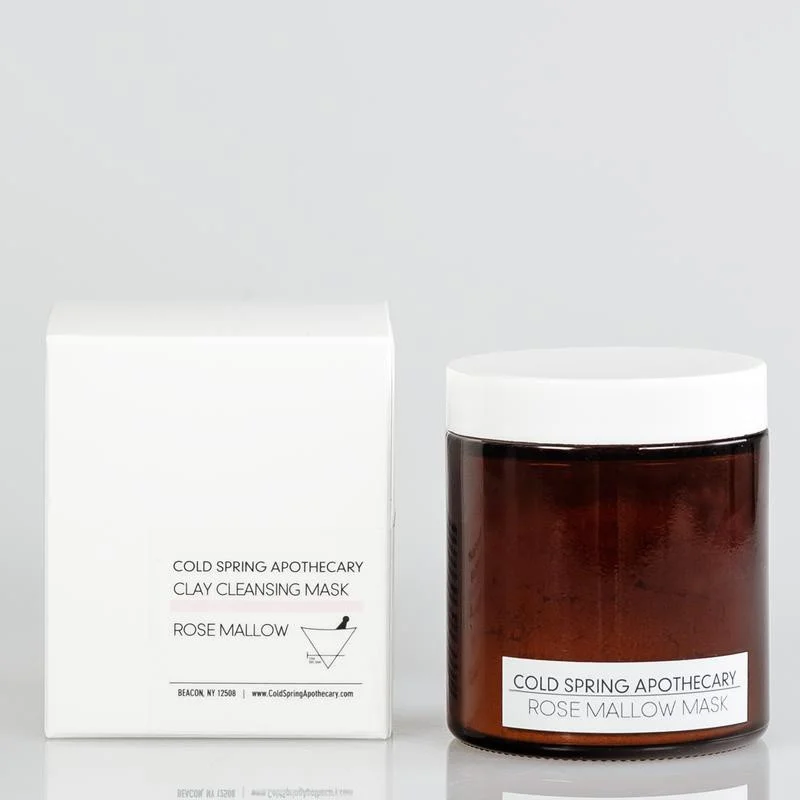
How well does your skin match with Cold Spring Apothecary Rose Mallow Powder Mask?
Login to see detailsOr continue via
Quick 1-minute survey • Completely free
Ingredients
Analysis results of Ingredients


Ingredient List
| EWG | CIR | Ingredient Name & Cosmetic Function | Notes |
|---|---|---|---|
| 1 | - | | |
| 1 | A | (Skin Protecting, Opacifying, Abrasive, Absorbent, Bulking Agent, Anticaking Agent, Slip Modifier) |   |
| - | - | Red Moroccan Clay | |
| - | - | Rhassoul Clay | |
Cold Spring Apothecary Rose Mallow Powder Mask - Ingredient Explanation
Rosehip Powder
1. Definition Rosehip Powder:
Rosehip powder is a natural ingredient derived from the fruit of the rose plant, known for its high content of vitamins, antioxidants, and essential fatty acids.2. Use:
Rosehip powder is commonly used in cosmetics for its nourishing and rejuvenating properties. It is often included in skincare products such as face masks, serums, and creams to help improve skin tone, texture, and overall appearance.3. Usage Rosehip Powder:
When using rosehip powder in cosmetics, it is important to follow the recommended guidelines provided by the product manufacturer. It is typically mixed with other ingredients to create a paste or solution that can be applied to the skin. It is advisable to perform a patch test before applying it to a larger area of skin to check for any potential allergic reactions. Additionally, it is recommended to store rosehip powder in a cool, dry place away from direct sunlight to maintain its potency.4. References:
- Lin, T. K., Zhong, L., & Santiago, J. L. (2017). Anti-Inflammatory and Skin Barrier Repair Effects of Topical Application of Some Plant Oils. International Journal of Molecular Sciences, 19(1), 70.
- Phetcharat, L., Wongsuphasawat, K., & Winther, K. (2015). The effectiveness of a standardized rose hip powder, containing seeds and shells of Rosa canina, on cell longevity, skin wrinkles, moisture, and elasticity. Clinical Interventions in Aging, 10, 1849-1856.
- Schwager, J., Richard, N., & Schoop, R. (2011). Rose hip powder that contains the natural amount of shells and seeds alleviates pain in osteoarthritis of the thumb. Zeitschrift für Phytotherapie, 32(1), 23-26.
White Kaolinite,Pink Kaolin Clay
1. Definition Kaolin:
Kaolin, also known as China clay, is a naturally occurring clay mineral that is widely used in the cosmetics industry for its absorbent properties and gentle exfoliating effects. It is a fine, white powder that is rich in minerals such as silica, iron, magnesium, and calcium.2. Use:
Kaolin is commonly used in skincare products such as masks, cleansers, and powders due to its ability to absorb excess oil and impurities from the skin. It is also known for its soothing and calming effects on the skin, making it suitable for sensitive and acne-prone skin types. Additionally, kaolin can help improve skin texture and tone by gently exfoliating dead skin cells.3. Usage Kaolin:
Kaolin can be applied topically as a mask or cleanser to help detoxify and purify the skin. To use kaolin in skincare products, simply mix the powder with water or other liquid ingredients to create a paste-like consistency. Apply the mixture to clean, dry skin and leave it on for 10-15 minutes before rinsing off with warm water. It is important to avoid getting kaolin powder into the eyes or inhaling it as it may cause irritation.4. References:
- Dweck, A. C. (2012). Formulating with kaolin. Personal Care Magazine, 9(3), 25-28.
- Williams, L. B., & Haydel, S. E. (2010). Evaluation of the medicinal use of clay minerals as antibacterial agents. International Geology Review, 52(7/8), 745-770.
- Lin, Y. C., & Lin, J. H. (2008). Kaolin and its industrial uses. Journal of the Chinese Ceramic Society, 36(6), 805-811.
Red Moroccan Clay
Ingredient data is being updated. Please check back later.
Rhassoul Clay
Ingredient data is being updated. Please check back later.
Review

Didn't find
the information you need?





Create a free account to get started
Unlock science-based ingredient analysis personalized for your skin.
Already have an account? Log in
We protect your privacy. We never send spam.