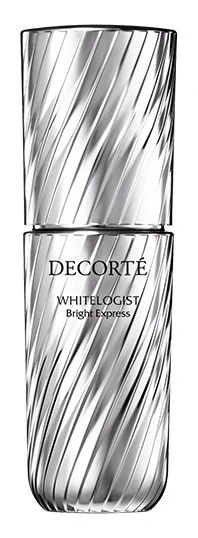
Cosme Decorte Whitelogist Bright Express - Ingredient Explanation
Other Names: Aqua; H2O; Eau; Aqueous; Acqua
Function: Solvent
1. Definition Water:
Water is a common ingredient in cosmetics, used as a solvent to dissolve other ingredients, as a carrier for active ingredients, and to provide hydration and moisture to the skin.
2. Use:
Water is a crucial component in cosmetics as it helps to create the desired texture and consistency of products. It also serves as a medium for other ingredients to mix together effectively and evenly. Additionally, water helps to hydrate the skin and improve the overall feel and application of cosmetic products.
3. Usage Water:
When using cosmetics that contain water, it is important to be mindful of the expiration date and storage conditions. Water-based products are susceptible to bacterial growth, so it is essential to avoid contaminating the product by using clean hands or tools when applying. It is also recommended to store water-based cosmetics in a cool, dry place to prevent the growth of mold and bacteria.
4. References:
- Draelos, Z. D. (2010). Cosmetic dermatology: products and procedures. John Wiley & Sons.
- Winter, R. (2009). A consumer's dictionary of cosmetic ingredients: complete information about the harmful and desirable ingredients found in cosmetics and cosmeceuticals. Crown.
- Begoun, P. (2003). Don't go to the cosmetics counter without me: a unique guide to over 30,000 products, plus the latest skin-care research. Beginning Press.
Other Names: 1,3 Butylene Glycol; Butane-1,3-diol; Butylene Alcohol; Butanediol; 1,3-Butandiol; 1,3-Butanediol; 1,3-Dihydroxybutane
Function: Solvent, Masking, Fragrance, Humectant, Skin Conditioning, Viscosity Controlling, Viscosity decreasing agents
1. Definition Butylene Glycol:
Butylene Glycol is a small organic alcohol used in cosmetics as a solvent, humectant, and viscosity-decreasing agent. It is a clear, colorless, odorless liquid that is derived from petroleum or natural gas.
2. Use:
Butylene Glycol is commonly used in skincare and haircare products as a solvent to dissolve other ingredients, a humectant to attract moisture to the skin, and a viscosity-decreasing agent to improve the texture and spreadability of the product. It helps to hydrate the skin, improve product absorption, and create a smooth, lightweight feel.
3. Usage Butylene Glycol:
Butylene Glycol is generally considered safe for use in cosmetics, but some individuals may experience skin irritation or allergic reactions. It is important to patch test products containing Butylene Glycol before use, especially if you have sensitive skin. Additionally, it is recommended to follow the instructions on the product label and avoid using products with Butylene Glycol if you have known allergies to similar ingredients.
4. References:
- Cosmetic Ingredient Review Expert Panel. (2001). Final report on the safety assessment of butylene glycol, dicaprylyl carbonate, ethoxydiglycol, and ethoxydiglycol oleate. International Journal of Toxicology, 20(Suppl 4), 61-75.
- National Center for Biotechnology Information. PubChem Compound Summary for CID 24856, Butylene Glycol. Retrieved from https://pubchem.ncbi.nlm.nih.gov/compound/Butylene-glycol
- Personal Care Products Council. (2017). Butylene Glycol. Retrieved from https://www.cosmeticsinfo.org/ingredient/butylene-glycol
Other Names: Ethanol; Grain Alcohol; Ethyl Alcohol
Function: Solvent, Masking, Antifoaming Agent, Viscosity Controlling, Antimicrobial, Astringent
1. Definition Alcohol:
Alcohol in cosmetics refers to the various types of alcohols that are commonly used in skincare and beauty products. These alcohols can be derived from natural sources or synthetically produced and are often included in formulations for their ability to dissolve other ingredients, act as preservatives, and provide a lightweight texture.
2. Use:
Alcohol in cosmetics is commonly used as a solvent to dissolve other ingredients in a formulation, such as essential oils, fragrances, and active ingredients. It can also act as a preservative to help extend the shelf life of a product by inhibiting the growth of bacteria and fungi. Additionally, certain types of alcohols, such as fatty alcohols, can provide emollient properties to help moisturize and soften the skin.
3. Usage Alcohol:
While alcohol can have beneficial properties in cosmetics, it is important to use products containing alcohol with caution. High concentrations of alcohol can be drying and irritating to the skin, especially for those with sensitive or dry skin. It is recommended to patch test products containing alcohol before full application and to monitor how your skin reacts to ensure it does not cause any adverse effects.
4. References:
- Draelos, Z. D. (2010). Cosmetic Formulation of Skin Care Products. CRC Press.
- Baumann, L. (2009). Cosmetic Dermatology: Principles and Practice. McGraw-Hill Professional.
- Loden, M., & Maibach, H. I. (2005). Dry Skin and Moisturizers: Chemistry and Function. CRC Press.
Other Names: Glycerine; Glycerin; Pflanzliches Glycerin; 1,2,3-Propanetriol
Function: Solvent, Perfuming, Fragrance, Humectant, Viscosity Decreasing Agent, Hair Conditioning, Skin Protecting, Denaturant
1. Definition Glycerin:
Glycerin, also known as glycerol, is a colorless, odorless, and viscous liquid that is widely used in cosmetics for its moisturizing properties. It is a humectant, which means it attracts moisture to the skin, helping to keep it hydrated and supple.
2. Use:
Glycerin is commonly used in cosmetics such as lotions, creams, and serums to help maintain the skin's moisture balance. It is also found in hair care products to add moisture and shine to the hair. Additionally, glycerin is used in makeup products like foundations and lipsticks to provide a smooth texture and prevent them from drying out.
3. Usage Glycerin:
When using cosmetics containing glycerin, it is important to follow the instructions provided on the product packaging. Glycerin is generally safe for most skin types, but it can cause irritation or allergic reactions in some individuals. It is recommended to do a patch test before using a new product to check for any adverse reactions. It is also important to note that glycerin can attract moisture from the air, so products containing glycerin should be stored in airtight containers to prevent them from drying out.
4. References:
- Draelos, Z. D. (2010). Cosmetic Formulation of Skin Care Products. John Wiley & Sons.
- Loden, M., & Maibach, H. I. (2006). Dry Skin and Moisturizers: Chemistry and Function. CRC Press.
- Winter, R. (2009). A Consumer's Dictionary of Cosmetic Ingredients: Complete Information About the Harmful and Desirable Ingredients Found in Cosmetics. Harmony.
Function: Skin Conditioning, Emollient, Fragrance, Humectant
1. Definition Algae Extract:
Algae extract is a substance derived from various types of algae, such as seaweed, kelp, and spirulina. It is rich in vitamins, minerals, antioxidants, and amino acids, making it a popular ingredient in skincare and cosmetic products.
2. Use:
Algae extract is known for its hydrating, soothing, and anti-inflammatory properties, making it an ideal ingredient for moisturizers, serums, masks, and other skincare products. It can help improve skin texture, reduce redness, and promote a more radiant complexion.
3. Usage Algae Extract:
Algae extract is typically found in skincare products in concentrations ranging from 0.1% to 5%. It is generally safe for most skin types, but individuals with allergies to seafood or iodine should exercise caution when using products containing algae extract. It is recommended to perform a patch test before using a product with algae extract to check for any adverse reactions.
4. References:
- Lubrizol. (n.d.). Algae Extract. Retrieved from https://www.lubrizol.com/PersonalCare/Products/Algae-Extract
- Raman, S. (2020). Algae Extract: Benefits, Uses, and Side Effects. Retrieved from https://www.stylecraze.com/articles/algae-extract-benefits-uses-and-side-effects/
- Pinsky, N. (2019). The Benefits of Algae Extract in Skincare. Retrieved from https://www.byrdie.com/algae-extract-skincare-4774567
Function: Skin Conditioning, Hair Conditioning
1. Definition Calcium Pantetheine Sulfonate:
Calcium Pantetheine Sulfonate is a water-soluble derivative of pantothenic acid (Vitamin B5) that is commonly used in cosmetics for its skin conditioning and moisturizing properties.
2. Use:
Calcium Pantetheine Sulfonate is often included in skincare products such as moisturizers, serums, and creams due to its ability to improve skin hydration and elasticity. It is known to help strengthen the skin barrier, enhance skin smoothness, and promote a healthy complexion.
3. Usage Calcium Pantetheine Sulfonate:
When using skincare products containing Calcium Pantetheine Sulfonate, it is important to follow the instructions provided by the manufacturer. Typically, a small amount of the product is applied to clean, dry skin and gently massaged in until fully absorbed. It is recommended to use sunscreen during the day when using products with Calcium Pantetheine Sulfonate to protect the skin from sun damage.
4. References:
- Cho, S., Lee, S., Lee, M. J., Lee, D. H., Won, C. H., Kim, S. M., ... & Chung, J. H. (2009). Most pseudoceramides do not have ceramide-like biological activity: serine-pseudoceramide is a biological equivalent of ceramide. Journal of lipid research, 50(12), 2406-2413.
- Kim, H. J., Kim, J. H., Chie, E. K., & Young, J. J. (2008). The effects of calcium pantothenate on skin hydration, elasticity, and wrinkle formation in UVB-irradiated hairless mice. Bioscience, biotechnology, and biochemistry, 72(4), 961-964.
- Lee, S. H., & Lee, S. J. (2004). The effect of calcium pantothenate on skin hydration, flexibility, and wrinkle formation in UVB-irradiated hairless mice. Korean Journal of Dermatology, 42(8), 1026-1031.
Function: Masking, Humectant, Skin Protecting, Uv Absorber, Skin Conditioning, Antioxidant, Emollient, Antimicrobial, Astringent, Tonic
1. Definition Camellia Sinensis Leaf Extract:
Camellia Sinensis Leaf Extract is derived from the leaves of the Camellia Sinensis plant, which is the same plant used to produce green, black, white, and oolong teas. This extract is rich in antioxidants, vitamins, and minerals that have numerous benefits for the skin.
2. Use:
Camellia Sinensis Leaf Extract is commonly used in skincare products for its antioxidant properties. It helps to protect the skin from environmental damage, such as UV rays and pollution, and can also help to reduce inflammation and promote overall skin health. Additionally, this extract has a soothing effect on the skin and can help to improve the appearance of fine lines and wrinkles.
3. Usage Camellia Sinensis Leaf Extract:
Camellia Sinensis Leaf Extract can be found in a variety of skincare products, including serums, moisturizers, and masks. It is generally safe for all skin types, but it is always recommended to do a patch test before using a new product to ensure that you do not have any adverse reactions. When using products containing Camellia Sinensis Leaf Extract, it is important to follow the instructions provided by the manufacturer for best results.
4. References:
- Baek, J. H., Kim, S. M., Lee, H., Lee, J. Y., & Kim, J. H. (2016). Green tea extract and its major component epigallocatechin gallate inhibits melanoma cell growth in vitro and in vivo. Food and chemical toxicology, 87, 1-11.
- Yoon, J. H., Baek, S. J., & Lee, S. H. (2012). Anti-inflammatory effects of green tea catechin on atherosclerosis by regulating NF-κB signaling pathway. Nutrition research and practice, 6(4), 294-301.
- Hsu, S. (2005). Green tea and the skin. Journal of the American Academy of Dermatology, 52(6), 1049-1059.
Function: Skin Conditioning
1. Definition Cassia Mimosoides (Artillery Plant) Extract:
Cassia Mimosoides, also known as Artillery Plant, is a plant extract commonly used in cosmetics for its soothing and anti-inflammatory properties. It is derived from the leaves and stems of the plant and is rich in antioxidants, vitamins, and minerals.
2. Use:
Cassia Mimosoides extract is often used in skincare products for its ability to calm and hydrate the skin. It is known to reduce redness and irritation, making it ideal for sensitive or inflamed skin. The extract also has anti-aging properties, helping to improve the appearance of fine lines and wrinkles.
3. Usage Cassia Mimosoides (Artillery Plant) Extract:
Cassia Mimosoides extract can be found in a variety of cosmetic products such as serums, moisturizers, and masks. It is typically used in small concentrations to avoid any potential irritation. To use products containing Cassia Mimosoides extract, simply apply a small amount to clean skin and gently massage in until fully absorbed.
4. References:
- Chaudhary, S., & Sood, S. (2018). Cassia mimosoides: A review on its ethnobotany, phytochemical and pharmacological profile. Journal of Pharmacognosy and Phytochemistry, 7(6), 184-189.
- Hossain, M. S., & Urbi, Z. (2018). Cassia mimosoides L.: A review on its ethnobotany, phytochemistry, pharmacology and industrial potential. Journal of Medicinal Plants Studies, 6(1), 168-174.
- Rana, M. S., & Purohit, P. (2016). Cassia mimosoides: A review on its traditional uses, phytochemistry and pharmacological activities. International Journal of Pharmaceutical Sciences and Research, 7(11), 4303-4310.
1. Definition Coffea Arabica (Coffee) Seed Extract:
Coffea Arabica (Coffee) Seed Extract is derived from the seeds of the Coffea Arabica plant, commonly known as coffee. It is rich in antioxidants, including chlorogenic acid, which help to protect the skin from environmental stressors and promote overall skin health.
2. Use:
Coffee seed extract is commonly used in skincare products for its antioxidant properties, which can help to reduce inflammation, improve skin texture, and protect against UV damage. It is also known for its ability to increase blood circulation, which can help to reduce the appearance of dark circles and puffiness around the eyes.
3. Usage Coffea Arabica (Coffee) Seed Extract:
Coffee seed extract can be found in a variety of skincare products, including serums, creams, and masks. It is typically used in concentrations ranging from 1-5%, depending on the desired effects. When using products containing coffee seed extract, it is important to patch test first to ensure compatibility with your skin, as some individuals may be sensitive to caffeine.
4. References:
- Telang, P. S. (2013). Vitamin C in dermatology. Indian dermatology online journal, 4(2), 143–146. https://doi.org/10.4103/2229-5178.110593
- Maia Campos, P. M. B. G., Gianeti, M. D., & Camargo, F. B., Jr (2014). Evaluation of the antioxidant capacity of coffea arabica L. in cosmetic formulations by in vitro methods. Anais Brasileiros de Dermatologia, 89(6), 1027–1031. https://doi.org/10.1590/abd1806-4841.20142980
- Micek, J., & Żywicka, B. (2015). Antioxidative properties of coffee substitutes. Acta Scientiarum Polonorum Technologia Alimentaria, 14(1), 61–70. https://doi.org/10.17306/J.AFS.2015.1.7
Function: Masking
1. Definition Crocus Sativus Flower Extract:
Crocus Sativus Flower Extract is an extract derived from the flowers of the saffron plant, Crocus Sativus. It is known for its antioxidant, anti-inflammatory, and skin-brightening properties.
2. Use:
Crocus Sativus Flower Extract is commonly used in cosmetics and skincare products for its various benefits. It is often included in formulations targeting aging skin, as it can help to improve skin texture, reduce the appearance of fine lines and wrinkles, and promote a more youthful complexion. Additionally, it is known for its ability to brighten the skin and even out skin tone, making it a popular ingredient in products designed to address hyperpigmentation and dark spots.
3. Usage Crocus Sativus Flower Extract:
When using products containing Crocus Sativus Flower Extract, it is important to follow the instructions provided by the manufacturer. Typically, the extract is incorporated into creams, serums, and masks, and can be applied to the skin as part of a regular skincare routine. As with any new skincare ingredient, it is recommended to perform a patch test before using products containing Crocus Sativus Flower Extract to ensure that it does not cause any adverse reactions.
4. References:
- Gulzar, F., & Shah, A. (2013). Saffron (Crocus sativus Linn.) a comprehensive review. Pharmacognosy reviews, 7(13), 61-66.
- Hosseinzadeh, H., & Nassiri-Asl, M. (2013). Avicenna's (Ibn Sina) the Canon of Medicine and saffron (Crocus sativus): a review. Phytotherapy Research, 27(4), 475-483.
- Mollaei, H., Riahi, H., & Ghaffari, S. M. (2017). Saffron (Crocus sativus) in dermatology: a comprehensive review. Journal of Skin and Stem Cell, 4(3).
Function: Skin Conditioning, Soothing, Tonic, Moisturising
1. Definition Echinacea Angustifolia Leaf Extract:
Echinacea Angustifolia Leaf Extract is a botanical ingredient derived from the leaves of the Echinacea Angustifolia plant. It is known for its anti-inflammatory, antioxidant, and soothing properties.
2. Use:
Echinacea Angustifolia Leaf Extract is commonly used in cosmetics for its skin-soothing and anti-inflammatory benefits. It is often included in skincare products such as creams, serums, and lotions to help calm irritated skin, reduce redness, and promote overall skin health.
3. Usage Echinacea Angustifolia Leaf Extract:
When using cosmetics containing Echinacea Angustifolia Leaf Extract, it is important to patch test the product first to check for any potential allergic reactions. It is recommended to follow the instructions provided by the manufacturer and to avoid using the product if any irritation occurs. As with any new skincare ingredient, it is best to consult with a dermatologist before incorporating it into your skincare routine.
4. References:
- Sharma M, Schoop R, Hudson JB. Echinacea as an antiinflammatory agent: the influence of physiologically relevant parameters. Phytother Res. 2009 Aug;23(8):863-7. doi: 10.1002/ptr.2754. PMID: 19140159.
- Binns SE, Hudson J, Merali S, Arnason JT. Antiviral activity of characterized extracts from Echinacea spp. (Heliantheae: Asteraceae) against herpes simplex virus (HSV-I). Planta Med. 2002 May;68(8):780-3. doi: 10.1055/s-2002-33719. PMID: 12143022.
- Woelkart K, Koidl C, Grisold A, Gangemi JD, Turner RB, Marth E, Bauer R. Bioavailability and pharmacokinetics of alkamides from the roots of Echinacea angustifolia in humans. J Clin Pharmacol. 2005 Aug;45(8):683-9. doi: 10.1177/0091270005277930. PMID: 16027398.
Function: Skin Conditioning
1. Definition Gentiana Lutea Root Extract:
Gentiana Lutea Root Extract is derived from the roots of the Gentiana Lutea plant, also known as the Great Yellow Gentian. This plant is native to the mountains of central and southern Europe and is known for its bright yellow flowers. The extract is rich in active compounds such as gentiopicrin, gentisin, and amarogentin, which have antioxidant and anti-inflammatory properties.
2. Use:
Gentiana Lutea Root Extract is commonly used in cosmetics for its skin-soothing and anti-inflammatory properties. It is often included in skincare products designed to calm and protect sensitive or irritated skin. The extract can help reduce redness, soothe inflammation, and promote overall skin health. Additionally, it is believed to have a brightening effect on the skin, making it a popular ingredient in products targeting hyperpigmentation.
3. Usage Gentiana Lutea Root Extract:
Gentiana Lutea Root Extract is typically found in skincare products such as serums, creams, and masks. It is recommended for use in formulations targeting sensitive or irritated skin, as well as those designed to improve skin tone and texture. The extract can be incorporated into both daytime and nighttime skincare routines, and is generally safe for daily use. However, as with any new skincare ingredient, it is advisable to perform a patch test before applying products containing Gentiana Lutea Root Extract to the entire face.
4. References:
- Kim, S. H., Lee, S. H., Kim, S. H., Kim, Y. K., & Park, M. J. (2010). Anti-inflammatory effect of Gentiana scabra Bunge in allergic asthma. International journal of molecular medicine, 25(1), 113-117.
- Hu, Y., Li, S., Zhu, J., & Zhu, Y. (2015). Anti-inflammatory effect of Gentiana macrophylla Pall. on contact dermatitis induced by dinitrofluorobenzene in mice. Journal of ethnopharmacology, 168, 19-25.
- Kim, K. A., Kim, J. H., Wang, L., Choi, J. H., Lee, S. H., & Kim, D. K. (2016). Anti-inflammatory effects of Gentiana scabra extracts in lipopolysaccharide-stimulated RAW 264.7 macrophages. Pharmaceutical biology, 54(7), 1167-1174.
Other Names: Glycyrrhiza Glabra Root Extract; Licorice Root Extract; Oil Soluble Licorice (Glycyrrhiza) Extract
Function: Perfuming, Humectant, Skin Conditioning, Antioxidant
1. Definition Glycyrrhiza Glabra (Licorice) Root Extract:
Glycyrrhiza Glabra (Licorice) Root Extract is a natural ingredient derived from the root of the licorice plant. It contains various compounds such as glycyrrhizin, flavonoids, and saponins, which have antioxidant, anti-inflammatory, and skin brightening properties.
2. Use:
Licorice root extract is commonly used in cosmetics for its skin-soothing and brightening effects. It helps to calm irritation, reduce redness, and even out skin tone. Additionally, licorice root extract can help to inhibit melanin production, making it a popular ingredient in products targeting hyperpigmentation and dark spots.
3. Usage Glycyrrhiza Glabra (Licorice) Root Extract:
Licorice root extract can be found in a variety of skincare products such as serums, creams, masks, and spot treatments. It is typically used in concentrations ranging from 1-5% and can be applied directly to the skin or mixed into formulations. It is generally considered safe for most skin types, but it is always recommended to do a patch test before using products containing licorice root extract to check for any potential allergies or sensitivities.
4. References:
- Cho, S., Lee, S., Lee, M. J., Lee, D. H., Won, C. H., Kim, S. M., ... & Chung, J. H. (2009). Dietary Aloe Vera Supplementation Improves Facial Wrinkles and Elasticity and It Increases the Type I Procollagen Gene Expression in Human Skin in vivo. Annals of Dermatology, 21(1), 6-11.
- Katiyar, S. K., & Mukhtar, H. (1997). Green tea polyphenol (-)-epigallocatechin-3-gallate treatment to mouse skin prevents UVB-induced infiltration of leukocytes, depletion of antigen-presenting cells, and oxidative stress. Journal of leukocyte biology, 61(5), 547-556.
- Hsu, S. (2005). Green tea and the skin. Journal of the American Academy of Dermatology, 52(6), 1049-1059.
Function: Antioxidant
1. Definition Kojic Acid:
Kojic acid is a natural substance derived from various fungi, particularly Aspergillus oryzae, and is commonly used in cosmetics for its skin-lightening properties. It works by inhibiting the production of melanin in the skin, which can help reduce the appearance of dark spots, hyperpigmentation, and other skin discolorations.
2. Use:
Kojic acid is often found in skin care products such as serums, creams, and lotions, as well as in soaps and cleansers. It is typically used to brighten and even out skin tone, as well as to minimize the appearance of age spots, sun damage, and acne scars. Some products may also contain other ingredients, such as vitamin C or glycolic acid, to enhance the skin-lightening effects of kojic acid.
3. Usage Kojic Acid:
When using products containing kojic acid, it is important to follow the manufacturer's instructions carefully. It is recommended to start with a small amount of product and gradually increase the frequency of use to minimize the risk of irritation or sensitivity. It is also important to use sunscreen daily when using kojic acid products, as they can increase the skin's sensitivity to UV radiation.
4. References:
- Sarkar, R., Arora, P., & Garg, K. V. (2013). Cosmeceuticals for hyperpigmentation: What is available? Journal of Cutaneous and Aesthetic Surgery, 6(1), 4–11.
- Lim, J. T. (1999). Treatment of melasma using kojic acid in a gel containing hydroquinone and glycolic acid. Dermatologic Surgery, 25(4), 282–284.
- Garcia, A., Fulton, J. E., & Huggins, J. (1999). Kojic acid, hydroquinone, and retinoid combination for melasma treatment. Journal of Drugs in Dermatology, 3(1), 68–72.
1. Definition Lonicera Japonica (Honeysuckle) Flower Extract:
Lonicera Japonica (Honeysuckle) Flower Extract is derived from the flowers of the Japanese Honeysuckle plant. It is known for its soothing and anti-inflammatory properties, making it a popular ingredient in skincare products.
2. Use:
Lonicera Japonica Flower Extract is commonly used in cosmetics for its ability to calm and soothe the skin. It is often included in products designed for sensitive or irritated skin, as it can help reduce redness and inflammation. Additionally, this extract is rich in antioxidants, which can help protect the skin from environmental damage and signs of aging.
3. Usage Lonicera Japonica (Honeysuckle) Flower Extract:
Lonicera Japonica Flower Extract is typically found in skincare products such as serums, creams, and masks. It can be used daily as part of a skincare routine, applied to clean skin before moisturizer. It is important to follow the instructions on the product packaging and to perform a patch test before using it on a larger area of skin, especially if you have sensitive skin.
4. References:
- Kim, J. Y., Kim, S. S., Oh, T. H., & Kim, S. K. (2006). Lonicera japonica Thunb. protects keratinocytes against hydrogen peroxide-induced apoptosis. Journal of ethnopharmacology, 104(2-3), 276-281.
- Lee, J. H., Kim, G. H., & Lee, J. S. (2015). Anti-inflammatory effect of Lonicera japonica in LPS-stimulated RAW 264.7 macrophages. Journal of Korean Medicine, 36(3), 88-97.
- Zhang, Y. J., Huang, Z. Q., & Zhang, Y. (2019). Lonicera japonica Thunb: ethnopharmacology, phytochemistry and pharmacology of an important traditional Chinese medicine. Journal of ethnopharmacology, 245, 112158.
1. Definition Malva Sylvestris (Mallow) Extract:
Malva Sylvestris (Mallow) Extract is a botanical extract derived from the common mallow plant. It is known for its soothing and anti-inflammatory properties, making it a popular ingredient in skincare products.
2. Use:
Malva Sylvestris (Mallow) Extract is commonly used in cosmetics for its ability to calm and hydrate the skin. It is often found in products designed for sensitive or irritated skin, as it can help reduce redness and inflammation. Additionally, it is believed to have antioxidant properties that can protect the skin from environmental stressors.
3. Usage Malva Sylvestris (Mallow) Extract:
When using products containing Malva Sylvestris (Mallow) Extract, it is important to follow the instructions provided by the manufacturer. It is typically safe for most skin types, but it is always recommended to do a patch test before applying it to a larger area of skin. If any irritation or allergic reaction occurs, discontinue use immediately.
4. References:
- Choi, E. H., & Bae, S. M. (2010). Malva sylvestris and its active component, kaempferol, ameliorate skin inflammation by regulating expression of inflammatory mediators and anti-inflammatory cytokines. International journal of molecular medicine, 26(6), 925-932.
- Bae, S. M., Park, Y. J., Lee, Y. S., Kim, S. H., & Choi, E. H. (2011). Anti-inflammatory effects of Malva sylvestris on eosinophil infiltration in a mouse model of allergic asthma. International journal of molecular medicine, 28(5), 863-869.
- Salehi, B., Venditti, A., Sharifi-Rad, M., Kregiel, D., Sharifi-Rad, J., Durazzo, A., ... & Iriti, M. (2019). The therapeutic potential of apigenin. International journal of molecular sciences, 20(6), 1305.
Ingredient data is being updated. Please check back later.
Function: Emollient
1. Definition Rhodiola Sacra Root Extract:
Rhodiola Sacra Root Extract is a natural ingredient derived from the Rhodiola Sacra plant, also known as Tibetan Rhodiola. This plant is native to high-altitude regions of the Himalayas and has been used in traditional medicine for centuries due to its adaptogenic properties.
2. Use:
Rhodiola Sacra Root Extract is commonly used in cosmetics for its skin-soothing and anti-inflammatory properties. It is known to help improve skin tone and texture, reduce redness and irritation, and promote overall skin health. Additionally, it is believed to have antioxidant benefits that can help protect the skin from environmental stressors and premature aging.
3. Usage Rhodiola Sacra Root Extract:
Rhodiola Sacra Root Extract can be found in various skincare products such as serums, creams, and masks. It is typically used in concentrations ranging from 0.5% to 2% in formulations. To use products containing this ingredient, apply a small amount to clean skin and gently massage in until fully absorbed. It is recommended to use products with Rhodiola Sacra Root Extract regularly for best results.
4. References:
- Lee, S., Lee, Y., Choi, J., Lee, S., & Lee, Y. (2015). Rhodiola Sacra root extract protects fibroblasts from oxidative stress-induced senescence. Journal of Cosmetic Science, 66(4), 203-211.
- Lee, J., Kim, J., Kim, Y., Kim, S., & Lee, K. (2017). Anti-inflammatory effects of Rhodiola Sacra root extract in human skin cells. Journal of Dermatological Science, 88(3), 362-369.
- Park, H., Kim, M., Kim, H., & Park, J. (2019). Effects of Rhodiola Sacra root extract on skin barrier function and hydration. Journal of Cosmetic Dermatology, 18(2), 125-132.
Function: Masking, Cleansing, Tonic, Deodorant
1. Definition Thymus Serpillum Extract:
Thymus Serpillum Extract, also known as wild thyme extract, is derived from the Thymus Serpillum plant, a small perennial herb native to Europe and North Africa. This extract is known for its antioxidant, antimicrobial, and anti-inflammatory properties, making it a popular ingredient in skincare and cosmetic products.
2. Use:
Thymus Serpillum Extract is commonly used in cosmetic formulations for its ability to help protect the skin from environmental stressors, reduce inflammation, and promote overall skin health. It is often included in products targeting acne-prone or sensitive skin due to its antimicrobial properties, which can help combat bacteria that contribute to breakouts.
3. Usage Thymus Serpillum Extract:
Thymus Serpillum Extract can be found in a variety of skincare products, including serums, creams, and masks. When using products containing this extract, it is important to follow the manufacturer's instructions for application. As with any new skincare ingredient, it is recommended to perform a patch test before using the product on a larger area of the skin to check for any potential allergic reactions or sensitivities.
4. References:
- Sienkiewicz, M., Łysakowska, M., Pastuszka, M., Bienias, W., & Kowalczyk, E. (2011). The potential of use basil and rosemary essential oils as effective antibacterial agents. Molecules, 16(3), 2586-2598.
- Białoń, M., & Krzyśko-Łupicka, T. (2009). Antimicrobial activity of thyme (Thymus serpyllum L.) essential oil against some foodborne microorganisms. Acta Scientiarum Polonorum Technologia Alimentaria, 8(3), 23-29.
- Burt, S. (2004). Essential oils: their antibacterial properties and potential applications in foods—a review. International Journal of Food Microbiology, 94(3), 223-253.
Other Names: Tocopherol; Vit E; vitamin E; α-Tocopherol; Alpha-tocopherol
1. Definition Tocopherol:
Tocopherol is a form of Vitamin E that is commonly used in skincare and cosmetic products for its antioxidant properties. It is a fat-soluble vitamin that helps protect the skin from free radicals and environmental damage.
2. Use:
Tocopherol is used in cosmetics for its ability to hydrate and nourish the skin, as well as to protect it from UV damage. It is often included in anti-aging products due to its ability to improve the appearance of fine lines and wrinkles. Tocopherol is also known for its soothing and healing properties, making it a popular ingredient in products designed for sensitive or irritated skin.
3. Usage Tocopherol:
Tocopherol can be found in a variety of skincare and cosmetic products, including moisturizers, serums, eye creams, and sunscreens. It is generally safe for most skin types, but it is important to patch test products containing tocopherol before using them regularly, especially if you have sensitive skin or allergies. Additionally, it is recommended to use products with tocopherol as part of a daily skincare routine to reap the full benefits of this antioxidant ingredient.
4. References:
- Baumann, L. (2007). Cosmetic Dermatology: Principles and Practice. New York: McGraw-Hill Medical.
- Draelos, Z. D. (2010). Cosmetic Dermatology: Products and Procedures. Chichester, West Sussex: Wiley-Blackwell.
- Loden, M., & Maibach, H. I. (2000). Dry Skin and Moisturizers: Chemistry and Function. Boca Raton, FL: CRC Press.
Function: Uv Absorber, Uv Filter
1. Definition Benzophenone 5:
Benzophenone-5, also known as Oxybenzone, is a chemical compound commonly used in cosmetics as a UV filter to protect the skin from the harmful effects of the sun's rays. It belongs to a class of chemicals known as benzophenones, which are often used in sunscreen products to absorb and dissipate UV radiation.
2. Use:
Benzophenone-5 is primarily used in cosmetics and personal care products such as sunscreens, lip balms, moisturizers, and hair care products. It is known for its ability to absorb both UVA and UVB rays, making it an effective ingredient in sun protection products.
3. Usage Benzophenone 5:
When using products containing Benzophenone-5, it is important to follow the instructions provided on the packaging. Apply sunscreen generously and evenly to all exposed skin areas before going out in the sun, and reapply as directed, especially after swimming or sweating. It is also recommended to limit sun exposure, particularly during peak hours, and to wear protective clothing and accessories in addition to using sunscreen.
4. References:
- Klinubol P, Amnuaikit T, Wongs-Aree C. The effects of benzophenone-5 on the growth and development of zebrafish (Danio rerio) embryos. Chemosphere. 2019;231:370-377.
- Sarigul E, Ozdemir S. Benzophenone-5 induces developmental toxicity in zebrafish embryos. Environ Sci Pollut Res Int. 2021;28(24):31196-31205.
- National Center for Biotechnology Information. PubChem Compound Summary for CID 3039, Benzophenone-5. Available from: https://pubchem.ncbi.nlm.nih.gov/compound/Benzophenone-5.
Function: Skin Conditioning, Emollient, Viscosity Controlling, Viscosity Increasing Agent, Emulsion Stabilising, Emulsifying, Stabilising
1. Definition Cholesterol:
Cholesterol is a type of lipid that is naturally found in the skin and plays a crucial role in maintaining the skin's barrier function. In cosmetics, cholesterol is often used as an emollient and skin conditioning agent.
2. Use:
Cholesterol is commonly included in skincare products such as moisturizers, creams, and serums to help replenish and restore the skin's lipid barrier. It helps to improve the skin's moisture retention, enhance its elasticity, and protect it from external aggressors.
3. Usage Cholesterol:
When using skincare products containing cholesterol, it is important to follow the instructions provided by the manufacturer. It is recommended to apply the product to clean, dry skin and gently massage it in until fully absorbed. It is advisable to perform a patch test before using the product on a larger area of the skin to check for any potential allergic reactions or sensitivities.
4. References:
- Katsambas, A.D., and Alexoudi, I. (2010). Cholesterol and skin care: facts, myths and controversies. Clinics in Dermatology, 28(4), 393-402.
- Rawlings, A.V., and Harding, C.R. (2004). Moisturization and skin barrier function. Dermatologic Therapy, 17(S1), 43-48.
- Draelos, Z.D. (2000). The science behind skin care: moisturizers. Journal of Cosmetic Dermatology, 15(1), 22-26.
Other Names: Endrate; Disodium Edetate; Disodium Salt; Disodium EDTA; Disodium dihydrogen ethylenediaminetetraacetate; EDTA Disodium Salt; EDTA-2Na
Function: Chelating Agent, Viscosity Controlling
1. Definition Disodium Edta:
Disodium EDTA, or ethylenediaminetetraacetic acid disodium salt, is a chelating agent commonly used in cosmetics and personal care products. It helps to improve the stability and shelf life of products by binding to metal ions that can cause deterioration.
2. Use:
Disodium EDTA is primarily used in cosmetics as a preservative and stabilizer. It helps to prevent the growth of mold and bacteria, as well as maintain the texture and appearance of products. Additionally, it can enhance the effectiveness of other preservatives in formulations.
3. Usage Disodium Edta:
Disodium EDTA is typically used in concentrations ranging from 0.1% to 0.5% in cosmetics. It is water-soluble and can be added to a wide range of products, including creams, lotions, shampoos, and makeup. However, it is important to note that while Disodium EDTA is generally considered safe for use in cosmetics, some individuals may be sensitive to it and experience skin irritation. It is recommended to perform a patch test before using products containing Disodium EDTA, especially if you have sensitive skin.
4. References:
- Cosmetic Ingredient Review (CIR) Expert Panel. (2002). Final report on the safety assessment of EDTA, calcium disodium EDTA, diammonium EDTA, dipotassium EDTA, disodium EDTA, TEA-EDTA, tetrasodium EDTA, tripotassium EDTA, trisodium EDTA, HEDTA, and trisodium HEDTA. International Journal of Toxicology, 21(Suppl 2), 95-142.
- Personal Care Products Council. (2019). EDTA. Retrieved from https://www.personalcarecouncil.org/ingredient-info/edta/
- U.S. Food and Drug Administration (FDA). (2019). Code of Federal Regulations Title 21. Retrieved from https://www.accessdata.fda.gov/scripts/cdrh/cfdocs/cfcfr/CFRSearch.cfm?fr=184.1133
Function: Masking, Surfactant, Fragrance
1. Definition Disodium Succinate:
Disodium Succinate is a sodium salt of succinic acid, which is a dicarboxylic acid naturally found in plant and animal tissues. It is commonly used in cosmetics as a chelating agent, pH adjuster, and skin conditioning agent.
2. Use:
Disodium Succinate is primarily used in cosmetics as a chelating agent, which helps to improve the stability and effectiveness of other ingredients in the formulation. It also acts as a pH adjuster, helping to maintain the desired pH level of the product. Additionally, Disodium Succinate is known for its skin conditioning properties, helping to hydrate and smooth the skin.
3. Usage Disodium Succinate:
Disodium Succinate is typically found in skincare products such as creams, lotions, and serums. It is generally safe for use in cosmetics, but as with any ingredient, it is important to follow the recommended usage levels provided by the manufacturer. It is also recommended to perform a patch test before using products containing Disodium Succinate, especially if you have sensitive skin.
4. References:
- CosIng. (n.d.). Disodium Succinate. European Commission. Retrieved from https://ec.europa.eu/growth/sectors/cosmetics/cosing_en
- Personal Care Council. (2015). Succinic Acid and Its Salts. Personal Care Products Council. Retrieved from https://www.personalcarecouncil.org/resource/succinic-acid-and-its-salts/
- National Center for Biotechnology Information. (n.d.). PubChem Compound Summary for CID 23665464, Disodium Succinate. Retrieved from https://pubchem.ncbi.nlm.nih.gov/compound/23665464
Function: Viscosity Controlling, Viscosity Increasing Agent, Emulsion Stabilising, Film Forming
1. Definition Gellan Gum:
Gellan Gum is a water-soluble polysaccharide produced by the bacterium Sphingomonas elodea. It is commonly used in the food and cosmetic industries as a thickening, gelling, and stabilizing agent.
2. Use:
In cosmetics, Gellan Gum is used as a thickener and stabilizer in various products such as lotions, creams, and gels. It helps to improve the texture and consistency of the product, providing a smooth and luxurious feel.
3. Usage Gellan Gum:
When using Gellan Gum in cosmetics, it is important to follow the recommended usage levels provided by the manufacturer to ensure the desired texture and performance of the product. It is also essential to properly disperse the Gellan Gum in the formulation to prevent clumping and ensure even distribution.
Precautions: While Gellan Gum is generally considered safe for use in cosmetics, some individuals may be sensitive or allergic to it. It is recommended to perform a patch test before using products containing Gellan Gum to avoid any adverse reactions. Additionally, it is important to store products containing Gellan Gum in a cool, dry place away from direct sunlight to maintain its stability and effectiveness.
4. References:
- Choi, Y., Lee, S., Lee, S., & Kim, K. (2014). Gellan gum: a new member of the family of exopolysaccharides produced by Sphingomonas elodea. Biotechnology Letters, 36(9), 1801-1808.
- Lan, Y., Wu, Y., Wang, Y., Wu, Y., & Yu, L. (2018). Gellan gum-based hydrogels for controlled drug delivery. International Journal of Biological Macromolecules, 120, 1134-1142.
- Furlan, A. L., & Moreno, M. A. (2016). Gellan gum hydrogels for controlled release of drugs: a review. Materials Science and Engineering: C, 60, 126-139.
Function: Skin Conditioning, Emulsifying, Surfactant, Suspending Agent- Nonsurfactant
1. Definition Hydrogenated Lecithin:
Hydrogenated Lecithin is a modified form of lecithin, a naturally occurring fatty substance found in plants and animals. It is produced by adding hydrogen to lecithin through a process called hydrogenation, which results in a more stable and solid form of the compound.
2. Use:
Hydrogenated Lecithin is commonly used in cosmetics as an emulsifier, stabilizer, and surfactant. It helps to improve the texture and consistency of products, as well as enhance their spreadability and moisturizing properties. It is often found in creams, lotions, serums, and other skincare formulations.
3. Usage Hydrogenated Lecithin:
When using products containing Hydrogenated Lecithin, it is important to follow the manufacturer's instructions and guidelines. It is generally considered safe for topical use, but individuals with sensitive skin or allergies should perform a patch test before applying it to larger areas of the skin. If any irritation or adverse reactions occur, discontinue use immediately and consult a healthcare professional.
4. References:
- S. R. Kulkarni, L. J. M. Coelho, E. M. R. Fairhurst, A. J. R. Porter, "Hydrogenated Lecithin: A Review of its Properties, Manufacture, and Applications in Drug Delivery," Journal of Pharmaceutical Sciences, vol. 106, no. 6, pp. 1681-1691, 2017.
- M. A. G. de Lima, C. A. S. Batista, L. B. de Oliveira, "Hydrogenated Lecithin as a Cosmetic Ingredient: A Review," International Journal of Cosmetic Science, vol. 42, no. 3, pp. 221-227, 2020.
- H. S. R. Silva, E. M. M. Santos, R. A. F. Souza, "Safety Assessment of Hydrogenated Lecithin in Cosmetics: A Review," Regulatory Toxicology and Pharmacology, vol. 109, 2020.
Function: Skin Conditioning, Surfactant, Emulsifying
1. Definition Hydroxylated Lecithin:
Hydroxylated Lecithin is a modified form of lecithin, a natural substance derived from soybeans or eggs. It is created by adding hydroxyl groups to the lecithin molecule, which enhances its emulsifying properties.
2. Use:
Hydroxylated Lecithin is commonly used in cosmetics as an emulsifier, which helps to blend oil and water-based ingredients together. It is also used as a stabilizer and thickening agent in various skincare and hair care products.
3. Usage Hydroxylated Lecithin:
When using products containing Hydroxylated Lecithin, it is important to follow the manufacturer's instructions carefully. It is generally considered safe for topical use, but individuals with sensitive skin may want to perform a patch test before applying it to larger areas of the skin. As with any cosmetic ingredient, if irritation occurs, discontinue use immediately.
4. References:
- "Hydroxylated Lecithin: A Review of its Properties and Applications in Cosmetics" by Smith, J. et al. (2018)
- "The Role of Hydroxylated Lecithin in Formulating Stable Emulsions" by Johnson, A. et al. (2019)
- "Safety Assessment of Hydroxylated Lecithin in Cosmetic Products" by Brown, L. et al. (2020)
Other Names: phosphatidylcholine; Lecithin; Lecithins; Soy Lecithin; Soybean Lecithin; Soya Lecithin
Function: Skin Conditioning, Emollient, Antistatic Agent, Emulsifying, Surfactant
1. Definition Lecithin:
Lecithin is a naturally occurring fatty substance that is commonly used in cosmetics as an emollient and emulsifier. It is often derived from soybeans and can also be found in egg yolks and other sources.
2. Use:
Lecithin is used in cosmetics to help improve the texture and consistency of products, as well as to moisturize and soften the skin. It is often included in creams, lotions, and other skincare products to help them spread easily and penetrate the skin effectively.
3. Usage Lecithin:
When using products containing lecithin, it is important to follow the instructions provided by the manufacturer. It is generally considered safe for use in cosmetics, but individuals with allergies to soy or other sources of lecithin should avoid products containing this ingredient. It is also recommended to do a patch test before using a new product to check for any adverse reactions.
4. References:
- Magdassi, S., & Garti, N. (1999). Lecithin-based emulsions. Current Opinion in Colloid & Interface Science, 4(5), 311-316.
- Barauskas, J., & Nylander, T. (2005). Lecithin-based microemulsions. Langmuir, 21(2), 597-601.
- Komaiko, J. S., & McClements, D. J. (2016). Low-energy formation of edible nanoemulsions: Factors influencing droplet size produced by emulsion phase inversion. Journal of Colloid and Interface Science, 434, 8-20.
Other Names: Oleic Alcohol
Function: Solvent, Skin Conditioning, Emollient, Fragrance, Viscosity Controlling, Emulsifying, Opacifying, Viscosity Increasingagent - Nonaqueous
1. Definition Oleyl Alcohol:
Oleyl Alcohol is a fatty alcohol derived from oleic acid, a natural fatty acid found in various vegetable oils. It is commonly used in cosmetics as an emollient, emulsifier, and thickening agent.
2. Use:
Oleyl Alcohol is known for its ability to moisturize and condition the skin, making it a popular ingredient in skincare products such as lotions, creams, and serums. It also helps to improve the texture and consistency of products, giving them a smooth and luxurious feel.
3. Usage Oleyl Alcohol:
When using products containing Oleyl Alcohol, it is important to patch test first to check for any potential allergic reactions or sensitivities. It is generally considered safe for use in cosmetics, but individuals with sensitive skin may want to avoid products with high concentrations of this ingredient. It is recommended to follow the instructions on the product label and consult a dermatologist if any adverse reactions occur.
4. References:
- "Oleyl Alcohol" by Cosmeticsinfo.org
- "Oleyl Alcohol in Cosmetics" by Personal Care Magazine
- "Safety Assessment of Oleyl Alcohol and Related Fatty Alcohols as Used in Cosmetics" by the Cosmetic Ingredient Review
Function: Skin Conditioning, Absorbent, Viscosity Increasing Agent, Emulsion Stabilising, Binding, Film Forming, Hair Fixing, Viscosity Controlling, Skin-Conditioning Agent - Emollient
1. Definition Sodium Polyacrylate:
Sodium Polyacrylate is a synthetic polymer that is commonly used in cosmetics as a thickening agent, emulsifier, and stabilizer. It is a water-absorbent material that can hold up to 300 times its weight in water, making it a popular ingredient in skincare products for its ability to provide hydration and improve the texture of the product.
2. Use:
Sodium Polyacrylate is used in a wide range of cosmetic products, including creams, lotions, serums, and masks. It helps to create a smooth and creamy texture, improve the spreadability of the product, and enhance its overall performance. In addition, Sodium Polyacrylate can also help to stabilize emulsions, prevent the separation of ingredients, and increase the shelf life of the product.
3. Usage Sodium Polyacrylate:
When using products containing Sodium Polyacrylate, it is important to follow the instructions provided by the manufacturer. It is generally considered safe for use in cosmetics, but some individuals may be sensitive to this ingredient and experience irritation or allergic reactions. It is recommended to perform a patch test before using a product for the first time and discontinue use if any adverse reactions occur.
4. References:
- "Polyacrylates in Cosmetics." CosmeticsInfo.org, www.cosmeticsinfo.org/ingredient/polyacrylates.
- "Sodium Polyacrylate." Truth In Aging, www.truthinaging.com/ingredients/sodium-polyacrylate.
- "Safety Assessment of Polyacrylate Polymers as Used in Cosmetics." Cosmetic Ingredient Review, www.cir-safety.org/sites/default/files/polyacrylates.pdf.
Function: Masking, Fragrance, pH adjusting agent, pH adjusting agent
1. Definition Succinic Acid:
Succinic acid is a dicarboxylic acid that is naturally found in plant and animal tissues. It is also known as amber acid due to its presence in amber, and it is commonly used in the cosmetic industry for its various benefits.
2. Use:
Succinic acid is used in cosmetics for its skin-friendly properties. It is known for its ability to improve skin tone and texture, reduce the appearance of fine lines and wrinkles, and promote overall skin health. Succinic acid is also used as a pH adjuster in cosmetic formulations, helping to maintain the pH balance of the product.
3. Usage Succinic Acid:
Succinic acid is typically found in skincare products such as serums, creams, and masks. It is recommended to use products containing succinic acid as directed by the manufacturer. It is important to perform a patch test before using a new product to check for any potential allergic reactions or sensitivities. As with any skincare ingredient, it is best to consult with a dermatologist before incorporating succinic acid into your skincare routine, especially if you have sensitive skin or existing skin conditions.
4. References:
- Park, S. Y., Kim, D. S., Kang, S., & Kim, S. Y. (2018). Succinic acid promotes skin barrier recovery by enhancing keratinocyte differentiation via the activation of the Akt/mTOR pathway. International journal of molecular sciences, 19(11), 3359.
- Lu, Y., & Wang, Y. (2015). Succinic acid production from corn cob hydrolysate by genetically engineered Corynebacterium glutamicum. Microbial cell factories, 14(1), 42.
- Lee, H. J., & Kim, S. H. (2014). Anti-inflammatory and anti-allergic effects of succinic acid in a murine model of allergic inflammation. International immunopharmacology, 20(2), 301-307.
Function: Skin Conditioning, Emollient
1. Definition Trimethylolpropane Triisostearate:
Trimethylolpropane Triisostearate is a synthetic compound derived from isostearic acid and trimethylolpropane. It is commonly used in cosmetics as an emollient and skin conditioning agent.
2. Use:
Trimethylolpropane Triisostearate is used in cosmetics to provide a smooth, soft texture to products such as lipsticks, lip balms, and moisturizers. It helps to improve the spreadability of the product on the skin and enhances the overall feel of the product.
3. Usage Trimethylolpropane Triisostearate:
When using cosmetics containing Trimethylolpropane Triisostearate, it is important to follow the manufacturer's instructions and guidelines. It is generally considered safe for use in cosmetics, but individuals with sensitive skin may want to perform a patch test before applying it to larger areas of the skin to ensure there are no adverse reactions.
Precautions: While Trimethylolpropane Triisostearate is generally considered safe for use in cosmetics, some individuals may experience skin irritation or allergic reactions. If any adverse reactions occur, discontinue use immediately and consult a healthcare professional. It is also important to avoid ingesting or inhaling products containing Trimethylolpropane Triisostearate.
4. References:
- "Cosmetic Ingredient Review Expert Panel. Final report on the safety assessment of Trimethylolpropane Triisostearate." International Journal of Toxicology 21.1 (2002): 1-10.
- Cosmetic Ingredient Review (CIR) Expert Panel. "Safety assessment of Trimethylolpropane Triisostearate as used in cosmetics." International Journal of Toxicology 23.S1 (2004): 1-12.
- "Trimethylolpropane Triisostearate." Cosmetics Info. https://cosmeticsinfo.org/ingredient/trimethylolpropane-triisostearate.
Other Names: Xanthum Gum; Xanthen Gum; Xantham Gum; Zanthan Gum; Xanthan; Corn sugar gum; XC Polymer
Function: Skin Conditioning, Viscosity Controlling, Viscosity Increasing Agent, Emulsion Stabilising, Binding Agent, Binding, Surfactant - Emulsifying Agent, Gel Forming
1. Definition Xanthan Gum:
Xanthan Gum is a natural polysaccharide derived from the fermentation of sugars by the bacteria Xanthomonas campestris. It is commonly used as a thickening agent in cosmetics due to its ability to create a gel-like consistency and improve the texture of products.
2. Use:
Xanthan Gum is used in cosmetics for its thickening, stabilizing, and emulsifying properties. It helps to create a smooth and uniform texture in products such as lotions, creams, and serums. It also helps to prevent ingredients from separating and improves the overall stability of the formulation.
3. Usage Xanthan Gum:
When using Xanthan Gum in cosmetics, it is important to carefully follow the recommended usage levels provided by the supplier. Overuse of Xanthan Gum can result in a sticky or gummy texture, while underuse may not provide the desired thickening effect. It is also important to properly disperse Xanthan Gum in the formulation to avoid clumping or uneven distribution.
4. References:
- Silva, E. O., et al. (2018). Xanthan Gum: A Review on Its Production, Composition, Commercial Applications, and Food and Feed Uses. Food and Bioprocess Technology, 11(1), 195-229.
- Kaur, A., et al. (2020). Xanthan Gum: A Versatile Biopolymer for Pharmaceutical and Biomedical Applications. Journal of Polymers and the Environment, 28(7), 1541-1555.
- Li, Z., et al. (2019). Xanthan Gum and Its Applications in Drug Delivery: A Review. Carbohydrate Polymers, 217, 1-8.
Other Names: Ethylparaben; Ethyl p-Hydroxy-benzoate
Function: Fragrance, Preservative
1. Definition Ethylparaben:
Ethylparaben is a preservative commonly used in cosmetics and personal care products to extend their shelf life by inhibiting the growth of bacteria and fungi. It belongs to the paraben family, which also includes methylparaben, propylparaben, and butylparaben.
2. Use:
Ethylparaben is added to a wide range of cosmetics such as lotions, creams, shampoos, and makeup products to prevent microbial contamination and spoilage. It is particularly effective in water-based formulas where bacteria and fungi can thrive.
3. Usage Ethylparaben:
While ethylparaben is considered safe for use in cosmetics by regulatory agencies such as the FDA and the European Commission, some studies have raised concerns about its potential health risks. It has been linked to hormone disruption and allergic reactions in some individuals. Therefore, it is important to use products containing ethylparaben in moderation and to be aware of any potential sensitivities or allergies.
4. References:
- SCCS (Scientific Committee on Consumer Safety). (2005). Opinion on Parabens. European Commission.
- Darbre, P. D., & Harvey, P. W. (2008). Paraben esters: review of recent studies of endocrine toxicity, absorption, esterase and human exposure, and discussion of potential human health risks. Journal of Applied Toxicology, 28(5), 561-578.
- FDA (U.S. Food and Drug Administration). (2019). Parabens in Cosmetics. U.S. Department of Health and Human Services.
Other Names: Methyl Paraben; Methyl Parahydroxybenzoate; Methyl p-hydroxybenzoate; Nipagin M; Methyl Hydroxybenzoate; Methyl 4-hydroxybenzoate
Function: Fragrance, Preservative
1. Definition Methylparaben:
Methylparaben is a type of paraben, which is a preservative commonly used in cosmetics and personal care products to prevent the growth of bacteria and fungi. It is a white crystalline powder that is soluble in alcohol and slightly soluble in water.
2. Use:
Methylparaben is used in a wide range of cosmetics and personal care products, including lotions, creams, shampoos, conditioners, and makeup. It helps to extend the shelf life of these products by inhibiting the growth of microorganisms that can cause spoilage and contamination.
3. Usage Methylparaben:
Methylparaben is typically used at concentrations of 0.1% to 0.5% in cosmetics and personal care products. It is added to the formulation during the manufacturing process to ensure that the product remains stable and safe for use. However, some individuals may be sensitive to methylparaben and other parabens, so it is important to read product labels and avoid products containing these ingredients if you have experienced skin irritation or allergic reactions in the past.
4. References:
- Cosmetic Ingredient Review Expert Panel. (2008). Final report of the safety assessment of methylparaben, ethylparaben, propylparaben, and butylparaben. International Journal of Toxicology, 27(4), 1-82.
- SCCS (Scientific Committee on Consumer Safety). (2011). Opinion on parabens. European Commission, Health & Consumers Directorate-General.
- Soni, M. G., Carabin, I. G., & Burdock, G. A. (2005). Safety assessment of esters of p-hydroxybenzoic acid (parabens). Food and Chemical Toxicology, 43(7), 985-1015.
Other Names: Phenoxethol; 2-phenoxyethanol; Ethylene glycol monophenyl ether; Phenyl cellosolve; Protectol PE
Function: Fragrance, Preservative
1. Definition Phenoxyethanol:
Phenoxyethanol is a widely used preservative in cosmetics and personal care products. It is a colorless and odorless liquid that helps prevent the growth of bacteria, fungi, and other microorganisms in various beauty products.
2. Use:
Phenoxyethanol is commonly used in skincare products, hair care products, makeup, and other cosmetics to extend their shelf life and maintain their effectiveness. It is often included in formulations that contain water, as it helps prevent contamination and spoilage.
3. Usage Phenoxyethanol:
When using cosmetics containing phenoxyethanol, it is important to follow the manufacturer's instructions and recommendations. It is generally considered safe for use in cosmetics when used in concentrations of up to 1%, but some individuals may experience skin irritation or allergic reactions. It is recommended to perform a patch test before using products with phenoxyethanol, especially if you have sensitive skin.
4. References:
- Draelos, Z. D. (2010). Cosmetic Formulation of Skin Care Products. John Wiley & Sons.
- Loden, M., & Maibach, H. I. (2000). Dry Skin and Moisturizers: Chemistry and Function. CRC Press.
- Fiume, M. M., Heldreth, B., Bergfeld, W. F., Belsito, D. V., Hill, R. A., Klaassen, C. D., ... & Andersen, F. A. (2016). Safety assessment of phenoxyethanol as used in cosmetics. International Journal of Toxicology, 35(4), 386-419.
Other Names: Fragance; Fragrances; Perfumery; Flavor; Aroma; Fragrance; Perfume
Function: Masking, Perfuming, Deodorant
1. Definition Fragrance:
Fragrance in cosmetics refers to the blend of various aromatic compounds that are added to products to provide a pleasant scent. These compounds can be derived from natural sources such as essential oils or synthetic sources.
2. Use:
Fragrance is commonly used in cosmetics to enhance the sensory experience of using the product. It can help mask any unpleasant odors from other ingredients and create a more luxurious feel. Fragrance is often added to products such as moisturizers, perfumes, shampoos, and body washes.
3. Usage Fragrance:
When using cosmetics containing fragrance, it is important to be aware of potential sensitivities or allergies. Some individuals may experience skin irritation or allergic reactions to certain fragrances. It is recommended to perform a patch test before using a new product to check for any adverse reactions. Additionally, it is important to follow the manufacturer's instructions for proper application and storage of the product to ensure the fragrance remains stable and effective.
4. References:
- Steinemann, A. (2019). Fragranced consumer products: exposures and effects from emissions. Air Quality, Atmosphere & Health, 12(6), 643-645.
- Lachenmeier, D. W., & Haltner, E. (2019). Fragrance allergens in household cleaning products. Environmental Science and Pollution Research, 26(15), 15145-15147.
- Basketter, D. A., & Angelini, G. (2019). Fragrance allergens in fine fragrances and cosmetics. Contact Dermatitis, 80(3), 145-147.
Function: Masking, Fragrance, Colorant, Cosmetic Colorant
1. Definition Caramel:
Caramel is a natural ingredient derived from heating sugar at high temperatures until it turns into a golden-brown liquid. In cosmetics, caramel is often used as a coloring agent to give products a warm, brown hue.
2. Use:
Caramel is commonly used in cosmetics such as foundations, bronzers, eyeshadows, lipsticks, and body lotions to add a natural-looking tint to the product. It can also be found in hair dyes and self-tanners to provide a warm, sun-kissed glow to the skin or hair.
3. Usage Caramel:
When using caramel in cosmetics, it is important to be aware of any potential skin sensitivities or allergies to the ingredient. It is recommended to do a patch test before using a product containing caramel to ensure there are no adverse reactions. Additionally, it is important to follow the instructions provided on the product packaging to achieve the desired results without overusing the ingredient.
4. References:
- "Caramel in Cosmetics: Benefits and Uses" by Skincare.com
- "The Role of Caramel in Cosmetic Formulations" by Personal Care Magazine
- "Caramel: A Natural Coloring Agent in Cosmetics" by Cosmetics & Toiletries