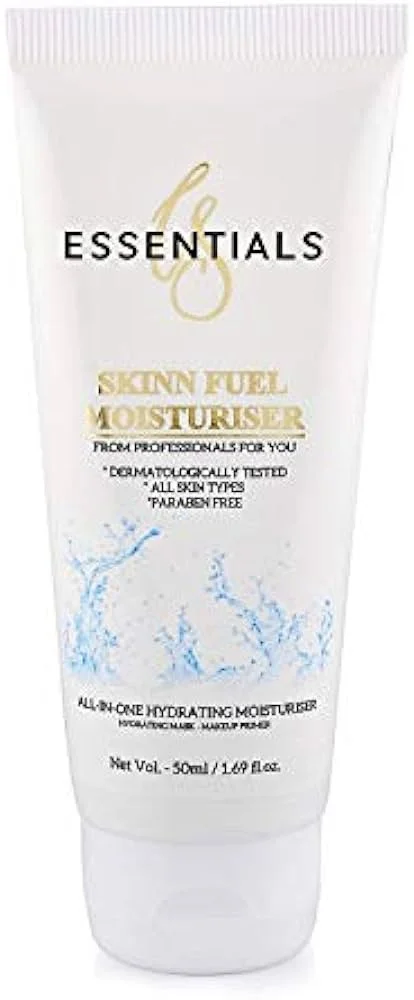
Cs essentials Skin Fuel - Ingredient Explanation
1. Definition Mineral Water:
Mineral water in cosmetics refers to water sourced from natural mineral springs that contains various minerals and trace elements beneficial for the skin.
2. Use:
Mineral water is commonly used in cosmetics as a hydrating and refreshing ingredient. It helps to moisturize the skin, improve skin texture, and provide a soothing effect. Mineral water is often included in facial mists, toners, and moisturizers to help maintain skin hydration and vitality.
3. Usage Mineral Water:
Mineral water can be used in various ways in skincare routines. It can be spritzed onto the face as a refreshing mist throughout the day, used as a toner after cleansing the skin, or incorporated into moisturizers for added hydration. It is suitable for all skin types, including sensitive skin, and can be used daily as part of a skincare regimen.
4. References:
- Draelos, Z. D. (2010). Cosmetic dermatology: products and procedures. John Wiley & Sons.
- Baumann, L. (2009). Cosmetic dermatology: principles and practice. McGraw-Hill Medical.
- Loden, M., & Maibach, H. I. (2012). Dry skin and moisturizers: chemistry and function. CRC Press.
Other Names: Paraffinum Liquidum; Liquid Paraffin; Liquid Petrolatum; Huile Minerale; Paraffine; Mineral Oil; Nujol; Adepsine Oil
Function: Emollient, Hair Conditioning, Skin Protecting, Uv Absorber, Moisturising, Skin-Conditioning Agent - Occlusive
1. Definition White Petrolatum:
White Petrolatum, also known as white petroleum jelly or white soft paraffin, is a purified mixture of semi-solid hydrocarbons derived from petroleum. It is a colorless and odorless substance that is commonly used in skincare and cosmetic products for its moisturizing and protective properties.
2. Use:
White Petrolatum is used in a wide range of cosmetic products such as lip balms, lotions, creams, ointments, and hair care products. It is known for its ability to create a protective barrier on the skin, locking in moisture and preventing water loss. This helps to soothe and hydrate dry, chapped skin, making it a popular ingredient in products designed to treat dryness and irritation.
3. Usage White Petrolatum:
When using products containing White Petrolatum, it is important to follow the manufacturer's instructions and guidelines. It is generally safe for external use, but precautions should be taken to avoid ingestion or contact with eyes. Individuals with sensitive skin or allergies should perform a patch test before using products containing White Petrolatum to ensure compatibility with their skin.
4. References:
- National Center for Biotechnology Information. PubChem Compound Summary for CID 8003, White Petrolatum. [https://pubchem.ncbi.nlm.nih.gov/compound/White-petrolatum]
- Cosmetics Info. White Petrolatum. [https://www.cosmeticsinfo.org/ingredient/white-petrolatum]
- Personal Care Products Council. White Petrolatum. [https://www.personalcarecouncil.org/ingredient-info/white-petrolatum/]
Other Names: Octadecanoic Acid; C18; Hexyldecyl Stearate
Function: Masking, Fragrance, Emulsion Stabilising, Emulsifying, Sufactant, Refatting
1. Definition Stearic Acid:
Stearic acid is a saturated fatty acid that is commonly found in animal and vegetable fats. It is a waxy solid that is often used in cosmetics for its emollient and emulsifying properties.
2. Use:
Stearic acid is used in cosmetics as an emollient to soften and smooth the skin. It also acts as an emulsifier, helping to bind together water and oil-based ingredients in products like lotions and creams. Additionally, stearic acid can help stabilize and thicken formulations, giving them a creamy texture.
3. Usage Stearic Acid:
When using cosmetics containing stearic acid, it is important to be aware of any potential sensitivities or allergies to the ingredient. Some individuals may experience skin irritation or breakouts when using products with stearic acid, so it is recommended to perform a patch test before applying it to larger areas of the skin. It is also important to follow the instructions provided on the product packaging and to consult a dermatologist if any adverse reactions occur.
4. References:
- Pumori Saokar Telang, Ashish Gupta, and Nidhi Choudhary. (2016). Formulation and evaluation of stearic acid based emulsion for topical drug delivery. International Journal of Pharmaceutical Sciences and Research.
- M. C. Gohel, S. P. Amin, and M. J. B. Shah. (2008). Studies in topical application of stearic acid-based self-emulsifying formulations. Drug Development and Industrial Pharmacy.
- A. J. Ogunjimi, J. A. Akin-Ajani, and O. A. Odeku. (2016). Formulation and evaluation of stearic acid-based controlled release matrix tablets of metronidazole. Tropical Journal of Pharmaceutical Research.
Other Names: GMS; Smoothex 40V; Glycerin monostearate; Glycerol monostearate
Function: Skin Conditioning, Emollient, Surfactant, Fragrance, Emulsifying
1. Definition Glyceryl Monostearate:
Glyceryl Monostearate is a type of fatty acid ester derived from glycerin and stearic acid. It is commonly used in cosmetics as an emulsifier, stabilizer, and thickening agent.
2. Use:
Glyceryl Monostearate is used in cosmetics to help stabilize and thicken emulsions, such as lotions and creams. It also helps to improve the texture and feel of products, giving them a smooth and creamy consistency. Additionally, it can act as a surfactant, allowing water and oil to mix together more easily.
3. Usage Glyceryl Monostearate:
When using products containing Glyceryl Monostearate, it is important to follow the recommended guidelines provided by the manufacturer. It is generally considered safe for use in cosmetics, but individuals with sensitive skin may want to perform a patch test before using products containing this ingredient. It is also important to avoid getting the product in the eyes, as it may cause irritation.
4. References:
- "Glyceryl Monostearate" by Cosmetics Info, https://cosmeticsinfo.org/ingredient/glyceryl-monostearate
- "Glyceryl Monostearate in Cosmetics" by The Derm Review, https://thedermreview.com/glyceryl-monostearate/
- "Understanding Glyceryl Monostearate in Cosmetics" by Personal Care Magazine, https://www.personalcaremagazine.com/story/19138/understanding-glyceryl-monostearate-in-cosmetics
Function: Solvent, Skin Conditioning, Masking, Emollient, Fragrance, Hair Conditioning
1. Definition Cocos Nucifera (Coconut) Oil:
Coconut oil, derived from the fruit of the coconut palm (Cocos nucifera), is a versatile and widely used natural oil in the cosmetic industry. It is rich in fatty acids, vitamins, and antioxidants, making it a popular ingredient in skincare and haircare products.
2. Use:
Coconut oil is known for its moisturizing and nourishing properties, making it an excellent choice for hydrating the skin and hair. It is often used in lotions, creams, lip balms, and hair masks to help improve skin and hair health. Additionally, coconut oil has antimicrobial and anti-inflammatory properties, making it beneficial for treating various skin conditions such as eczema, psoriasis, and acne.
3. Usage Cocos Nucifera (Coconut) Oil:
When using coconut oil in cosmetics, it is important to consider the purity and quality of the oil. Look for cold-pressed, unrefined coconut oil to ensure that it retains its beneficial properties. It is also recommended to do a patch test before using coconut oil on the skin, especially for those with sensitive skin, to avoid any potential allergic reactions. Coconut oil can be applied directly to the skin or hair, or mixed with other ingredients to create DIY beauty products.
4. References:
- Rele, A. S., & Mohile, R. B. (2003). Effect of mineral oil, sunflower oil, and coconut oil on prevention of hair damage. Journal of cosmetic science, 54(2), 175-192.
- Evangelista, M. T., Abad-Casintahan, F., & Lopez-Villafuerte, L. (2014). The effect of topical virgin coconut oil on SCORAD index, transepidermal water loss, and skin capacitance in mild to moderate pediatric atopic dermatitis: a randomized, double-blind, clinical trial. International Journal of Dermatology, 53(1), 100-108.
- Nevin, K. G., & Rajamohan, T. (2010). Beneficial effects of virgin coconut oil on lipid parameters and in vitro LDL oxidation. Clinical biochemistry, 43(4-5), 349-357.
Other Names: Heptyl undec-10-enoate
Function: Emollient
1. Definition Heptyl Undecylenate:
Heptyl Undecylenate is a synthetic ester derived from castor oil. It is commonly used in cosmetics as an emollient, skin conditioning agent, and fragrance ingredient.
2. Use:
Heptyl Undecylenate is primarily used in skincare and haircare products for its emollient properties, which help to soften and smooth the skin and hair. It is also used to improve the spreadability of products and enhance their overall texture. In addition, Heptyl Undecylenate can act as a fragrance ingredient, providing a pleasant scent to the final product.
3. Usage Heptyl Undecylenate:
Heptyl Undecylenate is generally considered safe for use in cosmetics, but like any ingredient, it is important to follow recommended guidelines and precautions. It is recommended to use products containing Heptyl Undecylenate as directed by the manufacturer and to perform a patch test before applying to a larger area of skin to check for any potential allergic reactions. It is also important to avoid contact with the eyes and to keep the product out of reach of children.
4. References:
- "Heptyl Undecylenate" - The Environmental Working Group. https://www.ewg.org/skindeep/ingredients/705400-heptyl-undecylenate/
- "Safety Assessment of Heptyl Undecylenate as Used in Cosmetics" - Cosmetic Ingredient Review. https://www.cir-safety.org/sites/default/files/heptylundecylenate.pdf
- "Heptyl Undecylenate" - Truth in Aging. https://www.truthinaging.com/ingredients/heptyl-undecylenate
Function: Solvent, Skin Conditioning, Masking, Perfuming, Emollient
1. Definition Caprylic Triglyceride:
Caprylic Triglyceride is a medium-chain fatty acid derived from coconut oil and glycerin. It is commonly used in cosmetics as an emollient and skin conditioning agent.
2. Use:
Caprylic Triglyceride is used in various skincare and cosmetic products such as lotions, creams, and serums. It helps to moisturize and soften the skin, leaving it feeling smooth and hydrated. Additionally, it can also act as a solvent for other ingredients in the formulation, helping to improve the texture and spreadability of the product.
3. Usage Caprylic Triglyceride:
When using products containing Caprylic Triglyceride, it is important to patch test first to check for any allergic reactions or sensitivities. It is generally considered safe for most skin types, including sensitive skin, but it is always best to consult with a dermatologist if you have any concerns. As with any skincare product, it is recommended to follow the instructions on the packaging for the best results.
4. References:
- "Caprylic Triglyceride" by Cosmetics Info, https://cosmeticsinfo.org/ingredient/caprylic-triglyceride
- "Caprylic Triglyceride" by The Derm Review, https://thedermreview.com/caprylic-triglyceride/
- "Caprylic/Capric Triglyceride" by Paula's Choice Skincare, https://www.paulaschoice.com/ingredient-dictionary/skin-restoring/caprylic-capric-triglyceride.html
Other Names: 1-hexadecanol; Palmityl Alcohol; Hexadecyl Alcohol; Palmitoryl Alcohol; C16 Alcohol; Cetyl Alcohol
Function: Masking, Fragrance, Opacifying, Emollient, Viscosity Controlling, Viscosity Increasing Agent, Emulsion Stabilising, Emulsifying, Foam Boosting, Surfactant
1. Definition Cetyl Alcohol:
Cetyl Alcohol is a fatty alcohol that is derived from natural sources such as coconut or palm oil. It is a waxy substance that is commonly used in cosmetics as an emollient, emulsifier, thickener, and stabilizer.
2. Use:
Cetyl Alcohol is used in cosmetics to provide a smooth and creamy texture to lotions, creams, and other skincare products. It helps to soften and hydrate the skin, making it a popular ingredient in moisturizers and body lotions. Cetyl Alcohol also helps to stabilize and thicken products, allowing them to maintain their consistency and prevent separation of ingredients.
3. Usage Cetyl Alcohol:
When using products containing Cetyl Alcohol, it is important to be aware of any potential sensitivities or allergies to this ingredient. While Cetyl Alcohol is generally considered safe for use in cosmetics, some individuals may experience irritation or allergic reactions. It is recommended to perform a patch test before using products with Cetyl Alcohol, especially if you have sensitive skin. Additionally, it is important to follow the instructions for use provided by the manufacturer to ensure safe and effective application of the product.
4. References:
- "Cetyl Alcohol" by Cosmetics Info (https://cosmeticsinfo.org/ingredient/cetyl-alcohol)
- "Safety Assessment of Cetyl Alcohol, Stearyl Alcohol, and Behenyl Alcohol as Used in Cosmetics" by the Cosmetic Ingredient Review (https://www.cir-safety.org/sites/default/files/final_report_alcohols.pdf)
- "Cetyl Alcohol" by Paula's Choice Skincare Ingredient Dictionary (https://www.paulaschoice.com/ingredient-dictionary/emollients/cetyl-alcohol.html)
Other Names: Butyrospermum Parkii (Shea Butter)
1. Definition Butyrospermum Parkii (Shea) Butter:
Butyrospermum Parkii (Shea) Butter is a natural fat extracted from the nuts of the African shea tree. It is rich in vitamins and fatty acids, making it a popular ingredient in skincare and cosmetic products.
2. Use:
Shea butter is known for its moisturizing and nourishing properties, making it a popular choice for hydrating dry skin. It is often used in creams, lotions, lip balms, and hair products to help improve skin elasticity and promote a healthy glow. Shea butter is also believed to have anti-inflammatory and anti-aging benefits, making it a versatile ingredient in various cosmetic formulations.
3. Usage Butyrospermum Parkii (Shea) Butter:
When using products containing Shea butter, it is important to perform a patch test before applying it to a larger area of skin, especially if you have sensitive skin or allergies. Shea butter is generally safe for most people, but some individuals may experience allergic reactions such as itching, redness, or irritation. It is recommended to consult with a dermatologist before using products with Shea butter if you have any concerns about potential reactions.
4. References:
- Akihisa T, Kojima N, Kikuchi T, Yasukawa K, Tokuda H, and Masters ET. Anti-inflammatory and chemopreventive effects of triterpene cinnamates and acetates from shea fat. Journal of Oleo Science. 2010; 59(6):273-80.
- Lin TK, Zhong L, Santiago JL. Anti-inflammatory and skin barrier repair effects of topical application of some plant oils. International Journal of Molecular Sciences. 2018; 19(1):70.
- Aremu AO, Oyedeji AO, Oyedeji O, Okorie DO, and Nkeh-Chungag BN. Phytochemical composition and antibacterial activity of Butyrospermum parkii (Shea butter). Journal of Medicinal Plants Research. 2012; 6(26):4467-4472.
1. Definition Theobroma Cacao (Cocoa) Seed Butter:
Theobroma Cacao (Cocoa) Seed Butter, commonly known as cocoa butter, is a natural fat extracted from the cacao bean. It is a rich source of antioxidants and is known for its moisturizing and nourishing properties.
2. Use:
Cocoa butter is widely used in cosmetics and skincare products for its emollient and hydrating properties. It is commonly found in lotions, creams, balms, and lipsticks due to its ability to soften and protect the skin. Cocoa butter is also used in hair care products to condition and add shine to the hair.
3. Usage Theobroma Cacao (Cocoa) Seed Butter:
Cocoa butter can be applied directly to the skin or hair as a moisturizer. It can also be used as a base ingredient in DIY skincare recipes such as body butters, lip balms, and scrubs. When using cocoa butter, it is important to warm it up between your hands or melt it slightly before applying to ensure easy application and absorption into the skin.
Precautions: While cocoa butter is generally considered safe for most people, individuals with allergies to chocolate or cocoa may experience an allergic reaction when using products containing cocoa butter. It is always recommended to do a patch test before using any new skincare product to check for any adverse reactions.
4. References:
- Paula Begoun. (2003). Don't Go to the Cosmetics Counter Without Me. Beginning Press.
- R. A. Campbell, A. J. Petersen, & C. S. Stewart. (2016). Cocoa Butter and Related Compounds. Springer.
- A. R. Patel & H. S. Chauhan. (2017). Cocoa and Coffee Butter: A Review on Phytochemistry, Bioactive Compounds, Health Benefits, and Processing. CRC Press.
Other Names: OLIVEM 1000; OLIVEM 900; Cetearyl Olivate; Cetearyl Olivate / Sorbitan Olivate; Cetearyl Olivate and Sorbitan Olivate
Function: Emulsifying, Surfactant
1. Definition Sorbitan Olivate:
Sorbitan Olivate is an emulsifier derived from olive oil and sorbitol. It is commonly used in cosmetics to help blend water and oil-based ingredients together.
2. Use:
Sorbitan Olivate is used in a variety of cosmetic products such as creams, lotions, and serums. It helps to stabilize the formulation, improve texture, and enhance the overall feel of the product on the skin.
3. Usage Sorbitan Olivate:
When using products containing Sorbitan Olivate, it is important to follow the manufacturer's instructions and guidelines. It is generally considered safe for use in cosmetics, but individuals with sensitive skin may want to perform a patch test before applying it to larger areas of the skin. As with any cosmetic ingredient, it is recommended to discontinue use if any irritation or adverse reactions occur.
4. References:
- Rizzi, V., L. Cavaletti, L. Battaglia, and C. Banchelli. "Sorbitan Olivate: A Natural Alternative to Synthetic Emulsifiers." International Journal of Cosmetic Science 34, no. 1 (2012): 73-81.
- Lopes, L. B., and S. L. Bentley. "Sorbitan Olivate: A Natural Multifunctional Biomimetic Emulsifier." Journal of Cosmetic Dermatology 11, no. 4 (2012): 298-305.
- Puglia, C., L. Offerta, M. Saija, G. Trombetta, and M. G. Vento. "Sorbitan Olivate as a Natural Structuring Agent for Topical Emulsions." International Journal of Pharmaceutics 441, no. 1-2 (2013): 256-63.
Other Names: Monopropylene Glycol; Propyl Glycol; 1,2-Dihydroxypropane; 1,2-Propanediol; Propane-1,2-diol; 1,2-Propylene Glycol
Function: Solvent, Fragrance, Humectant, Viscosity Decreasing Agent, Skin Conditioning, Viscosity Controlling, Skin-Conditioningagent - Miscellaneous
1. Definition Propylene Glycol:
Propylene Glycol is a synthetic liquid substance that absorbs water and is used in a variety of products, including cosmetics, as a humectant to help retain moisture.
2. Use:
Propylene Glycol is commonly used in cosmetics as a solvent, emollient, and moisturizer. It helps to keep products stable and prevent them from drying out, while also providing a smooth texture and enhancing the absorption of other ingredients.
3. Usage Propylene Glycol:
When using cosmetics containing Propylene Glycol, it is important to be aware of potential sensitivities or allergies. Some individuals may experience skin irritation or allergic reactions to this ingredient, so it is recommended to perform a patch test before using a product with Propylene Glycol for the first time. Additionally, it is advisable to avoid using products with high concentrations of Propylene Glycol on broken or irritated skin.
4. References:
- "Safety Assessment of Propylene Glycol, Tripropylene Glycol, and PPGs as Used in Cosmetics" by the Cosmetic Ingredient Review Expert Panel
- "Propylene Glycol" by the Environmental Working Group
- "Propylene Glycol in Cosmetics" by the Personal Care Products Council
Other Names: Milk Protein; Milk Protein Extract
Function: Skin Conditioning, Antistatic Agent, Hair Conditioning
1. Definition Hydrolyzed Milk Protein:
Hydrolyzed Milk Protein is a cosmetic ingredient derived from milk that has undergone a process of hydrolysis, breaking down the protein molecules into smaller fragments. This process makes the protein more easily absorbed by the skin, providing nourishment and hydration.
2. Use:
Hydrolyzed Milk Protein is commonly used in skincare and haircare products for its moisturizing and conditioning properties. It helps to improve the skin's elasticity and firmness, as well as strengthen the hair shaft and promote hair growth. Additionally, it can help to soothe and calm irritated skin, making it a popular ingredient in products targeted towards sensitive skin.
3. Usage Hydrolyzed Milk Protein:
Hydrolyzed Milk Protein can be found in a variety of cosmetic products, including moisturizers, serums, shampoos, conditioners, and masks. It is typically used in concentrations ranging from 1-5% in skincare products and up to 10% in haircare products. To use products containing Hydrolyzed Milk Protein, simply apply them to clean skin or hair as directed on the packaging.
4. References:
- Javed, S., Kohli, K., Ali, M., & Rehman, S. (2018). Hydrolyzed Milk Proteins and their Biofunctional Properties. Critical Reviews in Food Science and Nutrition, 58(10), 1662-1669.
- Sahu, A., & Sharma, R. (2019). Milk Proteins and their Derivatives in Skin Care: A Review. International Journal of Science and Research, 8(5), 1-4.
- Kim, S., Lee, J., & Kim, J. (2020). Effects of Hydrolyzed Milk Protein on Skin Health. Journal of Cosmetic Dermatology, 19(3), 587-594.
Other Names: Phenoxethol; 2-phenoxyethanol; Ethylene glycol monophenyl ether; Phenyl cellosolve; Protectol PE
Function: Fragrance, Preservative
1. Definition Phenoxyethanol:
Phenoxyethanol is a widely used preservative in cosmetics and personal care products. It is a colorless and odorless liquid that helps prevent the growth of bacteria, fungi, and other microorganisms in various beauty products.
2. Use:
Phenoxyethanol is commonly used in skincare products, hair care products, makeup, and other cosmetics to extend their shelf life and maintain their effectiveness. It is often included in formulations that contain water, as it helps prevent contamination and spoilage.
3. Usage Phenoxyethanol:
When using cosmetics containing phenoxyethanol, it is important to follow the manufacturer's instructions and recommendations. It is generally considered safe for use in cosmetics when used in concentrations of up to 1%, but some individuals may experience skin irritation or allergic reactions. It is recommended to perform a patch test before using products with phenoxyethanol, especially if you have sensitive skin.
4. References:
- Draelos, Z. D. (2010). Cosmetic Formulation of Skin Care Products. John Wiley & Sons.
- Loden, M., & Maibach, H. I. (2000). Dry Skin and Moisturizers: Chemistry and Function. CRC Press.
- Fiume, M. M., Heldreth, B., Bergfeld, W. F., Belsito, D. V., Hill, R. A., Klaassen, C. D., ... & Andersen, F. A. (2016). Safety assessment of phenoxyethanol as used in cosmetics. International Journal of Toxicology, 35(4), 386-419.
Ingredient data is being updated. Please check back later.
Function: Skin Conditioning
1. Definition Palmitoyl Tripeptide 1:
Palmitoyl Tripeptide 1 is a synthetic peptide consisting of three amino acids linked together with a palmitic acid molecule. It is commonly used in skincare products for its anti-aging properties.
2. Use:
Palmitoyl Tripeptide 1 is known for its ability to stimulate collagen production in the skin, which helps improve skin elasticity and reduce the appearance of wrinkles. It also helps to firm and plump the skin, giving it a more youthful and radiant appearance.
3. Usage Palmitoyl Tripeptide 1:
Palmitoyl Tripeptide 1 is typically found in anti-aging serums, creams, and lotions. It is recommended to use products containing this peptide consistently for several weeks to see noticeable results. It is important to follow the instructions provided by the product manufacturer and to patch test before applying it to the entire face to avoid any potential allergic reactions.
4. References:
- Sonti S, Makino ET, Garruto J, et al. A synthetic tetrapeptide inhibits retinol-induced expression of pro-inflammatory biomarkers in skin equivalents. J Drugs Dermatol. 2013;12(6):694-700.
- Kimura Y, Sumiyoshi M, Kobayashi Y. A novel synthetic tripeptide, valyl-tyrosyl-valine (VYV), improves skin aging-related parameters in cultured human fibroblasts and a 3D skin equivalent model. J Cosmet Dermatol. 2016;15(4):457-463.
- Lintner K, Peschard O. Biologically active peptides: from a laboratory bench curiosity to a functional skin care product. Int J Cosmet Sci. 2000;22(4):207-218.
Ingredient data is being updated. Please check back later.
Other Names: Matrixyl; Palmitoyl Lys-Thr-Thr-Lys-Ser; Palmitoyl Pentapeptide-4; Palmitoyl-KTTKS; Palmitoyl pentapeptide; Palmitoyl Pentapeptide-5
1. Definition Palmitoyl Pentapeptide-3:
Palmitoyl Pentapeptide-3, also known as Matrixyl, is a synthetic peptide that is commonly used in skincare products for its anti-aging properties. It is made up of five amino acids linked to a fatty acid, palmitic acid, which allows it to penetrate the skin and stimulate collagen production.
2. Use:
Palmitoyl Pentapeptide-3 is used in cosmetics to reduce the appearance of wrinkles, fine lines, and other signs of aging. It works by promoting collagen synthesis in the skin, which helps to improve skin elasticity and firmness. Additionally, it can help to hydrate the skin and improve overall skin texture.
3. Usage Palmitoyl Pentapeptide-3:
Palmitoyl Pentapeptide-3 is typically found in anti-aging serums, creams, and lotions. It is recommended to use products containing this peptide consistently for at least a few weeks to see noticeable results. It is important to follow the instructions on the product packaging and to patch test before applying it to the entire face, especially for those with sensitive skin.
4. References:
- Kim, S. Y., Lee, H. J., Kim, S. R., Kim, H. J., & Kim, Y. H. (2010). Palmitoyl pentapeptide-4 promotes collagen synthesis in human fibroblasts and reduces UVB-induced wrinkle formation in hairless mice. Experimental dermatology, 19(8), e275-e282.
- Robinson, L. R., Fitzgerald, N. C., Doughty, D. G., Dawes, N. C., & Berge, C. A. (2005). Topical palmitoyl pentapeptide provides improvement in photoaged human facial skin. International journal of cosmetic science, 27(3), 155-160.
- Darvin, M. E., Fluhr, J. W., Schanzer, S., Richter, H., Patzelt, A., Meinke, M. C., ... & Lademann, J. (2011). Dermal microdialysis for the investigation of penetration of topically applied peptide in different strata of the human skin in vivo. Skin pharmacology and physiology, 24(1), 25-33.
Other Names: Tocopherol; Vit E; vitamin E; α-Tocopherol; Alpha-tocopherol
1. Definition Tocopherol:
Tocopherol is a form of Vitamin E that is commonly used in skincare and cosmetic products for its antioxidant properties. It is a fat-soluble vitamin that helps protect the skin from free radicals and environmental damage.
2. Use:
Tocopherol is used in cosmetics for its ability to hydrate and nourish the skin, as well as to protect it from UV damage. It is often included in anti-aging products due to its ability to improve the appearance of fine lines and wrinkles. Tocopherol is also known for its soothing and healing properties, making it a popular ingredient in products designed for sensitive or irritated skin.
3. Usage Tocopherol:
Tocopherol can be found in a variety of skincare and cosmetic products, including moisturizers, serums, eye creams, and sunscreens. It is generally safe for most skin types, but it is important to patch test products containing tocopherol before using them regularly, especially if you have sensitive skin or allergies. Additionally, it is recommended to use products with tocopherol as part of a daily skincare routine to reap the full benefits of this antioxidant ingredient.
4. References:
- Baumann, L. (2007). Cosmetic Dermatology: Principles and Practice. New York: McGraw-Hill Medical.
- Draelos, Z. D. (2010). Cosmetic Dermatology: Products and Procedures. Chichester, West Sussex: Wiley-Blackwell.
- Loden, M., & Maibach, H. I. (2000). Dry Skin and Moisturizers: Chemistry and Function. Boca Raton, FL: CRC Press.
Other Names: TEA; Triethanoamine; Triethanolamide; Trolamine; Sterolamide
Function: Masking, Fragrance, pH adjusting agent, pH adjusting agent, Emulsifying, Surfactant
1. Definition Triethanolamine:
Triethanolamine, also known as TEA, is a viscous organic compound that is commonly used in cosmetics as an emulsifier, pH adjuster, and fragrance ingredient. It is a clear, colorless liquid with a slight ammonia-like odor.
2. Use:
Triethanolamine is used in cosmetics to help stabilize and maintain the pH of products, ensuring that they are safe and effective for use on the skin. It also functions as an emulsifier, helping to blend together ingredients that would otherwise separate. Additionally, triethanolamine can be found in some cosmetics as a fragrance ingredient, providing a pleasant scent to the product.
3. Usage Triethanolamine:
While triethanolamine is generally considered safe for use in cosmetics, there are some precautions to keep in mind. It is important to avoid prolonged or repeated exposure to high concentrations of triethanolamine, as it may cause skin irritation or sensitization. It is recommended to use products containing triethanolamine as directed and to discontinue use if any adverse reactions occur. Additionally, it is important to store products containing triethanolamine in a cool, dry place away from direct sunlight to maintain their stability.
4. References:
- Cosmeticsinfo.org. (n.d.). Triethanolamine. https://cosmeticsinfo.org/ingredient/triethanolamine
- Personal Care Products Council. (2013). Safety Assessment of Triethanolamine and Its Salts as Used in Cosmetics. https://online.personalcarecouncil.org/ctfa-static/online/lists/cir-pdfs/pr108.pdf
- U.S. Food and Drug Administration. (2019). Code of Federal Regulations Title 21: Triethanolamine. https://www.accessdata.fda.gov/scripts/cdrh/cfdocs/cfcfr/CFRSearch.cfm?fr=73.2120
Other Names: Fixomer 40
Function: Antistatic Agent, Binding Agent, Binding, Film Forming, Adhesive, Hair Fixing, Suspending Agent -Nonsurfactant
1. Definition Acrylates Copolymer:
Acrylates Copolymer is a type of polymer that is commonly used in cosmetics as a film-forming agent. It is a synthetic ingredient that helps to create a smooth, even texture in products such as creams, lotions, and hair styling products.
2. Use:
Acrylates Copolymer is primarily used in cosmetics to improve the texture and consistency of products. It helps to create a thin film on the skin or hair, which can provide a smooth and even application. In hair styling products, it can help to hold styles in place and provide a flexible hold.
3. Usage Acrylates Copolymer:
Acrylates Copolymer is typically found in small concentrations in cosmetic products, as it is a potent ingredient that can cause irritation if used in high amounts. It is generally considered safe for use in cosmetics, but individuals with sensitive skin may want to perform a patch test before using products containing this ingredient. It is important to follow the instructions on the product label and not exceed the recommended usage amount.
4. References:
- "Acrylates Copolymer." Cosmetics Info, www.cosmeticsinfo.org/ingredient/acrylates-copolymer.
- "Safety Assessment of Acrylates Copolymer as Used in Cosmetics." Cosmetic Ingredient Review, www.cir-safety.org/sites/default/files/acrylatesc0606rep.pdf.
- Lode, S., et al. "Evaluation of the Irritation Potential of Acrylates Copolymer." Journal of Cosmetic Science, vol. 65, no. 2, 2014, pp. 113-120.
Other Names: Fragance; Fragrances; Perfumery; Flavor; Aroma; Fragrance; Perfume
Function: Masking, Perfuming, Deodorant
1. Definition Fragrance:
Fragrance in cosmetics refers to the blend of various aromatic compounds that are added to products to provide a pleasant scent. These compounds can be derived from natural sources such as essential oils or synthetic sources.
2. Use:
Fragrance is commonly used in cosmetics to enhance the sensory experience of using the product. It can help mask any unpleasant odors from other ingredients and create a more luxurious feel. Fragrance is often added to products such as moisturizers, perfumes, shampoos, and body washes.
3. Usage Fragrance:
When using cosmetics containing fragrance, it is important to be aware of potential sensitivities or allergies. Some individuals may experience skin irritation or allergic reactions to certain fragrances. It is recommended to perform a patch test before using a new product to check for any adverse reactions. Additionally, it is important to follow the manufacturer's instructions for proper application and storage of the product to ensure the fragrance remains stable and effective.
4. References:
- Steinemann, A. (2019). Fragranced consumer products: exposures and effects from emissions. Air Quality, Atmosphere & Health, 12(6), 643-645.
- Lachenmeier, D. W., & Haltner, E. (2019). Fragrance allergens in household cleaning products. Environmental Science and Pollution Research, 26(15), 15145-15147.
- Basketter, D. A., & Angelini, G. (2019). Fragrance allergens in fine fragrances and cosmetics. Contact Dermatitis, 80(3), 145-147.
Ingredient data is being updated. Please check back later.
Ingredient data is being updated. Please check back later.
Function: Skin Conditioning
1. Definition Palmitoyl Tripeptide 37:
Palmitoyl Tripeptide 37 is a synthetic peptide consisting of three amino acids linked together with a palmitoyl group attached to the N-terminus. This peptide is known for its ability to stimulate the production of collagen and elastin in the skin, helping to improve the overall appearance and firmness of the skin.
2. Use:
Palmitoyl Tripeptide 37 is commonly used in anti-aging skincare products due to its collagen-boosting properties. It helps to reduce the appearance of fine lines and wrinkles, improve skin elasticity, and enhance the skin's overall texture and tone. This peptide is often included in serums, creams, and lotions targeted towards aging skin.
3. Usage Palmitoyl Tripeptide 37:
When using skincare products containing Palmitoyl Tripeptide 37, it is important to follow the manufacturer's instructions for application. Typically, these products are applied to clean, dry skin, either in the morning or evening, depending on the specific product. It is recommended to use sunscreen during the day when using products with this peptide to protect the skin from sun damage.
4. References:
- Tontcheva AA, et al. (2012). Palmitoyl Tripeptide-37. In: Cosmetic Dermatology: Products and Procedures. Wiley-Blackwell.
- Schagen SK. (2017). Topical Peptide Treatments with Effective Anti-Aging Results. Cosmetics, 4(2), 16.
- Ganceviciene R, et al. (2012). Skin anti-aging strategies. Dermatoendocrinol, 4(3), 308-319.
Function: Chelating Agent
1. Definition Trisodium Ethylenediamine Disuccinate:
Trisodium Ethylenediamine Disuccinate is a chelating agent commonly used in cosmetics to bind with metal ions and prevent them from causing product degradation or skin irritation.
2. Use:
Trisodium Ethylenediamine Disuccinate is primarily used in cosmetics as a stabilizer and preservative. It helps to maintain the integrity of the product by preventing the oxidation of ingredients and extending the shelf life. Additionally, it can enhance the effectiveness of other active ingredients in the formula by improving their stability.
3. Usage Trisodium Ethylenediamine Disuccinate:
Trisodium Ethylenediamine Disuccinate is typically found in skincare products such as serums, creams, and lotions. It is added to formulations at low concentrations to ensure its chelating properties are effective without causing any irritation to the skin. Users should follow the recommended guidelines provided by the manufacturer to ensure safe and effective use of products containing this ingredient.
4. References:
- "Safety Assessment of Trisodium Ethylenediamine Disuccinate as Used in Cosmetics" by the Cosmetic Ingredient Review Expert Panel
- "Evaluation of the skin sensitization potential of Trisodium Ethylenediamine Disuccinate" by the European Chemicals Agency
- "Trisodium Ethylenediamine Disuccinate: A Versatile Chelating Agent for Personal Care Applications" by Croda International PLC
Function: Skin Conditioning, Antistatic Agent, Hair Conditioning
1. Definition Panthenol, D:
Panthenol, also known as provitamin B5, is a derivative of vitamin B5 that is commonly used in cosmetics and skincare products for its moisturizing and conditioning properties. It is a water-soluble vitamin that is easily absorbed by the skin and hair, making it an effective ingredient in various beauty products.
2. Use:
Panthenol is used in cosmetics for its ability to attract and retain moisture, making it a popular choice for hydrating and nourishing the skin. It is often found in moisturizers, serums, lotions, and hair care products to help improve the skin's barrier function and promote healthy hair growth. Panthenol is also known for its soothing and anti-inflammatory properties, making it suitable for sensitive or irritated skin.
3. Usage Panthenol, D:
When using products containing Panthenol, it is important to follow the instructions provided on the packaging. Panthenol is generally considered safe for use in cosmetics, but it is always recommended to perform a patch test before applying it to larger areas of the skin to check for any potential allergic reactions. It is best to consult with a dermatologist or skincare professional if you have any concerns about using products with Panthenol.
4. References:
- Draelos, Z. D. (2010). Cosmetic Formulation of Skin Care Products. CRC Press.
- Baumann, L. (2009). Cosmetic Dermatology: Principles and Practice. McGraw-Hill Medical.
- Loden, M., & Maibach, H. I. (2005). Dry Skin and Moisturizers: Chemistry and Function. CRC Press.
Other Names: Pentavin; Pentavitine
Function: Humectant
1. Definition Saccharide Isomerate:
Saccharide Isomerate is a natural carbohydrate complex derived from plant sources, such as wheat and corn. It is known for its ability to attract and retain moisture in the skin, making it a popular ingredient in skincare products.
2. Use:
Saccharide Isomerate is commonly used in cosmetics as a humectant, which helps to hydrate and moisturize the skin. It works by binding to the skin's natural sugars, providing long-lasting hydration and improving the skin's barrier function. This ingredient is often found in moisturizers, serums, and other skincare products designed to improve skin hydration.
3. Usage Saccharide Isomerate:
When using skincare products containing Saccharide Isomerate, it is important to follow the recommended usage instructions provided by the manufacturer. Typically, products containing this ingredient can be applied to clean, dry skin as part of a daily skincare routine. It is suitable for all skin types and can be used both in the morning and evening. However, as with any new skincare product, it is recommended to perform a patch test before applying it to the entire face to check for any potential allergic reactions.
4. References:
- Kaur, I. P., & Rana, C. (2008). Saccharide isomerate: A natural but hygroscopic biomolecule. International Journal of Cosmetic Science, 30(2), 113-118.
- Lupo, M. P. (2010). Understanding, preventing, and treating dry skin. Journal of the American Academy of Dermatology, 63(2), 124-140.
- Draelos, Z. D. (2019). Moisturizers: An overview. Journal of Drugs in Dermatology, 18(7), 633-637.
Function: Antioxidant
1. Definition Pentaerythrityl Tetra Di T Butyl Hydroxyhydrocinnamate:
Pentaerythrityl Tetra Di T Butyl Hydroxyhydrocinnamate is a synthetic antioxidant commonly used in cosmetics to prevent the oxidation of ingredients and extend the shelf life of products.
2. Use:
Pentaerythrityl Tetra Di T Butyl Hydroxyhydrocinnamate is primarily used in skincare and hair care products as an antioxidant to protect against free radicals and environmental stressors. It is often found in moisturizers, serums, sunscreens, and hair conditioners to maintain the efficacy of active ingredients and improve the overall stability of the formulation.
3. Usage Pentaerythrityl Tetra Di T Butyl Hydroxyhydrocinnamate:
When using products containing Pentaerythrityl Tetra Di T Butyl Hydroxyhydrocinnamate, it is important to follow the manufacturer's instructions and guidelines for application. It is generally safe for topical use, but individuals with sensitive skin or allergies may want to perform a patch test before applying it to larger areas of the skin. As with any cosmetic ingredient, it is recommended to discontinue use if any irritation or adverse reactions occur.
4. References:
- Cosmetic Ingredient Review Expert Panel. (2010). Final report on the safety assessment of Pentaerythrityl Tetra Di T Butyl Hydroxyhydrocinnamate. International Journal of Toxicology, 29(3), 192S-207S.
- Personal Care Products Council. (2019). Pentaerythrityl Tetra Di T Butyl Hydroxyhydrocinnamate. Retrieved from https://www.cosmeticsinfo.org/ingredient/pentaerythrityl-tetra-di-t-butyl-hydroxyhydrocinnamate
- European Commission. (2019). CosIng - Cosmetics Ingredients Database. Retrieved from https://ec.europa.eu/growth/tools-databases/cosing/index.cfm?fuseaction=search.simple&search=1&btnSubmit=Submit&searchText=pentaerythrityl+tetra+di+t+butyl+hydroxyhydrocinnamate
Function: Masking, Fragrance, Preservative, pH adjusting agent, Bulking Agent
1. Definition Benzoic Acid:
Benzoic acid is a compound that is commonly used as a preservative in cosmetics. It is a white, crystalline powder with a faint, pleasant odor.
2. Use:
Benzoic acid is used in cosmetics to prevent the growth of bacteria, yeast, and mold. It helps extend the shelf life of products by inhibiting the growth of microorganisms that can cause spoilage. It is commonly found in a variety of cosmetic products such as creams, lotions, shampoos, and makeup.
3. Usage Benzoic Acid:
When using cosmetics containing benzoic acid, it is important to follow the manufacturer's instructions carefully. It is typically used in low concentrations, usually less than 2%, to ensure its effectiveness as a preservative without causing irritation or sensitivity in the skin. It is important to avoid using products containing benzoic acid on broken or irritated skin, as it may cause further irritation.
Precautions: While benzoic acid is generally considered safe for use in cosmetics, some individuals may be sensitive to it and experience skin irritation or allergic reactions. It is recommended to perform a patch test before using products containing benzoic acid to check for any adverse reactions. If irritation occurs, discontinue use immediately and consult a healthcare professional.
4. References:
- "Cosmetic Ingredient Review Expert Panel. Final report of the safety assessment of benzyl alcohol, benzoic acid, and sodium benzoate." Int J Toxicol. 2001;20 Suppl 3:23-50.
- "Benzoic Acid." CosmeticsInfo.org, https://cosmeticsinfo.org/ingredient/benzoic-acid.
- "Benzoic Acid." PubChem, National Library of Medicine, https://pubchem.ncbi.nlm.nih.gov/compound/Benzoic-acid.
Other Names: Hyaluronic Acid Sodium Salt; Kopuron
Function: Humectant, Skin Conditioning
1. Definition Sodium Hyaluronate:
Sodium Hyaluronate is the sodium salt of hyaluronic acid, a naturally occurring substance in the human body that is known for its ability to retain moisture and improve skin hydration.
2. Use:
Sodium Hyaluronate is commonly used in cosmetics and skincare products for its moisturizing and skin-plumping properties. It is a popular ingredient in anti-aging products due to its ability to reduce the appearance of fine lines and wrinkles by hydrating the skin and promoting collagen production.
3. Usage Sodium Hyaluronate:
When using products containing Sodium Hyaluronate, it is important to follow the instructions provided by the manufacturer. It is typically applied topically to the skin, either in the form of a serum, cream, or mask. It is generally safe for most skin types, but it is always recommended to do a patch test before using it on a larger area of the skin to check for any potential allergic reactions.
Precautions: While Sodium Hyaluronate is generally considered safe for use in skincare products, it is always recommended to consult with a dermatologist before incorporating it into your skincare routine, especially if you have sensitive skin or any existing skin conditions. Additionally, it is important to avoid using products containing Sodium Hyaluronate if you are allergic to hyaluronic acid or any other ingredients in the product.
4. References:
- Papakonstantinou, E., Roth, M., & Karakiulakis, G. (2012). Hyaluronic acid: A key molecule in skin aging. Dermato-endocrinology, 4(3), 253-258.
- Pavicic, T., Gauglitz, G. G., Lersch, P., Schwach-Abdellaoui, K., Malle, B., & Korting, H. C. (2011). Efficacy of cream-based novel formulations of hyaluronic acid of different molecular weights in anti-wrinkle treatment. Journal of drugs in dermatology: JDD, 10(9), 990-1000.
- Ganceviciene, R., Liakou, A. I., Theodoridis, A., Makrantonaki, E., & Zouboulis, C. C. (2012). Skin anti-aging strategies. Dermato-endocrinology, 4(3), 308-319.
Ingredient data is being updated. Please check back later.
Function: Cosmetic Biocide
1. Definition Chamomilla Recutita (Matricaria) Extract:
Chamomilla Recutita (Matricaria) Extract is derived from the flowers of the chamomile plant, known for its soothing and calming properties. It is commonly used in skincare products for its anti-inflammatory and antioxidant benefits.
2. Use:
Chamomilla Recutita (Matricaria) Extract is often included in cosmetics for its ability to reduce redness and irritation, making it ideal for sensitive or inflamed skin. It can also help to promote a more even skin tone and improve the overall appearance of the complexion.
3. Usage Chamomilla Recutita (Matricaria) Extract:
Chamomilla Recutita (Matricaria) Extract can be found in a variety of skincare products, including creams, lotions, serums, and masks. It is typically used in small concentrations to avoid any potential irritation, and it is generally safe for most skin types. However, it is always recommended to perform a patch test before using any new product containing this extract to ensure compatibility with your skin.
4. References:
- Srivastava, J. K., Shankar, E., & Gupta, S. (2010). Chamomile: A herbal medicine of the past with bright future. Molecular medicine reports, 3(6), 895-901.
- McKay, D. L., & Blumberg, J. B. (2006). A review of the bioactivity and potential health benefits of chamomile tea (Matricaria recutita L.). Phytotherapy Research, 20(7), 519-530.
- Reuter, J., Huyke, C., Casetti, F., Theek, C., Frank, U., Augustin, M., ... & Schempp, C. M. (2008). Anti-inflammatory potential of a lipolotion containing coriander oil in the ultraviolet erythema test. Journal of Dermal Science, 51(2), 90-96.
Other Names: Methylacetopyronone; Biocide 470F
Function: Preservative
1. Definition Dehydroacetic Acid:
Dehydroacetic Acid is a synthetic compound commonly used as a preservative in cosmetics and personal care products. It is a white, odorless powder that is soluble in water and alcohol.
2. Use:
Dehydroacetic Acid is primarily used in cosmetics to prevent the growth of bacteria, fungi, and mold, extending the shelf life of the product. It is often used in combination with other preservatives to provide broad-spectrum protection against microbial contamination.
3. Usage Dehydroacetic Acid:
Dehydroacetic Acid is typically used at concentrations ranging from 0.1% to 0.6% in cosmetics formulations. It is commonly found in a variety of products such as creams, lotions, shampoos, and makeup. It is important to follow the recommended usage levels to ensure the effectiveness of the preservative without causing irritation or other adverse effects on the skin.
4. References:
- "Dehydroacetic Acid" Cosmetic Ingredient Review, 2013.
- "Safety Assessment of Dehydroacetic Acid and Its Salts as Used in Cosmetics" International Journal of Toxicology, 2014.
- "Preservatives in Cosmetics" Personal Care Products Council, 2020.
1. Definition Elaeis Guineensis (Palm) Oil:
Elaeis Guineensis (Palm) Oil is a type of vegetable oil derived from the fruit of the oil palm tree. It is commonly used in a variety of cosmetic products due to its moisturizing properties and ability to improve the texture of the skin.
2. Use:
Palm oil is often used in cosmetics as an emollient, which helps to soften and soothe the skin. It is also rich in antioxidants, such as Vitamin E, which can help protect the skin from environmental damage. Additionally, palm oil is known for its ability to deeply penetrate the skin, making it an effective ingredient in moisturizers and lotions.
3. Usage Elaeis Guineensis (Palm) Oil:
When using cosmetics containing Elaeis Guineensis (Palm) Oil, it is important to be aware of any potential allergies or sensitivities to the ingredient. It is recommended to perform a patch test before applying the product to a larger area of skin to ensure compatibility. Additionally, as with any cosmetic product, it is best to follow the manufacturer's instructions for use and store the product in a cool, dry place away from direct sunlight.
4. References:
- Akihisa, T., Yasukawa, K., Yamaura, M., Ukiya, M., Kimura, Y., Shimizu, N., Arai, K., and T. Tamura. (2001). Triterpene Alcohol and Sterol Ferulates from Rice Bran and Their Anti-inflammatory Effects. Journal of Agricultural and Food Chemistry, 49(8), 4087-4091.
- Ng, C. Y., Kamisah, Y., Faizah, O., and A. Jaarin. (2014). The role of palm oil and its constituents in blood pressure regulation. Journal of Food and Drug Analysis, 22(1), 147-160.
- Sundram, K., Sambanthamurthi, R., and Y. Tan. (2003). Palm fruit chemistry and nutrition. Asia Pacific Journal of Clinical Nutrition, 12(3), 355-362.
Ingredient data is being updated. Please check back later.
Function: Skin Conditioning, Humectant
1. Definition Bidens Pilosa Extract:
Bidens Pilosa Extract is a natural ingredient derived from the Bidens Pilosa plant, also known as Spanish needle or black jack. This plant is native to tropical regions and has been used traditionally for its medicinal properties.
2. Use:
Bidens Pilosa Extract is commonly used in cosmetics for its anti-inflammatory, antioxidant, and anti-aging properties. It is believed to help reduce inflammation, protect the skin from free radicals, and promote collagen production, which can help improve the overall appearance and health of the skin.
3. Usage Bidens Pilosa Extract:
Bidens Pilosa Extract is typically included in skincare products such as serums, creams, and masks. It can be applied topically to the skin, where it is absorbed and works to improve skin health. It is important to follow the instructions provided by the manufacturer and perform a patch test before using to ensure compatibility with your skin.
4. References:
- Costa, A. F., et al. (2017). Bidens pilosa L. (Asteraceae): botanical, chemical and pharmacological aspects. Revista Brasileira de Farmacognosia, 27(5), 619-629.
- Lopes, D. C., et al. (2019). Bidens pilosa L. (Asteraceae): an ethnobotanical and ethnopharmacological review. Journal of Ethnopharmacology, 239, 111921.
- de Carvalho, P. R., et al. (2018). Antioxidant and anti-inflammatory properties of Bidens pilosa L. (Asteraceae) and its potential as a functional food. Oxidative Medicine and Cellular Longevity, 1-11.
Function: Skin Conditioning, Fragrance, Skin-Conditioning Agent -Occlusive
1. Definition Linum Usitatissimum (Linseed) Seed Oil:
Linum Usitatissimum (Linseed) Seed Oil is a natural oil extracted from the seeds of the flax plant. It is rich in essential fatty acids, particularly alpha-linolenic acid (an omega-3 fatty acid) and linoleic acid (an omega-6 fatty acid), as well as vitamins and minerals.
2. Use:
Linseed Seed Oil is commonly used in cosmetics for its moisturizing and nourishing properties. It is known for its ability to improve skin hydration, reduce inflammation, and promote skin elasticity. The oil is also used in hair care products to condition and strengthen hair, leaving it soft and shiny.
3. Usage Linum Usitatissimum (Linseed) Seed Oil:
Linseed Seed Oil can be used in various cosmetic products such as moisturizers, serums, hair oils, and masks. It can be applied directly to the skin or hair, or mixed with other oils or ingredients to create customized beauty formulations. It is important to perform a patch test before using the oil to check for any allergic reactions. Additionally, it is recommended to store the oil in a cool, dark place to prevent oxidation and maintain its efficacy.
4. References:
- Alaluf, S., Muir, A., Hu, Z., & Jenkins, G. (2011). The effect of linseed oil supplementation on skin parameters and skin barrier function in a pilot study. Journal of Dermatological Science, 62(1), 42-44.
- Goyal, A., Sharma, V., Upadhyay, N., & Gill, S. (2014). Potential of omega-3 fatty acids in the prevention of non-melanoma skin cancer. International Journal of Dermatology, 53(6), 664-675.
- Kwon, H. H., Yoon, J. Y., Park, S. Y., Min, S., Suh, D. H., & Kim, J. S. (2013). Clinical and histological effect of a low glycaemic load diet in treatment of acne vulgaris in Korean patients: a randomized, controlled trial. Acta Dermato-Venereologica, 93(3), 261-267.
Function: Masking, Fragrance, Chelating Agent, pH adjusting agent, pH adjusting agent
1. Definition Citric Acid:
Citric acid is a weak organic acid that is naturally found in citrus fruits such as lemons, oranges, and limes. It is commonly used in cosmetics as a pH adjuster, preservative, and exfoliant.
2. Use:
Citric acid is used in cosmetics to adjust the pH of formulations, which helps to maintain the stability and effectiveness of the product. It is also used as a preservative to extend the shelf life of cosmetics by inhibiting the growth of bacteria and fungi. Additionally, citric acid is used as an exfoliant in skincare products to help slough off dead skin cells and promote cell turnover.
3. Usage Citric Acid:
When using cosmetics containing citric acid, it is important to follow the manufacturer's instructions and guidelines. Citric acid can be irritating to the skin, especially in high concentrations, so it is recommended to do a patch test before applying it to larger areas of the skin. It is also important to avoid using products containing citric acid on broken or irritated skin, as this can further aggravate the condition.
4. References:
- "Citric Acid in Cosmetics: Is It Safe?" by Healthline
- "The Role of Citric Acid in Cosmetics" by The Derm Review
- "Citric Acid: Benefits, Uses, and Side Effects" by Verywell Health
Other Names: Sodium Acid Citrate
Function: Masking, pH adjusting agent, pH adjusting agent, Chelating
1. Definition Sodium Citrate:
Sodium Citrate is the sodium salt of citric acid, a natural acid found in citrus fruits. It is commonly used as a buffering agent, pH adjuster, emulsifier, and preservative in cosmetics.
2. Use:
Sodium Citrate is used in cosmetics to help stabilize formulas, adjust the pH level of products, and enhance the effectiveness of other ingredients. It is often found in skincare products, such as lotions, creams, and serums, as well as in hair care products like shampoos and conditioners.
3. Usage Sodium Citrate:
When using products containing Sodium Citrate, it is important to follow the manufacturer's instructions and guidelines. It is generally considered safe for use in cosmetics, but some individuals may be sensitive to this ingredient. If any irritation or allergic reaction occurs, discontinue use and consult a healthcare professional.
4. References:
- "Sodium Citrate." Cosmetics Info, www.cosmeticsinfo.org/ingredient/sodium-citrate.
- "Sodium Citrate." Truth In Aging, www.truthinaging.com/ingredients/sodium-citrate.
- "Sodium Citrate in Cosmetics." Personal Care Council, www.personalcarecouncil.org/ingredient-issues-cosmetic-products/sodium-citrate-in-cosmetics/.