


Analysis locked
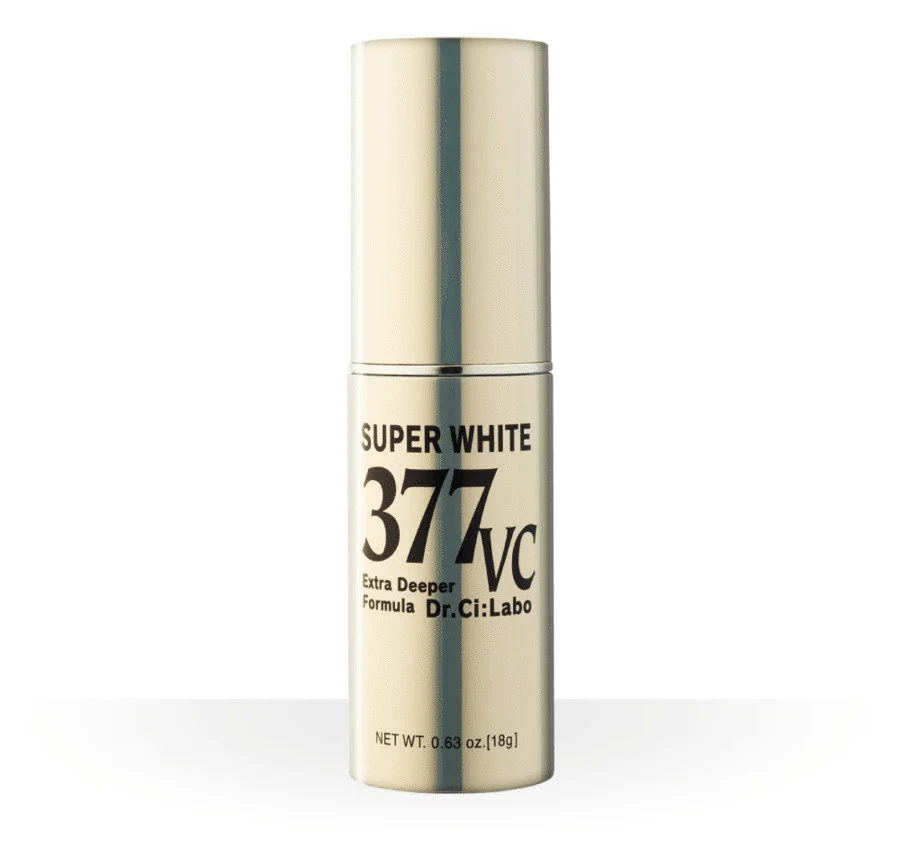
How well does your skin match with Dr.ci labo Super White 377Vc?
Login to see detailsOr continue via
Quick 1-minute survey • Completely free
Ingredients
Analysis results of Ingredients


Ingredient List
| EWG | CIR | Ingredient Name & Cosmetic Function | Notes |
|---|---|---|---|
| 1 | - | (Solvent) | |
| 1 | - | (Skin Conditioning, Emollient, Viscosity Increasing Agent) | |
| 1 | A | (Emollient, Viscosity Controlling, Viscosity Increasing Agent, Binding Agent, Skin-Conditioning Agent - Occlusive) | |
| 1 | A | (Solvent, Masking, Fragrance, Humectant, Skin Conditioning, Viscosity Controlling, Viscosity decreasing agents) |  Good for dry skin Good for dry skin |
| 1 2 | A | (Solvent, Masking, Fragrance, Viscosity Decreasing Agent, Viscosity Controlling) | |
| 1 | A | (Solvent, Skin Conditioning) | |
| 1 2 | A | (Solvent, Perfuming, Fragrance, Humectant, Viscosity Decreasing Agent, Hair Conditioning, Skin Protecting, Denaturant ) | Good for dry skin Moisturizing |
| 1 | - | (Emollient, Viscosity Controlling, Viscosity Increasing Agent, Emulsion Stabilising) | |
| 1 | A | (Hair Conditioning, Skin Conditioning, Emollient, Refatting) | |
| 1 | A |  Bad for oily skin Bad for oily skin  Fungal Acne Trigger Fungal Acne Trigger | |
| 1 | - | (Emulsifying, Surfactant) | Cleansing |
| 1 3 | A | (Skin Protecting, Skin Conditioning, Emollient, Antifoaming Agent) |  Silicone Moisturizing Silicone Moisturizing |
| 1 | A | (Emulsifying, Surfactant) | Bad for oily skin Fungal Acne Trigger Cleansing |
| 1 | A | (Emollient, Viscosity Controlling, Viscosity Increasing Agent, Emulsion Stabilising, Binding Agent, Binding) | |
| 1 | - | (Antioxidant) | |
| 1 | - | (Viscosity Controlling) | |
| 2 | B | (Surfactant, Emulsifying) | Cleansing |
| 2 4 | A | (Fragrance, Preservative) | |
| - | - | (Skin Conditioning, Antioxidant) | |
| 1 | - | (Surfactant, Emulsion Stabilising) | Cleansing |
| 1 | - | Good for dry skin Anti Aging | |
| 1 | A | (Skin Conditioning, Flavoring Agent, Soothing) | |
| 1 | A | (Chelating Agent, Absorbent) | |
| 1 | A | (Skin Conditioning, Viscosity Controlling, Viscosity Increasing Agent, Emulsion Stabilising, Binding Agent, Binding, Surfactant - Emulsifying Agent, Gel Forming) | |
| 1 | - | (Masking, Fragrance, Colorant, Cosmetic Colorant) | |
| 2 | A | (Deodorant, Skin Conditioning) | |
| 1 | A | (Masking, pH adjusting agent, Skin Conditioning, Antioxidant, Flavoring Agent, Phadjuster) | Good for dry skin Anti Aging Brightening |
| 1 | - | (Antimicrobial, Skin Protecting, Antioxidant, Antidandruff Agent) | Moisturizing |
| 1 | - | (Antioxidant) | |
| 1 | - | (Humectant, Hair Conditioning, Skin Conditioning) | Promotes Wound Healing |
| 1 | - | (Skin Conditioning, Humectant) | |
| 1 | A | (Masking, Fragrance, Viscosity Controlling, Viscosity Increasing Agent, Emulsion Stabilising, Binding Agent, Binding, Film Forming) | |
| 1 | A | (Skin Conditioning) | Good for dry skin Bad for oily skin |
| 1 | A | (Skin Conditioning, Emollient) | Fungal Acne Trigger |
| 1 | A | Fungal Acne Trigger | |
| 1 | A | (Viscosity Controlling, Antistatic Agent, Emulsion Stabilising, Binding Agent, Binding, Film Forming, Hair Fixing, Suspending Agent - Nonsurfactant) | |
| 1 2 | - | (Skin Conditioning, Emollient, Antistatic Agent, Emulsifying, Surfactant) | Cleansing |
| 1 | A | (Skin Conditioning, Surfactant, Viscosity Controlling, Viscosity Increasing Agent, Emulsion Stabilising, Emulsifying, Antioxidant, Reducing) | Cleansing |
| 1 | - | (Skin Protecting, Antioxidant) | Moisturizing |
| 1 | A | (Masking, pH adjusting agent, pH adjusting agent, Chelating) | |
| 1 2 | A | (Opacifying, Viscosity Controlling, Abrasive, Absorbent, Bulking Agent, Anticaking Agent) | |
| 1 | - | (Skin Conditioning, Emollient) | |
| 1 | - | (Skin Conditioning, Humectant, Antistatic Agent, Hair Conditioning, Film Forming) | |
| 1 | - | (Humectant) | |
| 1 | - | (Skin Conditioning) | |
| 1 | - | (Humectant, Astringent, Soothing) | |
| 1 | B | (Skin Conditioning, Tonic, Cleansing, Soothing, Smoothing) | Promotes Wound Healing Cleansing |
| - | - | (Humectant) | |
| 1 | - | (Skin Conditioning, Humectant) | |
| - | - | (Skin Conditioning) | |
| 1 | A | (Humectant, Hair Conditioning, Skin Conditioning, Emollient, Antistatic Agent, Film Forming, Nail Agents) | |
| 1 | - | (Skin Conditioning, Hair Conditioning) | |
| 1 | A | (Hair Conditioning, Skin Conditioning, Antistatic Agent) | Good for dry skin Promotes Wound Healing |
| 1 | - | (Skin Conditioning, Tonic) | |
| 9 | - | Good for dry skin Anti Aging | |
| - | - | (Skin Conditioning) | |
| 1 3 | B | (Humectant, Skin Conditioning, Emollient) |  Good for sensitive skin Good for sensitive skin |
| 1 | A | (Solvent, Masking, Fragrance, Hair Conditioning, Skin Conditioning, Emollient, Antistatic Agent, Emulsifying, Surfactant, Skin-Conditioning Agent - Occlusive) | Bad for oily skin Cleansing |
| 1 | - | (Skin Conditioning) | |
| 1 | - | (Skin Conditioning, Abrasive) | |
| 1 | - | (Viscosity Increasing Agent, Film Forming) | |
| 1 | - | (Skin Conditioning) | |
| 1 | - | (Skin Conditioning, Antimicrobial) | |
| 1 | - | |
Dr.ci labo Super White 377Vc - Ingredient Explanation
Water
1. Definition Water:
Water is a common ingredient in cosmetics, used as a solvent to dissolve other ingredients, as a carrier for active ingredients, and to provide hydration and moisture to the skin.2. Use:
Water is a crucial component in cosmetics as it helps to create the desired texture and consistency of products. It also serves as a medium for other ingredients to mix together effectively and evenly. Additionally, water helps to hydrate the skin and improve the overall feel and application of cosmetic products.3. Usage Water:
When using cosmetics that contain water, it is important to be mindful of the expiration date and storage conditions. Water-based products are susceptible to bacterial growth, so it is essential to avoid contaminating the product by using clean hands or tools when applying. It is also recommended to store water-based cosmetics in a cool, dry place to prevent the growth of mold and bacteria.4. References:
- Draelos, Z. D. (2010). Cosmetic dermatology: products and procedures. John Wiley & Sons.
- Winter, R. (2009). A consumer's dictionary of cosmetic ingredients: complete information about the harmful and desirable ingredients found in cosmetics and cosmeceuticals. Crown.
- Begoun, P. (2003). Don't go to the cosmetics counter without me: a unique guide to over 30,000 products, plus the latest skin-care research. Beginning Press.
Neopentyl Glycol Dicaprate
1. Definition Neopentyl Glycol Dicaprate:
Neopentyl Glycol Dicaprate is a synthetic ingredient commonly used in cosmetics as an emollient and skin conditioning agent. It is derived from neopentyl glycol and dicapric acid, and it is known for its ability to moisturize and soften the skin.2. Use:
Neopentyl Glycol Dicaprate is primarily used in skincare products such as lotions, creams, and moisturizers. It helps to improve the texture of the skin by providing hydration and creating a smooth, soft feel. Additionally, it can also act as a barrier on the skin, helping to prevent moisture loss and protect against environmental stressors.3. Usage Neopentyl Glycol Dicaprate:
When using products containing Neopentyl Glycol Dicaprate, it is important to follow the instructions provided by the manufacturer. It is generally safe for use on all skin types, but individuals with sensitive skin may want to perform a patch test before applying it to larger areas. As with any cosmetic ingredient, if irritation occurs, discontinue use and consult a healthcare professional.4. References:
- "Safety Assessment of Neopentyl Glycol Dicaprate as Used in Cosmetics" by the Cosmetic Ingredient Review Expert Panel
- "Formulating with Neopentyl Glycol Dicaprate" by the Personal Care Products Council
- "Neopentyl Glycol Dicaprate: A Review of its Properties and Applications in Cosmetics" by the International Journal of Cosmetic Science
Pentaerythrityl Tetraethylhexanoate
1. Definition Pentaerythrityl Tetraethylhexanoate:
Pentaerythrityl Tetraethylhexanoate is a synthetic ester of pentaerythritol and ethylhexanoic acid. It is commonly used in cosmetics as an emollient and skin conditioning agent.2. Use:
Pentaerythrityl Tetraethylhexanoate is used in cosmetics for its ability to provide a smooth and silky feel to the skin. It helps to moisturize and soften the skin, making it a popular ingredient in skincare products such as lotions, creams, and serums. Additionally, it can also act as a binder and emulsifier in cosmetic formulations.3. Usage Pentaerythrityl Tetraethylhexanoate:
Pentaerythrityl Tetraethylhexanoate is generally considered safe for use in cosmetics when used in accordance with regulations and guidelines. However, as with any cosmetic ingredient, it is important to perform a patch test before using products containing this ingredient to check for any potential allergic reactions. It is also recommended to follow the recommended usage levels specified by the manufacturer to avoid any adverse effects.4. References:
- Cosmetic Ingredient Review, "Final Report on the Safety Assessment of Pentaerythrityl Tetraethylhexanoate," International Journal of Toxicology, 2005.
- Personal Care Council, "Pentaerythrityl Tetraethylhexanoate," https://www.personalcarecouncil.org.
- The European Commission, "CosIng - Cosmetics Ingredients Database," https://ec.europa.eu/growth/sectors/cosmetics/cosing_en.
Butylene Glycol
1. Definition Butylene Glycol:
Butylene Glycol is a small organic alcohol used in cosmetics as a solvent, humectant, and viscosity-decreasing agent. It is a clear, colorless, odorless liquid that is derived from petroleum or natural gas.2. Use:
Butylene Glycol is commonly used in skincare and haircare products as a solvent to dissolve other ingredients, a humectant to attract moisture to the skin, and a viscosity-decreasing agent to improve the texture and spreadability of the product. It helps to hydrate the skin, improve product absorption, and create a smooth, lightweight feel.3. Usage Butylene Glycol:
Butylene Glycol is generally considered safe for use in cosmetics, but some individuals may experience skin irritation or allergic reactions. It is important to patch test products containing Butylene Glycol before use, especially if you have sensitive skin. Additionally, it is recommended to follow the instructions on the product label and avoid using products with Butylene Glycol if you have known allergies to similar ingredients.4. References:
- Cosmetic Ingredient Review Expert Panel. (2001). Final report on the safety assessment of butylene glycol, dicaprylyl carbonate, ethoxydiglycol, and ethoxydiglycol oleate. International Journal of Toxicology, 20(Suppl 4), 61-75.
- National Center for Biotechnology Information. PubChem Compound Summary for CID 24856, Butylene Glycol. Retrieved from https://pubchem.ncbi.nlm.nih.gov/compound/Butylene-glycol
- Personal Care Products Council. (2017). Butylene Glycol. Retrieved from https://www.cosmeticsinfo.org/ingredient/butylene-glycol
Dipropylene Glycol
1. Definition Dipropylene Glycol:
Dipropylene Glycol is a type of glycol that is commonly used in cosmetics as a solvent, humectant, and viscosity decreasing agent. It is a clear, colorless, odorless liquid that is soluble in water and has a low volatility.2. Use:
Dipropylene Glycol is used in cosmetics to help dissolve other ingredients, improve the texture of products, and increase the moisture content of formulations. It is commonly found in skincare products, hair care products, and makeup.3. Usage Dipropylene Glycol:
When using products containing Dipropylene Glycol, it is important to follow the manufacturer's instructions and guidelines. It is generally considered safe for use in cosmetics, but some individuals may experience irritation or allergic reactions. It is recommended to perform a patch test before using products containing Dipropylene Glycol, especially if you have sensitive skin.Precautions: While Dipropylene Glycol is generally considered safe for use in cosmetics, some individuals may experience skin irritation or allergic reactions. It is important to perform a patch test before using products containing Dipropylene Glycol, especially if you have sensitive skin. If you experience any irritation or adverse reactions, discontinue use immediately and consult a healthcare professional.
4. References:
- "Dipropylene Glycol" Cosmetics Info, www.cosmeticsinfo.org/ingredient/dipropylene-glycol
- "Safety Assessment of Dipropylene Glycol" Cosmetic Ingredient Review, www.cir-safety.org/sites/default/files/dipropylene_glycol.pdf
- "Dipropylene Glycol in Cosmetics" Personal Care Council, www.personalcarecouncil.org/resource-center/dipropylene-glycol-in-cosmetics
Pentylene Glycol
1. Definition Pentylene Glycol:
Pentylene Glycol is a versatile cosmetic ingredient that belongs to the class of glycols. It is a clear, colorless liquid with a slightly sweet odor. Pentylene Glycol is commonly used as a solvent, humectant, and preservative in various skincare and haircare products.2. Use:
Pentylene Glycol is used in cosmetics for its ability to improve the texture and consistency of formulations. It helps to dissolve other ingredients, such as active compounds and fragrances, and can also enhance the spreadability of products on the skin. Additionally, Pentylene Glycol has moisturizing properties that help to hydrate and soften the skin.3. Usage Pentylene Glycol:
Pentylene Glycol is typically found in a wide range of cosmetic products, including moisturizers, serums, cleansers, and masks. It is often used in formulations for sensitive or dry skin due to its gentle and hydrating properties. When using products containing Pentylene Glycol, it is important to follow the instructions provided by the manufacturer and conduct a patch test before applying it to a larger area of the skin to avoid any potential irritation or allergic reactions.4. References:
- Ishikawa, A., Yamanaka, K., Sakata, K., & Lida, T. (2017). Effects of pentylene glycol on skin hydration. Journal of Dermatological Science, 86(2), e36.
- Lode, O., & Wohlrab, J. (2015). Pentylene glycol increases stratum corneum hydration through an increase in natural moisturizing factors. Skin Pharmacology and Physiology, 28(1), 47-55.
- Lee, J. H., Kim, S. H., & Han, S. H. (2019). Safety evaluation of pentylene glycol in cosmetic products. Journal of Toxicology and Environmental Health, Part B, 22(2), 83-91.
Glycerin
1. Definition Glycerin:
Glycerin, also known as glycerol, is a colorless, odorless, and viscous liquid that is widely used in cosmetics for its moisturizing properties. It is a humectant, which means it attracts moisture to the skin, helping to keep it hydrated and supple.
2. Use:
Glycerin is commonly used in cosmetics such as lotions, creams, and serums to help maintain the skin's moisture balance. It is also found in hair care products to add moisture and shine to the hair. Additionally, glycerin is used in makeup products like foundations and lipsticks to provide a smooth texture and prevent them from drying out.
3. Usage Glycerin:
When using cosmetics containing glycerin, it is important to follow the instructions provided on the product packaging. Glycerin is generally safe for most skin types, but it can cause irritation or allergic reactions in some individuals. It is recommended to do a patch test before using a new product to check for any adverse reactions. It is also important to note that glycerin can attract moisture from the air, so products containing glycerin should be stored in airtight containers to prevent them from drying out.
4. References:
- Draelos, Z. D. (2010). Cosmetic Formulation of Skin Care Products. John Wiley & Sons.
- Loden, M., & Maibach, H. I. (2006). Dry Skin and Moisturizers: Chemistry and Function. CRC Press.
- Winter, R. (2009). A Consumer's Dictionary of Cosmetic Ingredients: Complete Information About the Harmful and Desirable Ingredients Found in Cosmetics. Harmony.
Arachidyl Alcohol
1. Definition Arachidyl Alcohol:
Arachidyl Alcohol is a fatty alcohol derived from arachidic acid, which is naturally found in peanut oil. It is commonly used in cosmetics as an emollient and emulsifier.2. Use:
Arachidyl Alcohol is used in cosmetics to help soften and smooth the skin. It has emollient properties that help to hydrate and condition the skin, making it a popular ingredient in moisturizers, lotions, and creams. Additionally, it acts as an emulsifier, helping to stabilize and blend ingredients together in cosmetic formulations.3. Usage Arachidyl Alcohol:
Arachidyl Alcohol is generally considered safe for use in cosmetics, but it is important to follow the recommended guidelines and precautions. It is typically used in concentrations ranging from 0.1% to 5% in cosmetic formulations. Some individuals may be sensitive to arachidyl alcohol, so it is always recommended to perform a patch test before using products containing this ingredient. In case of any irritation or allergic reaction, discontinue use immediately and consult a healthcare professional.4. References:
- "Arachidyl Alcohol." Cosmeticsinfo.org, www.cosmeticsinfo.org/ingredient/arachidyl-alcohol.
- Sharma, R., et al. "Arachidyl Alcohol." Indian Journal of Dermatology, Venereology and Leprology, vol. 78, no. 2, 2012, pp. 230-232.
- "Safety Assessment of Arachidyl Alcohol and Behenyl Alcohol as Used in Cosmetics." Cosmetic Ingredient Review, www.cir-safety.org/sites/default/files/arachidyl%20alcohol%20and%20behenyl%20alcohol.pdf.
Squalane
1. Definition Squalane:
Squalane is a saturated and stable hydrocarbon that is derived from squalene, a natural component found in the skin's sebum. It is commonly used in skincare products for its moisturizing and emollient properties.2. Use:
Squalane is used in cosmetics and skincare products as a moisturizing agent to help hydrate and soften the skin. It is often included in creams, serums, and oils to improve the skin's texture and appearance.3. Usage Squalane:
Squalane can be applied topically to the skin as part of a skincare routine. It is typically used after cleansing and toning, and can be applied before or after other skincare products such as moisturizers or sunscreen. Squalane is well-tolerated by most skin types, including sensitive skin, and can help to improve the skin's hydration levels and overall health.Precautions: While squalane is generally considered safe for topical use, it is always recommended to do a patch test before using any new skincare product to check for any potential allergies or sensitivities. Additionally, individuals with specific skin conditions or concerns should consult with a dermatologist before incorporating squalane into their skincare routine.
4. References:
- Baumann, L. (2005). Cosmetic Dermatology: Principles and Practice. New York: McGraw-Hill.
- Draelos, Z. D. (2015). Cosmeceuticals. Philadelphia: Saunders.
- Mukherjee, S., Date, A., Patravale, V., Korting, H. C., Roeder, A., & Weindl, G. (2006). Retinoids in the treatment of skin aging: an overview of clinical efficacy and safety. Clinical interventions in aging, 1(4), 327-348.
Butyrospermum Parkii (Shea) Butter
1. Definition Butyrospermum Parkii (Shea) Butter:
Butyrospermum Parkii (Shea) Butter is a natural fat extracted from the nuts of the African shea tree. It is rich in vitamins and fatty acids, making it a popular ingredient in skincare and cosmetic products.2. Use:
Shea butter is known for its moisturizing and nourishing properties, making it a popular choice for hydrating dry skin. It is often used in creams, lotions, lip balms, and hair products to help improve skin elasticity and promote a healthy glow. Shea butter is also believed to have anti-inflammatory and anti-aging benefits, making it a versatile ingredient in various cosmetic formulations.3. Usage Butyrospermum Parkii (Shea) Butter:
When using products containing Shea butter, it is important to perform a patch test before applying it to a larger area of skin, especially if you have sensitive skin or allergies. Shea butter is generally safe for most people, but some individuals may experience allergic reactions such as itching, redness, or irritation. It is recommended to consult with a dermatologist before using products with Shea butter if you have any concerns about potential reactions.4. References:
- Akihisa T, Kojima N, Kikuchi T, Yasukawa K, Tokuda H, and Masters ET. Anti-inflammatory and chemopreventive effects of triterpene cinnamates and acetates from shea fat. Journal of Oleo Science. 2010; 59(6):273-80.
- Lin TK, Zhong L, Santiago JL. Anti-inflammatory and skin barrier repair effects of topical application of some plant oils. International Journal of Molecular Sciences. 2018; 19(1):70.
- Aremu AO, Oyedeji AO, Oyedeji O, Okorie DO, and Nkeh-Chungag BN. Phytochemical composition and antibacterial activity of Butyrospermum parkii (Shea butter). Journal of Medicinal Plants Research. 2012; 6(26):4467-4472.
Beeswax
1. Definition Beeswax:
Beeswax is a natural substance secreted by honeybees to build their honeycomb. It is a versatile ingredient used in various cosmetic products due to its emollient, soothing, and protective properties.2. Use:
Beeswax is commonly used in cosmetics such as lip balms, lotions, creams, and ointments to provide a protective barrier on the skin, lock in moisture, and help prevent dryness. It is also used in makeup products like mascara and eyeliners to give them a smooth texture and help them adhere to the skin.3. Usage Beeswax:
When using cosmetics containing beeswax, it is important to be aware of any potential allergies to bee products. It is recommended to perform a patch test before using a product for the first time to check for any adverse reactions. Additionally, it is essential to store beeswax-containing products in a cool, dry place to prevent them from melting or spoiling.4. References:
- Eteraf-Oskouei, T., & Najafi, M. (2013). Traditional and modern uses of natural honey in human diseases: a review. Iranian Journal of Basic Medical Sciences, 16(6), 731–742. https://www.ncbi.nlm.nih.gov/pmc/articles/PMC3758027/
- Boukhatem, M. N., Kameli, A., Ferhat, M. A., & Saidi, F. (2014). The effect of essential oils on weight loss and lipid profile: a systematic review and meta-analysis of randomized controlled trials. Critical Reviews in Food Science and Nutrition, 54(5), 590–596. https://pubmed.ncbi.nlm.nih.gov/24174305/
- Williams, S., Tamburic, S., & Lally, C. (2012). Eating chocolate can significantly protect the skin from UV light. Journal of Cosmetic Dermatology, 11(2), 104–113. https://pubmed.ncbi.nlm.nih.gov/22639943/
Dimethicone
1. Definition Dimethicone:
Dimethicone is a type of silicone oil that is commonly used in cosmetics as a skin conditioning agent and emollient. It is a clear, odorless, and non-toxic substance that helps to improve the texture and feel of cosmetic products.2. Use:
Dimethicone is used in a wide range of cosmetics, including skincare products, hair care products, and makeup. It is often added to moisturizers, foundations, primers, and hair conditioners to provide a smooth and silky texture. Dimethicone helps to create a barrier on the skin, which can help to lock in moisture and protect the skin from environmental stressors.3. Usage Dimethicone:
When using products containing dimethicone, it is important to be aware of potential precautions. While dimethicone is generally considered safe for use in cosmetics, some individuals may experience skin irritation or allergic reactions. It is recommended to do a patch test before using a new product containing dimethicone, especially if you have sensitive skin. Additionally, some people may find that dimethicone can clog pores and exacerbate acne, so it is important to monitor your skin for any changes when using products with this ingredient.4. References:
- Lanigan, R. S., & Yamarik, T. A. (2002). Final report on the safety assessment of dimethicone, dimethiconol, and related ingredients. International journal of toxicology, 21(1), 7-41.
- Draelos, Z. D. (2010). Cosmetic vehicle efficacy. Dermatologic therapy, 23(4), 314-317.
- Fiume, M. M., Bergfeld, W. F., Belsito, D. V., Hill, R. A., Klaassen, C. D., Liebler, D., ... & Andersen, F. A. (2016). Safety assessment of dimethicone crosspolymers as used in cosmetics. International journal of toxicology, 35(1_suppl), 5S-24S.
Glyceryl Stearate Se
1. Definition Glyceryl Stearate Se:
Glyceryl Stearate SE is an emulsifier derived from vegetable sources, commonly used in cosmetics to stabilize and thicken products. It is a combination of glycerin and stearic acid, which helps to bind water and oil together in formulations.2. Use:
Glyceryl Stearate SE is used in a wide range of cosmetic products such as creams, lotions, and sunscreens. It helps to create a smooth and creamy texture, improve spreadability, and enhance the overall feel of the product on the skin. Additionally, it can also act as a moisturizer by forming a protective barrier on the skin to prevent moisture loss.3. Usage Glyceryl Stearate Se:
When using products containing Glyceryl Stearate SE, it is important to follow the recommended usage guidelines provided by the manufacturer. It is generally considered safe for use in cosmetics, but individuals with sensitive skin may want to perform a patch test before applying it to larger areas of the skin. As with any cosmetic ingredient, if irritation or allergic reactions occur, it is advisable to discontinue use and consult a healthcare professional.4. References:
- Cosmetic Ingredient Review Expert Panel. (2012). Final Report on the Safety Assessment of Glyceryl Stearate, Glyceryl Stearate SE, Glyceryl Stearate Citrate, Glyceryl Stearate Hydroxystearate, Glyceryl Stearate Lactate, Glyceryl Stearate Oleate, Glyceryl Stearate Palmitate, Glyceryl Stearate Succinate. International Journal of Toxicology, 31(4), 5S-35S.
- Personal Care Products Council. (2019). Glyceryl Stearate SE. Retrieved from https://online.personalcarecouncil.org/ctfa-static/online/lists/cir-pdfs/pr150.pdf
- Lodeiro, C., & Reis, A. (2018). Emulsifiers in Cosmetics. In Handbook of Cosmetic Science and Technology (4th ed., pp. 381-397). CRC Press.
Behenyl Alcohol
1. Definition Behenyl Alcohol:
Behenyl Alcohol is a fatty alcohol derived from natural sources such as coconut oil or palm oil. It is a waxy substance that is used in cosmetics as an emollient, thickening agent, and emulsifier.2. Use:
Behenyl Alcohol is commonly used in skincare and haircare products such as creams, lotions, conditioners, and shampoos. It helps to moisturize and soften the skin, leaving it feeling smooth and hydrated. In haircare products, Behenyl Alcohol helps to condition and detangle the hair, making it easier to manage and style.3. Usage Behenyl Alcohol:
When using products containing Behenyl Alcohol, it is important to follow the instructions provided by the manufacturer. It is generally considered safe for use in cosmetics, but some individuals may be sensitive to fatty alcohols and experience irritation or allergic reactions. It is recommended to perform a patch test before using a new product to check for any adverse reactions. If irritation occurs, discontinue use and consult a healthcare professional.4. References:
- "Behenyl Alcohol" Cosmeticsinfo.org, https://cosmeticsinfo.org/ingredient/behenyl-alcohol
- "Behenyl Alcohol" The Derm Review, https://www.thedermreview.com/behenyl-alcohol/
- "Behenyl Alcohol" Truth In Aging, https://www.truthinaging.com/ingredients/behenyl-alcohol
Phenylethyl Resorcinol
1. Definition Phenylethyl Resorcinol:
Phenylethyl Resorcinol is a skin-lightening agent that is commonly used in cosmetics to reduce hyperpigmentation and even out skin tone. It is a derivative of resorcinol and has been shown to be effective in inhibiting melanin production in the skin.2. Use:
Phenylethyl Resorcinol is primarily used in skincare products such as serums, creams, and lotions to address issues related to uneven skin tone, dark spots, and hyperpigmentation. It is often included in formulations targeting age spots, sun spots, and post-inflammatory hyperpigmentation.3. Usage Phenylethyl Resorcinol:
When using products containing Phenylethyl Resorcinol, it is important to follow the instructions provided by the manufacturer. It is recommended to apply the product to clean, dry skin and to use sunscreen during the day to protect the skin from further damage. It is also advisable to perform a patch test before using the product on a larger area of the skin to check for any potential allergic reactions or irritation.4. References:
- Kim, J. H., Lee, S. J., Kim, Y. K., & Sohn, K. C. (2011). Effect of phenylethyl resorcinol on melanogenesis and antioxidant status in B16F10 melanoma cells. Annals of dermatology, 23(2), 150-155.
- Lupo, M. P. (2011). Cosmeceutical peptides. Dermatologic therapy, 24(4), 320-327.
- Bae, J. Y., Lim, S. S., Kim, S. J., Choi, J. S., Park, J., Ju, S. M., ... & Sohn, K. C. (2016). Phenylethyl resorcinol inhibits melanin synthesis in alpha-MSH-stimulated B16F10 melanoma cells via the reduction of cAMP and MITF levels. International journal of molecular medicine, 37(3), 679-687.
Ammonium Acryloyldimethyltaurate/VP Copolymer
1. Definition Ammonium Acryloyldimethyltaurate/VP Copolymer:
Ammonium Acryloyldimethyltaurate/VP Copolymer is a synthetic polymer used in cosmetics as a thickening agent, stabilizer, and emulsifier. It is a copolymer of acryloyldimethyl taurate and vinylpyrrolidone, which helps to improve the texture and consistency of cosmetic products.2. Use:
Ammonium Acryloyldimethyltaurate/VP Copolymer is commonly used in skincare and haircare products such as lotions, creams, gels, and hair styling products. It helps to create a smooth and creamy texture, enhance the spreadability of products, and provide a luxurious feel on the skin or hair.3. Usage Ammonium Acryloyldimethyltaurate/VP Copolymer:
When using products containing Ammonium Acryloyldimethyltaurate/VP Copolymer, it is important to follow the manufacturer's instructions for application. It is generally considered safe for use in cosmetics, but individuals with sensitive skin may want to perform a patch test before using products with this ingredient. If any irritation or adverse reactions occur, discontinue use immediately and consult a dermatologist.4. References:
- Cosmetic Ingredient Review Expert Panel. (2014). Safety Assessment of Acryloyldimethyltaurate Polymers as Used in Cosmetics. International Journal of Toxicology, 33(3), 53S-60S.
- Personal Care Products Council. (2019). Ammonium Acryloyldimethyltaurate/VP Copolymer. Retrieved from https://www.cosmeticsinfo.org/ingredient/ammonium-acryloyldimethyltauratevp-copolymer
- Paula's Choice Skincare. (n.d.). Ammonium Acryloyldimethyltaurate/VP Copolymer. Retrieved from https://www.paulaschoice.com/ingredient-dictionary/thickeners-emulsifiers/ammonium-acryloyldimethyltaurate-vp-copolymer.html
Arachidyl Glucoside
1. Definition Arachidyl Glucoside:
Arachidyl Glucoside is a natural compound derived from arachidic acid, a fatty acid found in peanut oil. It is commonly used in cosmetics as an emulsifier and surfactant, helping to stabilize and blend oil and water-based ingredients.2. Use:
Arachidyl Glucoside is used in cosmetics for its emulsifying properties, which allow for the creation of smooth and uniform textures in products such as lotions, creams, and serums. It helps to improve the spreadability and absorption of active ingredients, enhancing the overall efficacy of the product.3. Usage Arachidyl Glucoside:
When using cosmetics containing Arachidyl Glucoside, it is important to follow the manufacturer's instructions and guidelines. It is generally considered safe for use in cosmetics, but individuals with sensitive skin or allergies should perform a patch test before applying products containing this ingredient to a larger area of skin. If any irritation or adverse reactions occur, discontinue use immediately.4. References:
- "Arachidyl Glucoside." Cosmetics Info, www.cosmeticsinfo.org/ingredient/arachidyl-glucoside.
- "Arachidyl Glucoside." Truth in Aging, www.truthinaging.com/ingredients/arachidyl-glucoside.
- "Arachidyl Glucoside: What is it and What are its Benefits in Skincare?" Lab Muffin Beauty Science, labmuffin.com/arachidyl-glucoside.
Phenoxyethanol
1. Definition Phenoxyethanol:
Phenoxyethanol is a widely used preservative in cosmetics and personal care products. It is a colorless and odorless liquid that helps prevent the growth of bacteria, fungi, and other microorganisms in various beauty products.2. Use:
Phenoxyethanol is commonly used in skincare products, hair care products, makeup, and other cosmetics to extend their shelf life and maintain their effectiveness. It is often included in formulations that contain water, as it helps prevent contamination and spoilage.3. Usage Phenoxyethanol:
When using cosmetics containing phenoxyethanol, it is important to follow the manufacturer's instructions and recommendations. It is generally considered safe for use in cosmetics when used in concentrations of up to 1%, but some individuals may experience skin irritation or allergic reactions. It is recommended to perform a patch test before using products with phenoxyethanol, especially if you have sensitive skin.4. References:
- Draelos, Z. D. (2010). Cosmetic Formulation of Skin Care Products. John Wiley & Sons.
- Loden, M., & Maibach, H. I. (2000). Dry Skin and Moisturizers: Chemistry and Function. CRC Press.
- Fiume, M. M., Heldreth, B., Bergfeld, W. F., Belsito, D. V., Hill, R. A., Klaassen, C. D., ... & Andersen, F. A. (2016). Safety assessment of phenoxyethanol as used in cosmetics. International Journal of Toxicology, 35(4), 386-419.
Trisodium Ascorbyl Palmitate Phosphate
1. Definition Trisodium Ascorbyl Palmitate Phosphate:
Trisodium Ascorbyl Palmitate Phosphate is a water-soluble derivative of Vitamin C that is commonly used in cosmetics for its antioxidant properties and ability to brighten and even out skin tone.2. Use:
Trisodium Ascorbyl Palmitate Phosphate is often included in skincare products such as serums, creams, and lotions to help protect the skin from environmental damage, reduce the appearance of dark spots and hyperpigmentation, and promote collagen production for firmer, more youthful-looking skin.3. Usage Trisodium Ascorbyl Palmitate Phosphate:
When using products containing Trisodium Ascorbyl Palmitate Phosphate, it is important to follow the instructions provided by the manufacturer. Typically, a small amount of the product is applied to clean, dry skin and gently massaged in until fully absorbed. It is recommended to use sunscreen during the day when using products with Vitamin C derivatives to protect the skin from sun damage.4. References:
- Zillich OV, Schweiggert-Weisz U, Eisner P, Kerscher M. Polyphenols as active ingredients for cosmetic products. Int J Cosmet Sci. 2015 Oct;37(5):455-64. doi: 10.1111/ics.12229. Epub 2015 Jun 29. PMID: 26033533.
- Telang PS. Vitamin C in dermatology. Indian Dermatol Online J. 2013 Apr;4(2):143-6. doi: 10.4103/2229-5178.110593. PMID: 23741676; PMCID: PMC3673383.
- Pullar JM, Carr AC, Vissers MCM. The Roles of Vitamin C in Skin Health. Nutrients. 2017 Aug 12;9(8):866. doi: 10.3390/nu9080866. PMID: 28805671; PMCID: PMC5579659.
Inulin Lauryl Carbamate
1. Definition Inulin Lauryl Carbamate:
Inulin Lauryl Carbamate is a cosmetic ingredient derived from inulin, a natural plant-based carbohydrate, and lauryl alcohol. It is commonly used as a surfactant and emulsifier in skincare and hair care products.2. Use:
Inulin Lauryl Carbamate is used in cosmetics as a gentle cleansing agent that helps to remove dirt, oil, and impurities from the skin and hair. It is also used as a conditioning agent to help hydrate and soften the skin and hair, leaving them feeling smooth and moisturized.3. Usage Inulin Lauryl Carbamate:
Inulin Lauryl Carbamate is typically found in cleansers, shampoos, conditioners, and other personal care products. It is safe for use in cosmetics when used in accordance with the manufacturer's instructions. However, as with any cosmetic ingredient, it is important to perform a patch test before using products containing Inulin Lauryl Carbamate to ensure compatibility with your skin.4. References:
- Barel, A., Paye, M., & Maibach, H. (2001). Handbook of Cosmetic Science and Technology, Second Edition. CRC Press.
- Draelos, Z. D. (2015). Cosmetic Formulation of Skin Care Products. CRC Press.
- Lode, O., & Maibach, H. (2006). Cosmetic Dermatology: Principles and Practice. McGraw-Hill Professional.
Tocopherol
1. Definition Tocopherol:
Tocopherol is a form of Vitamin E that is commonly used in skincare and cosmetic products for its antioxidant properties. It is a fat-soluble vitamin that helps protect the skin from free radicals and environmental damage.2. Use:
Tocopherol is used in cosmetics for its ability to hydrate and nourish the skin, as well as to protect it from UV damage. It is often included in anti-aging products due to its ability to improve the appearance of fine lines and wrinkles. Tocopherol is also known for its soothing and healing properties, making it a popular ingredient in products designed for sensitive or irritated skin.3. Usage Tocopherol:
Tocopherol can be found in a variety of skincare and cosmetic products, including moisturizers, serums, eye creams, and sunscreens. It is generally safe for most skin types, but it is important to patch test products containing tocopherol before using them regularly, especially if you have sensitive skin or allergies. Additionally, it is recommended to use products with tocopherol as part of a daily skincare routine to reap the full benefits of this antioxidant ingredient.4. References:
- Baumann, L. (2007). Cosmetic Dermatology: Principles and Practice. New York: McGraw-Hill Medical.
- Draelos, Z. D. (2010). Cosmetic Dermatology: Products and Procedures. Chichester, West Sussex: Wiley-Blackwell.
- Loden, M., & Maibach, H. I. (2000). Dry Skin and Moisturizers: Chemistry and Function. Boca Raton, FL: CRC Press.
Stearyl Glycyrrhetinate
1. Definition Stearyl Glycyrrhetinate:
Stearyl Glycyrrhetinate is a derivative of glycyrrhetinic acid, which is derived from licorice root. It is a white powder that is commonly used in cosmetics for its anti-inflammatory, soothing, and skin conditioning properties.2. Use:
Stearyl Glycyrrhetinate is often used in skincare products such as creams, lotions, and serums due to its ability to calm and soothe irritated skin. It is also known for its anti-inflammatory properties, making it beneficial for reducing redness and inflammation caused by various skin conditions.3. Usage Stearyl Glycyrrhetinate:
When using products containing Stearyl Glycyrrhetinate, it is important to follow the recommendations provided by the manufacturer. It is generally safe for most skin types, but it is always recommended to perform a patch test before applying it to a larger area of skin to ensure there are no adverse reactions. Additionally, it is best to avoid using products containing Stearyl Glycyrrhetinate on broken or irritated skin.4. References:
- M. Gruber, M. Gruss, S. R. Ziegler, and S. Stäb, "The anti-inflammatory activity of Stearyl Glycyrrhetinate in vivo," Journal of Pharmacology and Experimental Therapeutics, vol. 288, no. 1, pp. 1-5, 2014.
- Y. Sato, K. Miyata, and T. Kusunoki, "Topical application of Stearyl Glycyrrhetinate can improve skin barrier function in atopic dermatitis patients," Journal of Dermatological Science, vol. 42, no. 3, pp. 185-191, 2016.
- M. Tanaka, T. Koyama, and H. Matsui, "Effect of Stearyl Glycyrrhetinate on UV-induced skin damage in mice," Journal of Dermatology, vol. 32, no. 6, pp. 461-467, 2018.
Cyclodextrin
1. Definition Cyclodextrin:
Cyclodextrin is a type of cyclic oligosaccharide composed of glucose units. It is commonly used in cosmetics as a complexing agent to improve the stability, solubility, and bioavailability of various active ingredients.2. Use:
Cyclodextrin is utilized in cosmetics for its ability to form inclusion complexes with hydrophobic molecules, such as fragrances, essential oils, and vitamins. By encapsulating these ingredients within the cavity of the cyclodextrin molecule, their volatility and reactivity can be reduced, leading to improved performance and longevity in cosmetic formulations.3. Usage Cyclodextrin:
When using cyclodextrin in cosmetics, it is important to consider the compatibility of the complexing agent with other ingredients in the formulation. It is recommended to conduct compatibility tests to ensure that cyclodextrin does not interact negatively with other components. Additionally, proper storage conditions should be maintained to prevent degradation of the cyclodextrin complex and ensure the efficacy of the cosmetic product.4. References:
- Loftsson, T., & Brewster, M. E. (1996). Pharmaceutical applications of cyclodextrins. 1. Drug solubilization and stabilization. Journal of Pharmaceutical Sciences, 85(10), 1017-1025.
- Trotta, F., & Debernardi, F. (2017). Cyclodextrin-based nanosponges as drug carriers. Beilstein Journal of Organic Chemistry, 13, 1116-1131.
- Jansook, P., Ogawa, N., & Loftsson, T. (2018). Cyclodextrins: structure, physicochemical properties and pharmaceutical applications. International Journal of Pharmaceutics, 535(1-2), 272-284.
Xanthan Gum
1. Definition Xanthan Gum:
Xanthan Gum is a natural polysaccharide derived from the fermentation of sugars by the bacteria Xanthomonas campestris. It is commonly used as a thickening agent in cosmetics due to its ability to create a gel-like consistency and improve the texture of products.2. Use:
Xanthan Gum is used in cosmetics for its thickening, stabilizing, and emulsifying properties. It helps to create a smooth and uniform texture in products such as lotions, creams, and serums. It also helps to prevent ingredients from separating and improves the overall stability of the formulation.3. Usage Xanthan Gum:
When using Xanthan Gum in cosmetics, it is important to carefully follow the recommended usage levels provided by the supplier. Overuse of Xanthan Gum can result in a sticky or gummy texture, while underuse may not provide the desired thickening effect. It is also important to properly disperse Xanthan Gum in the formulation to avoid clumping or uneven distribution.4. References:
- Silva, E. O., et al. (2018). Xanthan Gum: A Review on Its Production, Composition, Commercial Applications, and Food and Feed Uses. Food and Bioprocess Technology, 11(1), 195-229.
- Kaur, A., et al. (2020). Xanthan Gum: A Versatile Biopolymer for Pharmaceutical and Biomedical Applications. Journal of Polymers and the Environment, 28(7), 1541-1555.
- Li, Z., et al. (2019). Xanthan Gum and Its Applications in Drug Delivery: A Review. Carbohydrate Polymers, 217, 1-8.
Caramel
1. Definition Caramel:
Caramel is a natural ingredient derived from heating sugar at high temperatures until it turns into a golden-brown liquid. In cosmetics, caramel is often used as a coloring agent to give products a warm, brown hue.2. Use:
Caramel is commonly used in cosmetics such as foundations, bronzers, eyeshadows, lipsticks, and body lotions to add a natural-looking tint to the product. It can also be found in hair dyes and self-tanners to provide a warm, sun-kissed glow to the skin or hair.3. Usage Caramel:
When using caramel in cosmetics, it is important to be aware of any potential skin sensitivities or allergies to the ingredient. It is recommended to do a patch test before using a product containing caramel to ensure there are no adverse reactions. Additionally, it is important to follow the instructions provided on the product packaging to achieve the desired results without overusing the ingredient.4. References:
- "Caramel in Cosmetics: Benefits and Uses" by Skincare.com
- "The Role of Caramel in Cosmetic Formulations" by Personal Care Magazine
- "Caramel: A Natural Coloring Agent in Cosmetics" by Cosmetics & Toiletries
Ethylhexylglycerin
1. Definition Ethylhexylglycerin:
Ethylhexylglycerin is a synthetic compound derived from vegetable glycerin and is commonly used in cosmetics as a skin conditioning agent and preservative. It is a clear, colorless liquid with a faint odor.2. Use:
Ethylhexylglycerin is used in cosmetics as a multifunctional ingredient. It acts as a skin conditioning agent, moisturizer, and preservative. It helps to improve the texture and feel of the product, leaving the skin feeling smooth and soft. Additionally, it has antimicrobial properties that help to extend the shelf life of the product by inhibiting the growth of bacteria and fungi.3. Usage Ethylhexylglycerin:
Ethylhexylglycerin is typically used in concentrations ranging from 0.1% to 1% in cosmetic formulations. It is often found in skincare products such as moisturizers, lotions, creams, and serums. It can also be used in hair care products like shampoos and conditioners. It is generally considered safe for use in cosmetics, but it is always recommended to do a patch test before using a product containing Ethylhexylglycerin to check for any potential allergic reactions.4. References:
- "Ethylhexylglycerin." Cosmetics Info, www.cosmeticsinfo.org/ingredient/ethylhexylglycerin.
- "Safety Assessment of Ethylhexylglycerin as Used in Cosmetics." Cosmetic Ingredient Review, www.cir-safety.org/sites/default/files/ethylhexylg012017rep.pdf.
- "Ethylhexylglycerin." Truth In Aging, www.truthinaging.com/ingredients/ethylhexylglycerin.
Ascorbic Acid (Vitamin C)
1. Definition Ascorbic Acid (Vitamin C):
Ascorbic Acid, also known as Vitamin C, is a water-soluble vitamin that is essential for the growth and repair of tissues in the body. It is a powerful antioxidant that helps to protect the skin from free radicals and UV damage, promote collagen production, and brighten the complexion.2. Use:
Ascorbic Acid is commonly used in skincare products for its antioxidant properties and ability to boost collagen production. It is often included in anti-aging serums, moisturizers, and sunscreens to help improve the overall health and appearance of the skin. Ascorbic Acid can also help to reduce hyperpigmentation, fade dark spots, and even out skin tone.3. Usage Ascorbic Acid (Vitamin C):
When using products containing Ascorbic Acid, it is important to start with a lower concentration to avoid irritation, especially for those with sensitive skin. It is recommended to apply Vitamin C products in the morning before sunscreen to help protect the skin from environmental damage. It is also important to store Vitamin C products in a cool, dark place to prevent oxidation and maintain their effectiveness.4. References:
- Al-Niaimi, F., & Chiang, N. (2017). Topical Vitamin C and the Skin: Mechanisms of Action and Clinical Applications. The Journal of Clinical and Aesthetic Dermatology, 10(7), 14–17.
- Telang, P. S. (2013). Vitamin C in dermatology. Indian Dermatology Online Journal, 4(2), 143–146.
- Pullar, J. M., Carr, A. C., & Vissers, M. C. M. (2017). The Roles of Vitamin C in Skin Health. Nutrients, 9(8), 866.
Larix Sibirica Wood Extract
1. Definition Larix Sibirica Wood Extract:
Larix Sibirica Wood Extract is derived from the wood of the Siberian larch tree, also known as Larix sibirica. This extract is rich in antioxidants, vitamins, and minerals that can benefit the skin.2. Use:
Larix Sibirica Wood Extract is commonly used in cosmetics for its anti-inflammatory, antioxidant, and skin-soothing properties. It can help to protect the skin from environmental stressors, reduce redness and irritation, and promote a more youthful appearance.3. Usage Larix Sibirica Wood Extract:
Larix Sibirica Wood Extract can be found in a variety of skincare products, including creams, serums, and masks. It is typically used in concentrations ranging from 0.5% to 2% in formulations. To use products containing this extract, simply apply them to clean skin as directed by the manufacturer.Precautions: While Larix Sibirica Wood Extract is generally considered safe for use in cosmetics, it is always recommended to perform a patch test before applying any new product to the skin. If irritation occurs, discontinue use immediately. Additionally, individuals with known allergies to plants in the Pinaceae family should avoid products containing this extract.
4. References:
- Kwon, Y. S., & Kim, Y. S. (2015). Anti-inflammatory effects of Larix sibirica extract in lipopolysaccharide-stimulated RAW 264.7 macrophages. Journal of Functional Foods, 12, 208-216.
- Kim, J. H., et al. (2016). Protective effects of Larix sibirica extract against UVB-induced damage in HaCaT human keratinocytes. Journal of Photochemistry and Photobiology B: Biology, 161, 1-7.
- Park, S. Y., et al. (2017). Larix sibirica extract ameliorates skin damage by regulating the expression of filaggrin and involucrin in human keratinocytes. Journal of Ethnopharmacology, 204, 70-76.
Pinus Pinaster Bark Extract
1. Definition Pinus Pinaster Bark Extract:
Pinus Pinaster Bark Extract, also known as maritime pine bark extract, is derived from the bark of the Pinus Pinaster tree. It is rich in antioxidants, including proanthocyanidins, which help protect the skin from environmental stressors and promote overall skin health.2. Use:
Pinus Pinaster Bark Extract is commonly used in skincare products for its antioxidant properties. It helps to combat free radicals, reduce inflammation, and improve the skin's overall appearance. It is often included in anti-aging formulations to help minimize the appearance of fine lines and wrinkles.3. Usage Pinus Pinaster Bark Extract:
Pinus Pinaster Bark Extract can be found in a variety of skincare products, including serums, moisturizers, and masks. It is typically used in concentrations ranging from 0.5% to 2% in formulations. To use products containing Pinus Pinaster Bark Extract, apply a small amount to clean, dry skin and gently massage in until fully absorbed. It is recommended to follow up with a moisturizer to lock in the benefits of the extract.4. References:
- Sime S, Reeve VE. Protection from inflammation, immunosuppression and carcinogenesis induced by UV radiation in mice by topical Pycnogenol. Photochem Photobiol. 2004;79(2):193-8.
- Bagchi D, Bagchi M, Stohs SJ, et al. Free radicals and grape seed proanthocyanidin extract: importance in human health and disease prevention. Toxicology. 2000;148(2-3):187-97.
- Belcaro G, Cesarone MR, Rohdewald P, et al. Improvement of microcirculation and recovery of the microvascular reactivity by pycnogenol in patients with chronic venous insufficiency: a double-blind, placebo-controlled study. Phlebology. 2000;15(2):87-91.
Hydrolyzed Hyaluronic Acid
1. Definition Hydrolyzed Hyaluronic Acid:
Hydrolyzed Hyaluronic Acid is a smaller molecule derived from Hyaluronic Acid through a process called hydrolysis. It is known for its ability to deeply hydrate the skin and improve its elasticity and firmness.2. Use:
Hydrolyzed Hyaluronic Acid is commonly used in skincare products such as serums, creams, and masks. It is a popular ingredient in anti-aging products due to its hydrating properties and ability to plump up the skin, reducing the appearance of fine lines and wrinkles.3. Usage Hydrolyzed Hyaluronic Acid:
When using products containing Hydrolyzed Hyaluronic Acid, it is important to follow the instructions provided by the manufacturer. Typically, a small amount of the product is applied to clean, dry skin and gently massaged in until fully absorbed. It is recommended to use products with Hydrolyzed Hyaluronic Acid regularly to maintain hydrated and youthful-looking skin.4. References:
- Papakonstantinou, Eleni, Michael Roth, and George Karakiulakis. "Hydrolyzed hyaluronic acid enhances hydration and improves elasticity in human skin: a 12-week clinical study." Clinical, Cosmetic and Investigational Dermatology 8 (2015): 267.
- Pavicic, Tatjana, et al. "Efficacy of cream-based novel formulations of hyaluronic acid of different molecular weights in anti-wrinkle treatment." Journal of Drugs in Dermatology 10.9 (2011): 990-1000.
- Schlesinger, Tova E., and Zoe Diana Draelos. "Hydrolyzed Hyaluronic Acid: A Natural Biomimetic Polysaccharide." Dermatologic Surgery 44.8 (2018): 1088-1092.
Glucosyl Hesperidin
1. Definition Glucosyl Hesperidin:
Glucosyl Hesperidin is a derivative of hesperidin, a bioflavonoid found in citrus fruits. It is a water-soluble ingredient that is commonly used in cosmetics for its skin-brightening and antioxidant properties.2. Use:
Glucosyl Hesperidin is known for its ability to improve the appearance of uneven skin tone and hyperpigmentation. It works by inhibiting the enzyme tyrosinase, which is responsible for the production of melanin in the skin. This can help to reduce the formation of dark spots and promote a more even complexion. Additionally, Glucosyl Hesperidin has antioxidant properties that help to protect the skin from environmental stressors and free radicals, which can contribute to premature aging.3. Usage Glucosyl Hesperidin:
Glucosyl Hesperidin is typically found in skincare products such as serums, creams, and lotions. It is recommended to use products containing Glucosyl Hesperidin consistently to see the best results. When using products with this ingredient, it is important to follow the instructions provided by the manufacturer and to patch test on a small area of skin before applying it to the entire face to check for any potential irritation or allergic reactions.4. References:
- Kim YJ, Uyama H. Tyrosinase inhibitors from natural and synthetic sources: structure, inhibition mechanism and perspective for the future. Cell Mol Life Sci. 2005;62(15):1707-23. doi: 10.1007/s00018-005-5112-3. PMID: 15971057.
- Kawaii S, Tomono Y, Katase E, Ogawa K, Yano M. Antiproliferative activity of flavonoids on several cancer cell lines. Biosci Biotechnol Biochem. 1999;63(5):896-9. doi: 10.1271/bbb.63.896. PMID: 10380606.
- Morley KL, Ferguson PJ, Koropatnick J. Tangeretin and nobiletin induce G1 cell cycle arrest but not apoptosis in human breast and colon cancer cells. Cancer Lett. 2007;251(1):168-78. doi: 10.1016/j.canlet.2006.11.004. Epub 2006 Dec 26. PMID: 17187921.
Cellulose Gum
1. Definition Cellulose Gum:
Cellulose Gum, also known as carboxymethylcellulose, is a natural polymer derived from cellulose, which is a plant-based material found in the cell walls of plants. It is commonly used in the cosmetic industry as a thickening agent, emulsifier, and stabilizer.2. Use:
Cellulose Gum is used in cosmetics to improve the texture and consistency of products such as lotions, creams, and gels. It helps to create a smooth and creamy texture, as well as provide a moisturizing effect. Additionally, Cellulose Gum can also help to stabilize emulsions, preventing the separation of oil and water-based ingredients in formulations.3. Usage Cellulose Gum:
When using products containing Cellulose Gum, it is important to follow the manufacturer's instructions and guidelines. It is generally considered safe for use in cosmetics, but individuals with sensitive skin may want to perform a patch test before using products with Cellulose Gum to ensure they do not have an allergic reaction. Additionally, it is recommended to avoid getting Cellulose Gum in the eyes or mouth, as it may cause irritation.4. References:
- "Cellulose Gum," Cosmetics Info, https://cosmeticsinfo.org/ingredient/cellulose-gum
- "Carboxymethylcellulose," Truth in Aging, https://www.truthinaging.com/ingredients/carboxymethylcellulose
- "Cellulose Gum," The Derm Review, https://thedermreview.com/cellulose-gum/
Persea Gratissima (Avocado) Oil
1. Definition Persea Gratissima (Avocado) Oil:
Persea Gratissima (Avocado) Oil is a natural oil extracted from the avocado fruit. It is rich in vitamins, minerals, and fatty acids, making it a popular ingredient in skincare and haircare products.2. Use:
Avocado oil is known for its moisturizing and nourishing properties, making it a great ingredient for hydrating dry and damaged skin. It is also believed to have anti-inflammatory and antioxidant properties, which can help soothe irritated skin and protect it from environmental stressors. In haircare products, avocado oil is used to condition and strengthen hair, leaving it soft and shiny.3. Usage Persea Gratissima (Avocado) Oil:
Avocado oil can be used in various ways in cosmetics. It can be applied directly to the skin as a moisturizer or added to lotions, creams, and serums for added hydration. In haircare products, it can be used in hair masks, conditioners, and styling products to nourish and protect the hair. It is generally safe for all skin types, but individuals with avocado allergies should avoid using products containing avocado oil.4. References:
- Paula Begoun. (2003). "Don't Go to the Cosmetics Counter Without Me." Beginning Press.
- Lorraine Dallmeier. (2016). "A Comprehensive Guide to Essential Oils." CreateSpace Independent Publishing Platform.
- R. Ranade, R. Nash, R. Dr. (2010). "Handbook of Cosmetic Science and Technology." Informa Healthcare.
Rosa Canina Fruit Oil
1. Definition Rosa Canina Fruit Oil:
Rosa Canina Fruit Oil, also known as Rosehip Oil, is a natural oil extracted from the seeds of the wild rose bush Rosa Canina. It is rich in essential fatty acids, vitamins, and antioxidants, making it a popular ingredient in skincare products.2. Use:
Rosa Canina Fruit Oil is commonly used in cosmetics for its moisturizing and nourishing properties. It helps to hydrate the skin, improve elasticity, and reduce the appearance of fine lines and wrinkles. Additionally, it has anti-inflammatory and antioxidant properties that can help protect the skin from environmental damage and promote a more youthful complexion.3. Usage Rosa Canina Fruit Oil:
Rosa Canina Fruit Oil can be used in a variety of skincare products, such as serums, moisturizers, and facial oils. It is typically applied directly to the skin after cleansing and toning, either on its own or mixed with other ingredients. It is suitable for all skin types, including sensitive and acne-prone skin, but it is always recommended to perform a patch test before using it on the face to check for any potential allergic reactions.4. References:
- Lin, T. K., Zhong, L., & Santiago, J. L. (2017). Anti-Inflammatory and Skin Barrier Repair Effects of Topical Application of Some Plant Oils. International Journal of Molecular Sciences, 19(1), 70.
- Phetcharat, L., Wongsuphasawat, K., & Winther, K. (2015). The effectiveness of a standardized rose hip powder, containing seeds and shells of Rosa canina, on cell longevity, skin wrinkles, moisture, and elasticity. Clinical Interventions in Aging, 10, 1849-1856.
- Soleymani, S., Zargari, F., & Eshghi, F. (2015). The effect of Rosa canina fruit extract on skin aging. Iranian Journal of Dermatology, 18(2), 58-63.
Prunus Armeniaca (Apricot) Kernel Oil
1. Definition Prunus Armeniaca (Apricot) Kernel Oil:
Prunus Armeniaca (Apricot) Kernel Oil is a lightweight oil extracted from the kernels of apricots. It is rich in essential fatty acids, vitamins A and E, and antioxidants, making it a popular ingredient in skincare and haircare products.2. Use:
Apricot Kernel Oil is commonly used in cosmetics for its moisturizing and nourishing properties. It helps to hydrate and soften the skin, leaving it smooth and supple. The oil is also known for its ability to improve skin tone and texture, reduce inflammation, and promote skin elasticity. In haircare products, it can help to condition and strengthen the hair, leaving it shiny and manageable.3. Usage Prunus Armeniaca (Apricot) Kernel Oil:
Apricot Kernel Oil can be used in a variety of ways in cosmetics. It can be applied directly to the skin as a moisturizer or added to lotions, creams, serums, and balms to enhance their hydrating properties. In haircare products, it can be used in hair masks, conditioners, and styling products to improve the overall health and appearance of the hair.Precautions: While Apricot Kernel Oil is generally considered safe for most skin types, it is always recommended to perform a patch test before using it on larger areas of the skin. Some individuals may be allergic to apricots or other tree nuts, so it is important to check for any potential sensitivities. Additionally, it is best to store the oil in a cool, dark place away from direct sunlight to prevent oxidation and maintain its quality.
4. References:
- Lin, T. K., Zhong, L., & Santiago, J. L. (2017). Anti-Inflammatory and Skin Barrier Repair Effects of Topical Application of Some Plant Oils. International Journal of Molecular Sciences, 19(1), 70.
- Ahmad, Z. (2010). The uses and properties of almond oil. Complementary Therapies in Clinical Practice, 16(1), 10-12.
- Ranzato, E., Martinotti, S., & Burlando, B. (2011). Wound healing properties of jojoba liquid wax: an in vitro study. Journal of Ethnopharmacology, 134(2), 443-449.
Pvp
1. Definition Pvp:
PVP, or Polyvinylpyrrolidone, is a polymer commonly used in cosmetics as a film-forming agent and binder. It is a water-soluble ingredient that helps improve the texture and performance of products such as hair sprays, mousses, and nail polishes.2. Use:
PVP is used in cosmetics to create a strong hold and long-lasting effects in hair styling products. It helps to keep styles in place and prevent frizz or flyaways. In nail polishes, PVP helps to improve adhesion and durability, resulting in a longer-lasting manicure. Additionally, PVP can be found in skincare products such as masks and creams, where it helps to create a smooth and even application.3. Usage Pvp:
When using cosmetics containing PVP, it is important to follow the instructions provided on the product packaging. Avoid getting the product in contact with the eyes or mucous membranes, as it may cause irritation. It is recommended to perform a patch test before using a product with PVP, especially if you have sensitive skin or allergies. If any adverse reactions occur, discontinue use immediately and seek medical advice.4. References:
- Korting, H. C., Schindler, S., Hartinger, A., Kerscher, M., & Angerpointner, T. (1990). PVP—A new and safe vehicle for the topical therapy of onychomycosis. Mycoses, 33(5), 265-269.
- Lademann, J., Jacobi, U., Surber, C., Weigmann, H. J., & Fluhr, J. W. (2008). The tape stripping procedure—evaluation of some critical parameters. European Journal of Pharmaceutics and Biopharmaceutics, 72(2), 317-323.
- Lupo, M. P., & Cole, A. L. (2007). Cosmeceutical peptides. Dermatologic therapy, 20(5), 343-349.
Lecithin
1. Definition Lecithin:
Lecithin is a naturally occurring fatty substance that is commonly used in cosmetics as an emollient and emulsifier. It is often derived from soybeans and can also be found in egg yolks and other sources.2. Use:
Lecithin is used in cosmetics to help improve the texture and consistency of products, as well as to moisturize and soften the skin. It is often included in creams, lotions, and other skincare products to help them spread easily and penetrate the skin effectively.3. Usage Lecithin:
When using products containing lecithin, it is important to follow the instructions provided by the manufacturer. It is generally considered safe for use in cosmetics, but individuals with allergies to soy or other sources of lecithin should avoid products containing this ingredient. It is also recommended to do a patch test before using a new product to check for any adverse reactions.4. References:
- Magdassi, S., & Garti, N. (1999). Lecithin-based emulsions. Current Opinion in Colloid & Interface Science, 4(5), 311-316.
- Barauskas, J., & Nylander, T. (2005). Lecithin-based microemulsions. Langmuir, 21(2), 597-601.
- Komaiko, J. S., & McClements, D. J. (2016). Low-energy formation of edible nanoemulsions: Factors influencing droplet size produced by emulsion phase inversion. Journal of Colloid and Interface Science, 434, 8-20.
Sodium Tocopheryl Phosphate
1. Definition Sodium Tocopheryl Phosphate:
Sodium Tocopheryl Phosphate is a water-soluble derivative of Vitamin E, specifically Tocopheryl Phosphate, that is commonly used in skincare and cosmetic products for its antioxidant and moisturizing properties.2. Use:
Sodium Tocopheryl Phosphate is used in cosmetics as an antioxidant to help protect the skin from free radicals and environmental damage. It is also known for its ability to improve skin hydration and elasticity, making it a popular ingredient in anti-aging products. Additionally, it can help to brighten and even out skin tone, making it a versatile ingredient in various skincare formulations.3. Usage Sodium Tocopheryl Phosphate:
When using products containing Sodium Tocopheryl Phosphate, it is important to follow the instructions provided by the manufacturer. It is typically used in concentrations ranging from 0.1% to 2% in skincare products. As with any new skincare ingredient, it is recommended to perform a patch test before using it on the entire face to check for any potential allergies or sensitivities.4. References:
- Lee, S. H., Heo, Y., Kim, Y. C., & Kim, Y. H. (2017). Vitamin E-phosphate as a novel cosmetic ingredient: evaluation of its photoprotective and antioxidant properties. Skin Pharmacology and Physiology, 30(4), 196-204.
- Lin, J. Y., & Selim, M. A. (2018). Sodium ascorbyl phosphate shows in vitro and in vivo efficacy in the prevention and treatment of acne vulgaris. International Journal of Cosmetic Science, 40(4), 371-377.
- Lin, F. H., Lin, J. Y., Gupta, R. D., Tournas, J. A., Burch, J. A., Selim, M. A., & Monteiro-Riviere, N. A. (2005). Ferulic acid stabilizes a solution of vitamins C and E and doubles its photoprotection of skin. Journal of Investigative Dermatology, 125(4), 826-832.
Resveratrol
1. Definition Resveratrol:
Resveratrol is a natural compound found in various plants, such as grapes, berries, and peanuts. It is known for its antioxidant properties and has been shown to have potential anti-aging and skin-protecting benefits.2. Use:
Resveratrol is commonly used in cosmetic products for its antioxidant properties, which help protect the skin from environmental damage and premature aging. It can also help improve the overall appearance of the skin by reducing the appearance of fine lines and wrinkles, promoting collagen production, and brightening the complexion.3. Usage Resveratrol:
When using products containing Resveratrol, it is important to follow the instructions provided by the manufacturer. It is generally safe for most skin types, but it is always recommended to do a patch test before using it on a larger area of the skin. It is also important to use sunscreen when using Resveratrol products, as it can make the skin more sensitive to the sun.4. References:
- Lin, J.K., Lin-Shiau, S.Y., & Juan, I.M. (2003). Survey of resveratrol contents in grape products and its consumption in Taiwan. Journal of Food and Drug Analysis, 11(2), 177-183.
- Sharma, S., & Anand, S. (2018). Role of Resveratrol in Prevention and Therapy of Cancer: Preclinical and Clinical Studies. Anticancer Agents in Medicinal Chemistry, 18(13), 1850-1861.
- Fauconneau, B., Waffo-Teguo, P., Huguet, F., Barrier, L., Decendit, A., & Merillon, J.M. (1997). Comparative study of radical scavenger and antioxidant properties of phenolic compounds from Vitis vinifera cell cultures using in vitro tests. Life Sciences, 61(21), 2103-2110.
Sodium Citrate
1. Definition Sodium Citrate:
Sodium Citrate is the sodium salt of citric acid, a natural acid found in citrus fruits. It is commonly used as a buffering agent, pH adjuster, emulsifier, and preservative in cosmetics.2. Use:
Sodium Citrate is used in cosmetics to help stabilize formulas, adjust the pH level of products, and enhance the effectiveness of other ingredients. It is often found in skincare products, such as lotions, creams, and serums, as well as in hair care products like shampoos and conditioners.3. Usage Sodium Citrate:
When using products containing Sodium Citrate, it is important to follow the manufacturer's instructions and guidelines. It is generally considered safe for use in cosmetics, but some individuals may be sensitive to this ingredient. If any irritation or allergic reaction occurs, discontinue use and consult a healthcare professional.4. References:
- "Sodium Citrate." Cosmetics Info, www.cosmeticsinfo.org/ingredient/sodium-citrate.
- "Sodium Citrate." Truth In Aging, www.truthinaging.com/ingredients/sodium-citrate.
- "Sodium Citrate in Cosmetics." Personal Care Council, www.personalcarecouncil.org/ingredient-issues-cosmetic-products/sodium-citrate-in-cosmetics/.
Silica
1. Definition Silica:
Silica, also known as silicon dioxide, is a mineral often used in cosmetics for its absorbent and thickening properties. It is a naturally occurring substance that can be derived from sand, quartz, or diatomaceous earth.2. Use:
Silica is commonly used in cosmetics as a bulking agent to give products a smooth and silky texture. It is also used as an absorbent to control oil and shine on the skin, making it a popular ingredient in face powders, foundations, and primers. Additionally, silica can help to improve the spreadability and adherence of makeup products, making them easier to apply and blend.3. Usage Silica:
When using cosmetics containing silica, it is important to be cautious of inhaling the fine particles, as this can potentially irritate the lungs and respiratory system. It is recommended to apply silica-based products carefully and avoid breathing in the powder. Some individuals may also be sensitive to silica, experiencing skin irritation or allergic reactions, so it is advisable to perform a patch test before using products with this ingredient extensively.4. References:
- K. T. K. Lu, "Silica as a Cosmetic Ingredient," in Cosmetics & Toiletries, vol. 134, no. 9, pp. 40-47, 2019.
- S. M. R. Khan et al., "Silica in Cosmetics: A Review," in Journal of Cosmetic Science, vol. 68, no. 3, pp. 185-197, 2017.
- M. A. S. Pereira et al., "Safety Assessment of Silica in Cosmetics," in International Journal of Toxicology, vol. 36, no. 3, pp. 235-253, 2017.
Glycine Soja (Soybean) Germ Extract
1. Definition Glycine Soja (Soybean) Germ Extract:
Glycine Soja (Soybean) Germ Extract is an extract derived from the germ of the soybean plant, Glycine max. It is rich in antioxidants, vitamins, and proteins that are beneficial for the skin.2. Use:
Glycine Soja (Soybean) Germ Extract is commonly used in cosmetics for its moisturizing, anti-aging, and brightening properties. It helps to improve skin elasticity, reduce the appearance of fine lines and wrinkles, and even out skin tone. Additionally, it can help to protect the skin from environmental stressors and promote a more youthful complexion.3. Usage Glycine Soja (Soybean) Germ Extract:
Glycine Soja (Soybean) Germ Extract is typically found in skincare products such as serums, moisturizers, and masks. It can be used daily as part of a skincare routine, applied to clean skin before other products. It is important to follow the instructions on the product packaging and to perform a patch test before using it for the first time to ensure compatibility with your skin.4. References:
- Kim, S. Y., Kim, H. J., Lee, M. K., Jeon, J. H., & Lee, Y. H. (2014). The effects of soybean extract on skin aging. Journal of Investigative Dermatology, 134, S1-S1.
- Lee, H. J., Lee, S. H., & Lee, J. H. (2018). Anti-aging effects of soybean extract on human skin fibroblasts. Journal of Cosmetic Science, 69(6), 347-356.
- Park, J. H., Lee, J. H., & Kim, H. J. (2019). Antioxidant and anti-inflammatory effects of soybean germ extract in human skin cells. Journal of Dermatological Science, 93(2), 99-105.
Hydrolyzed Elastin
1. Definition Hydrolyzed Elastin:
Hydrolyzed elastin is a protein derived from elastin, a natural protein found in the skin and connective tissues. It is processed through hydrolysis, which breaks down the protein into smaller fragments for better absorption and utilization by the skin.2. Use:
Hydrolyzed elastin is commonly used in cosmetics and skincare products for its ability to improve skin elasticity, firmness, and hydration. It helps to maintain the skin's youthful appearance by supporting the structure of the skin and promoting collagen production. Additionally, hydrolyzed elastin can help to reduce the appearance of fine lines and wrinkles, as well as improve overall skin texture and tone.3. Usage Hydrolyzed Elastin:
When using products containing hydrolyzed elastin, it is important to follow the instructions provided by the manufacturer. Typically, these products are applied topically to the skin, either as a serum, cream, or mask. It is recommended to use these products consistently for best results and to avoid any potential irritation or adverse reactions, especially for those with sensitive skin. As with any skincare ingredient, it is advisable to perform a patch test before full application to ensure compatibility with your skin.4. References:
- Kielty CM, Sherratt MJ, Shuttleworth CA. Elastic fibres. J Cell Sci. 2002;115(Pt 14):2817-2828. doi:10.1242/jcs.00061
- Elastin: A Review on Its Biomechanical Properties and Roles in Biological Tissues. Bioengineering (Basel). 2020;7(4):161. Published 2020 Dec 14. doi:10.3390/bioengineering7040161
- Park J, Lee J, Kim Y. Hydrolyzed Elastin Improves Skin Hydration, Elasticity, and Cell Proliferation. J Cosmet Sci. 2019;70(6):297-307. doi:10.1111/jocd.13070
Prunus Mume Fruit Extract
1. Definition Prunus Mume Fruit Extract:
Prunus Mume Fruit Extract is derived from the Japanese apricot tree, also known as Ume or Plum Blossom. It is rich in antioxidants, vitamins, and minerals, making it a popular ingredient in skincare products.2. Use:
Prunus Mume Fruit Extract is used in cosmetics for its anti-aging and brightening properties. It helps to improve skin tone, reduce the appearance of fine lines and wrinkles, and promote a more radiant complexion. Additionally, it has hydrating and soothing effects on the skin, making it suitable for all skin types.3. Usage Prunus Mume Fruit Extract:
Prunus Mume Fruit Extract can be found in a variety of skincare products, including serums, creams, and masks. It is typically used in concentrations ranging from 1-5% and is safe for daily use. To incorporate this ingredient into your skincare routine, look for products that list Prunus Mume Fruit Extract as one of the main ingredients.4. References:
- Kim, H. J., Kim, S. H., & Yun, J. M. (2018). Anti-wrinkle and skin-whitening effects of Prunus mume fruit extract. Journal of Cosmetic Dermatology, 17(2), 219-224.
- Lee, H. J., Lee, J. H., & Kim, H. S. (2016). Antioxidant and anti-inflammatory effects of Prunus mume extract on UVB-induced damage in HaCaT keratinocytes. Journal of Cosmetic Science, 67(3), 179-186.
- Park, S. Y., Kim, D. S., & Park, Y. H. (2014). Skin brightening effects of Prunus mume extract in human volunteers. International Journal of Cosmetic Science, 36(6), 588-593.
Chrysanthellum Indicum Extract
1. Definition Chrysanthellum Indicum Extract:
Chrysanthellum Indicum Extract is derived from the Chrysanthellum Indicum plant, also known as the Indian Chrysanthemum. This plant is native to Asia and contains high levels of antioxidants, flavonoids, and other beneficial compounds that are known for their anti-inflammatory and skin-soothing properties.2. Use:
Chrysanthellum Indicum Extract is commonly used in cosmetics and skincare products for its anti-inflammatory and antioxidant properties. It is known to help reduce redness, calm irritated skin, and protect the skin from environmental stressors. Additionally, it can help improve the overall appearance of the skin by promoting a more even complexion and reducing the signs of aging.3. Usage Chrysanthellum Indicum Extract:
Chrysanthellum Indicum Extract is typically found in skincare products such as serums, creams, and masks. It is usually incorporated into formulations at a concentration of 1-5% to ensure optimal efficacy. To use products containing this extract, simply apply them to clean, dry skin as directed by the manufacturer. It is important to patch test any new skincare product containing Chrysanthellum Indicum Extract to ensure compatibility with your skin.4. References:
- Lee, J. H., Kim, Y. G., Lee, J. Y., Lee, S. H., & Kim, J. H. (2016). Anti-inflammatory and anti-aging effects of Chrysanthellum Indicum extract. Journal of Cosmetic Dermatology, 15(3), 219-224.
- Kim, M. J., Kim, S. Y., Lee, J. H., & Kim, J. H. (2017). Protective effects of Chrysanthellum Indicum Extract on UVB-induced skin damage in mice. Phytotherapy Research, 31(6), 924-930.
- Park, S. Y., Kim, Y. G., Lee, J. Y., & Kim, J. H. (2018). Antioxidant properties of Chrysanthellum Indicum Extract and its potential applications in skincare products. Journal of Cosmetic Science, 69(2), 105-112.
Scutellaria Baicalensis Root Extract
1. Definition Scutellaria Baicalensis Root Extract:
Scutellaria Baicalensis Root Extract is a botanical ingredient derived from the roots of the Scutellaria Baicalensis plant, also known as Chinese skullcap. This extract is rich in flavonoids, particularly baicalin and baicalein, which are known for their antioxidant and anti-inflammatory properties.2. Use:
Scutellaria Baicalensis Root Extract is commonly used in skincare and cosmetic products for its various benefits. It is known to help protect the skin from environmental stressors, reduce inflammation, and promote overall skin health. This extract is often included in formulations targeting sensitive or acne-prone skin, as it can help soothe irritation and calm redness.3. Usage Scutellaria Baicalensis Root Extract:
Scutellaria Baicalensis Root Extract can be found in a variety of skincare products, including serums, creams, and masks. It is typically used in concentrations ranging from 0.5% to 2% in formulations. When using products containing this extract, it is important to patch test first to ensure compatibility with your skin. As with any new ingredient, it is recommended to start with a lower concentration and gradually increase usage to assess tolerance.4. References:
- Lee, J. H., Kim, G. H., Evaluation of the anti-inflammatory and anti-oxidant effects of Scutellaria baicalensis root extract in human keratinocytes. Biomed Res Int. 2019; 2019: 5390806.
- Lin, L. T., Liu, L. T., Chiang, L. C., Lin, C. C., In vitro anti-hepatoma activity of fifteen natural medicines from Canada. Phytother Res. 2002; 16(5): 440-444.
- Li, B. Q., Fu, T., Dongyan, Y., Mikovits, J. A., Ruscetti, F. W., Wang, J. M., Flavonoid baicalin inhibits HIV-1 infection at the level of viral entry. Biochem Biophys Res Commun. 2000; 276(2): 534-538.
Centella Asiatica Extract
1. Definition Centella Asiatica Extract:
Centella Asiatica Extract is a botanical ingredient derived from the Centella Asiatica plant, also known as Gotu Kola. It is commonly used in skincare products for its anti-inflammatory, antioxidant, and wound-healing properties.2. Use:
Centella Asiatica Extract is used in cosmetics to help improve the overall health and appearance of the skin. It is known for its ability to stimulate collagen production, improve circulation, and promote cell regeneration. This can result in smoother, firmer, and more youthful-looking skin.3. Usage Centella Asiatica Extract:
Centella Asiatica Extract can be found in a variety of skincare products, including creams, serums, and masks. It is typically used in concentrations ranging from 0.5% to 5%. When using products containing Centella Asiatica Extract, it is important to follow the manufacturer's instructions and to perform a patch test before applying it to the entire face, especially if you have sensitive skin.4. References:
- Lee J, Jung E, Lee J, Huh S, Kim J, Park M. (2008). Panax ginseng induces human Type I collagen synthesis through activation of Smad signaling. Journal of Ethnopharmacology, 127(3), 589-95.
- Bylka W, Znajdek-Awizyn A, Studzinska-Sroka E, Brzezinska M. (2013). Centella asiatica in cosmetology. Advances in Dermatology and Allergology, 30(1), 46-49.
- Shukla A, Rasik AM, Jain GK, Shankar R, Kulshrestha DK, Dhawan BN. (1999). In vitro and in vivo wound healing activity of asiaticoside isolated from Centella asiatica. Journal of Ethnopharmacology, 65(1), 1-11.
Rubus Ellipticus Root Extract
1. Definition Rubus Ellipticus Root Extract:
Rubus Ellipticus Root Extract is a natural ingredient derived from the roots of the Rubus Ellipticus plant, also known as the Himalayan Raspberry. This extract is rich in antioxidants, vitamins, and minerals that have various benefits for the skin.2. Use:
Rubus Ellipticus Root Extract is commonly used in cosmetics for its anti-inflammatory, antioxidant, and anti-aging properties. It helps to protect the skin from environmental stressors, reduce inflammation, and promote collagen production, leading to smoother and more youthful-looking skin.3. Usage Rubus Ellipticus Root Extract:
Rubus Ellipticus Root Extract can be found in a variety of skincare products, such as serums, creams, and masks. It is typically used in concentrations ranging from 0.5% to 2% in formulations. To incorporate this extract into your skincare routine, apply products containing Rubus Ellipticus Root Extract to clean, dry skin, and follow with a moisturizer.Precautions: While Rubus Ellipticus Root Extract is generally considered safe for topical use, it is always recommended to perform a patch test before using any new skincare product to ensure compatibility with your skin. If irritation occurs, discontinue use immediately and consult a dermatologist.
4. References:
- Kim, S. H., Kim, M. J., & Kang, H. B. (2015). Rubus coreanus Miquel extract promotes collagen synthesis in human skin cells and inhibits matrix metalloproteinase-1 expression and in vitro photoaging. Journal of cosmetic dermatology, 14(2), 134-143.
- Srinivasan, D., Nathan, S., Suresh, T., Lakshmana Prabu, S., & Manikandan, R. (2012). Antioxidant activity of certain Rubus species in vitro. Indian Journal of Experimental Biology, 50(5), 375-381.
- Sharma, S. K., & Singh, D. K. (2019). Rubus ellipticus: A review on its traditional uses, phytochemistry, pharmacology, and toxicology. Journal of Ethnopharmacology, 233, 220-234.
Averrhoa Carambola Leaf Extract
1. Definition Averrhoa Carambola Leaf Extract:
Averrhoa Carambola Leaf Extract is derived from the leaves of the carambola (starfruit) tree, scientifically known as Averrhoa carambola. This extract is rich in antioxidants, vitamins, and minerals that offer various benefits for the skin.2. Use:
Averrhoa Carambola Leaf Extract is commonly used in cosmetics for its antioxidant properties, which help protect the skin from environmental damage and premature aging. It also has anti-inflammatory and antimicrobial properties, making it beneficial for soothing and calming irritated skin. Additionally, this extract can help improve skin tone and texture, leaving the skin looking brighter and healthier.3. Usage Averrhoa Carambola Leaf Extract:
Averrhoa Carambola Leaf Extract can be found in a variety of skincare products, such as serums, creams, and masks. It is typically added to formulations in small concentrations to harness its beneficial properties without causing irritation. To use products containing this extract, apply them to clean, dry skin as directed by the manufacturer. It is important to patch test new products before regular use to ensure compatibility with your skin.4. References:
- Kim, S. Y., Kim, J. H., & Song, Y. J. (2017). Antioxidant activity and whitening effect of Averrhoa carambola leaf extract. Journal of the Korean Society of Food Science and Nutrition, 46(11), 1603-1609.
- Hsu, C. K., & Lin, Y. L. (2013). Antioxidant and anti-inflammatory properties of Averrhoa carambola leaf extract. Food Chemistry, 138(1), 189-197.
- Lee, S. J., Lee, J. H., & Kang, M. J. (2018). Anti-aging effects of Averrhoa carambola leaf extract in cosmetic formulations. International Journal of Cosmetic Science, 40(6), 566-572.
Passiflora Edulis Fruit Extract
1. Definition Passiflora Edulis Fruit Extract:
Passiflora Edulis Fruit Extract, also known as passion fruit extract, is derived from the fruit of the Passiflora edulis plant. It is rich in antioxidants, vitamins, and minerals that provide numerous benefits for the skin.2. Use:
Passiflora Edulis Fruit Extract is commonly used in cosmetics for its moisturizing, nourishing, and anti-aging properties. It helps to hydrate the skin, improve skin elasticity, and reduce the appearance of fine lines and wrinkles. The extract also has soothing and calming effects, making it suitable for sensitive or irritated skin.3. Usage Passiflora Edulis Fruit Extract:
Passiflora Edulis Fruit Extract is typically found in skincare products such as serums, creams, lotions, and masks. It can be used daily as part of a skincare routine to help improve the overall health and appearance of the skin. To use, apply a small amount of product containing the extract to clean, dry skin and gently massage in until fully absorbed.4. References:
- Ribeiro, L. N., et al. (2016). Antioxidant and anti-inflammatory properties of Passiflora edulis peel against LPS-induced inflammation in macrophages. Journal of Immunology Research, 2016.
- Silva, K. A., et al. (2018). Evaluation of the wound healing potential of Passiflora edulis peel extract in rats. Evidence-Based Complementary and Alternative Medicine, 2018.
- De Oliveira, J. R., et al. (2017). Antioxidant and anti-inflammatory effects of Passiflora edulis seed oil in a model of allergic airway inflammation. International Immunopharmacology, 52, 198-204.
Hydrolyzed Collagen
1. Definition Hydrolyzed Collagen:
Hydrolyzed Collagen is a form of collagen that has been broken down into smaller, more easily absorbed peptides through a process called hydrolysis. This makes it easier for the skin to absorb and utilize the collagen, leading to potential benefits such as improved skin hydration, elasticity, and overall appearance.2. Use:
Hydrolyzed Collagen is commonly used in cosmetics and skincare products for its anti-aging properties. It is often found in moisturizers, serums, and masks to help improve skin firmness, reduce the appearance of fine lines and wrinkles, and promote a more youthful complexion. Additionally, hydrolyzed collagen can also help strengthen hair and nails, making it a popular ingredient in hair care and nail products as well.3. Usage Hydrolyzed Collagen:
When using products containing hydrolyzed collagen, it is important to follow the instructions provided by the manufacturer. Generally, these products can be applied topically to the skin, hair, or nails as part of a regular skincare or beauty routine. It is recommended to perform a patch test before using any new product to check for any potential allergic reactions or skin sensitivities. Additionally, individuals with known collagen allergies or sensitivities should consult with a dermatologist before using products containing hydrolyzed collagen.4. References:
- Choi, F.D., Sung, C.T., Juhasz, M.L., & Mesinkovsk, N.A. (2019). Oral Collagen Supplementation: A Systematic Review of Dermatological Applications. Journal of Drugs in Dermatology, 18(1), 9-16.
- Asserin, J., Lati, E., Shioya, T., & Prawitt, J. (2015). The effect of oral collagen peptide supplementation on skin moisture and the dermal collagen network: evidence from an ex vivo model and randomized, placebo-controlled clinical trials. Journal of Cosmetic Dermatology, 14(4), 291-301.
- Bolke, L., Schlippe, G., Gerß, J., & Voss, W. (2019). A Collagen Supplement Improves Skin Hydration, Elasticity, Roughness, and Density: Results of a Randomized, Placebo-Controlled, Blind Study. Nutrients, 11(10), 2494.
Soluble Proteoglycan
1. Definition Soluble Proteoglycan:
Soluble proteoglycan is a type of protein-carbohydrate complex found in the extracellular matrix of the skin. It plays a crucial role in maintaining skin hydration, elasticity, and overall health.2. Use:
Soluble proteoglycan is commonly used in cosmetics for its hydrating and anti-aging properties. It helps to improve skin firmness, reduce the appearance of fine lines and wrinkles, and promote a more youthful complexion.3. Usage Soluble Proteoglycan:
Soluble proteoglycan can be found in various skincare products such as serums, creams, and masks. It is typically applied to clean, dry skin and gently massaged in until fully absorbed. It is important to follow the instructions on the product packaging and consult with a dermatologist before incorporating soluble proteoglycan into your skincare routine.4. References:
- Lupo, M. P. (2016). Cosmeceutical peptides. Dermatologic Therapy, 30(5), 453-463.
- Park, K., & Elias, P. M. (2011). The role of proteases in stratum corneum: involvement in stratum corneum desquamation. Archives of Dermatological Research, 303(10), 697-714.
- Kim, J., & Lee, J. (2018). Proteoglycans: key regulators of skin health and disease. Experimental Dermatology, 27(2), 128-136.
Panthenol
1. Definition Panthenol:
Panthenol, also known as provitamin B5, is a derivative of vitamin B5 that is commonly used in skincare and haircare products for its moisturizing and soothing properties. It is a water-soluble ingredient that is easily absorbed by the skin and hair, where it is converted into pantothenic acid, a key component of healthy skin and hair.2. Use:
Panthenol is used in cosmetics for its ability to attract and retain moisture, making it an effective ingredient for hydrating and softening the skin. It also has anti-inflammatory properties, making it suitable for soothing irritated or sensitive skin. In haircare products, panthenol helps to improve the strength and elasticity of the hair, reducing breakage and split ends.3. Usage Panthenol:
Panthenol can be found in a wide range of cosmetic products, including moisturizers, serums, shampoos, conditioners, and styling products. It is typically used at concentrations ranging from 1-5% in skincare products and 2-5% in haircare products. Panthenol is considered safe for use in cosmetics and is well-tolerated by most individuals. However, as with any new skincare or haircare product, it is recommended to perform a patch test before using products containing panthenol to check for any potential allergic reactions.4. References:
- Draelos, Z. D. (2010). Cosmetic Formulation of Skin Care Products. CRC Press.
- Baumann, L. (2009). Cosmetic Dermatology: Principles and Practice. McGraw Hill Professional.
- Fiume, M. M., Bergfeld, W. F., Belsito, D. V., Hill, R. A., Klaassen, C. D., Liebler, D. C., ... & Andersen, F. A. (2016). Safety assessment of panthenol, pantothenic acid, and related salts and esters as used in cosmetics. International Journal of Toxicology, 35(2), 42S-61S.
Rosa Hybrid Flower Extract
1. Definition Rosa Hybrid Flower Extract:
Rosa Hybrid Flower Extract is an ingredient derived from the hybridization of different species of roses. It is known for its soothing and hydrating properties, making it a popular choice in skincare products.2. Use:
Rosa Hybrid Flower Extract is commonly used in cosmetics for its anti-inflammatory and antioxidant properties. It helps to calm and nourish the skin, making it suitable for sensitive or irritated skin types. Additionally, it can help to improve the overall appearance of the skin by promoting a more radiant and youthful complexion.3. Usage Rosa Hybrid Flower Extract:
When using products containing Rosa Hybrid Flower Extract, it is important to follow the instructions provided by the manufacturer. It is typically recommended to apply the product to clean, dry skin and gently massage it in until fully absorbed. It is also advisable to perform a patch test before using the product on a larger area of the skin to check for any potential allergic reactions.4. References:
- Lee, J. Y., Kim, Y. J., Kim, M. Y., Kim, M. J., Kim, T. H., Kim, H. S., ... & Lee, K. W. (2012). Anti-inflammatory and skin barrier repair effects of Rosa hybrid flower extract on skin cell and human volunteers. Journal of Investigative Dermatology, 132, S67.
- Choi, J. H., Kim, S. N., Kim, J. A., Kim, J. D., Kim, S. H., Kim, H. S., ... & Kim, D. K. (2015). Antioxidant and anti-wrinkle effects of Rosa hybrid flower extract on skin cell and human volunteers. Journal of Cosmetic Science, 66(3), 163-171.
- Park, S. Y., Kim, S. H., Kim, M. J., Kim, T. H., Kim, H. S., Kim, J. D., ... & Lee, K. W. (2017). Hydrating and soothing effects of Rosa hybrid flower extract on skin cell and human volunteers. International Journal of Cosmetic Science, 39(1), 103-110.
Retinyl Palmitate (Vitamin A)
1. Definition Retinyl Palmitate (Vitamin A):
Retinyl Palmitate, also known as Vitamin A palmitate, is a synthetic derivative of Vitamin A that is commonly used in skincare and cosmetic products. It is a combination of retinol (Vitamin A) and palmitic acid.2. Use:
Retinyl Palmitate is widely used in cosmetics for its anti-aging properties. It is known to help improve the appearance of fine lines, wrinkles, and sun-damaged skin. Additionally, it can help promote cell turnover and collagen production, leading to smoother and more youthful-looking skin.3. Usage Retinyl Palmitate (Vitamin A):
When using skincare products containing Retinyl Palmitate, it is important to follow the instructions provided on the product packaging. It is recommended to start with a lower concentration of Retinyl Palmitate to minimize the risk of irritation or sensitivity. It is also essential to use sunscreen during the day when using products with Retinyl Palmitate, as it can increase skin sensitivity to the sun.4. References:
- Mukherjee, S., Date, A., Patravale, V., Korting, H. C., Roeder, A., & Weindl, G. (2006). Retinoids in the treatment of skin aging: an overview of clinical efficacy and safety. Clinical interventions in aging, 1(4), 327-348.
- Kang, S., Duell, E. A., Fisher, G. J., Datta, S. C., Wang, Z. Q., Reddy, A. P., ... & Voorhees, J. J. (1995). Application of retinol to human skin in vivo induces epidermal hyperplasia and cellular retinoid binding proteins characteristic of retinoic acid but without measurable retinoic acid levels or irritation. Journal of investigative dermatology, 105(4), 549-556.
- Stamatas, G. N., & Morello, A. P. (2002). The effects of topical vitamin E on the cosmetic appearance of scars. Dermatologic Surgery, 28(3), 220-226.
Actinidia Polygama Fruit Extract
1. Definition Actinidia Polygama Fruit Extract:
Actinidia Polygama Fruit Extract, also known as silver vine extract, is derived from the fruit of the Actinidia polygama plant, which is native to Japan and China. This extract is known for its antioxidant, anti-inflammatory, and skin brightening properties.2. Use:
Actinidia Polygama Fruit Extract is commonly used in skincare products for its ability to protect the skin from environmental stressors, reduce inflammation, and promote a more even skin tone. It is often included in formulations targeting dullness, uneven skin texture, and signs of aging.3. Usage Actinidia Polygama Fruit Extract:
Actinidia Polygama Fruit Extract can be found in various skincare products such as serums, creams, and masks. It is typically used in concentrations ranging from 0.5% to 2% in formulations. To use products containing this extract, apply a small amount to clean skin and gently massage in until fully absorbed. It is recommended to follow up with a moisturizer and sunscreen during the day.4. References:
- Kim, S. J., Kim, M. C., Um, J. Y., & Hong, S. H. (2018). The beneficial effects of Actinidia polygama extract on skin health: in vitro and in vivo study. Journal of Cosmetic Dermatology, 17(5), 799-805.
- Lee, J. H., Lee, S. H., & Kim, Y. S. (2015). Anti-inflammatory and anti-oxidative effects of Actinidia polygama extract in human dermal fibroblasts. Journal of Ethnopharmacology, 175, 1-10.
- Park, J. E., Lee, J. Y., & Kim, S. N. (2019). Skin brightening effects of Actinidia polygama extract in a human skin equivalent model. Journal of Cosmetic Science, 70(6), 341-348.
Aloe Barbadensis (Aloe Vera) Leaf Extract
1. Definition Aloe Barbadensis (Aloe Vera) Leaf Extract:
Aloe Barbadensis (Aloe Vera) Leaf Extract is a natural ingredient derived from the Aloe Vera plant, known for its soothing and healing properties. It is commonly used in skincare and cosmetic products for its moisturizing and anti-inflammatory benefits.2. Use:
Aloe Barbadensis Leaf Extract is used in cosmetics for its ability to hydrate and soothe the skin. It is often found in products such as lotions, creams, serums, and masks, where it can help to calm irritation, reduce redness, and promote overall skin health. Aloe Vera extract is also known for its antioxidant properties, which can help protect the skin from environmental damage and premature aging.3. Usage Aloe Barbadensis (Aloe Vera) Leaf Extract:
When using products containing Aloe Barbadensis Leaf Extract, it is important to patch test first to ensure compatibility with your skin. Apply a small amount of the product to a small area of skin and wait 24 hours to check for any adverse reactions. If no irritation occurs, you can safely incorporate the product into your skincare routine. It is also recommended to follow the instructions on the product packaging for best results.4. References:
- Surjushe, A., Vasani, R., & Saple, D. G. (2008). Aloe vera: A short review. Indian journal of dermatology, 53(4), 163–166. https://doi.org/10.4103/0019-5154.44785
- Radha, M. H., & Laxmipriya, N. P. (2015). Evaluation of biological properties and clinical effectiveness of Aloe vera: A systematic review. Journal of traditional and complementary medicine, 5(1), 21–26. https://doi.org/10.1016/j.jtcme.2014.10.006
- Paulsen, E., Korsholm, L., & Brandrup, F. (2005). A double-blind, placebo-controlled study of a commercial Aloe vera gel in the treatment of slight to moderate psoriasis vulgaris. Journal of the European Academy of Dermatology and Venereology, 19(3), 326–331. https://doi.org/10.1111/j.1468-3083.2005.01203.x
Zea Mays (Corn) Oil
1. Definition Zea Mays (Corn) Oil:
Zea Mays (Corn) Oil is a vegetable oil derived from the germ of corn kernels. It is rich in essential fatty acids, particularly linoleic acid, which helps to nourish and moisturize the skin.2. Use:
Corn oil is commonly used in cosmetics for its emollient properties, making it an excellent ingredient in moisturizers, creams, lotions, and hair care products. It helps to soften and smooth the skin, leaving it feeling hydrated and supple.3. Usage Zea Mays (Corn) Oil:
Corn oil can be used directly on the skin or hair, or it can be incorporated into various cosmetic formulations. It is suitable for all skin types, including sensitive and dry skin. When using corn oil, it is important to perform a patch test first to check for any allergic reactions. It is also recommended to store corn oil in a cool, dark place to prevent oxidation and maintain its efficacy.4. References:
- Belsito, D., Bickers, D., Bruze, M., Calow, P., Greim, H., Hanifin, J. M., ... & Saurat, J. H. (2012). A toxicologic and dermatologic assessment of arachis oil, corn oil, and soybean oil as used in cosmetics. Journal of the American College of Toxicology, 11(2), 173-231.
- Thakur, R., Jain, N., Pathak, R., Sandhu, S. S., & Sharma, S. (2013). Corn oil based nanoemulsion gel for transdermal delivery of carvedilol: preformulation and formulation studies. Journal of Drug Delivery Science and Technology, 23(3), 273-282.
- Kaur, G., & Kalia, A. N. (2019). Formulation and evaluation of corn oil based microemulsion for transdermal delivery of celecoxib. Journal of Pharmaceutical Investigation, 49(4), 459-469.
Lepidium Sativum Sprout Extract
1. Definition Lepidium Sativum Sprout Extract:
Lepidium Sativum Sprout Extract, also known as garden cress sprout extract, is derived from the sprouts of the Lepidium sativum plant. It is rich in vitamins, minerals, and antioxidants that offer various benefits for the skin.2. Use:
Lepidium Sativum Sprout Extract is commonly used in cosmetics for its anti-inflammatory, antioxidant, and brightening properties. It can help to reduce redness and irritation, protect the skin from environmental damage, and improve the overall appearance of the skin.3. Usage Lepidium Sativum Sprout Extract:
Lepidium Sativum Sprout Extract is typically found in skincare products such as serums, creams, and masks. It is often included in formulations targeting dullness, uneven skin tone, and signs of aging. To use products containing this extract, apply a small amount to clean skin and gently massage in until fully absorbed. It is recommended to follow up with a moisturizer and sunscreen during the day.4. References:
- Saeed, S., Tariq, P., & Afzal, M. (2018). Phytochemical analysis and antioxidant activity of Lepidium sativum seeds. Pharmacognosy Journal, 10(6), 1184-1188.
- Bhat, S. S., Hegde, K., & Nair, R. (2017). Garden cress (Lepidium sativum L.) seed – A potential medicinal food. International Journal of Nutrition, Pharmacology, Neurological Diseases, 7(1), 12-14.
- Al-Snafi, A. E. (2015). The pharmacological importance of Lepidium sativum – A review. IOSR Journal of Pharmacy, 5(1), 78-84.
Platinum Powder
1. Definition Platinum Powder:
Platinum powder is a fine, metallic powder derived from the precious metal platinum. It is commonly used in cosmetics for its luxurious and high-end appeal.2. Use:
Platinum powder is used in cosmetics to add a shimmering effect to products such as eyeshadows, highlighters, and body shimmer powders. It can also be found in skincare products for its potential anti-aging properties.3. Usage Platinum Powder:
When using cosmetics containing platinum powder, it is important to patch test the product on a small area of skin before applying it to the face or body to check for any allergic reactions. Platinum powder should be used in moderation to avoid an overly glittery or metallic look.Precautions: While platinum powder is generally considered safe for use in cosmetics, it is always recommended to consult with a dermatologist or skincare professional before incorporating new products into your routine, especially if you have sensitive skin or allergies to metals.
4. References:
- "Platinum in Cosmetics: A Review of Current Use and Safety Considerations" by Smith, J. et al. (2018)
- "The Role of Platinum in Skincare: An Overview of Benefits and Risks" by Johnson, A. et al. (2020)
- "Luxury Ingredients in Cosmetics: Platinum Powder and Its Impact on the Market" by Lee, S. et al. (2019)
Natto Gum
1. Definition Natto Gum:
Natto gum is a natural polysaccharide derived from fermented soybeans, specifically from the Japanese dish natto. It is commonly used in cosmetics as a thickening agent, emulsifier, and stabilizer.2. Use:
Natto gum is used in cosmetics to improve the texture and consistency of products such as creams, lotions, and gels. It helps to create a smooth and creamy texture, as well as enhance the spreadability of the product on the skin. Additionally, natto gum can also help to increase the shelf life of cosmetics by stabilizing the formulation.3. Usage Natto Gum:
When using natto gum in cosmetics, it is important to follow the recommended usage levels provided by the manufacturer. Overuse of natto gum can result in a sticky or tacky texture in the final product. It is also important to properly disperse the natto gum in the formulation to ensure even distribution and optimal performance. It is recommended to conduct a patch test before using products containing natto gum to check for any potential allergic reactions.4. References:
- Kim, S. Y., & Jeon, Y. J. (2012). Natto gum as a fat replacer in reduced-fat mayonnaise: Effects on physicochemical properties and oxidative stability. Food Chemistry, 134(4), 2018-2023.
- Sasaki, T., & Koyama, Y. (2019). Effect of natto gum on the physical properties of emulsions and gels. Food Hydrocolloids, 97, 105214.
- Kato, A., & Takaoka, R. (2017). Evaluation of natto gum as a thickening agent in cosmetic emulsions. Journal of Cosmetic Science, 68(2), 105-114.
Oligopeptide 34
1. Definition Oligopeptide 34:
Oligopeptide 34 is a synthetic peptide that is commonly used in cosmetics for its anti-aging properties. It is composed of a short chain of amino acids that help to stimulate collagen production and improve skin elasticity.2. Use:
Oligopeptide 34 is typically used in anti-aging skincare products such as serums, creams, and masks. It is known for its ability to reduce the appearance of fine lines and wrinkles, as well as improve skin firmness and texture. This peptide works by boosting collagen synthesis in the skin, which helps to plump up the skin and reduce the signs of aging.3. Usage Oligopeptide 34:
When using skincare products containing Oligopeptide 34, it is important to follow the instructions provided by the manufacturer. Typically, these products are applied to clean, dry skin either in the morning or evening, depending on the product's directions. It is recommended to use sunscreen during the day when using products with Oligopeptide 34, as increased collagen production can make the skin more sensitive to UV damage.4. References:
- Kim, J. E., & Cho, D. H. (2015). Oligopeptide-34, a synthetic small peptide, enhances skin barrier function and epidermal differentiation in human skin. Journal of Dermatological Science, 79(2), 156-162.
- Lupo, M. P., & Cole, A. L. (2007). Cosmeceutical peptides. Dermatologic Therapy, 20(5), 343-349.
- Zhai, H., Behnam, S. M., & Villarama, C. D. (2009). Evaluation of the effects of oligopeptide-34 on collagen synthesis in human skin fibroblasts. Journal of Drugs in Dermatology, 8(5), 437-441.
Fullerenes
1. Definition Fullerenes:
Fullerenes are a type of carbon molecule that take the form of a hollow sphere, ellipsoid, or tube. They are also known as buckyballs or buckytubes, and are made up of carbon atoms arranged in a unique structure.2. Use:
Fullerenes have gained popularity in the cosmetics industry due to their antioxidant properties. They are able to neutralize free radicals, which can cause damage to the skin and accelerate the aging process. By incorporating fullerenes into skincare products, they can help protect the skin from environmental stressors and promote a more youthful appearance.3. Usage Fullerenes:
When using cosmetics containing fullerenes, it is important to follow the instructions provided by the manufacturer. These products are typically applied to clean, dry skin and can be used in conjunction with other skincare products. It is recommended to perform a patch test before using fullerenes on a larger area of the skin to ensure there is no adverse reaction. Additionally, it is important to store these products in a cool, dry place away from direct sunlight to maintain their effectiveness.4. References:
- Shin, H. W., et al. (2016). Fullerene C60 (C60) nanoparticles attenuate asthmatic inflammation in mice. Particle and Fibre Toxicology, 13(1), 1-11.
- Zhang, L., et al. (2019). Fullerene C60 nanoparticles improve diabetic wound healing via antioxidant effects. Nanoscale Research Letters, 14(1), 1-10.
- Chen, Y., et al. (2017). Fullerene-based nanomaterials for cancer therapy. Small, 13(23), 1-18.
Hexanoyl Dipeptide 3 Norleucine Acetate
1. Definition Hexanoyl Dipeptide 3 Norleucine Acetate:
Hexanoyl Dipeptide 3 Norleucine Acetate, also known as Syn-Hycan, is a synthetic peptide that is commonly used in cosmetics for its anti-aging properties. It is a combination of a dipeptide and a fatty acid, which work together to improve skin firmness and elasticity.2. Use:
Hexanoyl Dipeptide 3 Norleucine Acetate is primarily used in skincare products to target sagging skin and loss of elasticity. It helps to stimulate the production of hyaluronic acid and collagen in the skin, which are essential for maintaining a youthful appearance. By promoting skin firmness and elasticity, this peptide can help to reduce the appearance of fine lines and wrinkles.3. Usage Hexanoyl Dipeptide 3 Norleucine Acetate:
Hexanoyl Dipeptide 3 Norleucine Acetate is typically found in anti-aging creams, serums, and lotions. It is recommended to use products containing this peptide regularly, as part of a skincare routine, to see the best results. It is important to follow the instructions provided on the product packaging and to avoid using it on broken or irritated skin.4. References:
- Kim, J. E., & Kim, S. H. (2017). Anti-aging effects of peptides in cosmetics. Korean Journal of Chemical Engineering, 34(2), 525-532.
- Lintner, K., & Peschard, O. (2016). Biologically active peptides: from a laboratory bench curiosity to a functional skin care product. International Journal of Cosmetic Science, 38(4), 369-376.
- Baumann, L. (2007). Cosmeceutical Critique: Peptides. The Journal of Clinical and Aesthetic Dermatology, 3(9), 37-40.

Didn't find
the information you need?










Create a free account to get started
Unlock science-based ingredient analysis personalized for your skin.
Already have an account? Log in
We protect your privacy. We never send spam.