


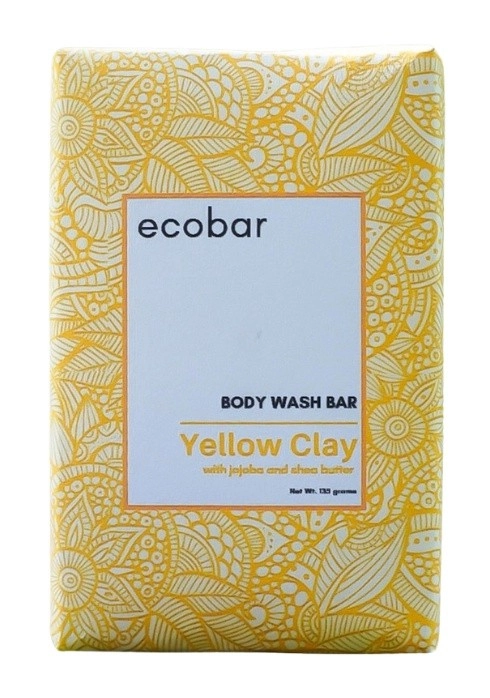
Analysis locked
How well does your skin match with ecobar Ecobar PH Gentle Bath Body Wash Bar (Yellow Clay)?
Login to see detailsOr continue via
Quick 1-minute survey • Completely free
Ingredients
Analysis results of Ingredients


Ingredient List
| EWG | CIR | Ingredient Name & Cosmetic Function | Notes |
|---|---|---|---|
| 1 | B | (Hair Conditioning, Surfactant, Cleansing) |  |
| 1 | A | (Surfactant, Emulsifying, Cleansing) | |
| - | - | | |
| - | - | (Hair Conditioning, Skin Conditioning, Skin-Conditioning Agent - Humectant, Surfactant - Cleansing Agent) | |



ecobar Ecobar PH Gentle Bath Body Wash Bar (Yellow Clay) - Ingredient Explanation
Sodium Cocoyl Isethionate
1. Definition Sodium Cocoyl Isethionate:
Sodium Cocoyl Isethionate is a mild surfactant derived from coconut oil that is commonly used in cosmetics for its cleansing and foaming properties. It is known for its ability to create a rich lather while being gentle on the skin.2. Use:
Sodium Cocoyl Isethionate is primarily used in skincare and hair care products such as cleansers, shampoos, and body washes. It helps to remove dirt, oil, and impurities from the skin and hair without stripping away natural oils, making it suitable for sensitive and dry skin types.3. Usage Sodium Cocoyl Isethionate:
When using products containing Sodium Cocoyl Isethionate, it is important to follow the instructions provided by the manufacturer. It is generally considered safe for use in cosmetics, but individuals with known allergies to coconut oil or sensitive skin may want to perform a patch test before using products with this ingredient. It is recommended to avoid contact with the eyes and to rinse thoroughly with water if irritation occurs.4. References:
- Sivakumar, R., Nandhakumar, S., & Sivasubramanian, S. (2018). Sodium Cocoyl Isethionate: A Review. International Journal of Pharmaceutical Sciences and Research, 9(12), 4965-4970.
- Kaur, R., & Sharma, S. (2019). Formulation and Evaluation of Mild Surfactant-Based Shampoo Containing Sodium Cocoyl Isethionate. Journal of Pharmaceutical Sciences and Research, 11(6), 2013-2018.
- Chaudhary, R., & Sharma, N. (2020). Sodium Cocoyl Isethionate: An Overview. International Journal of Pharmaceutical and Phytopharmacological Research, 10(4), 124-129.
Sodium Cocoate
1. Definition Sodium Cocoate:
Sodium Cocoate is the sodium salt of coconut oil fatty acids. It is commonly used in cosmetics as a surfactant and cleansing agent.2. Use:
Sodium Cocoate is used in a variety of cosmetic products such as soaps, shampoos, and facial cleansers. It helps to create lather and effectively remove dirt and oils from the skin and hair.3. Usage Sodium Cocoate:
When using products containing Sodium Cocoate, it is important to follow the manufacturer's instructions. Avoid contact with eyes, as it may cause irritation. It is recommended to rinse thoroughly with water if contact occurs. Additionally, individuals with sensitive skin may want to perform a patch test before using products with Sodium Cocoate to ensure there are no adverse reactions.4. References:
- "Sodium Cocoate." Cosmetics Info, www.cosmeticsinfo.org/ingredient/sodium-cocoate.
- "Coconut Oil." Healthline, www.healthline.com/nutrition/coconut-oil.
- "The Benefits of Using Coconut Oil in Cosmetics." The Derm Review, www.thedermreview.com/coconut-oil-in-cosmetics/.
Capryloyl/Caproyl Methyl Glucamide
1. Definition Capryloyl/Caproyl Methyl Glucamide:
Capryloyl/Caproyl Methyl Glucamide is a mild, non-ionic surfactant derived from natural raw materials such as coconut oil and glucose. It is often used in cosmetics as a cleansing agent and emulsifier.2. Use:
Capryloyl/Caproyl Methyl Glucamide is commonly used in skincare products such as cleansers, shampoos, and body washes due to its gentle cleansing properties. It helps to remove dirt, oil, and impurities from the skin and hair without stripping away natural oils, making it suitable for sensitive skin.3. Usage Capryloyl/Caproyl Methyl Glucamide:
When using products containing Capryloyl/Caproyl Methyl Glucamide, it is important to follow the instructions provided by the manufacturer. It is generally considered safe for use in cosmetics, but it is always recommended to perform a patch test before applying it to the entire face or body to check for any potential allergic reactions. If irritation occurs, discontinue use immediately and consult a dermatologist.4. References:
- Barel, A., Paye, M., & Maibach, H. (2001). Handbook of Cosmetic Science and Technology, Second Edition. CRC Press.
- Loden, M., & Maibach, H. (2005). Dry Skin and Moisturizers: Chemistry and Function, Second Edition. CRC Press.
- Draelos, Z. (2010). Cosmeceuticals, Second Edition. Elsevier.
Lauroyl/Myristoyl Methyl Glucamide
Lauroyl/Myristoyl Methyl Glucamide is a non-ionic surfactant derived from fatty acids such as lauric and myristic acid combined with methyl glucamine, a sugar-derived compound. This structure makes it suitable for use in mild, sulfate-free cleansing formulations.
In cosmetic products, it primarily functions as a cleansing agent, helping to remove dirt, excess oil, and impurities from the skin or hair. It also contributes to light foam formation and improves the overall skin feel after use, making the skin feel less stripped compared to harsher surfactants. As a result, it is commonly found in facial cleansers, body washes, and shampoos designed for gentle cleansing.
In formulation, Lauroyl/Myristoyl Methyl Glucamide is typically used in the water phase and is rarely used alone. Instead, it is often combined with other surfactants to create a balanced system that optimizes both cleansing performance and mildness. Typical usage levels range from 2–10%, depending on the formulation goals.
Although it is considered milder than traditional sulfates like SLS or SLES, it is still a surfactant and may disrupt the skin’s natural lipids at higher concentrations or in less optimized formulations. Its overall mildness depends not only on the ingredient itself but also on the full surfactant system, pH, and contact time.
In terms of skin suitability, it is considered low risk for oily skin, as it does not clog pores and helps remove excess sebum. However, for dry and sensitive skin, its suitability is not clearly determined, since it may still cause mild dryness or irritation depending on the formulation. The ingredient is free from parabens, sulfates, alcohol, and silicones, and is generally considered acne-safe due to its non-comedogenic nature. However, it should not be classified as allergen-free, as surfactants can still cause mild reactions in sensitive individuals.
Review

Didn't find
the information you need?




Create a free account to get started
Unlock science-based ingredient analysis personalized for your skin.
Already have an account? Log in
We protect your privacy. We never send spam.