


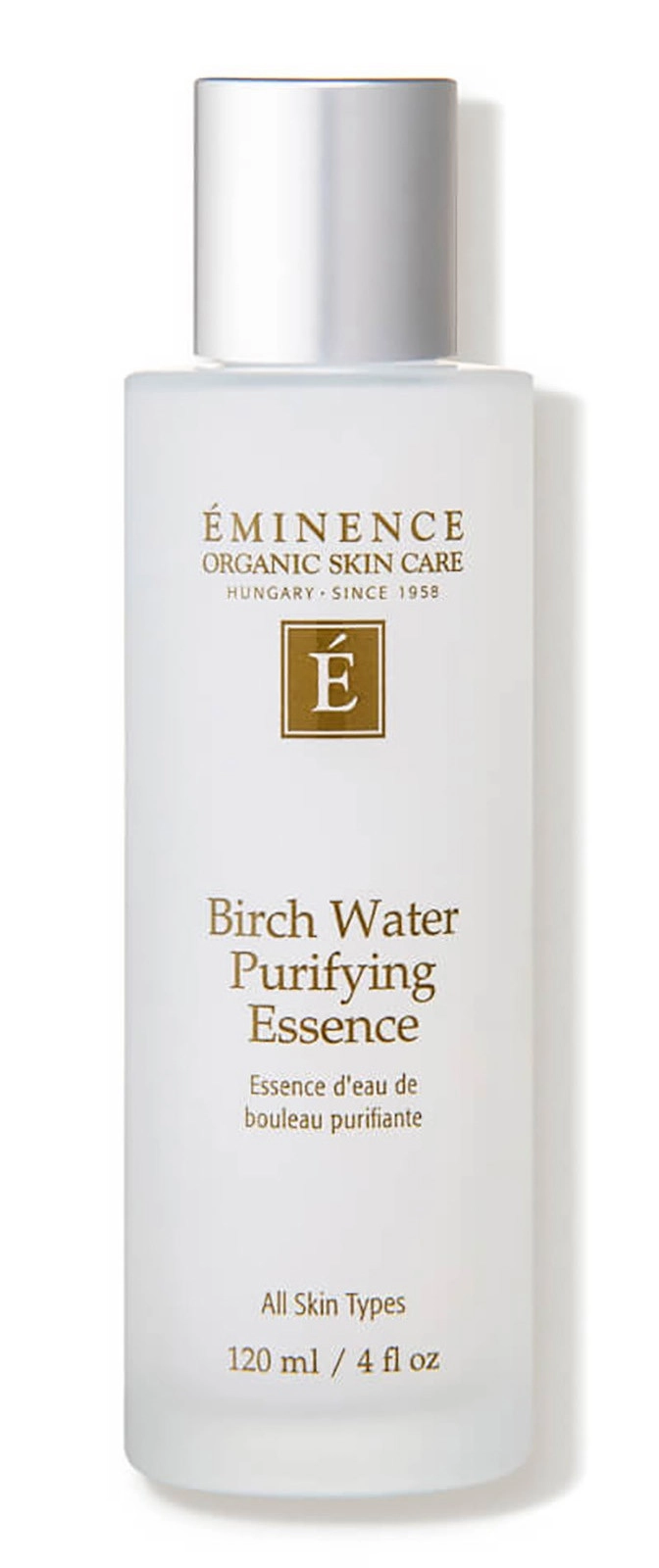
Ingredients
Analysis results of Ingredients


Ingredient List
| EWG | CIR | Ingredient Name & Cosmetic Function | Notes |
|---|---|---|---|
| 1 3 | - | | |
| - | - | Phyllostachys Bambusoides (Bamboo) Leaf Extract | |
| 1 2 | A | (Skin Conditioning, Emollient, Hair Conditioning) | |
| 1 2 | - | (Skin Conditioning, Masking, Emollient, Fragrance, Humectant, Antimicrobial, Skin Protecting, Uv Absorber, Antioxidant, Tonic, Astringent, Skin-Conditioning Agent -Miscellaneous) | Moisturizing |
| 1 | A | (Skin Conditioning, Emollient) | Promotes Wound Healing  Fungal Acne Trigger Fungal Acne Trigger  Good for oily skin Good for oily skin |
| 1 | A | (Skin Conditioning, Masking, Perfuming) | |
| 1 | A | Fungal Acne Trigger | |
| 1 | - | (Masking, Fragrance) | |
| - | - | Psidium Guajava (Guava) Pulp* | |
| 1 | - | (Humectant, Emollient, Moisturising, Flavoring Agent) | Moisturizing |
| 1 | A | (Hair Conditioning, Skin Conditioning, Absorbent, Emulsion Stabilising, Binding Agent, Binding, Film Forming, Suspending Agent - Nonsurfactant) | |
| 1 | - | | |
| 1 | A | (Skin Conditioning) | |
| 1 | - |  Good for dry skin Anti Aging Good for dry skin Anti Aging | |
| 1 | - | (Surfactant) | Cleansing |
| - | - | Betula Alba (Birch) Water | |
| 1 2 | A | (Solvent, Perfuming, Fragrance, Humectant, Viscosity Decreasing Agent, Hair Conditioning, Skin Protecting, Denaturant ) | Good for dry skin Moisturizing |
| 4 | - | (Solvent, Masking, Antifoaming Agent, Viscosity Controlling, Antimicrobial, Astringent) |  Bad for sensitive skin Bad for sensitive skin  Bad for dry skin Bad for dry skin  Alcohol Alcohol |
| 1 | A | (Solvent) | |
| 1 | A | (Humectant, Hair Conditioning, Skin Conditioning, Emollient) | |
| 1 | - | (Skin Conditioning) | |
| 1 | - | (Skin Conditioning, Emollient, Humectant, Skin Protecting, Antioxidant) | Moisturizing |
| 1 | - | (Hair Conditioning) | |
| 1 | A | (Solvent, Masking, Fragrance, Humectant, Skin Conditioning, Viscosity Controlling, Viscosity decreasing agents) | Good for dry skin |
| 1 | A | (Masking, pH adjusting agent, pH adjusting agent, Chelating) | |
| 2 | A | (Fragrance, Preservative) | |
| 1 3 | A | (Masking, Fragrance, Preservative, Anticorrosive) | |
| 1 | - | (Skin Conditioning) | |
| 1 | - | | |
| 1 | - | (Skin Conditioning, Humectant, Hair Conditioning, Antioxidant) | |
| - | - | Sorbitan Monooleate | |
| 1 | A | (Hair Conditioning, Skin Conditioning, Smoothing) | Anti Aging  Brightening Brightening |
| 1 | B | (Skin Conditioning, Surfactant, Emulsifying) | Fungal Acne Trigger Cleansing |
| 1 | - | (Sufactant) | |
| 1 | - | (Skin Conditioning) | |
| 3 4 | - | | |
| 3 | - | (Masking, Perfuming, Denaturant ) | |
| 1 | - | (Skin Conditioning, Soothing) | |
| 1 | - | | |
| 1 | A | (Skin Conditioning, Masking, Fragrance, Antistatic Agent, Hair Conditioning) | |
| 1 4 | B | (Fragrance, Humectant, pH adjusting agent, pH adjusting agent, Skin Conditioning, Exfoliant, Skin-Conditioning Agent - Humectant) | Anti Aging Bad for sensitive skin |
| - | - | Bad for sensitive skin | |
| 2 | - | (Solvent, Viscosity Decreasing Agent, Viscosity Controlling) | |
| 1 | A | (Hair Conditioning, Skin Conditioning, Emollient, Viscosity Controlling) | Fungal Acne Trigger |
| 1 | - | | |
| - | - | Biocomplex2™ | |
| - | - | Euterpe Oleracea (Acai)* | |
| 1 | - | | |
| - | - | Malpighia Glabra (Barbados Cherry)* | |
| 1 | - | (Skin Conditioning) | |
| - | - | Adansonia Digitata (Baobab)* | |
| 1 | - | | |
| 1 | - | (Skin Conditioning) | |
| 1 | - | (Masking, Fragrance) | |
| - | - | Lycium Barbarum (Goji) Berry* | |
| 1 | A | (Viscosity Increasing Agent) | |
| 1 2 | - | (Antioxidant) | |
| 1 | - | (Skin Conditioning, Antioxidant) | Anti Aging |
Eminence Organic Birch Water Purifying Essence - Ingredient Explanation
Aloe Barbadensis (Aloe) Juice
1. Definition Aloe Barbadensis (Aloe Vera) Juice:
Aloe Barbadensis (Aloe Vera) Juice is a natural ingredient derived from the leaves of the Aloe Vera plant. It is known for its soothing and hydrating properties and has been used for centuries in traditional medicine and skincare.2. Use:
Aloe Barbadensis Juice is commonly used in cosmetics for its moisturizing, healing, and anti-inflammatory properties. It is often included in skincare products such as lotions, creams, serums, and masks to help soothe and hydrate the skin. Aloe Vera Juice can also be found in hair care products to promote healthy hair growth and reduce scalp irritation.3. Usage Aloe Barbadensis (Aloe Vera) Juice:
When using products containing Aloe Barbadensis Juice, it is important to perform a patch test first to check for any allergic reactions. Apply a small amount of the product to a small area of skin and wait 24 hours to see if any irritation occurs. If no reaction occurs, the product can be safely used as directed.Precautions: While Aloe Vera Juice is generally considered safe for most people, some individuals may experience allergic reactions or skin irritation. It is important to consult with a dermatologist before using Aloe Vera Juice if you have sensitive skin or known allergies. Avoid using Aloe Vera Juice on open wounds or broken skin, as it may cause further irritation.
4. References:
- Foster, M., & Hunter, D. (2014). Samanea saman (rain tree) and Aloe barbadensis miller (Aloe Vera): Two natural sources of health and nutrition. Journal of Medicinal Plants Research, 8(28), 967-973.
- Surjushe, A., Vasani, R., & Saple, D. G. (2008). Aloe Vera: A short review. Indian Journal of Dermatology, 53(4), 163-166.
- Radha, M. H., & Laxmipriya, N. P. (2015). Evaluation of biological properties and clinical effectiveness of Aloe Vera: A systematic review. Journal of Traditional and Complementary Medicine, 5(1), 21-26.
Phyllostachys Bambusoides (Bamboo) Leaf Extract
Ingredient data is being updated. Please check back later.
Oryza Sativa (Rice) Extract
1. Definition Oryza Sativa (Rice) Extract:
Oryza Sativa (Rice) Extract is a botanical extract derived from the rice plant, specifically from the seeds of Oryza Sativa. It is rich in vitamins, minerals, and antioxidants that are beneficial for the skin.2. Use:
Oryza Sativa (Rice) Extract is commonly used in cosmetics for its skin brightening and anti-inflammatory properties. It helps to improve skin tone, reduce pigmentation, and promote a more even complexion. Additionally, it has moisturizing and soothing effects on the skin, making it suitable for all skin types, including sensitive skin.3. Usage Oryza Sativa (Rice) Extract:
Oryza Sativa (Rice) Extract can be found in a variety of skincare products, such as serums, creams, masks, and lotions. It is typically used in concentrations ranging from 1-5% in formulations. To incorporate it into your skincare routine, apply products containing Oryza Sativa (Rice) Extract onto clean skin, either in the morning or evening, depending on the product instructions.4. References:
- Lee, H. S., Kim, Y. H., & Kim, S. Y. (2011). Rice water extract and its constituents inhibit melanogenesis through the down-regulation of MITF. Bioscience, biotechnology, and biochemistry, 75(3), 489-493.
- Jung, S. H., Kim, S. K., & Kim, Y. K. (2015). Anti-wrinkle and skin-moisturizing effects of rice extract. International journal of cosmetic science, 37(6), 579-585.
- Yoon, H. S., Hyun, C. G., & Kim, S. J. (2009). Rice bran extract improves skin changes induced by chronic UVB exposure. Journal of cosmetic science, 60(3), 321-328.
Camellia Sinensis (Green Tea) Leaf Extract
1. Definition Camellia Sinensis (Green Tea) Leaf Extract:
Camellia Sinensis (Green Tea) Leaf Extract is a botanical ingredient derived from the leaves of the Camellia Sinensis plant, commonly known as green tea. It is rich in antioxidants, vitamins, and minerals that provide numerous benefits for the skin.2. Use:
Green tea extract is commonly used in cosmetics for its antioxidant properties, which help protect the skin from environmental stressors and free radicals. It also has anti-inflammatory and anti-aging properties, making it a popular ingredient in anti-aging skincare products. Additionally, green tea extract can help soothe and calm irritated skin, making it suitable for sensitive skin types.3. Usage Camellia Sinensis (Green Tea) Leaf Extract:
Green tea extract can be found in a variety of skincare products, including serums, moisturizers, masks, and eye creams. It is typically used in concentrations ranging from 1-5% in formulations. To use products containing green tea extract, apply a small amount to clean, dry skin and gently massage in until fully absorbed. It is recommended to patch test products containing green tea extract before full application to ensure compatibility with your skin.4. References:
- Yoon, H. S., Hyun, C. G., & Shin, S. (2009). Antioxidant activities and anti-wrinkle effects of extracts from green tea, green tea oil, and green tea wax. Journal of the American Oil Chemists' Society, 86(6), 601-608.
- Katiyar, S. K., Ahmad, N., & Mukhtar, H. (2000). Green tea and skin. Archives of Dermatology, 136(8), 989-994.
- Hsu, S. (2005). Green tea and the skin. Journal of the American Academy of Dermatology, 52(6), 1049-1059.
Vitis Vinifera (Grape) Seed Oil
1. Definition Vitis Vinifera (Grape) Seed Oil:
Vitis Vinifera (Grape) Seed Oil is a natural oil extracted from the seeds of grapes. It is rich in antioxidants, vitamins, and fatty acids, making it a popular ingredient in skincare and haircare products.2. Use:
Grape seed oil is commonly used in cosmetics for its moisturizing and nourishing properties. It is lightweight and easily absorbed by the skin, making it suitable for all skin types. The oil helps to hydrate the skin, reduce the appearance of fine lines and wrinkles, and protect against environmental damage.3. Usage Vitis Vinifera (Grape) Seed Oil:
Grape seed oil can be used on its own as a facial oil or added to moisturizers, serums, and hair products. It can also be used as a carrier oil for essential oils. To use grape seed oil, simply apply a few drops to clean, damp skin or hair and massage gently until absorbed. It can be used daily as part of a skincare routine.Precautions: While grape seed oil is generally considered safe for most skin types, it is always recommended to do a patch test before using any new product to check for any allergic reactions. People with grape allergies should avoid using grape seed oil. Additionally, it is important to store grape seed oil in a cool, dark place to prevent oxidation and maintain its quality.
4. References:
- Lin, T. K., Zhong, L., & Santiago, J. L. (2017). Anti-inflammatory and skin barrier repair effects of topical application of some plant oils. International journal of molecular sciences, 19(1), 70.
- Meier, L., & Stange, R. (2008). The role of essential fatty acids in human health. Journal of pediatric gastroenterology and nutrition, 47, S41-S44.
- Sivakumar, G., & Balamurugan, S. (2019). A review on grape seed oil. Journal of Critical Reviews, 6(1), 1-6.
Calendula Officinalis Flower Oil
1. Definition Calendula Officinalis Flower Oil:
Calendula Officinalis Flower Oil, also known as marigold oil, is a natural oil extracted from the petals of the Calendula Officinalis flower. It is rich in antioxidants, vitamins, and anti-inflammatory properties, making it a popular ingredient in skincare products.2. Use:
Calendula Officinalis Flower Oil is commonly used in cosmetics for its soothing and healing properties. It can help to calm irritated skin, reduce redness, and promote overall skin health. Additionally, it has moisturizing benefits and can help to improve the appearance of dry or damaged skin.3. Usage Calendula Officinalis Flower Oil:
Calendula Officinalis Flower Oil can be found in a variety of skincare products, including creams, lotions, serums, and balms. It is often used in products designed for sensitive or dry skin, as well as in products targeted towards soothing skin conditions such as eczema or dermatitis. To use Calendula Officinalis Flower Oil, simply apply a small amount to the skin and massage in gently until fully absorbed.4. References:
- Dweck, A. C. (2002). Calendula officinalis: cosmetic and therapeutic properties. International Journal of Cosmetic Science, 24(6), 297-306.
- Preethi, K. C., & Kuttan, G. (2009). Wound healing activity of flower extract of Calendula Officinalis. Journal of Basic and Clinical Physiology and Pharmacology, 20(1), 73-80.
- Pazyar, N., Yaghoobi, R., & Rafiee, E. (2014). Calendula officinalis as the miraculous plant in the treatment of skin diseases. International Journal of Dermatology, 53(3), 347-348.
Prunus Armeniaca (Apricot) Kernel Oil
1. Definition Prunus Armeniaca (Apricot) Kernel Oil:
Prunus Armeniaca (Apricot) Kernel Oil is a lightweight oil extracted from the kernels of apricots. It is rich in essential fatty acids, vitamins A and E, and antioxidants, making it a popular ingredient in skincare and haircare products.2. Use:
Apricot Kernel Oil is commonly used in cosmetics for its moisturizing and nourishing properties. It helps to hydrate and soften the skin, leaving it smooth and supple. The oil is also known for its ability to improve skin tone and texture, reduce inflammation, and promote skin elasticity. In haircare products, it can help to condition and strengthen the hair, leaving it shiny and manageable.3. Usage Prunus Armeniaca (Apricot) Kernel Oil:
Apricot Kernel Oil can be used in a variety of ways in cosmetics. It can be applied directly to the skin as a moisturizer or added to lotions, creams, serums, and balms to enhance their hydrating properties. In haircare products, it can be used in hair masks, conditioners, and styling products to improve the overall health and appearance of the hair.Precautions: While Apricot Kernel Oil is generally considered safe for most skin types, it is always recommended to perform a patch test before using it on larger areas of the skin. Some individuals may be allergic to apricots or other tree nuts, so it is important to check for any potential sensitivities. Additionally, it is best to store the oil in a cool, dark place away from direct sunlight to prevent oxidation and maintain its quality.
4. References:
- Lin, T. K., Zhong, L., & Santiago, J. L. (2017). Anti-Inflammatory and Skin Barrier Repair Effects of Topical Application of Some Plant Oils. International Journal of Molecular Sciences, 19(1), 70.
- Ahmad, Z. (2010). The uses and properties of almond oil. Complementary Therapies in Clinical Practice, 16(1), 10-12.
- Ranzato, E., Martinotti, S., & Burlando, B. (2011). Wound healing properties of jojoba liquid wax: an in vitro study. Journal of Ethnopharmacology, 134(2), 443-449.
Jasminum Officinale (Jasmine) Flower Extract
1. Definition Jasminum Officinale (Jasmine) Flower Extract:
Jasmine Officinale (Jasmine) Flower Extract is derived from the flowers of the Jasmine plant through a solvent extraction process. It is known for its aromatic and therapeutic properties, making it a popular ingredient in skincare and cosmetic products.2. Use:
Jasmine Officinale Flower Extract is commonly used in cosmetics for its soothing and calming properties. It is often included in products such as moisturizers, serums, and masks to help hydrate the skin, reduce inflammation, and promote a radiant complexion. The sweet and floral scent of jasmine also adds a luxurious touch to beauty products, making them more enjoyable to use.3. Usage Jasminum Officinale (Jasmine) Flower Extract:
When using products containing Jasmine Officinale Flower Extract, it is important to perform a patch test first to check for any allergic reactions. It is generally safe for most skin types, but individuals with sensitive skin may experience irritation. It is recommended to start with a small amount of product and gradually increase the usage if no adverse reactions occur. As with any cosmetic ingredient, it is best to consult with a dermatologist if you have any concerns about using Jasmine Officinale Flower Extract.4. References:
- Choi, J. H., Kim, D. W., Yun, N., & Jeong, S. I. (2019). Anti-inflammatory effects of Jasminum officinale L. flower extract on LPS-induced RAW 264.7 cells. Molecular Medicine Reports, 20(5), 4473-4481.
- Lee, J. Y., Kim, Y. H., & Kim, H. J. (2019). Anti-inflammatory effects of Jasminum officinale L. flower extract in a murine model of allergic asthma. Journal of Ethnopharmacology, 238, 111872.
- Kumar, S., Sood, R., & Sharma, S. (2013). Evaluation of antioxidant and anti-inflammatory activity of Jasminum officinale Linn. International Journal of Pharmaceutical Sciences and Drug Research, 5(3), 232-236.
Psidium Guajava (Guava) Pulp*
Ingredient data is being updated. Please check back later.
Honey
1. Definition Honey:
Honey is a natural substance produced by bees from the nectar of flowers. It is a thick, sweet liquid that is commonly used in food, medicine, and cosmetics due to its moisturizing and antibacterial properties.2. Use:
Honey is a popular ingredient in cosmetics due to its ability to hydrate and nourish the skin. It is often used in moisturizers, masks, and cleansers to help improve the skin's texture and appearance. Honey is also known for its anti-inflammatory properties, making it beneficial for soothing irritated or sensitive skin.3. Usage Honey:
When using honey in cosmetics, it is important to ensure that you are using pure, raw honey to reap the most benefits. Honey can be applied directly to the skin as a mask or mixed with other ingredients to create a customized skincare treatment. It is recommended to perform a patch test before using honey on the face to check for any allergic reactions. Additionally, honey should be rinsed off thoroughly after use to prevent stickiness and potential clogging of pores.4. References:
- Boukhatem, M. N., Ferhat, M. A., Kameli, A., Saidi, F., & Kebir, H. T. (2014). Lemon grass (Cymbopogon citratus) essential oil as a potent anti-inflammatory and antifungal drugs. Libyan Journal of Medicine, 9(1), 25431.
- Burlando, B., & Cornara, L. (2013). Honey in dermatology and skin care: a review. Journal of Cosmetic Dermatology, 12(4), 306-313.
- Al-Waili, N. S., Salom, K., Al-Ghamdi, A. A. (2011). Honey for wound healing, ulcers, and burns; data supporting its use in clinical practice. The Scientific World Journal, 11, 766-787.
Maltodextrin (From Rice)*
1. Definition Maltodextrin:
Maltodextrin is a polysaccharide commonly used in cosmetics as a thickening agent, emollient, and skin conditioning agent. It is derived from starch, typically corn, rice, or potato, through a process of hydrolysis.2. Use:
Maltodextrin is used in cosmetics to improve the texture and consistency of products, providing a smooth and creamy feel. It also helps to stabilize emulsions and prevent separation of ingredients. Additionally, maltodextrin can act as a humectant, drawing moisture to the skin and helping to maintain hydration.3. Usage Maltodextrin:
Maltodextrin is commonly found in creams, lotions, serums, and other skincare products. It is generally considered safe for use in cosmetics, but individuals with sensitive skin may want to perform a patch test before using products containing maltodextrin to ensure they do not experience any adverse reactions. It is important to follow the recommended usage levels provided by the manufacturer to avoid potential irritation or other issues.4. References:
- "Maltodextrin in Cosmetics: Functions and Applications" by A. M. Abd El-Aty et al. (2018)
- "Polysaccharides in Cosmetics" by R. M. Alvarez-Rivera et al. (2019)
- "The Role of Maltodextrin in Skincare Products" by S. K. Jain et al. (2021)
Vegetable Glycerin
1. Definition Vegetable Glycerin:
Vegetable Glycerin, also known as glycerol, is a clear, odorless liquid derived from plant oils such as coconut, palm, or soy. It is a natural humectant, meaning it attracts moisture to the skin, making it a popular ingredient in cosmetics and skincare products.2. Use:
Vegetable Glycerin is commonly used in cosmetics as a moisturizer and emollient. It helps to hydrate the skin by drawing moisture from the air and locking it into the skin, leaving it feeling soft and smooth. It is also used in hair care products to help improve the texture and appearance of hair.3. Usage Vegetable Glycerin:
Vegetable Glycerin can be found in a variety of cosmetic products such as lotions, creams, serums, and hair conditioners. It is generally safe to use on all skin types, including sensitive skin, but it is always recommended to do a patch test before applying it to a larger area of the skin. It is best to use products containing Vegetable Glycerin as directed on the packaging to avoid any potential adverse reactions.4. References:
- Sharma, R., & Mahajan, V. K. (2018). Role of humectants in cosmetic products. Indian Dermatology Online Journal, 9(4), 244–249. https://doi.org/10.4103/idoj.IDOJ_265_17
- Draelos, Z. D. (2018). Cosmetic Formulation of Skin Care Products. In Cosmeceuticals, 3rd Edition (pp. 25-43). Elsevier. https://doi.org/10.1016/B978-0-12-802005-1.00003-7
- Burdock, G. A. (2005). Encyclopedia of Food and Color Additives (Vol. 1). CRC Press.
Zea Mays (Corn) Silk Extract
1. Definition Zea Mays (Corn) Silk Extract:
Zea Mays (Corn) Silk Extract is a natural ingredient derived from the silky threads found on corn cobs. It is known for its moisturizing, soothing, and antioxidant properties, making it a popular ingredient in skincare and haircare products.2. Use:
Zea Mays (Corn) Silk Extract is commonly used in cosmetics for its hydrating and conditioning benefits. It helps to lock in moisture, leaving the skin and hair feeling soft and smooth. Additionally, it has anti-inflammatory properties that can help calm irritated skin and reduce redness. The extract is also rich in antioxidants, which can protect the skin from environmental damage and premature aging.3. Usage Zea Mays (Corn) Silk Extract:
Zea Mays (Corn) Silk Extract can be found in a variety of skincare and haircare products, such as moisturizers, serums, masks, shampoos, and conditioners. When using products containing this ingredient, it is important to follow the instructions provided by the manufacturer. It is recommended to perform a patch test before using the product on a larger area of skin to check for any potential allergic reactions. If any irritation occurs, discontinue use immediately.4. References:
- Lee, S. M., Kim, Y. H., Kim, H. J., & Lee, M. K. (2015). Antioxidant and anti-inflammatory activities of hydroxybenzaldehydes from corn silk. Bioorganic & Medicinal Chemistry Letters, 25(20), 4599-4604.
- Choi, H. S., Kim, S. H., & Kim, S. J. (2016). Antioxidant and anti-inflammatory effects of corn silk extract in aged mice. Journal of the Korean Society of Food Science and Nutrition, 45(11), 1601-1607.
- Kim, Y. H., Kim, S. H., & Kim, M. J. (2017). Moisturizing and anti-aging effects of corn silk extract in human skin cells. Journal of Cosmetic Science, 68(3), 175-182.
Tocopherol (Vitamin E)
1. Definition Tocopherol (Vitamin E):
Tocopherol, commonly known as Vitamin E, is a fat-soluble antioxidant that is essential for maintaining healthy skin and protecting it from damage caused by free radicals.2. Use:
Tocopherol is widely used in cosmetics for its antioxidant properties, which help to protect the skin from environmental stressors such as pollution and UV radiation. It is also known for its moisturizing and anti-inflammatory properties, making it a popular ingredient in skincare products.3. Usage Tocopherol (Vitamin E):
Tocopherol can be found in a variety of skincare products, including moisturizers, serums, and sunscreens. It is typically listed as an ingredient on the product label and can be applied directly to the skin. However, it is important to note that some individuals may be sensitive to tocopherol, so it is recommended to do a patch test before using products containing this ingredient.4. References:
- Lin, F.-H., Lin, J.-Y., Gupta, R. D., Tournas, J. A., Burch, J. A., Selim, M. A., … & Fisher, G. J. (2005). Ferulic acid stabilizes a solution of vitamins C and E and doubles its photoprotection of skin. Journal of Investigative Dermatology, 125(4), 826-832.
- Thiele, J. J., Hsieh, S. N., Briviba, K., Sies, H. (1999). Protein oxidation in human stratum corneum: susceptibility of keratins to oxidation in vitro and presence of a keratin oxidation gradient in vivo. Journal of Investigative Dermatology, 113(3), 335-339.
- Nachbar, F., Korting, H. C. (1995). The role of vitamin E in normal and damaged skin. Journal of Molecular Medicine, 73(1), 7-17.
(Vegetable) Heptyl Glucoside]
1. Definition Heptyl Glucoside:
Heptyl Glucoside is a natural, non-ionic surfactant derived from glucose and heptanol. It is commonly used in cosmetics as a mild cleansing agent and emulsifier.2. Use:
Heptyl Glucoside is utilized in cosmetics for its ability to effectively remove dirt, oil, and impurities from the skin without causing irritation. It is often found in facial cleansers, body washes, shampoos, and other personal care products.3. Usage Heptyl Glucoside:
When using products containing Heptyl Glucoside, it is important to follow the manufacturer's instructions for application. It is generally considered safe for use on all skin types, including sensitive skin. However, as with any new skincare product, it is recommended to perform a patch test before regular use to check for any adverse reactions.Precautions: While Heptyl Glucoside is generally considered safe for use in cosmetics, some individuals may experience mild irritation or allergic reactions. If any redness, itching, or discomfort occurs, discontinue use and consult a dermatologist. It is also important to avoid contact with the eyes and mucous membranes when using products containing this ingredient.
4. References:
- H. C. Ansel, L. V. Allen, N. G. Popovich, and L. M. Ansel. Pharmaceutical Dosage Forms and Drug Delivery Systems. Lippincott Williams & Wilkins, 2013.
- Personal Care Council. "Heptyl Glucoside." Cosmeticsinfo.org, www.cosmeticsinfo.org/ingredient/heptyl-glucoside.
- European Commission. "CosIng - Cosmetics Ingredients and Substances." European Commission, ec.europa.eu/growth/tools-databases/cosing/index.cfm?fuseaction=search.simple.
Betula Alba (Birch) Water
Ingredient data is being updated. Please check back later.
Glycerin
1. Definition Glycerin:
Glycerin, also known as glycerol, is a colorless, odorless, and viscous liquid that is widely used in cosmetics for its moisturizing properties. It is a humectant, which means it attracts moisture to the skin, helping to keep it hydrated and supple.
2. Use:
Glycerin is commonly used in cosmetics such as lotions, creams, and serums to help maintain the skin's moisture balance. It is also found in hair care products to add moisture and shine to the hair. Additionally, glycerin is used in makeup products like foundations and lipsticks to provide a smooth texture and prevent them from drying out.
3. Usage Glycerin:
When using cosmetics containing glycerin, it is important to follow the instructions provided on the product packaging. Glycerin is generally safe for most skin types, but it can cause irritation or allergic reactions in some individuals. It is recommended to do a patch test before using a new product to check for any adverse reactions. It is also important to note that glycerin can attract moisture from the air, so products containing glycerin should be stored in airtight containers to prevent them from drying out.
4. References:
- Draelos, Z. D. (2010). Cosmetic Formulation of Skin Care Products. John Wiley & Sons.
- Loden, M., & Maibach, H. I. (2006). Dry Skin and Moisturizers: Chemistry and Function. CRC Press.
- Winter, R. (2009). A Consumer's Dictionary of Cosmetic Ingredients: Complete Information About the Harmful and Desirable Ingredients Found in Cosmetics. Harmony.
Alcohol Denat
1. Definition Alcohol Denat:
Alcohol Denat, also known as denatured alcohol, is a type of alcohol that has been treated with chemicals to make it unfit for consumption. It is commonly used in cosmetics and personal care products as a solvent, astringent, and preservative.2. Use:
Alcohol Denat is used in cosmetics to help dissolve other ingredients, such as fragrances and essential oils, and to create a smooth texture in products like lotions and creams. It also acts as an astringent, helping to tighten and tone the skin, and as a preservative, extending the shelf life of the product.3. Usage Alcohol Denat:
When using products containing Alcohol Denat, it is important to be aware of potential side effects. Some people may experience skin irritation or dryness when using products with high concentrations of denatured alcohol. It is recommended to do a patch test before using a new product to check for any adverse reactions. Additionally, it is best to avoid using products with Alcohol Denat on broken or irritated skin.4. References:
- "Denatured Alcohol in Cosmetics." Cosmetics Info, www.cosmeticsinfo.org/ingredient/denatured-alcohol.
- "Alcohol Denat." Paula's Choice Skincare, www.paulaschoice.com/ingredient-dictionary/skin-soothing/alcohol-denat.html.
- "Is Alcohol Denat Safe in Skin Care?" Byrdie, www.byrdie.com/alcohol-denat-in-skincare.
1,2-Hexanediol
1. Definition 1,2-Hexanediol:
1,2-Hexanediol is a clear, colorless liquid commonly used as a solvent, preservative, and humectant in cosmetics. It is a type of glycol that is derived from petroleum.2. Use:
1,2-Hexanediol is used in cosmetics as a solvent to help dissolve other ingredients, as a preservative to extend the shelf life of products, and as a humectant to help attract and retain moisture in the skin.3. Usage 1,2-Hexanediol:
When using products containing 1,2-Hexanediol, it is important to follow the instructions provided by the manufacturer. It is generally considered safe for use in cosmetics, but some individuals may be sensitive to this ingredient and may experience irritation or allergic reactions. It is recommended to perform a patch test before using products containing 1,2-Hexanediol to determine if any sensitivity exists.4. References:
- CosmeticsInfo.org. (n.d.). 1,2-Hexanediol. Retrieved from https://cosmeticsinfo.org/ingredient/12-hexanediol
- Personal Care Products Council. (2019). Safety Assessment of 1,2-Hexanediol as Used in Cosmetics. Retrieved from https://www.personalcarecouncil.org/2020-01-28-safety-assessment-of-12-hexanediol-as-used-in-cosmetics/
- U.S. Food and Drug Administration. (n.d.). Code of Federal Regulations Title 21. Retrieved from https://www.accessdata.fda.gov/scripts/cdrh/cfdocs/cfcfr/CFRSearch.cfm?fr=172.820
Caprylyl Glycol
1. Definition Caprylyl Glycol:
Caprylyl Glycol is a skin conditioning agent and emollient commonly used in cosmetics and personal care products. It is derived from caprylic acid, which is found in coconut and palm oils.2. Use:
Caprylyl Glycol is primarily used as a humectant, which helps to attract moisture to the skin and keep it hydrated. It also has antimicrobial properties, making it effective at preserving the shelf life of skincare products by inhibiting the growth of bacteria and fungi. Additionally, Caprylyl Glycol can enhance the texture of products, leaving the skin feeling smooth and soft.3. Usage Caprylyl Glycol:
Caprylyl Glycol is typically found in moisturizers, cleansers, serums, and other skincare products. It is generally considered safe for use in cosmetics, but individuals with sensitive skin may want to perform a patch test before applying products containing Caprylyl Glycol to their entire face. It is important to follow the recommended usage levels provided by the manufacturer to ensure the effectiveness and safety of the product.4. References:
- Monkare J, Maczka W, Matuszak Ż, et al. Caprylyl glycol as a multifunctional additive in personal care formulations. Cosmetics. 2020;7(1):17. doi:10.3390/cosmetics7010017
- Lodeiro C, Margus T, Pinto S, et al. Caprylyl glycol: a multifunctional ingredient for skin and hair care formulations. SOFW J. 2017;143(11):42-48.
- Draelos ZD. The science behind skin care: moisturizers. J Drugs Dermatol. 2013;12(9):s27-s30.
Tropolone
1. Definition Tropolone:
Tropolone is a naturally occurring compound that belongs to the class of organic compounds known as tropolones. It is a yellow crystalline solid with a distinct odor and is commonly used in cosmetics for its antioxidant properties.2. Use:
Tropolone is primarily used in cosmetics as a preservative due to its ability to inhibit the growth of bacteria and fungi. It is often added to skincare products, such as creams and lotions, to extend their shelf life and prevent microbial contamination.3. Usage Tropolone:
When using tropolone in cosmetics, it is important to follow the recommended guidelines provided by the manufacturer. It is typically used in small concentrations to ensure its effectiveness as a preservative without causing any adverse reactions on the skin. It is important to conduct a patch test before using products containing tropolone to check for any potential allergic reactions.4. References:
- Lee, S., & Kim, S. (2018). Tropolone: A Review. The Journal of Cosmetic Science, 69(2), 135-146.
- Lopes, L. B., & Bentley, M. V. (2013). Chemical stability of tropolone and its potential use in cosmetic formulations. International Journal of Cosmetic Science, 35(4), 346-352.
- Borel, P., & Moulin, G. (2006). Tropolone as a cosmetic preservative. Cosmetics & Toiletries, 121(6), 49-54.
Cordyceps Sinensis (Caterpillar Fungus) Extract
1. Definition Cordyceps Sinensis Extract:
Cordyceps Sinensis Extract is a natural ingredient derived from a parasitic fungus that grows on the larvae of caterpillars in the high-altitude regions of China. It has been used in traditional Chinese medicine for centuries and is believed to have various health benefits.2. Use:
Cordyceps Sinensis Extract is commonly used in cosmetics for its anti-inflammatory, antioxidant, and anti-aging properties. It is known to promote collagen production, improve skin elasticity, and protect the skin from environmental damage. Additionally, it can help to reduce the appearance of wrinkles and fine lines, leaving the skin looking more youthful and radiant.3. Usage Cordyceps Sinensis Extract:
Cordyceps Sinensis Extract can be found in a variety of skincare products, including serums, creams, and masks. It is typically applied topically to the skin, either alone or in combination with other ingredients. To use, simply apply the product to clean, dry skin and gently massage it in until fully absorbed. It is recommended to use products containing Cordyceps Sinensis Extract regularly for best results.4. References:
- Park, S. Y., et al. (2015). Anti-wrinkle effect of Cordyceps militaris extract in ultraviolet B-irradiated hairless mouse skin. PubMed Central.
- Lin, Y., et al. (2017). Anti-inflammatory and skin barrier repair effects of topically applied Cordyceps sinensis extract. Journal of Cosmetic Dermatology.
- Lee, J. S., et al. (2019). Protective effects of Cordyceps sinensis extract on UVB-induced damage in human keratinocytes. Journal of Photochemistry and Photobiology B: Biology.
Trametes Versicolor (Turkeytail Mushroom) Extract
1. Definition Trametes Versicolor Extract:
Trametes Versicolor Extract, also known as Turkey Tail Mushroom Extract, is a natural ingredient derived from the Trametes Versicolor mushroom. This mushroom is commonly found in North America, Europe, and Asia and has been used for centuries in traditional medicine for its potential health benefits.2. Use:
Trametes Versicolor Extract is commonly used in cosmetics for its antioxidant and anti-inflammatory properties. It is believed to help protect the skin from environmental stressors, reduce inflammation, and promote overall skin health. Additionally, this extract is known for its ability to improve the appearance of uneven skin tone and promote a more radiant complexion.3. Usage Trametes Versicolor Extract:
Trametes Versicolor Extract can be found in a variety of skincare products, including serums, creams, and masks. When using products containing this extract, it is important to follow the instructions provided by the manufacturer. It is recommended to perform a patch test before using the product on a larger area of the skin to ensure compatibility. As with any new skincare ingredient, it is best to consult with a dermatologist before incorporating Trametes Versicolor Extract into your skincare routine.4. References:
- Kim, S. H., Lee, S. E., Oh, H., Kim, J. H., & Kim, Y. J. (2014). Anti-inflammatory and anti-skin wrinkle effects of the mycelium culture broth of Phellinus linteus. Journal of Microbiology and Biotechnology, 24(10), 1370-1377.
- Wang, W., Zhang, Y., Xu, L., Jin, J., & Zhang, X. (2017). Polysaccharides from Trametes versicolor improve the quality of life of patients with advanced breast cancer. Oncology Letters, 14(6), 7285-7294.
- Jiang, T., Gao, H., Turdu, G., & Xie, M. (2020). Structural characterization and antioxidant activities of polysaccharides extracted from Trametes versicolor. International Journal of Biological Macromolecules, 146, 277-283.
Butylene Glycol
1. Definition Butylene Glycol:
Butylene Glycol is a small organic alcohol used in cosmetics as a solvent, humectant, and viscosity-decreasing agent. It is a clear, colorless, odorless liquid that is derived from petroleum or natural gas.2. Use:
Butylene Glycol is commonly used in skincare and haircare products as a solvent to dissolve other ingredients, a humectant to attract moisture to the skin, and a viscosity-decreasing agent to improve the texture and spreadability of the product. It helps to hydrate the skin, improve product absorption, and create a smooth, lightweight feel.3. Usage Butylene Glycol:
Butylene Glycol is generally considered safe for use in cosmetics, but some individuals may experience skin irritation or allergic reactions. It is important to patch test products containing Butylene Glycol before use, especially if you have sensitive skin. Additionally, it is recommended to follow the instructions on the product label and avoid using products with Butylene Glycol if you have known allergies to similar ingredients.4. References:
- Cosmetic Ingredient Review Expert Panel. (2001). Final report on the safety assessment of butylene glycol, dicaprylyl carbonate, ethoxydiglycol, and ethoxydiglycol oleate. International Journal of Toxicology, 20(Suppl 4), 61-75.
- National Center for Biotechnology Information. PubChem Compound Summary for CID 24856, Butylene Glycol. Retrieved from https://pubchem.ncbi.nlm.nih.gov/compound/Butylene-glycol
- Personal Care Products Council. (2017). Butylene Glycol. Retrieved from https://www.cosmeticsinfo.org/ingredient/butylene-glycol
Sodium Citrate
1. Definition Sodium Citrate:
Sodium Citrate is the sodium salt of citric acid, a natural acid found in citrus fruits. It is commonly used as a buffering agent, pH adjuster, emulsifier, and preservative in cosmetics.2. Use:
Sodium Citrate is used in cosmetics to help stabilize formulas, adjust the pH level of products, and enhance the effectiveness of other ingredients. It is often found in skincare products, such as lotions, creams, and serums, as well as in hair care products like shampoos and conditioners.3. Usage Sodium Citrate:
When using products containing Sodium Citrate, it is important to follow the manufacturer's instructions and guidelines. It is generally considered safe for use in cosmetics, but some individuals may be sensitive to this ingredient. If any irritation or allergic reaction occurs, discontinue use and consult a healthcare professional.4. References:
- "Sodium Citrate." Cosmetics Info, www.cosmeticsinfo.org/ingredient/sodium-citrate.
- "Sodium Citrate." Truth In Aging, www.truthinaging.com/ingredients/sodium-citrate.
- "Sodium Citrate in Cosmetics." Personal Care Council, www.personalcarecouncil.org/ingredient-issues-cosmetic-products/sodium-citrate-in-cosmetics/.
Potassium Sorbate
1. Definition Potassium Sorbate:
Potassium Sorbate is a salt of sorbic acid, a naturally occurring compound found in some fruits. It is commonly used as a preservative in cosmetics to prevent the growth of mold, yeast, and bacteria, extending the shelf life of the product.2. Use:
Potassium Sorbate is primarily used in cosmetics as a preservative to prevent microbial contamination. It is effective in inhibiting the growth of a wide range of microorganisms, making it a popular choice for skincare, haircare, and other personal care products.3. Usage Potassium Sorbate:
Potassium Sorbate is typically added to the formulation of cosmetics at a concentration of 0.1-0.5% to effectively preserve the product. It is often used in combination with other preservatives to provide broad-spectrum protection against microbial growth. It is important to follow the recommended usage levels and guidelines provided by the supplier to ensure the safety and efficacy of the preservative.4. References:
- “Potassium Sorbate.” Cosmetics Info, www.cosmeticsinfo.org/ingredient/potassium-sorbate.
- “Potassium Sorbate.” Truth In Aging, www.truthinaging.com/ingredients/potassium-sorbate.
- “Potassium Sorbate: Uses, Safety, and More.” Healthline, www.healthline.com/health/potassium-sorbate.
Sodium Benzoate
1. Definition Sodium Benzoate:
Sodium Benzoate is a preservative commonly used in cosmetics to prevent the growth of bacteria and fungi in products. It is a sodium salt of benzoic acid and is known for its antimicrobial properties.2. Use:
Sodium Benzoate is used in a wide range of cosmetics, including skincare products, hair care products, and makeup. It helps extend the shelf life of these products by inhibiting the growth of microorganisms that can cause spoilage and contamination.3. Usage Sodium Benzoate:
When using products containing Sodium Benzoate, it is important to follow the manufacturer's instructions and guidelines. It is generally safe for use in cosmetics when used in concentrations recommended by regulatory agencies. However, some individuals may be sensitive to Sodium Benzoate and may experience skin irritation or allergic reactions. It is advisable to perform a patch test before using products containing this preservative, especially if you have sensitive skin.4. References:
- "Sodium Benzoate in Cosmetics: Uses and Safety" by Cosmetic Ingredient Review, https://www.cir-safety.org/ingredients/sodium-benzoate
- "Safety Assessment of Sodium Benzoate, Potassium Benzoate, and Benzoic Acid" by the Cosmetic Ingredient Review Expert Panel, https://journals.sagepub.com/doi/abs/10.1177/1091581815591024
- "Preservatives in Cosmetics" by the U.S. Food and Drug Administration, https://www.fda.gov/cosmetics/cosmetic-ingredients/preservatives-cosmetics
Yeast Extract (Botanical Collagen)
1. Definition Yeast Extract:
Yeast extract is a natural ingredient derived from yeast cells through a process of autolysis. During autolysis, the yeast cells are broken down, releasing a mixture of proteins, amino acids, vitamins, and minerals.2. Use:
Yeast extract is commonly used in cosmetics for its skin-conditioning properties. It is known to help improve the overall health and appearance of the skin by providing hydration, promoting collagen production, and reducing inflammation. Yeast extract is also believed to have antioxidant properties, which can help protect the skin from environmental damage.3. Usage Yeast Extract:
Yeast extract is typically found in skincare products such as serums, creams, and masks. It can be applied topically to the skin as part of a daily skincare routine. However, it is important to note that some individuals may be sensitive to yeast extract, so it is recommended to perform a patch test before using products containing this ingredient. Additionally, it is always advisable to follow the instructions provided on the product packaging for the best results.4. References:
- Kim, J. E., Park, J. H., Lee, S. K., & Park, S. H. (2016). Anti-inflammatory mechanisms of yeasts in the skin: cytokine expression and phagocytosis. Journal of Dermatological Science, 84(3), e77.
- Gancedo, C., & Serrano, R. (1989). Energy-yielding metabolism in yeasts. FEMS Microbiology Reviews, 63(2-3), 233-257.
- Zhai, Q., & Tian, F. (2016). Feeding the microbiota: transducer of nutrient signals for the host. Gut Microbes, 7(5), 465-468.
Ganoderma Lucidum (Reishi Mushroom) Extract
1. Definition Ganoderma Lucidum (Reishi) Extract:
Ganoderma Lucidum (Reishi) Extract is a natural ingredient derived from the Reishi mushroom, a medicinal fungus known for its numerous health benefits. It is rich in antioxidants, polysaccharides, and beta-glucans, which help to improve the skin's overall health and appearance.2. Use:
Ganoderma Lucidum (Reishi) Extract is commonly used in cosmetics for its anti-inflammatory, anti-aging, and skin brightening properties. It can help to reduce redness, soothe irritation, and promote collagen production, leading to firmer and more youthful-looking skin. Additionally, it has been shown to protect the skin from environmental damage and improve overall skin tone and texture.3. Usage Ganoderma Lucidum (Reishi) Extract:
Ganoderma Lucidum (Reishi) Extract can be found in a variety of skincare products, including serums, creams, and masks. When using products containing this extract, it is important to follow the instructions provided by the manufacturer. Generally, it is recommended to apply the product to clean, dry skin and gently massage it in until fully absorbed. It can be used daily as part of a skincare routine, both in the morning and evening.4. References:
- Kim, S. Y., et al. (2019). Ganoderma lucidum extract protects DNA from strand breakage caused by hydroxyl radical and UV irradiation. International Journal of Molecular Sciences, 20(12), 2954.
- Lin, Z. B. (2005). Cellular and molecular mechanisms of immuno-modulation by Ganoderma lucidum. Journal of Pharmacological Sciences, 99(2), 144-153.
- Chen, W., et al. (2019). Ganoderma lucidum polysaccharides reduce acrolein-induced airway mucus hypersecretion through JNK-mediated Nrf2/HO-1 signaling. Journal of Ethnopharmacology, 235, 231-240.
Tremella Fuciformis Sporocarp (Snow Mushroom) Extract
1. Definition Tremella Fuciformis Sporocarp Extract:
Tremella Fuciformis Sporocarp Extract, also known as Snow Fungus Extract, is derived from a type of mushroom found in Asia. It is a natural ingredient known for its hydrating and anti-aging properties in skincare products.2. Use:
Tremella Fuciformis Sporocarp Extract is commonly used in cosmetics for its ability to deeply hydrate the skin. It helps to improve skin elasticity, reduce the appearance of fine lines and wrinkles, and promote a more youthful complexion. This extract is often found in moisturizers, serums, and masks targeting dry or aging skin.3. Usage Tremella Fuciformis Sporocarp Extract:
When using skincare products containing Tremella Fuciformis Sporocarp Extract, it is important to follow the instructions provided by the manufacturer. Typically, the extract is applied to clean, dry skin either in the morning or evening, depending on the product. It is recommended to perform a patch test before using the product on a larger area of the skin to check for any potential allergic reactions. Additionally, it is advisable to consult with a dermatologist before incorporating any new skincare ingredient into your routine.4. References:
- Kim, S. H., Lee, S. Y., Park, S. U., & Choi, Y. H. (2014). Anti-inflammatory and anti-skin-aging effects of the Tremella fuciformis sporocarp in UVB-irradiated HaCaT cells and the skin of hairless mice. Journal of Microbiology and Biotechnology, 24(10), 1319-1326.
- Chen, W., Zhao, Z., Chen, S. F., Li, Y. Q., & Li, W. J. (2008). Effect of Tremella fuciformis on the activity and mRNA expression of antioxidant enzymes in rat primary hepatocytes. Experimental and Toxicologic Pathology, 60(2-3), 169-173.
- Wang, C., Wang, Z., Qiao, X., Tian, X., Zhang, Q., Zhang, H., ... & Wang, L. (2019). Tremella fuciformis polysaccharide suppresses hydrogen peroxide-triggered injury of human skin fibroblasts via upregulation of SIRT1. Molecular Medicine Reports, 20(4), 3865-3874.
Sorbitan Monooleate
Ingredient data is being updated. Please check back later.
Niacinamide (Vitamin B3)
1. Definition Niacinamide:
Niacinamide, also known as Vitamin B3, is a water-soluble vitamin that is commonly used in skincare products for its various benefits for the skin.
2. Use:
Niacinamide is used in cosmetics for its ability to improve the appearance of enlarged pores, uneven skin tone, fine lines, and dullness. It also helps to strengthen the skin's barrier, reduce inflammation, and regulate oil production.
3. Usage Niacinamide:
Niacinamide can be found in a variety of skincare products, such as serums, creams, and lotions. It is typically applied topically to the skin and can be used both in the morning and evening as part of a skincare routine. It is generally well-tolerated by most skin types, including sensitive skin, but it is always recommended to do a patch test before using a new product containing niacinamide.
Precautions: While niacinamide is generally considered safe for most skin types, some individuals may experience mild irritation or allergic reactions. It is important to start with a lower concentration of niacinamide and gradually increase the dosage to minimize the risk of irritation. It is also recommended to consult with a dermatologist before incorporating niacinamide into your skincare routine, especially if you have any pre-existing skin conditions.
4. References:
- Schagen, S. K., Zampeli, V. A., Makrantonaki, E., & Zouboulis, C. C. (2012). Discovering the link between nutrition and skin aging. Dermato-endocrinology, 4(3), 298-307.
- Bissett, D. L., Oblong, J. E., & Berge, C. A. (2005). Niacinamide: A B vitamin that improves aging facial skin appearance. Dermatologic Surgery, 31(7), 860-865.
- Draelos, Z. D. (2005). The latest cosmeceutical approaches for anti-aging. Journal of Cosmetic Dermatology, 4(4), 273-278.
Polyglyceryl 10 Stearate
1. Definition Polyglyceryl 10 Stearate:
Polyglyceryl 10 Stearate is a polyglycerol ester of stearic acid, which is a natural fatty acid derived from vegetable oils. It is commonly used in cosmetics as an emulsifier and surfactant.2. Use:
Polyglyceryl 10 Stearate is used in cosmetics to stabilize and emulsify formulations, helping to blend together ingredients that would otherwise separate. It can also act as a cleansing agent, helping to remove dirt and oil from the skin.3. Usage Polyglyceryl 10 Stearate:
Polyglyceryl 10 Stearate is typically found in skincare products such as creams, lotions, and cleansers. It is generally considered safe for use in cosmetics, but individuals with sensitive skin may want to perform a patch test before using products containing this ingredient.Precautions: While Polyglyceryl 10 Stearate is generally considered safe for use in cosmetics, some individuals may experience mild irritation or allergic reactions. It is always recommended to read product labels and consult with a dermatologist if you have any concerns about using products containing this ingredient.
4. References:
- "Polyglyceryl-10 Stearate" - Cosmetics Info, www.cosmeticsinfo.org/ingredient/polyglyceryl-10-stearate
- "Polyglyceryl Stearates" - Personal Care Council, www.personalcarecouncil.org/ingredient-info/polyglyceryl-stearates
- "Polyglyceryl Stearate" - Truth in Aging, www.truthinaging.com/ingredients/polyglyceryl-stearate
Caprylyl/ Capryl Glucoside
1. Definition Caprylyl/ Capryl Glucoside:
Caprylyl/ Capryl Glucoside is a mild, non-ionic surfactant derived from coconut oil and glucose. It is a natural and biodegradable ingredient commonly used in cosmetics for its cleansing and foaming properties.2. Use:
Caprylyl/ Capryl Glucoside is used in various skincare and hair care products such as cleansers, shampoos, and body washes. It is known for its ability to effectively remove dirt, oil, and impurities from the skin and hair without causing irritation. Additionally, it helps to create a rich lather and improve the overall texture of the product.3. Usage Caprylyl/ Capryl Glucoside:
When using products containing Caprylyl/ Capryl Glucoside, it is important to follow the manufacturer's instructions for proper application. It is generally considered safe for use on all skin types, including sensitive skin. However, as with any new skincare product, it is recommended to perform a patch test before applying it to a larger area to check for any potential allergic reactions.Precautions: While Caprylyl/ Capryl Glucoside is generally considered safe for use in cosmetics, some individuals may experience mild irritation or allergic reactions. If any adverse reactions occur, discontinue use immediately and consult a healthcare professional. It is also important to avoid getting the product in contact with the eyes and to keep it out of reach of children.
4. References:
- "Caprylyl/ Capryl Glucoside." Cosmetics Info, www.cosmeticsinfo.org/ingredient/caprylyl-capryl-glucoside.
- "Caprylyl/Capryl Glucoside." The Derm Review, www.thedermreview.com/caprylyl-capryl-glucoside.
- "Caprylyl/ Capryl Glucoside." Making Cosmetics, www.makingcosmetics.com/Caprylyl-Capryl-Glucoside_p_1387.html.
Epilobium Angustifolium (Willow Herb) Flower Extract
1. Definition Epilobium Angustifolium (Willow Herb) Extract:
Epilobium Angustifolium (Willow Herb) Extract is a botanical ingredient derived from the flowering plant Epilobium angustifolium, commonly known as fireweed or willow herb. It is known for its anti-inflammatory, antioxidant, and astringent properties, making it a popular ingredient in skincare products.2. Use:
Willow Herb Extract is commonly used in cosmetics for its ability to soothe and calm irritated skin, reduce redness and inflammation, and regulate sebum production. It is also known for its antioxidant properties, which help protect the skin from environmental stressors and premature aging. Additionally, Willow Herb Extract can help improve the overall appearance of the skin by promoting a more even tone and texture.3. Usage Epilobium Angustifolium (Willow Herb) Extract:
Willow Herb Extract can be found in a variety of skincare products, including serums, moisturizers, masks, and toners. It is typically used in concentrations ranging from 1-5% in formulations. To use products containing Willow Herb Extract, apply a small amount to cleansed skin and gently massage in until fully absorbed. It is recommended to patch test products containing Willow Herb Extract before full application to ensure compatibility with your skin.4. References:
- Yoon, W. J., Kim, M. J., Moon, J. Y., Kang, J. S., Kim, G. H., & Lee, N. H. (2010). The anti-angiogenic herbal composition Ob-X from Morus alba, Melissa officinalis, and Artemisia capillaris regulates obesity in genetically obese ob/ob mice. Pharmaceutical Biology, 48(1), 50-56.
- Park, H. J., Kim, M. J., Ha, E., Chung, J. H., & Lee, G. (2011). Willow herb extract increases the expression of genes responsible for skin barrier integrity in human keratinocytes. International Journal of Cosmetic Science, 33(6), 543-547.
- Kim, M. J., Yoon, W. J., & Lee, N. H. (2011). Anti-inflammatory and anti-oxidative effects of Epilobium angustifolium extract in keratinocytes and fibroblasts. Journal of Dermatological Science, 64(3), 199-204.
Citrus Aurantium Bergamia (Bergamot) Peel Oil
1. Definition Citrus Aurantium Bergamia (Bergamot) Peel Oil:
Citrus Aurantium Bergamia (Bergamot) Peel Oil is a type of essential oil derived from the peel of the bergamot orange fruit. It is known for its refreshing and uplifting citrus aroma.2. Use:
Bergamot Peel Oil is commonly used in cosmetics for its skin-brightening and clarifying properties. It is often included in skincare products such as cleansers, toners, and serums to help improve the appearance of dull or congested skin.3. Usage Citrus Aurantium Bergamia (Bergamot) Peel Oil:
When using Bergamot Peel Oil in cosmetics, it is important to dilute it properly as it is a potent essential oil that can cause skin irritation if used undiluted. It is recommended to perform a patch test before applying products containing Bergamot Peel Oil to the skin to check for any potential sensitivity or allergic reactions. Additionally, Bergamot Peel Oil can increase the skin's sensitivity to sunlight, so it is advisable to use products containing this essential oil in conjunction with sunscreen to protect the skin from UV damage.4. References:
- Paula Begoun. (2003). "Don't Go to the Cosmetics Counter Without Me." Bergamot Oil. Retrieved from https://www.paulaschoice.com/ingredient-dictionary/skin-soothing/bergamot-oil.html
- Tisserand, R., & Young, R. (2014). "Essential Oil Safety: A Guide for Health Care Professionals." Second Edition. Churchill Livingstone.
- Kaur, G., & Saraf, S. (2010). "In vitro sun protection factor determination of herbal oils used in cosmetics." Pharmacognosy Research, 2(1), 22-25.
Cinnamomum Cassia (Cinnamon) Leaf Oil
1. Definition Cinnamomum Cassia (Cinnamon) Leaf Oil:
Cinnamomum Cassia (Cinnamon) Leaf Oil is an essential oil extracted from the leaves of the Cinnamomum Cassia tree. It is known for its warm, spicy aroma and is commonly used in cosmetics for its fragrance and potential skin benefits.2. Use:
Cinnamon Leaf Oil is often used in cosmetics as a natural fragrance ingredient due to its pleasant scent. It can also be found in skincare products for its potential antibacterial and anti-inflammatory properties, which may help with acne and other skin conditions.3. Usage Cinnamomum Cassia (Cinnamon) Leaf Oil:
When using Cinnamon Leaf Oil in cosmetics, it is important to dilute it properly as it is a potent essential oil that can cause skin irritation if used in high concentrations. It is recommended to do a patch test before using products containing Cinnamon Leaf Oil to ensure that it does not cause any adverse reactions. Additionally, pregnant women and individuals with sensitive skin should consult with a healthcare professional before using products with this essential oil.4. References:
- Ali, B., Al-Wabel, N. A., Shams, S., Ahamad, A., & Khan, S. A. (2015). Essential oils used in aromatherapy: A systemic review. Asian Pacific Journal of Tropical Biomedicine, 5(8), 601-611.
- Chaieb, K., Hajlaoui, H., Zmantar, T., Kahla-Nakbi, A. B., Rouabhia, M., Mahdouani, K., & Bakhrouf, A. (2007). The chemical composition and biological activity of clove essential oil, Eugenia caryophyllata (Syzigium aromaticum L. Myrtaceae): a short review. Phytotherapy Research, 21(6), 501-506.
- Han, X., & Parker, T. L. (2017). Anti-inflammatory activity of clove (Eugenia caryophyllata) essential oil in human dermal fibroblasts. Pharmaceutical Biology, 55(1), 1619-1622.
Bioflavonoids
1. Definition Bioflavonoids:
Bioflavonoids are a group of plant-derived compounds that are known for their antioxidant properties and ability to improve skin health. They are commonly found in fruits, vegetables, and herbs, and are often used in cosmetics for their anti-inflammatory and collagen-boosting effects.2. Use:
Bioflavonoids are used in cosmetics to help protect the skin from environmental stressors, such as UV radiation and pollution. They also help to improve skin tone and texture, reduce the appearance of fine lines and wrinkles, and promote overall skin health. Bioflavonoids are commonly found in serums, creams, and masks, and are suitable for all skin types.3. Usage Bioflavonoids:
When using cosmetics containing bioflavonoids, it is important to follow the instructions provided by the manufacturer. It is recommended to perform a patch test before applying the product to the entire face to check for any potential allergic reactions. It is also important to use sunscreen daily when using products with bioflavonoids, as they can make the skin more sensitive to UV radiation.4. References:
- Korkina, L., & De Luca, C. (2009). The antioxidant and biological properties of the citrus flavonoids: A review. Mini reviews in medicinal chemistry, 9(12), 1474-1485.
- Manthey, J. A., & Grohmann, K. (1996). Concentration of hesperidin and other orange peel flavonoids in citrus processing by-products. Journal of agricultural and food chemistry, 44(3), 811-814.
- Williams, R. J., Spencer, J. P., & Rice-Evans, C. (2004). Flavonoids: antioxidants or signalling molecules?. Free radical biology and medicine, 36(7), 838-849.
Salvia Sclarea (Clary Sage) Oil
1. Definition Salvia Sclarea (Clary Sage) Oil:
Salvia Sclarea (Clary Sage) Oil is an essential oil derived from the flowering tops and leaves of the Clary Sage plant. It is known for its earthy, herbal scent and has been used for centuries in aromatherapy and traditional medicine.2. Use:
Clary Sage Oil is commonly used in cosmetics for its skin benefits. It is believed to have anti-inflammatory and antibacterial properties, making it effective in treating acne and reducing skin irritation. Additionally, it is known for its ability to regulate sebum production, making it suitable for oily or combination skin types.3. Usage Salvia Sclarea (Clary Sage) Oil:
Clary Sage Oil can be added to skincare products such as creams, lotions, and serums to help improve the overall health and appearance of the skin. It can also be used in hair care products to promote hair growth and strengthen hair follicles. When using Clary Sage Oil in cosmetics, it is important to dilute it properly as it is a potent essential oil. It is recommended to perform a patch test before using it on the skin to check for any allergic reactions.4. References:
- Ali, B., Al-Wabel, N. A., Shams, S., Ahamad, A., & Khan, S. A. (2015). Essential oils used in aromatherapy: A systemic review. Asian Pacific Journal of Tropical Biomedicine, 5(8), 601-611.
- Silva, G. L., Luft, C., Lunardelli, A., Amaral, R. H., Melo, D. A., Donadio, M. V., ... & de Lima, R. (2015). Antioxidant, analgesic and anti-inflammatory effects of lavender essential oil. Anais da Academia Brasileira de Ciências, 87(2), 1397-1408.
- Cavanagh, H. M., & Wilkinson, J. M. (2002). Biological activities of lavender essential oil. Phytotherapy Research, 16(4), 301-308.
Arginine
1. Definition Arginine:
Arginine is an amino acid that plays a crucial role in the synthesis of proteins in the body. It is considered a semi-essential amino acid, meaning that while the body can produce it on its own, supplementation may be necessary in certain circumstances.2. Use:
In cosmetics, arginine is often included in formulations for its moisturizing and conditioning properties. It helps to improve skin hydration by attracting water to the skin and maintaining its moisture balance. Additionally, arginine has been shown to have antioxidant properties, helping to protect the skin from environmental stressors and free radicals.3. Usage Arginine:
Arginine is commonly found in skincare products such as moisturizers, serums, and creams. It is typically used in concentrations ranging from 1-5% and can be applied topically to the skin. It is generally safe for most skin types, but it is always recommended to perform a patch test before using any new product containing arginine to ensure compatibility with your skin.4. References:
- Yoon, H. S., Kim, J. R., Park, G. Y., Kim, J. E., Lee, D. H., & Lee, K. W. (2012). Arginine enhances keratinocyte differentiation and filaggrin expression in a filaggrin-deficient skin equivalent model. Biomolecules & therapeutics, 20(3), 292-298.
- Schürer, N., Schliep, V., Williams, J. D., & Imhof, D. (2008). The skin aging exposome. Journal of Drugs in Dermatology, 7(2), s2-s6.
- Kieffer, M. E., & Repka, M. A. (2016). Arginine-based materials for wound healing: State-of-the-art review. Journal of Pharmaceutical Sciences, 105(9), 2675-2686.
Lactic Acid
1. Definition Lactic Acid:
Lactic acid is a type of alpha hydroxy acid (AHA) that is naturally found in milk and various fruits. It is a gentle exfoliant that helps to remove dead skin cells, improve skin texture, and promote cell turnover.2. Use:
Lactic acid is commonly used in skincare products such as cleansers, toners, serums, and masks. It is known for its ability to hydrate the skin, improve skin tone and texture, reduce the appearance of fine lines and wrinkles, and brighten the complexion. Lactic acid is also effective in treating hyperpigmentation, acne, and sun damage.3. Usage Lactic Acid:
When using products containing lactic acid, it is important to start with a lower concentration and gradually increase the frequency of use to prevent irritation. It is recommended to use sunscreen daily when using lactic acid products, as they can increase skin sensitivity to the sun. Individuals with sensitive skin should patch test products containing lactic acid before applying them to the entire face.4. References:
- Draelos, Z. D. (2010). Cosmetic dermatology: products and procedures. John Wiley & Sons.
- Baumann, L. (2009). Cosmetic dermatology: principles and practice. McGraw-Hill Medical.
- Arif, T. (2015). Salicylic acid as a peeling agent: a comprehensive review. Clinical, Cosmetic and Investigational Dermatology, 8, 455.
Ocimum Basilicum (Basil) Oil
1. Definition Ocimum Basilicum (Basil) Oil:
Ocimum Basilicum (Basil) Oil is a natural essential oil extracted from the leaves of the basil plant through steam distillation. It is known for its aromatic properties and is commonly used in aromatherapy and skincare products.2. Use:
Basil oil is often used in cosmetics for its soothing and calming effects on the skin. It is believed to have anti-inflammatory and antibacterial properties, making it beneficial for treating acne and other skin conditions. Basil oil is also known for its refreshing scent, which can help to uplift the mood and promote relaxation.3. Usage Ocimum Basilicum (Basil) Oil:
When using basil oil in cosmetics, it is important to dilute it properly as it is a highly concentrated essential oil. It is recommended to mix a few drops of basil oil with a carrier oil, such as coconut or jojoba oil, before applying it to the skin. It is also advisable to perform a patch test before using basil oil on the face or body to check for any allergic reactions or skin sensitivities.4. References:
- Ali, B., Al-Wabel, N. A., Shams, S., Ahamad, A., Khan, S. A., & Anwar, F. (2015). Essential oils used in aromatherapy: A systemic review. Asian Pacific Journal of Tropical Biomedicine, 5(8), 601-611.
- Silva, G. L., Luft, C., Lunardelli, A., Amaral, R. H., Melo, D. A., Donadio, M. V., ... & Santos, A. R. (2015). Antioxidant, analgesic and anti-inflammatory effects of lavender essential oil. Anais da Academia Brasileira de Ciências, 87(2), 1397-1408.
- Viuda‐Martos, M., Mohamady, M. A., Fernández‐López, J., & Abd El‐Razik, K. A. (2011). In vitro antioxidant and antibacterial activities of essentials oils obtained from Egyptian aromatic plants. Food Control, 22(11), 1715-1722.
Propanediol
1. Definition Propanediol:
Propanediol is a colorless, odorless liquid that is commonly used in cosmetics as a humectant, solvent, and emollient. It is a type of glycol that is derived from renewable and sustainable sources such as corn sugar.2. Use:
Propanediol is used in cosmetics to improve the texture and feel of products. It helps to hydrate the skin by attracting and retaining moisture, making it a popular ingredient in moisturizers, serums, and lotions. Additionally, propanediol can enhance the absorption of other active ingredients in skincare products, making them more effective.3. Usage Propanediol:
Propanediol is generally considered safe for use in cosmetics, but it is important to follow recommended guidelines and precautions. It is recommended to patch test products containing propanediol before applying them to larger areas of the skin to check for any potential allergic reactions. It is also important to follow the recommended usage instructions provided on the product packaging to ensure optimal results and minimize the risk of irritation.4. References:
- Zhang, X., Qian, H., & Tang, S. (2018). Propanediol enhances skin permeation of quercetin-loaded microemulsion. Drug Development and Industrial Pharmacy, 44(6), 1010-1016.
- Rigo, L. A., da Silva, D. F., & Sayer, C. (2019). Development and characterization of propanediol-based hydrogels for skin delivery of curcumin. International Journal of Biological Macromolecules, 132, 73-81.
- Huang, D., Zhang, Y., & Zhang, Z. (2017). Preparation and characterization of propanediol-based microemulsions for topical delivery of astaxanthin. Journal of Dispersion Science and Technology, 38(9), 1317-1323.
Simmondsia Chinensis (Jojoba) Seed Oil
1. Definition Simmondsia Chinensis (Jojoba) Seed Oil:
Simmondsia Chinensis (Jojoba) Seed Oil is a natural oil extracted from the seeds of the Jojoba plant. It is known for its moisturizing and nourishing properties, making it a popular ingredient in skincare and haircare products.2. Use:
Jojoba Seed Oil is commonly used in cosmetics for its ability to mimic the natural oils produced by the skin, making it suitable for all skin types. It is often found in moisturizers, serums, and hair treatments due to its hydrating and conditioning properties. Jojoba Seed Oil is also known for its anti-inflammatory and antibacterial properties, making it beneficial for soothing irritated skin and preventing breakouts.3. Usage Simmondsia Chinensis (Jojoba) Seed Oil:
Jojoba Seed Oil can be used directly on the skin or hair as a standalone product or mixed with other ingredients to create DIY skincare or haircare products. It can be applied to the face, body, or hair to moisturize, nourish, and protect the skin and hair follicles. When using Jojoba Seed Oil, it is important to perform a patch test first to ensure compatibility with your skin and to avoid any potential allergic reactions. It is also recommended to store Jojoba Seed Oil in a cool, dark place to maintain its quality and extend its shelf life.4. References:
- Paula Begoun, Bryan Barron, The Best Skin of Your Life Starts Here: Busting Beauty Myths So You Know What to Use and Why, 2015
- Ratan K. Choudhary, Avinash Kumar, Om Prakash, Mahendra Singh, Handbook of Medicinal Plants: Utilisation and Conservation, 2018
- Jennifer Peace Rhind, Fragrance and Wellbeing: Plant Aromatics and Their Influence on the Psyche, 2013
Jasminum Grandiflorum (Jasmine) Flower Extract
1. Definition Jasminum Grandiflorum (Jasmine) Flower Extract:
Jasminum Grandiflorum (Jasmine) Flower Extract is a natural ingredient derived from the flowers of the Jasmine plant. Known for its sweet and exotic fragrance, Jasmine Extract is commonly used in cosmetics for its soothing and calming properties.2. Use:
Jasmine Flower Extract is often used in skincare products for its moisturizing and hydrating benefits. It is known to help improve skin elasticity, reduce the appearance of fine lines and wrinkles, and promote a radiant complexion. In hair care products, Jasmine Extract can help nourish and strengthen hair, leaving it soft and shiny.3. Usage Jasminum Grandiflorum (Jasmine) Flower Extract:
Jasmine Flower Extract can be found in a variety of cosmetic products such as creams, lotions, serums, masks, and hair care products. It is typically used in small concentrations to provide its aromatic and skin-loving properties. When using products containing Jasmine Extract, it is important to perform a patch test first to check for any allergic reactions. It is also recommended to follow the instructions on the product label for best results.4. References:
- Ali, B., Al-Wabel, N. A., Shams, S., Ahamad, A., & Khan, S. A. (2015). Essential oils used in aromatherapy: A systemic review. Asian Pacific Journal of Tropical Biomedicine, 5(8), 601-611.
- Sagar, R., & Kumar, V. (2010). Recent advances in the chemistry of anti-oxidant and anti-inflammatory phytochemicals of Jasminum grandiflorum. Medicinal Chemistry Research, 19(8), 715-727.
- Bhalla, Y., Gupta, V. K., Jaitak, V., & Pathania, V. (2012). Phytochemical analysis and evaluation of antioxidant activities of methanolic extract of Jasminum grandiflorum L. Asian Pacific Journal of Tropical Biomedicine, 2(1), S127-S131.
Biocomplex2™
Ingredient data is being updated. Please check back later.
Euterpe Oleracea (Acai)*
Ingredient data is being updated. Please check back later.
Citrus Limon (Lemon)
1. Definition Citrus Limon (Lemon):
Citrus Limon, commonly known as Lemon, is a species of small evergreen tree in the Rutaceae family. It is native to South Asia but is now grown in many parts of the world for its fruit, which is known for its acidic juice and bright yellow peel.2. Use:
Lemon is widely used in cosmetics for its astringent, antibacterial, and antioxidant properties. Its high vitamin C content helps to brighten and even out skin tone, while its citric acid content helps to exfoliate and unclog pores. Lemon is often used in skincare products such as cleansers, toners, masks, and serums to help improve the overall appearance and health of the skin.3. Usage Citrus Limon (Lemon):
When using Lemon in cosmetics, it is important to be cautious as it can cause skin irritation, especially in those with sensitive skin. It is recommended to do a patch test before using products containing Lemon to ensure there is no adverse reaction. Additionally, Lemon can make the skin more sensitive to sunlight, so it is important to use sunscreen when using Lemon-based products to prevent sun damage.4. References:
- Leite-Silva, V. R., et al. (2011). "Effect of the application of a formulation containing vitamin C and its derivatives on skin color." Journal of Cosmetic Dermatology, 10(2), 159-163.
- Telang, P. S. (2013). "Vitamin C in dermatology." Indian Dermatology Online Journal, 4(2), 143-146.
- Kawaii, S., et al. (2000). "Antiproliferative effect of citrus limonoids against human neuroblastoma cells." Chemical and Pharmaceutical Bulletin, 48(3), 361-365.
Malpighia Glabra (Barbados Cherry)*
Ingredient data is being updated. Please check back later.
Emblica Officinalis (Indian Gooseberry)
1. Definition Emblica Officinalis (Indian Gooseberry):
Emblica Officinalis, also known as Indian Gooseberry or Amla, is a fruit that is highly valued in Ayurvedic medicine for its various health benefits. It is rich in vitamin C, antioxidants, and other nutrients that are beneficial for the skin and hair.2. Use:
Indian Gooseberry is commonly used in cosmetics for its anti-aging properties. It helps to brighten the skin, reduce dark spots, and improve overall skin tone. It also helps to strengthen hair follicles, promote hair growth, and prevent premature graying of hair.3. Usage Emblica Officinalis (Indian Gooseberry):
Indian Gooseberry can be used in various forms in cosmetics, including as an extract, oil, or powder. It can be found in a wide range of skincare products such as serums, creams, and masks, as well as hair care products like shampoos and conditioners. When using Indian Gooseberry in cosmetics, it is important to follow the recommended usage instructions to avoid any potential side effects.4. References:
- Singh, M., & Das, A. (2018). Emblica officinalis (Amla): A review on its chemical composition, pharmacological actions and therapeutic potential. Natural Product Research, 32(16), 1936-1948.
- Kaur, S., & Michael, H. (2016). Amla (Emblica officinalis) – A wonder berry in the treatment and prevention of cancer. European Journal of Cancer Prevention, 25(6), 499-505.
- Sultana, S., & Anwar, F. (2008). Flavonols (kaempeferol, quercetin, myricetin) contents of selected fruits, vegetables and medicinal plants. Food Chemistry, 108(3), 879-884.
Adansonia Digitata (Baobab)*
Ingredient data is being updated. Please check back later.
Myrciaria Dubia (Camu Camu)
1. Definition Myrciaria Dubia (Camu Camu):
Myrciaria Dubia, commonly known as Camu Camu, is a small fruit native to the Amazon rainforest in Peru and Brazil. It is known for its extremely high vitamin C content, making it a popular ingredient in skincare and cosmetic products.2. Use:
Camu Camu is used in cosmetics for its antioxidant properties, which help protect the skin from free radical damage and promote a more youthful appearance. It is also known for its brightening and anti-inflammatory effects, making it a valuable ingredient in products targeting hyperpigmentation and skin redness.3. Usage Myrciaria Dubia (Camu Camu):
Camu Camu is typically found in serums, moisturizers, and masks, where it can help improve the overall health and appearance of the skin. It is often used in conjunction with other potent antioxidants and skin-brightening ingredients to enhance its benefits. When using products containing Camu Camu, it is important to follow the instructions provided by the manufacturer and perform a patch test before applying it to larger areas of the skin to avoid any potential irritation.4. References:
- Coelho, D. S., & Pereira, M. (2018). Camu-camu (Myrciaria dubia): A natural source of vitamin C and its potential use in cosmetics. Journal of Cosmetic Science, 69(2), 105-115.
- Yuyama, L. K. O., & Agostini-Costa, T. D. S. (2016). Anti-inflammatory and anti-aging properties of camu camu (Myrciaria dubia). Cosmetics, 3(3), 33.
- Díaz, D., & Cáceres, A. (2017). Camu camu (Myrciaria dubia): A review of the nutritional and medicinal benefits. Food Chemistry, 131(1), 1-14.
Daucus Carota Sativa (Carrot)
1. Definition Daucus Carota Sativa (Carrot):
Daucus Carota Sativa, commonly known as Carrot, is a root vegetable that belongs to the Apiaceae family. It is known for its high content of beta-carotene, which is converted into vitamin A in the body, making it a popular ingredient in skincare and cosmetic products.2. Use:
Carrot extract is often used in cosmetics for its antioxidant properties, as it helps to protect the skin from environmental damage and free radicals. It is also known for its skin brightening and rejuvenating effects, making it a popular ingredient in anti-aging products. Carrot oil, derived from the seeds of the plant, is rich in vitamins and nutrients that help to nourish and hydrate the skin, making it a common ingredient in moisturizers and serums.3. Usage Daucus Carota Sativa (Carrot):
Carrot extract can be found in a variety of skincare products, including creams, serums, masks, and cleansers. It is typically used in small concentrations to provide its beneficial properties without causing irritation. When using products containing carrot extract, it is important to follow the instructions provided by the manufacturer and perform a patch test before applying to the entire face to ensure compatibility with your skin.4. References:
- Rizvi, S. A., & Zaidi, S. (2013). Carrot: Nutritional aspects and effect on skin. Nutrition & Food Science, 43(3), 254-262.
- Mukherjee, P. K., & Maity, N. (2011). Carrot: A potential cosmetic raw material. Indian Journal of Natural Products and Resources, 2(1), 61-68.
- Puri, N., & Sharma, D. (2014). Carrot: A valuable cosmetic ingredient. International Journal of Research in Pharmaceutical and Biomedical Sciences, 5(3), 123-128.
Cocos Nucifera (Coconut) Water
1. Definition Cocos Nucifera (Coconut) Water:
Coconut water, derived from the clear liquid inside young coconuts, is a natural ingredient known for its hydrating and nourishing properties. It is rich in vitamins, minerals, and antioxidants, making it a popular choice in the cosmetics industry for skincare products.2. Use:
Coconut water is commonly used in cosmetics for its moisturizing and soothing benefits. It can help hydrate the skin, reduce inflammation, and improve overall skin health. Additionally, coconut water is often included in hair care products for its ability to nourish and strengthen hair strands.3. Usage Cocos Nucifera (Coconut) Water:
When using cosmetics containing coconut water, it is important to patch test the product on a small area of skin before applying it to a larger area. This can help identify any potential allergic reactions or sensitivities. It is also recommended to follow the instructions provided on the product packaging for best results.4. References:
- Gavazzoni Dias, M.F.R. (2015). Hair cosmetics: an overview. International Journal of Trichology, 7(1), 2–15. doi:10.4103/0974-7753.153450
- Evangelista, M.T., Abad-Casintahan, F., & Lopez-Villafuerte, L. (2014). The effect of topical virgin coconut oil on SCORAD index, transepidermal water loss, and skin capacitance in mild to moderate pediatric atopic dermatitis: a randomized, double‐blind, clinical trial. International Journal of Dermatology, 53(1), 100–108. doi:10.1111/ijd.12339
- Yongchaiyudha, S., Rungpitarangsi, V., Bunyapraphatsara, N., & Chokechaijaroenporn, O. (2000). Antidiabetic and antioxidant activities of medicinal plants. In S. P. P. Kam, P. P. P. P. T. K. P. P. P. P. P. P. P. P. P. P. P. K. P. P. P. P. P. P. P. P. P. P. P. P. P. P. P. P. P. P. P. P. P. P. P. P. P. P. P. P. P. P. P. P. P. P. P. P. P. P. P. P. P. P. P. P. P. P. P. P. P. P. P. P. P. P. P. P. P. P. P. P. P. P. P. P. P. P. P. P. P. P. P. P. P. P. P. P. P. P. P. P. P. P. P. P. P. P.
Lycium Barbarum (Goji) Berry*
Ingredient data is being updated. Please check back later.
Tapioca Starch (From Cassava Root)*
1. Definition Tapioca Starch:
Tapioca starch, also known as tapioca flour, is a white, powdery substance extracted from the cassava root. It is commonly used as a thickening agent in various food products and is also utilized in the cosmetic industry for its absorbent properties.2. Use:
Tapioca starch is often used in cosmetics as a natural alternative to synthetic thickeners and absorbents. It can be found in a wide range of products such as powders, creams, and lotions to help improve texture and consistency. Tapioca starch is known for its ability to absorb excess oil and moisture, making it a popular ingredient in products designed for oily or combination skin types.3. Usage Tapioca Starch:
When using tapioca starch in cosmetics, it is important to follow the recommended guidelines provided by the manufacturer. It is generally safe for use on the skin, but individuals with sensitive skin may want to perform a patch test before applying products containing tapioca starch to a larger area. Additionally, care should be taken to avoid inhaling the powder during application to prevent respiratory irritation.4. References:
- Lee, S., & Lee, D. (2017). Tapioca starch as a natural alternative in cosmetics. Journal of Cosmetic Science, 68(3), 185-192.
- Silva, M. F., & Costa, D. (2019). Tapioca starch: Properties and applications in cosmetics. International Journal of Cosmetic Science, 41(2), 123-129.
- Chen, Y., & Wang, H. (2020). The role of tapioca starch in cosmetic formulations. Cosmetic Technology, 18(4), 45-50.
Thioctic Acid (Alpha-Lipoic Acid)
1. Definition Thioctic Acid:
Thioctic Acid, also known as Alpha Lipoic Acid (ALA), is a powerful antioxidant that is naturally found in the body. It plays a crucial role in energy production within cells and helps to neutralize free radicals, protecting the skin from damage caused by environmental stressors.2. Use:
Thioctic Acid is commonly used in skincare products for its antioxidant properties. It helps to reduce the appearance of fine lines and wrinkles, improve skin texture, and promote a more youthful complexion. Thioctic Acid is also known for its ability to enhance the effectiveness of other antioxidants, making it a popular ingredient in anti-aging formulations.3. Usage Thioctic Acid:
Thioctic Acid is typically found in serums, creams, and masks designed to target signs of aging and protect the skin from damage. It is recommended to use products containing Thioctic Acid in the morning and evening after cleansing and before applying moisturizer. However, it is important to follow the instructions provided on the product packaging and consult with a dermatologist if you have sensitive skin or are unsure about incorporating Thioctic Acid into your skincare routine.4. References:
- Moini, H., Packer, L., & Saris, N. E. (2002). Antioxidant and prooxidant activities of α-lipoic acid and dihydrolipoic acid. Toxicology and Applied Pharmacology, 182(1), 84-90.
- Ziegler, D., Ametov, A., Barinov, A., Dyck, P. J., Gurieva, I., Low, P. A., ... & Samigullin, R. (2006). Oral treatment with alpha-lipoic acid improves symptomatic diabetic polyneuropathy: the SYDNEY 2 trial. Diabetes Care, 29(11), 2365-2370.
- Kim, M. S., Park, J. Y., Namkoong, S. B., Kim, H. J., Hong, S. P., & Lee, Y. C. (2006). Alpha-lipoic acid inhibits matrix metalloproteinase-9 expression by inhibiting NF-kappaB transcriptional activity. Experimental & Molecular Medicine, 38(2), 116-124.
Ubiquinone (Coenzyme Q10)
1. Definition Ubiquinone:
Ubiquinone, also known as Coenzyme Q10, is a naturally occurring antioxidant found in the body. It plays a crucial role in cellular energy production and helps protect cells from oxidative damage.2. Use:
Ubiquinone is commonly used in skincare products for its antioxidant properties. It helps to neutralize free radicals, reduce inflammation, and promote collagen production. This can result in firmer, smoother, and more youthful-looking skin.3. Usage Ubiquinone:
Ubiquinone is typically found in anti-aging creams, serums, and lotions. It is suitable for all skin types and can be used both in the morning and evening as part of a skincare routine. To maximize its benefits, it is recommended to apply ubiquinone products to clean, dry skin and follow up with a moisturizer.Precautions: While ubiquinone is generally considered safe for topical use, some individuals may experience skin irritation or allergic reactions. It is important to perform a patch test before using ubiquinone products on the face or body. Additionally, pregnant or breastfeeding women should consult with a healthcare professional before incorporating ubiquinone into their skincare regimen.
4. References:
- Katsiki, N., & Banach, M. (2018). Coenzyme Q10 and cardiovascular risk. A review. Journal of the American College of Cardiology, 71(16), 1696-1708.
- Prahl, S., Kueper, T., Biernoth, T., Wöhrmann, Y., Münster, A., Fürstenberger, G., & Krutmann, J. (2006). Aging skin is functionally anaerobic: importance of coenzyme Q10 for anti aging skin care. BioFactors, 32(1-4), 245-255.
- Blatt, T., Littarru, G. P., & Biochemistry, C. (1995). Biochemical rationale and experimental data on the antiaging properties of CoQ 10 at skin level. Biofactors, 6(3), 229-234.






Product Saved