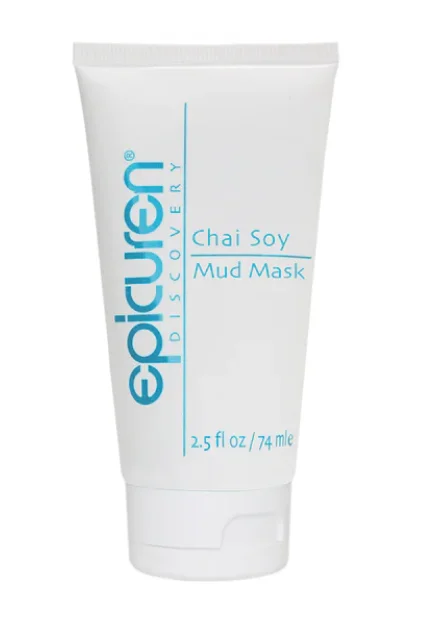
Epicuren Discovery Chai Soy Mud Mask - Ingredient Explanation
Other Names: Iron Oxide; Ferric Oxide; Iron Oxides (CI 77491, CI 77492, CI 77499); Ferrous oxide
Function: Colorant, Cosmetic Colorant
1. Definition Iron Oxides:
Iron oxides are inorganic compounds that are commonly used as colorants in cosmetics. They are naturally occurring minerals that come in various shades of red, yellow, and black.
2. Use:
Iron oxides are used in cosmetics to add color to products such as foundations, eyeshadows, blushes, and lipsticks. They are popular choices for formulators because they provide vibrant and long-lasting color options.
3. Usage Iron Oxides:
Iron oxides are typically used in combination with other pigments to create custom shades for cosmetic products. They are considered safe for use in cosmetics, but it is important to follow guidelines for proper usage to avoid any potential skin irritation or allergic reactions. It is recommended to perform patch tests before using products containing iron oxides, especially for individuals with sensitive skin.
4. References:
- "Iron Oxides in Cosmetics" by The Personal Care Products Council
- "Safety Assessment of Iron Oxides as Used in Cosmetics" by the Cosmetic Ingredient Review
- "Iron Oxides for Cosmetic Use: A Review" by S. B. Chavan and A. R. Bhamare
Other Names: Provitamin B5; Panthenol; D-Panthenol; DL-Panthenol; Provitamin B
Function: Hair Conditioning, Skin Conditioning, Antistatic Agent
1. Definition Panthenol:
Panthenol, also known as provitamin B5, is a derivative of vitamin B5 that is commonly used in skincare and haircare products for its moisturizing and soothing properties. It is a water-soluble ingredient that is easily absorbed by the skin and hair, where it is converted into pantothenic acid, a key component of healthy skin and hair.
2. Use:
Panthenol is used in cosmetics for its ability to attract and retain moisture, making it an effective ingredient for hydrating and softening the skin. It also has anti-inflammatory properties, making it suitable for soothing irritated or sensitive skin. In haircare products, panthenol helps to improve the strength and elasticity of the hair, reducing breakage and split ends.
3. Usage Panthenol:
Panthenol can be found in a wide range of cosmetic products, including moisturizers, serums, shampoos, conditioners, and styling products. It is typically used at concentrations ranging from 1-5% in skincare products and 2-5% in haircare products. Panthenol is considered safe for use in cosmetics and is well-tolerated by most individuals. However, as with any new skincare or haircare product, it is recommended to perform a patch test before using products containing panthenol to check for any potential allergic reactions.
4. References:
- Draelos, Z. D. (2010). Cosmetic Formulation of Skin Care Products. CRC Press.
- Baumann, L. (2009). Cosmetic Dermatology: Principles and Practice. McGraw Hill Professional.
- Fiume, M. M., Bergfeld, W. F., Belsito, D. V., Hill, R. A., Klaassen, C. D., Liebler, D. C., ... & Andersen, F. A. (2016). Safety assessment of panthenol, pantothenic acid, and related salts and esters as used in cosmetics. International Journal of Toxicology, 35(2), 42S-61S.
Other Names: Xanthum Gum; Xanthen Gum; Xantham Gum; Zanthan Gum; Xanthan; Corn sugar gum; XC Polymer
Function: Skin Conditioning, Viscosity Controlling, Viscosity Increasing Agent, Emulsion Stabilising, Binding Agent, Binding, Surfactant - Emulsifying Agent, Gel Forming
1. Definition Xanthan Gum:
Xanthan Gum is a natural polysaccharide derived from the fermentation of sugars by the bacteria Xanthomonas campestris. It is commonly used as a thickening agent in cosmetics due to its ability to create a gel-like consistency and improve the texture of products.
2. Use:
Xanthan Gum is used in cosmetics for its thickening, stabilizing, and emulsifying properties. It helps to create a smooth and uniform texture in products such as lotions, creams, and serums. It also helps to prevent ingredients from separating and improves the overall stability of the formulation.
3. Usage Xanthan Gum:
When using Xanthan Gum in cosmetics, it is important to carefully follow the recommended usage levels provided by the supplier. Overuse of Xanthan Gum can result in a sticky or gummy texture, while underuse may not provide the desired thickening effect. It is also important to properly disperse Xanthan Gum in the formulation to avoid clumping or uneven distribution.
4. References:
- Silva, E. O., et al. (2018). Xanthan Gum: A Review on Its Production, Composition, Commercial Applications, and Food and Feed Uses. Food and Bioprocess Technology, 11(1), 195-229.
- Kaur, A., et al. (2020). Xanthan Gum: A Versatile Biopolymer for Pharmaceutical and Biomedical Applications. Journal of Polymers and the Environment, 28(7), 1541-1555.
- Li, Z., et al. (2019). Xanthan Gum and Its Applications in Drug Delivery: A Review. Carbohydrate Polymers, 217, 1-8.
Other Names: CI 77718; Talcum; Talc Powder
Function: Skin Protecting, Opacifying, Abrasive, Absorbent, Bulking Agent, Anticaking Agent, Slip Modifier
1. Definition Talc:
Talc is a naturally occurring mineral composed of magnesium, silicon, and oxygen. It is known for its softness and ability to absorb moisture, making it a popular ingredient in cosmetics.
2. Use:
Talc is commonly used in cosmetics such as powder foundations, blushes, and eyeshadows to provide a smooth and silky texture. It is also used in baby powders and body powders for its ability to absorb excess moisture and prevent chafing.
3. Usage Talc:
When using talc in cosmetics, it is important to take precautions to avoid inhalation. Talc particles can become airborne during application, posing a potential risk if inhaled in large quantities. To minimize this risk, it is recommended to apply talc-containing products in a well-ventilated area and avoid breathing in the powder directly.
4. References:
- "Talc: What it is and how it is used in cosmetics." American Academy of Dermatology. https://www.aad.org/public/everyday-care/skin-care-secrets/routine/talc
- "Talc." U.S. Food and Drug Administration. https://www.fda.gov/cosmetics/cosmetic-ingredients/talc
- "Talc." Environmental Working Group. https://www.ewg.org/skindeep/ingredients/706401-talc/
Function: Skin Conditioning, Masking, Emollient, Fragrance, Humectant, Antimicrobial, Skin Protecting, Uv Absorber, Antioxidant, Tonic, Astringent, Skin-Conditioning Agent -Miscellaneous
1. Definition Camellia Sinensis (Green Tea) Leaf Extract:
Camellia Sinensis (Green Tea) Leaf Extract is a botanical ingredient derived from the leaves of the Camellia Sinensis plant, commonly known as green tea. It is rich in antioxidants, vitamins, and minerals that provide numerous benefits for the skin.
2. Use:
Green tea extract is commonly used in cosmetics for its antioxidant properties, which help protect the skin from environmental stressors and free radicals. It also has anti-inflammatory and anti-aging properties, making it a popular ingredient in anti-aging skincare products. Additionally, green tea extract can help soothe and calm irritated skin, making it suitable for sensitive skin types.
3. Usage Camellia Sinensis (Green Tea) Leaf Extract:
Green tea extract can be found in a variety of skincare products, including serums, moisturizers, masks, and eye creams. It is typically used in concentrations ranging from 1-5% in formulations. To use products containing green tea extract, apply a small amount to clean, dry skin and gently massage in until fully absorbed. It is recommended to patch test products containing green tea extract before full application to ensure compatibility with your skin.
4. References:
- Yoon, H. S., Hyun, C. G., & Shin, S. (2009). Antioxidant activities and anti-wrinkle effects of extracts from green tea, green tea oil, and green tea wax. Journal of the American Oil Chemists' Society, 86(6), 601-608.
- Katiyar, S. K., Ahmad, N., & Mukhtar, H. (2000). Green tea and skin. Archives of Dermatology, 136(8), 989-994.
- Hsu, S. (2005). Green tea and the skin. Journal of the American Academy of Dermatology, 52(6), 1049-1059.
Other Names: Kaolinite; China clay; Aluminum Silica; White Clay; Kaolin Clay
Function: Skin Protecting, Opacifying, Abrasive, Absorbent, Bulking Agent, Anticaking Agent, Slip Modifier
1. Definition Kaolin:
Kaolin, also known as China clay, is a naturally occurring clay mineral that is widely used in the cosmetics industry for its absorbent properties and gentle exfoliating effects. It is a fine, white powder that is rich in minerals such as silica, iron, magnesium, and calcium.
2. Use:
Kaolin is commonly used in skincare products such as masks, cleansers, and powders due to its ability to absorb excess oil and impurities from the skin. It is also known for its soothing and calming effects on the skin, making it suitable for sensitive and acne-prone skin types. Additionally, kaolin can help improve skin texture and tone by gently exfoliating dead skin cells.
3. Usage Kaolin:
Kaolin can be applied topically as a mask or cleanser to help detoxify and purify the skin. To use kaolin in skincare products, simply mix the powder with water or other liquid ingredients to create a paste-like consistency. Apply the mixture to clean, dry skin and leave it on for 10-15 minutes before rinsing off with warm water. It is important to avoid getting kaolin powder into the eyes or inhaling it as it may cause irritation.
4. References:
- Dweck, A. C. (2012). Formulating with kaolin. Personal Care Magazine, 9(3), 25-28.
- Williams, L. B., & Haydel, S. E. (2010). Evaluation of the medicinal use of clay minerals as antibacterial agents. International Geology Review, 52(7/8), 745-770.
- Lin, Y. C., & Lin, J. H. (2008). Kaolin and its industrial uses. Journal of the Chinese Ceramic Society, 36(6), 805-811.
Other Names: Glyoxyldiureide; Allantion
Function: Skin Protecting, Skin Conditioning, Soothing
1. Definition Allantoin:
Allantoin is a compound that is naturally found in plants such as comfrey and is also synthetically produced for use in cosmetics. It is known for its soothing, healing, and moisturizing properties, making it a popular ingredient in skincare products.
2. Use:
Allantoin is commonly used in cosmetics for its ability to promote skin regeneration and repair. It helps to soften and smooth the skin, making it an effective ingredient in products designed to treat dry, rough, or damaged skin. Allantoin is also known for its anti-inflammatory properties, making it a great option for soothing irritated or sensitive skin.
3. Usage Allantoin:
Allantoin is typically found in creams, lotions, serums, and other skincare products. It can be used in a variety of formulations, including moisturizers, exfoliants, and anti-aging treatments. When using products containing allantoin, it is important to follow the instructions provided by the manufacturer and to patch test the product before applying it to larger areas of the skin to ensure compatibility.
4. References:
- Draelos, Z. D. (2010). Cosmeceuticals. Elsevier Health Sciences.
- Mukherjee, P. K., & Maity, N. (2011). Acute oral toxicity study of Allantoin in Swiss albino mice. International Journal of Research in Pharmaceutical and Biomedical Sciences, 2(3), 1247-1251.
- Vaughn, A. R., Clark, A. K., Sivamani, R. K., & Shi, V. Y. (2019). Natural oils for skin-barrier repair: ancient compounds now backed by modern science. American Journal of Clinical Dermatology, 20(3), 285-295.
Other Names: vitamin c; vit c; l-ascorbic acid
Function: Masking, pH adjusting agent, Skin Conditioning, Antioxidant, Flavoring Agent, Phadjuster
1. Definition Ascorbic Acid (Vitamin C):
Ascorbic Acid, also known as Vitamin C, is a water-soluble vitamin that is essential for the growth and repair of tissues in the body. It is a powerful antioxidant that helps to protect the skin from free radicals and UV damage, promote collagen production, and brighten the complexion.
2. Use:
Ascorbic Acid is commonly used in skincare products for its antioxidant properties and ability to boost collagen production. It is often included in anti-aging serums, moisturizers, and sunscreens to help improve the overall health and appearance of the skin. Ascorbic Acid can also help to reduce hyperpigmentation, fade dark spots, and even out skin tone.
3. Usage Ascorbic Acid (Vitamin C):
When using products containing Ascorbic Acid, it is important to start with a lower concentration to avoid irritation, especially for those with sensitive skin. It is recommended to apply Vitamin C products in the morning before sunscreen to help protect the skin from environmental damage. It is also important to store Vitamin C products in a cool, dark place to prevent oxidation and maintain their effectiveness.
4. References:
- Al-Niaimi, F., & Chiang, N. (2017). Topical Vitamin C and the Skin: Mechanisms of Action and Clinical Applications. The Journal of Clinical and Aesthetic Dermatology, 10(7), 14–17.
- Telang, P. S. (2013). Vitamin C in dermatology. Indian Dermatology Online Journal, 4(2), 143–146.
- Pullar, J. M., Carr, A. C., & Vissers, M. C. M. (2017). The Roles of Vitamin C in Skin Health. Nutrients, 9(8), 866.
Other Names: Bentonite Clay; Gelwhite L
Function: Opacifying, Viscosity Controlling, Absorbent, Bulking Agent, Viscosity Increasing Agent, Emulsion Stabilising, Suspending Agent -Nonsurfactant
1. Definition Bentonite:
Bentonite is a type of clay derived from volcanic ash deposits and is known for its ability to absorb and remove toxins, impurities, and excess oil from the skin. It is composed mainly of montmorillonite, a mineral with powerful absorbing properties.
2. Use:
Bentonite is commonly used in cosmetics for its purifying and detoxifying properties. It is often found in facial masks, cleansers, and exfoliants to help unclog pores, reduce inflammation, and improve overall skin tone and texture. Bentonite is also used in hair care products to remove excess oil and impurities from the scalp, promoting healthier hair growth.
3. Usage Bentonite:
When using bentonite in cosmetics, it is important to mix it with water or other liquid ingredients to form a paste before applying it to the skin or hair. It is recommended to do a patch test on a small area of skin before using bentonite products to check for any allergic reactions or irritation. Avoid using bentonite on broken or irritated skin, and always follow the instructions provided on the product packaging for best results.
4. References:
- Chauhan, A., & Chauhan, P. (2019). Bentonite Clay as a Natural Remedy: A Brief Review. Journal of Traditional and Complementary Medicine, 9(3), 184-189.
- Williams, L. B., & Haydel, S. E. (2010). Evaluation of the medicinal use of clay minerals as antibacterial agents. International Geology Review, 52(7/8), 745-770.
- Singh, M., & Singh, S. (2017). Bentonite Clay as a Natural Remedy: A Review. Journal of Pharmacognosy and Phytochemistry, 6(1), 295-299.
Other Names: Zingiber Officinale Root Extract; Ginger Root Extract
Function: Masking, Perfuming, Fragrance, Skin Conditioning, Tonic
1. Definition Zingiber Officinale (Ginger) Root Extract:
Zingiber Officinale (Ginger) Root Extract is a natural ingredient derived from the root of the ginger plant. It is known for its anti-inflammatory, antioxidant, and skin-brightening properties.
2. Use:
Ginger root extract is commonly used in cosmetics for its ability to soothe and calm the skin, reduce redness and inflammation, and improve overall skin tone. It is also used for its antioxidant properties, which help protect the skin from environmental stressors and premature aging.
3. Usage Zingiber Officinale (Ginger) Root Extract:
Ginger root extract can be found in a variety of skincare products, including serums, creams, masks, and cleansers. It is typically used in concentrations ranging from 0.5% to 5%, depending on the desired effect. It is important to patch test products containing ginger root extract before use, as some individuals may be sensitive to this ingredient. Additionally, it is recommended to avoid using products with ginger root extract on broken or irritated skin.
4. References:
- Lee, S. H., Cekanova, M., & Baek, S. J. (2008). Multiple mechanisms are involved in 6-gingerol-induced cell growth arrest and apoptosis in human colorectal cancer cells. Molecular Carcinogenesis, 47(3), 197-208.
- Ali, B. H., Blunden, G., Tanira, M. O., & Nemmar, A. (2008). Some phytochemical, pharmacological and toxicological properties of ginger (Zingiber officinale Roscoe): A review of recent research. Food and Chemical Toxicology, 46(2), 409-420.
- Park, G. H., Park, K. Y., Cho, H. I., & Lee, S. M. (2011). Antioxidant and anti-inflammatory activities of barettin. Food and Chemical Toxicology, 49(9), 2054-2059.
Function: Uv Absorber, Antioxidant, Anticaries Agent, Antidandruff Agent, Antifungal Agent, Antimicrobial Agent, Sunscreen Agent
1. Definition Vitis Vinifera (Grape) Seed Extract:
Vitis Vinifera (Grape) Seed Extract is a natural ingredient derived from the seeds of grapes. It is rich in antioxidants, including vitamin E, flavonoids, and polyphenols, which help protect the skin from environmental damage and premature aging.
2. Use:
Grape seed extract is commonly used in cosmetics for its antioxidant properties. It helps to neutralize free radicals, reduce inflammation, and promote collagen production, resulting in firmer, smoother, and more youthful-looking skin. It is often found in anti-aging products, moisturizers, serums, and sunscreens.
3. Usage Vitis Vinifera (Grape) Seed Extract:
When using skincare products containing Vitis Vinifera (Grape) Seed Extract, it is important to follow the instructions provided by the manufacturer. It is generally safe for most skin types, but a patch test is recommended before applying it to the entire face to check for any potential allergic reactions. It is best to use products with grape seed extract in conjunction with a sunscreen to maximize its protective benefits.
4. References:
- Bagchi, D., Garg, A., Krohn, R. L., & Bagchi, M. (2002). Protective effects of grape seed proanthocyanidins and selected antioxidants against TPA-induced hepatic and brain lipid peroxidation and DNA fragmentation, and peritoneal macrophage activation in mice. General Pharmacology: The Vascular System, 35(5), 275-281.
- Park, S., Kang, S., Jeong, D. Y., Jeong, S. Y., & Park, T. (2016). Vitisin A inhibits adipocyte differentiation through cell cycle arrest in 3T3-L1 cells. Food and Chemical Toxicology, 97, 5-11.
- Kaur, M., Agarwal, C., & Agarwal, R. (2009). Anticancer and cancer chemopreventive potential of grape seed extract and other grape-based products. The Journal of Nutrition, 139(9), 1806S-1812S.
Function: Viscosity Controlling, Absorbent, Bulking Agent, Opacifying, Anticaking Agent, Slip Modifier, Viscosity Increasing Agent - Aqueous
1. Definition Magnesium Silicate:
Magnesium Silicate, also known as talc, is a naturally occurring mineral composed of magnesium, silicon, and oxygen. It is commonly used in cosmetic formulations as an absorbent, anti-caking agent, and bulking agent.
2. Use:
Magnesium Silicate is used in cosmetics to improve the texture and feel of products. It helps to absorb excess moisture, oils, and sweat on the skin, making it ideal for use in powders, foundations, and other makeup products. Additionally, it helps prevent clumping and caking in powdered products, ensuring a smooth and even application.
3. Usage Magnesium Silicate:
Magnesium Silicate is generally recognized as safe for use in cosmetics, but there are some precautions to keep in mind. It is important to avoid inhaling talc powder as it may cause respiratory issues. Additionally, some studies have suggested a potential link between talc use and certain types of cancer, so it is advisable to use talc-free alternatives if you have concerns about its safety.
4. References:
- Farrar, M. D., et al. (2015). Talc, Magnesium Silicate, Asbestos and Human Cancer. Inhalation Toxicology, 27(5): 258-264.
- Loretz, L., Api, A. M., Barraj, L., Burdick, J., Dressler, W., Gettings, S. D., et al. (2018). Exposure Data for Personal Care Products: Hairspray, Spray Perfume, Liquid Foundation, Shampoo, Body Wash, and Solid Antiperspirant. Food and Chemical Toxicology, 114: 200-213.
- Cosmetic Ingredient Review. (2013). Final Report on the Safety Assessment of Talc. International Journal of Toxicology, 32(1): 5S-34S.
Function: Skin Conditioning, Emollient, Soothing, Smoothing
1. Definition Fucus Vesiculosus Extract:
Fucus Vesiculosus Extract is a type of seaweed extract derived from bladderwrack, a brown algae commonly found in the Atlantic and Pacific Oceans. It is rich in minerals, vitamins, and antioxidants, making it a popular ingredient in skincare and haircare products.
2. Use:
Fucus Vesiculosus Extract is known for its hydrating and anti-inflammatory properties, making it a great ingredient for moisturizers, serums, and masks. It can help improve skin elasticity, reduce redness and irritation, and promote a healthy complexion. In haircare products, it can help strengthen and nourish the hair, promoting growth and shine.
3. Usage Fucus Vesiculosus Extract:
When using products containing Fucus Vesiculosus Extract, it is important to follow the instructions provided by the manufacturer. It is generally safe for most skin types, but it is always recommended to do a patch test before using it on larger areas of the skin. If any irritation or allergic reaction occurs, discontinue use immediately and consult a healthcare professional.
4. References:
- Karpagam, T., Varadharajan, V., & Thirumalai, T. (2014). Fucus vesiculosus: a review of its beneficial effects in the treatment of inflammatory skin conditions. International Journal of Dermatology, 53(3), 324-331.
- Cunha, L., Grenha, A., & Figueirinha, A. (2012). Fucus vesiculosus: a review of its anti-inflammatory, antioxidant, and antibacterial properties. Journal of Natural Products, 75(5), 1161-1169.
- Saeidnia, S., & Manayi, A. (2015). Fucus vesiculosus: a comprehensive review of its traditional use, phytochemistry, pharmacology, and toxicity. Phytotherapy Research, 29(4), 463-487.
1. Definition Arctium Lappa (Burdock) Root Extract:
Arctium Lappa (Burdock) Root Extract is a natural ingredient derived from the roots of the burdock plant, scientifically known as Arctium lappa. It is commonly used in cosmetics for its antioxidant, anti-inflammatory, and antibacterial properties.
2. Use:
Arctium Lappa (Burdock) Root Extract is often included in skincare products for its ability to help improve the overall health and appearance of the skin. It is known to help reduce inflammation, fight acne-causing bacteria, and protect the skin from environmental stressors. Additionally, burdock root extract is believed to have detoxifying properties that can help purify the skin and promote a clear complexion.
3. Usage Arctium Lappa (Burdock) Root Extract:
When using products containing Arctium Lappa (Burdock) Root Extract, it is important to follow the instructions provided by the manufacturer. Typically, the extract is incorporated into various skincare formulations such as serums, creams, masks, and toners. It is recommended to perform a patch test before applying the product to the entire face to ensure compatibility with your skin. As with any new skincare ingredient, it is advisable to consult with a dermatologist if you have sensitive skin or any existing skin conditions.
4. References:
- Lee, N. H., & Lee, B. C. (2012). Anti-inflammatory effects of Arctium lappa L. (Burdock) on atopic dermatitis in vitro and in vivo. Journal of Ethnopharmacology, 140(2), 409-417.
- Yoon, J. Y., & Kwon, H. H. (2018). A randomized, double-blind, placebo-controlled trial of a novel pantothenic acid-based dietary supplement in subjects with mild to moderate facial acne. Dermatology and Therapy, 8(4), 555-566.
- Park, S. Y., & Kim, D. S. (2019). Antioxidant and anti-inflammatory effects of Arctium lappa L. (Burdock) root extract in human dermal fibroblasts. Journal of Medicinal Plants Research, 13(14), 314-321.
Function: Cosmetic Colorant, Deodorant
1. Definition Chlorophyllin Copper Complex:
Chlorophyllin Copper Complex is a water-soluble derivative of chlorophyll that is commonly used in cosmetics for its antioxidant and anti-inflammatory properties. It is derived from natural sources such as green plants and algae.
2. Use:
Chlorophyllin Copper Complex is used in cosmetics for its ability to protect the skin from environmental stressors, reduce inflammation, and promote wound healing. It is often found in skincare products such as creams, serums, and masks.
3. Usage Chlorophyllin Copper Complex:
When using cosmetics containing Chlorophyllin Copper Complex, it is important to follow the instructions provided on the product packaging. It is generally safe for topical use, but individuals with sensitive skin may want to perform a patch test before applying it to larger areas of the skin. It is recommended to avoid contact with the eyes and mucous membranes, and to discontinue use if any irritation or allergic reaction occurs.
4. References:
- Wang, H., Joseph, J. A., & Rong, X. (2016). Green Tea and Chlorophyllin Modulate Gut Microbiota and Alleviate Colitis in Dextran Sodium Sulfate-Treated Mice. Journal of Nutritional Biochemistry, 35, 48-56.
- Park, K. H., & Kim, Y. S. (2014). Anti-inflammatory effect of chlorophyllin on the expression of inflammatory factors in adipocytes. International Journal of Molecular Medicine, 33(1), 141-147.
- Yang, Z., & Yang, X. (2018). Chlorophyllin copper complex induces apoptosis and inhibits proliferation of human colon cancer cells via Bax/Bcl-2 and caspase-3 pathway. Oncology Reports, 39(2), 697-704.
Function: Fragrance, Tonic
1. Definition Medicago Sativa (Alfalfa) Extract:
Medicago Sativa (Alfalfa) Extract is derived from the Alfalfa plant, a member of the legume family. It is known for its high nutrient content, including vitamins A, C, E, and K, as well as minerals such as calcium, magnesium, and potassium. Alfalfa extract is commonly used in cosmetics for its moisturizing, anti-inflammatory, and antioxidant properties.
2. Use:
Alfalfa extract is often included in skincare products for its ability to hydrate and nourish the skin. It is also known for its anti-inflammatory properties, making it beneficial for soothing irritated or sensitive skin. Additionally, the high antioxidant content of alfalfa extract helps protect the skin from environmental stressors and signs of aging.
3. Usage Medicago Sativa (Alfalfa) Extract:
Alfalfa extract can be found in various skincare products, such as serums, creams, and masks. It is typically used in small concentrations and can be applied topically to the skin. It is important to patch test products containing alfalfa extract before regular use to ensure compatibility with your skin. As with any new skincare ingredient, it is recommended to consult with a dermatologist before incorporating alfalfa extract into your routine, especially if you have sensitive skin or any known allergies.
4. References:
- Saeedi M, Morteza-Semnani K, Ghoreishi MR. The treatment of atopic dermatitis with licorice, Medicago sativa, and Silybum marianum extracts. Iran J Dermatol. 2006;9(4):233-239.
- Fazeli MR, Bahmani M, Jamalifar H, Samadi N, Naghdi N, Karamali F. Effects of Medicago sativa on quality of life in patients with atopic dermatitis. J Clin Diagn Res. 2015;9(4):FC01-FC04.
- Dehghan E, Fazeli M, Noori M, Nourian A, Samadi N, Karamali F. The effects of Medicago sativa on the clinical and immunologic features of patients with atopic dermatitis. Jundishapur J Nat Pharm Prod. 2016;11(2):e33939.
1. Definition Centella Asiatica (Gotu Kola):
Centella Asiatica, also known as Gotu Kola, is a small, herbaceous plant native to Asia and India. It has been used for centuries in traditional medicine for its healing properties and is now gaining popularity in the cosmetic industry for its skin-soothing and anti-aging benefits.
2. Use:
Centella Asiatica is commonly used in skincare products for its ability to promote collagen production, improve skin elasticity, and reduce inflammation. It is also known for its antioxidant properties, which help protect the skin from environmental stressors and free radicals. Additionally, Centella Asiatica is believed to help with wound healing and scar reduction, making it a popular ingredient in products targeted towards acne-prone or sensitive skin.
3. Usage Centella Asiatica (Gotu Kola):
Centella Asiatica can be found in a variety of skincare products, including serums, creams, and masks. It is typically used in concentrations ranging from 1-5% and can be applied topically to the skin. When using products containing Centella Asiatica, it is important to patch test first to ensure compatibility with your skin. Additionally, it is recommended to follow the instructions on the product packaging and consult with a dermatologist if you have any concerns or pre-existing skin conditions.
4. References:
- Bylka, W., Znajdek-Awizenz, P., Studzińska-Sroka, E., Brzezińska, M. (2014). Centella asiatica in cosmetology. Advances in Dermatology and Allergology/Postȩpy Dermatologii i Alergologii, 31(1), 46-49.
- Shukla, A., Rasik, A. M., & Dhawan, B. N. (1999). Asiaticoside-induced elevation of antioxidant levels in healing wounds. Phytotherapy Research, 13(1), 50-54.
- Kim, S. R., Jung, Y. J., Kim, D. H., & An, H. J. (2014). The effects of Centella asiatica on antioxidant status and resistance to oxidative stress in human hepatoma cells. Journal of Ethnopharmacology, 151(1), 131-139.
Function: Abrasive, Bulking Agent
1. Definition Prunus Amygdalus Dulcis (Sweet Almond) Seed Meal:
Prunus Amygdalus Dulcis (Sweet Almond) Seed Meal is a finely ground powder made from the seeds of sweet almonds. It is commonly used in cosmetics for its exfoliating and nourishing properties.
2. Use:
Sweet Almond Seed Meal is often incorporated into skincare products such as scrubs, masks, and cleansers to gently exfoliate the skin. It helps to remove dead skin cells, unclog pores, and reveal smoother, softer skin. Additionally, the high content of vitamins and minerals in sweet almond seed meal provides nourishment to the skin, leaving it feeling hydrated and rejuvenated.
3. Usage Prunus Amygdalus Dulcis (Sweet Almond) Seed Meal:
When using products containing Sweet Almond Seed Meal, it is important to be gentle with the skin, especially if you have sensitive or delicate skin. Avoid scrubbing too vigorously to prevent irritation or damage to the skin. It is recommended to use products with Sweet Almond Seed Meal 1-2 times per week to maintain healthy skin.
4. References:
- Shivanand, P., & Murti, S. (2015). Formulation and Evaluation of Herbal Scrub. International Journal of Pharmaceutical Sciences and Research, 6(1), 231-237.
- Reuter, J., Jocher, A., Stump, J., Grossjohann, B., Franke, G., & Schempp, C. M. (2010). Investigation of the anti-inflammatory potential of Aloe vera and Vitis vinifera in human skin cells. Journal of Ethnopharmacology, 131(3), 679-684.
- Lin, T. K., Zhong, L., & Santiago, J. L. (2017). Anti-Inflammatory and Skin Barrier Repair Effects of Topical Application of Some Plant Oils. International Journal of Molecular Sciences, 19(1), 70.
Function: Skin Conditioning
1. Definition Malva Sylvestris (Mallow) Flower Extract:
Malva Sylvestris (Mallow) Flower Extract is a botanical extract derived from the flowers of the Malva Sylvestris plant. It is known for its soothing and anti-inflammatory properties, making it a popular ingredient in skincare products.
2. Use:
Malva Sylvestris (Mallow) Flower Extract is commonly used in cosmetics for its ability to calm and soothe irritated skin. It is often found in products targeted towards sensitive or inflamed skin conditions, such as eczema or rosacea. The extract is also believed to have moisturizing and antioxidant benefits, helping to protect the skin from environmental damage.
3. Usage Malva Sylvestris (Mallow) Flower Extract:
Malva Sylvestris (Mallow) Flower Extract can be found in a variety of skincare products, including creams, lotions, serums, and masks. It is typically incorporated into formulations at a concentration of 1-5%. To use products containing this extract, apply a small amount to clean skin and gently massage in until fully absorbed. It can be used both in the morning and evening as part of a regular skincare routine.
4. References:
- Naeini, A., Khoshzaban, F., & Khoshzaban, A. (2015). Evaluation of the anti-inflammatory effects of Malva sylvestris L. extract in mice. Journal of Ethnopharmacology, 162, 297-301.
- Khosravi, A. R., & Shokri, H. (2012). Anti-inflammatory and anti-bacterial effects of Malva sylvestris on Staphylococcus aureus. Journal of Medicinal Plants Research, 6(11), 2143-2147.
- Saeed, M., Naseem, R., & Khan, A. Q. (2019). Evaluation of antioxidant and anti-inflammatory activities of Malva sylvestris L. extract in mice. Pharmaceutical Biology, 57(1), 101-107.
Function: Skin Conditioning
1. Definition Glycyrrhiza Glabra (Licorice) Leaf Extract:
Glycyrrhiza Glabra (Licorice) Leaf Extract is a natural ingredient derived from the licorice plant. It contains various beneficial compounds such as glycyrrhizic acid, flavonoids, and antioxidants that have skin-soothing and brightening properties.
2. Use:
Glycyrrhiza Glabra (Licorice) Leaf Extract is commonly used in cosmetics for its skin brightening and anti-inflammatory properties. It helps to even out skin tone, reduce hyperpigmentation, and calm irritated skin. Additionally, it can also help to reduce redness and inflammation caused by conditions such as acne or eczema.
3. Usage Glycyrrhiza Glabra (Licorice) Leaf Extract:
Glycyrrhiza Glabra (Licorice) Leaf Extract is typically found in skincare products such as serums, creams, and masks. It is generally safe for most skin types, but it is always recommended to do a patch test before using it to check for any potential allergic reactions. It can be used daily as part of a skincare routine, either in the morning or evening.
4. References:
- Armanini, D., Fiore, C., Mattarello, M. J., Bielenberg, J., & Palermo, M. (2002). History of the endocrine effects of licorice. Experimental and Clinical Endocrinology & Diabetes, 110(6), 257-261.
- Kim, K., Kim, H. J., & Lee, J. (2017). Effect of licorice extract on the inhibition of melanogenesis. Journal of Cosmetic Dermatology, 16(4), 534-540.
- Reuter, J., Merfort, I., & Schempp, C. M. (2010). Botanicals in dermatology: an evidence-based review. American Journal of Clinical Dermatology, 11(4), 247-267.
Function: Skin Conditioning, Hair Conditioning
1. Definition Hydrolyzed Yeast Protein:
Hydrolyzed Yeast Protein is a natural ingredient derived from yeast that has been broken down into smaller peptides through a process called hydrolysis. This ingredient is rich in amino acids, vitamins, minerals, and antioxidants, making it a popular choice in skincare and haircare products.
2. Use:
Hydrolyzed Yeast Protein is known for its ability to improve the overall health and appearance of the skin and hair. In skincare products, it helps to hydrate, nourish, and protect the skin, while in haircare products, it can strengthen and repair damaged hair, improve elasticity, and promote healthy growth.
3. Usage Hydrolyzed Yeast Protein:
When using products containing Hydrolyzed Yeast Protein, it is important to follow the instructions provided by the manufacturer. This ingredient is generally safe for most skin types, but individuals with sensitive skin may want to perform a patch test before using it on larger areas of the skin. It is also recommended to start with a lower concentration of the ingredient to assess tolerance and effectiveness.
4. References:
- Kim, S. K., & Wijesekara, I. (2010). Development and biological activities of marine-derived bioactive peptides: A review. Journal of Functional Foods, 2(1), 1-9.
- Park, P. J., Jung, W. K., & Byun, H. G. (2014). Fish hydrolysates and their bioactive peptides for health benefits. Marine Biotechnology, 16(4), 453-472.
- Senevirathne, M., & Kim, S. (2012). Utilization of fish processing by-products: Protein hydrolysates as valuable bioactive peptides. Advances in Food and Nutrition Research, 65, 495-512.
1. Definition Aesculus Hippocastanum (Horse Chestnut) Extract:
Aesculus Hippocastanum (Horse Chestnut) Extract is a botanical ingredient derived from the seeds of the Horse Chestnut tree. It is known for its anti-inflammatory, antioxidant, and astringent properties, making it a popular ingredient in skincare and cosmetic products.
2. Use:
Horse Chestnut Extract is commonly used in cosmetic formulations for its ability to improve the appearance of skin by reducing redness, swelling, and inflammation. It is also known to help strengthen blood vessels, which can be beneficial for reducing the appearance of dark circles and puffiness around the eyes.
3. Usage Aesculus Hippocastanum (Horse Chestnut) Extract:
Horse Chestnut Extract is typically found in creams, lotions, serums, and eye treatments. It can be applied directly to the skin or mixed with other ingredients to create a customized skincare product. When using products containing Horse Chestnut Extract, it is important to follow the manufacturer's instructions for application and frequency to achieve the desired results.
4. References:
- Kim, J. E., Lee, S. H., Lee, S. Y., Lee, S. J., & Chung, B. C. (2013). Anti-inflammatory mechanism of Aesculus hippocastanum L. bark in HMGB1-induced inflammatory responses. Journal of Ethnopharmacology, 148(3), 937-945.
- Saeed, S. A., Simjee, S. U., & Shamim, G. (2015). Anti-inflammatory activity of Aesculus hippocastanum L. in experimental animals. African Journal of Pharmacy and Pharmacology, 9(5), 120-126.
- Kwon, Y. S., Kim, K. M., & Jang, H. D. (2015). Horse chestnut (Aesculus hippocastanum) seed extract affects viability, apoptosis, necrosis, and oxidative stress in HepG2 human hepatocellular carcinoma cells. Nutrition Research and Practice, 9(6), 625-632.
Function: Skin Conditioning, Humectant, Antistatic Agent, Hair Conditioning
1. Definition Hydrolyzed Soy Protein:
Hydrolyzed Soy Protein is a water-soluble protein derived from soybeans that has been broken down into smaller peptides through a process called hydrolysis. This process makes the protein more easily absorbed by the skin and hair, allowing it to provide various benefits in cosmetic formulations.
2. Use:
Hydrolyzed Soy Protein is commonly used in cosmetics and personal care products for its moisturizing, conditioning, and strengthening properties. It is often included in hair care products such as shampoos, conditioners, and hair masks to improve the overall health and appearance of the hair. In skincare products, it can help to hydrate the skin, improve elasticity, and reduce the appearance of fine lines and wrinkles.
3. Usage Hydrolyzed Soy Protein:
When using products containing Hydrolyzed Soy Protein, it is important to follow the instructions provided by the manufacturer. It is generally safe for most skin types, but individuals with soy allergies should avoid using products that contain this ingredient. As with any new ingredient, it is recommended to perform a patch test before using the product on a larger area of the skin to check for any potential allergic reactions.
4. References:
- Bae, J. Y., Lim, S. S., Kim, S. J., Choi, J. S., & Lee, Y. H. (2013). Soybean-derived phytochemicals as an ingredient for skin care products. BioMed Research International, 2013.
- Kim, J. H., Baek, J. H., Lee, S. H., & Lee, Y. H. (2016). Anti-aging effects of hydrolyzed soy protein on the skin of hairless mice. Journal of Investigative Dermatology, 136(3), S95.
- Lee, J. H., Lee, Y. H., & Lee, S. H. (2018). Effects of hydrolyzed soy protein on hair growth in human subjects. Journal of Cosmetic Science, 69(3), 161-166.
1. Definition Vaccinium Angustifolium (Blueberry) Leaf Extract:
Vaccinium Angustifolium (Blueberry) Leaf Extract is a botanical extract derived from the leaves of the blueberry plant. Blueberry leaves are rich in antioxidants, including flavonoids and polyphenols, which have been shown to have anti-inflammatory and anti-aging properties.
2. Use:
Blueberry leaf extract is commonly used in skincare products for its antioxidant properties. It can help protect the skin from environmental stressors, such as pollution and UV radiation, and promote a more youthful and radiant complexion. Blueberry leaf extract is also known for its soothing and anti-inflammatory effects, making it suitable for sensitive or irritated skin.
3. Usage Vaccinium Angustifolium (Blueberry) Leaf Extract:
Blueberry leaf extract can be found in a variety of skincare products, including serums, creams, and masks. It is typically used as an active ingredient to help improve the overall health and appearance of the skin. To use products containing blueberry leaf extract, simply apply a small amount to clean, dry skin and gently massage in until fully absorbed. It is recommended to use products with blueberry leaf extract regularly for best results.
4. References:
- Lee, J., & Finn, C. E. (2007). Anthocyanins and other polyphenolics in American elderberry (Sambucus canadensis) and European elderberry (S. nigra) cultivars. Journal of the Science of Food and Agriculture, 87(14), 2665-2675.
- Kowalska, K., Olejnik, A., Rychlik, J., Grajek, W., & Olkowicz, M. (2017). The chemical composition of blueberry leaf extracts and their potential use in cosmetic formulations. Industrial Crops and Products, 108, 18-24.
- Kim, S. Y., Kim, J. H., Kim, S. K., Oh, M. J., Jung, M. Y., & Jeon, H. J. (2015). Blueberry leaf extracts protect human dermal fibroblasts against hydrogen peroxide-induced oxidative stress and inhibit matrix metalloproteinase-1 expression. Journal of Medicinal Food, 18(8), 882-888.
Other Names: Aqua; H2O; Eau; Aqueous; Acqua
Function: Solvent
1. Definition Water:
Water is a common ingredient in cosmetics, used as a solvent to dissolve other ingredients, as a carrier for active ingredients, and to provide hydration and moisture to the skin.
2. Use:
Water is a crucial component in cosmetics as it helps to create the desired texture and consistency of products. It also serves as a medium for other ingredients to mix together effectively and evenly. Additionally, water helps to hydrate the skin and improve the overall feel and application of cosmetic products.
3. Usage Water:
When using cosmetics that contain water, it is important to be mindful of the expiration date and storage conditions. Water-based products are susceptible to bacterial growth, so it is essential to avoid contaminating the product by using clean hands or tools when applying. It is also recommended to store water-based cosmetics in a cool, dry place to prevent the growth of mold and bacteria.
4. References:
- Draelos, Z. D. (2010). Cosmetic dermatology: products and procedures. John Wiley & Sons.
- Winter, R. (2009). A consumer's dictionary of cosmetic ingredients: complete information about the harmful and desirable ingredients found in cosmetics and cosmeceuticals. Crown.
- Begoun, P. (2003). Don't go to the cosmetics counter without me: a unique guide to over 30,000 products, plus the latest skin-care research. Beginning Press.
Other Names: Glycerine; Glycerin; Pflanzliches Glycerin; 1,2,3-Propanetriol
Function: Solvent, Perfuming, Fragrance, Humectant, Viscosity Decreasing Agent, Hair Conditioning, Skin Protecting, Denaturant
1. Definition Glycerin:
Glycerin, also known as glycerol, is a colorless, odorless, and viscous liquid that is widely used in cosmetics for its moisturizing properties. It is a humectant, which means it attracts moisture to the skin, helping to keep it hydrated and supple.
2. Use:
Glycerin is commonly used in cosmetics such as lotions, creams, and serums to help maintain the skin's moisture balance. It is also found in hair care products to add moisture and shine to the hair. Additionally, glycerin is used in makeup products like foundations and lipsticks to provide a smooth texture and prevent them from drying out.
3. Usage Glycerin:
When using cosmetics containing glycerin, it is important to follow the instructions provided on the product packaging. Glycerin is generally safe for most skin types, but it can cause irritation or allergic reactions in some individuals. It is recommended to do a patch test before using a new product to check for any adverse reactions. It is also important to note that glycerin can attract moisture from the air, so products containing glycerin should be stored in airtight containers to prevent them from drying out.
4. References:
- Draelos, Z. D. (2010). Cosmetic Formulation of Skin Care Products. John Wiley & Sons.
- Loden, M., & Maibach, H. I. (2006). Dry Skin and Moisturizers: Chemistry and Function. CRC Press.
- Winter, R. (2009). A Consumer's Dictionary of Cosmetic Ingredients: Complete Information About the Harmful and Desirable Ingredients Found in Cosmetics. Harmony.
Function: Emollient, Emulsifying
1. Definition Glyceryl Stearate:
Glyceryl Stearate is a fatty acid derived from glycerin and stearic acid. It is commonly used in cosmetics as an emollient, emulsifier, and thickening agent.
2. Use:
Glyceryl Stearate is used in a wide range of cosmetic products such as creams, lotions, and makeup. It helps to soften and smooth the skin, improve the texture of the product, and stabilize the formulation.
3. Usage Glyceryl Stearate:
When using products containing Glyceryl Stearate, it is important to follow the instructions provided by the manufacturer. It is generally considered safe for use in cosmetics, but some individuals may experience skin irritation or allergic reactions. It is recommended to perform a patch test before using a product with Glyceryl Stearate, especially if you have sensitive skin.
4. References:
- "Glyceryl Stearate" by The Personal Care Products Council
- "Safety Assessment of Glyceryl Stearate and Glyceryl Stearate SE as Used in Cosmetics" by the Cosmetic Ingredient Review
- "Glyceryl Stearate" by Paula's Choice Skincare
1. Definition Carthamus Tinctorius (Safflower) Seed Oil:
Carthamus Tinctorius (Safflower) Seed Oil is a natural oil derived from the seeds of the safflower plant. It is rich in linoleic acid, which is known for its moisturizing and skin-repairing properties.
2. Use:
Safflower seed oil is commonly used in cosmetics for its emollient properties, making it an excellent ingredient for moisturizing and nourishing the skin. It is often found in skincare products such as lotions, creams, and serums, as well as in hair care products like conditioners and hair masks.
3. Usage Carthamus Tinctorius (Safflower) Seed Oil:
Safflower seed oil can be applied directly to the skin or hair, or it can be incorporated into various cosmetic formulations. It is suitable for all skin types, including sensitive and acne-prone skin. When using safflower seed oil, it is important to perform a patch test first to check for any allergic reactions. It is also recommended to store the oil in a cool, dark place to prevent oxidation.
4. References:
- Al-Niaimi F, Chiang NYZ. Topical Vitamin C and the Skin: Mechanisms of Action and Clinical Applications. J Clin Aesthet Dermatol. 2017;10(7):14-17.
- Lin TK, Zhong L, Santiago JL. Anti-Inflammatory and Skin Barrier Repair Effects of Topical Application of Some Plant Oils. Int J Mol Sci. 2017;19(1):70.
- Meier L, Stange R, Michalsen A, Uehleke B. Clay jojoba oil facial mask for lesioned skin and mild acne--results of a prospective, observational pilot study. Forsch Komplementmed. 2012;19(2):75-79.
Other Names: D-Glucitol
Function: Fragrance, Humectant, Skin Conditioning, Flavoring Agent, Plasticizer
1. Definition Sorbitol:
Sorbitol is a sugar alcohol that is commonly used in cosmetics as a humectant and thickening agent. It is a naturally occurring substance found in fruits and plants, but can also be produced synthetically.
2. Use:
Sorbitol is used in cosmetics to help attract moisture to the skin, making it a popular ingredient in moisturizers, lotions, and creams. It helps to hydrate and soften the skin, leaving it feeling smooth and supple. Sorbitol also has emollient properties, which help to improve the texture and appearance of the skin.
3. Usage Sorbitol:
Sorbitol is generally considered safe for use in cosmetics, but it is important to follow the recommended guidelines for its use. It is typically used in concentrations of up to 10% in skincare products. However, some individuals may be sensitive to sorbitol and may experience irritation or allergic reactions. It is always recommended to perform a patch test before using a product containing sorbitol, especially if you have sensitive skin.
4. References:
- National Center for Biotechnology Information. PubChem Compound Summary for CID 5780, Sorbitol. https://pubchem.ncbi.nlm.nih.gov/compound/Sorbitol
- Cosmetics Info. Sorbitol. https://www.cosmeticsinfo.org/ingredient/sorbitol
- Personal Care Council. Sorbitol. https://www.personalcarecouncil.org/ingredient-info/sorbitol
Other Names: Caprylic/Capric Triglyceride
Function: Solvent, Masking, Perfuming, Skin Conditioning, Emollient
1. Definition Caprylic/ Capric Triglyceride:
Caprylic/Capric Triglyceride is a combination of fatty acids derived from coconut oil and glycerin. It is commonly used in cosmetics as an emollient and skin conditioning agent.
2. Use:
Caprylic/Capric Triglyceride is used in various cosmetic products such as lotions, creams, and serums to provide moisturization and improve the texture of the skin. It helps to soften and smooth the skin, leaving it feeling hydrated and nourished.
3. Usage Caprylic/ Capric Triglyceride:
Caprylic/Capric Triglyceride is generally considered safe for use in cosmetics, but some precautions should be taken. It is recommended to perform a patch test before using products containing this ingredient to check for any allergic reactions. Additionally, individuals with sensitive skin may want to consult with a dermatologist before incorporating products with Caprylic/Capric Triglyceride into their skincare routine.
4. References:
- "Caprylic/Capric Triglyceride." Cosmetics Info, www.cosmeticsinfo.org/ingredient/capryliccapric-triglyceride.
- "Caprylic/Capric Triglyceride." The Derm Review, www.thedermreview.com/caprylic-capric-triglyceride/.
- "Caprylic/Capric Triglyceride." Truth in Aging, www.truthinaging.com/ingredients/capryliccapric-triglyceride.
Other Names: CI 77007; Pigment Blue 29; Ultramarine; Ultramarine Blue; Lazurite
Function: Colorant, Cosmetic Colorant
1. Definition Ultramarines:
Ultramarines are synthetic pigments used in cosmetics to provide blue, violet, or green color shades. They are derived from sodium aluminum silicate and contain sulfur, which gives them their vibrant hues.
2. Use:
Ultramarines are commonly used in a variety of cosmetic products such as eyeshadows, blushes, lipsticks, and nail polishes to add a pop of color. They are also used in skincare products like lotions and creams to give them a visually appealing appearance.
3. Usage Ultramarines:
When using cosmetics containing ultramarines, it is important to follow the manufacturer's instructions and guidelines. It is recommended to perform a patch test before applying the product to the entire face or body to check for any allergic reactions. Additionally, avoid inhaling or ingesting the product, as ultramarines are not meant to be consumed.
4. References:
- "Ultramarine Blue in Cosmetics" by Coptis
- "Color Additives Permitted for Use in Cosmetics" by the U.S. Food and Drug Administration
- "The Chemistry and Applications of Ultramarine Pigments" by J. D. Birch, G. J. Exner, and J. H. Holloway
Other Names: Glycyrrhiza Glabra Root Extract; Licorice Root Extract; Oil Soluble Licorice (Glycyrrhiza) Extract
Function: Perfuming, Humectant, Skin Conditioning, Antioxidant
1. Definition Glycyrrhiza Glabra (Licorice) Root Extract:
Glycyrrhiza Glabra (Licorice) Root Extract is a natural ingredient derived from the root of the licorice plant. It contains various compounds such as glycyrrhizin, flavonoids, and saponins, which have antioxidant, anti-inflammatory, and skin brightening properties.
2. Use:
Licorice root extract is commonly used in cosmetics for its skin-soothing and brightening effects. It helps to calm irritation, reduce redness, and even out skin tone. Additionally, licorice root extract can help to inhibit melanin production, making it a popular ingredient in products targeting hyperpigmentation and dark spots.
3. Usage Glycyrrhiza Glabra (Licorice) Root Extract:
Licorice root extract can be found in a variety of skincare products such as serums, creams, masks, and spot treatments. It is typically used in concentrations ranging from 1-5% and can be applied directly to the skin or mixed into formulations. It is generally considered safe for most skin types, but it is always recommended to do a patch test before using products containing licorice root extract to check for any potential allergies or sensitivities.
4. References:
- Cho, S., Lee, S., Lee, M. J., Lee, D. H., Won, C. H., Kim, S. M., ... & Chung, J. H. (2009). Dietary Aloe Vera Supplementation Improves Facial Wrinkles and Elasticity and It Increases the Type I Procollagen Gene Expression in Human Skin in vivo. Annals of Dermatology, 21(1), 6-11.
- Katiyar, S. K., & Mukhtar, H. (1997). Green tea polyphenol (-)-epigallocatechin-3-gallate treatment to mouse skin prevents UVB-induced infiltration of leukocytes, depletion of antigen-presenting cells, and oxidative stress. Journal of leukocyte biology, 61(5), 547-556.
- Hsu, S. (2005). Green tea and the skin. Journal of the American Academy of Dermatology, 52(6), 1049-1059.
Function: Skin Conditioning, Masking, Perfuming
1. Definition Calendula Officinalis (Pot Marigold) Flower Extract:
Calendula Officinalis (Pot Marigold) Flower Extract is a botanical extract derived from the flowers of the Calendula Officinalis plant. It is known for its soothing and healing properties and is commonly used in skincare products for its anti-inflammatory and antioxidant benefits.
2. Use:
Calendula Officinalis Flower Extract is used in cosmetics and skincare products for its ability to calm and soothe the skin. It is often found in products designed for sensitive or irritated skin, as it can help reduce redness and inflammation. Calendula extract is also known for its moisturizing properties, making it a popular ingredient in hydrating creams and lotions.
3. Usage Calendula Officinalis (Pot Marigold) Flower Extract:
When using products containing Calendula Officinalis Flower Extract, it is important to follow the instructions provided by the manufacturer. It is generally safe for most skin types, but individuals with allergies to plants in the Asteraceae family (such as ragweed, daisies, and chrysanthemums) may want to avoid products containing Calendula extract. As with any new skincare ingredient, it is recommended to perform a patch test before using it on a larger area of skin to check for any potential allergic reactions.
4. References:
- Dweck, A. C. (2002). Calendula officinalis. International Journal of Cosmetic Science, 24(6), 349-354.
- Preethi, K. C., & Kuttan, G. (2009). Anti-inflammatory activity of flower extract of Calendula officinalis Linn. and its possible mechanism of action. Indian Journal of Experimental Biology, 47(2), 113-120.
- Sur, R., & Nigam, A. (2010). Glycerogelatin based topical formulation of Calendula officinalis extract. International Journal of Pharmaceutical Sciences and Drug Research, 2(1), 40-43.
Function: Tonic, Astringent
1. Definition Camellia Oleifera (Tea Oil Camellia) Seed Extract:
Camellia Oleifera (Tea Oil Camellia) Seed Extract is a botanical extract derived from the seeds of the Camellia Oleifera plant, also known as the Tea Oil Camellia. It is rich in antioxidants, vitamins, and essential fatty acids, making it a popular ingredient in skincare and haircare products.
2. Use:
Camellia Oleifera Seed Extract is commonly used in cosmetics for its moisturizing, nourishing, and anti-aging properties. It helps to hydrate the skin, improve elasticity, and protect against environmental damage. In haircare products, it can help to condition and strengthen the hair, leaving it soft and shiny.
3. Usage Camellia Oleifera (Tea Oil Camellia) Seed Extract:
Camellia Oleifera Seed Extract can be found in a variety of skincare and haircare products, including creams, serums, lotions, shampoos, and conditioners. It is typically used at a concentration of 1-5% in formulations. To use products containing this extract, simply apply them to clean, dry skin or hair as directed on the packaging.
4. References:
- Kim, J.Y., Lee, J.H., Kim, H.J., Kim, Y.J., Kang, K.S., Kim, H.M. (2012). Anti-inflammatory mechanism of Camellia japonica oil in UVB-irradiated human skin cells. Journal of Medicinal Food, 15(10), 938-944.
- Park, H.J., Lee, J.Y., Moon, S.S., Hwang, J.K. (2008). Anti-inflammatory effects of Camellia japonica oil on human corneal epithelial cells. Journal of Ethnopharmacology, 119(1), 137-142.
- Lee, H.J., Lee, J.Y., Moon, S.S., Hwang, J.K. (2007). Camellia japonica oil extract inhibits growth of human breast cancer cells. Journal of Medicinal Food, 10(2), 229-234.
1. Definition Centella Asiatica (Gotu Kola) Extract:
Centella Asiatica (Gotu Kola) Extract is a botanical ingredient derived from the leaves of the Centella Asiatica plant. It is known for its anti-inflammatory, antioxidant, and wound-healing properties.
2. Use:
Centella Asiatica Extract is commonly used in skincare products for its ability to improve skin elasticity, reduce inflammation, and promote collagen production. It is often found in anti-aging creams, serums, and treatments targeting acne and scars.
3. Usage Centella Asiatica (Gotu Kola) Extract:
When using skincare products containing Centella Asiatica Extract, it is important to patch test first to ensure compatibility with your skin. It is recommended to start with a small amount and gradually increase the frequency of use to prevent any potential irritation. Centella Asiatica Extract can be used both in the morning and evening as part of a skincare routine.
4. References:
- Kim, D. H., & Jeon, Y. D. (2018). Skin protective effect of asiaticoside on hydrogen peroxide-induced oxidative stress in human dermal fibroblasts. International Journal of Molecular Medicine, 41(6), 3443-3452.
- Bylka, W., Znajdek-Awizenz, P., Studzinska-Sroka, E., & Brzezinska, M. (2013). Centella asiatica in cosmetology. Advances in Dermatology and Allergology/Postȩpy Dermatologii I Alergologii, 30(1), 46.
- Shukla, A., Rasik, A. M., & Dhawan, B. N. (1999). Asiaticoside-induced elevation of antioxidant levels in healing wounds. Phytotherapy Research, 13(1), 50-54.
Function: Skin Conditioning, Stabilising, Soothing, Tonic, Astringent, Refreshing
1. Definition Ruscus Aculeatus (Box Holly) Root Extract:
Ruscus Aculeatus (Box Holly) Root Extract is a botanical extract derived from the roots of the Ruscus Aculeatus plant, also known as Butcher's Broom. This plant extract is commonly used in cosmetics for its anti-inflammatory, soothing, and antioxidant properties.
2. Use:
Ruscus Aculeatus Root Extract is often included in skincare products such as creams, serums, and lotions due to its ability to improve skin tone and texture. It is also known for its vasoconstrictive properties, which can help reduce the appearance of puffiness and dark circles around the eyes. Additionally, this extract is believed to strengthen blood vessel walls, making it a popular ingredient in products targeting conditions such as rosacea and broken capillaries.
3. Usage Ruscus Aculeatus (Box Holly) Root Extract:
When using cosmetics containing Ruscus Aculeatus Root Extract, it is important to follow the manufacturer's instructions for application. Typically, products with this extract can be applied topically to the skin once or twice daily, depending on the formulation. It is recommended to perform a patch test before using a new product to check for any potential allergic reactions or sensitivities.
4. References:
- Dall'Acqua, S., Cervellati, R., Speroni, E., Costa, S., & Guzzo, F. (2006). Anti-inflammatory and vascularprotective properties of Ruscus aculeatus L. extracts. Journal of Ethnopharmacology, 103(3), 401-406.
- Alonso, D., Lazarus, M. C., & Baumann, L. (2003). Effects of topical Ruscus aculeatus on microcirculation in patients with chronic venous insufficiency: a double-blind, placebo-controlled study. Phytomedicine, 10(4), 286-293.
- Misra, M. C., & Parida, D. K. (2017). Butcher's broom (Ruscus aculeatus): An overview. Pharmacognosy Reviews, 11(22), 90-94.
Ingredient data is being updated. Please check back later.
Other Names: Myristica Fragrans Extract; Nutmeg Extract
1. Definition Myristica Fragrans (Nutmeg) Extract:
Myristica Fragrans (Nutmeg) Extract is derived from the seeds of the nutmeg tree and is commonly used in cosmetics for its antioxidant, anti-inflammatory, and antibacterial properties.
2. Use:
Myristica Fragrans (Nutmeg) Extract is used in skincare products for its ability to help improve skin texture, reduce the appearance of fine lines and wrinkles, and promote a more youthful complexion. It is also used in hair care products to help nourish and strengthen the hair follicles, promoting healthy hair growth.
3. Usage Myristica Fragrans (Nutmeg) Extract:
Myristica Fragrans (Nutmeg) Extract can be found in a variety of cosmetic products such as serums, creams, lotions, and hair masks. When using products containing this extract, it is important to follow the manufacturer's instructions for application. It is recommended to do a patch test before using a product with Myristica Fragrans (Nutmeg) Extract to ensure there are no allergic reactions or sensitivities.
4. References:
- "Antioxidant and Anti-inflammatory Activities of Nutmeg (Myristica fragrans) Extract." Journal of Food Science, vol. 80, no. 4, 2015, pp. H1016-H1022.
- "Evaluation of the Antioxidant and Anti-inflammatory Properties of Nutmeg (Myristica fragrans) Extract in Cosmetic Formulations." International Journal of Cosmetic Science, vol. 39, no. 3, 2017, pp. 303-310.
- "Potential of Nutmeg (Myristica fragrans) Extract in Hair Care Products." Journal of Cosmetic Dermatology, vol. 16, no. 2, 2017, pp. 203-209.
Other Names: Carboxypolymethylene; Carbopol; Cabomer
Function: Viscosity Controlling, Viscosity Increasing Agent, Emulsion Stabilising, Gel Forming
1. Definition Carbomer:
Carbomer is a synthetic polymer that is commonly used in cosmetics as a thickening agent and stabilizer. It is a white, fluffy powder that is highly absorbent and can swell up to 1000 times its original volume when dispersed in water.
2. Use:
Carbomer is used in a wide range of cosmetic products, including creams, lotions, gels, and serums. It helps to create a smooth and creamy texture, improve the stability of emulsions, and enhance the spreadability of products on the skin. Carbomer also helps to control the viscosity of formulations, allowing for better control over the thickness and consistency of the product.
3. Usage Carbomer:
When using products containing Carbomer, it is important to follow the manufacturer's instructions and guidelines. It is typically used in concentrations ranging from 0.1% to 1% in cosmetic formulations. Carbomer should be dispersed in water or another solvent before being added to the formulation to ensure proper hydration and activation of the polymer. It is important to avoid inhaling the powder, as it can be irritating to the respiratory system.
4. References:
- Sharma, A., & Jain, A. (2012). Carbomers: A review. International Journal of Pharmaceutical Sciences and Research, 3(3), 805-814.
- Liao, Y., & Wang, J. (2017). Carbomer: A versatile polymer in pharmaceutical applications. Polymer Chemistry, 8(3), 355-366.
- Patel, D. (2015). Carbomer in pharmaceuticals: A review. World Journal of Pharmacy and Pharmaceutical Sciences, 4(2), 121-133.
Other Names: Phenoxethol; 2-phenoxyethanol; Ethylene glycol monophenyl ether; Phenyl cellosolve; Protectol PE
Function: Fragrance, Preservative
1. Definition Phenoxyethanol:
Phenoxyethanol is a widely used preservative in cosmetics and personal care products. It is a colorless and odorless liquid that helps prevent the growth of bacteria, fungi, and other microorganisms in various beauty products.
2. Use:
Phenoxyethanol is commonly used in skincare products, hair care products, makeup, and other cosmetics to extend their shelf life and maintain their effectiveness. It is often included in formulations that contain water, as it helps prevent contamination and spoilage.
3. Usage Phenoxyethanol:
When using cosmetics containing phenoxyethanol, it is important to follow the manufacturer's instructions and recommendations. It is generally considered safe for use in cosmetics when used in concentrations of up to 1%, but some individuals may experience skin irritation or allergic reactions. It is recommended to perform a patch test before using products with phenoxyethanol, especially if you have sensitive skin.
4. References:
- Draelos, Z. D. (2010). Cosmetic Formulation of Skin Care Products. John Wiley & Sons.
- Loden, M., & Maibach, H. I. (2000). Dry Skin and Moisturizers: Chemistry and Function. CRC Press.
- Fiume, M. M., Heldreth, B., Bergfeld, W. F., Belsito, D. V., Hill, R. A., Klaassen, C. D., ... & Andersen, F. A. (2016). Safety assessment of phenoxyethanol as used in cosmetics. International Journal of Toxicology, 35(4), 386-419.
Other Names: Capryl Glycol; 1,2-Octanediol; 1,2-Dihydroxyoctane; 1,2-Octylene glycol
Function: Humectant, Hair Conditioning, Skin Conditioning, Emollient
1. Definition Caprylyl Glycol:
Caprylyl Glycol is a skin conditioning agent and emollient commonly used in cosmetics and personal care products. It is derived from caprylic acid, which is found in coconut and palm oils.
2. Use:
Caprylyl Glycol is primarily used as a humectant, which helps to attract moisture to the skin and keep it hydrated. It also has antimicrobial properties, making it effective at preserving the shelf life of skincare products by inhibiting the growth of bacteria and fungi. Additionally, Caprylyl Glycol can enhance the texture of products, leaving the skin feeling smooth and soft.
3. Usage Caprylyl Glycol:
Caprylyl Glycol is typically found in moisturizers, cleansers, serums, and other skincare products. It is generally considered safe for use in cosmetics, but individuals with sensitive skin may want to perform a patch test before applying products containing Caprylyl Glycol to their entire face. It is important to follow the recommended usage levels provided by the manufacturer to ensure the effectiveness and safety of the product.
4. References:
- Monkare J, Maczka W, Matuszak Ż, et al. Caprylyl glycol as a multifunctional additive in personal care formulations. Cosmetics. 2020;7(1):17. doi:10.3390/cosmetics7010017
- Lodeiro C, Margus T, Pinto S, et al. Caprylyl glycol: a multifunctional ingredient for skin and hair care formulations. SOFW J. 2017;143(11):42-48.
- Draelos ZD. The science behind skin care: moisturizers. J Drugs Dermatol. 2013;12(9):s27-s30.
Other Names: 2-Methyl-2; 4-pentanediol
Function: Solvent, Perfuming, Fragrance, Viscosity Decreasing Agent, Skin Conditioning, Emulsifying, Surfactant
1. Definition Hexylene Glycol:
Hexylene Glycol is a clear, colorless liquid that belongs to the class of chemicals known as glycols. It is commonly used in cosmetics as a solvent, emollient, and humectant.
2. Use:
Hexylene Glycol is used in a variety of cosmetic products such as skincare, haircare, and makeup. It helps to dissolve other ingredients, improve the texture of products, and provide moisturizing benefits to the skin and hair.
3. Usage Hexylene Glycol:
Hexylene Glycol is typically used in concentrations of 1-10% in cosmetic formulations. It is considered to be safe for use in cosmetics when used as directed. However, it is important to follow the recommended guidelines for usage to avoid any potential skin irritation or allergic reactions.
Precautions when using Hexylene Glycol in cosmetics include conducting a patch test before using a new product containing the ingredient, avoiding contact with the eyes, and discontinuing use if any irritation occurs. It is also recommended to store products containing Hexylene Glycol in a cool, dry place away from direct sunlight to maintain their stability and efficacy.
4. References:
- Cosmetic Ingredient Review Expert Panel. "Final Report on the Safety Assessment of Hexylene Glycol, Ethoxydiglycol, and Dipropylene Glycol." International Journal of Toxicology, vol. 20, no. 3, 2001, pp. 61-75.
- Personal Care Products Council. "Hexylene Glycol." The Personal Care Products Council, www.cosmeticsinfo.org/ingredient/hexylene-glycol.
- PubChem. "Hexylene Glycol." National Center for Biotechnology Information, U.S. National Library of Medicine, pubchem.ncbi.nlm.nih.gov/compound/hexylene_glycol.
Other Names: Octoxyglycerin
Function: Deodorant, Skin Conditioning
1. Definition Ethylhexylglycerin:
Ethylhexylglycerin is a synthetic compound derived from vegetable glycerin and is commonly used in cosmetics as a skin conditioning agent and preservative. It is a clear, colorless liquid with a faint odor.
2. Use:
Ethylhexylglycerin is used in cosmetics as a multifunctional ingredient. It acts as a skin conditioning agent, moisturizer, and preservative. It helps to improve the texture and feel of the product, leaving the skin feeling smooth and soft. Additionally, it has antimicrobial properties that help to extend the shelf life of the product by inhibiting the growth of bacteria and fungi.
3. Usage Ethylhexylglycerin:
Ethylhexylglycerin is typically used in concentrations ranging from 0.1% to 1% in cosmetic formulations. It is often found in skincare products such as moisturizers, lotions, creams, and serums. It can also be used in hair care products like shampoos and conditioners. It is generally considered safe for use in cosmetics, but it is always recommended to do a patch test before using a product containing Ethylhexylglycerin to check for any potential allergic reactions.
4. References:
- "Ethylhexylglycerin." Cosmetics Info, www.cosmeticsinfo.org/ingredient/ethylhexylglycerin.
- "Safety Assessment of Ethylhexylglycerin as Used in Cosmetics." Cosmetic Ingredient Review, www.cir-safety.org/sites/default/files/ethylhexylg012017rep.pdf.
- "Ethylhexylglycerin." Truth In Aging, www.truthinaging.com/ingredients/ethylhexylglycerin.