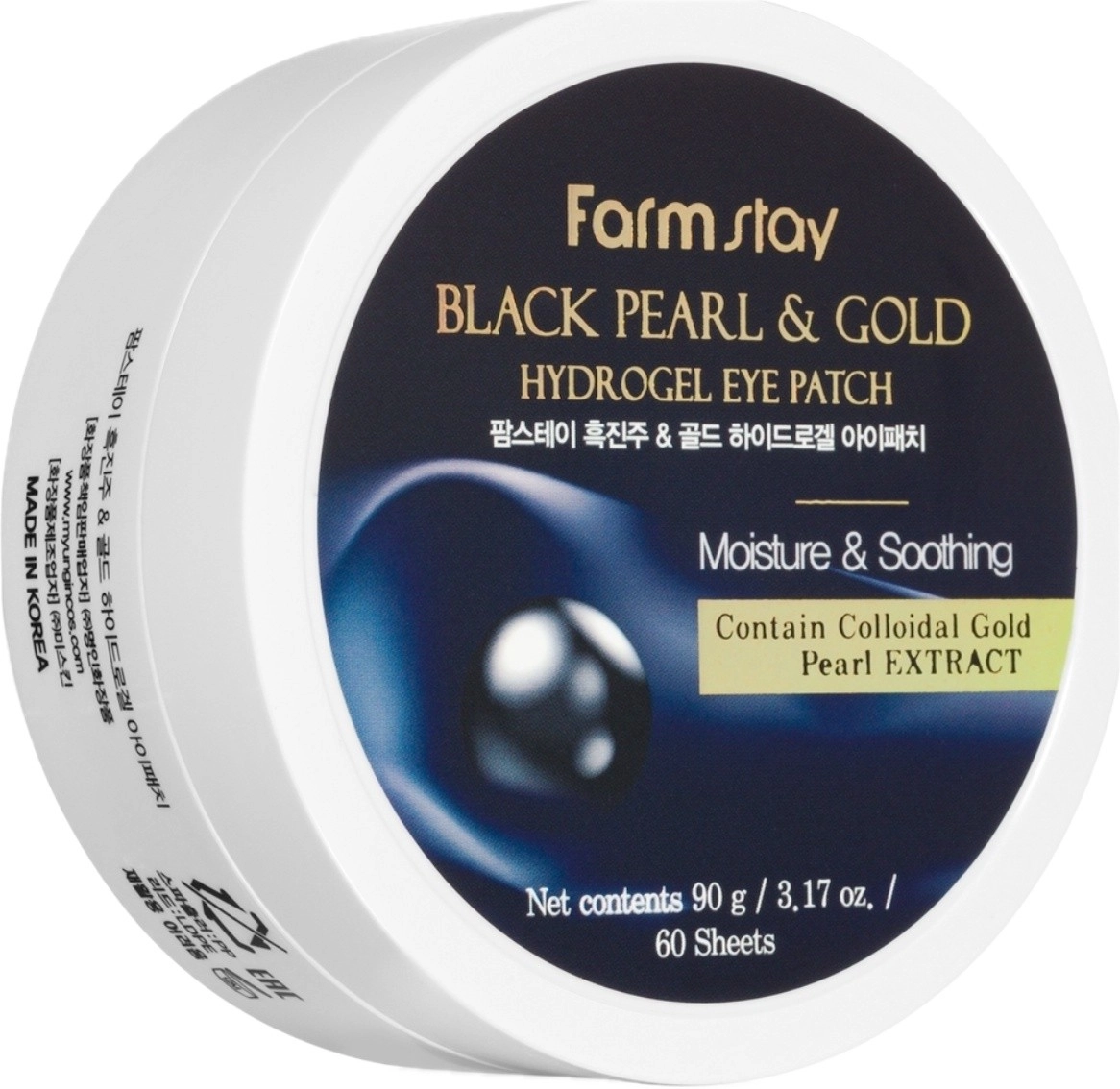
FarmStay Black Pearl & Gold Hydrogel Eye Patch - Ingredient Explanation
Other Names: Aqua; H2O; Eau; Aqueous; Acqua
Function: Solvent
1. Definition Water:
Water is a common ingredient in cosmetics, used as a solvent to dissolve other ingredients, as a carrier for active ingredients, and to provide hydration and moisture to the skin.
2. Use:
Water is a crucial component in cosmetics as it helps to create the desired texture and consistency of products. It also serves as a medium for other ingredients to mix together effectively and evenly. Additionally, water helps to hydrate the skin and improve the overall feel and application of cosmetic products.
3. Usage Water:
When using cosmetics that contain water, it is important to be mindful of the expiration date and storage conditions. Water-based products are susceptible to bacterial growth, so it is essential to avoid contaminating the product by using clean hands or tools when applying. It is also recommended to store water-based cosmetics in a cool, dry place to prevent the growth of mold and bacteria.
4. References:
- Draelos, Z. D. (2010). Cosmetic dermatology: products and procedures. John Wiley & Sons.
- Winter, R. (2009). A consumer's dictionary of cosmetic ingredients: complete information about the harmful and desirable ingredients found in cosmetics and cosmeceuticals. Crown.
- Begoun, P. (2003). Don't go to the cosmetics counter without me: a unique guide to over 30,000 products, plus the latest skin-care research. Beginning Press.
Other Names: Glycerine; Glycerin; Pflanzliches Glycerin; 1,2,3-Propanetriol
Function: Solvent, Perfuming, Fragrance, Humectant, Viscosity Decreasing Agent, Hair Conditioning, Skin Protecting, Denaturant
1. Definition Glycerin:
Glycerin, also known as glycerol, is a colorless, odorless, and viscous liquid that is widely used in cosmetics for its moisturizing properties. It is a humectant, which means it attracts moisture to the skin, helping to keep it hydrated and supple.
2. Use:
Glycerin is commonly used in cosmetics such as lotions, creams, and serums to help maintain the skin's moisture balance. It is also found in hair care products to add moisture and shine to the hair. Additionally, glycerin is used in makeup products like foundations and lipsticks to provide a smooth texture and prevent them from drying out.
3. Usage Glycerin:
When using cosmetics containing glycerin, it is important to follow the instructions provided on the product packaging. Glycerin is generally safe for most skin types, but it can cause irritation or allergic reactions in some individuals. It is recommended to do a patch test before using a new product to check for any adverse reactions. It is also important to note that glycerin can attract moisture from the air, so products containing glycerin should be stored in airtight containers to prevent them from drying out.
4. References:
- Draelos, Z. D. (2010). Cosmetic Formulation of Skin Care Products. John Wiley & Sons.
- Loden, M., & Maibach, H. I. (2006). Dry Skin and Moisturizers: Chemistry and Function. CRC Press.
- Winter, R. (2009). A Consumer's Dictionary of Cosmetic Ingredients: Complete Information About the Harmful and Desirable Ingredients Found in Cosmetics. Harmony.
Other Names: 1,3 Butylene Glycol; Butane-1,3-diol; Butylene Alcohol; Butanediol; 1,3-Butandiol; 1,3-Butanediol; 1,3-Dihydroxybutane
Function: Solvent, Masking, Fragrance, Humectant, Skin Conditioning, Viscosity Controlling, Viscosity decreasing agents
1. Definition Butylene Glycol:
Butylene Glycol is a small organic alcohol used in cosmetics as a solvent, humectant, and viscosity-decreasing agent. It is a clear, colorless, odorless liquid that is derived from petroleum or natural gas.
2. Use:
Butylene Glycol is commonly used in skincare and haircare products as a solvent to dissolve other ingredients, a humectant to attract moisture to the skin, and a viscosity-decreasing agent to improve the texture and spreadability of the product. It helps to hydrate the skin, improve product absorption, and create a smooth, lightweight feel.
3. Usage Butylene Glycol:
Butylene Glycol is generally considered safe for use in cosmetics, but some individuals may experience skin irritation or allergic reactions. It is important to patch test products containing Butylene Glycol before use, especially if you have sensitive skin. Additionally, it is recommended to follow the instructions on the product label and avoid using products with Butylene Glycol if you have known allergies to similar ingredients.
4. References:
- Cosmetic Ingredient Review Expert Panel. (2001). Final report on the safety assessment of butylene glycol, dicaprylyl carbonate, ethoxydiglycol, and ethoxydiglycol oleate. International Journal of Toxicology, 20(Suppl 4), 61-75.
- National Center for Biotechnology Information. PubChem Compound Summary for CID 24856, Butylene Glycol. Retrieved from https://pubchem.ncbi.nlm.nih.gov/compound/Butylene-glycol
- Personal Care Products Council. (2017). Butylene Glycol. Retrieved from https://www.cosmeticsinfo.org/ingredient/butylene-glycol
1. Definition Chondrus Crispus (Carrageenan):
Chondrus Crispus, commonly known as Carrageenan, is a type of red seaweed that is widely used in the cosmetic industry for its thickening, stabilizing, and emulsifying properties.
2. Use:
Carrageenan is used in cosmetics to improve the texture, consistency, and stability of products such as lotions, creams, and gels. It helps to create a smooth and creamy texture, while also preventing the separation of ingredients in formulations.
3. Usage Chondrus Crispus (Carrageenan):
Carrageenan is typically added to cosmetic formulations at a concentration of 0.1% to 2%. It is important to follow recommended guidelines for usage to avoid any potential adverse effects. Carrageenan is generally considered safe for use in cosmetics, but individuals with sensitive skin may want to perform a patch test before using products containing this ingredient.
4. References:
- Draget, K.I., Skjak-Braek, G., and Smidsrod, O. (2006). Alginates from Algae. In: Steinbuchel, A., ed. Biopolymers, Volume 6: Polysaccharides II: Polysaccharides from Eukaryotes. Wiley-VCH Verlag GmbH & Co. KGaA.
- Lopes, G., Sousa, C., Silva, L.R., Pinto, E., and Andrade, P.B. (2012). Chapter 9: Seaweeds as Preventive Agents for Skin Disorders. In: Kim, S.K., ed. Handbook of Anticancer Drugs from Marine Origin. Springer.
- De Jesus Raposo, M.F., De Morais, R.M.S.C., and De Morais, A.M.M.B. (2013). Bioactivity and Applications of Sulphated Polysaccharides from Marine Microalgae. Marine Drugs, 11(1), 233-252.
Other Names: Carob bean Gum
Function: Masking, Emollient, Viscosity Controlling, Emulsion Stabilising, Binding, Film Forming
1. Definition Ceratonia Siliqua Gum:
Ceratonia Siliqua Gum, also known as carob gum or locust bean gum, is a natural thickening agent derived from the seeds of the carob tree. It is commonly used in cosmetics as a stabilizer, emulsifier, and viscosity enhancer.
2. Use:
Ceratonia Siliqua Gum is used in cosmetics to improve the texture and consistency of products such as creams, lotions, and gels. It helps to create a smooth and creamy texture while also providing a moisturizing effect on the skin. Additionally, it can help to stabilize emulsions and prevent separation of ingredients in formulations.
3. Usage Ceratonia Siliqua Gum:
When using Ceratonia Siliqua Gum in cosmetics, it is important to follow the recommended usage levels provided by the manufacturer. Overuse of this ingredient can result in a thick and sticky texture, which may not be desirable in certain formulations. It is also important to properly disperse the gum in the formulation to ensure even distribution and optimal performance.
Precautions: While Ceratonia Siliqua Gum is generally considered safe for use in cosmetics, individuals with sensitive skin may experience irritation or allergic reactions. It is recommended to perform a patch test before using products containing this ingredient, especially if you have a history of skin sensitivities.
4. References:
- M. P. López-Rubio, M. A. Lagaron, M. Anker, and R. Wittkowski. 2004. "Functional properties of sodium caseinate–carob germ protein conjugates obtained by Maillard reaction." Journal of Agricultural and Food Chemistry 52(18): 5793-5800.
- M. A. Lagaron, M. P. López-Rubio, and R. Wittkowski. 2006. "Interfacial and emulsifying properties of sodium caseinate–carob germ protein conjugates obtained by the Maillard reaction." Journal of Agricultural and Food Chemistry 54(5): 1729-1736.
- S. S. Anand and R. N. Tharanathan. 2005. "Chitin/chitosan: modifications and their unlimited application potential—an overview." Trends in Food Science & Technology 16(10): 521-535.
Other Names: Guar Symbiosome Extract; Cyamopsis Tetragonoloba Symbiosome Extract; Cyamopsis Tetragonoloba Gum
Function: Masking, Fragrance, Viscosity Controlling, Viscosity Increasing Agent, Emulsion Stabilising, Binding Agent, Binding, Film Forming
1. Definition Cyamopsis Tetragonoloba (Guar) Gum:
Cyamopsis Tetragonoloba (Guar) Gum is a natural plant-based ingredient derived from the seeds of the guar plant. It is a water-soluble polysaccharide that is commonly used as a thickening agent, stabilizer, and emulsifier in various cosmetic formulations.
2. Use:
Guar gum is widely used in cosmetics for its ability to improve the texture and consistency of products. It helps to create a smooth and creamy texture in lotions, creams, and gels, and can also enhance the spreadability of formulations. Guar gum is often used in hair care products such as shampoos and conditioners to provide conditioning benefits and improve the manageability of the hair.
3. Usage Cyamopsis Tetragonoloba (Guar) Gum:
Guar gum should be used in cosmetics according to the recommended usage levels provided by the manufacturer. It is generally considered safe for use in cosmetics, but individuals with sensitive skin may want to perform a patch test before using products containing guar gum to ensure they do not experience any adverse reactions. Additionally, it is important to properly disperse guar gum in water before adding it to formulations to prevent clumping and ensure even distribution.
4. References:
- Sharma, P., & Sharma, S. (2012). Evaluation of guar gum as a binder in the formulation of metronidazole tablets. International Journal of Pharmacy and Pharmaceutical Sciences, 4(3), 515-520.
- Amin, M. C. I. M., Ahmad, N., & Halib, N. (2015). Guar gum as potential natural polymer for the development of floating drug delivery systems: A review. Journal of Food and Drug Analysis, 23(4), 577-587.
- Shah, P., & Mishra, S. (2018). Plant-based natural gums and mucilages in pharmaceutical excipients and drug delivery systems. In Handbook of Polymers for Pharmaceutical Technologies (pp. 377-401). John Wiley & Sons.
Other Names: agal-agal; Ceylon agar; Agar
Function: Masking, Fragrance, Viscosity Controlling, Viscosity Increasing Agent, Binding Agent, Binding
1. Definition Agar:
Agar is a gelatinous substance derived from seaweed, specifically red algae. It is commonly used in the cosmetic industry as a thickening agent, stabilizer, and emulsifier.
2. Use:
Agar is used in cosmetics to create a smooth and creamy texture in products such as lotions, creams, and gels. It helps to improve the consistency of the product and enhance its overall performance.
3. Usage Agar:
When using agar in cosmetics, it is important to follow the recommended guidelines for incorporating it into the formulation. Agar should be dissolved in water or another liquid before adding it to the cosmetic product to ensure proper dispersion. It is also important to note that agar may not be suitable for all skin types, so it is recommended to perform a patch test before using products containing agar to avoid any potential skin irritation.
4. References:
- Gu, Y., Yang, J., & Luo, J. (2019). Agar hydrogel properties for skin care applications. International Journal of Biological Macromolecules, 125, 258-265.
- Patel, S., Majumder, A., & Goyal, A. (2012). Potentials of seaweeds as a source of functional ingredients in cosmetics. A review. Journal of Applied Phycology, 24(3), 525-536.
- Jana, A., & Halder, B. (2019). Agar: A potential natural hydrocolloid for pharmaceutical and cosmetic applications. International Journal of Biological Macromolecules, 121, 1169-1178.
Function: Viscosity Controlling, Viscosity Increasing Agent
1. Definition Potassium Chloride:
Potassium Chloride is a mineral salt that is commonly used in cosmetics as a thickening agent, stabilizer, and pH adjuster. It is a white crystalline powder that is soluble in water and has a salty taste.
2. Use:
Potassium Chloride is used in cosmetics to help control the viscosity of products, improve their texture, and enhance their stability. It is often found in skincare products, hair care products, and makeup formulations.
3. Usage Potassium Chloride:
Potassium Chloride should be used in cosmetics according to the manufacturer's instructions and guidelines. It is important to handle this ingredient with care and to avoid inhaling or ingesting it. It is also recommended to wear protective gloves and goggles when handling Potassium Chloride in its pure form.
4. References:
- National Center for Biotechnology Information. PubChem Compound Summary for CID 4873, Potassium Chloride. https://pubchem.ncbi.nlm.nih.gov/compound/Potassium-chloride
- Personal Care Council. Potassium Chloride. https://www.personalcarecouncil.org/ingredient-info/potassium-chloride/
- Cosmetic Ingredient Review. Final Report on the Safety Assessment of Potassium Chloride. https://www.cir-safety.org/sites/default/files/potchlor0314rep.pdf
Other Names: Dextrose; Grape sugar
Function: Humectant, Flavoring Agent, Skin-Conditioning Agent - Miscellaneous
1. Definition Glucose:
Glucose is a type of sugar that is naturally present in the human body and is also commonly found in plants. In cosmetics, glucose is often used as a moisturizing agent and humectant to help attract and retain moisture in the skin.
2. Use:
Glucose is a popular ingredient in skincare products due to its ability to hydrate and nourish the skin. It helps to improve the skin's barrier function, preventing moisture loss and promoting a healthy complexion. Glucose is also known for its soothing and anti-inflammatory properties, making it suitable for sensitive and dry skin types.
3. Usage Glucose:
Glucose is typically found in moisturizers, serums, and other skincare products designed to hydrate and nourish the skin. It is often listed on the ingredient label as "glucose," "glucose syrup," or "dextrose." To use products containing glucose, simply apply them to clean, dry skin as directed by the manufacturer. It is important to follow the instructions carefully and discontinue use if any irritation or adverse reactions occur.
4. References:
- Purnamawati, S., Indrastuti, N., & Danarti, R. (2017). The Role of Moisturizers in Addressing Various Kinds of Dermatitis: A Review. Clinical Medicine & Research, 15(3-4), 75-87.
- Pumori, S. K., & Patra, A. (2019). Glucose as a potential active ingredient in cosmetics: A review. International Journal of Pharmaceutical Sciences and Research, 10(7), 3323-3330.
- Kim, J. H., Kim, H. J., & Kim, S. H. (2016). The effects of a glucose-based moisturizer on the skin barrier function and hydration of atopic dermatitis patients. Annals of Dermatology, 28(5), 574-580.
Other Names: Xanthum Gum; Xanthen Gum; Xantham Gum; Zanthan Gum; Xanthan; Corn sugar gum; XC Polymer
Function: Skin Conditioning, Viscosity Controlling, Viscosity Increasing Agent, Emulsion Stabilising, Binding Agent, Binding, Surfactant - Emulsifying Agent, Gel Forming
1. Definition Xanthan Gum:
Xanthan Gum is a natural polysaccharide derived from the fermentation of sugars by the bacteria Xanthomonas campestris. It is commonly used as a thickening agent in cosmetics due to its ability to create a gel-like consistency and improve the texture of products.
2. Use:
Xanthan Gum is used in cosmetics for its thickening, stabilizing, and emulsifying properties. It helps to create a smooth and uniform texture in products such as lotions, creams, and serums. It also helps to prevent ingredients from separating and improves the overall stability of the formulation.
3. Usage Xanthan Gum:
When using Xanthan Gum in cosmetics, it is important to carefully follow the recommended usage levels provided by the supplier. Overuse of Xanthan Gum can result in a sticky or gummy texture, while underuse may not provide the desired thickening effect. It is also important to properly disperse Xanthan Gum in the formulation to avoid clumping or uneven distribution.
4. References:
- Silva, E. O., et al. (2018). Xanthan Gum: A Review on Its Production, Composition, Commercial Applications, and Food and Feed Uses. Food and Bioprocess Technology, 11(1), 195-229.
- Kaur, A., et al. (2020). Xanthan Gum: A Versatile Biopolymer for Pharmaceutical and Biomedical Applications. Journal of Polymers and the Environment, 28(7), 1541-1555.
- Li, Z., et al. (2019). Xanthan Gum and Its Applications in Drug Delivery: A Review. Carbohydrate Polymers, 217, 1-8.
Function: Fragrance, Surfactant, Sufactant
1. Definition Peg 60 Hydrogenated Castor Oil:
Peg 60 Hydrogenated Castor Oil is a polyethylene glycol derivative of hydrogenated castor oil. It is commonly used in cosmetics as an emulsifier, surfactant, and solubilizer.
2. Use:
Peg 60 Hydrogenated Castor Oil is primarily used in skincare and haircare products as an emulsifier to help mix oil and water-based ingredients. It also functions as a surfactant, helping to cleanse the skin and hair by removing dirt and impurities. Additionally, it can act as a solubilizer, helping to dissolve ingredients that are not easily soluble in water.
3. Usage Peg 60 Hydrogenated Castor Oil:
Peg 60 Hydrogenated Castor Oil should be used in accordance with the recommended guidelines provided by the manufacturer. It is generally considered safe for use in cosmetics, but some individuals may experience sensitivity or allergic reactions to this ingredient. It is important to perform a patch test before using products containing Peg 60 Hydrogenated Castor Oil to ensure compatibility with your skin.
4. References:
- CosmeticsInfo.org. (n.d.). Polyethylene glycols. https://cosmeticsinfo.org/ingredient/polyethylene-glycols
- Personal Care Council. (2019). Hydrogenated Castor Oil. https://www.personalcarecouncil.org/ingredient-info/hydrogenated-castor-oil/
- The Dermatology Review. (n.d.). Castor Oil in Skin Care: Benefits and Uses. https://thedermreview.com/castor-oil-in-skin-care/
Other Names: Phenoxethol; 2-phenoxyethanol; Ethylene glycol monophenyl ether; Phenyl cellosolve; Protectol PE
Function: Fragrance, Preservative
1. Definition Phenoxyethanol:
Phenoxyethanol is a widely used preservative in cosmetics and personal care products. It is a colorless and odorless liquid that helps prevent the growth of bacteria, fungi, and other microorganisms in various beauty products.
2. Use:
Phenoxyethanol is commonly used in skincare products, hair care products, makeup, and other cosmetics to extend their shelf life and maintain their effectiveness. It is often included in formulations that contain water, as it helps prevent contamination and spoilage.
3. Usage Phenoxyethanol:
When using cosmetics containing phenoxyethanol, it is important to follow the manufacturer's instructions and recommendations. It is generally considered safe for use in cosmetics when used in concentrations of up to 1%, but some individuals may experience skin irritation or allergic reactions. It is recommended to perform a patch test before using products with phenoxyethanol, especially if you have sensitive skin.
4. References:
- Draelos, Z. D. (2010). Cosmetic Formulation of Skin Care Products. John Wiley & Sons.
- Loden, M., & Maibach, H. I. (2000). Dry Skin and Moisturizers: Chemistry and Function. CRC Press.
- Fiume, M. M., Heldreth, B., Bergfeld, W. F., Belsito, D. V., Hill, R. A., Klaassen, C. D., ... & Andersen, F. A. (2016). Safety assessment of phenoxyethanol as used in cosmetics. International Journal of Toxicology, 35(4), 386-419.
Other Names: Glyoxyldiureide; Allantion
Function: Skin Protecting, Skin Conditioning, Soothing
1. Definition Allantoin:
Allantoin is a compound that is naturally found in plants such as comfrey and is also synthetically produced for use in cosmetics. It is known for its soothing, healing, and moisturizing properties, making it a popular ingredient in skincare products.
2. Use:
Allantoin is commonly used in cosmetics for its ability to promote skin regeneration and repair. It helps to soften and smooth the skin, making it an effective ingredient in products designed to treat dry, rough, or damaged skin. Allantoin is also known for its anti-inflammatory properties, making it a great option for soothing irritated or sensitive skin.
3. Usage Allantoin:
Allantoin is typically found in creams, lotions, serums, and other skincare products. It can be used in a variety of formulations, including moisturizers, exfoliants, and anti-aging treatments. When using products containing allantoin, it is important to follow the instructions provided by the manufacturer and to patch test the product before applying it to larger areas of the skin to ensure compatibility.
4. References:
- Draelos, Z. D. (2010). Cosmeceuticals. Elsevier Health Sciences.
- Mukherjee, P. K., & Maity, N. (2011). Acute oral toxicity study of Allantoin in Swiss albino mice. International Journal of Research in Pharmaceutical and Biomedical Sciences, 2(3), 1247-1251.
- Vaughn, A. R., Clark, A. K., Sivamani, R. K., & Shi, V. Y. (2019). Natural oils for skin-barrier repair: ancient compounds now backed by modern science. American Journal of Clinical Dermatology, 20(3), 285-295.
Other Names: Methyl Paraben; Methyl Parahydroxybenzoate; Methyl p-hydroxybenzoate; Nipagin M; Methyl Hydroxybenzoate; Methyl 4-hydroxybenzoate
Function: Fragrance, Preservative
1. Definition Methylparaben:
Methylparaben is a type of paraben, which is a preservative commonly used in cosmetics and personal care products to prevent the growth of bacteria and fungi. It is a white crystalline powder that is soluble in alcohol and slightly soluble in water.
2. Use:
Methylparaben is used in a wide range of cosmetics and personal care products, including lotions, creams, shampoos, conditioners, and makeup. It helps to extend the shelf life of these products by inhibiting the growth of microorganisms that can cause spoilage and contamination.
3. Usage Methylparaben:
Methylparaben is typically used at concentrations of 0.1% to 0.5% in cosmetics and personal care products. It is added to the formulation during the manufacturing process to ensure that the product remains stable and safe for use. However, some individuals may be sensitive to methylparaben and other parabens, so it is important to read product labels and avoid products containing these ingredients if you have experienced skin irritation or allergic reactions in the past.
4. References:
- Cosmetic Ingredient Review Expert Panel. (2008). Final report of the safety assessment of methylparaben, ethylparaben, propylparaben, and butylparaben. International Journal of Toxicology, 27(4), 1-82.
- SCCS (Scientific Committee on Consumer Safety). (2011). Opinion on parabens. European Commission, Health & Consumers Directorate-General.
- Soni, M. G., Carabin, I. G., & Burdock, G. A. (2005). Safety assessment of esters of p-hydroxybenzoic acid (parabens). Food and Chemical Toxicology, 43(7), 985-1015.
Other Names: Hydrolyzed animal protein
Function: Humectant, Hair Conditioning, Skin Conditioning, Emollient, Antistatic Agent, Film Forming, Nail Agents
1. Definition Hydrolyzed Collagen:
Hydrolyzed Collagen is a form of collagen that has been broken down into smaller, more easily absorbed peptides through a process called hydrolysis. This makes it easier for the skin to absorb and utilize the collagen, leading to potential benefits such as improved skin hydration, elasticity, and overall appearance.
2. Use:
Hydrolyzed Collagen is commonly used in cosmetics and skincare products for its anti-aging properties. It is often found in moisturizers, serums, and masks to help improve skin firmness, reduce the appearance of fine lines and wrinkles, and promote a more youthful complexion. Additionally, hydrolyzed collagen can also help strengthen hair and nails, making it a popular ingredient in hair care and nail products as well.
3. Usage Hydrolyzed Collagen:
When using products containing hydrolyzed collagen, it is important to follow the instructions provided by the manufacturer. Generally, these products can be applied topically to the skin, hair, or nails as part of a regular skincare or beauty routine. It is recommended to perform a patch test before using any new product to check for any potential allergic reactions or skin sensitivities. Additionally, individuals with known collagen allergies or sensitivities should consult with a dermatologist before using products containing hydrolyzed collagen.
4. References:
- Choi, F.D., Sung, C.T., Juhasz, M.L., & Mesinkovsk, N.A. (2019). Oral Collagen Supplementation: A Systematic Review of Dermatological Applications. Journal of Drugs in Dermatology, 18(1), 9-16.
- Asserin, J., Lati, E., Shioya, T., & Prawitt, J. (2015). The effect of oral collagen peptide supplementation on skin moisture and the dermal collagen network: evidence from an ex vivo model and randomized, placebo-controlled clinical trials. Journal of Cosmetic Dermatology, 14(4), 291-301.
- Bolke, L., Schlippe, G., Gerß, J., & Voss, W. (2019). A Collagen Supplement Improves Skin Hydration, Elasticity, Roughness, and Density: Results of a Randomized, Placebo-Controlled, Blind Study. Nutrients, 11(10), 2494.
Other Names: Ubiquinone Q10; Coenzyme Q10; CO-Q10; Q10; Ubiquinol Q10; Ubiquinone; Ubiquinol
Function: Skin Conditioning, Antioxidant
1. Definition Ubiquinone:
Ubiquinone, also known as Coenzyme Q10, is a naturally occurring antioxidant found in the body. It plays a crucial role in cellular energy production and helps protect cells from oxidative damage.
2. Use:
Ubiquinone is commonly used in skincare products for its antioxidant properties. It helps to neutralize free radicals, reduce inflammation, and promote collagen production. This can result in firmer, smoother, and more youthful-looking skin.
3. Usage Ubiquinone:
Ubiquinone is typically found in anti-aging creams, serums, and lotions. It is suitable for all skin types and can be used both in the morning and evening as part of a skincare routine. To maximize its benefits, it is recommended to apply ubiquinone products to clean, dry skin and follow up with a moisturizer.
Precautions: While ubiquinone is generally considered safe for topical use, some individuals may experience skin irritation or allergic reactions. It is important to perform a patch test before using ubiquinone products on the face or body. Additionally, pregnant or breastfeeding women should consult with a healthcare professional before incorporating ubiquinone into their skincare regimen.
4. References:
- Katsiki, N., & Banach, M. (2018). Coenzyme Q10 and cardiovascular risk. A review. Journal of the American College of Cardiology, 71(16), 1696-1708.
- Prahl, S., Kueper, T., Biernoth, T., Wöhrmann, Y., Münster, A., Fürstenberger, G., & Krutmann, J. (2006). Aging skin is functionally anaerobic: importance of coenzyme Q10 for anti aging skin care. BioFactors, 32(1-4), 245-255.
- Blatt, T., Littarru, G. P., & Biochemistry, C. (1995). Biochemical rationale and experimental data on the antiaging properties of CoQ 10 at skin level. Biofactors, 6(3), 229-234.
Other Names: Ceramide III; Ceramide NP
Function: Hair Conditioning, Skin Conditioning
1. Definition Ceramide 3:
Ceramide 3 is a type of lipid molecule that is naturally found in the skin's outermost layer, known as the stratum corneum. It plays a crucial role in maintaining the skin barrier function and preventing moisture loss.
2. Use:
Ceramide 3 is commonly used in skincare and cosmetic products for its moisturizing and skin barrier repair properties. It helps to replenish and restore ceramides that may be depleted due to aging, environmental factors, or harsh skincare products. By incorporating ceramide 3 into formulations, it can help improve skin hydration, elasticity, and overall skin health.
3. Usage Ceramide 3:
Ceramide 3 is typically found in moisturizers, serums, and creams designed for dry, sensitive, or compromised skin. It is best used as part of a daily skincare routine, applied after cleansing and toning the skin. Ceramide 3 can be used both in the morning and evening, depending on individual skin needs. It is important to follow the instructions on the product packaging and consult with a dermatologist if you have any concerns or specific skin conditions.
4. References:
- Choi MJ, Maibach HI. Role of ceramides in barrier function of healthy and diseased skin. Am J Clin Dermatol. 2005;6(4):215-223. doi:10.2165/00128071-200506040-00001
- Bouwstra JA, Ponec M. The skin barrier in healthy and diseased state. Biochim Biophys Acta. 2006;1758(12):2080-2095. doi:10.1016/j.bbamem.2006.06.021
- Joo KM, Lee JH, Jeon YJ, Kim YS, Kim JH. Ceramide 3 enhances the protective function of the skin barrier. Int J Cosmet Sci. 2016;38(1):13-18. doi:10.1111/ics.12248
Other Names: phosphatidylcholine; Lecithin; Lecithins; Soy Lecithin; Soybean Lecithin; Soya Lecithin
Function: Skin Conditioning, Emollient, Antistatic Agent, Emulsifying, Surfactant
1. Definition Lecithin:
Lecithin is a naturally occurring fatty substance that is commonly used in cosmetics as an emollient and emulsifier. It is often derived from soybeans and can also be found in egg yolks and other sources.
2. Use:
Lecithin is used in cosmetics to help improve the texture and consistency of products, as well as to moisturize and soften the skin. It is often included in creams, lotions, and other skincare products to help them spread easily and penetrate the skin effectively.
3. Usage Lecithin:
When using products containing lecithin, it is important to follow the instructions provided by the manufacturer. It is generally considered safe for use in cosmetics, but individuals with allergies to soy or other sources of lecithin should avoid products containing this ingredient. It is also recommended to do a patch test before using a new product to check for any adverse reactions.
4. References:
- Magdassi, S., & Garti, N. (1999). Lecithin-based emulsions. Current Opinion in Colloid & Interface Science, 4(5), 311-316.
- Barauskas, J., & Nylander, T. (2005). Lecithin-based microemulsions. Langmuir, 21(2), 597-601.
- Komaiko, J. S., & McClements, D. J. (2016). Low-energy formation of edible nanoemulsions: Factors influencing droplet size produced by emulsion phase inversion. Journal of Colloid and Interface Science, 434, 8-20.
Function: Antioxidant
1. Definition Pearl Extract:
Pearl extract is a skincare ingredient derived from pearls, known for its brightening and anti-aging properties. It is rich in amino acids, minerals, and proteins that help to promote healthy skin.
2. Use:
Pearl extract is commonly used in skincare products such as serums, creams, and masks to brighten the complexion, reduce the appearance of dark spots, and improve skin texture. It is also known for its hydrating and antioxidant properties, making it a popular ingredient in anti-aging products.
3. Usage Pearl Extract:
When using products containing pearl extract, it is important to patch test first to ensure that you do not have any allergic reactions. Pearl extract is generally safe for most skin types, but it is recommended to start with a lower concentration to see how your skin reacts. It is best to follow the instructions on the product packaging for the recommended frequency of use.
4. References:
- Lee, J. H., Kim, H. L., Lee, M. H., You, H. S., & Kim, K. H. (2011). Anti-inflammatory effect of pearl extract in lipopolysaccharide-stimulated RAW264.7 macrophages. Journal of microbiology and biotechnology, 21(11), 1137-1146.
- Kim, E. Y., Jeong, M. S., Park, S. H., & Lee, J. Y. (2016). Anti-wrinkle and whitening effects of pearl extract. Journal of the Korean Society of Cosmetology, 22(4), 615-624.
- Kim, S. K., & Wijesekara, I. (2010). Development and biological activities of marine-derived bioactive peptides: a review. Journal of functional foods, 2(1), 1-9.
Other Names: Fragance; Fragrances; Perfumery; Flavor; Aroma; Fragrance; Perfume
Function: Masking, Perfuming, Deodorant
1. Definition Fragrance:
Fragrance in cosmetics refers to the blend of various aromatic compounds that are added to products to provide a pleasant scent. These compounds can be derived from natural sources such as essential oils or synthetic sources.
2. Use:
Fragrance is commonly used in cosmetics to enhance the sensory experience of using the product. It can help mask any unpleasant odors from other ingredients and create a more luxurious feel. Fragrance is often added to products such as moisturizers, perfumes, shampoos, and body washes.
3. Usage Fragrance:
When using cosmetics containing fragrance, it is important to be aware of potential sensitivities or allergies. Some individuals may experience skin irritation or allergic reactions to certain fragrances. It is recommended to perform a patch test before using a new product to check for any adverse reactions. Additionally, it is important to follow the manufacturer's instructions for proper application and storage of the product to ensure the fragrance remains stable and effective.
4. References:
- Steinemann, A. (2019). Fragranced consumer products: exposures and effects from emissions. Air Quality, Atmosphere & Health, 12(6), 643-645.
- Lachenmeier, D. W., & Haltner, E. (2019). Fragrance allergens in household cleaning products. Environmental Science and Pollution Research, 26(15), 15145-15147.
- Basketter, D. A., & Angelini, G. (2019). Fragrance allergens in fine fragrances and cosmetics. Contact Dermatitis, 80(3), 145-147.
Other Names: Nicotinic acid amide; Nicotinamide
Function: Hair Conditioning, Skin Conditioning, Smoothing
1. Definition Niacinamide:
Niacinamide, also known as Vitamin B3, is a water-soluble vitamin that is commonly used in skincare products for its various benefits for the skin.
2. Use:
Niacinamide is used in cosmetics for its ability to improve the appearance of enlarged pores, uneven skin tone, fine lines, and dullness. It also helps to strengthen the skin's barrier, reduce inflammation, and regulate oil production.
3. Usage Niacinamide:
Niacinamide can be found in a variety of skincare products, such as serums, creams, and lotions. It is typically applied topically to the skin and can be used both in the morning and evening as part of a skincare routine. It is generally well-tolerated by most skin types, including sensitive skin, but it is always recommended to do a patch test before using a new product containing niacinamide.
Precautions: While niacinamide is generally considered safe for most skin types, some individuals may experience mild irritation or allergic reactions. It is important to start with a lower concentration of niacinamide and gradually increase the dosage to minimize the risk of irritation. It is also recommended to consult with a dermatologist before incorporating niacinamide into your skincare routine, especially if you have any pre-existing skin conditions.
4. References:
- Schagen, S. K., Zampeli, V. A., Makrantonaki, E., & Zouboulis, C. C. (2012). Discovering the link between nutrition and skin aging. Dermato-endocrinology, 4(3), 298-307.
- Bissett, D. L., Oblong, J. E., & Berge, C. A. (2005). Niacinamide: A B vitamin that improves aging facial skin appearance. Dermatologic Surgery, 31(7), 860-865.
- Draelos, Z. D. (2005). The latest cosmeceutical approaches for anti-aging. Journal of Cosmetic Dermatology, 4(4), 273-278.
Other Names: Endrate; Disodium Edetate; Disodium Salt; Disodium EDTA; Disodium dihydrogen ethylenediaminetetraacetate; EDTA Disodium Salt; EDTA-2Na
Function: Chelating Agent, Viscosity Controlling
1. Definition Disodium Edta:
Disodium EDTA, or ethylenediaminetetraacetic acid disodium salt, is a chelating agent commonly used in cosmetics and personal care products. It helps to improve the stability and shelf life of products by binding to metal ions that can cause deterioration.
2. Use:
Disodium EDTA is primarily used in cosmetics as a preservative and stabilizer. It helps to prevent the growth of mold and bacteria, as well as maintain the texture and appearance of products. Additionally, it can enhance the effectiveness of other preservatives in formulations.
3. Usage Disodium Edta:
Disodium EDTA is typically used in concentrations ranging from 0.1% to 0.5% in cosmetics. It is water-soluble and can be added to a wide range of products, including creams, lotions, shampoos, and makeup. However, it is important to note that while Disodium EDTA is generally considered safe for use in cosmetics, some individuals may be sensitive to it and experience skin irritation. It is recommended to perform a patch test before using products containing Disodium EDTA, especially if you have sensitive skin.
4. References:
- Cosmetic Ingredient Review (CIR) Expert Panel. (2002). Final report on the safety assessment of EDTA, calcium disodium EDTA, diammonium EDTA, dipotassium EDTA, disodium EDTA, TEA-EDTA, tetrasodium EDTA, tripotassium EDTA, trisodium EDTA, HEDTA, and trisodium HEDTA. International Journal of Toxicology, 21(Suppl 2), 95-142.
- Personal Care Products Council. (2019). EDTA. Retrieved from https://www.personalcarecouncil.org/ingredient-info/edta/
- U.S. Food and Drug Administration (FDA). (2019). Code of Federal Regulations Title 21. Retrieved from https://www.accessdata.fda.gov/scripts/cdrh/cfdocs/cfcfr/CFRSearch.cfm?fr=184.1133