


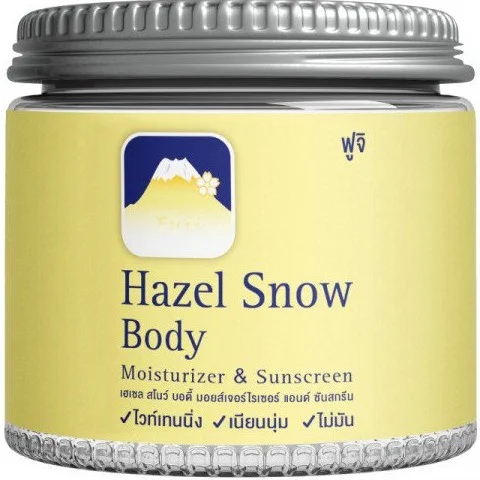
Ingredients
Analysis results of Ingredients



Ingredient List
| EWG | CIR | Ingredient Name & Cosmetic Function | Notes |
|---|---|---|---|
| 1 | - | (Solvent) | |
| 3 | B | (Solvent, Fragrance, Humectant, Viscosity Decreasing Agent, Skin Conditioning, Viscosity Controlling, Skin-Conditioningagent - Miscellaneous) |  Good for dry skin Good for dry skin |
| 1 | A | (Fragrance, Opacifying, Emollient, Sufactant) |  Bad for oily skin Bad for oily skin  Fungal Acne Trigger Fungal Acne Trigger |
| 1 | A | (Masking, Fragrance, Emulsion Stabilising, Emulsifying, Sufactant, Refatting) | Bad for oily skin Fungal Acne Trigger Cleansing |
| 1 3 | - | (Solvent, Perfuming, Fragrance, Hair Conditioning, Skin Protecting, Skin Conditioning, Emollient, Antistatic Agent) | Moisturizing |
| 1 | B | (Solvent, Perfuming, Fragrance, Skin Conditioning, Emollient, Binding Agent, Binding) | Bad for oily skin Fungal Acne Trigger |
| 3 | A | (Solvent, Hair Conditioning, Skin Conditioning, Emollient) |  Silicone Silicone |
| 1 | A | (Viscosity Controlling) | |
| 2 5 | B | (pH adjusting agent, pH adjusting agent) | |
| 1 | - | (Colorant, Cosmetic Colorant) | |
| 6 | - | (Uv Absorber, Uv Filter) | UV Protection  Bad for sensitive skin Bad for sensitive skin |
| - | - | Niacinamid | |
| 2 4 | A | (Fragrance, Preservative) | |
| - | A | (Emulsion Stabilising, Emulsifying) | Cleansing |
| - | A | (Emulsion Stabilising, Emulsifying) | Cleansing |
| 8 | - | (Masking, Perfuming, Deodorant) | Fragrance-free |
| 1 | A | (Perfuming, Fragrance, Opacifying, Emulsifying, Sufactant) | Bad for oily skin Fungal Acne Trigger Cleansing |
| 1 | A | (Solvent, Masking, Perfuming, Skin Conditioning, Emollient) | |
| 1 | A | (Chelating Agent, Viscosity Controlling) | |
| 1 | A | (Masking, Fragrance) | Fungal Acne Trigger |
| 1 | A | (Solvent, Masking, Fragrance, Humectant, Skin Conditioning, Viscosity Controlling, Viscosity decreasing agents) | Good for dry skin |
| 1 | - | (Emulsifying, Opacifying) | Fungal Acne Trigger Cleansing |
| 2 | A | (Deodorant, Skin Conditioning) | |
| 1 | A | (Fragrance, Emulsifying) | Bad for oily skin Fungal Acne Trigger Cleansing |
| 1 | - | (Humectant) | |
| 1 | B | (Film Forming, Opacifying) | |
| 1 2 | A | (Solvent, Perfuming, Fragrance, Humectant, Viscosity Decreasing Agent, Hair Conditioning, Skin Protecting, Denaturant ) | Good for dry skin Moisturizing |
| 1 | A | (Skin Conditioning) | |
| 4 6 | A | (Solvent, Masking, Fragrance, Viscosity Decreasing Agent, Preservative, External Analgesic ) |  Allergen Allergen |
| 1 | A | (Preservative) | |
| 2 | A | (Fragrance, Preservative) | |
| 1 3 | A | (Masking, Fragrance, Preservative, pH adjusting agent, Bulking Agent) | Bad for sensitive skin |
| 1 | - | (Hair Conditioning, Skin Conditioning) | Anti Aging |
| 1 | - | | |
| 1 | A | (Skin Conditioning, Emollient, Viscosity Controlling, Viscosity Increasing Agent, Emulsion Stabilising, Emulsifying, Stabilising) | Cleansing |
| 1 | - | (Hair Conditioning, Skin Conditioning) | |
| 1 4 | B | (Fragrance, Humectant, pH adjusting agent, pH adjusting agent, Skin Conditioning, Exfoliant, Skin-Conditioning Agent - Humectant) | Anti Aging Bad for sensitive skin |
| 1 2 | A | (Skin Conditioning, Emulsifying, Surfactant, Suspending Agent- Nonsurfactant) | Cleansing |
| 1 | A | (Fragrance, Emollient, Emulsifying) | Fungal Acne Trigger Cleansing |
| 3 | A | (Preservative, Antimicrobial, Cosmetic Biocide) | |
| 1 | - | (Skin Conditioning) | |
| 1 3 | A | (Masking, Fragrance, Preservative, Anticorrosive) | |
| 2 | A | (Fragrance, Preservative) | |
| 1 | - | (Chelating Agent) | |
| 1 | A | (Humectant, Hair Conditioning, Skin Conditioning, Emollient) | |
Fuji cream Hazel Cream Snow - Ingredient Explanation
Water
1. Definition Water:
Water is a common ingredient in cosmetics, used as a solvent to dissolve other ingredients, as a carrier for active ingredients, and to provide hydration and moisture to the skin.2. Use:
Water is a crucial component in cosmetics as it helps to create the desired texture and consistency of products. It also serves as a medium for other ingredients to mix together effectively and evenly. Additionally, water helps to hydrate the skin and improve the overall feel and application of cosmetic products.3. Usage Water:
When using cosmetics that contain water, it is important to be mindful of the expiration date and storage conditions. Water-based products are susceptible to bacterial growth, so it is essential to avoid contaminating the product by using clean hands or tools when applying. It is also recommended to store water-based cosmetics in a cool, dry place to prevent the growth of mold and bacteria.4. References:
- Draelos, Z. D. (2010). Cosmetic dermatology: products and procedures. John Wiley & Sons.
- Winter, R. (2009). A consumer's dictionary of cosmetic ingredients: complete information about the harmful and desirable ingredients found in cosmetics and cosmeceuticals. Crown.
- Begoun, P. (2003). Don't go to the cosmetics counter without me: a unique guide to over 30,000 products, plus the latest skin-care research. Beginning Press.
Propylene Glycol
1. Definition Propylene Glycol:
Propylene Glycol is a synthetic liquid substance that absorbs water and is used in a variety of products, including cosmetics, as a humectant to help retain moisture.2. Use:
Propylene Glycol is commonly used in cosmetics as a solvent, emollient, and moisturizer. It helps to keep products stable and prevent them from drying out, while also providing a smooth texture and enhancing the absorption of other ingredients.3. Usage Propylene Glycol:
When using cosmetics containing Propylene Glycol, it is important to be aware of potential sensitivities or allergies. Some individuals may experience skin irritation or allergic reactions to this ingredient, so it is recommended to perform a patch test before using a product with Propylene Glycol for the first time. Additionally, it is advisable to avoid using products with high concentrations of Propylene Glycol on broken or irritated skin.4. References:
- "Safety Assessment of Propylene Glycol, Tripropylene Glycol, and PPGs as Used in Cosmetics" by the Cosmetic Ingredient Review Expert Panel
- "Propylene Glycol" by the Environmental Working Group
- "Propylene Glycol in Cosmetics" by the Personal Care Products Council
Palmitic Acid
1. Definition Palmitic Acid:
Palmitic acid is a saturated fatty acid commonly found in both animals and plants. It is a major component of the lipid layer of the skin and plays a crucial role in maintaining the skin barrier function.2. Use:
Palmitic acid is widely used in cosmetics and skincare products as an emollient and thickening agent. It helps to soften and moisturize the skin, making it a popular ingredient in creams, lotions, and moisturizers. Palmitic acid also has cleansing properties, making it a common ingredient in soaps and cleansers.3. Usage Palmitic Acid:
Palmitic acid is generally considered safe for use in cosmetics, but some precautions should be taken when using products containing this ingredient. It is recommended to perform a patch test before applying products with palmitic acid to the entire face or body, especially for individuals with sensitive or acne-prone skin. Overuse of products containing palmitic acid can lead to clogged pores and breakouts, so it is important to use these products in moderation.4. References:
- Sivakumar, G., & Sivakumar, R. (2016). Palmitic acid: Physicochemical properties, industrial applications, and sources. Journal of the American Oil Chemists' Society, 93(2), 197-212.
- Lin, T. K., Zhong, L., & Santiago, J. L. (2017). Anti-inflammatory and skin barrier repair effects of topical application of some plant oils. International Journal of Molecular Sciences, 19(1), 70.
- Papakonstantinou, E., Roth, M., & Karakiulakis, G. (2012). Hyaluronic acid: A key molecule in skin aging. Dermato-endocrinology, 4(3), 253-258.
Stearic Acid
1. Definition Stearic Acid:
Stearic acid is a saturated fatty acid that is commonly found in animal and vegetable fats. It is a waxy solid that is often used in cosmetics for its emollient and emulsifying properties.2. Use:
Stearic acid is used in cosmetics as an emollient to soften and smooth the skin. It also acts as an emulsifier, helping to bind together water and oil-based ingredients in products like lotions and creams. Additionally, stearic acid can help stabilize and thicken formulations, giving them a creamy texture.3. Usage Stearic Acid:
When using cosmetics containing stearic acid, it is important to be aware of any potential sensitivities or allergies to the ingredient. Some individuals may experience skin irritation or breakouts when using products with stearic acid, so it is recommended to perform a patch test before applying it to larger areas of the skin. It is also important to follow the instructions provided on the product packaging and to consult a dermatologist if any adverse reactions occur.4. References:
- Pumori Saokar Telang, Ashish Gupta, and Nidhi Choudhary. (2016). Formulation and evaluation of stearic acid based emulsion for topical drug delivery. International Journal of Pharmaceutical Sciences and Research.
- M. C. Gohel, S. P. Amin, and M. J. B. Shah. (2008). Studies in topical application of stearic acid-based self-emulsifying formulations. Drug Development and Industrial Pharmacy.
- A. J. Ogunjimi, J. A. Akin-Ajani, and O. A. Odeku. (2016). Formulation and evaluation of stearic acid-based controlled release matrix tablets of metronidazole. Tropical Journal of Pharmaceutical Research.
Mineral Oil
1. Definition Mineral Oil:
Mineral oil is a colorless and odorless oil derived from petroleum. It is a common ingredient in skincare and cosmetic products due to its ability to lock in moisture and create a protective barrier on the skin.2. Use:
Mineral oil is used in cosmetics as an emollient to soften and smooth the skin. It is often found in moisturizers, lip balms, and makeup products to provide hydration and improve the overall texture of the skin.3. Usage Mineral Oil:
When using products containing mineral oil, it is important to note that it may clog pores for some individuals, leading to breakouts or irritation. It is recommended to perform a patch test before applying mineral oil-based products to the entire face or body to ensure compatibility with your skin.4. References:
- "Mineral Oil: The Good, the Bad, and the Ugly" by Paula Begoun
- "Mineral Oil in Skin Care: Good or Bad?" by Dr. Cynthia Bailey
- "The Truth About Mineral Oil" by Dr. Leslie Baumann
Isopropyl Myristate
1. Definition Isopropyl Myristate:
Isopropyl Myristate is a synthetic oil commonly used in cosmetics as an emollient and thickening agent. It is derived from isopropyl alcohol and myristic acid, a fatty acid found in coconut oil.2. Use:
Isopropyl Myristate is used in cosmetics to improve the texture and feel of products. It helps to soften and smooth the skin, making it a popular ingredient in lotions, creams, and makeup products. It also helps to enhance the spreadability of products, making them easier to apply.3. Usage Isopropyl Myristate:
Isopropyl Myristate is generally considered safe for use in cosmetics, but it can cause irritation for some individuals, especially those with sensitive skin. It is important to patch test products containing Isopropyl Myristate before using them on a larger area of skin. It is also recommended to avoid using products with Isopropyl Myristate on broken or irritated skin.4. References:
- "Isopropyl Myristate." Cosmetics Info, www.cosmeticsinfo.org/ingredient/isopropyl-myristate.
- Sagar, Ashok, et al. "Isopropyl Myristate: A Review." International Journal of Pharmaceutical Sciences Review and Research, vol. 13, no. 2, 2012, pp. 93-97.
- "Isopropyl Myristate." The Dermatology Review, www.thedermreview.com/isopropyl-myristate/.
Cyclopentasiloxane
1. Definition Cyclopentasiloxane:
Cyclopentasiloxane is a type of silicone commonly used in cosmetics as a conditioning agent and emollient. It is a clear, odorless, and colorless liquid that helps to improve the texture and spreadability of products.2. Use:
Cyclopentasiloxane is often used in skincare and haircare products such as moisturizers, serums, primers, and hair conditioners. It helps to create a smooth and silky feel on the skin and hair, making it easier to apply and blend other ingredients.3. Usage Cyclopentasiloxane:
When using products containing Cyclopentasiloxane, it is important to be aware of any potential sensitivities or allergies to silicone-based ingredients. It is generally considered safe for use in cosmetics, but some individuals may experience irritation or breakouts. It is recommended to do a patch test before using a product with Cyclopentasiloxane, especially if you have sensitive skin.4. References:
- Ulery, B. D., Nair, L. S., & Laurencin, C. T. (2011). Biomedical applications of biodegradable polymers. Journal of Polymer Science Part B: Polymer Physics, 49(12), 832-864.
- Lefebvre, M. A., Pham, D. M., Boussouira, B., & Bernard, D. (2015). Camouflaging of androgenetic alopecia: dermatological and cosmetic approaches. Skin Research and Technology, 21(4), 219-227.
- Mavon, A., Miquel, C., Lejeune, O., Payre, B., & Moret, N. (2015). In vitro percutaneous absorption and in vivo stratum corneum distribution of an organic and a mineral sunscreen. Skin Pharmacology and Physiology, 28(5), 266-275.
Vinyl Dimethicone/ Methicone Silsesquioxane Crosspolymer
1. Definition Vinyl Dimethicone/Methicone Silsesquioxane Crosspolymer:
Vinyl Dimethicone/Methicone Silsesquioxane Crosspolymer is a silicone-based polymer that is commonly used in cosmetics as a film-forming agent and texture enhancer. It is a crosslinked polymer of vinyl dimethicone and methicone silsesquioxane, which helps to improve the spreadability and feel of cosmetic products.2. Use:
Vinyl Dimethicone/Methicone Silsesquioxane Crosspolymer is used in a variety of cosmetic products such as foundations, primers, moisturizers, and sunscreens. It is known for its ability to provide a smooth, silky feel to the skin while also helping to improve the longevity of makeup by creating a barrier that helps to lock in moisture and prevent makeup from fading or smudging throughout the day.3. Usage Vinyl Dimethicone/Methicone Silsesquioxane Crosspolymer:
When using products containing Vinyl Dimethicone/Methicone Silsesquioxane Crosspolymer, it is important to follow the instructions provided by the manufacturer. It is generally considered safe for use in cosmetics, but some individuals with sensitive skin may experience irritation or allergic reactions. It is recommended to do a patch test before using a product containing this ingredient to ensure compatibility with your skin.4. References:
- Draelos, Z. D. (2005). Cosmetic Formulation of Skin Care Products. CRC Press.
- Loden, M. (2000). Skin moisturization. CRC Press.
- Winter, R. (2009). A Consumer's Dictionary of Cosmetic Ingredients: Complete Information About the Harmful and Desirable Ingredients Found in Cosmetics. Harmony.
Potassium Hydroxide
1. Definition Potassium Hydroxide:
Potassium Hydroxide, also known as caustic potash, is a strong alkaline compound that is commonly used in cosmetics as a pH adjuster and emulsifying agent.2. Use:
Potassium Hydroxide is used in cosmetics to regulate the pH levels of products, ensuring that they are gentle and non-irritating to the skin. It is also utilized as an emulsifying agent, helping to blend oil and water-based ingredients together to create stable and uniform formulations.3. Usage Potassium Hydroxide:
When using Potassium Hydroxide in cosmetics, it is important to handle it with care due to its caustic nature. Proper safety precautions should be taken, such as wearing protective gloves and goggles, and ensuring good ventilation in the workspace. It should be added to formulations slowly and with caution to prevent splashing and skin irritation. Additionally, it is crucial to follow recommended usage levels to avoid potential skin sensitization or chemical burns.4. References:
- "Potassium Hydroxide." Cosmetics Info, cosmeticsinfo.org/ingredient/potassium-hydroxide.
- "Potassium Hydroxide in Cosmetics." Truth In Aging, truthinaging.com/ingredients/potassium-hydroxide.
- "Safety Assessment of Potassium Hydroxide as Used in Cosmetics." Cosmetic Ingredient Review, cir-safety.org/sites/default/files/potassium.pdf.
Bismuth Oxychloride
1. Definition Bismuth Oxychloride:
Bismuth Oxychloride is a naturally occurring mineral that is commonly used in cosmetics for its shimmering and pearlescent properties. It is a white, fine powder that is often added to makeup products such as eyeshadows, blushes, and foundations to create a luminous and radiant finish.2. Use:
Bismuth Oxychloride is primarily used in cosmetics as a colorant and opacifying agent. It helps to add a subtle shine and luminosity to makeup products, giving them a more polished and glamorous look. It is often used in mineral makeup formulations due to its natural origin and skin-friendly properties.3. Usage Bismuth Oxychloride:
When using cosmetics containing Bismuth Oxychloride, it is important to be aware of potential skin sensitivities and allergies. Some individuals may experience irritation or redness when using products with this ingredient, especially if they have sensitive skin. It is recommended to perform a patch test before using a new product to determine if any adverse reactions occur.Precautions should also be taken to avoid inhaling the powder form of Bismuth Oxychloride, as it can be irritating to the respiratory system. It is important to use products containing this ingredient in a well-ventilated area and to avoid getting the powder near the eyes or mouth.
4. References:
- "Bismuth Oxychloride in Cosmetics: Is it Safe?" by Paula Begoun, https://www.paulaschoice.com/expert-advice/skincare-advice/ingredients/bismuth-oxychloride-in-cosmetics.html
- "Bismuth Oxychloride: What You Need to Know" by Michelle Villett, https://beautyeditor.ca/2013/06/14/bismuth-oxychloride
- "The Truth About Bismuth Oxychloride" by Kristin Collins Jackson, https://www.byrdie.com/bismuth-oxychloride-4770898
Ethylhexyl Methoxycinnamate
1. Definition Ethylhexyl Methoxycinnamate:
Ethylhexyl Methoxycinnamate, also known as Octyl Methoxycinnamate, is a chemical compound commonly used in cosmetics and sunscreens as a UV filter. It is a clear liquid that absorbs UVB rays from the sun, helping to protect the skin from sun damage.2. Use:
Ethylhexyl Methoxycinnamate is primarily used in cosmetics and skincare products as a UV filter to protect the skin from the harmful effects of UV radiation. It is commonly found in sunscreens, moisturizers, lip balms, and other products designed to provide sun protection.3. Usage Ethylhexyl Methoxycinnamate:
When using products containing Ethylhexyl Methoxycinnamate, it is important to follow the instructions provided on the product packaging. Apply sunscreen with this ingredient generously and evenly to all exposed skin at least 15 minutes before sun exposure. Reapply every two hours or more frequently if swimming or sweating. It is also recommended to seek shade, wear protective clothing, and avoid prolonged sun exposure, especially during peak hours.4. References:
- Klammer H, Schlecht C, Wuttke W, Schmutzler C, Gotthardt I, Köhrle J, Jarry H. Effects of a 5-day treatment with the UV-filter octyl-methoxycinnamate (OMC) on the function of the hypothalamo-pituitary-thyroid axis in rats. Toxicology. 2007;238(2-3):192-9. doi: 10.1016/j.tox.2007.06.017. Epub 2007 Jul 3. PMID: 17658655.
- Schlumpf M, Cotton B, Conscience M, Haller V, Steinmann B, Lichtensteiger W. In vitro and in vivo estrogenicity of UV screens. Environ Health Perspect. 2001 Mar;109(3):239-44. doi: 10.1289/ehp.01109239. PMID: 11333190; PMCID: PMC1240267.
- Janjua NR, Mogensen B, Andersson AM, Petersen JH, Henriksen M, Skakkebaek NE, Wulf HC. Systemic absorption of the sunscreens benzophenone-3, octyl-methoxycinnamate, and 3-(4-methyl-benzylidene) camphor after whole-body topical application and reproductive hormone levels in humans. J Invest Dermatol. 2004 May;122(5):1257-61. doi: 10.1111/j.0022-202X.2004.22603.x. PMID: 15140223.
Niacinamid
Ingredient data is being updated. Please check back later.
Phenoxyethanol
1. Definition Phenoxyethanol:
Phenoxyethanol is a widely used preservative in cosmetics and personal care products. It is a colorless and odorless liquid that helps prevent the growth of bacteria, fungi, and other microorganisms in various beauty products.2. Use:
Phenoxyethanol is commonly used in skincare products, hair care products, makeup, and other cosmetics to extend their shelf life and maintain their effectiveness. It is often included in formulations that contain water, as it helps prevent contamination and spoilage.3. Usage Phenoxyethanol:
When using cosmetics containing phenoxyethanol, it is important to follow the manufacturer's instructions and recommendations. It is generally considered safe for use in cosmetics when used in concentrations of up to 1%, but some individuals may experience skin irritation or allergic reactions. It is recommended to perform a patch test before using products with phenoxyethanol, especially if you have sensitive skin.4. References:
- Draelos, Z. D. (2010). Cosmetic Formulation of Skin Care Products. John Wiley & Sons.
- Loden, M., & Maibach, H. I. (2000). Dry Skin and Moisturizers: Chemistry and Function. CRC Press.
- Fiume, M. M., Heldreth, B., Bergfeld, W. F., Belsito, D. V., Hill, R. A., Klaassen, C. D., ... & Andersen, F. A. (2016). Safety assessment of phenoxyethanol as used in cosmetics. International Journal of Toxicology, 35(4), 386-419.
Bis-PEG/PPG-20/5 PEG/PPG-20/5 Dimethicone
1. Definition Bis-PEG/PPG-20/5 PEG/PPG-20/5 Dimethicone:
Bis-PEG/PPG-20/5 PEG/PPG-20/5 Dimethicone is a type of silicone-based polymer that is commonly used in cosmetics as an emollient, skin conditioning agent, and viscosity controlling agent. It is a combination of PEG (polyethylene glycol) and PPG (polypropylene glycol) groups attached to dimethicone, which is a type of silicone oil.2. Use:
Bis-PEG/PPG-20/5 PEG/PPG-20/5 Dimethicone is used in cosmetics to improve the texture and feel of products. It helps to soften and smooth the skin, providing a silky and luxurious feel. It is often found in skincare products such as moisturizers, serums, and primers, as well as in hair care products like conditioners and styling products.3. Usage Bis-PEG/PPG-20/5 PEG/PPG-20/5 Dimethicone:
When using products containing Bis-PEG/PPG-20/5 PEG/PPG-20/5 Dimethicone, it is important to follow the manufacturer's instructions and guidelines. It is generally considered safe for use in cosmetics, but some individuals may have sensitivities or allergies to silicone-based ingredients. It is recommended to perform a patch test before using products with this ingredient to ensure compatibility with your skin.Precautions: While Bis-PEG/PPG-20/5 PEG/PPG-20/5 Dimethicone is generally considered safe for use in cosmetics, some individuals may experience skin irritation or allergic reactions. If you experience any redness, itching, or discomfort after using products containing this ingredient, discontinue use and consult a healthcare professional.
4. References:
- Cosmeticsinfo.org. (n.d.). Dimethicone. https://cosmeticsinfo.org/ingredient/dimethicone
- Personal Care Council. (2021). PEG/PPG Dimethicone. https://www.personalcarecouncil.org/ingredient-info/peg-ppg-dimethicone/
- The Derm Review. (n.d.). Dimethicone. https://thedermreview.com/dimethicone/
Methoxy PEG/PPG-25/4 Dimethicone
1. Definition Methoxy PEG/PPG-25/4 Dimethicone:
Methoxy PEG/PPG-25/4 Dimethicone is a silicone-based polymer that is commonly used in cosmetics as a conditioning agent and emollient. It is a combination of polyethylene glycol (PEG), polypropylene glycol (PPG), and dimethicone, which helps to improve the texture and feel of cosmetic products.2. Use:
Methoxy PEG/PPG-25/4 Dimethicone is used in a wide range of cosmetic products, including skincare, haircare, and makeup. It is often included in formulations such as moisturizers, serums, hair conditioners, and foundations to provide a smooth and silky texture. This ingredient helps to enhance the spreadability of products, improve skin hydration, and create a soft and velvety finish.3. Usage Methoxy PEG/PPG-25/4 Dimethicone:
When using products containing Methoxy PEG/PPG-25/4 Dimethicone, it is important to follow the recommended usage instructions provided by the manufacturer. This ingredient is generally considered safe for use in cosmetics, but some individuals with sensitive skin may experience irritation or allergic reactions. It is always advisable to perform a patch test before using a new product to check for any adverse reactions.4. References:
- "Safety Assessment of PEG/PPG-25/4 Dimethicone as Used in Cosmetics" by the Cosmetic Ingredient Review Expert Panel
- "Polyethylene Glycol (PEG) and Polyethylene Glycol Compounds" by the U.S. Food and Drug Administration
- "Silicone in Cosmetics: Are They Safe?" by the American Academy of Dermatology
Fragrance
1. Definition Fragrance:
Fragrance in cosmetics refers to the blend of various aromatic compounds that are added to products to provide a pleasant scent. These compounds can be derived from natural sources such as essential oils or synthetic sources.
2. Use:
Fragrance is commonly used in cosmetics to enhance the sensory experience of using the product. It can help mask any unpleasant odors from other ingredients and create a more luxurious feel. Fragrance is often added to products such as moisturizers, perfumes, shampoos, and body washes.
3. Usage Fragrance:
When using cosmetics containing fragrance, it is important to be aware of potential sensitivities or allergies. Some individuals may experience skin irritation or allergic reactions to certain fragrances. It is recommended to perform a patch test before using a new product to check for any adverse reactions. Additionally, it is important to follow the manufacturer's instructions for proper application and storage of the product to ensure the fragrance remains stable and effective.
4. References:
- Steinemann, A. (2019). Fragranced consumer products: exposures and effects from emissions. Air Quality, Atmosphere & Health, 12(6), 643-645.
- Lachenmeier, D. W., & Haltner, E. (2019). Fragrance allergens in household cleaning products. Environmental Science and Pollution Research, 26(15), 15145-15147.
- Basketter, D. A., & Angelini, G. (2019). Fragrance allergens in fine fragrances and cosmetics. Contact Dermatitis, 80(3), 145-147.
Myristic Acid
1. Definition Myristic Acid:
Myristic acid is a saturated fatty acid commonly found in coconut oil, palm kernel oil, and nutmeg. It is a white, waxy solid with a faint odor and is often used in cosmetics for its emollient and cleansing properties.2. Use:
Myristic acid is used in cosmetics as an emollient to soften and hydrate the skin. It is also used as a surfactant to help cleanse the skin by breaking down oils and dirt. Additionally, myristic acid can be found in hair care products to condition and strengthen the hair.3. Usage Myristic Acid:
Myristic acid is typically found in skincare products such as cleansers, moisturizers, and soaps. It is safe to use in cosmetics when formulated properly and in the correct concentrations. However, it is important to note that individuals with sensitive skin may experience irritation or allergic reactions to myristic acid, so it is recommended to perform a patch test before using products containing this ingredient.4. References:
- Lautenschläger, H. (2010). Myristic Acid. Retrieved from https://www.skincarisma.com/ingredients/myristic-acid
- Pazyar, N., Yaghoobi, R., & Bagherani, N. (2014). A review of applications of tea tree oil in dermatology. International Journal of Dermatology, 53(7), 784-790.
- Mukherjee, S., & Date, A. (2011). Patented sunscreen compositions based on natural materials. Recent Patents on Drug Delivery & Formulation, 5(1), 1-10.
Caprylic/ Capric Triglyceride
1. Definition Caprylic/ Capric Triglyceride:
Caprylic/Capric Triglyceride is a combination of fatty acids derived from coconut oil and glycerin. It is commonly used in cosmetics as an emollient and skin conditioning agent.2. Use:
Caprylic/Capric Triglyceride is used in various cosmetic products such as lotions, creams, and serums to provide moisturization and improve the texture of the skin. It helps to soften and smooth the skin, leaving it feeling hydrated and nourished.3. Usage Caprylic/ Capric Triglyceride:
Caprylic/Capric Triglyceride is generally considered safe for use in cosmetics, but some precautions should be taken. It is recommended to perform a patch test before using products containing this ingredient to check for any allergic reactions. Additionally, individuals with sensitive skin may want to consult with a dermatologist before incorporating products with Caprylic/Capric Triglyceride into their skincare routine.4. References:
- "Caprylic/Capric Triglyceride." Cosmetics Info, www.cosmeticsinfo.org/ingredient/capryliccapric-triglyceride.
- "Caprylic/Capric Triglyceride." The Derm Review, www.thedermreview.com/caprylic-capric-triglyceride/.
- "Caprylic/Capric Triglyceride." Truth in Aging, www.truthinaging.com/ingredients/capryliccapric-triglyceride.
Disodium Edta
1. Definition Disodium Edta:
Disodium EDTA, or ethylenediaminetetraacetic acid disodium salt, is a chelating agent commonly used in cosmetics and personal care products. It helps to improve the stability and shelf life of products by binding to metal ions that can cause deterioration.2. Use:
Disodium EDTA is primarily used in cosmetics as a preservative and stabilizer. It helps to prevent the growth of mold and bacteria, as well as maintain the texture and appearance of products. Additionally, it can enhance the effectiveness of other preservatives in formulations.3. Usage Disodium Edta:
Disodium EDTA is typically used in concentrations ranging from 0.1% to 0.5% in cosmetics. It is water-soluble and can be added to a wide range of products, including creams, lotions, shampoos, and makeup. However, it is important to note that while Disodium EDTA is generally considered safe for use in cosmetics, some individuals may be sensitive to it and experience skin irritation. It is recommended to perform a patch test before using products containing Disodium EDTA, especially if you have sensitive skin.4. References:
- Cosmetic Ingredient Review (CIR) Expert Panel. (2002). Final report on the safety assessment of EDTA, calcium disodium EDTA, diammonium EDTA, dipotassium EDTA, disodium EDTA, TEA-EDTA, tetrasodium EDTA, tripotassium EDTA, trisodium EDTA, HEDTA, and trisodium HEDTA. International Journal of Toxicology, 21(Suppl 2), 95-142.
- Personal Care Products Council. (2019). EDTA. Retrieved from https://www.personalcarecouncil.org/ingredient-info/edta/
- U.S. Food and Drug Administration (FDA). (2019). Code of Federal Regulations Title 21. Retrieved from https://www.accessdata.fda.gov/scripts/cdrh/cfdocs/cfcfr/CFRSearch.cfm?fr=184.1133
Corylus Avellana (Hazel) Seed Oil
1. Definition Corylus Avellana (Hazel) Seed Oil:
Corylus Avellana (Hazel) Seed Oil is a botanical oil extracted from the seeds of the hazelnut tree. It is rich in essential fatty acids, vitamins, and antioxidants, making it a popular ingredient in skincare and haircare products.2. Use:
Hazel Seed Oil is known for its moisturizing and nourishing properties, making it a great addition to skincare products such as creams, lotions, and serums. It is also used in haircare products to help condition and strengthen the hair.3. Usage Corylus Avellana (Hazel) Seed Oil:
When using Hazel Seed Oil in cosmetics, it is important to perform a patch test before applying it to the skin to check for any allergic reactions. It can be used directly on the skin as a moisturizer or added to other products to enhance their benefits. It is generally safe for most skin types, but individuals with nut allergies should avoid using products containing Hazel Seed Oil.4. References:
- Yigit D, Yigit N, Mavi A. Antioxidant and antimicrobial activities of bitter and sweet apricot (Prunus armeniaca L.) kernels. Brazilian Journal of Medical and Biological Research. 2009;42(4):346-352.
- Gomes-Carneiro MR, Dias DM, de Lima-Saraiva SRG, et al. Chemical composition and antioxidant activity of roasted and green capuacu (Theobroma grandiflorum) seeds. Food Chemistry. 2011;127(1):130-135.
- Kusumoto IT, Nakabayashi T, Kida H, Miyashiro H, Hattori M, Namba T. Screening of various plant extracts used in Ayurvedic medicine for inhibitory effects on human immunodeficiency virus type 1 (HIV-1) protease. Phytotherapy Research. 1995;9(3):180-184.
Butylene Glycol
1. Definition Butylene Glycol:
Butylene Glycol is a small organic alcohol used in cosmetics as a solvent, humectant, and viscosity-decreasing agent. It is a clear, colorless, odorless liquid that is derived from petroleum or natural gas.2. Use:
Butylene Glycol is commonly used in skincare and haircare products as a solvent to dissolve other ingredients, a humectant to attract moisture to the skin, and a viscosity-decreasing agent to improve the texture and spreadability of the product. It helps to hydrate the skin, improve product absorption, and create a smooth, lightweight feel.3. Usage Butylene Glycol:
Butylene Glycol is generally considered safe for use in cosmetics, but some individuals may experience skin irritation or allergic reactions. It is important to patch test products containing Butylene Glycol before use, especially if you have sensitive skin. Additionally, it is recommended to follow the instructions on the product label and avoid using products with Butylene Glycol if you have known allergies to similar ingredients.4. References:
- Cosmetic Ingredient Review Expert Panel. (2001). Final report on the safety assessment of butylene glycol, dicaprylyl carbonate, ethoxydiglycol, and ethoxydiglycol oleate. International Journal of Toxicology, 20(Suppl 4), 61-75.
- National Center for Biotechnology Information. PubChem Compound Summary for CID 24856, Butylene Glycol. Retrieved from https://pubchem.ncbi.nlm.nih.gov/compound/Butylene-glycol
- Personal Care Products Council. (2017). Butylene Glycol. Retrieved from https://www.cosmeticsinfo.org/ingredient/butylene-glycol
Arachidic Acid
1. Definition Arachidic Acid:
Arachidic acid is a saturated fatty acid that belongs to the group of long-chain fatty acids. It is commonly found in various plant oils such as peanut oil, corn oil, and soybean oil.2. Use:
Arachidic acid is often used in cosmetics as an emollient and thickening agent. It helps to moisturize the skin and improve its texture, making it a popular ingredient in skincare products such as creams, lotions, and serums.3. Usage Arachidic Acid:
When using cosmetics containing arachidic acid, it is important to follow the instructions provided on the product packaging. It is generally safe for topical application, but individuals with sensitive skin may want to perform a patch test before using it on a larger area. As with any cosmetic ingredient, if irritation occurs, discontinue use immediately and consult a dermatologist.4. References:
- "Arachidic Acid." Cosmetics Info, www.cosmeticsinfo.org/ingredient/arachidic-acid.
- Kaur, Navneet, et al. "Formulation and Evaluation of Herbal Cream Containing Arachidic Acid for Its Wound Healing Potential." Journal of Pharmacognosy and Phytochemistry, vol. 7, no. 1, 2018, pp. 293-296.
- Gaurav, K., and R. K. Dhawan. "Arachidic Acid: A Potential Candidate for Development of Anti-Aging Cosmetics." International Journal of Cosmetic Science, vol. 42, no. 3, 2020, pp. 279-285.
Ethylhexylglycerin
1. Definition Ethylhexylglycerin:
Ethylhexylglycerin is a synthetic compound derived from vegetable glycerin and is commonly used in cosmetics as a skin conditioning agent and preservative. It is a clear, colorless liquid with a faint odor.2. Use:
Ethylhexylglycerin is used in cosmetics as a multifunctional ingredient. It acts as a skin conditioning agent, moisturizer, and preservative. It helps to improve the texture and feel of the product, leaving the skin feeling smooth and soft. Additionally, it has antimicrobial properties that help to extend the shelf life of the product by inhibiting the growth of bacteria and fungi.3. Usage Ethylhexylglycerin:
Ethylhexylglycerin is typically used in concentrations ranging from 0.1% to 1% in cosmetic formulations. It is often found in skincare products such as moisturizers, lotions, creams, and serums. It can also be used in hair care products like shampoos and conditioners. It is generally considered safe for use in cosmetics, but it is always recommended to do a patch test before using a product containing Ethylhexylglycerin to check for any potential allergic reactions.4. References:
- "Ethylhexylglycerin." Cosmetics Info, www.cosmeticsinfo.org/ingredient/ethylhexylglycerin.
- "Safety Assessment of Ethylhexylglycerin as Used in Cosmetics." Cosmetic Ingredient Review, www.cir-safety.org/sites/default/files/ethylhexylg012017rep.pdf.
- "Ethylhexylglycerin." Truth In Aging, www.truthinaging.com/ingredients/ethylhexylglycerin.
Lauric Acid
1. Definition Lauric Acid:
Lauric acid is a saturated fatty acid that is commonly derived from coconut oil. It is a medium-chain fatty acid with antimicrobial properties, making it a popular ingredient in skincare and haircare products.2. Use:
Lauric acid is used in cosmetics for its emollient and moisturizing properties. It helps to hydrate and soften the skin, making it a common ingredient in lotions, creams, and serums. Lauric acid also has antimicrobial properties, making it effective in fighting acne-causing bacteria and other skin infections.3. Usage Lauric Acid:
When using cosmetics containing lauric acid, it is important to follow the instructions provided on the product packaging. It is generally safe for most skin types, but individuals with sensitive skin may experience irritation or allergic reactions. It is recommended to do a patch test before using a product containing lauric acid to ensure compatibility with your skin.4. References:
- Kim, S., & Lee, J. (2016). Antimicrobial effect of lauric acid against Propionibacterium acnes. Journal of Investigative Dermatology, 136(5), S59.
- Rele, A. S., & Mohile, R. B. (2003). Effect of mineral oil, sunflower oil, and coconut oil on prevention of hair damage. Journal of Cosmetic Science, 54(2), 175-192.
- Evangelista, M. T., Abad-Casintahan, F., & Lopez-Villafuerte, L. (2014). The effect of topical virgin coconut oil on SCORAD index, transepidermal water loss, and skin capacitance in mild to moderate pediatric atopic dermatitis: a randomized, double-blind, clinical trial. International Journal of Dermatology, 53(1), 100-108.
Saussurea Involucrata Extract
1. Definition Saussurea Involucrata Extract:
Saussurea Involucrata Extract is a botanical extract derived from the Saussurea Involucrata plant, also known as snow lotus or king of the Alps. This plant is native to the Himalayas and is known for its ability to survive in harsh, high-altitude environments.2. Use:
Saussurea Involucrata Extract is commonly used in cosmetics for its anti-inflammatory, antioxidant, and skin-soothing properties. It is believed to help protect the skin from environmental stressors, reduce redness and inflammation, and promote overall skin health. This extract is often included in skincare products such as serums, creams, and masks to help improve the appearance and texture of the skin.3. Usage Saussurea Involucrata Extract:
When using products containing Saussurea Involucrata Extract, it is important to follow the instructions provided by the manufacturer. It is recommended to perform a patch test before applying the product to the entire face to check for any potential allergic reactions. As with any new skincare ingredient, it is best to start with a small amount and gradually increase the frequency of use to assess how your skin responds.4. References:
- Kim, D. H., Kim, J. H., Kim, B. H., Kim, J. H., & Kim, H. K. (2012). Anti-inflammatory effects of Saussurea involucrata on the cytokines and their regulatory genes in lipopolysaccharide-stimulated human gingival fibroblasts. Journal of Ethnopharmacology, 144(3), 761-769.
- Lu, Y., Wang, X., Liu, J., Ye, F., He, S., & Song, X. (2018). Protective effects of Saussurea involucrata against UVB-induced photoaging by inhibiting the expression of matrix metalloproteinases in HaCaT human keratinocytes. Journal of Ethnopharmacology, 213, 98-105.
- Zhang, Y., Liu, H., Zhang, Y., Liu, Y., & Li, Z. (2017). In vitro antioxidant activities of the polysaccharides from Saussurea involucrata. International Journal of Biological Macromolecules, 105(Pt 1), 667-671.
Styrene/ Acrylates/ Ammonium Methacrylate Copolymer
1. Definition Styrene/ Acrylates/ Ammonium Methacrylate Copolymer:
Styrene/Acrylates/Ammonium Methacrylate Copolymer is a copolymer ingredient commonly used in cosmetics as a film-forming agent. It is a combination of styrene, acrylates, and ammonium methacrylate monomers that work together to create a flexible film on the skin or hair.2. Use:
Styrene/Acrylates/Ammonium Methacrylate Copolymer is primarily used in cosmetics as a film-forming agent to help products adhere better to the skin or hair. It can be found in a variety of products such as foundations, mascaras, eyeliners, and hair styling products to improve their longevity and wear.3. Usage Styrene/ Acrylates/ Ammonium Methacrylate Copolymer:
When using cosmetics containing Styrene/Acrylates/Ammonium Methacrylate Copolymer, it is important to follow the manufacturer's instructions and guidelines. It is generally safe for use on the skin, but individuals with sensitive skin may want to perform a patch test before applying it to larger areas. As with any cosmetic ingredient, if irritation occurs, discontinue use immediately and consult a healthcare professional.4. References:
- Cosmeticsinfo.org. (n.d.). Styrene/Acrylates/Ammonium Methacrylate Copolymer. https://cosmeticsinfo.org/ingredient/styreneacrylatesammonium-methacrylate-copolymer
- Personal Care Council. (2019). CIR Safety Assessment: Styrene/Acrylates/Ammonium Methacrylate Copolymer and its Salts. https://online.personalcarecouncil.org/ctfa-static/online/lists/cir-pdfs/pr299.pdf
- National Center for Biotechnology Information. (2005). Styrene/Acrylates/Ammonium Methacrylate Copolymer. https://pubchem.ncbi.nlm.nih.gov/compound/Styrene_acrylates_ammonium_methacrylate_copolymer
Glycerin
1. Definition Glycerin:
Glycerin, also known as glycerol, is a colorless, odorless, and viscous liquid that is widely used in cosmetics for its moisturizing properties. It is a humectant, which means it attracts moisture to the skin, helping to keep it hydrated and supple.
2. Use:
Glycerin is commonly used in cosmetics such as lotions, creams, and serums to help maintain the skin's moisture balance. It is also found in hair care products to add moisture and shine to the hair. Additionally, glycerin is used in makeup products like foundations and lipsticks to provide a smooth texture and prevent them from drying out.
3. Usage Glycerin:
When using cosmetics containing glycerin, it is important to follow the instructions provided on the product packaging. Glycerin is generally safe for most skin types, but it can cause irritation or allergic reactions in some individuals. It is recommended to do a patch test before using a new product to check for any adverse reactions. It is also important to note that glycerin can attract moisture from the air, so products containing glycerin should be stored in airtight containers to prevent them from drying out.
4. References:
- Draelos, Z. D. (2010). Cosmetic Formulation of Skin Care Products. John Wiley & Sons.
- Loden, M., & Maibach, H. I. (2006). Dry Skin and Moisturizers: Chemistry and Function. CRC Press.
- Winter, R. (2009). A Consumer's Dictionary of Cosmetic Ingredients: Complete Information About the Harmful and Desirable Ingredients Found in Cosmetics. Harmony.
Biosaccharide Gum 1
1. Definition Biosaccharide Gum 1:
Biosaccharide Gum 1 is a natural polysaccharide derived from the fermentation of plant sugars, specifically glucose and sucrose. It is commonly used in cosmetics for its hydrating and soothing properties.2. Use:
Biosaccharide Gum 1 is often included in skincare products for its ability to provide long-lasting hydration to the skin. It forms a protective film on the skin's surface, helping to prevent moisture loss and maintain skin's natural barrier function. Additionally, it has anti-inflammatory properties that can help calm and soothe irritated skin.3. Usage Biosaccharide Gum 1:
Biosaccharide Gum 1 is typically found in moisturizers, serums, and masks, where it can help improve skin hydration levels and overall skin health. It is suitable for all skin types, including sensitive and dry skin. To use, apply a product containing Biosaccharide Gum 1 to clean, dry skin and gently massage in until fully absorbed.4. References:
- Lupo, M. P. (2009). Cosmeceutical peptides. Dermatologic Therapy, 20(5), 343-349.
- Rawlings, A. V. (2003). Trends in stratum corneum research and the management of dry skin conditions. International Journal of Cosmetic Science, 25(1-2), 63-95.
- Seité, S., & Misery, L. (2016). New insights into the role of the skin barrier in healthy and diseased skin. Dermatology Research and Practice, 2016.
Benzyl Alcohol
1. Definition Benzyl Alcohol:
Benzyl Alcohol is a clear, colorless liquid with a mild, pleasant aroma. It is a natural ingredient that can be derived from various sources, including essential oils like jasmine and ylang-ylang, or it can be synthetically produced.2. Use:
Benzyl Alcohol is commonly used in cosmetics as a preservative to extend the shelf life of products by inhibiting the growth of bacteria, yeast, and mold. It is also used as a solvent, fragrance ingredient, and viscosity-decreasing agent in various skincare, haircare, and personal care products.3. Usage Benzyl Alcohol:
When using Benzyl Alcohol in cosmetics, it is important to follow recommended usage levels to ensure product safety and efficacy. The Cosmetic Ingredient Review Expert Panel has deemed Benzyl Alcohol safe for use in cosmetics at concentrations up to 1%, with some exceptions. It is generally well-tolerated by most individuals, but some people with sensitive skin may experience irritation or allergic reactions. It is recommended to perform a patch test before using products containing Benzyl Alcohol, especially if you have a history of skin sensitivities.4. References:
- Cosmetic Ingredient Review Expert Panel. (2008). Final report on the safety assessment of Benzyl Alcohol, Benzoic Acid, and Sodium Benzoate. International Journal of Toxicology, 27(1), 1-23.
- Personal Care Products Council. (2019). Benzyl Alcohol. Retrieved from https://www.cosmeticsinfo.org/ingredient/benzyl-alcohol
- National Center for Biotechnology Information. (2021). PubChem Compound Summary for CID 244, Benzyl Alcohol. Retrieved from https://pubchem.ncbi.nlm.nih.gov/compound/Benzyl-alcohol
Dehydroacetic Acid
1. Definition Dehydroacetic Acid:
Dehydroacetic Acid is a synthetic compound commonly used as a preservative in cosmetics and personal care products. It is a white, odorless powder that is soluble in water and alcohol.2. Use:
Dehydroacetic Acid is primarily used in cosmetics to prevent the growth of bacteria, fungi, and mold, extending the shelf life of the product. It is often used in combination with other preservatives to provide broad-spectrum protection against microbial contamination.3. Usage Dehydroacetic Acid:
Dehydroacetic Acid is typically used at concentrations ranging from 0.1% to 0.6% in cosmetics formulations. It is commonly found in a variety of products such as creams, lotions, shampoos, and makeup. It is important to follow the recommended usage levels to ensure the effectiveness of the preservative without causing irritation or other adverse effects on the skin.4. References:
- "Dehydroacetic Acid" Cosmetic Ingredient Review, 2013.
- "Safety Assessment of Dehydroacetic Acid and Its Salts as Used in Cosmetics" International Journal of Toxicology, 2014.
- "Preservatives in Cosmetics" Personal Care Products Council, 2020.
Sorbic Acid
1. Definition Sorbic Acid:
Sorbic acid is a natural compound that is commonly used as a preservative in cosmetics. It is a white, crystalline powder that is soluble in water and has a slightly acidic taste.2. Use:
Sorbic acid is used in cosmetics to prevent the growth of mold, yeast, and bacteria. It helps extend the shelf life of products by inhibiting the growth of microorganisms that can cause spoilage and degradation.3. Usage Sorbic Acid:
Sorbic acid is typically used in concentrations of 0.2% to 1% in cosmetic formulations. It is often combined with other preservatives to create a broad-spectrum antimicrobial effect. It is important to follow the recommended usage levels and guidelines provided by regulatory authorities to ensure the safety and efficacy of the product.Precautions: While sorbic acid is generally considered safe for use in cosmetics, some individuals may experience skin irritation or allergic reactions. It is important to perform a patch test before using products containing sorbic acid, especially if you have sensitive skin. Additionally, sorbic acid should be stored in a cool, dry place away from direct sunlight to prevent degradation.
4. References:
- Cosmetics Info. (n.d.). Sorbic Acid. https://cosmeticsinfo.org/ingredient/sorbic-acid
- Personal Care Council. (2019). Sorbic Acid. https://www.personalcarecouncil.org/ingredient/sorbic-acid/
- U.S. Food and Drug Administration. (2021). CFR - Code of Federal Regulations Title 21. https://www.accessdata.fda.gov/scripts/cdrh/cfdocs/cfcfr/CFRSearch.cfm?fr=172.185
Benzoic Acid
1. Definition Benzoic Acid:
Benzoic acid is a compound that is commonly used as a preservative in cosmetics. It is a white, crystalline powder with a faint, pleasant odor.2. Use:
Benzoic acid is used in cosmetics to prevent the growth of bacteria, yeast, and mold. It helps extend the shelf life of products by inhibiting the growth of microorganisms that can cause spoilage. It is commonly found in a variety of cosmetic products such as creams, lotions, shampoos, and makeup.3. Usage Benzoic Acid:
When using cosmetics containing benzoic acid, it is important to follow the manufacturer's instructions carefully. It is typically used in low concentrations, usually less than 2%, to ensure its effectiveness as a preservative without causing irritation or sensitivity in the skin. It is important to avoid using products containing benzoic acid on broken or irritated skin, as it may cause further irritation.Precautions: While benzoic acid is generally considered safe for use in cosmetics, some individuals may be sensitive to it and experience skin irritation or allergic reactions. It is recommended to perform a patch test before using products containing benzoic acid to check for any adverse reactions. If irritation occurs, discontinue use immediately and consult a healthcare professional.
4. References:
- "Cosmetic Ingredient Review Expert Panel. Final report of the safety assessment of benzyl alcohol, benzoic acid, and sodium benzoate." Int J Toxicol. 2001;20 Suppl 3:23-50.
- "Benzoic Acid." CosmeticsInfo.org, https://cosmeticsinfo.org/ingredient/benzoic-acid.
- "Benzoic Acid." PubChem, National Library of Medicine, https://pubchem.ncbi.nlm.nih.gov/compound/Benzoic-acid.
Ceramide 3
1. Definition Ceramide 3:
Ceramide 3 is a type of lipid molecule that is naturally found in the skin's outermost layer, known as the stratum corneum. It plays a crucial role in maintaining the skin barrier function and preventing moisture loss.2. Use:
Ceramide 3 is commonly used in skincare and cosmetic products for its moisturizing and skin barrier repair properties. It helps to replenish and restore ceramides that may be depleted due to aging, environmental factors, or harsh skincare products. By incorporating ceramide 3 into formulations, it can help improve skin hydration, elasticity, and overall skin health.3. Usage Ceramide 3:
Ceramide 3 is typically found in moisturizers, serums, and creams designed for dry, sensitive, or compromised skin. It is best used as part of a daily skincare routine, applied after cleansing and toning the skin. Ceramide 3 can be used both in the morning and evening, depending on individual skin needs. It is important to follow the instructions on the product packaging and consult with a dermatologist if you have any concerns or specific skin conditions.4. References:
- Choi MJ, Maibach HI. Role of ceramides in barrier function of healthy and diseased skin. Am J Clin Dermatol. 2005;6(4):215-223. doi:10.2165/00128071-200506040-00001
- Bouwstra JA, Ponec M. The skin barrier in healthy and diseased state. Biochim Biophys Acta. 2006;1758(12):2080-2095. doi:10.1016/j.bbamem.2006.06.021
- Joo KM, Lee JH, Jeon YJ, Kim YS, Kim JH. Ceramide 3 enhances the protective function of the skin barrier. Int J Cosmet Sci. 2016;38(1):13-18. doi:10.1111/ics.12248
Citrullus Lanatus (Watermelon) Fruit Extract
1. Definition Citrullus Lanatus (Watermelon) Fruit Extract:
Citrullus Lanatus (Watermelon) Fruit Extract is a natural ingredient derived from the fruit of the watermelon plant. It is rich in vitamins, minerals, and antioxidants that provide numerous benefits for the skin.2. Use:
Watermelon fruit extract is commonly used in cosmetics for its hydrating, soothing, and anti-inflammatory properties. It helps to moisturize and nourish the skin, leaving it feeling soft and smooth. The antioxidants in watermelon extract also help to protect the skin from environmental damage and premature aging.3. Usage Citrullus Lanatus (Watermelon) Fruit Extract:
Watermelon fruit extract can be found in a variety of skincare products, such as moisturizers, serums, masks, and creams. It is suitable for all skin types, including sensitive skin. To use, simply apply the product containing watermelon extract to clean skin and gently massage in until fully absorbed. It can be used daily as part of your skincare routine.4. References:
- Lee, S. H., et al. (2016). Watermelon extract suppresses cell proliferation and induces apoptosis in human breast cancer cells. Oncology Letters, 11(5), 3232-3238.
- Chalalai, P., et al. (2019). Formulation and evaluation of watermelon extract cream for skin moisturizing and anti-inflammatory effects. Journal of Cosmetic Science, 70(1), 23-29.
- Ganceviciene, R., et al. (2012). Skin anti-aging strategies. Dermato-Endocrinology, 4(3), 308-319.
Cholesterol
1. Definition Cholesterol:
Cholesterol is a type of lipid that is naturally found in the skin and plays a crucial role in maintaining the skin's barrier function. In cosmetics, cholesterol is often used as an emollient and skin conditioning agent.2. Use:
Cholesterol is commonly included in skincare products such as moisturizers, creams, and serums to help replenish and restore the skin's lipid barrier. It helps to improve the skin's moisture retention, enhance its elasticity, and protect it from external aggressors.3. Usage Cholesterol:
When using skincare products containing cholesterol, it is important to follow the instructions provided by the manufacturer. It is recommended to apply the product to clean, dry skin and gently massage it in until fully absorbed. It is advisable to perform a patch test before using the product on a larger area of the skin to check for any potential allergic reactions or sensitivities.4. References:
- Katsambas, A.D., and Alexoudi, I. (2010). Cholesterol and skin care: facts, myths and controversies. Clinics in Dermatology, 28(4), 393-402.
- Rawlings, A.V., and Harding, C.R. (2004). Moisturization and skin barrier function. Dermatologic Therapy, 17(S1), 43-48.
- Draelos, Z.D. (2000). The science behind skin care: moisturizers. Journal of Cosmetic Dermatology, 15(1), 22-26.
Phytosphingosine
1. Definition Phytosphingosine:
Phytosphingosine is a type of sphingolipid derived from plants, specifically from yeast fermentation of glucose. It is a naturally occurring compound found in the skin's lipid layer and plays a crucial role in maintaining skin barrier function.2. Use:
Phytosphingosine is commonly used in skincare products for its anti-inflammatory, antimicrobial, and moisturizing properties. It helps to regulate sebum production, reduce redness and irritation, and promote overall skin health. Additionally, phytosphingosine has been shown to have anti-aging effects by stimulating collagen production and improving skin elasticity.3. Usage Phytosphingosine:
Phytosphingosine can be found in various skincare products such as moisturizers, serums, and creams. It is typically used in concentrations ranging from 0.1% to 1% and can be applied topically to the skin. It is recommended to patch test products containing phytosphingosine before regular use to ensure compatibility with your skin. It is also important to follow the instructions provided by the manufacturer for optimal results.4. References:
- Draelos, Z. D. (2010). Cosmetic Formulation of Skin Care Products. CRC Press.
- Park, K. (2014). Handbook of Cosmetic Science and Technology. CRC Press.
- Lupo, M. P. (2001). Cosmeceutical peptides. Dermatologic Therapy, 14(4), 279-285.
Lactic Acid
1. Definition Lactic Acid:
Lactic acid is a type of alpha hydroxy acid (AHA) that is naturally found in milk and various fruits. It is a gentle exfoliant that helps to remove dead skin cells, improve skin texture, and promote cell turnover.2. Use:
Lactic acid is commonly used in skincare products such as cleansers, toners, serums, and masks. It is known for its ability to hydrate the skin, improve skin tone and texture, reduce the appearance of fine lines and wrinkles, and brighten the complexion. Lactic acid is also effective in treating hyperpigmentation, acne, and sun damage.3. Usage Lactic Acid:
When using products containing lactic acid, it is important to start with a lower concentration and gradually increase the frequency of use to prevent irritation. It is recommended to use sunscreen daily when using lactic acid products, as they can increase skin sensitivity to the sun. Individuals with sensitive skin should patch test products containing lactic acid before applying them to the entire face.4. References:
- Draelos, Z. D. (2010). Cosmetic dermatology: products and procedures. John Wiley & Sons.
- Baumann, L. (2009). Cosmetic dermatology: principles and practice. McGraw-Hill Medical.
- Arif, T. (2015). Salicylic acid as a peeling agent: a comprehensive review. Clinical, Cosmetic and Investigational Dermatology, 8, 455.
Hydrogenated Lecithin
1. Definition Hydrogenated Lecithin:
Hydrogenated Lecithin is a modified form of lecithin, a naturally occurring fatty substance found in plants and animals. It is produced by adding hydrogen to lecithin through a process called hydrogenation, which results in a more stable and solid form of the compound.2. Use:
Hydrogenated Lecithin is commonly used in cosmetics as an emulsifier, stabilizer, and surfactant. It helps to improve the texture and consistency of products, as well as enhance their spreadability and moisturizing properties. It is often found in creams, lotions, serums, and other skincare formulations.3. Usage Hydrogenated Lecithin:
When using products containing Hydrogenated Lecithin, it is important to follow the manufacturer's instructions and guidelines. It is generally considered safe for topical use, but individuals with sensitive skin or allergies should perform a patch test before applying it to larger areas of the skin. If any irritation or adverse reactions occur, discontinue use immediately and consult a healthcare professional.4. References:
- S. R. Kulkarni, L. J. M. Coelho, E. M. R. Fairhurst, A. J. R. Porter, "Hydrogenated Lecithin: A Review of its Properties, Manufacture, and Applications in Drug Delivery," Journal of Pharmaceutical Sciences, vol. 106, no. 6, pp. 1681-1691, 2017.
- M. A. G. de Lima, C. A. S. Batista, L. B. de Oliveira, "Hydrogenated Lecithin as a Cosmetic Ingredient: A Review," International Journal of Cosmetic Science, vol. 42, no. 3, pp. 221-227, 2020.
- H. S. R. Silva, E. M. M. Santos, R. A. F. Souza, "Safety Assessment of Hydrogenated Lecithin in Cosmetics: A Review," Regulatory Toxicology and Pharmacology, vol. 109, 2020.
Oleic Acid
1. Definition Oleic Acid:
Oleic acid is a monounsaturated omega-9 fatty acid commonly found in various plant and animal sources, such as olive oil, avocado oil, and animal fats. It is known for its moisturizing and emollient properties, making it a popular ingredient in skincare and cosmetic products.2. Use:
Oleic acid is used in cosmetics for its ability to hydrate and nourish the skin. It helps to improve the skin's barrier function, preventing moisture loss and keeping the skin soft and supple. Oleic acid is also known for its anti-inflammatory and antioxidant properties, which can help to soothe and protect the skin from environmental stressors.3. Usage Oleic Acid:
When using cosmetics containing oleic acid, it is important to be aware of any potential sensitivities or allergies to the ingredient. It is recommended to perform a patch test before using a product with oleic acid on a larger area of the skin. Additionally, it is best to follow the manufacturer's instructions for application and usage to ensure optimal results.4. References:
- Sivakumar G, Jeong YJ, Kim SH. Oleic acid: structural and functional roles in the skin. Lipids Health Dis. 2018;17(1):1-7. doi: 10.1186/s12944-018-0775-6.
- Lin TK, Zhong L, Santiago JL. Anti-inflammatory and skin barrier repair effects of topical application of some plant oils. Int J Mol Sci. 2017;19(1):70. doi: 10.3390/ijms19010070.
- Lin TK, Zhong L, Santiago JL. Anti-inflammatory and skin barrier repair effects of topical application of some plant oils. Int J Mol Sci. 2017;19(1):70. doi: 10.3390/ijms19010070.
Chlorphenesin
1. Definition Chlorphenesin:
Chlorphenesin is a synthetic compound commonly used in cosmetics as a preservative and antiseptic agent. It is a white crystalline powder with a mild, pleasant odor.2. Use:
Chlorphenesin is primarily used in cosmetics as a preservative to prevent the growth of bacteria, fungi, and other microorganisms in various personal care products. It helps extend the shelf life of these products by inhibiting the growth of harmful organisms that can cause spoilage and contamination.3. Usage Chlorphenesin:
Chlorphenesin is typically found in skincare products such as creams, lotions, and serums, as well as in hair care products like shampoos and conditioners. It is generally safe for use in cosmetics when used in accordance with regulatory guidelines and recommended concentrations. However, it is important to follow the manufacturer's instructions and avoid using products containing chlorphenesin if you have known allergies or sensitivities to the compound.4. References:
- Cosmetic Ingredient Review Expert Panel. Final report on the safety assessment of chlorphenesin. Int J Toxicol. 2007;26 Suppl 3:61-72. doi: 10.1080/10915810701663150.
- Personal Care Products Council. Safety Assessment of Chlorphenesin as Used in Cosmetics. 2013. https://online.personalcarecouncil.org/ctfa-static/online/lists/cir-pdfs/pr126.pdf.
- U.S. Food and Drug Administration. CFR - Code of Federal Regulations Title 21. 2019. https://www.accessdata.fda.gov/scripts/cdrh/cfdocs/cfcfr/CFRSearch.cfm?fr=172.822.
Citrulline
1. Definition Citrulline:
Citrulline is a naturally occurring amino acid that is found in watermelon, as well as other fruits and vegetables. It is known for its ability to improve blood flow and circulation, making it a popular ingredient in skincare products.2. Use:
Citrulline is commonly used in cosmetics for its hydrating and skin-conditioning properties. It helps to improve the skin's overall appearance by promoting hydration and boosting collagen production. Citrulline is also known for its antioxidant properties, which can help protect the skin from environmental damage and premature aging.3. Usage Citrulline:
Citrulline is typically found in moisturizers, serums, and other skincare products. It can be applied topically to the skin, where it works to hydrate and nourish the skin from within. Citrulline is generally considered safe for use in cosmetics, but it is always recommended to do a patch test before using a new product to ensure that it does not cause any irritation or allergic reactions.4. References:
- Yamauchi, A., Ueno, K., Doi, Y., & Mizutani, J. (2014). L-Citrulline and L-arginine supplementation retards the progression of high-cholesterol-diet-induced atherosclerosis in rabbits. Proceedings of the Japan Academy, Series B, 90(8), 291-299.
- Wu, G., Collins, J. K., Perkins-Veazie, P., Siddiq, M., Dolan, K. D., Kelly, K. A., & Clevidence, B. A. (2007). Dietary supplementation with watermelon pomace juice enhances arginine availability and ameliorates the metabolic syndrome in Zucker diabetic fatty rats. The Journal of nutrition, 137(12), 2680-2685.
- Cutrufello, P. T., Gadomski, S. J., & Zavorsky, G. S. (2015). The effect of l-arginine and citrulline supplementation on exercise performance. International Journal of Sport Nutrition and Exercise Metabolism, 25(4), 359-366.
Sodium Benzoate
1. Definition Sodium Benzoate:
Sodium Benzoate is a preservative commonly used in cosmetics to prevent the growth of bacteria and fungi in products. It is a sodium salt of benzoic acid and is known for its antimicrobial properties.2. Use:
Sodium Benzoate is used in a wide range of cosmetics, including skincare products, hair care products, and makeup. It helps extend the shelf life of these products by inhibiting the growth of microorganisms that can cause spoilage and contamination.3. Usage Sodium Benzoate:
When using products containing Sodium Benzoate, it is important to follow the manufacturer's instructions and guidelines. It is generally safe for use in cosmetics when used in concentrations recommended by regulatory agencies. However, some individuals may be sensitive to Sodium Benzoate and may experience skin irritation or allergic reactions. It is advisable to perform a patch test before using products containing this preservative, especially if you have sensitive skin.4. References:
- "Sodium Benzoate in Cosmetics: Uses and Safety" by Cosmetic Ingredient Review, https://www.cir-safety.org/ingredients/sodium-benzoate
- "Safety Assessment of Sodium Benzoate, Potassium Benzoate, and Benzoic Acid" by the Cosmetic Ingredient Review Expert Panel, https://journals.sagepub.com/doi/abs/10.1177/1091581815591024
- "Preservatives in Cosmetics" by the U.S. Food and Drug Administration, https://www.fda.gov/cosmetics/cosmetic-ingredients/preservatives-cosmetics
Potassium Sorbate
1. Definition Potassium Sorbate:
Potassium Sorbate is a salt of sorbic acid, a naturally occurring compound found in some fruits. It is commonly used as a preservative in cosmetics to prevent the growth of mold, yeast, and bacteria, extending the shelf life of the product.2. Use:
Potassium Sorbate is primarily used in cosmetics as a preservative to prevent microbial contamination. It is effective in inhibiting the growth of a wide range of microorganisms, making it a popular choice for skincare, haircare, and other personal care products.3. Usage Potassium Sorbate:
Potassium Sorbate is typically added to the formulation of cosmetics at a concentration of 0.1-0.5% to effectively preserve the product. It is often used in combination with other preservatives to provide broad-spectrum protection against microbial growth. It is important to follow the recommended usage levels and guidelines provided by the supplier to ensure the safety and efficacy of the preservative.4. References:
- “Potassium Sorbate.” Cosmetics Info, www.cosmeticsinfo.org/ingredient/potassium-sorbate.
- “Potassium Sorbate.” Truth In Aging, www.truthinaging.com/ingredients/potassium-sorbate.
- “Potassium Sorbate: Uses, Safety, and More.” Healthline, www.healthline.com/health/potassium-sorbate.
Caprylhydroxamic Acid
1. Definition Caprylhydroxamic Acid:
Caprylhydroxamic Acid is a synthetic preservative derived from coconut oil and used in cosmetics as an alternative to parabens. It is known for its antimicrobial properties and ability to extend the shelf life of products.2. Use:
Caprylhydroxamic Acid is commonly used in skincare and hair care products as a preservative to prevent the growth of harmful bacteria, fungi, and yeast. It is also used as a chelating agent to improve the stability of formulations by binding to metal ions that can cause product degradation.3. Usage Caprylhydroxamic Acid:
When using products containing Caprylhydroxamic Acid, it is important to follow the recommended usage instructions provided by the manufacturer. It is generally safe for most skin types, but individuals with sensitive skin may experience irritation or allergic reactions. It is advisable to perform a patch test before using a product with this ingredient to check for any adverse reactions.4. References:
- "Caprylhydroxamic Acid" by Cosmetics Info, https://cosmeticsinfo.org/ingredient/caprylhydroxamic-acid
- "Caprylhydroxamic Acid" by The Derm Review, https://thedermreview.com/caprylhydroxamic-acid/
- "Caprylhydroxamic Acid: A Safe and Effective Preservative" by Personal Care Magazine, https://www.personalcaremagazine.com/story/20509/caprylhydroxamic-acid-a-safe-and-effective-preservative
Caprylyl Glycol
1. Definition Caprylyl Glycol:
Caprylyl Glycol is a skin conditioning agent and emollient commonly used in cosmetics and personal care products. It is derived from caprylic acid, which is found in coconut and palm oils.2. Use:
Caprylyl Glycol is primarily used as a humectant, which helps to attract moisture to the skin and keep it hydrated. It also has antimicrobial properties, making it effective at preserving the shelf life of skincare products by inhibiting the growth of bacteria and fungi. Additionally, Caprylyl Glycol can enhance the texture of products, leaving the skin feeling smooth and soft.3. Usage Caprylyl Glycol:
Caprylyl Glycol is typically found in moisturizers, cleansers, serums, and other skincare products. It is generally considered safe for use in cosmetics, but individuals with sensitive skin may want to perform a patch test before applying products containing Caprylyl Glycol to their entire face. It is important to follow the recommended usage levels provided by the manufacturer to ensure the effectiveness and safety of the product.4. References:
- Monkare J, Maczka W, Matuszak Ż, et al. Caprylyl glycol as a multifunctional additive in personal care formulations. Cosmetics. 2020;7(1):17. doi:10.3390/cosmetics7010017
- Lodeiro C, Margus T, Pinto S, et al. Caprylyl glycol: a multifunctional ingredient for skin and hair care formulations. SOFW J. 2017;143(11):42-48.
- Draelos ZD. The science behind skin care: moisturizers. J Drugs Dermatol. 2013;12(9):s27-s30.




Product Saved