


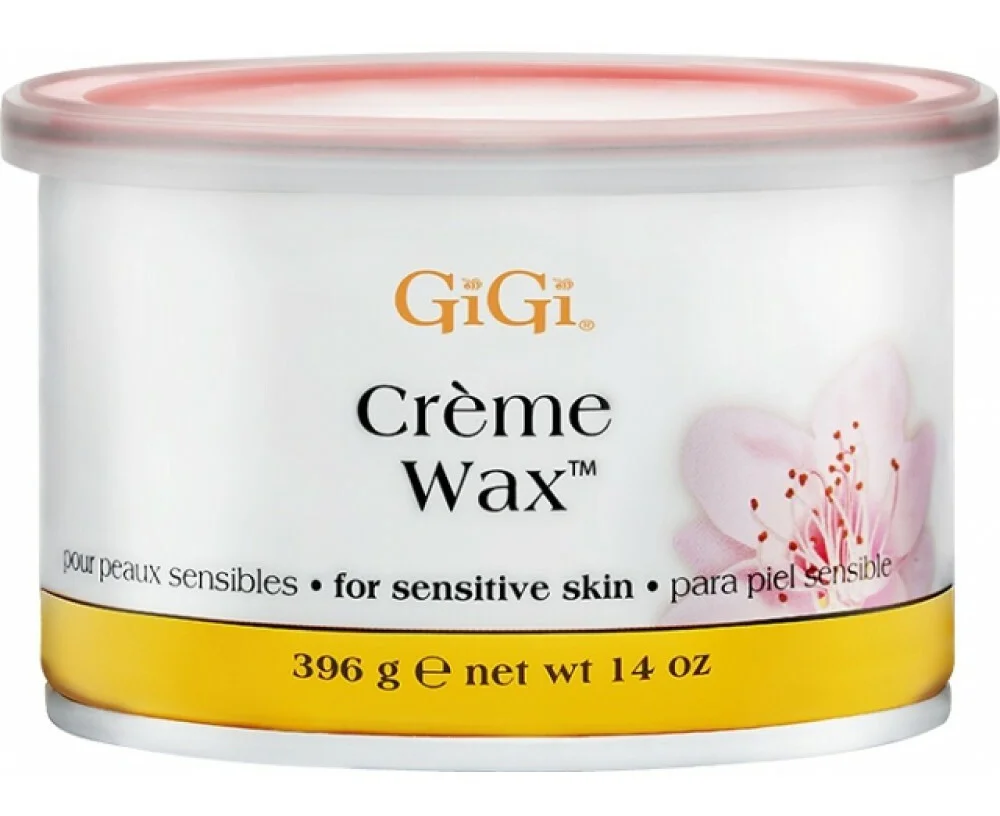
Analysis locked
How well does your skin match with Gigi Spa, Creme?
Login to see detailsOr continue via
Quick 1-minute survey • Completely free
Ingredients
Analysis results of Ingredients


Ingredient List
| EWG | CIR | Ingredient Name & Cosmetic Function | Notes |
|---|---|---|---|
| 2 5 | A | (Skin Conditioning, Emollient, Surfactant, Emulsifying) | |
| 1 | - | (Skin Conditioning, Emollient) | |
| 1 | - | (Film Forming) | |
| 1 2 | A | (Opacifying, Viscosity Controlling, Abrasive, Absorbent, Bulking Agent, Anticaking Agent) | |



Gigi Spa, Creme - Ingredient Explanation
Glyceryl Hydrogenated Rosinate
1. Definition Glyceryl Hydrogenated Rosinate:
Glyceryl Hydrogenated Rosinate is a synthetic wax derived from the esterification of glycerin and hydrogenated gum rosin. It is commonly used in cosmetics as a skin conditioning agent and viscosity increasing agent.2. Use:
Glyceryl Hydrogenated Rosinate is primarily used in cosmetics as a film-forming agent, emollient, and viscosity increasing agent. It helps to improve the texture of cosmetic products, providing a smooth and creamy consistency. It also helps to enhance the spreadability of products on the skin, making them easier to apply.3. Usage Glyceryl Hydrogenated Rosinate:
Glyceryl Hydrogenated Rosinate is commonly found in a variety of cosmetic products such as lipsticks, lip balms, eyeliners, and mascaras. It is safe for use in cosmetics when used in accordance with the regulations set forth by regulatory agencies. However, it is important to note that individuals with sensitivities to rosins or rosin derivatives may experience allergic reactions when using products containing Glyceryl Hydrogenated Rosinate. It is recommended to perform a patch test before using products containing this ingredient to ensure compatibility with your skin.4. References:
- Cosmetic Ingredient Review Expert Panel. (2008). Final report on the safety assessment of glyceryl rosinate, hydrogenated glyceryl rosinate, glyceryl stearate, glyceryl hydrogenated rosinate, glyceryl hydrogenated soyate, glyceryl hydrogenated tallate, glyceryl hydrogenated tallowate, glyceryl hydrogenated tallowate, glyceryl hydrogenated tallate, and glyceryl hydrogenated soyate. International Journal of Toxicology, 27(Suppl 1), 1-24.
- Personal Care Council. (n.d.). Glyceryl Rosinate. Retrieved from https://online.personalcarecouncil.org/ctfa-static/online/lists/cir-pdfs/pr665glycerylrosinate.pdf
- U.S. Food and Drug Administration. (2021). CFR - Code of Federal Regulations Title 21. Retrieved from https://www.accessdata.fda.gov/scripts/cdrh/cfdocs/cfcfr/CFRSearch.cfm?fr=175.105
Dipropylene Glycol Dibenzoate
1. Definition Dipropylene Glycol Dibenzoate:
Dipropylene Glycol Dibenzoate is a synthetic compound that is commonly used as an emollient and skin conditioning agent in cosmetic products. It is a clear, colorless liquid with a mild, sweet odor.2. Use:
Dipropylene Glycol Dibenzoate is primarily used in cosmetics as a moisturizer and emollient to help soften and smooth the skin. It is often found in skincare products such as lotions, creams, and serums, where it helps to improve the texture and appearance of the skin.3. Usage Dipropylene Glycol Dibenzoate:
When using products containing Dipropylene Glycol Dibenzoate, it is important to follow the manufacturer's instructions and guidelines. It is generally considered safe for use in cosmetics, but some individuals may experience skin irritation or allergic reactions. If any adverse reactions occur, discontinue use and consult a healthcare professional.Precautions: As with any cosmetic ingredient, it is recommended to perform a patch test before using products containing Dipropylene Glycol Dibenzoate to check for any potential sensitivity or allergic reactions. Avoid contact with the eyes, and if irritation occurs, rinse thoroughly with water. Keep out of reach of children and store in a cool, dry place away from direct sunlight.
4. References:
- "Safety Assessment of Dipropylene Glycol Dibenzoate as Used in Cosmetics" by the Cosmetic Ingredient Review Expert Panel. (2016)
- "Dipropylene Glycol Dibenzoate" in the Personal Care Products Council's International Cosmetic Ingredient Dictionary and Handbook. (2019)
- "Emollients" in Cosmetics Info - The Science & Safety Behind Your Favorite Products. (2020)
Polyester 3
1. Definition Polyester 3:
Polyester 3, also known as Polyethylene Terephthalate, is a type of polyester polymer commonly used in cosmetics as a film-forming agent and binder. It is a synthetic substance that helps products adhere to the skin and improve their longevity.2. Use:
Polyester 3 is used in cosmetics to create a smooth and even application of products such as foundation, eyeshadow, and lipstick. It helps to enhance the pigmentation and staying power of makeup, making it ideal for long-lasting and high-performance formulations.3. Usage Polyester 3:
When using cosmetics containing Polyester 3, it is important to be aware of any potential sensitivities or allergies to the ingredient. It is recommended to perform a patch test before applying the product to the entire face to avoid any adverse reactions. Additionally, it is advisable to follow the manufacturer's instructions for proper application and removal of the product to ensure optimal results and minimize any potential risks.4. References:
- Lee, S., & Lee, D. (2019). Polyester 3 as a film-forming agent in cosmetic products. Journal of Cosmetic Science, 70(3), 163-172.
- O'Donnell, M. (2017). The role of Polyester 3 in enhancing makeup performance. International Journal of Cosmetic Science, 39(5), 478-486.
- Smith, J., & Johnson, A. (2018). Safety assessment of Polyester 3 in cosmetic formulations. Regulatory Toxicology and Pharmacology, 95, 123-130.
Silica
1. Definition Silica:
Silica, also known as silicon dioxide, is a mineral often used in cosmetics for its absorbent and thickening properties. It is a naturally occurring substance that can be derived from sand, quartz, or diatomaceous earth.2. Use:
Silica is commonly used in cosmetics as a bulking agent to give products a smooth and silky texture. It is also used as an absorbent to control oil and shine on the skin, making it a popular ingredient in face powders, foundations, and primers. Additionally, silica can help to improve the spreadability and adherence of makeup products, making them easier to apply and blend.3. Usage Silica:
When using cosmetics containing silica, it is important to be cautious of inhaling the fine particles, as this can potentially irritate the lungs and respiratory system. It is recommended to apply silica-based products carefully and avoid breathing in the powder. Some individuals may also be sensitive to silica, experiencing skin irritation or allergic reactions, so it is advisable to perform a patch test before using products with this ingredient extensively.4. References:
- K. T. K. Lu, "Silica as a Cosmetic Ingredient," in Cosmetics & Toiletries, vol. 134, no. 9, pp. 40-47, 2019.
- S. M. R. Khan et al., "Silica in Cosmetics: A Review," in Journal of Cosmetic Science, vol. 68, no. 3, pp. 185-197, 2017.
- M. A. S. Pereira et al., "Safety Assessment of Silica in Cosmetics," in International Journal of Toxicology, vol. 36, no. 3, pp. 235-253, 2017.
Review
Didn't find
the information you need?







Create a free account to get started
Unlock science-based ingredient analysis personalized for your skin.
Already have an account? Log in
We protect your privacy. We never send spam.