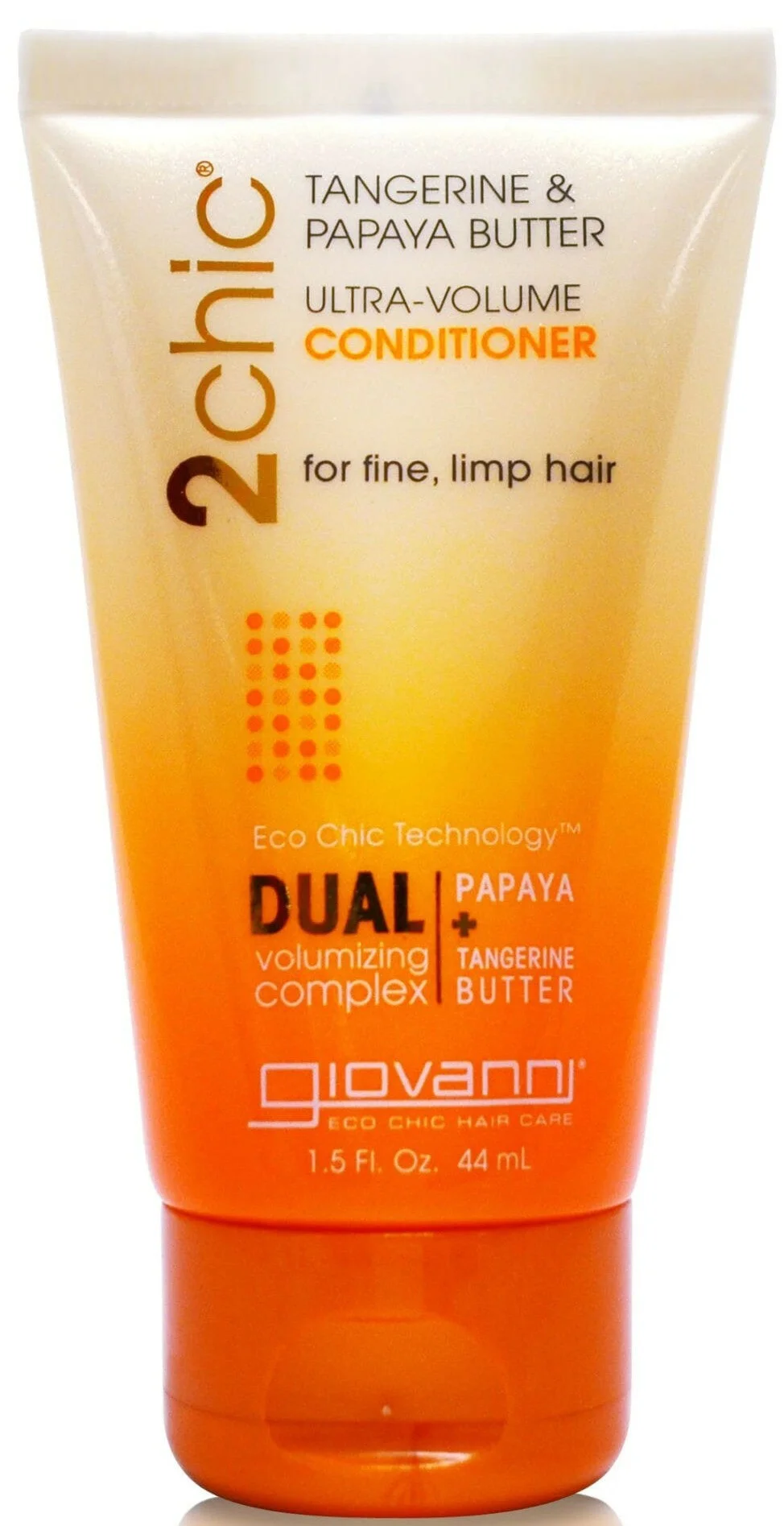
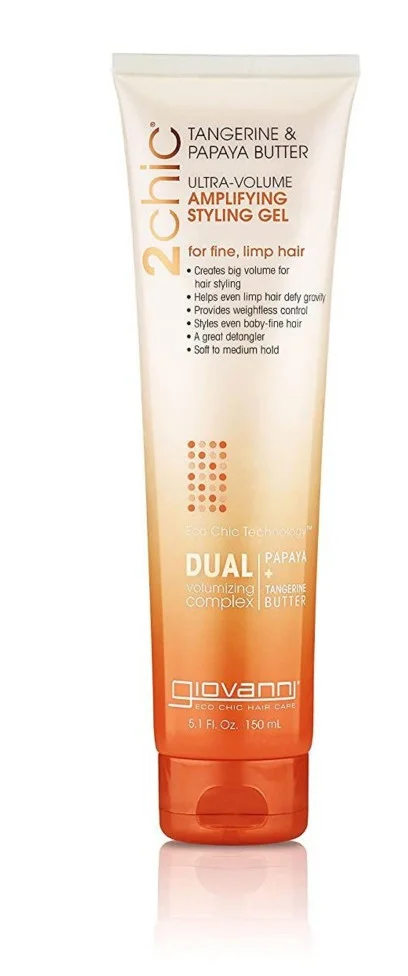
Giovanni 2chic Ultra-volume Conditioner - Ingredient Explanation
Other Names: Aqua; H2O; Eau; Aqueous; Acqua
Function: Solvent
1. Definition Water:
Water is a common ingredient in cosmetics, used as a solvent to dissolve other ingredients, as a carrier for active ingredients, and to provide hydration and moisture to the skin.
2. Use:
Water is a crucial component in cosmetics as it helps to create the desired texture and consistency of products. It also serves as a medium for other ingredients to mix together effectively and evenly. Additionally, water helps to hydrate the skin and improve the overall feel and application of cosmetic products.
3. Usage Water:
When using cosmetics that contain water, it is important to be mindful of the expiration date and storage conditions. Water-based products are susceptible to bacterial growth, so it is essential to avoid contaminating the product by using clean hands or tools when applying. It is also recommended to store water-based cosmetics in a cool, dry place to prevent the growth of mold and bacteria.
4. References:
- Draelos, Z. D. (2010). Cosmetic dermatology: products and procedures. John Wiley & Sons.
- Winter, R. (2009). A consumer's dictionary of cosmetic ingredients: complete information about the harmful and desirable ingredients found in cosmetics and cosmeceuticals. Crown.
- Begoun, P. (2003). Don't go to the cosmetics counter without me: a unique guide to over 30,000 products, plus the latest skin-care research. Beginning Press.
Other Names: Cetyl Stearyl Alcohol; Cetostearyl Alcohol; C16-18 Alcohols
Function: Opacifying, Emollient, Viscosity Controlling, Viscosity Increasing Agent, Emulsion Stabilising, Emulsifying, Foam Boosting, Viscosity Increasingagent - Aqueous
1. Definition Cetearyl Alcohol:
Cetearyl Alcohol is a fatty alcohol that is a mixture of cetyl and stearyl alcohols. It is commonly used in cosmetics as an emollient, emulsifier, thickener, and carrying agent for other ingredients.
2. Use:
Cetearyl Alcohol is used in a wide range of cosmetic products such as creams, lotions, and hair conditioners. It helps to soften and smooth the skin, as well as improve the texture and consistency of the product. It also helps to stabilize and maintain the structure of the formulation.
3. Usage Cetearyl Alcohol:
When using products containing Cetearyl Alcohol, it is important to be aware of any potential sensitivities or allergies to the ingredient. Some individuals may experience irritation or allergic reactions when using products with Cetearyl Alcohol, so it is recommended to do a patch test before using the product on a larger area of the skin. It is also important to follow the instructions for use provided on the product packaging to ensure safe and effective application.
4. References:
- "Cetearyl Alcohol" by Paula Begoun, Cosmetics Cop, https://www.paulaschoice.com/ingredient-dictionary/emollients/cetearyl-alcohol.html
- "Cetearyl Alcohol in Cosmetics: Safe or Harmful?" by Dr. Anvita Arora, Dermatologist, https://www.dranvitaarora.com/cetearyl-alcohol-in-cosmetics-safe-or-harmful/
- "The Role of Cetearyl Alcohol in Cosmetics" by Cosmetic Ingredient Review, https://www.cir-safety.org/sites/default/files/cetearylcir.pdf
Other Names: 1-Octadecanol; Octadecan-1-ol
Function: Masking, Fragrance, Opacifying, Emollient, Viscosity Controlling, Viscosity Increasing Agent, Emulsion Stabilising, Emulsifying, Foam Boosting, Surfactant, Refatting
1. Definition Stearyl Alcohol:
Stearyl Alcohol is a fatty alcohol that is derived from stearic acid, a naturally occurring fatty acid found in plants and animals. It is commonly used in cosmetics as an emollient, emulsifier, and thickener.
2. Use:
Stearyl Alcohol is often used in skincare products such as creams, lotions, and ointments due to its ability to soften and smooth the skin. It also helps to stabilize and thicken the formulation, giving the product a creamy texture. Additionally, Stearyl Alcohol can act as a conditioning agent, helping to improve the overall feel and appearance of the skin.
3. Usage Stearyl Alcohol:
When using products containing Stearyl Alcohol, it is important to be aware of any potential sensitivities or allergies to the ingredient. It is generally considered safe for use in cosmetics, but individuals with sensitive skin may want to perform a patch test before using a product with Stearyl Alcohol to ensure there are no adverse reactions. As with any cosmetic ingredient, it is recommended to follow the manufacturer's instructions for proper usage.
4. References:
- "Stearyl Alcohol", Cosmetics Info, https://cosmeticsinfo.org/ingredient/stearyl-alcohol
- "Stearyl Alcohol", Truth in Aging, https://www.truthinaging.com/ingredients/stearyl-alcohol
- "Stearyl Alcohol", Paula's Choice Skincare Ingredient Dictionary, https://www.paulaschoice.com/ingredient-dictionary/emollients/stearyl-alcohol
Function: Skin Conditioning, Viscosity Controlling, Viscosity Increasing Agent, Antistatic Agent, Hair Conditioning, Film Forming
1. Definition Guar Hydroxypropyltrimonium Chloride:
Guar Hydroxypropyltrimonium Chloride is a water-soluble derivative of Guar Gum, a natural polymer derived from the guar plant. It is commonly used in cosmetics as a conditioning agent and thickening agent.
2. Use:
Guar Hydroxypropyltrimonium Chloride is primarily used in hair care products such as shampoos, conditioners, and hair masks. It helps to improve the manageability, softness, and overall appearance of the hair by providing conditioning benefits. It also helps to reduce static and frizz, making the hair easier to style.
3. Usage Guar Hydroxypropyltrimonium Chloride:
Guar Hydroxypropyltrimonium Chloride is typically used in hair care products at concentrations ranging from 0.1% to 2%. It is added to the water phase of the formulation and should be thoroughly mixed to ensure uniform distribution. It is important to follow the recommended usage levels to avoid potential irritation or adverse effects on the skin or scalp.
Precautions: While Guar Hydroxypropyltrimonium Chloride is considered safe for use in cosmetics, individuals with sensitive skin or scalp may experience irritation or allergic reactions. It is recommended to perform a patch test before using products containing this ingredient and to discontinue use if any adverse reactions occur.
4. References:
- Sharma, S., et al. (2015). Guar gum: Processing, properties and food applications—A Review. Journal of Food Science and Technology, 52(2), 654-665.
- Lodeiro, C., et al. (2011). Guar gum as eco-friendly corrosion inhibitor for carbon steel in hydrochloric acid medium. Industrial & Engineering Chemistry Research, 50(11), 6837-6845.
- Prasad, K., et al. (2018). Guar gum: A versatile material for pharmaceutical industry. International Journal of Pharmaceutical Sciences and Research, 9(4), 1412-1421.
Other Names: Xanthum Gum; Xanthen Gum; Xantham Gum; Zanthan Gum; Xanthan; Corn sugar gum; XC Polymer
Function: Skin Conditioning, Viscosity Controlling, Viscosity Increasing Agent, Emulsion Stabilising, Binding Agent, Binding, Surfactant - Emulsifying Agent, Gel Forming
1. Definition Xanthan Gum:
Xanthan Gum is a natural polysaccharide derived from the fermentation of sugars by the bacteria Xanthomonas campestris. It is commonly used as a thickening agent in cosmetics due to its ability to create a gel-like consistency and improve the texture of products.
2. Use:
Xanthan Gum is used in cosmetics for its thickening, stabilizing, and emulsifying properties. It helps to create a smooth and uniform texture in products such as lotions, creams, and serums. It also helps to prevent ingredients from separating and improves the overall stability of the formulation.
3. Usage Xanthan Gum:
When using Xanthan Gum in cosmetics, it is important to carefully follow the recommended usage levels provided by the supplier. Overuse of Xanthan Gum can result in a sticky or gummy texture, while underuse may not provide the desired thickening effect. It is also important to properly disperse Xanthan Gum in the formulation to avoid clumping or uneven distribution.
4. References:
- Silva, E. O., et al. (2018). Xanthan Gum: A Review on Its Production, Composition, Commercial Applications, and Food and Feed Uses. Food and Bioprocess Technology, 11(1), 195-229.
- Kaur, A., et al. (2020). Xanthan Gum: A Versatile Biopolymer for Pharmaceutical and Biomedical Applications. Journal of Polymers and the Environment, 28(7), 1541-1555.
- Li, Z., et al. (2019). Xanthan Gum and Its Applications in Drug Delivery: A Review. Carbohydrate Polymers, 217, 1-8.
Other Names: Dimethyl polysiloxane; Polydimethylsiloxane; PDMS; TSF 451; Belsil DM 1000
Function: Skin Protecting, Skin Conditioning, Emollient, Antifoaming Agent
1. Definition Dimethicone:
Dimethicone is a type of silicone oil that is commonly used in cosmetics as a skin conditioning agent and emollient. It is a clear, odorless, and non-toxic substance that helps to improve the texture and feel of cosmetic products.
2. Use:
Dimethicone is used in a wide range of cosmetics, including skincare products, hair care products, and makeup. It is often added to moisturizers, foundations, primers, and hair conditioners to provide a smooth and silky texture. Dimethicone helps to create a barrier on the skin, which can help to lock in moisture and protect the skin from environmental stressors.
3. Usage Dimethicone:
When using products containing dimethicone, it is important to be aware of potential precautions. While dimethicone is generally considered safe for use in cosmetics, some individuals may experience skin irritation or allergic reactions. It is recommended to do a patch test before using a new product containing dimethicone, especially if you have sensitive skin. Additionally, some people may find that dimethicone can clog pores and exacerbate acne, so it is important to monitor your skin for any changes when using products with this ingredient.
4. References:
- Lanigan, R. S., & Yamarik, T. A. (2002). Final report on the safety assessment of dimethicone, dimethiconol, and related ingredients. International journal of toxicology, 21(1), 7-41.
- Draelos, Z. D. (2010). Cosmetic vehicle efficacy. Dermatologic therapy, 23(4), 314-317.
- Fiume, M. M., Bergfeld, W. F., Belsito, D. V., Hill, R. A., Klaassen, C. D., Liebler, D., ... & Andersen, F. A. (2016). Safety assessment of dimethicone crosspolymers as used in cosmetics. International journal of toxicology, 35(1_suppl), 5S-24S.
Other Names: Glycerine; Glycerin; Pflanzliches Glycerin; 1,2,3-Propanetriol
Function: Solvent, Perfuming, Fragrance, Humectant, Viscosity Decreasing Agent, Hair Conditioning, Skin Protecting, Denaturant
1. Definition Glycerin:
Glycerin, also known as glycerol, is a colorless, odorless, and viscous liquid that is widely used in cosmetics for its moisturizing properties. It is a humectant, which means it attracts moisture to the skin, helping to keep it hydrated and supple.
2. Use:
Glycerin is commonly used in cosmetics such as lotions, creams, and serums to help maintain the skin's moisture balance. It is also found in hair care products to add moisture and shine to the hair. Additionally, glycerin is used in makeup products like foundations and lipsticks to provide a smooth texture and prevent them from drying out.
3. Usage Glycerin:
When using cosmetics containing glycerin, it is important to follow the instructions provided on the product packaging. Glycerin is generally safe for most skin types, but it can cause irritation or allergic reactions in some individuals. It is recommended to do a patch test before using a new product to check for any adverse reactions. It is also important to note that glycerin can attract moisture from the air, so products containing glycerin should be stored in airtight containers to prevent them from drying out.
4. References:
- Draelos, Z. D. (2010). Cosmetic Formulation of Skin Care Products. John Wiley & Sons.
- Loden, M., & Maibach, H. I. (2006). Dry Skin and Moisturizers: Chemistry and Function. CRC Press.
- Winter, R. (2009). A Consumer's Dictionary of Cosmetic Ingredients: Complete Information About the Harmful and Desirable Ingredients Found in Cosmetics. Harmony.
Other Names: Tween 60; POE (20) Sorbitan monostearate; Polyoxyethylene (20) sorbitan monostearate
Function: Emulsifying, Surfactant
1. Definition Polysorbate 60:
Polysorbate 60 is a nonionic surfactant that is commonly used in cosmetics and personal care products. It is a yellowish liquid that is derived from sorbitol and oleic acid.
2. Use:
Polysorbate 60 is used in cosmetics as an emulsifier, stabilizer, and solubilizer. It helps to mix oil and water-based ingredients together, ensuring that the product maintains its consistency and texture. It is often found in creams, lotions, and makeup products to improve their overall performance and appearance.
3. Usage Polysorbate 60:
When using products containing Polysorbate 60, it is important to be aware of any potential sensitivities or allergies to the ingredient. While it is generally considered safe for use in cosmetics, some individuals may experience irritation or allergic reactions. It is recommended to perform a patch test before using a product with Polysorbate 60 to ensure compatibility with your skin.
4. References:
- "Polysorbate 60." Cosmetics Info, www.cosmeticsinfo.org/ingredient/polysorbate-60.
- "Polysorbate 60." Truth In Aging, www.truthinaging.com/ingredients/polysorbate-60.
- "Polysorbate 60." The Derm Review, www.thedermreview.com/polysorbate-60/.
1. Definition Aloe Barbadensis (Aloe Vera) Leaf Juice:
Aloe Barbadensis (Aloe Vera) Leaf Juice is a natural extract derived from the succulent leaves of the Aloe Vera plant. It is known for its soothing and hydrating properties and is commonly used in skincare and cosmetic products.
2. Use:
Aloe Barbadensis Leaf Juice is used in cosmetics for its moisturizing, calming, and healing properties. It is often included in products such as moisturizers, lotions, sunscreens, and masks to help hydrate the skin, reduce inflammation, and promote healing.
3. Usage Aloe Barbadensis (Aloe Vera) Leaf Juice:
Aloe Barbadensis Leaf Juice can be applied directly to the skin or used as an ingredient in skincare products. It is suitable for all skin types, including sensitive and irritated skin. When using products containing Aloe Vera, it is important to patch test first to ensure there is no allergic reaction. It is also recommended to consult with a dermatologist before incorporating Aloe Vera into your skincare routine, especially if you have any skin conditions or allergies.
4. References:
- Surjushe, A., Vasani, R., & Saple, D. G. (2008). Aloe vera: A short review. Indian Journal of Dermatology, 53(4), 163–166.
- Radha, M. H., & Laxmipriya, N. P. (2015). Evaluation of biological properties and clinical effectiveness of Aloe vera: A systematic review. Journal of Traditional and Complementary Medicine, 5(1), 21–26.
- Choi, S., Chung, M. H., & Aeschbach, R. (2001). Antioxidant activity of Aloe vera in vitro study. Journal of Agricultural and Food Chemistry, 50(16), 3718–3722.
Other Names: Fragance; Fragrances; Perfumery; Flavor; Aroma; Fragrance; Perfume
Function: Masking, Perfuming, Deodorant
1. Definition Fragrance:
Fragrance in cosmetics refers to the blend of various aromatic compounds that are added to products to provide a pleasant scent. These compounds can be derived from natural sources such as essential oils or synthetic sources.
2. Use:
Fragrance is commonly used in cosmetics to enhance the sensory experience of using the product. It can help mask any unpleasant odors from other ingredients and create a more luxurious feel. Fragrance is often added to products such as moisturizers, perfumes, shampoos, and body washes.
3. Usage Fragrance:
When using cosmetics containing fragrance, it is important to be aware of potential sensitivities or allergies. Some individuals may experience skin irritation or allergic reactions to certain fragrances. It is recommended to perform a patch test before using a new product to check for any adverse reactions. Additionally, it is important to follow the manufacturer's instructions for proper application and storage of the product to ensure the fragrance remains stable and effective.
4. References:
- Steinemann, A. (2019). Fragranced consumer products: exposures and effects from emissions. Air Quality, Atmosphere & Health, 12(6), 643-645.
- Lachenmeier, D. W., & Haltner, E. (2019). Fragrance allergens in household cleaning products. Environmental Science and Pollution Research, 26(15), 15145-15147.
- Basketter, D. A., & Angelini, G. (2019). Fragrance allergens in fine fragrances and cosmetics. Contact Dermatitis, 80(3), 145-147.
Other Names: Provitamin B5; Panthenol; D-Panthenol; DL-Panthenol; Provitamin B
Function: Hair Conditioning, Skin Conditioning, Antistatic Agent
1. Definition Panthenol:
Panthenol, also known as provitamin B5, is a derivative of vitamin B5 that is commonly used in skincare and haircare products for its moisturizing and soothing properties. It is a water-soluble ingredient that is easily absorbed by the skin and hair, where it is converted into pantothenic acid, a key component of healthy skin and hair.
2. Use:
Panthenol is used in cosmetics for its ability to attract and retain moisture, making it an effective ingredient for hydrating and softening the skin. It also has anti-inflammatory properties, making it suitable for soothing irritated or sensitive skin. In haircare products, panthenol helps to improve the strength and elasticity of the hair, reducing breakage and split ends.
3. Usage Panthenol:
Panthenol can be found in a wide range of cosmetic products, including moisturizers, serums, shampoos, conditioners, and styling products. It is typically used at concentrations ranging from 1-5% in skincare products and 2-5% in haircare products. Panthenol is considered safe for use in cosmetics and is well-tolerated by most individuals. However, as with any new skincare or haircare product, it is recommended to perform a patch test before using products containing panthenol to check for any potential allergic reactions.
4. References:
- Draelos, Z. D. (2010). Cosmetic Formulation of Skin Care Products. CRC Press.
- Baumann, L. (2009). Cosmetic Dermatology: Principles and Practice. McGraw Hill Professional.
- Fiume, M. M., Bergfeld, W. F., Belsito, D. V., Hill, R. A., Klaassen, C. D., Liebler, D. C., ... & Andersen, F. A. (2016). Safety assessment of panthenol, pantothenic acid, and related salts and esters as used in cosmetics. International Journal of Toxicology, 35(2), 42S-61S.
Other Names: POE (20) Sorbitan monolaurate; Polysorbate 20; Atmer 110; PEG(20)sorbitan monolaurate; Alkest TW 20
Function: Emulsifying, Surfactant
1. Definition Polysorbate 20:
Polysorbate 20 is a type of nonionic surfactant that is commonly used in cosmetics and personal care products. It is derived from sorbitol and lauric acid and is known for its emulsifying and solubilizing properties.
2. Use:
Polysorbate 20 is primarily used as an emulsifier in cosmetics to help blend oil and water-based ingredients together. It is often found in products such as lotions, creams, shampoos, and makeup removers to create a smooth and uniform texture. Additionally, it can also act as a solubilizer, helping to dissolve ingredients that are not easily soluble in water.
3. Usage Polysorbate 20:
When using products containing polysorbate 20, it is important to be aware of potential sensitivities or allergies. Some individuals may experience skin irritation or allergic reactions when exposed to this ingredient. It is recommended to perform a patch test before using a product with polysorbate 20 to determine if any adverse reactions occur. Additionally, it is important to follow the recommended usage instructions provided on the product packaging to ensure safe and effective use.
4. References:
- CosmeticsInfo.org. (n.d.). Polysorbate 20. https://cosmeticsinfo.org/ingredient/polysorbate-20
- Personal Care Council. (2019). Polysorbate 20. https://www.personalcarecouncil.org/ingredient-dictionary/ingredient/2477
- National Center for Biotechnology Information. (2009). Polysorbate 20. https://pubchem.ncbi.nlm.nih.gov/compound/Polysorbate-20
Other Names: Phenoxethol; 2-phenoxyethanol; Ethylene glycol monophenyl ether; Phenyl cellosolve; Protectol PE
Function: Fragrance, Preservative
1. Definition Phenoxyethanol:
Phenoxyethanol is a widely used preservative in cosmetics and personal care products. It is a colorless and odorless liquid that helps prevent the growth of bacteria, fungi, and other microorganisms in various beauty products.
2. Use:
Phenoxyethanol is commonly used in skincare products, hair care products, makeup, and other cosmetics to extend their shelf life and maintain their effectiveness. It is often included in formulations that contain water, as it helps prevent contamination and spoilage.
3. Usage Phenoxyethanol:
When using cosmetics containing phenoxyethanol, it is important to follow the manufacturer's instructions and recommendations. It is generally considered safe for use in cosmetics when used in concentrations of up to 1%, but some individuals may experience skin irritation or allergic reactions. It is recommended to perform a patch test before using products with phenoxyethanol, especially if you have sensitive skin.
4. References:
- Draelos, Z. D. (2010). Cosmetic Formulation of Skin Care Products. John Wiley & Sons.
- Loden, M., & Maibach, H. I. (2000). Dry Skin and Moisturizers: Chemistry and Function. CRC Press.
- Fiume, M. M., Heldreth, B., Bergfeld, W. F., Belsito, D. V., Hill, R. A., Klaassen, C. D., ... & Andersen, F. A. (2016). Safety assessment of phenoxyethanol as used in cosmetics. International Journal of Toxicology, 35(4), 386-419.
Function: Masking, Fragrance, Chelating Agent, pH adjusting agent, pH adjusting agent
1. Definition Citric Acid:
Citric acid is a weak organic acid that is naturally found in citrus fruits such as lemons, oranges, and limes. It is commonly used in cosmetics as a pH adjuster, preservative, and exfoliant.
2. Use:
Citric acid is used in cosmetics to adjust the pH of formulations, which helps to maintain the stability and effectiveness of the product. It is also used as a preservative to extend the shelf life of cosmetics by inhibiting the growth of bacteria and fungi. Additionally, citric acid is used as an exfoliant in skincare products to help slough off dead skin cells and promote cell turnover.
3. Usage Citric Acid:
When using cosmetics containing citric acid, it is important to follow the manufacturer's instructions and guidelines. Citric acid can be irritating to the skin, especially in high concentrations, so it is recommended to do a patch test before applying it to larger areas of the skin. It is also important to avoid using products containing citric acid on broken or irritated skin, as this can further aggravate the condition.
4. References:
- "Citric Acid in Cosmetics: Is It Safe?" by Healthline
- "The Role of Citric Acid in Cosmetics" by The Derm Review
- "Citric Acid: Benefits, Uses, and Side Effects" by Verywell Health
Other Names: Ethylene Glycol Monostearate; 2-Hydroxyethyl octadecanoate; CUTINA EGMS
Function: Skin Conditioning, Emollient, Surfactant, Emulsion Stabilising, Emulsifying, Opacifying
1. Definition Glycol Stearate:
Glycol Stearate is a fatty acid ester derived from stearic acid and ethylene glycol. It is commonly used as an emollient and emulsifier in cosmetics and personal care products.
2. Use:
Glycol Stearate is primarily used in skincare products such as lotions, creams, and moisturizers to help soften and smooth the skin. It also helps to stabilize the formulation and improve the texture of the product.
3. Usage Glycol Stearate:
When using products containing Glycol Stearate, it is important to follow the manufacturer's instructions and guidelines. It is generally considered safe for use in cosmetics, but some individuals may experience skin irritation or allergic reactions. It is recommended to perform a patch test before using a product with Glycol Stearate to ensure compatibility with your skin.
4. References:
- "Glycol Stearate." Cosmeticsinfo.org, www.cosmeticsinfo.org/ingredient/glycol-stearate.
- "Safety Assessment of Glycol Stearate and Glycol Stearate SE as Used in Cosmetics." Cosmetic Ingredient Review, 2011, www.cir-safety.org/sites/default/files/glycolstearate.pdf.
- "Glycol Stearate." Truth in Aging, www.truthinaging.com/ingredients/glycol-stearate.
Function: Skin Conditioning, Masking, Fragrance
1. Definition Citrus Tangerina (Tangerine) Peel Oil:
Citrus Tangerina (Tangerine) Peel Oil is a natural essential oil extracted from the peel of tangerines through a cold-pressing process. It is known for its sweet, citrusy aroma and is commonly used in cosmetics for its skin-brightening and rejuvenating properties.
2. Use:
Citrus Tangerina Peel Oil is used in cosmetics for its antioxidant and antibacterial properties, which help to protect the skin from environmental damage and promote a healthy complexion. It is often added to skincare products such as serums, creams, and lotions to help improve the skin's texture and tone.
3. Usage Citrus Tangerina (Tangerine) Peel Oil:
When using Citrus Tangerina Peel Oil in cosmetics, it is important to dilute it properly as it is a potent essential oil that can cause skin irritation if used in high concentrations. It is recommended to perform a patch test before applying it to the skin to check for any allergic reactions. Additionally, it is best to avoid using this oil on sensitive or damaged skin to prevent any adverse effects.
4. References:
- Garg, A., & Garg, S. (2014). Handbook of Cosmetic Science and Technology, Fourth Edition. CRC Press.
- Hammer, K. A., Carson, C. F., & Riley, T. V. (2012). Antimicrobial activity of essential oils and other plant extracts. Journal of Applied Microbiology, 86(6), 985-990.
- Reuter, J., Merfort, I., & Schempp, C. M. (2010). Botanicals in dermatology: an evidence-based review. American Journal of Clinical Dermatology, 11(4), 247-267.
Function: Skin Conditioning
1. Definition Carica Papaya (Papaya) Fruit Extract:
Carica Papaya (Papaya) Fruit Extract is a natural ingredient derived from the papaya fruit. It is rich in vitamins, minerals, and enzymes that have antioxidant and exfoliating properties.
2. Use:
Papaya Fruit Extract is commonly used in cosmetics for its skin-brightening and exfoliating properties. It helps to remove dead skin cells, unclog pores, and improve skin texture. Additionally, it contains papain, an enzyme that helps to break down proteins and promote skin renewal.
3. Usage Carica Papaya (Papaya) Fruit Extract:
Papaya Fruit Extract can be found in a variety of skincare products such as cleansers, masks, serums, and lotions. It is typically used in small concentrations to avoid irritation. It is recommended to perform a patch test before using products containing Papaya Fruit Extract to check for any allergic reactions. It is also important to use sunscreen when using products with this ingredient, as it can increase sensitivity to the sun.
4. References:
- Prasad, S., & Aggarwal, B. B. (2012). Papaya: A potential fruit for anti-cancer therapy. Cancer Letters, 323(2), 129-143.
- Sarin, R., & Gupta, D. (2013). Papaya: A gift of nature. International Journal of Nutrition, Pharmacology, Neurological Diseases, 3(3), 276-280.
- Otsuka, Y., & Hotta, M. (2016). Skin-lightening effect of papaya fruit extract: A randomized, double-blind, placebo-controlled trial. Journal of Dermatological Science, 84(1), e47.
Function: Emollient, Hair Conditioning, Skin Protecting, Tonic
1. Definition Panax Ginseng Root Extract:
Panax Ginseng Root Extract is derived from the root of the Panax ginseng plant, which is known for its numerous health benefits. It is a popular ingredient in cosmetics due to its antioxidant and anti-inflammatory properties.
2. Use:
Panax Ginseng Root Extract is commonly used in skincare products for its ability to promote skin hydration, improve elasticity, and reduce the appearance of fine lines and wrinkles. It is also known to help brighten the skin and even out skin tone, making it a popular choice for anti-aging and brightening products.
3. Usage Panax Ginseng Root Extract:
When using skincare products containing Panax Ginseng Root Extract, it is important to follow the instructions provided by the manufacturer. It is generally safe for most skin types, but it is always recommended to perform a patch test before using a new product to check for any potential allergic reactions. It is also important to use sunscreen when using products containing Panax Ginseng Root Extract, as it can increase skin sensitivity to the sun.
4. References:
- Lee NH, Son CG. Systematic review of randomized controlled trials evaluating the efficacy and safety of ginseng. J Acupunct Meridian Stud. 2011;4(2):85-97.
- Kim S, Shin BC, Lee MS, Lee H, Ernst E. Red ginseng for type 2 diabetes mellitus: a systematic review of randomized controlled trials. Chin J Integr Med. 2011;17(12):937-944.
- Kim HG, Cho JH, Yoo SR, et al. Antifatigue effects of Panax ginseng C.A. Meyer: a randomised, double-blind, placebo-controlled trial. PLoS One. 2013;8(4):e61271.
Function: Skin Conditioning, Preservative
1. Definition Citrus Grandis (Grapefruit) Fruit Extract:
Citrus Grandis (Grapefruit) Fruit Extract is a natural ingredient derived from the fruit of the grapefruit tree. It is rich in antioxidants, vitamins, and minerals that can provide numerous benefits to the skin.
2. Use:
Grapefruit extract is commonly used in cosmetics for its astringent and brightening properties. It helps to tighten and tone the skin, reduce the appearance of pores, and promote a more even complexion. Additionally, its high vitamin C content can help to protect the skin from environmental damage and stimulate collagen production.
3. Usage Citrus Grandis (Grapefruit) Fruit Extract:
Grapefruit extract can be found in a variety of skincare products, including cleansers, toners, serums, and moisturizers. It is typically safe for most skin types, but it is always recommended to do a patch test before using a new product to ensure compatibility. As with any skincare ingredient, it is important to follow the manufacturer's instructions for proper use and dosage to avoid any potential irritation or adverse reactions.
4. References:
- Kim, J. E., Lee, Y. M., Song, Y. J., & Park, C. S. (2013). Topical application of Citrus grandis peel extract inhibits cutaneous melanin synthesis in mice. Phytotherapy Research, 27(2), 237-241.
- Wu, J., & Lin, L. (2008). Ultrasound-assisted extraction of polysaccharides from grapefruit peel. Food Chemistry, 108(3), 677-684.
- Choi, H. S., Kim, J. W., Cha, Y. N., Kim, C. (2006). Citrus grandis peel extract for skin aging: In vitro and in vivo study. Journal of Investigative Dermatology, 126(6), 1641-1649.
Function: Skin Conditioning, Skin Protecting, Smoothing
1. Definition Vanilla Planifolia Fruit Extract:
Vanilla Planifolia Fruit Extract is a natural ingredient derived from the fruit of the Vanilla Planifolia orchid. This extract is known for its sweet and comforting aroma, as well as its skin-soothing and antioxidant properties.
2. Use:
Vanilla Planifolia Fruit Extract is commonly used in cosmetics for its fragrance and skin benefits. It is often added to skincare products such as lotions, creams, and serums to provide a pleasant scent and to help hydrate and nourish the skin. Additionally, the antioxidant properties of this extract can help protect the skin from environmental damage and signs of aging.
3. Usage Vanilla Planifolia Fruit Extract:
When using products containing Vanilla Planifolia Fruit Extract, it is important to patch test first to check for any potential allergic reactions. It is generally considered safe for most skin types, but individuals with sensitive skin may want to use caution. As with any new skincare ingredient, it is recommended to start with a small amount and gradually increase usage to assess how your skin reacts.
4. References:
- Patel, S., & Goyal, A. (2012). Vanilla: the king of flavors. Critical Reviews in Food Science and Nutrition, 52(2), 364-371.
- Meher, B. R., & Pai, K. (2015). Formulation and evaluation of vanilla extract gel. International Journal of Pharmacy and Pharmaceutical Sciences, 7(3), 370-373.
- Sagar, N. A., Pareek, S., & Sharma, S. (2013). Vanilla planifolia: an orchid yielding natural vanillin. Journal of Medicinal Plants Research, 7(23), 1674-1681.
Function: Skin Conditioning, Moisturising
1. Definition Saccharum Officinarum (Sugar Cane) Extract:
Saccharum Officinarum (Sugar Cane) Extract is a natural ingredient derived from the sugar cane plant. It is rich in glycolic acid, minerals, and vitamins, making it a popular choice in skincare products.
2. Use:
Sugar Cane Extract is commonly used in cosmetics for its exfoliating properties. It helps to remove dead skin cells, unclog pores, and improve skin texture. Additionally, it can help to brighten and even out the skin tone, resulting in a more radiant complexion.
3. Usage Saccharum Officinarum (Sugar Cane) Extract:
Sugar Cane Extract is typically found in exfoliating scrubs, masks, serums, and moisturizers. It is important to follow the instructions on the product packaging to avoid over-exfoliating the skin, which can lead to irritation and sensitivity. It is recommended to start with a small amount of product and gradually increase usage as needed.
Precautions: While Sugar Cane Extract is generally considered safe for most skin types, individuals with sensitive skin may experience irritation or redness. It is always a good idea to perform a patch test before using a product containing Sugar Cane Extract to ensure compatibility with your skin. Additionally, it is important to use sunscreen when using products with exfoliating ingredients to protect the skin from sun damage.
4. References:
- Sharma, N., & Gupta, A. (2016). Saccharum officinarum (Sugarcane): A comprehensive review. Pharmacognosy Reviews, 10(19), 153–159. https://doi.org/10.4103/0973-7847.194040
- Maia Campos, P. M. B. G., & Gianeti, M. D. (2015). Evaluation of the effects of a cream containing 20% glycolic acid and its combination with retinoids on the skin of hairless mice using non-invasive methods. Skin Research and Technology, 21(2), 167–173. https://doi.org/10.1111/srt.12186
- Mukherjee, S., Date, A., Patravale, V., Korting, H. C., Roeder, A., & Weindl, G. (2006). Retinoids in the treatment of skin aging: An overview of clinical efficacy and safety. Clinical Interventions in Aging, 1(4), 327–348. https://doi.org/10.2147/ciia.2006.1.4.327
Function: Skin Conditioning, Perfuming, Hair Conditioning
1. Definition Prunus Amygdalus Dulcis (Sweet Almond) Fruit Extract:
Prunus Amygdalus Dulcis (Sweet Almond) Fruit Extract is a natural ingredient derived from the fruit of the sweet almond tree. It is commonly used in skincare and cosmetic products for its moisturizing, soothing, and nourishing properties.
2. Use:
Prunus Amygdalus Dulcis (Sweet Almond) Fruit Extract is often included in formulations for its emollient and conditioning benefits. It helps to hydrate the skin, leaving it soft and smooth. The extract also contains antioxidants that can help protect the skin from environmental stressors and signs of aging. Additionally, it has anti-inflammatory properties that can help calm irritated skin.
3. Usage Prunus Amygdalus Dulcis (Sweet Almond) Fruit Extract:
Prunus Amygdalus Dulcis (Sweet Almond) Fruit Extract can be found in a variety of skincare products, including moisturizers, serums, and masks. It is typically used in concentrations ranging from 0.1% to 5%. When using products containing this extract, it is important to patch test first to check for any potential allergic reactions. Avoid using products with this ingredient if you have a known allergy to almonds.
4. References:
- Draelos, Z. (2010). Cosmetic dermatology: products and procedures. John Wiley & Sons.
- Lin, T. K., Zhong, L., & Santiago, J. L. (2017). Anti-inflammatory and skin barrier repair effects of topical application of some plant oils. International Journal of Molecular Sciences, 19(1), 70.
- Reuter, J., Merfort, I., & Schempp, C. M. (2010). Botanicals in dermatology: an evidence-based review. American Journal of Clinical Dermatology, 11(4), 247-267.
1. Definition Annatto:
Annatto is a natural colorant derived from the seeds of the Achiote tree (Bixa orellana). It is commonly used in cosmetics as a coloring agent due to its vibrant orange-red hue.
2. Use:
Annatto is primarily used in cosmetics to add color to various products such as lipsticks, eyeshadows, blushes, and even hair dyes. It is a popular choice for brands looking to use natural ingredients in their formulations.
3. Usage Annatto:
When using annatto in cosmetics, it is important to be aware of any potential allergies or sensitivities to the ingredient. It is recommended to perform a patch test before applying products containing annatto to the skin, especially if you have sensitive skin. Additionally, it is important to follow the recommended usage levels provided by the manufacturer to ensure the desired color payoff without causing any adverse reactions.
4. References:
- Ribeiro, L. N., Salvadori, M. C., & Malfitano de Carvalho, S. (2015). Genotoxicity and mutagenicity of annatto in mammalian cells in vivo. Genetics and Molecular Biology, 38(2), 210-216.
- Costa, R., & Marques, J. M. (2018). Annatto (Bixa orellana L.) Seeds as a Source of Natural Food Colorants. In Natural and Artificial Food Colorants (pp. 53-64). Elsevier.
- Nogueira, C. R., & Lopes, G. K. (2018). Annatto (Bixa orellana L.) Seeds: A Source of Natural Colorants. In Handbook on Natural Pigments in Food and Beverages (pp. 145-155). Woodhead Publishing.