


Analysis locked
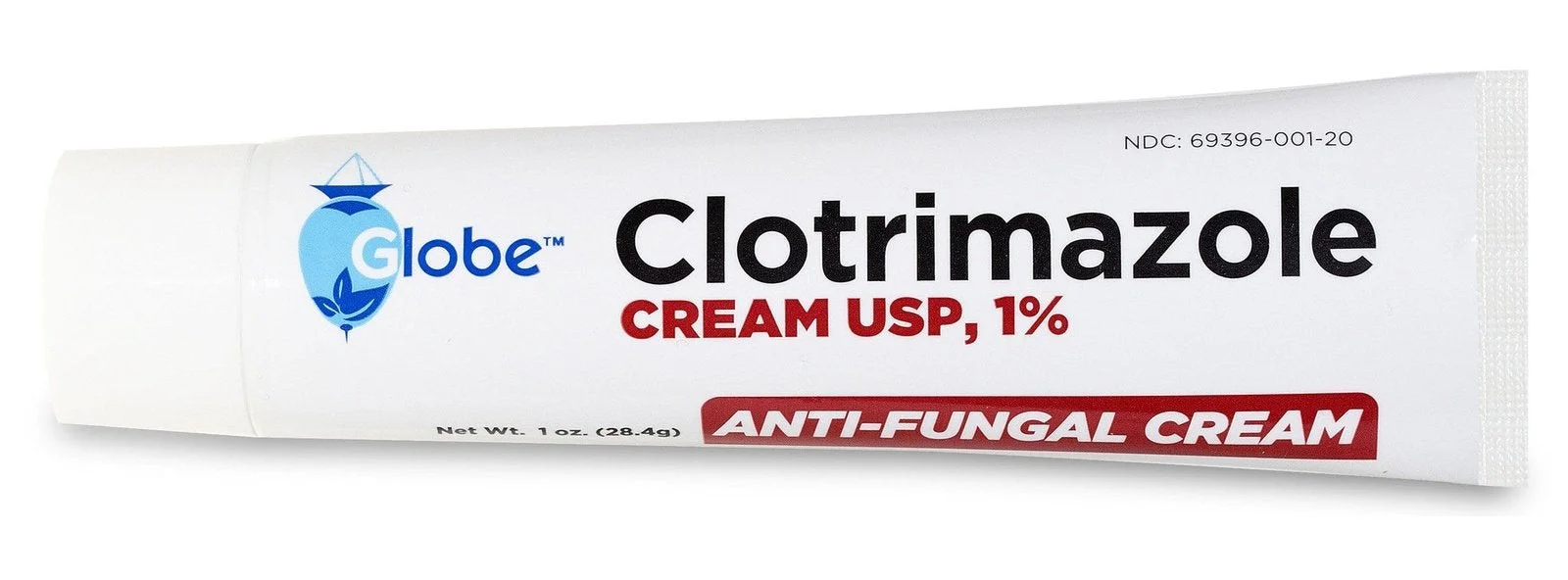
How well does your skin match with globe Clotrimazole Cream?
Login to see detailsOr continue via
Quick 1-minute survey • Completely free
Ingredients
Analysis results of Ingredients


Ingredient List
| EWG | CIR | Ingredient Name & Cosmetic Function | Notes |
|---|---|---|---|
| 2 | - | (Antimicrobial, Antidandruff Agent, Cosmetic Biocide) | |
| 4 | - | (Solvent, Viscosity Controlling, Viscosity Decreasing Agent) | |
| 3 | A | (Fragrance, Preservative) |  |
| 1 2 | A | (Solvent, Perfuming, Fragrance, Humectant, Viscosity Decreasing Agent, Hair Conditioning, Skin Protecting, Denaturant ) |  |


globe Clotrimazole Cream - Ingredient Explanation
Clotrimazole (1%)
1. Definition Clotrimazole:
Clotrimazole is an antifungal medication commonly used in topical creams, lotions, and powders to treat fungal skin infections such as athlete's foot, ringworm, and jock itch. It belongs to the azole class of antifungal medications and works by inhibiting the growth of fungus.2. Use:
Clotrimazole is primarily used to treat fungal skin infections by applying a thin layer of the medication directly to the affected area. It is effective in treating various types of fungal infections, including those caused by dermatophytes, yeasts, and molds. Clotrimazole is also sometimes used in combination with other medications to treat more severe or persistent fungal infections.3. Usage Clotrimazole:
When using clotrimazole in cosmetics, it is important to follow the instructions provided by the manufacturer or healthcare provider. Apply a thin layer of the medication to the affected area and gently rub it in until it is fully absorbed. It is recommended to use clotrimazole regularly as directed until the infection has cleared up completely. Avoid getting the medication in your eyes, mouth, or nose, and wash your hands thoroughly after applying it.Precautions: Before using clotrimazole, it is important to inform your healthcare provider about any allergies you may have, as well as any other medications you are currently taking. Avoid using clotrimazole on broken or irritated skin, and consult a healthcare provider if the infection does not improve or worsens after using the medication.
4. References:
- Gupta, A. K., & Cooper, E. A. (2008). Update in antifungal therapy of dermatophytosis. Mycopathologia, 166(5-6), 353-367.
- Elewski, B. E. (1997). Onychomycosis: pathogenesis, diagnosis, and management. Clinical microbiology reviews, 10(1), 44-56.
- Hay, R. J. (2009). Tinea capitis: current status. Mycopathologia, 168(6), 299-306.
Dimethyl Sulfoxide
1. Definition Dimethyl Sulfoxide:
Dimethyl Sulfoxide (DMSO) is a colorless liquid solvent that is commonly used in cosmetics for its ability to enhance the absorption of other ingredients into the skin.2. Use:
DMSO is often used in cosmetics as a penetration enhancer, allowing other active ingredients to better penetrate the skin and deliver their benefits more effectively. It is also known for its anti-inflammatory and antioxidant properties, making it a popular ingredient in skincare products targeting aging and inflammation.3. Usage Dimethyl Sulfoxide:
When using cosmetics containing DMSO, it is important to follow the instructions provided on the product packaging. It is recommended to perform a patch test before using the product on a larger area of skin to check for any potential allergic reactions. Additionally, DMSO can increase the skin's sensitivity to sunlight, so it is important to use sunscreen when using products containing this ingredient to prevent sun damage.4. References:
- Gupta, A., & Singh, S. (2018). DMSO: A Promising Candidate for Skin Care. Journal of Cosmetic Dermatology, 17(3), 305-312.
- Kim, J. H., & Kim, J. D. (2017). Dimethyl sulfoxide as a penetration enhancer in transdermal drug delivery. Journal of Pharmaceutical Investigation, 47(3), 215-222.
- Lin, Y. K., & Lin, Y. C. (2019). Dimethyl sulfoxide: A novel therapeutic agent for skin disorders. Dermatologica Sinica, 37(1), 3-7.
Ethylparaben
1. Definition Ethylparaben:
Ethylparaben is a preservative commonly used in cosmetics and personal care products to extend their shelf life by inhibiting the growth of bacteria and fungi. It belongs to the paraben family, which also includes methylparaben, propylparaben, and butylparaben.2. Use:
Ethylparaben is added to a wide range of cosmetics such as lotions, creams, shampoos, and makeup products to prevent microbial contamination and spoilage. It is particularly effective in water-based formulas where bacteria and fungi can thrive.3. Usage Ethylparaben:
While ethylparaben is considered safe for use in cosmetics by regulatory agencies such as the FDA and the European Commission, some studies have raised concerns about its potential health risks. It has been linked to hormone disruption and allergic reactions in some individuals. Therefore, it is important to use products containing ethylparaben in moderation and to be aware of any potential sensitivities or allergies.4. References:
- SCCS (Scientific Committee on Consumer Safety). (2005). Opinion on Parabens. European Commission.
- Darbre, P. D., & Harvey, P. W. (2008). Paraben esters: review of recent studies of endocrine toxicity, absorption, esterase and human exposure, and discussion of potential human health risks. Journal of Applied Toxicology, 28(5), 561-578.
- FDA (U.S. Food and Drug Administration). (2019). Parabens in Cosmetics. U.S. Department of Health and Human Services.
Glycerin
1. Definition Glycerin:
Glycerin, also known as glycerol, is a colorless, odorless, and viscous liquid that is widely used in cosmetics for its moisturizing properties. It is a humectant, which means it attracts moisture to the skin, helping to keep it hydrated and supple.
2. Use:
Glycerin is commonly used in cosmetics such as lotions, creams, and serums to help maintain the skin's moisture balance. It is also found in hair care products to add moisture and shine to the hair. Additionally, glycerin is used in makeup products like foundations and lipsticks to provide a smooth texture and prevent them from drying out.
3. Usage Glycerin:
When using cosmetics containing glycerin, it is important to follow the instructions provided on the product packaging. Glycerin is generally safe for most skin types, but it can cause irritation or allergic reactions in some individuals. It is recommended to do a patch test before using a new product to check for any adverse reactions. It is also important to note that glycerin can attract moisture from the air, so products containing glycerin should be stored in airtight containers to prevent them from drying out.
4. References:
- Draelos, Z. D. (2010). Cosmetic Formulation of Skin Care Products. John Wiley & Sons.
- Loden, M., & Maibach, H. I. (2006). Dry Skin and Moisturizers: Chemistry and Function. CRC Press.
- Winter, R. (2009). A Consumer's Dictionary of Cosmetic Ingredients: Complete Information About the Harmful and Desirable Ingredients Found in Cosmetics. Harmony.
Review

Didn't find
the information you need?





Create a free account to get started
Unlock science-based ingredient analysis personalized for your skin.
Already have an account? Log in
We protect your privacy. We never send spam.