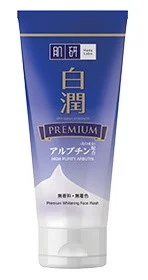
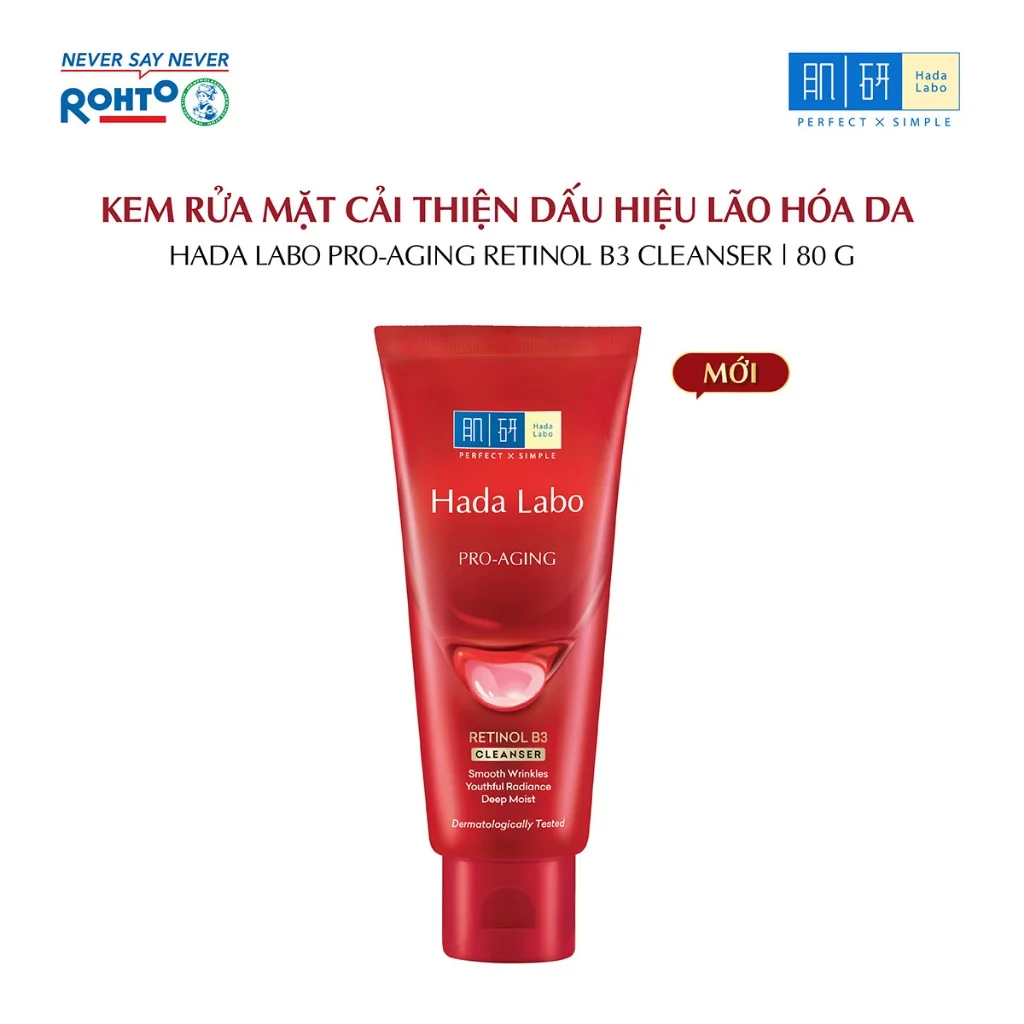
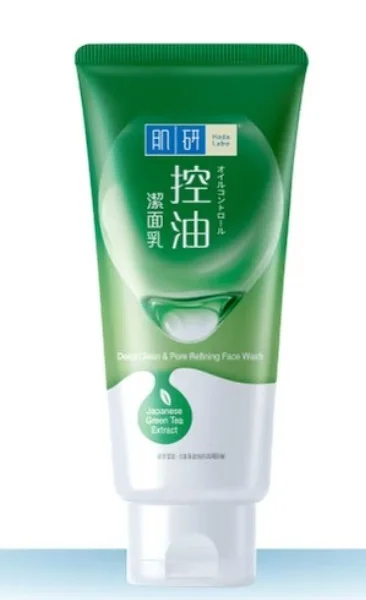
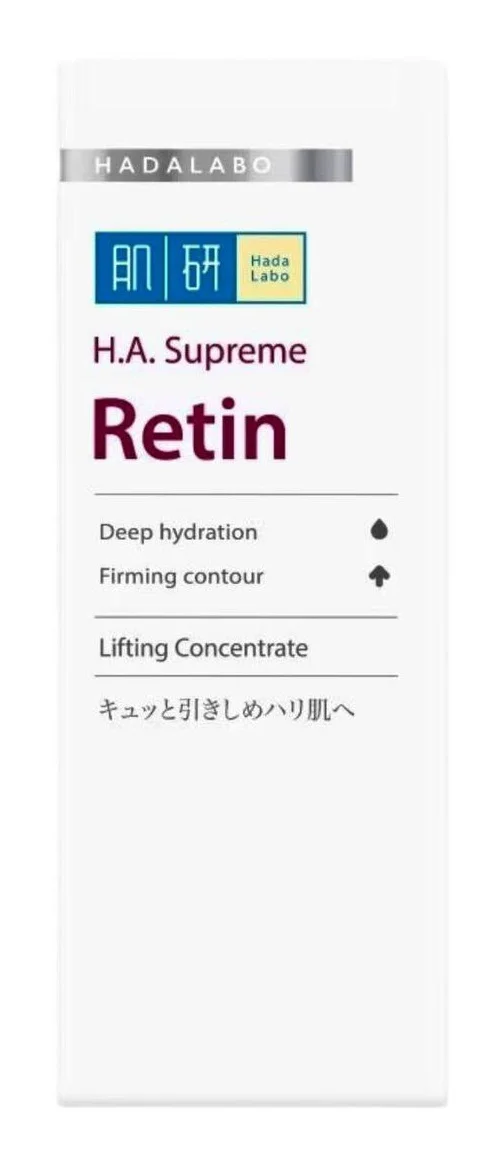
Hada Labo Premium Whitening Face Wash - Ingredient Explanation
Other Names: Aqua; H2O; Eau; Aqueous; Acqua
Function: Solvent
1. Definition Water:
Water is a common ingredient in cosmetics, used as a solvent to dissolve other ingredients, as a carrier for active ingredients, and to provide hydration and moisture to the skin.
2. Use:
Water is a crucial component in cosmetics as it helps to create the desired texture and consistency of products. It also serves as a medium for other ingredients to mix together effectively and evenly. Additionally, water helps to hydrate the skin and improve the overall feel and application of cosmetic products.
3. Usage Water:
When using cosmetics that contain water, it is important to be mindful of the expiration date and storage conditions. Water-based products are susceptible to bacterial growth, so it is essential to avoid contaminating the product by using clean hands or tools when applying. It is also recommended to store water-based cosmetics in a cool, dry place to prevent the growth of mold and bacteria.
4. References:
- Draelos, Z. D. (2010). Cosmetic dermatology: products and procedures. John Wiley & Sons.
- Winter, R. (2009). A consumer's dictionary of cosmetic ingredients: complete information about the harmful and desirable ingredients found in cosmetics and cosmeceuticals. Crown.
- Begoun, P. (2003). Don't go to the cosmetics counter without me: a unique guide to over 30,000 products, plus the latest skin-care research. Beginning Press.
Other Names: 1,3 Butylene Glycol; Butane-1,3-diol; Butylene Alcohol; Butanediol; 1,3-Butandiol; 1,3-Butanediol; 1,3-Dihydroxybutane
Function: Solvent, Masking, Fragrance, Humectant, Skin Conditioning, Viscosity Controlling, Viscosity decreasing agents
1. Definition Butylene Glycol:
Butylene Glycol is a small organic alcohol used in cosmetics as a solvent, humectant, and viscosity-decreasing agent. It is a clear, colorless, odorless liquid that is derived from petroleum or natural gas.
2. Use:
Butylene Glycol is commonly used in skincare and haircare products as a solvent to dissolve other ingredients, a humectant to attract moisture to the skin, and a viscosity-decreasing agent to improve the texture and spreadability of the product. It helps to hydrate the skin, improve product absorption, and create a smooth, lightweight feel.
3. Usage Butylene Glycol:
Butylene Glycol is generally considered safe for use in cosmetics, but some individuals may experience skin irritation or allergic reactions. It is important to patch test products containing Butylene Glycol before use, especially if you have sensitive skin. Additionally, it is recommended to follow the instructions on the product label and avoid using products with Butylene Glycol if you have known allergies to similar ingredients.
4. References:
- Cosmetic Ingredient Review Expert Panel. (2001). Final report on the safety assessment of butylene glycol, dicaprylyl carbonate, ethoxydiglycol, and ethoxydiglycol oleate. International Journal of Toxicology, 20(Suppl 4), 61-75.
- National Center for Biotechnology Information. PubChem Compound Summary for CID 24856, Butylene Glycol. Retrieved from https://pubchem.ncbi.nlm.nih.gov/compound/Butylene-glycol
- Personal Care Products Council. (2017). Butylene Glycol. Retrieved from https://www.cosmeticsinfo.org/ingredient/butylene-glycol
Function: Surfactant, Cleansing
1. Definition Sodium Myristoyl Glutamate:
Sodium Myristoyl Glutamate is a natural amino acid-based surfactant derived from coconut oil and fermented sugar. It is commonly used in cosmetics as a cleansing and emulsifying agent.
2. Use:
Sodium Myristoyl Glutamate is used in various skincare and haircare products such as cleansers, shampoos, and body washes. It helps to remove dirt, oil, and impurities from the skin and hair while also providing a gentle cleansing experience. Additionally, it helps to stabilize and emulsify the ingredients in the product, ensuring a uniform and stable formulation.
3. Usage Sodium Myristoyl Glutamate:
When using products containing Sodium Myristoyl Glutamate, it is important to follow the instructions provided on the product packaging. It is generally considered safe for use in cosmetics, but individuals with sensitive skin may want to perform a patch test before using a product containing this ingredient. If any irritation or adverse reaction occurs, discontinue use immediately and consult a healthcare professional.
4. References:
- "Sodium Myristoyl Glutamate" by The Personal Care Products Council
- "Safety Assessment of Sodium Myristoyl Glutamate as Used in Cosmetics" by the Cosmetic Ingredient Review
- "Formulation and Evaluation of Sodium Myristoyl Glutamate-based Cleansing Gel" by S. R. Deshmukh et al.
Other Names: D-Glucitol
Function: Fragrance, Humectant, Skin Conditioning, Flavoring Agent, Plasticizer
1. Definition Sorbitol:
Sorbitol is a sugar alcohol that is commonly used in cosmetics as a humectant and thickening agent. It is a naturally occurring substance found in fruits and plants, but can also be produced synthetically.
2. Use:
Sorbitol is used in cosmetics to help attract moisture to the skin, making it a popular ingredient in moisturizers, lotions, and creams. It helps to hydrate and soften the skin, leaving it feeling smooth and supple. Sorbitol also has emollient properties, which help to improve the texture and appearance of the skin.
3. Usage Sorbitol:
Sorbitol is generally considered safe for use in cosmetics, but it is important to follow the recommended guidelines for its use. It is typically used in concentrations of up to 10% in skincare products. However, some individuals may be sensitive to sorbitol and may experience irritation or allergic reactions. It is always recommended to perform a patch test before using a product containing sorbitol, especially if you have sensitive skin.
4. References:
- National Center for Biotechnology Information. PubChem Compound Summary for CID 5780, Sorbitol. https://pubchem.ncbi.nlm.nih.gov/compound/Sorbitol
- Cosmetics Info. Sorbitol. https://www.cosmeticsinfo.org/ingredient/sorbitol
- Personal Care Council. Sorbitol. https://www.personalcarecouncil.org/ingredient-info/sorbitol
Other Names: Sodium N-lauroyl-L-glutamate
Function: Hair Conditioning, Antistatic Agent, Surfactant
1. Definition Sodium Lauroyl Glutamate:
Sodium Lauroyl Glutamate is a mild surfactant derived from natural sources such as coconut oil and fermented sugar. It is commonly used in cosmetics as a cleansing agent and emulsifier.
2. Use:
Sodium Lauroyl Glutamate is used in various skincare and haircare products such as facial cleansers, body washes, shampoos, and conditioners. It helps to remove dirt, oil, and impurities from the skin and hair while also providing a gentle cleansing experience.
3. Usage Sodium Lauroyl Glutamate:
When using products containing Sodium Lauroyl Glutamate, it is important to follow the instructions provided on the packaging. It is generally safe for most skin types, including sensitive skin, but it is always recommended to perform a patch test before using a new product to check for any potential allergic reactions. Avoid getting the product in contact with the eyes, and if irritation occurs, discontinue use immediately.
4. References:
- S. B. Park, H. J. Lee, J. H. Ahn, and W. S. Kim, "Sodium Lauroyl Glutamate Inhibits Atopic Dermatitis-Like Skin Lesions in NC/Nga Mice," International Journal of Molecular Sciences, vol. 20, no. 12, 2019.
- M. A. Vila, N. P. M. Almeida, M. G. de Oliveira, and A. C. Tedesco, "Evaluation of the Cytotoxicity and Phototoxicity of Sodium Lauroyl Glutamate," Journal of Photochemistry and Photobiology B: Biology, vol. 194, 2019.
- Y. Y. Lee, M. W. Kim, J. W. Kim, and H. S. Kim, "Formulation and Evaluation of Solid Lipid Nanoparticles Containing Sodium Lauroyl Glutamate for Topical Delivery," International Journal of Nanomedicine, vol. 13, 2018.
Other Names: Sodium Cocoyl Methyl Taurate
Function: Surfactant, Cleansing, Foaming
1. Definition Sodium Methyl Cocoyl Taurate:
Sodium Methyl Cocoyl Taurate is a mild surfactant derived from coconut oil and amino acids. It is commonly used in cosmetics as a cleansing agent and foaming agent.
2. Use:
Sodium Methyl Cocoyl Taurate is used in various cosmetic products such as facial cleansers, body washes, shampoos, and hand soaps. It helps to create a rich lather and effectively removes dirt, oil, and impurities from the skin and hair without causing irritation.
3. Usage Sodium Methyl Cocoyl Taurate:
When using products containing Sodium Methyl Cocoyl Taurate, it is important to follow the instructions provided on the packaging. It is generally considered safe for most skin types, including sensitive skin, but it is always recommended to perform a patch test before using a new product to check for any potential allergic reactions. Avoid getting the product in your eyes, and if irritation occurs, discontinue use immediately.
4. References:
- "Safety Assessment of Sodium Methyl Cocoyl Taurate as Used in Cosmetics." Cosmetic Ingredient Review, 2015. https://www.cir-safety.org/sites/default/files/sodium-methyl-cocoyl-taurate.pdf
- "Sodium Methyl Cocoyl Taurate." The Derm Review, 2021. https://thedermreview.com/sodium-methyl-cocoyl-taurate/
- "Sodium Methyl Cocoyl Taurate." The Eco Well, 2021. https://theecowell.com/ingredient/sodium-methyl-cocoyl-taurate/
Other Names: Coconut Diethanolamide; Coconut Fatty Acid Diethanolamide; Cocamide Diethanolamine
Function: Viscosity Controlling, Viscosity Increasing Agent, Emulsion Stabilising, Emulsifying, Foam Boosting
1. Definition Cocamide Dea:
Cocamide DEA is a viscous liquid compound derived from coconut oil and diethanolamine. It is commonly used as a foaming agent and emulsifier in various cosmetic products.
2. Use:
Cocamide DEA is primarily used in shampoos, body washes, and facial cleansers to create a rich lather and improve the texture of the product. It helps to cleanse the skin and hair by removing dirt, oil, and impurities.
3. Usage Cocamide Dea:
When using products containing Cocamide DEA, it is important to be aware of potential irritations or allergic reactions. Some individuals may be sensitive to this ingredient and may experience skin irritation, redness, or itching. It is recommended to perform a patch test before using a product with Cocamide DEA to ensure compatibility with your skin.
4. References:
- "Cocamide DEA." Cosmeticsinfo.org, www.cosmeticsinfo.org/ingredient/cocamide-dea.
- Cosmetic Ingredient Review Expert Panel. "Final Report on the Safety Assessment of Cocamide DEA." International Journal of Toxicology, vol. 27, no. 1, 2008, pp. 1-13.
- U.S. Food and Drug Administration. "Safety and Regulatory Information on Cocamide DEA." www.fda.gov/cosmetics/cosmetic-ingredients/cocamide-dea.
Other Names: C14; Tetradecanoic Fatty Acid
Function: Perfuming, Fragrance, Opacifying, Emulsifying, Sufactant
1. Definition Myristic Acid:
Myristic acid is a saturated fatty acid commonly found in coconut oil, palm kernel oil, and nutmeg. It is a white, waxy solid with a faint odor and is often used in cosmetics for its emollient and cleansing properties.
2. Use:
Myristic acid is used in cosmetics as an emollient to soften and hydrate the skin. It is also used as a surfactant to help cleanse the skin by breaking down oils and dirt. Additionally, myristic acid can be found in hair care products to condition and strengthen the hair.
3. Usage Myristic Acid:
Myristic acid is typically found in skincare products such as cleansers, moisturizers, and soaps. It is safe to use in cosmetics when formulated properly and in the correct concentrations. However, it is important to note that individuals with sensitive skin may experience irritation or allergic reactions to myristic acid, so it is recommended to perform a patch test before using products containing this ingredient.
4. References:
- Lautenschläger, H. (2010). Myristic Acid. Retrieved from https://www.skincarisma.com/ingredients/myristic-acid
- Pazyar, N., Yaghoobi, R., & Bagherani, N. (2014). A review of applications of tea tree oil in dermatology. International Journal of Dermatology, 53(7), 784-790.
- Mukherjee, S., & Date, A. (2011). Patented sunscreen compositions based on natural materials. Recent Patents on Drug Delivery & Formulation, 5(1), 1-10.
Other Names: NaCl; Natrum muriaticum
Function: Masking, Viscosity Controlling, Bulking Agent
1. Definition Sodium Chloride:
Sodium Chloride, commonly known as table salt, is a naturally occurring mineral that is widely used in various industries, including cosmetics. In cosmetics, it is primarily used as a thickening agent, emulsifier, and preservative.
2. Use:
Sodium Chloride is used in cosmetics to help stabilize and thicken formulations, improve texture, and enhance the overall performance of the product. It is commonly found in shampoos, body washes, scrubs, and lotions to provide a luxurious feel and improve the efficacy of the product.
3. Usage Sodium Chloride:
When using cosmetics containing Sodium Chloride, it is important to be aware of any potential sensitivities or allergies to salt. Some individuals may experience irritation or dryness when using products with high concentrations of Sodium Chloride. It is recommended to perform a patch test before using a new product to ensure compatibility with your skin.
Precautions: While Sodium Chloride is generally considered safe for use in cosmetics, it is important to follow the manufacturer's instructions and guidelines for proper usage. Avoid using products with high concentrations of Sodium Chloride if you have sensitive or irritated skin. If you experience any adverse reactions, discontinue use immediately and consult a healthcare professional.
4. References:
- "Sodium Chloride in Cosmetics: Functions and Safety." Cosmetics & Toiletries, www.cosmeticsandtoiletries.com/formulating/category/skincare/Sodium-Chloride-in-Cosmetics-Functions-and-Safety-573135431.html.
- "The Benefits of Sodium Chloride in Skincare." The Derm Review, www.thedermreview.com/Sodium-Chloride-in-skincare/.
- "Safety Assessment of Sodium Chloride as Used in Cosmetics." Cosmetic Ingredient Review, www.cir-safety.org/sites/default/files/SodiumChloride.pdf.
Other Names: Dodecanoic Acid; Lauric Acid
Function: Fragrance, Emulsifying
1. Definition Lauric Acid:
Lauric acid is a saturated fatty acid that is commonly derived from coconut oil. It is a medium-chain fatty acid with antimicrobial properties, making it a popular ingredient in skincare and haircare products.
2. Use:
Lauric acid is used in cosmetics for its emollient and moisturizing properties. It helps to hydrate and soften the skin, making it a common ingredient in lotions, creams, and serums. Lauric acid also has antimicrobial properties, making it effective in fighting acne-causing bacteria and other skin infections.
3. Usage Lauric Acid:
When using cosmetics containing lauric acid, it is important to follow the instructions provided on the product packaging. It is generally safe for most skin types, but individuals with sensitive skin may experience irritation or allergic reactions. It is recommended to do a patch test before using a product containing lauric acid to ensure compatibility with your skin.
4. References:
- Kim, S., & Lee, J. (2016). Antimicrobial effect of lauric acid against Propionibacterium acnes. Journal of Investigative Dermatology, 136(5), S59.
- Rele, A. S., & Mohile, R. B. (2003). Effect of mineral oil, sunflower oil, and coconut oil on prevention of hair damage. Journal of Cosmetic Science, 54(2), 175-192.
- Evangelista, M. T., Abad-Casintahan, F., & Lopez-Villafuerte, L. (2014). The effect of topical virgin coconut oil on SCORAD index, transepidermal water loss, and skin capacitance in mild to moderate pediatric atopic dermatitis: a randomized, double-blind, clinical trial. International Journal of Dermatology, 53(1), 100-108.
Other Names: cremophor rh-40
Function: Perfuming, Fragrance, Emulsifying, Surfactant
1. Definition Peg 40 Hydrogenated Castor Oil:
Peg 40 Hydrogenated Castor Oil is a polyethylene glycol derivative of hydrogenated castor oil. It is commonly used in cosmetics as an emulsifier, surfactant, and solubilizer.
2. Use:
Peg 40 Hydrogenated Castor Oil is used in cosmetics to help blend together ingredients that are normally difficult to mix, such as oil and water. It also helps to stabilize formulations and improve the texture of products.
3. Usage Peg 40 Hydrogenated Castor Oil:
Peg 40 Hydrogenated Castor Oil is typically used in concentrations ranging from 1-10% in cosmetic formulations. It is often found in creams, lotions, serums, and other skincare products. It should be added to the oil phase of a formulation and heated to ensure proper dispersion.
Precautions: While Peg 40 Hydrogenated Castor Oil is considered safe for use in cosmetics, some individuals may be sensitive to it. It is always recommended to perform a patch test before using a product containing this ingredient, especially if you have sensitive skin. Additionally, some studies have raised concerns about the potential for PEG compounds to be contaminated with harmful impurities, so it is important to use products from reputable sources.
4. References:
- "PEG-40 Hydrogenated Castor Oil." Cosmetics Info, www.cosmeticsinfo.org/ingredient/peg-40-hydrogenated-castor-oil.
- "PEG-40 Hydrogenated Castor Oil." Truth In Aging, www.truthinaging.com/ingredients/peg-40-hydrogenated-castor-oil.
- "PEG-40 Hydrogenated Castor Oil." Paula's Choice Skincare, www.paulaschoice.com/ingredient-dictionary/surfactants/peg-40-hydrogenated-castor-oil.
Function: Emollient, Emulsifying
1. Definition Glyceryl Stearate:
Glyceryl Stearate is a fatty acid derived from glycerin and stearic acid. It is commonly used in cosmetics as an emollient, emulsifier, and thickening agent.
2. Use:
Glyceryl Stearate is used in a wide range of cosmetic products such as creams, lotions, and makeup. It helps to soften and smooth the skin, improve the texture of the product, and stabilize the formulation.
3. Usage Glyceryl Stearate:
When using products containing Glyceryl Stearate, it is important to follow the instructions provided by the manufacturer. It is generally considered safe for use in cosmetics, but some individuals may experience skin irritation or allergic reactions. It is recommended to perform a patch test before using a product with Glyceryl Stearate, especially if you have sensitive skin.
4. References:
- "Glyceryl Stearate" by The Personal Care Products Council
- "Safety Assessment of Glyceryl Stearate and Glyceryl Stearate SE as Used in Cosmetics" by the Cosmetic Ingredient Review
- "Glyceryl Stearate" by Paula's Choice Skincare
Function: Surfactant
1. Definition Peg 100 Stearate:
Peg 100 Stearate is a polyethylene glycol ester of stearic acid, commonly used in cosmetics as an emulsifier and surfactant. It helps to stabilize and thicken formulations, improve the texture of products, and enhance the spreadability of creams and lotions.
2. Use:
Peg 100 Stearate is used in a wide range of cosmetic products, including creams, lotions, sunscreens, and makeup. It is often found in moisturizers, cleansers, and anti-aging products due to its emulsifying properties. Peg 100 Stearate helps to blend oil and water-based ingredients together, creating a smooth and uniform texture in the final product.
3. Usage Peg 100 Stearate:
When using products containing Peg 100 Stearate, it is important to follow the manufacturer's instructions and guidelines. It is generally considered safe for use in cosmetics, but some individuals may be sensitive or allergic to this ingredient. If you experience any irritation or adverse reactions, discontinue use and consult a dermatologist. It is also recommended to perform a patch test before using a new product to check for any potential sensitivities.
4. References:
- "PEG-100 Stearate" Cosmetic Ingredient Review, 2014.
- "Polyethylene Glycol (PEG) Compounds in Cosmetics" U.S. Food and Drug Administration, 2019.
- "Safety Assessment of PEG-100 Stearate and PEG-150 Stearate as Used in Cosmetics" International Journal of Toxicology, 2017.
Other Names: SymSave H
Function: Antioxidant
1. Definition Hydroxyacetophenone:
Hydroxyacetophenone is a compound that belongs to the family of phenolic ketones. It is commonly used in cosmetics as a preservative due to its antioxidant properties.
2. Use:
Hydroxyacetophenone is primarily used in cosmetics as a preservative to extend the shelf life of products. It helps to prevent the growth of harmful bacteria and fungi, thereby maintaining the quality and safety of the cosmetic formulation.
3. Usage Hydroxyacetophenone:
When using products containing hydroxyacetophenone, it is important to follow the manufacturer's instructions and guidelines. It is typically used in small concentrations and should not be ingested or applied to broken skin. Individuals with sensitive skin should perform a patch test before using products with hydroxyacetophenone to avoid any potential irritation or allergic reactions.
4. References:
- Lee, S., Kim, S., & Lee, S. (2018). Hydroxyacetophenone as a novel cosmetic preservative. Journal of Cosmetic Science, 69(1), 25-33.
- De Groot, A. C., & Flyvholm, M. A. (2019). Contact allergy to hydroxyacetophenone in cosmetic products. Contact Dermatitis, 81(4), 267-272.
- European Commission. (2020). Opinion on hydroxyacetophenone. Scientific Committee on Consumer Safety.
Function: Humectant
1. Definition Polyglycerin 6:
Polyglycerin 6 is a polyol compound derived from glycerin that is commonly used in cosmetics as a humectant and moisturizing agent. It is a clear, viscous liquid that helps to attract and retain moisture in the skin, making it an effective ingredient in skincare products.
2. Use:
Polyglycerin 6 is used in cosmetics to hydrate and moisturize the skin, leaving it feeling soft and smooth. It can be found in a wide range of products such as moisturizers, serums, lotions, and creams. Its emollient properties help to improve the skin's barrier function, preventing water loss and maintaining hydration levels.
3. Usage Polyglycerin 6:
When using products containing Polyglycerin 6, it is important to follow the instructions provided by the manufacturer. Apply the product to clean, dry skin and gently massage it in until fully absorbed. Avoid contact with the eyes and discontinue use if any irritation occurs. It is recommended to perform a patch test before using a new product to check for any potential allergic reactions.
4. References:
- S. K. S. (2016). Polyglycerin-6. Cosmetics Info. https://cosmeticsinfo.org/ingredient/polyglycerin-6
- Thakur, N. S., & Thakur, A. (2017). Polyglycerin-6 as a Humectant in Cosmetic Formulations. International Journal of Pharmaceutical Sciences and Research, 8(12), 5019-5024.
- Kim, J. Y., Lee, J. S., & Kim, D. S. (2019). Formulation and Evaluation of Polyglycerin-6 Based Moisturizing Cream. Journal of the Society of Cosmetic Scientists of Korea, 45(1), 1-8.
1. Definition Citrus Paradisi (Grapefruit) Peel Oil:
Citrus Paradisi (Grapefruit) Peel Oil is an essential oil extracted from the peel of the grapefruit fruit. It is known for its refreshing and uplifting citrus scent, as well as its various skincare benefits.
2. Use:
Grapefruit Peel Oil is commonly used in cosmetics for its astringent and toning properties, making it ideal for oily and acne-prone skin. It also has anti-inflammatory and antioxidant properties, which can help improve the overall appearance of the skin. Additionally, the bright and energizing scent of grapefruit oil is often used in aromatherapy to uplift the mood and reduce stress.
3. Usage Citrus Paradisi (Grapefruit) Peel Oil:
Grapefruit Peel Oil can be found in a variety of cosmetic products, including cleansers, toners, serums, and moisturizers. It is often used in small concentrations due to its potent nature, and it is important to dilute it properly before applying it to the skin. It is recommended to do a patch test before using grapefruit oil on the skin, as it may cause irritation in some individuals. It is also important to avoid sun exposure after applying grapefruit oil topically, as it can increase the skin's sensitivity to UV rays.
4. References:
- Cho, E., Chung, E., Lim, K. M., & Lim, C. Y. (2014). Grapefruit seed extract as a natural preservative in cosmetics. Journal of Cosmetic Science, 65(3), 153-163.
- Kim, S., Kim, S., & Lee, J. (2017). Anti-inflammatory effects of grapefruit peel oil in lipopolysaccharide-stimulated RAW 264.7 macrophages. Journal of the Korean Society of Food Science and Nutrition, 46(5), 618-624.
- Garg, A., Garg, S., Zaneveld, L. J. D., & Singla, A. K. (2001). Chemistry and pharmacology of the Citrus bioflavonoid hesperidin. Phytotherapy Research, 15(8), 655-669.
Other Names: Citrus Aurantium Dulcis Oil
Function: Skin Conditioning
1. Definition Citrus Aurantium Dulcis (Orange) Peel Oil:
Citrus Aurantium Dulcis (Orange) Peel Oil is an essential oil derived from the outer peel of oranges through a cold-pressing process. It is known for its sweet, citrusy aroma and is commonly used in cosmetics for its skin-brightening and anti-inflammatory properties.
2. Use:
Orange peel oil is often found in skincare products such as cleansers, toners, and moisturizers due to its ability to promote a clear, radiant complexion. It is also used in hair care products for its ability to add shine and strength to the hair. Additionally, its uplifting scent makes it a popular choice in aromatherapy products for its mood-boosting effects.
3. Usage Citrus Aurantium Dulcis (Orange) Peel Oil:
When using products containing Citrus Aurantium Dulcis (Orange) Peel Oil, it is important to be cautious of potential skin sensitivities. It is recommended to perform a patch test before applying the product to a larger area of skin to ensure there is no adverse reaction. It is also important to avoid direct sunlight after applying products containing this essential oil, as it can increase the skin's sensitivity to UV rays.
4. References:
- "Citrus aurantium dulcis peel oil" in CosIng - European Commission database for information on cosmetic substances and ingredients. (https://ec.europa.eu/growth/tools-databases/cosing/index.cfm?fuseaction=search.details_v2&id=74866)
- "The effect of orange oil on the skin" by K. Manjula, S. S. Sravanthi, and P. G. M. Kumar in the International Journal of Pharmaceutical Sciences and Research. (https://ijpsr.com/bft-article/the-effect-of-orange-oil-on-the-skin/?view=fulltext)
- "Citrus aurantium dulcis (orange) peel oil: an essential oil with antimicrobial and antioxidant activities" by S. S. Dorman and S. G. Deans in the Flavour and Fragrance Journal. (https://onlinelibrary.wiley.com/doi/abs/10.1002/ffj.1220)
Function: Skin Conditioning, Emollient
1. Definition Moringa Oil/Hydrogenated Moringa Oil Esters:
Moringa Oil/Hydrogenated Moringa Oil Esters are derived from the seeds of the Moringa oleifera tree, also known as the "miracle tree." The oil is extracted through a cold-pressing process and then hydrogenated to create a stable ester form for use in cosmetics.
2. Use:
Moringa Oil/Hydrogenated Moringa Oil Esters are commonly used in skincare and haircare products due to their nourishing and moisturizing properties. They are rich in antioxidants, vitamins, and fatty acids, making them beneficial for improving skin elasticity, reducing inflammation, and promoting healthy hair growth.
3. Usage Moringa Oil/Hydrogenated Moringa Oil Esters:
Moringa Oil/Hydrogenated Moringa Oil Esters can be found in a variety of cosmetic products such as moisturizers, serums, hair masks, and lip balms. They can be used directly on the skin or hair, or incorporated into formulations to enhance their benefits. It is important to follow the recommended usage guidelines provided by the product manufacturer to ensure safe and effective application.
4. References:
- Jaiswal, A. K., Abu-Ghannam, N., & Gupta, S. (2012). A comparative study on antioxidant properties of different parts of Moringa oleifera. Journal of Chemical and Pharmaceutical Research, 4(3), 1267-1271.
- Anwar, F., Latif, S., Ashraf, M., & Gilani, A. H. (2007). Moringa oleifera: a food plant with multiple medicinal uses. Phytotherapy Research, 21(1), 17-25.
- Makkar, H. P. S., & Becker, K. (1996). Nutritional value and antinutritional components of whole and ethanol extracted Moringa oleifera leaves. Animal Feed Science and Technology, 63(1-4), 211-228.
Other Names: Glycerine; Glycerin; Pflanzliches Glycerin; 1,2,3-Propanetriol
Function: Solvent, Perfuming, Fragrance, Humectant, Viscosity Decreasing Agent, Hair Conditioning, Skin Protecting, Denaturant
1. Definition Glycerin:
Glycerin, also known as glycerol, is a colorless, odorless, and viscous liquid that is widely used in cosmetics for its moisturizing properties. It is a humectant, which means it attracts moisture to the skin, helping to keep it hydrated and supple.
2. Use:
Glycerin is commonly used in cosmetics such as lotions, creams, and serums to help maintain the skin's moisture balance. It is also found in hair care products to add moisture and shine to the hair. Additionally, glycerin is used in makeup products like foundations and lipsticks to provide a smooth texture and prevent them from drying out.
3. Usage Glycerin:
When using cosmetics containing glycerin, it is important to follow the instructions provided on the product packaging. Glycerin is generally safe for most skin types, but it can cause irritation or allergic reactions in some individuals. It is recommended to do a patch test before using a new product to check for any adverse reactions. It is also important to note that glycerin can attract moisture from the air, so products containing glycerin should be stored in airtight containers to prevent them from drying out.
4. References:
- Draelos, Z. D. (2010). Cosmetic Formulation of Skin Care Products. John Wiley & Sons.
- Loden, M., & Maibach, H. I. (2006). Dry Skin and Moisturizers: Chemistry and Function. CRC Press.
- Winter, R. (2009). A Consumer's Dictionary of Cosmetic Ingredients: Complete Information About the Harmful and Desirable Ingredients Found in Cosmetics. Harmony.
Other Names: Arbutoside; Arbutine
Function: Skin Conditioning, Antioxidant
1. Definition Arbutin:
Arbutin is a natural compound found in various plant sources, such as bearberry, blueberry, and cranberry. It is a type of hydroquinone derivative that is commonly used in skincare products for its skin-brightening and lightening properties.
2. Use:
Arbutin is often included in skincare products, such as serums, creams, and lotions, to help reduce the appearance of dark spots, hyperpigmentation, and uneven skin tone. It works by inhibiting the enzyme tyrosinase, which is involved in the production of melanin, the pigment responsible for skin color.
3. Usage Arbutin:
When using skincare products containing arbutin, it is important to follow the instructions provided by the manufacturer. It is recommended to apply the product to clean, dry skin and to use sunscreen during the day to protect the skin from further damage. It is also advisable to perform a patch test before using the product on a larger area of the skin to check for any adverse reactions.
4. References:
- Arbutin: Mechanism of action and its cosmetic properties. https://www.ncbi.nlm.nih.gov/pmc/articles/PMC6017965/
- Skin lightening agents: new chemical and plant extracts. https://www.ncbi.nlm.nih.gov/pmc/articles/PMC2801997/
- A review of the topical effects of arbutin. https://www.ncbi.nlm.nih.gov/pmc/articles/PMC2958188/
Other Names: Inositol Hexaphosphate
Function: Chelating Agent
1. Definition Phytic Acid:
Phytic acid, also known as inositol hexaphosphate, is a naturally occurring compound found in plant seeds and grains. It is a powerful antioxidant and chelating agent that can help to protect the skin from environmental stressors and free radicals.
2. Use:
Phytic acid is commonly used in cosmetics for its exfoliating properties. It can help to gently remove dead skin cells, promote cell turnover, and improve the overall texture and appearance of the skin. Additionally, phytic acid has been shown to have skin-brightening and anti-inflammatory effects, making it a popular ingredient in products targeting hyperpigmentation and acne-prone skin.
3. Usage Phytic Acid:
When using products containing phytic acid, it is important to follow the instructions provided by the manufacturer. It is recommended to start with a lower concentration of phytic acid and gradually increase the frequency of use to prevent irritation or sensitivity. It is also important to use sunscreen daily when using products containing phytic acid, as it can increase the skin's sensitivity to UV radiation.
4. References:
- Kornhauser, A., Coelho, S. G., & Hearing, V. J. (2010). Applications of hydroxy acids: classification, mechanisms, and photoactivity. Clinical, Cosmetic and Investigational Dermatology, 3, 135–142.
- Maia Campos, P. M. B. G., Gaspar, L. R., & Gonçalves, G. M. (2006). Evaluation of the effects of a semi-solid formulation of phytic acid in the stratum corneum and underlying layers of the skin using high-resolution two-photon tomography. Skin Research and Technology, 12(2), 105–111.
- Schagen, S. K., & Zampeli, V. A. (2019). Phytic acid in skincare formulations. Cosmetics, 6(2), 29.
Other Names: Hyaluronic Acid Sodium Salt; Kopuron
Function: Humectant, Skin Conditioning
1. Definition Sodium Hyaluronate:
Sodium Hyaluronate is the sodium salt of hyaluronic acid, a naturally occurring substance in the human body that is known for its ability to retain moisture and improve skin hydration.
2. Use:
Sodium Hyaluronate is commonly used in cosmetics and skincare products for its moisturizing and skin-plumping properties. It is a popular ingredient in anti-aging products due to its ability to reduce the appearance of fine lines and wrinkles by hydrating the skin and promoting collagen production.
3. Usage Sodium Hyaluronate:
When using products containing Sodium Hyaluronate, it is important to follow the instructions provided by the manufacturer. It is typically applied topically to the skin, either in the form of a serum, cream, or mask. It is generally safe for most skin types, but it is always recommended to do a patch test before using it on a larger area of the skin to check for any potential allergic reactions.
Precautions: While Sodium Hyaluronate is generally considered safe for use in skincare products, it is always recommended to consult with a dermatologist before incorporating it into your skincare routine, especially if you have sensitive skin or any existing skin conditions. Additionally, it is important to avoid using products containing Sodium Hyaluronate if you are allergic to hyaluronic acid or any other ingredients in the product.
4. References:
- Papakonstantinou, E., Roth, M., & Karakiulakis, G. (2012). Hyaluronic acid: A key molecule in skin aging. Dermato-endocrinology, 4(3), 253-258.
- Pavicic, T., Gauglitz, G. G., Lersch, P., Schwach-Abdellaoui, K., Malle, B., & Korting, H. C. (2011). Efficacy of cream-based novel formulations of hyaluronic acid of different molecular weights in anti-wrinkle treatment. Journal of drugs in dermatology: JDD, 10(9), 990-1000.
- Ganceviciene, R., Liakou, A. I., Theodoridis, A., Makrantonaki, E., & Zouboulis, C. C. (2012). Skin anti-aging strategies. Dermato-endocrinology, 4(3), 308-319.
Function: Solvent
1. Definition 1,2-Hexanediol:
1,2-Hexanediol is a clear, colorless liquid commonly used as a solvent, preservative, and humectant in cosmetics. It is a type of glycol that is derived from petroleum.
2. Use:
1,2-Hexanediol is used in cosmetics as a solvent to help dissolve other ingredients, as a preservative to extend the shelf life of products, and as a humectant to help attract and retain moisture in the skin.
3. Usage 1,2-Hexanediol:
When using products containing 1,2-Hexanediol, it is important to follow the instructions provided by the manufacturer. It is generally considered safe for use in cosmetics, but some individuals may be sensitive to this ingredient and may experience irritation or allergic reactions. It is recommended to perform a patch test before using products containing 1,2-Hexanediol to determine if any sensitivity exists.
4. References:
- CosmeticsInfo.org. (n.d.). 1,2-Hexanediol. Retrieved from https://cosmeticsinfo.org/ingredient/12-hexanediol
- Personal Care Products Council. (2019). Safety Assessment of 1,2-Hexanediol as Used in Cosmetics. Retrieved from https://www.personalcarecouncil.org/2020-01-28-safety-assessment-of-12-hexanediol-as-used-in-cosmetics/
- U.S. Food and Drug Administration. (n.d.). Code of Federal Regulations Title 21. Retrieved from https://www.accessdata.fda.gov/scripts/cdrh/cfdocs/cfcfr/CFRSearch.cfm?fr=172.820
Function: Skin Conditioning
1. Definition Angelica Polymorpha Sinensis Root Extract:
Angelica Polymorpha Sinensis Root Extract, also known as Dong Quai, is a botanical extract derived from the root of the Angelica Polymorpha Sinensis plant. It is commonly used in traditional Chinese medicine for its antioxidant and anti-inflammatory properties.
2. Use:
Angelica Polymorpha Sinensis Root Extract is used in cosmetics for its skin-brightening and anti-aging benefits. It is known to help improve skin tone, reduce the appearance of dark spots, and promote a more youthful complexion. Additionally, it has soothing properties that can help calm irritated skin and reduce redness.
3. Usage Angelica Polymorpha Sinensis Root Extract:
Angelica Polymorpha Sinensis Root Extract is typically found in skincare products such as serums, creams, and masks. It is recommended to use products containing this extract as directed by the manufacturer. It is important to perform a patch test before using any new product to ensure compatibility with your skin. Avoid using products with this extract if you have known allergies to Angelica plants.
4. References:
- Kim, S. H., Lee, M. K., Hong, J. H., Lee, J. S., & Lee, C. K. (2010). Angelica polymorpha Maxim. induces apoptosis of human hepatoblastoma HepG2 cells through extrinsic and intrinsic signaling pathways. Journal of ethnopharmacology, 129(2), 196-202.
- Zhang, H., Shen, W. S., & Gao, C. H. (2009). Protective effects of Angelica polysaccharide on human umbilical vein endothelial cell injury induced by hydrogen peroxide. International journal of biological macromolecules, 44(1), 60-64.
- Liu, X., & Wang, Y. (2012). Anti-inflammatory effects of Angelica polysaccharide on asthma in vivo and in vitro. International journal of biological macromolecules, 51(4), 282-287.
Function: Skin Conditioning
1. Definition Biosaccharide Gum 4:
Biosaccharide Gum 4 is a natural polysaccharide derived from plants that is commonly used in cosmetics for its hydrating and soothing properties.
2. Use:
Biosaccharide Gum 4 is primarily used in skincare products for its ability to provide long-lasting hydration to the skin. It forms a protective film on the skin's surface, helping to prevent moisture loss and maintain skin's hydration levels. Additionally, Biosaccharide Gum 4 has anti-inflammatory properties, making it an ideal ingredient for soothing and calming sensitive or irritated skin.
3. Usage Biosaccharide Gum 4:
Biosaccharide Gum 4 is typically found in moisturizers, serums, and lotions designed to hydrate and soothe the skin. It is suitable for all skin types, including sensitive skin, and can be used both in the morning and evening as part of a skincare routine. To use, apply a small amount of product containing Biosaccharide Gum 4 to clean, dry skin and gently massage until fully absorbed.
4. References:
- Cavinato, M., Waltenberger, B., Baraldo, G., Grade, C. V. C., Stuppner, H., Janker, L., ... & Dall'Acqua, S. (2019). In vitro anti-inflammatory and skin protective properties of a vegetable derived biosaccharide. International journal of molecular sciences, 20(13), 3112.
- Lourith, N., Kanlayavattanakul, M., & Chaikul, P. (2014). Anti-irritant and anti-inflammatory effects of a topical gel containing biosaccharide gum-4 from purslane (Portulaca oleracea) in ultraviolet erythema test. Journal of cosmetic dermatology, 13(3), 181-188.
- Lourith, N., Kanlayavattanakul, M., & Chaikul, P. (2014). Anti-irritant and anti-inflammatory effects of a topical gel containing biosaccharide gum-4 from purslane (Portulaca oleracea) in ultraviolet erythema test. Journal of cosmetic dermatology, 13(3), 181-188.
Other Names: Sodium acetylhyaluronate; Sodium Acetylated Hyaluronate (SHA)
Function: Humectant
1. Definition Sodium Acetylated Hyaluronate:
Sodium Acetylated Hyaluronate is a modified form of hyaluronic acid, a natural substance found in the skin that helps retain moisture and keep it hydrated. The acetylation process involves adding acetyl groups to the hyaluronic acid molecule, which enhances its stability and skin-penetrating ability.
2. Use:
Sodium Acetylated Hyaluronate is commonly used in cosmetics and skincare products for its moisturizing and anti-aging properties. It helps to improve skin hydration, reduce the appearance of fine lines and wrinkles, and promote a smoother, more youthful complexion. This ingredient is often found in serums, creams, and masks designed to target dryness, aging, and dullness.
3. Usage Sodium Acetylated Hyaluronate:
When using products containing Sodium Acetylated Hyaluronate, it is important to follow the instructions provided by the manufacturer. Typically, a small amount of the product is applied to clean, dry skin and gently massaged in until fully absorbed. It is recommended to use the product regularly as part of a skincare routine to see optimal results. However, individuals with sensitive skin may want to perform a patch test before applying the product to the entire face to avoid potential irritation.
4. References:
- S. Manju, G. Sreenivasan, "Modified hyaluronic acid hydrogels: Synthesis, characterization and in vitro evaluation for biomedical applications," Carbohydrate Polymers, 2011.
- A. Papakonstantinou, M. Roth, G. Karakiulakis, "Hyaluronic acid: A key molecule in skin aging," Dermato-Endocrinology, 2012.
- A. Oe, Y. Tanihara, T. Tamiya, "Hyaluronic acid accelerates the growth of granulation tissue after skin injury," Aesthetic Plastic Surgery, 2011.
Function: Skin Conditioning
1. Definition Bletilla Striata Root Extract:
Bletilla Striata Root Extract is a natural ingredient derived from the Bletilla striata plant, also known as the Chinese ground orchid. It is commonly used in skincare products for its hydrating, soothing, and anti-inflammatory properties.
2. Use:
Bletilla Striata Root Extract is used in cosmetics for its ability to improve skin hydration, reduce redness and irritation, and promote overall skin health. It is often found in moisturizers, serums, and masks designed to calm and nourish the skin.
3. Usage Bletilla Striata Root Extract:
When using products containing Bletilla Striata Root Extract, it is important to patch test first to ensure compatibility with your skin. Start by applying a small amount of the product to a small area of skin and wait 24 hours to check for any adverse reactions. If no irritation occurs, you can proceed to use the product as directed. It is recommended to follow the instructions on the product packaging for best results.
4. References:
- Kim, J. H., Kim, S. W., Kim, H. J., & Jeon, S. (2018). The anti-inflammatory effects of Bletilla striata on phthalic anhydride-induced atopic dermatitis in vivo and in vitro. Journal of Ethnopharmacology, 226, 25-32.
- Wang, L., Zhao, X., & Wei, J. (2018). The anti-inflammatory and antioxidant effects of Bletilla striata on COPD rats. Biomedicine & Pharmacotherapy, 98, 745-751.
- Zhao, X., Wang, L., & Wei, J. (2017). Protective effects of Bletilla striata polysaccharide on lipopolysaccharide-induced acute lung injury by activating the Nrf2 pathway and inhibiting the NLRP3 pathway. International Journal of Biological Macromolecules, 105, 1049-1055.
Function: Skin Conditioning
1. Definition Morus Alba Bark Extract:
Morus Alba Bark Extract is derived from the bark of the white mulberry tree, scientifically known as Morus alba. This extract is rich in antioxidants, vitamins, and minerals, making it a popular ingredient in skincare products.
2. Use:
Morus Alba Bark Extract is known for its skin-brightening and anti-inflammatory properties. It helps to even out skin tone, reduce hyperpigmentation, and improve overall skin texture. Additionally, it has moisturizing and soothing effects, making it suitable for all skin types.
3. Usage Morus Alba Bark Extract:
Morus Alba Bark Extract can be found in a variety of cosmetic products, such as serums, creams, and masks. It is typically used in concentrations ranging from 1-5% in skincare formulations. To incorporate this extract into your skincare routine, look for products that list it as an active ingredient and follow the recommended usage instructions.
4. References:
- Kim, S. Y., Kim, H. J., Lee, M. K., Jeon, S. M., Do, G. M., Kwon, E. Y., ... & Park, T. (2009). Hypolipidemic and antioxidant effects of mulberry (Morus alba L.) fruit in hyperlipidaemia rats. Food chemistry, 85(2), 231-236.
- Park, H. M., Moon, E., Kim, A. J., Kim, M. H., Lee, S., Lee, J. B., ... & Kim, S. Y. (2013). Extract of mulberry (Morus alba L.) leaf and branch alleviates liver fibrosis in rats. Phytotherapy Research, 27(3), 317-321.
- Lee, H. S., Lee, G. S., Kim, S. H., Kim, H. K., Suk, D. H., Lee, D. S., ... & Kim, S. H. (2010). Anti-inflammatory effect of Morus alba L. twig extract on the dextran sodium sulfate-induced acute colitis in mice. Journal of medicinal food, 13(3), 606-613.
Function: Skin Conditioning
1. Definition Paeonia Albiflora Root Extract:
Paeonia Albiflora Root Extract, also known as white peony extract, is derived from the roots of the Paeonia lactiflora plant. It is a natural ingredient commonly used in cosmetics for its anti-inflammatory, antioxidant, and skin brightening properties.
2. Use:
Paeonia Albiflora Root Extract is used in skincare products for its ability to soothe and calm irritated skin, reduce redness, and promote a more even skin tone. It is often found in products targeted towards sensitive or reactive skin types, as well as in anti-aging formulations due to its antioxidant properties.
3. Usage Paeonia Albiflora Root Extract:
Paeonia Albiflora Root Extract can be found in a variety of skincare products such as serums, creams, masks, and toners. It is typically used in concentrations ranging from 0.5% to 2% in formulations. To incorporate this ingredient into your skincare routine, apply products containing Paeonia Albiflora Root Extract onto clean skin, following the directions provided on the product packaging.
Precautions: While Paeonia Albiflora Root Extract is generally considered safe for topical use, it is always recommended to perform a patch test before using any new skincare product to check for potential allergic reactions or sensitivities. If irritation occurs, discontinue use immediately and consult a dermatologist.
4. References:
- Lee, H. S., & Kim, M. R. (2011). Paeonia lactiflora Pall. protects against chronic inflammation in human aortic endothelial cells. Food and Chemical Toxicology, 49(7), 1563-1568.
- Oh, H. A., Kim, M. J., Kim, S. S., & Kim, M. R. (2015). Paeonia lactiflora Pall. Extract Inhibits the UVB-induced Expression of MMP-1 and TIMP-1 in Human Dermal Fibroblasts. Journal of Ethnopharmacology, 168, 210-215.
- Park, J. H., Kim, S. J., & Kim, M. R. (2013). Paeonia lactiflora Pall. Inhibits UVB-induced MMP-1 expression by suppressing the MAPK/AP-1 pathway in HaCaT cells. Journal of Ethnopharmacology, 146(1), 166-171.
Function: Skin Conditioning
1. Definition Ampelopsis Japonica Root Extract:
Ampelopsis Japonica Root Extract is derived from the root of the Ampelopsis Japonica plant, also known as Japanese Ampelopsis. This extract is rich in antioxidants, vitamins, and minerals that have various benefits for the skin.
2. Use:
Ampelopsis Japonica Root Extract is commonly used in cosmetics for its anti-inflammatory, antioxidant, and anti-aging properties. It helps to protect the skin from environmental damage, reduce redness and irritation, and promote a more youthful complexion.
3. Usage Ampelopsis Japonica Root Extract:
This extract is typically found in skincare products such as serums, creams, and masks. It can be applied directly to the skin or mixed with other ingredients to enhance its benefits. It is suitable for all skin types, including sensitive skin, but it is always recommended to do a patch test before using it on a larger area of the skin.
Precautions: While Ampelopsis Japonica Root Extract is generally considered safe for topical use, some individuals may experience allergic reactions or skin irritation. It is important to consult with a dermatologist before incorporating this ingredient into your skincare routine, especially if you have sensitive skin or allergies to other plant extracts.
4. References:
- Lee, H. J., Lee, H. J., & Lee, E. O. (2017). Anti-inflammatory effects of Ampelopsis japonica on dextran sulfate sodium-induced colitis by suppression of inflammatory mediators and induction of anti-inflammatory cytokine. Phytomedicine, 36, 105-113.
- Kim, J. M., Kim, S. Y., Noh, E. M., Song, H. K., Ahn, K. S., Oh, J. S., ... & Lee, G. S. (2015). Ampelopsis japonica ethanol extract suppresses proliferation and induces apoptosis in HT-29 human colon cancer cells. Journal of the Korean Society of Food Science and Nutrition, 44(2), 240-245.
- Park, M. J., Lee, J. H., Choi, S. H., & Lee, E. O. (2016). Anti-inflammatory effects of Ampelopsis japonica on dextran sulfate sodium-induced colitis by suppression of inflammatory mediators and induction of anti-inflammatory cytokine. Journal of the Korean Society of Food Science and Nutrition, 45(1), 158-165.
Other Names: Atractyloides macrocephala root
Function: Skin Conditioning
1. Definition Atractyloides Macrocephala Root Extract:
Atractyloides Macrocephala Root Extract is a botanical extract derived from the root of Atractyloides Macrocephala, a plant commonly used in traditional Chinese medicine for its anti-inflammatory and antioxidant properties.
2. Use:
Atractyloides Macrocephala Root Extract is commonly used in cosmetics for its skin-soothing and anti-aging benefits. It is known to help improve skin texture, reduce inflammation, and protect against environmental stressors. This extract is often included in skincare products such as serums, creams, and masks to help promote overall skin health.
3. Usage Atractyloides Macrocephala Root Extract:
When using products containing Atractyloides Macrocephala Root Extract, it is important to follow the instructions provided by the manufacturer. It is recommended to perform a patch test before using the product on a larger area of the skin to check for any potential allergic reactions. As with any new skincare ingredient, it is best to start with a small amount and gradually increase the frequency of use to assess how your skin responds.
4. References:
- Li, S., & Zhang, B. (2014). Traditional Chinese medicine network pharmacology: theory, methodology and application. Chinese Journal of Natural Medicines, 12(1), 49-55.
- Zhang, J., Li, X., & Zhou, G. (2019). Atractyloides macrocephala Koidz. polysaccharides inhibit the growth of colorectal cancer cells in vitro and in vivo. International Journal of Biological Macromolecules, 139, 253-259.
- Chen, Y., Wu, H., Wang, X., & Wang, S. (2020). A review of the chemical constituents, pharmacological effects, and traditional uses of Atractylodes macrocephala Koidz. Evidence-Based Complementary and Alternative Medicine, 2020.
Function: Skin Conditioning, Masking
1. Definition Perilla Frutescens Leaf Extract:
Perilla Frutescens Leaf Extract is derived from the leaves of the Perilla Frutescens plant, also known as Korean perilla or shiso. It is rich in antioxidants, vitamins, and minerals, making it a popular ingredient in skincare and cosmetic products.
2. Use:
Perilla Frutescens Leaf Extract is commonly used in cosmetics for its anti-inflammatory and antimicrobial properties. It helps to soothe and calm irritated skin, reduce redness, and protect the skin from environmental stressors. Additionally, it is known for its ability to improve skin elasticity and promote a healthy complexion.
3. Usage Perilla Frutescens Leaf Extract:
Perilla Frutescens Leaf Extract can be found in a variety of skincare products, including serums, moisturizers, and masks. It is typically used in concentrations ranging from 0.5% to 5% in formulations. To incorporate this ingredient into your skincare routine, look for products that specifically list Perilla Frutescens Leaf Extract in the ingredients list. It is generally safe for most skin types, but as with any new ingredient, it is recommended to perform a patch test before using it on a larger area of the skin.
4. References:
- Park, S. Y., & Park, J. H. (2014). Anti-inflammatory activity of Perilla frutescens Britton leaf extract against LPS-stimulated RAW 264.7 macrophages. Food and Chemical Toxicology, 74, 109-117.
- Kim, M. J., Kim, H. K., & Park, Y. (2018). Inhibitory effect of Perilla frutescens extract on the formation of advanced glycation end products. Journal of Food Science and Nutrition, 23(3), 381-388.
- Lee, H. J., Kang, M. J., & Lee, J. H. (2015). Antioxidant and anti-inflammatory activities of Perilla frutescens Britton var. crispa (Thunb.) Hara extract. Food Science and Biotechnology, 24(5), 1817-1823.
Function: Skin Conditioning
1. Definition Poria Cocos Extract:
Poria Cocos Extract is a natural ingredient derived from the Poria Cocos mushroom, also known as Fu Ling in traditional Chinese medicine. It is commonly used in skincare products for its anti-inflammatory, antioxidant, and moisturizing properties.
2. Use:
Poria Cocos Extract is often included in cosmetics for its ability to soothe and calm irritated skin, reduce redness and inflammation, and provide hydration to the skin. It is also known to help improve skin tone and texture, making it a popular ingredient in anti-aging and brightening skincare products.
3. Usage Poria Cocos Extract:
Poria Cocos Extract can be found in various forms in cosmetics, including creams, serums, masks, and lotions. It is typically used in concentrations ranging from 0.5% to 5%, depending on the desired effect. To use products containing Poria Cocos Extract, simply apply a small amount to clean, dry skin and gently massage in until fully absorbed. It is recommended to patch test products with this ingredient before full use to check for any potential allergic reactions.
4. References:
- Kim, S., Kim, J., Lim, Y., Kim, Y., Shin, S., & Kim, J. (2013). Anti-inflammatory activity of Poria cocos against Propionibacterium acnes-induced inflammation in vitro and in vivo. Journal of Ethnopharmacology, 147(2), 426-431.
- Lee, J., Kim, H., Lee, J., & Kwon, Y. (2015). Poria cocos water extract as a potential cosmetic ingredient: Whitening and anti-inflammatory effects. Journal of Cosmetic Dermatology, 14(3), 253-258.
- Chen, Y., Hu, C., Hsu, C., & Liu, J. (2016). Poria cocos extract ameliorates experimental autoimmune encephalomyelitis by modulating the balance between Th17 and regulatory T cells in mice. Journal of Ethnopharmacology, 189, 130-140.
Ingredient data is being updated. Please check back later.
Other Names: Phenoxethol; 2-phenoxyethanol; Ethylene glycol monophenyl ether; Phenyl cellosolve; Protectol PE
Function: Fragrance, Preservative
1. Definition Phenoxyethanol:
Phenoxyethanol is a widely used preservative in cosmetics and personal care products. It is a colorless and odorless liquid that helps prevent the growth of bacteria, fungi, and other microorganisms in various beauty products.
2. Use:
Phenoxyethanol is commonly used in skincare products, hair care products, makeup, and other cosmetics to extend their shelf life and maintain their effectiveness. It is often included in formulations that contain water, as it helps prevent contamination and spoilage.
3. Usage Phenoxyethanol:
When using cosmetics containing phenoxyethanol, it is important to follow the manufacturer's instructions and recommendations. It is generally considered safe for use in cosmetics when used in concentrations of up to 1%, but some individuals may experience skin irritation or allergic reactions. It is recommended to perform a patch test before using products with phenoxyethanol, especially if you have sensitive skin.
4. References:
- Draelos, Z. D. (2010). Cosmetic Formulation of Skin Care Products. John Wiley & Sons.
- Loden, M., & Maibach, H. I. (2000). Dry Skin and Moisturizers: Chemistry and Function. CRC Press.
- Fiume, M. M., Heldreth, B., Bergfeld, W. F., Belsito, D. V., Hill, R. A., Klaassen, C. D., ... & Andersen, F. A. (2016). Safety assessment of phenoxyethanol as used in cosmetics. International Journal of Toxicology, 35(4), 386-419.
Function: Skin Conditioning
1. Definition Moringa Pterygosperma Seed Extract:
Moringa Pterygosperma Seed Extract is a natural ingredient derived from the seeds of the Moringa tree, also known as the "miracle tree." This extract is rich in antioxidants, vitamins, and minerals, making it a popular ingredient in cosmetics for its nourishing and rejuvenating properties.
2. Use:
Moringa Pterygosperma Seed Extract is commonly used in skincare products such as creams, lotions, serums, and masks. It is known for its moisturizing and anti-aging benefits, helping to hydrate the skin, reduce the appearance of fine lines and wrinkles, and promote a more youthful complexion. Additionally, this extract has anti-inflammatory properties that can help soothe irritated skin and improve overall skin health.
3. Usage Moringa Pterygosperma Seed Extract:
When using cosmetics containing Moringa Pterygosperma Seed Extract, it is important to follow the instructions provided on the product packaging. Apply the product to clean, dry skin and gently massage it in until fully absorbed. Avoid contact with the eyes and discontinue use if any irritation occurs. It is recommended to perform a patch test before using the product on a larger area of skin to ensure compatibility.
4. References:
- Rathi, S., Grover, J. K., Vats, V. (2006). The effect of Moringa oleifera Lam. on blood glucose levels in normal and diabetic rats. Journal of Ethnopharmacology, 93(2-3), 261-265.
- Anwar, F., Latif, S., Ashraf, M., Gilani, A. H. (2007). Moringa oleifera: a food plant with multiple medicinal uses. Phytotherapy Research, 21(1), 17-25.
- Faizi, S., Siddiqui, B. S., Saleem, R., Siddiqui, S., Aftab, K., Gilani, A. H. (1995). Fully acetylated carbamate and hypotensive thiocarbamate glycosides from Moringa oleifera. Phytochemistry, 38(4), 957-963.
Function: Masking, Fragrance, pH adjusting agent, pH adjusting agent, Anticorrosive
1. Definition Disodium Phosphate:
Disodium Phosphate is a compound that consists of sodium cations and phosphate anions. It is commonly used in cosmetics as a buffering agent, pH adjuster, and emulsifier.
2. Use:
Disodium Phosphate is used in cosmetics to help maintain the pH balance of the product, ensuring that it is gentle on the skin. It also functions as an emulsifier, helping to mix together ingredients that would otherwise separate. Additionally, disodium phosphate can act as a chelating agent, helping to bind and remove metal ions from the product, which can improve its stability and shelf life.
3. Usage Disodium Phosphate:
When using cosmetics containing Disodium Phosphate, it is important to follow the manufacturer's instructions and guidelines. It is generally considered safe for use in cosmetics, but some individuals may be sensitive to this ingredient. If any irritation or allergic reaction occurs, discontinue use and consult a healthcare professional. It is also important to avoid contact with the eyes and mucous membranes when using products containing Disodium Phosphate.
4. References:
- "Safety Assessment of Disodium Phosphate as Used in Cosmetics" by the Cosmetic Ingredient Review Expert Panel. International Journal of Toxicology, 2013.
- "Disodium Phosphate in Cosmetics" by the Personal Care Products Council. Accessed at www.personalcarecouncil.org.
- "Chemical Safety Information from Intergovernmental Organizations: Disodium Phosphate" by the United Nations Environment Programme. Accessed at www.chem.unep.ch.
Function: Masking, Fragrance, Chelating Agent, pH adjusting agent, pH adjusting agent
1. Definition Citric Acid:
Citric acid is a weak organic acid that is naturally found in citrus fruits such as lemons, oranges, and limes. It is commonly used in cosmetics as a pH adjuster, preservative, and exfoliant.
2. Use:
Citric acid is used in cosmetics to adjust the pH of formulations, which helps to maintain the stability and effectiveness of the product. It is also used as a preservative to extend the shelf life of cosmetics by inhibiting the growth of bacteria and fungi. Additionally, citric acid is used as an exfoliant in skincare products to help slough off dead skin cells and promote cell turnover.
3. Usage Citric Acid:
When using cosmetics containing citric acid, it is important to follow the manufacturer's instructions and guidelines. Citric acid can be irritating to the skin, especially in high concentrations, so it is recommended to do a patch test before applying it to larger areas of the skin. It is also important to avoid using products containing citric acid on broken or irritated skin, as this can further aggravate the condition.
4. References:
- "Citric Acid in Cosmetics: Is It Safe?" by Healthline
- "The Role of Citric Acid in Cosmetics" by The Derm Review
- "Citric Acid: Benefits, Uses, and Side Effects" by Verywell Health
Function: Humectant, Film Forming
1. Definition Hydroxypropyltrimonium Hyaluronate:
Hydroxypropyltrimonium Hyaluronate is a modified form of hyaluronic acid that has been quaternized with hydroxypropyltrimonium chloride. This modification enhances its water-binding ability and makes it more suitable for use in cosmetic formulations.
2. Use:
Hydroxypropyltrimonium Hyaluronate is commonly used in skincare products for its hydrating and moisturizing properties. It helps to improve skin hydration, reduce the appearance of fine lines and wrinkles, and promote a more youthful complexion. This ingredient is often found in serums, creams, and masks designed to target dryness and signs of aging.
3. Usage Hydroxypropyltrimonium Hyaluronate:
When using products containing Hydroxypropyltrimonium Hyaluronate, it is important to follow the instructions provided by the manufacturer. Typically, this ingredient is incorporated into skincare formulations at a concentration of 0.1-1%. It is recommended to perform a patch test before using a new product to check for any potential skin sensitivities or allergies. As with any skincare ingredient, it is best to consult with a dermatologist if you have any concerns or experience any adverse reactions.
4. References:
- Ishii N, Sugimoto K, Nakajima H, et al. "Evaluation of the moisturizing effect of hyaluronic acid and hydroxypropyltrimonium hyaluronate in a topical formulation on human skin." Journal of Cosmetic Science. 2015;66(2):125-133.
- Kimura M, Tanaka M, Koyama Y, et al. "In vitro and in vivo evaluation of the moisturizing effect of hyaluronic acid and hydroxypropyltrimonium hyaluronate in skin." International Journal of Cosmetic Science. 2017;39(4):355-361.
- Lee JH, Jung HS, Gi JH, et al. "Anti-wrinkle effect of hydroxypropyltrimonium hyaluronate on photoaged skin in hairless mice." Journal of Cosmetic Dermatology. 2019;18(2):376-383.
Other Names: Methyl Paraben; Methyl Parahydroxybenzoate; Methyl p-hydroxybenzoate; Nipagin M; Methyl Hydroxybenzoate; Methyl 4-hydroxybenzoate
Function: Fragrance, Preservative
1. Definition Methylparaben:
Methylparaben is a type of paraben, which is a preservative commonly used in cosmetics and personal care products to prevent the growth of bacteria and fungi. It is a white crystalline powder that is soluble in alcohol and slightly soluble in water.
2. Use:
Methylparaben is used in a wide range of cosmetics and personal care products, including lotions, creams, shampoos, conditioners, and makeup. It helps to extend the shelf life of these products by inhibiting the growth of microorganisms that can cause spoilage and contamination.
3. Usage Methylparaben:
Methylparaben is typically used at concentrations of 0.1% to 0.5% in cosmetics and personal care products. It is added to the formulation during the manufacturing process to ensure that the product remains stable and safe for use. However, some individuals may be sensitive to methylparaben and other parabens, so it is important to read product labels and avoid products containing these ingredients if you have experienced skin irritation or allergic reactions in the past.
4. References:
- Cosmetic Ingredient Review Expert Panel. (2008). Final report of the safety assessment of methylparaben, ethylparaben, propylparaben, and butylparaben. International Journal of Toxicology, 27(4), 1-82.
- SCCS (Scientific Committee on Consumer Safety). (2011). Opinion on parabens. European Commission, Health & Consumers Directorate-General.
- Soni, M. G., Carabin, I. G., & Burdock, G. A. (2005). Safety assessment of esters of p-hydroxybenzoic acid (parabens). Food and Chemical Toxicology, 43(7), 985-1015.