


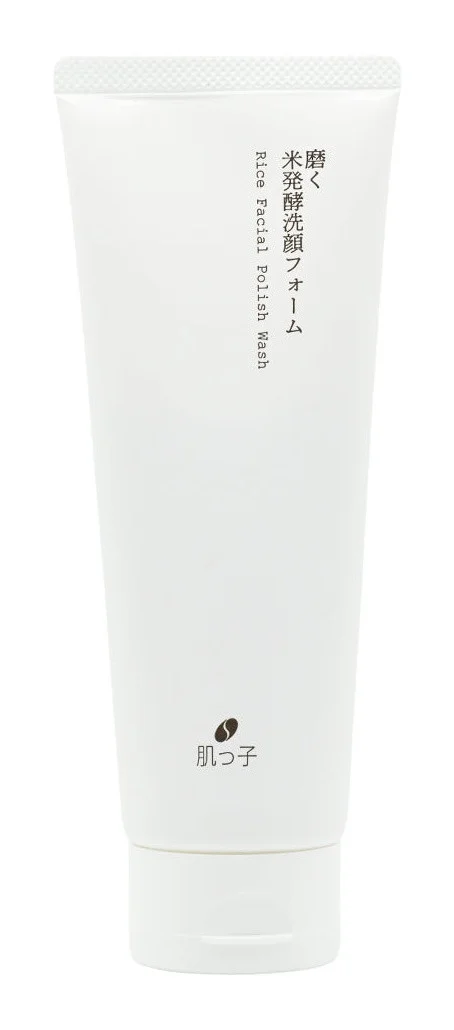
Analysis locked
How well does your skin match with Hadatuko Rice Facial Polish Cleanser?
Login to see detailsOr continue via
Quick 1-minute survey • Completely free
Analysis results of Ingredients


Ingredient List
| EWG | CIR | Ingredient Name & Cosmetic Function | Notes |
|---|---|---|---|
| - | - | Rice Fermented Extract | |
| - | - | Rice Bran Powder | |
| 1 | - | (Skin Conditioning, Masking, Emollient, Fragrance, Humectant, Antimicrobial, Skin Protecting, Uv Absorber, Antioxidant, Tonic, Astringent, Skin-Conditioning Agent -Miscellaneous) |  |
| 1 | - | |
Hadatuko Rice Facial Polish Cleanser - Ingredient Explanation
Rice Fermented Extract
Ingredient data is being updated. Please check back later.
Rice Bran Powder
Ingredient data is being updated. Please check back later.
Green Tea
1. Definition Camellia Sinensis (Green Tea):
Camellia Sinensis, commonly known as green tea, is a plant species native to East Asia, specifically China and Japan. It is widely cultivated for its leaves, which are used to produce various types of tea, including green tea, black tea, white tea, and oolong tea. Green tea is known for its high levels of antioxidants, particularly catechins, which have been linked to numerous health benefits.2. Use:
Green tea extract is used in cosmetics for its antioxidant properties, which help protect the skin from damage caused by free radicals. It is also known for its anti-inflammatory and anti-aging properties, making it a popular ingredient in skincare products. Green tea can help reduce redness and irritation, improve skin tone and texture, and minimize the appearance of fine lines and wrinkles.3. Usage Camellia Sinensis (Green Tea):
Green tea extract can be found in a variety of cosmetic products, including moisturizers, serums, masks, and eye creams. When using products containing green tea extract, it is important to follow the instructions provided by the manufacturer. As with any new skincare product, it is recommended to perform a patch test before using it on a larger area of skin to check for any potential allergic reactions or sensitivities.4. References:
- Katiyar, S. K. (2011). Skin photoprotection by green tea: antioxidant and immunomodulatory effects. Current Drug Targets, 12(11), 1710-1719.
- Hsu, S. (2005). Green tea and the skin. Journal of the American Academy of Dermatology, 52(6), 1049-1059.
- Boehm, K., Borrelli, F., Ernst, E., Habacher, G., Hung, S. K., Milazzo, S., ... & Horneber, M. (2009). Green tea (Camellia sinensis) for the prevention of cancer. Cochrane Database of Systematic Reviews, (3).
Amino Acid
1. Definition Amino Acids:
Amino acids are organic compounds that serve as the building blocks of proteins. They play a crucial role in various biological processes, including the synthesis of enzymes, hormones, and neurotransmitters.2. Use:
Amino acids are commonly used in cosmetics for their ability to hydrate, repair, and protect the skin. They can help improve the overall appearance and texture of the skin, as well as promote collagen production and elasticity.3. Usage Amino Acids:
Amino acids are typically found in skincare products such as serums, creams, and masks. They can be applied topically to the skin, either as standalone products or as part of a formulation with other active ingredients. It is important to follow the instructions on the product label and consult with a dermatologist if you have any concerns about using amino acids in your skincare routine.4. References:
- Kim, J. E., & Kim, Y. J. (2009). Amino acid derivatives as cosmetic ingredients. Cosmetics & Toiletries, 124(6), 61-68.
- Katsuta, Y., Iida, T., Inomata, S., Denda, M. (2010). Amino acids and skin care: Part 1. Journal of Cosmetic Dermatology, 9(1), 23-29.
- Lupo, M. P. (2012). Cosmeceutical peptides. Dermatologic Therapy, 25(3), 252-263.
Review

Didn't find
the information you need?





Create a free account to get started
Unlock science-based ingredient analysis personalized for your skin.
Already have an account? Log in
We protect your privacy. We never send spam.