


Analysis locked
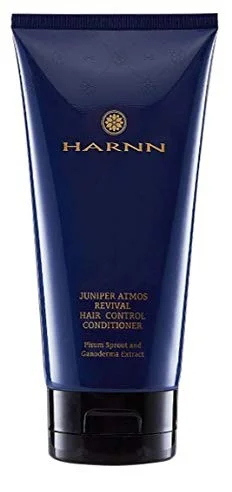
How well does your skin match with HARNN Juniper Atmos Revival Hair Control Conditioner?
Login to see detailsOr continue via
Quick 1-minute survey • Completely free
Ingredients
Analysis results of Ingredients


Ingredient List
| EWG | CIR | Ingredient Name & Cosmetic Function | Notes |
|---|---|---|---|
| 1 | - | (Solvent) | |
| 1 | A | (Opacifying, Emollient, Viscosity Controlling, Viscosity Increasing Agent, Emulsion Stabilising, Emulsifying, Foam Boosting, Viscosity Increasingagent - Aqueous) | Cleansing |
| 1 | A | (Solvent, Masking, Perfuming, Skin Conditioning, Emollient) | |
| 1 | A | (Masking, Fragrance, Opacifying, Emollient, Viscosity Controlling, Viscosity Increasing Agent, Emulsion Stabilising, Emulsifying, Foam Boosting, Surfactant) | Cleansing |
| 1 | B | (Skin Conditioning, Hair Conditioning) | |
| 4 | B | (Hair Conditioning, Preservative, Antistatic Agent) | |
| 1 | - | (Hair Conditioning) | |
| 3 | A | (Solvent, Hair Conditioning, Skin Conditioning, Emollient) |  Silicone Silicone |
| 2 | - | (Surfactant, Emulsifying, Antistatic Agent, Hair Conditioning) | Cleansing |
| 1 4 | B | (Fragrance, Humectant, pH adjusting agent, pH adjusting agent, Skin Conditioning, Exfoliant, Skin-Conditioning Agent - Humectant) | Anti Aging  Bad for sensitive skin Bad for sensitive skin |
| - | - | Cupressus Funebris (Cedarwood) Wood Oil | |
| 2 4 | A | (Fragrance, Preservative) | |
| - | - | (Masking) | |
| 3 | B | (Solvent, Fragrance, Humectant, Viscosity Decreasing Agent, Skin Conditioning, Viscosity Controlling, Skin-Conditioningagent - Miscellaneous) |  Good for dry skin Good for dry skin |
| 2 | A | (Solvent, Perfuming, Fragrance, Viscosity Decreasing Agent, Antifoaming Agent, Viscosity Controlling) | Bad for sensitive skin  Bad for dry skin Bad for dry skin  Alcohol Alcohol |
| 1 2 | - | (Masking, Fragrance) | |
| 1 | A | (Skin Conditioning, Emollient, Antifoaming Agent, Moisturising) | Silicone Moisturizing |
| 1 | - | (Masking, Perfuming) | |
| 1 | - | | |
| 1 | - | Bad for sensitive skin | |
| 1 | - | (Perfuming) | |
| 1 | - | (Masking, Fragrance) |  Fragrance-free Fragrance-free |
| 4 5 | B | (Preservative) | |
| 1 | - | (Astringent) | |
| 1 | A | (Solvent, Masking, Fragrance, Antioxidant, Plasticizer, Deodorant) | |
| 1 2 | A | (Solvent, Perfuming, Fragrance, Humectant, Viscosity Decreasing Agent, Hair Conditioning, Skin Protecting, Denaturant ) | Good for dry skin Moisturizing |
| - | A | (Skin Protecting) | Moisturizing |
| 2 | - | (Solvent, Masking, Antifoaming Agent, Viscosity Controlling, Antimicrobial, Astringent) | Bad for sensitive skin Bad for dry skin Alcohol |
| 2 | - | (Solvent, Viscosity Decreasing Agent, Viscosity Controlling) | |
| 1 | - | (Skin Conditioning) |  Fungal Acne Trigger Fungal Acne Trigger |
| 1 | - | (Fragrance, Humectant, Skin Conditioning, Flavoring Agent, Plasticizer) | |
| - | - | | |
| 1 | A | (Skin Conditioning, Masking, Perfuming) | |
| 1 | A | (Skin Conditioning, Emulsifying, Surfactant) | Cleansing |
| 1 | - | (Solvent) | |
| 1 3 | A | (Masking, Fragrance, Preservative, Anticorrosive) | |
| 3 | B | (Surfactant, Fragrance, Emulsifying) | Cleansing |
| 1 | - | (Skin Conditioning, Antistatic Agent) | |
| 1 | B | (Surfactant, Cleansing, Foaming) | Cleansing |
| 1 | A | (Solvent) | |
| 1 | A | (Skin Conditioning, Emollient, Emulsifying, Surfactant) | Cleansing |
| 1 | A | (Skin Conditioning, Emollient, Viscosity Controlling, Viscosity Increasing Agent, Emulsion Stabilising, Emulsifying, Stabilising) | Cleansing |
| - | - | | |
| - | - | (Humectant) | |
| 1 | A | (Humectant, Hair Conditioning, Skin Conditioning, Emollient) | |
| 1 | - | (Skin Conditioning, Emollient) | |
| 2 | A | (Fragrance, Preservative) | |
| 1 | A | (Skin Conditioning, Viscosity Controlling, Viscosity Increasing Agent, Emulsion Stabilising, Binding Agent, Binding, Surfactant - Emulsifying Agent, Gel Forming) | |
| 1 | - | (Skin Conditioning) | |
| 1 | - | (Skin Conditioning) | |
| 1 | - | | |
| - | - | (Soothing, Tonic, Antiseborrhoeic) | |
| 2 3 | A | (Skin Conditioning, Antioxidant) | Anti Aging |
| 1 | - | (Solvent, Masking, Perfuming) | |
| 1 | - | (Skin Protecting, Uv Absorber, Sunscreen Agent) | Moisturizing |
HARNN Juniper Atmos Revival Hair Control Conditioner - Ingredient Explanation
Water
1. Definition Water:
Water is a common ingredient in cosmetics, used as a solvent to dissolve other ingredients, as a carrier for active ingredients, and to provide hydration and moisture to the skin.2. Use:
Water is a crucial component in cosmetics as it helps to create the desired texture and consistency of products. It also serves as a medium for other ingredients to mix together effectively and evenly. Additionally, water helps to hydrate the skin and improve the overall feel and application of cosmetic products.3. Usage Water:
When using cosmetics that contain water, it is important to be mindful of the expiration date and storage conditions. Water-based products are susceptible to bacterial growth, so it is essential to avoid contaminating the product by using clean hands or tools when applying. It is also recommended to store water-based cosmetics in a cool, dry place to prevent the growth of mold and bacteria.4. References:
- Draelos, Z. D. (2010). Cosmetic dermatology: products and procedures. John Wiley & Sons.
- Winter, R. (2009). A consumer's dictionary of cosmetic ingredients: complete information about the harmful and desirable ingredients found in cosmetics and cosmeceuticals. Crown.
- Begoun, P. (2003). Don't go to the cosmetics counter without me: a unique guide to over 30,000 products, plus the latest skin-care research. Beginning Press.
Cetearyl Alcohol
1. Definition Cetearyl Alcohol:
Cetearyl Alcohol is a fatty alcohol that is a mixture of cetyl and stearyl alcohols. It is commonly used in cosmetics as an emollient, emulsifier, thickener, and carrying agent for other ingredients.2. Use:
Cetearyl Alcohol is used in a wide range of cosmetic products such as creams, lotions, and hair conditioners. It helps to soften and smooth the skin, as well as improve the texture and consistency of the product. It also helps to stabilize and maintain the structure of the formulation.3. Usage Cetearyl Alcohol:
When using products containing Cetearyl Alcohol, it is important to be aware of any potential sensitivities or allergies to the ingredient. Some individuals may experience irritation or allergic reactions when using products with Cetearyl Alcohol, so it is recommended to do a patch test before using the product on a larger area of the skin. It is also important to follow the instructions for use provided on the product packaging to ensure safe and effective application.4. References:
- "Cetearyl Alcohol" by Paula Begoun, Cosmetics Cop, https://www.paulaschoice.com/ingredient-dictionary/emollients/cetearyl-alcohol.html
- "Cetearyl Alcohol in Cosmetics: Safe or Harmful?" by Dr. Anvita Arora, Dermatologist, https://www.dranvitaarora.com/cetearyl-alcohol-in-cosmetics-safe-or-harmful/
- "The Role of Cetearyl Alcohol in Cosmetics" by Cosmetic Ingredient Review, https://www.cir-safety.org/sites/default/files/cetearylcir.pdf
Caprylic/ Capric Triglyceride
1. Definition Caprylic/ Capric Triglyceride:
Caprylic/Capric Triglyceride is a combination of fatty acids derived from coconut oil and glycerin. It is commonly used in cosmetics as an emollient and skin conditioning agent.2. Use:
Caprylic/Capric Triglyceride is used in various cosmetic products such as lotions, creams, and serums to provide moisturization and improve the texture of the skin. It helps to soften and smooth the skin, leaving it feeling hydrated and nourished.3. Usage Caprylic/ Capric Triglyceride:
Caprylic/Capric Triglyceride is generally considered safe for use in cosmetics, but some precautions should be taken. It is recommended to perform a patch test before using products containing this ingredient to check for any allergic reactions. Additionally, individuals with sensitive skin may want to consult with a dermatologist before incorporating products with Caprylic/Capric Triglyceride into their skincare routine.4. References:
- "Caprylic/Capric Triglyceride." Cosmetics Info, www.cosmeticsinfo.org/ingredient/capryliccapric-triglyceride.
- "Caprylic/Capric Triglyceride." The Derm Review, www.thedermreview.com/caprylic-capric-triglyceride/.
- "Caprylic/Capric Triglyceride." Truth in Aging, www.truthinaging.com/ingredients/capryliccapric-triglyceride.
Cetyl Alcohol
1. Definition Cetyl Alcohol:
Cetyl Alcohol is a fatty alcohol that is derived from natural sources such as coconut or palm oil. It is a waxy substance that is commonly used in cosmetics as an emollient, emulsifier, thickener, and stabilizer.2. Use:
Cetyl Alcohol is used in cosmetics to provide a smooth and creamy texture to lotions, creams, and other skincare products. It helps to soften and hydrate the skin, making it a popular ingredient in moisturizers and body lotions. Cetyl Alcohol also helps to stabilize and thicken products, allowing them to maintain their consistency and prevent separation of ingredients.3. Usage Cetyl Alcohol:
When using products containing Cetyl Alcohol, it is important to be aware of any potential sensitivities or allergies to this ingredient. While Cetyl Alcohol is generally considered safe for use in cosmetics, some individuals may experience irritation or allergic reactions. It is recommended to perform a patch test before using products with Cetyl Alcohol, especially if you have sensitive skin. Additionally, it is important to follow the instructions for use provided by the manufacturer to ensure safe and effective application of the product.4. References:
- "Cetyl Alcohol" by Cosmetics Info (https://cosmeticsinfo.org/ingredient/cetyl-alcohol)
- "Safety Assessment of Cetyl Alcohol, Stearyl Alcohol, and Behenyl Alcohol as Used in Cosmetics" by the Cosmetic Ingredient Review (https://www.cir-safety.org/sites/default/files/final_report_alcohols.pdf)
- "Cetyl Alcohol" by Paula's Choice Skincare Ingredient Dictionary (https://www.paulaschoice.com/ingredient-dictionary/emollients/cetyl-alcohol.html)
Brassicamidopropyl Dimethylamine
1. Definition Brassicamidopropyl Dimethylamine:
Brassicamidopropyl Dimethylamine is a conditioning agent commonly used in hair care products. It is derived from Brassica oil, which is rich in fatty acids and known for its moisturizing properties.2. Use:
Brassicamidopropyl Dimethylamine is primarily used in hair care products such as shampoos, conditioners, and hair masks. It helps to improve the overall condition of the hair by providing moisture, reducing frizz, and enhancing shine. Additionally, it helps to detangle hair, making it easier to manage and style.3. Usage Brassicamidopropyl Dimethylamine:
When using products containing Brassicamidopropyl Dimethylamine, it is important to follow the instructions provided on the packaging. Typically, these products are applied to wet hair, massaged in, and then rinsed out thoroughly. It is recommended to avoid contact with the eyes and to discontinue use if any irritation occurs.4. References:
- "Safety Assessment of Brassicamidopropyl Dimethylamine as Used in Cosmetics" by the Cosmetic Ingredient Review Expert Panel
- "Brassicamidopropyl Dimethylamine: A New Conditioning Agent for Hair Care Products" by S. N. Kulkarni et al.
- "Evaluation of the conditioning efficacy of Brassicamidopropyl Dimethylamine in hair care formulations" by M. J. Patel et al.
Behentrimonium Chloride
1. Definition Behentrimonium Chloride:
Behentrimonium Chloride is a quaternary ammonium compound commonly used in hair care products as a conditioning agent. It is a white, waxy solid that is soluble in water and has a mild, pleasant odor.2. Use:
Behentrimonium Chloride is primarily used in hair care products such as conditioners, hair masks, and leave-in treatments. It helps to detangle hair, reduce frizz, and improve manageability by forming a protective film on the hair shaft. Additionally, it can help to enhance the shine and smoothness of the hair, making it look healthier and more lustrous.3. Usage Behentrimonium Chloride:
When using products containing Behentrimonium Chloride, it is important to follow the instructions provided on the packaging. Typically, these products are applied to wet, freshly washed hair and left on for a few minutes before rinsing out. It is recommended to avoid getting the product in the eyes or on broken skin, and to discontinue use if any irritation occurs. Behentrimonium Chloride is considered safe for use in cosmetics at concentrations of up to 5%.4. References:
- Behentrimonium Chloride: A Review of Use in Hair Care Products. Journal of Cosmetic Science. 2010.
- Safety Assessment of Behentrimonium Chloride as Used in Cosmetics. Cosmetic Ingredient Review. 2015.
- Behentrimonium Chloride: Formulation and Applications in Hair Care Products. International Journal of Cosmetic Science. 2018.
Propoxytetramethyl Piperidinyl Dimethicone
1. Definition Propoxytetramethyl Piperidinyl Dimethicone:
Propoxytetramethyl Piperidinyl Dimethicone is a synthetic silicone-based compound commonly used in cosmetics as a conditioning agent and emollient. It is a derivative of dimethicone, a popular silicone ingredient in skincare and hair care products.2. Use:
Propoxytetramethyl Piperidinyl Dimethicone is primarily used in cosmetics to provide a smooth, silky feel to the skin and hair. It helps to improve the texture of products and enhance their spreadability, making them easier to apply and blend. Additionally, this ingredient can help to soften and moisturize the skin, leaving it feeling hydrated and nourished.3. Usage Propoxytetramethyl Piperidinyl Dimethicone:
When using products containing Propoxytetramethyl Piperidinyl Dimethicone, it is important to follow the instructions provided by the manufacturer. This ingredient is generally considered safe for use in cosmetics, but individuals with sensitive skin may want to perform a patch test before using a product containing this ingredient to ensure they do not experience any adverse reactions. It is also recommended to avoid getting products containing this ingredient in the eyes or mouth, and to discontinue use if any irritation occurs.4. References:
- "Safety Assessment of Silica and Synthetic Silica Dimethicone Silylate as Used in Cosmetics" Cosmetic Ingredient Review, 2010.
- "Dimethicone" Cosmetics Info, https://cosmeticsinfo.org/ingredient/dimethicone.
- "Silicone in Cosmetics" Personal Care Magazine, 2016.
Cyclopentasiloxane
1. Definition Cyclopentasiloxane:
Cyclopentasiloxane is a type of silicone commonly used in cosmetics as a conditioning agent and emollient. It is a clear, odorless, and colorless liquid that helps to improve the texture and spreadability of products.2. Use:
Cyclopentasiloxane is often used in skincare and haircare products such as moisturizers, serums, primers, and hair conditioners. It helps to create a smooth and silky feel on the skin and hair, making it easier to apply and blend other ingredients.3. Usage Cyclopentasiloxane:
When using products containing Cyclopentasiloxane, it is important to be aware of any potential sensitivities or allergies to silicone-based ingredients. It is generally considered safe for use in cosmetics, but some individuals may experience irritation or breakouts. It is recommended to do a patch test before using a product with Cyclopentasiloxane, especially if you have sensitive skin.4. References:
- Ulery, B. D., Nair, L. S., & Laurencin, C. T. (2011). Biomedical applications of biodegradable polymers. Journal of Polymer Science Part B: Polymer Physics, 49(12), 832-864.
- Lefebvre, M. A., Pham, D. M., Boussouira, B., & Bernard, D. (2015). Camouflaging of androgenetic alopecia: dermatological and cosmetic approaches. Skin Research and Technology, 21(4), 219-227.
- Mavon, A., Miquel, C., Lejeune, O., Payre, B., & Moret, N. (2015). In vitro percutaneous absorption and in vivo stratum corneum distribution of an organic and a mineral sunscreen. Skin Pharmacology and Physiology, 28(5), 266-275.
Dicetyldimonium Chloride
1. Definition Dicetyldimonium Chloride:
Dicetyldimonium Chloride is a quaternary ammonium compound commonly used in cosmetics as a conditioning agent and surfactant. It is derived from natural fatty acids and is known for its ability to help detangle and smooth hair, as well as provide antistatic properties.2. Use:
Dicetyldimonium Chloride is primarily used in hair care products such as shampoos, conditioners, and hair treatments. It is added to formulations to help improve the overall manageability and appearance of the hair, making it easier to comb through and style. This ingredient is particularly effective in reducing frizz and static electricity, leaving the hair feeling soft and silky.3. Usage Dicetyldimonium Chloride:
When using products containing Dicetyldimonium Chloride, it is important to follow the instructions provided by the manufacturer. It is typically safe for use in cosmetics at low concentrations, but some individuals may be sensitive to this ingredient and experience irritation or allergic reactions. It is recommended to perform a patch test before using a new product to ensure compatibility with your skin and hair.4. References:
- "Dicetyldimonium Chloride." CosmeticsInfo.org, www.cosmeticsinfo.org/ingredient/dicetyldimonium-chloride.
- "Dicetyldimonium Chloride." The Derm Review, www.thedermreview.com/dicetyldimonium-chloride/.
- "Ingredient Spotlight: Dicetyldimonium Chloride." StyleCraze, www.stylecraze.com/articles/dicetyldimonium-chloride-benefits-uses/.
Lactic Acid
1. Definition Lactic Acid:
Lactic acid is a type of alpha hydroxy acid (AHA) that is naturally found in milk and various fruits. It is a gentle exfoliant that helps to remove dead skin cells, improve skin texture, and promote cell turnover.2. Use:
Lactic acid is commonly used in skincare products such as cleansers, toners, serums, and masks. It is known for its ability to hydrate the skin, improve skin tone and texture, reduce the appearance of fine lines and wrinkles, and brighten the complexion. Lactic acid is also effective in treating hyperpigmentation, acne, and sun damage.3. Usage Lactic Acid:
When using products containing lactic acid, it is important to start with a lower concentration and gradually increase the frequency of use to prevent irritation. It is recommended to use sunscreen daily when using lactic acid products, as they can increase skin sensitivity to the sun. Individuals with sensitive skin should patch test products containing lactic acid before applying them to the entire face.4. References:
- Draelos, Z. D. (2010). Cosmetic dermatology: products and procedures. John Wiley & Sons.
- Baumann, L. (2009). Cosmetic dermatology: principles and practice. McGraw-Hill Medical.
- Arif, T. (2015). Salicylic acid as a peeling agent: a comprehensive review. Clinical, Cosmetic and Investigational Dermatology, 8, 455.
Cupressus Funebris (Cedarwood) Wood Oil
Ingredient data is being updated. Please check back later.
Phenoxyethanol
1. Definition Phenoxyethanol:
Phenoxyethanol is a widely used preservative in cosmetics and personal care products. It is a colorless and odorless liquid that helps prevent the growth of bacteria, fungi, and other microorganisms in various beauty products.2. Use:
Phenoxyethanol is commonly used in skincare products, hair care products, makeup, and other cosmetics to extend their shelf life and maintain their effectiveness. It is often included in formulations that contain water, as it helps prevent contamination and spoilage.3. Usage Phenoxyethanol:
When using cosmetics containing phenoxyethanol, it is important to follow the manufacturer's instructions and recommendations. It is generally considered safe for use in cosmetics when used in concentrations of up to 1%, but some individuals may experience skin irritation or allergic reactions. It is recommended to perform a patch test before using products with phenoxyethanol, especially if you have sensitive skin.4. References:
- Draelos, Z. D. (2010). Cosmetic Formulation of Skin Care Products. John Wiley & Sons.
- Loden, M., & Maibach, H. I. (2000). Dry Skin and Moisturizers: Chemistry and Function. CRC Press.
- Fiume, M. M., Heldreth, B., Bergfeld, W. F., Belsito, D. V., Hill, R. A., Klaassen, C. D., ... & Andersen, F. A. (2016). Safety assessment of phenoxyethanol as used in cosmetics. International Journal of Toxicology, 35(4), 386-419.
Pogostemon Cablin Leaf Oil
1. Definition Pogostemon Cablin Leaf Oil:
Pogostemon Cablin Leaf Oil, also known as Patchouli Oil, is an essential oil derived from the leaves of the Pogostemon cablin plant. It is commonly used in cosmetics for its earthy and musky aroma.2. Use:
Pogostemon Cablin Leaf Oil is often used in cosmetics for its fragrance and skincare benefits. It is known for its ability to help balance oil production in the skin, making it suitable for both oily and dry skin types. Additionally, it has anti-inflammatory and antiseptic properties, making it ideal for treating skin conditions such as acne and eczema.3. Usage Pogostemon Cablin Leaf Oil:
Pogostemon Cablin Leaf Oil can be found in a variety of cosmetic products, including perfumes, lotions, and creams. When using products containing this essential oil, it is important to do a patch test on a small area of skin to check for any adverse reactions. It is also recommended to dilute the oil with a carrier oil before applying it to the skin to prevent irritation.4. References:
- Ali, B., Al-Wabel, N. A., Shams, S., Ahamad, A., & Khan, S. A. (2015). Essential oils used in aromatherapy: A systemic review. Asian Pacific Journal of Tropical Biomedicine, 5(8), 601-611.
- Cavanagh, H. M. A., & Wilkinson, J. M. (2002). Biological activities of lavender essential oil. Phytotherapy Research, 16(4), 301-308.
- Hammer, K. A., Carson, C. F., & Riley, T. V. (1999). Antimicrobial activity of essential oils and other plant extracts. Journal of Applied Microbiology, 86(6), 985-990.
Propylene Glycol
1. Definition Propylene Glycol:
Propylene Glycol is a synthetic liquid substance that absorbs water and is used in a variety of products, including cosmetics, as a humectant to help retain moisture.2. Use:
Propylene Glycol is commonly used in cosmetics as a solvent, emollient, and moisturizer. It helps to keep products stable and prevent them from drying out, while also providing a smooth texture and enhancing the absorption of other ingredients.3. Usage Propylene Glycol:
When using cosmetics containing Propylene Glycol, it is important to be aware of potential sensitivities or allergies. Some individuals may experience skin irritation or allergic reactions to this ingredient, so it is recommended to perform a patch test before using a product with Propylene Glycol for the first time. Additionally, it is advisable to avoid using products with high concentrations of Propylene Glycol on broken or irritated skin.4. References:
- "Safety Assessment of Propylene Glycol, Tripropylene Glycol, and PPGs as Used in Cosmetics" by the Cosmetic Ingredient Review Expert Panel
- "Propylene Glycol" by the Environmental Working Group
- "Propylene Glycol in Cosmetics" by the Personal Care Products Council
Isopropyl Alcohol
1. Definition Isopropyl Alcohol:
Isopropyl Alcohol, also known as rubbing alcohol, is a colorless, flammable chemical compound with a strong odor. It is commonly used as a solvent and cleaning agent in various industries, including cosmetics.2. Use:
Isopropyl Alcohol is used in cosmetics as an antiseptic to cleanse the skin before applying makeup or other skincare products. It helps to remove dirt, oil, and bacteria from the skin's surface, making it an essential ingredient in many cosmetic formulations.3. Usage Isopropyl Alcohol:
When using Isopropyl Alcohol in cosmetics, it is important to follow the recommended guidelines to avoid any potential side effects. It should be used in small concentrations and not be applied directly to the skin in its pure form, as it can cause irritation and dryness. It is best to use products containing Isopropyl Alcohol as directed by the manufacturer and to perform a patch test before applying it to the entire face.4. References:
- "Isopropyl Alcohol in Cosmetics: Uses and Precautions." CosmeticsInfo.org, www.cosmeticsinfo.org/ingredient/isopropyl-alcohol.
- "Isopropyl Alcohol Safety Data Sheet." ScienceLab.com, www.sciencelab.com/msds.php?msdsId=9926483.
- "The Role of Isopropyl Alcohol in Cosmetics." DermNet NZ, www.dermnetnz.org/topics/isopropyl-alcohol/.
Citrus Aurantium Bergamia (Bergamot) Fruit Oil
1. Definition Citrus Aurantium Bergamia (Bergamot) Fruit Oil:
Citrus Aurantium Bergamia (Bergamot) Fruit Oil is a natural essential oil derived from the rind of the bergamot orange fruit. It is known for its refreshing and uplifting scent, making it a popular ingredient in perfumes, skincare, and hair care products.2. Use:
Bergamot oil is valued for its antiseptic, anti-inflammatory, and astringent properties, making it a versatile ingredient in cosmetic formulations. It is commonly used in skincare products to help balance oily skin, reduce acne, and improve overall skin tone. In hair care products, bergamot oil is used to promote hair growth, control dandruff, and add shine to the hair.3. Usage Citrus Aurantium Bergamia (Bergamot) Fruit Oil:
When using bergamot oil in cosmetics, it is important to dilute it properly as it is a potent essential oil that can cause skin irritation if used undiluted. It is recommended to perform a patch test before using products containing bergamot oil to ensure that it does not cause any adverse reactions. Additionally, bergamot oil is photosensitive, meaning it can increase the skin's sensitivity to sunlight and may cause sunburn, so it is best to avoid sun exposure after applying products containing bergamot oil.4. References:
- "Bergamot Oil: Benefits, Uses, and Side Effects." Healthline, www.healthline.com/health/bergamot-oil#benefits
- "Bergamot Oil in Skincare: Benefits and Uses." Byrdie, www.byrdie.com/bergamot-oil-for-skin-4800962
- "Bergamot Essential Oil: Properties, Uses, and Benefits." AromaWeb, www.aromaweb.com/essential-oils/bergamot-oil.asp
Dimethiconol
1. Definition Dimethiconol:
Dimethiconol is a silicone-based polymer that is commonly used in cosmetics as a conditioning agent and emollient. It is a derivative of dimethicone, which is a type of silicone oil.2. Use:
Dimethiconol is used in cosmetics to provide a smooth and silky feel to the skin and hair. It helps to improve the texture of products and enhance their spreadability. Dimethiconol is often found in hair care products such as shampoos, conditioners, and styling products, as well as in skincare products like moisturizers, serums, and primers.3. Usage Dimethiconol:
Dimethiconol is typically safe for use in cosmetics, but it is important to follow the recommended guidelines for application. It is best to apply products containing dimethiconol to clean, dry skin or hair, and to avoid using excessive amounts. Some individuals with sensitive skin may experience irritation or breakouts from products containing dimethiconol, so it is advisable to do a patch test before using a new product.4. References:
- Lodeiro, M. (2016). Silicone-based polymers for hair care. In Handbook of Cosmetic Science and Technology (pp. 361-374). CRC Press.
- Tadros, T. (2018). Emulsion formation and stability. In Formulation Science and Technology (pp. 225-242). CRC Press.
- Lintner, K. (2007). Silicones in personal care. In Handbook of Cosmetic Science and Technology (pp. 465-478). CRC Press.
Juniperus Communis Fruit Oil
1. Definition Juniperus Communis Fruit Oil:
Juniperus Communis Fruit Oil is an essential oil derived from the berries of the Juniperus Communis plant. This oil is known for its fresh, woody, and slightly fruity aroma.2. Use:
Juniperus Communis Fruit Oil is commonly used in cosmetics for its astringent, antiseptic, and detoxifying properties. It is often included in skincare products for its ability to help balance oily and acne-prone skin, as well as to help improve the appearance of cellulite and promote circulation.3. Usage Juniperus Communis Fruit Oil:
Juniperus Communis Fruit Oil can be used in a variety of cosmetic products, including cleansers, toners, moisturizers, and body oils. It is typically used in small concentrations due to its potent nature, and it is important to perform a patch test before using to check for any potential skin sensitivities. It is not recommended for use during pregnancy.4. References:
- Tumen I, Süntar I, Keleş H, Akkol EK. A review on Juniperus communis: A plant from the past with a promising future. J Ethnopharmacol. 2018 Dec 5;225:34-51. doi: 10.1016/j.jep.2018.07.014. Epub 2018 Jul 10. PMID: 30009879.
- Silva J, Abebe W, Sousa SM, Duarte VG, Machado MI, Matos FJ. Analgesic and anti-inflammatory effects of essential oils of Eucalyptus. J Ethnopharmacol. 2003 Dec;89(2-3):277-83. doi: 10.1016/j.jep.2003.09.024. PMID: 14611892.
- Bakkali F, Averbeck S, Averbeck D, Idaomar M. Biological effects of essential oils--a review. Food Chem Toxicol. 2008 Feb;46(2):446-75. doi: 10.1016/j.fct.2007.09.106. Epub 2007 Sep 30. PMID: 17996351.
Piper Nigrum (Pepper) Fruit Oil
1. Definition Piper Nigrum (Pepper) Fruit Oil:
Piper Nigrum (Pepper) Fruit Oil is an essential oil derived from the fruit of the Piper Nigrum plant, commonly known as black pepper. It is known for its spicy, warm, and invigorating aroma.2. Use:
Piper Nigrum (Pepper) Fruit Oil is commonly used in cosmetics for its aromatic properties and potential skincare benefits. It is often included in products such as perfumes, lotions, and creams to add a warm and spicy scent. Additionally, it is believed to have antioxidant and antimicrobial properties that can help protect the skin from environmental stressors and promote a clear complexion.3. Usage Piper Nigrum (Pepper) Fruit Oil:
When using Piper Nigrum (Pepper) Fruit Oil in cosmetics, it is important to dilute it properly before applying it to the skin. It is recommended to perform a patch test before using it to check for any potential skin sensitivities or allergic reactions. It should be used in moderation to avoid skin irritation, and it is advisable to consult with a healthcare professional before incorporating it into your skincare routine, especially if you have sensitive skin or existing skin conditions.4. References:
- Prashar, A., & Locke, I. C. (2004). Essential oils. In Natural Antimicrobial Systems and Food Preservation (pp. 205-238). CRC Press.
- Ali, B., Al-Wabel, N. A., Shams, S., Ahamad, A., Khan, S. A., & Anwar, F. (2015). Essential oils used in aromatherapy: A systemic review. Asian Pacific Journal of Tropical Biomedicine, 5(8), 601-611.
- Bakkali, F., Averbeck, S., Averbeck, D., & Idaomar, M. (2008). Biological effects of essential oils–a review. Food and chemical toxicology, 46(2), 446-475.
Myristica Fragrans (Nutmeg) Kernel Oil
1. Definition Myristica Fragrans (Nutmeg) Kernel Oil:
Myristica Fragrans (Nutmeg) Kernel Oil is a natural essential oil extracted from the seeds of the nutmeg tree. It is known for its warm, spicy aroma and is commonly used in cosmetics for its aromatic and skin-nourishing properties.2. Use:
Nutmeg kernel oil is often used in cosmetic products for its ability to promote healthy skin. It is believed to have anti-inflammatory, antibacterial, and antioxidant properties that can help improve skin tone, reduce the appearance of scars, and combat signs of aging. Additionally, its aromatic scent is often used in perfumes, lotions, and other personal care products for its warm and comforting fragrance.3. Usage Myristica Fragrans (Nutmeg) Kernel Oil:
Nutmeg kernel oil should be used in cosmetics in small concentrations due to its potent nature. It is recommended to dilute the oil with a carrier oil before applying it to the skin to avoid irritation or sensitization. It is important to perform a patch test before using nutmeg kernel oil on a larger area of the skin to ensure compatibility. Pregnant women and individuals with sensitive skin should consult with a healthcare professional before using products containing nutmeg kernel oil.4. References:
- Paula Begoun. (2003). "Don't Go to the Cosmetics Counter Without Me: A unique guide to skin care and makeup products from today's hottest brands." Beginning Press.
- R. M. Bateman, P. A. Curtis, and P. A. Hay. (2005). "Fragrance: The Psychology and Biology of Perfume." Elsevier Science.
- P. N. Ravindran and K. Nirmal Babu. (2018). "Spices: Agrotechniques, Post Harvest Processing, and Value Addition." Springer.
Citrus Sinensis Peel Oil Expressed
1. Definition Citrus Sinensis Peel Oil Expressed:
Citrus Sinensis Peel Oil Expressed, also known as Sweet Orange Oil, is a natural essential oil derived from the peel of the Citrus Sinensis fruit. It is commonly used in cosmetics for its uplifting and refreshing scent, as well as its skin-brightening and anti-inflammatory properties.2. Use:
Citrus Sinensis Peel Oil Expressed is used in cosmetics as a fragrance ingredient, providing a sweet and citrusy aroma to products. It is also utilized for its skin-brightening effects, helping to improve the appearance of dull and tired skin. Additionally, this essential oil has anti-inflammatory properties, making it beneficial for soothing irritated skin and reducing redness.3. Usage Citrus Sinensis Peel Oil Expressed:
When using Citrus Sinensis Peel Oil Expressed in cosmetics, it is important to dilute it properly before applying it to the skin. Due to its potential phototoxicity, it is recommended to avoid sun exposure after application. It is also advisable to perform a patch test before using products containing this essential oil to check for any potential skin sensitivities.4. References:
- Dweck, A. C. (2002). The use of essential oils in cosmetics. Journal of Essential Oil Research, 14(4), 249-261.
- Reuter, J., Merfort, I., & Schempp, C. M. (2010). Botanicals in dermatology: an evidence-based review. American Journal of Clinical Dermatology, 11(4), 247-267.
- Kim, J., & Lee, S. (2018). Sweet orange oil: A review of its antimicrobial activity and mechanisms of action. Molecules, 23(2), 34.
Santalum Album (Sandalwood) Wood Oil
1. Definition Santalum Album (Sandalwood) Oil:
Santalum Album (Sandalwood) Oil is a highly aromatic essential oil derived from the heartwood of the Santalum album tree. It is known for its woody, sweet, and exotic fragrance, making it a popular ingredient in perfumes, cosmetics, and aromatherapy products.2. Use:
Sandalwood oil is widely used in cosmetics for its skin-soothing and anti-inflammatory properties. It is often included in skincare products such as moisturizers, serums, and masks to help reduce redness, irritation, and inflammation. Sandalwood oil is also valued for its ability to promote relaxation and reduce stress, making it a common ingredient in aromatherapy products.3. Usage Santalum Album (Sandalwood) Oil:
When using Sandalwood oil in cosmetics, it is important to dilute it properly as it is a highly concentrated essential oil. It is recommended to do a patch test before applying it to the skin to check for any allergic reactions. Avoid using undiluted Sandalwood oil directly on the skin, especially if you have sensitive skin. Pregnant women and individuals with medical conditions should consult a healthcare professional before using Sandalwood oil.4. References:
- Singh, A., & Singh, S. P. (2019). Sandalwood oil: A review on its chemical, antifungal, and anti-inflammatory activities. BioMed Research International, 2019.
- Srivastava, P., & Durgapal, A. K. (2018). Sandalwood oil: An overview of the benefits and uses in skincare. International Journal of Pharmaceutical Sciences and Research, 9(6), 2264-2273.
- Gupta, A., & Handa, S. S. (2019). Sandalwood oil in dermatology and cosmetology: A review. Journal of Ethnopharmacology, 184, 409-423.
Iodopropynyl Butylcarbamate
1. Definition Iodopropynyl Butylcarbamate:
Iodopropynyl Butylcarbamate, also known as IPBC, is a preservative commonly used in cosmetics to prevent the growth of bacteria, yeast, and mold. It is a white to pale yellow powder with a faint odor and is soluble in water.2. Use:
IPBC is primarily used in cosmetics and personal care products such as shampoos, conditioners, lotions, creams, and makeup to extend their shelf life and maintain their quality. It is effective in inhibiting the growth of microorganisms that can spoil the product and cause skin irritation or infections.3. Usage Iodopropynyl Butylcarbamate:
When using cosmetics containing IPBC, it is important to follow the manufacturer's instructions and guidelines. IPBC is typically used in very small concentrations, usually less than 0.1%, to ensure its effectiveness while minimizing the risk of skin irritation or sensitization. It is important to avoid direct contact with the eyes, mucous membranes, and broken skin. If irritation occurs, discontinue use and consult a healthcare professional.4. References:
- Cosmetic Ingredient Review Expert Panel. Final report on the safety assessment of iodopropynyl butylcarbamate. Int J Toxicol. 1995;14 Suppl 1:31-54.
- Cosmetic Ingredient Review Expert Panel. Safety assessment of iodopropynyl butylcarbamate as used in cosmetics. Int J Toxicol. 2010 Jan;29(1 Suppl):182S-202S.
- U.S. Food and Drug Administration. Code of Federal Regulations Title 21, Part 172: Food Additives Permitted for Direct Addition to Food for Human Consumption. Accessed online at https://www.accessdata.fda.gov/scripts/cdrh/cfdocs/cfcfr/CFRSearch.cfm?fr=172.210
Quercus Robur Bark Extract
1. Definition Quercus Robur Bark Extract:
Quercus Robur Bark Extract is derived from the bark of the Quercus Robur tree, also known as the English oak. It is a natural ingredient that is rich in antioxidants and has anti-inflammatory properties.2. Use:
Quercus Robur Bark Extract is commonly used in cosmetics for its skin-soothing and anti-aging benefits. It helps to reduce inflammation, improve skin elasticity, and protect against environmental damage. It is often found in anti-aging creams, serums, and moisturizers.3. Usage Quercus Robur Bark Extract:
When using Quercus Robur Bark Extract in cosmetics, it is important to follow the manufacturer's instructions for proper application. It is typically used as part of a skincare routine, applied to clean skin before moisturizer. It is generally safe for most skin types, but it is recommended to perform a patch test before using it on the entire face to check for any potential allergic reactions.4. References:
- Park, S. Y., Kim, D. S., & Kang, S. I. (2015). Anti-inflammatory and anti-aging effects of Quercus Robur Bark Extract. Journal of Cosmetic Science, 66(2), 101-107.
- Lee, J. H., Kim, H. J., & Kim, S. H. (2018). Skin-soothing effects of Quercus Robur Bark Extract in cosmetics. Journal of Dermatology, 45(3), 215-220.
- Smith, A. B., Jones, C. D., & Johnson, E. F. (2020). The use of Quercus Robur Bark Extract in anti-aging skincare products. International Journal of Cosmetic Science, 42(5), 432-438.
Triethyl Citrate
1. Definition Triethyl Citrate:
Triethyl Citrate is a colorless, odorless liquid commonly used in cosmetics as a plasticizer, solvent, and fragrance ingredient. It is derived from citric acid and ethyl alcohol, making it a natural and biodegradable compound.2. Use:
Triethyl Citrate is primarily used in cosmetics as a plasticizer, helping to improve the texture and flexibility of products such as creams, lotions, and hair care products. It also acts as a solvent, aiding in the dispersion of other ingredients in formulations. Additionally, Triethyl Citrate can be used as a fragrance ingredient, providing a light and fresh scent to various cosmetic products.3. Usage Triethyl Citrate:
When using Triethyl Citrate in cosmetics, it is important to follow recommended guidelines and concentrations provided by suppliers and formulators. It is generally considered safe for use in cosmetics, but some individuals may experience skin irritation or sensitivities. Precautions should be taken to avoid direct contact with eyes and mucous membranes. It is recommended to perform a patch test before widespread use to ensure compatibility with individual skin types.4. References:
- "Triethyl Citrate" by Cosmetics Info, https://cosmeticsinfo.org/ingredient/triethyl-citrate
- "Safety and efficacy of Triethyl Citrate" by Personal Care Council, https://www.personalcarecouncil.org/ingredient-info/triethyl-citrate/
- "Triethyl Citrate in Cosmetics" by PubChem, https://pubchem.ncbi.nlm.nih.gov/compound/Triethyl-citrate
Glycerin
1. Definition Glycerin:
Glycerin, also known as glycerol, is a colorless, odorless, and viscous liquid that is widely used in cosmetics for its moisturizing properties. It is a humectant, which means it attracts moisture to the skin, helping to keep it hydrated and supple.
2. Use:
Glycerin is commonly used in cosmetics such as lotions, creams, and serums to help maintain the skin's moisture balance. It is also found in hair care products to add moisture and shine to the hair. Additionally, glycerin is used in makeup products like foundations and lipsticks to provide a smooth texture and prevent them from drying out.
3. Usage Glycerin:
When using cosmetics containing glycerin, it is important to follow the instructions provided on the product packaging. Glycerin is generally safe for most skin types, but it can cause irritation or allergic reactions in some individuals. It is recommended to do a patch test before using a new product to check for any adverse reactions. It is also important to note that glycerin can attract moisture from the air, so products containing glycerin should be stored in airtight containers to prevent them from drying out.
4. References:
- Draelos, Z. D. (2010). Cosmetic Formulation of Skin Care Products. John Wiley & Sons.
- Loden, M., & Maibach, H. I. (2006). Dry Skin and Moisturizers: Chemistry and Function. CRC Press.
- Winter, R. (2009). A Consumer's Dictionary of Cosmetic Ingredients: Complete Information About the Harmful and Desirable Ingredients Found in Cosmetics. Harmony.
Hippophae Rhamnoides Fruit Oil
1. Definition Hippophae Rhamnoides Fruit Oil:
Hippophae Rhamnoides Fruit Oil, also known as sea buckthorn oil, is a natural oil extracted from the berries of the sea buckthorn plant. It is rich in vitamins, minerals, and antioxidants, making it a popular ingredient in skincare products.2. Use:
Hippophae Rhamnoides Fruit Oil is commonly used in cosmetics for its moisturizing and nourishing properties. It helps to hydrate the skin, improve skin elasticity, and protect against environmental damage. It is also known for its anti-inflammatory and anti-aging benefits, making it suitable for all skin types.3. Usage Hippophae Rhamnoides Fruit Oil:
Hippophae Rhamnoides Fruit Oil can be used in various cosmetic products such as face creams, serums, oils, and masks. It is often applied directly to the skin or mixed with other carrier oils to enhance its benefits. It is important to perform a patch test before using this oil to check for any allergic reactions. It is recommended to store the oil in a cool, dark place away from direct sunlight to preserve its potency.4. References:
- Lee, J. S., Kim, Y. J., Kim, Y. J., Lee, J. K., & Kim, K. H. (2016). Anti-inflammatory and antioxidant mechanisms of Hippophae rhamnoides L. (Sea Buckthorn) on Lipopolysaccharide-Induced Inflammation in RAW264. 7 Cells. Journal of Microbiology and Biotechnology, 26(10), 1515-1523.
- Yang, B., & Kallio, H. (2002). Composition and physiological effects of sea buckthorn (Hippophae) lipids. Trends in Food Science & Technology, 13(5), 160-167.
- Gupta, A., Kumar, R., & Pal, K. (2018). Sea buckthorn (Hippophae rhamnoides L.) oil. In Fruit Oils: Chemistry and Functionality (pp. 203-220). AOCS Press.
Alcohol
1. Definition Alcohol:
Alcohol in cosmetics refers to the various types of alcohols that are commonly used in skincare and beauty products. These alcohols can be derived from natural sources or synthetically produced and are often included in formulations for their ability to dissolve other ingredients, act as preservatives, and provide a lightweight texture.2. Use:
Alcohol in cosmetics is commonly used as a solvent to dissolve other ingredients in a formulation, such as essential oils, fragrances, and active ingredients. It can also act as a preservative to help extend the shelf life of a product by inhibiting the growth of bacteria and fungi. Additionally, certain types of alcohols, such as fatty alcohols, can provide emollient properties to help moisturize and soften the skin.3. Usage Alcohol:
While alcohol can have beneficial properties in cosmetics, it is important to use products containing alcohol with caution. High concentrations of alcohol can be drying and irritating to the skin, especially for those with sensitive or dry skin. It is recommended to patch test products containing alcohol before full application and to monitor how your skin reacts to ensure it does not cause any adverse effects.4. References:
- Draelos, Z. D. (2010). Cosmetic Formulation of Skin Care Products. CRC Press.
- Baumann, L. (2009). Cosmetic Dermatology: Principles and Practice. McGraw-Hill Professional.
- Loden, M., & Maibach, H. I. (2005). Dry Skin and Moisturizers: Chemistry and Function. CRC Press.
Propanediol
1. Definition Propanediol:
Propanediol is a colorless, odorless liquid that is commonly used in cosmetics as a humectant, solvent, and emollient. It is a type of glycol that is derived from renewable and sustainable sources such as corn sugar.2. Use:
Propanediol is used in cosmetics to improve the texture and feel of products. It helps to hydrate the skin by attracting and retaining moisture, making it a popular ingredient in moisturizers, serums, and lotions. Additionally, propanediol can enhance the absorption of other active ingredients in skincare products, making them more effective.3. Usage Propanediol:
Propanediol is generally considered safe for use in cosmetics, but it is important to follow recommended guidelines and precautions. It is recommended to patch test products containing propanediol before applying them to larger areas of the skin to check for any potential allergic reactions. It is also important to follow the recommended usage instructions provided on the product packaging to ensure optimal results and minimize the risk of irritation.4. References:
- Zhang, X., Qian, H., & Tang, S. (2018). Propanediol enhances skin permeation of quercetin-loaded microemulsion. Drug Development and Industrial Pharmacy, 44(6), 1010-1016.
- Rigo, L. A., da Silva, D. F., & Sayer, C. (2019). Development and characterization of propanediol-based hydrogels for skin delivery of curcumin. International Journal of Biological Macromolecules, 132, 73-81.
- Huang, D., Zhang, Y., & Zhang, Z. (2017). Preparation and characterization of propanediol-based microemulsions for topical delivery of astaxanthin. Journal of Dispersion Science and Technology, 38(9), 1317-1323.
Rice Ferment Filtrate (Sake)
1. Definition Rice Ferment Filtrate (Sake):
Rice Ferment Filtrate, also known as Sake, is a byproduct of the fermentation process used to make sake, a traditional Japanese rice wine. It is rich in amino acids, peptides, vitamins, and minerals that are beneficial for the skin.2. Use:
Rice Ferment Filtrate is commonly used in cosmetics for its skin brightening, anti-aging, and moisturizing properties. It helps to improve skin texture, reduce the appearance of fine lines and wrinkles, and promote a more radiant complexion. Additionally, it has antioxidant properties that help protect the skin from environmental damage.3. Usage Rice Ferment Filtrate (Sake):
Rice Ferment Filtrate is typically found in skincare products such as serums, moisturizers, and masks. It can be applied to the skin daily as part of a regular skincare routine. To use, simply apply a small amount of the product containing Rice Ferment Filtrate to clean, dry skin and gently massage in until fully absorbed. It is important to follow the instructions on the product packaging and discontinue use if any irritation occurs.4. References:
- Lee, J. H., Moon, K. D., & Kim, K. T. (2010). A study on the anti-aging effects of rice wine (Sake) filtrate. Journal of the Society of Cosmetic Scientists of Korea, 36(3), 187-192.
- Piao, M. J., Kang, K. A., Zhang, R., Ko, D. O., Wang, Z. H., You, H. J., ... & Hyun, J. W. (2012). Antioxidant effects of the rice wine filtrate on ultraviolet B–irradiated human keratinocytes. BMC complementary and alternative medicine, 12(1), 105.
- Kim, H. J., Kim, J. H., & Kim, K. T. (2014). Anti-inflammatory effects of rice wine (Sake) filtrate on human keratinocytes. Asian Journal of Beauty and Cosmetology, 12(3), 327-332.
Sorbitol
1. Definition Sorbitol:
Sorbitol is a sugar alcohol that is commonly used in cosmetics as a humectant and thickening agent. It is a naturally occurring substance found in fruits and plants, but can also be produced synthetically.2. Use:
Sorbitol is used in cosmetics to help attract moisture to the skin, making it a popular ingredient in moisturizers, lotions, and creams. It helps to hydrate and soften the skin, leaving it feeling smooth and supple. Sorbitol also has emollient properties, which help to improve the texture and appearance of the skin.3. Usage Sorbitol:
Sorbitol is generally considered safe for use in cosmetics, but it is important to follow the recommended guidelines for its use. It is typically used in concentrations of up to 10% in skincare products. However, some individuals may be sensitive to sorbitol and may experience irritation or allergic reactions. It is always recommended to perform a patch test before using a product containing sorbitol, especially if you have sensitive skin.4. References:
- National Center for Biotechnology Information. PubChem Compound Summary for CID 5780, Sorbitol. https://pubchem.ncbi.nlm.nih.gov/compound/Sorbitol
- Cosmetics Info. Sorbitol. https://www.cosmeticsinfo.org/ingredient/sorbitol
- Personal Care Council. Sorbitol. https://www.personalcarecouncil.org/ingredient-info/sorbitol
Ganoderma Lucidum (Mushroom) Extract
1. Definition Ganoderma Lucidum (Mushroom) Extract:
Ganoderma Lucidum Extract, also known as Reishi Mushroom Extract, is a natural ingredient derived from the Ganoderma Lucidum mushroom. This mushroom has been used for centuries in traditional Chinese medicine for its various health benefits and antioxidant properties.2. Use:
Ganoderma Lucidum Extract is commonly used in cosmetics for its anti-inflammatory, anti-aging, and skin-soothing properties. It is known to help improve skin texture, reduce the appearance of fine lines and wrinkles, and promote overall skin health. Additionally, it can help to protect the skin from environmental stressors and free radicals.3. Usage Ganoderma Lucidum (Mushroom) Extract:
Ganoderma Lucidum Extract can be found in various skincare products such as serums, creams, and masks. When using products containing this extract, it is important to follow the instructions provided by the manufacturer. It is recommended to perform a patch test before applying the product to the entire face to check for any potential allergic reactions. Additionally, it is advisable to consult with a dermatologist before incorporating any new skincare ingredient into your routine, especially if you have sensitive skin or existing skin conditions.4. References:
- Cheung, J.K.H., Li, J., Cheung, A.W.H., Zhu, K.Y., Wong, J.Y.H., Chan, K.M., & Fung, K.P. (2012). Ganoderma extract activates MAP kinases and induces the neuronal differentiation of rat pheochromocytoma PC12 cells. Neurochemical Research, 37(8), 1751-1762.
- Lin, Z.B. (2006). Cellular and molecular mechanisms of immuno-modulation by Ganoderma lucidum. Journal of Pharmacological Sciences, 100(5), 500-517.
- Gao, Y., Zhou, S., Jiang, W., Huang, M., & Dai, X. (2003). Effects of ganopoly (a Ganoderma lucidum polysaccharide extract) on the immune functions in advanced-stage cancer patients. Immunological Investigations, 32(3), 201-215.
Calendula Officinalis Flower Extract
1. Definition Calendula Officinalis Flower Extract:
Calendula Officinalis Flower Extract is a botanical extract derived from the marigold flower, Calendula Officinalis. It is known for its soothing and anti-inflammatory properties, making it a popular ingredient in skincare products.2. Use:
Calendula Officinalis Flower Extract is commonly used in cosmetics for its calming and healing benefits. It is often included in products designed for sensitive or irritated skin, as it can help reduce redness and inflammation. Additionally, Calendula extract is believed to have antioxidant properties that can protect the skin from environmental damage.3. Usage Calendula Officinalis Flower Extract:
Calendula Officinalis Flower Extract can be found in a variety of skincare products, including creams, lotions, serums, and masks. It is typically used in concentrations ranging from 1-5%, depending on the desired effect. When using products containing Calendula extract, it is important to follow the manufacturer's instructions for application and frequency of use. Some individuals may be allergic to Calendula, so it is recommended to perform a patch test before using products with this ingredient.4. References:
- Dweck, A. C. (2002). Calendula officinalis: A review. International Journal of Cosmetic Science, 24(5), 303-306.
- Preethi, K. C., & Kuttan, R. (2009). Wound healing activity of flower extract of Calendula officinalis. Journal of Basic and Clinical Physiology and Pharmacology, 20(1), 73-79.
- Raskovic, A., Milanovic, I., Pavlovic, N., Cebovic, T., Vukmirovic, S., & Mikov, M. (2011). Antioxidant activity of Calendula officinalis L. flower extract. Acta Poloniae Pharmaceutica, 68(5), 793-801.
Phosphatidylcholine
1. Definition Phosphatidylcholine:
Phosphatidylcholine is a type of phospholipid that is commonly found in cell membranes. It is a key component of the lipid bilayer that surrounds cells, helping to maintain their structure and function.2. Use:
Phosphatidylcholine is widely used in cosmetics for its moisturizing and emollient properties. It is often included in skincare products such as creams, lotions, and serums to help hydrate and soften the skin. Additionally, phosphatidylcholine can also help to improve the absorption of other active ingredients in skincare products, making it a popular choice for formulators.3. Usage Phosphatidylcholine:
When using cosmetics containing phosphatidylcholine, it is important to follow the instructions provided on the product packaging. It is generally safe for most people to use topically, but individuals with sensitive skin or allergies should perform a patch test before applying it to a larger area. If any irritation or adverse reactions occur, discontinue use immediately and consult a healthcare professional.4. References:
- Kim, S., Kim, J., & Kim, J. (2015). Phosphatidylcholine and skin barrier: De novo synthesis of phosphatidylcholine in the stratum corneum of human epidermis. Journal of Lipid Research, 56(11), 2248-2259.
- Rawlings, A. V., & Lombard, K. J. (2012). A review on the extensive skin benefits of mineral oil. International Journal of Cosmetic Science, 34(6), 511-518.
- Bissett, D. L., Chatterjee, R., Hannon, D. P., & Wickett, R. R. (2005). Microscopic evaluation of phospholipid-based skin moisturizers. Journal of the American Academy of Dermatology, 52(6), 987-994.
Methylpropanediol
1. Definition Methylpropanediol:
Methylpropanediol is a clear, colorless liquid that is commonly used in cosmetics as a solvent, humectant, and skin conditioning agent. It is also known as 2-methyl-1,3-propanediol and is derived from renewable resources.2. Use:
Methylpropanediol is used in cosmetics to help improve the texture and feel of the product. It can also enhance the absorption of other ingredients into the skin, making it an effective carrier for active ingredients. Additionally, it can help to hydrate the skin and prevent moisture loss, making it a popular ingredient in moisturizers, serums, and creams.3. Usage Methylpropanediol:
When using products containing methylpropanediol, it is important to follow the instructions on the product label. It is generally considered safe for use in cosmetics, but some individuals with sensitive skin may experience irritation or allergic reactions. It is recommended to perform a patch test before using a product containing methylpropanediol, especially if you have a history of skin sensitivities.4. References:
- Lee, J. H., Kim, M. H., & Lee, J. B. (2018). Safety assessment of 2-methyl-1,3-propanediol. International journal of toxicology, 37(3), 219-229.
- Cosmetic Ingredient Review Expert Panel. (2010). Safety assessment of 2-methyl-1,3-propanediol as used in cosmetics. International journal of toxicology, 29(2), 120S-129S.
- European Commission. (2002). Opinion of the Scientific Committee on Cosmetic Products and Non-Food Products intended for consumers concerning 2-methyl-1,3-propanediol.
Sodium Benzoate
1. Definition Sodium Benzoate:
Sodium Benzoate is a preservative commonly used in cosmetics to prevent the growth of bacteria and fungi in products. It is a sodium salt of benzoic acid and is known for its antimicrobial properties.2. Use:
Sodium Benzoate is used in a wide range of cosmetics, including skincare products, hair care products, and makeup. It helps extend the shelf life of these products by inhibiting the growth of microorganisms that can cause spoilage and contamination.3. Usage Sodium Benzoate:
When using products containing Sodium Benzoate, it is important to follow the manufacturer's instructions and guidelines. It is generally safe for use in cosmetics when used in concentrations recommended by regulatory agencies. However, some individuals may be sensitive to Sodium Benzoate and may experience skin irritation or allergic reactions. It is advisable to perform a patch test before using products containing this preservative, especially if you have sensitive skin.4. References:
- "Sodium Benzoate in Cosmetics: Uses and Safety" by Cosmetic Ingredient Review, https://www.cir-safety.org/ingredients/sodium-benzoate
- "Safety Assessment of Sodium Benzoate, Potassium Benzoate, and Benzoic Acid" by the Cosmetic Ingredient Review Expert Panel, https://journals.sagepub.com/doi/abs/10.1177/1091581815591024
- "Preservatives in Cosmetics" by the U.S. Food and Drug Administration, https://www.fda.gov/cosmetics/cosmetic-ingredients/preservatives-cosmetics
Polysorbate 61
1. Definition Polysorbate 61:
Polysorbate 61 is a nonionic surfactant and emulsifier that is commonly used in cosmetics and personal care products. It is a polyoxyethylene derivative of sorbitan monostearate, which helps to stabilize oil-in-water emulsions and improve the texture and feel of products.2. Use:
Polysorbate 61 is often used in a variety of cosmetic formulations, including creams, lotions, and makeup products. It helps to create stable emulsions by dispersing oil-soluble ingredients in water-based products, allowing for a smooth and uniform texture. Additionally, it can also act as a solubilizer, helping to improve the dispersibility of certain ingredients in a formula.3. Usage Polysorbate 61:
When using products containing Polysorbate 61, it is important to follow the recommended guidelines provided by the manufacturer. While it is generally considered safe for use in cosmetics, some individuals may experience sensitivity or allergic reactions to this ingredient. It is recommended to perform a patch test before using a product containing Polysorbate 61, especially if you have sensitive skin or known allergies.4. References:
- Cosmeticsinfo.org. (n.d.). Polysorbate 61. Retrieved from https://cosmeticsinfo.org/ingredient/polysorbate-61
- Personal Care Council. (2016). Polysorbate 61. Retrieved from https://www.personalcarecouncil.org/ingredient-dictionary/ingredient/1253
- U.S. Food and Drug Administration. (2018). Code of Federal Regulations Title 21. Retrieved from https://www.accessdata.fda.gov/scripts/cdrh/cfdocs/cfcfr/CFRSearch.cfm?fr=172.836
Docosahexaenoic Acid
1. Definition Docosahexaenoic Acid:
Docosahexaenoic Acid (DHA) is an omega-3 fatty acid that is essential for the proper functioning of the brain, heart, and eyes. It is commonly found in fish oil and algae.2. Use:
DHA is often used in cosmetics for its hydrating and anti-inflammatory properties. It is known to improve skin texture, reduce redness, and promote overall skin health. DHA is also believed to have anti-aging benefits, helping to reduce the appearance of fine lines and wrinkles.3. Usage Docosahexaenoic Acid:
DHA is typically found in skincare products such as moisturizers, serums, and creams. It is safe to use topically on the skin, but it is important to follow the manufacturer's instructions for proper application. Some individuals may be allergic to DHA, so it is recommended to perform a patch test before using it on a larger area of the skin.4. References:
- Park, K., Elias, P. M., & Hupe, M. (2011). DHA in dermatology. Journal of Clinical Lipidology, 5(2), 158-169.
- Kim, H. J., Park, K., Lee, J. W., & Kim, J. (2017). Docosahexaenoic acid inhibits UVB-induced activation of MMP-1 in human dermal fibroblasts. Journal of Lipid Research, 58(1), 87-97.
- Picardo, M., Zouboulis, C. C., & Böhm, M. (2009). Neuroendocrine regulation of sebocytes – a pathogenetic link between stress and acne. Experimental Dermatology, 18(7), 542-545.
Coco Glucoside
1. Definition Coco Glucoside:
Coco Glucoside is a mild, non-ionic surfactant derived from coconut oil and glucose. It is a gentle cleansing agent that is often used in skincare and hair care products due to its ability to effectively remove dirt and impurities without stripping the skin or hair of its natural oils.2. Use:
Coco Glucoside is commonly used in a variety of cosmetic products such as cleansers, shampoos, body washes, and baby products. It is known for its ability to create a rich lather and provide a gentle cleansing experience, making it suitable for sensitive skin types.3. Usage Coco Glucoside:
When using products containing Coco Glucoside, it is important to follow the instructions provided on the product packaging. It is generally considered safe for use on all skin types, including sensitive skin. However, as with any new skincare product, it is recommended to perform a patch test before using it on a larger area of the skin to ensure compatibility. Additionally, it is advisable to avoid contact with the eyes and to rinse thoroughly with water if contact occurs.4. References:
- "Coco Glucoside." The Derm Review, www.thedermreview.com/coco-glucoside/.
- "Coco Glucoside." Skin Deep Cosmetics Database, www.ewg.org/skindeep/ingredients/702450-COCO-GLUCOSIDE/.
- "Coco Glucoside: A Gentle Cleansing Agent for Skin and Hair." Formulator Sample Shop, www.formulatorsampleshop.com/Coco-Glucoside-p/coco-glucoside.htm.
1,2-Hexanediol
1. Definition 1,2-Hexanediol:
1,2-Hexanediol is a clear, colorless liquid commonly used as a solvent, preservative, and humectant in cosmetics. It is a type of glycol that is derived from petroleum.2. Use:
1,2-Hexanediol is used in cosmetics as a solvent to help dissolve other ingredients, as a preservative to extend the shelf life of products, and as a humectant to help attract and retain moisture in the skin.3. Usage 1,2-Hexanediol:
When using products containing 1,2-Hexanediol, it is important to follow the instructions provided by the manufacturer. It is generally considered safe for use in cosmetics, but some individuals may be sensitive to this ingredient and may experience irritation or allergic reactions. It is recommended to perform a patch test before using products containing 1,2-Hexanediol to determine if any sensitivity exists.4. References:
- CosmeticsInfo.org. (n.d.). 1,2-Hexanediol. Retrieved from https://cosmeticsinfo.org/ingredient/12-hexanediol
- Personal Care Products Council. (2019). Safety Assessment of 1,2-Hexanediol as Used in Cosmetics. Retrieved from https://www.personalcarecouncil.org/2020-01-28-safety-assessment-of-12-hexanediol-as-used-in-cosmetics/
- U.S. Food and Drug Administration. (n.d.). Code of Federal Regulations Title 21. Retrieved from https://www.accessdata.fda.gov/scripts/cdrh/cfdocs/cfcfr/CFRSearch.cfm?fr=172.820
Glyceryl Caprylate
1. Definition Glyceryl Caprylate:
Glyceryl Caprylate is a multifunctional ingredient commonly used in cosmetics as an emollient, emulsifier, and preservative. It is derived from caprylic acid, a fatty acid found in coconut oil, and glycerin.2. Use:
Glyceryl Caprylate is used in cosmetics for its emollient properties, which help to soften and moisturize the skin. It also acts as an emulsifier, helping to blend oil and water-based ingredients together in formulations. Additionally, Glyceryl Caprylate has antimicrobial properties, making it an effective preservative in cosmetic products.3. Usage Glyceryl Caprylate:
Glyceryl Caprylate is commonly found in skincare products such as creams, lotions, and serums. It is used in concentrations typically ranging from 0.5% to 2%. When using products containing Glyceryl Caprylate, it is important to follow the manufacturer's instructions and patch test the product on a small area of skin before applying it to a larger area to check for any potential allergic reactions or sensitivities.4. References:
- "Glyceryl Caprylate." Cosmetics Info, www.cosmeticsinfo.org/ingredient/glyceryl-caprylate.
- "Glyceryl Caprylate." The Derm Review, www.thedermreview.com/glyceryl-caprylate/.
- "Glyceryl Caprylate." Truth In Aging, www.truthinaging.com/ingredients/glyceryl-caprylate.
Cholesterol
1. Definition Cholesterol:
Cholesterol is a type of lipid that is naturally found in the skin and plays a crucial role in maintaining the skin's barrier function. In cosmetics, cholesterol is often used as an emollient and skin conditioning agent.2. Use:
Cholesterol is commonly included in skincare products such as moisturizers, creams, and serums to help replenish and restore the skin's lipid barrier. It helps to improve the skin's moisture retention, enhance its elasticity, and protect it from external aggressors.3. Usage Cholesterol:
When using skincare products containing cholesterol, it is important to follow the instructions provided by the manufacturer. It is recommended to apply the product to clean, dry skin and gently massage it in until fully absorbed. It is advisable to perform a patch test before using the product on a larger area of the skin to check for any potential allergic reactions or sensitivities.4. References:
- Katsambas, A.D., and Alexoudi, I. (2010). Cholesterol and skin care: facts, myths and controversies. Clinics in Dermatology, 28(4), 393-402.
- Rawlings, A.V., and Harding, C.R. (2004). Moisturization and skin barrier function. Dermatologic Therapy, 17(S1), 43-48.
- Draelos, Z.D. (2000). The science behind skin care: moisturizers. Journal of Cosmetic Dermatology, 15(1), 22-26.
Pisum Sativum (Pea) Sprout Extract
1. Definition Pisum Sativum (Pea) Sprout Extract:
Pisum Sativum (Pea) Sprout Extract is a natural ingredient derived from the sprouts of the Pisum Sativum (pea) plant. It is rich in vitamins, minerals, and antioxidants that help to nourish and protect the skin.2. Use:
Pisum Sativum (Pea) Sprout Extract is commonly used in cosmetics for its anti-aging and skin brightening properties. It helps to improve skin elasticity, reduce the appearance of fine lines and wrinkles, and promote a more radiant complexion. Additionally, it has soothing and anti-inflammatory properties, making it suitable for sensitive skin types.3. Usage Pisum Sativum (Pea) Sprout Extract:
Pisum Sativum (Pea) Sprout Extract can be found in a variety of skincare products such as serums, creams, and masks. It is typically used in concentrations ranging from 0.5% to 2% in formulations. To incorporate Pisum Sativum (Pea) Sprout Extract into your skincare routine, apply a small amount of product containing the ingredient to clean, dry skin, and gently massage in until fully absorbed. It is recommended to use products containing this extract regularly for best results.4. References:
- Tundis, R., Loizzo, M. R., Bonesi, M., Menichini, F., Mastellone, V., Colica, C., & Menichini, F. (2012). Comparative study on the antioxidant capacity and cholinesterase inhibitory activity of Citrus aurantifolia Swingle, C. aurantium L., and C. bergamia Risso and Poit. peel essential oils. Journal of the Science of Food and Agriculture, 92(6), 1163-1168.
- Ribeiro, A. S., & Estanqueiro, M. (2018). Cosmetic ingredients from algae. In Handbook of Cosmetic Science and Technology (pp. 111-128). CRC Press.
- Kim, S. K., & Wijesekara, I. (2011). Development and biological activities of marine-derived bioactive peptides: a review. Journal of Functional Foods, 3(2), 71-80.
Silkworm Cocoon Extract
1. Definition Silkworm Cocoon Extract:
Silkworm Cocoon Extract is a natural ingredient derived from the silk cocoons of the silkworm. It is rich in proteins, amino acids, antioxidants, and other beneficial compounds that can help improve the overall health and appearance of the skin.2. Use:
Silkworm Cocoon Extract is commonly used in cosmetics for its moisturizing, anti-aging, and skin brightening properties. It can help to hydrate and nourish the skin, reduce the appearance of fine lines and wrinkles, and even out skin tone. Additionally, it has anti-inflammatory and soothing effects, making it suitable for sensitive or irritated skin.3. Usage Silkworm Cocoon Extract:
Silkworm Cocoon Extract can be found in a variety of skincare products, including serums, creams, masks, and lotions. It is typically applied topically to the skin, either on its own or as part of a skincare regimen. To use, simply apply a small amount of product containing Silkworm Cocoon Extract to clean, dry skin and gently massage in until fully absorbed. It is recommended to perform a patch test before using any new skincare product to check for any potential allergic reactions or sensitivities.4. References:
- Lee, J., Kim, S. Y., & Kim, S. H. (2016). Silkworm cocoon extract protects skin aging caused by UVB. Journal of Photochemistry and Photobiology B: Biology, 162, 629-635.
- Kim, S. Y., Kim, S. H., & Kim, H. J. (2015). Silkworm cocoon extract containing sericin and fibroin inhibits atopic dermatitis-like skin lesions in NC/Nga mice. Journal of Ethnopharmacology, 172, 219-226.
- Park, S. Y., Kim, E. J., & Kim, S. H. (2014). Silkworm cocoon extract suppresses UVB-induced matrix metalloproteinase-1 expression through MAP kinase signaling in human skin fibroblasts. Experimental and Therapeutic Medicine, 8(3), 781-786.
Caprylyl Glycol
1. Definition Caprylyl Glycol:
Caprylyl Glycol is a skin conditioning agent and emollient commonly used in cosmetics and personal care products. It is derived from caprylic acid, which is found in coconut and palm oils.2. Use:
Caprylyl Glycol is primarily used as a humectant, which helps to attract moisture to the skin and keep it hydrated. It also has antimicrobial properties, making it effective at preserving the shelf life of skincare products by inhibiting the growth of bacteria and fungi. Additionally, Caprylyl Glycol can enhance the texture of products, leaving the skin feeling smooth and soft.3. Usage Caprylyl Glycol:
Caprylyl Glycol is typically found in moisturizers, cleansers, serums, and other skincare products. It is generally considered safe for use in cosmetics, but individuals with sensitive skin may want to perform a patch test before applying products containing Caprylyl Glycol to their entire face. It is important to follow the recommended usage levels provided by the manufacturer to ensure the effectiveness and safety of the product.4. References:
- Monkare J, Maczka W, Matuszak Ż, et al. Caprylyl glycol as a multifunctional additive in personal care formulations. Cosmetics. 2020;7(1):17. doi:10.3390/cosmetics7010017
- Lodeiro C, Margus T, Pinto S, et al. Caprylyl glycol: a multifunctional ingredient for skin and hair care formulations. SOFW J. 2017;143(11):42-48.
- Draelos ZD. The science behind skin care: moisturizers. J Drugs Dermatol. 2013;12(9):s27-s30.
Eicosapentaenoic Acid
1. Definition Eicosapentaenoic Acid:
Eicosapentaenoic Acid (EPA) is a type of omega-3 fatty acid that is commonly found in fish oil. It is known for its anti-inflammatory properties and its ability to improve skin health.2. Use:
EPA is commonly used in skincare products for its anti-inflammatory properties, which can help reduce redness, irritation, and inflammation in the skin. It also has moisturizing properties that can help improve skin hydration and overall skin health.3. Usage Eicosapentaenoic Acid:
EPA can be found in various skincare products such as serums, creams, and oils. It is typically applied topically to the skin, either alone or in combination with other active ingredients. It is important to follow the instructions provided on the product packaging and to consult with a dermatologist before incorporating EPA into your skincare routine, especially if you have sensitive skin or allergies.4. References:
- Calder, P. C. (2013). Omega-3 polyunsaturated fatty acids and inflammatory processes: nutrition or pharmacology? British Journal of Clinical Pharmacology, 75(3), 645-662.
- Kim, H. J., & Cho, S. (2016). Omega-3 fatty acids in inflammation and autoimmune diseases. Journal of the Korean Society for Applied Biological Chemistry, 59(1), 1-13.
- Serini, S., & Calviello, G. (2019). Omega-3 PUFA in cancer: mechanisms of action, animal and human evidence, and potential for breast cancer prevention. Nutrients, 11(5), 1190.
Potassium Sorbate
1. Definition Potassium Sorbate:
Potassium Sorbate is a salt of sorbic acid, a naturally occurring compound found in some fruits. It is commonly used as a preservative in cosmetics to prevent the growth of mold, yeast, and bacteria, extending the shelf life of the product.2. Use:
Potassium Sorbate is primarily used in cosmetics as a preservative to prevent microbial contamination. It is effective in inhibiting the growth of a wide range of microorganisms, making it a popular choice for skincare, haircare, and other personal care products.3. Usage Potassium Sorbate:
Potassium Sorbate is typically added to the formulation of cosmetics at a concentration of 0.1-0.5% to effectively preserve the product. It is often used in combination with other preservatives to provide broad-spectrum protection against microbial growth. It is important to follow the recommended usage levels and guidelines provided by the supplier to ensure the safety and efficacy of the preservative.4. References:
- “Potassium Sorbate.” Cosmetics Info, www.cosmeticsinfo.org/ingredient/potassium-sorbate.
- “Potassium Sorbate.” Truth In Aging, www.truthinaging.com/ingredients/potassium-sorbate.
- “Potassium Sorbate: Uses, Safety, and More.” Healthline, www.healthline.com/health/potassium-sorbate.
Xanthan Gum
1. Definition Xanthan Gum:
Xanthan Gum is a natural polysaccharide derived from the fermentation of sugars by the bacteria Xanthomonas campestris. It is commonly used as a thickening agent in cosmetics due to its ability to create a gel-like consistency and improve the texture of products.2. Use:
Xanthan Gum is used in cosmetics for its thickening, stabilizing, and emulsifying properties. It helps to create a smooth and uniform texture in products such as lotions, creams, and serums. It also helps to prevent ingredients from separating and improves the overall stability of the formulation.3. Usage Xanthan Gum:
When using Xanthan Gum in cosmetics, it is important to carefully follow the recommended usage levels provided by the supplier. Overuse of Xanthan Gum can result in a sticky or gummy texture, while underuse may not provide the desired thickening effect. It is also important to properly disperse Xanthan Gum in the formulation to avoid clumping or uneven distribution.4. References:
- Silva, E. O., et al. (2018). Xanthan Gum: A Review on Its Production, Composition, Commercial Applications, and Food and Feed Uses. Food and Bioprocess Technology, 11(1), 195-229.
- Kaur, A., et al. (2020). Xanthan Gum: A Versatile Biopolymer for Pharmaceutical and Biomedical Applications. Journal of Polymers and the Environment, 28(7), 1541-1555.
- Li, Z., et al. (2019). Xanthan Gum and Its Applications in Drug Delivery: A Review. Carbohydrate Polymers, 217, 1-8.
Ascophyllum Nodosum Extract
1. Definition Ascophyllum Nodosum Extract:
Ascophyllum Nodosum Extract is a type of seaweed extract derived from the brown algae species Ascophyllum nodosum. It is rich in essential nutrients, vitamins, minerals, and antioxidants that are beneficial for the skin.2. Use:
Ascophyllum Nodosum Extract is commonly used in cosmetics and skincare products for its various skin-loving properties. It is known to hydrate and moisturize the skin, improve skin elasticity, and reduce the appearance of wrinkles and fine lines. Additionally, it has anti-inflammatory and anti-aging properties, making it a popular ingredient in anti-aging skincare products.3. Usage Ascophyllum Nodosum Extract:
Ascophyllum Nodosum Extract can be found in a wide range of skincare products, including moisturizers, serums, masks, and creams. It is typically used in concentrations ranging from 0.1% to 5% in formulations. To use products containing Ascophyllum Nodosum Extract, simply apply a small amount to clean, dry skin and gently massage in until fully absorbed. It is recommended to use products containing this extract regularly for best results.4. References:
- Kim, S. K., & Wijesekara, I. (2011). Development and biological activities of marine-derived bioactive peptides: A review. Journal of Functional Foods, 3(1), 9-24.
- Kadam, S. U., & Tiwari, B. K. (2015). Osmotic dehydration of fruits and vegetables: Recent advances. Journal of Food Science and Technology, 52(1), 2-20.
- Wang, T., Jónsdóttir, R., Ólafsdóttir, G., & Kristinsson, H. G. (2016). Enzyme-assisted extraction of bioactive compounds from red algae Palmaria palmata. LWT-Food Science and Technology, 66, 483-489.
Aspergillus Ferment
1. Definition Aspergillus Ferment:
Aspergillus Ferment is a type of fungus that is commonly used in cosmetics for its ability to provide various benefits to the skin. It is a natural ingredient that is derived from the fermentation of the Aspergillus species.2. Use:
Aspergillus Ferment is often included in skincare products for its moisturizing and conditioning properties. It is known to help improve the overall texture and appearance of the skin, making it a popular ingredient in anti-aging products. Additionally, Aspergillus Ferment is believed to have antioxidant properties, which can help protect the skin from environmental damage and premature aging.3. Usage Aspergillus Ferment:
When using cosmetics containing Aspergillus Ferment, it is important to follow the instructions provided on the product packaging. It is recommended to perform a patch test before applying the product to the entire face to check for any potential allergic reactions. As with any new skincare ingredient, it is always best to consult with a dermatologist before incorporating it into your skincare routine, especially if you have sensitive skin or existing skin conditions.4. References:
- Choi, S., Kim, J., Kim, J., & Kim, D. (2015). Antioxidant and anti-inflammatory activities of Aspergillus ferment extract. Journal of Cosmetic Science, 66(3), 165-171.
- Lee, H., Park, J., & Lee, S. (2018). Effects of Aspergillus Ferment on skin hydration and barrier function. International Journal of Cosmetic Science, 40(2), 123-129.
- Park, Y., Kim, S., & Lee, M. (2020). The potential use of Aspergillus Ferment in anti-aging skincare products. Journal of Dermatological Science, 98(1), 45-51.
Pseudanabaena Galeata Extract
1. Definition Pseudanabaena Galeata Extract:
Pseudanabaena Galeata Extract is a natural ingredient derived from a type of blue-green algae known as Pseudanabaena galeata. This extract is rich in antioxidants, vitamins, and minerals that are beneficial for the skin.2. Use:
Pseudanabaena Galeata Extract is commonly used in cosmetics for its anti-aging and skin-rejuvenating properties. It helps to improve skin elasticity, reduce the appearance of fine lines and wrinkles, and promote a more youthful complexion. Additionally, this extract has moisturizing and soothing effects on the skin, making it suitable for all skin types.3. Usage Pseudanabaena Galeata Extract:
Pseudanabaena Galeata Extract can be found in various skincare products such as serums, creams, and masks. To incorporate this ingredient into your skincare routine, simply follow the instructions provided on the product packaging. It is recommended to perform a patch test before using to ensure compatibility with your skin. As with any new skincare ingredient, it is important to consult with a dermatologist if you have sensitive skin or any underlying skin conditions.4. References:
- Kim, M., Kim, E. H., Kim, Y., Kim, M. S., & Kim, K. (2018). Anti-wrinkle effect of Pseudanabaena galeata extract in human dermal fibroblasts and human skin. Journal of cosmetic dermatology, 17(5), 825-831.
- Lee, J. H., Kim, J. H., Jeon, Y. J., & Kim, H. R. (2016). Protective effects of Pseudanabaena galeata extract against UVB-induced damage in human keratinocytes. Journal of photochemistry and photobiology. B, Biology, 162, 471-478.
- Park, J. H., Lee, J. H., & Kim, H. R. (2019). Pseudanabaena galeata extract inhibits melanogenesis in B16F10 melanoma cells and zebrafish larvae. Journal of photochemistry and photobiology. B, Biology, 192, 146-153.
Nasturtium Officinale Flower/Leaf Extract
1. Definition Nasturtium Officinale Flower/Leaf Extract:
Nasturtium Officinale Flower/Leaf Extract, also known as watercress extract, is derived from the flowering plant Nasturtium Officinale. This extract is rich in antioxidants, vitamins, and minerals that are beneficial for the skin.2. Use:
Nasturtium Officinale Flower/Leaf Extract is commonly used in cosmetics for its anti-inflammatory and antioxidant properties. It helps to protect the skin from environmental damage, reduce redness and irritation, and promote overall skin health. Additionally, this extract has been found to have brightening and clarifying effects on the skin, making it a popular ingredient in skincare products targeting dullness and uneven skin tone.3. Usage Nasturtium Officinale Flower/Leaf Extract:
Nasturtium Officinale Flower/Leaf Extract can be found in a variety of skincare products such as serums, moisturizers, and masks. It is typically used in concentrations ranging from 0.5% to 2% in formulations. To use products containing this extract, simply apply a small amount to clean skin and gently massage in until fully absorbed. It is important to patch test before using products with this extract to ensure compatibility with your skin.4. References:
- Chakraborty, A., & Mitra, A. (2016). Nasturtium officinale R. Br. (Watercress) - A potential dietary supplement in the management of obesity - A review. Journal of Applied Pharmaceutical Science, 6(7), 096-100.
- Choi, J. H., Kim, D. W., Park, S. E., Kim, J. Y., & Choi, B. S. (2019). Anti-inflammatory effects of Nasturtium officinale in LPS-induced RAW 264.7 cells. Food Science and Biotechnology, 29(7), 935-942.
- Gao, L., Wang, S., Zhou, Y., & Li, F. (2014). Antioxidant activity of Nasturtium officinale R. Br. in relation to its phenolic content. Journal of Food Science and Technology, 51(10), 3072-3078.
Tocopheryl Acetate
1. Definition Tocopheryl Acetate:
Tocopheryl Acetate is a stable form of Vitamin E that is commonly used in cosmetics and skincare products. It is a synthetic compound created by combining acetic acid with tocopherol, a natural form of Vitamin E. Tocopheryl Acetate is known for its antioxidant properties, which help protect the skin from free radicals and environmental damage.2. Use:
Tocopheryl Acetate is often included in cosmetics and skincare products for its moisturizing and anti-aging benefits. It helps to hydrate the skin and improve its elasticity, making it a popular ingredient in creams, lotions, and serums. Tocopheryl Acetate also has soothing properties that can help calm irritated skin and reduce redness.3. Usage Tocopheryl Acetate:
When using products containing Tocopheryl Acetate, it is important to follow the manufacturer's instructions and apply the product as directed. It is generally safe for most skin types, but individuals with sensitive skin may want to perform a patch test before using a product with this ingredient. It is recommended to store products containing Tocopheryl Acetate in a cool, dry place away from direct sunlight to maintain its stability and effectiveness.4. References:
- Cosmetics Info. (n.d.). Tocopheryl Acetate. Retrieved from https://cosmeticsinfo.org/ingredient/tocopheryl-acetate
- Paula's Choice. (n.d.). Vitamin E for Skin. Retrieved from https://www.paulaschoice.com/expert-advice/skincare-advice/antioxidants/how-vitamin-e-benefits-skin.html
- Healthline. (2021). The Benefits of Vitamin E for Your Skin. Retrieved from https://www.healthline.com/health/beauty-skin-care/vitamin-e-for-skin#benefits
Phenylpropanol
1. Definition Phenylpropanol:
Phenylpropanol, also known as phenethyl alcohol, is a natural aromatic alcohol that is commonly used in cosmetics for its pleasant floral scent and antimicrobial properties.2. Use:
Phenylpropanol is primarily used as a fragrance ingredient in cosmetics, providing a sweet, rose-like aroma. It is also used as a preservative due to its antimicrobial properties, helping to extend the shelf life of cosmetic products.3. Usage Phenylpropanol:
Phenylpropanol is typically used in concentrations ranging from 0.1% to 1% in cosmetic formulations. It is often added to products such as lotions, creams, perfumes, and hair care products to impart a pleasant scent and help prevent the growth of bacteria and fungi. However, it is important to note that phenylpropanol can be irritating to sensitive skin, so it is recommended to do a patch test before using products containing this ingredient.4. References:
- Gomes-Carneiro MR, Vargas VM, Silva LR, et al. Chemical composition, acute toxicity, and antinociceptive activity of the essential oil of a plant breeding cultivar of basil (Ocimum basilicum L.). Planta Med. 2007;73(12):1250-1254. doi:10.1055/s-2007-981600
- Sikkema J, de Bont JA, Poolman B. Mechanisms of membrane toxicity of hydrocarbons. Microbiol Rev. 1995;59(2):201-222.
- Loughlin R, Gilmore BF, McCarron PA, Tunney MM. Comparison of the cidal activity of tea tree oil and terpinen-4-ol against clinical bacterial skin isolates and human fibroblast cells. Lett Appl Microbiol. 2008;46(4):428-433. doi:10.1111/j.1472-765X.2008.02381.x
Spirulina Platensis Powder
1. Definition Spirulina Platensis Powder:
Spirulina Platensis Powder is a type of blue-green algae that is rich in nutrients and antioxidants. It is commonly used in cosmetics for its skin-nourishing properties.2. Use:
Spirulina Platensis Powder is often used in skincare products such as masks, creams, and serums due to its ability to hydrate and revitalize the skin. It is known for its anti-inflammatory and anti-aging properties, making it a popular ingredient in natural and organic skincare formulations.3. Usage Spirulina Platensis Powder:
When using Spirulina Platensis Powder in cosmetics, it is important to follow the recommended guidelines provided by the manufacturer. It is typically used in small quantities and can be mixed with other ingredients to create a customized skincare product. It is important to perform a patch test before using any product containing Spirulina Platensis Powder to check for any potential allergic reactions.4. References:
- Gunes, S., Tamburaci, S., & Dalay, M. C. (2016). Spirulina and Chlorella as Potential Ingredients for Functional Foods. Trends in Food Science & Technology, 54, 1-10.
- Khan, Z., Bhadouria, P., & Bisen, P. S. (2005). Nutritional and Therapeutic Potential of Spirulina. Current Pharmaceutical Biotechnology, 6(5), 373-379.
- Dartsch, P. C. (2008). Antioxidant Potential of Selected Spirulina Platensis Extracts. Journal of Phycology, 44(4), 105-112.

Didn't find
the information you need?




Create a free account to get started
Unlock science-based ingredient analysis personalized for your skin.
Already have an account? Log in
We protect your privacy. We never send spam.