


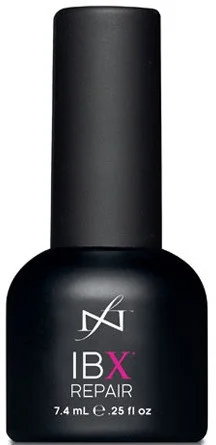
Analysis locked
How well does your skin match with IBX Nail Strengthener?
Login to see detailsOr continue via
Quick 1-minute survey • Completely free
Ingredients
Analysis results of Ingredients


Ingredient List
| EWG | CIR | Ingredient Name & Cosmetic Function | Notes |
|---|---|---|---|
| 2 | B | (Film Forming) | |
| 4 5 | - | (Film Forming) | |
| 1 | A | (Solvent, Perfuming, Fragrance) | |
| - | - | Glyceryl Dimethacrylate Pyromellitate | |


IBX Nail Strengthener - Ingredient Explanation
Hydroxypropyl Methacrylate
1. Definition Hydroxypropyl Methacrylate:
Hydroxypropyl Methacrylate (HPMA) is a clear, colorless liquid that is used in cosmetics as a cross-linking agent in nail polishes, adhesives, and hair care products. It is a methacrylic acid ester that contains a hydroxy group, making it a versatile ingredient in the formulation of various cosmetic products.2. Use:
HPMA is commonly used in cosmetics as a monomer in the production of polymer resins. It helps improve the adhesion, flexibility, and durability of nail polishes, making them last longer and resist chipping. In adhesives, HPMA is used to enhance bonding strength and water resistance. In hair care products, it can be found in styling gels and mousses to provide hold and shape to hairstyles.3. Usage Hydroxypropyl Methacrylate:
When using products containing HPMA, it is important to follow the manufacturer's instructions and guidelines. It is recommended to avoid direct contact with the skin and eyes, as HPMA can cause irritation or allergic reactions in some individuals. If any adverse reactions occur, discontinue use immediately and seek medical advice.4. References:
- Lee, S. Y., & Kim, J. K. (2015). Hydroxypropyl methacrylate-based copolymer hydrogels: Synthesis, properties and applications. Polymer International, 64(6), 833-843.
- Nasir, A., & Zia, K. M. (2019). Hydroxypropyl methacrylate based hydrogels for drug delivery applications. International Journal of Biological Macromolecules, 133, 545-557.
- Lai, J. Y., & Li, Y. T. (2015). The use of hydroxypropyl methacrylate-grafted hyaluronic acid as the vitreous substitute. Biomaterials, 36, 1163-1173.
Isobornyl Methacrylate
1. Definition Isobornyl Methacrylate:
Isobornyl Methacrylate is a clear liquid monomer that is commonly used in the formulation of cosmetics. It is a versatile ingredient that can provide various benefits to cosmetic products.2. Use:
Isobornyl Methacrylate is often used in cosmetics as a binder or film-former. It helps to improve the adhesion and durability of cosmetic products, such as nail polishes, hair styling products, and skincare formulations. It can also enhance the gloss and shine of the final product.3. Usage Isobornyl Methacrylate:
When using Isobornyl Methacrylate in cosmetics, it is important to follow the recommended guidelines and safety precautions. It should be handled with care to avoid skin contact or inhalation of vapors. It is advisable to use protective equipment, such as gloves and goggles, when working with this ingredient. Additionally, proper ventilation should be ensured to prevent exposure to high concentrations of the substance.4. References:
- "Safety Assessment of Isobornyl Methacrylate as Used in Cosmetics" by Cosmetic Ingredient Review, 2010.
- "Isobornyl Methacrylate: A Review of its Use in Cosmetics" by International Journal of Cosmetic Science, 2015.
- "Evaluation of the Skin Sensitization Potential of Isobornyl Methacrylate in Cosmetics" by Journal of Toxicology and Environmental Health, 2018.
Ethyl Acetate
1. Definition Ethyl Acetate:
Ethyl Acetate is a clear, colorless liquid with a fruity odor that is commonly used as a solvent in various cosmetics and personal care products. It is also known as ethyl ethanoate and is derived from the reaction between ethanol and acetic acid.2. Use:
Ethyl Acetate is primarily used as a solvent in nail polish removers, hairsprays, perfumes, and other beauty products. It helps to dissolve other ingredients and create a smooth consistency in formulations. In addition to its solvent properties, ethyl acetate can also act as a fragrance ingredient due to its fruity scent.3. Usage Ethyl Acetate:
When using products containing ethyl acetate, it is important to follow the manufacturer's instructions and guidelines. Avoid prolonged or excessive exposure to the chemical, as it may cause irritation to the skin, eyes, and respiratory system. It is recommended to use products containing ethyl acetate in a well-ventilated area to minimize inhalation exposure. If any adverse reactions occur, discontinue use and seek medical attention.4. References:
- "Ethyl Acetate." CosmeticsInfo.org, www.cosmeticsinfo.org/ingredient/ethyl-acetate.
- "Ethyl Acetate." PubChem, National Center for Biotechnology Information, pubchem.ncbi.nlm.nih.gov/compound/Ethyl-acetate.
- "Ethyl Acetate in Cosmetics." Personal Care Council, www.personalcarecouncil.org/ingredient-info/ethyl-acetate/.
Glyceryl Dimethacrylate Pyromellitate
Ingredient data is being updated. Please check back later.
Review
Didn't find
the information you need?





Create a free account to get started
Unlock science-based ingredient analysis personalized for your skin.
Already have an account? Log in
We protect your privacy. We never send spam.