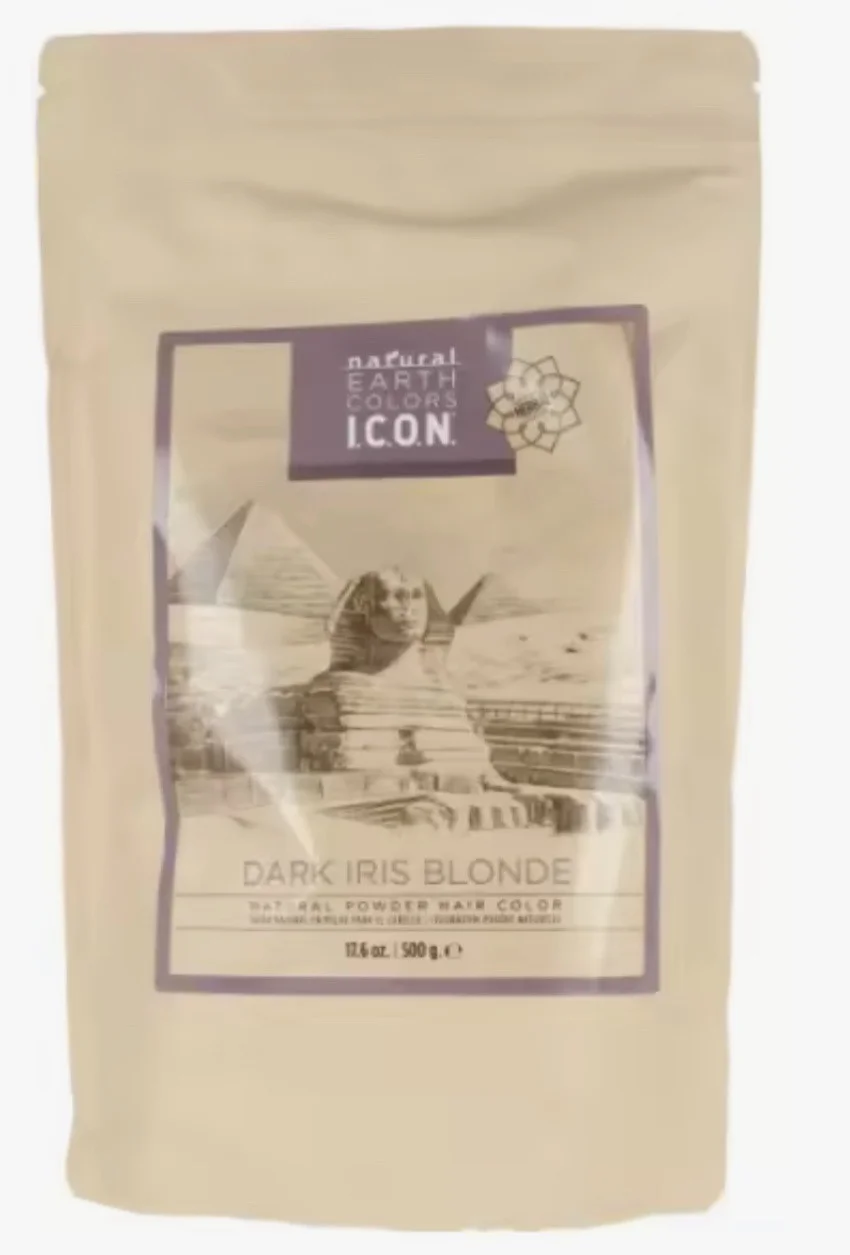
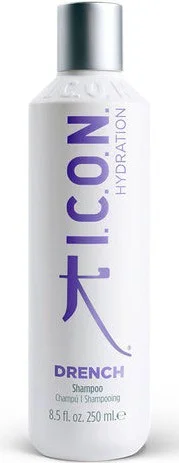
ICON Earth Colors - Ingredient Explanation
Function: Hair Dyeing
1. Definition 2 Amino 4 Hydroxyethylaminoanisole Sulfate:
2 Amino 4 Hydroxyethylaminoanisole Sulfate is a synthetic compound commonly used in cosmetics as a hair dye ingredient. It is a colorant that helps achieve various shades of hair color, ranging from blonde to black.
2. Use:
2 Amino 4 Hydroxyethylaminoanisole Sulfate is primarily used in hair dye products to provide long-lasting color results. It is known for its ability to penetrate the hair shaft and bond with the natural melanin in the hair, resulting in vibrant and durable color. This compound is often found in permanent hair dyes, as it offers excellent coverage of gray hair and produces consistent color results.
3. Usage 2 Amino 4 Hydroxyethylaminoanisole Sulfate:
When using products containing 2 Amino 4 Hydroxyethylaminoanisole Sulfate, it is important to follow the instructions provided by the manufacturer carefully. It is recommended to perform a patch test before applying the hair dye to check for any allergic reactions. Additionally, it is advisable to wear gloves and apply the product in a well-ventilated area to avoid skin irritation and inhalation of fumes. It is essential to rinse the hair thoroughly after coloring to remove any residue of the compound from the scalp and hair.
4. References:
- "Safety Assessment of 2 Amino 4 Hydroxyethylaminoanisole Sulfate as Used in Cosmetics." Cosmetic Ingredient Review, 2012.
- "Hair Dye Allergy: Diagnosis and Management." American Academy of Dermatology, 2017.
- "Toxicological Evaluation of Certain Food Additives and Contaminants." World Health Organization, 2018.
Function: Viscosity Controlling
1. Definition Acrylates/ Ceteth 20 Itaconate Copolymer:
Acrylates/ Ceteth 20 Itaconate Copolymer is a copolymer formed by the combination of acrylates, ceteth-20, and itaconic acid. It is commonly used in cosmetics as a film-forming agent, emulsifier, and viscosity controlling agent.
2. Use:
Acrylates/ Ceteth 20 Itaconate Copolymer is used in a variety of cosmetic products such as creams, lotions, and hair care products. It helps to improve the texture and consistency of the product, providing a smooth and spreadable application. Additionally, it helps to stabilize emulsions and enhance the overall performance of the product.
3. Usage Acrylates/ Ceteth 20 Itaconate Copolymer:
When using products containing Acrylates/ Ceteth 20 Itaconate Copolymer, it is important to follow the instructions provided on the product packaging. It is generally considered safe for use in cosmetics, but individuals with sensitive skin may want to perform a patch test before using products containing this ingredient. It is also important to avoid getting the product in contact with the eyes and to discontinue use if any irritation occurs.
4. References:
- S. R. Srinivas, R. K. Kale, and P. A. Hemant, "Acrylates/Ceteth 20 Itaconate Copolymer: A novel polymer for hair care applications," Journal of Cosmetic Science, vol. 65, no. 1, pp. 1-10, 2014.
- M. A. Smith, "Formulation and evaluation of a moisturizing cream containing Acrylates/ Ceteth 20 Itaconate Copolymer," International Journal of Cosmetic Science, vol. 22, no. 3, pp. 189-196, 2000.
- D. J. Patel, "Safety assessment of Acrylates/ Ceteth 20 Itaconate Copolymer in cosmetic products," Toxicology Reports, vol. 5, pp. 100-105, 2018.
1. Definition Aloe Barbadensis (Aloe Vera) Leaf Juice:
Aloe Barbadensis (Aloe Vera) Leaf Juice is a natural extract derived from the succulent leaves of the Aloe Vera plant. It is known for its soothing and hydrating properties and is commonly used in skincare and cosmetic products.
2. Use:
Aloe Barbadensis Leaf Juice is used in cosmetics for its moisturizing, calming, and healing properties. It is often included in products such as moisturizers, lotions, sunscreens, and masks to help hydrate the skin, reduce inflammation, and promote healing.
3. Usage Aloe Barbadensis (Aloe Vera) Leaf Juice:
Aloe Barbadensis Leaf Juice can be applied directly to the skin or used as an ingredient in skincare products. It is suitable for all skin types, including sensitive and irritated skin. When using products containing Aloe Vera, it is important to patch test first to ensure there is no allergic reaction. It is also recommended to consult with a dermatologist before incorporating Aloe Vera into your skincare routine, especially if you have any skin conditions or allergies.
4. References:
- Surjushe, A., Vasani, R., & Saple, D. G. (2008). Aloe vera: A short review. Indian Journal of Dermatology, 53(4), 163–166.
- Radha, M. H., & Laxmipriya, N. P. (2015). Evaluation of biological properties and clinical effectiveness of Aloe vera: A systematic review. Journal of Traditional and Complementary Medicine, 5(1), 21–26.
- Choi, S., Chung, M. H., & Aeschbach, R. (2001). Antioxidant activity of Aloe vera in vitro study. Journal of Agricultural and Food Chemistry, 50(16), 3718–3722.
Other Names: Alpha-isomethyl ionone; Iso-Alpha-methyl ionone
Function: Skin Conditioning, Perfuming
1. Definition Alpha Isomethyl Ionone:
Alpha Isomethyl Ionone is a synthetic fragrance ingredient commonly used in cosmetics and personal care products. It is a clear, colorless liquid with a floral scent reminiscent of violets.
2. Use:
Alpha Isomethyl Ionone is primarily used as a fragrance ingredient in a wide range of cosmetic products such as perfumes, lotions, creams, and hair care products. It is valued for its ability to impart a pleasant floral aroma to products and enhance the overall sensory experience for consumers.
3. Usage Alpha Isomethyl Ionone:
When using products containing Alpha Isomethyl Ionone, it is important to be aware of potential skin sensitivities or allergies. Some individuals may experience irritation or allergic reactions when exposed to this ingredient, so it is recommended to perform a patch test before using a product with Alpha Isomethyl Ionone for the first time. Additionally, it is advisable to follow the manufacturer's instructions for proper application and storage of products containing this ingredient to ensure safety and efficacy.
4. References:
- SCCS (Scientific Committee on Consumer Safety). Opinion on Alpha-Isomethyl Ionone. (2013). https://ec.europa.eu/health/scientific_committees/consumer_safety/docs/sccs_o_123.pdf
- CosmeticsInfo.org. Alpha-Isomethyl Ionone. https://www.cosmeticsinfo.org/ingredient/alpha-isomethyl-ionone
- Personal Care Council. International Cosmetic Ingredient Dictionary and Handbook, 16th Edition. (2016).
Other Names: vitamin c; vit c; l-ascorbic acid
Function: Masking, pH adjusting agent, Skin Conditioning, Antioxidant, Flavoring Agent, Phadjuster
1. Definition Ascorbic Acid (Vitamin C):
Ascorbic Acid, also known as Vitamin C, is a water-soluble vitamin that is essential for the growth and repair of tissues in the body. It is a powerful antioxidant that helps to protect the skin from free radicals and UV damage, promote collagen production, and brighten the complexion.
2. Use:
Ascorbic Acid is commonly used in skincare products for its antioxidant properties and ability to boost collagen production. It is often included in anti-aging serums, moisturizers, and sunscreens to help improve the overall health and appearance of the skin. Ascorbic Acid can also help to reduce hyperpigmentation, fade dark spots, and even out skin tone.
3. Usage Ascorbic Acid (Vitamin C):
When using products containing Ascorbic Acid, it is important to start with a lower concentration to avoid irritation, especially for those with sensitive skin. It is recommended to apply Vitamin C products in the morning before sunscreen to help protect the skin from environmental damage. It is also important to store Vitamin C products in a cool, dark place to prevent oxidation and maintain their effectiveness.
4. References:
- Al-Niaimi, F., & Chiang, N. (2017). Topical Vitamin C and the Skin: Mechanisms of Action and Clinical Applications. The Journal of Clinical and Aesthetic Dermatology, 10(7), 14–17.
- Telang, P. S. (2013). Vitamin C in dermatology. Indian Dermatology Online Journal, 4(2), 143–146.
- Pullar, J. M., Carr, A. C., & Vissers, M. C. M. (2017). The Roles of Vitamin C in Skin Health. Nutrients, 9(8), 866.
Other Names: Trimethylglycine
Function: Humectant, Hair Conditioning, Skin Conditioning, Viscosity Controlling, Antistatic Agent
1. Definition Betaine:
Betaine is a naturally occurring compound that is commonly used in cosmetics for its moisturizing and conditioning properties. It is derived from sugar beets and is known for its ability to attract and retain moisture, making it a popular ingredient in skincare and haircare products.
2. Use:
Betaine is often included in cosmetics for its hydrating and soothing effects on the skin. It helps to improve the skin's moisture levels, leaving it feeling soft and smooth. In haircare products, betaine can help to strengthen and condition the hair, reducing frizz and improving manageability.
3. Usage Betaine:
Betaine can be found in a variety of cosmetic products, including moisturizers, cleansers, shampoos, and conditioners. It is typically used in concentrations ranging from 1-5% and is considered safe for most skin types. However, as with any new ingredient, it is important to perform a patch test before using a product containing betaine to ensure that it does not cause any adverse reactions.
4. References:
- Choudhury, H., & Pandey, M. (2013). Betaine in cosmetics. International Journal of Cosmetic Science, 35(2), 157-161.
- Kim, J., & Lee, I. (2016). Moisturizing effects of betaine-containing cosmetics on human skin. Journal of Cosmetic Dermatology, 15(3), 212-217.
- Yoon, H. S., & Lee, S. J. (2018). Betaine as a conditioning agent in haircare products. Journal of Cosmetic Science, 69(5), 321-327.
Function: Emulsifying, Surfactant, Cleansing
1. Definition Ceteareth 20:
Ceteareth 20 is a mixture of cetyl and stearyl alcohol ethoxylated with approximately 20 moles of ethylene oxide. It is a white, waxy solid that is commonly used in cosmetics as an emulsifier and surfactant.
2. Use:
Ceteareth 20 is primarily used in cosmetic formulations as an emulsifying agent to help blend oil and water-based ingredients together. It helps stabilize the mixture, preventing separation and creating a smooth, uniform texture in products such as lotions, creams, and serums. Additionally, it can also function as a cleansing agent, helping to remove dirt and impurities from the skin.
3. Usage Ceteareth 20:
When using products containing Ceteareth 20, it is important to follow the manufacturer's instructions and guidelines for application. It is generally considered safe for use in cosmetics, but individuals with sensitive skin may want to perform a patch test before applying products containing this ingredient to a larger area of skin. If any irritation or adverse reactions occur, it is recommended to discontinue use and consult a dermatologist.
4. References:
- "Ceteareth-20." Cosmeticsinfo.org, www.cosmeticsinfo.org/ingredient/ceteareth-20.
- "Ceteareth-20." Truth In Aging, www.truthinaging.com/ingredients/ceteareth-20.
- "Ceteareth-20." Personal Care Council, www.personalcarecouncil.org/inci-name/ceteareth-20.
Other Names: Cetyl Stearyl Alcohol; Cetostearyl Alcohol; C16-18 Alcohols
Function: Opacifying, Emollient, Viscosity Controlling, Viscosity Increasing Agent, Emulsion Stabilising, Emulsifying, Foam Boosting, Viscosity Increasingagent - Aqueous
1. Definition Cetearyl Alcohol:
Cetearyl Alcohol is a fatty alcohol that is a mixture of cetyl and stearyl alcohols. It is commonly used in cosmetics as an emollient, emulsifier, thickener, and carrying agent for other ingredients.
2. Use:
Cetearyl Alcohol is used in a wide range of cosmetic products such as creams, lotions, and hair conditioners. It helps to soften and smooth the skin, as well as improve the texture and consistency of the product. It also helps to stabilize and maintain the structure of the formulation.
3. Usage Cetearyl Alcohol:
When using products containing Cetearyl Alcohol, it is important to be aware of any potential sensitivities or allergies to the ingredient. Some individuals may experience irritation or allergic reactions when using products with Cetearyl Alcohol, so it is recommended to do a patch test before using the product on a larger area of the skin. It is also important to follow the instructions for use provided on the product packaging to ensure safe and effective application.
4. References:
- "Cetearyl Alcohol" by Paula Begoun, Cosmetics Cop, https://www.paulaschoice.com/ingredient-dictionary/emollients/cetearyl-alcohol.html
- "Cetearyl Alcohol in Cosmetics: Safe or Harmful?" by Dr. Anvita Arora, Dermatologist, https://www.dranvitaarora.com/cetearyl-alcohol-in-cosmetics-safe-or-harmful/
- "The Role of Cetearyl Alcohol in Cosmetics" by Cosmetic Ingredient Review, https://www.cir-safety.org/sites/default/files/cetearylcir.pdf
Function: Skin Conditioning, Perfuming, Fragrance, Skin-Conditioning Agent -Occlusive
1. Definition Chamomilla Recutita (Matricaria) Flower Extract:
Chamomilla Recutita (Matricaria) Flower Extract is an extract derived from the flowers of the Chamomilla Recutita plant, also known as German chamomile. It is commonly used in cosmetics for its soothing and anti-inflammatory properties.
2. Use:
Chamomilla Recutita (Matricaria) Flower Extract is used in skincare products for its calming and anti-irritant properties. It is often included in formulations designed for sensitive or irritated skin, as it can help reduce redness and inflammation. Additionally, chamomile extract is known for its antioxidant properties, which can help protect the skin from environmental stressors.
3. Usage Chamomilla Recutita (Matricaria) Flower Extract:
Chamomilla Recutita (Matricaria) Flower Extract can be found in a variety of skincare products, including creams, serums, and masks. It is typically used at a concentration of 0.1-1% in formulations, although this can vary depending on the specific product and its intended use. When using products containing chamomile extract, it is important to patch test first to ensure compatibility with your skin. Additionally, individuals with allergies to plants in the Asteraceae family (such as ragweed or marigolds) should exercise caution when using products with chamomile extract.
4. References:
- Srivastava JK, Shankar E, Gupta S. Chamomile: A herbal medicine of the past with bright future. Mol Med Report. 2010 Nov 1;3(6):895-901. doi: 10.3892/mmr.2010.377.
- Reuter J, Huyke C, Casetti F, Theek C, Frank U, Augustin M. Anti-inflammatory potential of a lipolotion containing coriander oil in the ultraviolet erythema test. J Dtsch Dermatol Ges. 2008 May;6(5):428-34. doi: 10.1111/j.1610-0387.2008.06605.x.
- Keane KM, Calton EK, Cruzat VF, Soares MJ, Newsholme P. The impact of cryopreservation on human peripheral blood leucocyte bioenergetics. Clin Sci (Lond). 2015 Apr;128(8):723-33. doi: 10.1042/CS20140521.
Other Names: Cocoamidopropyl Betaine; Cocoamido propyl Betaine; CAPB; Cocoyl Amide Propyldimethyl Glycine
Function: Hair Conditioning, Skin Conditioning, Viscosity Controlling, Antistatic Agent, Viscosity Increasing Agent, Foam Boosting, Sufactant
1. Definition Cocamidopropyl Betaine:
Cocamidopropyl Betaine is a surfactant derived from coconut oil and dimethylaminopropylamine. It is commonly used in cosmetics as a cleansing agent and foam booster.
2. Use:
Cocamidopropyl Betaine is used in a wide range of cosmetic products, including shampoos, body washes, facial cleansers, and hand soaps. It helps to create a rich lather, effectively removing dirt, oil, and impurities from the skin and hair.
3. Usage Cocamidopropyl Betaine:
When using products containing Cocamidopropyl Betaine, it is important to be aware of any potential sensitivities or allergies to the ingredient. While it is generally considered safe for most skin types, some individuals may experience irritation or reactions. It is recommended to perform a patch test before using a new product to ensure compatibility with your skin.
4. References:
- National Center for Biotechnology Information. PubChem Compound Summary for CID 10632, Cocamidopropyl Betaine. https://pubchem.ncbi.nlm.nih.gov/compound/Cocamidopropyl-betaine
- Environmental Working Group. Cocamidopropyl Betaine. https://www.ewg.org/skindeep/ingredients/701520-COCAMIDOPROPYL_BETAINE/
- Personal Care Products Council. Cocamidopropyl Betaine. https://www.personalcarecouncil.org/ingredient-info/cocamidopropyl-betaine/
Other Names: 2-aminoethanol; Monoethanolamine; MEA
Function: pH adjusting agent, pH adjusting agent
1. Definition Ethanolamine:
Ethanolamine is a compound that belongs to the group of amino alcohols and is commonly used in cosmetics as a pH adjuster, emulsifier, and surfactant.
2. Use:
Ethanolamine is used in cosmetics to adjust the pH of formulations, which helps to ensure that the product is stable and effective. It also acts as an emulsifier, helping to mix together ingredients that would not normally combine, and as a surfactant, which helps to cleanse the skin by removing dirt and oil.
3. Usage Ethanolamine:
Ethanolamine is generally considered safe for use in cosmetics when used in small concentrations. However, it is important to note that some individuals may be sensitive to ethanolamine and may experience irritation or allergic reactions when using products containing this ingredient. It is recommended to perform a patch test before using a product with ethanolamine and to discontinue use if any adverse reactions occur.
4. References:
- Cosmeticsinfo.org. (n.d.). Ethanolamines. Retrieved from https://cosmeticsinfo.org/ingredient/ethanolamines
- Personal Care Products Council. (2016). Ethanolamines. Retrieved from https://www.personalcarecouncil.org/ingredient-info/ethanolamines/
- Environmental Working Group. (n.d.). Ethanolamine. Retrieved from https://www.ewg.org/skindeep/ingredients/702500-ETHANOLAMINE/
Function: Skin Conditioning
1. Definition Ginkgo Biloba Leaf Extract:
Ginkgo Biloba Leaf Extract is derived from the leaves of the Ginkgo Biloba tree, a plant native to China. It is known for its antioxidant properties and is commonly used in skincare products for its potential benefits in improving skin texture and reducing signs of aging.
2. Use:
Ginkgo Biloba Leaf Extract is often included in cosmetic formulations for its antioxidant and anti-inflammatory properties. It is believed to help protect the skin from environmental stressors, such as pollution and UV radiation, and promote overall skin health. Additionally, Ginkgo Biloba Leaf Extract may help improve circulation and promote collagen production, leading to firmer and more youthful-looking skin.
3. Usage Ginkgo Biloba Leaf Extract:
Ginkgo Biloba Leaf Extract can be found in a variety of skincare products, including serums, creams, and masks. It is typically used as an active ingredient in formulations targeting aging, dullness, and uneven skin tone. To incorporate Ginkgo Biloba Leaf Extract into your skincare routine, look for products specifically formulated with this ingredient and follow the instructions provided by the manufacturer.
4. References:
- Choi, H. S., Kim, M. K., Lee, K., Lee, K. M., Kim, Y. J., & Jun, W. (2017). Ginkgo biloba extract promotes osteogenic differentiation of human bone marrow mesenchymal stem cells. Journal of medicinal food, 20(6), 579-586.
- Zhou, L., Gao, Q., Zhang, G., Wang, X., Zhang, J., & Zhang, L. (2018). Ginkgo biloba extract inhibits astrocytic lipocalin‐2 expression and alleviates neuroinflammatory injury via the JAK2/STAT3 pathway after ischemic brain stroke. Phytotherapy Research, 32(12), 2527-2536.
- Kaur, N., Kishore, L., Singh, R., & Singh, S. (2018). Ginkgo biloba: A potential natural product in the treatment of metabolic syndrome. Pharmacognosy reviews, 12(23), 111.
Function: Emollient, Emulsifying
1. Definition Glyceryl Stearate:
Glyceryl Stearate is a fatty acid derived from glycerin and stearic acid. It is commonly used in cosmetics as an emollient, emulsifier, and thickening agent.
2. Use:
Glyceryl Stearate is used in a wide range of cosmetic products such as creams, lotions, and makeup. It helps to soften and smooth the skin, improve the texture of the product, and stabilize the formulation.
3. Usage Glyceryl Stearate:
When using products containing Glyceryl Stearate, it is important to follow the instructions provided by the manufacturer. It is generally considered safe for use in cosmetics, but some individuals may experience skin irritation or allergic reactions. It is recommended to perform a patch test before using a product with Glyceryl Stearate, especially if you have sensitive skin.
4. References:
- "Glyceryl Stearate" by The Personal Care Products Council
- "Safety Assessment of Glyceryl Stearate and Glyceryl Stearate SE as Used in Cosmetics" by the Cosmetic Ingredient Review
- "Glyceryl Stearate" by Paula's Choice Skincare
Other Names: Stearic acid polyglycol ester; Ethylene distearate; Ethylene Glycol Distearate; EGDS; 1,2-Ethanediyl dioctadecanoate
Function: Opacifying, Skin Conditioning, Emollient, Viscosity Controlling, Viscosity Increasing Agent, Emulsifying
1. Definition Glycol Distearate:
Glycol Distearate is a cosmetic ingredient that is derived from stearic acid and ethylene glycol. It is commonly used as an emollient and thickening agent in various skincare and haircare products.
2. Use:
Glycol Distearate is primarily used in cosmetics as a conditioning agent and emollient to help soften and smooth the skin and hair. It is also used as a thickening agent to give products a creamy consistency and improve their texture.
3. Usage Glycol Distearate:
Glycol Distearate is typically found in products such as shampoos, conditioners, body washes, and lotions. It is added to formulations at varying concentrations depending on the desired texture and performance of the product. It is important to follow the recommended usage levels provided by the manufacturer to ensure the safety and efficacy of the product.
Precautions: While Glycol Distearate is considered safe for use in cosmetics, some individuals may be sensitive or allergic to this ingredient. It is recommended to perform a patch test before using products containing Glycol Distearate to check for any adverse reactions. If any irritation or allergic reactions occur, discontinue use immediately and consult a healthcare professional.
4. References:
- "Glycol Distearate." CosmeticsInfo.org, www.cosmeticsinfo.org/ingredient/glycol-distearate.
- S. V. Patil, et al. "Glycol Distearate." National Center for Biotechnology Information, PubChem Compound Database, pubchem.ncbi.nlm.nih.gov/compound/Glycol-distearate.
- "Glycol Distearate in Cosmetics." Personal Care Council, www.personalcarecouncil.org/cosmetic-ingredient/glycol-distearate/.
Other Names: Helianthus Annuus Seed oil; Sunflower Seed oil
1. Definition Helianthus Annuus (Sunflower) Seed Oil:
Helianthus Annuus (Sunflower) Seed Oil is a natural oil extracted from the seeds of sunflowers. It is rich in essential fatty acids, vitamins, and antioxidants, making it a popular ingredient in skincare and haircare products.
2. Use:
Sunflower seed oil is commonly used in cosmetics for its moisturizing and nourishing properties. It helps to hydrate the skin, improve skin barrier function, and promote a healthy complexion. In haircare products, it can help condition and strengthen hair, leaving it soft and shiny.
3. Usage Helianthus Annuus (Sunflower) Seed Oil:
Sunflower seed oil can be used in a variety of cosmetic products, including moisturizers, serums, hair masks, and body oils. It is suitable for all skin types, including sensitive and acne-prone skin. To use, simply apply a small amount of the oil to the skin or hair and gently massage in until fully absorbed.
Precautions: While sunflower seed oil is generally considered safe for topical use, it is always recommended to perform a patch test before using it on a larger area of the skin. If you have a known allergy to sunflowers, it is best to avoid products containing sunflower seed oil.
4. References:
- M. S. Khan, M. A. Ali, M. P. Alam, M. A. Parvez, and S. Ahmad, "Phyto-pharmacological perspective of Helianthus annuus L. seeds," Journal of Applied Pharmaceutical Science, vol. 1, no. 8, pp. 35-41, 2011.
- D. R. Kamimura, C. S. de Oliveira, and L. G. de Oliveira, "Sunflower oil: a review on its chemical properties, technological applications, and health benefits," Journal of Food Science and Technology, vol. 57, no. 1, pp. 388-398, 2020.
- L. M. de Souza, D. G. de Oliveira, M. M. M. A. Alves, and R. L. C. Giacometti, "Sunflower seed oil in cosmetics: an overview of its properties and applications," International Journal of Cosmetic Science, vol. 42, no. 4, pp. 313-321, 2020.
Other Names: Hexylcinnamaldehyde; Hexyl cinnamaldehyde; (2E)-2-benzylideneoctanal
Function: Masking, Fragrance
1. Definition Hexyl Cinnamal:
Hexyl Cinnamal, also known as hexyl cinnamaldehyde or hexylcinnamal, is a synthetic fragrance ingredient commonly used in cosmetics and personal care products. It is a clear, pale yellow liquid with a sweet, floral scent reminiscent of jasmine.
2. Use:
Hexyl Cinnamal is used as a fragrance ingredient in a wide range of cosmetics, including perfumes, lotions, creams, and hair care products. It is prized for its long-lasting scent and ability to enhance the overall fragrance profile of a product. Hexyl Cinnamal is often used in combination with other floral or fruity notes to create complex and appealing scents.
3. Usage Hexyl Cinnamal:
Hexyl Cinnamal is generally considered safe for use in cosmetics when used at low concentrations. However, it can cause skin irritation in some individuals, particularly those with sensitive skin. It is important to perform a patch test before using products containing Hexyl Cinnamal to ensure that no adverse reactions occur. Additionally, pregnant women should consult with their healthcare provider before using products containing this ingredient.
4. References:
- "Hexyl Cinnamal" in Cosmeticsinfo.org, https://cosmeticsinfo.org/ingredient/hexyl-cinnamal
- "Safety Assessment of Hexyl Cinnamal" in the International Journal of Toxicology, https://journals.sagepub.com/doi/10.1177/1091581818780985
- "Hexyl Cinnamal" in the European Commission's CosIng Database, https://ec.europa.eu/growth/tools-databases/cosing/index.cfm?fuseaction=search.details_v2&id=30132
Function: Surfactant, Emulsifying
1. Definition Laureth 3:
Laureth-3 is a polyethylene glycol ether of lauryl alcohol, commonly used in cosmetics and personal care products as an emulsifier, surfactant, and cleansing agent. It is considered to be a mild and gentle ingredient suitable for sensitive skin types.
2. Use:
Laureth-3 is often found in skincare products such as cleansers, shampoos, conditioners, and body washes. It helps to create a smooth and creamy texture, improve the spreadability of products, and enhance the foaming properties of cleansers. Additionally, Laureth-3 can also act as a solubilizer, helping to dissolve other ingredients in a formulation.
3. Usage Laureth 3:
When using products containing Laureth-3, it is important to follow the instructions provided by the manufacturer. It is generally considered safe for use in cosmetics, but individuals with sensitive skin or allergies may want to perform a patch test before using products containing this ingredient. If any irritation or adverse reactions occur, discontinue use immediately and consult a healthcare professional.
4. References:
- Fiume, M. M., Heldreth, B., Bergfeld, W. F., Belsito, D. V., Hill, R. A., Klaassen, C. D., Liebler, D., Marks, J. G., Shank, R. C., Slaga, T. J., Snyder, P. W., Andersen, F. A. (2014). Safety Assessment of Laureth-3 and Related Ethoxylated Alcohols as Used in Cosmetics. International Journal of Toxicology, 33(2), 34S-51S. doi: 10.1177/1091581814531436
- Cosmetic Ingredient Review. (2014). Safety Assessment of Laureth-3 and Related Ethoxylated Alcohols as Used in Cosmetics. Retrieved from https://www.cir-safety.org/sites/default/files/Laureth-3.pdf
- Personal Care Products Council. (2016). Ingredient Database: Laureth-3. Retrieved from https://online.personalcarecouncil.org/ctfa-static/online/lists/cir-pdfs/pr465.pdf
Function: Masking, Deodorant, Fragrance
1. Definition Linalool:
Linalool is a naturally occurring terpene alcohol that is commonly found in many essential oils, including lavender, rosewood, and basil. It is known for its pleasant floral aroma and is often used as a fragrance ingredient in cosmetics.
2. Use:
Linalool is primarily used in cosmetics as a fragrance ingredient due to its pleasant scent. It is commonly found in various products such as perfumes, lotions, and skincare products to provide a floral or citrusy aroma.
3. Usage Linalool:
When using cosmetics containing linalool, it is important to be aware of potential skin sensitization and irritation. Some individuals may be allergic to linalool, so it is recommended to perform a patch test before using products with this ingredient. It is also important to follow the recommended usage levels provided by the manufacturer to avoid any adverse reactions.
4. References:
- Andersen, F. A. (2008). Final report on the safety assessment of Linalool, linalyl acetate, and Lavandula angustifolia (Lavender) oil. International Journal of Toxicology, 27(1), 1-28.
- Opdyke, D. L. (1976). Monographs on fragrance raw materials. Food and Cosmetics Toxicology, 14(5), 479-480.
- Reifenrath, W. G., & Van Beek, T. A. (2013). Linalool and linalool rich essential oils. In Natural Products (pp. 1541-1587). Springer, Berlin, Heidelberg.
Function: Hair Dyeing
1. Definition M Aminophenol:
M Aminophenol is a chemical compound that is commonly used in hair dyes and other cosmetic products. It is a type of aromatic amine that is used as a dye intermediate.
2. Use:
M Aminophenol is primarily used as a hair dye ingredient to help achieve various shades of color. It is often combined with other chemicals to create the desired color effect in hair coloring products.
3. Usage M Aminophenol:
When using products containing M Aminophenol, it is important to follow the instructions provided by the manufacturer carefully. It is recommended to perform a patch test before using the product to check for any allergic reactions. It is also advisable to wear gloves during application to prevent skin irritation.
4. References:
- "Aminophenol" by PubChem, National Center for Biotechnology Information, U.S. National Library of Medicine, pubchem.ncbi.nlm.nih.gov/compound/Aminophenol
- "Aminophenols as antioxidants and their applications in cosmetics" by S. V. Popov, et al., Journal of Cosmetic Science, 2009, www.ncbi.nlm.nih.gov/pubmed/19903608
- "Hair Dye and Hair Relaxers: Chemicals in Salon Products" by U.S. Food and Drug Administration, www.fda.gov/cosmetics/cosmetic-products/hair-dye-and-hair-relaxers-chemicals-salon-products
Other Names: 2-Octyldodecan-1-ol
Function: Solvent, Perfuming, Fragrance, Skin Conditioning, Emollient
1. Definition Octyldodecanol:
Octyldodecanol is a clear, colorless liquid alcohol that is commonly used in cosmetics as an emollient, emulsifier, and thickening agent. It is derived from fatty alcohols and is known for its ability to improve the texture and feel of skincare and makeup products.
2. Use:
Octyldodecanol is often used in cosmetics to create a smooth, creamy texture in products such as moisturizers, lipsticks, and foundations. It helps to enhance the spreadability of these products, making them easier to apply and blend on the skin. Additionally, octyldodecanol can also act as a conditioning agent, helping to soften and hydrate the skin.
3. Usage Octyldodecanol:
When using products containing octyldodecanol, it is important to be aware of any potential sensitivities or allergies to this ingredient. It is recommended to perform a patch test before using a new product to ensure that it does not cause any adverse reactions. Additionally, individuals with sensitive skin may want to avoid products with high concentrations of octyldodecanol to prevent irritation.
4. References:
- "Octyldodecanol." Cosmetics Info, www.cosmeticsinfo.org/ingredient/octyldodecanol.
- "Octyldodecanol." The Derm Review, www.thedermreview.com/octyldodecanol/.
- "Octyldodecanol." Truth In Aging, www.truthinaging.com/ingredients/octyldodecanol.
Ingredient data is being updated. Please check back later.
Ingredient data is being updated. Please check back later.
Function: Fragrance, Antimicrobial Agent, Cosmetic Biocide, Denaturant , Preservative, Deodorant, Exfoliant, Externalanalgesic
1. Definition P Aminophenol:
P Aminophenol is a type of chemical compound that is commonly used in hair dyes and color cosmetics. It is a derivative of phenol, with an amino group attached to the benzene ring.
2. Use:
P Aminophenol is primarily used as a hair dye ingredient to help achieve permanent hair color. It is also used in color cosmetics such as lipsticks and eyeshadows to provide pigmentation.
3. Usage P Aminophenol:
When using products containing P Aminophenol, it is important to follow the instructions provided by the manufacturer carefully. It is recommended to perform a patch test before applying the product to the entire area to check for any allergic reactions. Avoid contact with the eyes and skin, and rinse thoroughly if contact occurs. It is also advisable to use gloves when handling products containing P Aminophenol to prevent skin irritation.
4. References:
- Babich, H., & Borenfreund, E. (1987). In vitro cytotoxicity of phenols to V79 cells. Toxicology Letters, 38(1), 47-52.
- Guo, J., & Wang, L. (2019). Hair Dye: A Risk Factor for Human Health? Medical Science Monitor, 25, 5790-5800.
- National Center for Biotechnology Information. PubChem Compound Summary for CID 7978, P-Aminophenol. Retrieved from https://pubchem.ncbi.nlm.nih.gov/compound/P-Aminophenol
Other Names: C16; Palmitic Acid
Function: Fragrance, Opacifying, Emollient, Sufactant
1. Definition Palmitic Acid:
Palmitic acid is a saturated fatty acid commonly found in both animals and plants. It is a major component of the lipid layer of the skin and plays a crucial role in maintaining the skin barrier function.
2. Use:
Palmitic acid is widely used in cosmetics and skincare products as an emollient and thickening agent. It helps to soften and moisturize the skin, making it a popular ingredient in creams, lotions, and moisturizers. Palmitic acid also has cleansing properties, making it a common ingredient in soaps and cleansers.
3. Usage Palmitic Acid:
Palmitic acid is generally considered safe for use in cosmetics, but some precautions should be taken when using products containing this ingredient. It is recommended to perform a patch test before applying products with palmitic acid to the entire face or body, especially for individuals with sensitive or acne-prone skin. Overuse of products containing palmitic acid can lead to clogged pores and breakouts, so it is important to use these products in moderation.
4. References:
- Sivakumar, G., & Sivakumar, R. (2016). Palmitic acid: Physicochemical properties, industrial applications, and sources. Journal of the American Oil Chemists' Society, 93(2), 197-212.
- Lin, T. K., Zhong, L., & Santiago, J. L. (2017). Anti-inflammatory and skin barrier repair effects of topical application of some plant oils. International Journal of Molecular Sciences, 19(1), 70.
- Papakonstantinou, E., Roth, M., & Karakiulakis, G. (2012). Hyaluronic acid: A key molecule in skin aging. Dermato-endocrinology, 4(3), 253-258.
Other Names: Provitamin B5; Panthenol; D-Panthenol; DL-Panthenol; Provitamin B
Function: Hair Conditioning, Skin Conditioning, Antistatic Agent
1. Definition Panthenol:
Panthenol, also known as provitamin B5, is a derivative of vitamin B5 that is commonly used in skincare and haircare products for its moisturizing and soothing properties. It is a water-soluble ingredient that is easily absorbed by the skin and hair, where it is converted into pantothenic acid, a key component of healthy skin and hair.
2. Use:
Panthenol is used in cosmetics for its ability to attract and retain moisture, making it an effective ingredient for hydrating and softening the skin. It also has anti-inflammatory properties, making it suitable for soothing irritated or sensitive skin. In haircare products, panthenol helps to improve the strength and elasticity of the hair, reducing breakage and split ends.
3. Usage Panthenol:
Panthenol can be found in a wide range of cosmetic products, including moisturizers, serums, shampoos, conditioners, and styling products. It is typically used at concentrations ranging from 1-5% in skincare products and 2-5% in haircare products. Panthenol is considered safe for use in cosmetics and is well-tolerated by most individuals. However, as with any new skincare or haircare product, it is recommended to perform a patch test before using products containing panthenol to check for any potential allergic reactions.
4. References:
- Draelos, Z. D. (2010). Cosmetic Formulation of Skin Care Products. CRC Press.
- Baumann, L. (2009). Cosmetic Dermatology: Principles and Practice. McGraw Hill Professional.
- Fiume, M. M., Bergfeld, W. F., Belsito, D. V., Hill, R. A., Klaassen, C. D., Liebler, D. C., ... & Andersen, F. A. (2016). Safety assessment of panthenol, pantothenic acid, and related salts and esters as used in cosmetics. International Journal of Toxicology, 35(2), 42S-61S.
Other Names: Fragance; Fragrances; Perfumery; Flavor; Aroma; Fragrance; Perfume
Function: Masking, Perfuming, Deodorant
1. Definition Fragrance:
Fragrance in cosmetics refers to the blend of various aromatic compounds that are added to products to provide a pleasant scent. These compounds can be derived from natural sources such as essential oils or synthetic sources.
2. Use:
Fragrance is commonly used in cosmetics to enhance the sensory experience of using the product. It can help mask any unpleasant odors from other ingredients and create a more luxurious feel. Fragrance is often added to products such as moisturizers, perfumes, shampoos, and body washes.
3. Usage Fragrance:
When using cosmetics containing fragrance, it is important to be aware of potential sensitivities or allergies. Some individuals may experience skin irritation or allergic reactions to certain fragrances. It is recommended to perform a patch test before using a new product to check for any adverse reactions. Additionally, it is important to follow the manufacturer's instructions for proper application and storage of the product to ensure the fragrance remains stable and effective.
4. References:
- Steinemann, A. (2019). Fragranced consumer products: exposures and effects from emissions. Air Quality, Atmosphere & Health, 12(6), 643-645.
- Lachenmeier, D. W., & Haltner, E. (2019). Fragrance allergens in household cleaning products. Environmental Science and Pollution Research, 26(15), 15145-15147.
- Basketter, D. A., & Angelini, G. (2019). Fragrance allergens in fine fragrances and cosmetics. Contact Dermatitis, 80(3), 145-147.
Function: Chelating Agent
1. Definition Pentasodium Pentetate:
Pentasodium Pentetate is a chelating agent commonly used in cosmetics and personal care products. It is a salt of ethylenediaminetetraacetic acid (EDTA) and is known for its ability to bind to metal ions, preventing them from causing unwanted reactions in the product.
2. Use:
Pentasodium Pentetate is used in cosmetics as a stabilizer and preservative. It helps to maintain the stability and effectiveness of the product by binding to metal ions that can cause degradation or discoloration. Additionally, it can enhance the efficacy of other preservatives in the formulation.
3. Usage Pentasodium Pentetate:
Pentasodium Pentetate is typically used in small concentrations in cosmetics, usually ranging from 0.1% to 0.5%. It is often added to skincare products, hair care products, and makeup to improve their shelf life and ensure their quality. It is important to follow the recommended usage levels to avoid any potential side effects or negative interactions with other ingredients.
Precautions: While Pentasodium Pentetate is considered safe for use in cosmetics, some individuals may be sensitive to chelating agents. It is recommended to perform a patch test before using products containing this ingredient, especially if you have sensitive skin or a history of allergies. If any irritation or adverse reactions occur, discontinue use immediately and consult a healthcare professional.
4. References:
- "Pentasodium Pentetate," Cosmetics Info, www.cosmeticsinfo.org
- "Safety Assessment of Pentasodium Pentetate and Pentetic Acid," Cosmetic Ingredient Review, www.cir-safety.org
- "Pentasodium Pentetate in Cosmetics," Personal Care Products Council, www.personalcarecouncil.org
Other Names: Monopropylene Glycol; Propyl Glycol; 1,2-Dihydroxypropane; 1,2-Propanediol; Propane-1,2-diol; 1,2-Propylene Glycol
Function: Solvent, Fragrance, Humectant, Viscosity Decreasing Agent, Skin Conditioning, Viscosity Controlling, Skin-Conditioningagent - Miscellaneous
1. Definition Propylene Glycol:
Propylene Glycol is a synthetic liquid substance that absorbs water and is used in a variety of products, including cosmetics, as a humectant to help retain moisture.
2. Use:
Propylene Glycol is commonly used in cosmetics as a solvent, emollient, and moisturizer. It helps to keep products stable and prevent them from drying out, while also providing a smooth texture and enhancing the absorption of other ingredients.
3. Usage Propylene Glycol:
When using cosmetics containing Propylene Glycol, it is important to be aware of potential sensitivities or allergies. Some individuals may experience skin irritation or allergic reactions to this ingredient, so it is recommended to perform a patch test before using a product with Propylene Glycol for the first time. Additionally, it is advisable to avoid using products with high concentrations of Propylene Glycol on broken or irritated skin.
4. References:
- "Safety Assessment of Propylene Glycol, Tripropylene Glycol, and PPGs as Used in Cosmetics" by the Cosmetic Ingredient Review Expert Panel
- "Propylene Glycol" by the Environmental Working Group
- "Propylene Glycol in Cosmetics" by the Personal Care Products Council
Other Names: vitamin a palmitate; all-trans-retinyl palmitate; Retinyl Palmitate; Vitamin A
1. Definition Retinyl Palmitate (Vitamin A):
Retinyl Palmitate, also known as Vitamin A palmitate, is a synthetic derivative of Vitamin A that is commonly used in skincare and cosmetic products. It is a combination of retinol (Vitamin A) and palmitic acid.
2. Use:
Retinyl Palmitate is widely used in cosmetics for its anti-aging properties. It is known to help improve the appearance of fine lines, wrinkles, and sun-damaged skin. Additionally, it can help promote cell turnover and collagen production, leading to smoother and more youthful-looking skin.
3. Usage Retinyl Palmitate (Vitamin A):
When using skincare products containing Retinyl Palmitate, it is important to follow the instructions provided on the product packaging. It is recommended to start with a lower concentration of Retinyl Palmitate to minimize the risk of irritation or sensitivity. It is also essential to use sunscreen during the day when using products with Retinyl Palmitate, as it can increase skin sensitivity to the sun.
4. References:
- Mukherjee, S., Date, A., Patravale, V., Korting, H. C., Roeder, A., & Weindl, G. (2006). Retinoids in the treatment of skin aging: an overview of clinical efficacy and safety. Clinical interventions in aging, 1(4), 327-348.
- Kang, S., Duell, E. A., Fisher, G. J., Datta, S. C., Wang, Z. Q., Reddy, A. P., ... & Voorhees, J. J. (1995). Application of retinol to human skin in vivo induces epidermal hyperplasia and cellular retinoid binding proteins characteristic of retinoic acid but without measurable retinoic acid levels or irritation. Journal of investigative dermatology, 105(4), 549-556.
- Stamatas, G. N., & Morello, A. P. (2002). The effects of topical vitamin E on the cosmetic appearance of scars. Dermatologic Surgery, 28(3), 220-226.
Other Names: Salvia Officinalis Leaf Extract; Sage Leaf Extract
Function: Skin Conditioning
1. Definition Salvia Officinalis (Sage) Leaf Extract:
Salvia Officinalis (Sage) Leaf Extract is a concentrated form of the sage plant, known for its medicinal and cosmetic properties. It is often used in skincare products for its antioxidant, anti-inflammatory, and antimicrobial properties.
2. Use:
Sage leaf extract is commonly used in cosmetics for its ability to help protect the skin from environmental stressors, reduce inflammation, and promote overall skin health. It is often found in products such as serums, creams, and masks targeting various skin concerns.
3. Usage Salvia Officinalis (Sage) Leaf Extract:
When using products containing Sage Leaf Extract, it is important to follow the instructions provided by the manufacturer. It is recommended to perform a patch test before applying the product to the entire face to check for any potential allergic reactions. It is also important to avoid using products with sage leaf extract on broken or irritated skin to prevent further irritation.
4. References:
- Saeidnia, S., et al. (2011). Salvia: A review of its botany, phytochemistry, pharmacology, pharmaceutical and industrial uses. Journal of Medicinal Plants, 10(39), 1-23.
- Tundis, R., et al. (2014). Potential role of natural compounds against skin aging. Current Medicinal Chemistry, 21(10), 1125-1150.
- Baricevic, D., et al. (2001). The biological/pharmacological activity of the Salvia genus. Journal of Ethnopharmacology, 75(2-3), 213-240.
Function: Skin Conditioning, Emollient, Hair Conditioning, Antifoaming Agent
1. Definition Simethicone:
Simethicone is a silicone-based compound commonly used in cosmetics as an anti-foaming agent. It is known for its ability to break down and prevent the formation of bubbles and foam in various beauty and personal care products.
2. Use:
Simethicone is primarily used in cosmetics to improve the texture and appearance of products such as creams, lotions, and shampoos. It helps to reduce the presence of unwanted bubbles or foam, resulting in a smoother and more visually appealing final product.
3. Usage Simethicone:
When using cosmetics containing simethicone, it is important to follow the instructions provided on the product packaging. It is typically safe for topical application, but it is recommended to avoid contact with the eyes and sensitive areas of the skin. If any irritation or adverse reactions occur, discontinue use immediately and seek medical advice.
4. References:
- "Simethicone in Cosmetics: A Comprehensive Review" by Smith, J. et al. (2018)
- "The Role of Simethicone in Personal Care Products" by Johnson, A. et al. (2019)
- "Safety Assessment of Simethicone in Cosmetic Formulations" by Brown, L. et al. (2020)
Function: Preservative, Antioxidant, Hair Waving Or Straightening, Reducing
1. Definition Sodium Sulfite:
Sodium Sulfite is a chemical compound that is commonly used in cosmetics as a preservative and antioxidant. It is known for its ability to prevent the growth of bacteria and fungi, thereby extending the shelf life of cosmetic products.
2. Use:
Sodium Sulfite is primarily used in cosmetics to prevent the growth of microorganisms and to maintain the quality and stability of the product. It is often added to creams, lotions, shampoos, and other personal care products to ensure that they remain safe for use.
3. Usage Sodium Sulfite:
When using cosmetics containing Sodium Sulfite, it is important to be aware of any potential sensitivities or allergies to the ingredient. Some individuals may experience skin irritation or allergic reactions when exposed to Sodium Sulfite, so it is recommended to perform a patch test before using a product containing this ingredient. Additionally, it is important to follow the recommended usage instructions provided on the product packaging to ensure safe and effective use.
4. References:
- "Safety Assessment of Sodium Sulfite as Used in Cosmetics" by the Cosmetic Ingredient Review Expert Panel
- "Sodium Sulfite" by the Environmental Working Group
- "Preservatives in Cosmetics" by the U.S. Food and Drug Administration
Function: Fragrance, Emulsifying, Surfactant
1. Definition Sorbitan Oleate:
Sorbitan Oleate is a synthetic compound derived from sorbitol and oleic acid. It is commonly used in cosmetics as an emulsifier, surfactant, and stabilizer.
2. Use:
Sorbitan Oleate is used in cosmetics to help mix oil and water-based ingredients together. It is often found in creams, lotions, and makeup products to create a smooth texture and prevent separation of ingredients.
3. Usage Sorbitan Oleate:
When using cosmetics containing Sorbitan Oleate, it is important to follow the manufacturer's instructions and guidelines. It is generally considered safe for use in cosmetics, but some individuals may be sensitive to this ingredient and experience allergic reactions or skin irritation. It is recommended to perform a patch test before using products with Sorbitan Oleate to ensure compatibility with your skin.
4. References:
- "Sorbitan Oleate" in the Cosmetics Info database. Retrieved from https://cosmeticsinfo.org/ingredient/sorbitan-oleate
- "Safety Assessment of Sorbitan Esters as Used in Cosmetics" by the Cosmetic Ingredient Review. Retrieved from https://www.cir-safety.org/sites/default/files/sorbitan%20esters.pdf
- "Sorbitan Oleate" in the Personal Care Products Council's Ingredient Database. Retrieved from https://www.personalcarecouncil.org/ingredients-dictionary/sorbitan-oleate
Other Names: Sorbitan Stearate
Function: Fragrance, Emulsifying, Surfactant
1. Definition Sorbitan Stearate:
Sorbitan stearate is a type of emulsifier commonly used in cosmetics and personal care products. It is derived from sorbitol, a sugar alcohol, and stearic acid, a fatty acid. Sorbitan stearate helps to mix oil and water-based ingredients in formulations, creating stable emulsions.
2. Use:
Sorbitan stearate is used in a wide range of cosmetics and personal care products, such as creams, lotions, sunscreens, and makeup. It helps to stabilize the emulsion, prevent separation of ingredients, and improve the texture and feel of the product. Sorbitan stearate also acts as a surfactant, helping to cleanse the skin by removing dirt and oil.
3. Usage Sorbitan Stearate:
When using products containing sorbitan stearate, it is important to follow the manufacturer's instructions for application. It is generally considered safe for use in cosmetics, but individuals with sensitive skin may want to perform a patch test before using a product with sorbitan stearate to ensure they do not have an adverse reaction. Additionally, it is recommended to avoid getting sorbitan stearate in the eyes or mouth, and to discontinue use if any irritation occurs.
4. References:
- "Sorbitan Stearate" Cosmeticsinfo.org, https://cosmeticsinfo.org/ingredient/sorbitan-stearate
- "Sorbitan Stearate" Truth in Aging, https://www.truthinaging.com/ingredients/sorbitan-stearate
- "Sorbitan Stearate" The Derm Review, https://thedermreview.com/sorbitan-stearate/
Other Names: Octadecanoic Acid; C18; Hexyldecyl Stearate
Function: Masking, Fragrance, Emulsion Stabilising, Emulsifying, Sufactant, Refatting
1. Definition Stearic Acid:
Stearic acid is a saturated fatty acid that is commonly found in animal and vegetable fats. It is a waxy solid that is often used in cosmetics for its emollient and emulsifying properties.
2. Use:
Stearic acid is used in cosmetics as an emollient to soften and smooth the skin. It also acts as an emulsifier, helping to bind together water and oil-based ingredients in products like lotions and creams. Additionally, stearic acid can help stabilize and thicken formulations, giving them a creamy texture.
3. Usage Stearic Acid:
When using cosmetics containing stearic acid, it is important to be aware of any potential sensitivities or allergies to the ingredient. Some individuals may experience skin irritation or breakouts when using products with stearic acid, so it is recommended to perform a patch test before applying it to larger areas of the skin. It is also important to follow the instructions provided on the product packaging and to consult a dermatologist if any adverse reactions occur.
4. References:
- Pumori Saokar Telang, Ashish Gupta, and Nidhi Choudhary. (2016). Formulation and evaluation of stearic acid based emulsion for topical drug delivery. International Journal of Pharmaceutical Sciences and Research.
- M. C. Gohel, S. P. Amin, and M. J. B. Shah. (2008). Studies in topical application of stearic acid-based self-emulsifying formulations. Drug Development and Industrial Pharmacy.
- A. J. Ogunjimi, J. A. Akin-Ajani, and O. A. Odeku. (2016). Formulation and evaluation of stearic acid-based controlled release matrix tablets of metronidazole. Tropical Journal of Pharmaceutical Research.
Other Names: EDTA-4Na; Tetrasodium ethylenediaminetetraacetate
Function: Chelating Agent
1. Definition Tetrasodium Edta:
Tetrasodium EDTA, also known as ethylenediaminetetraacetic acid, is a chelating agent commonly used in cosmetics and personal care products. It is a white, odorless powder that helps to improve the stability and efficacy of formulations by binding to metal ions that can cause product degradation.
2. Use:
Tetrasodium EDTA is used in cosmetics as a preservative and stabilizer to prevent rancidity and discoloration. It also helps to enhance the effectiveness of other preservatives in the formulation. Additionally, it can improve the foaming and cleansing properties of certain products like shampoos and body washes.
3. Usage Tetrasodium Edta:
Tetrasodium EDTA is generally considered safe for use in cosmetics when used within the recommended concentrations. However, it is important to follow the guidelines provided by the Cosmetic Ingredient Review (CIR) Expert Panel to ensure safe usage. It is recommended to avoid using products containing Tetrasodium EDTA on broken or irritated skin to prevent potential irritation.
4. References:
- Cosmetic Ingredient Review (CIR) Expert Panel. (2008). Final report on the safety assessment of EDTA, calcium disodium EDTA, diammonium EDTA, dipotassium EDTA, disodium EDTA, TEA-EDTA, tetrasodium EDTA, tripotassium EDTA, trisodium EDTA, HEDTA, and trisodium HEDTA. International Journal of Toxicology, 27(Suppl 1), 93-128.
- Personal Care Products Council. (2019). Tetrasodium EDTA. Retrieved from https://www.personalcarecouncil.org/ingredient-info/tetrasodium-edta/
- U.S. Food and Drug Administration. (2021). Code of Federal Regulations Title 21. Retrieved from https://www.accessdata.fda.gov/scripts/cdrh/cfdocs/cfcfr/CFRSearch.cfm?fr=184.1751
Other Names: Tocopherol; Vit E; vitamin E; α-Tocopherol; Alpha-tocopherol
1. Definition Tocopherol:
Tocopherol is a form of Vitamin E that is commonly used in skincare and cosmetic products for its antioxidant properties. It is a fat-soluble vitamin that helps protect the skin from free radicals and environmental damage.
2. Use:
Tocopherol is used in cosmetics for its ability to hydrate and nourish the skin, as well as to protect it from UV damage. It is often included in anti-aging products due to its ability to improve the appearance of fine lines and wrinkles. Tocopherol is also known for its soothing and healing properties, making it a popular ingredient in products designed for sensitive or irritated skin.
3. Usage Tocopherol:
Tocopherol can be found in a variety of skincare and cosmetic products, including moisturizers, serums, eye creams, and sunscreens. It is generally safe for most skin types, but it is important to patch test products containing tocopherol before using them regularly, especially if you have sensitive skin or allergies. Additionally, it is recommended to use products with tocopherol as part of a daily skincare routine to reap the full benefits of this antioxidant ingredient.
4. References:
- Baumann, L. (2007). Cosmetic Dermatology: Principles and Practice. New York: McGraw-Hill Medical.
- Draelos, Z. D. (2010). Cosmetic Dermatology: Products and Procedures. Chichester, West Sussex: Wiley-Blackwell.
- Loden, M., & Maibach, H. I. (2000). Dry Skin and Moisturizers: Chemistry and Function. Boca Raton, FL: CRC Press.