


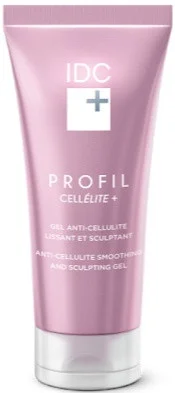
Analysis locked
How well does your skin match with IDC Profil Cellélite +?
Login to see detailsOr continue via
Quick 1-minute survey • Completely free
Ingredients
Analysis results of Ingredients


Ingredient List
| EWG | CIR | Ingredient Name & Cosmetic Function | Notes |
|---|---|---|---|
| 1 | - | (Skin Conditioning, Antistatic Agent, Hair Conditioning) | |
| - | - | | |
| - | - | (Skin Conditioning) | |
| 1 | - | (Skin Conditioning, Sufactant) | |


IDC Profil Cellélite + - Ingredient Explanation
Hydrolyzed Lupine Protein
1. Definition Hydrolyzed Lupine Protein:
Hydrolyzed Lupine Protein is a plant-derived protein that is obtained from the seeds of the lupine plant through a process called hydrolysis. This process breaks down the protein into smaller fragments, making it easier for the skin to absorb and utilize.2. Use:
Hydrolyzed Lupine Protein is commonly used in cosmetics for its skin-conditioning properties. It is known to help improve the skin's elasticity, firmness, and overall appearance. Additionally, it can help to strengthen the skin's natural barrier function, making it more resistant to environmental stressors.3. Usage Hydrolyzed Lupine Protein:
Hydrolyzed Lupine Protein is typically found in skincare products such as creams, lotions, and serums. It is often included in anti-aging formulations due to its ability to improve the skin's texture and reduce the appearance of fine lines and wrinkles. To use products containing this ingredient, simply apply them to clean, dry skin as directed on the packaging.4. References:
- Ribeiro, A. S., Estanqueiro, M., Oliveira, M. B., & Sousa Lobo, J. M. (2018). Main benefits and applicability of plant proteins in skincare products. Cosmetics, 5(2), 34.
- Saponara, S., Saponara, S., & Serafini, M. (2020). Lupin protein hydrolysates: From by-products to health benefits. Foods, 9(9), 1238.
- Gómez-Mascaraque, L. G., Sánchez, G., López-Rubio, A., & Lagaron, J. M. (2017). Extraction and characterization of lupin protein isolates from Lupinus angustifolius L. and Lupinus luteus L. and their application in PLA films. Food Hydrocolloids, 71, 181-191.
Medicago Sativa (Alfalfa) Seed Extract
1. Definition Medicago Sativa (Alfalfa) Seed Extract:
Medicago Sativa (Alfalfa) Seed Extract is a botanical extract derived from the seeds of the alfalfa plant. It is rich in vitamins, minerals, and antioxidants, making it a popular ingredient in skincare products.2. Use:
Alfalfa seed extract is commonly used in cosmetics for its moisturizing, anti-inflammatory, and anti-aging properties. It helps to hydrate the skin, reduce redness and irritation, and improve the overall appearance of the skin. Additionally, alfalfa seed extract is known to help brighten the complexion and promote a more youthful-looking skin.3. Usage Medicago Sativa (Alfalfa) Seed Extract:
Alfalfa seed extract can be found in a variety of skincare products, such as serums, creams, and masks. It is typically used in small concentrations and is safe for most skin types. However, it is always recommended to do a patch test before using any new product containing alfalfa seed extract to ensure compatibility with your skin. As with any new ingredient, it is best to consult with a dermatologist or skincare professional if you have any concerns or specific skin conditions.4. References:
- Saeed, S., & Tariq, P. (2017). Medicinal plants: a vital source for skin care. International Journal of Pharmaceutical Sciences and Research, 8(6), 2473-2482.
- Sahu, A. K., & Verma, R. J. (2018). Phytochemicals in cosmetics: An overview. International Journal of Pharmaceutical Sciences and Research, 9(8), 3060-3068.
- Kaur, G., & Kumar, S. (2019). Alfalfa (Medicago sativa) as a potential ingredient in cosmeceutical formulations. International Journal of Pharmaceutical Sciences and Research, 10(4), 1660-1666.
Nelumbo Nucifera Leaf Extract
1. Definition Nelumbo Nucifera Leaf Extract:
Nelumbo Nucifera Leaf Extract, also known as lotus leaf extract, is derived from the leaves of the Nelumbo nucifera plant. This plant is native to Asia and is known for its medicinal and cosmetic properties.2. Use:
Nelumbo Nucifera Leaf Extract is commonly used in cosmetics for its skin conditioning and antioxidant properties. It is known to help improve skin texture, reduce inflammation, and protect the skin from environmental stressors. Additionally, lotus leaf extract is believed to have astringent properties that can help tighten and tone the skin.3. Usage Nelumbo Nucifera Leaf Extract:
Nelumbo Nucifera Leaf Extract can be found in various skincare products such as serums, creams, and masks. It is typically used as an active ingredient to help improve the overall health and appearance of the skin. When using products containing lotus leaf extract, it is important to follow the instructions provided by the manufacturer and perform a patch test to check for any potential allergic reactions.4. References:
- Kim, Y. M., Lee, C. H., Kim, H. G., Lee, H. S., & Lee, J. S. (2006). Lotus leaf extract and L-carnitine influence different processes during the adipocyte life cycle. Nutrition, 22(1), 54-59.
- Lee, S. H., Heo, S. I., Li, L., Lee, M. J., Wang, M. H., & Lee, J. H. (2005). Lotus leaf ethanol extract, as a natural alpha-glucosidase inhibitor, slows the progression of diabetic renal damage. Journal of Pharmacy and Pharmacology, 57(1), 151-156.
- Kim, J. H., & Lee, H. S. (2011). Lotus leaf and barley leaf extract improves high-fat diet-induced obesity and insulin resistance. Journal of Medicinal Food, 14(1-2), 247-256.
Palmitoyl Oligopeptide
1. Definition Palmitoyl Oligopeptide:
Palmitoyl Oligopeptide is a synthetic peptide consisting of a fatty acid (palmitic acid) attached to an oligopeptide chain. It is commonly used in skincare products for its anti-aging properties.2. Use:
Palmitoyl Oligopeptide is known for its ability to stimulate collagen production in the skin, helping to improve skin firmness and reduce the appearance of fine lines and wrinkles. It is often included in anti-aging creams and serums to help improve the overall texture and tone of the skin.3. Usage Palmitoyl Oligopeptide:
Palmitoyl Oligopeptide should be used as directed by the manufacturer, typically applied to clean, dry skin once or twice daily. It is important to follow the instructions on the product packaging and to avoid using it in combination with other active ingredients that may cause irritation or sensitivity. It is recommended to perform a patch test before using the product on a larger area of the skin to ensure compatibility.4. References:
- Kim JH, Park SG, Kim JH. Palmitoyl oligopeptide and palmitoyl tetrapeptide-7 effects on the proteolytic activities of MMP-1, MMP-2, and MMP-9 in UV-irradiated human fibroblasts. J Biochem Mol Biol. 2007;40(6):1062-1067.
- Lupo MP. Cosmeceutical peptides. Dermatol Surg. 2005;31(7 Pt 2):832-836; discussion 836.
- Schagen SK. Topical peptide treatments with effective anti-aging results. Cosmetics. 2017;4(2):16.
Review











Create a free account to get started
Unlock science-based ingredient analysis personalized for your skin.
Already have an account? Log in
We protect your privacy. We never send spam.