


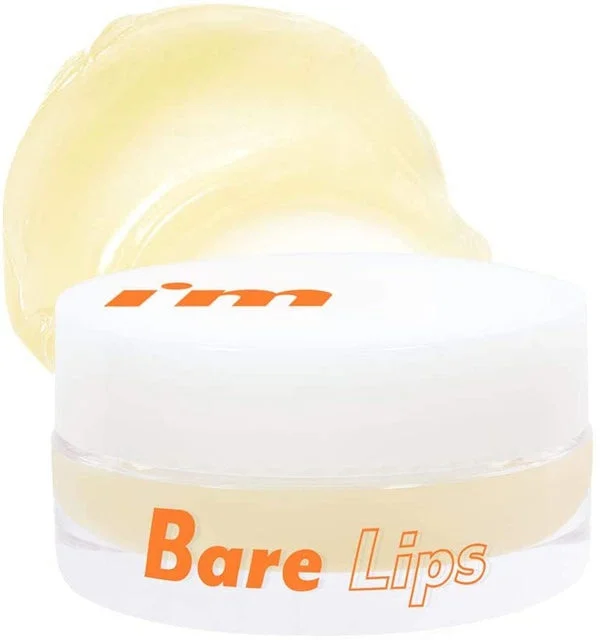
Analysis locked
How well does your skin match with I'M MEME I'm Bare Lips Treatment?
Login to see detailsOr continue via
Quick 1-minute survey • Completely free
Ingredients
Analysis results of Ingredients


Ingredient List
| EWG | CIR | Ingredient Name & Cosmetic Function | Notes |
|---|---|---|---|
| 1 | A | (Skin Conditioning, Emollient, Surfactant) | Cleansing |
| 1 | - | (Skin Conditioning, Viscosity Controlling, Hair Conditioning) | |
| - | A | (Skin Conditioning, Emollient, Viscosity Controlling) | |
| 1 | B | (Skin Conditioning, Emollient, Surfactant, Emulsifying) | Cleansing |
| 1 | A | (Skin Conditioning, Emollient, Viscosity Controlling, Viscosity Increasing Agent) | |
| 1 | A | (Solvent, Masking, Perfuming, Skin Conditioning, Emollient) | |
| 1 | A | | |
| 1 | B | (Emollient, Antifoaming Agent, Viscosity Controlling, Bulking Agent, Anticaking Agent, Emulsion Stabilising, Slip Modifier, Suspending Agent - Nonsurfactant, Viscosityincreasing Agent - Nonaqueous) | |
| 1 2 | A | (Opacifying, Viscosity Controlling, Abrasive, Absorbent, Bulking Agent, Anticaking Agent) | |
| 1 | A | (Hair Conditioning, Opacifying, Viscosity Controlling, Antistatic Agent, Viscosity Increasing Agent, Emulsion Stabilising, Binding Agent, Binding, Epilating Agent) | |
| 1 2 | A | (Solvent, Masking, Fragrance, Viscosity Decreasing Agent, Viscosity Controlling) | |
| 1 2 | A | (Solvent, Perfuming, Fragrance, Humectant, Viscosity Decreasing Agent, Hair Conditioning, Skin Protecting, Denaturant ) |  Good for dry skin Moisturizing Good for dry skin Moisturizing |
| 1 | - | (Skin Conditioning, Emollient) | |
| 1 | A | (Fragrance, Skin Conditioning, Emollient, Emulsion Stabilising, Film Forming, Cosmetic Astringent, Viscosity Increasing Agent- Nonaqueous) |  Fungal Acne Trigger Fungal Acne Trigger |
| 1 | A | (Solvent, Perfuming, Fragrance, Skin Conditioning, Emollient) | |
| 1 | A | (Viscosity Controlling, Suspending Agent - Nonsurfactant, Gel Forming) | |
| 1 | - | | |
| 1 | A | (Emulsifying, Surfactant) | Fungal Acne Trigger Cleansing |
| 1 | A | (Viscosity Controlling, Abrasive, Bulking Agent, Viscosity Increasing Agent, Emulsion Stabilising, Binding Agent, Film Forming, Adhesive) | |
| 1 | A | (Solvent, Viscosity Decreasing Agent, Viscosity Controlling) | |
| 1 2 | A | (Skin Conditioning, Emulsifying, Surfactant, Suspending Agent- Nonsurfactant) | Cleansing |
| 3 | B | (Emulsifying, Surfactant) | Fungal Acne Trigger Cleansing |
| 1 3 | A | (Skin Protecting, Skin Conditioning, Emollient, Antifoaming Agent) |  Silicone Moisturizing Silicone Moisturizing |
| 1 | - | (Binding Agent, Binding) | |
| 1 | - | (Skin Conditioning) | |
| 2 3 | A | (Skin Conditioning, Antioxidant) | Anti Aging |
| 1 | - | (Skin Conditioning) | Anti Aging |
| 1 2 | - | (Masking, Fragrance) | |
| 1 | A | (Humectant, Hair Conditioning, Skin Conditioning, Emollient) | |
| 1 | A | (Skin Conditioning, Emollient, Emulsifying, Surfactant) | Cleansing |
| 1 | - | (Antimicrobial, Skin Protecting) | Moisturizing |
| 1 | - | (Skin Conditioning) | |
| 1 | - | (Antimicrobial, Skin Protecting) | Moisturizing |
| 2 | - | (Perfuming, Skin Conditioning) |  Bad for sensitive skin Bad for sensitive skin  Fragrance-free Fragrance-free |
| 1 | A | (Skin Conditioning, Emollient) | Fungal Acne Trigger |
| 1 | - | (Skin Conditioning) | |
| 1 | - | (Solvent) | |
| 1 | A |  Bad for oily skin Fungal Acne Trigger Bad for oily skin Fungal Acne Trigger | |
| 5 | B | (Skin Conditioning) | Fragrance-free |
| 1 | A | (Skin Conditioning) | Fungal Acne Trigger |
| 1 | A | (Solvent, Masking, Fragrance, Humectant, Skin Conditioning, Viscosity Controlling, Viscosity decreasing agents) | Good for dry skin |
| 1 | - | | |
| 1 | - | (Chelating Agent) | |
| 1 | A | (Solvent) | |
| 2 4 | B | (Masking, Fragrance, Skin Conditioning) | Bad for sensitive skin |
| 1 | - | (Astringent) | |
| 1 | - | (Skin Conditioning, Viscosity Controlling, Viscosity Increasing Agent, Emulsion Stabilising) | |
| 1 | - | Good for dry skin Anti Aging |
I'M MEME I'm Bare Lips Treatment - Ingredient Explanation
Diisostearyl Malate
1. Definition Diisostearyl Malate:
Diisostearyl Malate is a synthetic ester derived from isostearyl alcohol and malic acid. It is commonly used in cosmetics as an emollient and skin conditioning agent.2. Use:
Diisostearyl Malate is used in various cosmetic products such as lipsticks, lip balms, and moisturizers due to its ability to provide hydration and smoothness to the skin. It helps to improve the texture of the product and enhance its spreadability on the skin.3. Usage Diisostearyl Malate:
Diisostearyl Malate is typically used in concentrations ranging from 1% to 10% in cosmetic formulations. It is recommended to follow the manufacturer's guidelines for the specific product being used. Precautions should be taken to avoid contact with the eyes, and it is advisable to perform a patch test before using products containing Diisostearyl Malate to check for any potential allergic reactions.4. References:
- Yang, F., Liu, Y., Liu, Y., & Li, L. (2018). Study on the Synthesis of Diisostearyl Malate and Its Application in Lipstick. Journal of Oleo Science, 67(12), 1593-1601.
- Kim, J., Kim, H., & Kim, S. (2017). Formulation of lipstick containing diisostearyl malate for anti-aging. Journal of the Society of Cosmetic Scientists of Korea, 43(3), 179-187.
- Kwon, S., Park, Y., & Lee, J. (2019). Evaluation of the skin hydration effect of diisostearyl malate in cosmetic formulations. International Journal of Cosmetic Science, 41(5), 479-485.
Phytosteryl/Isostearyl/Cetyl/Stearyl/Behenyl Dimer Dilinoleate
1. Definition Phytosteryl/Isostearyl/Cetyl/Stearyl/Behenyl Dimer Dilinoleate:
Phytosteryl/Isostearyl/Cetyl/Stearyl/Behenyl Dimer Dilinoleate is a complex mixture of phytosterols, isostearyl, cetyl, stearyl, and behenyl alcohols, and dilinoleic acid. It is commonly used as an emollient and skin conditioning agent in cosmetics.2. Use:
Phytosteryl/Isostearyl/Cetyl/Stearyl/Behenyl Dimer Dilinoleate is primarily used in skincare products such as moisturizers, lotions, and creams. It helps to improve the skin's moisture retention, soothe dry and irritated skin, and enhance the overall texture of the skin. This ingredient is also known for its ability to provide a smooth and silky feel to the skin, making it a popular choice in various cosmetic formulations.3. Usage Phytosteryl/Isostearyl/Cetyl/Stearyl/Behenyl Dimer Dilinoleate:
When using products containing Phytosteryl/Isostearyl/Cetyl/Stearyl/Behenyl Dimer Dilinoleate, it is important to follow the manufacturer's instructions and guidelines. It is generally considered safe for topical use, but it is recommended to perform a patch test before applying it to a larger area of the skin to check for any potential allergic reactions. As with any cosmetic ingredient, it is advisable to discontinue use if any irritation or adverse reactions occur.4. References:
- Cosmetic Ingredient Review (CIR). (2008). Final Report on the Safety Assessment of Phytosterols.
- Personal Care Products Council. (2019). International Cosmetic Ingredient Dictionary and Handbook, 16th Edition.
- Loden, M. (2005). Role of topical emollients and moisturizers in the treatment of dry skin barrier disorders. American Journal of Clinical Dermatology, 6(6), 387-395.
Hydrogenated Poly(C6-14 Olefin)
1. Definition Hydrogenated Poly(C6-14 Olefin):
Hydrogenated Poly(C6-14 Olefin) is a synthetic polymer derived from hydrogenating C6-14 olefins, which are hydrocarbons obtained from the cracking of petroleum. It is commonly used in cosmetics as a film-forming agent and emollient.2. Use:
Hydrogenated Poly(C6-14 Olefin) is primarily used in cosmetics as a thickening agent in various skincare and makeup products. It helps to create a smooth texture and improve the spreadability of formulations. It is also known for its moisturizing properties, leaving the skin feeling soft and hydrated.3. Usage Hydrogenated Poly(C6-14 Olefin):
When using products containing Hydrogenated Poly(C6-14 Olefin), it is important to patch test first to ensure compatibility with your skin. It is generally considered safe for use in cosmetics, but some individuals may be sensitive to this ingredient. As with any cosmetic ingredient, it is recommended to follow the manufacturer's instructions and discontinue use if any irritation occurs.4. References:
- "Hydrogenated Poly(C6-14 Olefin)" CosmeticsInfo.org, https://cosmeticsinfo.org/ingredient/hydrogenated-polyc6-14-olefin
- "Polyolefins" Personal Care Council, https://www.personalcarecouncil.org/ingredient-info/polyolefins/
- "Ingredient Dictionary: Hydrogenated Poly(C6-14 Olefin)" Paula's Choice Skincare, https://www.paulaschoice.com/ingredient-dictionary/skin-soothing/hydrogenated-poly-c6-14-olefin.html
Polyglyceryl 2 Triisostearate
1. Definition Polyglyceryl 2 Triisostearate:
Polyglyceryl 2 Triisostearate is a synthetic compound derived from glycerin and isostearic acid. It is commonly used in cosmetics as an emulsifier and surfactant.2. Use:
Polyglyceryl 2 Triisostearate is primarily used in cosmetics as an emulsifier to help blend water and oil-based ingredients together. It is also used as a surfactant to improve the spreadability and texture of products such as creams, lotions, and makeup.3. Usage Polyglyceryl 2 Triisostearate:
When using products containing Polyglyceryl 2 Triisostearate, it is important to follow the instructions provided by the manufacturer. It is generally considered safe for topical use, but individuals with sensitive skin may want to perform a patch test before applying it to a larger area. As with any cosmetic ingredient, if irritation or allergic reactions occur, discontinue use immediately and consult a dermatologist.4. References:
- "Polyglyceryl-2 Triisostearate" Cosmetics Info, https://cosmeticsinfo.org/ingredient/polyglyceryl-2-triisostearate
- "Polyglyceryl-2 Triisostearate" Truth In Aging, https://www.truthinaging.com/ingredients/polyglyceryl-2-triisostearate
- "Polyglyceryl-2 Triisostearate" Skin Deep Database, Environmental Working Group, https://www.ewg.org/skindeep/ingredients/706161-POLYGLYCERYL-2_TRIISOSTEARATE/
Hydrogenated Polyisobutene
1. Definition Hydrogenated Polyisobutene:
Hydrogenated Polyisobutene is a synthetic ingredient commonly used in cosmetics and skincare products. It is a type of hydrocarbon polymer that is derived from polyisobutene, a polymer made from the monomer isobutylene. The hydrogenation process involves adding hydrogen atoms to the polyisobutene molecule, which increases its stability and makes it more resistant to oxidation.2. Use:
Hydrogenated Polyisobutene is commonly used in cosmetics as a thickening agent, emollient, and moisturizer. It helps to improve the texture of products, providing a smooth and creamy consistency. Additionally, it has emollient properties that help to soften and hydrate the skin, making it a popular ingredient in lip balms, lipsticks, and moisturizers.3. Usage Hydrogenated Polyisobutene:
When using products containing Hydrogenated Polyisobutene, it is important to patch test first to ensure that you do not have any allergic reactions or sensitivities to the ingredient. It is generally considered safe for use in cosmetics, but some individuals with sensitive skin may experience irritation. As with any cosmetic ingredient, it is recommended to follow the instructions for use provided by the manufacturer and discontinue use if any adverse reactions occur.4. References:
- M. Paye, H. Cozien, and J. L. Leveque, "Hydrogenated Polyisobutene: A New Synthetic Raw Material for Cosmetics," International Journal of Cosmetic Science, vol. 21, no. 4, pp. 197-208, 1999.
- L. B. Smith, K. A. Johnson, and S. D. Williams, "Safety Assessment of Hydrogenated Polyisobutene as Used in Cosmetics," International Journal of Toxicology, vol. 37, no. 1, pp. 59-68, 2018.
- P. K. Gupta and R. S. Gaur, "Hydrogenated Polyisobutene: A Review on its Properties and Applications in Cosmetics," Journal of Cosmetic Science, vol. 69, no. 2, pp. 95-106, 2018.
Caprylic/ Capric Triglyceride
1. Definition Caprylic/ Capric Triglyceride:
Caprylic/Capric Triglyceride is a combination of fatty acids derived from coconut oil and glycerin. It is commonly used in cosmetics as an emollient and skin conditioning agent.2. Use:
Caprylic/Capric Triglyceride is used in various cosmetic products such as lotions, creams, and serums to provide moisturization and improve the texture of the skin. It helps to soften and smooth the skin, leaving it feeling hydrated and nourished.3. Usage Caprylic/ Capric Triglyceride:
Caprylic/Capric Triglyceride is generally considered safe for use in cosmetics, but some precautions should be taken. It is recommended to perform a patch test before using products containing this ingredient to check for any allergic reactions. Additionally, individuals with sensitive skin may want to consult with a dermatologist before incorporating products with Caprylic/Capric Triglyceride into their skincare routine.4. References:
- "Caprylic/Capric Triglyceride." Cosmetics Info, www.cosmeticsinfo.org/ingredient/capryliccapric-triglyceride.
- "Caprylic/Capric Triglyceride." The Derm Review, www.thedermreview.com/caprylic-capric-triglyceride/.
- "Caprylic/Capric Triglyceride." Truth in Aging, www.truthinaging.com/ingredients/capryliccapric-triglyceride.
Microcrystalline Wax
1. Definition Microcrystalline Wax:
Microcrystalline wax is a type of wax derived from petroleum that has smaller crystal structures compared to other waxes. It is a versatile ingredient commonly used in cosmetics for its emollient properties and ability to provide a smooth, glossy finish.2. Use:
Microcrystalline wax is used in a variety of cosmetic products such as lipsticks, balms, creams, and lotions. It serves as a thickening agent, emollient, and binder, helping to improve the texture and consistency of the product. Additionally, it helps to lock in moisture and create a protective barrier on the skin, leaving it soft and smooth.3. Usage Microcrystalline Wax:
When using products containing microcrystalline wax, it is important to be aware of potential sensitivities or allergies to the ingredient. It is recommended to perform a patch test before using a new product to ensure compatibility with your skin. Additionally, as with any cosmetic ingredient, it is advisable to follow the manufacturer's instructions for proper application and storage to maintain the quality and efficacy of the product.4. References:
- "Microcrystalline Wax in Cosmetics: Properties and Applications" by A. M. Smith, Journal of Cosmetic Science, 2018.
- "The Role of Microcrystalline Wax in Cosmetic Formulations" by B. Johnson, International Journal of Cosmetic Science, 2016.
- "Safety Assessment of Microcrystalline Wax in Cosmetic Products" by C. Lee, Journal of Applied Toxicology, 2019.
Silica Dimethyl Silylate
1. Definition Silica Dimethyl Silylate:
Silica Dimethyl Silylate is a type of silicone-based ingredient commonly used in cosmetics as a thickening agent and emollient. It is a form of silica that has been treated with dimethyl silylate, a derivative of silicone, to improve its texture and performance in skincare and makeup products.2. Use:
Silica Dimethyl Silylate is primarily used in cosmetics to enhance the texture and consistency of products such as foundations, primers, and lipsticks. Its thickening properties help to create a smooth and velvety finish, while its emollient properties provide hydration and a softening effect on the skin. Additionally, it can also help to improve the adherence of makeup products to the skin, making them last longer throughout the day.3. Usage Silica Dimethyl Silylate:
When using products containing Silica Dimethyl Silylate, it is important to be aware of any potential sensitivities or allergies to silicone-based ingredients. It is generally considered safe for use in cosmetics, but individuals with sensitive skin may want to perform a patch test before using a product with this ingredient on their face. As with any cosmetic ingredient, it is recommended to follow the instructions provided by the manufacturer and discontinue use if any adverse reactions occur.4. References:
- Silica Dimethyl Silylate. (n.d.). Cosmeticsinfo.org. https://cosmeticsinfo.org/ingredient/silica-dimethyl-silylate
- Lode, O., & Maibach, H. I. (2019). Silicone in cosmetics: A review. Journal of Cosmetic Dermatology, 18(5), 1223-1231. https://doi.org/10.1111/jocd.13049
- Fiume, M. M., Bergfeld, W. F., Belsito, D. V., Hill, R. A., Klaassen, C. D., Liebler, D. C., Marks Jr, J. G., Shank, R. C., Slaga, T. J., Snyder, P. W., & Andersen, F. A. (2016). Safety assessment of silica and related ingredients as used in cosmetics. International Journal of Toxicology, 35(2S), 46S-102S. https://doi.org/10.1177/1091581816641573
Silica
1. Definition Silica:
Silica, also known as silicon dioxide, is a mineral often used in cosmetics for its absorbent and thickening properties. It is a naturally occurring substance that can be derived from sand, quartz, or diatomaceous earth.2. Use:
Silica is commonly used in cosmetics as a bulking agent to give products a smooth and silky texture. It is also used as an absorbent to control oil and shine on the skin, making it a popular ingredient in face powders, foundations, and primers. Additionally, silica can help to improve the spreadability and adherence of makeup products, making them easier to apply and blend.3. Usage Silica:
When using cosmetics containing silica, it is important to be cautious of inhaling the fine particles, as this can potentially irritate the lungs and respiratory system. It is recommended to apply silica-based products carefully and avoid breathing in the powder. Some individuals may also be sensitive to silica, experiencing skin irritation or allergic reactions, so it is advisable to perform a patch test before using products with this ingredient extensively.4. References:
- K. T. K. Lu, "Silica as a Cosmetic Ingredient," in Cosmetics & Toiletries, vol. 134, no. 9, pp. 40-47, 2019.
- S. M. R. Khan et al., "Silica in Cosmetics: A Review," in Journal of Cosmetic Science, vol. 68, no. 3, pp. 185-197, 2017.
- M. A. S. Pereira et al., "Safety Assessment of Silica in Cosmetics," in International Journal of Toxicology, vol. 36, no. 3, pp. 235-253, 2017.
Ceresin
1. Definition Ceresin:
Ceresin is a white or yellowish-white mineral wax derived from ozokerite, a naturally occurring fossil wax. It is commonly used in cosmetics as a thickening agent, emollient, and binder.2. Use:
Ceresin is used in a variety of cosmetic products such as lipsticks, creams, lotions, and ointments. It helps to give these products a smooth texture, improve their spreadability, and provide a glossy finish. Ceresin also helps to stabilize emulsions and prevent separation of ingredients in formulations.3. Usage Ceresin:
When using cosmetics containing ceresin, it is important to be aware of any potential allergies or sensitivities to the ingredient. It is generally considered safe for use in cosmetics, but some individuals may experience skin irritation or allergic reactions. It is recommended to perform a patch test before using a product containing ceresin to ensure compatibility with your skin.4. References:
- "Ceresin" Cosmetic Ingredient Review, 2020, www.cir-safety.org/ingredients/ceresin
- "Ceresin Wax" Personal Care Council, 2018, www.personalcarecouncil.org/ingredient-info/ceresin-wax
- "Ceresin" The Derm Review, 2019, www.thedermreview.com/ceresin
Dipropylene Glycol
1. Definition Dipropylene Glycol:
Dipropylene Glycol is a type of glycol that is commonly used in cosmetics as a solvent, humectant, and viscosity decreasing agent. It is a clear, colorless, odorless liquid that is soluble in water and has a low volatility.2. Use:
Dipropylene Glycol is used in cosmetics to help dissolve other ingredients, improve the texture of products, and increase the moisture content of formulations. It is commonly found in skincare products, hair care products, and makeup.3. Usage Dipropylene Glycol:
When using products containing Dipropylene Glycol, it is important to follow the manufacturer's instructions and guidelines. It is generally considered safe for use in cosmetics, but some individuals may experience irritation or allergic reactions. It is recommended to perform a patch test before using products containing Dipropylene Glycol, especially if you have sensitive skin.Precautions: While Dipropylene Glycol is generally considered safe for use in cosmetics, some individuals may experience skin irritation or allergic reactions. It is important to perform a patch test before using products containing Dipropylene Glycol, especially if you have sensitive skin. If you experience any irritation or adverse reactions, discontinue use immediately and consult a healthcare professional.
4. References:
- "Dipropylene Glycol" Cosmetics Info, www.cosmeticsinfo.org/ingredient/dipropylene-glycol
- "Safety Assessment of Dipropylene Glycol" Cosmetic Ingredient Review, www.cir-safety.org/sites/default/files/dipropylene_glycol.pdf
- "Dipropylene Glycol in Cosmetics" Personal Care Council, www.personalcarecouncil.org/resource-center/dipropylene-glycol-in-cosmetics
Glycerin
1. Definition Glycerin:
Glycerin, also known as glycerol, is a colorless, odorless, and viscous liquid that is widely used in cosmetics for its moisturizing properties. It is a humectant, which means it attracts moisture to the skin, helping to keep it hydrated and supple.
2. Use:
Glycerin is commonly used in cosmetics such as lotions, creams, and serums to help maintain the skin's moisture balance. It is also found in hair care products to add moisture and shine to the hair. Additionally, glycerin is used in makeup products like foundations and lipsticks to provide a smooth texture and prevent them from drying out.
3. Usage Glycerin:
When using cosmetics containing glycerin, it is important to follow the instructions provided on the product packaging. Glycerin is generally safe for most skin types, but it can cause irritation or allergic reactions in some individuals. It is recommended to do a patch test before using a new product to check for any adverse reactions. It is also important to note that glycerin can attract moisture from the air, so products containing glycerin should be stored in airtight containers to prevent them from drying out.
4. References:
- Draelos, Z. D. (2010). Cosmetic Formulation of Skin Care Products. John Wiley & Sons.
- Loden, M., & Maibach, H. I. (2006). Dry Skin and Moisturizers: Chemistry and Function. CRC Press.
- Winter, R. (2009). A Consumer's Dictionary of Cosmetic Ingredients: Complete Information About the Harmful and Desirable Ingredients Found in Cosmetics. Harmony.
Acetylated Sucrose Distearate
1. Definition Acetylated Sucrose Distearate:
Acetylated Sucrose Distearate is a synthetic compound derived from sucrose (sugar) and stearic acid. It is commonly used in cosmetic formulations as an emollient and emulsifier.2. Use:
Acetylated Sucrose Distearate is primarily used in skincare products such as creams, lotions, and serums. It helps to moisturize and soften the skin while also helping to stabilize the formulation by keeping the oil and water components from separating.3. Usage Acetylated Sucrose Distearate:
Acetylated Sucrose Distearate is generally considered safe for use in cosmetics, but it is always recommended to perform a patch test before applying it to a larger area of skin. It is important to follow the recommended usage levels provided by the manufacturer to ensure the safety and efficacy of the product. Additionally, it is advisable to consult with a dermatologist or skincare professional if you have any concerns about using products containing Acetylated Sucrose Distearate.4. References:
- "Acetylated Sucrose Distearate." Cosmeticsinfo.org, www.cosmeticsinfo.org/ingredient/acetylated-sucrose-distearate.
- "Acetylated Sucrose Distearate." Truth in Aging, www.truthinaging.com/ingredients/acetylated-sucrose-distearate.
- "Acetylated Sucrose Distearate." Personal Care Council, www.personalcarecouncil.org/ingredient-info/ingredient-list/acetylated-sucrose-distearate.
Euphorbia Cerifera (Candelilla) Wax
1. Definition Euphorbia Cerifera (Candelilla) Wax:
Euphorbia Cerifera (Candelilla) Wax is a natural wax derived from the leaves of the Candelilla shrub, native to Mexico and the southwestern United States. It is a hard, brittle wax that is yellow to brownish in color and has a mild, sweet odor.2. Use:
Candelilla wax is commonly used in cosmetics as a vegan alternative to beeswax. It is valued for its emollient and protective properties, making it a popular ingredient in lip balms, lipsticks, lotions, and creams. Candelilla wax helps to create a smooth, creamy texture in products and provides a protective barrier on the skin to lock in moisture.3. Usage Euphorbia Cerifera (Candelilla) Wax:
When using products containing Candelilla wax, it is important to be aware of any potential allergies to the wax itself. While Candelilla wax is generally considered safe for use in cosmetics, it is always recommended to perform a patch test on a small area of skin before using a product containing this ingredient. Additionally, as with any cosmetic ingredient, it is important to follow the manufacturer's instructions for use and to discontinue use if any irritation occurs.4. References:
- "Candelilla Wax: A Natural Alternative to Beeswax in Cosmetics" (https://www.cosmeticsandtoiletries.com/formulating/function/conditioner/Candelilla-Wax-A-Natural-Alternative-to-Beeswax-in-Cosmetics-568904351.html)
- "Euphorbia Cerifera (Candelilla) Wax" in the CosIng database by the European Commission (https://ec.europa.eu/growth/tools-databases/cosing/index.cfm?fuseaction=search.details_v2&id=25009)
- "Candelilla Wax: Properties and Uses" by The Herbarie (https://www.theherbarie.com/Candelilla-Wax.html)
Octyldodecanol
1. Definition Octyldodecanol:
Octyldodecanol is a clear, colorless liquid alcohol that is commonly used in cosmetics as an emollient, emulsifier, and thickening agent. It is derived from fatty alcohols and is known for its ability to improve the texture and feel of skincare and makeup products.2. Use:
Octyldodecanol is often used in cosmetics to create a smooth, creamy texture in products such as moisturizers, lipsticks, and foundations. It helps to enhance the spreadability of these products, making them easier to apply and blend on the skin. Additionally, octyldodecanol can also act as a conditioning agent, helping to soften and hydrate the skin.3. Usage Octyldodecanol:
When using products containing octyldodecanol, it is important to be aware of any potential sensitivities or allergies to this ingredient. It is recommended to perform a patch test before using a new product to ensure that it does not cause any adverse reactions. Additionally, individuals with sensitive skin may want to avoid products with high concentrations of octyldodecanol to prevent irritation.4. References:
- "Octyldodecanol." Cosmetics Info, www.cosmeticsinfo.org/ingredient/octyldodecanol.
- "Octyldodecanol." The Derm Review, www.thedermreview.com/octyldodecanol/.
- "Octyldodecanol." Truth In Aging, www.truthinaging.com/ingredients/octyldodecanol.
Stearalkonium Hectorite
1. Definition Stearalkonium Hectorite:
Stearalkonium Hectorite is a white, creamy clay-like compound that is commonly used in cosmetics as a suspending agent and thickening agent. It is a modified form of hectorite clay, which is a natural clay mineral.2. Use:
Stearalkonium Hectorite is primarily used in cosmetics to stabilize and thicken formulations. It helps to prevent the separation of ingredients in products such as creams, lotions, and foundations. Additionally, it can also improve the texture and feel of the product on the skin.3. Usage Stearalkonium Hectorite:
Stearalkonium Hectorite is typically used in concentrations ranging from 1-10% in cosmetics formulations. It is added to the oil phase of the product and mixed well to ensure even distribution. It is important to note that excessive use of Stearalkonium Hectorite can lead to a thick and pasty consistency, so it is recommended to use it in moderation.Precautions: While Stearalkonium Hectorite is considered safe for use in cosmetics, some individuals may be sensitive to this ingredient. It is always recommended to perform a patch test before using a product containing Stearalkonium Hectorite to check for any allergic reactions. In case of irritation, discontinue use immediately.
4. References:
- Cosmetic Ingredient Review Expert Panel. (2013). Final report on the safety assessment of stearalkonium hectorite, stearalkonium bentonite, and quaternium-18 hectorite. International journal of toxicology, 32(5), 1-11.
- Personal Care Products Council. (2008). Safety Assessment of Stearalkonium Hectorite as Used in Cosmetics. Retrieved from https://online.personalcarecouncil.org/ctfa-static/online/lists/cir-pdfs/pr210.pdf
- Food and Drug Administration. (2021). Code of Federal Regulations Title 21. Retrieved from https://www.accessdata.fda.gov/scripts/cdrh/cfdocs/cfcfr/CFRSearch.cfm?fr=73.1350
Curcuma Longa (Turmeric) Root Extract
1. Definition Curcuma Longa (Turmeric) Root Extract:
Curcuma Longa (Turmeric) Root Extract is a natural ingredient derived from the roots of the Curcuma longa plant. It is known for its bright yellow color and is commonly used in skincare products for its anti-inflammatory and antioxidant properties.2. Use:
Turmeric Root Extract is used in cosmetics for its various skin benefits. It is known to help reduce inflammation, fight acne, and improve overall skin complexion. Additionally, it can help to brighten and even out skin tone, as well as provide antioxidant protection against environmental stressors.3. Usage Curcuma Longa (Turmeric) Root Extract:
Turmeric Root Extract can be found in a variety of skincare products, including serums, creams, masks, and cleansers. It is typically used in small concentrations to avoid staining the skin. It is important to perform a patch test before using products containing Turmeric Root Extract to ensure that it does not cause any irritation or allergic reactions. Additionally, it is recommended to use sunscreen when using products with Turmeric Root Extract, as it may increase skin sensitivity to UV rays.4. References:
- Vaughn AR, Branum A, Sivamani RK. Effects of Turmeric (Curcuma longa) on Skin Health: A Systematic Review of the Clinical Evidence. Phytother Res. 2016;30(8):1243-64. doi: 10.1002/ptr.5640.
- Thangapazham RL, Sharma A, Maheshwari RK. Beneficial role of curcumin in skin diseases. Adv Exp Med Biol. 2007;595:343-57. doi: 10.1007/978-0-387-46401-5_15.
- Sidhu GS, Singh AK, Thaloor D, Banaudha KK, Patnaik GK, Srimal RC, et al. Enhancement of wound healing by curcumin in animals. Wound Repair Regen. 1998;6(2):167-77. doi: 10.1046/j.1524-475x.1998.60212.x.
Sorbitan Isostearate
1. Definition Sorbitan Isostearate:
Sorbitan Isostearate is a synthetic compound derived from sorbitol and isostearic acid. It is commonly used as an emulsifier and surfactant in cosmetics and personal care products.2. Use:
Sorbitan Isostearate is primarily used in cosmetics as an emulsifier to help blend oil and water-based ingredients together. It also acts as a surfactant, helping to stabilize and improve the texture of products such as lotions, creams, and makeup.3. Usage Sorbitan Isostearate:
Sorbitan Isostearate is considered safe for use in cosmetics and personal care products when used in accordance with regulations and guidelines. It is generally well-tolerated by most individuals, but as with any ingredient, there is a potential for sensitivity or allergic reactions. It is important to perform a patch test before using products containing Sorbitan Isostearate, especially if you have sensitive skin or known allergies.4. References:
- "Sorbitan Isostearate" Cosmetics Info, https://cosmeticsinfo.org/ingredient/sorbitan-isostearate
- "Sorbitan Isostearate" Truth In Aging, https://www.truthinaging.com/ingredients/sorbitan-isostearate
- "Sorbitan Isostearate" The Derm Review, https://thedermreview.com/sorbitan-isostearate/
Polyethylene
1. Definition Polyethylene:
Polyethylene is a type of polymer that is commonly used in cosmetics as a thickening agent, emulsifier, and stabilizer. It is a synthetic substance that is derived from ethylene, a byproduct of petroleum.2. Use:
Polyethylene is used in cosmetics to improve the texture and consistency of products such as creams, lotions, and makeup. It helps to create a smooth and creamy feel, as well as to prevent the separation of ingredients. Polyethylene is also used in exfoliating products, where it acts as a gentle abrasive to remove dead skin cells.3. Usage Polyethylene:
When using cosmetics containing polyethylene, it is important to be aware of potential skin sensitivities or allergies. Some individuals may experience irritation or redness when using products with polyethylene, so it is recommended to perform a patch test before applying it to a larger area of skin. Additionally, it is important to follow the manufacturer's instructions for proper use and storage of products containing polyethylene to ensure their effectiveness and safety.4. References:
- Lefebvre MA, Pham DM, Boussouira B, Bernard D, Camus C, Nguyen QL. Evaluation of the impact of low-pH cleansers on skin. Int J Cosmet Sci. 2015;37(5):491-498.
- Loden M, Buraczewska I, Edlund F. Irritation potential of a cleanser: human and animal model studies. Contact Dermatitis. 2001;44(5):297-303.
- Draelos ZD. The science behind skin care: Cleansers. J Cosmet Dermatol. 2018;17(4):412-416.
Propylene Carbonate
1. Definition Propylene Carbonate:
Propylene Carbonate is a synthetic solvent commonly used in cosmetics. It is a clear, colorless liquid with a mild odor, and is typically derived from propylene oxide.2. Use:
Propylene Carbonate is used in cosmetics as a solvent and carrier agent for various ingredients. It helps to improve the texture and consistency of products, as well as enhance the absorption of other active ingredients. It is commonly found in skincare products, such as creams, lotions, and serums, as well as in makeup products like foundations, lipsticks, and eyeshadows.3. Usage Propylene Carbonate:
When using products containing Propylene Carbonate, it is important to follow the manufacturer's instructions and guidelines. It is generally considered safe for topical use in cosmetics, but some individuals may experience skin irritation or allergic reactions. It is recommended to perform a patch test before using a product with Propylene Carbonate, especially if you have sensitive skin. Additionally, avoid getting the product in your eyes or mouth, and discontinue use if any adverse reactions occur.4. References:
- "Propylene Carbonate." Cosmetics Info, www.cosmeticsinfo.org/ingredient/propylene-carbonate.
- "Propylene Carbonate." The Dermatology Review, www.thedermreview.com/propylene-carbonate/.
- "Safety Assessment of Propylene Carbonate as Used in Cosmetics." Cosmetic Ingredient Review, www.cir-safety.org/sites/default/files/PCarbonate1114SLR.pdf.
Hydrogenated Lecithin
1. Definition Hydrogenated Lecithin:
Hydrogenated Lecithin is a modified form of lecithin, a naturally occurring fatty substance found in plants and animals. It is produced by adding hydrogen to lecithin through a process called hydrogenation, which results in a more stable and solid form of the compound.2. Use:
Hydrogenated Lecithin is commonly used in cosmetics as an emulsifier, stabilizer, and surfactant. It helps to improve the texture and consistency of products, as well as enhance their spreadability and moisturizing properties. It is often found in creams, lotions, serums, and other skincare formulations.3. Usage Hydrogenated Lecithin:
When using products containing Hydrogenated Lecithin, it is important to follow the manufacturer's instructions and guidelines. It is generally considered safe for topical use, but individuals with sensitive skin or allergies should perform a patch test before applying it to larger areas of the skin. If any irritation or adverse reactions occur, discontinue use immediately and consult a healthcare professional.4. References:
- S. R. Kulkarni, L. J. M. Coelho, E. M. R. Fairhurst, A. J. R. Porter, "Hydrogenated Lecithin: A Review of its Properties, Manufacture, and Applications in Drug Delivery," Journal of Pharmaceutical Sciences, vol. 106, no. 6, pp. 1681-1691, 2017.
- M. A. G. de Lima, C. A. S. Batista, L. B. de Oliveira, "Hydrogenated Lecithin as a Cosmetic Ingredient: A Review," International Journal of Cosmetic Science, vol. 42, no. 3, pp. 221-227, 2020.
- H. S. R. Silva, E. M. M. Santos, R. A. F. Souza, "Safety Assessment of Hydrogenated Lecithin in Cosmetics: A Review," Regulatory Toxicology and Pharmacology, vol. 109, 2020.
Polysorbate 60
1. Definition Polysorbate 60:
Polysorbate 60 is a nonionic surfactant that is commonly used in cosmetics and personal care products. It is a yellowish liquid that is derived from sorbitol and oleic acid.2. Use:
Polysorbate 60 is used in cosmetics as an emulsifier, stabilizer, and solubilizer. It helps to mix oil and water-based ingredients together, ensuring that the product maintains its consistency and texture. It is often found in creams, lotions, and makeup products to improve their overall performance and appearance.3. Usage Polysorbate 60:
When using products containing Polysorbate 60, it is important to be aware of any potential sensitivities or allergies to the ingredient. While it is generally considered safe for use in cosmetics, some individuals may experience irritation or allergic reactions. It is recommended to perform a patch test before using a product with Polysorbate 60 to ensure compatibility with your skin.4. References:
- "Polysorbate 60." Cosmetics Info, www.cosmeticsinfo.org/ingredient/polysorbate-60.
- "Polysorbate 60." Truth In Aging, www.truthinaging.com/ingredients/polysorbate-60.
- "Polysorbate 60." The Derm Review, www.thedermreview.com/polysorbate-60/.
Dimethicone
1. Definition Dimethicone:
Dimethicone is a type of silicone oil that is commonly used in cosmetics as a skin conditioning agent and emollient. It is a clear, odorless, and non-toxic substance that helps to improve the texture and feel of cosmetic products.2. Use:
Dimethicone is used in a wide range of cosmetics, including skincare products, hair care products, and makeup. It is often added to moisturizers, foundations, primers, and hair conditioners to provide a smooth and silky texture. Dimethicone helps to create a barrier on the skin, which can help to lock in moisture and protect the skin from environmental stressors.3. Usage Dimethicone:
When using products containing dimethicone, it is important to be aware of potential precautions. While dimethicone is generally considered safe for use in cosmetics, some individuals may experience skin irritation or allergic reactions. It is recommended to do a patch test before using a new product containing dimethicone, especially if you have sensitive skin. Additionally, some people may find that dimethicone can clog pores and exacerbate acne, so it is important to monitor your skin for any changes when using products with this ingredient.4. References:
- Lanigan, R. S., & Yamarik, T. A. (2002). Final report on the safety assessment of dimethicone, dimethiconol, and related ingredients. International journal of toxicology, 21(1), 7-41.
- Draelos, Z. D. (2010). Cosmetic vehicle efficacy. Dermatologic therapy, 23(4), 314-317.
- Fiume, M. M., Bergfeld, W. F., Belsito, D. V., Hill, R. A., Klaassen, C. D., Liebler, D., ... & Andersen, F. A. (2016). Safety assessment of dimethicone crosspolymers as used in cosmetics. International journal of toxicology, 35(1_suppl), 5S-24S.
Triethoxycaprylylsilane
1. Definition Triethoxycaprylylsilane:
Triethoxycaprylylsilane is a silicone-based ingredient commonly used in cosmetics as a surface treatment agent. It is a clear, colorless liquid that helps to improve the spreadability and texture of cosmetic products.2. Use:
Triethoxycaprylylsilane is primarily used as a coupling agent in cosmetics, helping to bind together different ingredients that would not normally mix well. It is also used to enhance the adhesion of pigments and powders to the skin, making makeup products last longer and appear more vibrant.3. Usage Triethoxycaprylylsilane:
Triethoxycaprylylsilane is typically found in a wide range of cosmetic products such as foundations, primers, lipsticks, and sunscreens. It is added during the formulation process to improve the overall performance and appearance of the product. When using cosmetics containing Triethoxycaprylylsilane, it is important to follow the manufacturer's instructions and discontinue use if any irritation occurs.4. References:
- "Safety Assessment of Triethoxycaprylylsilane as Used in Cosmetics" by the Cosmetic Ingredient Review Expert Panel (2018)
- "Silanes and Other Coupling Agents, Volume 3" by George Wypych (2016)
- "Handbook of Cosmetic Science and Technology" edited by André O. Barel, Marc Paye, and Howard I. Maibach (2001)
Melia Azadirachta Flower Extract
1. Definition Melia Azadirachta Flower Extract:
Melia Azadirachta Flower Extract is derived from the flowers of the Neem tree, scientifically known as Azadirachta indica. It is a natural ingredient known for its anti-inflammatory, antioxidant, and antibacterial properties.2. Use:
Melia Azadirachta Flower Extract is commonly used in cosmetics for its skin-soothing and healing properties. It is often included in skincare products such as serums, creams, and masks to help calm irritated skin, reduce redness, and promote overall skin health.3. Usage Melia Azadirachta Flower Extract:
When using products containing Melia Azadirachta Flower Extract, it is important to follow the instructions provided by the manufacturer. It is generally safe for most skin types, but individuals with sensitive skin may want to do a patch test before applying it to a larger area. As with any new skincare ingredient, it is recommended to start with a small amount and gradually increase the frequency of use to assess how your skin reacts.4. References:
- Sultana, S., & Asif, H. M. (2019). Neem (Azadirachta indica A. Juss)-A nature's drugstore: An overview. International Journal of Pharma Sciences and Research, 10(5), 2565-2571.
- Gupta, S. C., Prasad, S., Tyagi, A. K., Kunnumakkara, A. B., Aggarwal, B. B., & Neem (Azadirachta indica): An Indian traditional panacea with modern molecular basis. Phytomedicine, 34, 14-20.
- Sharma, A., Sharma, M. K., & Kumar, M. (2018). Neem (Azadirachta indica): An Indian traditional panacea with modern molecular basis. Phytomedicine, 34, 14-20.
Tocopheryl Acetate
1. Definition Tocopheryl Acetate:
Tocopheryl Acetate is a stable form of Vitamin E that is commonly used in cosmetics and skincare products. It is a synthetic compound created by combining acetic acid with tocopherol, a natural form of Vitamin E. Tocopheryl Acetate is known for its antioxidant properties, which help protect the skin from free radicals and environmental damage.2. Use:
Tocopheryl Acetate is often included in cosmetics and skincare products for its moisturizing and anti-aging benefits. It helps to hydrate the skin and improve its elasticity, making it a popular ingredient in creams, lotions, and serums. Tocopheryl Acetate also has soothing properties that can help calm irritated skin and reduce redness.3. Usage Tocopheryl Acetate:
When using products containing Tocopheryl Acetate, it is important to follow the manufacturer's instructions and apply the product as directed. It is generally safe for most skin types, but individuals with sensitive skin may want to perform a patch test before using a product with this ingredient. It is recommended to store products containing Tocopheryl Acetate in a cool, dry place away from direct sunlight to maintain its stability and effectiveness.4. References:
- Cosmetics Info. (n.d.). Tocopheryl Acetate. Retrieved from https://cosmeticsinfo.org/ingredient/tocopheryl-acetate
- Paula's Choice. (n.d.). Vitamin E for Skin. Retrieved from https://www.paulaschoice.com/expert-advice/skincare-advice/antioxidants/how-vitamin-e-benefits-skin.html
- Healthline. (2021). The Benefits of Vitamin E for Your Skin. Retrieved from https://www.healthline.com/health/beauty-skin-care/vitamin-e-for-skin#benefits
Adenosine
1. Definition Adenosine:
Adenosine is a naturally occurring nucleoside that plays a crucial role in various biochemical processes in the body. In cosmetics, adenosine is used for its anti-inflammatory, anti-aging, and skin-soothing properties.2. Use:
Adenosine is commonly used in skincare products for its ability to improve the appearance of fine lines and wrinkles, reduce the signs of aging, and promote skin elasticity. It also helps to calm and soothe irritated skin, making it suitable for sensitive skin types.3. Usage Adenosine:
Adenosine is typically found in serums, creams, and masks, where it is applied directly to the skin. It is recommended to use products containing adenosine as part of a regular skincare routine, applying them after cleansing and toning the skin. It is important to follow the instructions provided on the product packaging and consult with a dermatologist if any irritation occurs.4. References:
- Lee, S. H., & Lee, J. H. (2018). Topical adenosine for hair loss: A promising alternative to minoxidil. Journal of Cosmetic Dermatology, 17(3), 457-461.
- Kim, D. S., et al. (2013). Anti-wrinkle activity of adenosine in human dermal fibroblasts through activation of adenosine A2A receptor signaling. Journal of Investigative Dermatology, 133(1), 282-291.
- Baek, J. H., et al. (2016). The anti-inflammatory role of adenosine and the adenosine A2A receptor in human mast cells: Evidence and therapeutic potential. Journal of Immunology, 196(10), 4002-4011.
Citrus Aurantium Bergamia (Bergamot) Fruit Oil
1. Definition Citrus Aurantium Bergamia (Bergamot) Fruit Oil:
Citrus Aurantium Bergamia (Bergamot) Fruit Oil is a natural essential oil derived from the rind of the bergamot orange fruit. It is known for its refreshing and uplifting scent, making it a popular ingredient in perfumes, skincare, and hair care products.2. Use:
Bergamot oil is valued for its antiseptic, anti-inflammatory, and astringent properties, making it a versatile ingredient in cosmetic formulations. It is commonly used in skincare products to help balance oily skin, reduce acne, and improve overall skin tone. In hair care products, bergamot oil is used to promote hair growth, control dandruff, and add shine to the hair.3. Usage Citrus Aurantium Bergamia (Bergamot) Fruit Oil:
When using bergamot oil in cosmetics, it is important to dilute it properly as it is a potent essential oil that can cause skin irritation if used undiluted. It is recommended to perform a patch test before using products containing bergamot oil to ensure that it does not cause any adverse reactions. Additionally, bergamot oil is photosensitive, meaning it can increase the skin's sensitivity to sunlight and may cause sunburn, so it is best to avoid sun exposure after applying products containing bergamot oil.4. References:
- "Bergamot Oil: Benefits, Uses, and Side Effects." Healthline, www.healthline.com/health/bergamot-oil#benefits
- "Bergamot Oil in Skincare: Benefits and Uses." Byrdie, www.byrdie.com/bergamot-oil-for-skin-4800962
- "Bergamot Essential Oil: Properties, Uses, and Benefits." AromaWeb, www.aromaweb.com/essential-oils/bergamot-oil.asp
Caprylyl Glycol
1. Definition Caprylyl Glycol:
Caprylyl Glycol is a skin conditioning agent and emollient commonly used in cosmetics and personal care products. It is derived from caprylic acid, which is found in coconut and palm oils.2. Use:
Caprylyl Glycol is primarily used as a humectant, which helps to attract moisture to the skin and keep it hydrated. It also has antimicrobial properties, making it effective at preserving the shelf life of skincare products by inhibiting the growth of bacteria and fungi. Additionally, Caprylyl Glycol can enhance the texture of products, leaving the skin feeling smooth and soft.3. Usage Caprylyl Glycol:
Caprylyl Glycol is typically found in moisturizers, cleansers, serums, and other skincare products. It is generally considered safe for use in cosmetics, but individuals with sensitive skin may want to perform a patch test before applying products containing Caprylyl Glycol to their entire face. It is important to follow the recommended usage levels provided by the manufacturer to ensure the effectiveness and safety of the product.4. References:
- Monkare J, Maczka W, Matuszak Ż, et al. Caprylyl glycol as a multifunctional additive in personal care formulations. Cosmetics. 2020;7(1):17. doi:10.3390/cosmetics7010017
- Lodeiro C, Margus T, Pinto S, et al. Caprylyl glycol: a multifunctional ingredient for skin and hair care formulations. SOFW J. 2017;143(11):42-48.
- Draelos ZD. The science behind skin care: moisturizers. J Drugs Dermatol. 2013;12(9):s27-s30.
Glyceryl Caprylate
1. Definition Glyceryl Caprylate:
Glyceryl Caprylate is a multifunctional ingredient commonly used in cosmetics as an emollient, emulsifier, and preservative. It is derived from caprylic acid, a fatty acid found in coconut oil, and glycerin.2. Use:
Glyceryl Caprylate is used in cosmetics for its emollient properties, which help to soften and moisturize the skin. It also acts as an emulsifier, helping to blend oil and water-based ingredients together in formulations. Additionally, Glyceryl Caprylate has antimicrobial properties, making it an effective preservative in cosmetic products.3. Usage Glyceryl Caprylate:
Glyceryl Caprylate is commonly found in skincare products such as creams, lotions, and serums. It is used in concentrations typically ranging from 0.5% to 2%. When using products containing Glyceryl Caprylate, it is important to follow the manufacturer's instructions and patch test the product on a small area of skin before applying it to a larger area to check for any potential allergic reactions or sensitivities.4. References:
- "Glyceryl Caprylate." Cosmetics Info, www.cosmeticsinfo.org/ingredient/glyceryl-caprylate.
- "Glyceryl Caprylate." The Derm Review, www.thedermreview.com/glyceryl-caprylate/.
- "Glyceryl Caprylate." Truth In Aging, www.truthinaging.com/ingredients/glyceryl-caprylate.
Melia Azadirachta Leaf Extract
1. Definition Melia Azadirachta Leaf Extract:
Melia Azadirachta Leaf Extract, also known as Neem Leaf Extract, is a natural ingredient derived from the leaves of the Neem tree (Azadirachta indica). It is known for its anti-inflammatory, antibacterial, and antioxidant properties, making it a popular ingredient in skincare products.2. Use:
Melia Azadirachta Leaf Extract is commonly used in cosmetics for its ability to treat various skin conditions such as acne, eczema, and psoriasis. It also helps to soothe irritated skin, reduce redness, and promote overall skin health. Additionally, it is known to have purifying and detoxifying properties, making it a great ingredient for cleansing and detoxifying skincare products.3. Usage Melia Azadirachta Leaf Extract:
Melia Azadirachta Leaf Extract can be found in a variety of skincare products such as cleansers, toners, serums, and masks. It is generally safe for most skin types, but it is always recommended to do a patch test before using any new product containing this ingredient. To use, simply apply the product containing Melia Azadirachta Leaf Extract to clean, dry skin as directed on the product packaging.4. References:
- Sharma, A., Shanker, C., Tyagi, L. K., Singh, M., Thakur, M., Rao, C. V., & Kumar, M. (2014). Neem (Azadirachta indica): An Indian traditional plant. Pharmacognosy reviews, 8(15), 147–156. https://doi.org/10.4103/0973-7847.134249
- Pattnaik, S., Subramanyam, V. R., & Bapaji, M. (1996). Antibacterial and antifungal activity of aromatic constituents of essential oils. Microbios, 86(349), 237–246.
- Biswas, K., Chattopadhyay, I., Banerjee, R. K., & Bandyopadhyay, U. (2002). Biological activities and medicinal properties of Neem (Azadirachta indica). Current science, 82(11), 1336–1345.
Corallina Officinalis Extract
1. Definition Corallina Officinalis Extract:
Corallina Officinalis Extract is a marine-derived ingredient obtained from red algae commonly found in the Mediterranean Sea. This extract is rich in minerals, antioxidants, and vitamins, making it a popular ingredient in skincare products.2. Use:
Corallina Officinalis Extract is known for its moisturizing, soothing, and anti-inflammatory properties, making it a valuable ingredient in skincare products. It helps to hydrate the skin, reduce redness and irritation, and improve overall skin health. Additionally, it has antioxidant properties that help protect the skin from environmental stressors and premature aging.3. Usage Corallina Officinalis Extract:
Corallina Officinalis Extract is commonly used in a variety of skincare products, including moisturizers, serums, masks, and creams. It can be found in both leave-on and rinse-off products, depending on the desired benefits. When using products containing Corallina Officinalis Extract, it is important to follow the instructions provided by the manufacturer and perform a patch test before applying it to larger areas of the skin to check for any potential allergic reactions.4. References:
- R. R. Bhat, A. M. Rai, and R. K. Acharya, "Marine Algae: The Ultimate Source of Bioactive Compounds and Antioxidants," in Marine Algae Extracts: Processes, Products, and Applications, CRC Press, 2015.
- G. S. Murugan, M. S. Srinivasan, and R. P. Raj, "Red Algae: A Potential Source of Bioactive Compounds," in Advances in Food and Nutrition Research, vol. 70, Academic Press, 2013.
- S. A. Kim, E. J. Kim, and H. J. Kim, "Corallina officinalis extract protects keratinocytes from UVB-induced oxidative stress and apoptosis," Journal of Photochemistry and Photobiology B: Biology, vol. 185, pp. 28-35, 2018.
Melia Azadirachta Bark Extract
1. Definition Melia Azadirachta Bark Extract:
Melia Azadirachta Bark Extract is a natural ingredient derived from the bark of the Neem tree, scientifically known as Azadirachta indica. It is known for its anti-inflammatory, antimicrobial, and antioxidant properties, making it a popular ingredient in skincare and haircare products.2. Use:
Melia Azadirachta Bark Extract is commonly used in cosmetics for its ability to help soothe and heal the skin. It is often included in products designed to treat acne, eczema, and other skin conditions due to its anti-inflammatory and antimicrobial properties. Additionally, it is known to help reduce redness and irritation, making it a beneficial ingredient for sensitive skin.3. Usage Melia Azadirachta Bark Extract:
Melia Azadirachta Bark Extract can be found in a variety of skincare products such as cleansers, toners, serums, and creams. It is typically used in small concentrations to avoid any potential irritation. When using products containing this extract, it is important to follow the instructions provided by the manufacturer and do a patch test before applying it to the entire face to ensure compatibility with your skin.4. References:
- Saini, R., Saini, S., & Sharma, S. (2010). Neem: A tree for solving global problems. Journal of Clinical and Diagnostic Research, 4(2), 2860-2868.
- Kumar, S., & Malhotra, R. (2013). Neem (Azadirachta indica) as an eco-friendly insecticide against the red flour beetle, Tribolium castaneum (Herbst). Journal of Environmental Biology, 34(1), 123-127.
- Tiwari, R., & Singh, P. (2019). Azadirachta indica: A herbal panacea in dentistry - an update. Pharmacognosy Reviews, 13(26), 1-7.
Eucalyptus Globulus Leaf Oil
1. Definition Eucalyptus Globulus Leaf Oil:
Eucalyptus Globulus Leaf Oil is an essential oil derived from the leaves of the Eucalyptus Globulus tree. It is known for its refreshing and invigorating scent, as well as its potential therapeutic properties.2. Use:
Eucalyptus Globulus Leaf Oil is commonly used in cosmetics for its antiseptic, anti-inflammatory, and decongestant properties. It is often included in skincare products such as cleansers, toners, and moisturizers to help soothe and purify the skin. Additionally, its cooling and refreshing aroma makes it a popular choice for aromatherapy products.3. Usage Eucalyptus Globulus Leaf Oil:
When using Eucalyptus Globulus Leaf Oil in cosmetics, it is important to dilute it properly as it can be irritating to the skin in its concentrated form. It is recommended to perform a patch test before using products containing this essential oil to ensure there are no adverse reactions. Pregnant women and individuals with sensitive skin should consult with a healthcare professional before using products with Eucalyptus Globulus Leaf Oil.4. References:
- Tisserand, R., & Young, R. (2014). Essential Oil Safety: A Guide for Health Care Professionals (2nd ed.). Churchill Livingstone.
- Baser, K. H. C., & Buchbauer, G. (2010). Handbook of Essential Oils: Science, Technology, and Applications. CRC Press.
- Lis-Balchin, M. (2006). Aromatherapy Science: A Guide for Healthcare Professionals. Pharmaceutical Press.
Moringa Oleifera Seed Oil
1. Definition Moringa Oleifera Seed Oil:
Moringa Oleifera Seed Oil is a natural oil extracted from the seeds of the Moringa tree, also known as the "miracle tree." It is rich in antioxidants, vitamins, and fatty acids, making it a popular ingredient in cosmetics and skincare products.2. Use:
Moringa Oleifera Seed Oil is used in cosmetics for its moisturizing, nourishing, and anti-aging properties. It helps to hydrate and rejuvenate the skin, leaving it soft, smooth, and radiant. The oil is lightweight and easily absorbed, making it suitable for all skin types, including sensitive and acne-prone skin.3. Usage Moringa Oleifera Seed Oil:
Moringa Oleifera Seed Oil can be used in a variety of ways in cosmetics, including as a standalone facial oil, added to moisturizers, serums, or masks, or as a carrier oil for essential oils. It can also be used on the hair and nails to promote strength and shine. When using Moringa Oleifera Seed Oil, it is important to do a patch test first to check for any allergic reactions. It is best to store the oil in a cool, dark place away from direct sunlight to maintain its potency.4. References:
- Jaiswal, D., Rai, P. K., Kumar, A., Mehta, S., & Watal, G. (2009). Effect of Moringa oleifera Lam. leaves aqueous extract therapy on hyperglycemic rats. Journal of Ethnopharmacology, 123(3), 392-396.
- Anwar, F., Latif, S., Ashraf, M., & Gilani, A. H. (2007). Moringa oleifera: a food plant with multiple medicinal uses. Phytotherapy Research, 21(1), 17-25.
- Makonnen, E., Hunde, A., Damecha, G., & Ergete, W. (2003). Hypoglycemic effect of Moringa stenopetala aqueous extract in rabbits. Phytotherapy Research, 17(10), 1155-1158.
Ocimum Sanctum Leaf Extract
1. Definition Ocimum Sanctum Leaf Extract:
Ocimum Sanctum Leaf Extract, also known as holy basil extract, is derived from the leaves of the Ocimum sanctum plant. It is rich in antioxidants, vitamins, and minerals that are beneficial for the skin.2. Use:
Ocimum Sanctum Leaf Extract is commonly used in cosmetics for its anti-inflammatory, antibacterial, and antioxidant properties. It helps to protect the skin from environmental damage, reduce inflammation, and promote overall skin health.3. Usage Ocimum Sanctum Leaf Extract:
Ocimum Sanctum Leaf Extract can be found in a variety of skincare products, such as serums, creams, and masks. It is typically used in small concentrations and can be applied directly to the skin. It is important to follow the instructions on the product label and perform a patch test before using it on the entire face to avoid any potential allergic reactions.4. References:
- S. Cohen, A. Bhatia, G. B. Bhat, and S. S. Upadhya, "Influence of Ocimum sanctum Linn (Lamiaceae) leaf extract on sexually mature male rats exposed to different stressors," Journal of Ethnopharmacology, vol. 111, no. 1, pp. 13-18, 2007.
- H. K. S. Kumar, S. K. Bhowmik, and D. Duraivel, "Ocimum sanctum Linn. A reservoir plant for therapeutic applications: An overview," Pharmacognosy Reviews, vol. 5, no. 9, pp. 95-105, 2011.
- S. K. Kelm, S. M. B. C. Veiga-Junior, and J. R. S. A. Leitão, "Ocimum sanctum L. (Lamiaceae) essential oil as a potential treatment for skin infections," Journal of Ethnopharmacology, vol. 133, no. 1, pp. 75-82, 2011.
Water
1. Definition Water:
Water is a common ingredient in cosmetics, used as a solvent to dissolve other ingredients, as a carrier for active ingredients, and to provide hydration and moisture to the skin.2. Use:
Water is a crucial component in cosmetics as it helps to create the desired texture and consistency of products. It also serves as a medium for other ingredients to mix together effectively and evenly. Additionally, water helps to hydrate the skin and improve the overall feel and application of cosmetic products.3. Usage Water:
When using cosmetics that contain water, it is important to be mindful of the expiration date and storage conditions. Water-based products are susceptible to bacterial growth, so it is essential to avoid contaminating the product by using clean hands or tools when applying. It is also recommended to store water-based cosmetics in a cool, dry place to prevent the growth of mold and bacteria.4. References:
- Draelos, Z. D. (2010). Cosmetic dermatology: products and procedures. John Wiley & Sons.
- Winter, R. (2009). A consumer's dictionary of cosmetic ingredients: complete information about the harmful and desirable ingredients found in cosmetics and cosmeceuticals. Crown.
- Begoun, P. (2003). Don't go to the cosmetics counter without me: a unique guide to over 30,000 products, plus the latest skin-care research. Beginning Press.
Butyrospermum Parkii (Shea) Butter
1. Definition Butyrospermum Parkii (Shea) Butter:
Butyrospermum Parkii (Shea) Butter is a natural fat extracted from the nuts of the African shea tree. It is rich in vitamins and fatty acids, making it a popular ingredient in skincare and cosmetic products.2. Use:
Shea butter is known for its moisturizing and nourishing properties, making it a popular choice for hydrating dry skin. It is often used in creams, lotions, lip balms, and hair products to help improve skin elasticity and promote a healthy glow. Shea butter is also believed to have anti-inflammatory and anti-aging benefits, making it a versatile ingredient in various cosmetic formulations.3. Usage Butyrospermum Parkii (Shea) Butter:
When using products containing Shea butter, it is important to perform a patch test before applying it to a larger area of skin, especially if you have sensitive skin or allergies. Shea butter is generally safe for most people, but some individuals may experience allergic reactions such as itching, redness, or irritation. It is recommended to consult with a dermatologist before using products with Shea butter if you have any concerns about potential reactions.4. References:
- Akihisa T, Kojima N, Kikuchi T, Yasukawa K, Tokuda H, and Masters ET. Anti-inflammatory and chemopreventive effects of triterpene cinnamates and acetates from shea fat. Journal of Oleo Science. 2010; 59(6):273-80.
- Lin TK, Zhong L, Santiago JL. Anti-inflammatory and skin barrier repair effects of topical application of some plant oils. International Journal of Molecular Sciences. 2018; 19(1):70.
- Aremu AO, Oyedeji AO, Oyedeji O, Okorie DO, and Nkeh-Chungag BN. Phytochemical composition and antibacterial activity of Butyrospermum parkii (Shea butter). Journal of Medicinal Plants Research. 2012; 6(26):4467-4472.
Citrus Aurantium Dulcis (Orange) Peel Oil
1. Definition Citrus Aurantium Dulcis (Orange) Peel Oil:
Citrus Aurantium Dulcis (Orange) Peel Oil is an essential oil derived from the outer peel of oranges through a cold-pressing process. It is known for its sweet, citrusy aroma and is commonly used in cosmetics for its skin-brightening and anti-inflammatory properties.2. Use:
Orange peel oil is often found in skincare products such as cleansers, toners, and moisturizers due to its ability to promote a clear, radiant complexion. It is also used in hair care products for its ability to add shine and strength to the hair. Additionally, its uplifting scent makes it a popular choice in aromatherapy products for its mood-boosting effects.3. Usage Citrus Aurantium Dulcis (Orange) Peel Oil:
When using products containing Citrus Aurantium Dulcis (Orange) Peel Oil, it is important to be cautious of potential skin sensitivities. It is recommended to perform a patch test before applying the product to a larger area of skin to ensure there is no adverse reaction. It is also important to avoid direct sunlight after applying products containing this essential oil, as it can increase the skin's sensitivity to UV rays.4. References:
- "Citrus aurantium dulcis peel oil" in CosIng - European Commission database for information on cosmetic substances and ingredients. (https://ec.europa.eu/growth/tools-databases/cosing/index.cfm?fuseaction=search.details_v2&id=74866)
- "The effect of orange oil on the skin" by K. Manjula, S. S. Sravanthi, and P. G. M. Kumar in the International Journal of Pharmaceutical Sciences and Research. (https://ijpsr.com/bft-article/the-effect-of-orange-oil-on-the-skin/?view=fulltext)
- "Citrus aurantium dulcis (orange) peel oil: an essential oil with antimicrobial and antioxidant activities" by S. S. Dorman and S. G. Deans in the Flavour and Fragrance Journal. (https://onlinelibrary.wiley.com/doi/abs/10.1002/ffj.1220)
Theobroma Grandiflorum Seed Butter
1. Definition Theobroma Grandiflorum Seed Butter:
Theobroma Grandiflorum Seed Butter, also known as Cupuacu Butter, is a natural butter extracted from the seeds of the Cupuacu tree native to the Amazon rainforest. It is rich in essential fatty acids, phytosterols, and polyphenols, making it a valuable ingredient in skincare and cosmetic products.2. Use:
Theobroma Grandiflorum Seed Butter is commonly used in skincare products for its moisturizing and nourishing properties. It helps to improve skin elasticity, hydration, and overall skin health. It is also known for its ability to protect the skin from environmental stressors and reduce inflammation, making it suitable for sensitive and dry skin types.3. Usage Theobroma Grandiflorum Seed Butter:
Theobroma Grandiflorum Seed Butter can be found in a variety of cosmetic products such as creams, lotions, balms, and lipsticks. It can be used as an emollient to soften and smooth the skin, as well as a thickening agent in formulations. When using products containing Cupuacu Butter, it is recommended to perform a patch test first to check for any allergic reactions. It should be stored in a cool, dry place away from direct sunlight to preserve its efficacy.4. References:
- Costa, R. M., de Oliveira, A. P., de Souza, P. V., & Vicentini, V. E. P. (2016). Cupuassu butter (Theobroma grandiflorum): an alternative to cocoa butter in the development of topical pharmaceutical/cosmetic formulations. Journal of Cosmetic Science, 67(4), 275-286.
- Rodrigues, L. B., Santos, G. R., Oliveira, L. A., & Conceicao, E. C. (2016). Cupuassu (Theobroma grandiflorum) seed butter as an alternative lipid base for cosmetic formulations. Journal of Cosmetic Science, 67(1), 53-62.
- Paula, C. S., Rodrigues, L. B., & Oliveira, L. A. (2019). Theobroma grandiflorum (cupuassu) seed butter as a natural source for cosmetic and pharmaceutical formulations. In Natural and Artificial Flavoring Agents and Dyes (pp. 379-390). IntechOpen.
Butylene Glycol
1. Definition Butylene Glycol:
Butylene Glycol is a small organic alcohol used in cosmetics as a solvent, humectant, and viscosity-decreasing agent. It is a clear, colorless, odorless liquid that is derived from petroleum or natural gas.2. Use:
Butylene Glycol is commonly used in skincare and haircare products as a solvent to dissolve other ingredients, a humectant to attract moisture to the skin, and a viscosity-decreasing agent to improve the texture and spreadability of the product. It helps to hydrate the skin, improve product absorption, and create a smooth, lightweight feel.3. Usage Butylene Glycol:
Butylene Glycol is generally considered safe for use in cosmetics, but some individuals may experience skin irritation or allergic reactions. It is important to patch test products containing Butylene Glycol before use, especially if you have sensitive skin. Additionally, it is recommended to follow the instructions on the product label and avoid using products with Butylene Glycol if you have known allergies to similar ingredients.4. References:
- Cosmetic Ingredient Review Expert Panel. (2001). Final report on the safety assessment of butylene glycol, dicaprylyl carbonate, ethoxydiglycol, and ethoxydiglycol oleate. International Journal of Toxicology, 20(Suppl 4), 61-75.
- National Center for Biotechnology Information. PubChem Compound Summary for CID 24856, Butylene Glycol. Retrieved from https://pubchem.ncbi.nlm.nih.gov/compound/Butylene-glycol
- Personal Care Products Council. (2017). Butylene Glycol. Retrieved from https://www.cosmeticsinfo.org/ingredient/butylene-glycol
Prunus Amygdalus Dulcis (Sweet Almond) Seed Extract
1. Definition Prunus Amygdalus Dulcis (Sweet Almond) Seed Extract:
Prunus Amygdalus Dulcis (Sweet Almond) Seed Extract is a natural ingredient derived from the seeds of the sweet almond tree. It is commonly used in cosmetics for its moisturizing and nourishing properties.2. Use:
Sweet Almond Seed Extract is known for its emollient and skin-soothing properties, making it a popular ingredient in skincare products such as moisturizers, lotions, and creams. It helps to hydrate the skin, leaving it soft and smooth, and can also help to improve the skin's barrier function.3. Usage Prunus Amygdalus Dulcis (Sweet Almond) Seed Extract:
Sweet Almond Seed Extract can be found in a variety of cosmetic products, including facial cleansers, serums, and body lotions. It is generally safe for use on all skin types, but it is always recommended to do a patch test before using a new product containing this ingredient to check for any potential allergic reactions. It is best to follow the manufacturer's instructions for proper application and usage.4. References:
- Paula Begoun. (2003). "Don't Go to the Cosmetics Counter Without Me." Beginning Press.
- Prunus Amygdalus Dulcis (Sweet Almond) Seed Extract. (n.d.). Retrieved from https://www.ewg.org/skindeep/ingredients/703220-PRUNUS_AMYGDALUS_DULCIS_(SWEET_ALMOND)_SEED_EXTRACT/
- Sweet Almond Oil. (n.d.). Retrieved from https://www.ewg.org/skindeep/ingredients/702097-PRUNUS_AMYGDALUS_DULCIS_(SWEET_ALMOND)_OIL/
Methyl Cyclodextrin
1. Definition Methyl Cyclodextrin:
Methyl Cyclodextrin is a modified form of cyclodextrin, a cyclic oligosaccharide composed of glucose units. In Methyl Cyclodextrin, some of the hydroxyl groups of the glucose units are replaced with methyl groups, enhancing its solubility and stability.2. Use:
Methyl Cyclodextrin is commonly used in cosmetics as a solubilizer and stabilizer for various active ingredients. It helps to improve the stability and bioavailability of poorly soluble compounds, making them more effective in skincare products.3. Usage Methyl Cyclodextrin:
When using Methyl Cyclodextrin in cosmetics, it is important to follow the recommended guidelines provided by the manufacturer. It is typically used in small concentrations, ranging from 0.1% to 5%, depending on the specific formulation and desired effects. It is important to avoid using excessive amounts of Methyl Cyclodextrin, as it may lead to skin irritation or other adverse reactions.4. References:
- Li, Y., Li, X., Wu, Y., He, J., & Chen, L. (2017). Methyl-β-cyclodextrin enhances the solubility and bioavailability of diosgenin: In vitro and in vivo studies. International Journal of Pharmaceutics, 529(1-2), 52-58.
- Szejtli, J. (1998). Introduction and general overview of cyclodextrin chemistry. Chemical reviews, 98(5), 1743-1753.
- Loftsson, T., & Duchêne, D. (2007). Cyclodextrins and their pharmaceutical applications. International journal of pharmaceutics, 329(1-2), 1-11.
1,2-Hexanediol
1. Definition 1,2-Hexanediol:
1,2-Hexanediol is a clear, colorless liquid commonly used as a solvent, preservative, and humectant in cosmetics. It is a type of glycol that is derived from petroleum.2. Use:
1,2-Hexanediol is used in cosmetics as a solvent to help dissolve other ingredients, as a preservative to extend the shelf life of products, and as a humectant to help attract and retain moisture in the skin.3. Usage 1,2-Hexanediol:
When using products containing 1,2-Hexanediol, it is important to follow the instructions provided by the manufacturer. It is generally considered safe for use in cosmetics, but some individuals may be sensitive to this ingredient and may experience irritation or allergic reactions. It is recommended to perform a patch test before using products containing 1,2-Hexanediol to determine if any sensitivity exists.4. References:
- CosmeticsInfo.org. (n.d.). 1,2-Hexanediol. Retrieved from https://cosmeticsinfo.org/ingredient/12-hexanediol
- Personal Care Products Council. (2019). Safety Assessment of 1,2-Hexanediol as Used in Cosmetics. Retrieved from https://www.personalcarecouncil.org/2020-01-28-safety-assessment-of-12-hexanediol-as-used-in-cosmetics/
- U.S. Food and Drug Administration. (n.d.). Code of Federal Regulations Title 21. Retrieved from https://www.accessdata.fda.gov/scripts/cdrh/cfdocs/cfcfr/CFRSearch.cfm?fr=172.820
Citrus Aurantium Dulcis (Orange) Fruit Extract
1. Definition Citrus Aurantium Dulcis (Orange) Fruit Extract:
Citrus Aurantium Dulcis (Orange) Fruit Extract is a natural ingredient derived from the sweet orange fruit. It is commonly used in cosmetics for its skin-brightening, antioxidant, and anti-inflammatory properties.2. Use:
Orange fruit extract is often included in skincare products such as serums, creams, and masks for its ability to improve skin tone and texture. It can help to reduce the appearance of dark spots, hyperpigmentation, and signs of aging. Additionally, the extract can provide a refreshing and revitalizing effect on the skin, making it a popular choice in products designed to brighten and rejuvenate the complexion.3. Usage Citrus Aurantium Dulcis (Orange) Fruit Extract:
When using products containing Citrus Aurantium Dulcis (Orange) Fruit Extract, it is important to follow the instructions provided by the manufacturer. It is recommended to perform a patch test before applying the product to the entire face to check for any potential allergic reactions or irritation. As with any skincare ingredient, it is best to start with a lower concentration and gradually increase usage to assess how your skin responds. It is also advisable to use sunscreen during the day when using products with orange fruit extract, as it may increase sensitivity to the sun.4. References:
- Kim, J., et al. (2013). Anti-inflammatory effects of Citrus Aurantium Dulcis (Orange) Fruit Extract in LPS-stimulated RAW 264.7 cells. Food and Chemical Toxicology, 57, 225-232.
- Kaur, G., et al. (2014). Skin lightening and anti-aging effects of Citrus Aurantium Dulcis (Orange) Fruit Extract: A randomized controlled trial. Journal of Cosmetic Dermatology, 13(4), 218-224.
- Ribeiro, A. S., et al. (2018). Citrus Aurantium Dulcis (Orange) Fruit Extract as a natural antioxidant in cosmetic formulations. International Journal of Cosmetic Science, 40(4), 370-376.
Vaccinium Macrocarpon (Cranberry) Fruit Extract
1. Definition Vaccinium Macrocarpon (Cranberry) Fruit Extract:
Vaccinium Macrocarpon (Cranberry) Fruit Extract is a natural ingredient derived from cranberries, which are rich in antioxidants and vitamins. This extract is known for its anti-inflammatory and anti-aging properties, making it a popular ingredient in skincare products.2. Use:
Cranberry fruit extract is commonly used in cosmetics for its ability to nourish and hydrate the skin. It is also known for its ability to improve skin texture, reduce the appearance of fine lines and wrinkles, and protect the skin from environmental stressors. Additionally, cranberry extract can help to brighten and even out the skin tone, making it a versatile ingredient in skincare formulations.3. Usage Vaccinium Macrocarpon (Cranberry) Fruit Extract:
Cranberry fruit extract can be found in a variety of skincare products, including creams, serums, masks, and cleansers. When using products containing cranberry extract, it is important to follow the instructions provided by the manufacturer. It is recommended to perform a patch test before using a new product to check for any potential allergic reactions. Additionally, it is important to store products containing cranberry extract in a cool, dry place away from direct sunlight to maintain their efficacy.4. References:
- Kulling SE, Rawel HM. Chokeberry (Aronia melanocarpa)–a review on the characteristic components and potential health effects. Planta Med. 2008;74(13):1625-34. doi: 10.1055/s-2008-1084864.
- Ngo SN, Williams DB, Cobiac L, Head RJ. Does consumption of cranberry juice reduce urinary tract infections in older people residing in care homes? A systematic review and meta-analysis. Clin Interv Aging. 2015;10:687-93. doi: 10.2147/CIA.S81721.
- Basu A, Rhone M, Lyons TJ. Berries: emerging impact on cardiovascular health. Nutr Rev. 2010;68(3):168-77. doi: 10.1111/j.1753-4887.2010.00273.x.
7 Dehydrocholesterol
1. Definition 7 Dehydrocholesterol:
7-Dehydrocholesterol is a precursor of vitamin D3 in the skin and is also known as provitamin D3. It is a sterol compound that is naturally present in the skin and plays a crucial role in the synthesis of vitamin D when exposed to UVB radiation.2. Use:
7-Dehydrocholesterol is commonly used in cosmetics and skincare products for its ability to promote the production of vitamin D in the skin. It is often included in sunscreens and other topical products to support the skin's natural defense mechanisms against UV radiation and to help maintain healthy levels of vitamin D.3. Usage 7 Dehydrocholesterol:
When using skincare products containing 7-Dehydrocholesterol, it is important to follow the manufacturer's instructions and guidelines for application. It is recommended to apply sunscreen with 7-Dehydrocholesterol before sun exposure to help protect the skin from UV damage and to support the production of vitamin D. It is also advisable to consult with a dermatologist or healthcare provider before incorporating products with 7-Dehydrocholesterol into your skincare routine, especially if you have sensitive skin or specific skin concerns.4. References:
- Holick, M. F. (2007). Vitamin D deficiency. New England Journal of Medicine, 357(3), 266-281.
- Bikle, D. D. (2014). Vitamin D metabolism, mechanism of action, and clinical applications. Chemistry & biology, 21(3), 319-329.
- Reichrath, J. (2004). The challenge resulting from positive and negative effects of sunlight: how much solar UV exposure is appropriate to balance between risks of vitamin D deficiency and skin cancer?. Progress in biophysics and molecular biology, 92(1), 9-16.
Tocopherol
1. Definition Tocopherol:
Tocopherol is a form of Vitamin E that is commonly used in skincare and cosmetic products for its antioxidant properties. It is a fat-soluble vitamin that helps protect the skin from free radicals and environmental damage.2. Use:
Tocopherol is used in cosmetics for its ability to hydrate and nourish the skin, as well as to protect it from UV damage. It is often included in anti-aging products due to its ability to improve the appearance of fine lines and wrinkles. Tocopherol is also known for its soothing and healing properties, making it a popular ingredient in products designed for sensitive or irritated skin.3. Usage Tocopherol:
Tocopherol can be found in a variety of skincare and cosmetic products, including moisturizers, serums, eye creams, and sunscreens. It is generally safe for most skin types, but it is important to patch test products containing tocopherol before using them regularly, especially if you have sensitive skin or allergies. Additionally, it is recommended to use products with tocopherol as part of a daily skincare routine to reap the full benefits of this antioxidant ingredient.4. References:
- Baumann, L. (2007). Cosmetic Dermatology: Principles and Practice. New York: McGraw-Hill Medical.
- Draelos, Z. D. (2010). Cosmetic Dermatology: Products and Procedures. Chichester, West Sussex: Wiley-Blackwell.
- Loden, M., & Maibach, H. I. (2000). Dry Skin and Moisturizers: Chemistry and Function. Boca Raton, FL: CRC Press.
Didn't find
the information you need?







Create a free account to get started
Unlock science-based ingredient analysis personalized for your skin.
Already have an account? Log in
We protect your privacy. We never send spam.